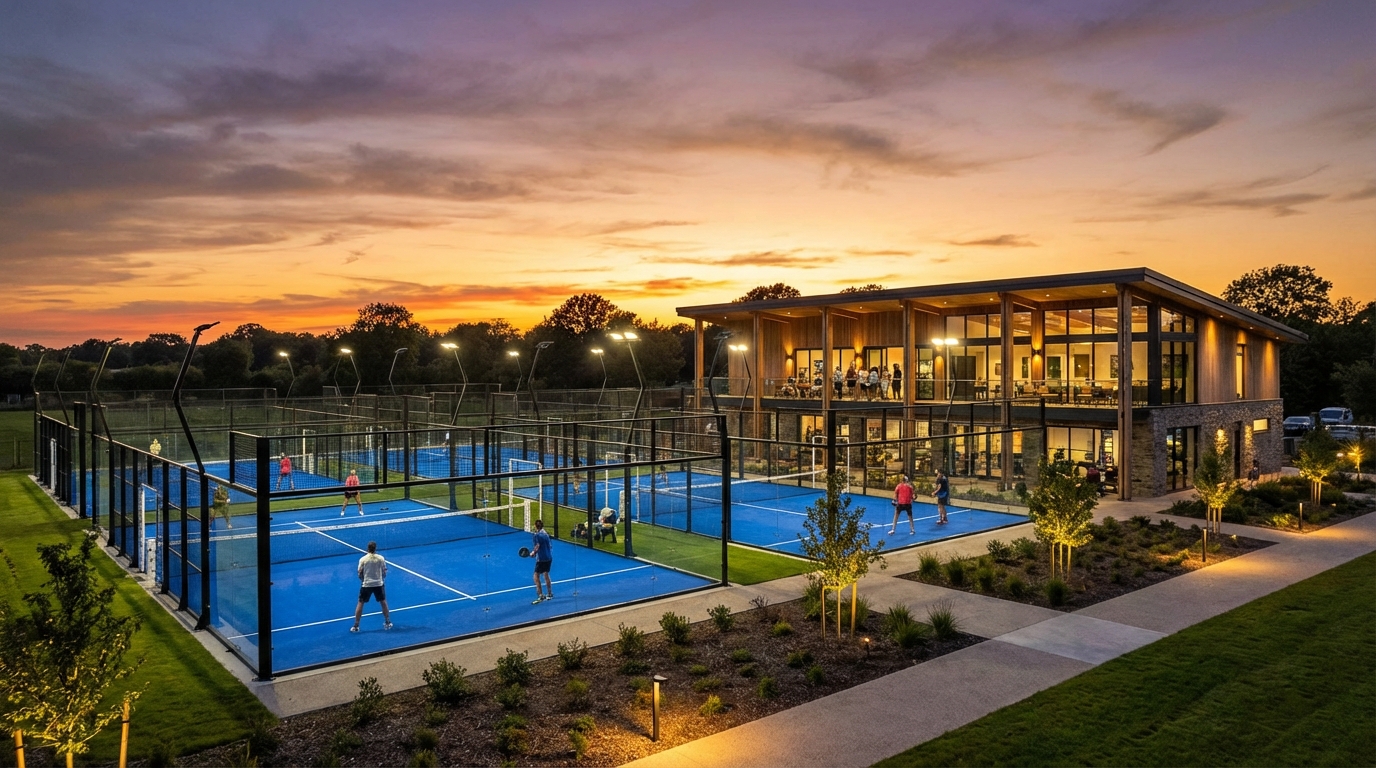
A1 Padel is a premier professional padel circuit that demands the highest global standards for court construction and performance. You might find yourself frustrated by courts that feel slow, lack consistent bounce, or suffer from structural vibrations that ruin the competitive flow. This lack of quality not only hampers player development but also diminishes the prestige of your facility, making it impossible to host high-level events. By mastering the engineering requirements of a1 padel, you can transform a standard plot of land into an elite sporting destination. Discover how to elevate your club by visiting SuperbPadel for professional guidance.
1. What defines the global circuit of a1 padel?
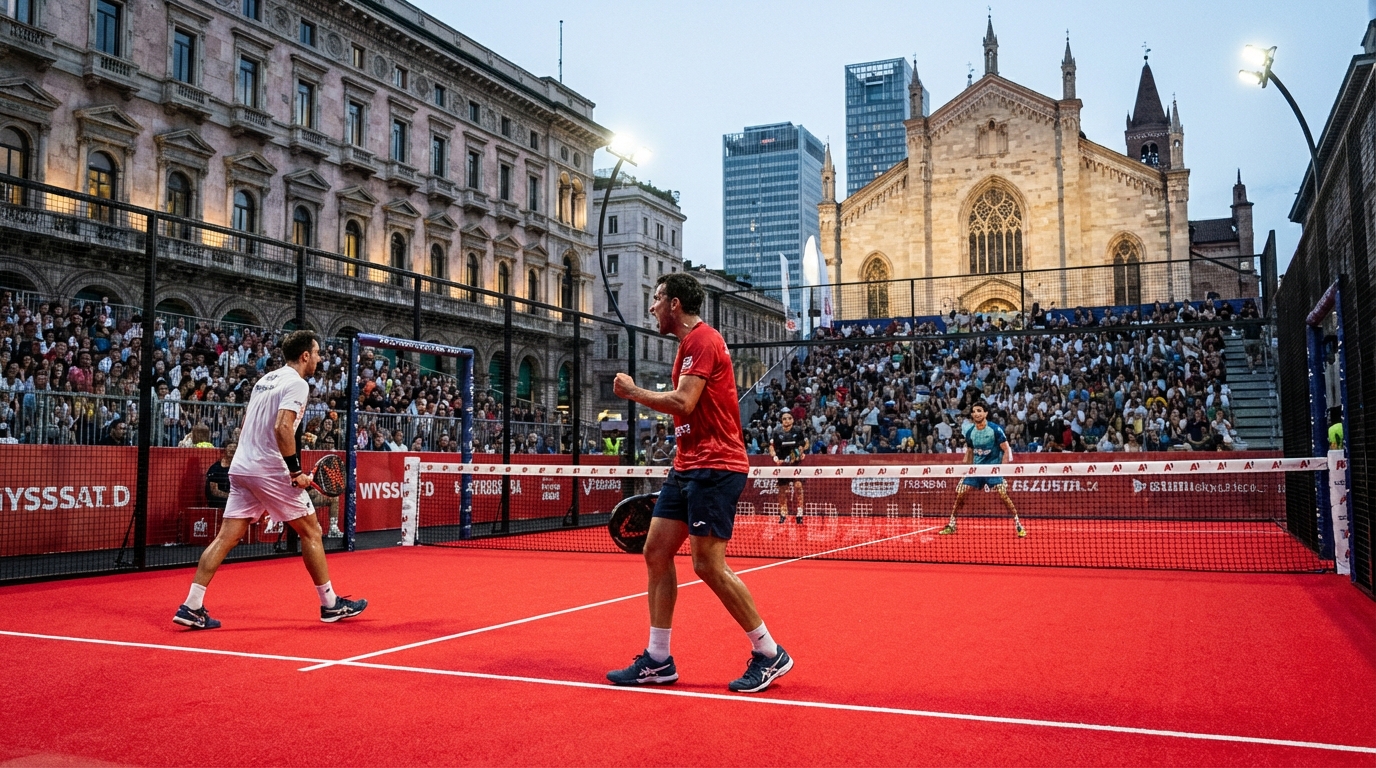
The a1 padel circuit is a professional international tour founded by Fabrice Pastor that focuses on bringing the sport to iconic urban locations. This organization prioritizes spectator experience and high-octane play, often utilizing striking court aesthetics to capture global attention.
The competitive structure
The tour features various tournament categories including Future, Open, Master, and Grand Master events. Each level requires specific seating capacities and player amenities to ensure the professional integrity of the competition.
Here is the deal:
Success in this circuit depends on consistent conditions across different geographic territories.
- 18+ international events per season.
- Emphasis on iconic, high-visibility city centers.
- Standardized technical specs for every sanctioned court.
The player experience
Professional athletes on this tour demand a surface that allows for explosive movement and precise ball control. You must ensure the environment meets these expectations to attract top-tier talent to your facility.
Key Takeaway: Understanding the professional roots of the circuit ensures your facility aligns with international standards for elite play.
| Feature | A1 Padel Requirement |
|---|---|
| Focus | Global Urban Expansion |
| Player Tier | Professional Athletes |
| Tournament Reach | 5 Continents |
The following data explores the technical evolution of court specifications required to sustain this level of athletic performance.
2. Why choose pro specs for an a1 padel court?
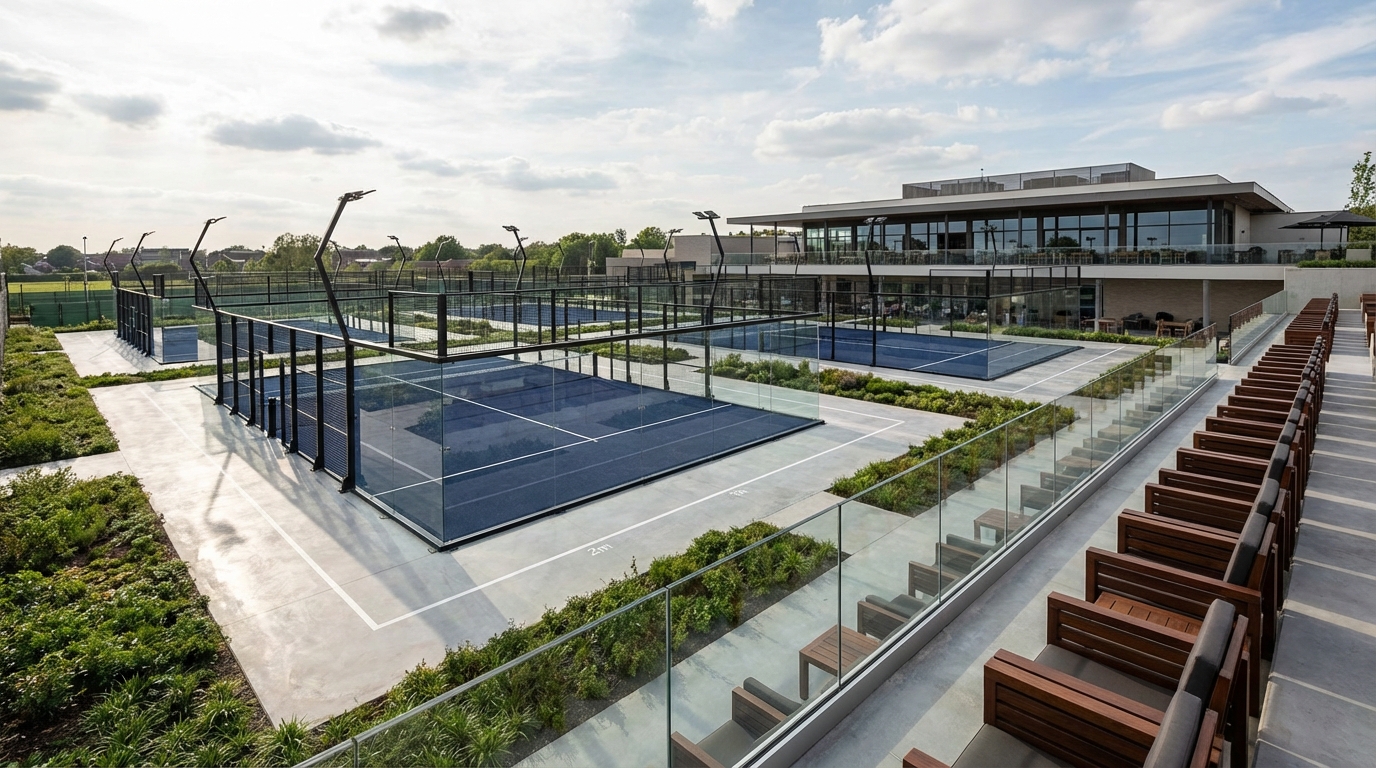
Choosing professional specifications for an a1 padel court ensures maximum durability, player safety, and tournament eligibility. Standard residential courts often lack the structural reinforcement necessary to handle the high-impact energy generated by professional athletes during intense rallies.
Structural integrity and safety
Elite courts utilize 12mm tempered safety glass and reinforced steel frames to withstand constant vibrations. This prevents structural fatigue and minimizes the risk of glass breakage during high-impact plays.
But wait, there is more:
Safety features extend beyond just the glass to include the mesh and lighting poles.
- 12mm tempered glass as the baseline standard.
- Anti-injury mesh systems for player protection.
- Reinforced anchoring to the concrete foundation.
Consistent ball response
A pro-spec court provides a perfectly uniform bounce across the entire 20×10 meter surface. This allows players to execute advanced spins and lobs with total confidence in the trajectory.
Key Takeaway: Investing in professional-grade materials protects your long-term ROI by reducing maintenance and preventing accidents.
| Specification | Professional Grade | Standard Grade |
|---|---|---|
| Glass Thickness | 12mm | 10mm |
| Frame Coating | Hot-dip Galvanized | Basic Powder Coat |
| Mesh Type | Anti-vibration | Standard Steel |
Analyzing the hardware is only the first step; the true quality of the build starts beneath the surface.
3. How to prepare the ground for a1 padel courts?
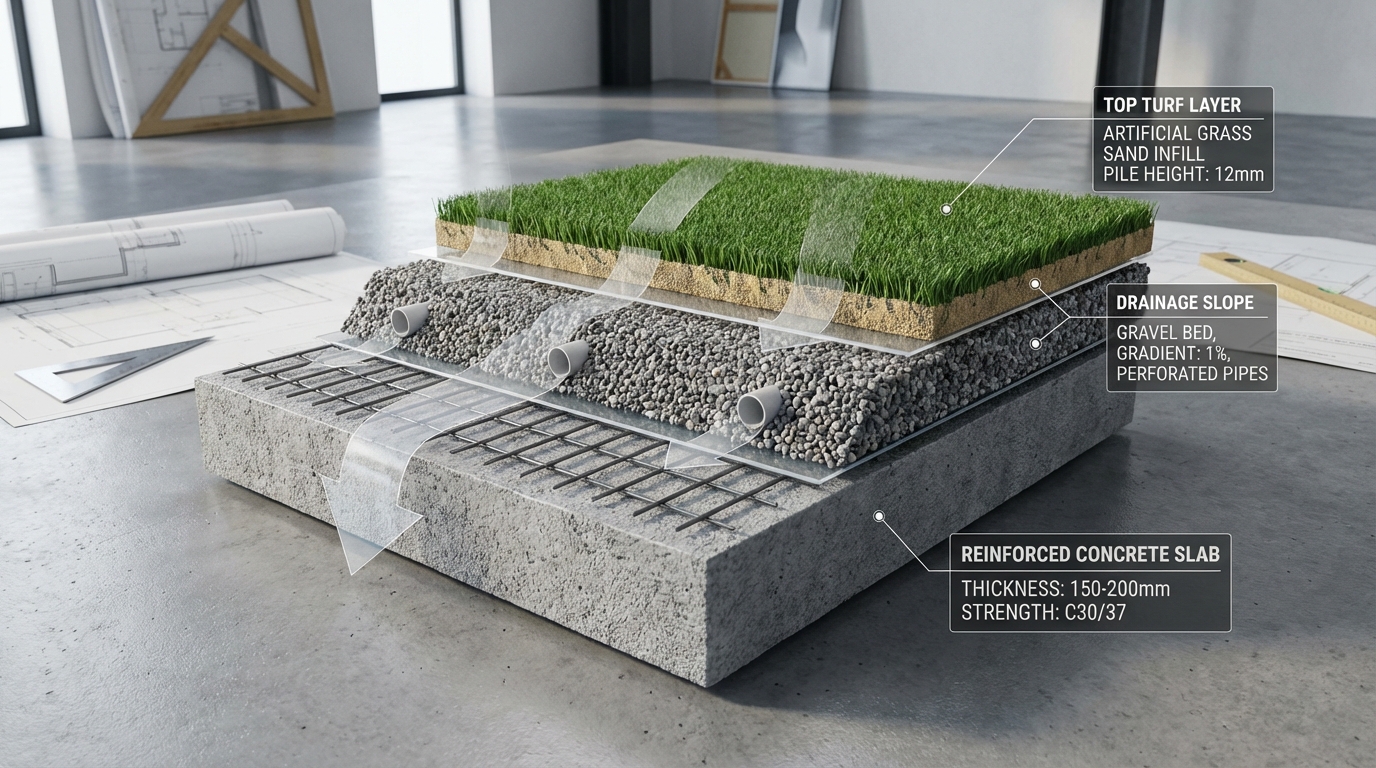
Preparing the ground for a1 padel requires a reinforced concrete slab engineered for precision leveling and efficient water drainage. You cannot afford any subsidence or unevenness, as even a 3mm deviation can cause the glass panels to shatter or the ball to bounce irregularly.
The concrete foundation
The gold standard is a 15-20cm thick reinforced concrete slab with a C30/37 strength rating. This provides a stable anchor for the heavy steel structure and glass walls that define the arena.
The best part?
A properly engineered slab prevents the formation of “dead spots” where the ball fails to bounce.
- 1% slope for outdoor water runoff.
- Reinforced mesh within the concrete layer.
- Laser-leveled finishing for absolute flatness.
Drainage and sub-base
For outdoor facilities, a layer of compacted gravel below the concrete facilitates moisture movement. This prevents ground frost from shifting the court and damaging the structural alignment over time.
Key Takeaway: A solid, level foundation is the single most important factor in the longevity and playability of your court.
| Component | Minimum Requirement | Purpose |
|---|---|---|
| Slab Thickness | 150mm – 200mm | Structural Support |
| Concrete Strength | C30/37 | Durability |
| Slope Gradient | 1% (Outdoor) | Water Drainage |
Once the foundation is cured, the focus shifts to the spatial organization and layout of the facility.
4. What are the layout rules for an a1 padel facility?
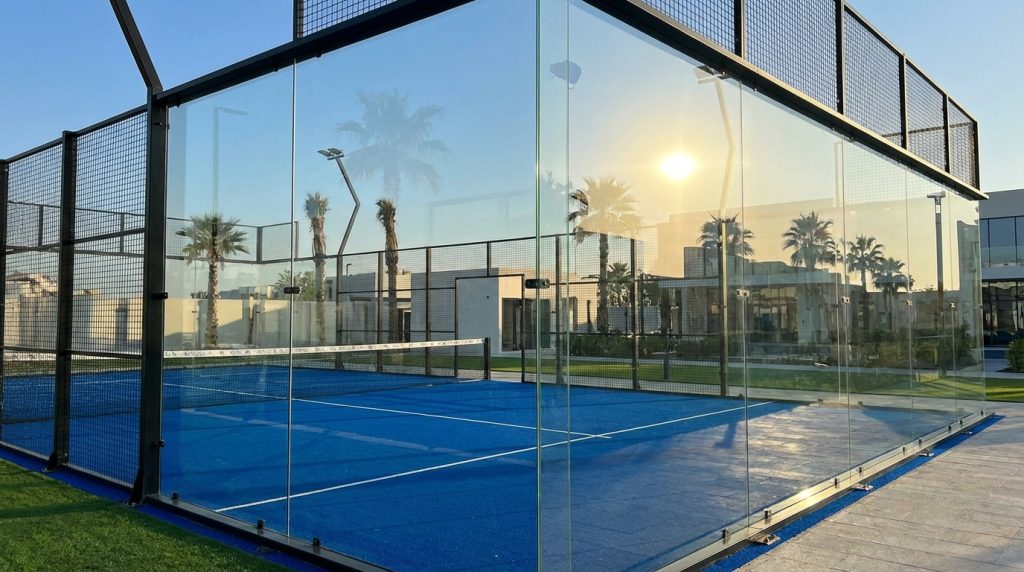
The layout rules for an a1 padel facility mandate a 20m x 10m interior playing area with significant clearance for out-of-court play. Professional matches frequently involve players exiting the court through the side doors to retrieve smashes, requiring unobstructed safety zones.
Vertical and horizontal clearance
Indoor facilities must provide a minimum ceiling height of 6 to 8 meters to accommodate the high lobs common in professional play. Externally, you need at least 2 meters of clear runoff space on each side of the court.
Check this out:
Proper layout planning includes more than just the playing lines.
- North-South orientation to minimize sun glare.
- 4-meter safety zone between parallel courts.
- Dedicated space for umpire chairs and camera platforms.
Spectator and media zones
To host official events, the layout must include areas for tiered seating and broadcasting equipment. This ensures the facility is ready for the media exposure that accompanies international tournaments.
Key Takeaway: Generous clearances and smart orientation make your courts safer for players and more attractive for tournament organizers.
| Layout Factor | Professional Standard | Benefit |
|---|---|---|
| Ceiling Height | 8 Meters Minimum | High Lob Playability |
| Safety Zone | 2 Meters Wide | Out-of-court Retrieves |
| Orientation | North-South | Reduced Glare |
Beyond the spatial layout, the choice of enclosure materials dictates the visual and acoustic quality of the match.
5. Which glass is best for a1 padel structures?
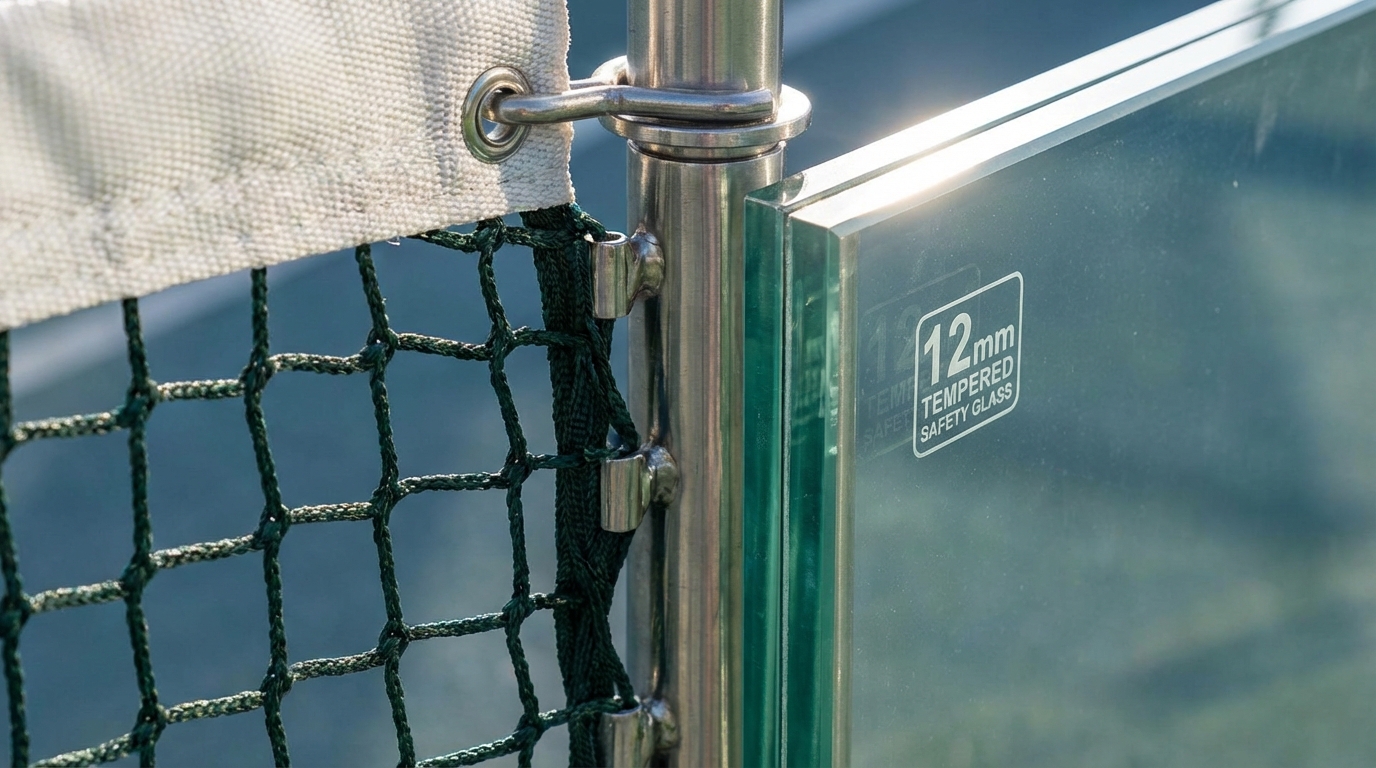
The best glass for a1 padel structures is 12mm tempered safety glass that meets the CE EN 12150-1 standard. This thickness provides the necessary rigidity to ensure the ball rebounds with consistent energy, which is vital for the fast-paced tactics of professional players.
Panoramic vs. standard walls
Panoramic designs remove the vertical steel pillars in the back walls to offer an unobstructed view for spectators. While more expensive, this setup is preferred for “Center Courts” where television broadcasting and high-visibility matches occur.
It gets better:
High-quality glass is not just about visibility; it is about performance.
- 12mm thickness for superior energy return.
- Polished edges to prevent stress fractures.
- Stainless steel fasteners with neoprene gaskets.
Fastening and alignment
The glass must be perfectly aligned with the turf surface to avoid any gaps or edges that could redirect the ball. Using professional-grade gaskets ensures that the glass remains silent and stable during player impact.
Key Takeaway: High-grade 12mm glass is the industry standard for safety and offers the best viewing experience for fans.
| Glass Property | Specification | Professional Advantage |
|---|---|---|
| Thickness | 12mm | Better Bounce / Higher Safety |
| Certification | CE EN 12150-1 | Guaranteed Impact Resistance |
| Design | Panoramic | Unobstructed Spectator View |
Lighting is the next critical pillar, ensuring the arena remains functional and broadcast-ready at all hours.
6. How do you light up an a1 padel arena?
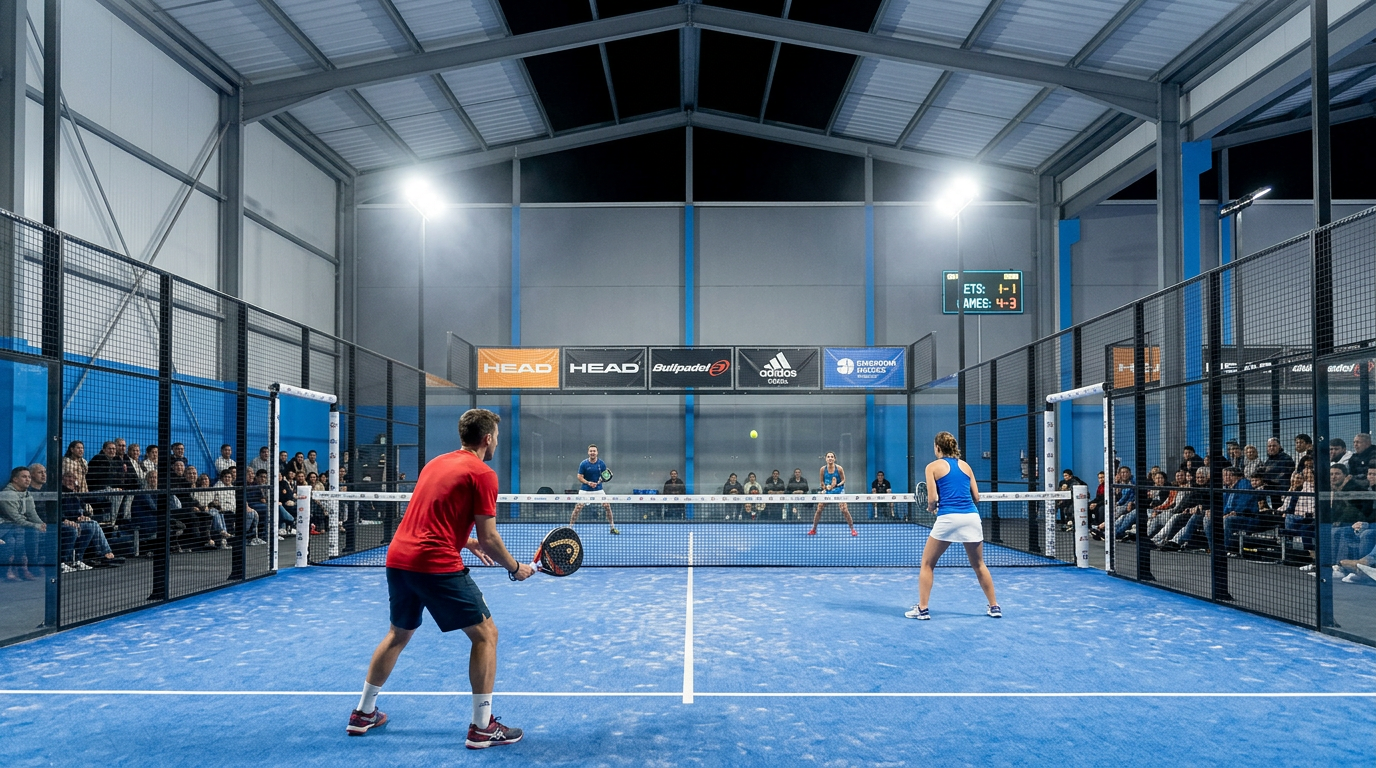
You light up an a1 padel arena using high-performance LED floodlights that deliver between 500 and 750 Lux across the entire playing surface. Professional standards require a uniformity ratio of 0.7 or higher to eliminate shadows that could distract players or obscure the ball’s trajectory.
Television broadcasting requirements
For televised events, the lighting must be flicker-free and have a high Color Rendering Index (CRI). This ensures that the high-speed cameras used in the circuit capture clear, vibrant footage of every rally.
Here is the kicker:
Energy-efficient LEDs save operational costs while providing instant-on capability.
- 8 LED modules per court (200W each).
- Asymmetric lenses to prevent player glare.
- 6-meter pole height for optimal light spread.
Anti-glare engineering
Strategic placement of the light poles is essential to prevent players from being blinded during overhead lobs. Asymmetric optics direct the light onto the court surface rather than into the eyes of the athletes.
Key Takeaway: Precision lighting improves player performance and is a mandatory requirement for any facility hosting professional matches.
| Metric | Tournament Standard | Impact |
|---|---|---|
| Illuminance | 750 Lux | HD Broadcast Quality |
| Uniformity | > 0.7 | No Dark Spots |
| Glare Rating | Low (Asymmetric) | Player Comfort |
While lighting sets the stage, the turf provides the tactile foundation that defines the speed of the game.
7. What turf defines the a1 padel aesthetic?
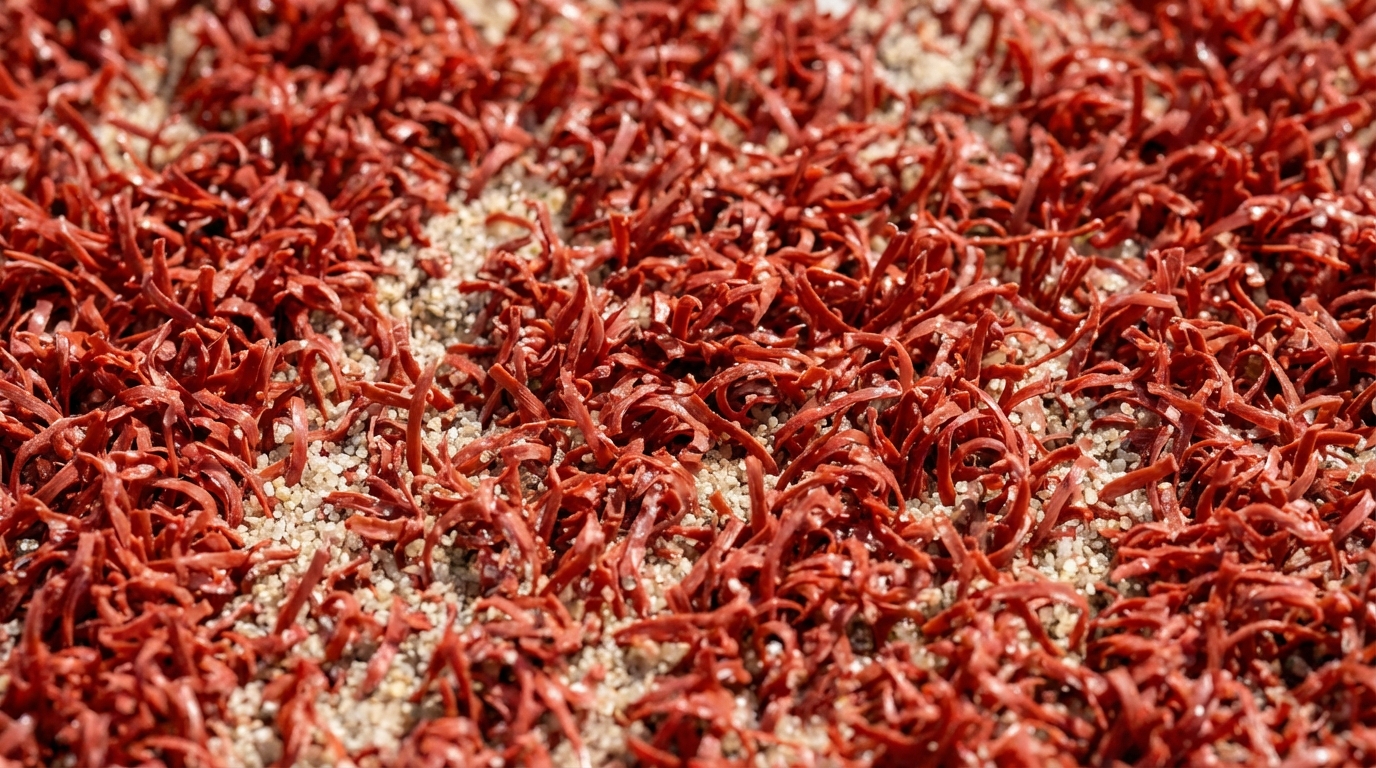
The signature a1 padel aesthetic is often defined by premium red monofilament turf that provides a high-contrast background for the ball. This specialized surface uses textured (curly) fibers that hold the silica sand in place, ensuring the sand is almost invisible and the grip is perfectly consistent.
Monofilament vs. fibrillated fibers
Professional circuits prefer monofilament or textured turf because it offers a more predictable bounce and lasts longer under heavy use. Fibrillated turf tends to flatten and become “slippery” as the fibers break down over time.
Think about it:
The right turf significantly reduces the risk of knee and ankle injuries for your players.
- Textured “curly” fibers for minimal sand movement.
- High Dtex rating for maximum durability.
- Consistent friction levels for safe sliding.
Sand management
The turf is infilled with ultra-fine, kiln-dried silica sand (99% SiO2). On a pro court, the sand is distributed so evenly that it shouldn’t be visible to the eye, allowing the vibrant red or blue color to pop.
Key Takeaway: High-quality textured turf requires less maintenance and provides the “pro” feel that elite players expect.
| Turf Feature | Professional Spec | User Benefit |
|---|---|---|
| Fiber Type | Textured Monofilament | Consistent Grip & Bounce |
| Color | High-Contrast (Red/Blue) | Visual Clarity |
| Sand Type | 99% Silica | Reduced Abrasiveness |
Building to these standards requires a clear financial roadmap to ensure the project’s feasibility.
8. How much does an a1 padel build cost?
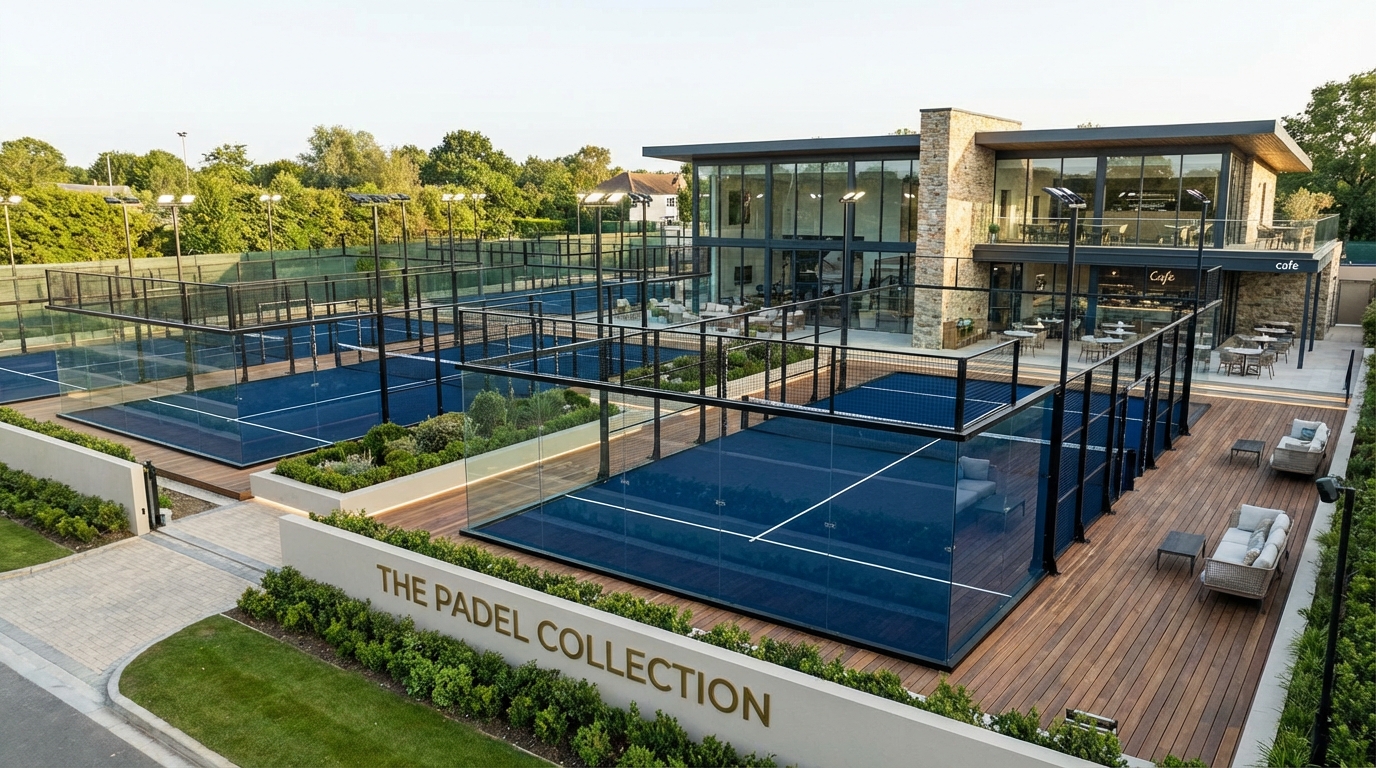
An a1 padel build typically costs between $35,000 and $65,000 per court, depending on the groundwork and specific luxury finishes selected. Professional-grade materials like 12mm glass and panoramic frames represent a higher upfront investment but yield significantly lower long-term maintenance costs.
Primary cost drivers
The foundation and civil engineering often account for nearly 40% of the total budget. Importing high-quality steel structures from specialized manufacturers ensures that the facility meets international standards for safety and longevity.
Make no mistake:
Cutting corners on the base or the glass often leads to expensive repairs within the first year.
- Groundwork and concrete slab (Approx. 40%).
- Steel structure and 12mm glass (Approx. 35%).
- Turf, lighting, and installation (Approx. 25%).
Return on Investment (ROI)
Premium facilities can command higher court rental fees and attract lucrative tournament sponsorships. An elite club often pays for itself faster than a budget facility due to higher occupancy rates and lower churn.
Key Takeaway: Allocating your budget toward the foundation and the glass ensures the structural integrity and prestige of your investment.
| Expense Category | Percentage | Critical Element |
|---|---|---|
| Groundwork | 40% | Reinforced Base |
| Structure | 35% | 12mm Glass / Steel |
| Equipment | 25% | LED / Pro Turf |
Even the best-built courts require a strict maintenance regime to preserve their professional status.
9. How to maintain a1 padel court quality?
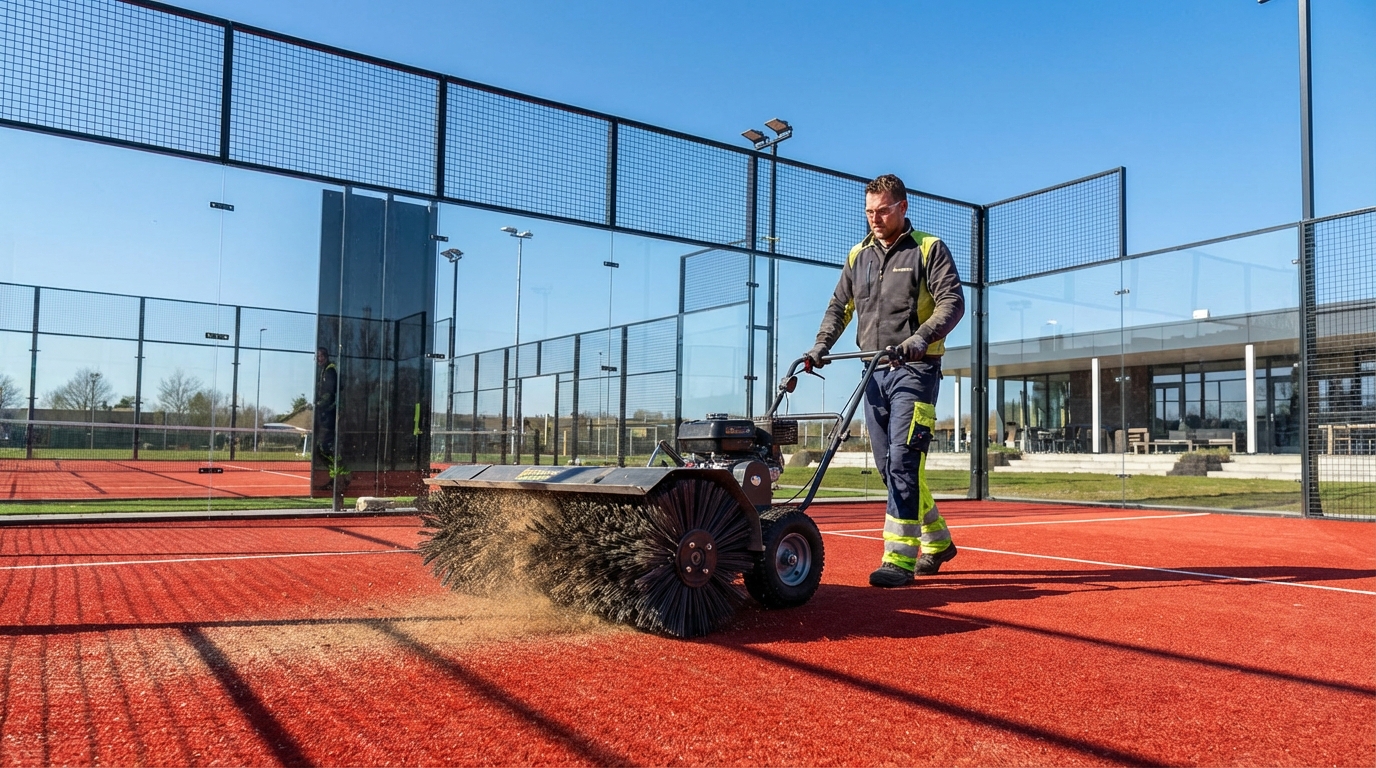
You maintain a1 padel court quality through daily brushing of the turf and regular cleaning of the glass panels to ensure transparency. Professional play generates high levels of friction on the turf, which can cause sand to migrate to the corners if not redistributed frequently.
Daily and weekly tasks
Brushing the turf with a specialized triangular brush keeps the fibers upright and the sand evenly distributed. This prevents the surface from becoming “slick,” which is a major safety hazard for players.
The secret is simple:
Clean glass and well-groomed turf are the hallmarks of a premium padel club.
- Daily glass cleaning with non-abrasive tools.
- Weekly turf brushing to prevent sand compaction.
- Monthly check of net tension and height (88cm).
Long-term structural care
Every six months, you should inspect the steel structure for signs of corrosion and tighten all glass fasteners. This ensures the arena remains a safe environment even after thousands of hours of intense play.
Key Takeaway: A proactive maintenance schedule doubles the lifespan of your turf and keeps your facility looking brand new.
| Task | Frequency | Objective |
|---|---|---|
| Brushing | Daily/Weekly | Even Sand Distribution |
| Glass Cleaning | Daily | Spectator Visibility |
| Bolt Inspection | 6 Months | Structural Safety |
Ultimately, the success of your project depends on selecting the right partners for the construction phase.
10. Why hire experts for your a1 padel project?
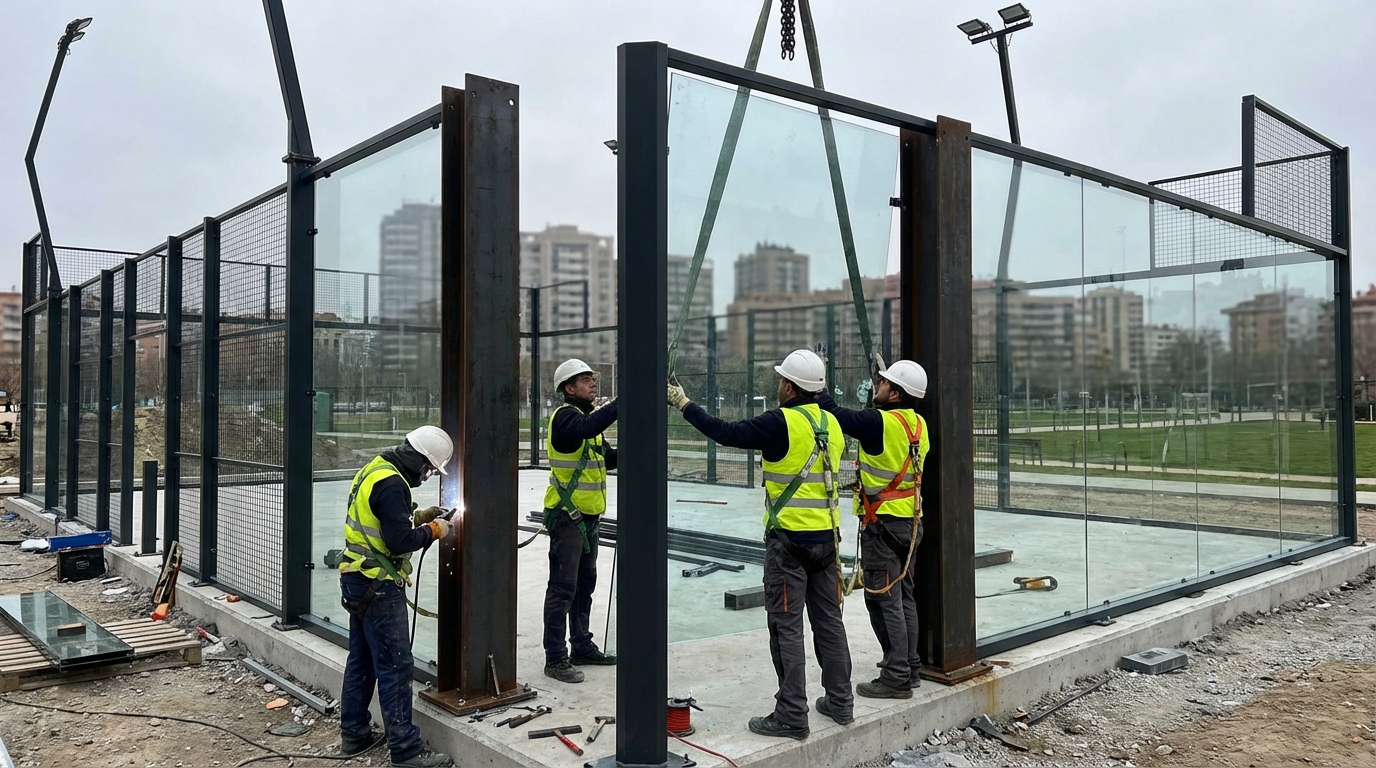
You should hire experts for your a1 padel project because professional installation requires specialized tools and deep knowledge of FIP engineering standards. A minor error in the vertical alignment of the steel pillars can create stress points that cause the glass to explode under player impact.
Precision and certification
Specialized builders use laser technology to ensure the foundation is perfectly flat and the court is squared to within a few millimeters. This level of precision is impossible to achieve with general contractors who lack specific padel experience.
Don’t settle for less:
Expert teams provide the warranties and certifications needed to host official tournament play.
- Accurate glass placement to avoid performance “dead zones.”
- Professional turf installation with heat-welded seams.
- Full structural warranty and after-sales support.
Risk mitigation
Experienced installers understand the wind-load requirements for outdoor courts and the specific anchoring depths needed for different soil types. This prevents the structure from shifting or failing during extreme weather events.
Key Takeaway: Hiring a dedicated padel specialist protects your capital and ensures your facility is built for professional-level performance.
| Builder Type | Padel Specialist | General Contractor |
|---|---|---|
| Sizing Accuracy | Laser Precision | Estimation |
| Material Knowledge | High (FIP Specs) | Limited |
| Warranty Type | Sport-Specific | General Workmanship |
Building an elite facility is a journey that transforms your vision into a landmark for the sporting community.
Conclusion
Constructing an elite facility that meets the standards of the professional circuit is a significant undertaking that requires precision, quality materials, and expert knowledge. By focusing on a reinforced foundation, 12mm tempered glass, and professional LED lighting, you solve the common problems of poor bounce, structural instability, and low visibility. Our vision is to empower club owners to create world-class environments that inspire the next generation of athletes. If you are ready to build a legacy in the sport, contact us today to begin your professional journey.
FAQ
Can I build a court without a concrete base?
No, a reinforced concrete slab is the only way to ensure the long-term stability and levelness required for professional play.
What is the best way to choose a court color?
The best way is to choose high-contrast colors like red or blue, which make the yellow ball easier to track for both players and spectators.
How do I know if my glass is safe?
Yes, you can verify safety by checking for the CE EN 12150-1 certification mark on every glass panel, which guarantees it is tempered for impact.
Can I install the turf myself?
No, turf installation requires professional tensioning and specialized seaming tape to ensure there are no “lips” or uneven joins that could trip players.
What’s the best lighting for a rooftop court?
The best lighting for a rooftop setup is LED modules with heavy-duty asymmetric optics to control light spill and prevent glare for neighbors.