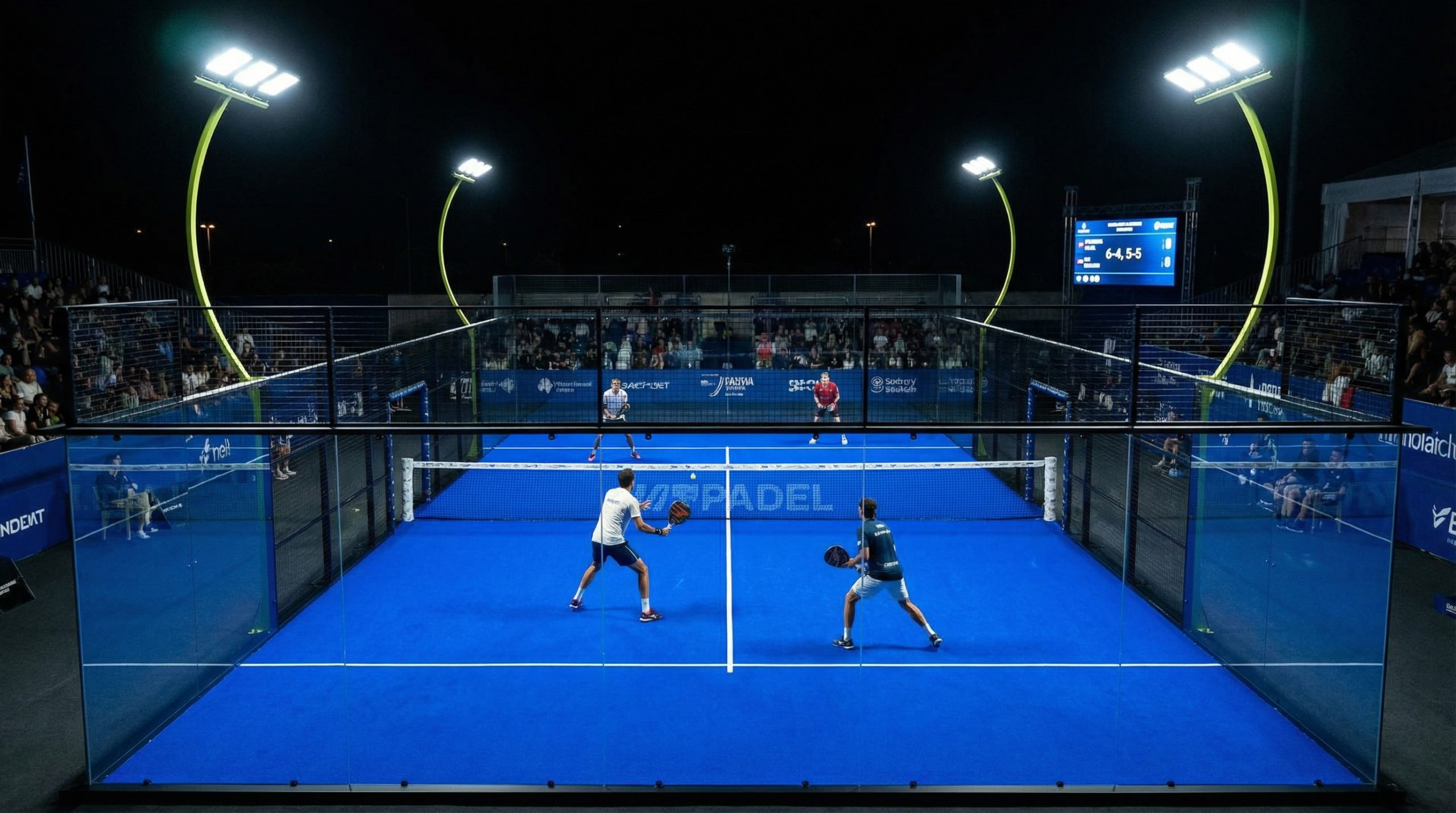
Coello padel is a professional-grade court construction style designed to withstand the high-intensity, aggressive play of world No. 1 Arturo Coello, built using Q355 hot-dip galvanized steel, 12mm toughened glass, and textured monofilament turf. You have witnessed the highlights of elite athletes leaping at the net, but your current club infrastructure likely cannot survive that level of structural stress. This leads to frequent glass fatigue and turf degradation that ruins the player experience and increases maintenance costs. Investing in coello padel construction ensures your facility meets the demands of the modern power-padel era with tournament-grade durability.
What defines the elite Arturo coello padel style?
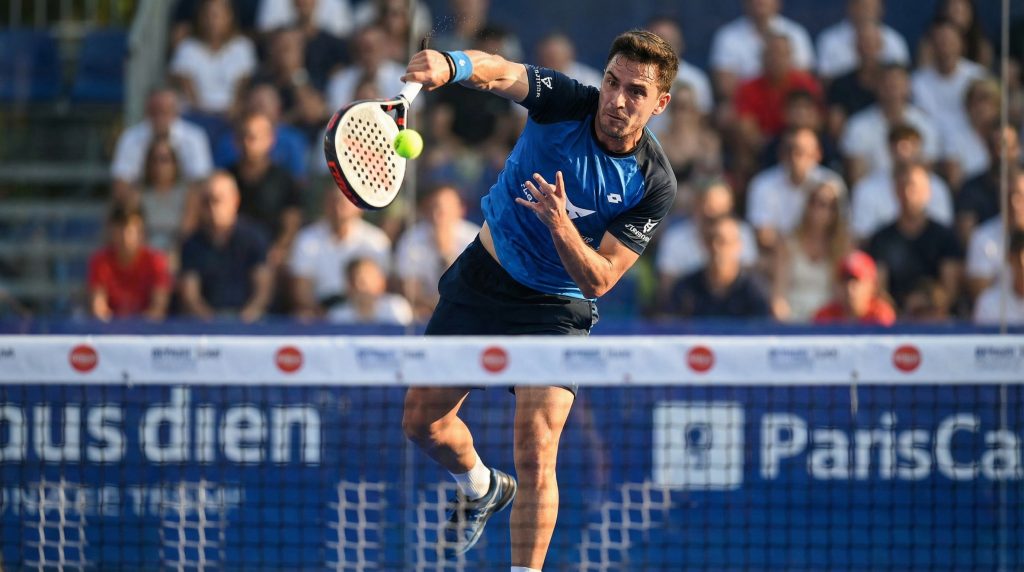
The elite Arturo coello padel style is defined by extreme physical aggression at the net and an explosive power-smash game that dictates the pace of the match. This high-octane approach requires a court that can handle significant kinetic energy during high-speed recoveries and net exchanges.
Aggression and intensity at the net
Modern padel has shifted toward a “Power Padel” era where the net is the primary battleground for dominance. You must realize that players now move with more force than ever before, putting immense pressure on the net posts and structural mesh.
- Explosive vertical leaps for overhead smashes.
- Rapid lateral transitions during defensive volleys.
- High-impact collisions with the structural mesh.
Here is the kicker:
If your frame isn’t reinforced for these movements, the vibrations will eventually compromise the bolt torque. You need a system that absorbs energy without losing its structural alignment.
The mental strength of a No. 1 player
Beyond the physical attributes, the layout of the court supports the clarity of intent needed for professional focus. Elite players demand an environment where distractions are minimized through superior acoustics and clean visual lines.
- Acoustic dampening through high-density glass mounting.
- Clean perimeter layouts for out-of-court play.
- Minimalist hardware to reduce visual “noise” during high-speed ball tracking.
But wait, there is more.
A professional atmosphere fosters the “championship mindset” that Arturo Coello describes as his secret weapon. Providing this environment makes your facility the preferred choice for serious competitors.
Key Takeaway: Building for the Coello style means prioritizing structural elasticity and visual clarity to accommodate the most aggressive playing patterns in the sport today.
| Feature | Pro Specification | Benefit |
|---|---|---|
| Mesh Tension | High-tensile steel | Absorbs high-impact net play |
| Play Zone | Standard 20x10m | Allows for professional movement |
| Layout | Low-distraction | Enhances mental focus |
This technical alignment ensures that your court remains a safe haven for players pushing their physical limits every day.
Why is net dominance vital for coello padel?
Net dominance is vital for coello padel because it allows the player to control the geometry of the point and force opponents into defensive errors through high-speed volleys. To support this, the court must feature a precision-tensioned net system that provides a consistent rebound for balls that clip the cord.
Engineering for high-impact net play
The net system in a professional facility is more than just a divider; it is a critical piece of engineering. You need heavy-duty tensioning winches that keep the top band at the exact 88cm height regardless of how many times it is struck.
- Internal winch systems for flush post mounting.
- UV-resistant polyester netting for longevity.
- Reinforced top bands to prevent fraying from high-speed ball impact.
Think about it.
A sagging net ruins the integrity of a professional match and can lead to disputes during competitive tournament play. Precision is the only option for high-stakes venues.
Maximizing player movement zones
To emulate the world No. 1, players need ample space to chase balls that fly out of the court. You should design your facility with a minimum of 3 meters of clearance on the sides to enable spectacular “out-of-court” recoveries.
- Unobstructed side exits for safety.
- Smooth transition from turf to surrounding pavement.
- Anti-slip surfaces in the recovery zones.
It gets better.
When you offer these professional movement zones, your club becomes eligible to host sanctioned tournaments. This increases your venue’s prestige and long-term revenue potential.
Key Takeaway: Strategic net engineering and generous clearance zones are the foundations of a court designed for dominant, professional-grade net play.
| Component | Standard | Professional Requirement |
|---|---|---|
| Net Posts | 80x80mm Steel | Reinforced Q355 Galvanized |
| Side Clearance | 1.5 – 2 meters | 3 meters minimum |
| Tensioner | Manual external | Integrated internal winch |
Optimizing these specific zones transforms a standard leisure court into a high-performance arena for elite competitors.
Does visibility impact professional coello padel?
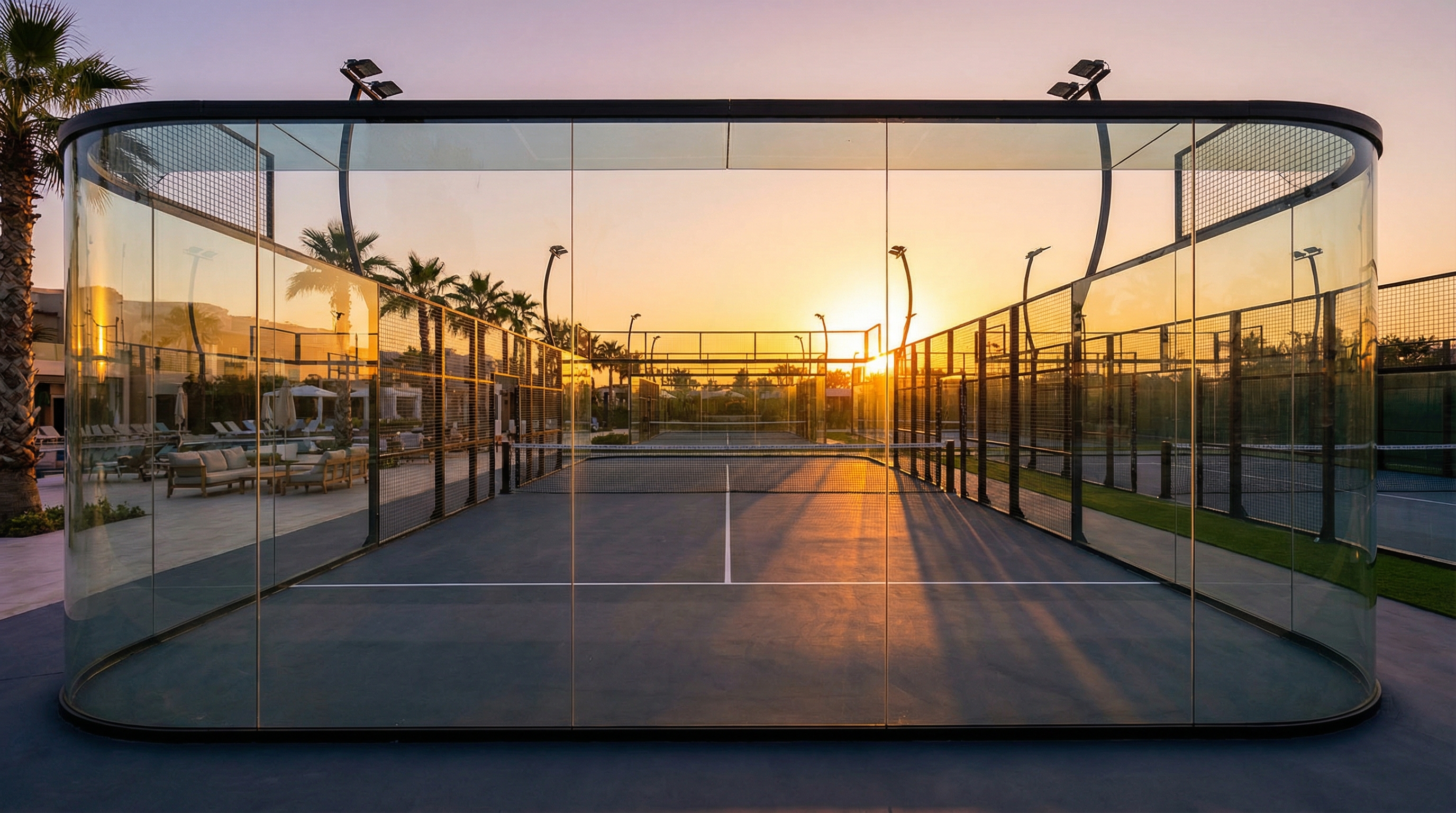
Visibility significantly impacts professional coello padel as any structural obstruction can hinder a player’s ability to track the ball at speeds exceeding 150 km/h. Removing vertical pillars at the baseline is the modern standard for ensuring an uninterrupted line of sight for both players and spectators.
The rise of the Super Panoramic aesthetic
The Super Panoramic design has become the gold standard for television broadcasts and elite clubs globally. You gain a competitive edge by offering a “zero-post” baseline that provides an immersive experience for the crowd.
- Continuous glass walls without vertical steel supports.
- Hidden floor anchor plates for a seamless aesthetic.
- Maximized light penetration for better ball contrast.
You might be wondering:
Is the extra investment worth it? For a premium venue, the answer is a resounding yes because it creates a “stadium feel” that attracts high-profile members.
Eliminating visual obstructions for players
When the ball travels at professional speeds, even a thin steel post can create a “blind spot” during a critical swing. You must ensure that the glass-to-glass joints are perfectly aligned and secured with transparent structural silicone.
- Polished glass edges for minimal refraction.
- Low-profile corner connectors.
- Consistent glass thickness to prevent visual distortion.
But wait, there is more.
Better visibility doesn’t just help the players; it makes the game safer by allowing everyone on the court to see movements in the peripheral zones. Clear sightlines prevent accidents during fast-paced exchanges.
Key Takeaway: Eliminating structural pillars through panoramic engineering is essential for the high-speed ball tracking required in professional-level matches.
| Design Element | Traditional Court | Super Panoramic |
|---|---|---|
| Baseline Support | 3 Vertical Steel Posts | Zero Posts (12mm Glass) |
| Viewing Angle | Obstructed | 360-degree Unobstructed |
| Aesthetic | Industrial | Luxury/Professional |
Professional visibility standards are non-negotiable for clubs looking to host international stars or record high-quality match footage.
How to build a frame for high-intensity coello padel?
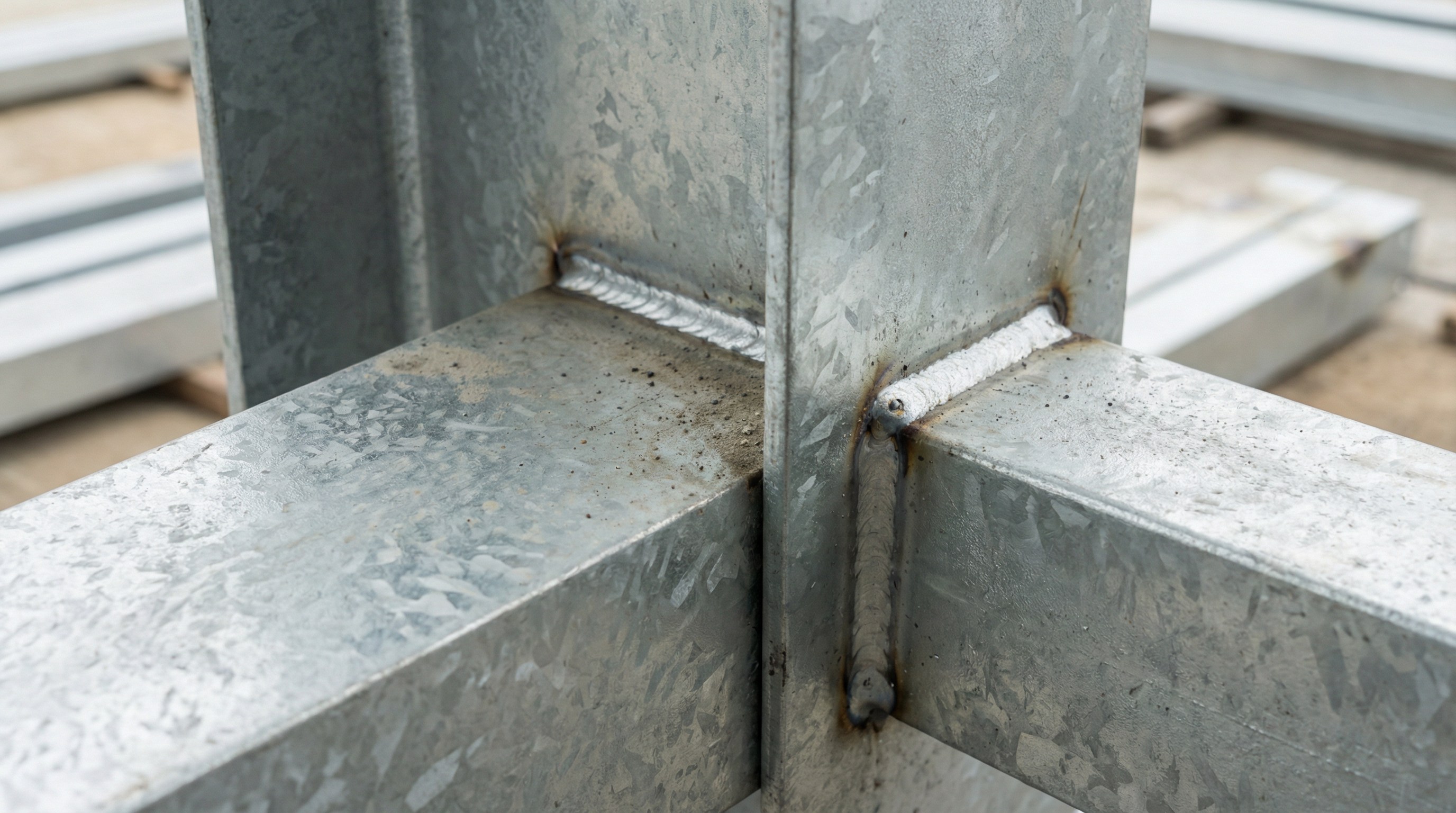
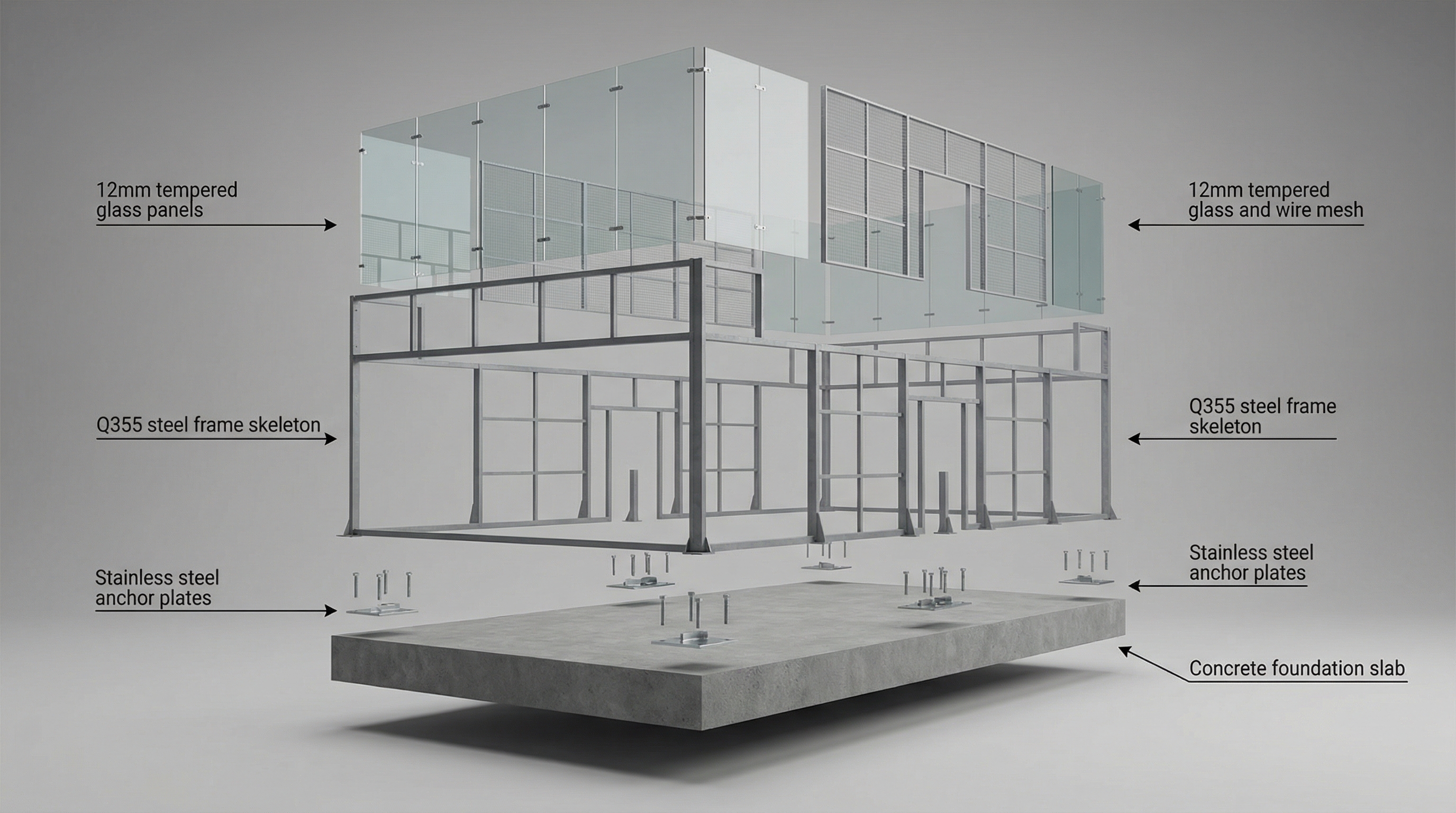
Building a frame for high-intensity coello padel requires the use of Q355 hot-dip galvanized steel to provide the necessary tensile strength and long-term rust protection. This material ensures that the structure remains rigid and safe even under the most demanding environmental and physical conditions.
Selecting Q355 hot-dip galvanized steel
Not all steel is created equal when it comes to the vibrations of a professional match. You should insist on Q355 steel because its chemical composition offers superior resistance to structural fatigue compared to standard Q235 grades.
- Hot-dip galvanization for internal and external coating.
- Anti-rust performance guaranteed for over 15 years.
- Matte powder-coated finish for a premium look.
Here is the kicker:
In coastal or humid environments, standard steel will begin to corrode from the inside out within three years. Galvanization is your insurance policy against total structural failure.
Why the standard kit is your baseline
Even the most advanced custom courts should start with a CE-compliant standard kit as their foundation. You must verify that your manufacturer uses CNC robotic welding to ensure every joint is perfectly fused for maximum stability.
- Pre-drilled holes for rapid and accurate assembly.
- Standardized components for easy part replacement.
- ISO-certified production processes for consistent quality.
Think about it.
Precision engineering reduces the vibration noise that occurs when a ball hits the mesh. A quiet, stable court feels more premium to the player and lasts significantly longer.
Key Takeaway: Utilizing Q355 galvanized steel and robotic welding is the only way to build a frame capable of withstanding the rigors of pro-level play.
| Specification | Standard Grade | Coello-Grade (Q355) |
|---|---|---|
| Steel Thickness | 2.0 – 2.5 mm | 3.0 mm + |
| Coating | Cold Spray | Hot-Dip Galvanized |
| Weld Quality | Manual | CNC Robotic |
A robust frame is the skeleton of your investment; cutting corners here will lead to safety risks and structural degradation.
What glass thickness is needed for coello padel?
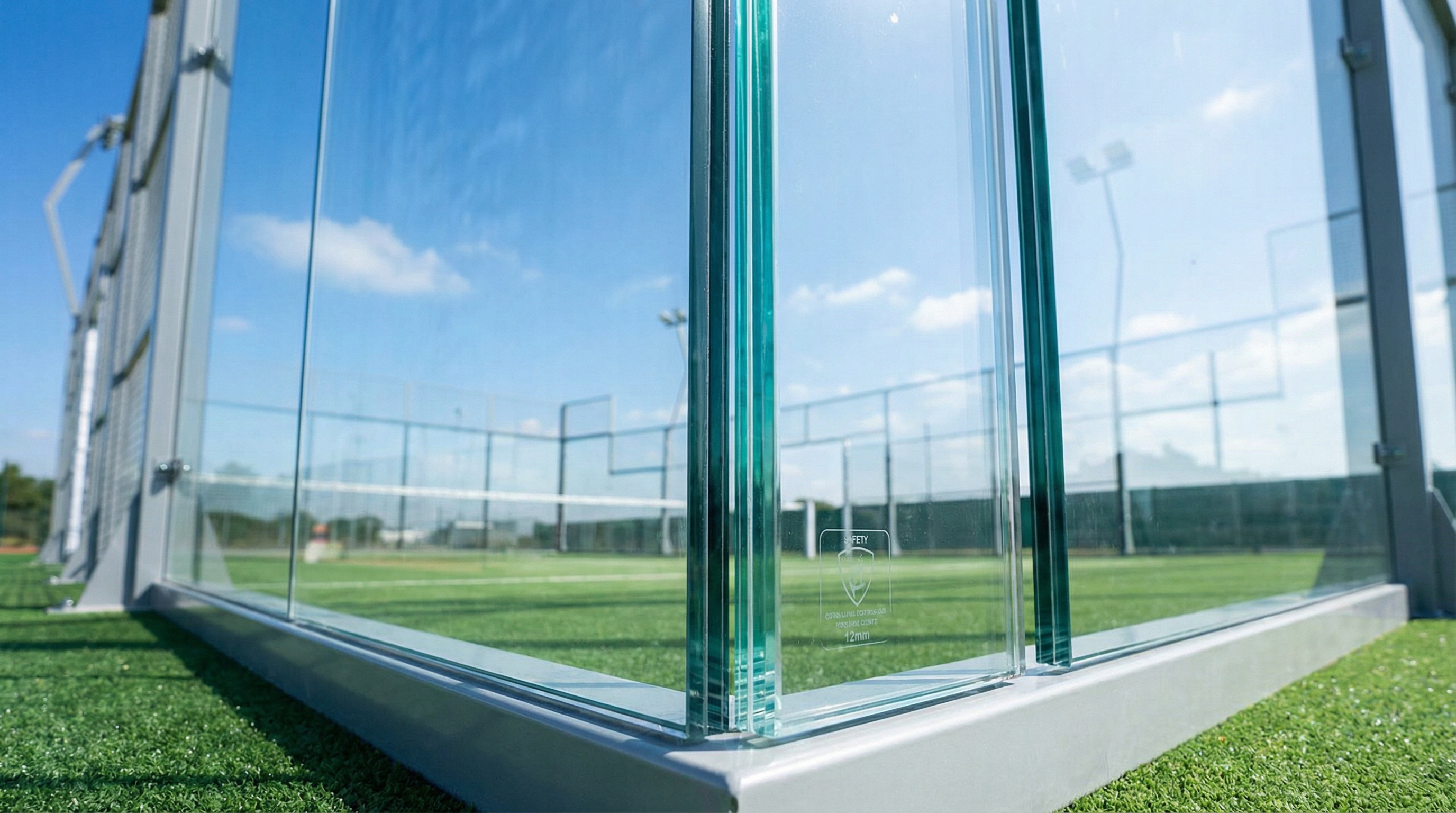
The glass thickness needed for coello padel is a minimum of 12mm EN12150 toughened glass to ensure maximum safety and a consistent ball rebound. While 10mm glass is common for residential use, professional facilities require the extra mass to handle the force of elite players crashing into the walls.
The 12mm EN12150 toughened glass standard
Safety is the most critical factor when building a venue for the public. You must use heat-soaked tempered glass, which is designed to shatter into tiny, blunt pieces in the rare event of a breakage.
- Enhanced impact resistance for high-speed smashes.
- Heavier mass for a “truer” ball bounce.
- Certification to international safety standards (CE/EN).
It gets better.
The 12mm thickness provides a much quieter playing experience because the glass does not vibrate or “wobble” as much as thinner panels. This adds to the premium feel of your club.
Achieving a seamless panoramic finish
To match the aesthetics of the world’s best courts, you should use stainless steel anchor plates that are hidden beneath the turf surface. You must also ensure that the glass panels are perfectly plumb to avoid uneven “lips” at the joints.
- Transparent gaskets between glass and steel.
- Polished edges for a diamond-like clarity.
- Recessed mounting for a flush floor finish.
But wait, there is more.
Using high-quality hardware like stainless steel bolts with nylon washers prevents the glass from coming into direct contact with metal. This reduces the risk of spontaneous breakage caused by thermal expansion.
Key Takeaway: Professional venues must utilize 12mm toughened glass to guarantee player safety and provide the consistent rebound quality expected at the highest levels.
| Glass Type | Thickness | Application |
|---|---|---|
| Standard Tempered | 10 mm | Amateur / Residential |
| Pro Toughened | 12 mm | Commercial / Tournament |
| Heat-Soaked | 12 mm | Maximum Safety Standards |
Investing in thicker, certified glass reduces your liability and enhances the overall prestige of the playing surface.
Which turf system supports elite coello padel?
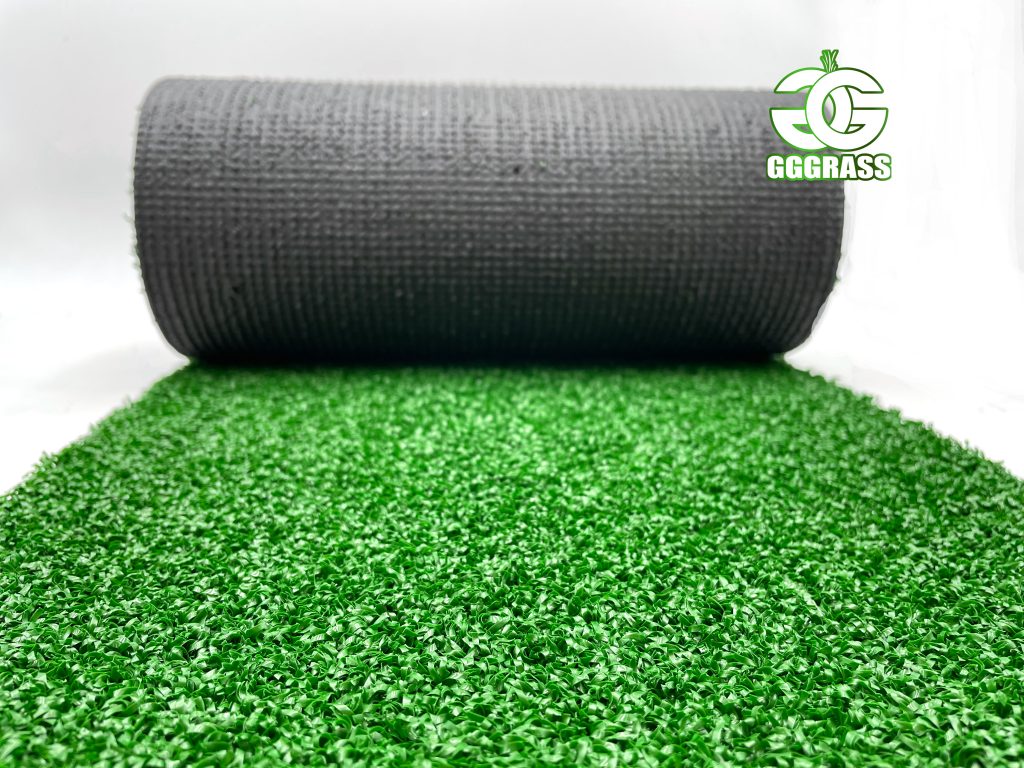
An elite coello padel turf system must utilize textured monofilament fibers that provide a perfect balance of grip for the shoes and a consistent glide for the ball. This high-density grass is engineered to hold silica sand deep within the pile, preventing the “slippery” spots common on lower-quality surfaces.
Monofilament vs. fibrillated fibers
For professional play, monofilament yarn is superior because each blade is a single, thick strand that resists “flattening” over time. You should look for turf with a high Dtex rating, which indicates the density and durability of the synthetic fibers.
- Better resilience and memory for upright fibers.
- Reduced skin abrasion during sliding lunges.
- Consistent ball speed across the entire court.
Here is the kicker:
Textured monofilament requires less maintenance because the sand doesn’t migrate as easily. This means you spend less time brushing and more time booking matches.
The role of silica sand in stability
The sand is not just filler; it is the ballast that keeps the turf flat and provides the friction necessary for precise footwork. You must use 0.2-0.5mm rounded silica sand to ensure it doesn’t “clog” the drainage holes or abrade the turf fibers.
- Kiln-dried sand for easy initial distribution.
- Uniform color for a professional aesthetic.
- Fast-drainage backing to allow play immediately after rain.
Think about it.
If the sand is too coarse, it acts like sandpaper on the players’ shoes and the turf itself. Using the correct grade extends the life of your court by years.
Key Takeaway: Selecting textured monofilament turf with high-quality silica sand ensures the consistent footwork and ball response required for professional gameplay.
| Turf Metric | Standard Requirement | Elite Requirement |
|---|---|---|
| Fiber Shape | Fibrillated | Textured Monofilament |
| Pile Height | 10-12 mm | 12 mm (High Density) |
| Sand Grade | Common Sand | Rounded Silica (0.2-0.5mm) |
Superior turf quality is the most noticeable feature for players and is the primary factor in determining “court feel.”
Can you play professional coello padel in rain?
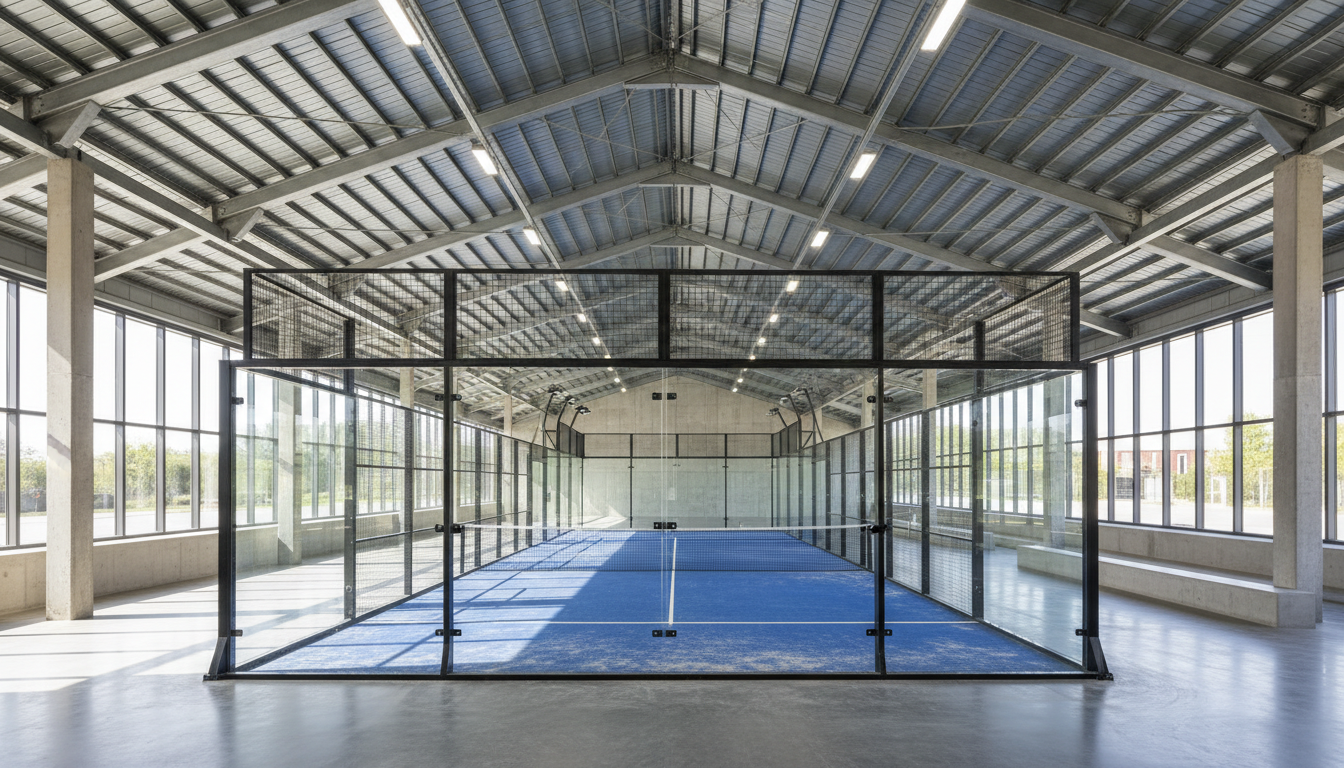
You can play professional coello padel in any weather by installing an integrated steel canopy that protects the surface from rain and UV exposure. A roofed structure ensures that your facility remains operational 365 days a year, maximizing your return on investment regardless of the season.
Solving the UV and rain interruption problem
Nothing kills the momentum of a tournament like a sudden downpour that makes the glass slippery and the turf heavy. You should invest in a roofing system that blocks 99% of harmful UV rays, which also prevents the turf from fading and becoming brittle.
- Polycarbonate or PVC tensile membranes.
- Wide spans to cover multiple courts simultaneously.
- Gutter systems to direct water away from the play area.
It gets better.
A roofed court stays significantly cooler during the summer months, making it the most popular choice for players during peak daytime hours. This increases your court occupancy rates.
Implementing a roofed structural truss
The canopy must be engineered to handle wind loads and snow accumulation without compromising the safety of the players below. You must ensure that the roof truss is integrated into the court’s galvanized frame for a unified structural profile.
- Aerodynamic design to reduce wind resistance.
- Translucent materials to maintain natural lighting.
- High clearance (minimum 7-9 meters) for high lobs.
But wait, there is more.
An integrated roof doesn’t just block rain; it provides a mounting point for advanced lighting and camera systems. This makes your venue “broadcast-ready” for professional streaming.
Key Takeaway: An integrated roofing system is the ultimate solution for weather-proofing your facility and ensuring consistent, year-round revenue.
| Protective Feature | Outdoor Court | Roofed Court |
|---|---|---|
| Annual Playtime | Weather-dependent | 365 Days |
| UV Protection | None | 99% Blocked |
| Operational Cost | High (cleaning debris) | Lower (protected surface) |
Weather protection is no longer a luxury for serious clubs; it is a strategic necessity for maintaining a stable business model.
What lighting is needed for world-class matches?
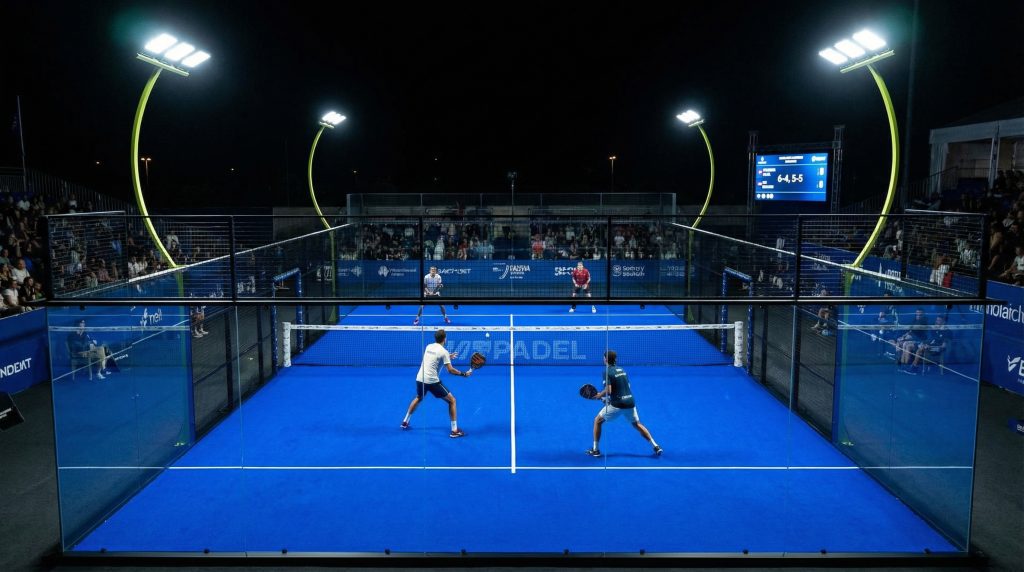
The lighting needed for world-class coello padel matches is a 200W LED system that provides a minimum of 500-750 lux with uniform distribution across the entire surface. This level of brightness ensures that players can track high-speed lobs and smashes without the interference of shadows or dark spots.
Eliminating shadows with 200W LED systems
Shadows are a player’s worst enemy during a night match, especially when the ball is moving at high velocity. You should install 8 high-performance LED floodlights per court, mounted on curved or straight poles that are outside the field of play.
- IP67-rated housing for dust and water protection.
- Flicker-free technology for high-speed video recording.
- Instant-on capability with no warm-up time.
Think about it.
Old-fashioned metal halide lights are energy-hungry and take minutes to reach full brightness. Switching to LED reduces your electricity bill by up to 60% immediately.
Reducing glare for high-speed tracking
The placement and angle of the lights are just as important as the brightness itself. You must use asymmetric lenses that direct the light onto the court while minimizing glare for players looking up to hit a smash.
- Frosted diffusers to soften the light source.
- Strategic tilt angles to prevent “blinding” the server.
- Uniformity ratio (Uo) of at least 0.7 for consistent vision.
Here is the kicker:
High-quality lighting makes the colors of the court and ball “pop,” which looks spectacular on social media. Your club’s marketing will benefit from every photo taken under these pro lights.
Key Takeaway: Professional 200W LED systems with high lux levels and low glare are vital for safe and competitive night-time play.
| Lighting Metric | Recreational Standard | Tournament Standard |
|---|---|---|
| Average Lux | 200 – 300 Lux | 500 – 750 Lux |
| Energy Source | Standard LED | High-Efficiency 200W LED |
| Light Quality | Basic Distribution | Uniform / No Glare |
Superior lighting transforms your facility into a 24-hour revenue engine and provides the high-end experience that pro players demand.
How do you maintain a pro-level coello padel court?
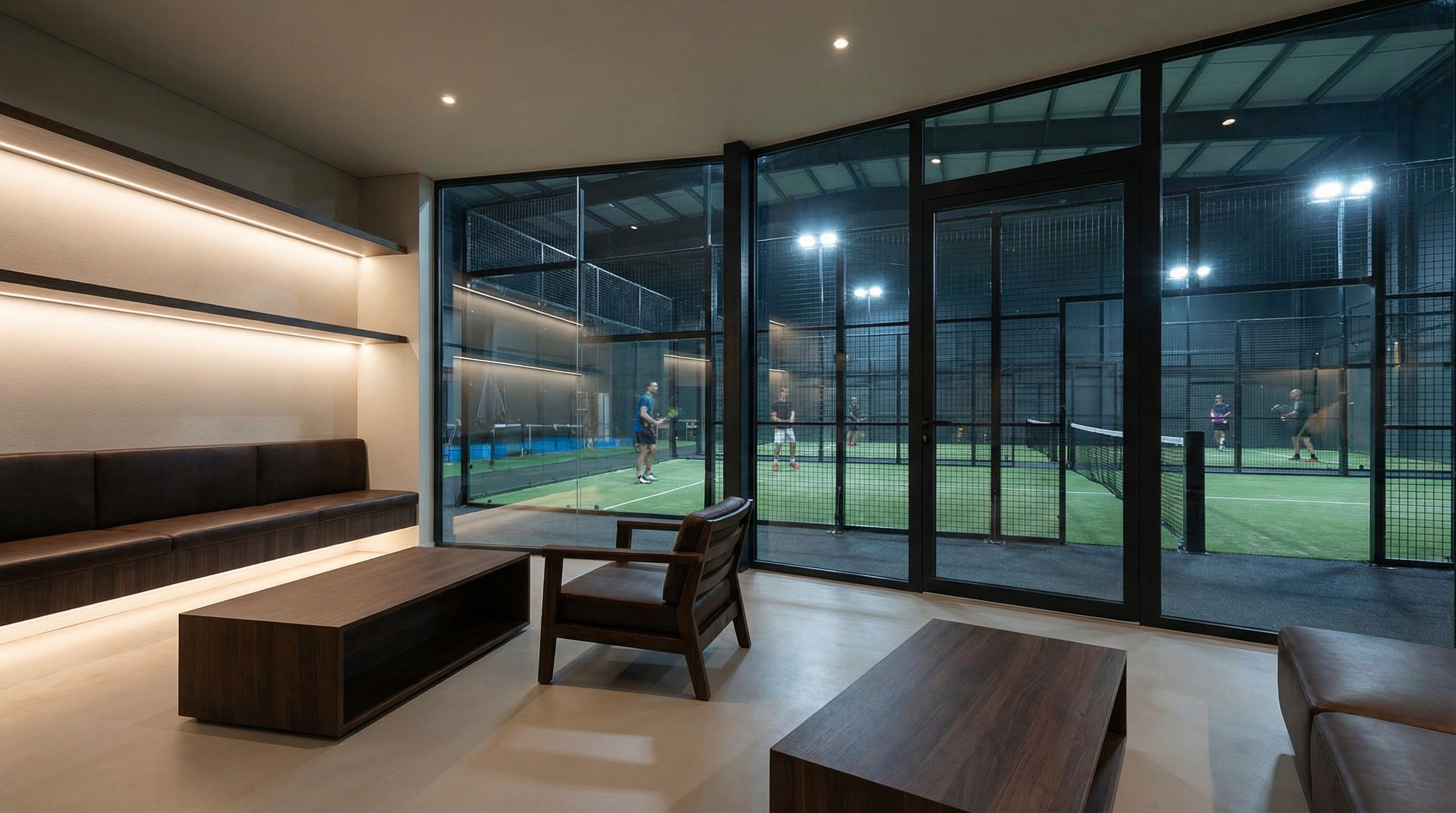
You maintain a pro-level coello padel court by following a strict daily and weekly maintenance cycle that focuses on sand redistribution and glass cleaning. Even the best-built courts will degrade quickly if they are subjected to the “6-hour daily” wear of professional training without proper care.
Daily and weekly maintenance cycles
The most common mistake club owners make is ignoring the sand levels in the high-traffic areas at the baseline and net. You must use a specialized triangular brush to move sand from the edges back to the center of the court every week.
- Daily removal of leaves and debris.
- Weekly brushing to keep fibers upright.
- Monthly glass cleaning with non-abrasive solutions.
It gets better.
Regular brushing prevents the sand from “compacting,” which can lead to a hard, slippery surface that increases the risk of player injury. A well-maintained court always plays like new.
Long-term structural audits
Every six months, you should perform a comprehensive check of all structural bolts and glass connectors. You must ensure that the hot-dip galvanized frame shows no signs of mechanical stress or coating damage, especially after heavy storm seasons.
- Tightening of bolt torque to manufacturer specs.
- Checking the tension of the net and mesh.
- Inspecting anchor plates for any floor movement.
But wait, there is more.
Keeping a maintenance log is essential for insurance purposes and helps you track the return on your investment. A court that is documented as well-maintained will have a much higher resale or valuation price.
Key Takeaway: Consistent, proactive maintenance is the only way to preserve the structural integrity and high-performance playability of a professional padel court.
| Task | Frequency | Objective |
|---|---|---|
| Debris Removal | Daily | Prevent turf clogging |
| Sand Brushing | Weekly | Ensure uniform ball bounce |
| Bolt Inspection | 6 Months | Maintain structural safety |
Professional maintenance protects your players and ensures your facility remains the premier destination in your local market.
Is your venue ready for the global coello padel boom?
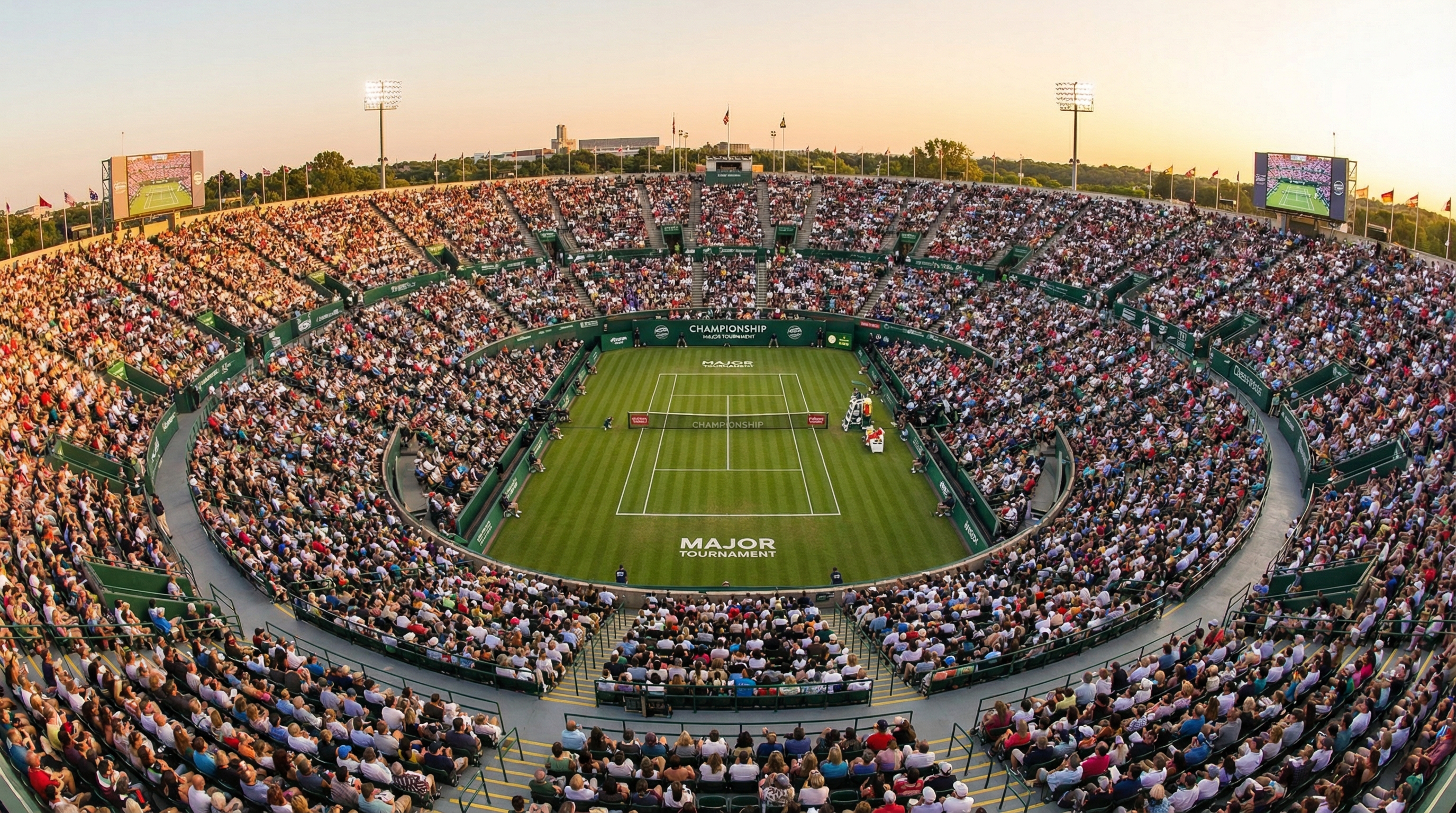
Your venue is ready for the global coello padel boom if you have moved beyond amateur-grade setups to embrace the technical standards of professional tournaments. As the sport continues to grow exponentially, the clubs that offer premium, high-spec construction will be the ones that capture the loyal community of dedicated players.
Transitioning from amateur to pro-sanctioned
Building to professional standards is not just about prestige; it is a calculated business move for better ROI. You should realize that as players improve, they will actively seek out the courts that offer the best “grip and glide” and zero-post visibility.
- Higher member retention rates for elite venues.
- Ability to charge premium booking fees.
- Attracting sponsorship from local and global brands.
Here is the kicker:
The cost difference between a mediocre court and a professional one is often recovered in less than 18 months through higher occupancy and membership fees. Quality pays for itself.
Future-proofing your padel investment
The global sport is evolving toward more intensity and better broadcasting capabilities. You must build your facility with the future in mind, ensuring that your foundation and frame can accommodate future upgrades like smart-cameras or integrated scoring systems.
- Modular designs that allow for easy upgrades.
- High-grade materials that won’t need replacing in 5 years.
- Aesthetic designs that stay relevant as trends evolve.
But wait, there is more.
Being a “pioneer” of professional-grade courts in your area establishes your club as the local authority. This mental association is invaluable as the competition for players increases.
Key Takeaway: Investing in tournament-grade construction today is the most effective way to future-proof your facility and capitalize on the rapid global expansion of padel.
| Growth Driver | Impact on Club | Strategy |
|---|---|---|
| Player Skill Level | Demand for 12mm glass | Upgrade structural spec |
| Media Exposure | Need for Panoramic views | Install Super Panoramic courts |
| Weather Shifts | Demand for indoor play | Invest in integrated canopies |
By aligning your facility with the excellence of Arturo Coello, you ensure your venue remains at the pinnacle of the sport for decades to come.
*
Conclusion
Building a court that mirrors the athletic excellence of Arturo Coello requires a commitment to premium materials and precision engineering. By focusing on structural integrity, professional-grade lighting, and all-weather capability, you ensure your facility becomes a landmark in the global padel explosion. You have the opportunity to solve the problems of subpar infrastructure and provide the ultimate arena for the next generation of champions. Ready to break ground on your professional venue? To explore the full range of tournament-grade court solutions and begin your journey toward elite facility ownership, contact us today for a comprehensive consultation.
*
FAQ
Can I build a professional coello padel court in my backyard?
Yes, provided you have a level concrete foundation and the necessary local permits for a structure of this height. While these are tournament-grade facilities, many private owners choose them for their 15-year durability and superior aesthetic compared to residential kits.
What’s the best way to choose between Panoramic and Super Panoramic designs?
The choice depends entirely on your venue’s goals for spectator viewing and television broadcasting. Super Panoramic offers a completely unobstructed baseline which is ideal for “Center Courts,” while Standard Panoramic is a great balance of cost and visibility for secondary club courts.
Can I install the LED lighting system myself?
No, you should always hire a certified electrician to handle the 200W high-voltage connections to ensure safety and compliance with local building codes. While the mounting hardware is straightforward to install, the electrical integration requires professional expertise to prevent surges or shorts.
What’s the best base for a professional padel court?
A reinforced concrete slab with a 1% slope for drainage is the absolute best foundation for a high-intensity court. This provides the “dead level” surface required to ensure the 12mm glass panels align perfectly and the turf lays flat without wrinkles or bubbles.
Can I play coello padel on a tennis court surface?
No, the ball bounce and player footwork patterns on a tennis court are fundamentally different and will not support the “Coello style” of play. Padel requires a specific synthetic turf and sand system to allow for the controlled sliding and high-speed turns that define the sport.