Adopting the lebron padel style involves mastering a high-aggression, net-dominant offensive strategy characterized by technical precision and rapid court movement. Many competitive players find themselves trapped in defensive loops, unable to break the rhythm of a steady opponent. This lack of finishing power leads to physical exhaustion and missed opportunities during critical match points. By integrating the lebron padel philosophy into your game, you gain the tactical tools and mental clarity needed to dictate play and secure a professional-grade advantage on the court.
What defines the lebron padel style of play?
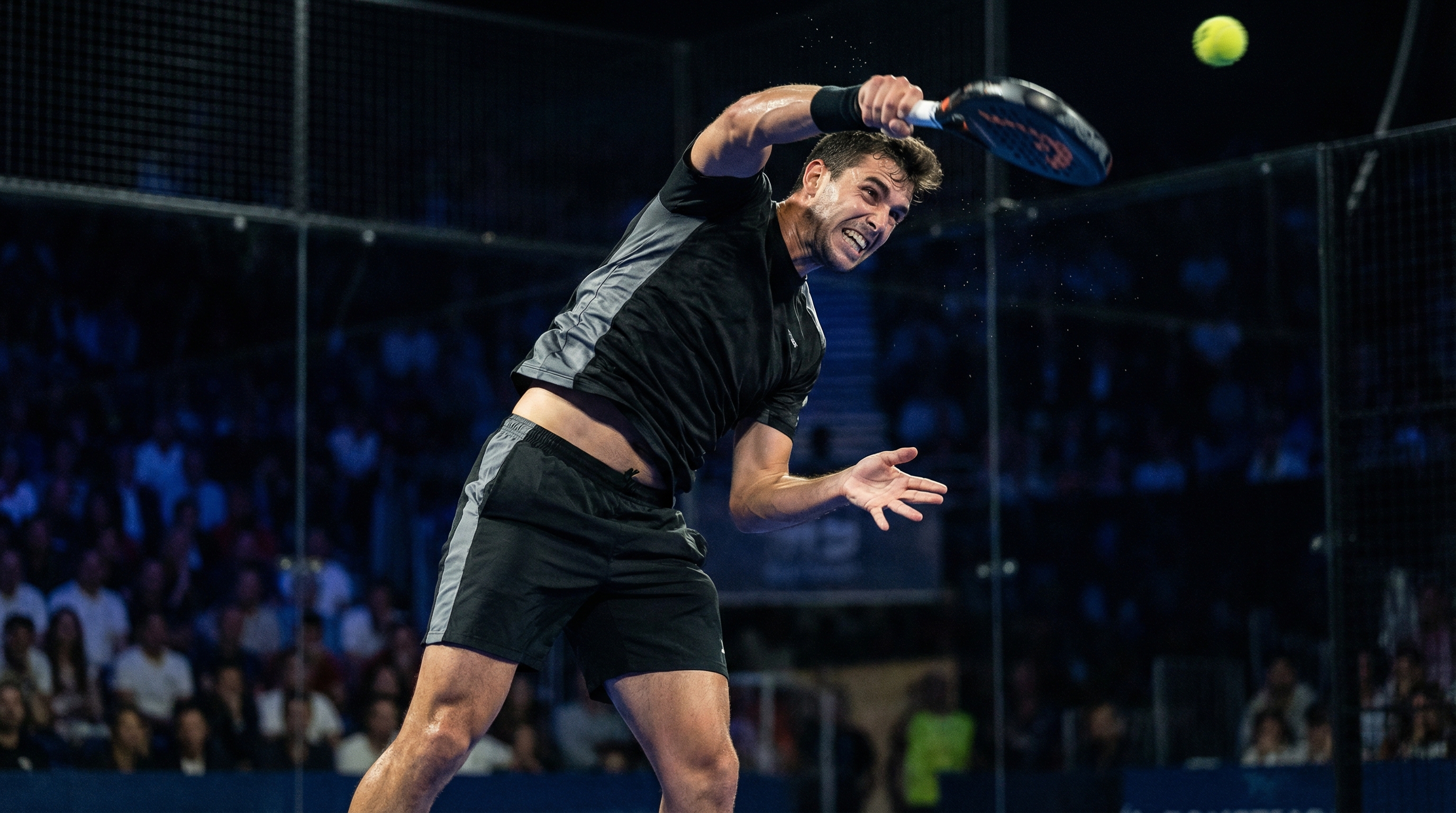
The lebron padel style is defined by an uncompromising offensive stance and the ability to convert defensive positions into immediate scoring opportunities. This approach requires you to maintain a high level of physical fitness and technical mastery over every stroke. It is a system built for players who refuse to play passively.
The characteristics of an elite Spanish champion
To emulate an elite champion, you must focus on total court dominance and a psychological edge that pressures your opponents from the first serve. You need to develop a sense of “court presence” that makes the net feel impenetrable to the other team.
Think about it:
- Unmatched speed in transitioning from the back of the court to the net.
- The ability to read the opponent’s body language to intercept passing shots.
- A relentless desire to finish points with power rather than waiting for errors.
- Highly technical “por tres” smashes that exit the court laterally.
The best part?
You can cultivate this presence through deliberate practice and by focusing on your positioning relative to your partner.
Aggression and precision on the professional circuit
The professional circuit demands that you balance raw power with extreme precision to avoid unforced errors during high-speed exchanges. You must learn to hit the ball with maximum velocity while maintaining a low margin for error near the glass.
But here is the truth:
- High-speed play is only effective if your ball placement is deep and accurate.
- Precision comes from a short backswing and a synchronized follow-through.
- Aggression should be calculated, targeting the opponent’s feet or the middle of the court.
You will find that true professional aggression is not just about hitting hard, but about hitting the right spot at the right time.
| Aspect | Defensive Style | Lebron Padel Style |
|---|---|---|
| Primary Goal | Minimize errors | Dictate tempo and finish |
| Net Position | Occasional | Constant and aggressive |
| Smash Usage | Only on clear lobs | On any short ball |
The shift from a reactive to a proactive mindset is the fundamental requirement for executing this high-level offensive system effectively.
Key Takeaway: The lebron padel style prioritizes aggressive net positioning and finishing power over passive point-building.
How did the lebron padel journey begin?
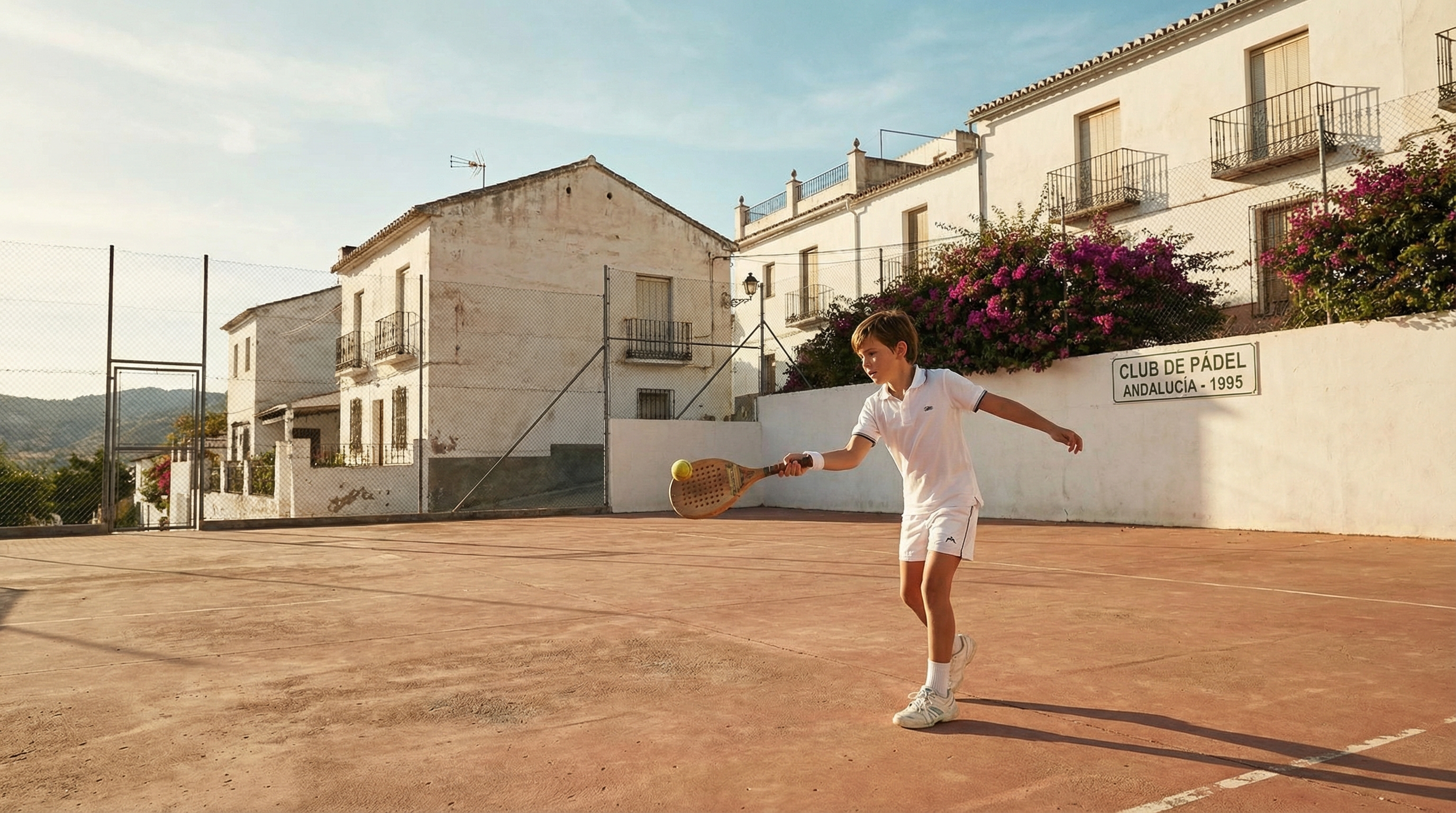
The lebron padel journey began in the vibrant sports culture of Andalusia, where the foundations of competitive play are often laid in early childhood. This region is known for producing athletes with exceptional hand-eye coordination and a natural flair for racket sports. Early exposure to the court environment allows for the development of instinctive movement patterns.
Early influences in Andalusia at age eight
When you start at age eight, the court becomes a natural extension of your playground, allowing for the development of “soft hands” and intuitive ball tracking. You benefit from a culture that celebrates the sport as a social and competitive staple.
Listen to this:
- Focusing on basic coordination drills rather than complex tactics.
- Learning to handle the glass rebounds through trial and error.
- Observing senior players to mimic their service and return rhythms.
- Developing a competitive spirit through local club tournaments.
The reality is:
You cannot teach the kind of intuition that comes from spending thousands of hours on the court before reaching adolescence.
Transitioning from youth hobbies to pro status at sixteen
Transitioning to professional status at age sixteen requires you to replace casual play with a rigorous, disciplined training schedule. At this stage, you must decide if you have the mental fortitude to endure the pressures of the professional circuit.
Make no mistake:
- Physical conditioning becomes a full-time commitment.
- Tactical analysis of opponents becomes as important as your own technique.
- Tournament travel schedules test your resilience and adaptability.
You must be prepared to sacrifice standard social milestones to pursue a ranking that places you among the global elite.
| Development Phase | Focus Area | Outcome |
|---|---|---|
| Childhood (8-12) | Fun and Coordination | Technical Intuition |
| Adolescence (13-15) | Tactical Strategy | Match Temperament |
| Professional (16+) | Physical Peak | World Ranking Points |
Early immersion in a competitive environment creates a technical baseline that is nearly impossible to replicate in later years of training.
Key Takeaway: A professional padel career is built on a foundation of early childhood immersion and a disciplined transition to elite competition by the mid-teens.
Why is music vital for lebron padel focus?
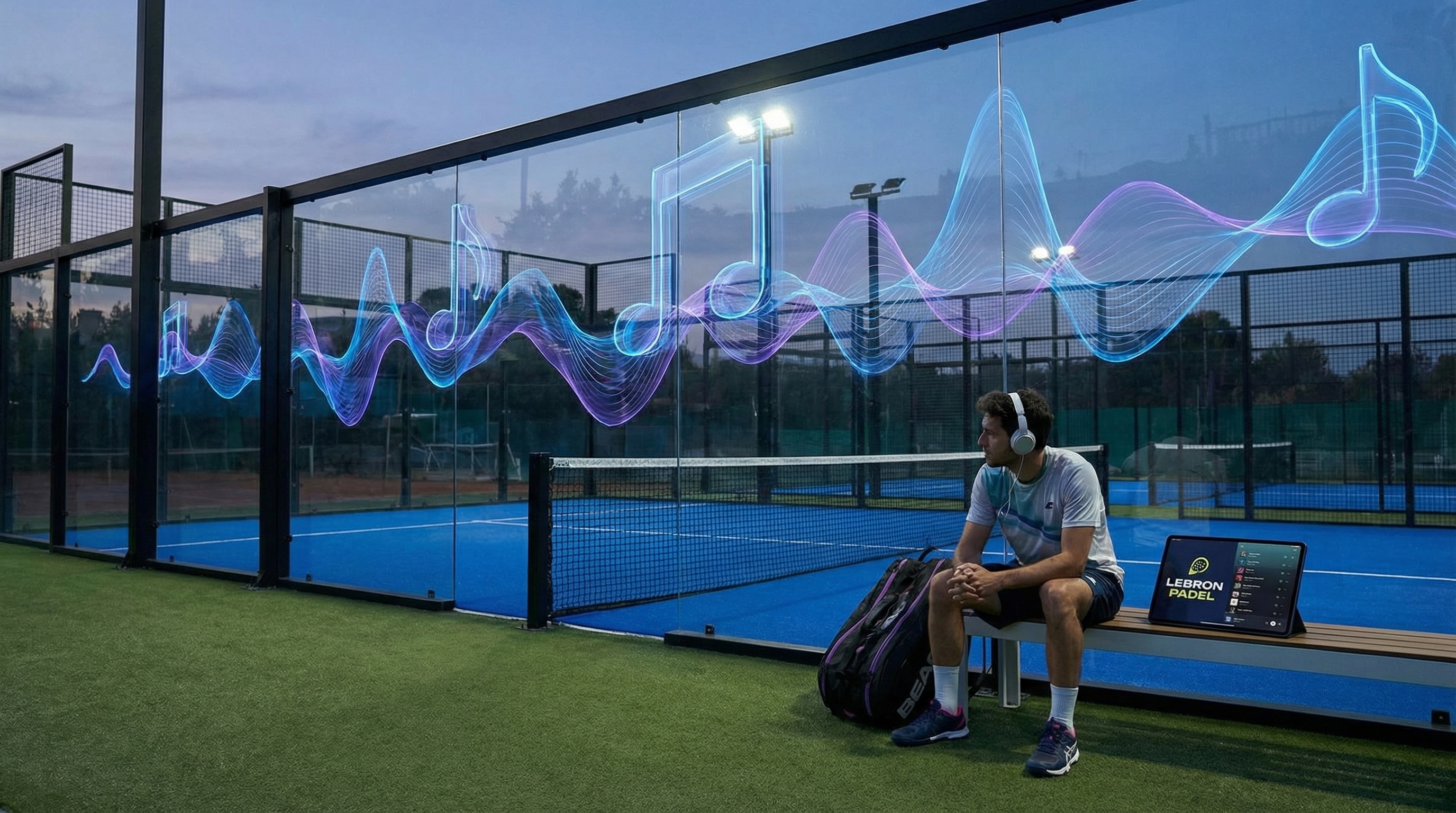
Music is vital for lebron padel focus because it serves as a psychological anchor that regulates arousal levels and enhances rhythmic timing. For elite athletes, the auditory environment is a tool for shutting out external distractions and entering a “flow state.” This mental preparation is just as critical as the physical warm-up.
Visualizing top performances through rhythm
You can use the steady beat of electronic or traditional music to synchronize your visualization of successful overheads and defensive saves. By matching the tempo of the music to the ideal rhythm of your footwork, you prime your nervous system for the match.
Can you imagine?
- Visualizing the perfect “kick smash” as the beat drops in a track.
- Using rhythmic breathing to lower your heart rate during high-pressure intervals.
- Recalling the feeling of a clean winner every time a specific melody plays.
- Mapping your court transitions to the structure of your favorite playlist.
The secret?
Music transforms visualization from a static mental image into a dynamic, multi-sensory rehearsal of your best game.
Using electronic and flamenco beats for concentration
You might find that the high-energy pulse of electronic music drives your intensity, while the complex rhythms of flamenco sharpen your technical focus. Both genres provide a unique stimulus that keeps your mind engaged and prevents mental fatigue during long tournament days.
Here is the kicker:
- Electronic beats help maintain a consistent “ready stance” during warm-ups.
- Flamenco rhythms mirror the stop-and-start nature of padel points.
- Auditory cues can trigger “muscle memory” more effectively than silent thought.
You should curate a playlist that moves from relaxation to high-intensity focus as you approach the start of your match.
| Music Type | Mental Benefit | Physical Application |
|---|---|---|
| Electronic/Techno | High Arousal | Explosive Movements |
| Traditional/Flamenco | Rhythmic Precision | Footwork Timing |
| Ambient/Relaxing | Anxiety Reduction | Pre-match Focus |
Utilizing music as a strategic tool allows you to control your mental environment and maintain peak concentration regardless of external noise.
Key Takeaway: Rhythmic auditory stimulation is a proven method for enhancing visualization and maintaining the intense focus required for professional play.
Which strokes power the lebron padel technique?
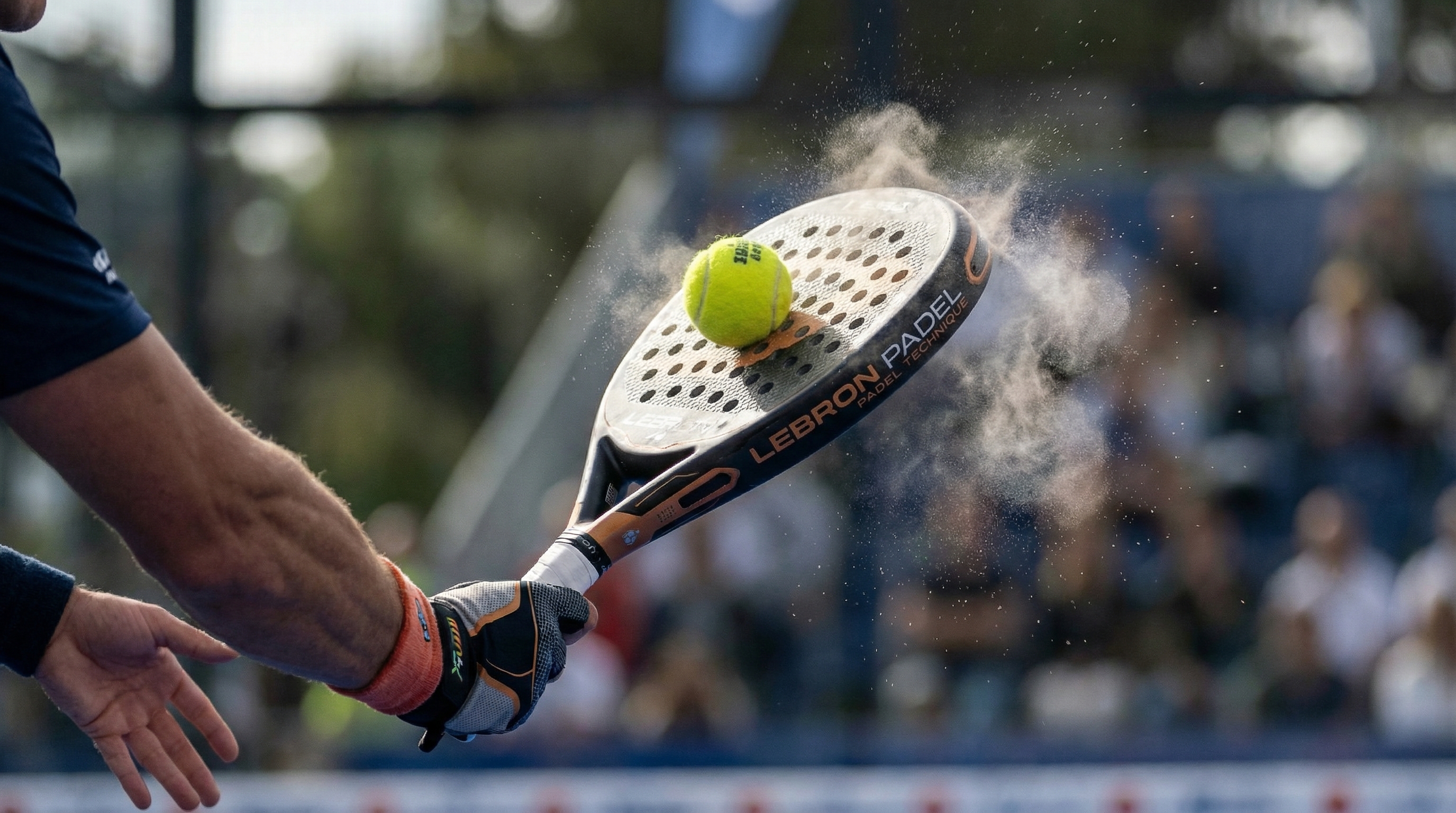
The strokes that power the lebron padel technique are characterized by a high contact point and an aggressive follow-through designed to keep the ball low or force it out of the court. Mastery of the overhead is the primary differentiator between a standard player and an elite offensive threat. These strokes are engineered to maximize the bounce off the glass.
Mastering the aggressive overhead smash
To master the aggressive overhead, you must position yourself perfectly under the ball and use a full body rotation to generate power. You are not just hitting the ball; you are leveraging your entire kinetic chain to create a shot that is nearly impossible to return.
Believe it or not:
- Contacting the ball at its highest peak to create a sharp downward angle.
- Using a “topspin-slice” combination to make the ball jump off the back wall.
- Aiming for the “V” in the back corners to maximize unpredictable rebounds.
- Executing the “por tres” by hitting the ball into the side fence after the bounce.
The bottom line is:
A dominant overhead is your most effective tool for ending points early and demoralizing your opponents.
Enhancing technical precision through visualization
You can enhance your technical precision by mentally rehearsing the swing path and contact point of every stroke before you even step onto the court. This mental mapping reduces the “latency” between your brain’s command and your body’s execution.
It gets better:
- Slow-motion visualization helps you identify hitches in your swing.
- Focusing on the sound of a clean hit reinforces the correct technique.
- Visualizing the trajectory of the ball helps you anticipate the opponent’s return.
You must treat visualization as a mandatory part of your technical training, not just an optional exercise for the mind.
| Stroke Type | Technical Focus | Tactical Intent |
|---|---|---|
| The Smash | High Contact Point | Finishing the Point |
| The Bandeja | Defensive Spin | Regaining the Net |
| The Vibora | Side Spin/Slice | Forcing an Error |
Developing a diverse arsenal of overhead strokes ensures that you can remain aggressive from any position on the court.
Key Takeaway: Technical dominance in padel is achieved through a combination of powerful overhead strokes and precise mental visualization.
How do you train for lebron padel movement?
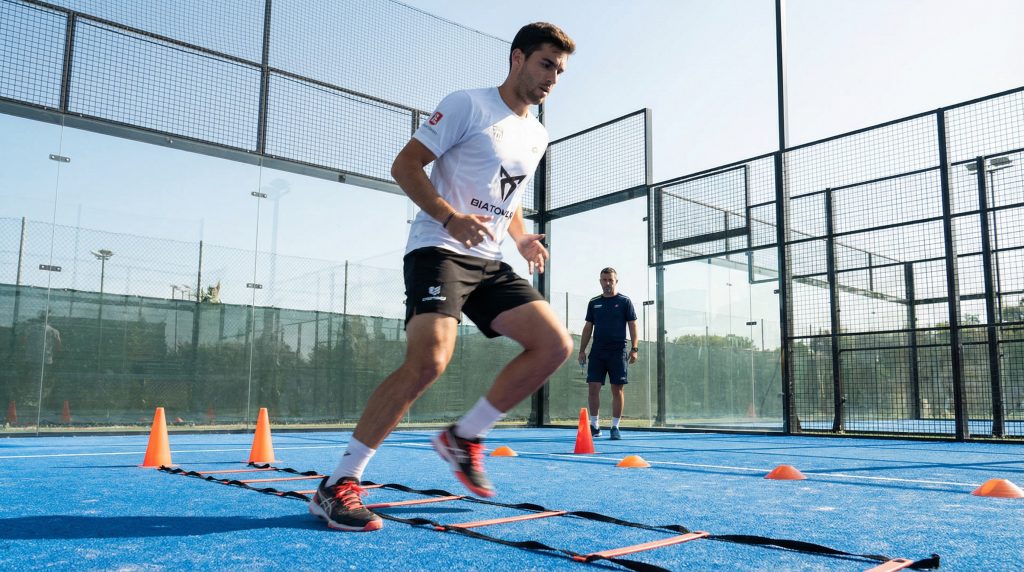
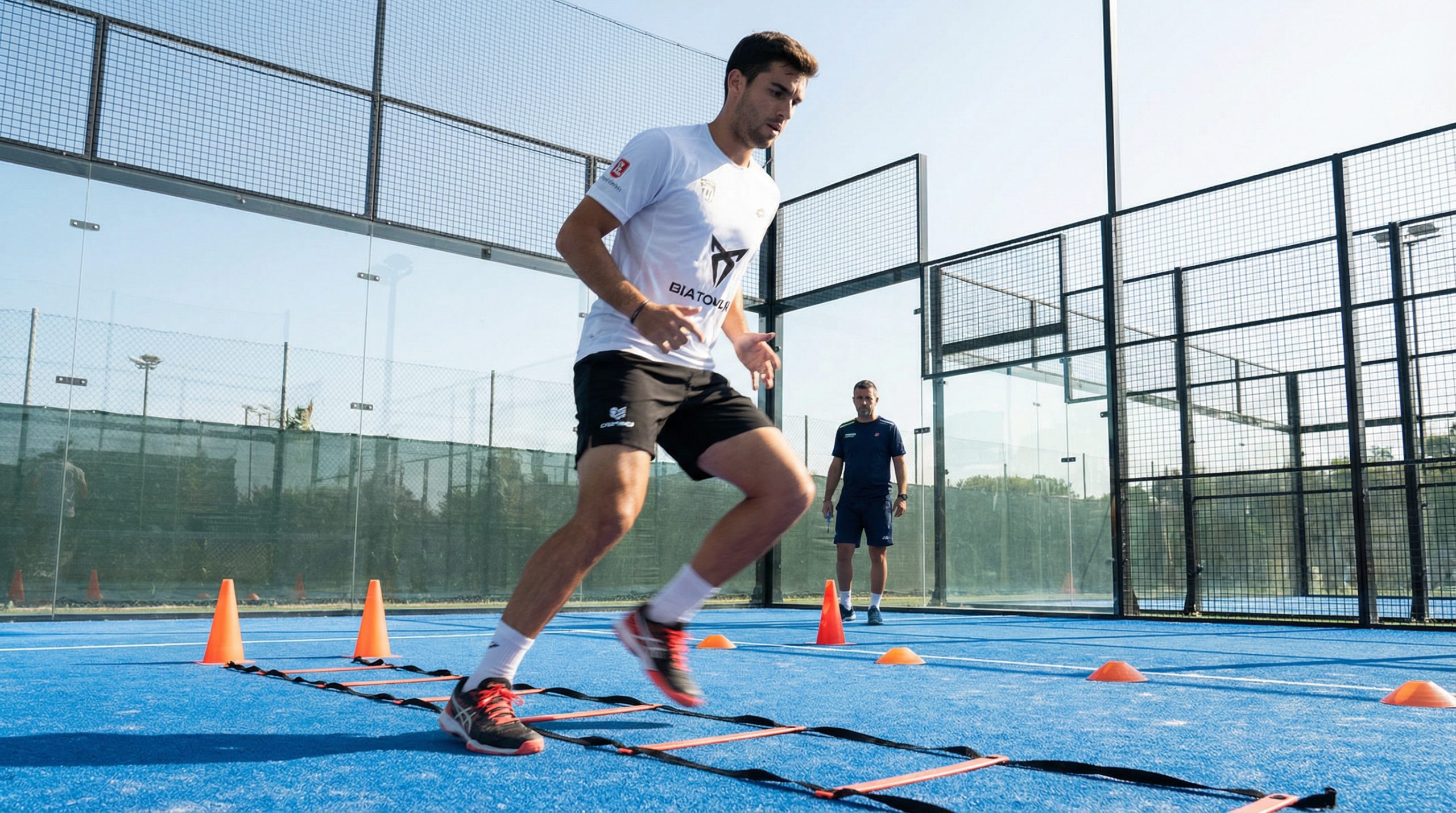
Training for lebron padel movement requires a focus on lateral agility, explosive starts, and the ability to maintain balance during rapid direction changes. You must view the court as a grid that demands constant, micro-adjustments in positioning. Movement is the foundation upon which all technical strokes are built.
Developing the agility of a professional dancer
You should incorporate drills that mimic the fluid, rhythmic footwork of a dancer to improve your efficiency and grace on the court. This type of training emphasizes “light feet” and the ability to pivot without losing momentum or stability.
Wait, there’s more:
- Using agility ladders to improve your foot-speed and coordination.
- Practicing “split-steps” on every opponent’s hit to ensure you are ready to move.
- Developing core strength to maintain balance during deep lunges.
- Using resistance bands to increase the power of your lateral pushes.
The point is:
Agility is not just about speed; it is about the economy of movement that allows you to play five sets without fading.
Improving court coverage and reaction times
To improve your court coverage, you must train your eyes to track the ball early and your feet to move before the ball crosses the net. You need to develop “explosive first-step” capabilities to close down angles and reach drop shots.
Think about this:
- Reaction ball drills improve your hand-eye-foot coordination.
- Interval sprinting builds the anaerobic capacity needed for long points.
- Shadow-padel drills allow you to practice movement patterns without the ball.
You will find that your technical skills improve exponentially once you are consistently in the correct position to hit the ball.
| Training Drill | Target Attribute | Frequency |
|---|---|---|
| Agility Ladder | Foot Speed | Daily Warm-up |
| Lateral Shuffles | Court Coverage | 3x Weekly |
| Split-Step Drills | Reaction Time | Every Session |
Elite movement patterns are the result of consistent, high-intensity agility training that prioritizes balance and reaction speed.
Key Takeaway: Professional-level movement is characterized by a “light” footwork style and explosive lateral agility developed through specific conditioning.
What are the core lebron padel tactical secrets?
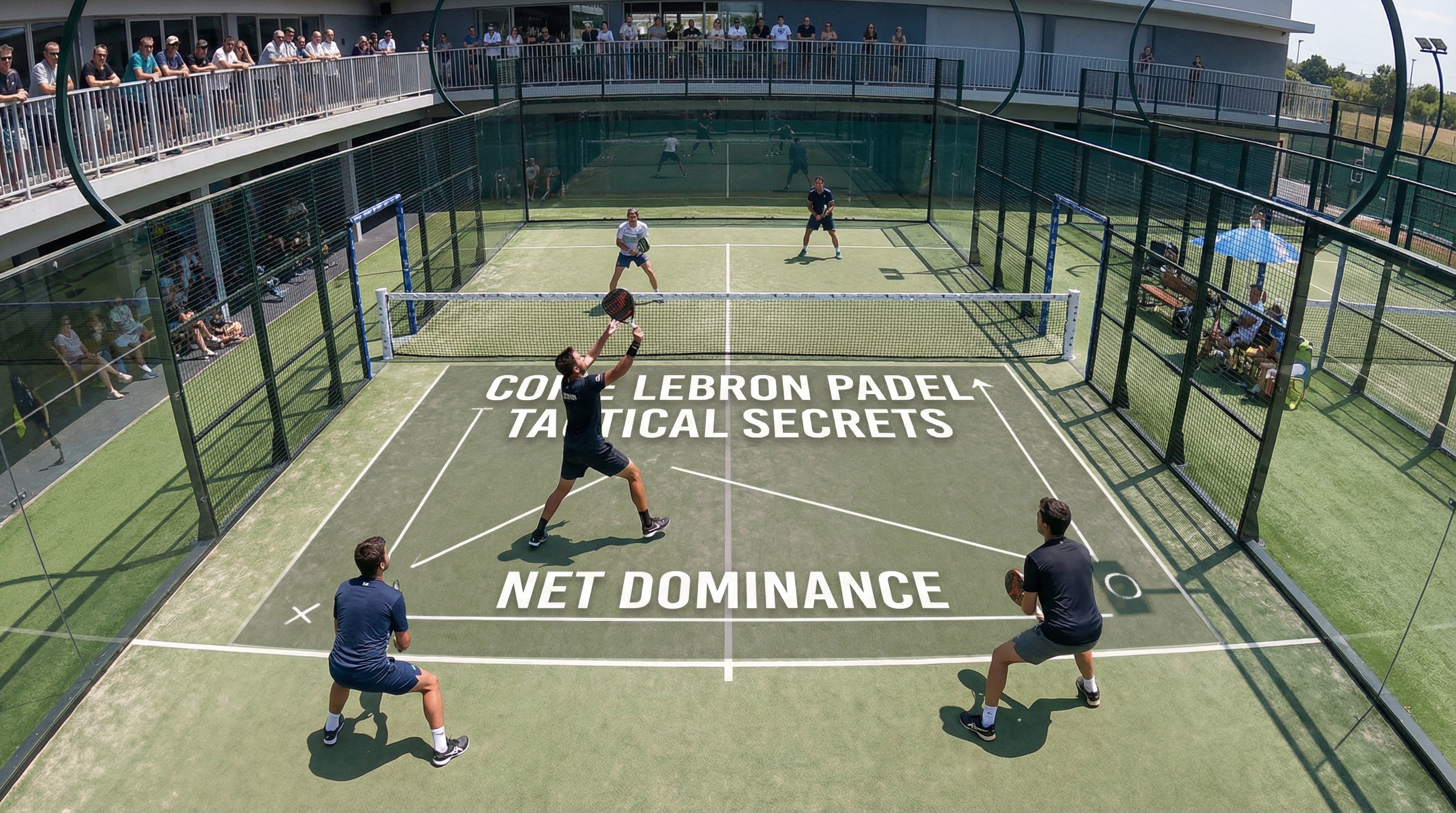
The core lebron padel tactical secrets revolve around total net dominance and an relentless attacking mentality that never lets the opponent breathe. This strategy is designed to force the other team into making rushed decisions and high-risk shots. It is a psychological war of attrition where you always hold the upper hand.
Dominating the net with an attacking mentality
You must make the net your primary home, retreating only when absolutely forced by a high-quality lob. By staying close to the net, you reduce the time your opponents have to react and increase the angles available for your winning volleys.
It is simple:
- Always moving forward after hitting a deep return or lob.
- Using your volleys to push opponents back into the corners.
- Communicating constantly with your partner to close the middle gap.
- Maintaining a high racket head position to intercept fast drives.
The truth is:
Whoever controls the net controls the scoreboard, provided they have the technical skill to finish the points.
Forcing errors through relentless pressure
You can force errors by varying the speed and spin of your shots, never allowing the opponent to settle into a comfortable rhythm. This involves hitting aggressive “chiquitas” (soft shots to the feet) followed by heavy drives or overheads.
Keep in mind:
- Targeting the opponent’s weaker side consistently until they crack.
- Using the “Australian” formation to confuse the returner’s angles.
- Varying your serve speed and placement to prevent easy returns.
You must be relentless in your pursuit of the “unforced” error, which is often actually a result of the pressure you have applied.
| Tactical Goal | Method | Desired Outcome |
|---|---|---|
| Net Control | Early Transition | Shortened Points |
| Pressure | Deep Placement | Defensive Lobs |
| Finishing | Power Smashes | Winners |
Tactical superiority in padel is achieved by combining aggressive positioning with a varied shot selection that keeps opponents off-balance.
Key Takeaway: Dominating the net and maintaining psychological pressure are the two pillars of an elite padel tactical strategy.
How does football influence lebron padel?
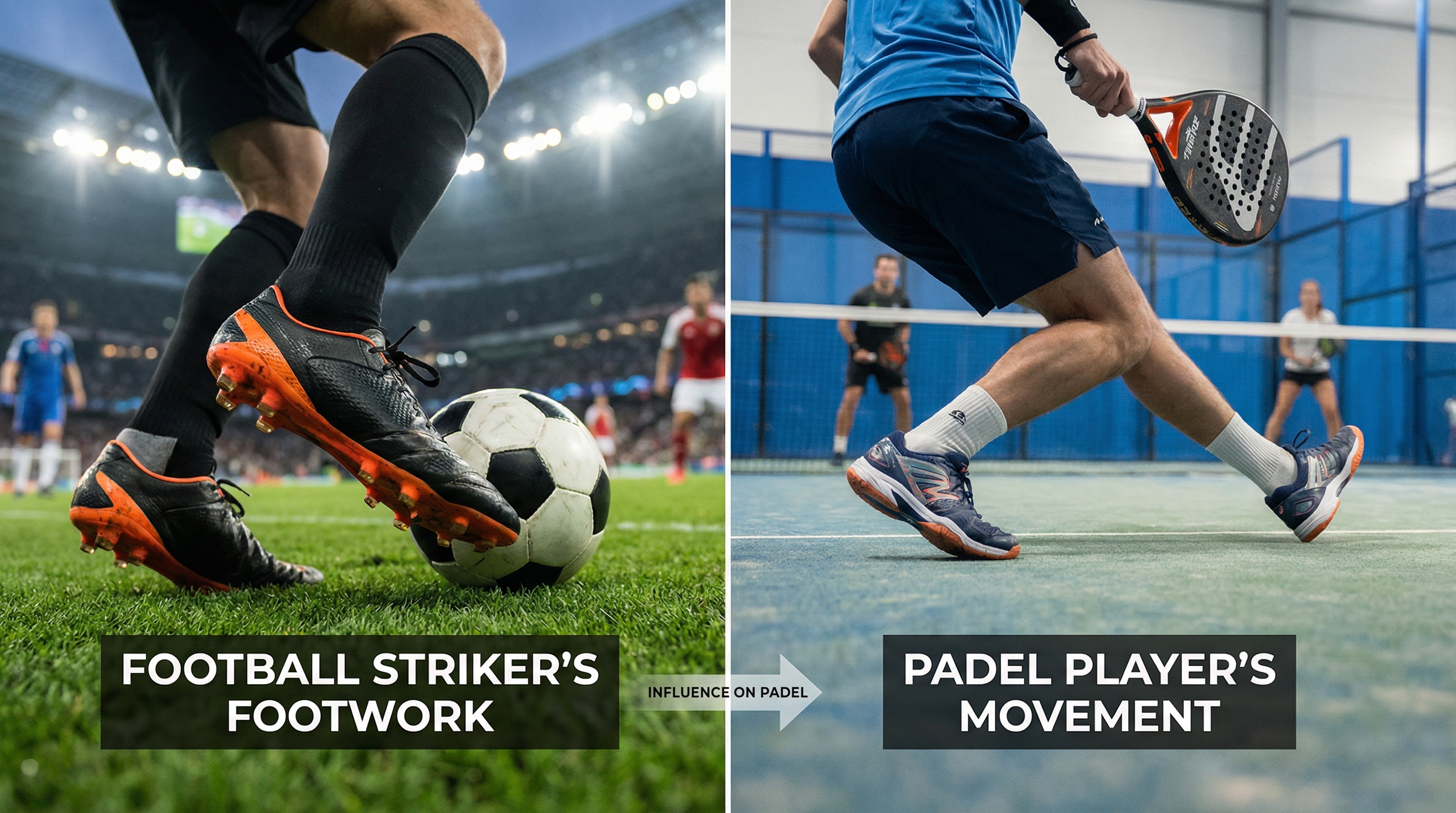
Football influences lebron padel through the transfer of explosive footwork, spatial awareness, and the competitive drive of a professional striker. Many top players credit their early years on the pitch for their ability to read the game and move with agility. The two sports share a high reliance on anaerobic bursts and strategic positioning.
Applying center-forward instincts to the court
You can apply the instincts of a center-forward to “attack the ball” rather than waiting for it to reach you. Just as a striker anticipates a cross, you must anticipate the flight of the ball and position yourself for the finish.
Look at it this way:
- Using “blind side” movements to surprise your opponents.
- Anticipating the rebound off the glass like a striker hunting a deflection.
- Maintaining a low center of gravity for quick pivots and turns.
- Developing a “killer instinct” to finish the point when the opportunity arises.
The best part?
The spatial awareness you learned in football translates perfectly to the restricted dimensions of the padel court.
Transferable footwork and competitive drive
You will find that the short-area quickness required for football translates directly to the rapid lateral movements needed in padel. The mental toughness required to compete in a high-stakes football match also prepares you for the pressure of a professional padel tie-break.
Here’s the deal:
- Cleat-based footwork drills translate to better grip and drive on the turf.
- The “never say die” attitude of football builds match-winning resilience.
- Team communication skills are vital for a successful padel partnership.
You should leverage any previous experience in team sports to improve your court communication and strategic planning.
| Sport Attribute | Football Application | Padel Application |
|---|---|---|
| Explosivity | Sprinting for the Ball | Closing the Net |
| Anticipation | Reading the Play | Predicting Rebounds |
| Stamina | 90-Minute Endurance | 3-Set Intensity |
The intersection of football and padel creates a unique athletic profile characterized by explosive power and elite tactical intuition.
Key Takeaway: The footwork and competitive mindset developed in football provide a significant advantage in the fast-paced environment of padel.
Which gear is best for a lebron padel setup?
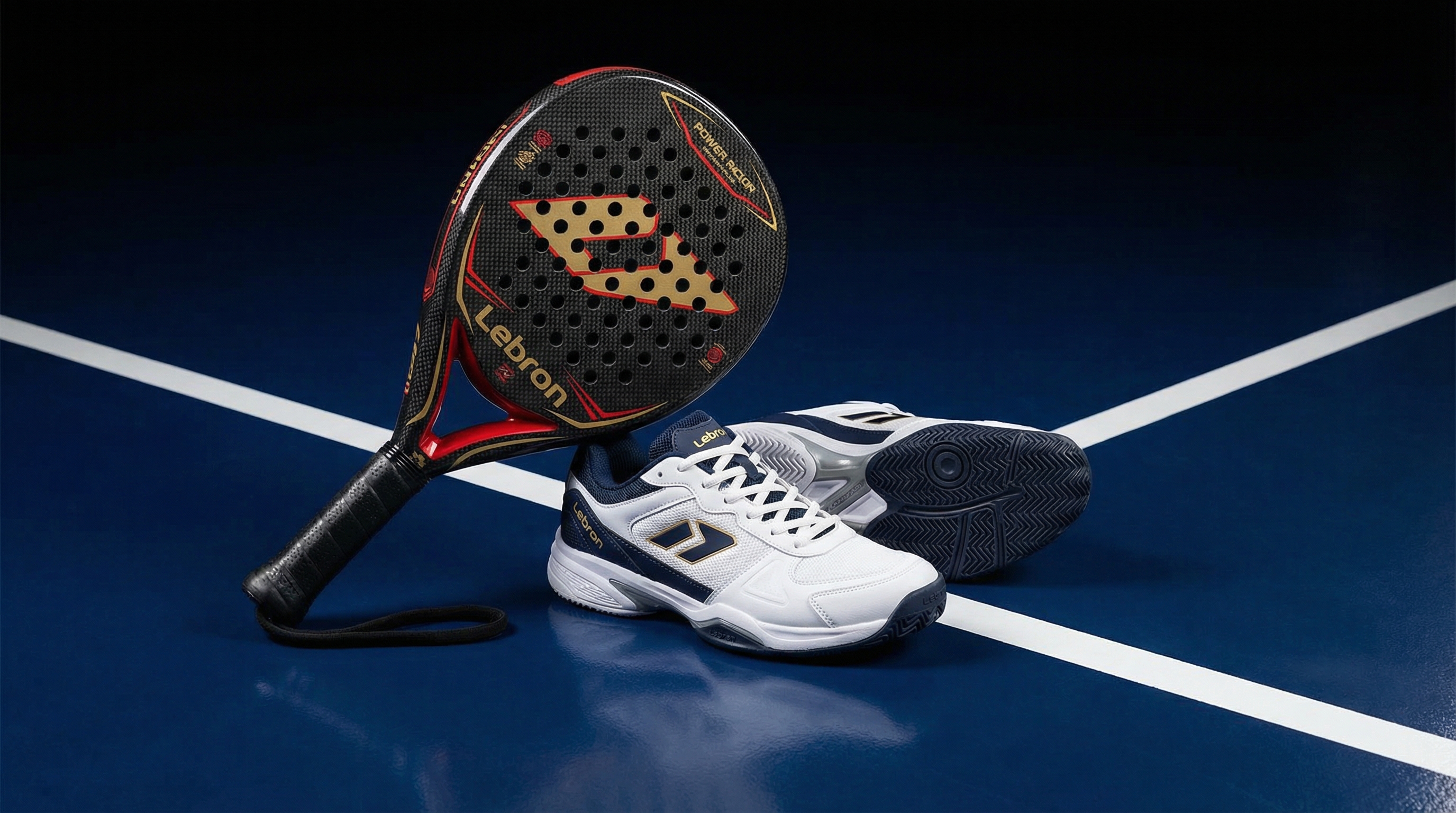
The gear that is best for a lebron padel setup includes a high-balance power racket and technical footwear designed for maximum traction on sand-filled turf. Professional players select equipment that complements their aggressive style, prioritizing power over pure control. Your gear must be an extension of your body’s capabilities.
Selecting a high-performance power racket
You should choose a racket with a diamond shape and a high sweet spot to maximize the leverage on your smashes and volleys. A stiffer frame material, like carbon fiber, provides the responsiveness needed for high-speed exchanges and powerful finishes.
Check this out:
- A diamond-shaped head for maximum leverage on overheads.
- A high balance (towards the head) to increase swing weight and power.
- A carbon fiber surface for a crisp, responsive feel on the ball.
- An ergonomic grip with an overgrip that ensures zero slippage.
The reality?
A power-focused racket requires better technique to control, but it offers a much higher ceiling for offensive play.
Choosing technical footwear for maximum grip
You must invest in shoes specifically designed for the unique surface of a padel court, which often features a layer of silica sand. The sole pattern—typically a herringbone or “clay” style—must provide enough grip for explosive starts without sticking during pivots.
Don’t forget:
- Lateral reinforcement is essential to prevent ankle rollovers during slides.
- Gel or foam cushioning protects your joints during high-impact jumps.
- A breathable upper keeps your feet cool during long, outdoor matches.
You will find that the right shoes are just as important as the right racket for maintaining your agility and preventing injury.
| Gear Item | Key Feature | Performance Benefit |
|---|---|---|
| Racket | Diamond Shape | Maximum Smash Power |
| Shoes | Herringbone Sole | Traction on Sand |
| Overgrip | High Absorbency | Consistent Handle Grip |
Selecting professional-grade equipment tailored to an offensive style is essential for executing the high-intensity tactics of the elite game.
Key Takeaway: High-balance rackets and specialized turf shoes are the essential components of a professional-grade padel setup.
How to build the ultimate lebron padel court?
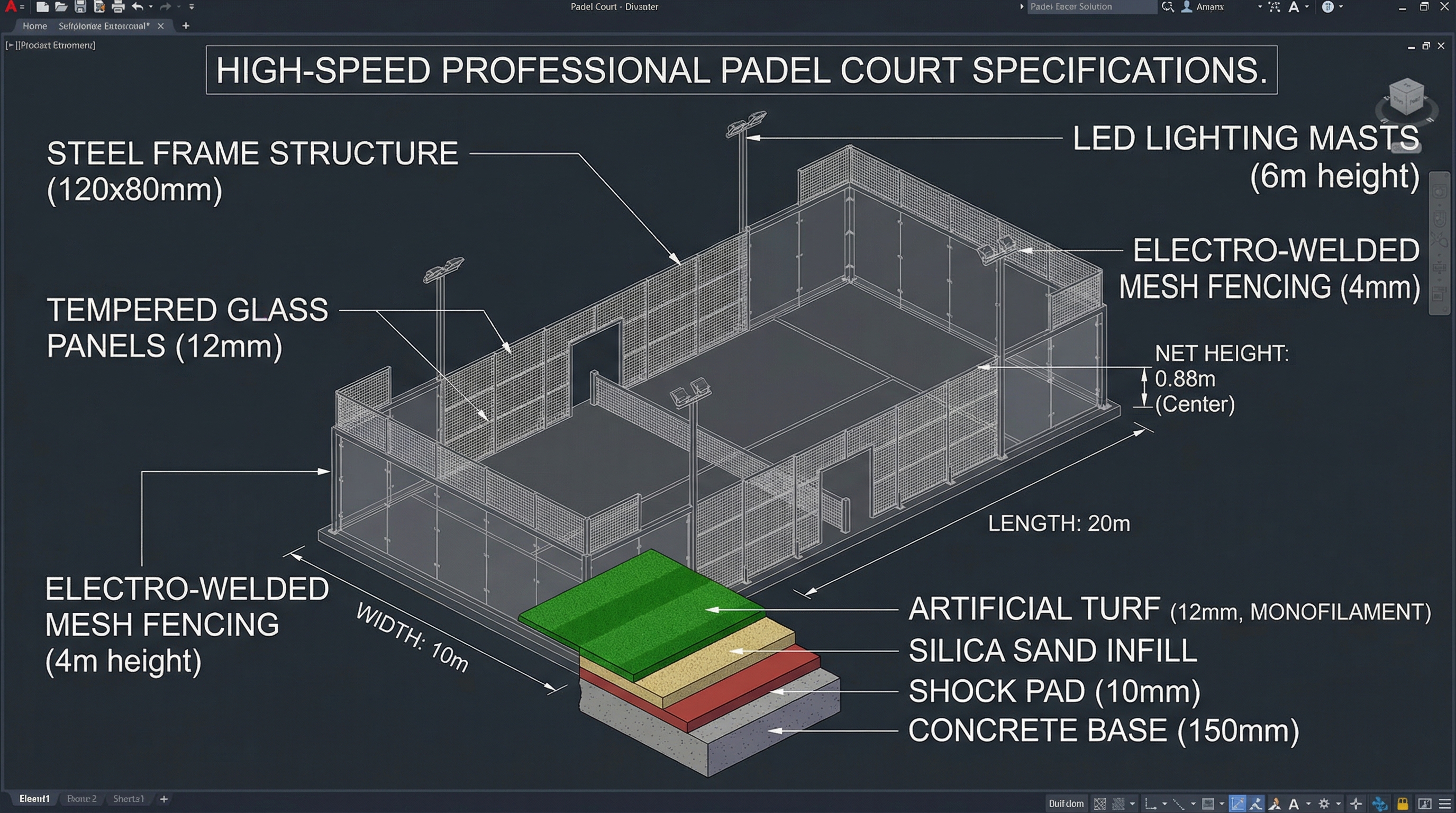
Building the ultimate lebron padel court requires strict adherence to international specifications regarding glass thickness, turf quality, and lighting intensity. A professional court must facilitate high-speed play with predictable ball bounces and consistent footing. The structural integrity of the frame is paramount for safety and long-term durability.
Essential structural specifications for professional play
You must ensure the court frame is constructed from high-quality steel with electro-welded mesh to withstand the impact of players and balls. The glass panels should be 12mm tempered safety glass to ensure a consistent rebound and maximum visibility for spectators.
It’s crucial:
- Standard dimensions of 20 meters by 10 meters for the playing area.
- A net height of 0.88 meters at the center and 0.92 meters at the posts.
- LED lighting masts at a height of 6 meters to avoid glare.
- A concrete base of at least 150mm for total structural stability.
The fact of the matter:
A poorly built court will lead to dead spots in the glass and uneven turf, which ruins the quality of competitive play.
Selecting optimal surfaces for high-speed matches
You should select a monofilament artificial turf with a specific pile height that allows for a fast game while minimizing the risk of slips. The amount of silica sand infill must be carefully calibrated to ensure the correct balance between traction and slide.
Here is the secret:
- Monofilament fibers are more durable and provide a more consistent bounce.
- Blue turf is the professional standard for maximum ball visibility.
- A shock pad under the turf can reduce the impact on players’ joints.
You must maintain the surface regularly by brushing the sand to prevent compaction and ensure a professional-grade experience.
| Component | Professional Standard | Benefit |
|---|---|---|
| Glass | 12mm Tempered | Predictable Rebound |
| Turf | Monofilament | Fast Ball Speed |
| Lighting | LED 500+ Lux | High Visibility |
Building to professional standards ensures that your court can host elite competitions and provide a superior experience for all players.
Key Takeaway: A professional padel court requires 12mm tempered glass, high-grade steel framing, and specialized monofilament turf for elite-level play.
How to achieve a professional lebron padel rank?
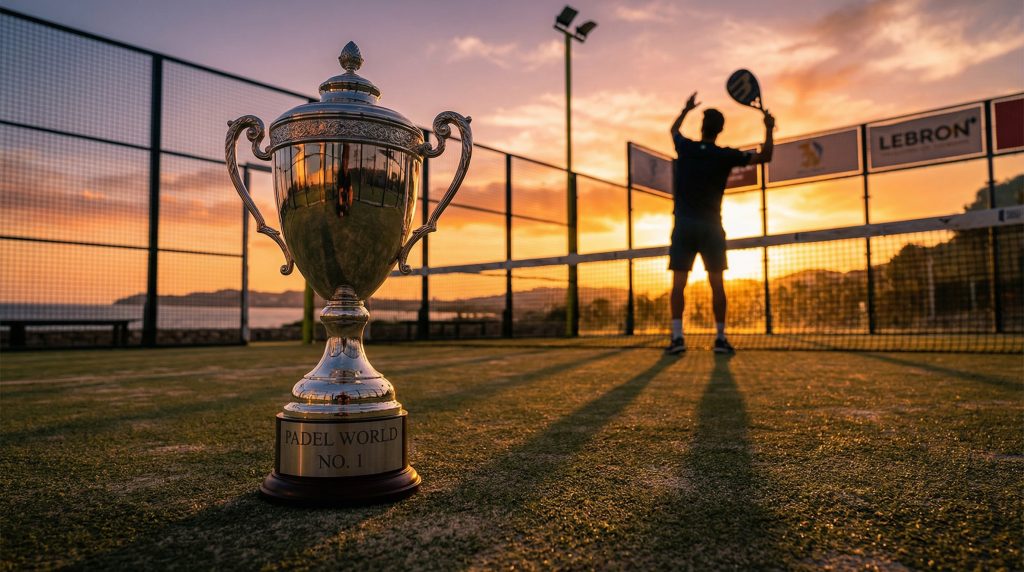
Achieving a professional lebron padel rank requires a combination of tournament consistency, elite physical conditioning, and a strategic approach to point management. You must climb the rankings by performing well in regional and international circuits, slowly accumulating the points needed to enter top-tier events. It is a long-term commitment to excellence in every facet of the sport.
Consistency and the path to the world number one spot
You must focus on reaching the quarter-finals and semi-finals of every tournament you enter to maintain a steady stream of ranking points. Reaching the world number one spot is not about a single win; it is about maintaining elite performance over a 52-week rolling calendar.
Keep going:
- Developing a “tournament mindset” that treats every match with the same intensity.
- Analyzing your match data to identify and eliminate recurring errors.
- Securing a stable sponsorship to manage the costs of international travel.
- Building a support team including a coach, physio, and psychologist.
The reality is:
Ranking is a reflection of your ability to perform under pressure against the best players in the world, week after week.
Final tips for building your competitive game strategy
You should refine your strategy by studying the playstyles of your highest-ranked opponents and developing specific counter-tactics for each. A professional strategy is never static; it evolves based on the surface, the balls, and the environmental conditions of the match.
The best part?
- Video analysis of your matches reveals patterns you can’t see on the court.
- Playing with different partners can help you adapt to various game styles.
- Recovery and nutrition are just as important as court time for long-term success.
You will achieve your goals by remaining disciplined in your training and adaptable in your tactical execution.
| Ranking Level | Primary Requirement | Focus |
|---|---|---|
| Amateur | Skill Acquisition | Fun and Social |
| Regional Pro | Tournament Wins | Tactical Depth |
| World Elite | Global Consistency | Physical Peak |
Achieving an elite ranking is the ultimate validation of your dedication to the offensive, high-intensity style of the modern game.
Key Takeaway: Professional ranking is the result of sustained tournament performance, elite physical preparation, and a strategic, data-driven approach to the sport.
Whether you are looking to upgrade your personal gear or planning to develop a world-class facility, our team is ready to assist you. Elevate your game by investing in the highest quality equipment and infrastructure available today.
For expert guidance on building your court or selecting professional gear, contact us today.
FAQ
Can I build a padel court in my backyard?
Yes, provided you have a flat space of at least 20×10 meters and the necessary local planning permissions. You must ensure a professional concrete foundation to prevent the glass from shifting over time.
What’s the best way to improve my padel smash?
The best way is to focus on your positioning and contact point rather than just raw power. You should practice hitting the ball at its highest peak with a “kick” spin to make it jump over the fence.
Can I use tennis shoes for padel?
It is not recommended because tennis shoes often lack the specific grip pattern needed for sand-filled padel turf. You should use dedicated padel shoes with a herringbone sole to prevent slips and injuries.
What’s the best racket shape for an aggressive player?
The diamond shape is the best choice because it places the weight and the sweet spot near the top of the frame. This design provides the maximum leverage and power for the offensive strokes required in an elite game.
Can I achieve a professional rank starting at age 30?
It is extremely difficult because the professional circuit is dominated by players who started in early childhood. However, you can still achieve a very high competitive level in senior or regional categories through dedicated training.