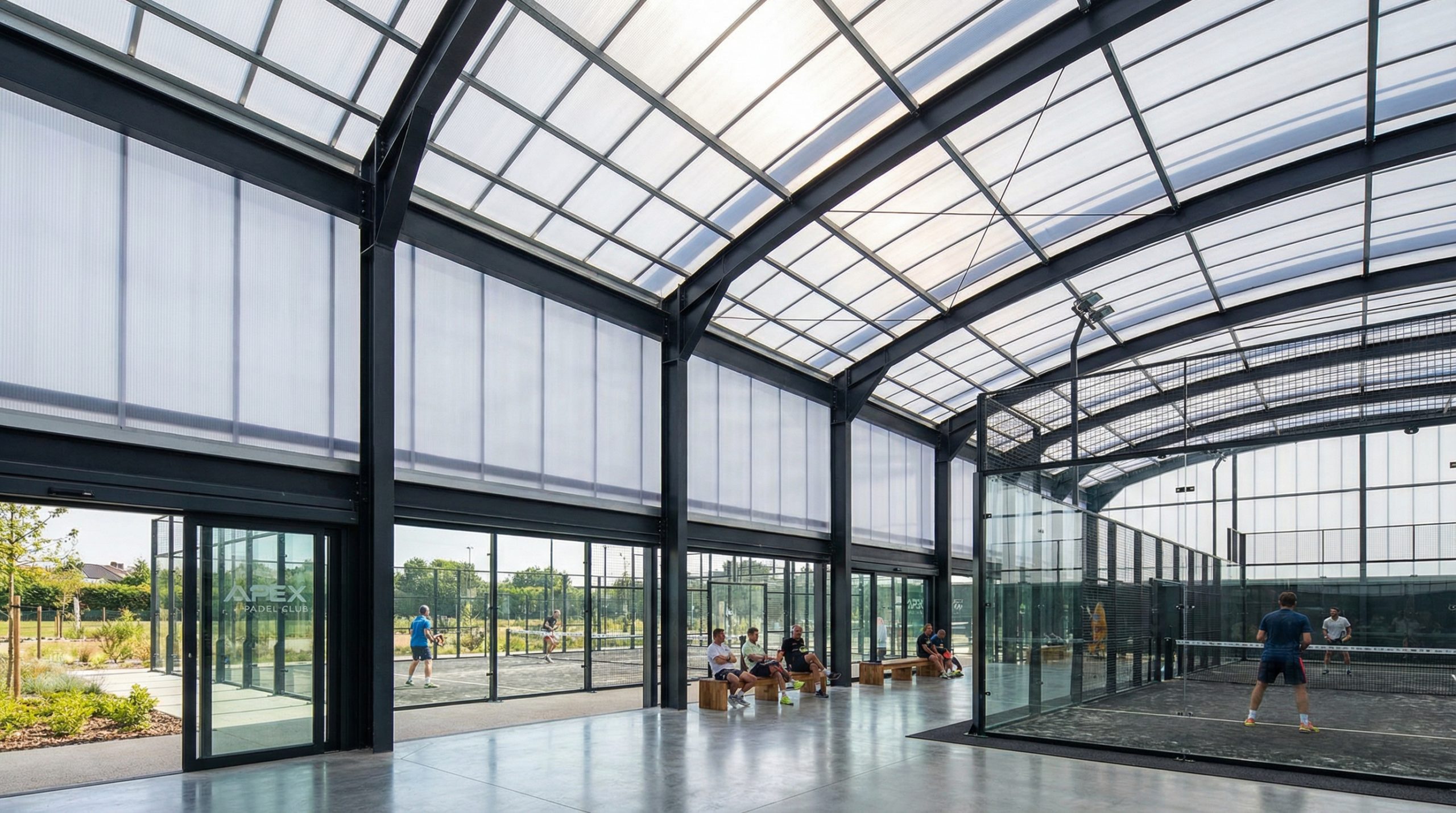
Padel is a high-speed, social racquet sport played on an enclosed court roughly 25% smaller than a traditional tennis court. Building a successful padel facility requires a strategic blend of precise engineering—specifically 10×20 meter dimensions, tempered glass walls, and specialized synthetic turf—and an understanding of player ergonomics.
Think about it: the global explosion of padel has created a massive opportunity for club owners and developers. However, many projects stall due to poor site selection, inferior materials, or a lack of technical knowledge. You don’t want to invest in a facility that requires constant repairs or fails to attract high-level players.
The solution lies in mastering both the construction and the gameplay. This guide provides the essential padel tips you need to design, build, and master the court.
What are the essential padel tips for court design?
Designing a padel court is a matter of millimeters. Unlike tennis, the walls are active participants in the game, meaning the structural integrity of your enclosure is paramount.
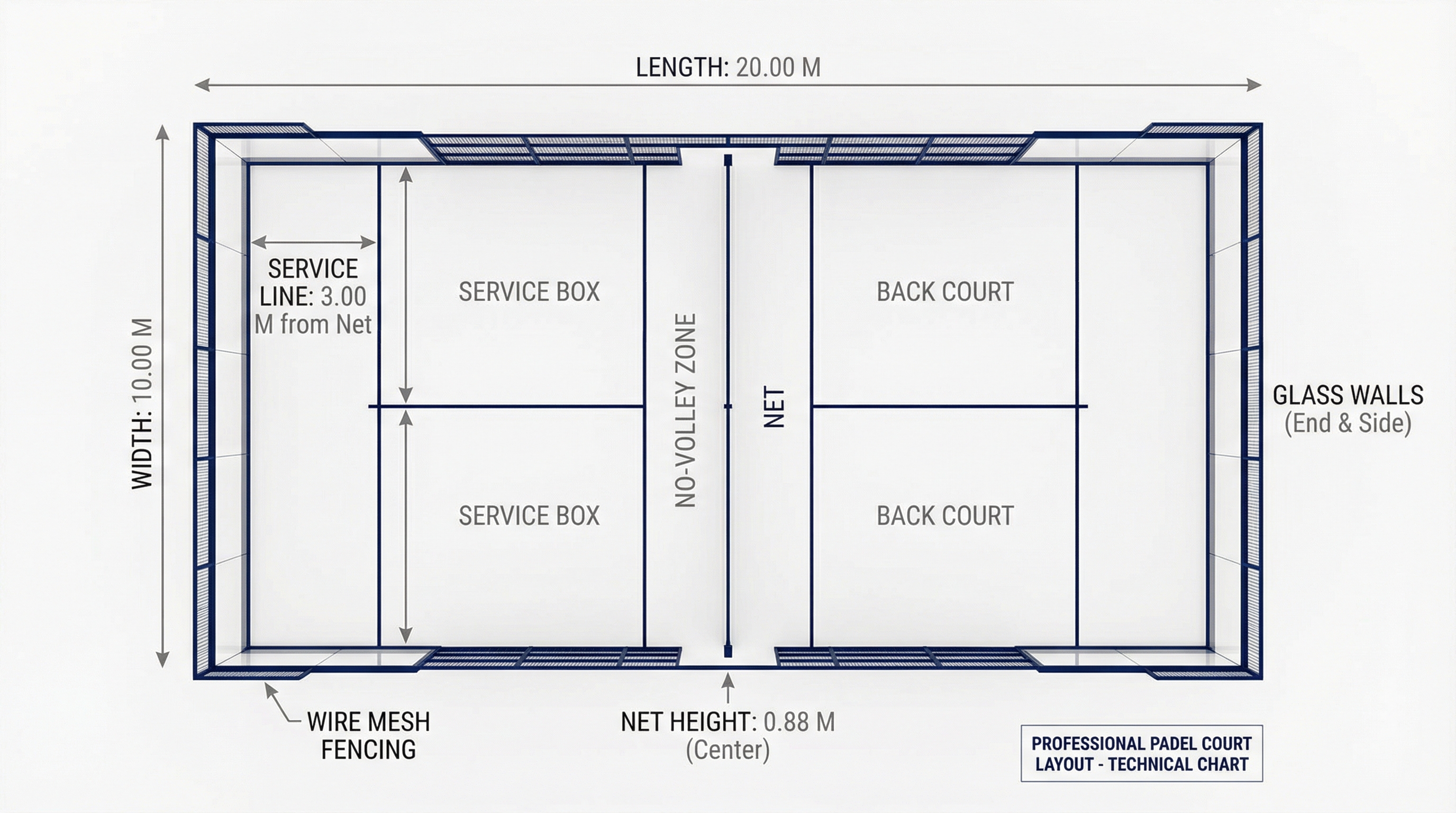
Key Design Specifications:
- Dimensions: The internal playing area must be exactly 20 meters long and 10 meters wide.
- The Enclosure: A combination of 10mm or 12mm tempered glass and electro-welded mesh.
- Access Points: You should include at least two entrances, typically located at the center of the side mesh panels.
Key Takeaway: Precision in the initial layout prevents “dead spots” in the glass bounce, which can frustrate players and diminish the professional quality of your facility.
How do padel tips influence your court surface choice?
The surface is the most critical factor for player safety and ball behavior. Most professional courts utilize high-density monofilament synthetic turf.
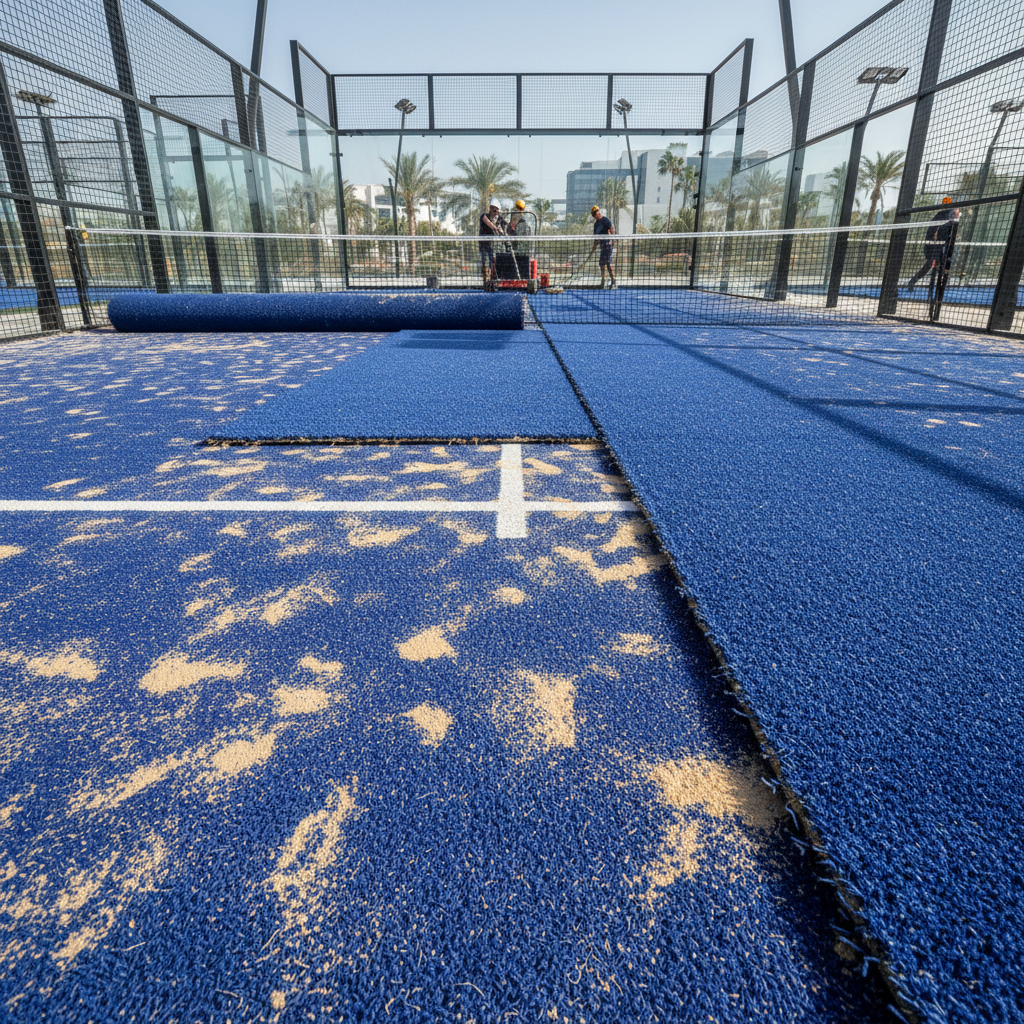
Here is the thing: not all turf is created equal. You need to choose based on your expected traffic and maintenance capacity.
| Feature | Monofilament Turf | Fibrillated Turf |
|---|---|---|
| Durability | High – resilient fibers | Moderate – wears faster |
| Ball Bounce | Consistent and predictable | Varies with sand levels |
| Maintenance | Low – stays upright longer | High – requires frequent brushing |
| Player Comfort | Superior joint protection | Standard |
For more information on high-performance materials, visit our Construction Page.
Why are location-based padel tips vital for construction?
Whether you are building indoors or outdoors changes your engineering requirements significantly. For indoor facilities, the primary constraint is ceiling height; you need a minimum of 6 meters, though 8 meters is the professional preference to accommodate high lobs.
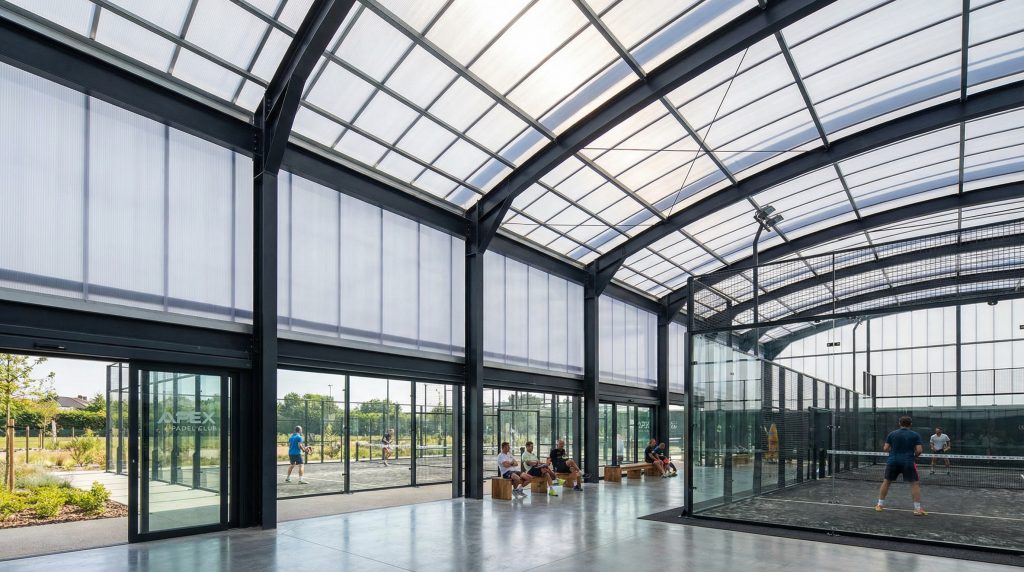
Outdoor Construction Considerations:
- Wind Loads: The glass walls act as giant sails. Your steel pillars must be anchored with reinforced concrete to resist local wind speeds.
- Drainage: A porous concrete base or a sloped sub-base is essential to ensure play can resume quickly after rain.
- Orientation: Align courts North-South to prevent players from being blinded by the sun during serves.
Can these padel tips improve your net positioning?
Transitioning from the back of the court to the net is where matches are won. Most beginners stay too far back, but the “no-man’s land” in padel is a recipe for defeat.
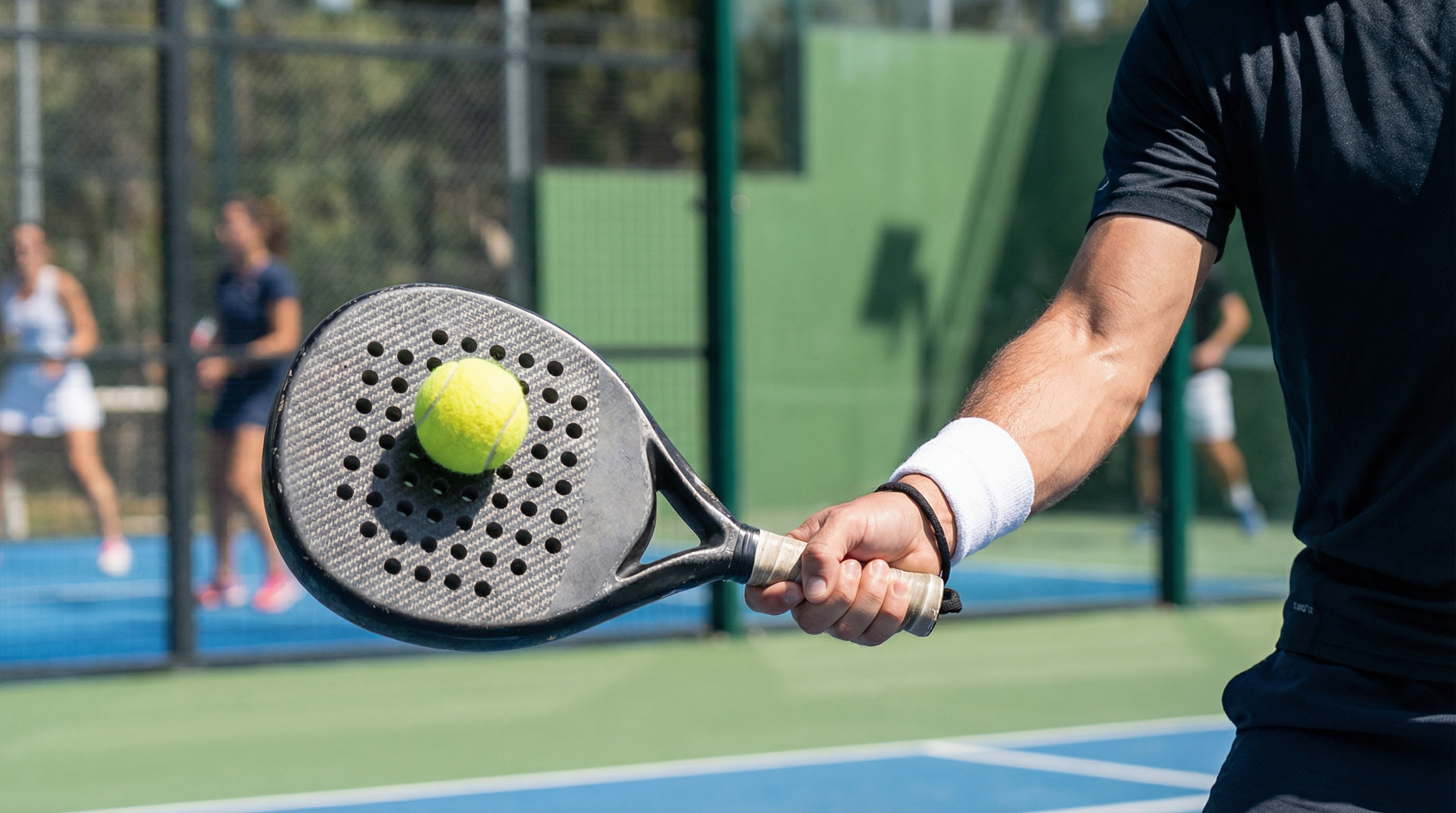
Net Strategy Tips:
- The “V” Formation: You and your partner should move in synchronization. If one moves to the net, the other follows to close gaps.
- Racket Height: Keep your racket head above your waist at all times when at the net. This allows for faster reaction to “chiquitas” (low balls).
- Control over Power: Use the volley to place the ball deep into the corners rather than trying to smash every point.
Check out our Player Strategy Guide for advanced tactical drills.
How does footwork use these padel tips for agility?
Padel is a game of small, explosive movements. Because the court is small and the walls bring the ball back, you are constantly adjusting your position.
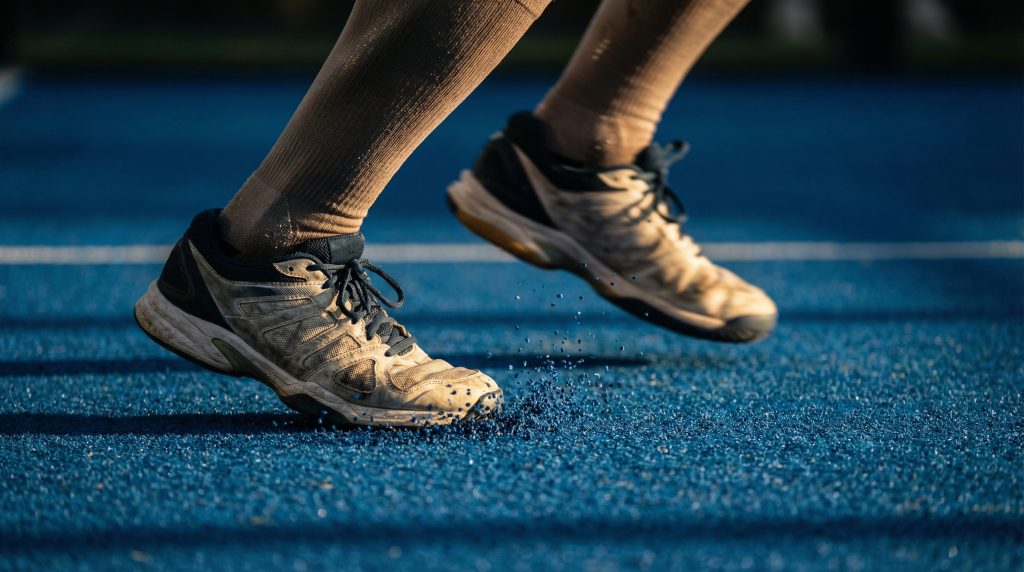
Agility Drills and Tips:
- The Split Step: Always perform a small hop as your opponent strikes the ball. This “primes” your muscles for a quick break in any direction.
- Side-Stepping: Avoid crossing your legs. Side-steps allow you to maintain a low center of gravity and stay balanced.
- Weight Distribution: Keep your weight on the balls of your feet. If your heels are flat, you will be too slow to react to balls hitting the glass.
Key Takeaway: Footwork in padel isn’t about running long distances; it’s about the “adjustment steps” taken in the final two meters before hitting the ball.
Which padel tips help you master the glass walls?
The glass is your best friend, not your enemy. The biggest hurdle for new players is the instinct to run away from a ball that has passed them.
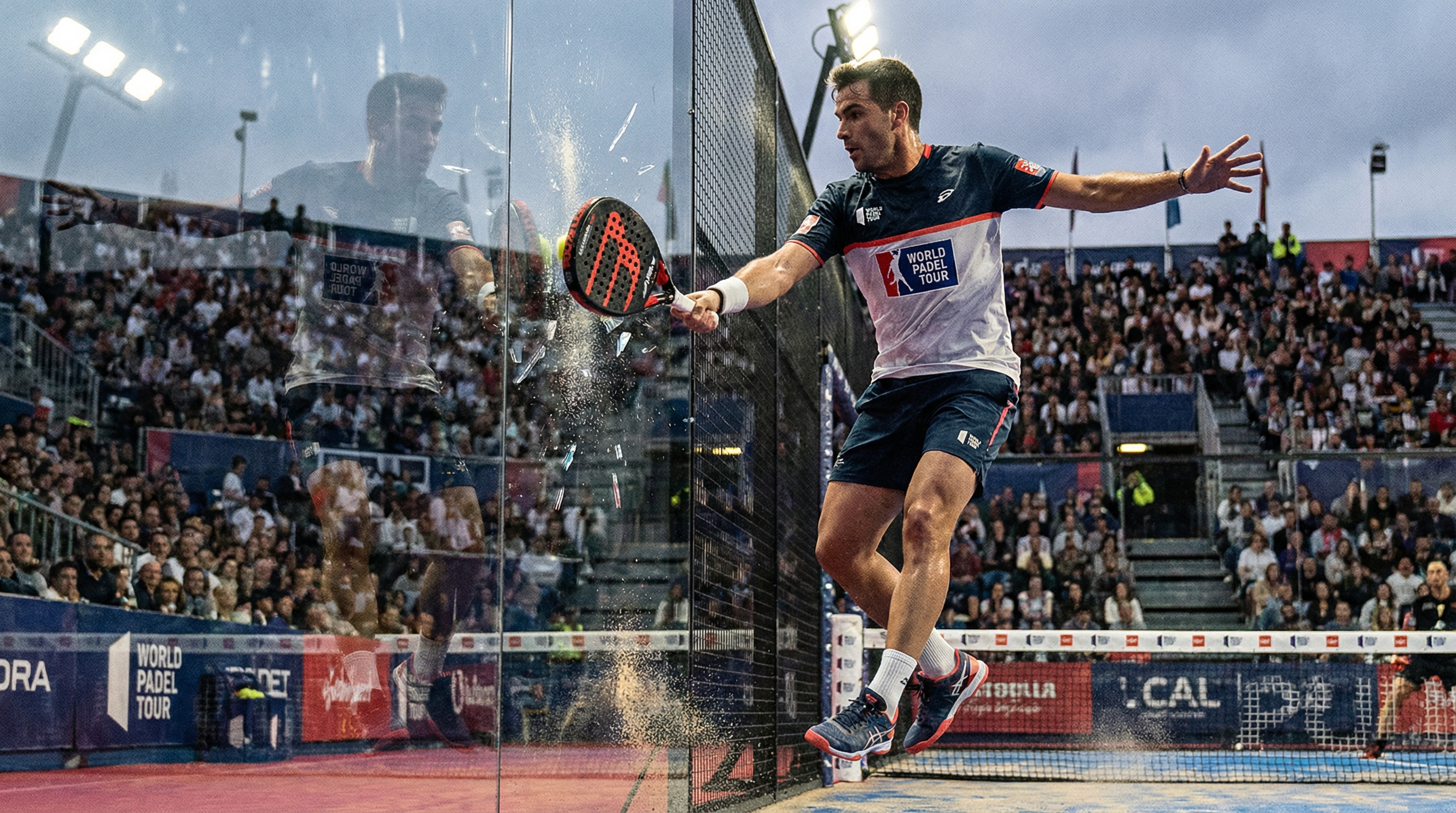
Mastering the Rebound:
- Let it pass: If a ball is coming fast and deep, let it hit the back glass. It will lose speed and pop up, giving you an easier shot.
- Turn with the ball: As the ball goes to the glass, rotate your body with it. This keeps the ball in front of you.
- Positioning: Stand about a racket-and-a-half’s length away from the back wall to give yourself room to swing after the rebound.
Learn more about court physics on our Technical Specs Page.
What are the best padel tips for defensive play?
In padel, defense is the foundation of offense. Your goal is to keep the ball in play until your opponent makes a mistake or gives you a short ball to attack.
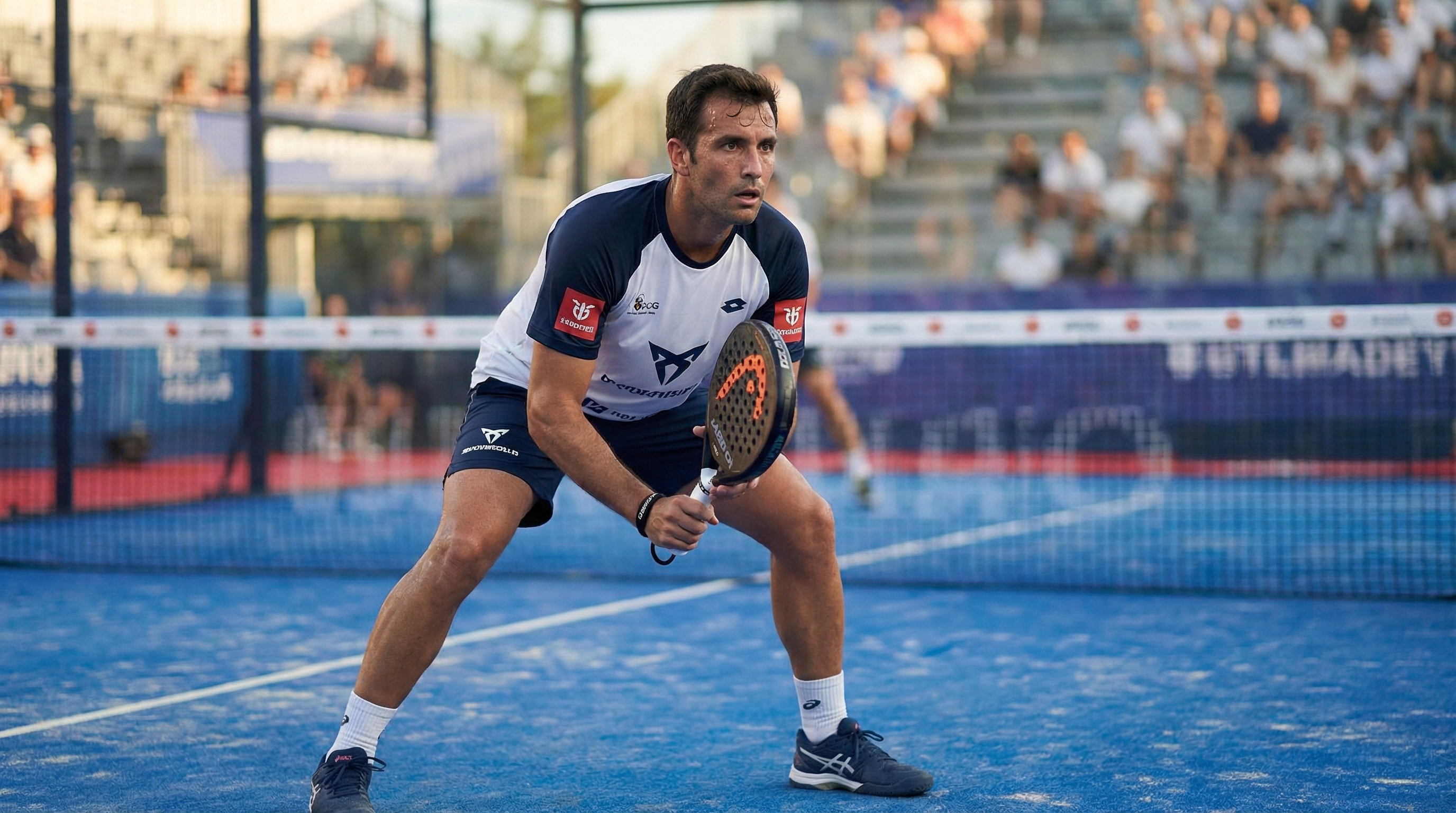
Defensive Essentials:
- The Lob: This is the most important shot in padel. A high, deep lob forces your opponents away from the net and allows you to take the offensive position.
- Low Stance: Bend your knees more than you think you need to. Padel balls stay low, and being down at ball level improves your accuracy.
- The “Chiquita”: A soft, low shot aimed at the feet of the net players. It forces them to volley upwards, setting you up for a counter-attack.
How can construction padel tips ensure long-term durability?
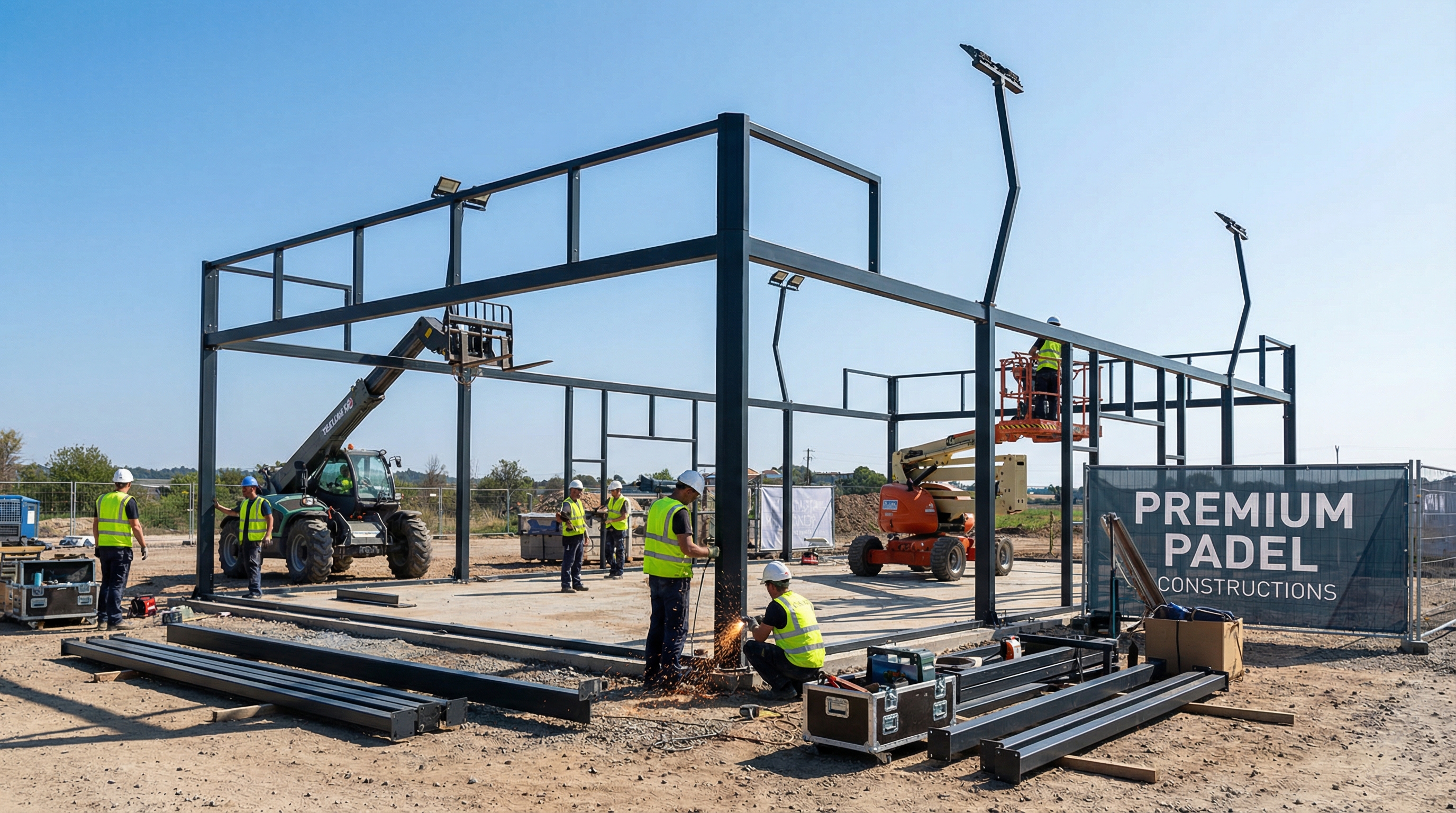
A padel court is a significant investment. To ensure it lasts 10-15 years without major overhauls, you must focus on the “bones” of the structure.
Durability Checklist:
- Steel Treatment: Ensure all metal components are hot-dip galvanized and powder-coated to prevent rust, especially in humid climates.
- Glass Quality: Only use certified tempered glass. 12mm glass is preferred for high-traffic or professional courts as it offers better bounce and higher resistance.
- Hardware: Use stainless steel (A2 or A4 grade) screws and bolts to prevent “bleeding” rust stains on your structure.
Explore our Maintenance Services to keep your court in top condition.
Why do professional padel tips focus on lighting?
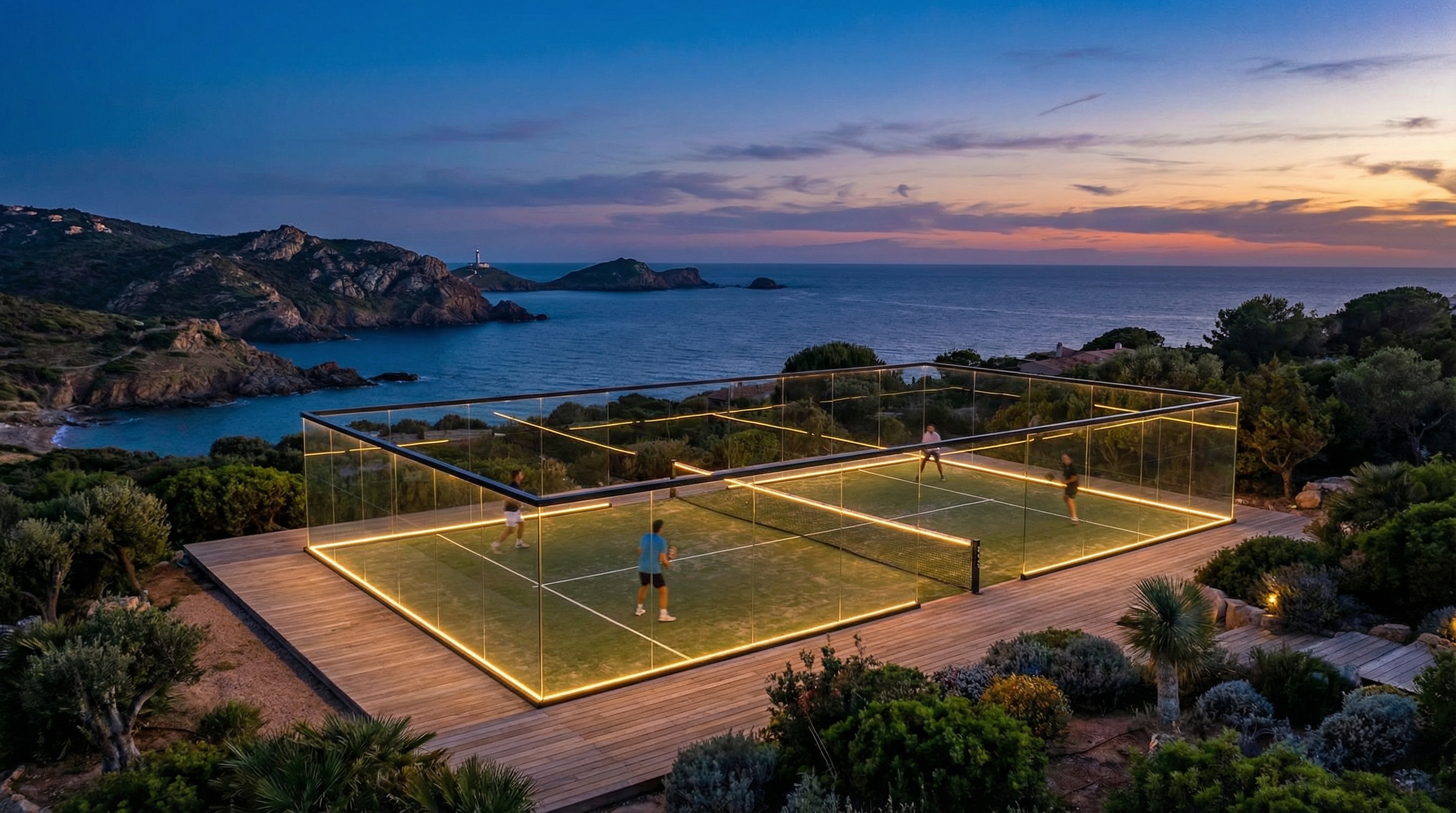
Lighting can make or break the player experience. Because players are constantly looking up for lobs, “glare” is a common complaint in poorly designed facilities.
Professional Lighting Standards:
- Lux Levels: A minimum of 300 lux is required for recreational play, while 500+ lux is needed for televised or professional tournaments.
- Uniformity: Use 8 LED floodlights (2 per pole) to ensure there are no shadows on the court.
- Flicker-Free: High-quality drivers are essential for recording matches or slow-motion replays.
How do you apply padel tips to your court budget?
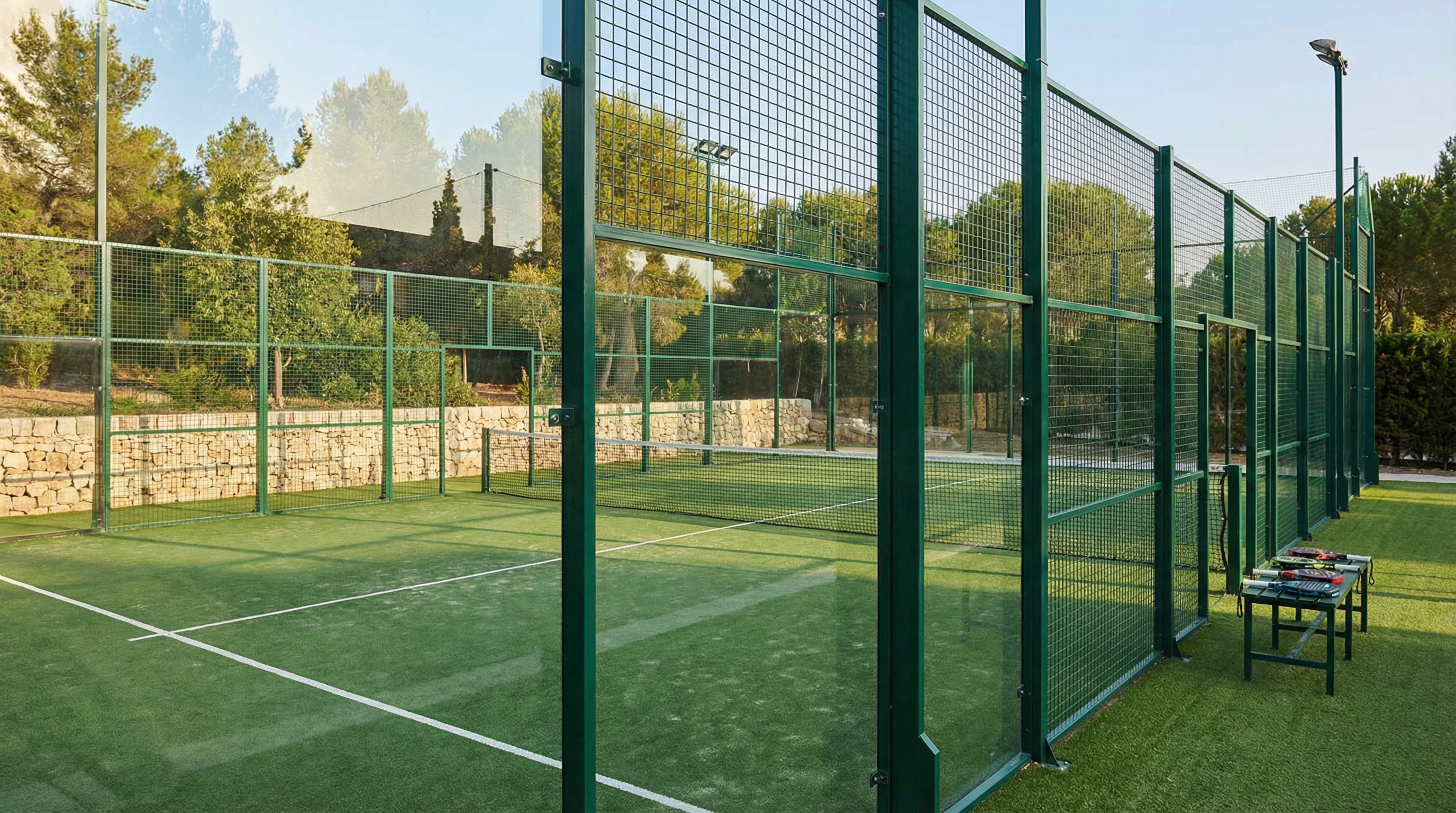
The cost of building a padel court varies based on site preparation and material choice. Budgeting correctly at the start prevents expensive “fixes” later.
Budget Allocation Breakdown:
- Civil Works (30-40%): Excavation, concrete slab, and drainage. Do not cut corners here; a cracked base ruins the court.
- The Court Structure (40-50%): Steel frame, glass, and mesh.
- Finishing (10-20%): Turf, lighting, and net.
Look: It is tempting to buy the cheapest court kit available. But if that kit lacks wind-load certification or uses low-grade turf, your ROI will disappear within two years due to maintenance costs.
*
Conclusion
Building and playing padel is an art backed by precise science. By following these padel tips, you can create a world-class facility that offers a premium experience for players while ensuring a durable, profitable investment for your business.
Ready to start your project? Contact our expert consultants today to get a custom quote for your padel facility.
*
FAQ: Common Questions About Padel Construction
- How much space do I need for a single padel court?
While the playing area is 10x20m, you should allow for at least 11x21m of total cleared space to accommodate the external pillars and a small safety perimeter. - Can I build a padel court on an existing tennis court?
Yes. You can typically fit two to three padel courts on the footprint of one standard tennis court, significantly increasing your revenue per square meter. - What is the lifespan of the synthetic turf?
In a high-traffic club, turf usually lasts 4 to 7 years. Regular brushing and maintaining the correct sand levels can extend this lifespan. - Is tempered glass safe for high-impact play?
Absolutely. Tempered glass is designed to withstand significant force. In the rare event of a break, it shatters into small, blunt granules rather than sharp shards. - Do I need planning permission for an outdoor court?
In most jurisdictions, yes. Because of the permanent nature of the concrete slab and the height of the structures (poles and glass), local building permits are usually required.