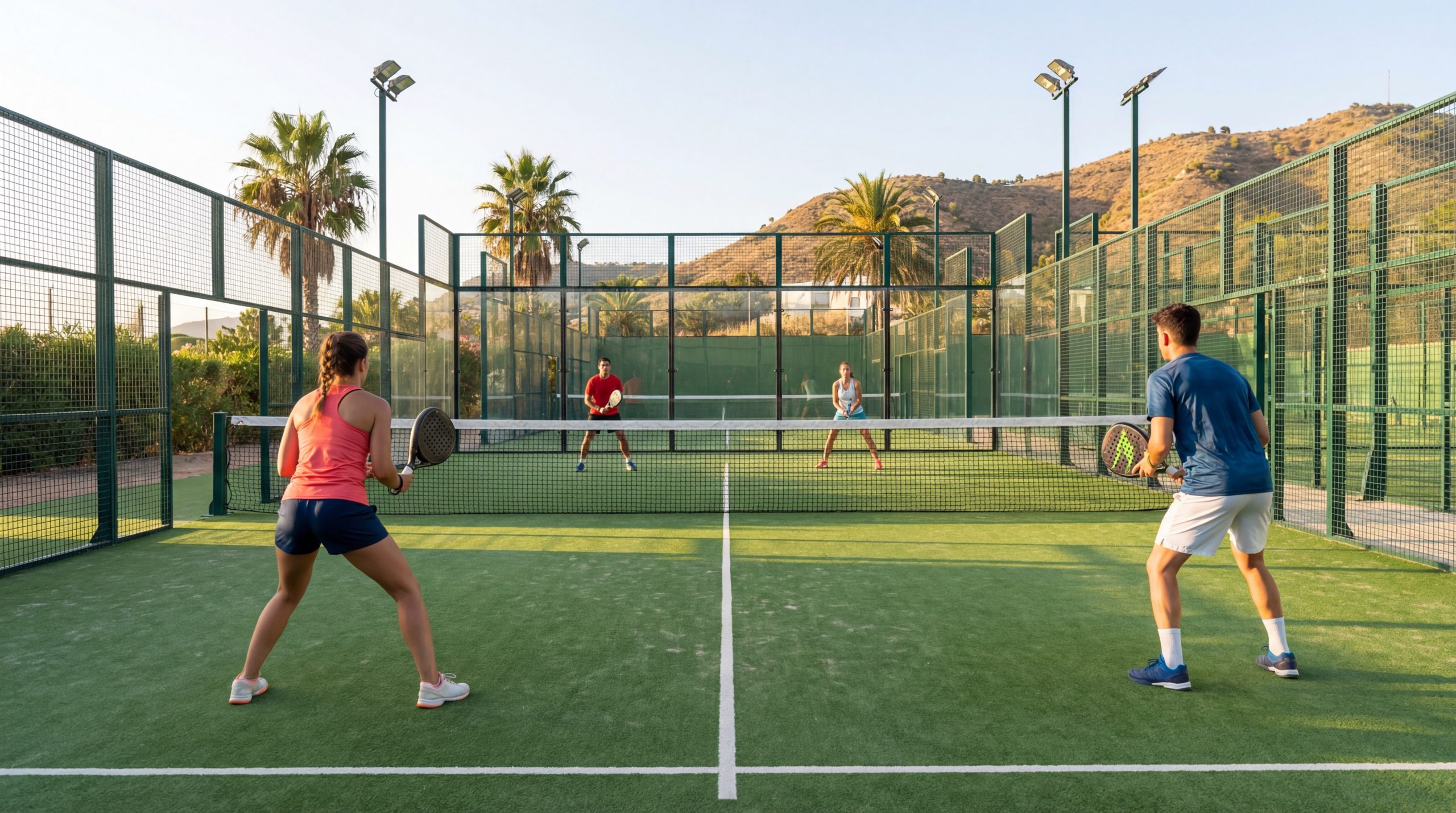
Finding a sports investment that balances high-intensity cardio with strategic social play can be difficult for modern club owners and facility managers. Many investors feel stuck between the high technical barrier of tennis and the enclosed isolation of squash, leading to stagnant membership growth. Without a clear understanding of the specific structural requirements and the rules of padel, you risk costly construction errors that can alienate your target demographic. This definitive guide provides a professional technical breakdown of gameplay dynamics and the architectural specifications required to build a world-class facility.
What is the Fundamental Definition of Padel?
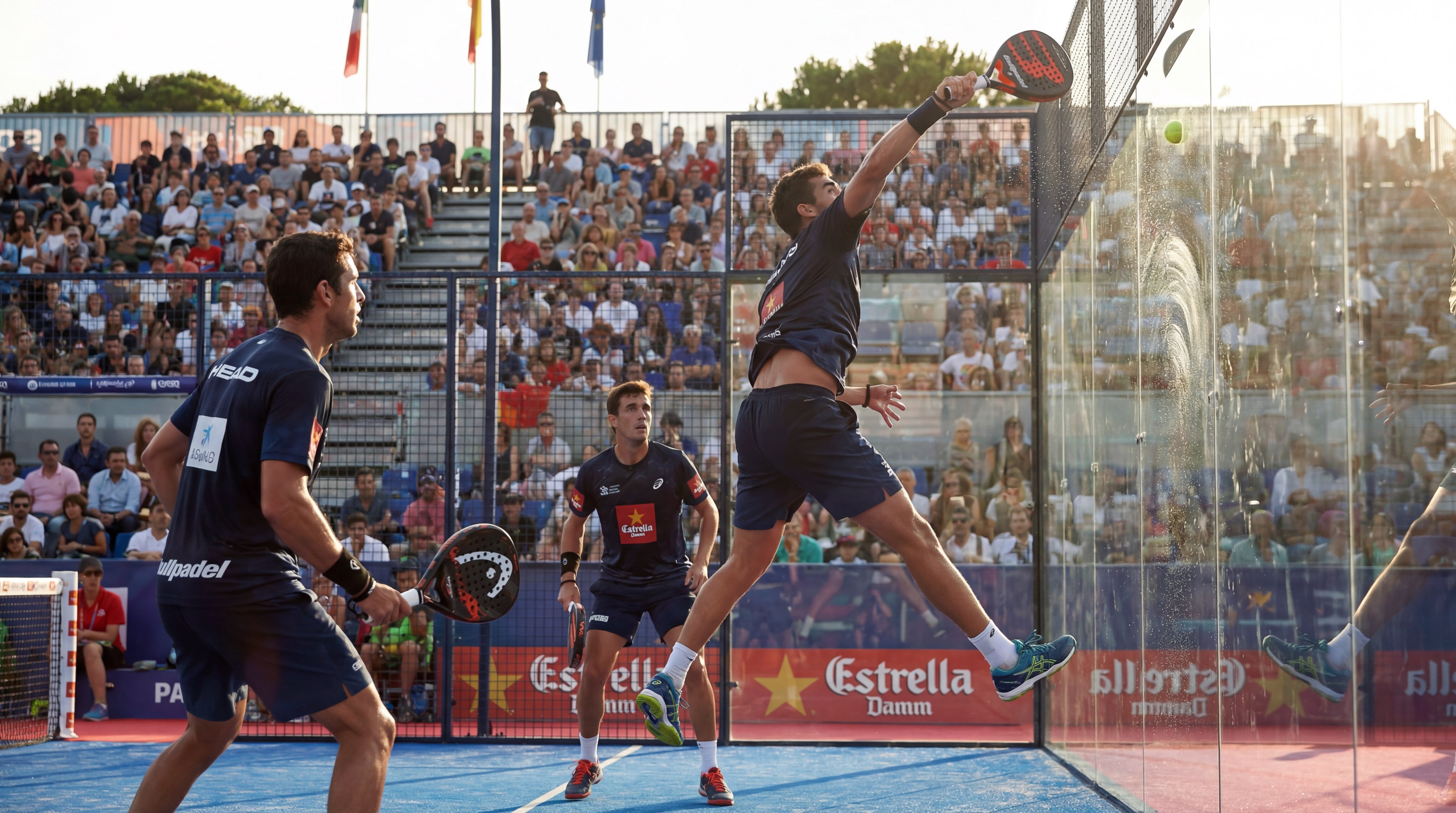
Padel is a sophisticated racket sport played exclusively in a doubles format within a specialized, glass-enclosed court environment. The game emphasizes tactical positioning and ball placement over raw power, making it accessible to a wide range of ages and skill levels. By integrating the surrounding walls into the field of play, the sport offers a dynamic experience where the ball remains “live” much longer than in traditional court sports.
What makes the game unique in a B2B context?
You might be wondering:
Why is this sport seeing such massive global growth compared to its peers? The answer lies in the high social engagement and the lower entry barrier for new players, which translates to high court occupancy rates. From a facility perspective, the smaller footprint allows for more players per square meter than almost any other racket sport.
Key Technical Attributes:
- Compact 10m x 20m playing field increases player density.
- Enclosed glass walls create a continuous, fast-paced game flow.
- Solid, perforated rackets are easier to handle for beginners.
- Underhand serves reduce the physical strain found in tennis.
- High social interaction drives recurring club membership revenue.
How does the playstyle differ from other sports?
But that is not all.
Padel requires players to master the art of the rebound, turning the defensive walls into offensive tools during a rally. While power is useful, the game is won through patience, lobs, and finding angles that force opponents to play off the glass. This strategic depth ensures that veteran players remain challenged even as the sport remains welcoming to newcomers.
Playstyle Distinctions:
- Wall rebounds are mandatory skills for intermediate and advanced play.
- The use of lobs is a primary tactic to regain the net position.
- Net play is highly aggressive, with teams constantly battling for the “attack” zone.
- Physical speed is often secondary to court awareness and anticipatory movement.
- Short-handled rackets provide superior control during high-speed exchanges.
Key Takeaway: Padel is a high-density, social sport that maximizes facility ROI by offering a low-entry-barrier game with deep tactical complexity.
| Feature | Specification | Impact |
|---|---|---|
| Game Type | Doubles (2v2) | Higher social engagement |
| Equipment | Solid Perforated Racket | Lower technical barrier |
| Environment | Glass Enclosure | Longer rallies and fast play |
| Play Area | 200 Square Meters | High space efficiency |
How Do Precise Dimensions Dictate Professional Play?
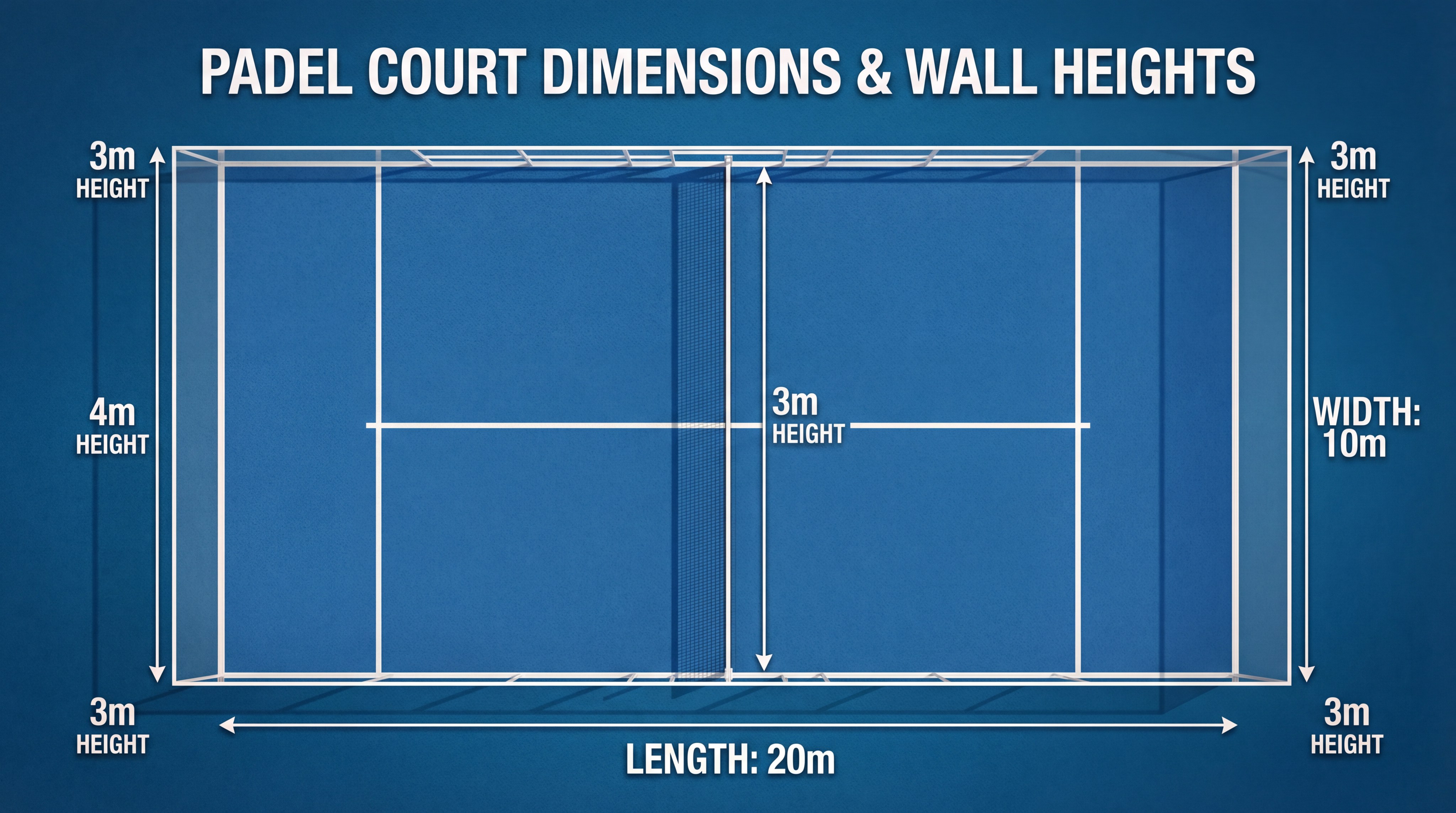
To adhere to the official rules of padel, a court must be a rectangle measuring exactly 10 meters in width and 20 meters in length. These dimensions are critical because they dictate the timing of the bounce and the player’s ability to cover the ground effectively. During padel court construction, even a minor deviation can disrupt the game’s rhythm and disqualify the facility from hosting sanctioned tournaments.
What are the wall height requirements?
Think about this for a moment:
The height of your walls is not just a safety feature; it is a fundamental part of the game’s physics. The back walls must stand at a minimum of 3 meters, with an additional meter of metallic mesh extending to 4 meters. This specific configuration ensures that lobs and high-speed smashes interact predictably with the structure.
Wall Height Specifications:
- Back glass walls: 3 meters height for consistent rebounds.
- Back metallic mesh: 1 meter extension for a total of 4 meters.
- Side walls (stepped): 3 meters height for the first 2 meters from the back.
- Side walls (center): 2 meters height metallic mesh in the middle section.
- Glass thickness: 10mm to 12mm tempered safety glass is mandatory.
Why is net height so strictly regulated?
It gets even better:
The net serves as the primary obstacle and must be exactly 88 centimeters high at the center. At the posts, the height may rise slightly to 92 centimeters, creating a subtle curve that players must account for during cross-court shots. This precision ensures that the “chiquita” and other low-passing shots remain consistent across all professional facilities.
Net and Post Standards:
- Center height: Exactly 88 centimeters.
- Post height: Maximum of 92 centimeters.
- Net length: 10 meters spanning the full width of the court.
- Material: High-tension synthetic mesh with a white top band.
- Cable tension: Must be taut enough to prevent sagging during play.
Key Takeaway: Strict adherence to 10x20m dimensions and specific wall heights is essential for fair play and tournament certification.
| Component | Standard Dimension | Tolerance |
|---|---|---|
| Court Length | 20.00 Meters | +/- 0.1m |
| Court Width | 10.00 Meters | +/- 0.05m |
| Back Wall Height | 4.00 Meters (incl. Mesh) | Mandatory |
| Net Center Height | 0.88 Meters | Strict |
What Are the Specific Rules for a Valid Service?
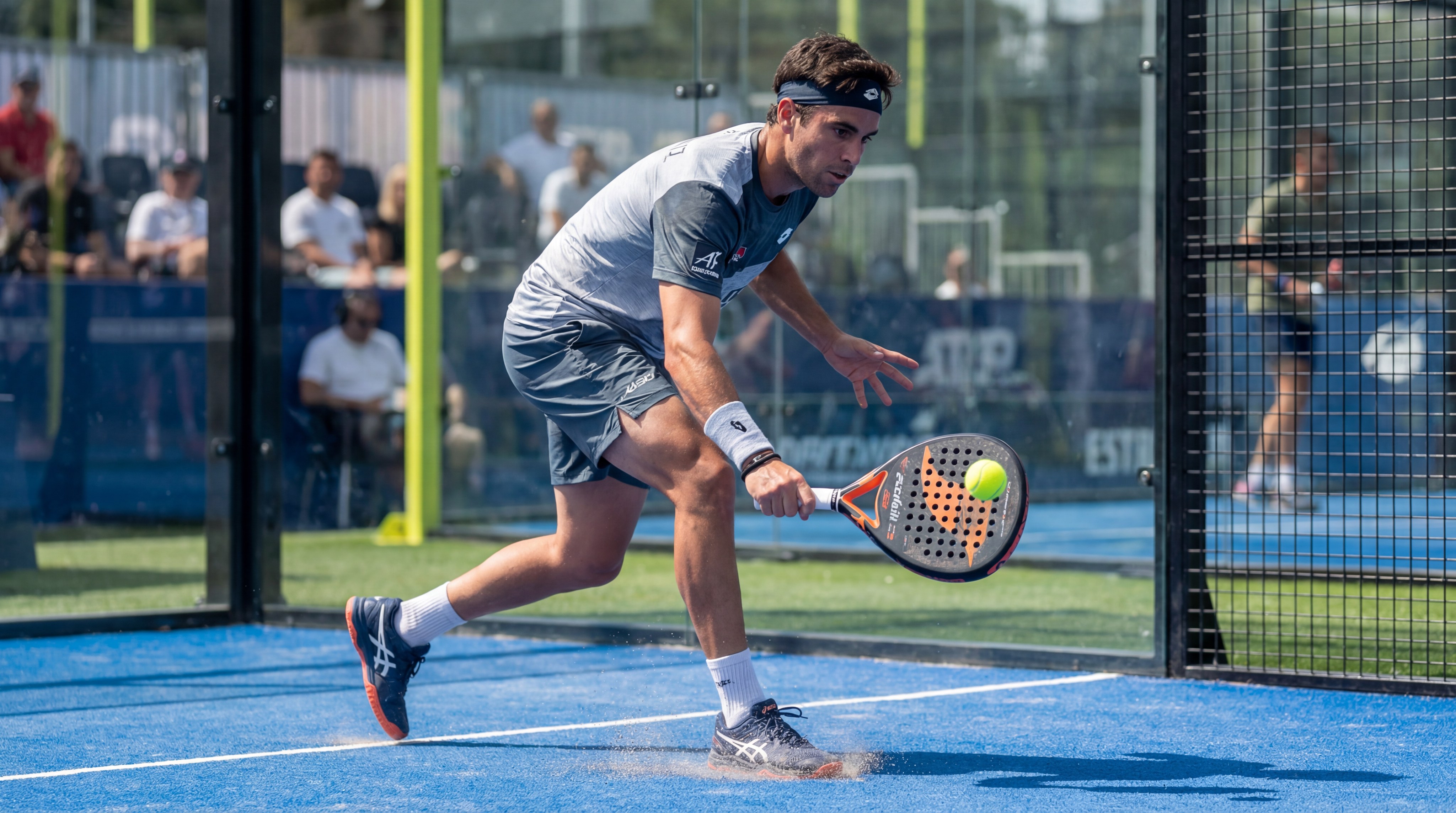
The serve in padel is designed to start the point defensively, ensuring that rallies begin with a strategic exchange rather than an immediate ace. According to the rules of padel, the server must stand behind the service line and hit the ball after a single bounce. This underhand motion is one of the most distinctive features of the sport, separating it from the overhead power serves of tennis.
Where must the ball land during a serve?
You might be wondering:
Does the ball have to land in a specific box like in other racket sports? Yes, the serve must travel diagonally across the net and land within the opponent’s service box on the opposite side. If the ball hits the net but still lands in the correct box, it is called a “let” and the serve is repeated without penalty.
Service Box Rules:
- The ball must land in the diagonal opponent box.
- The ball cannot hit the side metallic fence after the first bounce.
- A ball hitting the glass wall after the bounce is considered in play.
- Servers have two chances (first and second serve) per point.
- The server’s feet must remain behind the service line until contact is made.
What constitutes an illegal service motion?
Here is the deal:
The height of the racket at the moment of impact is the most common cause of service fouls in competitive matches. The ball must be struck at or below the player’s waist level to ensure the underhand nature of the game is preserved. Striking the ball higher is considered a technical fault, resulting in the loss of that service attempt.
Service Foul Criteria:
- Contacting the ball above the waistline.
- Stepping on or over the service line before hitting the ball.
- Failing to bounce the ball before making contact.
- The ball bouncing in the wrong service quadrant.
- The ball hitting the metallic mesh directly or after the first bounce.
Key Takeaway: The underhand serve is a tactical tool that must be performed below the waist and land in the diagonal box to be valid.
| Rule Type | Requirement | Result of Violation |
|---|---|---|
| Impact Height | At or below the waist | Service Fault |
| First Bounce | Opponent’s diagonal box | Service Fault |
| Wall Contact | Allowed after ground bounce | Valid Play |
| Fence Contact | Not allowed on serve | Service Fault |
How Does Ball Interaction with Walls Affect Gameplay?
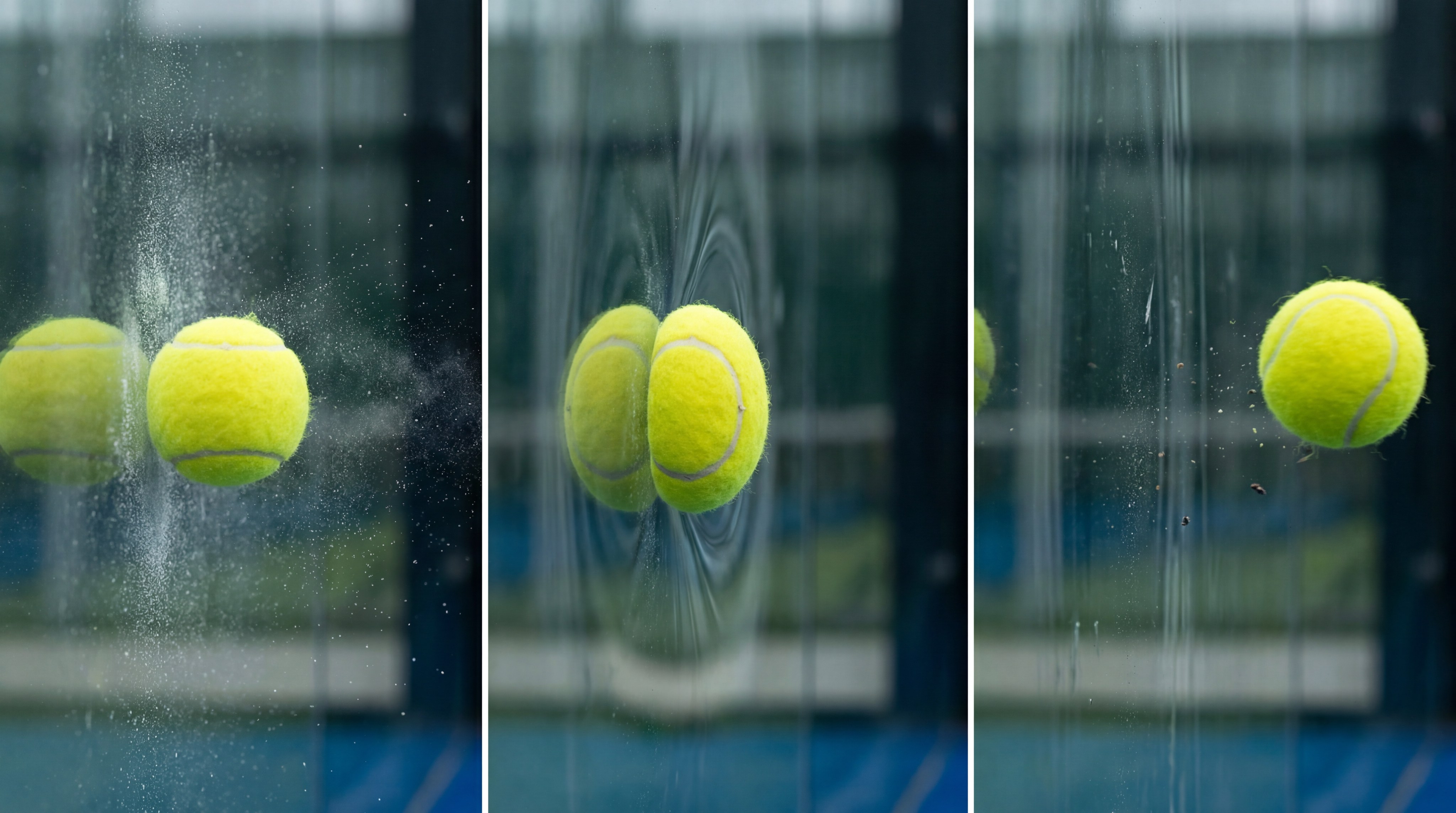
The defining characteristic of padel is the dynamic use of the Padel Glass and metallic mesh as part of the playing field. Unlike tennis, where a ball hitting the boundary is “out,” in padel, the walls are active participants in the rally. This requires players to understand the physics of rebounds to maintain pressure on their opponents throughout the match.
When is a ball officially ruled “out”?
But that is not all.
Understanding when the ball is live versus when it is dead is the first hurdle for any player transitioning from other sports. A ball is considered “out” if it strikes the glass walls or the metallic fence before it touches the ground on the opponent’s side. However, if the ball hits the ground first and then bounces into the wall, it remains in play and must be returned before the second bounce.
Ball Status Guidelines:
- Ground then Glass: In play, the rally continues.
- Glass then Ground: Out, point awarded to the opponent.
- Ground then Fence: In play (except during a serve).
- Fence then Ground: Out, the ball never hit the surface first.
- Direct hit to ceiling: Out, as it exceeds the vertical boundary.
Can you use your own glass to return the ball?
It gets even better:
The rules allow players to hit the ball against their own glass walls to propel it over the net to the other side. This is a common defensive tactic used when a player is pinned in the back corner and cannot make a direct return. It is important to note that you cannot hit the ball against your own metallic mesh; it must be the glass.
Rebound Tactics:
- Using the back glass to create high lobs.
- Playing the ball off the side glass for unexpected angles.
- “Contra-pared” (hitting against your own wall) to clear the net.
- Reading the spin of the ball as it interacts with the glass.
- Avoiding the metallic mesh, which creates unpredictable and difficult bounces.
Key Takeaway: Mastering the “ground then wall” logic is the most important skill for moving from beginner to intermediate levels.
| Surface Type | Hit Ground First? | Result |
|---|---|---|
| Back/Side Glass | Yes | In Play |
| Back/Side Glass | No | Out |
| Metallic Mesh | Yes | In Play (Post-Serve) |
| Metallic Mesh | No | Out |
What is the Official Scoring System and the Golden Point?
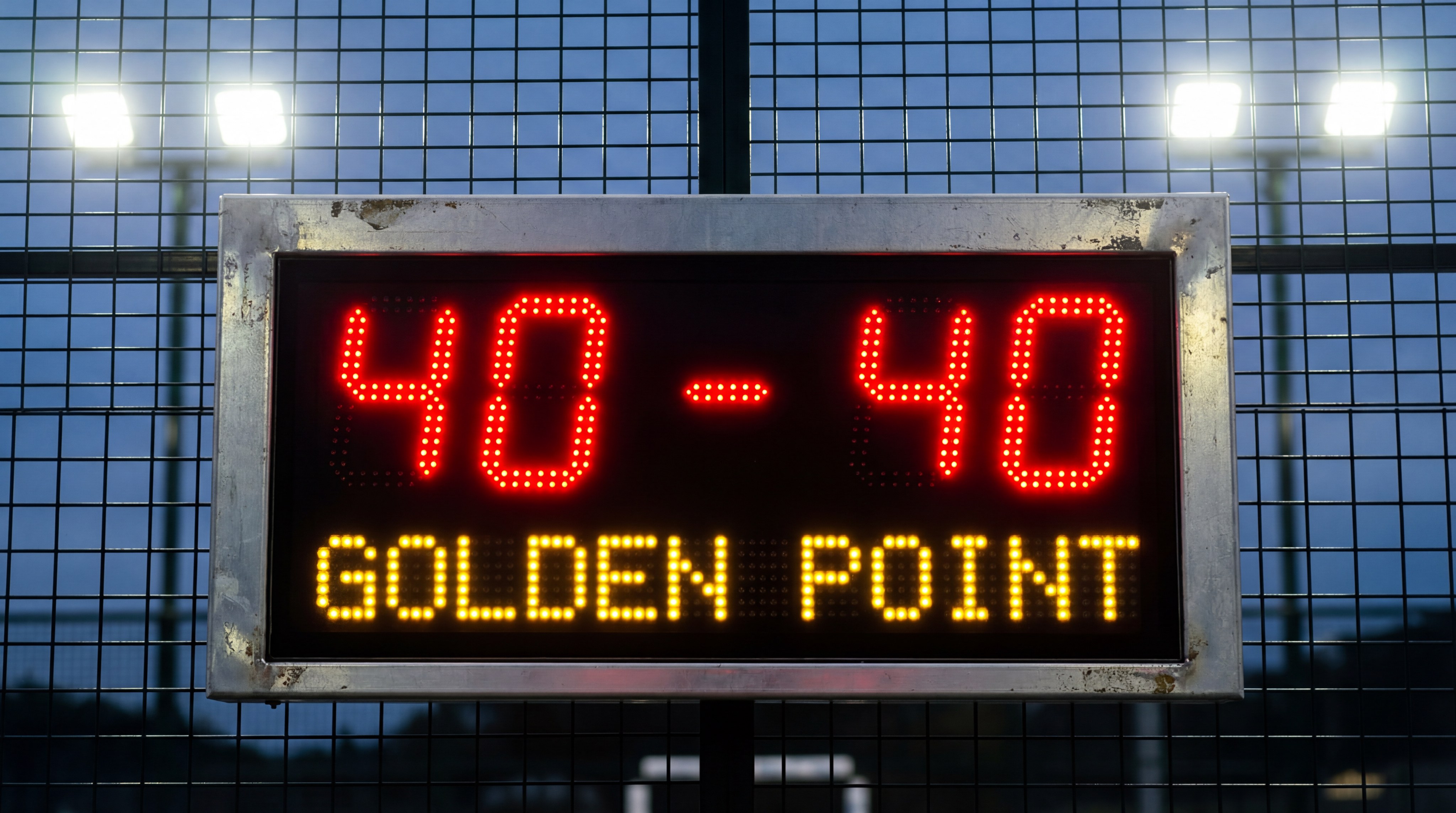
The rules of padel mirror the traditional tennis scoring structure of 15, 30, and 40, leading into games and sets. Matches are typically contested as the best of three sets, with six games required to win a set. This familiarity helps players transition into the sport quickly while maintaining the professional tension found in international racket competitions.
How does the Golden Point change the game?
You might be wondering:
What happens when the score reaches a 40-40 tie? In many professional and club circuits, the “Golden Point” rule is applied to accelerate play and increase excitement. At deuce, a single decisive point is played, and the receiving team chooses which side the server must deliver from to determine the game winner.
Scoring Progression:
- 15: The first point won by a team.
- 30: The second point won.
- 40: The third point, setting up a game-winning opportunity.
- Game: The fourth point (if not at deuce).
- Deuce: 40-40 tie, triggering either the Golden Point or advantage play.
What are the requirements for winning a set?
Here is the kicker:
Winning a set requires more than just reaching six games; you must also maintain a two-game lead over your opponents. If the score reaches 5-5, the set continues to 7; if it hits 6-6, a tie-break is played to decide the winner. This ensures that sets are won on merit rather than luck during closely contested matches.
Set and Match Milestones:
- 6 Games: Standard requirement to win a set.
- 2-Game Lead: Necessary to close the set at 6-4 or 7-5.
- Tie-Break: Played at 6-6, usually to 7 points with a 2-point lead.
- 3 Sets: The standard match length for competitive play.
- Set 3 Tie-Break: Some formats use a 10-point “super tie-break” for the final set.
Key Takeaway: Padel uses tennis-style scoring but introduces the Golden Point to manage match duration and heighten spectator drama.
| Score | Terminology | Next Step |
|---|---|---|
| 1 – 0 Points | 15 – Love | Continue Rally |
| 3 – 3 Points | 40 – 40 (Deuce) | Golden Point or Advantage |
| 6 – 6 Games | Tie-Break | Decide the Set |
| 2 Sets Won | Match Point | Game Concluded |
Why is the Doubles Format Central to Padel Regulations?
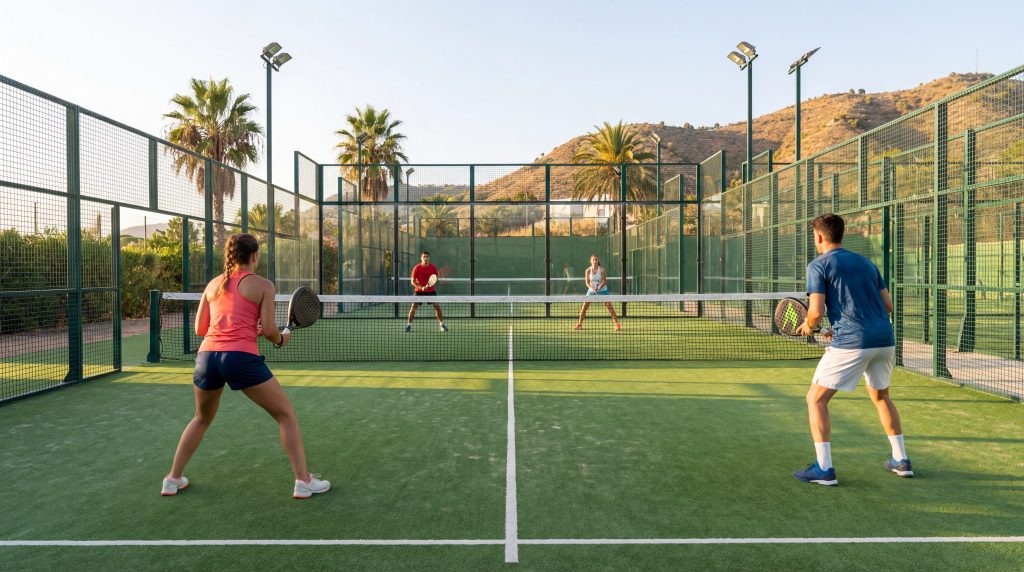
While some sports offer singles as the primary mode of play, padel is fundamentally a team sport played by four people. This 2v2 dynamic is not just a preference but a core component of the rules of padel and the court’s architectural design. From a B2B perspective, this format is ideal for a Panoramic Padel Court because it fosters a high-energy, social atmosphere that keeps members returning.
How do players coordinate their positions?
Think about this for a moment:
In a 10-meter wide court, two players must act as a single unit to cover the net and the back corners effectively. Effective teams utilize a “mirrored” movement strategy, where both players move forward or backward in unison to close gaps. This teamwork reduces the physical fatigue of the sport while increasing the tactical depth of every rally.
Doubles Positioning Rules:
- Servers must stay behind the service line for the start.
- Receivers can stand anywhere on their side of the court.
- Partners usually rotate between the “drive” (right) and “backhand” (left) sides.
- Communication is essential to avoid collisions and missed lobs.
- Players must maintain their chosen receiving side for the duration of a set.
But that is not all.
The doubles format is a significant driver of the “padel community” phenomenon that fuels the sport’s commercial success. By requiring four players, the sport naturally encourages social groups to form, which leads to increased food and beverage sales and higher tournament participation. For a club owner, a 4-player game generates 100% more revenue per hour than a 2-player singles game on the same footprint.
Business Benefits of Doubles:
- Higher court utilization rates per square meter.
- Increased “social stickiness” and member retention.
- Simplified tournament organization with larger player pools.
- Opportunities for corporate team-building events.
- Greater demand for group coaching sessions and clinics.
Key Takeaway: The mandatory doubles format is the engine behind padel’s social appeal and its high revenue potential for facility owners.
| Factor | Singles (Rare) | Doubles (Standard) |
|---|---|---|
| Players | 2 | 4 |
| Social Intensity | Low | High |
| Revenue Potential | Standard | 2x Higher |
| Strategy Level | Individual | Team Tactical |
What Materials are Mandatory for Tournament-Grade Courts?
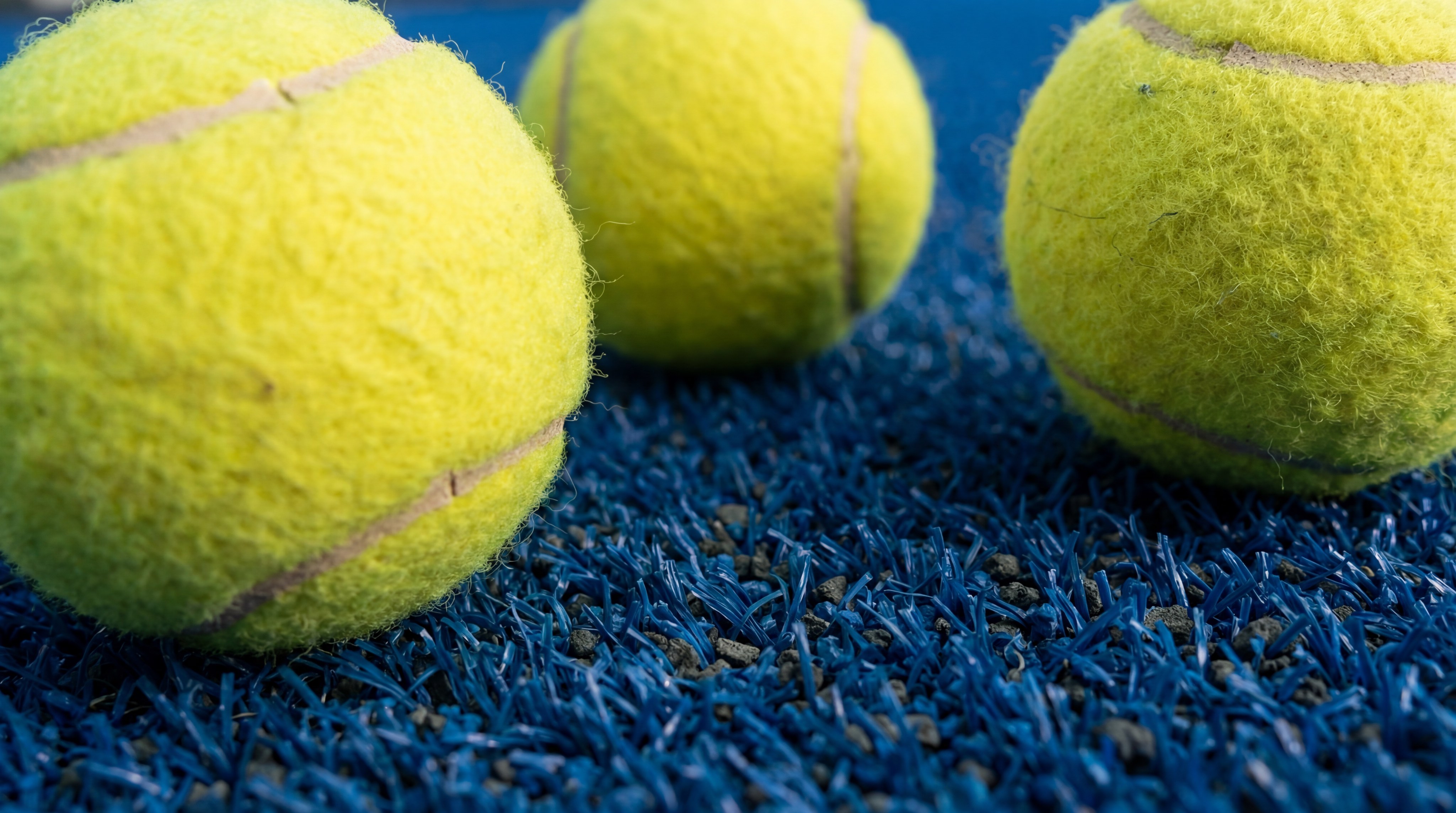
Constructing a court that meets the rules of padel requires high-performance materials designed for durability and player safety. The choice of Padel Grass and the quality of the structural steel are the two biggest factors in a court’s lifespan. Professional facilities must prioritize monofilament turf and galvanized steel to withstand the rigors of high-traffic daily use.
Why is texturized monofilament turf the gold standard?
You might be wondering:
Does the type of grass really affect the game that much? Yes, texturized monofilament fibers are specifically engineered to hold silica sand in place, preventing the turf from becoming slippery or uneven. This ensures a consistent ball bounce and provides the necessary grip for players to make explosive lateral movements without risking ankle injuries.
Turf Selection Criteria:
- Fiber Type: Texturized monofilament is preferred for professional play.
- Sand Infill: Kiln-dried silica sand (0.3mm to 0.8mm) for stability.
- Pile Height: Usually between 10mm and 12mm for optimal bounce.
- Permeability: Essential for outdoor courts to ensure quick drainage after rain.
- Color: Blue is the international standard for better ball visibility on TV.
What are the safety requirements for glass and steel?
But that is not all.
The structural integrity of a Padel Structure depends on the use of 12mm tempered safety glass and heavy-duty galvanized steel frames. Tempered glass is designed to crumble into small, blunt pieces if it ever breaks, significantly reducing the risk of serious injury. Meanwhile, the steel must be powder-coated to prevent rust, especially in humid or coastal environments.
Structural Material Standards:
- Glass: 10mm or 12mm tempered glass (12mm is preferred for durability).
- Steel: Galvanized and powder-coated to resist corrosion.
- Mesh: Electro-welded metallic mesh with specific wire thickness.
- Lighting: LED stadium lights with a minimum of 500-750 lux for competitive play.
- Foundation: Reinforced concrete slab with a 1% slope for drainage.
Key Takeaway: High-quality turf and safety-certified glass are non-negotiable investments for any professional-grade padel facility.
| Material | Industry Standard | Benefit |
|---|---|---|
| Turf | Texturized Monofilament | Consistent bounce & grip |
| Glass | 12mm Tempered Safety | High impact resistance |
| Structure | Galvanized Steel | Corrosion protection |
| Lighting | 8x 200W LED | Uniform visibility |
What Safety Protocols and Technical Fouls Must Be Followed?
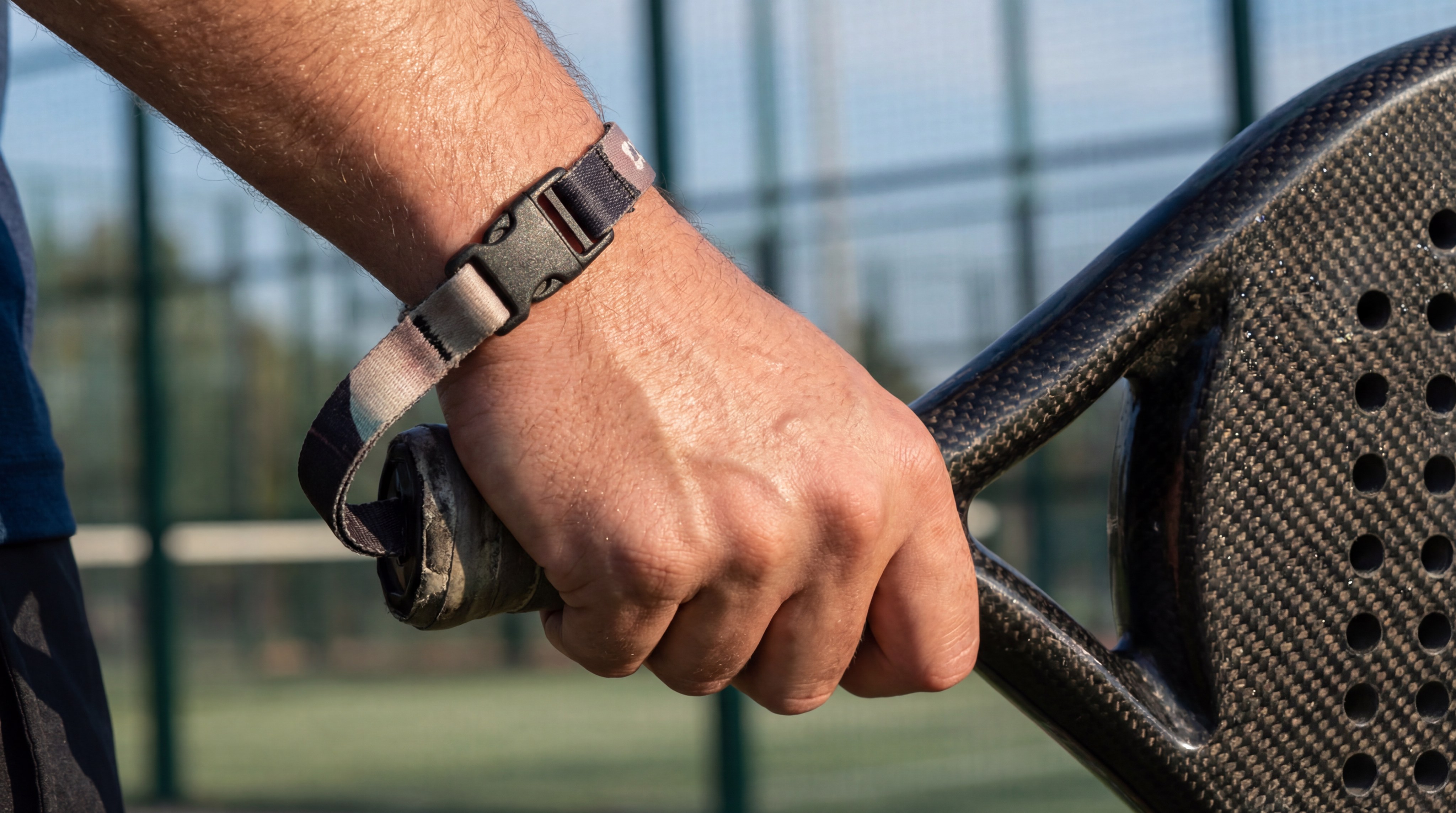
The rules of padel are designed to protect players just as much as they are to regulate the score. One of the most strictly enforced safety rules is the mandatory use of the racket’s safety lanyard. Because the game involves high-speed swings in a confined space, a racket flying out of a hand could cause severe injury or damage to the glass walls.
Is touching the net always a point-losing foul?
Think about this for a moment:
Any contact with the net—whether with your racket, clothing, or body—while the ball is in play results in an immediate loss of the point. This rule maintains a safe distance between players and the center barrier, preventing entanglement or injuries during aggressive net play. Even if you hit a winning shot, if your momentum carries you into the net, the point is awarded to your opponent.
Common Technical Fouls:
- Touching the net or posts while the ball is “live.”
- Hitting the ball twice (double hit) in a single motion.
- Failing to wear the safety wrist strap during play.
- Hitting the ball into the opponent’s fence directly.
- Obstructing an opponent’s movement or vision intentionally.
What are the rules for out-of-court play?
It gets even better:
In professional facilities with adequate surrounding space, players are allowed to run out of the court through the side doors to return a ball that has been smashed out. This is one of the most spectacular sights in the sport, but it requires specific “Out-of-Court” certification for the facility. If the court does not have the required safety clearance (at least 2 meters), exiting the court during a point is strictly prohibited.
Safety and Fair Play Guidelines:
- Players must wait for the ball to cross the net before hitting it.
- Reaching over the net to hit the ball is a foul (unless it bounced and is returning).
- Double bounces on your own side result in a lost point.
- The ball hitting any part of the player’s body is a foul.
- Sportsmanship and respectful conduct are mandatory in tournament play.
Key Takeaway: Safety ropes and net-contact rules are fundamental to the sport’s integrity and player protection.
| Infraction | Consequence | Severity |
|---|---|---|
| Net Contact | Loss of Point | High |
| No Safety Rope | Immediate Foul/Warning | Critical |
| Double Hit | Loss of Point | Technical |
| Body Contact | Loss of Point | Technical |
How Do You Maintain High-Traffic Padel Courts for Longevity?
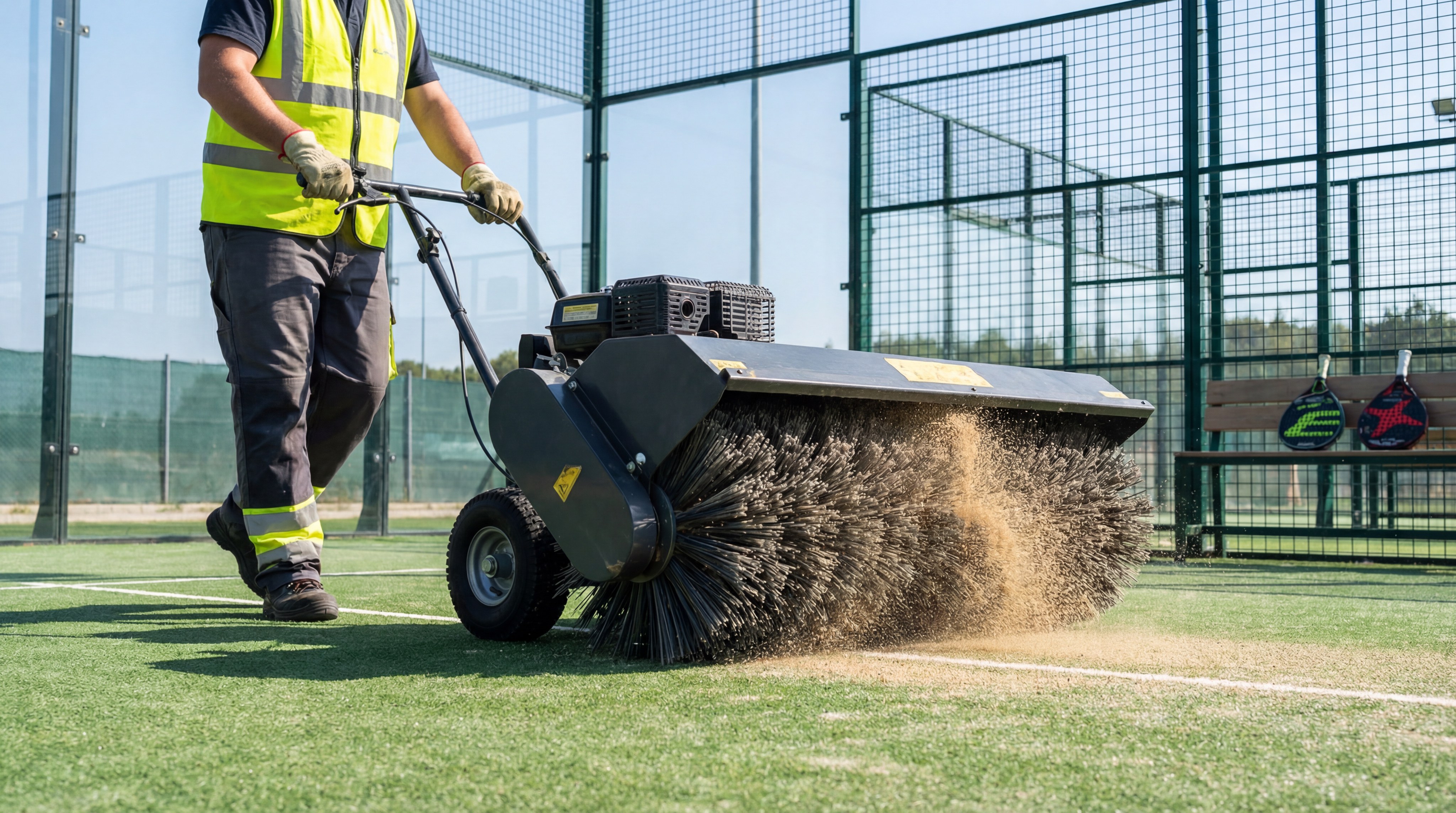
For any business owner, knowing how much does it cost to build a padel court is only the first step; the real ROI comes from proper long-term maintenance. High-traffic courts require regular attention to ensure the rules of padel are upheld through consistent ball behavior. A neglected court will quickly lose its playability, leading to member complaints and expensive turf replacements.
Why is sand redistribution so important?
You might be wondering:
Why do maintenance workers spend so much time brushing the turf? The silica sand acts as the “ballast” for the grass fibers, keeping them upright and providing the consistent friction needed for correct bounces. Over time, players’ movements push the sand toward the corners, leaving the high-traffic “T” zone at the net bald and slippery.
Essential Turf Maintenance:
- Weekly brushing to redistribute sand from the edges to the center.
- Monthly inspections for “bald” spots that need sand top-ups.
- Annual deep cleaning to remove moss, algae, and compacted debris.
- Checking for loose turf seams that could cause tripping hazards.
- Maintaining the correct sand level (usually 2mm below the fiber tip).
How do you preserve the glass and structure?
But that is not all.
The glass walls and steel structure require their own maintenance schedule to remain safe and visually appealing. Fingerprints, sweat, and environmental dust can obscure visibility, which is a major concern for spectators and televised matches. Furthermore, the structural bolts must be tightened regularly to ensure the glass panels do not vibrate excessively during impact.
Structural Upkeep Tasks:
- Weekly cleaning of the glass with non-abrasive squeegees.
- Monthly checks of the net tension and center strap height.
- Quarterly inspections of the metallic mesh for rust or loose wires.
- Bi-annual tightening of the structural bolts and glass clamps.
- Annual inspection of the LED lighting system for optimal lux levels.
Key Takeaway: Regular brushing and glass cleaning can double the lifespan of your court and ensure a professional playing experience.
| Task | Frequency | Estimated Time |
|---|---|---|
| Turf Brushing | Every 15-20 hours | 30 Minutes |
| Glass Cleaning | Weekly | 45 Minutes |
| Bolt Inspection | Quarterly | 1 Hour |
| Sand Top-up | Annually | 3 Hours |
Frequently Asked Questions About the Rules of Padel?
Can I play padel with a tennis ball?
While they look similar, padel balls have a lower internal pressure to accommodate the smaller court size and the use of walls. Using a tennis ball will make the game too fast and unpredictable, potentially damaging the glass or making the sport less enjoyable for beginners.
Is it legal to hit the ball after it hits the fence?
Yes, as long as the ball has bounced once on the ground first, hitting the fence is perfectly legal. However, the bounce off the metallic mesh is highly irregular, so experienced players try to hit the ball before it reaches the fence if possible.
How high should the ceiling be for an indoor court?
The official regulations recommend a minimum height of 6 meters, but for a professional experience, 8 to 9 meters is preferred. This allows players to execute high lobs—a fundamental tactic in the sport—without the ball striking the ceiling and ending the point.
What happens if the ball hits the net and goes out?
If the ball touches the net and then lands outside the court boundaries on the opponent’s side, the point is lost. The net does not “reset” the play; the ball must always find the playing surface on the other side to remain in play.
Do I really need a specialized padel racket?
Yes, the solid, perforated construction of a padel racket is essential for the spin and control required by the rules of padel. A tennis racket is far too large and powerful for the 20-meter court, and a squash racket lacks the surface area to handle the lower-compression balls.
Building a successful padel facility requires a deep understanding of both the architectural standards and the tactical rules that govern the sport. By investing in professional-grade materials and adhering to international dimensions, you create an environment that attracts high-level players and builds a loyal community. If you are ready to transform your space into a high-ROI sports destination, contact us today to discuss your custom project.