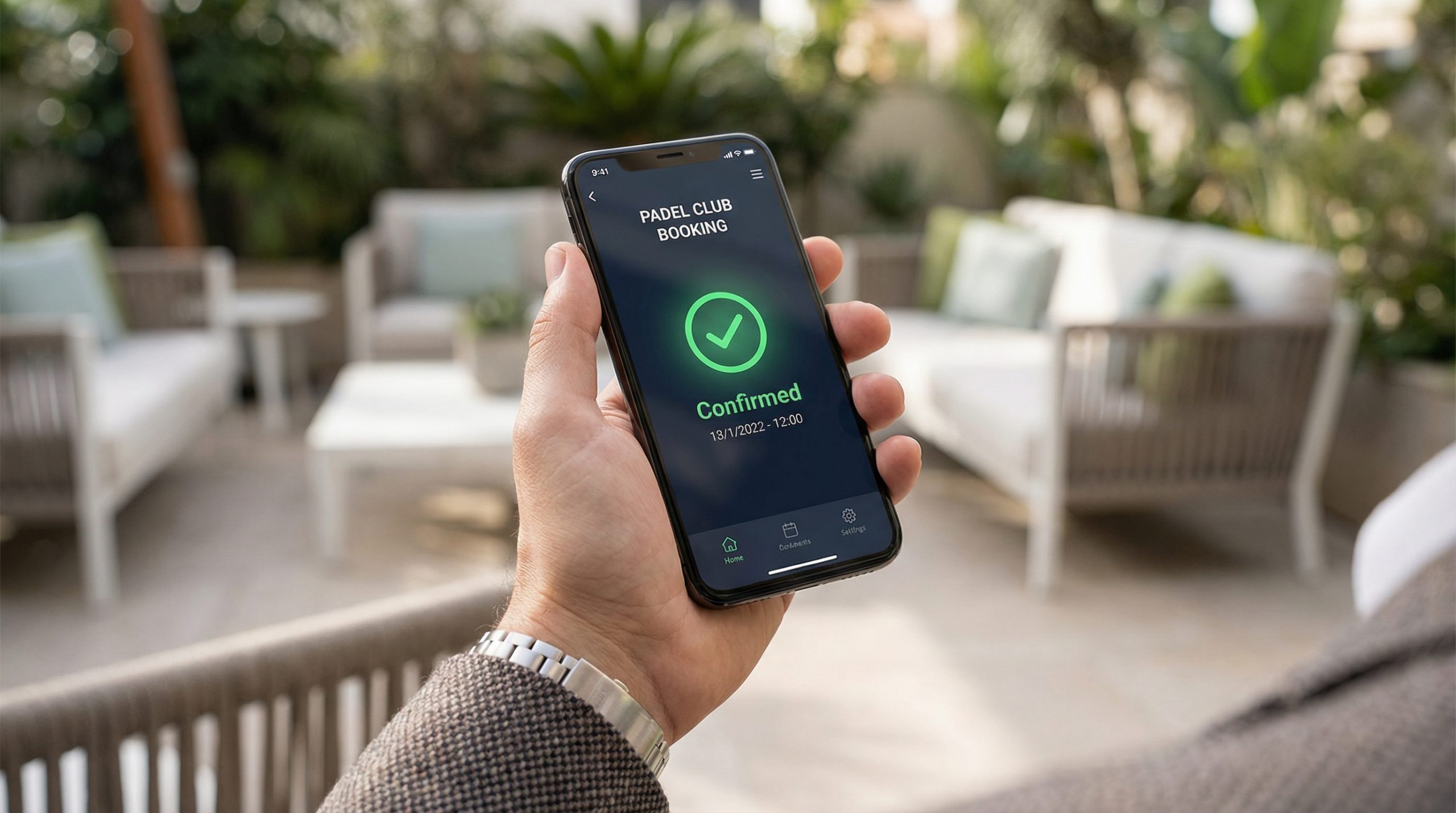
Padel booking software is a dedicated digital ecosystem designed to automate court reservations, payment processing, and player management for modern sports facilities. Managing a growing club manually often leads to double bookings, frustrated players, and exhausted staff who spend more time on the phone than on the court. You risk losing revenue and community trust when your scheduling process remains stuck in the analog era. Implementing a high-performance padel booking software solves these bottlenecks by providing a 24/7 self-service portal that synchronizes availability in real-time across all devices.
What is padel booking software exactly?
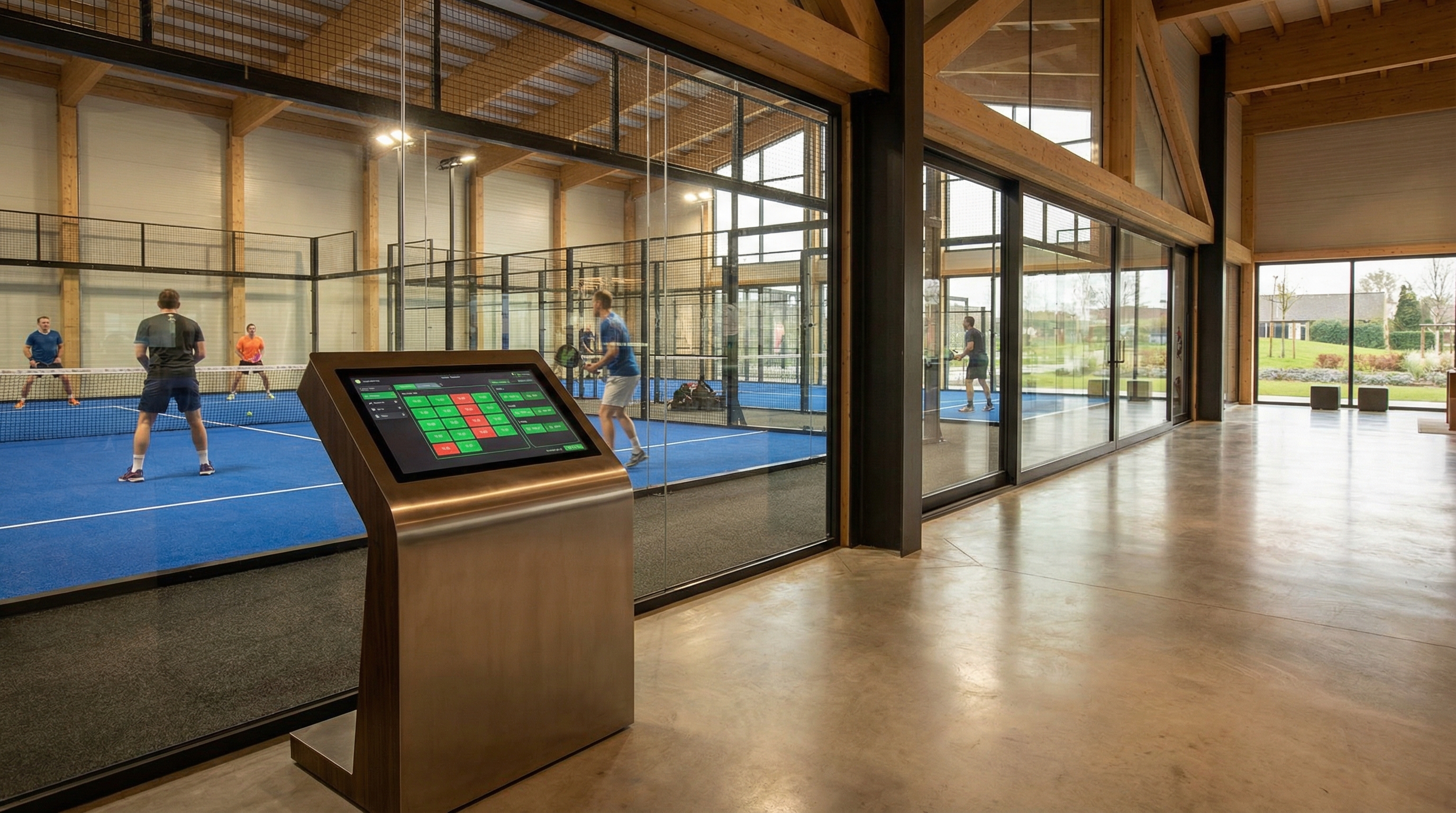
Padel booking software is a specialized management platform that automates the lifecycle of a court reservation from initial search to final payment. By utilizing a padel booking software solution, you can centralize your facility operations into a single digital dashboard. This technology ensures that every court hour is maximized and that players can secure their sessions without manual intervention from your staff.
How does the scheduling engine work?
The scheduling engine acts as the heartbeat of your facility by maintaining a live database of every available time slot across your courts. It processes incoming requests instantly and updates the user interface to prevent any possibility of overlapping bookings.
Think about it:
- Real-time calendar synchronization.
- Automated conflict resolution logic.
- Instant booking confirmation emails.
You need a system that handles high concurrency during peak hours to maintain data integrity. This level of automation is what separates professional clubs from amateur setups.
Is mobile accessibility necessary?
Modern players expect to manage their entire sports life through a smartphone while they are on the move. A mobile-responsive platform or dedicated app ensures that your club is always just one tap away for your community.
The best part?
- Higher engagement through push notifications.
- Seamless “one-tap” payment integration.
- Ability to book courts while standing on the sidelines.
Key Takeaway: A robust scheduling engine and mobile-first approach are the foundations of digital facility management.
| Component | Function | Priority |
|---|---|---|
| Core Engine | Prevents double-bookings | Critical |
| Mobile UI | Enables on-the-go access | High |
| Sync Logic | Updates availability instantly | Critical |
This technical foundation ensures your facility remains operational and accessible to players at any time of day.
Why does your club need padel booking software?
Your club needs padel booking software to eliminate the administrative friction that prevents your business from scaling efficiently. Integrating padel booking software allows you to shift your focus from answering phones to improving your expert team and facility quality. Without these tools, you are likely losing significant revenue due to unoptimized court usage and high labor costs.
Can it reduce administrative costs?
Automating the reservation cycle means you no longer need a full-time receptionist dedicated purely to managing a paper calendar. The software handles thousands of transactions per month with zero human error, drastically lowering your overhead.
The kicker?
- 70% reduction in manual data entry tasks.
- Lower labor requirements for night shifts.
- Simplified financial auditing and reporting.
By reallocating your budget from administrative roles to marketing, you can drive more growth. It turns your facility into a lean, profit-generating machine.
Does it improve the player experience?
Players value the autonomy of seeing exactly which courts are open and being able to book them in seconds. A digital portal provides a sense of transparency and professionalism that builds long-term loyalty among your members.
Here is the deal:
- Instant digital receipts for every game.
- Easy self-service rescheduling and cancellations.
- Simplified split-payment options for groups.
Key Takeaway: Automation reduces operational costs while simultaneously increasing the value proposition for your players.
| Metric | Manual Management | Software Management |
|---|---|---|
| Admin Time | 20+ hours / week | <2 hours / week |
| Error Rate | Moderate (Human) | Near Zero (System) |
| Player Access | Phone hours only | 24/7 Availability |
Moving to a digital system transforms your club into a modern business that respects the player’s time.
Which features define padel booking software?
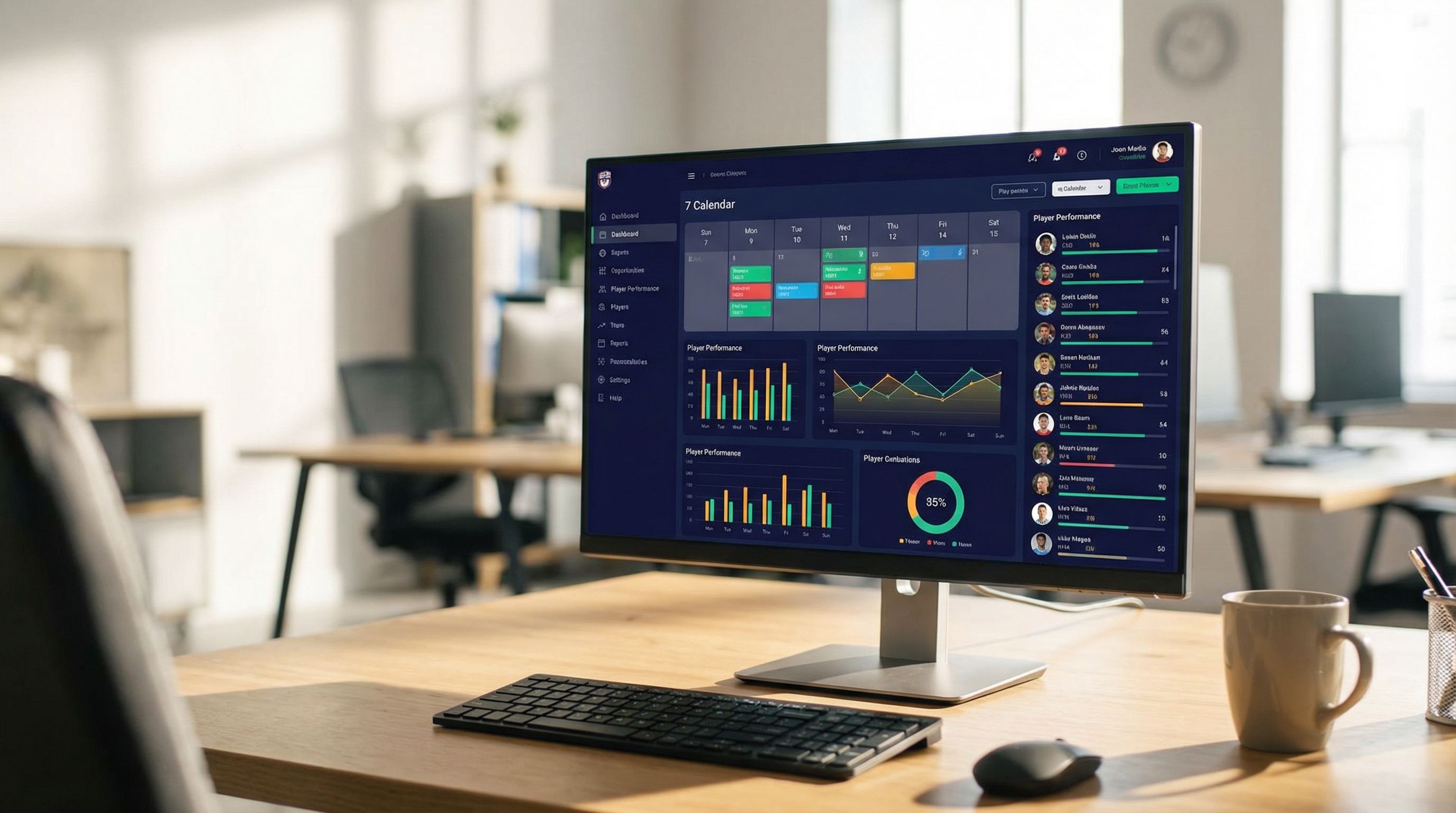
The features that define a high-quality padel booking software include integrated payment gateways, dynamic pricing, and comprehensive membership management. These tools must work together to support your overall court construction investment by maximizing the ROI of every square meter. A feature-rich platform handles everything from racket rentals to tournament brackets in one interface.
What are the essential admin tools?
Facility owners need a powerful backend to monitor daily revenue, court occupancy rates, and staff performance at a glance. You must be able to adjust pricing on the fly to capitalize on peak demand periods.
The best part?
- Dynamic “Happy Hour” pricing controls.
- Staff shift scheduling and tracking.
- Exportable financial reports for accounting.
Having these tools at your fingertips allows you to make data-driven decisions. You can identify underperforming hours and launch targeted promotions to fill them.
How do membership tiers function?
Automated membership modules allow you to offer tiered benefits like early booking windows or discounted rates for your most loyal players. The software should recognize a member’s status instantly upon login and apply the correct logic to their session.
Think about it:
- Tier-based discount automation.
- Priority access to high-demand courts.
- Automated monthly recurring billing.
Key Takeaway: Essential features must bridge the gap between financial management and the physical player experience.
| Feature Type | Specific Tool | Business Benefit |
|---|---|---|
| Financial | Secure Payment Gateway | Faster Cash Flow |
| Operational | Equipment Rental Module | Ancillary Revenue |
| Social | Tournament Manager | Community Growth |
Effective software acts as a “silent partner” that manages the complex logic of your club 24/7.
How to build padel booking software from scratch?

Building padel booking software from scratch requires a structured development roadmap that focuses on database integrity and high-concurrency handling. When you develop padel booking software independently, you must start with a detailed blueprint that mirrors your club’s specific workflow. This custom approach ensures that the digital product fits your standard court designs and operational style perfectly.
What is the development lifecycle?
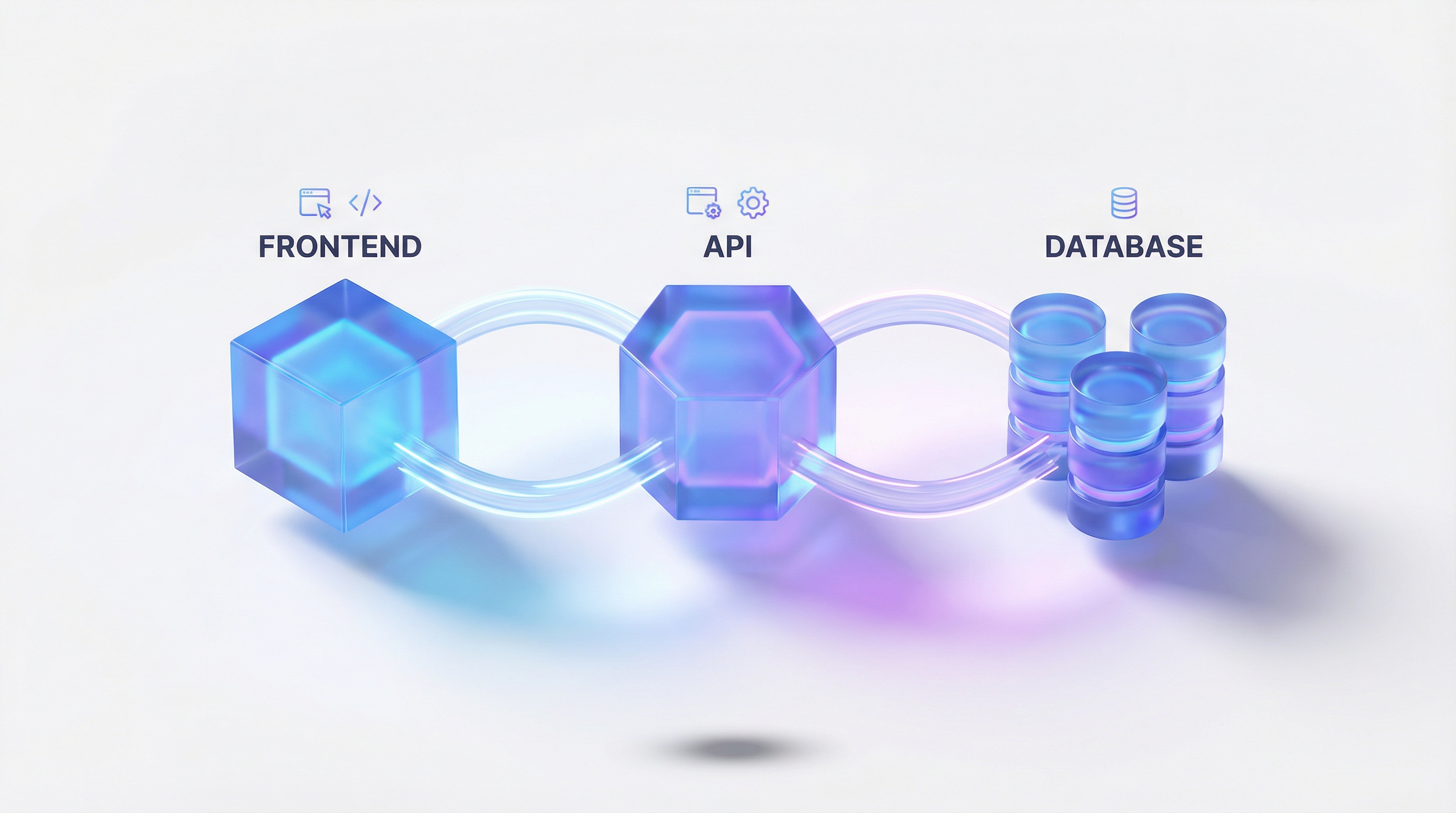
The process begins with wireframing the user journey to ensure that booking a court takes no more than three clicks. Once the UI is finalized, your developers must build a robust API that can handle simultaneous requests during peak hours.
It gets better:
- Requirement gathering and logic mapping.
- Backend database schema construction.
- Frontend development and beta testing.
Rigorous quality assurance is vital to ensure that the payment gateway is 100% secure. You cannot afford bugs in the logic that handles your revenue and customer data.
Should you use a microservices architecture?
A microservices architecture allows you to build the booking engine, payment processor, and user profiles as independent modules. This means that if one part of the system needs an update, the rest of the software stays online.
The kicker?
- Easier to scale individual features.
- Faster debugging and maintenance.
- Flexibility to add new IoT integrations.
Key Takeaway: Custom development provides a unique competitive edge through tailored logic and architecture.
| Development Phase | Focus Area | Goal |
|---|---|---|
| Discovery | User Journey Mapping | Ease of Use |
| Backend | API & Database | System Stability |
| Frontend | Mobile Responsiveness | High Engagement |
A well-planned development cycle results in a proprietary asset that grows in value as your business expands.
Is custom padel booking software worth the cost?

Custom padel booking software is worth the cost if you plan to scale your facility or launch a franchise model. While the initial investment is higher than a monthly subscription, a bespoke system eliminates recurring fees and gives you total control over your data. A deep court cost analysis often reveals that software automation is the most cost-effective way to boost long-term profitability.
What is the estimated ROI?
The Return on Investment is achieved by increasing court occupancy through a better user experience and eliminating third-party commission fees. Most clubs see the system pay for itself within the first 12 to 18 months of operation.
Look at the numbers:
- No per-transaction booking fees.
- Increased revenue from 24/7 booking access.
- Lower marketing costs through integrated CRM.
By owning the software, you also increase the overall valuation of your business. It becomes an intellectual property asset rather than just an expense.
Are maintenance costs high?
Ongoing costs typically include server hosting, security patches, and minor feature updates. While these are necessary, they are usually much lower than the “per-court” or “per-user” fees charged by commercial vendors.
Don’t worry:
- Predictable monthly hosting fees.
- Control over when to invest in updates.
- No forced price hikes from vendors.
Key Takeaway: Custom builds offer the highest long-term ROI by removing recurring fees and providing absolute data ownership.
| Factor | Custom Software | Off-the-Shelf |
|---|---|---|
| Upfront Cost | High | Low |
| Monthly Fees | Very Low | High |
| Data Ownership | Total | Shared/None |
This financial strategy ensures that more of your court revenue stays in your pocket as the club grows.
What tech stack powers padel booking software?
The tech stack for padel booking software must prioritize speed, data consistency, and cross-platform compatibility. For the backend, languages like Node.js or Python are often used because they handle real-time data synchronization efficiently. Choosing the right stack ensures that your platform can scale alongside your physical facility growth.
Which database is best for bookings?
A relational database like PostgreSQL is the gold standard for booking systems because it ensures ACID compliance. You need absolute consistency to guarantee that two people never successfully book the same court at the same time.
The reason?
- Strong data relationship mapping.
- High performance for complex queries.
- Unmatched reliability for transactions.
A reliable database is the bedrock of player trust. If your system loses a booking or double-books a court, you lose a customer for life.
Why use cloud hosting for padel?
Cloud providers like AWS or Google Cloud offer the auto-scaling capabilities required for high-traffic events like tournaments. This ensures your site stays fast even when hundreds of players are trying to book slots simultaneously.
Think about it:
- 99.9% uptime guarantees.
- Global Content Delivery Networks (CDNs).
- Automated daily database backups.
Key Takeaway: A modern tech stack utilizing PostgreSQL and Cloud hosting provides the stability your business demands.
| Layer | Recommended Tech | Why? |
|---|---|---|
| Backend | Node.js / Python | Asynchronous speed |
| Database | PostgreSQL | Transactional integrity |
| Infrastructure | AWS / Azure | Global scalability |
Investing in high-quality technology prevents future technical debt and ensures a smooth experience for every player.
How to scale your padel booking software fast?
Scaling your padel booking software fast involves moving to a multi-tenant architecture that can support multiple club locations simultaneously. This allows you to manage an entire network of facilities from a single administrative dashboard. Speed is the most critical factor when expanding your digital presence to meet a growing market.
Can you integrate with IoT devices?
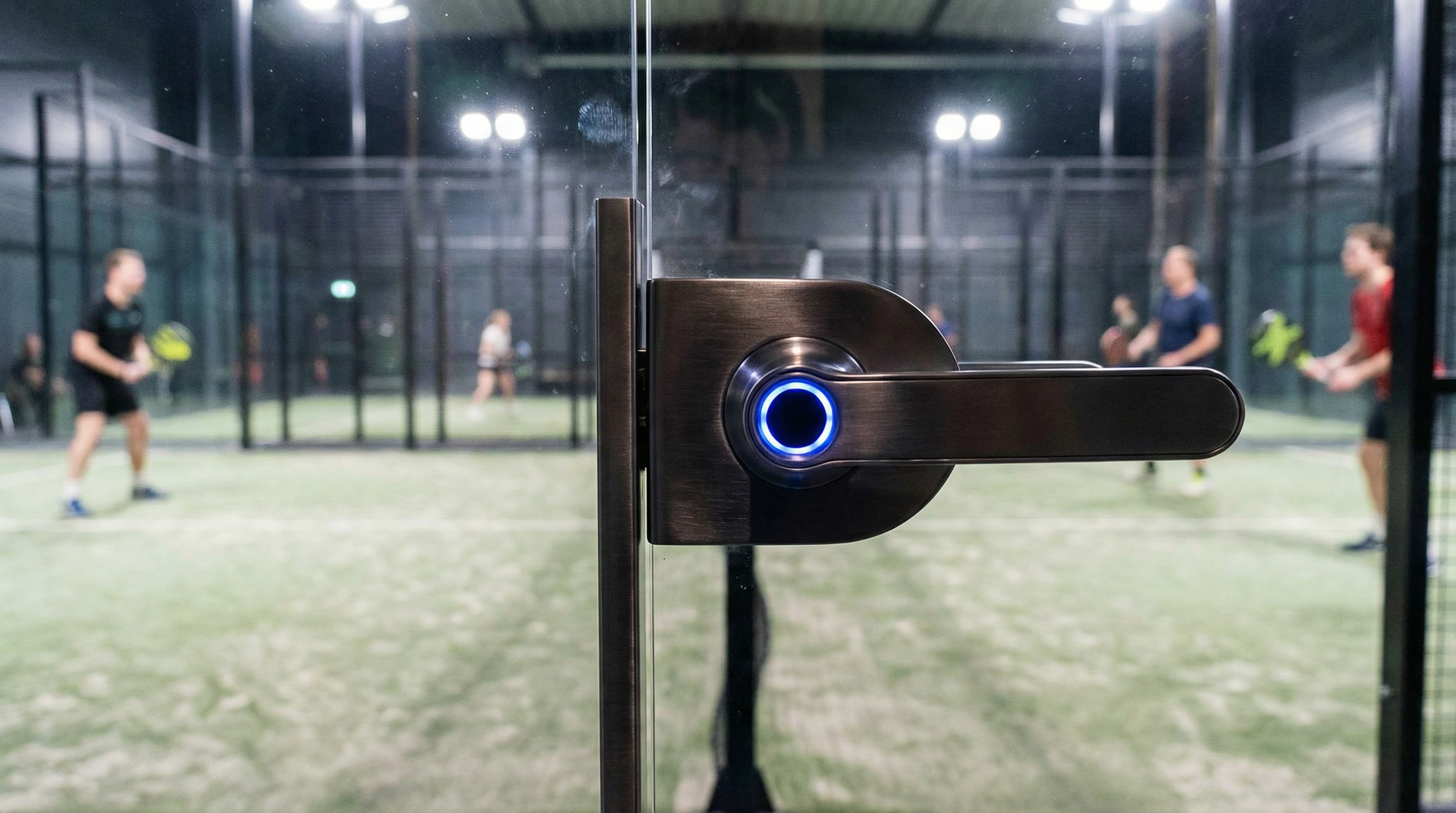
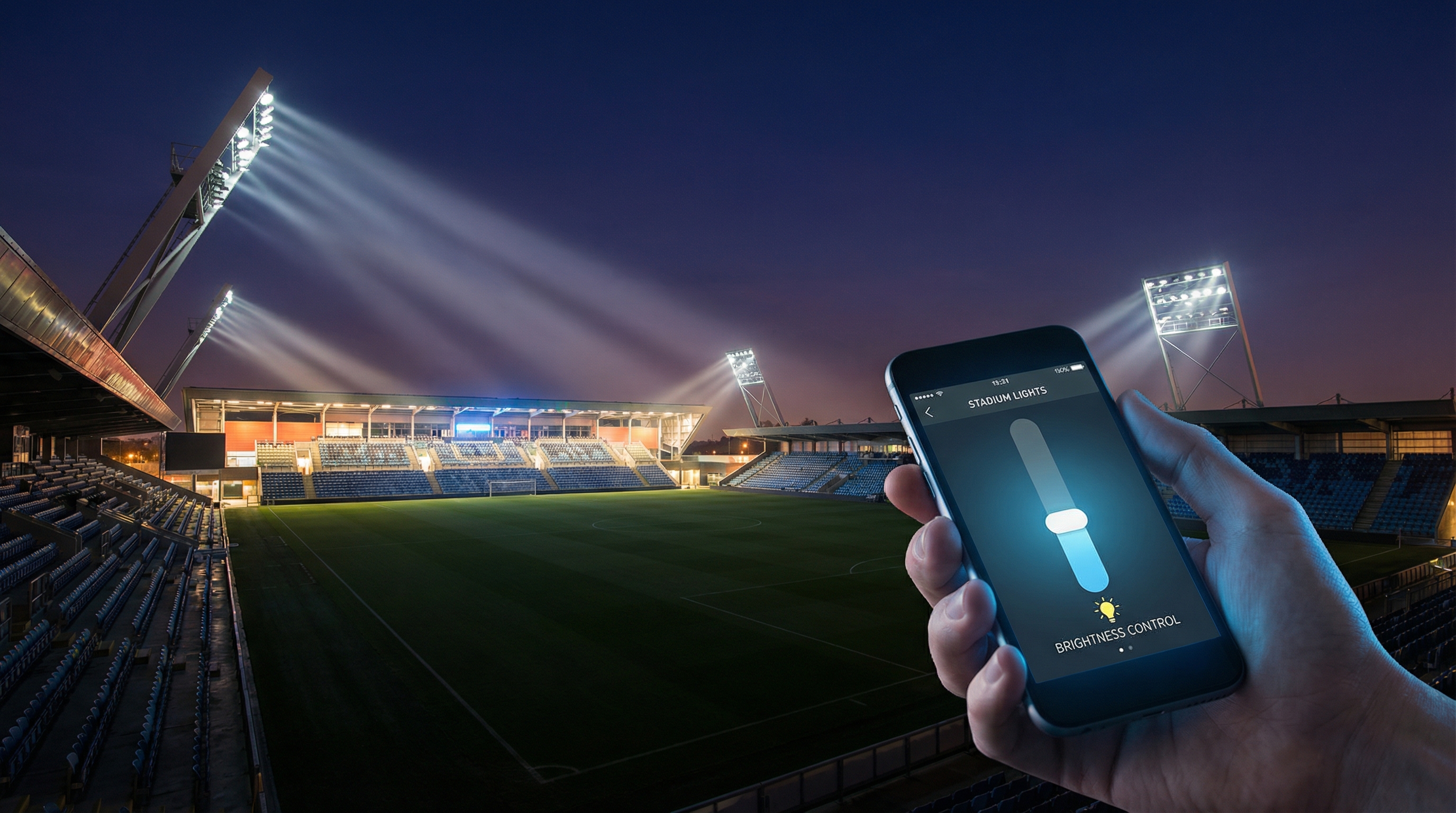
Connecting your software to smart locks and court lighting systems allows for the creation of unmanned “dark” facilities. This drastically increases your revenue potential by allowing courts to operate safely without on-site staff.
The best part?
- Automated light triggers upon booking.
- Unique PIN codes for court entry.
- Reduced energy waste via smart sensors.
This level of automation makes it incredibly easy to open new locations. You can run more courts with fewer people while maintaining high security.
How does API-first design help?
An API-first approach ensures that your core booking engine can communicate with any third-party app or future hardware. This future-proofs your software against changes in technology or market trends.
Why does this matter?
- Seamless mobile app integration.
- Easy connections with marketing tools.
- Ability to join global player networks.
Key Takeaway: Scaling requires a combination of multi-tenant architecture and hardware-level automation through IoT.
| Scaling Vector | Requirement | Impact |
|---|---|---|
| Multi-Location | Multi-tenant Logic | Centralized Control |
| Automation | IoT Smart Locks | Staff-Free Operations |
| Connectivity | API-First Design | Unlimited Integrations |
By preparing for scale early, you ensure that your software remains an asset rather than a bottleneck during growth.
Can padel booking software improve player retention?
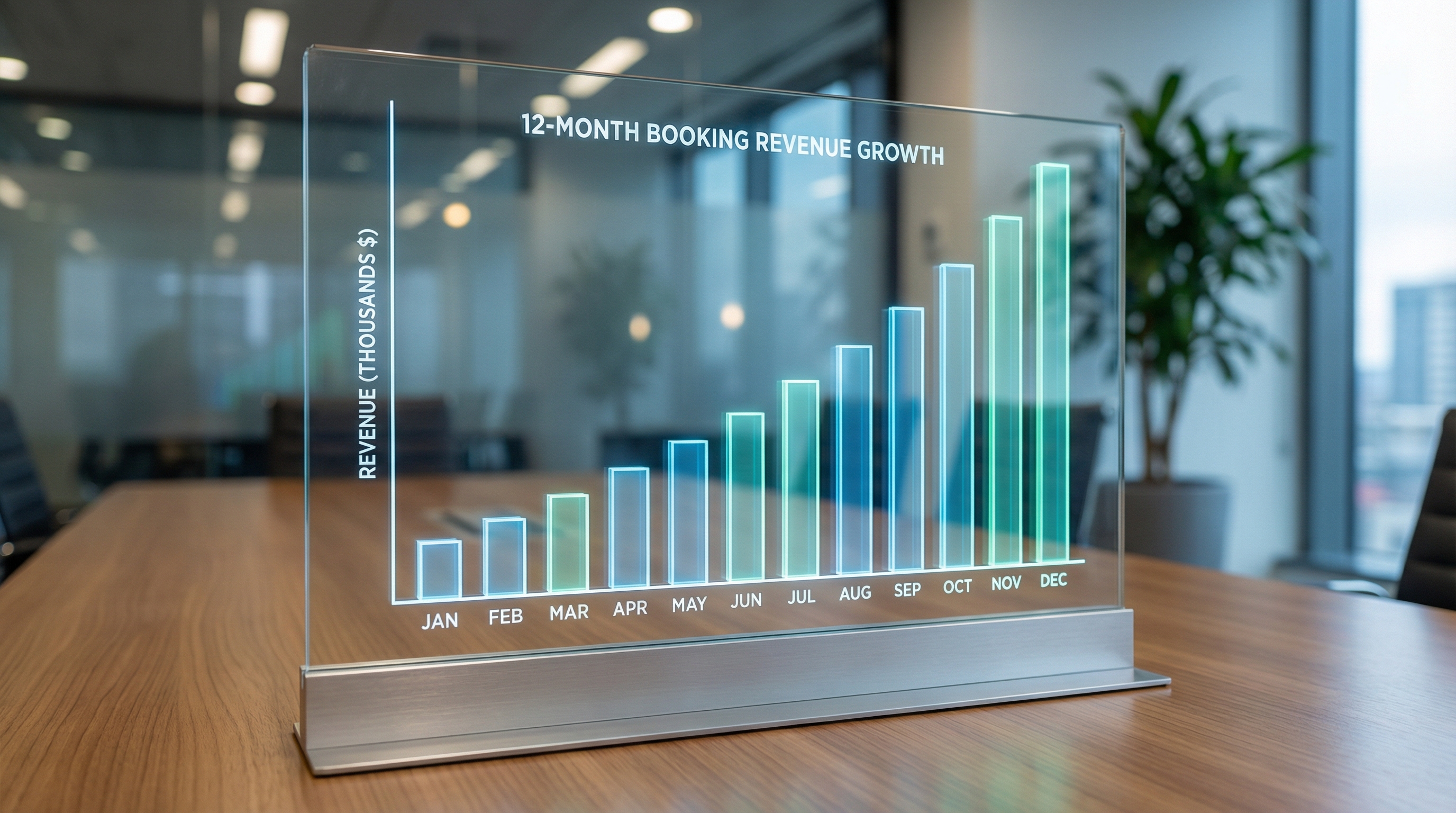
Padel booking software improves player retention by creating a frictionless social environment where finding matches is effortless. When players use your padel booking software, they aren’t just reserving a court; they are engaging with a community. High retention is the result of using data to personalize the player’s journey.
How do automated notifications work?
The system can send automated reminders via SMS or push notification 24 hours before a game to reduce no-show rates. Following up with a “Rate your game” survey after the match provides you with invaluable feedback.
Think about it:
- 60% reduction in missed bookings.
- Higher engagement with personalized offers.
- Consistent brand touchpoints with players.
These small interactions build a habit. When players feel looked after, they are much less likely to visit a competitor’s facility.
Social matching features allow “solo” players to list their skill level and find others to join their game. This solves the hardest part of the sport—finding three other people of similar ability.
The kicker?
- Higher occupancy for “open” matches.
- Faster community building within the club.
- Increased frequency of play for members.
Key Takeaway: Software transforms a utility (booking) into a social experience that keeps players coming back.
| Retention Tool | Function | Result |
|---|---|---|
| Reminders | Automated SMS/Push | Lower No-Show Rates |
| Match-Making | Skill-based Pairing | More Games Played |
| Feedback Loops | Post-Game Surveys | Improved Service |
A strong community is your club’s greatest defense against competition, and software is the tool that builds it.
How to secure your padel booking software data?
Securing your padel booking software data is a legal and operational necessity that requires end-to-end encryption and PCI-compliant payment processing. You must protect your players’ personal information and financial details with the same rigor you apply to your physical facility security. A single data breach can permanently damage the reputation of your club.
Is data encryption mandatory?
All data in transit must be protected by SSL/TLS encryption, and sensitive fields like passwords must be hashed in the database. This ensures that even if an unauthorized party gains access, the data remains unreadable.
Here is the deal:
- SSL/TLS for all web traffic.
- Encryption at rest for databases.
- Tokenization for all payment data.
Never store raw credit card numbers on your own servers. Always use a secure vaulting service provided by established payment processors to mitigate risk.
How to prevent booking fraud?
Rate limiting and anomaly detection prevent bots from scraping your availability or making hundreds of fake reservations. You should also implement two-factor authentication (2FA) for administrative accounts to prevent internal data theft.
Look closely:
- SMS verification for new accounts.
- IP-based rate limiting on APIs.
- Role-based access for club staff.
Key Takeaway: Security must be baked into the architecture, focusing on encryption, tokenization, and strict access control.
| Security Layer | Specific Protection | Goal |
|---|---|---|
| Transport | SSL / TLS | Data Privacy |
| Storage | Hashing & Encryption | Breach Mitigation |
| Access | Multi-Factor Auth | Admin Security |
A secure platform builds the trust necessary for players to store their payment methods and book recurring sessions.
What is the future of padel booking software?
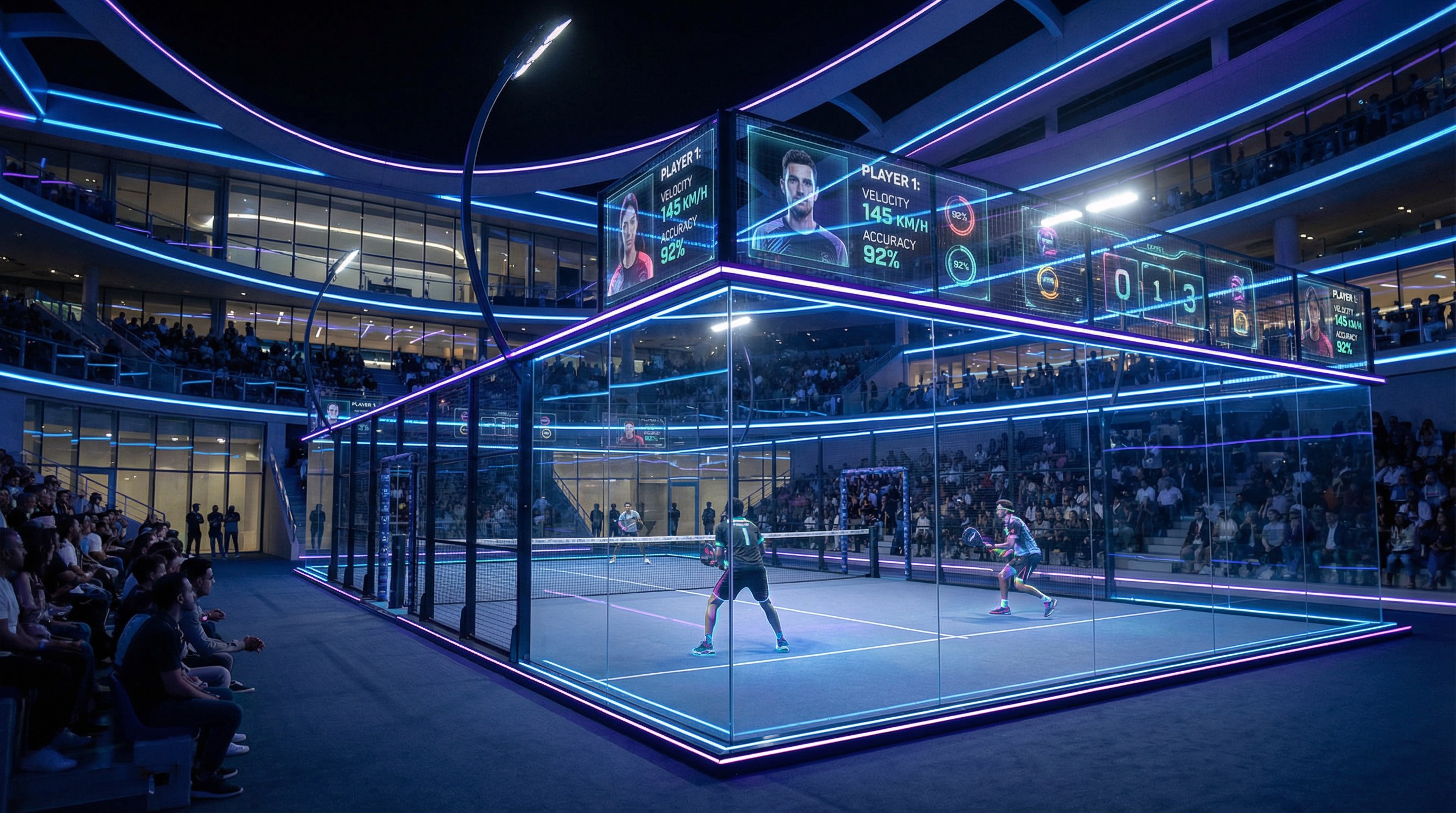
The future of padel booking software lies in the integration of artificial intelligence for predictive occupancy and dynamic yield management. We are moving toward an era where the software anticipates when you need maintenance and automatically adjusts court costs based on real-time demand. This evolution will make the digital platform the central “brain” of every modern sports complex.
Will AI play a role in scheduling?
AI can analyze years of booking patterns to suggest the perfect “Happy Hour” windows to maximize your revenue. It can also automate the creation of tournament brackets based on player skill ratings and availability.
It gets better:
- Predictive demand modeling.
- Automated marketing for slow periods.
- Smart energy management based on bookings.
The goal is to move from reactive management to proactive optimization. AI allows you to stay ahead of market trends without manual data analysis.
Is blockchain useful for rankings?
Blockchain technology could provide a decentralized, tamper-proof record of player rankings and match results across the globe. This would allow a player’s skill level to be verified instantly at any club they visit.
Think about it:
- Global, immutable player profiles.
- Verified tournament history.
- Transparent and fair match-making.
Key Takeaway: The next generation of software will focus on AI-driven efficiency and global player connectivity.
| Future Trend | Estimated Impact | Timeline |
|---|---|---|
| AI Yield Mgmt | +20% Revenue growth | 1-2 Years |
| Biometric Entry | Zero-staff operations | 2-3 Years |
| Global Ranking | Universal player ecosystem | 3-5 Years |
Embracing these technologies early will ensure your facility remains a market leader as the sport continues to professionalize.
Frequently Asked Questions
Can I integrate existing smart locks with padel booking software?
Absolutely. Most modern custom platforms use flexible APIs that allow you to connect with industry-standard smart lock systems for automated, staff-free access.
What’s the best way to handle player refunds?
The best approach is to automate your policy—for example, “100% credit refund if cancelled 24 hours prior.” This ensures consistency and prevents manual administrative disputes.
Can I manage multiple locations with one software account?
Yes, professional-grade systems use multi-tenant architectures, allowing you to switch between different facilities and view consolidated financial reports from a single login.
What’s the best payment gateway for international clubs?
Stripe is generally the most reliable choice due to its global reach, robust security features, and ease of integration for recurring membership billing.
Can I offer equipment rentals through the booking app?
Yes, a well-built system allows players to add rackets, balls, or even locker rentals to their court booking in a single, seamless checkout process.
The evolution of your facility depends on moving beyond manual processes and embracing the power of automation. If you are ready to transform your club into a high-efficiency, player-centric business, contact us today to discuss your technology needs. At Superb Padel, our vision is to empower every club owner with the tools and infrastructure needed to lead the global padel revolution.