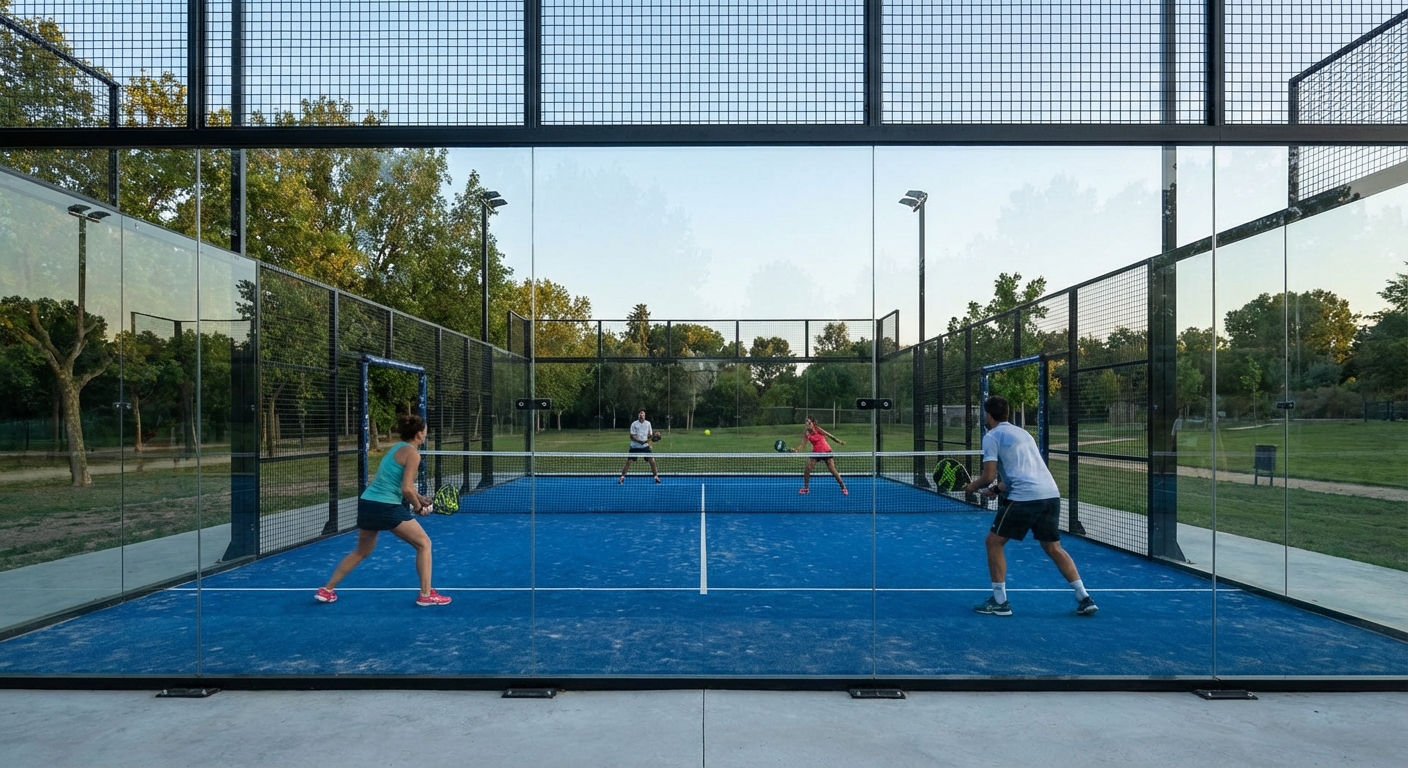
What is the cost for how to build a padel court?
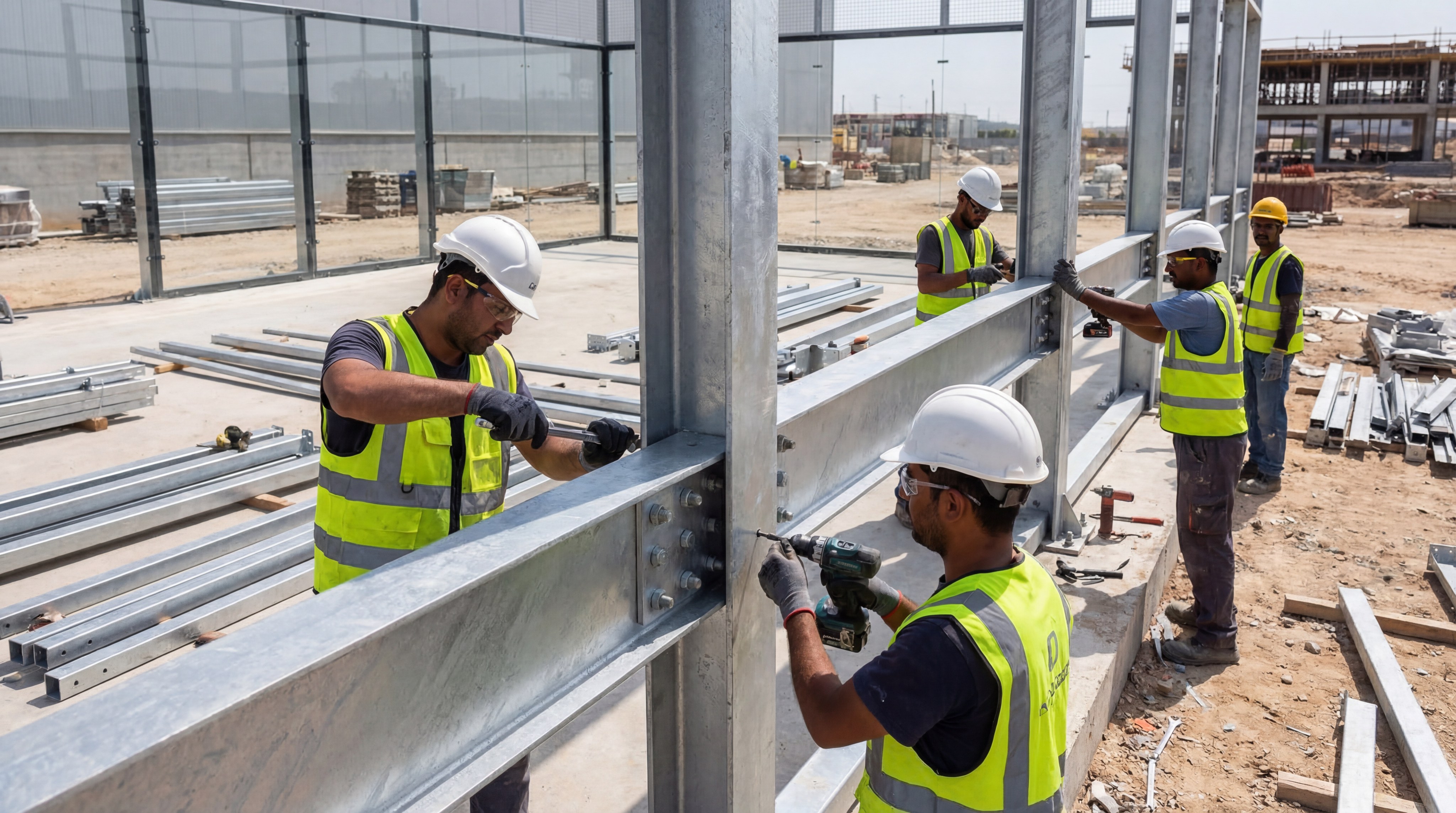
The average cost to complete this project typically ranges between €20,000 and €25,000 depending on local labor rates. Understanding the financial requirements for how to build a padel court is the first step toward a successful investment. You must account for foundations, professional assembly, and high-quality materials to ensure a durable facility.
Essential budgeting for materials and labor
You need to allocate funds specifically for ground preparation and the modular structural components. Labor costs vary significantly based on whether you hire local contractors or specialized international installation teams.
Can I save money by buying factory-direct?
Here is the deal: purchasing your equipment directly from a manufacturer can reduce your total expenditure by up to 30%. This approach eliminates middleman markups while allowing for full customization of the court’s colors and branding.
- Steel structure and glass panels
- Artificial turf and silica sand
- LED lighting and net systems
Key Takeaway: Budgeting accurately for both hardware and skilled assembly prevents project stagnation and ensures long-term profitability for your club.
| Expense Category | Estimated Share | Impact |
|---|---|---|
| Materials | 60% | High |
| Labor | 25% | Medium |
| Permits/Legal | 15% | Low |
Strategic procurement is the most effective way to optimize your initial capital investment.
Do I need permits for how to build a padel court?
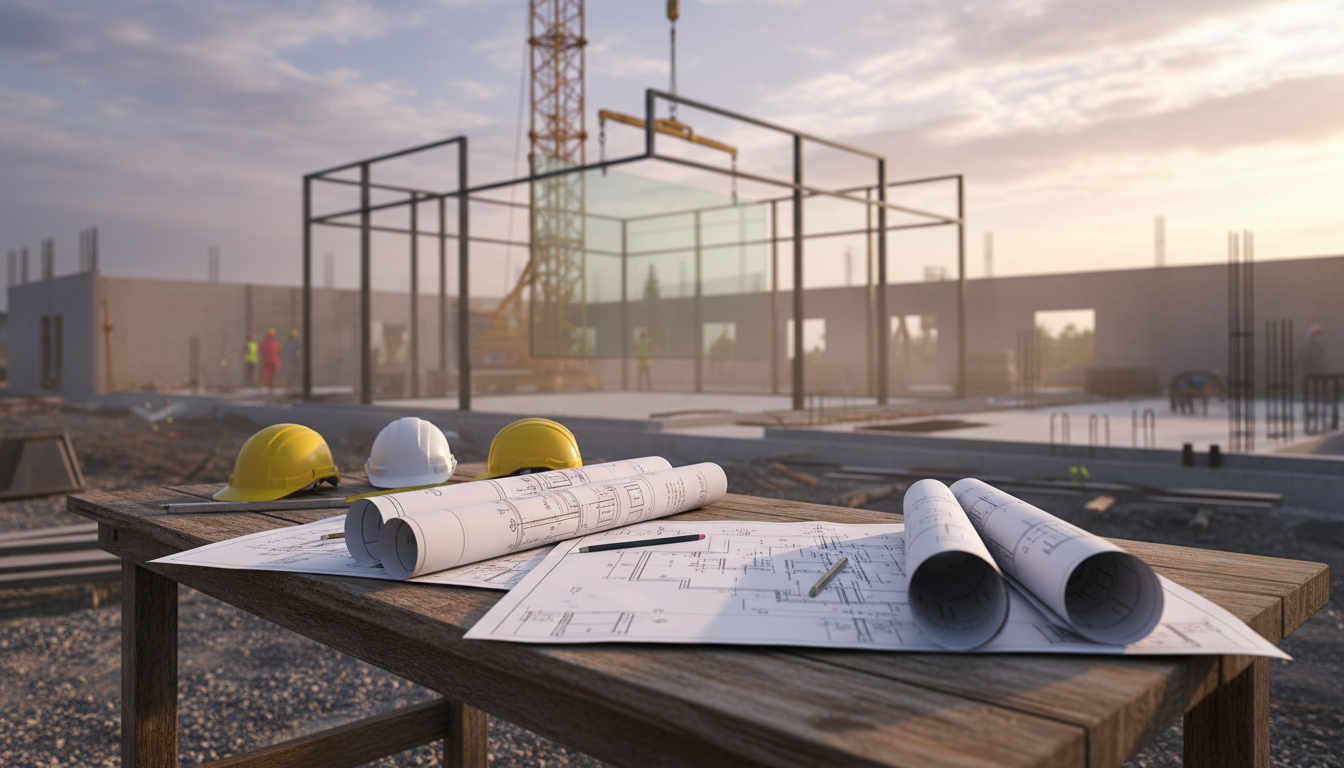
Yes, you almost always need building permits and zoning approval before breaking ground on a new sports facility. Navigating the legal landscape for how to build a padel court ensures your project remains compliant with local safety and environmental standards. Failure to secure these documents can result in heavy fines or the forced removal of the structure.
Navigating local building regulations
Building codes often specify the required thickness of concrete foundations and the structural integrity of the glass walls. You should consult with a local engineer to verify that your plans meet regional wind load and seismic requirements.
Managing noise and neighbor relations
But wait, there’s more: sound management is a critical factor that many developers overlook during the planning phase. Proactively discussing your project with neighbors can prevent future disputes regarding the unique acoustic profile of padel play.
- Noise-reduction fencing
- Strategic court orientation
- Operating hour limitations
Key Takeaway: Securing all necessary permits and maintaining positive neighbor relations creates a stable legal foundation for your sports business.
| Requirement | Priority | Timeline |
|---|---|---|
| Zoning Permit | High | 4-8 Weeks |
| Noise Assessment | Medium | 2 Weeks |
| Structural Review | High | 3 Weeks |
Compliance prevents costly legal delays and builds trust within your local community.
What is the size for how to build a padel court?
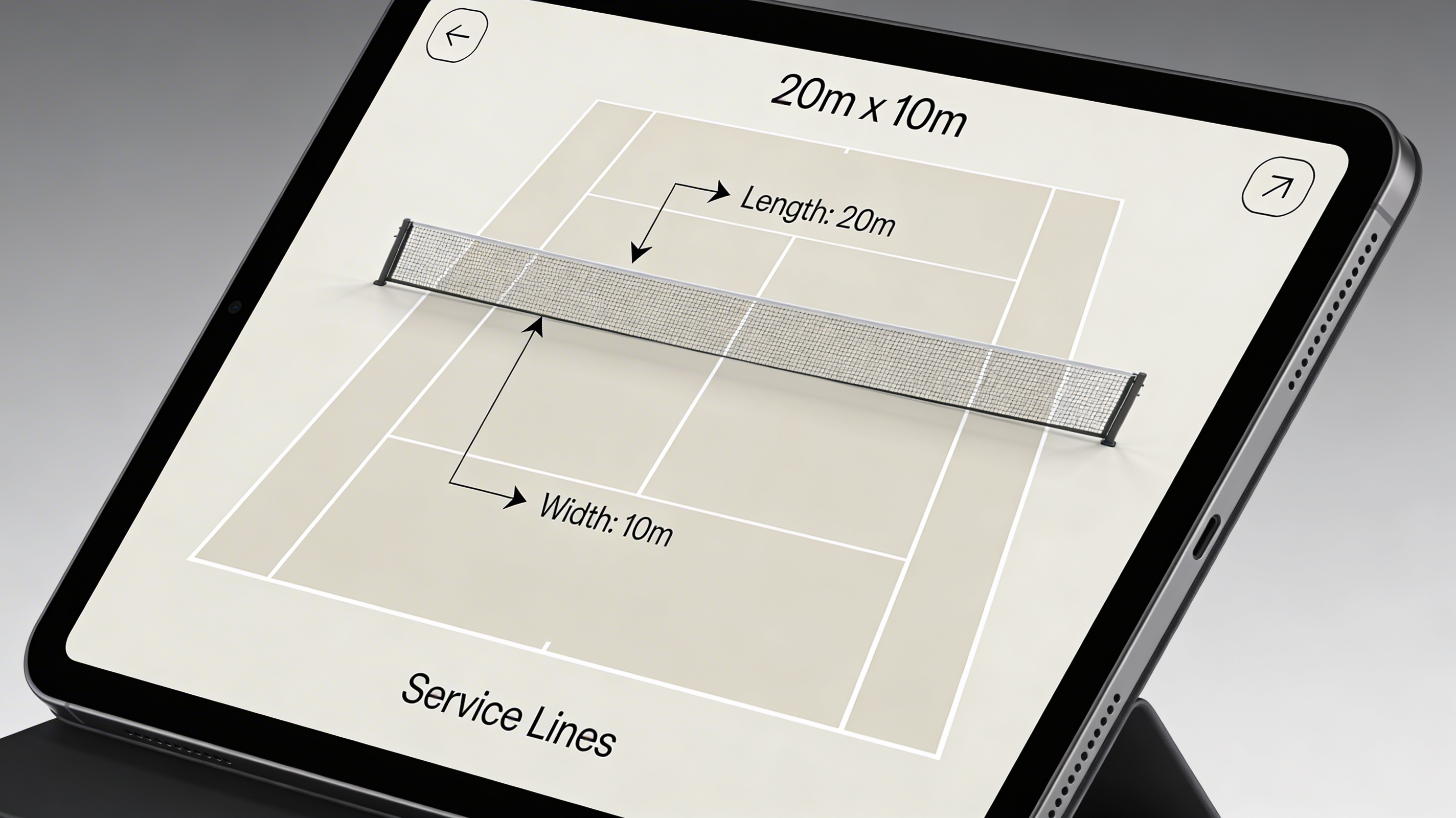
A standard doubles padel court measures exactly 20 meters long by 10 meters wide. Precision is vital when learning how to build a padel court to meet international tournament standards. Even a small deviation in dimensions can affect the bounce of the ball and the overall playability of the surface.
Standard and singles court dimensions
While doubles courts are the industry standard, you might also consider building a singles court which is 20 meters long and 6 meters wide. These compact versions are excellent for training and maximizing revenue in smaller spaces.
How much safety space is required?
The bottom line is: you must leave at least 0.5 meters of clearance around the entire perimeter of the court. This extra space allows for structural maintenance and provides a safety buffer for players moving at high speeds near the glass.
- 200 square meters for doubles
- 120 square meters for singles
- Extra space for spectator access
Key Takeaway: Adhering to official dimensions ensures your facility is compatible with league play and provides a professional experience for every athlete.
| Court Type | Dimensions | Total Area |
|---|---|---|
| Standard Doubles | 20m x 10m | 200 sqm |
| Singles Court | 20m x 6m | 120 sqm |
| Mini Padel | Varies | < 100 sqm |
Proper spacing is the difference between a cramped local court and a world-class sports venue.
Where is the best spot for how to build a padel court?
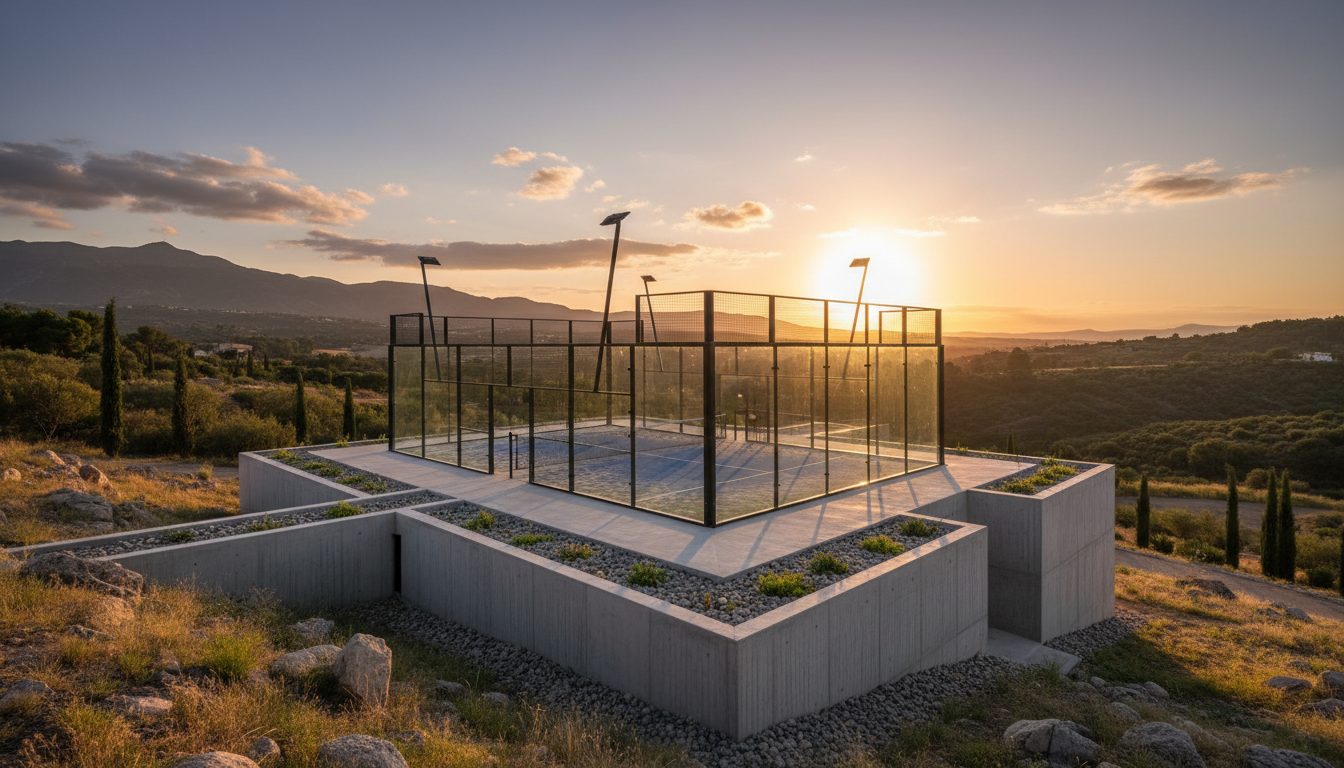
The best location is a flat area with a North-South orientation to minimize glare from the sun. Selecting the right plot is a fundamental part of how to build a padel court successfully. You must evaluate the soil quality and the proximity to existing utilities like electricity for night lighting.
Sunlight orientation and wind considerations
Placing the court in a North-South direction ensures that neither side is blinded by the sun during sunrise or sunset. You should also check for natural windbreaks to keep the game consistent and enjoyable for all skill levels.
The importance of drainage and ground prep
Here is the secret: effective drainage is what keeps your court playable immediately after a heavy rainstorm. A porous concrete or asphalt base prevents water from pooling on the artificial turf and causing slippery conditions.
- Natural tree shelter
- Graded foundation slopes
- Underground piping systems
Key Takeaway: Careful site selection reduces long-term maintenance costs and significantly improves the daily playing experience for your members.
| Site Factor | Recommended Status | Impact |
|---|---|---|
| Orientation | North-South | Glare Reduction |
| Surface | Porous Concrete | Water Runoff |
| Accessibility | Near Parking | High Traffic |
Choosing the right land ensures your court remains a desirable destination throughout all seasons.
Who should I hire for how to build a padel court?
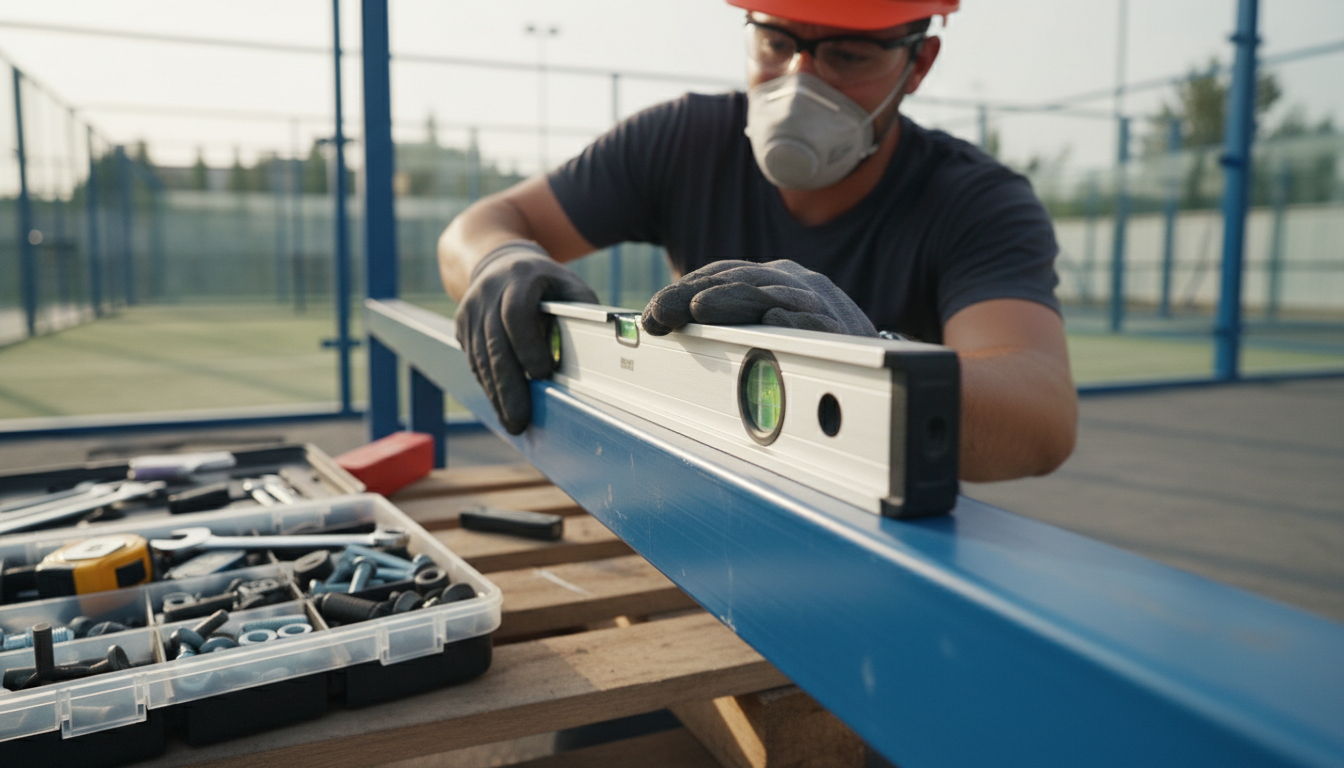
You should hire a specialized padel installation team with experience in assembling modular steel structures. Knowing how to build a padel court requires specific technical skills that general contractors may lack. Professional installers ensure the glass is mounted safely and the turf is stretched with the correct tension.
Working with specialized installation teams
Specialized teams bring the necessary tools to align the steel beams within a millimeter of the blueprints. Their expertise prevents structural vibrating and ensures the glass panels are perfectly flush with the metal frame.
Renting the right equipment for assembly
But that’s only half the story: you must coordinate the rental of scaffolding and lifts to handle the heavy glass panels. These large components require mechanical assistance to be positioned securely without risking injury to the workers.
- Heavy-duty glass suction cups
- Scissor lifts or scaffolding
- Industrial spirit levels
Key Takeaway: Investing in professional installers guarantees the safety of your players and the longevity of the entire court structure.
| Professional Role | Core Duty | Importance |
|---|---|---|
| Lead Installer | Structural Alignment | High |
| Glazier | Panel Security | Critical |
| Turf Specialist | Surface Tensioning | High |
Expert labor is the most reliable way to avoid structural failures and safety hazards.
How high is the roof for how to build a padel court?
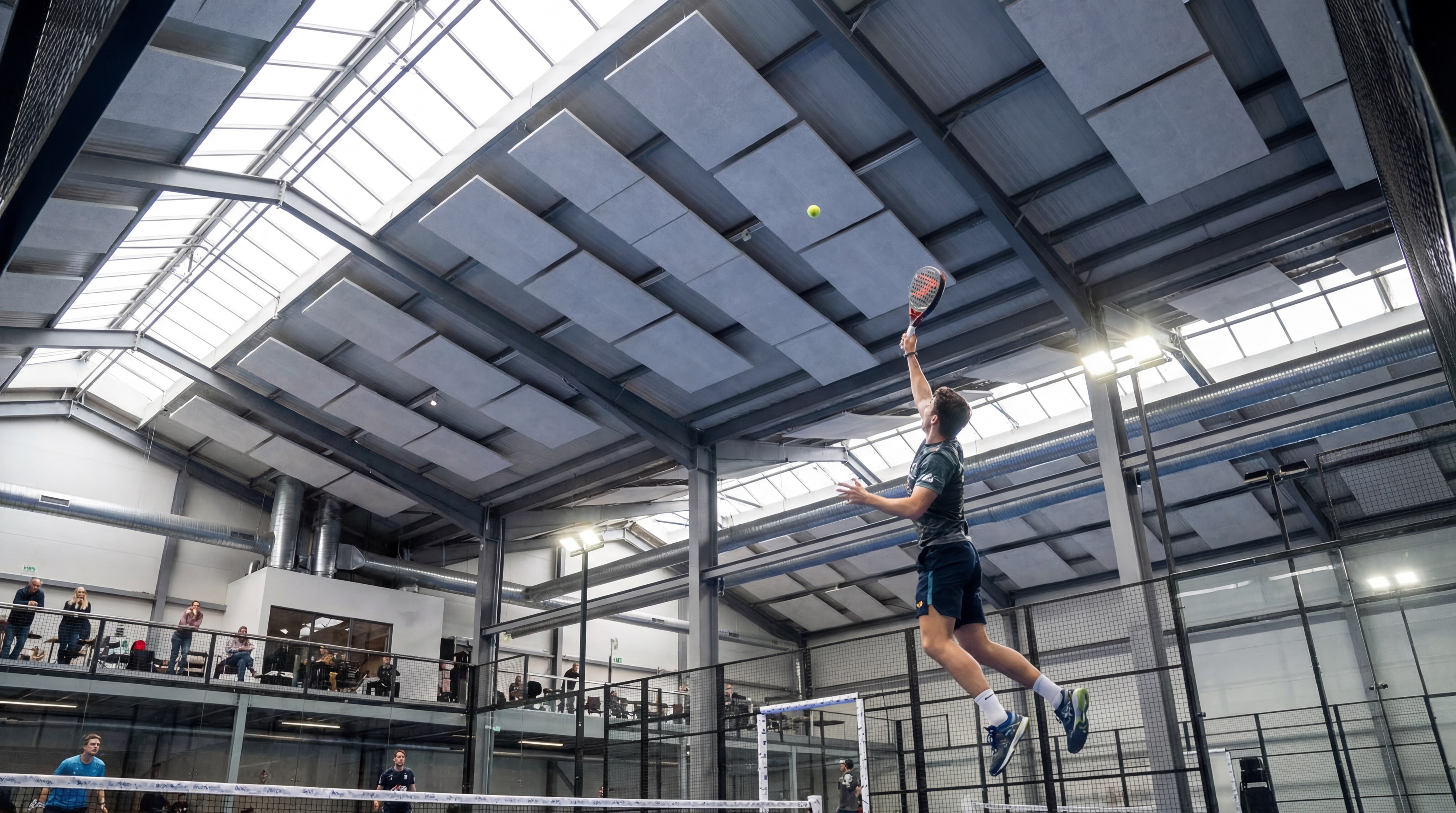
The minimum ceiling height for an indoor padel court is 6 meters, but 9 to 12 meters is highly recommended. Vertical space is a vital consideration when planning how to build a padel court indoors. If the ceiling is too low, players cannot effectively use the “lob” shot, which is a core tactic in padel.
Minimum vs ideal ceiling heights
A 6-meter ceiling is technically functional for recreational play but often feels restrictive to advanced athletes. Higher ceilings create a much more professional atmosphere and allow for more dynamic, high-level defensive play.
How do acoustics affect the indoor experience?
You should also know this: the materials used in your roof and walls can create an echo that distracts the players. Installing acoustic panels helps absorb the sound of the ball hitting the glass and the racquets, making the environment more comfortable.
- Perforated metal roof sheets
- Foam acoustic wall panels
- Tensioned fabric ceilings
Key Takeaway: Providing ample vertical clearance and sound management attracts serious players who value the technical aspects of the sport.
| Height Level | Playability | Category |
|---|---|---|
| 6 Meters | Restricted | Basic |
| 9 Meters | Standard | Professional |
| 12 Meters | Excellent | Elite |
Sufficient vertical volume is essential for a high-quality indoor playing experience.
What lights are needed for how to build a padel court?
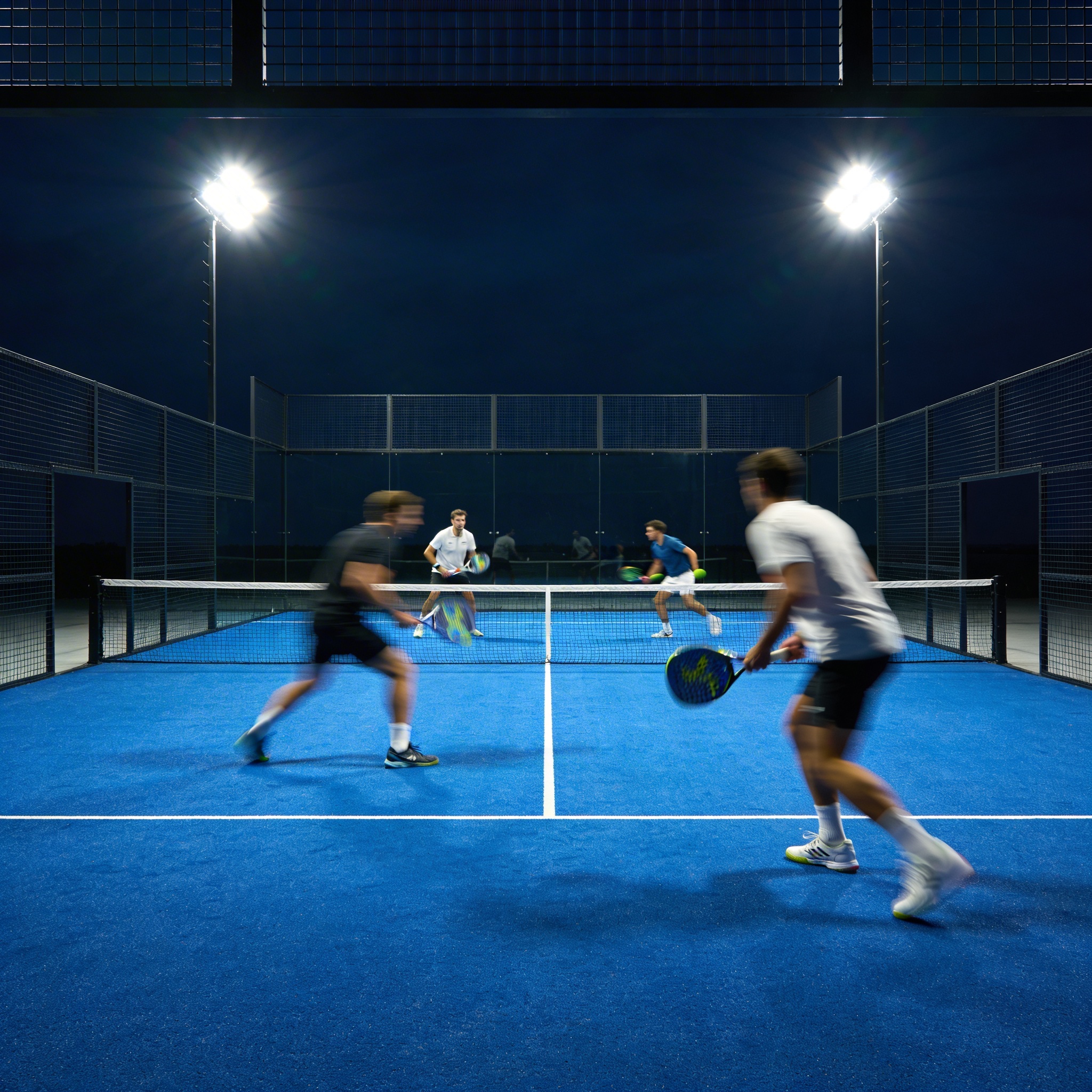
Professional LED floodlight systems with at least 200 to 300 lux are required for night play. High-quality illumination is a non-negotiable part of how to build a padel court if you want to maximize evening bookings. Modern LEDs provide superior brightness while consuming significantly less energy than traditional halogen bulbs.
Choosing LED floodlight systems
You should look for IP66-rated fixtures that can withstand dust and heavy rain for outdoor installations. These lights provide a consistent color temperature that makes the ball easy to track against the blue or green turf.
Positioning lights to avoid player glare
But wait, there is more: the angle of the light poles determines whether players are blinded during high lob shots. Correct positioning involves placing the lights high enough and at an angle that illuminates the entire floor without creating dark spots.
- 4 to 8 light poles per court
- Asymmetric beam distribution
- Flicker-free driver technology
Key Takeaway: Superior lighting extends your operational hours and ensures a safe environment for competitive matches after dark.
| Lighting Spec | Target Value | Benefit |
|---|---|---|
| Lux Level | 300+ Lux | High Visibility |
| IP Rating | IP66 | Weatherproof |
| Energy Type | LED | Low Cost |
Professional-grade lighting is the key to maintaining high court occupancy throughout the night.
What amenities go with how to build a padel court?
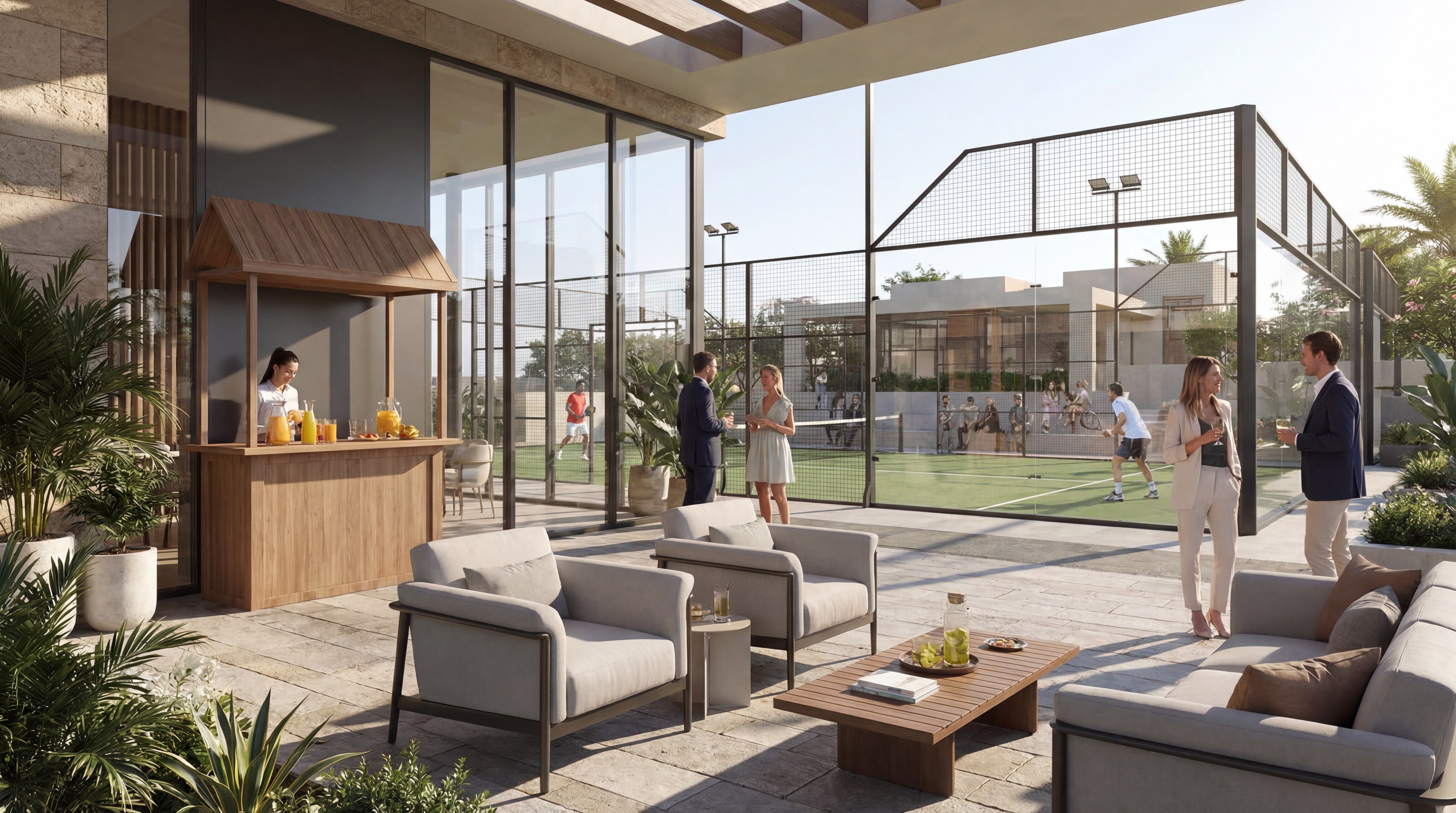
Essential amenities include comfortable spectator seating, changing rooms, and social lounge areas. The environment surrounding the facility is just as important as the process of how to build a padel court itself. Padel is a highly social sport, and players often stay after their match to relax and talk with friends.
Designing spectator seating and lounge areas
Creating a space where people can watch matches increases the community feel of your club. You can install bleachers or high-end outdoor furniture to provide a premium viewing experience for guests and waiting players.
Why are changing facilities essential?
You might be wondering: do I really need full showers for just a few courts? The answer is yes, as providing a place to freshen up allows players to visit your club before work or during their lunch break.
- Integrated juice bar or cafe
- High-speed guest Wi-Fi
- Secure equipment storage lockers
Key Takeaway: High-quality social amenities differentiate your facility from basic courts and help build a loyal, long-term membership base.
| Amenity | Value Add | Impact |
|---|---|---|
| Lounge Area | Social Retention | High |
| Changing Rooms | Convenience | Medium |
| Pro Shop | Revenue Stream | High |
The social experience is often what brings players back to your facility week after week.
How to maintain and how to build a padel court?
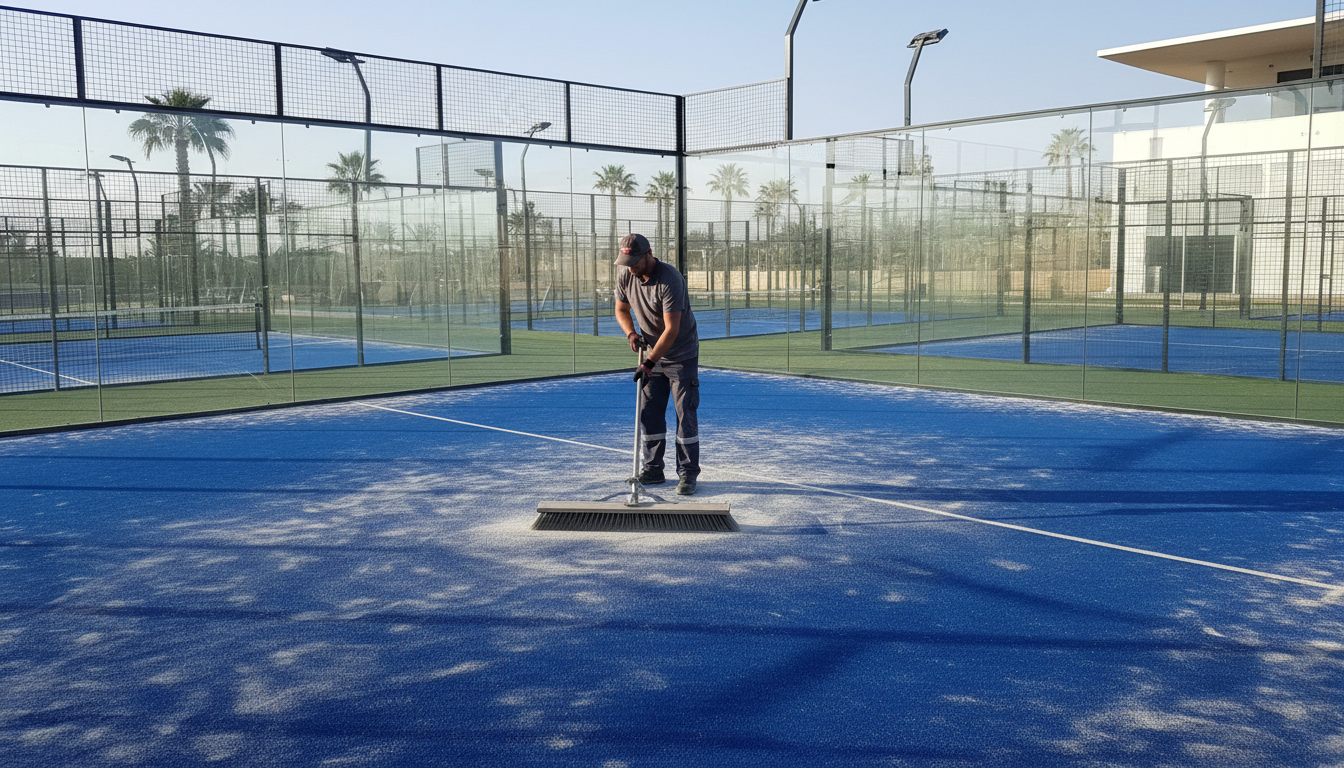
Maintenance requires regular glass cleaning, turf brushing, and consistent silica sand redistribution. Learning how to build a padel court is only the beginning; you must have a plan to preserve the materials. Without proper care, the artificial grass will wear out prematurely and the ball bounce will become unpredictable.
Cleaning glass walls and artificial turf
You should wipe down the glass panels weekly to remove sweat marks and dust that can obscure visibility. Brushing the turf every few weeks keeps the fibers standing upright and ensures an even playing surface across the entire court.
Regulating sand distribution and net tension
Here is the deal: the amount of sand on the court directly affects how much a player can slide. You must also check the net tension regularly to ensure it stays at the official height of 0.88 meters in the center.
- Specialized turf grooming brushes
- High-purity kiln-dried silica sand
- Regular bolt and screw tightening
Key Takeaway: A consistent maintenance schedule protects your investment and ensures the highest level of safety for all players.
| Task | Frequency | Duration |
|---|---|---|
| Glass Wiping | Weekly | 30 Mins |
| Turf Brushing | Bi-Weekly | 1 Hour |
| Sand Top-up | Quarterly | 2 Hours |
Routine care extends the lifespan of your court components by several years.
Which software manages how to build a padel court?
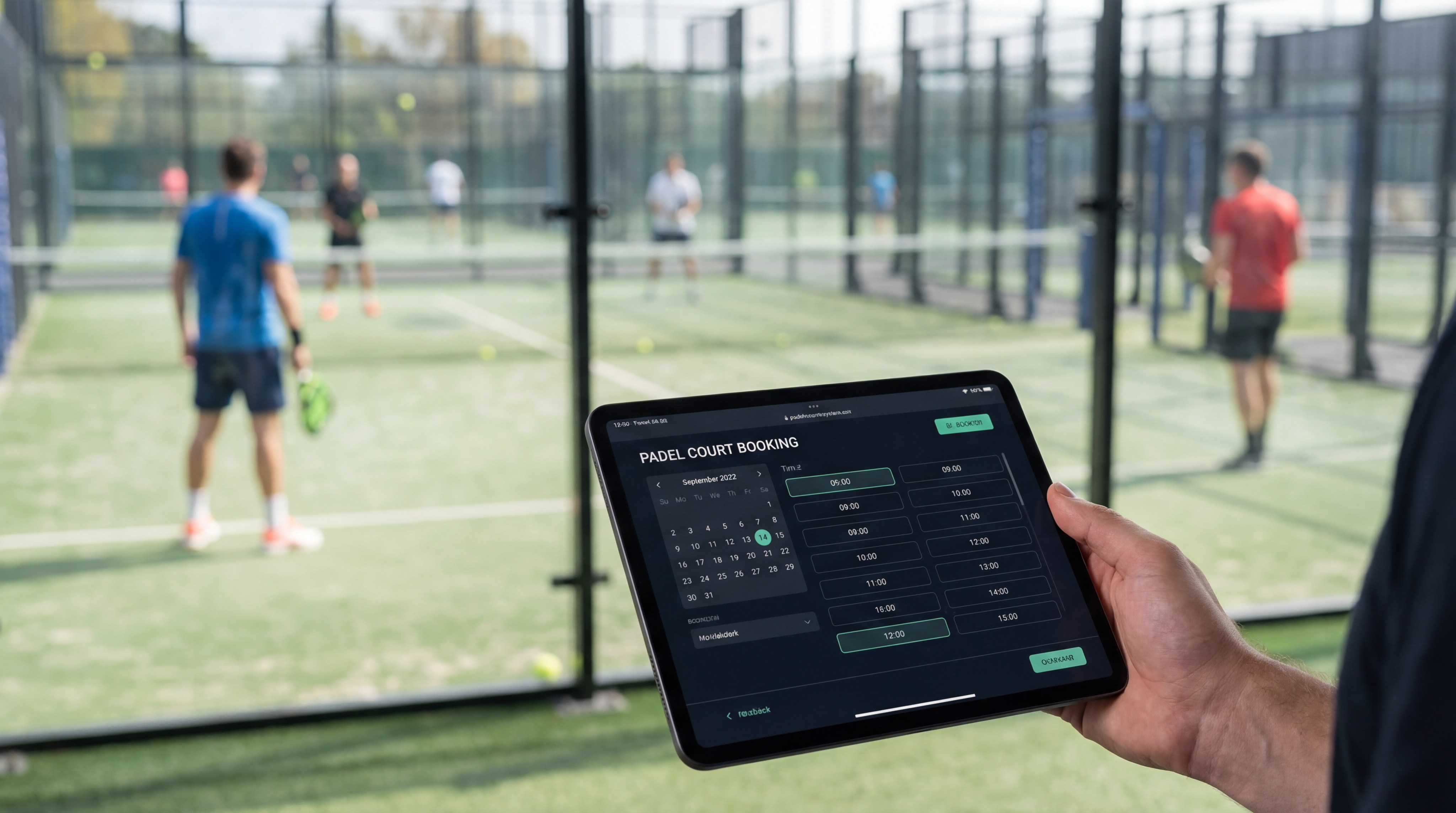
Modern booking platforms and club management software are essential for automating your court operations. Even after you master how to build a padel court, you need a digital system to handle reservations and payments. Automated software reduces the need for constant on-site staff and provides a seamless experience for your users.
Choosing the best online booking platform
The best software allows players to book a court via a mobile app and pay instantly using their credit card. Look for features that allow for split-payments, where four players can each pay their share of the court fee.
Managing memberships and social activities
But wait, there’s more: your software should also manage “Americano” tournaments and social “Drop-in” sessions. These activities are the lifeblood of a padel club and help new players meet partners of a similar skill level.
- Automated lighting integration
- Skill-level player matching
- Subscription and package billing
Key Takeaway: Digital management tools maximize your revenue potential by simplifying the booking process and reducing administrative overhead.
| Feature | Importance | Benefit |
|---|---|---|
| Mobile App | High | More Bookings |
| Split Payment | High | Player Convenience |
| Light Automation | Medium | Energy Savings |
The right technology stack makes running a padel business more efficient and profitable.
What this article solved
This guide has detailed the entire journey from initial budgeting and legal permits to the technical dimensions and high-end lighting required for a professional facility. We have explored site selection, professional assembly, and the essential amenities that transform a simple court into a thriving social hub.
What we can do for you
We provide factory-direct, commercial-grade padel structures that meet the highest international standards for safety and performance. Our team offers end-to-end support, helping you choose the right materials and providing detailed guidance on installation and long-term maintenance. To get a custom quote for your project, please contact us today.
Our vision is to empower entrepreneurs and sports enthusiasts to build world-class padel facilities that inspire communities and promote healthy lifestyles globally.
Frequently Asked Questions
Can I build a padel court in my own backyard?
Yes, provided you have a flat area of at least 200 square meters and have obtained the necessary local zoning permits for residential sports structures.
What’s the best direction to face the court for the sun?
It depends on your latitude, but a North-South orientation is generally the best to ensure the sun moves across the court rather than staying in a player’s eyes.
How do I know if the artificial turf is high quality?
Yes, high-quality turf is determined by its density and the use of EU-standard compliant fibrillated fibers that offer consistent ball bounce and high wear resistance.
Is it cheaper to build an indoor or outdoor court?
It depends on whether you already own a building, as outdoor courts require more weather-resistant foundations while indoor courts save on lighting pole costs but require high ceilings.
How long does the construction process typically take?
It depends on the ground preparation, but once the foundation is ready, the actual assembly of the steel and glass typically takes about 5 to 10 days.