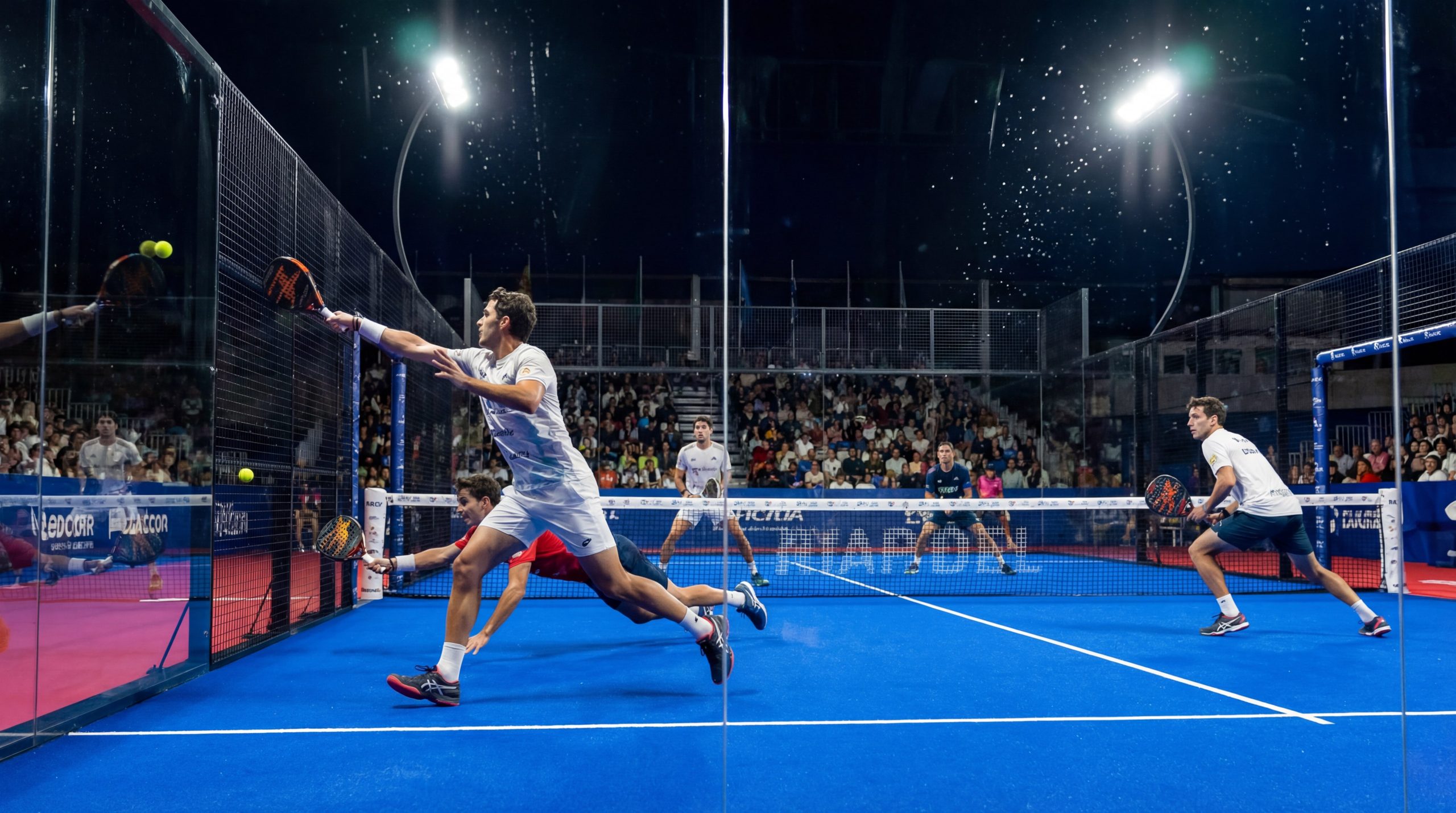
Padel tennis is a dynamic, glass-enclosed racquet sport that combines elements of tennis and squash to create a high-engagement social experience. You likely recognize the growing demand for modern athletic facilities, yet navigating the complexities of court installation can be daunting. Without a clear understanding of technical specifications, your investment in a new facility might fall short of professional standards.
What is padel tennis near me and how is it played?
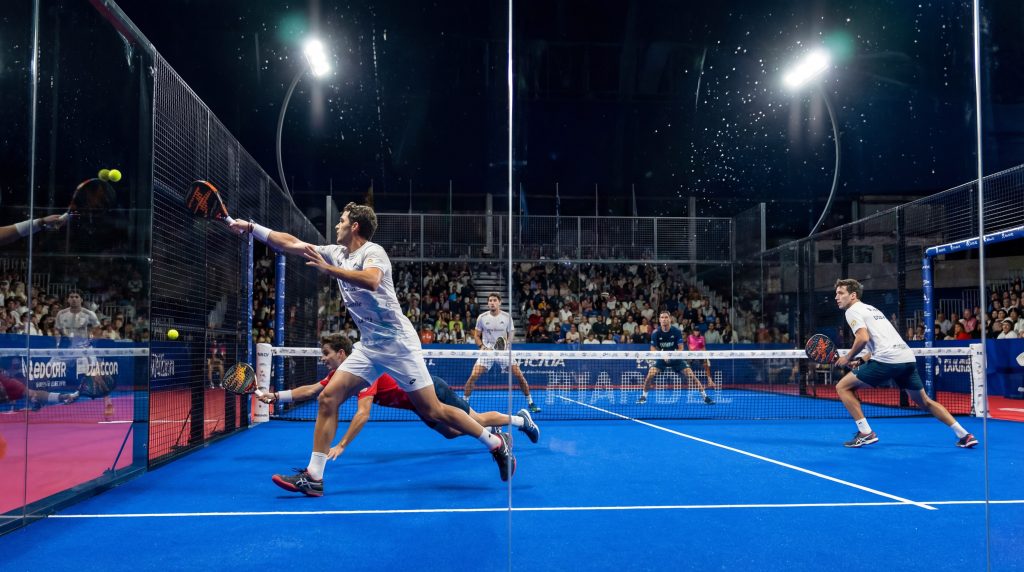
Padel is a fast-paced game played primarily in doubles on a court surrounded by glass walls and mesh fencing. When searching for padel tennis near me, you will find a sport that emphasizes strategy over raw power. The ball can be played off the walls, keeping the rally alive longer than in traditional racquet sports.
Core Mechanics and Scoring Systems
The scoring system in padel is identical to tennis, utilizing the 15, 30, 40, and game structure. You play on a 10×20 meter court where the boundaries are active participants in the game.
- Games are won by reaching four points with a two-point lead.
- Matches are typically played as the best of three sets.
- Golden point rules are often used in professional circuits to speed up play.
Think about it:
The integration of walls allows for creative angles that are impossible in open-court sports.
Essential Equipment: Rackets vs Paddles
Padel rackets are distinct because they are solid, stringless, and perforated with holes to reduce wind resistance. You will notice they are shorter and easier to maneuver than tennis rackets.
- Rackets are usually made of carbon fiber or fiberglass.
- The core consists of EVA foam or polythene for shock absorption.
- Specialized padel balls have slightly less pressure than tennis balls.
Here is the deal:
Using the correct equipment ensures you maintain the safety and integrity of the court walls.
Basic Rules for Doubles Play
The serve must be hit underhand at or below waist level and cross diagonally into the opponent’s service box. You must allow the ball to bounce once before it hits any surrounding wall during the service.
- Points are lost if the ball hits the wall directly before the ground.
- Players may hit the ball after it bounces off their own glass.
- Volleys are permitted except during the return of serve.
Look:
| Rule Category | Requirement |
|---|---|
| Service Style | Underhand below waist |
| Court Size | 20m x 10m |
| Players | 4 (Doubles) |
| Wall Usage | Active after ground bounce |
The rules are designed to favor tactical positioning and teamwork over individual strength.
Key Takeaway
Padel is a socially-driven doubles sport that uses unique equipment and court walls to extend rallies and maximize player engagement.
Where did padel tennis near me originate?
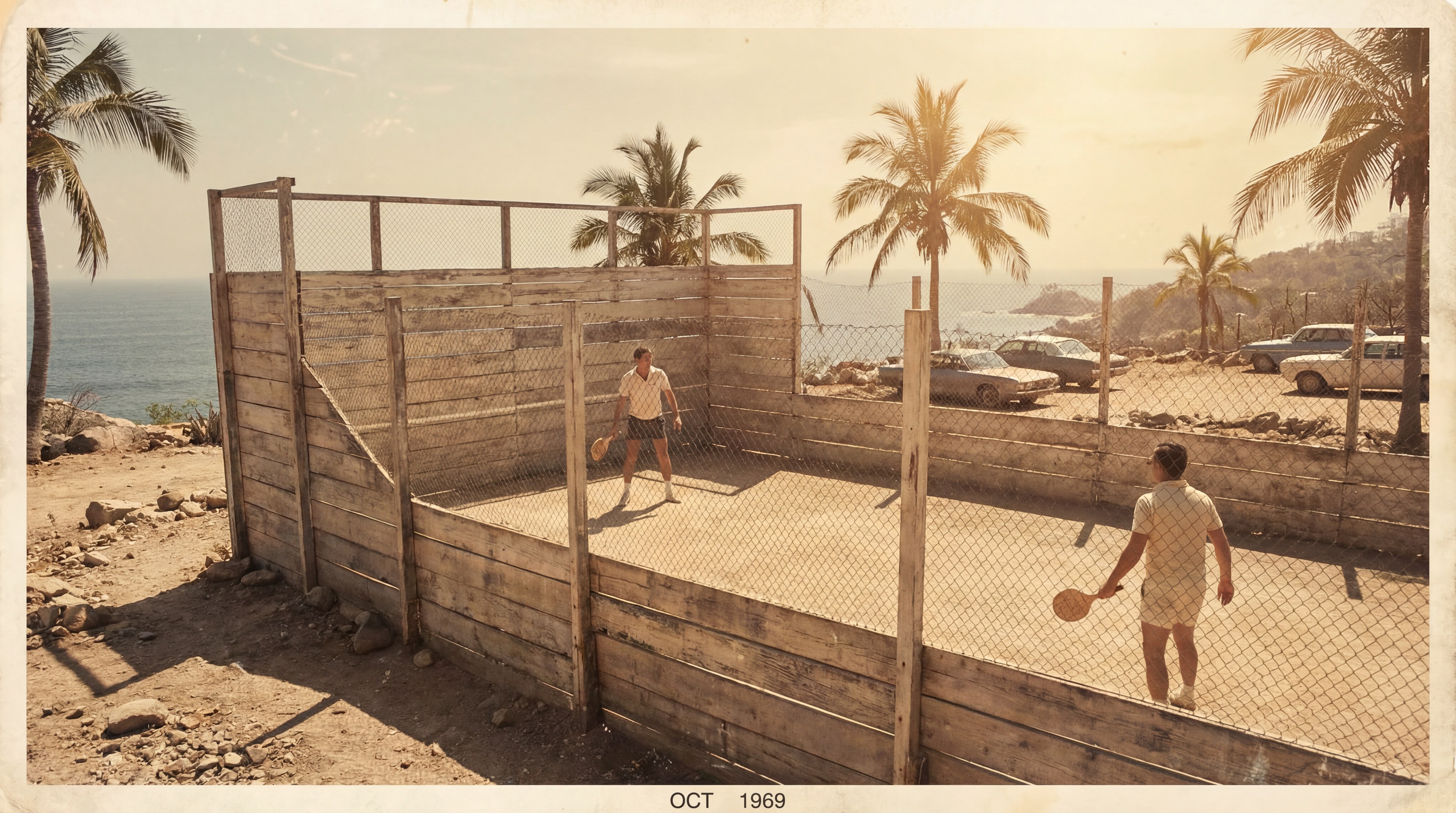
Padel originated in Acapulco, Mexico, in 1969 as a localized adaptation of tennis within a confined residential space. Even if you are just now looking for padel tennis near me, the sport has half a century of heritage. It was born from a need to play racquet sports in a space where traditional courts wouldn’t fit.
The Mexican Roots of Enrique Corcuera
Enrique Corcuera is the visionary who built the first court at his home by adding walls to prevent the ball from escaping into the brush. You can see how this early modification birthed the entire tactical framework of the sport.
- The first court incorporated the existing walls of his property.
- He used wooden paddles to handle the high-rebound environment.
- Friends and family were the first to formalize the early ruleset.
Here is why:
The constrained environment forced players to develop the “off the wall” playstyle that defines the sport today.
The European Expansion via Spain
Spain became the epicenter of the sport after Alfonso de Hohenlohe brought the concept from Mexico to Marbella. You will find that Spain now boasts one of the largest player bases in the global market.
- The first European courts were built at the Marbella Club in 1974.
- Professionalization began in the 1990s with the first world championships.
- Spain currently has over 20,000 active courts across the country.
Consider this:
Spanish influence turned a backyard hobby into a commercial powerhouse with international appeal.
Growth of the International Padel Federation
The International Padel Federation (FIP) was established in 1991 to standardize rules and promote global competition. This governance has been crucial for the sport’s inclusion in major multi-sport events.
- FIP oversees the official World Padel Championships.
- Over 50 national federations are now affiliated with the organization.
- Standards for court construction are strictly enforced by FIP guidelines.
Check this out:
| Milestone | Year | Impact |
|---|---|---|
| Founding | 1969 | Invention by Enrique Corcuera |
| Europe Launch | 1974 | Expansion to Marbella, Spain |
| FIP Formation | 1991 | Global standardization |
The federation’s role ensures that every professional court you build meets international safety and playability standards.
Key Takeaway
From its Mexican residential origins to its massive European expansion, padel has become a standardized global sport governed by professional bodies.
How is padel tennis near me different from tennis?
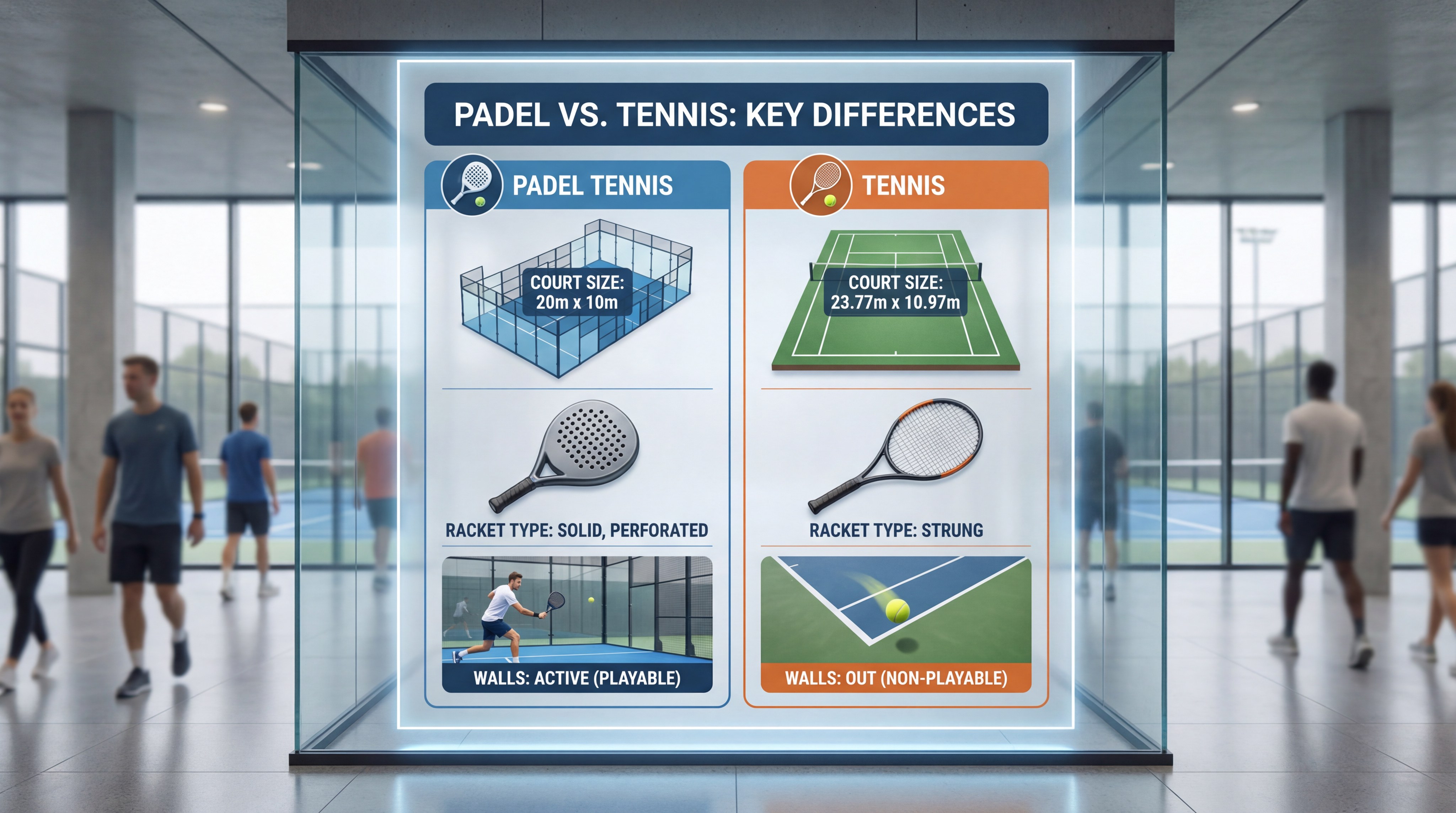
The primary difference lies in the court’s physical boundaries and the equipment used to strike the ball. While you might seek out padel tennis near me expecting a tennis variant, you will quickly realize it requires a completely different tactical mindset. The interaction with the glass walls fundamentally changes how players perceive the court space.
Court Dimensions and Wall Utilization
A padel court is significantly smaller, measuring 10×20 meters compared to the 23.77×10.97 meters of a tennis court. You are effectively playing in an enclosed box, which removes the need for chasing down stray balls.
- The surrounding walls are made of 10mm to 12mm tempered glass.
- Metallic mesh sections provide unpredictable bounces for added challenge.
- The net height is slightly lower at the center than a tennis net.
The reality is:
Wall utilization allows players to recover points that would be impossible to reach on an open tennis court.
Racket Design and Ball Compression
You will notice that padel rackets lack strings, featuring a solid composite surface with aerodynamic holes. This design prioritizes control and spin over the sheer velocity found in tennis.
- Padel rackets have a maximum thickness of 38mm.
- The solid face allows for sophisticated slice and kick spins.
- Padel balls have a lower internal pressure to accommodate the smaller court.
Here is the kicker:
Lower compression balls ensure the game remains manageable within the enclosed glass environment.
Service Techniques and Tactical Differences
Tennis relies on high-velocity overhead serves, whereas padel mandates an underhand serve executed below the waist. You will find that this levels the playing field, making the serve a way to start the point rather than a weapon.
- Success in padel depends on net positioning and wall defense.
- Long, patient rallies are more common than “serve and volley” winners.
- Players must master the “contrapared” (hitting the ball against their own glass).
Look at the data:
| Feature | Tennis | Padel |
|---|---|---|
| Court Type | Open Space | Enclosed (Glass/Mesh) |
| Racket | Strung / Long | Solid / Short |
| Serve | Overhead | Underhand |
| Primary Skill | Power/Speed | Strategy/Positioning |
Padel offers a lower barrier to entry for beginners while providing a high skill ceiling for advanced tacticians.
Key Takeaway
Padel differs from tennis through its smaller enclosed courts, solid rackets, and a strategic focus on wall play and positioning rather than raw power.
Why choose padel tennis near me over pickleball?
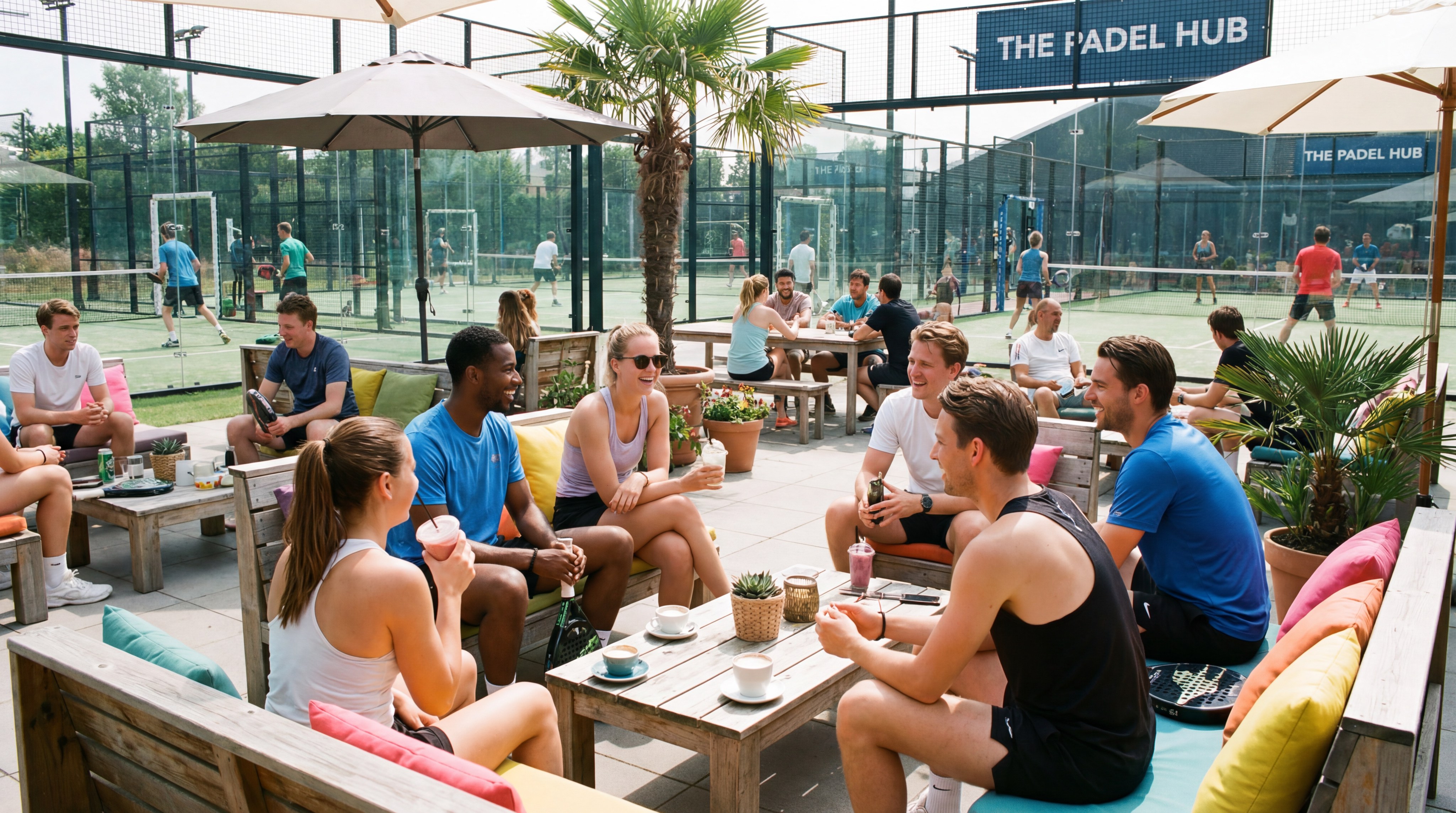
Padel offers a more physically dynamic and three-dimensional experience compared to the ground-bound nature of pickleball. When evaluating padel tennis near me as a business or recreational choice, the “wow factor” of the glass courts is undeniable. It provides a level of intensity and athletic prestige that often appeals to a broader demographic of former tennis players.
Comparing Physical Intensity and Pacing
Padel requires more lateral movement and vertical awareness due to the high-rebound walls. You will find the pacing more akin to a high-speed squash match than the slower, dinking style of pickleball.
- The larger court size in padel demands more cardiovascular endurance.
- Overhead smashes are a vital part of the padel offensive strategy.
- Ball speed remains higher throughout the rally in padel matches.
Bottom line:
Padel offers a superior workout for those looking to burn more calories during their social play.
Skill Floor and Ceiling for New Players
Pickleball is famous for its very low entry barrier, but padel offers a deeper tactical journey for long-term players. You can pick up the basics of padel quickly, but mastering the glass takes years of dedicated practice.
- The underhand serve makes the start of the game accessible to all.
- Wall defense adds a layer of complexity that keeps players coming back.
- Transitioning from tennis to padel is often more intuitive than to pickleball.
It’s worth noting:
The depth of the game ensures high player retention for club owners and facility managers.
Social Dynamics and Community Growth
Padel is inherently a social sport, always played in doubles, which naturally fosters a club-like atmosphere. You can leverage the spectacular visual nature of padel courts to create a premium social hub.
- The 2v2 format encourages consistent social interaction between points.
- Padel facilities often include lounges and cafes as part of the ecosystem.
- Global viewership and professional tours give the sport a “major league” feel.
Check the comparison:
| Attribute | Padel | Pickleball |
|---|---|---|
| Environment | Premium / High-Tech | Community / Practical |
| Complexity | High (3D Play) | Medium (2D Play) |
| Spectator Appeal | High (Visual Action) | Medium (Community) |
The architectural beauty of a padel court makes it a focal point for high-end country clubs and urban sports centers.
Key Takeaway
Padel provides a more athletic, visually striking, and tactically deep alternative to pickleball, making it ideal for premium facility development.
Where is the best padel tennis near me in Florida?
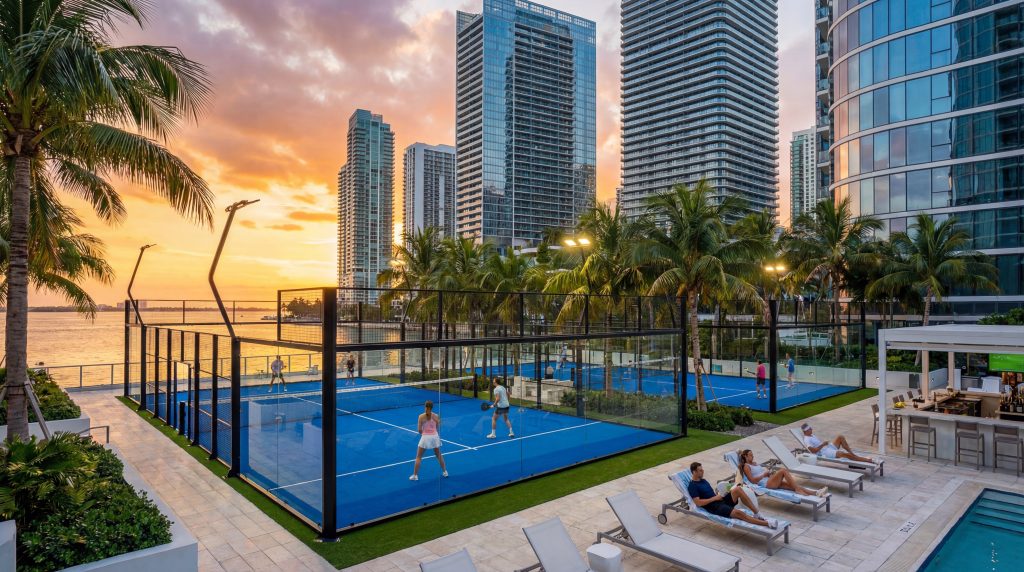
Florida has become the epicenter of the American padel movement, with Miami leading the charge in court density. Searching for padel tennis near me in the Sunshine State yields world-class results that rival the best facilities in Europe. From luxury seaside courts to urban industrial hubs, the variety of play environments is unparalleled.
Miami: The Wynwood and Real Padel Hubs
Wynwood serves as the cultural heart of padel, featuring courts that blend street art with professional-grade surfaces. You can enjoy a match in an environment that feels more like a social club than a traditional gym.
- Many Miami facilities offer night play with stadium-grade LED lighting.
- The player community here is highly international, bringing diverse styles.
- Professional coaching from WPT-certified instructors is widely available.
The point is:
Miami offers the most competitive and diverse player pool in the United States.
Facilities in Orlando and Tampa Bay
Central and Western Florida are rapidly catching up with new multi-court facilities catering to local families and tourists. You will find that these clubs often integrate padel with existing tennis and wellness centers.
- Orlando facilities frequently host regional tournaments and clinics.
- Tampa Bay is seeing a rise in indoor courts to combat summer humidity.
- New developments are focusing on “Padel+Lifestyle” business models.
Here is the truth:
Expansion into Central Florida indicates that the sport has moved beyond a niche trend into a mainstream staple.
Coastal Courts in Key Biscayne and Boynton Beach
The coastal regions offer some of the most scenic play environments in the world. You can compete on panoramic courts that provide unobstructed views of the Atlantic while maintaining professional playing standards.
- Coastal courts require specialized materials to resist salt-air corrosion.
- These locations often attract high-profile exhibitions and celebrity matches.
- Public-private partnerships are making padel more accessible in these areas.
See the breakdown:
| Region | Primary Vibe | Key Facility Type |
|---|---|---|
| Miami | Urban / Professional | Standalone Padel Clubs |
| Orlando | Family / Tourism | Integrated Sports Resorts |
| Coastal | Luxury / Scenic | Country Clubs & Beach Clubs |
Florida’s infrastructure serves as the blueprint for how padel can be successfully integrated into the American sports landscape.
Key Takeaway
Florida offers a diverse range of padel experiences, from the high-energy urban hubs of Miami to luxury coastal facilities and family-oriented sports centers.
What states have padel tennis near me besides Texas?
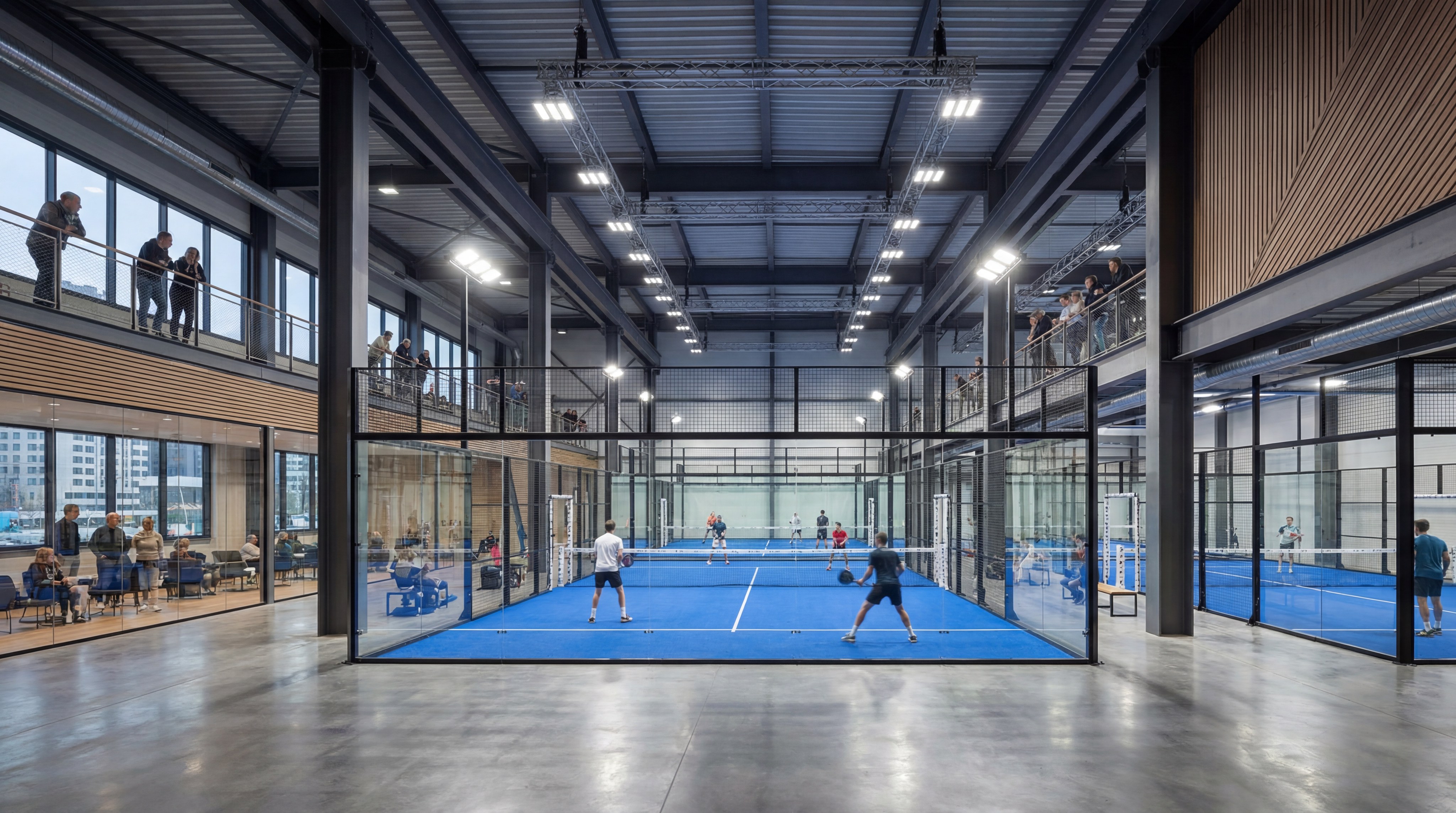
While Texas was an early adopter, padel tennis near me is now a common search query in California, Nevada, and across the Northeast. The geographic expansion is being driven by private investors who recognize the high ROI of padel courts. You will notice that the sport is following a similar trajectory to the fitness and wellness boom of the last decade.
California: San Diego and Torrance Centers
California’s outdoor culture makes it a perfect match for padel’s social and athletic nature. You will find innovative clubs in San Diego that emphasize the community aspect of the sport through organized leagues.
- San Diego has become a secondary hub for professional padel training.
- Torrance and Los Angeles are seeing an influx of indoor facility projects.
- California courts often feature eco-friendly turf and recycled materials.
Look at this:
The West Coast is prioritizing the lifestyle elements of padel, including retail and social events.
The Rising Padel Scene in Nevada and Arkansas
Surprisingly, states like Nevada and Arkansas are making significant moves by building massive multi-sport complexes. You can see how these regions are using padel to differentiate their athletic offerings in a crowded market.
- Las Vegas is becoming a destination for major padel exhibition events.
- Northwest Arkansas is investing in public courts as part of community health initiatives.
- These states are benefiting from lower land costs to build larger facilities.
Here is why:
Padel is proving to be a successful anchor for new commercial real estate developments in emerging markets.
Northeastern Hotspots: PA, NY, and Oklahoma
The Northeast is tackling the climate challenge by leading the way in indoor padel facility design. You will find that cities like Philadelphia and New York are converting old industrial warehouses into premium padel clubs.
- Pennsylvania is home to some of the most technologically advanced indoor courts.
- New York City is seeing “pop-up” court concepts in high-traffic urban areas.
- Oklahoma is emerging as a regional leader in the Southern/Midwest corridor.
Check the expansion:
| State | Growth Driver | Facility Trend |
|---|---|---|
| California | Lifestyle & Weather | Outdoor Social Hubs |
| Nevada | Tourism & Events | Large-Scale Complexes |
| NY/PA | Urban Density | Industrial Indoor Conversions |
The spread of padel across diverse climates and economies proves its universal appeal and business viability.
Key Takeaway
Padel is no longer confined to Texas or Florida, with significant growth occurring in California, Nevada, and the Northeast through innovative indoor and outdoor models.
What is the cost of padel tennis near me construction?
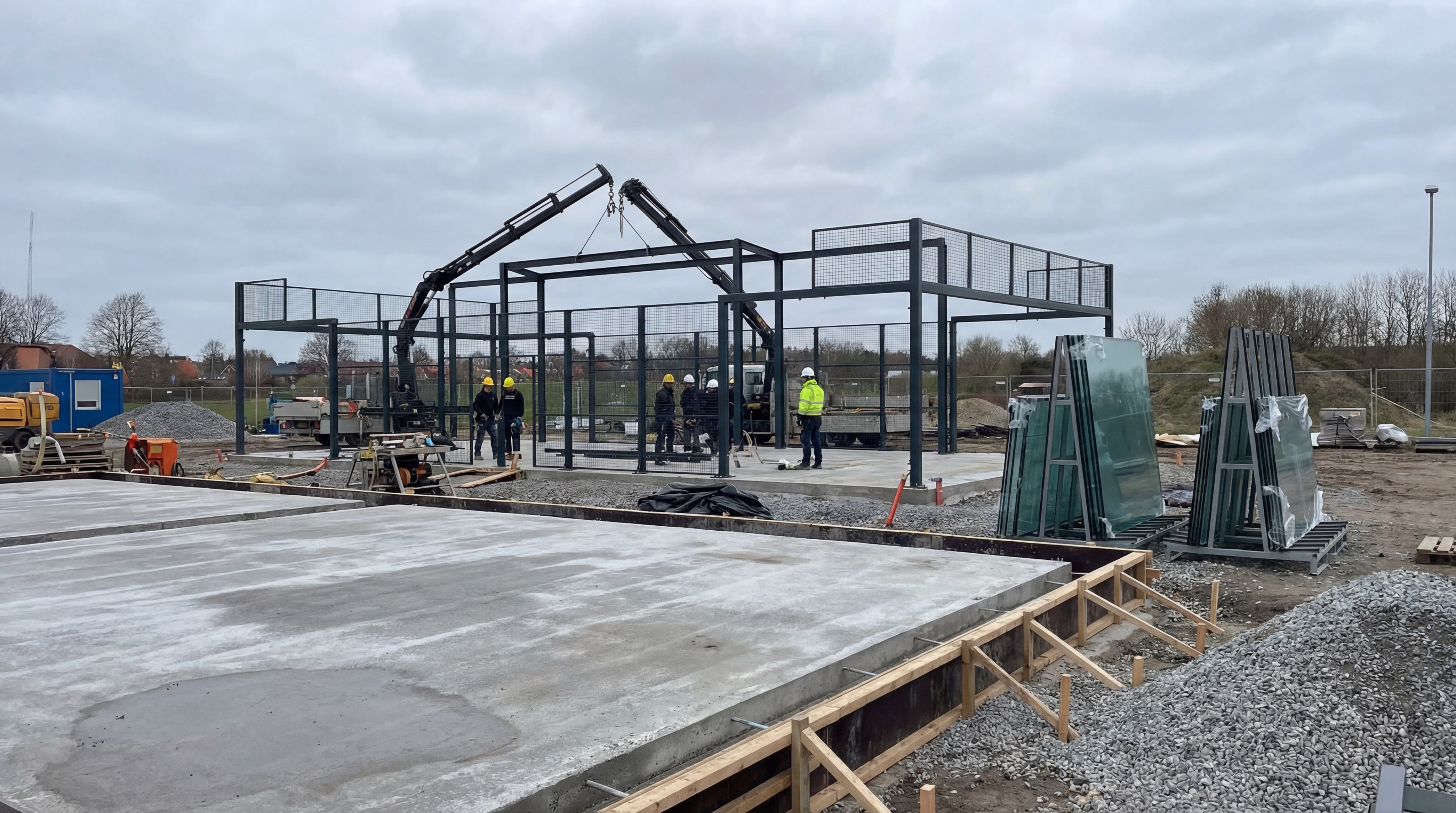
The average cost to build padel tennis near me typically ranges from $25,000 to $55,000 per court, excluding site preparation. You must account for factors like glass quality, steel structural integrity, and the type of synthetic turf selected. While the initial investment is higher than pickleball, the longevity and premium nature of the facility often justify the expense.
Foundation and Drainage Preparation Costs
The most critical—and often overlooked—expense is the concrete slab and drainage system. You cannot install a professional court on a standard driveway; it requires a laser-leveled foundation to ensure a true ball bounce.
- Reinforced concrete slabs usually cost between $10,000 and $20,000.
- Proper drainage is essential to prevent water pooling under the turf.
- Site clearance and permits can vary significantly by local municipality.
Make no mistake:
Cutting corners on the foundation will lead to glass misalignment and costly structural repairs later.
Comparison of Standard vs Panoramic Designs
Panoramic courts, which lack the vertical steel pillars in the back glass, offer a superior viewing experience but come at a premium price. You will need to decide if the aesthetic upgrade is worth the additional $10,000 to $15,000 investment.
- Standard courts are more affordable and easier to install in high-wind areas.
- Panoramic courts are the gold standard for televised matches and luxury clubs.
- Structural glass thickness increases for panoramic models to maintain safety.
Consider the options:
Panoramic courts significantly increase spectator engagement and provide a more “high-end” brand image.
Long-Term ROI for Commercial Club Owners
Despite the upfront costs, padel courts offer exceptional ROI due to the 4-player-per-court requirement. You can generate significantly more revenue per square foot compared to tennis courts, which occupy three times the space.
- Padel courts often reach 70-80% occupancy during peak hours.
- Membership fees and court rentals can pay off the investment in 18-24 months.
- Ancillary revenue from racket rentals and coaching adds to the bottom line.
Look at the numbers:
| Expense Item | Est. Cost (USD) | Priority |
|---|---|---|
| Foundation/Slab | $12k – $18k | Essential |
| Court Structure | $20k – $35k | Variable (Standard/Pan) |
| Installation Labor | $5k – $10k | Critical (Expertise) |
Investing in high-quality materials from the start reduces maintenance costs and ensures a safer environment for players.
Key Takeaway
Padel court construction is a significant capital investment, but the high revenue density and player engagement provide a rapid return on investment.
Which materials define padel tennis near me courts?
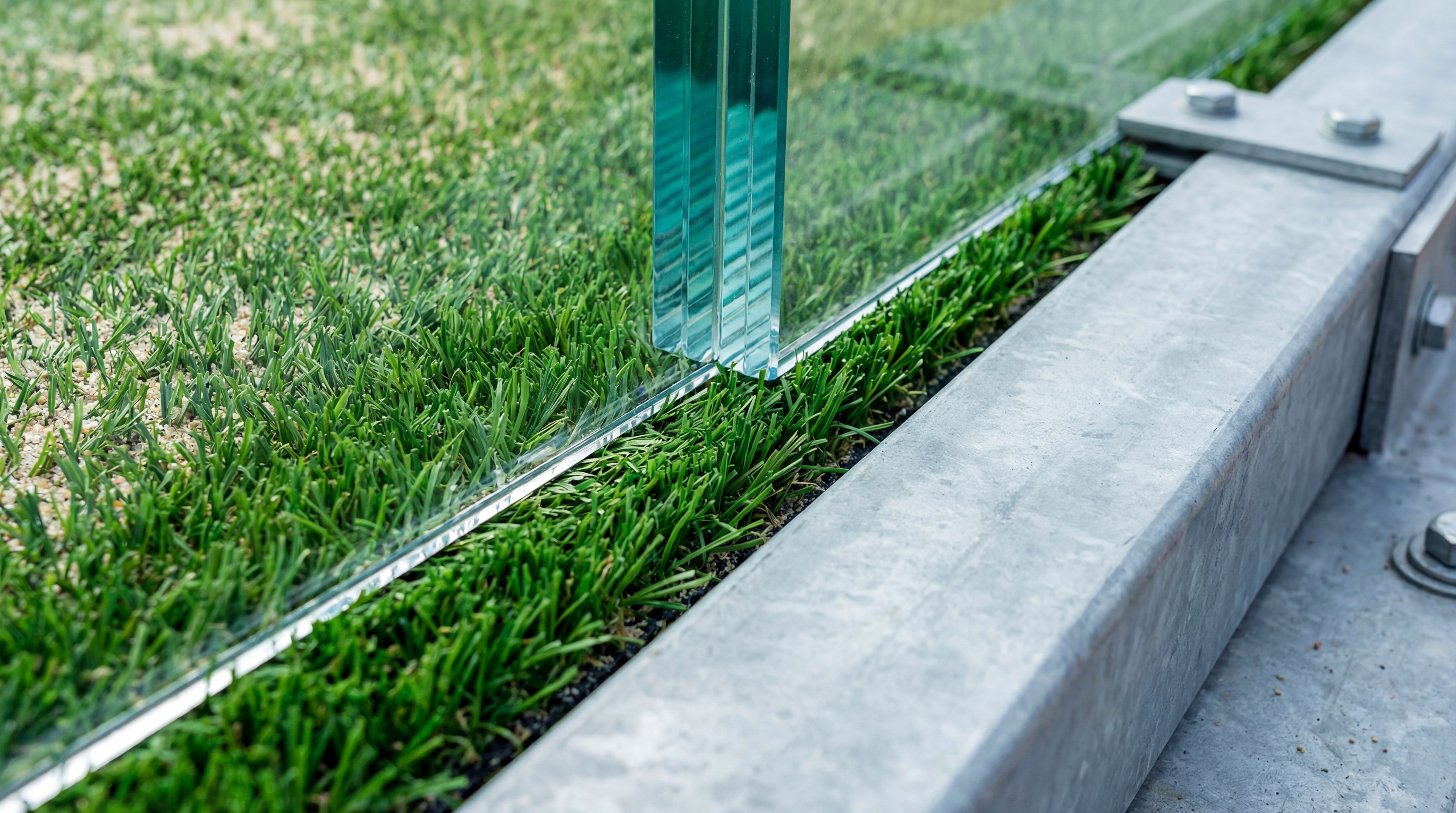
Professional padel tennis near me courts are defined by tempered glass walls, galvanized steel frames, and high-density monofilament turf. You must ensure that every component meets international safety standards to withstand both player impact and environmental stressors. The quality of these materials directly correlates to the quality of the ball’s bounce and the safety of the players.
Tempered Glass Safety and Thickness Standards
The glass walls must be made of high-quality tempered glass, typically 10mm or 12mm thick. You should look for glass that is heat-soaked to minimize the risk of spontaneous breakage under thermal stress.
- 12mm glass is recommended for panoramic courts and high-traffic areas.
- Glass must be mounted with specialized EPDM gaskets to absorb vibration.
- Countersunk holes for fasteners help prevent player injury upon contact.
Pay attention:
Cheap glass is the single most dangerous point of failure in a padel facility.
Galvanized Steel and Hurricane Resistance
The structure must be built from galvanized steel to prevent rust, especially in humid or coastal climates. You should verify that the steel thickness and paint coating meet local building codes for wind resistance.
- Triple-layer coating (galvanization, primer, and powder) is the industry standard.
- Pillars should be at least 3mm thick for structural stability.
- Mesh sections must be welded securely to avoid “dead spots” in the bounce.
Keep in mind:
A hurricane-rated structure is a necessity for Florida and coastal construction projects.
Synthetic Turf Quality and Infill Requirements
Padel turf is specifically designed to allow for controlled sliding while providing a consistent bounce. You will choose between monofilament or textured fibers, depending on your maintenance preferences and desired play speed.
- Textured (curly) turf requires less sand and offers a more uniform look.
- Kiln-dried silica sand is the standard infill for weight and playability.
- Turf density should be high enough to prevent the backing from being visible.
Look at the specs:
| Material Component | Standard Requirement | Benefit |
|---|---|---|
| Glass | 10-12mm Tempered | Safety & Transparency |
| Steel | Hot-dip Galvanized | Corrosion Resistance |
| Turf | Monofilament/Textured | Player Comfort & Speed |
Selecting premium materials ensures your facility remains low-maintenance and visually appealing for years.
Key Takeaway
The longevity and safety of a padel court depend on using high-grade tempered glass, galvanized steel, and specialized synthetic turf.
How to build padel tennis near me for year-round play?
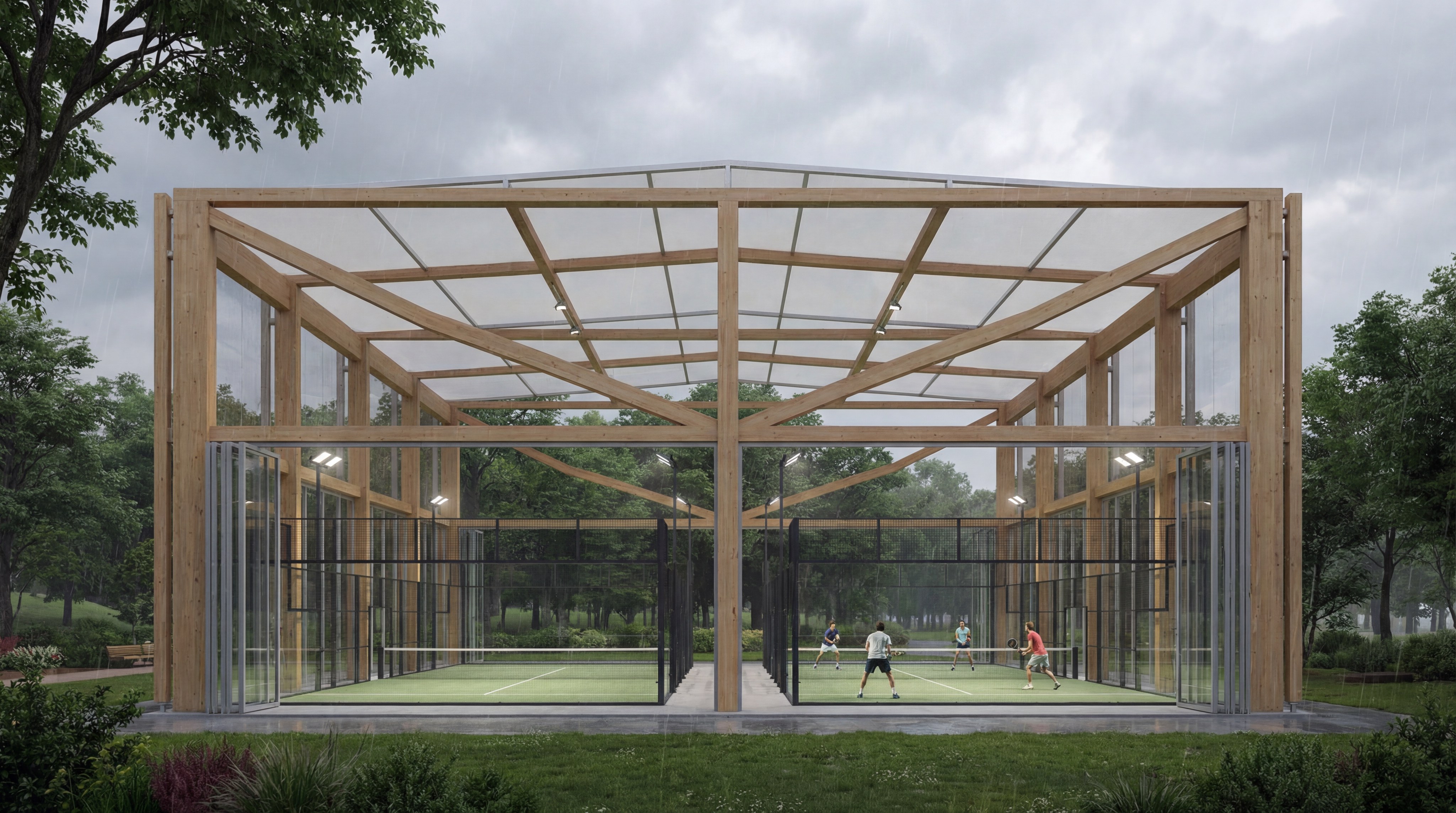
To maximize your investment, you should consider building padel tennis near me with a roof or indoor climate control. This prevents revenue loss during rain, extreme heat, or cold winter months. You can create a premier year-round destination by integrating smart engineering with professional-grade lighting systems.
Advantages of Roofed and Indoor Court Structures
A roofed structure protects the synthetic turf from UV damage and keeps players dry during sudden storms. You will find that indoor facilities can charge a premium for court time during the summer or winter peaks.
- Metal or tensile membrane roofs are popular for outdoor court coverage.
- Fully indoor facilities eliminate wind as a factor in competitive play.
- Acoustic treatments can be added to indoor spaces to manage ball noise.
Here is the secret:
Year-round playability can increase your annual revenue by 30-40% compared to open-air courts.
Professional LED Lighting for Night Matches
Lighting is a non-negotiable component for any facility looking to capitalize on after-work peak hours. You should install flicker-free LED luminaires that provide at least 500 to 750 lux for professional play.
- LED lights consume 50% less energy than traditional metal halide bulbs.
- High-mast lighting must be positioned to avoid glare for players lobbing the ball.
- Instant-on capabilities allow for better control through booking apps.
Watch this:
Proper lighting transforms your court into a stunning visual centerpiece during evening sessions.
Climate Control and All-Weather Engineering
In regions with extreme humidity or heat, climate control systems are the ultimate differentiator. You can utilize high-volume, low-speed (HVLS) fans or full HVAC systems to keep players comfortable and the glass fog-free.
- Dehumidification prevents the “slippery glass” effect during humid nights.
- Insulated roofing materials help maintain a stable internal temperature.
- Automated sensor systems can adjust lighting and fans based on occupancy.
Analyze the setup:
| Feature | Outdoor (Basic) | Indoor/Roofed (Premium) |
|---|---|---|
| Playable Days | 200 – 250 / year | 365 / year |
| Maintenance | Higher (Weather wear) | Lower (Protected) |
| Energy Use | Low (Daylight) | Medium (Lights/AC) |
The transition to all-weather facilities is the most significant trend in professional padel club development.
Key Takeaway
Roofed or indoor facilities ensure consistent revenue and player comfort regardless of the external weather conditions.
How to choose a padel tennis near me manufacturer?
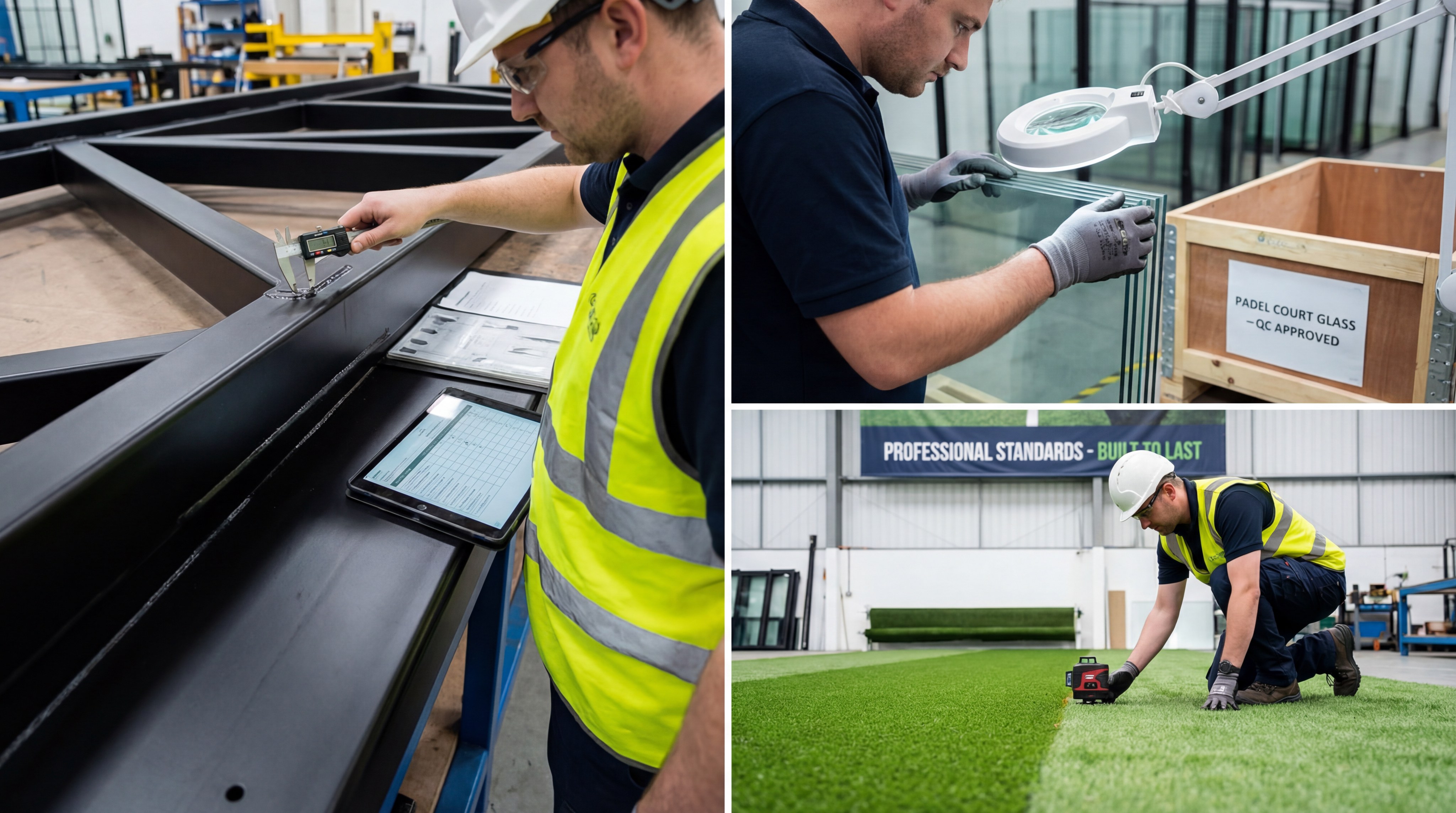
Selecting the right manufacturer for padel tennis near me requires a deep dive into their certification history and logistics capabilities. You need a partner who understands the specific wind loads and safety regulations of your local area. A manufacturer’s ability to provide customization options and ongoing support is just as important as the price of the court itself.
Evaluating OEM and ODM Customization Options
You should look for manufacturers that offer both Original Equipment Manufacturing (OEM) and Original Design Manufacturing (ODM) services. This allows you to customize colors, branding, and structural features to match your facility’s identity.
- Custom frame colors can be matched to your corporate branding.
- Specialized lighting masts can be integrated directly into the structure.
- Options for extra-thick glass or reinforced mesh should be available.
The reality is:
Customization helps your facility stand out in an increasingly competitive sports market.
Global Logistics and Installation Support
Building a court is a complex assembly task that requires specialized tools and expertise. You must ensure your manufacturer provides a dedicated installation team or comprehensive guidance for local contractors.
- Verify the manufacturer’s experience with international shipping and customs.
- Request a detailed installation manual and video documentation.
- Check for “turnkey” solutions that include everything from turf to lighting.
Here is why:
Poor installation can void warranties and create safety hazards that lead to legal liability.
Verifying ISO and CE Safety Certifications
Your manufacturer must provide proof of ISO 9001 and CE certifications for all structural components. You should never compromise on safety, as the lateral forces on padel glass are significant during high-intensity play.
- Glass must have individual safety stamps from recognized testing labs.
- Steel galvanization should be certified for salt-spray resistance.
- Turf materials should be tested for drainage rates and fiber longevity.
Check the checklist:
| Selection Criteria | Importance | Verification Method |
|---|---|---|
| Certifications | High | Request ISO/CE Certificates |
| Portfolio | High | Visit previous installations |
| Lead Time | Medium | Confirm shipping schedules |
Choosing a manufacturer with a proven track record ensures your facility meets professional standards from day one.
Key Takeaway
A reliable manufacturer provides not just the materials, but the certifications, logistics, and customization needed to build a successful padel business.
At Superb Padel, our vision is to transform the American sports landscape by providing world-class infrastructure and expertise. We are dedicated to helping you build a thriving community centered around the most exciting racquet sport in the world. Whether you are looking to install a single court or develop a multi-sport complex, contact us today to start your journey into the future of padel.
Frequently Asked Questions
Can I build a padel court in my backyard?
Yes, you can build a padel court on residential property provided you have at least 11×21 meters of flat space and meet local zoning and permit requirements.
What’s the best surface for high-traffic clubs?
Textured (curly) monofilament turf is the best option for high-traffic facilities because it requires less sand maintenance and provides a more consistent look over time.
How many players are required for a standard match?
A standard padel match is always played in doubles, requiring exactly four players to maintain the tactical integrity of the game.
Is padel tennis easier to learn than traditional tennis?
Most beginners find padel significantly easier to learn because the underhand serve and smaller court allow for longer rallies even with limited technical skill.
What is the required ceiling height for indoor facilities?
For professional play, an indoor facility should have a minimum ceiling height of 6 meters (20 feet), though 8 meters is preferred to accommodate high lobs.