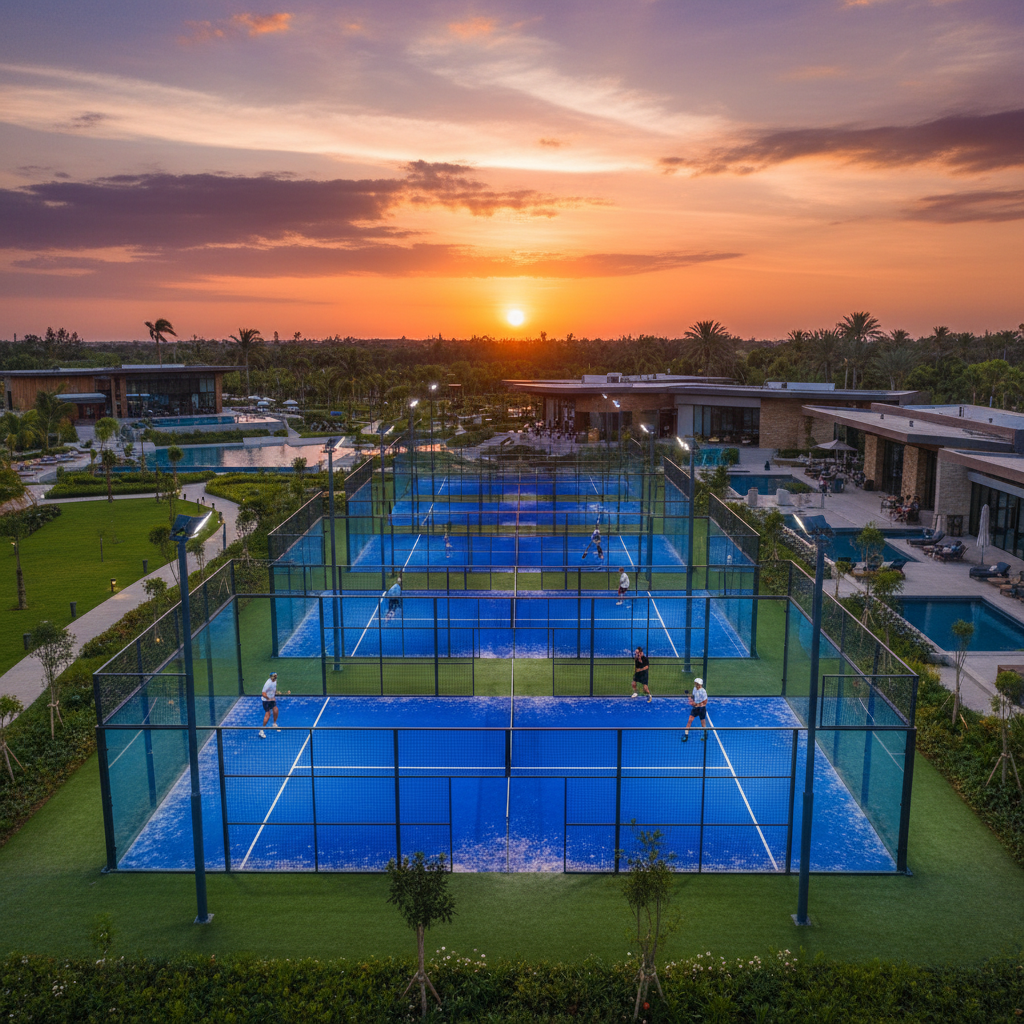
A King of Padel is a premium sports lifestyle destination that fuses professional-grade courts with luxury social amenities. Building it requires you to maintain a precise combination of panoramic architecture, high-grade materials, and strategic facility flow. You have likely noticed the explosive growth of racket sports across urban centers, but many investors are still building basic facilities that fail to capture the high-spending demographic. If you offer only a place to play without the luxury “royalty” experience, you are leaving significant secondary revenue on the table and risking long-term player retention. By developing a King of Padel facility, you bridge the gap between a simple gym and a social club, ensuring your investment becomes the primary Third Space for your community.
What is the Core Concept Behind a King of Padel?
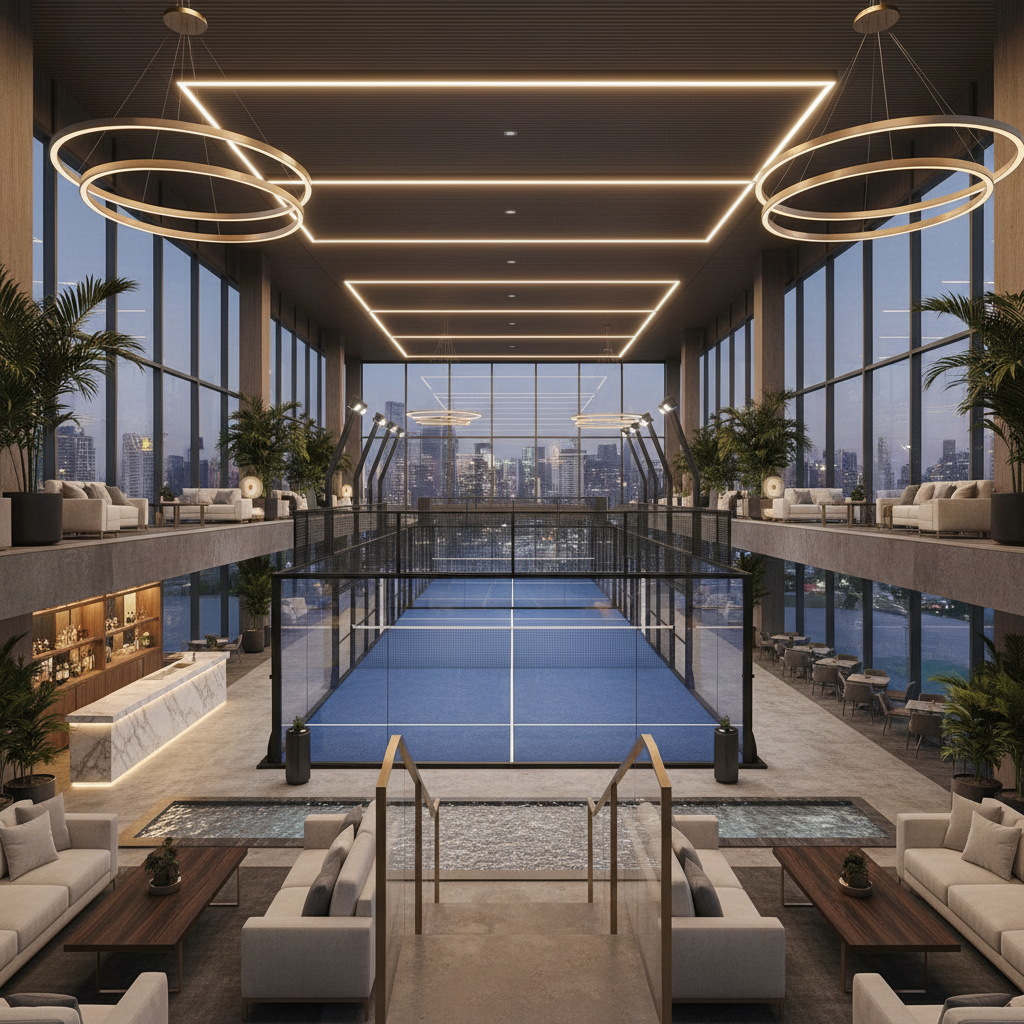
The core concept of a King of Padel facility is to redefine the sports club as a multi-functional hub where training, competition, and social celebration happen under one roof. You are not just selling court time; you are selling an elite environment that caters to the physical and social needs of a modern athlete. To understand why this works, you must look at the shift in consumer behavior. Modern professionals no longer want a “sweat box” gym; they want an experience that justifies their limited free time.
Why the “Third Space” Theory Matters?
The Third Space is the social environment separate from the two usual social environments of home (first space) and the workplace (second space). By positioning your club as this essential third location, you encourage members to linger long after their match ends. This is not just a sociological theory; it is a revenue-driving engine.
- Increases Average Dwell Time: When you provide high-speed Wi-Fi and comfortable seating, players arrive early and stay late.
- Boosts F&B Sales: Longer dwell times directly correlate to increased sales in your cafe or bar.
- Fosters Community Loyalty: People don’t quit a club where they have friends; they only quit a gym where they have a membership.
- Attracts Corporate Partnerships: Luxury environments are magnets for B2B events and high-value sponsorships.
Ready for the good part?
When you prioritize the social journey, your facility becomes immune to the price-cutting wars of smaller, basic court operators. You create a moat around your business by offering an experience that cannot be replicated by a simple outdoor court. You are building a brand, not just a building.
Integrating Hospitality into Elite Sports
A King of Padel center succeeds by blending the intensity of a tournament with the relaxation of a luxury lounge. You should design your floor plan to ensure that the transition from the court to the cafe is seamless and inviting. This requires you to think like a hotelier as much as a sports director.
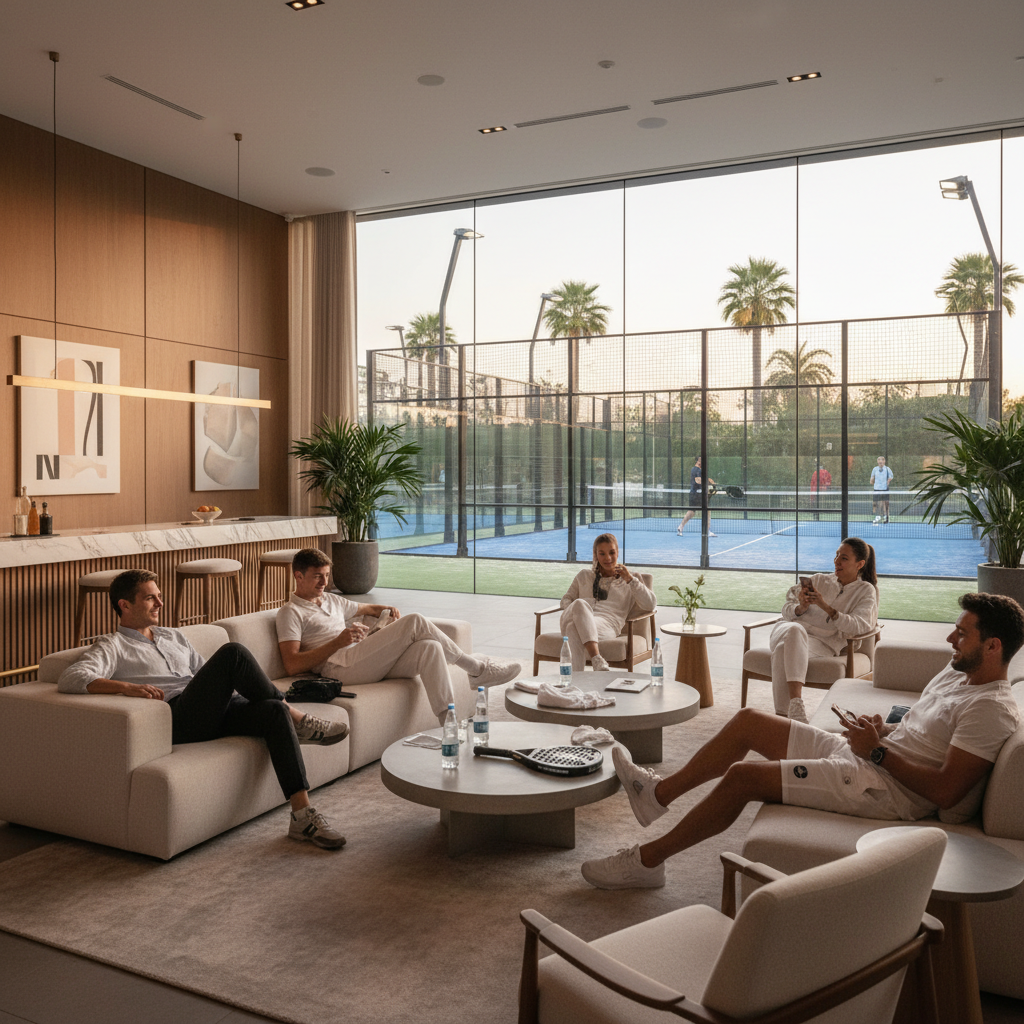
- High-Visibility Lounges: Design viewing areas that overlook the center courts so guests can enjoy a drink while watching high-level play.
- Premium Locker Rooms: Invest in spa-like finishes, high-end toiletries, and spacious showers. This is where many clubs fail to meet the “royalty” standard.
- Healthy Hospitality: Offer barista-grade coffee, protein-rich snacks, and perhaps a curated wine or craft beer selection for evening social leagues.
| Component | Function | Strategic Benefit |
|---|---|---|
| Professional Courts | Core Activity | Reliable hourly revenue |
| Social Lounge | Hospitality | High-margin secondary sales |
| Fitness Zone | Wellness | Cross-training and retention |
The integration of sports and hospitality transforms a facility from a commodity into a destination. This synergy ensures that your revenue streams are diversified and your brand remains premium in a crowded market.
Key Takeaway: A successful King of Padel facility must provide a holistic lifestyle experience that rewards players for staying longer and engaging more deeply with the community.
Why is the King of Padel Model Profitable Now?
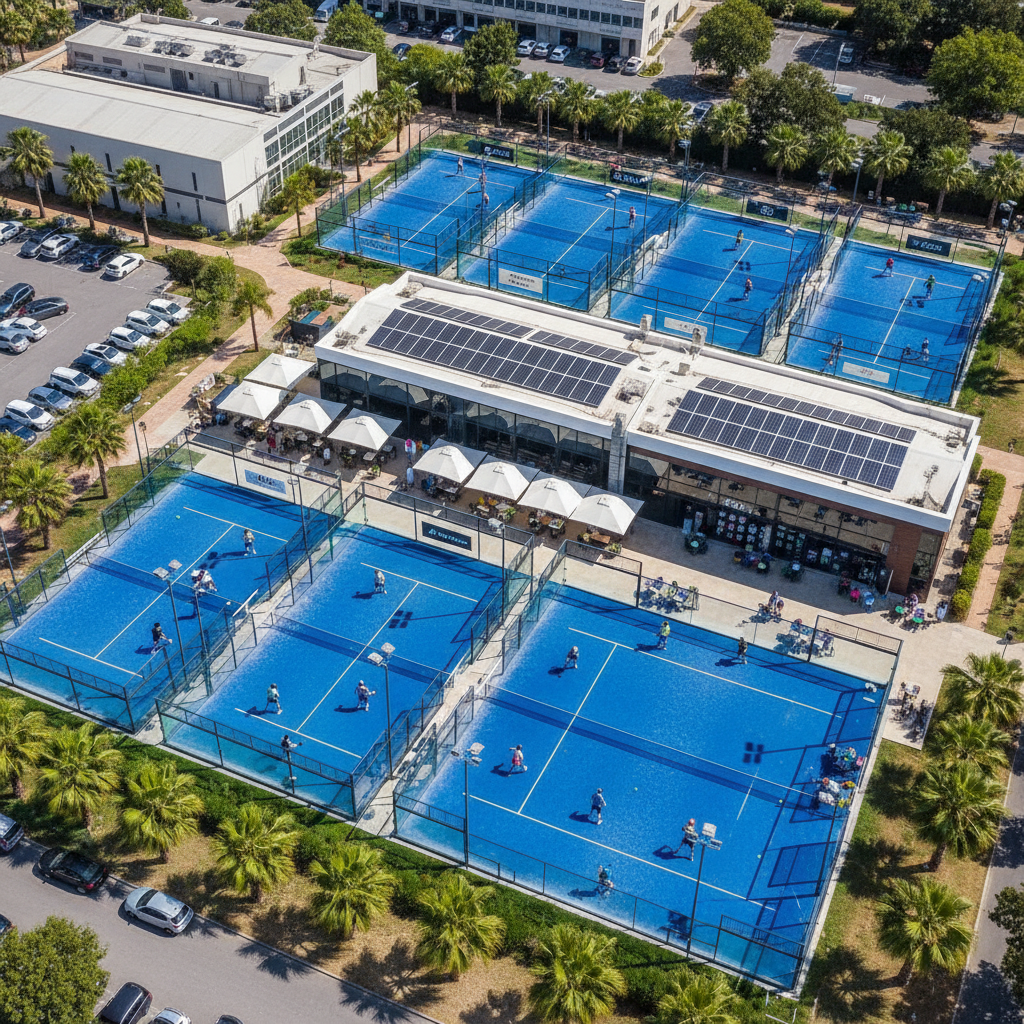
Investing in a King of Padel model is profitable today because it leverages the global racket sport surge while providing the high-end amenities that the current market demographic demands. You are entering a market where demand for premium, weather-independent sports spaces far outweighs the existing supply.
Capitalizing on the Racket Sport Boom
The growth of padel and pickleball is not a temporary trend but a fundamental shift in how people exercise. You can see the numbers showing that players are looking for more social, less solitary ways to stay fit. Padel, specifically, has a “viral” quality—once someone plays, they typically recruit three friends to complete a foursome.
- Exponential Growth: Participation rates are growing by double digits annually in major urban hubs.
- Revenue Density: You can fit nearly three padel courts in the space of one traditional tennis court, significantly increasing your revenue per square foot.
- Demographic Appeal: The sport is accessible to ages 8 to 80, giving you a massive addressable market.
- Low Barrier to Entry: Unlike tennis, which takes years to master, a beginner can have a fun, competitive match in their first hour of padel.
Here’s the catch…
While the sport is easy to learn, the market is becoming sophisticated. Players who started on public courts are now looking for “country club” quality without the traditional exclusionary barriers. They want the best glass, the best turf, and the best lighting.
Diversifying Revenue Through Multi-Sport Zones
A King of Padel facility thrives by offering more than just one sport to mitigate the risks of seasonal fluctuations or changing trends. You should consider adding indoor golf or dedicated fitness centers to maximize your building’s utility.
- Indoor Golf Simulators: Perfect for off-peak hours and attracting the executive demographic.
- Pickleball Courts: Capturing the fastest-growing demographic in North America alongside the padel surge.
- Corporate Wellness: Sell bulk court hours to local firms as a health benefit for their employees.
- Specialized Pro Shop: High-margin retail for rackets, balls, and branded apparel.
This is where it gets interesting…
By offering multiple activities, you capture the entire family or corporate team. This leads to higher “basket sizes” for every booking, as players buy equipment, drinks, and coaching sessions.
| Revenue Stream | Profit Margin | Growth Velocity |
|---|---|---|
| Court Bookings | High | Consistent |
| Coaching/Clinics | Medium | High |
| F&B / Tavern | Very High | Rapid |
The current economic climate favors businesses that offer “experience-based” value. By combining elite sports with social luxury, you create a resilient business model that thrives even when consumer spending on basic gyms declines.
Key Takeaway: Market timing is perfect for a diversified sports hub that treats players like royalty, ensuring high ROI through multiple high-margin revenue streams.
How to Design a King of Padel Facility Layout?
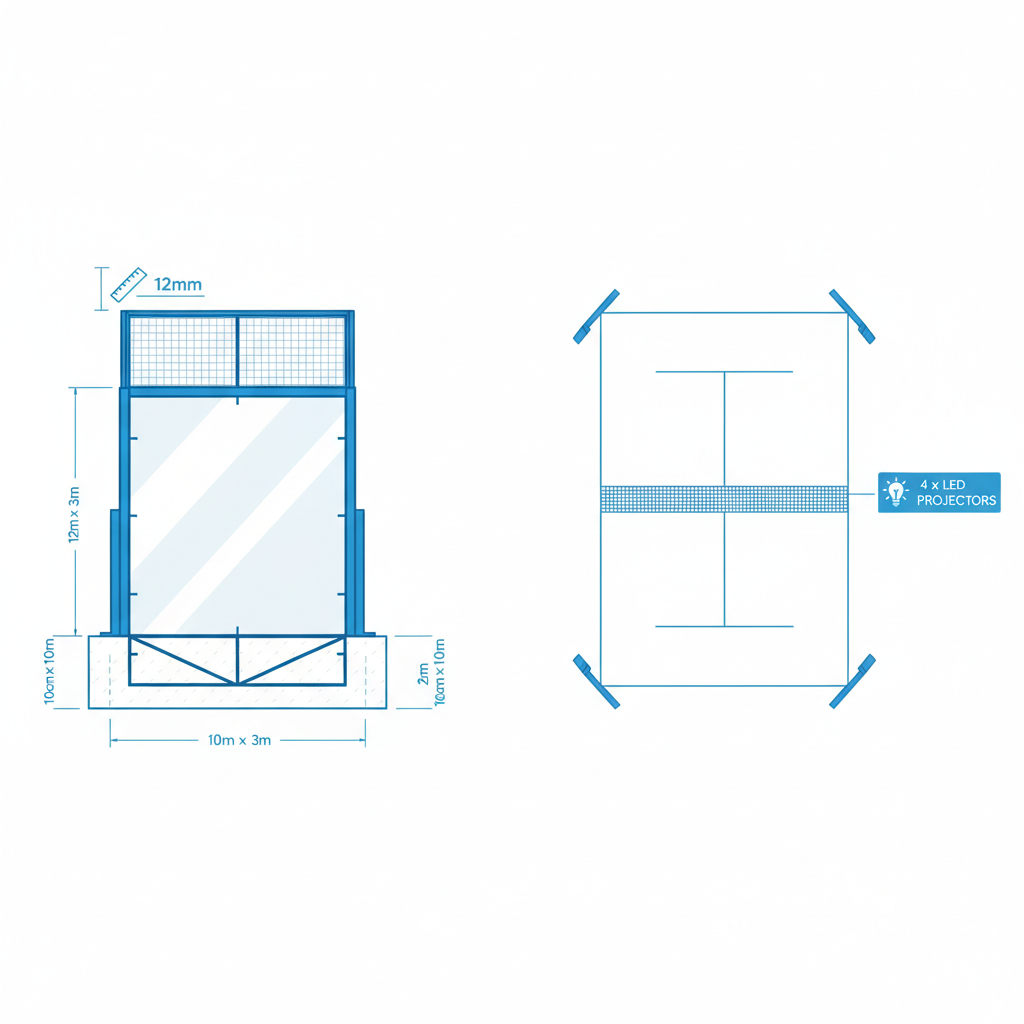
Designing a King of Padel layout requires a meticulous balance between maximizing the number of courts and leaving enough space for social flow and spectator safety. You must ensure that every square meter contributes to either the player’s performance or the guest’s comfort. If you pack courts too tightly, you lose the “premium” feel; if you leave too much empty space, you lose revenue.
Maximizing Court Density and Player Safety
You need to plan your court placement to allow for “out-of-court” play, which is a hallmark of professional padel. This requires specific clearance distances that many amateur builders overlook. Professional players will judge your facility based on whether they can safely run out of the side gate to retrieve a ball smashed out of the court.
- Safety Zones: Minimum 2 meters between courts, but 4 meters is preferred for “show courts.”
- Ceiling Height: You must have at least 7 meters of clear height, though 9-12 meters is the gold standard for high-level tactical lobs.
- Pillar Obstruction: In converted warehouses, you must work with structural engineers to ensure pillars do not interfere with the court play zones.
- Spectator Flow: Ensure that the path to the bar doesn’t require walking directly behind a player’s baseline, which is distracting.
Wait, there’s more…
A crowded layout ruins the premium feel and creates safety hazards. You should prioritize the “flow” of the facility, ensuring that players arriving don’t collide with those finishing their matches.
Selecting the Correct Court Standards
When you build a facility, the quality of your courts reflects the quality of your brand. You should look for Standard Padel Court specifications that include hot-dip galvanized steel to prevent rust and ensure structural longevity.
- 12mm Tempered Glass: Essential for consistent ball rebound and player safety.
- Textured Monofilament Turf: Provides the best grip and reduces the risk of joint injuries compared to older, sand-heavy turfs.
- Reinforced Frames: High-traffic clubs need steel frames that can withstand years of players crashing into the walls.
- LED Lighting: 200W or 300W LED projectors ensure zero shadows and perfect visibility for evening matches.
Here is the deal…
If you skimp on materials during the construction phase, you will pay for it in maintenance within the first 24 months. Professional players will notice a “dead” bounce or low-quality glass immediately and may not return to your facility.
| Design Factor | Requirement | Impact |
|---|---|---|
| Ceiling Height | 8m+ Recommended | Enables tactical lobbing |
| Court Distance | 4m Side Clearance | Professional out-of-court play |
| Floor Level | < 3mm Deviation | Consistent, predictable ball bounce |
Precision in the design phase prevents operational headaches later. A well-laid-out facility feels spacious and high-end, even when it is operating at maximum capacity.
Key Takeaway: Strategic architectural planning ensures your facility meets international standards, attracting both the casual player and the high-level tournament organizer.
What Premium Features Define a King of Padel?
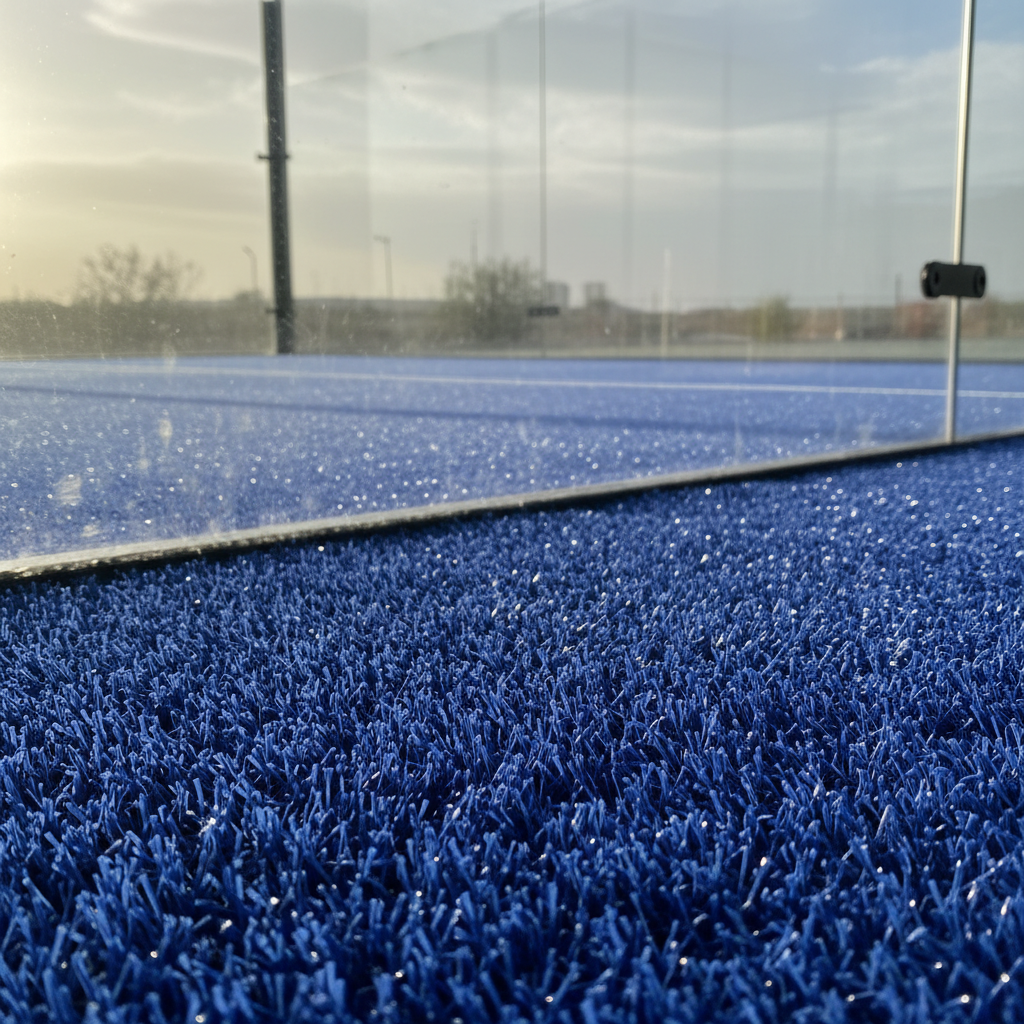
The premium features of a King of Padel facility are defined by the use of “tournament-grade” materials and architectural choices that prioritize the spectator experience. You must focus on visibility and aesthetics to justify the premium membership rates you intend to charge.
The Impact of Panoramic Glass Design
You should consider the Panoramic Padel Court design as the gold standard for your center court. This design removes the vertical metal pillars at the back of the court, providing an unobstructed view for fans and cameras.
- 360-Degree Visibility: Allows every person in the lounge to feel like they are part of the match.
- Safety Certification: Ensure your glass is EN 12150 certified to prevent catastrophic failure.
- Enhanced “Stadium” Feel: Panoramic courts create a focal point for your facility, perfect for finals or exhibition matches.
- Sponsorship Value: These courts are the most photographed, making them prime real estate for sponsor logos.
Ready for the secret?
Spectators stay longer when they can actually see the game clearly from the bar or lounge. Panoramic courts act as a silent marketing tool, naturally drawing people into the facility to watch the action, even if they aren’t playing that day.
Implementing Advanced Digital Technology
A modern facility must be “smart” to compete in today’s digital-first world. You can integrate video recording systems that allow players to download their match highlights directly to their phones. This turns a simple game into a shareable social media event.
- Automated Scoring: Digital scoreboards on every court controlled by a remote or court-side tablet.
- Video Analysis: High-definition cameras for coaching analysis and player replays.
- Mobile App Integration: Let players book courts, invite partners, and even order drinks to their court from their phone.
- Smart Lighting: Systems that automatically dim when a court is not in use, saving you thousands in utility costs.
What’s the real story?
Social media is the biggest driver of growth for new clubs. When players can easily share a “pro-style” highlight clip of their match, they are doing your marketing for you for free. They aren’t just showing off their skills; they are showing off your facility.
| Feature | Upgrade Cost | ROI Impact |
|---|---|---|
| Panoramic Glass | Moderate | High (Events/Sponsorship) |
| Video Recording | Low | Very High (Retention/Social) |
| Smart Lighting | Moderate | High (Operational Savings) |
Premium features are the differentiators that allow you to charge higher booking fees. By investing in visibility and technology, you position your club at the top of the local market hierarchy.
Key Takeaway: High-end aesthetics and digital integration turn a standard workout into a shareable, professional-feeling experience that justifies premium pricing.
Can a King of Padel Operate in Any Climate?
A King of Padel facility can operate with 100% uptime in any environment if you utilize specialized roofing systems and climate control technology. You must solve the problem of “lost revenue days” caused by rain, snow, or extreme heat. In many regions, an outdoor-only facility is a part-time business; a King of Padel is a full-time enterprise.
Solving Weather Issues with Roofing
You should look into a Roofed Padel Court solution if you are building in a region with high precipitation or intense UV exposure. A steel canopy ensures that your courts remain playable while maintaining an airy, outdoor feel that players love.
- Integrated Drainage: Prevents water from pooling near the court foundations.
- UV Protection: Protects the synthetic turf from fading and protects players from heat stroke.
- Wind Mitigation: Side walls can be added to protect against crosswinds in coastal or gusty areas.
- Snow-Load Certification: Essential for northern climates to ensure the structure stays safe year-round.
But here’s the kicker…
Outdoor courts often sit empty for three to four months of the year in many climates. A roofed or indoor facility guarantees 365 days of revenue. This consistency is what allows you to hire full-time staff and build a reliable community.
Managing Indoor Air Quality and Humidity
If you choose a fully indoor layout, you must manage the “greenhouse effect” that can occur inside large sports halls. You need industrial-grade ventilation to keep players comfortable during intense matches. Stagnant air is the enemy of high-performance sports.
- HVLS Fans: High-Volume, Low-Speed fans circulate massive amounts of air without creating distracting drafts.
- Anti-Fog Treatments: Specialized coatings for glass walls prevent condensation during humid days.
- Zoned Climate Control: Keep the social areas cool and comfortable while allowing for higher airflow in the court zones.
The truth is…
Players will not return if the facility is too hot or the air is stagnant. Proper ventilation is not just a comfort feature; it is a critical component of your operational safety and player performance.
| Climate Challenge | Engineering Solution | Business Benefit |
|---|---|---|
| Rain/Snow | Permanent Canopy | Zero revenue downtime |
| Intense Heat | HVAC / HVLS Fans | High player comfort/retention |
| Humidity | Glass Anti-Fog | Uninterrupted visibility |
Climate-proofing your facility is an upfront investment that pays for itself through consistent booking revenue. By removing the “weather variable,” you make your facility a reliable destination for serious players who want to maintain their training schedule.
Key Takeaway: Year-round availability is the ultimate competitive advantage, ensuring that external weather conditions never interrupt your cash flow or member habits.
How to Build a King of Padel for Pro Events?
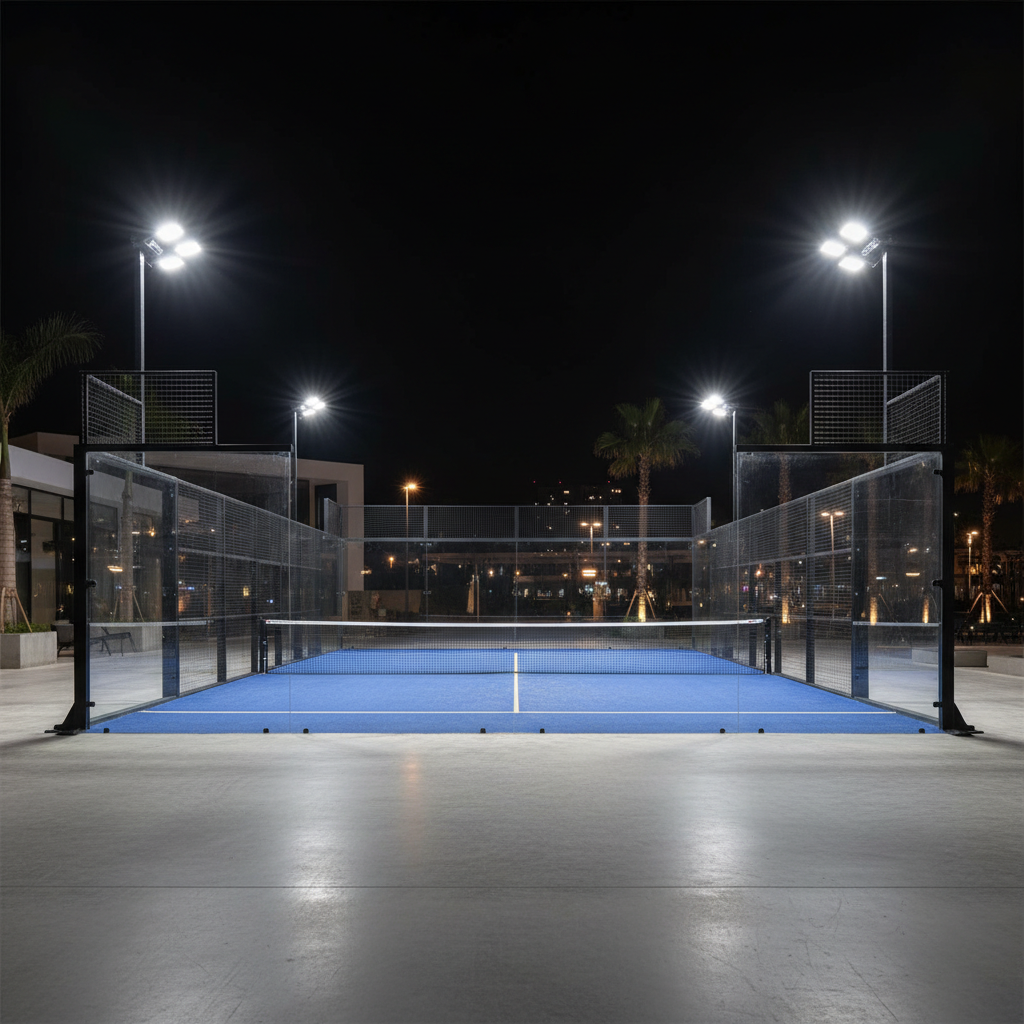
To build a King of Padel center capable of hosting professional tours, you must install at least one “Super Panoramic” court that meets World Padel Tour (WPT) or Premier Padel specifications. You need to design the facility with media access, spectator seating, and athlete-only zones in mind.
Why Choose a Super Panoramic Court?
A Super Panoramic Padel Court is the crown jewel of any high-end facility. It features 12mm glass with zero vertical posts even at the corners, offering the absolute best visibility for broadcast cameras and live audiences.
- Structural Integrity: Engineered to withstand the highest levels of impact from pro-level athletes.
- TV-Ready Surfaces: Use high-contrast blue or black turf that makes the yellow ball “pop” on digital screens.
- No-Glare Lighting: Positioned to ensure cameras don’t pick up light flares during night matches.
Now it gets exciting…
Hosting even one professional tournament per year can put your facility on the global map. It attracts elite coaches and high-level players who want to train on the same surface used by the pros. It also allows you to charge a premium for that specific “Show Court” every day of the week.
Integrating Media and Audience Logistics
You must plan for the “theatrical” aspect of professional sports if you want to host events. This means your facility needs dedicated power and data lines to handle live streaming and television broadcasts without interfering with the club’s guest Wi-Fi.
- Camera Platforms: Elevated areas with a clear line of sight to the baseline and net.
- Tiered Seating: Whether permanent or temporary, you need to accommodate 100-500 spectators for local finals.
- Acoustics: High ceilings can create echoes; use acoustic panels to ensure the umpire’s voice and the crowd’s energy sound professional.
| Tournament Spec | Requirement | Purpose |
|---|---|---|
| Lighting | 800 – 1000 Lux | High-definition broadcast quality |
| Surface | WPT-grade Mono-filament | Professional ball grip and speed |
| Space | 3m+ Out-of-court | Safety for extreme “off-court” saves |
Designing for professional events elevates your entire brand’s credibility. Even casual members will feel a sense of prestige playing in a facility that hosts the world’s best athletes.
Key Takeaway: A single “Show Court” with Super Panoramic glass can transform your club into a regional landmark and a primary hub for high-stakes competition.
What are the Construction Costs for King of Padel?
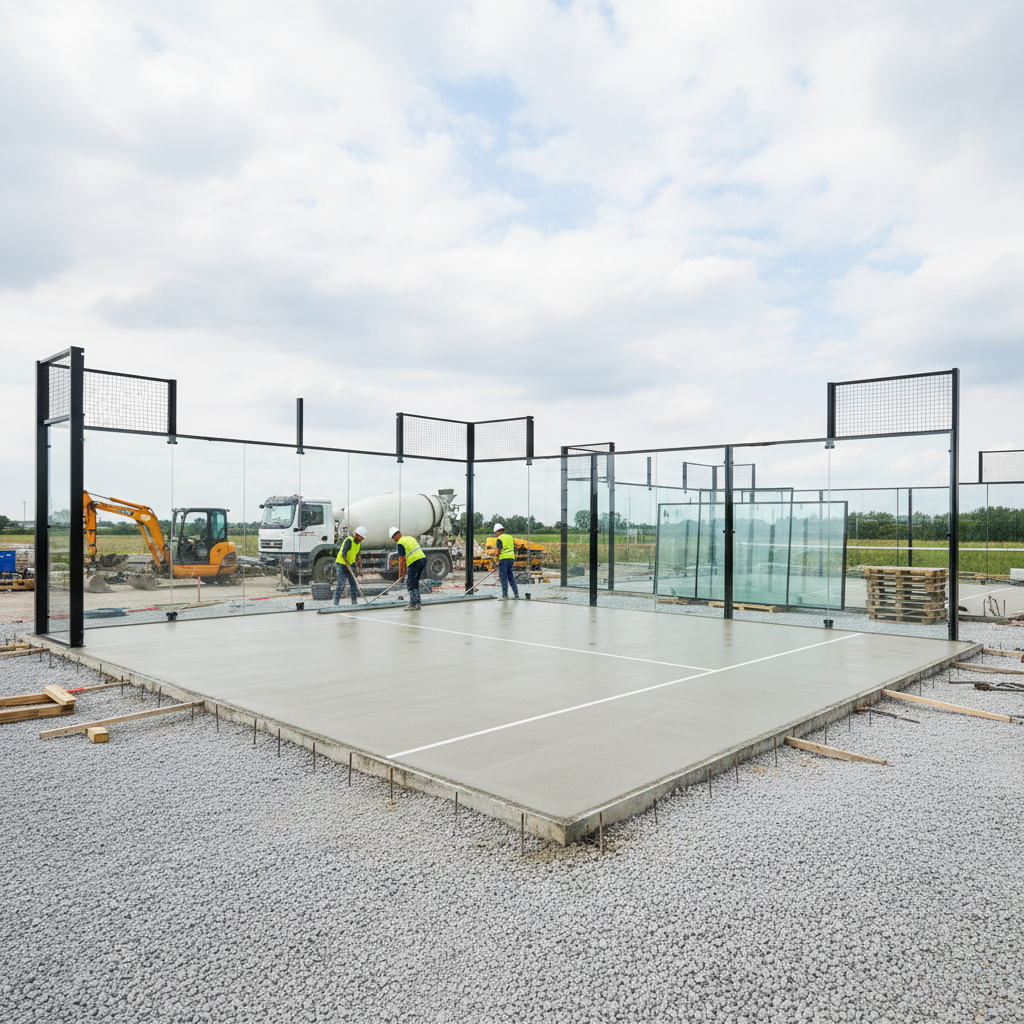
The construction costs for a King of Padel facility are divided into two main categories: the foundational groundworks and the high-tech court superstructures. You must budget carefully to avoid the common “hidden costs” associated with drainage and soil stabilization.
Estimating Foundational and Site Costs
The most critical part of your court is actually underneath it. You need a reinforced concrete slab that is perfectly level to ensure a consistent ball bounce across the entire surface. If the slab is off by even 5mm, the ball will “die” or hop unpredictably.
- Earthmoving: Clearing the site and ensuring proper soil compaction.
- Concrete Slab: Typically 15-20cm thick with steel reinforcement.
- Drainage: Essential for outdoor or semi-indoor courts to prevent the turf from becoming a swamp.
- Utility Trenching: Running power for the 8 LED light poles per court.
It’s simpler than you think…
If you try to save money on the concrete slab, your courts will eventually shift or crack. This leads to uneven glass panels that can shatter under stress and “dead spots” on the turf that ruin the playing experience. Do it right the first time.
Budgeting for the Court Superstructure
The court itself is a complex assembly of steel, glass, and synthetic turf. You should factor in the cost of shipping and specialized installation teams who understand how to handle large tempered glass panels safely.
- Steel Frame: Ensure it is hot-dip galvanized and powder-coated for double protection.
- Glass Panels: 12mm is the standard for King of Padel; 10mm is for budget clubs.
- Turf & Sand: Professional-grade turf and kiln-dried silica sand for the infill.
- Lighting Poles: Integrated into the court frame or standing separately.
But here’s the catch…
Importing courts from overseas might seem cheaper, but shipping delays and lack of local support can kill your timeline. You should work with a provider that offers end-to-end logistics and installation guarantees.
| Expense Category | % of Total Budget | Criticality |
|---|---|---|
| Groundworks | 30% | Essential for court longevity |
| Court Structure | 45% | Core product quality |
| Lighting/Electrical | 15% | Vital for peak-hour (evening) play |
| Aesthetics/Furniture | 10% | Drives the social “royalty” spend |
A transparent budget allows you to manage investor expectations and secure financing more easily. By investing in quality upfront, you reduce your long-term operational costs and maintenance headaches.
Key Takeaway: High-quality foundational work is the only way to protect your investment in the premium glass and steel components of the court.
How to Manage a King of Padel Business Daily?
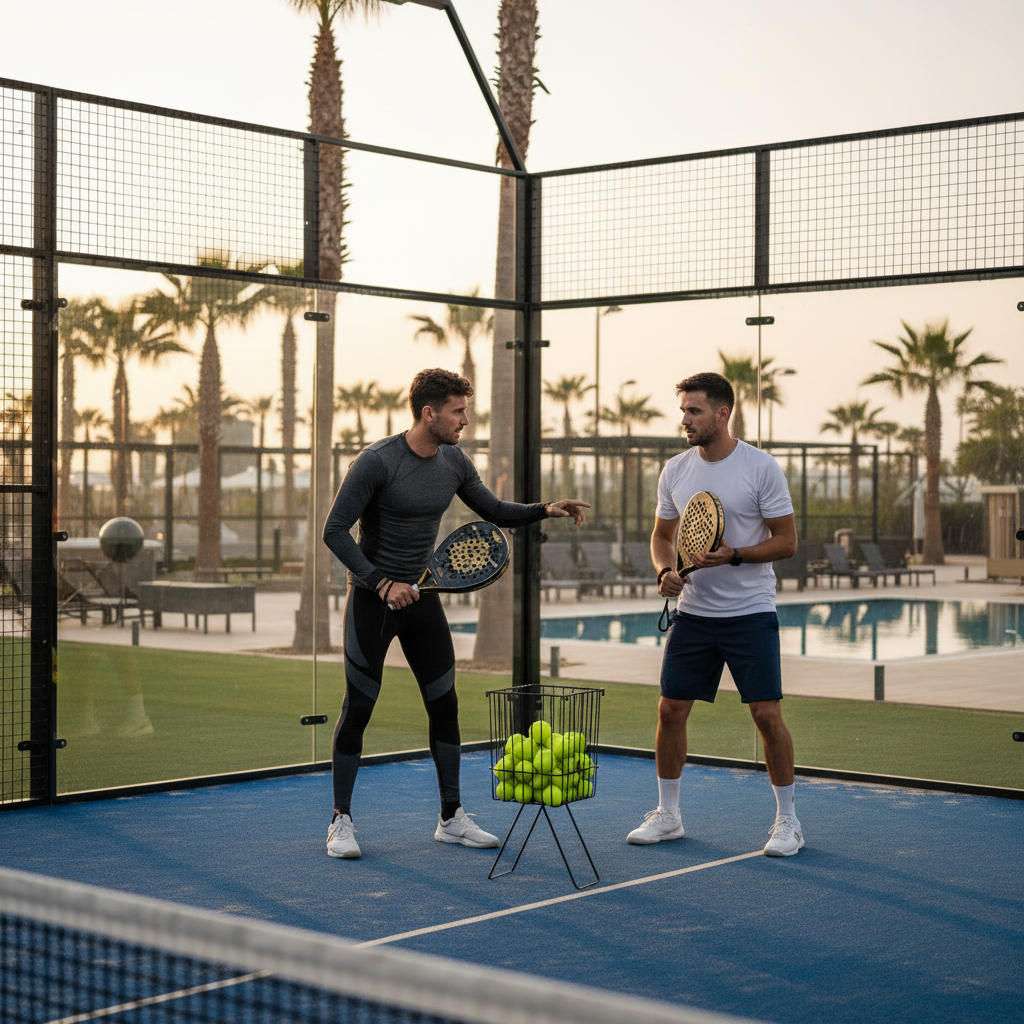
Managing a King of Padel business requires a tech-driven approach to handle the high frequency of court bookings and social event scheduling. You should focus on reducing “friction” for the user through automated systems and professional staff training. If a player has to call you to book a court, you have already lost.
Streamlining the Booking Experience
Your members should be able to book a court, find a partner, and order a post-match drink all from a single mobile app. This level of convenience is what separates a “King” facility from a municipal court.
- Automated Access: Use QR codes or mobile keys for court entry and light activation.
- Matchmaking: Use an app like Playtomic or a custom solution to help individuals find players of the same skill level.
- Dynamic Pricing: Charge more for peak evening hours and offer discounts for weekday mornings.
- Loyalty Programs: Reward players who book more than twice a week with free guest passes or Pro Shop discounts.
Here is the deal…
The more you automate the booking and check-in process, the fewer staff you need on-site during off-peak hours. This directly improves your bottom-line profitability and allows your staff to focus on high-value customer service rather than administrative tasks.
Hosting Leagues and Competitive Clinics
To keep your courts full during the morning and afternoon, you must create a robust program of coaching and social leagues. You should hire certified professionals who can cater to both beginners and elite competitors.
- “Americano” Tournaments: A fast-paced social format where players switch partners every round.
- Corporate Clinics: Mid-day sessions for local businesses looking for team-building.
- Junior Academies: Building the next generation of players ensures long-term club viability.
- Video Coaching: Using the smart technology mentioned earlier to provide “pro-level” feedback to students.
The best part?
Clinics and leagues create a “sticky” community. When players have a scheduled match every Tuesday or a coach they trust, they are much less likely to play elsewhere. They become part of the club’s fabric.
| Management Task | Digital Tool | Frequency |
|---|---|---|
| Court Bookings | Club Management App | 24/7 (Real-time) |
| Inventory Tracking | Cloud-based POS | Daily |
| Turf Brushing | Maintenance Log | Weekly |
Operational excellence is achieved when the “behind-the-scenes” technology works perfectly, allowing players to focus entirely on their game and their friends. This creates the “royalty” experience your brand promises.
Key Takeaway: Frictionless technology and a vibrant community program are the twin engines of high retention and consistent daily revenue.
What Equipment is Vital for a King of Padel?
The equipment provided at a King of Padel facility must match the premium branding, ensuring that players have access to the best tools for their game. You need to curate a Pro Shop and a rental fleet that reflects the high standards of your club’s architecture. If your rental rackets are chipped and old, your premium glass won’t matter.
Sourcing Professional-Grade Gear
Your Pro Shop should be a profit center, not just a convenience. You should partner with major brands like Bullpadel, Nox, or Wilson to offer a wide range of rackets, shoes, and apparel that players cannot find at general sporting goods stores.
- Demo Programs: Let players “try before they buy” for a small fee that applies toward a purchase.
- High-End Rentals: Offer carbon-fiber rental rackets for a slightly higher fee than basic models.
- Ball Pressurizers: Sell canisters that keep balls at the correct pressure, as padel balls lose bounce quickly.
- Custom Apparel: Branded shirts and hats turn your members into walking advertisements for your club.
Ready for the good part?
A well-managed Pro Shop can contribute up to 15% of your total facility revenue. Padel players are notorious “gear enthusiasts” who are willing to spend significant amounts on the latest technology to improve their game.
Integrating “Smart Court” Technology
You should equip your courts with digital scoreboards and video analysis tools that enhance the professional feel of every match. This technology provides immediate value to both coaches and competitive players.
- Digital Scoreboards: Remote-controlled screens that make every match feel like a televised final.
- Lounge Replays: Stream the “match of the day” from your center court directly to the lounge TV.
- Ball Machines: Smart ball-launching machines for solo practice during off-peak hours.
This is where it gets interesting…
Smart tech creates a data-rich environment for your coaches. They can show a student their exact footwork errors on a screen immediately, making the coaching session far more effective and valuable. It justifies a higher hourly rate for your staff.
| Equipment Item | Purpose | Revenue Impact |
|---|---|---|
| Rental Fleet | Lowering barrier to entry | Immediate (Daily Fees) |
| Pressurized Balls | Consistent play quality | High (Retail Sales) |
| Video Analysis | Professional coaching | Medium (Upsell Coaching) |
The right equipment acts as the final layer of your brand’s authority. When every detail—from the racket to the scoreboard—is high-end, you reinforce the player’s perception of “royalty.”
Key Takeaway: Premium equipment and smart technology create a professional atmosphere that justifies your club’s elite positioning and drives retail profit.
How to Market Your New King of Padel Club?
Marketing a King of Padel club focuses on lifestyle and community, positioning the facility as the “it” destination in your city. You must move beyond selling “court time” and start selling the feeling of belonging to an exclusive, high-energy community.
Building a Brand Around Social Excellence
Your social media strategy should focus on the “vibes” of the club—the post-match drinks, the networking events, and the high-energy tournaments. You want potential members to feel like they are missing out on the best social circle in town.
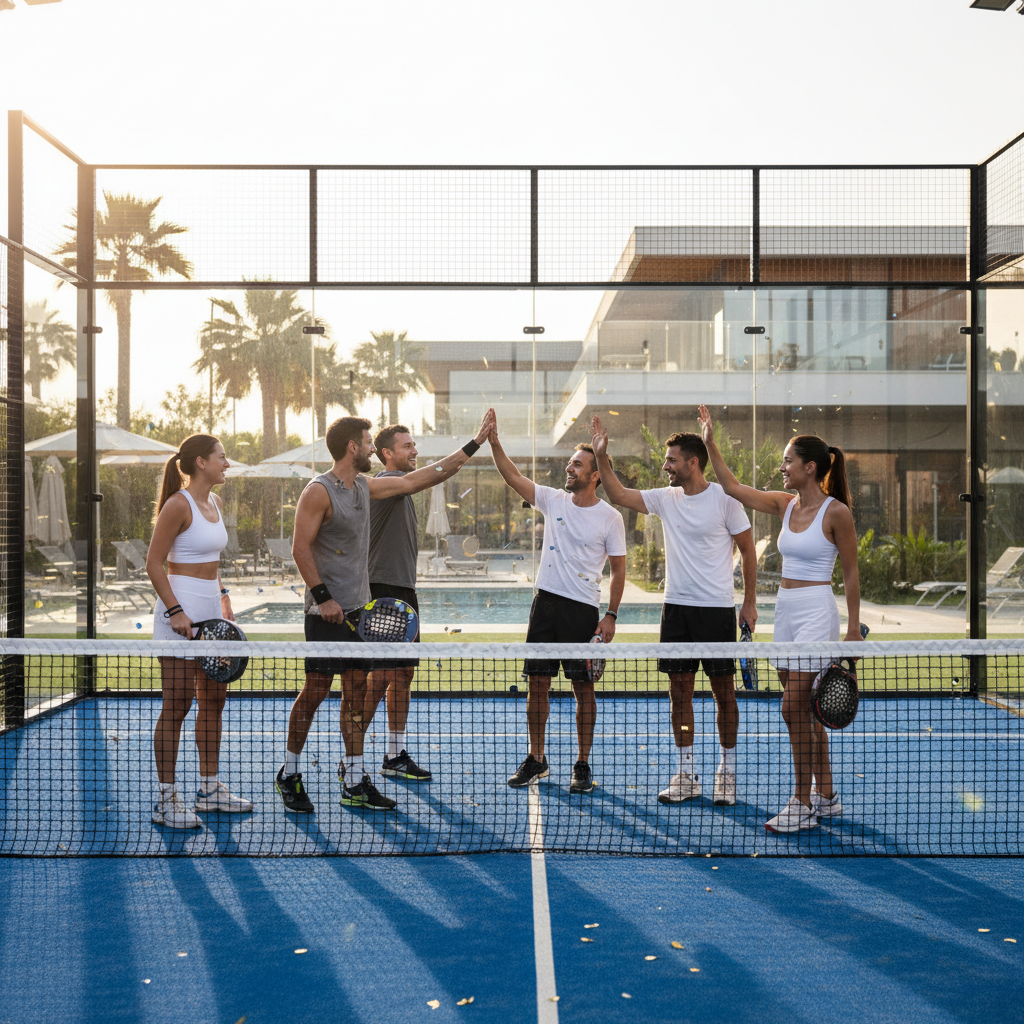
- Visual Storytelling: Use high-quality video of players laughing in the lounge, not just hitting balls.
- Influencer Partnerships: Invite local fitness and lifestyle influencers for a “Learn Padel” day.
- Events Calendar: Market your “Friday Night Mixers” or “Ladies Mornings” as social events first and sports events second.
- The “Royalty” Aesthetic: Ensure your branding—from your logo to your Instagram grid—looks clean, modern, and premium.
What’s the real story?
People buy memberships for the person they want to become. By showing a diverse, attractive, and active community on your social channels, you attract people who want to be part of that specific lifestyle.
Targeting Corporate and B2B Segments
Padel is the “new golf” for corporate networking. It’s faster, more social, and allows for four people to interact in a small space. You should create specific packages for local businesses that want to provide wellness perks or host networking mixers.
- Corporate Leagues: A Tuesday night league for law firms or tech companies.
- VIP Meeting Packages: Rent out your lounge for morning meetings followed by a 90-minute padel clinic.
- Branded Courts: Allow local businesses to “sponsor” a court, placing their logo on the glass or net.
But here’s the kicker…
Corporate bookings often happen during “dead hours” between 9:00 AM and 4:00 PM. This allows you to maximize your facility’s utility and revenue when the casual evening players are still at their desks.
| Channel | Focus | Success Metric |
|---|---|---|
| Instagram/TikTok | Lifestyle/Visuals | Engagement & New Leads |
| B2B / Networking | Corporate Contracts | |
| Local SEO | Discovery / Maps | Monthly “Near Me” Bookings |
Your marketing should create a sense of urgency and prestige. By positioning your club as a “royalty” experience, you ensure that your facility is the first choice for anyone looking to enter the world of padel.
Key Takeaway: Sell the community and the lifestyle, not the sport. People will come for the game but stay for the people and the prestige.
Frequently Asked Questions
Q1: Can I build a King of Padel facility in a converted warehouse?
Yes, industrial warehouses are often the best locations because they provide the necessary ceiling height (6-8m) and wide-open spans for multiple court layouts without pillar interference.
Q2: What’s the best way to handle glass breakage on panoramic courts?
The best way is to ensure you use 12mm EN 12150 certified tempered glass, which is designed to crumble into small, blunt pieces if broken, preventing serious injury. Always keep one spare glass panel in stock for immediate replacement.
Q3: How often do the synthetic turf surfaces need maintenance?
Weekly maintenance is required; you must brush the turf to redistribute the sand and prevent the fibers from flattening. This ensures a consistent bounce and prevents the surface from becoming slippery.
Q4: Is it possible to make a profit with only four courts?
Yes, if you maximize your secondary revenue streams. However, six to eight courts is the “sweet spot” for a King of Padel facility because it allows for larger tournaments and higher social density, which drives the “Third Space” atmosphere.
Q5: Why is 12mm glass preferred over 10mm glass for these facilities?
The 12mm thickness provides significantly more structural stability for high-impact play and offers a much truer ball rebound. In a premium “King” facility, 12mm is the non-negotiable standard.
Conclusion
Building a King of Padel facility is more than just a construction project; it is a strategic investment in the future of social sports entertainment. By prioritizing high-grade materials like panoramic glass and integrated climate-controlled roofs, you create a resilient business that thrives 365 days a year. Our vision is to empower investors and entrepreneurs to transform the global sports landscape, creating inclusive yet high-energy environments where every player is treated like royalty. If you are ready to lead the racket sport revolution in your market, contact us today to explore our elite court solutions and turn your vision into a landmark destination.