
Developing a high-performance sports facility requires specialized structural engineering and padel deporte represents a high-speed racket discipline played within glass enclosures that demands premium material procurement. Investors often face significant hurdles when attempting to source durable components for high-traffic sports clubs yet failing to install professional-grade structures leads to frequent repairs and lost booking revenue which ruins your business model. My guide provides a technical roadmap for building premium facilities using manufacturing standards from industry leaders so you can avoid common pitfalls and maximize long-term profitability.
1. What is the historical origin of padel deporte?
The foundations of padel deporte began in 1969 within Acapulco Mexico after Enrique Corcuera modified his residential backyard to accommodate a smaller racket game that utilized surrounding walls. He built concrete barriers around a 10-meter by 20-meter space to prevent balls from escaping into his neighbor’s property during social matches and this enclosure created a unique dynamic where players used rebounds as strategic advantages. This private hobby eventually attracted Spanish royalty who exported the concept to Marbella where European elites refined the competitive framework and formalized the rules for international governing bodies. Modern developers must respect these historical dimensions while using advanced tempered glass to replicate the original walled experience in a professional commercial setting.
Early Mexican Architectural Innovations
Enrique Corcuera established the initial framework for this discipline by combining elements of squash and tennis within a confined residential setting that required specialized movement. He utilized smaller wooden rackets and low-pressure balls to maintain control within the walled boundaries and this created a high-intensity game accessible to diverse age groups. But here’s the kicker… Spanish elite circles later adopted these Mexican rules and formalized the equipment standards that we recognize in the modern professional circuit today through the International Padel Federation. This transition from a private hobby to a standardized athletic discipline required the development of specialized manufacturing processes to ensure court consistency across different continents and climates.
● Backyard court dimensions (10x20m)
● Initial wall-assisted play mechanics
● Integration of early wooden racket technology
● Transition to European social clubs
Key Takeaway: The unique walled design of the original Mexican court remains the structural foundation for all modern professional facility developments and dictates current enclosure engineering.
| Historical Milestone | Impact on Growth | Current Status |
|---|---|---|
| Corcuera’s 1969 Court | Defined 10×20 dimensions | Global Industry Standard |
| Marbella Club Expansion | Introduced game to Europe | Major Growth Hub |
| FIP Standardization | Professionalized match rules | Official Global Circuit |
The evolution of the sport from a backyard modification into a multi-billion dollar industry highlights the necessity of maintaining exact historical dimensions for authentic play.
2. How has padel deporte expanded across the globe?
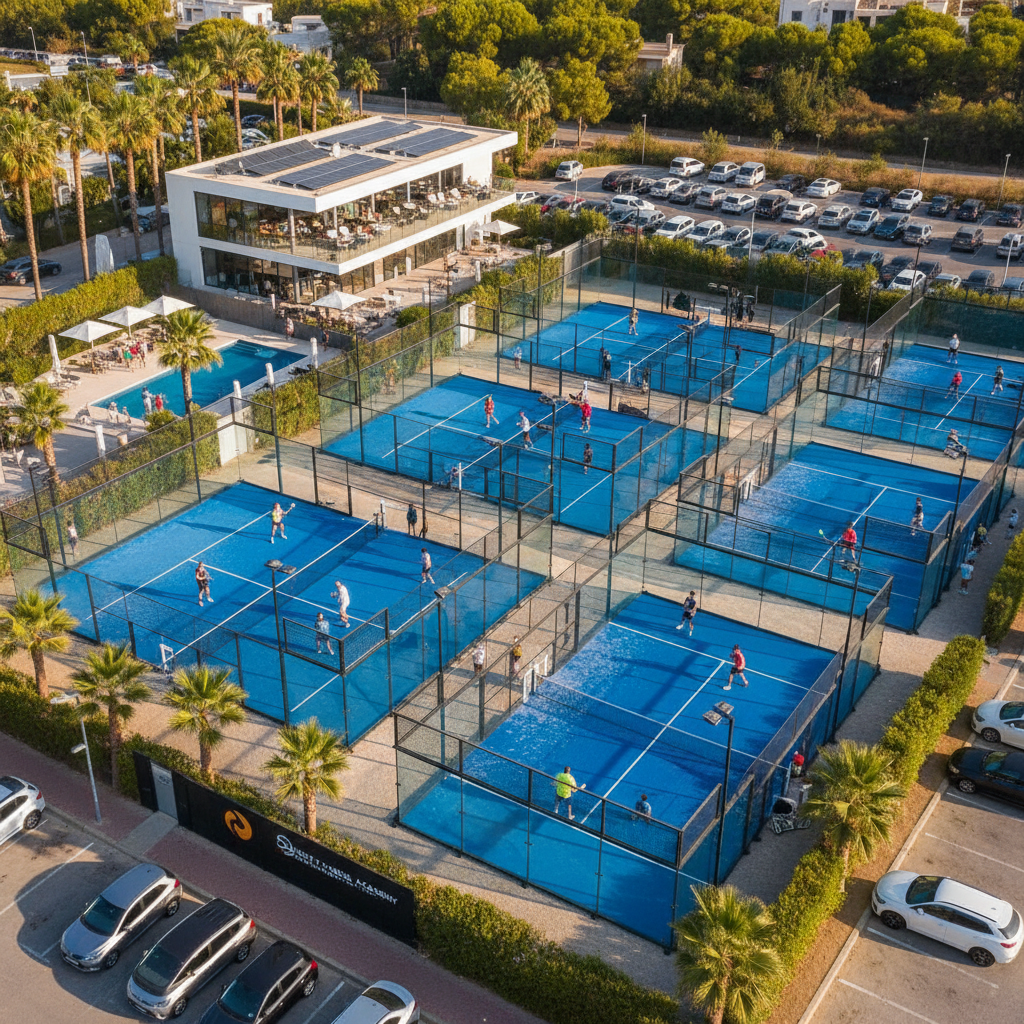
Growth trends for padel deporte show massive expansion across Argentina during the 1980s before the sport dominated the Spanish market through intensive private club development projects. Modern participation rates exceed five million players in Spain alone while Italy and Sweden report record-breaking court construction numbers annually to meet surging demand for high-end sports facilities. Professional tours now broadcast matches globally and this visibility attracts major corporate sponsorships for new facility builds in emerging markets like the United States or the Middle East. Commercial real estate developers frequently integrate these courts into luxury residential projects because they offer high utility within small footprints compared to traditional large-scale tennis complexes.
Global Infrastructure and Market Maturity
The European infrastructure boom has set a high bar for quality as clubs now demand panoramic designs and premium turf to attract elite members and corporate clients. Investors in the Middle East are prioritizing luxury features like climate-controlled indoor environments and high-end aesthetics to differentiate their facilities from basic municipal offerings in the region. Think about it. Choosing a manufacturer that understands these regional nuances is mandatory because environmental factors like extreme heat or humidity dictate the specific material treatments required for long-term structural integrity. You should review our about page to understand how international standards influence modern procurement strategies for global sports facility managers.
● South American adoption lead
● European infrastructure expansion
● Middle Eastern luxury facility boom
● North American commercial interest
Key Takeaway: Rapid international expansion necessitates a focus on high-quality manufacturing that can adapt to diverse climate conditions and premium aesthetic expectations across different continents.
| Region | Market Maturity | Construction Trend |
|---|---|---|
| Spain | High | High-End Renovation Focus |
| Middle East | Rapid | Luxury Panoramic Builds |
| North America | Emerging | Commercial Multi-Club Hubs |
Analyzing regional trends allows investors to select the most profitable court styles and amenities based on local player demographics and market saturation levels.
3. What equipment is used in padel deporte?
The technical requirements for padel deporte equipment involve perforated carbon fiber rackets instead of traditional stringed tennis rackets to ensure better control and power within tight spaces. These specialized tools feature cores made from high-density EVA foam or polyethylene to absorb vibrations while maintaining structural integrity during high-velocity impacts against the ball. Professional facilities must stock various racket tiers to satisfy diverse client needs from beginners to elite competitors who require specific balance points and weight distributions for their playing style. Your inventory should focus on durability since rental equipment undergoes significant wear in commercial club environments where multiple matches occur daily throughout the entire calendar year.
Specialized Material and Ball Standards
Advanced racket designs incorporate graphene and fiberglass layers to optimize the sweet spot while reducing the overall weight for better maneuverability during fast rallies at the net. Manufacturers also produce specialized balls with lower internal pressure compared to tennis balls to ensure the bounce remains consistent within the glass enclosures during intense points. What’s the real story? Selecting high-quality footwear with lateral support is equally pivotal for players because the intensive movements on synthetic turf can lead to joint injuries if proper traction is not maintained. You must provide a comprehensive equipment ecosystem that prioritizes safety and performance to ensure your members enjoy a premium experience every time they step on the court.
● Carbon fiber frame durability
● EVA foam core absorption
● Low-pressure ball bounce specs
● Specialized lateral support shoes
Key Takeaway: Investing in high-grade rental equipment and professional retail stock enhances the player experience while minimizing the long-term costs associated with hardware failure and replacement.
| Equipment Type | Technical Feature | Business Benefit |
|---|---|---|
| Carbon Racket | High Impact Resistance | Low Replacement Overhead |
| Low-Pressure Ball | Consistent Velocity | Improved Player Retention |
| Padel Shoes | High Traction Outsole | Reduced Facility Liability |
The synergy between material science and on-court performance illustrates why specialized gear is a mandatory investment for serious sports facility operators and club managers.
4. How do padel deporte rules differ from tennis?
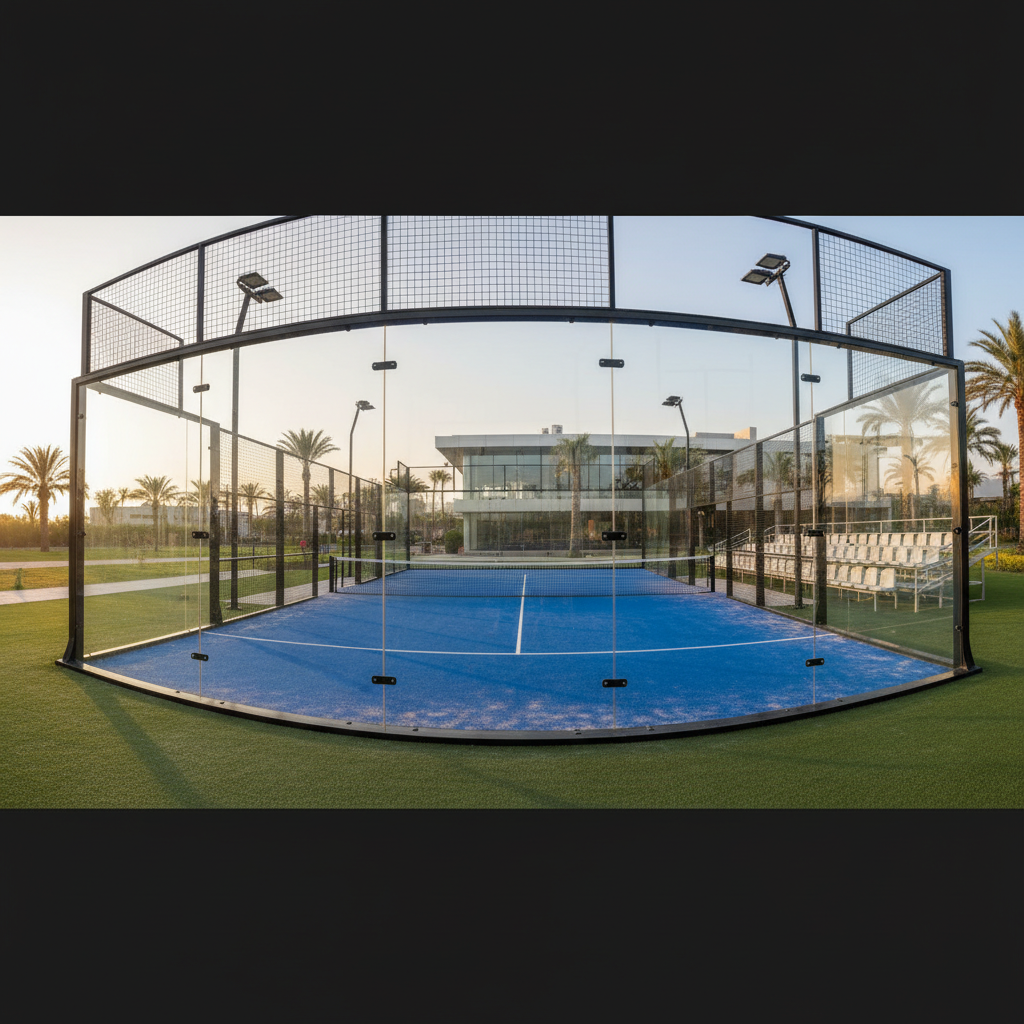
Competitive play in padel deporte employs a unique scoring system similar to tennis yet introduces wall-assisted play that fundamentally changes tactical movement and defensive strategy for athletes. Serves must occur underhand and players must strike the ball below waist level to ensure fair play during the initial points of every competitive game or social match. Balls remain in play after hitting back or side walls provided they bounce on the synthetic turf first and this rule encourages much longer rallies than traditional open-court racket sports. Understanding these nuances helps facility owners design viewing areas that allow spectators to appreciate the intricate geometry and high-speed reflexes required for high-level tournament matches.
Scoring Dynamics and Strategic Positioning
The scoring follows the traditional 15, 30, 40, and game format but the introduction of a deciding point in some circuits has accelerated match play for television audiences. Players use the glass walls to execute lobs and passing shots that would be impossible on an open court and this creates a three-dimensional playing field for the athletes. This is where it gets interesting… The social dynamic of the sport is exactly why the discipline has a higher retention rate than tennis as it allows players of different skill levels to compete effectively through positioning. You should ensure your court’s glass panels provide a perfectly uniform bounce to maintain the integrity of these complex rules during high-stakes league play or casual weekend bookings.
● Underhand service requirements
● Wall rebound play legality
● Scoring and tie-break rules
● Strategic positioning dynamics
Key Takeaway: The integration of perimeter walls into the official ruleset creates a strategic depth that distinguishes this discipline from other racket sports and increases player engagement.
| Rule Component | Padel Requirement | Tennis Comparison |
|---|---|---|
| Service | Underhand/Below Waist | Overhand Serve Allowed |
| Boundaries | Walls Are In-Play | Lines Mark Final Bounds |
| Game Flow | High-Volume Rallies | Power-Based Quick Points |
A deep understanding of the rulebook allows club managers to educate new players and organize tournaments that respect the unique tactical heritage of the sport.
5. What are official padel deporte dimensions?
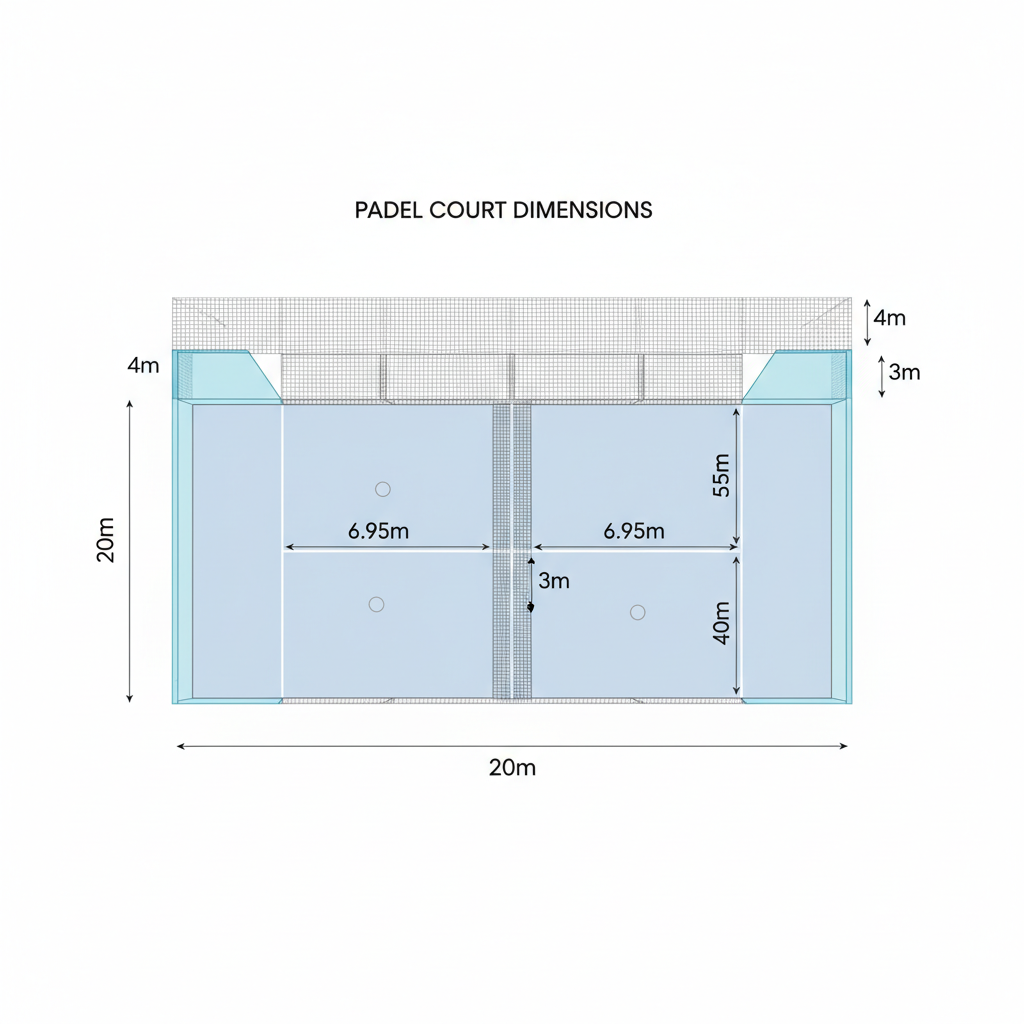
Engineering standards for padel deporte court architecture follow a strict 20-meter length and 10-meter width specification divided by a central net that stands 88 centimeters high. The enclosure consists of 3-meter high side walls and 4-meter high back walls to facilitate vertical play and defensive lobs during intensive rallies in professional environments. Investors seeking a reliable Standard Padel Court must ensure the foundation provides perfect leveling for accurate ball response across the entire 200-square-meter playing surface. Any deviation in ground flatness causes unpredictable bounces which frustrate high-level players and can lead to structural stresses on the glass panels over several years of use.
Perimeter Walls and Net Engineering
The central net must be 10 meters long and suspended by a steel cable that is covered by a protective white strip to ensure visibility and player safety during play. Side enclosures typically feature a combination of 12mm tempered glass and metallic mesh that allows for different rebound characteristics and tactical variety during a standard match. Ready for the good part? Professional manufacturers utilize laser-guided leveling tools during sub-base preparation to guarantee that every millimeter of the court area meets international competition standards for flat surfaces. You must verify these measurements during the installation phase to avoid costly re-adjustments that could delay your facility’s grand opening and impact your initial quarterly revenue.
● Total court area (10x20m)
● Back wall height (4m)
● Side wall height (3m)
● Central net height (88cm)
Key Takeaway: Adhering to exact dimensional standards is pivotal for tournament certification and ensures that players can transition between different facilities without adjusting their tactical timing.
| Dimension Feature | Metric Value | Tolerance Level |
|---|---|---|
| Total Length | 20 Meters | +/- 0.1% Range |
| Total Width | 10 Meters | +/- 0.1% Range |
| Wall Height (Back) | 4 Meters | Zero Tolerance Level |
Precise measurements are the bedrock of a professional facility and ensuring these metrics are met during construction prevents technical disputes with professional governing bodies.
6. How do you choose glass for padel deporte?
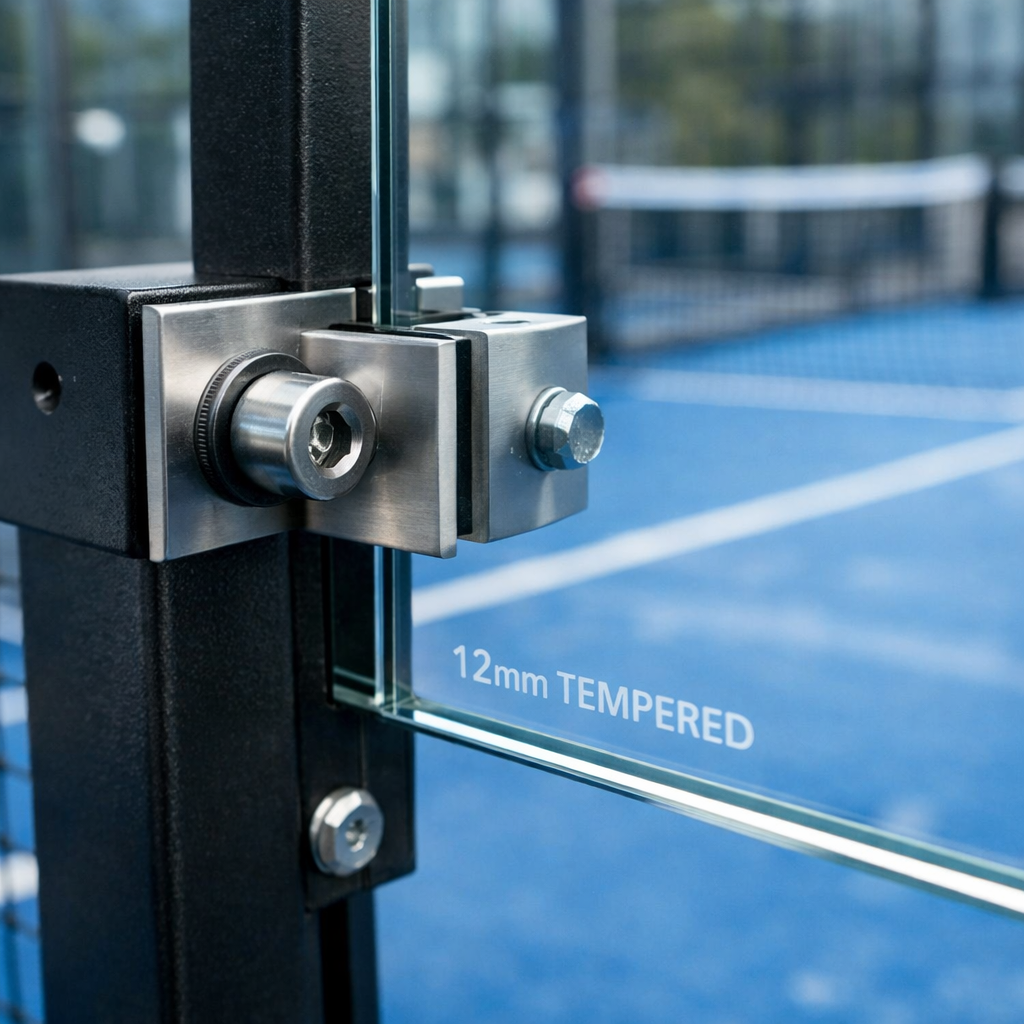
Structural safety in padel deporte relies heavily on 12mm tempered glass panels that can withstand intense impacts from players and high-speed balls during aggressive match play. Choosing low-quality glass increases liability risks for your club because breakage leads to severe injuries and expensive legal disputes that can ruin your business reputation and financial standing. High-quality Padel Glass features polished edges and anti-explosion certifications to ensure maximum protection for athletes even during the most high-velocity collisions at the back wall. Most modern panoramic designs eliminate vertical pillars to provide spectators with unobstructed views of the action inside while maintaining the structural integrity of the entire steel frame.
Safety Certifications and Optical Clarity
Tempered glass is processed through controlled thermal treatments to increase its strength and ensure that it breaks into small granular chunks rather than sharp shards if failure occurs. You should prioritize glass that meets European EN 12150 standards to guarantee that your facility complies with international insurance requirements and sports safety protocols for public spaces. But here’s the kicker… The clarity of the glass also affects the quality of video recordings and social media marketing which are mandatory for attracting new members to your modern sports facility. Your procurement strategy should focus on reputable manufacturers who provide documentation for every panel to ensure long-term peace of mind for your management team and safety officers.
● 12mm tempered safety glass
● Polished edge finishing
● Anti-explosion certification
● High-transparency for viewing
Key Takeaway: Premium tempered glass is the most pivotal safety component of any modern court and it directly impacts both player security and the commercial appeal of the facility.
| Glass Type | Thickness | Safety Feature |
|---|---|---|
| Tempered Safety | 12mm Standard | Fragmentation Control |
| Laminated Glass | Variable Levels | Extreme Impact Safety |
| Anti-Reflective | 12mm Premium | Maximum Spectator View |
Selecting certified glass panels is a non-negotiable step in the building process that protects both the players’ physical wellbeing and the owner’s capital investment.
7. Why is turf selection vital for padel deporte?
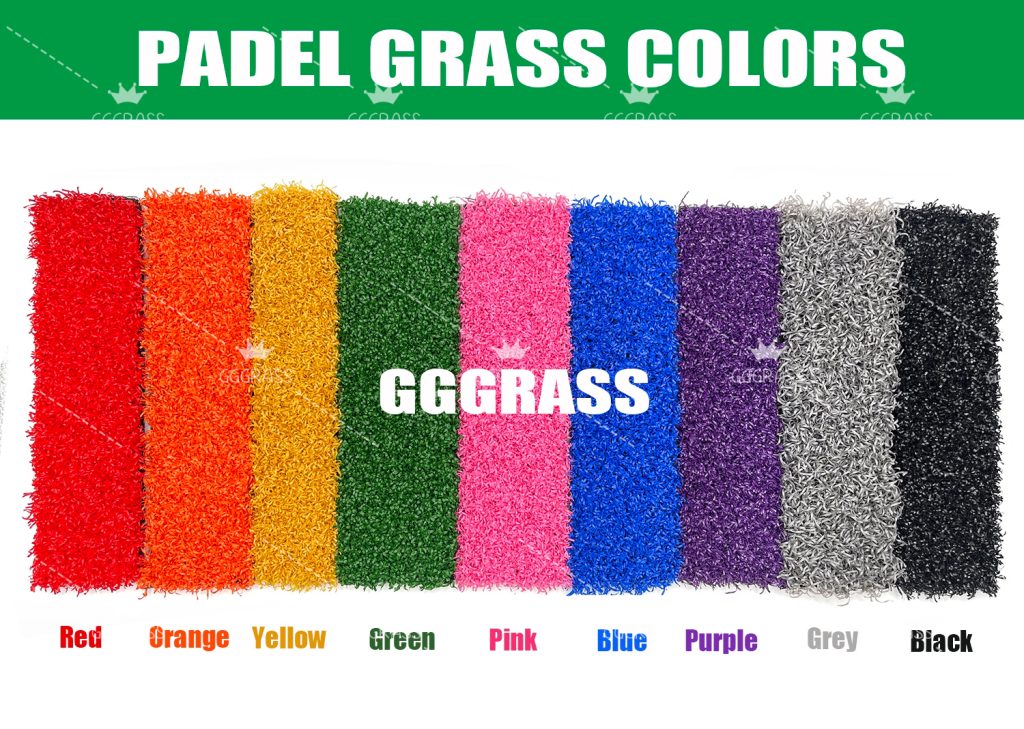
The playing surface for padel deporte must balance player traction with ball skid to provide a consistent playing experience across all weather conditions and usage intensities. Monofilament or fibrillated Padel Grass designs use high-density polyethylene fibers that resist UV degradation and intensive footwear friction during rapid changes in direction on the court. Proper sand infill distribution determines the speed of the court and the safety of player joints by allowing for controlled sliding without risking dangerous ankle rolls. Investing in professional-grade turf reduces long-term maintenance costs because high-quality fibers do not flatten as quickly as cheaper alternatives found in residential landscaping or basic playgrounds.
Infill Management and Fiber Resilience
Monofilament fibers offer superior resilience and a more natural feel while fibrillated options are often chosen for their cost-effectiveness and excellent sand retention properties in high-traffic clubs. You must ensure that the silica sand used for infill is washed and dried to prevent clumping that could obstruct drainage and create dead spots on the surface. Think about it. The color of the turf also plays a role in branding and visibility as blue has become the international standard for professional televised matches due to high contrast. You should choose a density and stitch rate that aligns with your facility’s traffic expectations to ensure the playing surface remains pristine for years of heavy tournament use.
● High-density polyethylene fibers
● UV-resistant color pigments
● Silica sand infill management
● Integrated drainage backing
Key Takeaway: The playing surface is the primary point of contact for athletes and it dictates the overall speed and safety of the game in your sports facility.
| Turf Characteristic | Technical Detail | Performance Impact |
|---|---|---|
| Dtex Rating | 8000 – 12000 | Surface Durability |
| Stitch Rate | High Density | Consistent Ball Bounce |
| Infill Type | Rounded Silica | Player Joint Safety |
A well-maintained synthetic turf surface is the hallmark of a premium club and directly influences player satisfaction and the frequency of repeat bookings at your venue.
8. How do you light a padel deporte facility?
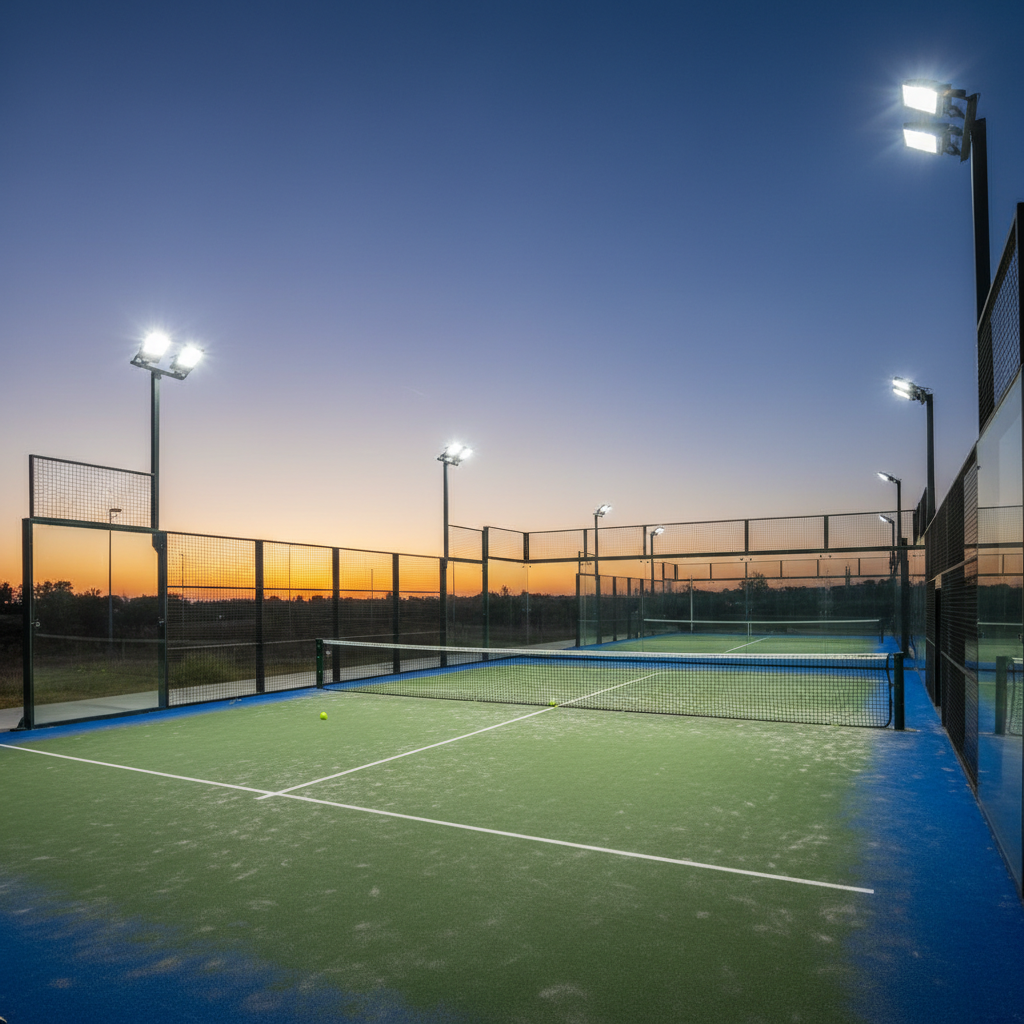
Optimal visibility for padel deporte matches is mandatory during evening hours and this makes high-performance LED floodlighting a foundational requirement for any profitable sports club operation. Each court typically requires eight 200W LED fixtures mounted on 6-meter poles to provide uniform illumination without creating harsh shadows or blinding glare for the active players. Choosing Padel LED Lighting with IP66 waterproof ratings ensures your facility remains operational during heavy rain or high humidity without risking expensive electrical failures or downtime. Energy-efficient lighting systems lower your monthly utility bills and improve the quality of video recordings used for social media marketing and live tournament broadcasts.
LED Uniformity and Beam Angles
Professional installers focus on both horizontal and vertical light distribution to help players track high lobs effectively against the dark night sky during intensive outdoor matches. The Color Rendering Index should be above 80 to ensure that colors appear natural and the ball remains clearly visible even during high-speed exchanges at the net. What’s the real story? Poorly positioned lights can create “dead zones” where the ball disappears from view and this significantly reduces the quality of play and member satisfaction. You must implement a lighting control system that allows for individual court management to optimize energy usage based on real-time booking schedules and peak evening hours.
● 200W LED high-output fixtures
● IP66 waterproof certification
● 6-meter pole mounting height
● Uniform lux level distribution
Key Takeaway: Advanced LED systems provide the necessary visibility for high-level play while significantly reducing the operational overhead and energy costs of your facility.
| Lighting Metric | Recommended Level | Business Benefit |
|---|---|---|
| Horizontal Lux | 500 – 750 | Enhanced Player Visibility |
| Color Temp | 5000K | Natural Daylight Atmosphere |
| CRI Rating | >80 | High-Quality Video Capture |
The integration of high-performance lighting extends your billable hours and ensures that your facility remains the preferred choice for players who work during daylight hours.
9. What materials secure padel deporte longevity?
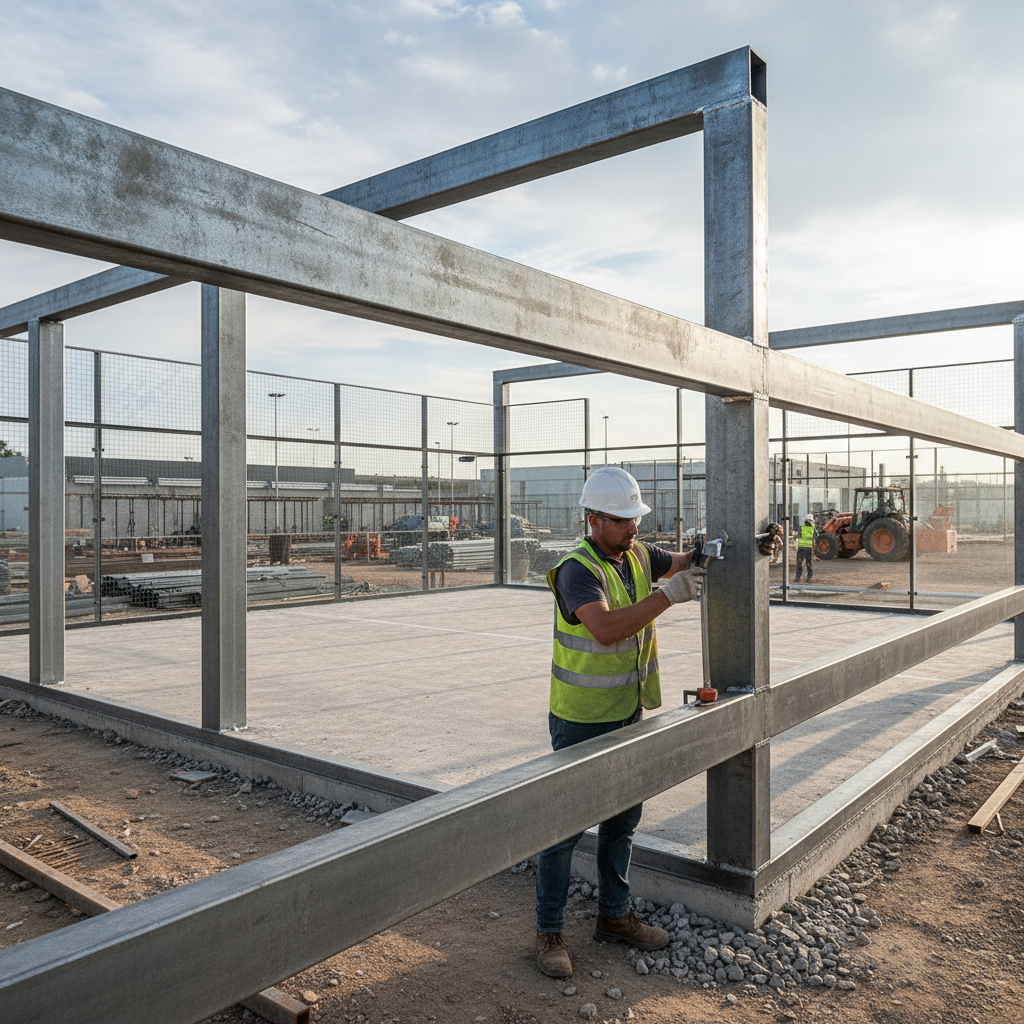
Structural integrity for padel deporte frames require hot-dip galvanized steel to prevent rust and structural failure especially in outdoor or coastal environments where salt air is prevalent. This metal treatment provides a 20-year design life that protects your capital investment from environmental corrosion and the heavy usage stress of daily high-intensity matches. You should verify that your manufacturer uses specialized electrostatic powder coating for a durable finish that resists scratching and fading under intense sunlight or heavy rain. Robust structures support the heavy glass panels while maintaining the exact dimensions required for professional-level competition play without shifting or warping over several decades of intensive use.
Frame Resilience and Hardware Quality
The galvanization process involves submerging the steel in molten zinc to create a protective layer that prevents oxygen and moisture from reaching the underlying carbon steel. Modular designs allow for faster assembly and easier replacement of individual components if damage occurs during a high-impact match or an extreme weather event at your facility. This is where it gets interesting… Many investors overlook the quality of the hardware but using stainless steel bolts and anti-vibration washers is mandatory for maintaining a quiet and stable environment. You must demand structural certifications from your supplier to ensure the frame can withstand local wind load requirements and the physical demands of a busy professional sports club.
● Hot-dip galvanized steel frame
● Electrostatic powder coating finish
● Stainless steel connection hardware
● Modular assembly for flexibility
Key Takeaway: The structural integrity of the frame is the “skeleton” of your investment and using inferior metals will lead to rapid deterioration and safety hazards.
| Component | Material | Treatment |
|---|---|---|
| Support Pillars | Carbon Steel | Hot-Dip Galvanized |
| Mesh Panels | Welded Wire | Powder Coated |
| Fasteners | Stainless Steel | Anti-Corrosive |
Using high-grade industrial materials for the court framework minimizes long-term maintenance needs and ensures the facility remains a safe environment for all members and visitors.
10. How do you plan padel deporte construction?

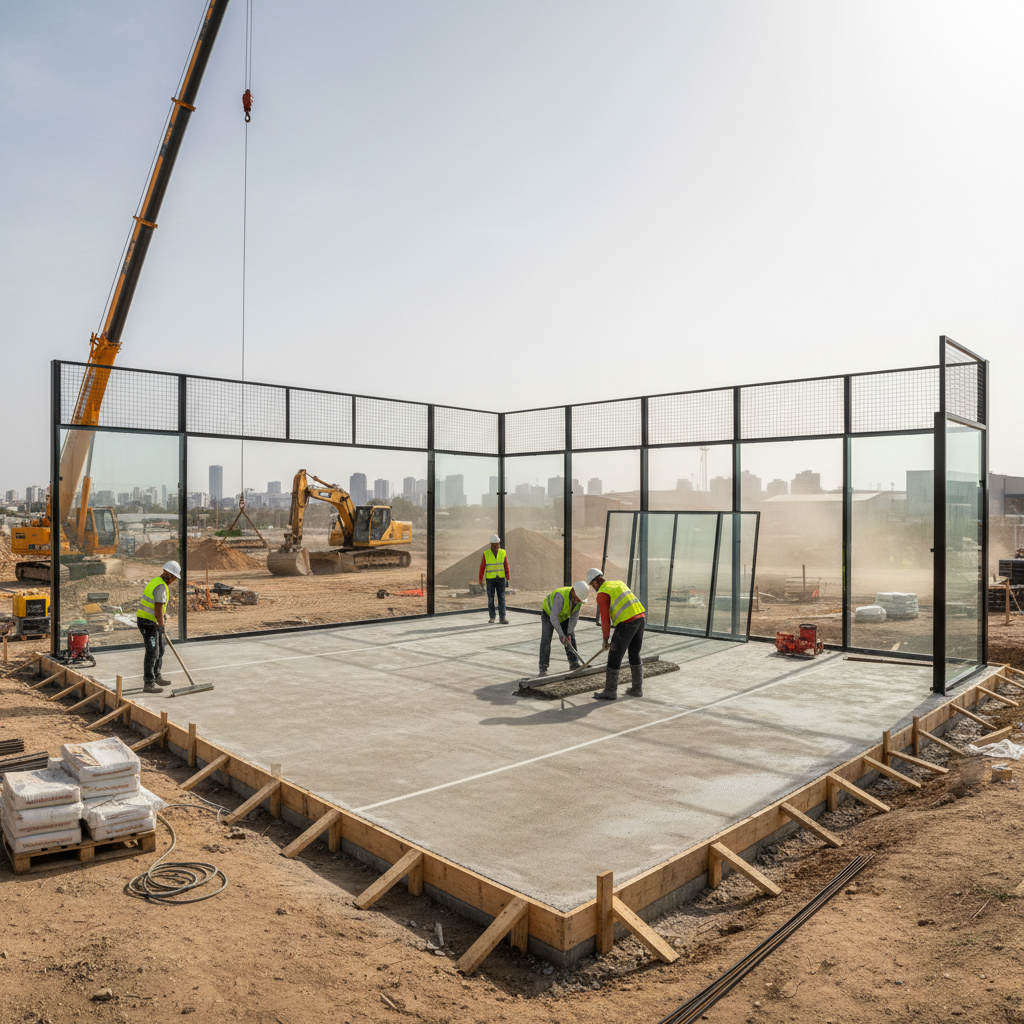
Developing a site for padel deporte construction begins with a comprehensive assessment to determine soil stability and drainage requirements for the reinforced concrete sub-base. You must coordinate between civil engineers and court manufacturers to ensure the foundation can support several tons of steel and glass without cracking or shifting over time. Using factory-direct procurement allows you to customize colors and branding while saving up to thirty percent on total project costs by eliminating middleman markups and distributor fees. Successful facility planning includes adequate space for spectator seating and social areas to maximize the commercial potential and community impact of your new high-end sports club.
Site Readiness and Installation Timelines
A typical installation takes approximately three weeks once the concrete foundation has fully cured and reached its maximum structural strength to support the heavy enclosure. You should plan for a 25-centimeter thick reinforced slab that features integrated drainage slopes to prevent water accumulation on the playing surface during heavy rainy seasons. Ready for the good part? Following a structured project management timeline prevents expensive delays and ensures your grand opening stays on schedule to capture early market interest and member sign-ups. You must also consider local zoning laws and noise regulations during the planning phase to avoid legal hurdles that could stall your development after the construction has already started.
● Soil stability and testing
● Reinforced concrete slab (25cm)
● Factory-direct procurement savings
● Integrated drainage and leveling
Key Takeaway: Meticulous planning and site preparation are the keys to a smooth installation and a durable finished product that serves your community for years.
| Construction Phase | Primary Task | Duration (Est) |
|---|---|---|
| Site Work | Leveling/Foundation | 14 Days |
| Framework | Steel/Mesh Assembly | 3 Days |
| Finishing | Glass/Turf/Lights | 4 Days |
Efficient project management and high-quality material selection are the two most important factors in launching a sports facility that is both safe for players and profitable for owners.
This technical analysis confirms that building a successful sports facility requires deep engineering knowledge and high-quality components for long-term durability. You have seen how specific materials like tempered glass and galvanized steel impact the profitability and player safety for your business in this competitive sports market. Summarizing these findings highlights that structural integrity must remain your primary focus during the procurement and installation phases of the project. Investing in professional manufacturing today secures your position in the rapidly expanding global market for high-end racket sports facilities and private clubs. Please contact us today to receive a customized quote for your upcoming project and begin your journey toward owning a premier sports destination.
FAQ
Q1: Can I install padel deporte courts in indoor facilities with low ceilings?
Indoor installations require at least six meters of vertical clearance for basic play though eight meters is the preferred standard for professional-level lobs and matches. Obstructed ceilings limit the strategic options for players and significantly reduce the overall quality of the experience in your facility.
Q2: What’s the best way to maintain the turf on my padel deporte court?
Regular brushing of the synthetic surface ensures even sand distribution and prevents the polyethylene fibers from flattening under heavy daily foot traffic from players. You should also remove organic debris weekly to maintain proper drainage and prevent the growth of moss in damp or shaded climate conditions.
Q3: How do I know if my site is suitable for padel deporte construction?
A professional soil stability test determines if your ground can support a heavy reinforced concrete slab without shifting or cracking over several years of use. You must also verify that your chosen location complies with local zoning laws and noise regulations before starting a commercial development project.
Q4: Can I customize the colors of the steel structure for my brand?
Professional manufacturers provide various RAL color options and can integrate your club logo directly into the glass panels or turf surfaces for better visibility. This level of customization builds a strong brand identity and creates a professional atmosphere that attracts premium corporate clients and high-end sponsors.
Q5: What’s the best material for outdoor courts in humid coastal regions?
Hot-dip galvanized steel with a high-grade powder coating provides the highest resistance to salt air corrosion and moisture in challenging environmental conditions. You should also specify stainless steel hardware for all structural connections to ensure the enclosure remains safe and stable for decades of outdoor use.