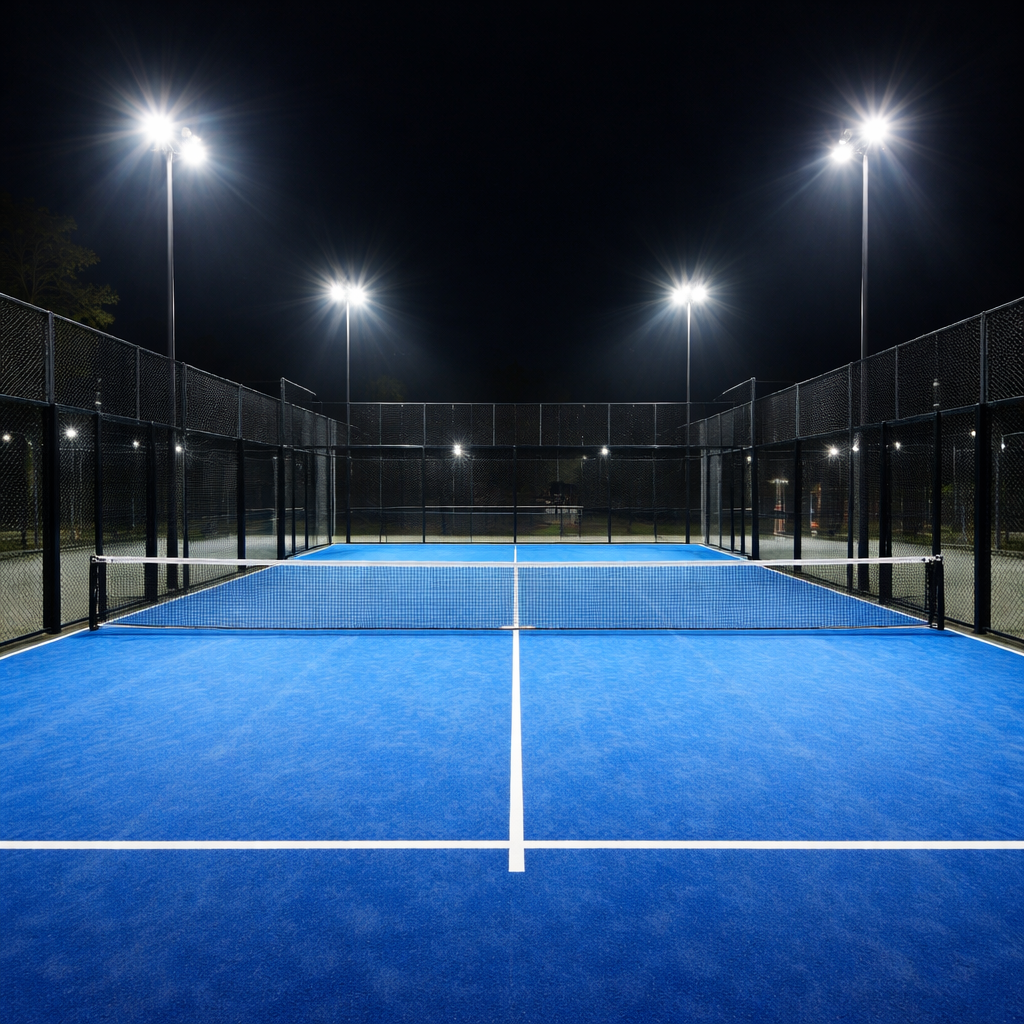
Modern padel juego represents a social racquet sport played within glass enclosures and building one requires pouring reinforced concrete foundations before mounting steel frames. Traditional athletic facilities frequently suffer from underutilized tennis zones where maintenance costs drain monthly budgets while player engagement remains disappointingly stagnant across various regional demographics. Here is the deal: converting these abandoned spaces into high-density sports hubs generates immediate revenue growth through increased booking frequencies and higher secondary spending at on-site cafes. Facility managers who implement such upgrades witness rapid returns on initial capital investments because four players occupy just two hundred square meters of expensive land within busy metropolitan centers.
What defines the modern padel juego experience?
Social atmosphere and wall play
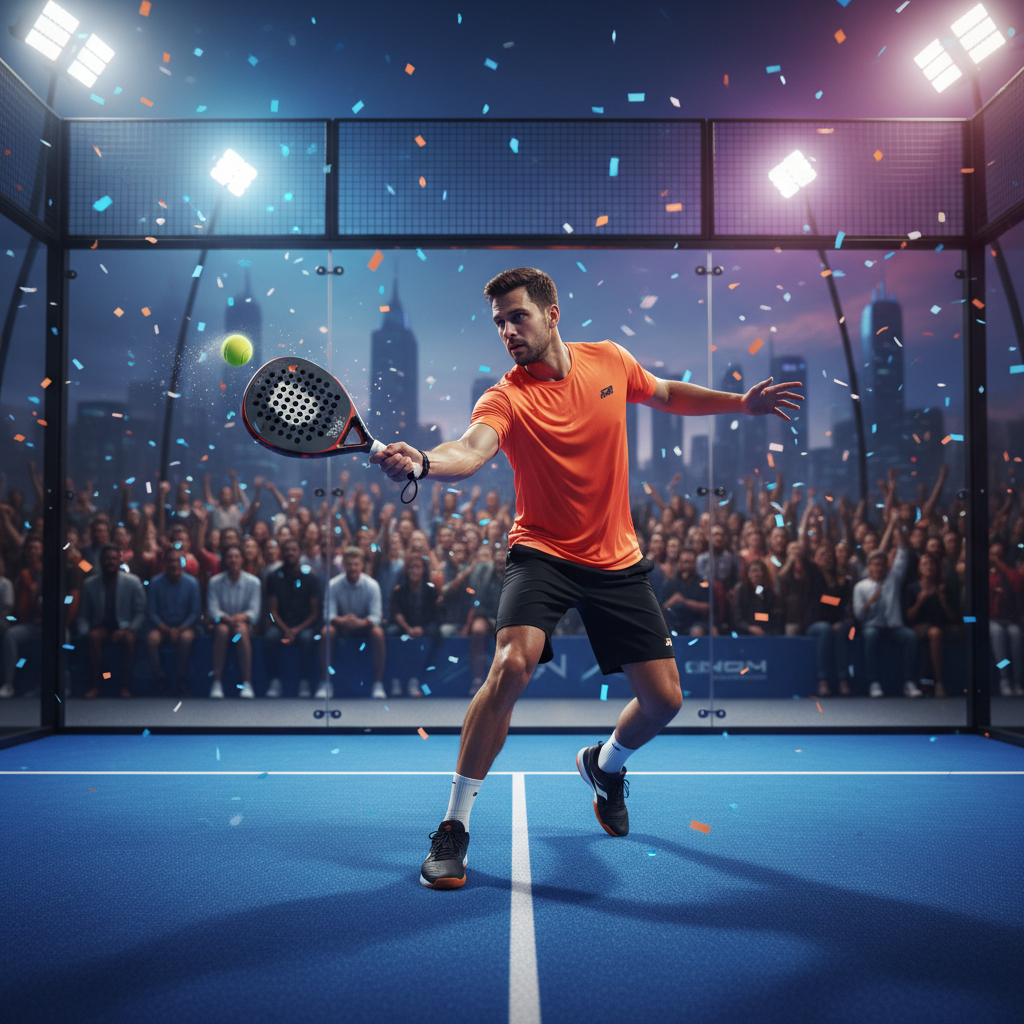
Modern padel juego enthusiasts enjoy social competition involving four players inside reinforced glass enclosures that reward strategic ball placement rather than raw physical power alone. This is where it gets interesting: tactical athletes utilize rear walls during intense rallies which effectively doubles every playable surface area compared against standard outdoor racquet sports. Beginners find learning curves remarkably gentle since shorter rackets offer superior control while compact court dimensions minimize exhausting sprints across wide open concrete spaces. Professional clubs provide premium equipment rentals ensuring every newcomer experiences high-quality gameplay without requiring massive upfront financial commitments for specialized carbon fiber gear items.
Compact court sizing fosters constant verbal communication among teammates whereas traditional tennis creates physical distance that often isolates participants during long and grueling individual matches. Frequent social interaction transforms simple exercise routines into engaging community events which naturally increase member retention rates across busy commercial fitness centers or private country clubs. Ready for the good part? Players typically gather after every match sharing refreshments while discussing specific point strategies within comfortable lounge areas designed specifically around high-density athletic zones. Such vibrant atmospheres attract diverse age groups ranging from young professionals seeking networking opportunities toward active seniors maintaining cardiovascular health through low-impact athletic movement.
Key Takeaway
The unique combination of transparent walls and social proximity creates an addictive athletic environment that appeals to every skill level simultaneously.
| Element | Specification | Business Benefit |
|---|---|---|
| Enclosure | 12mm Tempered Glass | High Spectator Visibility |
| Player Count | 4 Participants | Triple Revenue Density |
| Court Size | 10m x 20m | Optimized Land Usage |
Strategic integration of social spaces alongside the court area maximizes secondary revenue through beverage sales and club membership upgrades.
Revenue density and ROI
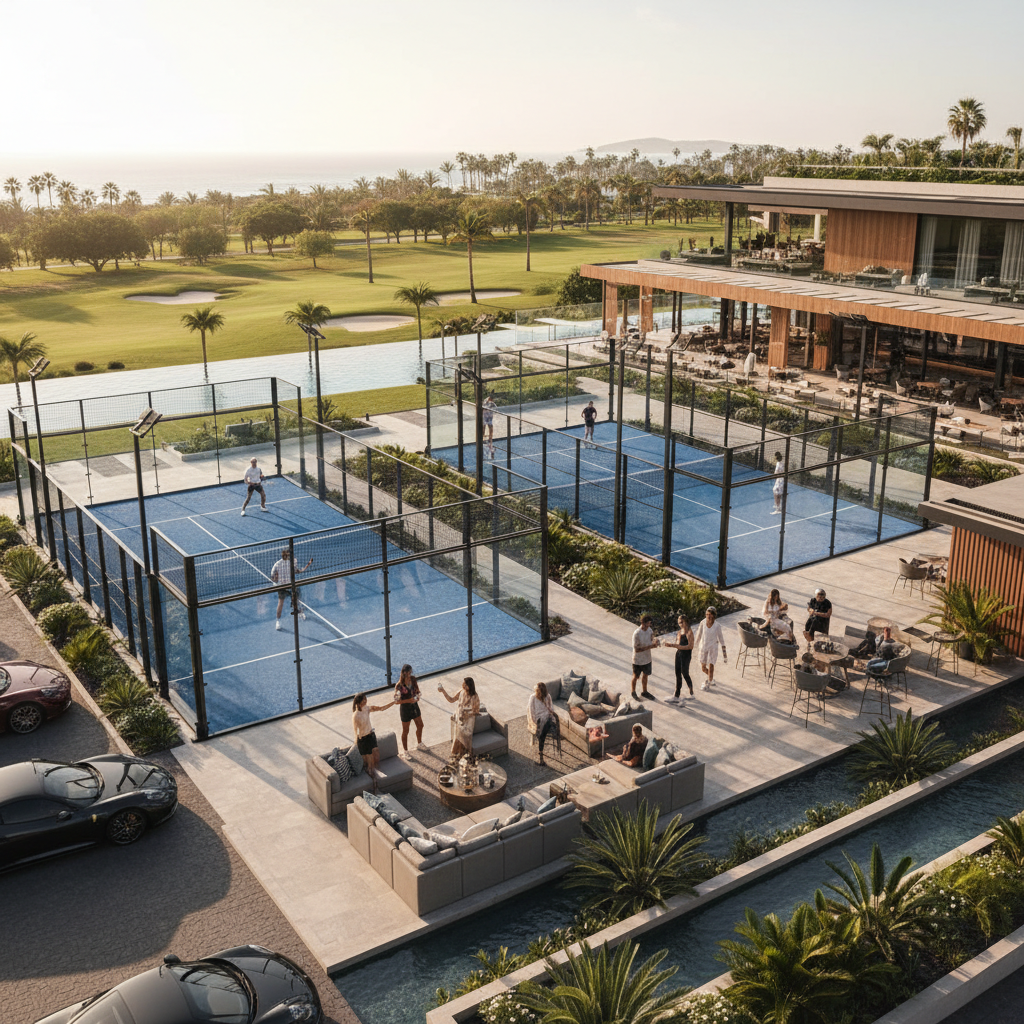
Commercial facility owners prioritize sports with high turnover rates because generating consistent cash flow requires maximizing player participation during every peak hour throughout the week. But here’s the kicker: padel courts accommodate sixteen players within the same footprint as one tennis court which drastically multiplies hourly booking fees for savvy investors. Lower physical barriers mean families play together frequently increasing total time spent on-site and driving up auxiliary profits from professional lessons or retail merchandise sales. Rapid capital recovery occurs when high demand meets limited local supply creating a lucrative opportunity for early adopters in the growing international racquet market.
Membership loyalty metrics
Retaining club members depends upon creating emotional connections through team-based activities that encourage recurring weekly visits and strong peer bonds among diverse professional circles. What’s the real story? Statistics show that padel participants visit their local clubs three times more often than traditional gym users due to the inherent competitive fun involved. Building a community around these courts ensures long-term financial stability because social athletes rarely cancel memberships that provide access to their preferred group of sporting friends. Premium amenities like high-end lighting and panoramic glass views justify higher membership tiers while positioning your brand as a modern leader in athletic innovation.
Key Takeaway
Higher player density per square meter provides a robust financial foundation for sports clubs seeking sustainable growth and rapid investment recovery.
| Metric | Padel Facility | Standard Tennis |
|---|---|---|
| Players per 1000sqm | 20 Athletes | 4 Athletes |
| Maintenance Cost | Minimal | Moderate to High |
| Social Engagement | Very High | Low to Moderate |
Financial models demonstrate that padel installations outperform traditional racquet sports by a factor of three regarding gross hourly revenue potential.
What dimensions guide standard padel juego layouts?
Official court measurements
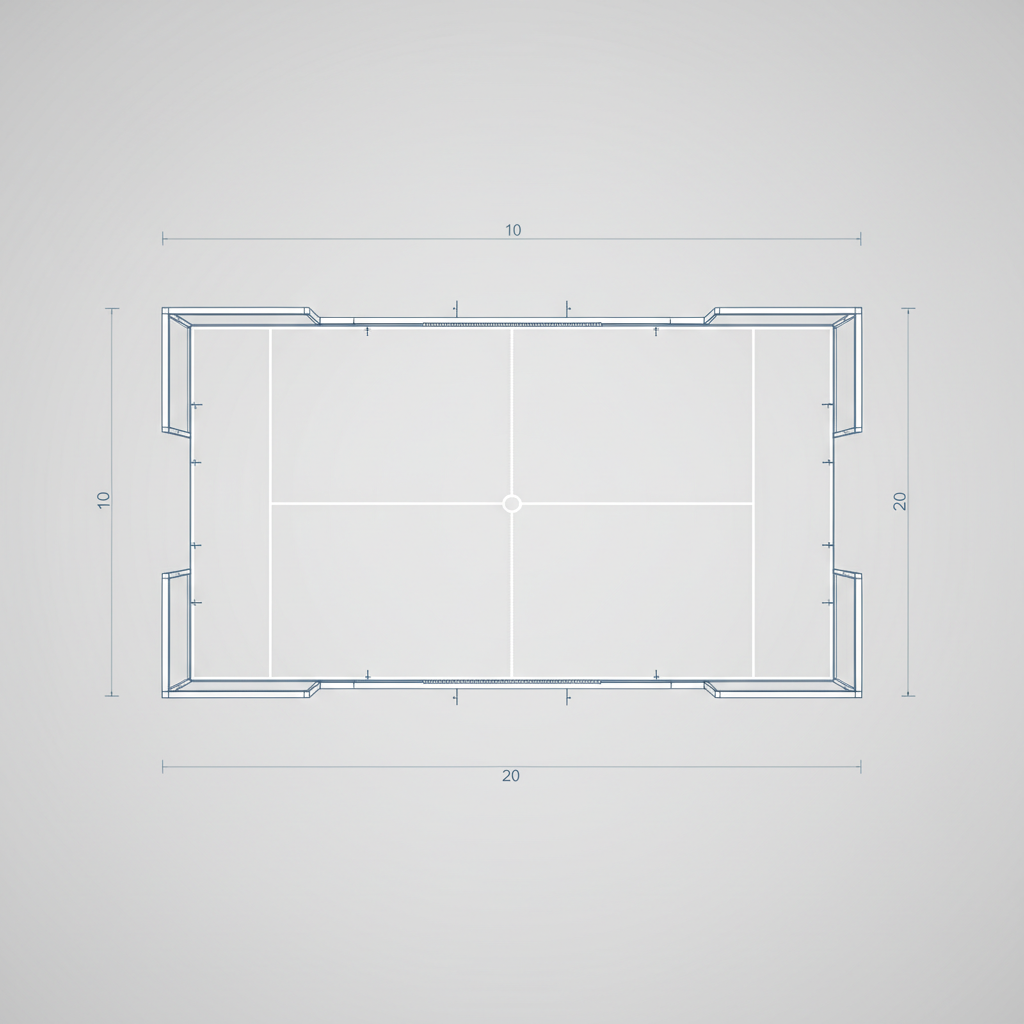
A professional padel juego layout requires a rectangular area exactly ten meters wide and twenty meters long measured from the internal faces of enclosure walls. Check this out: vertical clearance remains a vital factor for indoor installations because high defensive lobs require at least six meters of unobstructed space above the turf. Precise markings include a service line situated 6.95 meters from the central net while every boundary must align perfectly to ensure fair competition during tournaments. Adhering to these international specifications ensures your facility remains eligible for official ranking matches and professional coaching certifications which attract serious high-level competitive athletes.
Clearance and safety zones
Architects must plan for additional space beyond the glass walls to allow for maintenance access and safe player movement during intense out-of-court ball recoveries. This is where it gets interesting: premium clubs often leave three meters of clearance around the perimeter to facilitate spectator walkways and comfortable seating for waiting participants. Proper zoning prevents structural interference with existing building pillars or lighting masts ensuring that every match proceeds without technical interruptions or safety hazards for players. Thoughtful spatial planning improves the overall guest experience while allowing for future expansions or the addition of adjacent courts as your local community grows.
Key Takeaway
Strict adherence to the 10×20 meter footprint is mandatory for any project seeking professional accreditation and high-level competitive player engagement.
| Dimension | Requirement | Purpose |
|---|---|---|
| Total Length | 20.00 Meters | International Standard |
| Total Width | 10.00 Meters | Professional Regulation |
| Net Height | 0.88 – 0.92m | Gameplay Physics |
Maintaining precise measurements during the foundation stage prevents alignment errors that could compromise the structural integrity of heavy glass panel installations.
Why should a level base support padel juego?
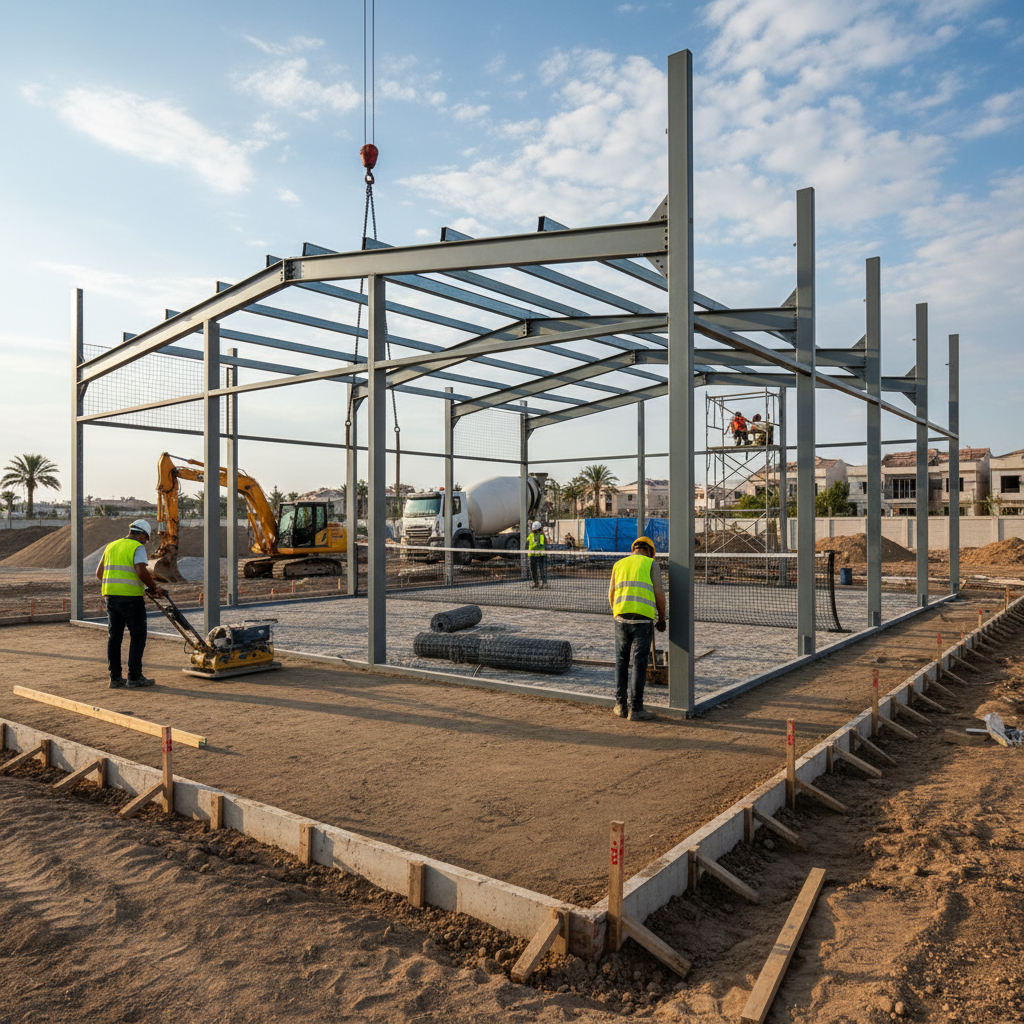
Foundation stability requirements
Constructing a perfectly level reinforced concrete slab provides the necessary structural base for heavy steel pillars and massive tempered glass panels used in every court. Believe it or not: even a minor three-millimeter deviation across the surface causes irregular ball bounces that frustrate professional players and diminish the overall quality of play. Engineers recommend high-strength HA-25 concrete with steel mesh reinforcement to prevent cracking during seasonal temperature shifts or heavy ground movement in volatile soil conditions. A solid foundation ensures that the enclosure remains perfectly plumb over many years reducing the risk of glass breakage due to uneven stress distribution across frames.
Drainage and slope design
Outdoor courts require a subtle one-percent slope toward the perimeter to ensure rainwater drains quickly without puddling beneath the synthetic turf or damaging the adhesive layers. Wait, there is more: proper sub-base preparation involving crushed stone and high-pressure compaction prevents future sinking that would lead to expensive structural repairs or hazardous playing surfaces. Porous concrete options allow for vertical drainage which significantly reduces downtime after heavy storms while maintaining the integrity of the underlying soil and local water tables. Investing in professional excavation and laser-leveling services during the initial phase guarantees a world-class playing environment that lasts for several decades with minimal repairs.
Key Takeaway
A laser-leveled and reinforced concrete foundation is the most vital component for ensuring true ball physics and long-term structural safety.
| Component | Standard | Function |
|---|---|---|
| Concrete Type | HA-25 Reinforced | Load Bearing |
| Slab Thickness | 15cm Minimum | Structural Integrity |
| Surface Finish | Laser Leveled | Consistent Bounce |
Precision engineering at the ground level eliminates the risk of glass vibration and provides a stable platform for high-intensity athletic movements.
Which glass ensures maximum padel juego safety?
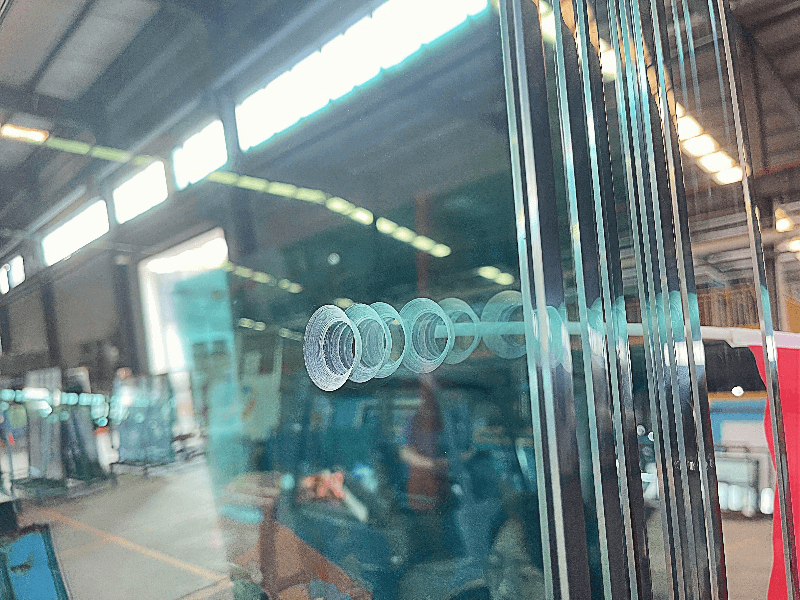
Tempered safety glass specs
Certified 12mm tempered safety glass serves as the industrial standard for padel juego because it withstands heavy player collisions and high-velocity ball impacts during matches. You’ll love this: heat-treated glass possesses five times the strength of standard panels while breaking into small blunt pieces rather than sharp dangerous shards if a failure occurs. Quality manufacturers utilize advanced polishing techniques on every edge to prevent stress fractures and ensure a perfectly clear view for spectators and television broadcast cameras. High-density glass also provides the necessary acoustic dampening that keeps noise levels manageable within indoor sports centers hosting multiple simultaneous matches throughout the busy day.
Fastening and gasket systems
Securing these heavy panels requires specialized EPDM rubber gaskets and stainless steel bolts that absorb kinetic energy without transferring excessive vibrations to the main steel frame. But here’s the kicker: recessed bolt holes prevent player injuries while ensuring that the inner wall surface remains perfectly flat for consistent ball rebounds during tactical play. Periodic inspections of these fastening systems ensure that every panel remains tightly fitted against the structure to prevent rattling or dangerous movement during high-wind weather events. Using high-quality structural silicone between panels adds another layer of stability while protecting the enclosure from dust accumulation and moisture ingress over long-term usage.
Key Takeaway
Using EN 12150 certified 12mm tempered glass is a non-negotiable requirement for professional liability protection and elite player performance standards.
| Feature | 12mm Tempered | 10mm Standard |
|---|---|---|
| Impact Strength | Very High | Moderate |
| Bounce Quality | Elite | Average |
| Vibration Control | Superior | Low |
The choice of 12mm thickness provides the structural rigidity needed to handle dynamic loads without compromising the panoramic views expected in modern clubs.
How do you select turf for padel juego?
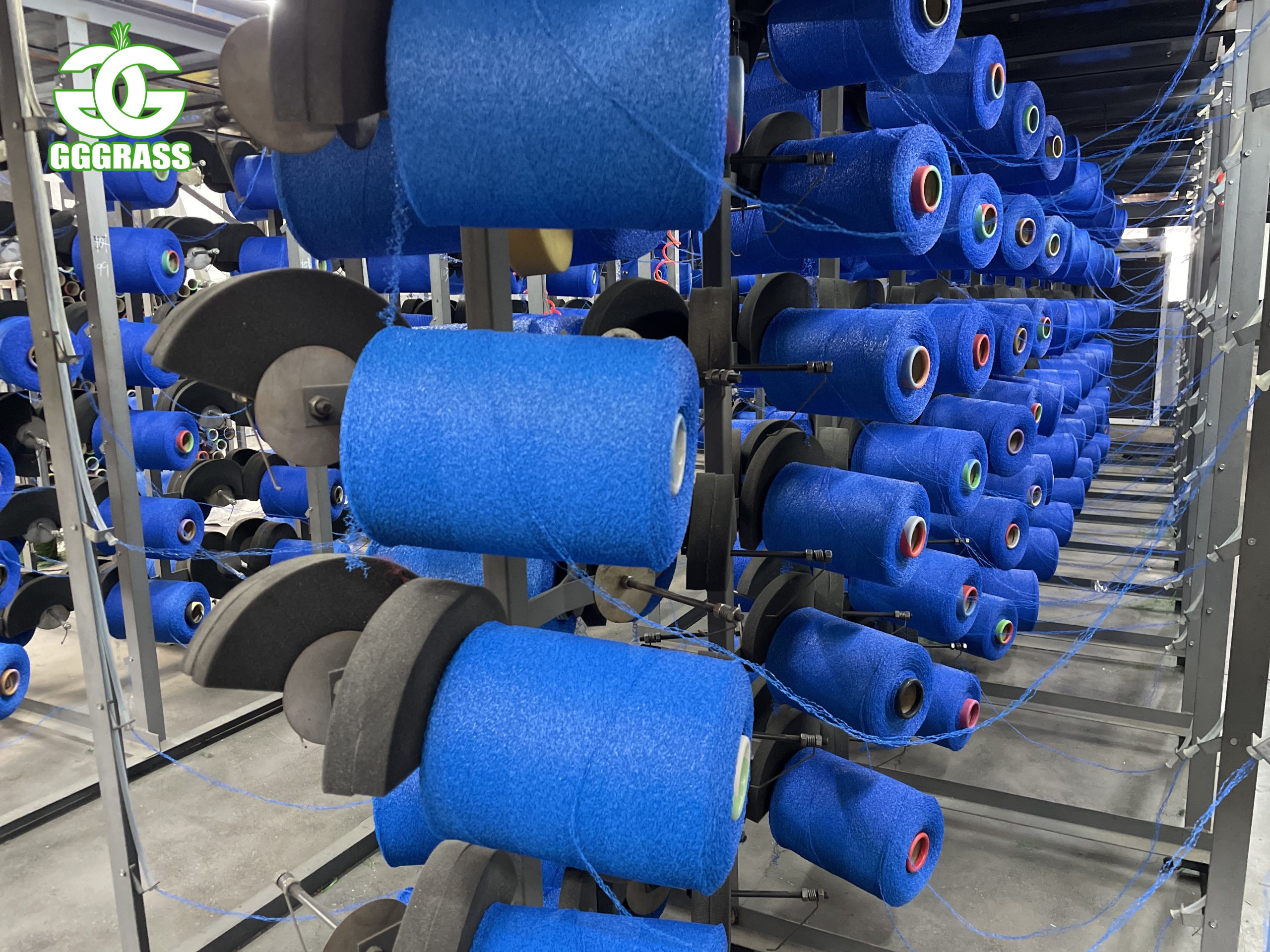
Monofilament vs fibrillated fibers
Selecting high-density monofilament synthetic grass offers the professional grip and longevity required for a premium court surface that survives thousands of hours of intense footwork. Ready for the good part? Monofilament fibers resemble natural grass blades and stand upright longer than cheaper alternatives providing a more predictable ball response and reduced skin abrasion during diving saves. Professional installers focus on dtex ratings and stitch density to ensure the carpet resists UV degradation and heavy mechanical wear in high-traffic zones like the baseline. High-quality turf also features a porous backing that facilitates rapid water drainage during cleaning or rainy weather ensuring the court remains playable in every season.
Sand infill management
Applying the correct volume of rounded silica sand is a vital step because this infill supports the grass fibers while allowing players to slide safely. Check this out: rounded quartz grains prevent the sharp fiber abrasion that occurs with cheaper angular sand leading to a much longer lifespan for your expensive synthetic surface. Even distribution across the entire court ensures that the ball bounces consistently regardless of where it hits the ground during fast-paced championship rallies or practice. Regular maintenance involves brushing the sand back into high-wear areas to prevent the carpet from matting down and losing its essential cushioning properties for joint protection.
Key Takeaway
Professional-grade monofilament turf combined with rounded silica sand creates the ideal balance of player safety and elite ball performance characteristics.
| Turf Metric | Target Specification | Player Benefit |
|---|---|---|
| Fiber Type | Monofilament PE | Natural Feel |
| Stitch Density | 50,000+ per sqm | Durability |
| Sand Infill | 3kg per sqm | Controlled Sliding |
High-quality synthetic surfaces reduce the risk of lower-limb injuries by allowing for natural rotation and controlled deceleration during every point.
Why is LED lighting vital for padel juego?
Illumination and lux levels
Professional padel juego lighting systems utilize high-efficiency LED floodlights to achieve a minimum of 400 lux for recreational play and 750 lux for televised tournament events. Wait, there is more: uniform light distribution across the entire court surface is necessary to prevent dangerous shadows that hide the ball during fast-paced overhead smashes or lobs. Modern LED chips offer instant-on capabilities and superior color rendering which helps players track the yellow ball clearly against the dark background of late-evening matches. Investing in low-glare optics ensures that participants are not blinded when looking upward for high defensive shots which significantly improves safety and overall competitive quality.
Energy efficiency and durability
Upgrading to LED technology reduces monthly electricity consumption by sixty percent compared to old metal halide bulbs while providing a much longer operational life of fifty thousand hours. This is where it gets interesting: IP66 waterproof ratings are necessary for outdoor installations to protect sensitive electronics from heavy rain and high humidity levels in tropical or coastal environments. Smart control systems allow facility managers to dim the lights during off-peak hours or automate scheduling based on confirmed court bookings to further optimize operational expenses. Durable aluminum housings dissipate heat effectively preventing the internal components from overheating and ensuring consistent brightness levels throughout every season of the year.
Key Takeaway
Advanced LED floodlighting extends your operational window and provides the daylight-like visibility required for high-intensity night matches and premium member experiences.
| Lighting Spec | Requirement | Business Impact |
|---|---|---|
| Power Type | LED Technology | 60% Energy Saving |
| Protection | IP66 Waterproof | Low Maintenance |
| Height | 6 – 8 Meters | Zero Player Glare |
Installing high-quality optics ensures that light remains focused on the field of play rather than spilling into adjacent residential areas or neighboring properties.
What gear defines a great padel juego match?
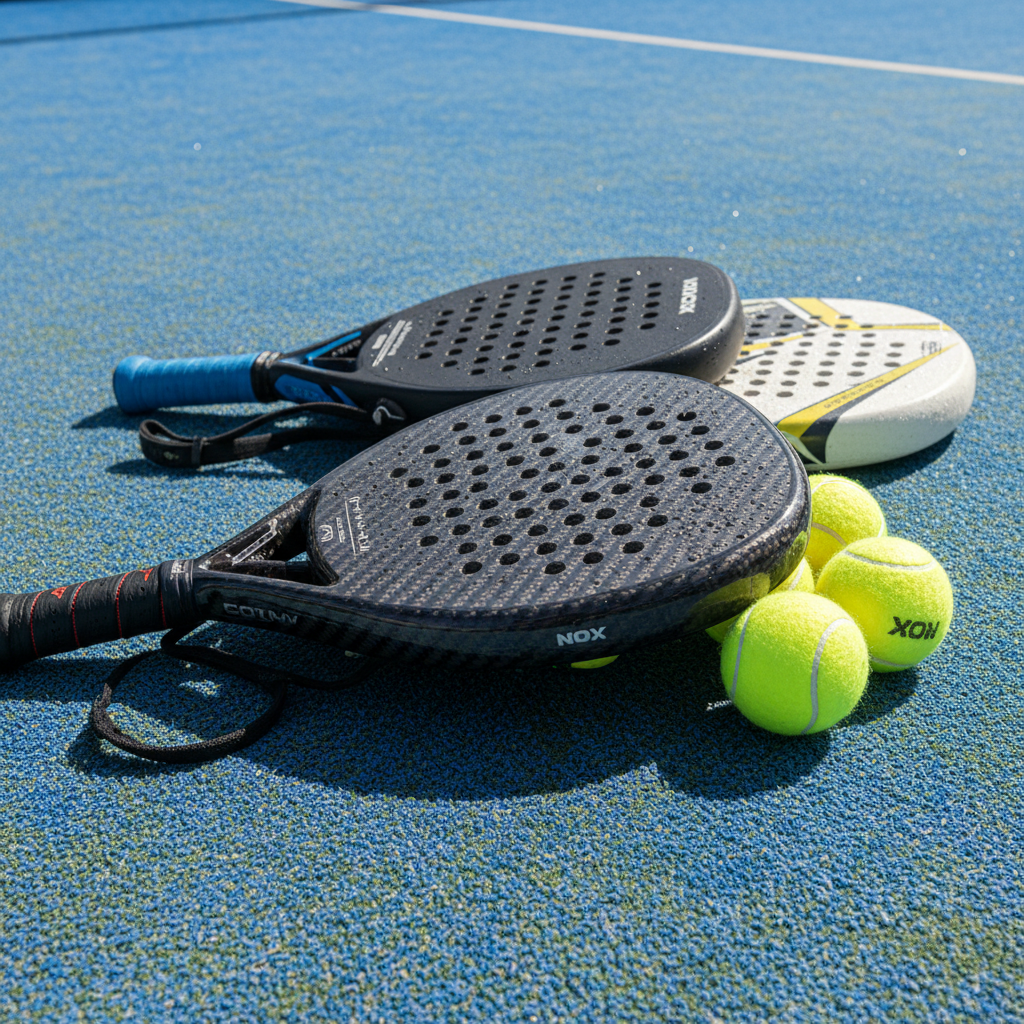
Specialized racket technology
Players use solid rackets made from composite materials like carbon fiber or fiberglass featuring a perforated surface that allows for quick movements through the air during fast rallies. Now consider this: these rackets have no strings and use an internal foam core that provides varying levels of power and control depending on the specific density selected. Shorter handles and a larger sweet spot make this equipment much easier for beginners to handle than traditional tennis racquets which significantly reduces early frustration levels. Advanced players often prefer heavier rackets with rough surface textures that allow them to apply massive amounts of spin when hitting the ball against the glass.
Low pressure ball physics
Official matches require balls that look identical to tennis variants but possess significantly lower internal pressure to slow down the speed of the game within the enclosure. Believe it or not: this specific design ensures that the ball stays within the court boundaries while allowing for longer tactical rallies and more complex wall interactions during play. Higher quality felt remains vital for maintaining consistent flight paths and predictable bounces off the synthetic turf especially when playing in high-humidity or damp outdoor conditions. Replacing balls every few matches ensures that the rebound height remains within professional standards and prevents the game from becoming sluggish or physically taxing for participants.
Key Takeaway
Using the correct specialized rackets and low-pressure balls is fundamental for mastering the unique tactical physics and social flow of the game.
| Equipment | Core Material | Key Benefit |
|---|---|---|
| Racket | Carbon/EVA Foam | Shock Absorption |
| Ball | Low Pressure | Extended Rallies |
| Footwear | Clay Sole | Sand Traction |
High-performance composite rackets allow players to generate significant power without placing excessive strain on their wrists or elbows during long matches.
How can you maintain professional padel juego courts?
Glass and frame care
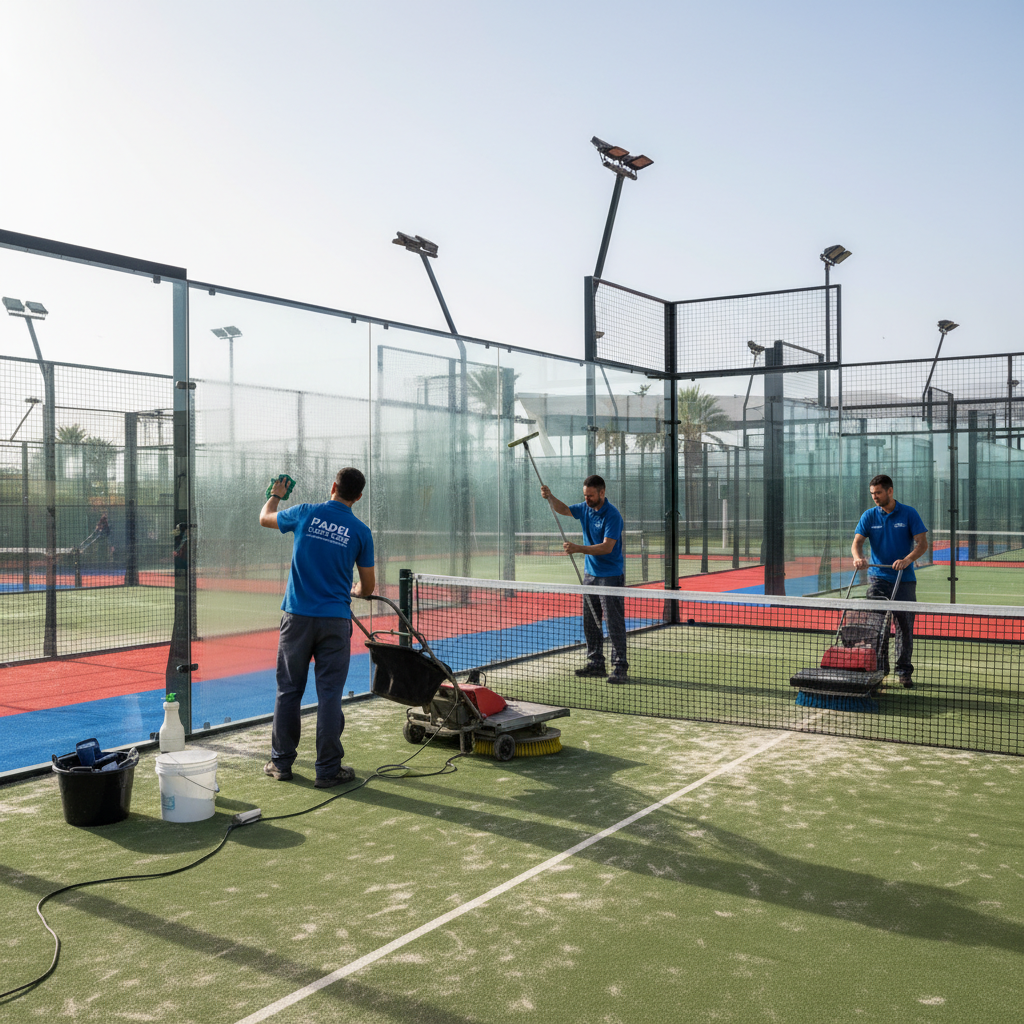
Maintaining a professional padel juego facility requires cleaning the glass walls weekly using non-abrasive tools to ensure perfect visibility for players and spectators during every match. But here’s the kicker: checking the tension of the structural bolts every month prevents the frame from vibrating excessively which could lead to glass fatigue or dangerous hardware failures. Any signs of rust on the steel pillars must be addressed immediately with professional anti-corrosion treatments to preserve the aesthetic appeal and structural integrity of the entire court. Keeping the rubber gaskets in good condition ensures that the glass panels remain properly cushioned against the metal preventing stress fractures during high-impact wall play.
Turf and sand upkeep
Regularly brushing the synthetic turf helps redistribute the silica sand infill which naturally moves toward the corners and edges during heavy daily use by active club members. What’s the real story? An even layer of sand is vital for preventing the grass fibers from matting down and ensures that players have the consistent grip needed for safe movement. Removing organic debris like leaves or dirt prevents the drainage holes from clogging which could lead to puddling and the growth of moss or algae on the surface. Professional deep cleaning services every year help rejuvenate the carpet and maintain the original playing characteristics of the facility for over a decade of continuous operation.
Key Takeaway
A proactive maintenance schedule prevents expensive structural repairs and ensures that your facility remains the preferred destination for serious competitive athletes.
| Task | Frequency | Priority |
|---|---|---|
| Glass Cleaning | Weekly | Aesthetic |
| Turf Brushing | Bi-Weekly | Playability |
| Bolt Inspection | Monthly | Safety |
Consistent maintenance protects your initial capital investment and reduces legal liability by ensuring that every component meets international safety standards daily.
Why build a private padel juego home court?
Lifestyle and property value
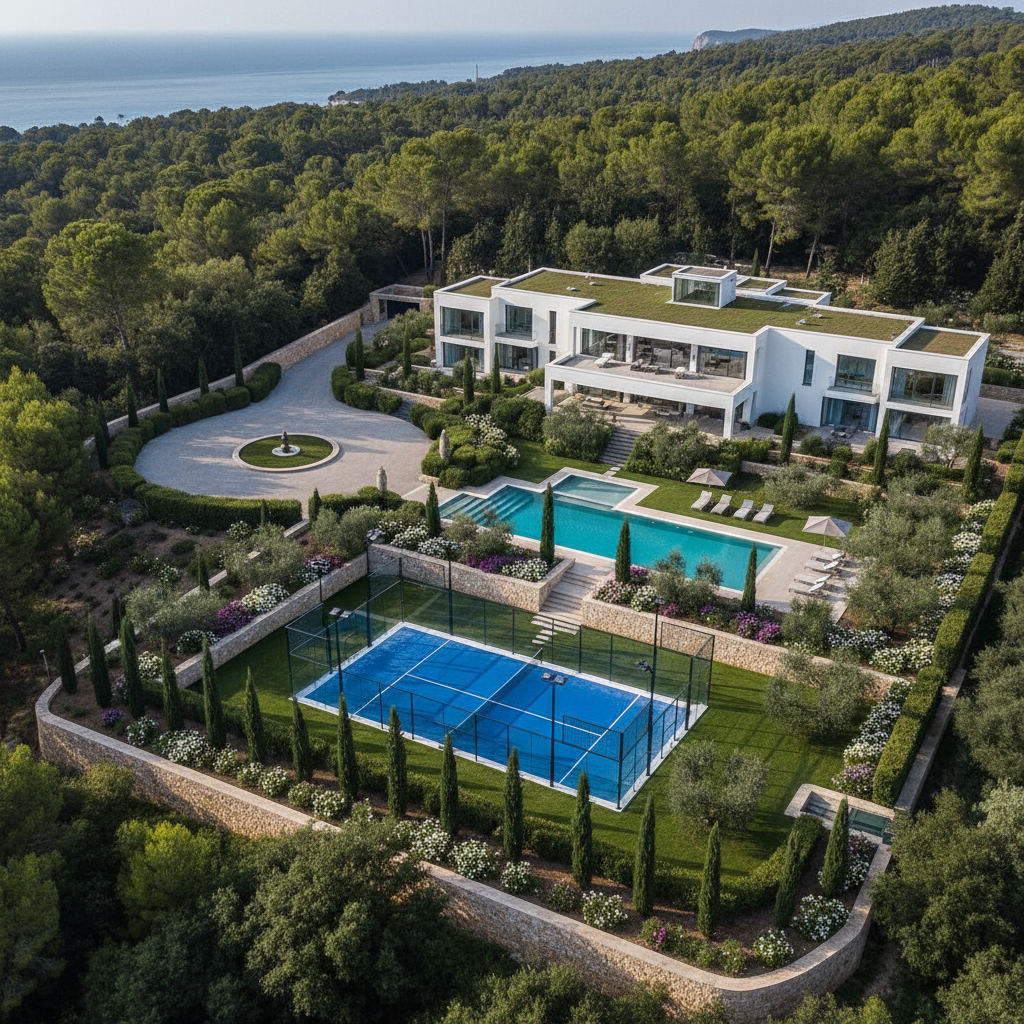
Integrating a private court into your residential landscape offers the ultimate convenience for daily fitness and serves as a world-class centerpiece for entertaining friends and professional associates. Ready for the good part? Real estate data suggests that adding high-end sports amenities like padel can increase the total market value of a luxury villa by over fifteen percent. You no longer need to coordinate with busy club schedules or travel across the city because your preferred athletic activity is available twenty-four hours a day. Private courts also provide a safe and controlled environment for children to learn the sport while developing coordination and social skills through healthy outdoor play.
Customization and aesthetics
Modern panoramic designs feature minimal steel supports and maximum transparency allowing the court to blend seamlessly with your garden or pool area without obstructing beautiful natural views. This is where it gets interesting: you can customize the frame colors and turf shades to match your home’s architectural style creating a bespoke athletic zone that reflects your personal taste. Silent LED lighting systems ensure that you can enjoy late-night matches without disturbing neighbors or disrupting the peaceful atmosphere of your residential neighborhood during the evening hours. Sustainable materials and energy-efficient systems make a private court a long-term asset that provides health benefits for your entire family while requiring very little daily operational effort.
Key Takeaway
A residential court offers unparalleled privacy and convenience while transforming your property into a high-value wellness hub for family and professional networking.
| Home Benefit | Private Court | Public Club |
|---|---|---|
| Availability | Instant 24/7 | Booking Required |
| Privacy | Total | Shared Space |
| Asset Growth | High Property ROI | None |
Customizing the court with premium panoramic glass ensures that the installation enhances the visual appeal of your luxury home rather than detracting from it.
FAQ Section
Q1: Can I install a padel juego court on my own?
Yes, if you possess the necessary specialized heavy equipment and follow our detailed engineering manuals for modular assembly on a pre-prepared concrete foundation. We provide remote technical support to ensure that every structural component is aligned perfectly according to international safety standards for professional commercial or residential usage.
Q2: What’s the best way to handle rain on an outdoor court?
Building a porous concrete base with a one-percent slope is the most effective method for ensuring that water drains away quickly from the synthetic surface. Utilizing high-quality porous turf allows you to resume playing within minutes after a heavy downpour without risking player slips or damaging the structural adhesive layers.
Q3: Can I fit a court in a small backyard?
Yes, while a standard court requires a 10×20 meter footprint, we can manufacture customized “Single” models that only require a 6×20 meter area for 1-on-1 matches. These compact units are ideal for private residences or boutique fitness centers with limited land availability while still providing the full glass-wall experience.
Q4: How do I know if my ceiling is high enough for an indoor court?
You must ensure at least six meters of unobstructed vertical clearance to allow for the high defensive lobs that are fundamental to the tactical game. If your ceiling is lower, the ball will constantly strike the roof which ruins the competitive flow and prevents players from utilizing the full range of shots.
Q5: What’s the best color for a professional court frame?
Black and dark grey remain the most popular choices for their modern professional look and high contrast against the bright green or blue synthetic turf. However, we offer full customization using the RAL color chart to ensure the facility matches your specific corporate branding or residential landscaping aesthetic perfectly.
Conclusion
Building a professional padel juego facility represents the most effective strategy for maximizing athletic revenue and community engagement in the modern sports market. By following precise construction standards and choosing elite materials, you resolve the issue of underutilized space while creating a high-demand hub for social competition. You provide a world-class environment that attracts diverse demographics and ensures long-term financial stability through high retention rates and rapid investment recovery cycles. At SuperbPadel, we focus on delivering factory-direct engineering excellence that balances professional performance with sustainable operational costs for every client worldwide. We empower you to transform your vision into a reality that fosters health and social connection for years to come. If you are ready to lead the future of racquet sports in your region, contact us today to receive your customized project consultation from our expert design team. SuperbPadel: we build the foundations of a vibrant sporting future.