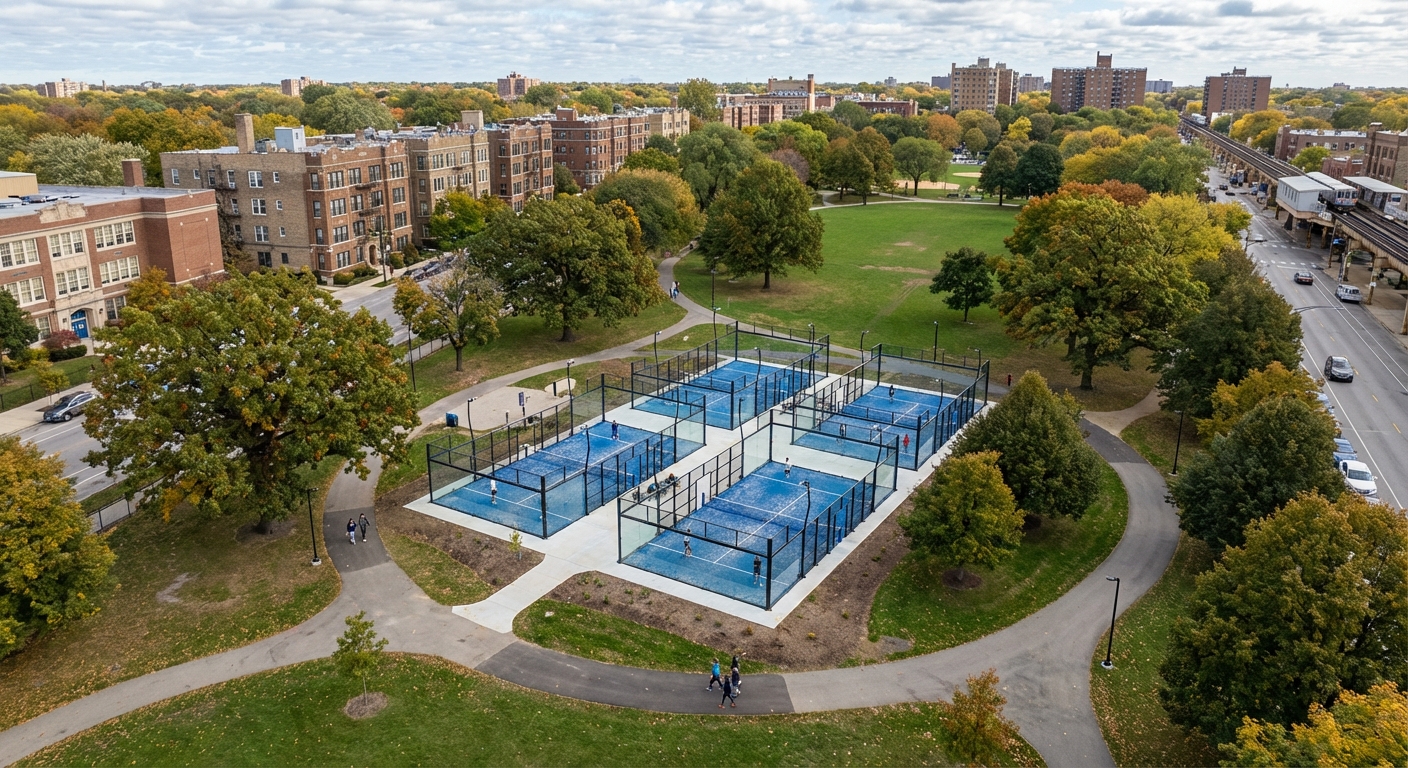
A padel chicago facility is a high-performance sports venue designed for a strategic, glass-enclosed racquet game that is currently revolutionizing the city’s athletic landscape. Finding a social yet intense sport in a crowded urban environment is often frustrating when traditional tennis courts are overbooked and lack a modern atmosphere. This lack of infrastructure causes local players to miss out on the global racquet sport trend that combines networking with physical agility. The solution lies in the rapid development of premium clubs that transform underutilized spaces into vibrant community hubs for all-season play.
What makes padel chicago growth so high in 2026?
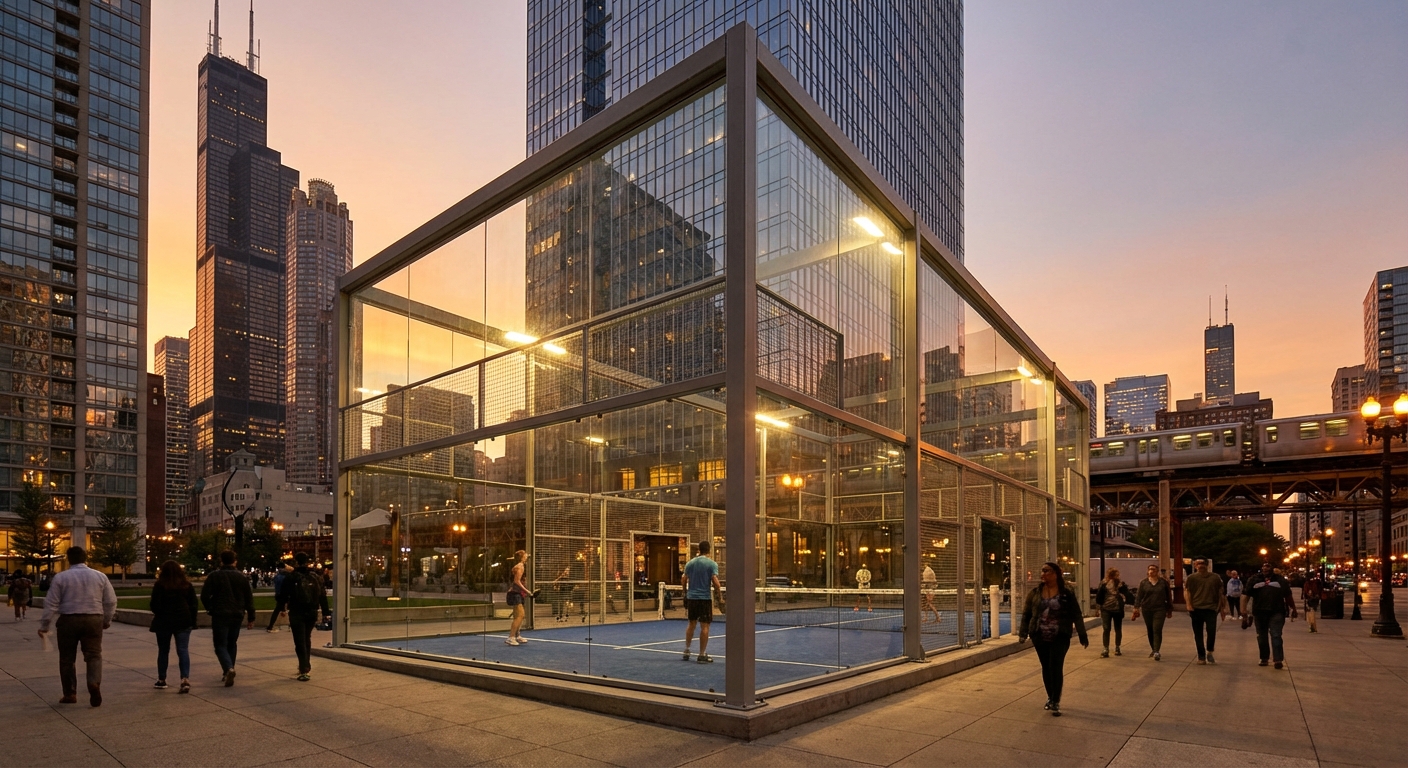
The primary driver for padel chicago growth is the massive shift toward social-first athletic outlets among the city’s young professional demographic. These athletes are moving away from solitary gym routines in favor of high-energy doubles sports that foster immediate connection. The compact footprint of these courts allows developers to maximize land utility in high-density neighborhoods.
Why are urban professionals switching sports?
Think about it.
- Networking Focus: The doubles-only format naturally encourages conversation and professional bonding.
- Strategic Depth: Players enjoy the mental challenge of using glass walls to sustain long, engaging rallies.
- Accessibility: Beginners can achieve a satisfying level of play much faster than in traditional tennis.
Key Takeaways
- Social interaction is the core value proposition for new urban players.
- Market penetration is highest among the 25-45 age demographic.
| Growth Driver | Impact Level | Primary Audience |
|---|---|---|
| Social Networking | Very High | Professionals |
| Urban Density | High | Developers |
| Ease of Entry | Moderate | Beginners |
This data confirms that the social structure of the game is the most significant factor in its rapid local adoption.
How is padel chicago constructed for winter play?
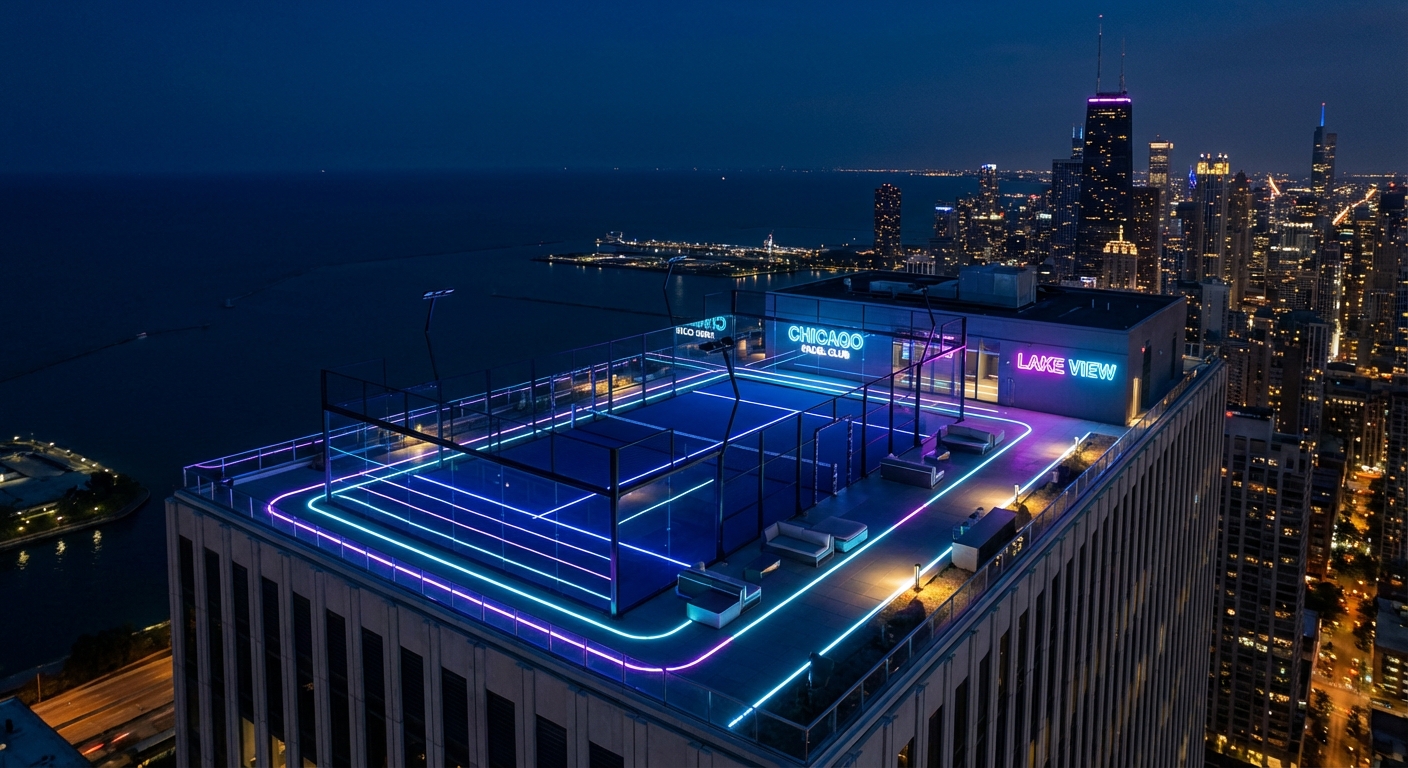
Padel Chicago facilities are primarily built as indoor conversions or with integrated roof systems to ensure playability during the harsh Illinois winter months. Developers prioritize high-ceiling warehouses or custom steel-truss enclosures that protect the specialized turf from snow and ice. This infrastructure allows for a 365-day revenue model that is independent of local weather patterns.
Can you play through a Chicago blizzard?
Look at the numbers.
- Integrated Roofing: Modular steel structures shield the court from 100% of precipitation and wind.
- Climate Control: Indoor conversions maintain a consistent 68-degree environment for optimal player performance.
- Snow Management: Engineering standards for these courts include specific load ratings for heavy Midwest snowfall.
Key Takeaways
- Year-round operation is essential for maintaining a profitable club model in Chicago.
- Indoor facilities command a higher membership premium due to guaranteed playability.
| Winter Feature | Benefit | Technical Standard |
|---|---|---|
| Steel Truss Roof | 100% Dry Surface | Snow Load Certified |
| HVAC Integration | Constant Temp | Indoor Conversion |
| LED Lighting | High Visibility | 200W IP67 |
The transition to all-weather enclosures has effectively removed the seasonal barriers that previously limited local racquet sport growth.
What is the cost of building a padel chicago club?
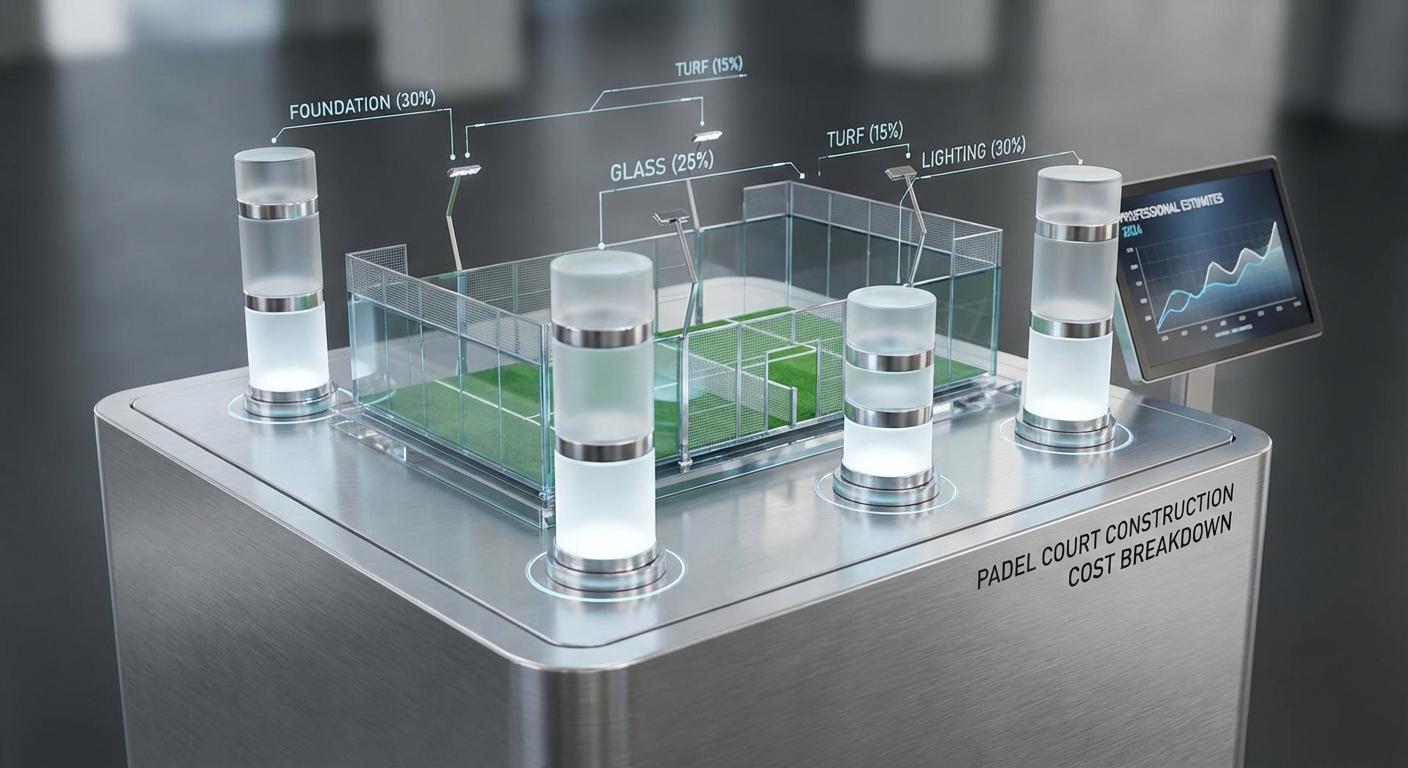
The average cost to establish a padel chicago court ranges from $25,000 to $80,000 depending on the structural specifications and site preparation requirements. This investment covers the galvanized steel framework, 12mm tempered glass panels, and professional-grade monofilament turf. Investors must also budget for a reinforced concrete foundation to ensure the court remains perfectly level over time.
What are the primary capital drivers?
It gets better.
- Structural Steel: High-strength frames represent approximately 35% of the total material budget.
- Glass Walls: 12mm safety glass is the industry standard for durability and consistent ball rebound.
- Specialized Lighting: Professional LED systems are required to provide uniform coverage for evening matches.
Key Takeaways
- Foundation work and structural materials are the largest upfront expenses.
- High-quality materials like 12mm glass reduce long-term maintenance costs significantly.
| Expense Item | Estimated Cost | Priority |
|---|---|---|
| Steel Framework | $22,000 – $35,000 | Critical |
| Tempered Glass | $10,000 – $18,000 | Essential |
| Sports Turf | $5,000 – $12,000 | Surface Play |
Strategic investment in premium components ensures the facility can handle the high-frequency usage expected in urban centers.
Where is padel chicago development concentrated?
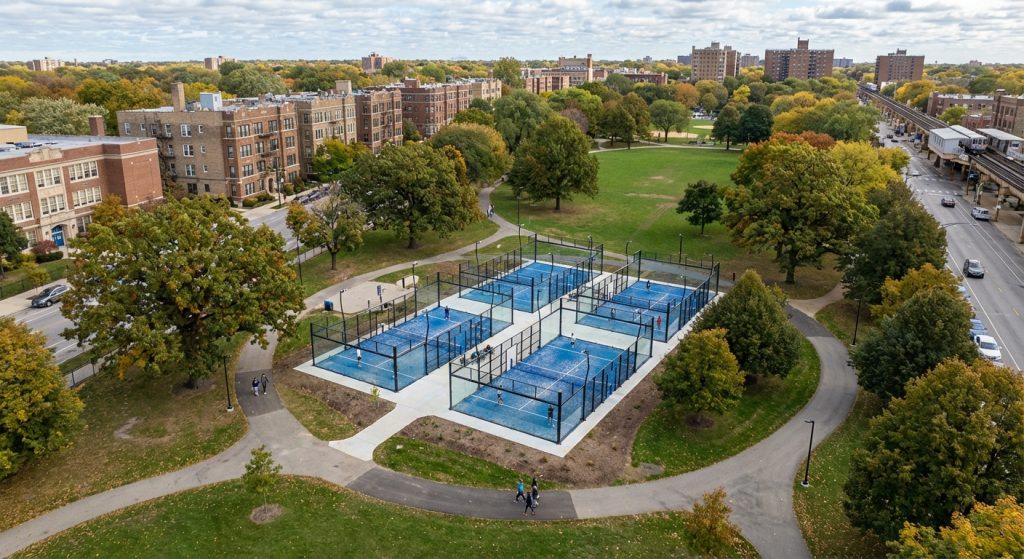
New development for the sport is currently concentrated in the West Loop, Fulton Market, and the North Shore suburbs. These areas offer the ideal mix of high-income professionals and repurposed industrial spaces that provide the necessary vertical clearance for the game. Proximity to transit hubs ensures that facilities can attract players from across the metropolitan area.
Which neighborhoods offer the best ROI?
Here is the kicker.
- Fulton Market: This tech-heavy district is perfect for corporate leagues and after-work networking events.
- North Shore: High residential density and family-oriented demographics support long-term membership stability.
- West Loop: Boutique indoor facilities in this area benefit from massive foot traffic and social visibility.
Key Takeaways
- Urban tech corridors provide the highest demand for corporate booking packages.
- Repurposing warehouses is the fastest route to opening a new facility locally.
| Location | Market Type | Primary Advantage |
|---|---|---|
| West Loop | Boutique Urban | High Social Visibility |
| North Shore | Luxury Suburban | Family Memberships |
| Fulton Market | Corporate Hub | League Revenue |
The current geographic concentration highlights a clear preference for areas with established professional networks and high disposable income.
How big is a standard padel chicago court?
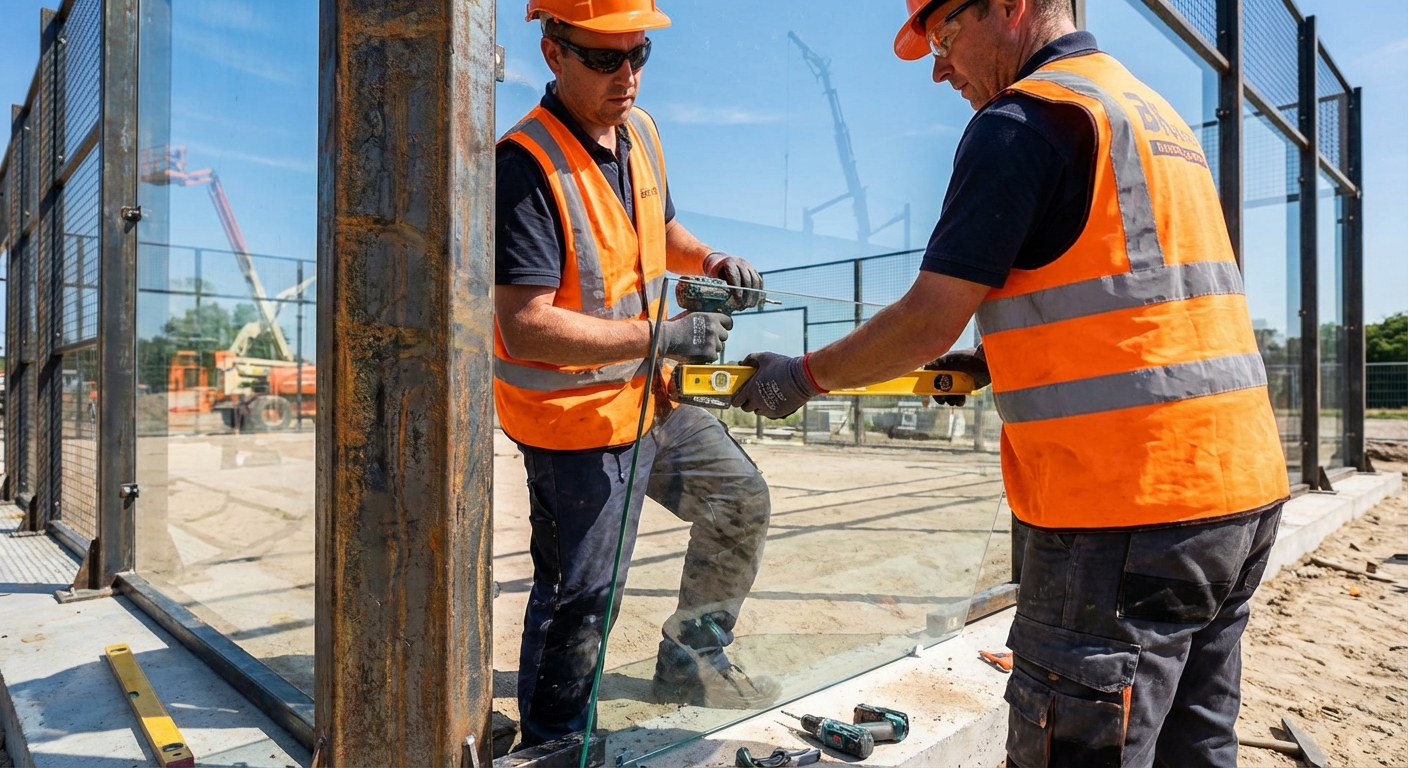
A professional padel chicago court measures 20 meters in length and 10 meters in width, following international regulatory standards. Building a court requires a total clear footprint of at least 21m x 11m to accommodate the structural anchors and safety clearance zones. Maintaining these exact dimensions is critical for ensuring that ball rebounds off the glass walls are predictable and fair.
What dimensions are required for pro play?
Why does this matter?
- Net Height: The center of the net must be precisely 0.88 meters high for competitive play.
- Wall Height: Back walls must stand 4 meters tall, consisting of 3 meters of glass and 1 meter of mesh.
- Service Lines: These are located 6.95 meters from the net and are essential for the underhand serve.
Key Takeaways
- Adhering to international 20m x 10m standards is non-negotiable for professional certification.
- Vertical clearance of at least 6 meters is required, though 8 meters is preferred for lobs.
| Specification | Metric Value | Function |
|---|---|---|
| Length | 20.00 Meters | Playing Boundary |
| Width | 10.00 Meters | Playing Boundary |
| Min. Height | 6.00 Meters | Overhead Clearance |
Precise spatial planning ensures the facility can host sanctioned tournaments and attract advanced competitive players.
Why is padel chicago better than pickleball for B2B?
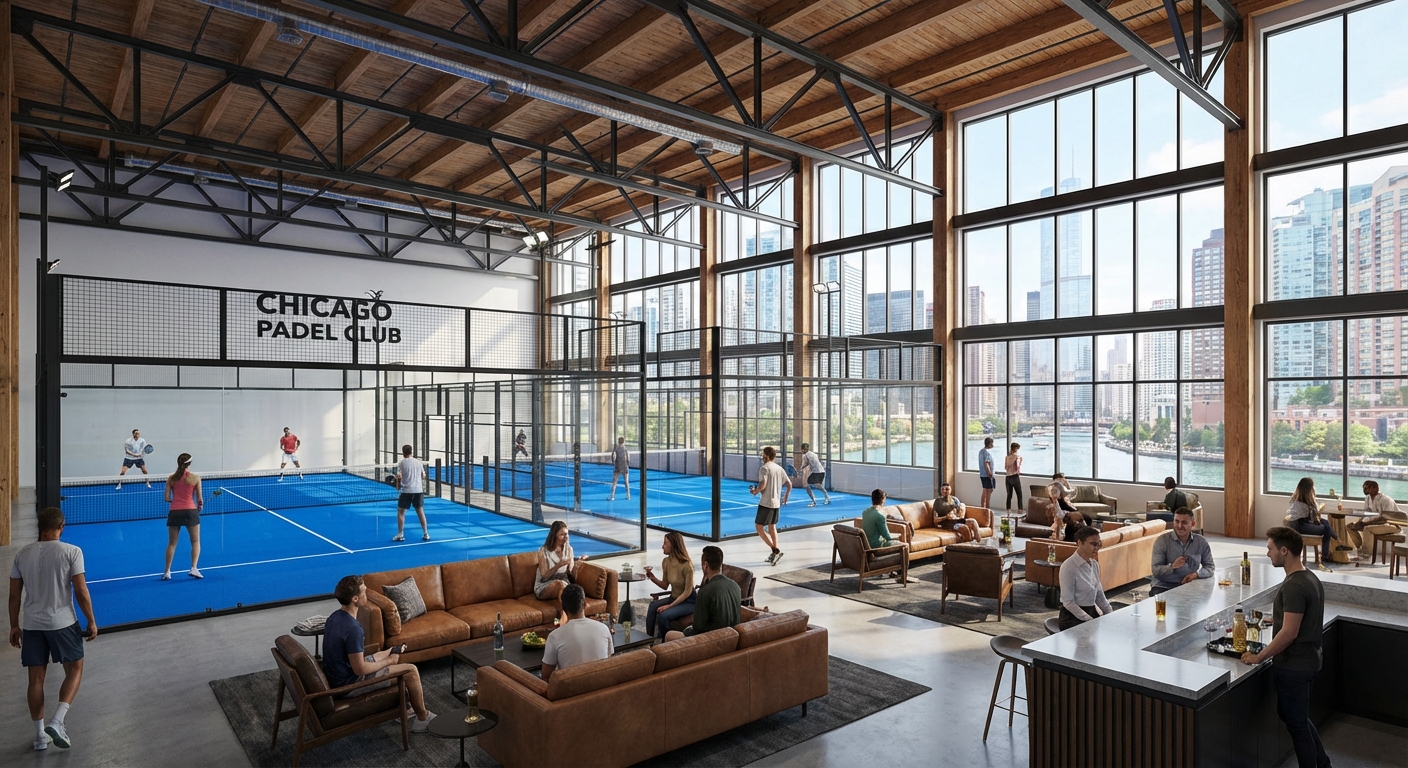
Padel Chicago offers a more athletic and prestigious environment that aligns perfectly with premium corporate networking and B2B client entertainment. While pickleball focuses on mass-market accessibility, this sport emphasizes strategic depth and high-tech facility design. The glass-walled aesthetics and lounge-centric club models create a “country club” feel within a modern urban setting.
Is the networking potential higher in padel?
Let’s dive deeper.
- Premium Atmosphere: High-end finishes and juice bars encourage professionals to linger and network post-match.
- Athletic Challenge: The strategic use of walls appeals to high-achievers who enjoy mastering complex skills.
- Spectator Value: The transparent glass walls make the sport ideal for hosting social exhibition events.
Key Takeaways
- Corporations prefer the sport for its exclusive and high-performance brand alignment.
- The social infrastructure of these clubs facilitates longer and more meaningful networking windows.
| Feature | Padel Advantage | B2B Value |
|---|---|---|
| Environment | High-Tech Glass | Professional Prestige |
| Pace | High Intensity | Engagement Level |
| Social Space | Integrated Lounges | Deal-making Potential |
The data indicates that the sport’s premium positioning allows it to command higher corporate booking fees than other racquet sports.
Which materials ensure padel chicago durability?
Selecting the right materials for padel chicago projects is essential to survive the local humidity and high-frequency player impact. Hot-dip galvanized steel frames are the gold standard for preventing rust in Chicago’s climate, especially for outdoor or rooftop installations. Using 12mm tempered safety glass ensures the walls can withstand the force of players crashing into them during intense rallies.
Look at the numbers.
- Galvanized Steel: This treatment provides a 20-year lifespan even when exposed to lakefront salt and moisture.
- Tempered Glass: 12mm thickness provides a superior ball bounce compared to thinner, cheaper 10mm options.
- Powder Coating: Specialized coatings prevent scratches and maintain the aesthetic appeal of the court for years.
Key Takeaways
- Material quality directly impacts the safety and playability of the facility.
- Galvanization is a non-negotiable requirement for any outdoor Chicago development.
| Material | Premium Standard | Benefit |
|---|---|---|
| Frame | HDG Q355 Steel | Rust Prevention |
| Walls | 12mm Tempered Glass | Safety & Rebound |
| Coating | Akzo Nobel Powder | Aesthetic Longevity |
Investing in high-grade structural components significantly reduces the annual operational costs associated with repairs and maintenance.
How does padel chicago foster urban community?
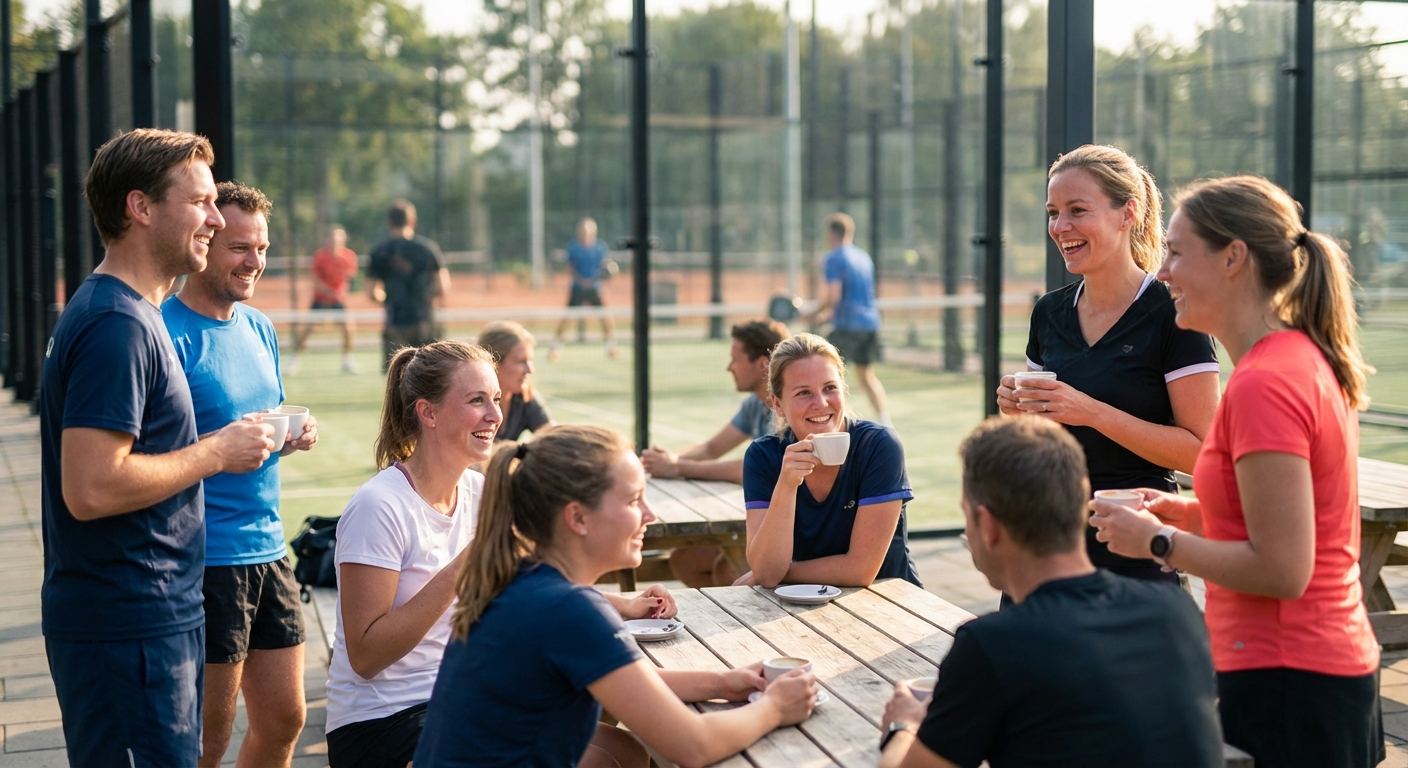
The sport fosters community by creating “third places” where Chicago residents can connect over a shared passion for fitness and strategy. These facilities are designed with expansive social zones that encourage interaction between players of different skill levels. By hosting regular mixers and “king of the court” tournaments, clubs become the heartbeat of their local neighborhoods.
Think about it.
- Mixed Skill Leagues: The doubles format allows experienced players to mentor newcomers, building organic bonds.
- Social Amenities: On-site cafes and co-working spaces turn the sports club into a daily lifestyle destination.
- Inclusive Culture: The sport is equally popular across genders and ages, creating a diverse community profile.
Key Takeaways
- Community engagement is the primary driver of recurring monthly membership revenue.
- Social events are often more popular than the matches themselves in high-end urban clubs.
| Community Factor | Impact | Member Benefit |
|---|---|---|
| Doubles Play | Very High | Direct Connection |
| Social Mixer Events | High | Diverse Networking |
| Lounge Access | Moderate | Community Retention |
The focus on the social experience ensures that members view the club as a vital part of their personal and professional lives.
Is padel chicago surface selection important?
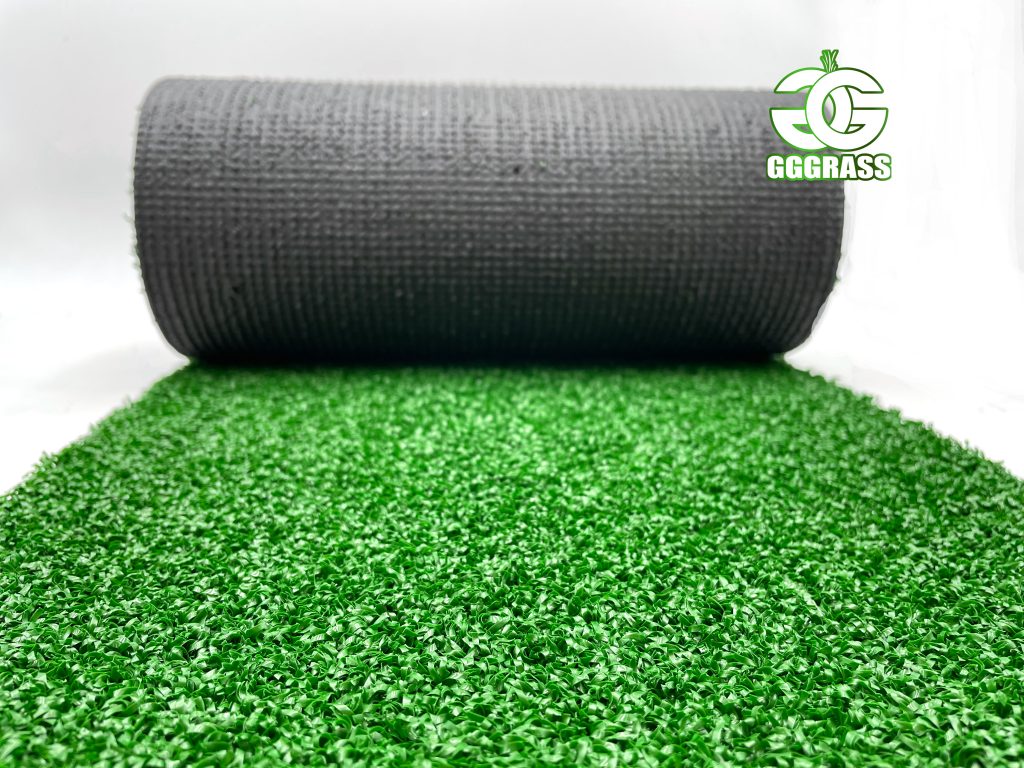
Surface selection for a padel chicago court is critical for player safety and the overall quality of the gaming experience. Professional facilities use textured monofilament turf that holds silica sand infill evenly across the entire 200-square-meter surface. This setup allows players to slide safely into shots while providing a consistent ball bounce for high-speed play.
What turf technologies are used locally?
It gets better.
- Monofilament Fibers: These fibers are more resilient than fibrillated options, staying upright under heavy use.
- Sand Infill: Fine silica sand is essential for protecting the turf backing and allowing for controlled player movement.
- Porous Backing: This technology is vital for outdoor Chicago courts to ensure rapid drainage after heavy rainfall.
Key Takeaways
- Blue monofilament turf is the global standard for professional visibility and performance.
- Proper sand maintenance is the most important factor in extending the life of the surface.
| Turf Feature | Specification | Player Benefit |
|---|---|---|
| Fiber Type | Monofilament | Joint Protection |
| Infill | Silica Sand | Controlled Sliding |
| Color | Blue/Green | Visual Contrast |
Choosing a FIFA-standard turf surface ensures that the facility can support high-level competitive play without risking player injury.
Can you host events at a padel chicago center?
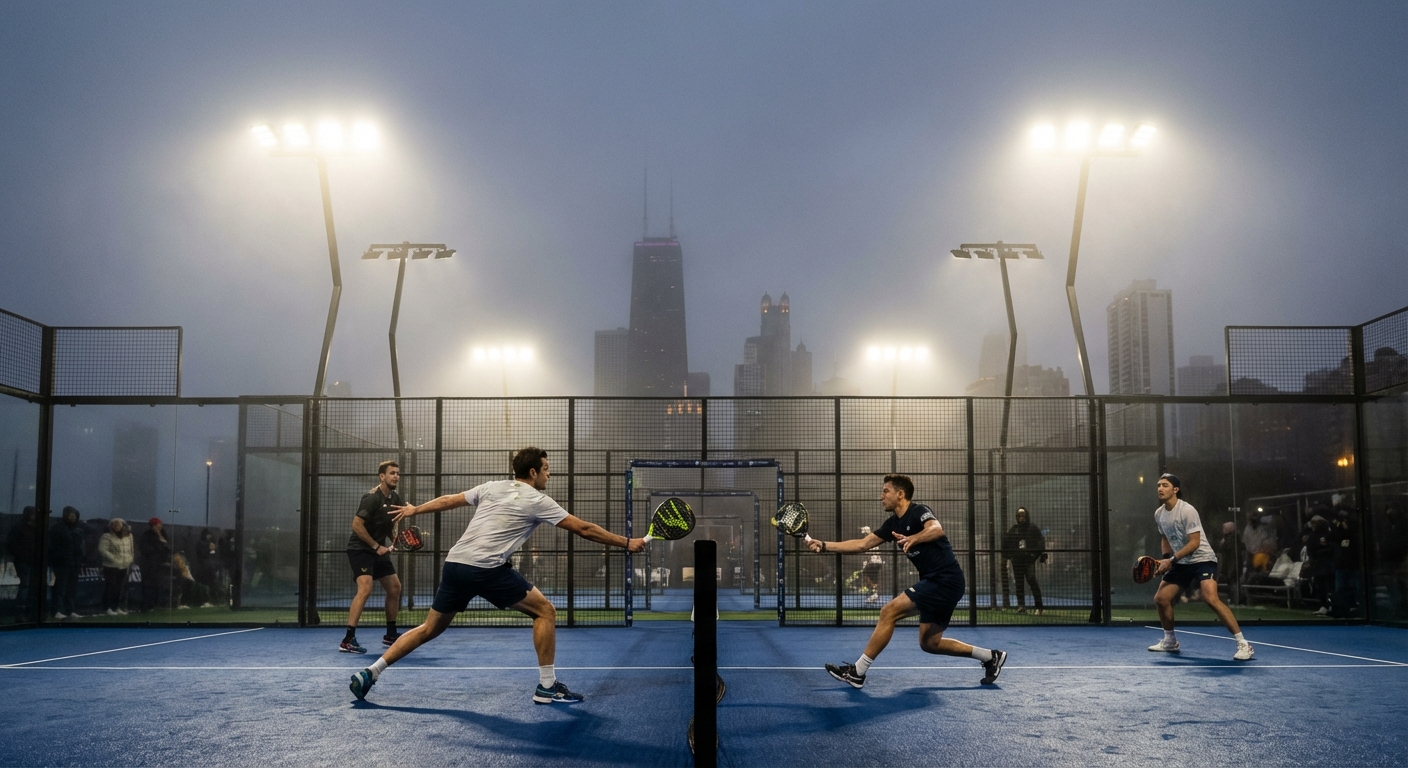
Padel Chicago centers are specifically designed to host high-profile corporate events and professional exhibition matches. The panoramic glass designs of modern courts provide unobstructed views for spectators, making them perfect for “center court” activations. These events serve as a powerful secondary revenue stream for club owners and increase local awareness of the sport.
How do exhibition matches drive revenue?
Here is the kicker.
- Sponsorship Opportunities: Local businesses are eager to align their brands with high-energy sports exhibitions.
- Ticket Sales: Professional matches attract enthusiasts from across the Midwest, filling the facility to capacity.
- Event Hosting: Corporations book entire facilities for team-building days that culminate in a social tournament.
Key Takeaways
- Event capability is a major differentiator for clubs looking to maximize their ROI.
- Panoramic court designs are essential for creating a professional spectator experience.
| Event Type | Revenue Potential | Business Goal |
|---|---|---|
| Corporate Teambuilding | High | Client Acquisition |
| Pro Exhibition | Moderate | Brand Visibility |
| Social Tournament | High | Member Engagement |
The ability to transition from a daily practice facility to a high-stakes event venue is the hallmark of a successful urban sports club.
*
Frequently Asked Questions
Can I build a padel court in my own backyard in Chicago?
Yes, but you must verify local residential zoning laws regarding the 4-meter high walls and professional lighting systems. Most residential projects require a building permit and a structural study to ensure the safety of the glass enclosure.
What’s the best way to maintain the glass walls?
Standard glass cleaning solutions are effective, but you should inspect the mounting points and silicone seals every three months. Keeping the glass clear is essential for both player safety and the aesthetic appeal of your facility.
Can I convert a tennis court into several padel courts?
Absolutely, and this is a common strategy for urban developers. You can typically fit three professional padel courts into the space of a single traditional tennis court, significantly increasing your revenue per square foot.
Can I use standard 10mm glass to save on construction costs?
While 10mm glass is an option, we strongly recommend 12mm tempered glass for any commercial facility. The thicker glass provides a much more consistent rebound and is significantly safer for high-intensity competitive play.
Can I operate a club without on-site staff during early hours?
Many modern facilities use automated booking software and remote entry systems to allow for unstaffed play. This model is highly effective for morning sessions, though staff are recommended during peak evening hours for social management.
*
Conclusion
The evolution of the Chicago sports scene is being defined by the rise of high-performance, community-focused racquet facilities. By prioritizing structural quality and social infrastructure, developers are creating unique “third places” that cater to the modern professional’s need for both fitness and networking. Our brand stance is rooted in the belief that every urban center deserves access to the world’s most engaging social sport, built with the highest international standards of safety and design. Whether you are an investor seeking a high-ROI opportunity or an athlete looking for a new challenge, the future of the game is bright in the Windy City. If you are ready to begin your own construction project or need expert design guidance, please contact us today to consult with our professional development team.