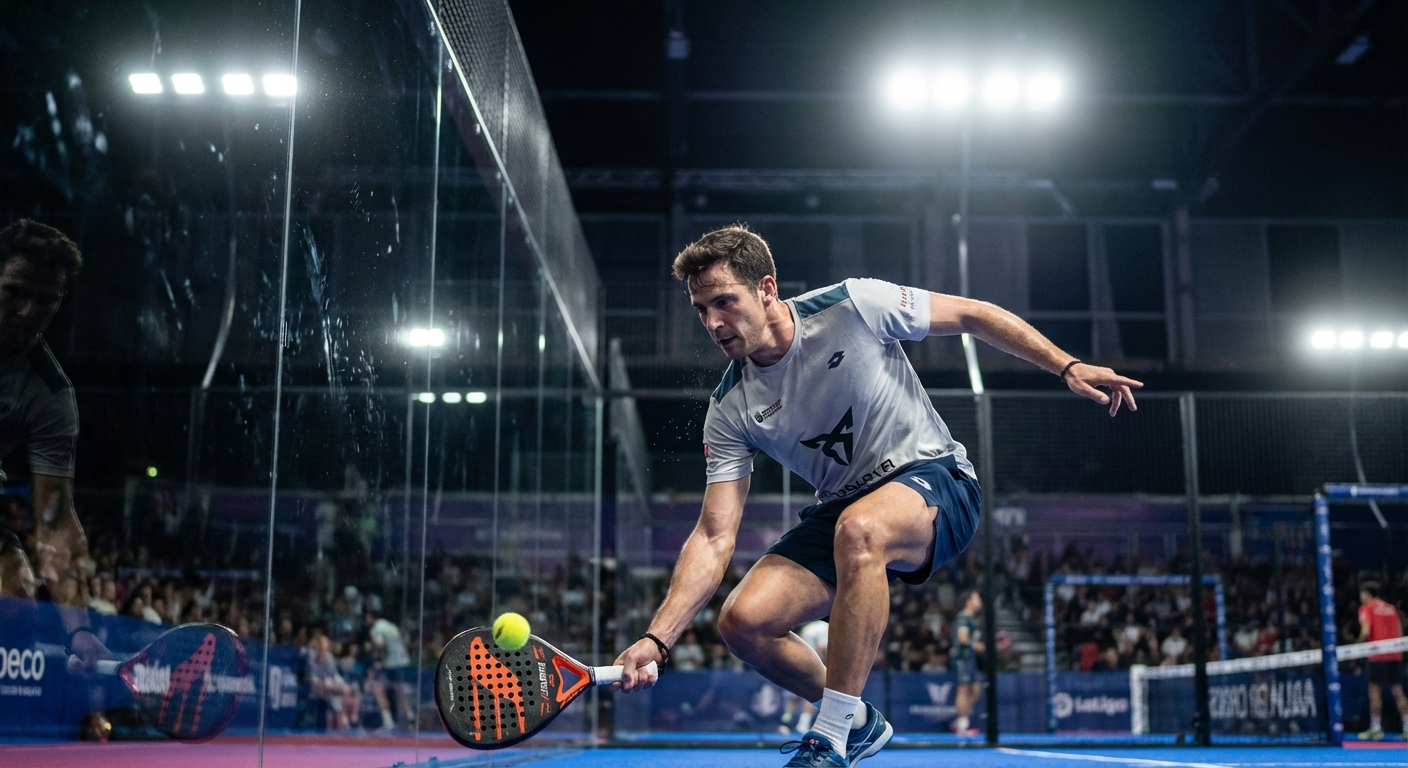
Padel sports refer to a fast-paced racket game played in doubles on a 10×20 meter enclosed court that combines elements of tennis and squash. You might have noticed that traditional tennis feels increasingly difficult to master, often leaving you frustrated with long learning curves and vast court spaces. This technical barrier prevents many people from staying active or enjoying the social benefits of competitive play. By choosing padel sports, you transition into an accessible, high-energy environment where the walls keep the ball in play and your skills improve in minutes.
Where did padel sports originate?
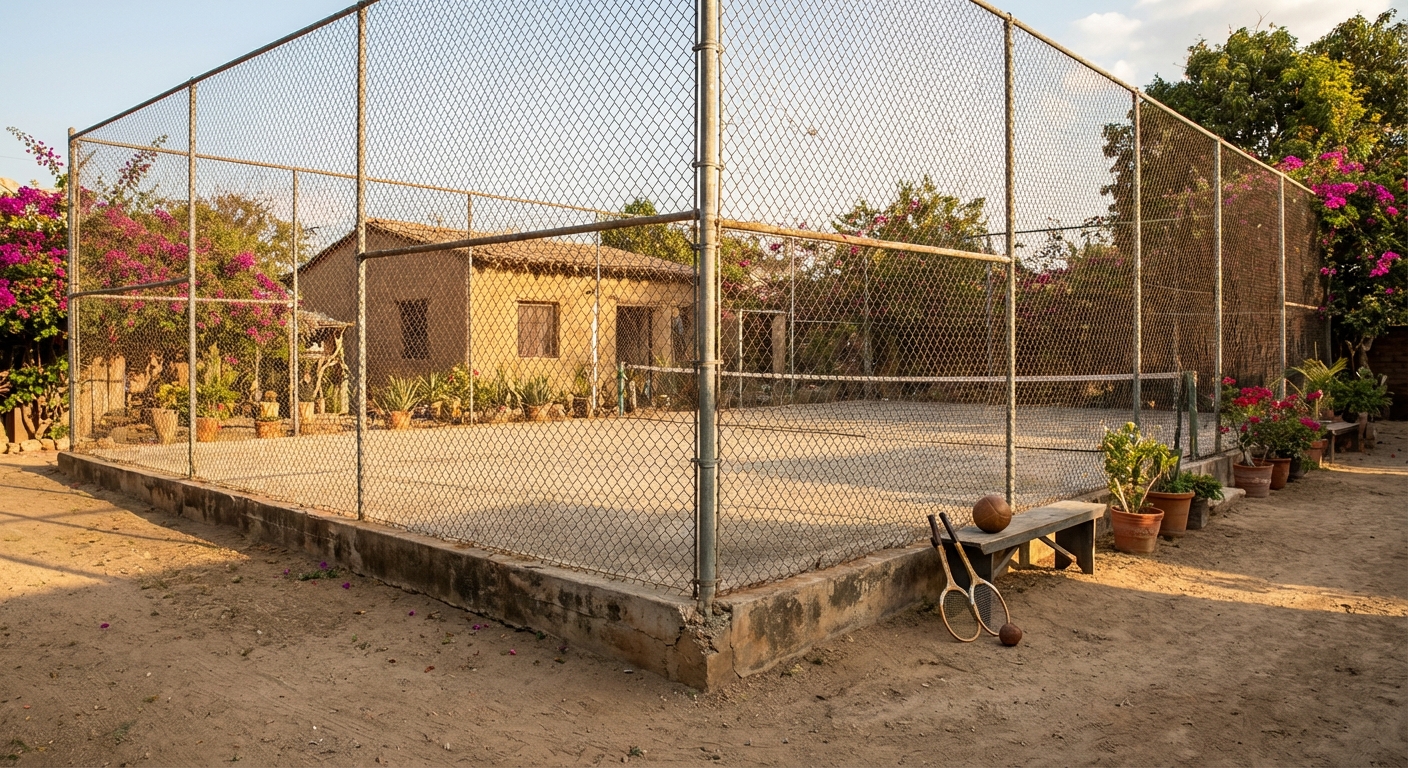
The global phenomenon of padel sports traces its roots back to Mexico in the late 1960s. It was designed as a compact alternative to tennis that could fit within the constraints of a residential property. This regional innovation quickly gained traction before crossing the ocean to become a European staple.
Did it start as a backyard game?
Believe it or not:
- The first court was built in Acapulco in 1969.
- High walls were added to stop balls from escaping into neighbors’ yards.
- It used smaller wooden rackets rather than stringed ones.
The evolution from a private pastime to a professional circuit shows the incredible adaptability of the format. Most historians agree that the sport’s success stems from this early focus on playing in confined, social spaces.
How did it reach the global stage?
Here is the deal:
- A Spanish entrepreneur brought the idea to Marbella in 1974.
- The rules were refined to accommodate international competitive standards.
- Clubs began popping up across Argentina and Spain shortly after.
| Feature | Early Development |
|---|---|
| Origin Country | Mexico |
| Expansion Hub | Spain |
| Key Growth Driver | Space Efficiency |
The rapid expansion was fueled by the sport’s unique ability to fit more players into a smaller footprint than tennis.
Key Takeaway: Originating as a space-saving Mexican innovation, the sport flourished globally due to its social and compact design.
Who invented padel sports for the first time?
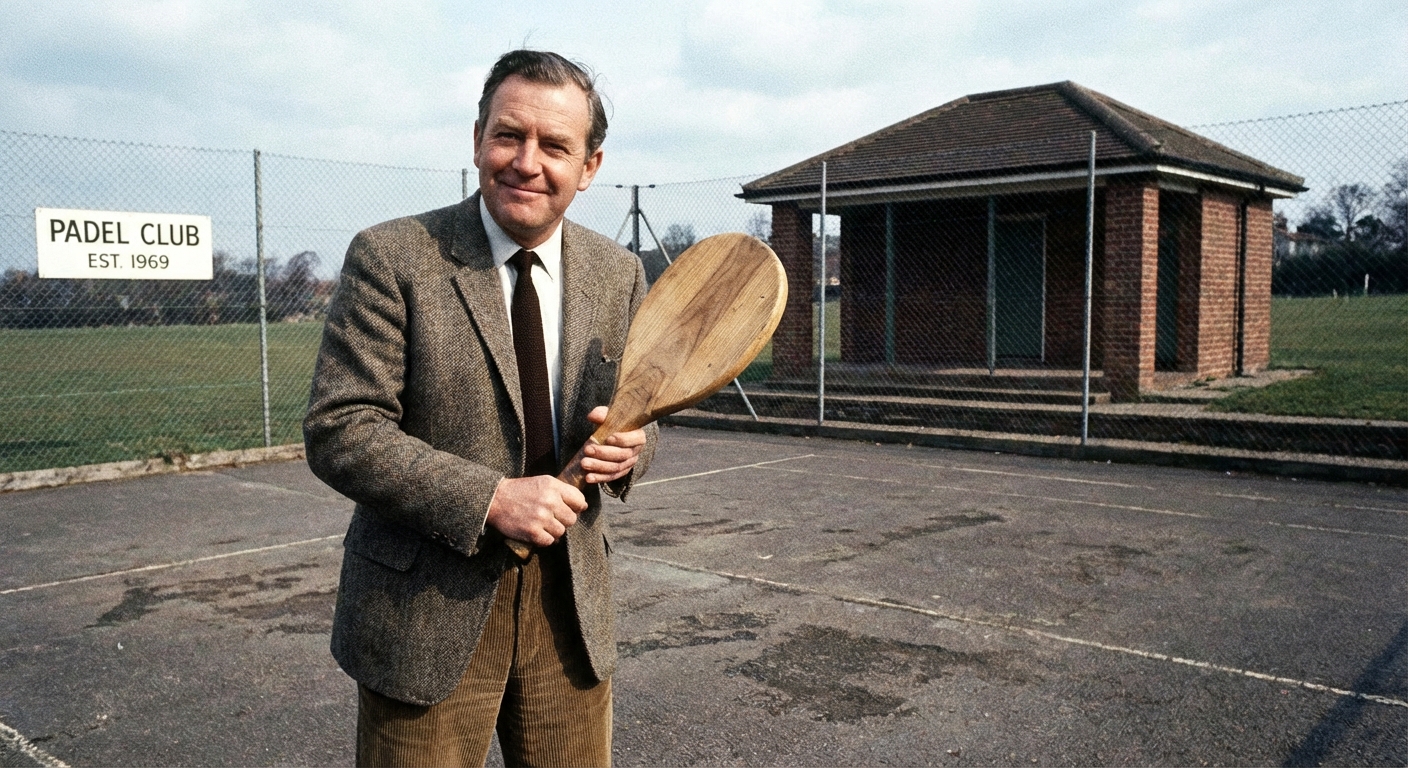
Enrique Corcuera is the man who officially invented padel sports in 1969. He sought a way to play tennis at his home but faced geographical limitations that made a full-sized court impossible. His creative solution birthed an entirely new category of athletic competition.
Was the invention intentional?
Think about this:
- Corcuera lacked the 24-meter length required for a tennis court.
- He decided to use the existing walls of his house as boundaries.
- He lowered the net height to match the smaller playing area.
What started as a home renovation project soon turned into a regulated sport. His friends were so impressed by the dynamic gameplay that they began replicating the court design at their own estates.
Who standardized the first rules?
The best part is:
- Corcuera’s wife, Viviana, reportedly wrote the first official rulebook.
- These rules defined the scoring, serving, and wall interaction.
- Standardization allowed the game to move from backyards to public clubs.
| Inventor Name | Contribution |
|---|---|
| Enrique Corcuera | Court Design & Concept |
| Viviana Corcuera | First Rule Documentation |
| Standard Year | 1969 |
Without this early documentation, the game might have remained a regional curiosity rather than a global professional league.
Key Takeaway: Enrique Corcuera’s resourceful response to limited property space created the foundation for the entire industry.
How does tennis differ from padel sports?
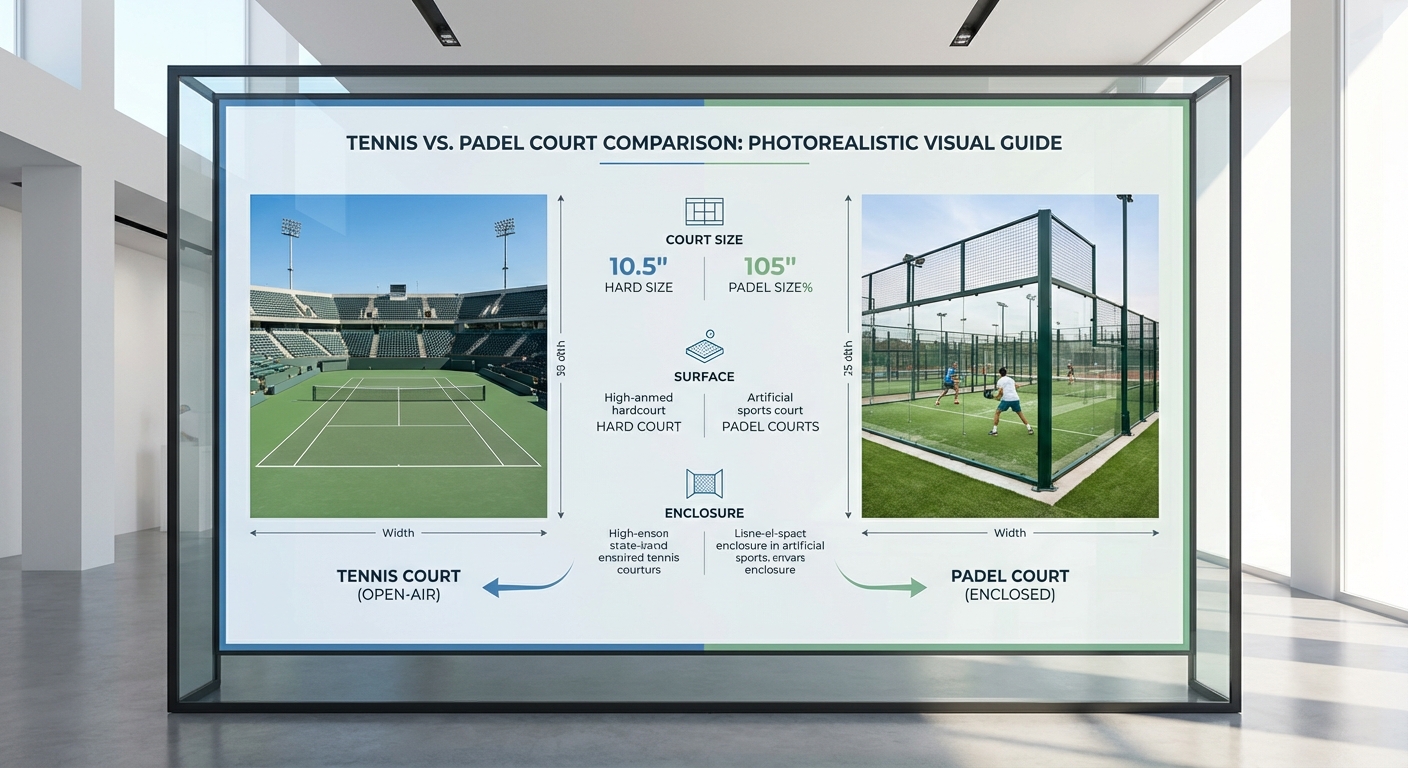
While they share a scoring system, padel sports differ from tennis primarily through the use of enclosed glass walls and smaller, solid rackets. You will find that the gameplay is much more tactical and relies on positioning rather than raw overhand power. The smaller court size also changes the physical demands placed on your body.
Are the rackets different?
You should know:
- Padel rackets are solid with small holes for aerodynamics.
- Tennis rackets use strings that require high maintenance.
- The solid core provides a much more forgiving “sweet spot.”
The difference in equipment makes the game significantly easier for beginners to pick up. You don’t need years of training to manage a basic rally, which is the biggest hurdle in tennis.
Does the wall change the strategy?
It gets better:
- The ball can bounce off the glass and remain in play.
- Players must anticipate rebounds rather than just straight shots.
- Strategy often involves “lobbing” to reset the point’s rhythm.
| Comparison Metric | Tennis | Padel Sports |
|---|---|---|
| Court Enclosure | Open | Glass Walls |
| Racket Material | String/Nylon | Solid/EVA Foam |
| Serving Style | Overhand | Underhand |
The integration of walls transforms the court into a 3D playing environment, demanding constant mental engagement.
Key Takeaway: Padel prioritizes geometry and reflexes over the pure speed and court coverage required by tennis.
Why are padel sports growing so fast?
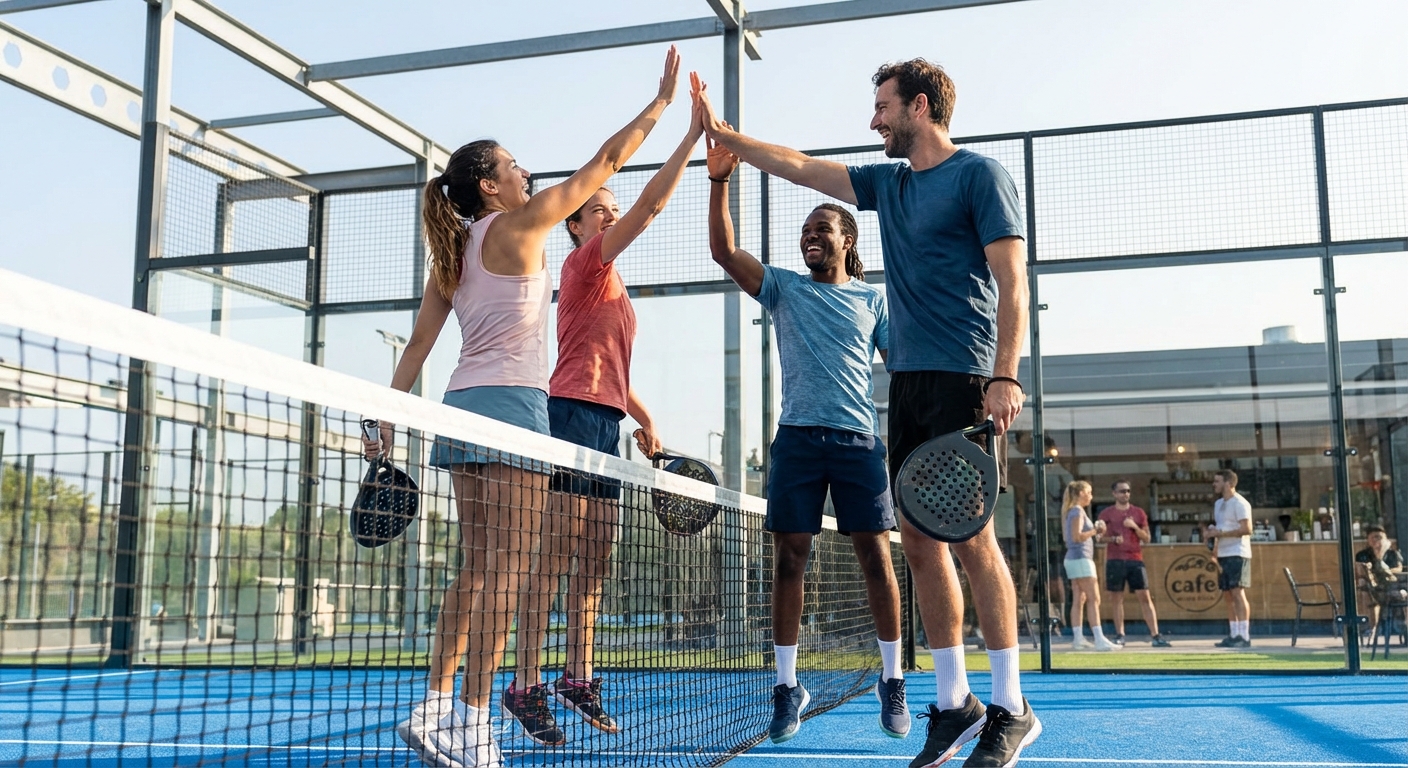
The unprecedented growth of padel sports is driven by its high social engagement and low barrier to entry. You can start playing a meaningful game within your first hour on the court, regardless of your previous athletic background. This “instant fun” factor creates high retention rates for clubs and community centers.
Is the social factor a driver?
Check this out:
- Games are almost exclusively played in a 2v2 doubles format.
- The small court size keeps teammates and opponents within talking distance.
- Post-match socializing is a core part of the global culture.
This social connectivity makes it more than just a workout; it is a networking tool. Families and corporate teams often choose this sport because it levels the playing field between different skill levels.
Does it offer better ROI for clubs?
Actually:
- You can fit three padel courts in the space of one tennis court.
- Twelve players can be active in the same footprint as two or four tennis players.
- Maintenance costs for synthetic turf are lower than clay or grass.
| Growth Driver | Impact on Market |
|---|---|
| Accessibility | Higher participation from all ages |
| Space Efficiency | Increased revenue per square meter |
| Social Appeal | Strong community and club loyalty |
Commercial facility owners are rapidly converting underused spaces into courts to capitalize on these high-density revenue streams.
Key Takeaway: High social interaction combined with efficient land use makes the sport a favorite for both players and investors.
What are the official rules of padel sports?
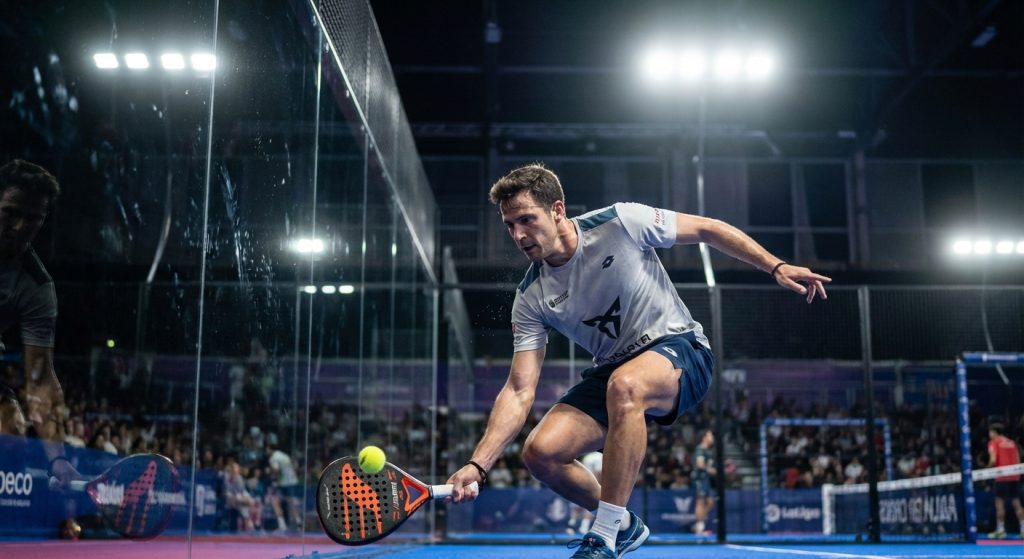
To play padel sports correctly, you must master the underhand serve and the “bounce-and-wall” sequence. The ball must always hit the ground before touching any part of the fence or glass walls to be considered “in.” Understanding these nuances is vital for anyone looking to build a certified facility.
How do you start a point?
Keep this in mind:
- The serve must be hit at or below waist level.
- You get two attempts to land the ball in the cross-court box.
- The ball must bounce once before the receiver can return it.
Starting with an underhand serve removes the aggressive advantage often seen in tennis. This ensures that rallies last longer and points are won through strategy rather than a single powerful strike.
When is the ball “out”?
The rules are clear:
- It is “out” if the ball hits the wall before hitting the ground.
- It is “in” if it hits the ground first and then bounces off the glass.
- Players can hit the ball against their own glass to send it over.
| Rule Category | Official Standard |
|---|---|
| Scoring | 15, 30, 40, Deuce, Game |
| Serve | Underhand below the waist |
| Wall Contact | Must bounce on ground first |
Mastering the use of your own glass walls as a “rebounder” is a high-level skill that separates beginners from pros.
Key Takeaway: Rule clarity around wall interaction and underhand serving keeps the game balanced and strategically deep.
Which equipment is needed for padel sports?
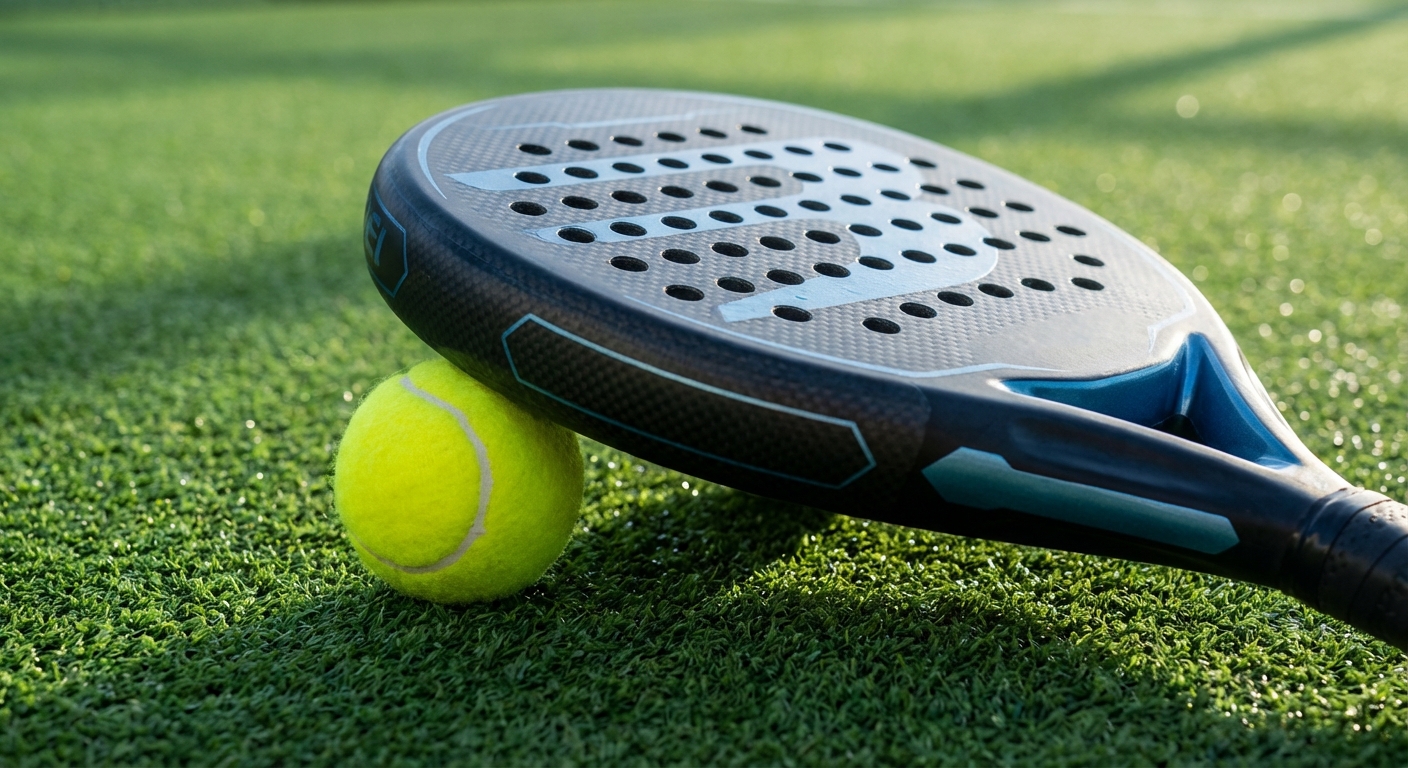
Building a kit for padel sports requires a specific solid-core racket, pressurized balls, and shoes designed for artificial turf. You don’t need expensive strings or large bags, making the initial investment relatively low. Choosing the right surface materials during construction is also a key part of the equipment ecosystem.
What should I look for in a racket?
Listen closely:
- Round rackets offer the best control for new players.
- Diamond-shaped rackets provide more power for advanced hitters.
- Teardrop shapes offer a balanced mix of both styles.
The weight usually ranges between 350g and 390g, allowing for quick defensive maneuvers at the net. A carbon fiber frame ensures the racket remains durable under the high-frequency impact of the game.
Are the balls different from tennis?
Here is the truth:
- Padel balls look like tennis balls but have less internal pressure.
- Lower pressure makes the ball bounce lower and slower.
- This creates more time for players to react to wall rebounds.
| Equipment Item | Purpose |
|---|---|
| Racket | Solid composite for ball control |
| Balls | Low-pressure for tactical play |
| Shoes | Clay/Omni soles for grip on sand |
Using standard tennis balls in a padel match makes the game too fast and unpredictable, ruining the intended tactical flow.
Key Takeaway: Specialized low-pressure balls and solid rackets are essential to maintaining the sport’s unique speed and rhythm.
What are the health benefits of padel sports?
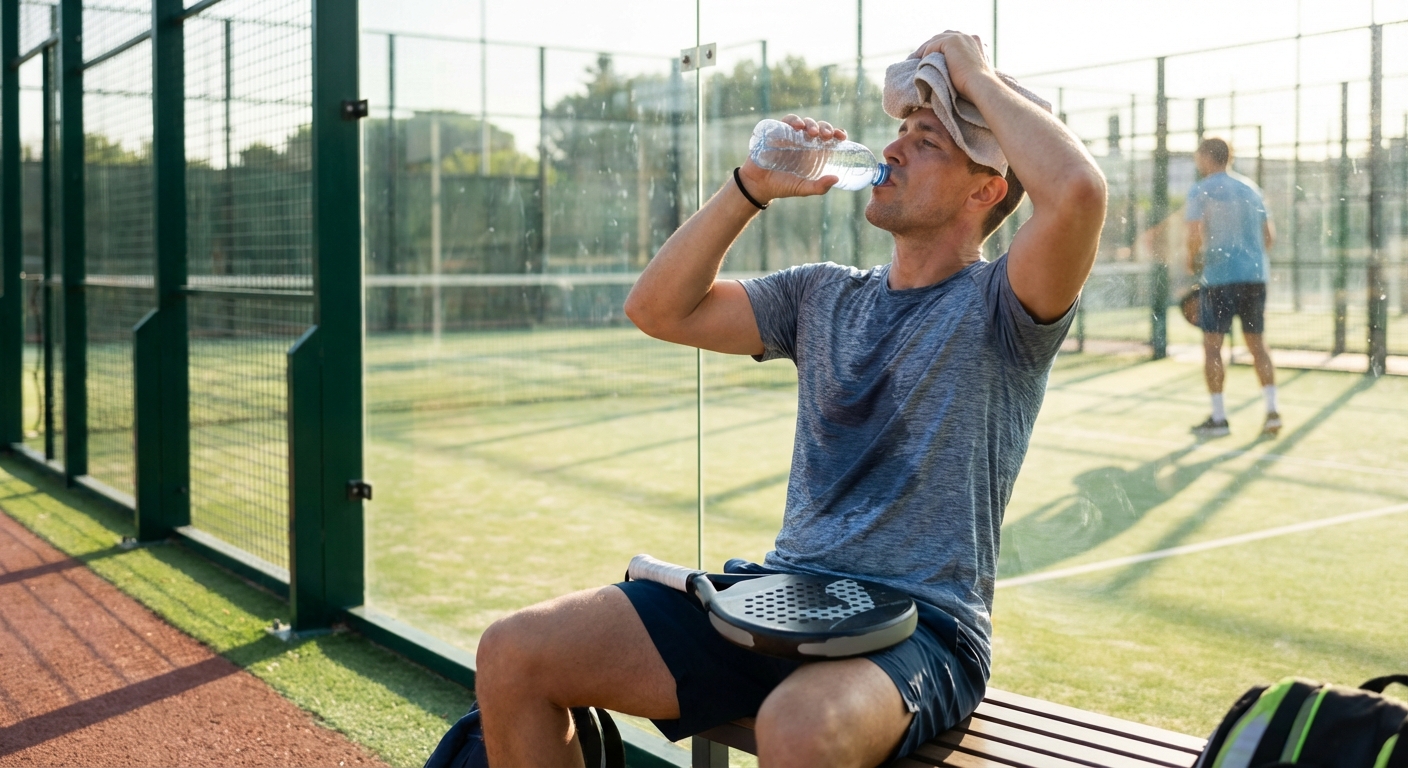
Playing padel sports provides a full-body cardiovascular workout that emphasizes agility and explosive movement. Because the court is smaller, you are constantly in motion, which keeps your heart rate in the optimal fat-burning zone. It is a highly efficient way to improve your fitness while having fun.
Does it improve coordination?
Consider this:
- Tracking rebounds off walls enhances spatial awareness.
- Rapid net play improves hand-eye coordination significantly.
- Constant lateral movement strengthens the core and legs.
Unlike long-distance running, the interval-based nature of the rallies builds muscle endurance without the monotony. You’ll find yourself burning up to 800 calories in a single hour without feeling the exhaustion of a gym session.
Is it safe for older players?
The news is good:
- Artificial turf provides better cushioning than concrete.
- Short sprints are less taxing on the joints than long tennis runs.
- The social doubles format reduces individual physical strain.
| Health Benefit | Physical Impact |
|---|---|
| Calorie Burn | High (600-800 per hour) |
| Reflexes | Improved hand-eye coordination |
| Joint Health | Lower impact on synthetic surfaces |
The combination of mental stimulation and physical activity makes it one of the most balanced sports for long-term wellness.
Key Takeaway: Padel offers a high-intensity, low-impact workout that benefits cardiovascular health and cognitive function.
How to plan the layout for padel sports?
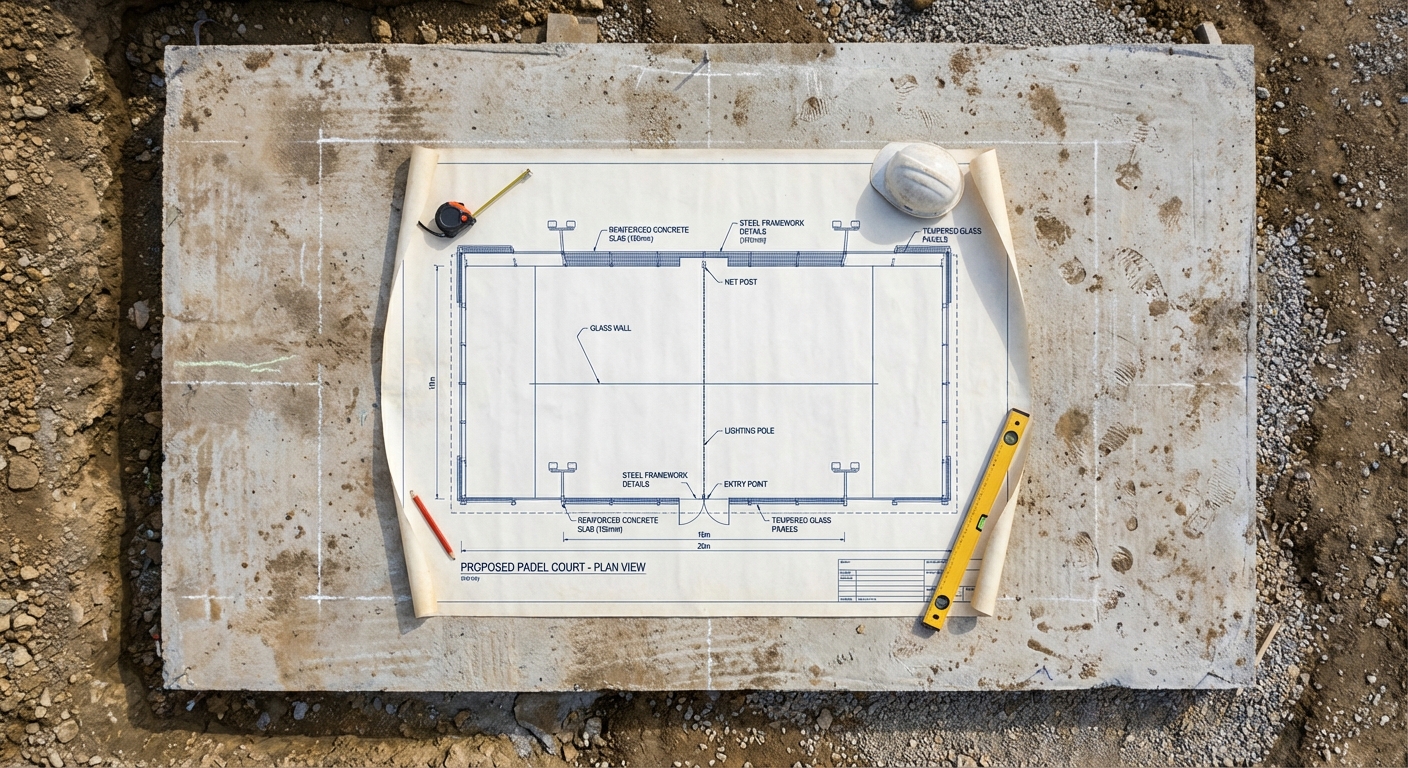
Successful padel sports facilities require a precise 20m x 10m footprint with additional clearance for the structure. You must ensure the ground is perfectly level to prevent the glass panels from cracking over time. Planning the layout also involves considering lighting positions to avoid player glare during evening matches.
What is the ideal orientation?
Don’t miss this:
- North-South orientation is best to minimize sun interference.
- Side clearance of at least 1.5 meters is needed for “out-of-court” play.
- Ceiling height for indoor courts should be 6 meters minimum.
If you are building multiple courts, a “cluster” layout is more efficient for irrigation and electrical wiring. It also creates a more vibrant atmosphere as players can see neighboring matches in progress.
How thick should the base be?
The fact is:
- A reinforced concrete slab of 15cm-20cm is the industry standard.
- The base must have a slight slope for efficient water drainage.
- High-quality sub-bases prevent sinking or shifting in different climates.
| Dimension | Standard Requirement |
|---|---|
| Playing Area | 20,000mm x 10,000mm |
| Structure Height | 3,000mm – 4,000mm |
| Indoor Clearance | 6,000mm – 8,000mm |
Proper planning at the blueprint stage saves thousands of dollars in retrofitting costs once the glass and steel are installed.
Key Takeaway: Precision in the base slab and court orientation is the most critical step in long-term facility durability.
What materials are used in building padel sports?
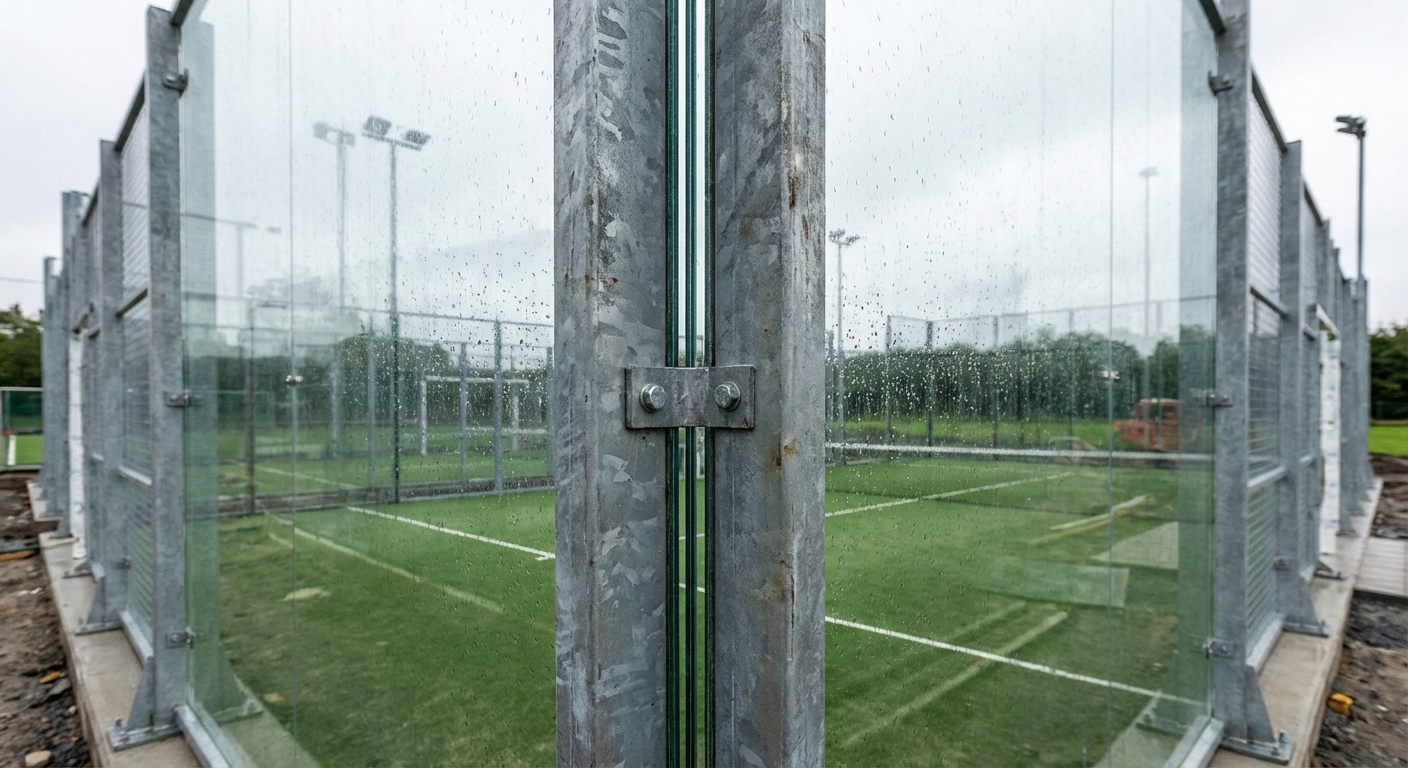
The durability of padel sports courts depends on the quality of the tempered glass and galvanized steel structure. You need materials that can withstand high-impact ball contact and harsh weather conditions. Investing in premium components during the build phase ensures your facility remains safe and attractive for decades.
Why is glass selection vital?
The deal is:
- Use 10mm or 12mm tempered safety glass for the walls.
- Tempered glass shatters into tiny, blunt pieces if broken.
- High-quality glass provides a consistent ball rebound.
The glass is held in place by specialized EPDM gaskets that absorb the vibration when a player runs into the wall. This safety feature is non-negotiable for commercial or public-use courts.
What about the turf and steel?
Here is the secret:
- Hot-dip galvanized steel prevents rust in outdoor environments.
- Fibrillated or monofilament turf offers professional-grade grip.
- Silica sand filling keeps the grass upright and facilitates sliding.
| Component | Standard Specification |
|---|---|
| Glass Walls | 12mm Tempered Safety Glass |
| Frame | Galvanized Steel (80x80mm or 100x100mm) |
| Grass | 12mm PE Artificial Turf |
Lowering quality on the steel frame will lead to structural sway, which negatively impacts the player experience and safety.
Key Takeaway: High-spec tempered glass and corrosion-resistant steel are the twin pillars of a professional padel court.
How to choose a builder for padel sports?
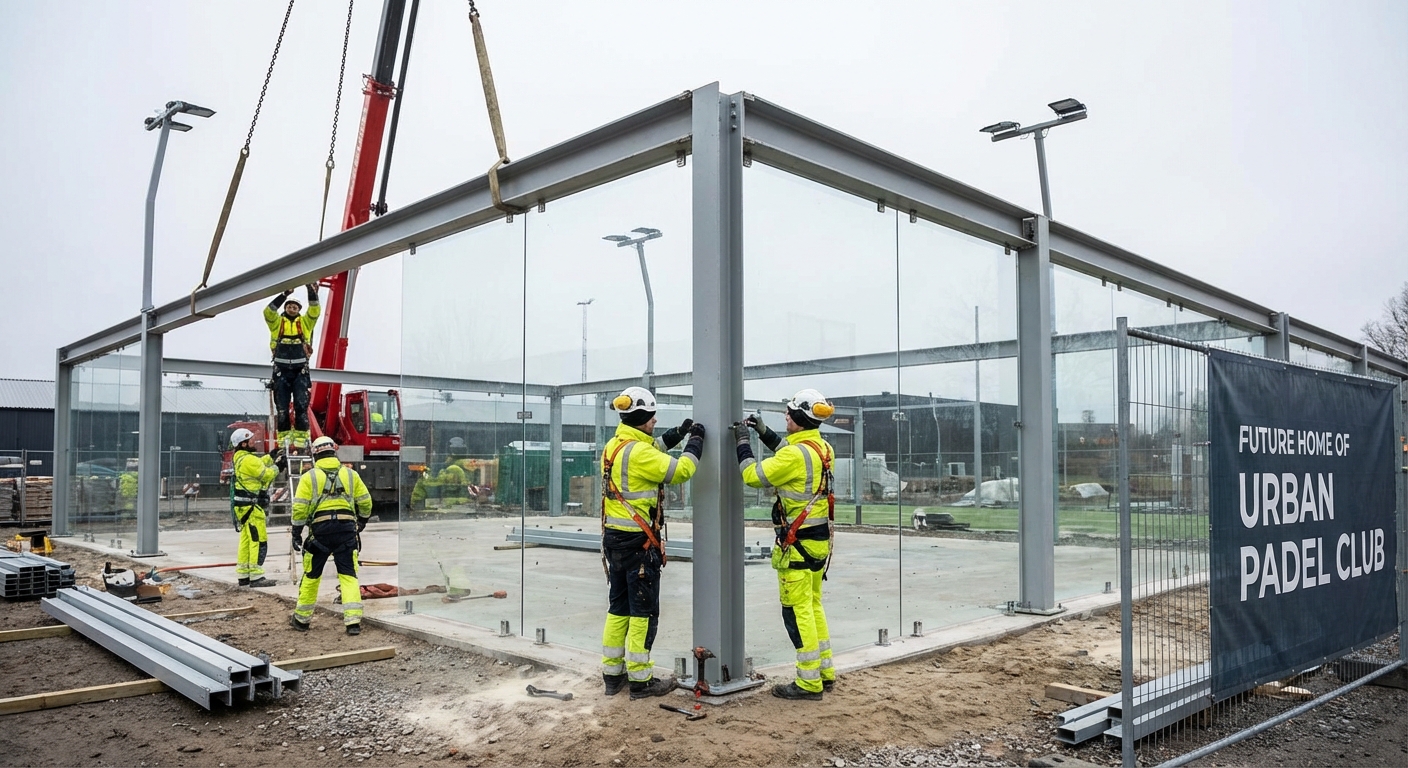
Selecting the right partner for padel sports construction means finding a manufacturer with factory-direct pricing and international certifications. You should look for a company that provides end-to-end support, from the initial quote to the final installation. Working with an experienced OEM provider allows you to customize the court to your specific brand and site needs.
Should I buy direct from a factory?
Think about this:
- Factory-direct purchases save up to 30% by cutting out middlemen.
- You get direct access to technical engineers for custom designs.
- Warranty claims are processed faster through the actual manufacturer.
A reputable builder will offer a complete documentation package, including structural calculations and wind-load resistance certificates. This is essential for obtaining the necessary building permits in most regions.
Is multilingual support important?
The reason is simple:
- Clear communication on technical specs prevents costly errors.
- Spanish and English support is vital for the world’s biggest markets.
- 24-hour response times keep your project timeline on track.
| Criteria | Ideal Builder Profile |
|---|---|
| Pricing | Factory-direct (OEM/ODM support) |
| Experience | 10+ years in sports manufacturing |
| Support | Technical docs & video guidance |
Choosing a builder who understands the global standards set by the International Padel Federation (FIP) ensures your court is ready for professional play.
Key Takeaway: Partnering with a factory-direct manufacturer guarantees the best balance of price, customization, and technical reliability.
*
FAQ Section
Can I install a padel court on an existing tennis court?
Yes, because padel is smaller, you can often fit two to three padel courts within the footprint of one standard tennis court.
What’s the best way to maintain the glass walls?
Regular cleaning with non-abrasive soap and water is the standard method to keep the glass clear and free of player smudges.
How do I know if the turf needs more sand?
You should see a light, even dusting of silica sand; if the grass fibers are laying flat or becoming slippery, it’s time to add more.
Can I build a court without a concrete foundation?
No, a reinforced concrete base is mandatory to support the weight of the glass and steel structure without shifting.
What’s the best lighting for night play?
High-efficiency LED floodlights (200W-300W) provide the most uniform illumination while keeping your electricity costs low.
*
Conclusion
Whether you are a club owner looking to maximize revenue or a homeowner seeking a social fitness outlet, padel sports offer the perfect solution. By addressing the problems of space and technical difficulty found in traditional sports, padel has become a global leader in athletic recreation. Our vision is to provide high-quality, factory-direct courts that empower communities to grow together through play. If you are ready to transform your facility with professional-grade structures, contact us today for a personalized consultation.