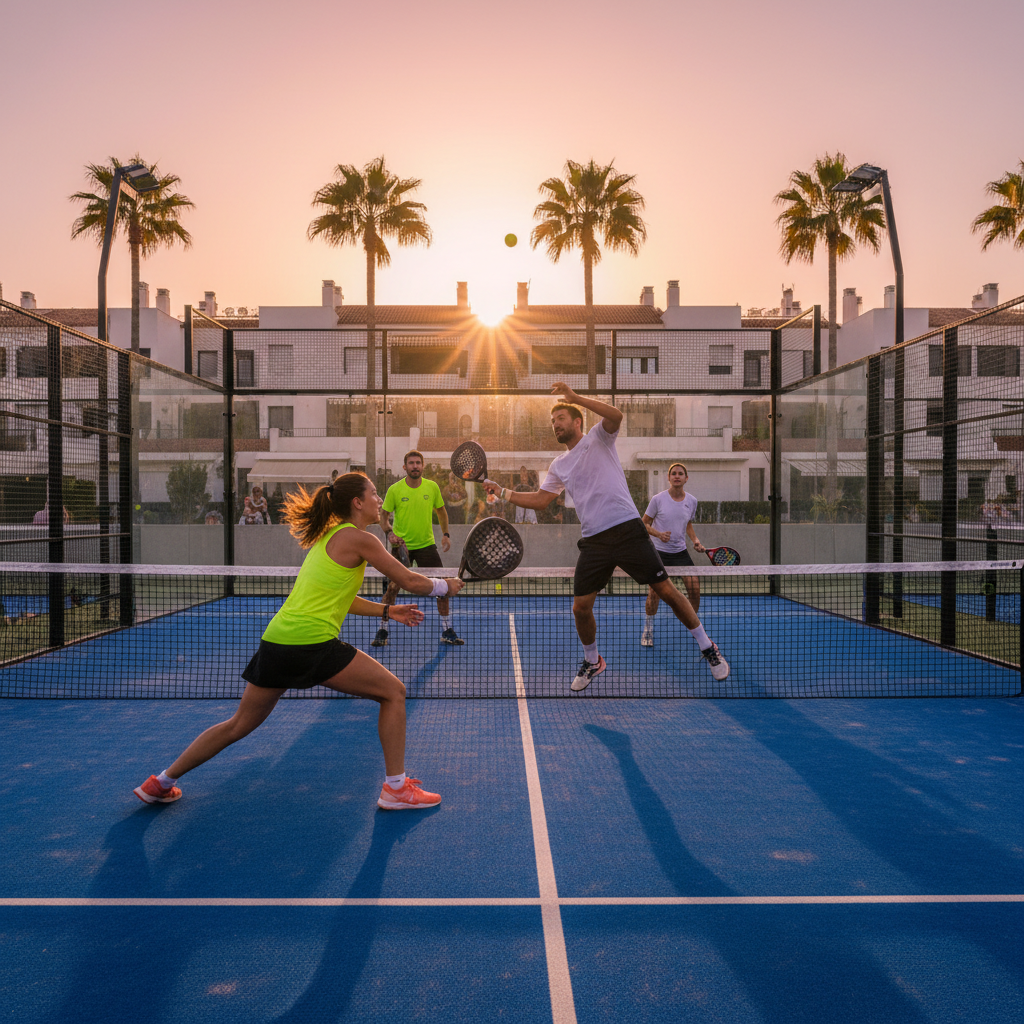
What is padel near me and why is it so popular?
Padel is a fast-growing racket sport played in an enclosed glass court that combines the best elements of tennis and squash. You are likely tired of driving across the city only to find that every local court is booked out weeks in advance. It is incredibly frustrating when you want a high-energy social workout, but the lack of accessible facilities keeps you stuck on a repetitive treadmill. Bringing padel near me by building your own facility is the ultimate solution to provide a premium hub for enthusiasts while capturing a booming market.
What makes the gameplay unique?
The core of the game lies in the use of solid carbon fiber bats and the strategic use of the surrounding walls to keep points alive. Think about this: the ball stays in play significantly longer than in tennis, which rewards positioning over raw power. You can hit the ball off the back glass to surprise your opponents, making every point feel like a fast-paced chess match.
- Scoring follows traditional tennis rules (15, 30, 40).
- All serves must be delivered underhand at waist level.
- Walls allow for “second-chance” hits after the ball bounces.
Why are clubs investing in it?
You can fit three padel courts in the space of one standard tennis court, which triples your potential revenue per square foot. But wait, there is more: the social nature of the sport naturally increases member retention and secondary sales in your cafe or pro shop. This high density and community engagement make it a premier choice for modern athletic facilities.
Key Takeaway
Padel offers superior land-use efficiency and higher player engagement compared to traditional racket sports, making it a lucrative investment.
| Factor | Padel Court | Tennis Court |
|---|---|---|
| Player Capacity | 4 Players | 2-4 Players |
| Size | 10m x 20m | 11m x 24m |
| Learning Curve | Low (Minutes) | High (Months) |
This comparison highlights why facility owners prefer padel for maximizing space utility and player turnover.
What are the dimensions for padel near me?
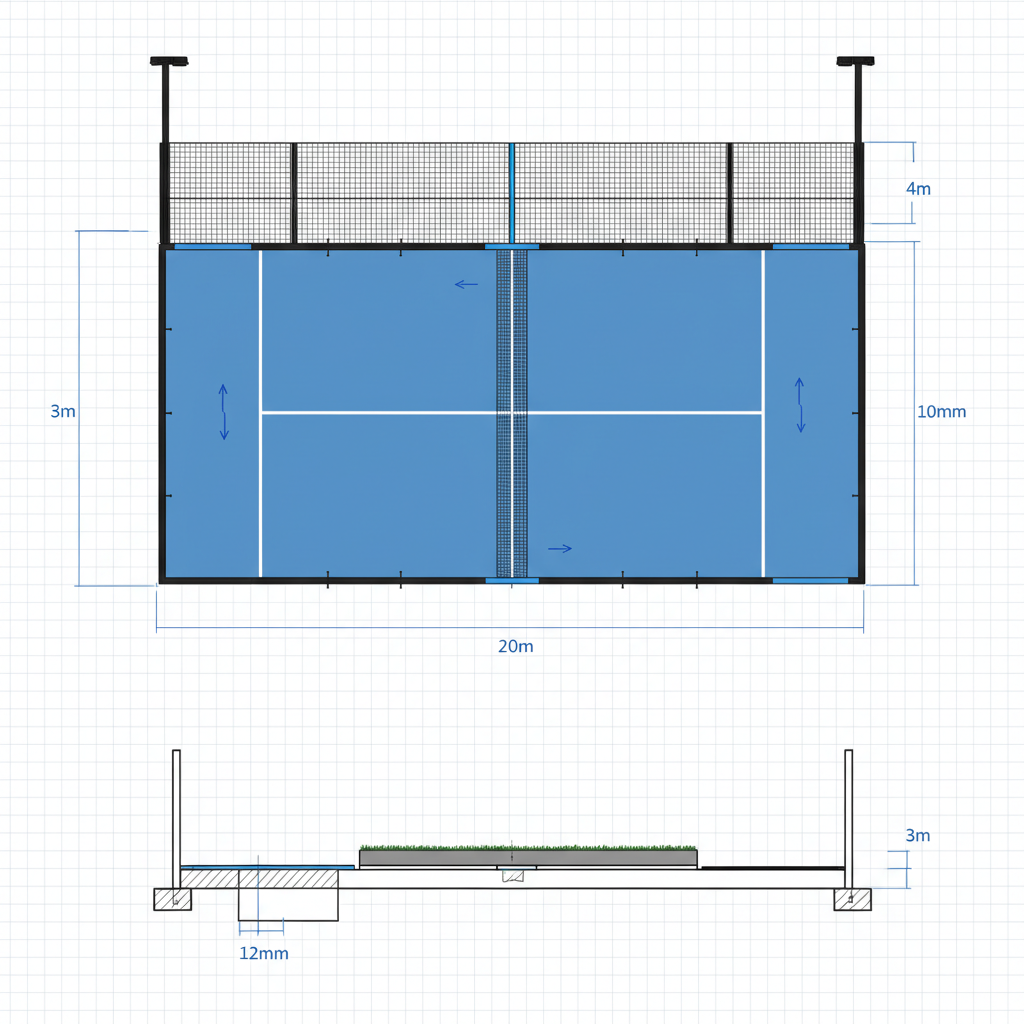
A standard court requires a 10-meter by 20-meter footprint for padel near me, enclosed by a combination of tempered glass and metallic mesh. Ensuring these measurements are precise is the first step toward a successful and safe installation. You must account for specific safety clearances required for professional play during the planning phase.
Is there a minimum ceiling height?
For indoor facilities, you need at least 6 meters of clear height to accommodate the high lobs that are central to the game. Here is the deal: most professional-grade clubs actually prefer 8 meters or more to allow for high-level tactical lobs and overheads. You must ensure that lights, beams, and HVAC ducts do not obstruct this vertical playing zone.
- 6m is the minimum competitive requirement.
- 8m is the gold standard for luxury and professional clubs.
- Clearance is needed for overhead LED arrays and beams.
What are the zoning requirements?
You should check local building codes for setbacks, drainage, and noise ordinances before you start the excavation process. Believe it or not: a level concrete or asphalt slab is non-negotiable for the court to function correctly. You must ensure the foundation can support the heavy glass panels and steel structure without shifting over time.
- Verify commercial or recreational land use.
- Assess drainage capabilities for outdoor installations.
- Consult with engineers on local soil stability.
Key Takeaway
Precise 10x20m dimensions and a minimum 6m ceiling height are the non-negotiable foundations of any professional court build.
| Component | Minimum Size | Recommended |
|---|---|---|
| Court Width | 10 Meters | 10 Meters |
| Court Length | 20 Meters | 20 Meters |
| Interior Height | 6 Meters | 8+ Meters |
Strict adherence to these technical specifications ensures your facility meets international playing standards and remains safe for all users.
How do you install glass for padel near me?
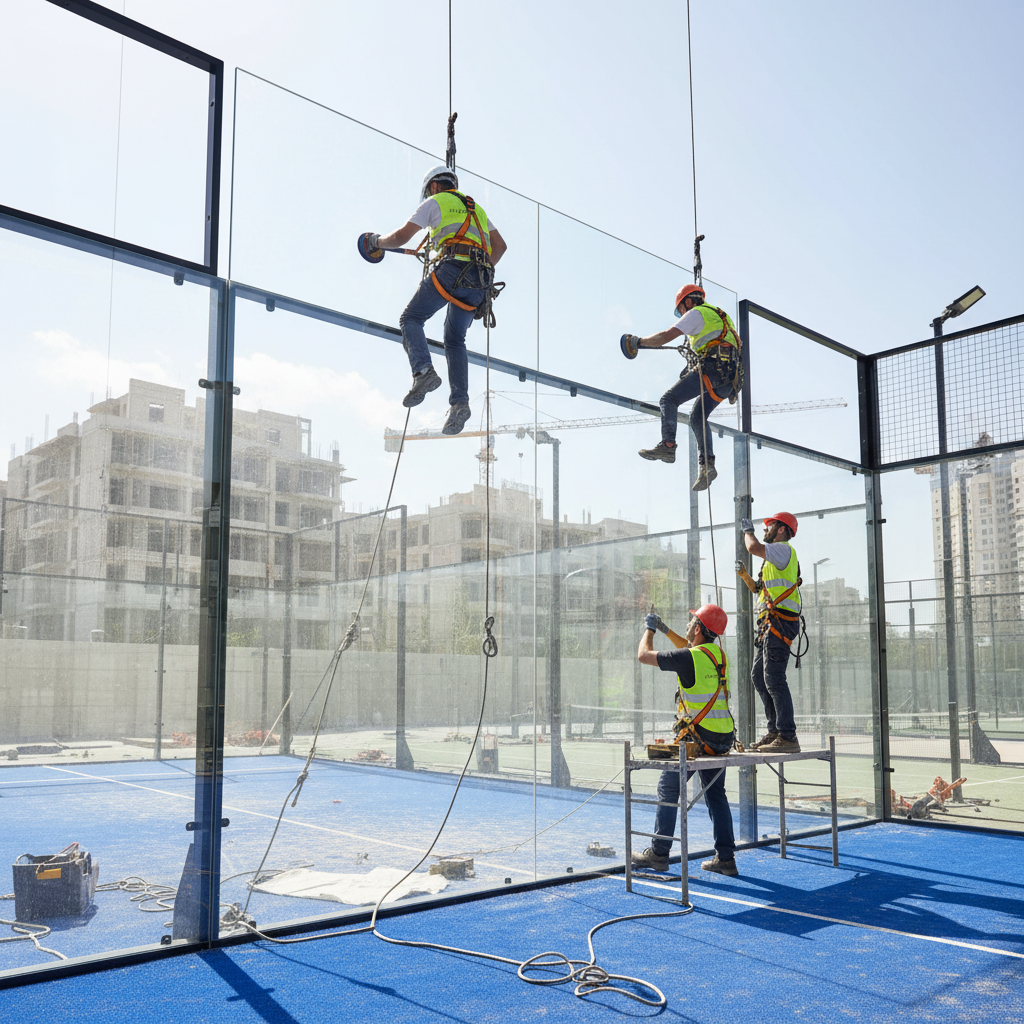
Glass installation involves mounting 10mm or 12mm tempered safety panels into a reinforced steel frame for padel near me to create the signature rebound effect. High-quality facilities prioritize safety and visual clarity so that spectators have a clear view of the high-speed action. You must use specialized suction equipment and an experienced team to ensure the panels are perfectly aligned and tensioned.
Why is 12mm glass better?
While 10mm glass is common, 12mm panels provide superior impact resistance and a much more consistent ball bounce for the players. Wait, there is more: the thicker glass also offers better acoustic properties, which reduces the loud noise during aggressive matches. You will find that the extra weight provides more stability during high-wind conditions on outdoor courts.
- Enhanced safety during high-speed player collisions.
- Greater structural integrity for permanent outdoor installations.
- Premium aesthetic that justifies higher court booking fees.
What about panoramic designs?
Panoramic courts remove the vertical steel pillars at the back to offer an entirely unobstructed view of the court. Here is the kicker: this design is perfect for clubs that want to host filmed tournaments or attract high-level sponsors. You gain a stadium feel that makes your facility stand out as a top-tier destination for serious players.
- Unmatched visibility for spectators and broadcast cameras.
- Reinforced structural beams to support larger glass spans.
- Modern architectural appeal that increases club prestige.
Key Takeaway
Investing in 12mm tempered glass ensures player safety while providing the professional bounce characteristics expected by elite athletes.
| Glass Type | Thickness | Primary Benefit |
|---|---|---|
| Standard Tempered | 10mm | Cost-effective for residential use |
| Premium Safety | 12mm | Professional bounce and safety |
| Anti-Explosion | 12mm+ | Maximum durability for commercial hubs |
Choosing thicker glass is a long-term safety investment that significantly reduces the risk of structural failure during intense play.
Which turf is best for padel near me?
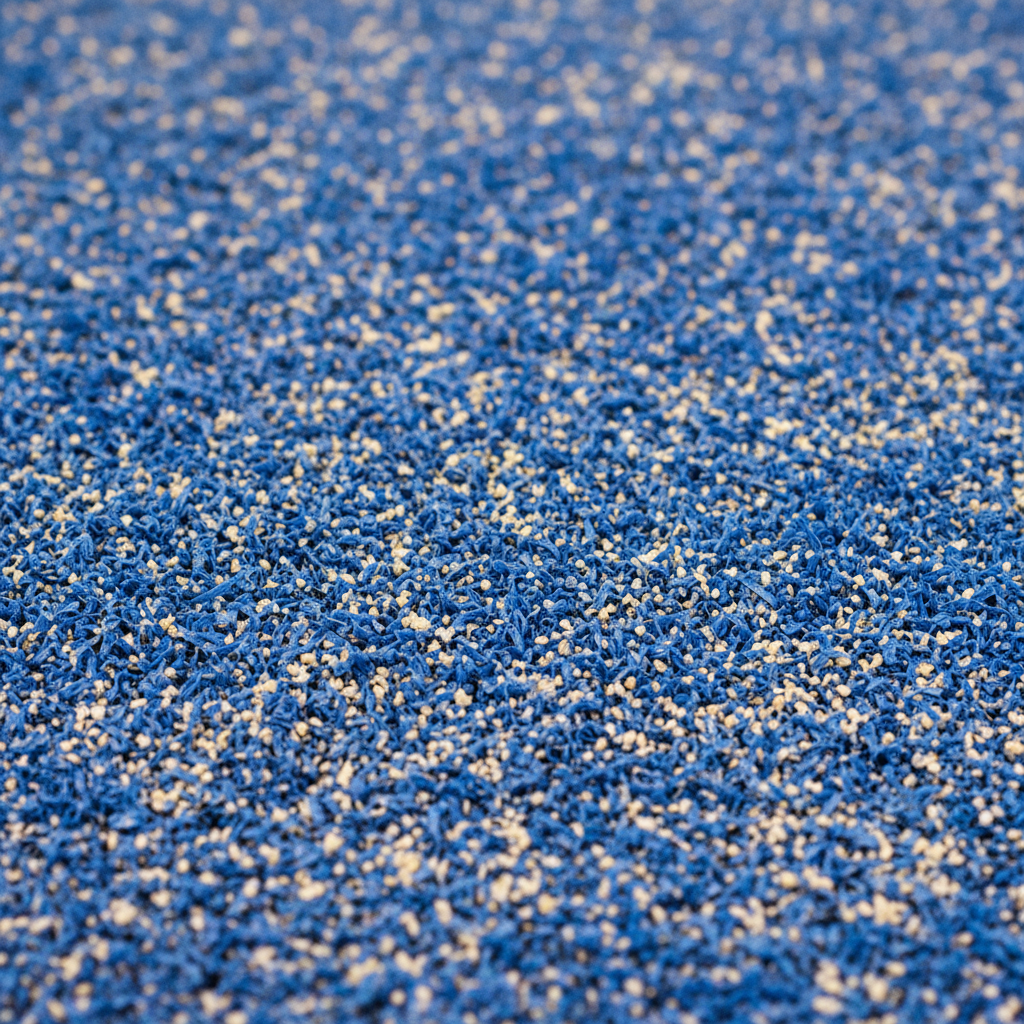
The best turf for padel near me is a high-density, monofilament or fibrillated polyethylene grass that offers consistent grip and ball bounce. Selecting the right color and pile height can also significantly enhance the overall branding and visual appeal of your sports club. The quality of the synthetic grass determines the frequency of your maintenance schedule and the longevity of the surface.
How much sand do you need?
You need fine-grain silica sand to infill the turf, typically between 8kg and 15kg per square meter depending on the grass density. The secret is: properly distributed sand ensures the ball bounces predictably and prevents players from slipping during quick transitions. You must brush the turf weekly to keep the sand level even and prevent the fibers from flattening out.
- Silica sand prevents premature wear of the synthetic fibers.
- Infill allows for controlled, safe sliding during defensive rallies.
- Proper sand levels reduce the risk of ankle and knee injuries.
What color should you choose?
Most professional clubs opt for World Padel Tour Blue for maximum visibility, but green and terracotta remain popular for outdoor settings. It gets better: while blue is classic, lighter colors can stay cooler in direct sunlight, though they may require more frequent cleaning. You should choose a color that reflects your brand identity while maintaining high contrast for the ball.
- Blue offers the highest contrast for yellow balls.
- Green provides a traditional “lawn” aesthetic for clubs.
- Custom colors can integrate your facility’s branding.
Key Takeaway
High-density monofilament turf paired with the correct silica sand infill is the key to a professional-grade playing surface that lasts.
| Turf Feature | Specification | User Experience Impact |
|---|---|---|
| Material | Polyethylene (PE) | Softness and durability |
| Pile Height | 10mm – 12mm | Predictable ball bounce |
| Density | 50,000+ stitches/m2 | Longevity and grip |
The right turf choice balances player comfort with the mechanical durability needed to withstand thousands of playing hours.
How is lighting used in padel near me?
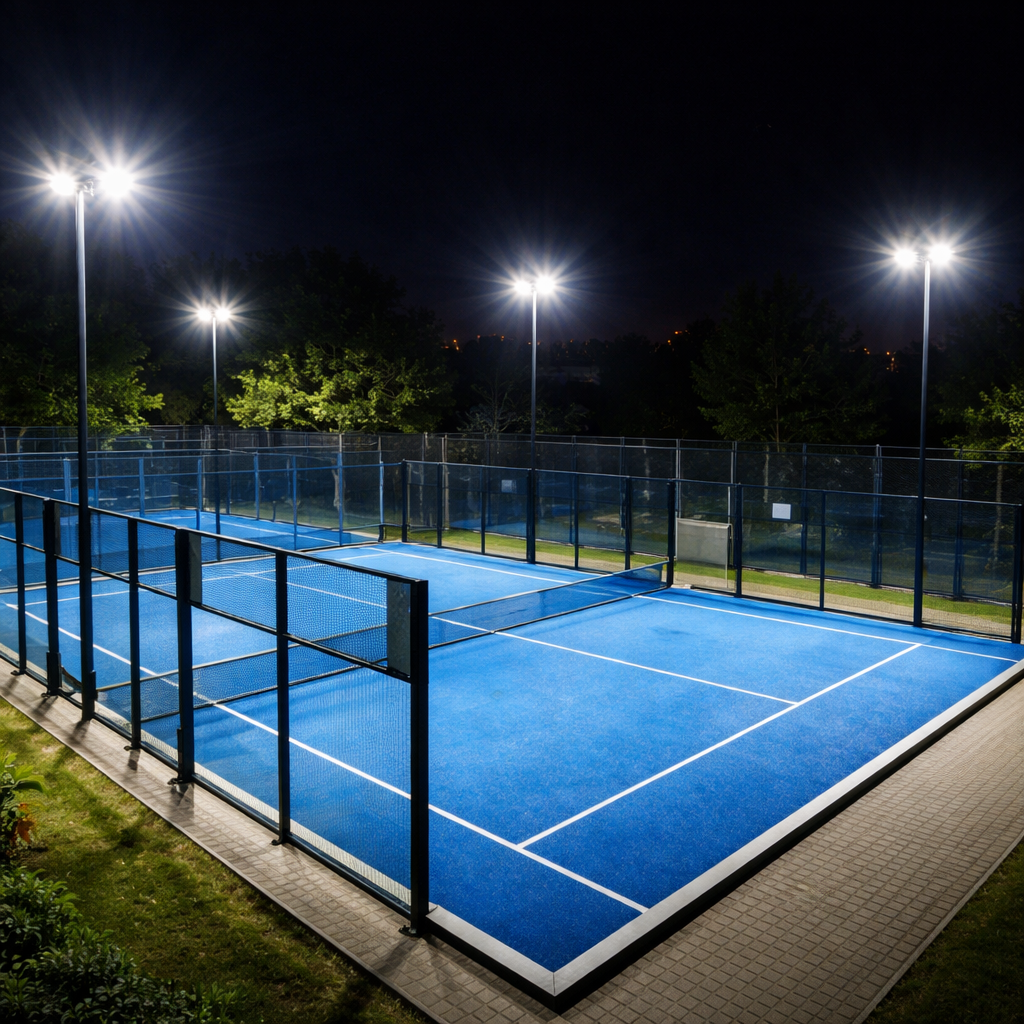
Professional lighting systems for padel near me utilize 4 or 8 LED floodlight masts to provide uniform, glare-free illumination across the entire area. To create a top-tier experience, you should aim for a minimum of 300 lux for recreational play and over 500 lux for competition. High-quality lighting allows your facility to operate long after sunset, which significantly increases your total potential booking hours per day.
How do you prevent glare?
You should install asymmetric LED fixtures that focus the light downward rather than outward into the eyes of the players. Here is the deal: proper positioning prevents ghosting effects where the ball seems to disappear or blur during high lobs. You will want to ensure the masts are positioned outside the playing area to avoid any physical interference with the game.
- Use IP65 or higher waterproof ratings for outdoor lighting.
- Opt for a 5000K daylight color temperature for natural visibility.
- Mount fixtures at a height of 6 meters to maximize light spread.
What are the energy costs?
Modern LED systems use up to 70% less energy than old metal-halide bulbs, making them a much more sustainable and cost-effective choice. Ready for the good part? You can integrate smart controls to dim the lights automatically when a court is not booked. This helps you lower operational overhead while still providing a well-lit, professional environment for your members.
- Significant reduction in monthly utility bills.
- Longer lifespan of 50,000+ hours reduces maintenance.
- Instant-on capability for immediate play after booking.
Key Takeaway
Asymmetric LED lighting at 300-500 lux extends your revenue-generating hours while ensuring a safe and glare-free environment for all players.
| Lighting Level | Lux Rating | Best Use Case |
|---|---|---|
| Recreational | 200 – 300 Lux | Training and social matches |
| Competition | 500 – 750 Lux | Tournaments and filmed games |
| Professional | 1000+ Lux | High-definition broadcasting |
Investing in high-efficiency LEDs is the most effective way to maximize court availability while minimizing overhead costs.
How do you choose the right site for padel near me?
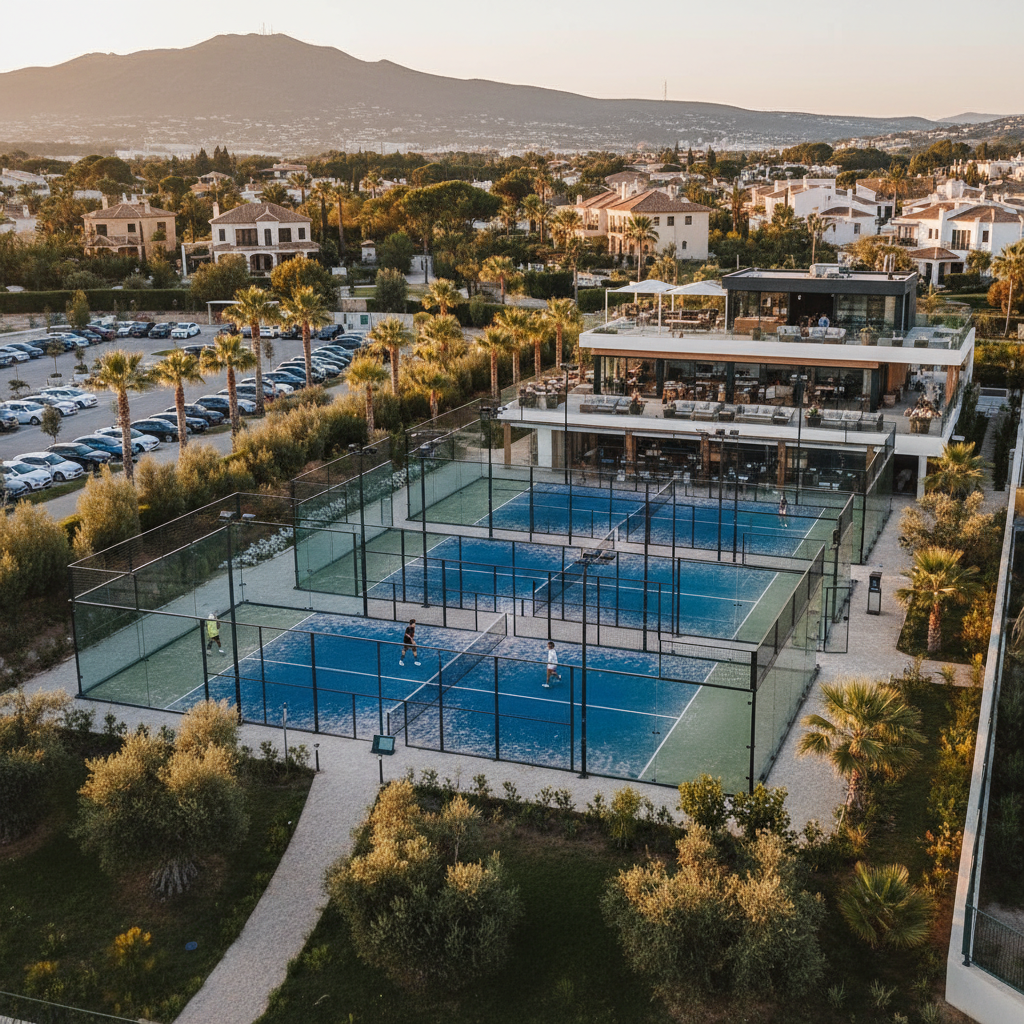
Selecting a site for padel near me involves evaluating vertical clearance and accessibility for your target players. You should prioritize locations that offer easy transit links and high visibility to attract casual passersby. Proximity to existing fitness hubs can also help you tap into an established community of active individuals who are looking for new social sports.
What are the ceiling height requirements?
Indoor facilities require a minimum ceiling height of six to eight meters to accommodate high lobs without ball interference. You must ensure that lighting fixtures and HVAC ducts do not encroach into this vertical playing zone. The real story is:
- Minimum 6m height for recreational play.
- Recommended 8m+ for professional standards.
- Clearance for overhead LED arrays and structural beams.
How do local zoning laws impact the project?
You must verify that your chosen land is zoned for commercial sports use to avoid legal delays during construction. It is essential to conduct a noise impact assessment if your site is close to residential neighborhoods. Here is the kicker:
- Noise ordinance compliance for late-night play.
- Parking space requirements based on court count.
- Structural permits for glass and steel assembly.
Key Takeaway
Successful site selection hinges on securing enough vertical space and ensuring full compliance with local commercial zoning regulations.
| Site Factor | Essential Requirement | Impact Level |
|---|---|---|
| Ceiling Height | 6m to 8m Clear Space | High (Playability) |
| Zoning Status | Commercial/Recreational | Critical (Legal) |
| Accessibility | High Foot Traffic/Transit | Medium (Revenue) |
Finding a location that meets both technical height requirements and legal zoning is the most critical hurdle in early project development.
What structural parts are in padel near me?

The structural assembly for padel near me consists of hot-dip galvanized steel frames, tensioning systems, and modular hardware. These components are engineered to withstand the intense vibrations caused by constant ball impacts and player movement. Selecting high-grade mechanical parts ensures that the court remains stable and safe for decades of high-frequency use without structural fatigue.
Why use hot-dip galvanized steel?
Hot-dip galvanized steel provides a 20-year design life by creating a chemical bond that prevents rust in humid or coastal environments. This material is essential for outdoor facilities where rain and salt air can quickly degrade standard powder-coated metal. You will find that the structural integrity of the frame dictates the overall safety of the glass enclosure.
Think about this:
- Superior corrosion resistance in all climates.
- Reduced long-term maintenance and repainting costs.
- Certified stability for high-wind load areas.
How do tensioning systems work?
Mechanical winches and pulley systems allow for precise net height and cable tensioning to meet international competition standards. These parts must be robust enough to hold the net taut during aggressive play without slipping or requiring daily adjustments. Proper tensioning prevents the net from sagging, which is vital for maintaining the fairness of the game.
Here is the deal:
- Integrated winch handles for easy adjustment.
- Stainless steel cables to prevent snapping.
- Protective casing to ensure player safety at the posts.
Key Takeaway
Using hot-dip galvanized steel and professional tensioning hardware is the only way to guarantee a 20-year lifespan for your sports facility.
| Component | Standard Material | Premium Advantage |
|---|---|---|
| Main Frame | Powder Coated Steel | Hot-dip Galvanized |
| Net Winch | Plastic / Basic Metal | Heavy-duty Stainless |
| Fasteners | Standard Zinc | Anti-corrosive Bolts |
Premium materials might increase initial costs, but they eliminate the need for expensive structural repairs every few seasons.
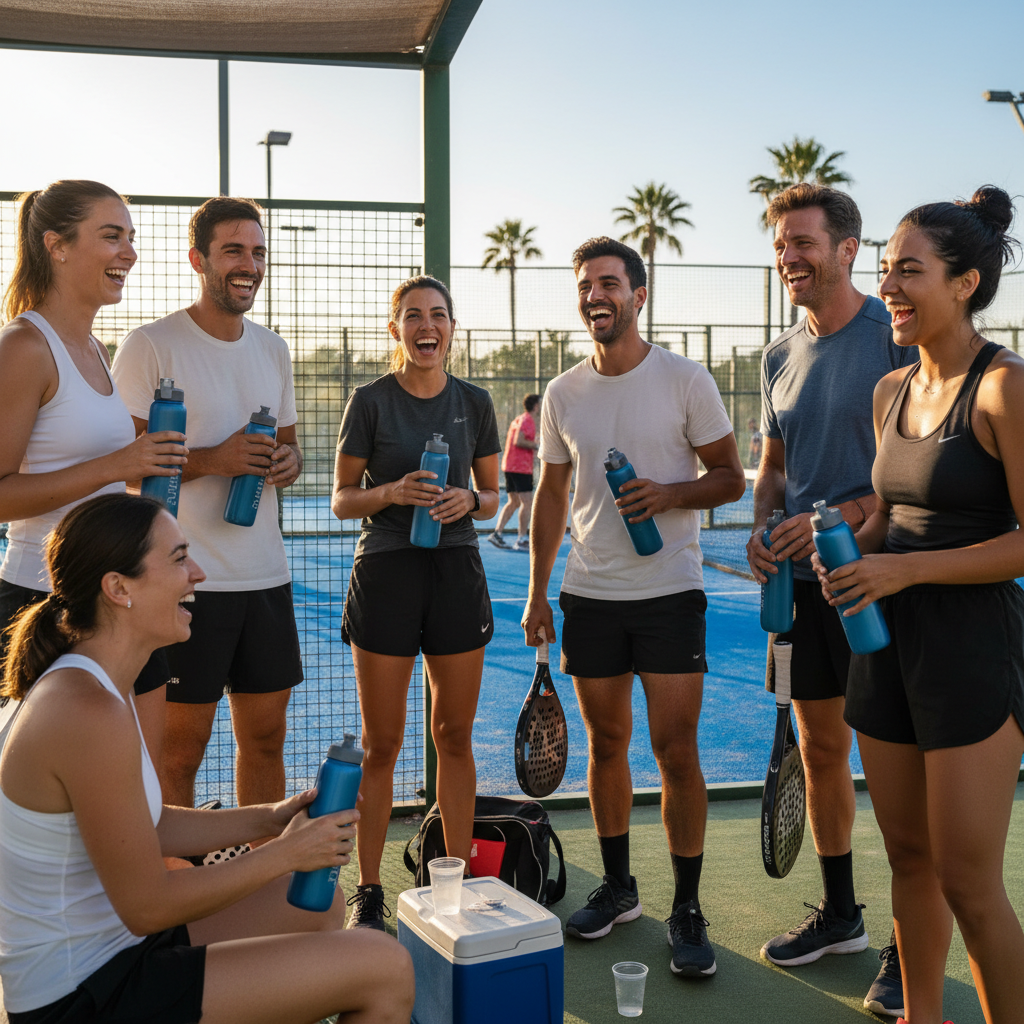
Social engagement is the primary driver of padel near me because the mandatory doubles format naturally encourages constant communication and teamwork. Unlike tennis, where players are separated by a large distance, the smaller court size keeps participants close enough to chat between points. This proximity builds a community atmosphere that traditional fitness centers often struggle to replicate.
How does community benefit your club?
High levels of social interaction lead to significantly higher member retention rates and increased secondary revenue from on-site cafes or pro shops. Players often stay long after their match has ended to watch other games and socialize with fellow enthusiasts. This behavior transforms your facility from a simple gym into a vibrant community hub.
Ready for the good part?
- Increased booking frequency through social groups.
- Higher sales of drinks, snacks, and apparel.
- Natural marketing through player word-of-mouth.
Why is the doubles format mandatory?
The doubles-only rule reduces the physical distance covered by each player while maximizing the tactical communication required during fast rallies. This makes the game accessible to older players or families who might find the physical demands of singles tennis too taxing. By focusing on teamwork, the sport emphasizes fun over raw athletic endurance.
But wait, there is more:
- Four players per court maximizes space efficiency.
- Reduced joint impact compared to squash or tennis.
- Mandatory teamwork creates a “sticky” social experience.
Key Takeaway
The social nature of padel ensures consistent facility usage and creates a loyal community that drives long-term business stability.
| Social Metric | Traditional Gym | Padel Facility |
|---|---|---|
| Interaction | Low (Individual) | High (Group) |
| Retention | 40-50% | 75-85% |
| Dwelling Time | 60 Minutes | 120+ Minutes |
Fostering a social environment is what ultimately turns a one-time player into a lifetime member of your athletic club.
What is the cost of building padel near me?

The total cost for padel near me includes hardware kits, international shipping, foundation preparation, and local installation labor. You should expect the most significant variable to be the ground preparation, which depends on your local soil conditions and material costs. Buying directly from a dedicated manufacturer allows you to eliminate middleman markups and secure a more competitive price.
How much does hardware usually cost?
Buying directly from the source allows you to secure premium court packages that include the steel structure, glass, and turf for a flat fee. You will find that standard models offer the best balance of price and durability for most commercial sports clubs. Here is the deal:
- Full structural steel frame kits.
- Standard or panoramic glass options.
- LED floodlight systems included in packages.
You must account for the concrete slab construction, which requires a perfectly level surface to ensure consistent ball bounce. Electrical wiring for the lighting system and local permit fees should also be included in your initial budget. But wait, there is more:
- Shipping container logistics and insurance.
- Import duties and customs clearance fees.
- Local labor for modular frame assembly.
Key Takeaway
Factory-direct sourcing is the most effective strategy to minimize your hardware costs and stay within your total project budget.
| Expense Category | Budget Allocation | Primary Cost Driver |
|---|---|---|
| Court Hardware | 50% – 60% | Manufacturing quality & design |
| Foundation/Slab | 20% – 30% | Local material and labor rates |
| Shipping/Logistics | 10% – 15% | Distance from factory to site |
Understanding the breakdown of your total investment helps you prioritize spending on durable components while managing local labor effectively.
How do you start your padel near me project?
You can start your padel near me project by finalizing your facility layout and requesting a detailed technical quotation from a certified manufacturer. Consulting with experts early in the process helps you avoid common mistakes in site orientation and material selection. You should define your target audience early to choose between standard designs or high-end panoramic models.
How do you select a reliable manufacturer?
You should look for a partner with extensive global shipping experience and a track record of meeting international safety certifications. A manufacturer that offers full OEM support allows you to customize your courts with specific colors and your club’s logo. This is the kicker:
- Verify ISO and safety certifications for all components.
- Check for 24-hour quotation response times.
- Review testimonials from international club owners.
What are the final steps before assembly?
Once your materials arrive on-site, you need to ensure the concrete foundation is fully cured and perfectly level for the glass installation. You should hire a qualified local crew who can follow the modular assembly manuals provided by the manufacturer. You might be wondering:
- Foundation leveling and drainage checks.
- Sequential assembly of the steel frame.
- Turf laying and sand infill distribution.
Key Takeaway
Success starts with a clear project scope and a partnership with a full-service manufacturer that provides both hardware and technical support.
| Project Phase | Primary Action | Success Metric |
|---|---|---|
| Planning | Site Selection & Permits | Legal Approval Received |
| Procurement | Factory-Direct Ordering | Hardware Quality Certified |
| Execution | Foundation & Installation | Court Surface Perfect Level |
Finalizing the technical details with your supplier early prevents delays during the actual construction and assembly phase on-site.
Conclusion
Building a professional padel facility is a strategic move that combines low maintenance with high social engagement and profitability. You have learned how to select the ideal site, prioritize safety-certified materials, and manage your budget through factory-direct sourcing. By focusing on a community-driven business model, you ensure your courts become a vibrant hub for athletes and families alike. Our brand vision is to become the global leader in padel innovation, empowering entrepreneurs to launch world-class sports destinations with ease. If you are ready to transform your vision into reality, contact us today to receive your custom quotation.
FAQ
Q1: Can I build a padel court in my backyard?
Yes, you can install a private court provided you have at least 11×21 meters of level space and meet local residential zoning requirements.
Q2: What’s the best way to maintain the glass walls?
Certainly, you should clean the glass weekly using non-abrasive detergents and a soft squeegee to maintain perfect transparency and a professional appearance.
Q3: How do I know if I need a panoramic or standard court?
Ideally, you should choose a panoramic design if your facility hosts competitive tournaments or if you want to offer a premium, unobstructed viewing experience for spectators.
Q4: Can I customize the court colors to match my brand?
Absolutely, we offer full OEM support where you can choose specific RAL colors for the steel frame and even add custom logos to the turf.
Q5: How do I know if my ceiling is high enough for indoor play?
Check for a minimum of 6 meters of clear height, though 8 meters is highly recommended for a professional-grade experience that allows for tactical lobs.