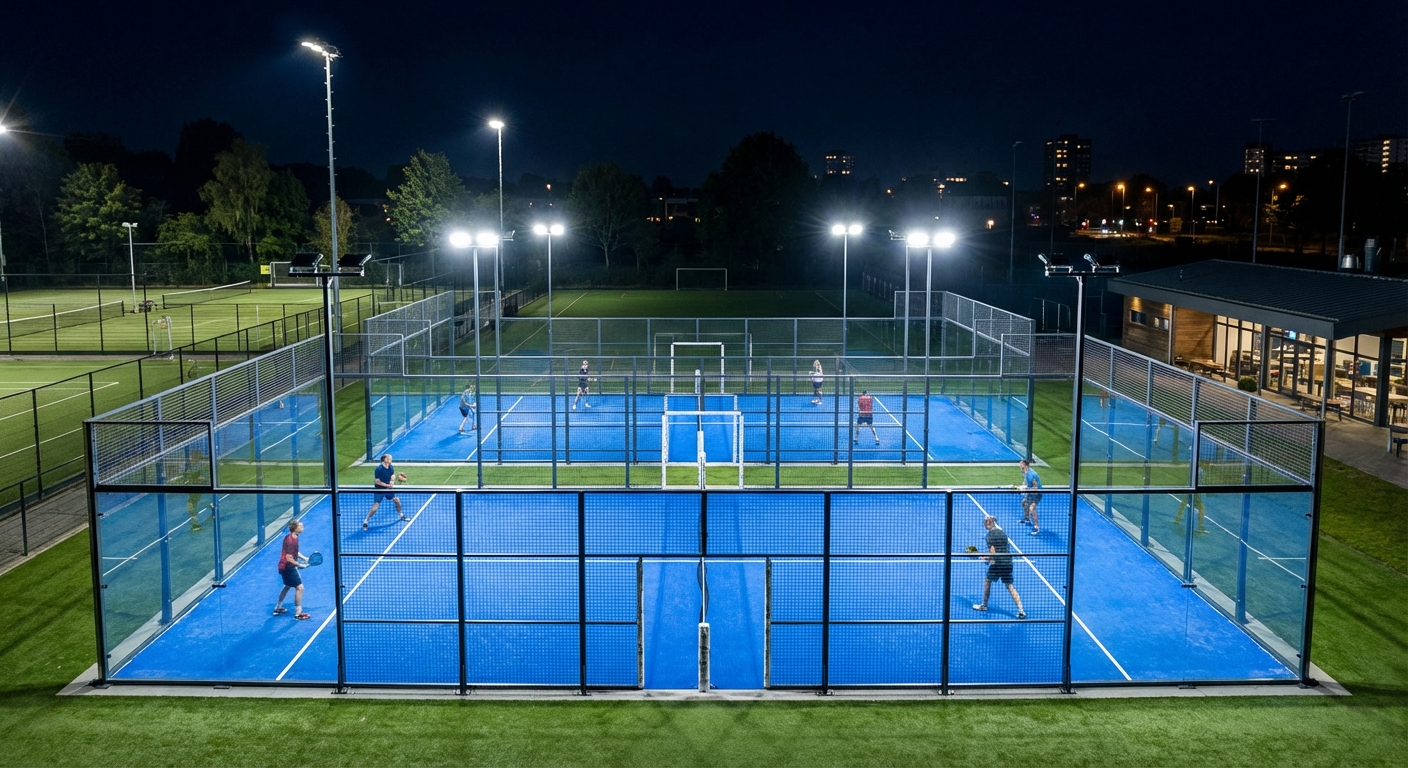
Building a professional-grade padel court typically requires an investment ranging from £55,000 to £80,000 depending on your site requirements and selected specifications. Navigating the complexities of sports construction can be a daunting task for club managers and private investors who fear overspending on low-quality installations. Without a clear breakdown of the technical and financial variables, your project risks significant delays or unexpected maintenance costs that eat into your ROI. This comprehensive guide on how much to build a padel court provides the clarity you need to transform your vision into a high-performance reality.
What is a padel court and why is it popular?
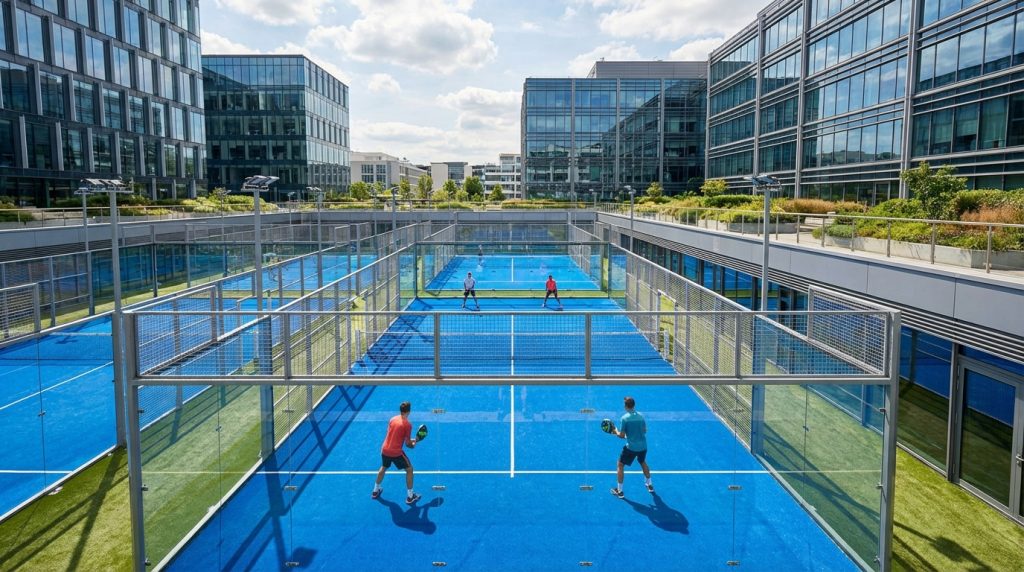
A padel court is a specialized sports facility that facilitates the world’s fastest-growing racket sport, combining elements of tennis and squash. Understanding how much to build a padel court begins with recognizing why this 20-meter by 10-meter court is becoming a staple in modern sports clubs. The sociability and accessibility of the game attract a diverse range of players, from elite athletes to casual fitness enthusiasts.
The Global Rise of Padel Tennis
Padel has exploded in popularity because it is significantly easier to learn than traditional tennis. With over 12 million players worldwide, the demand for high-quality courts is reaching an all-time high.
Look:
The rapid adoption by the LTA in the UK has validated padel as a premier investment for leisure centers.
- Fast-paced, engaging gameplay.
- Strong community and social aspect.
- High member retention for clubs.
Core Differences Between Padel and Tennis
While the scoring system mimics tennis, the physical environment of the court is fundamentally different. The presence of glass walls allows players to play the ball off the rebound, introducing a strategic depth similar to squash.
Think about it:
You are not just building a court; you are building an experience that maximizes space.
- 25% smaller footprint than tennis.
- Played exclusively in doubles.
- Enclosed by glass and mesh.
| Feature | Padel Court | Tennis Court |
|---|---|---|
| Dimensions | 20m x 10m | 23.77m x 10.97m |
| Enclosure | Glass & Mesh Walls | Open Perimeter |
| Scoring | Same as Tennis | Same as Padel |
The table above illustrates the space-saving advantages that make padel a superior choice for urban sports facilities.
Key Takeaway: Recognizing the unique structural needs of padel is the first step in accurately budgeting for your facility’s expansion.
What are the standard dimensions of a padel court?
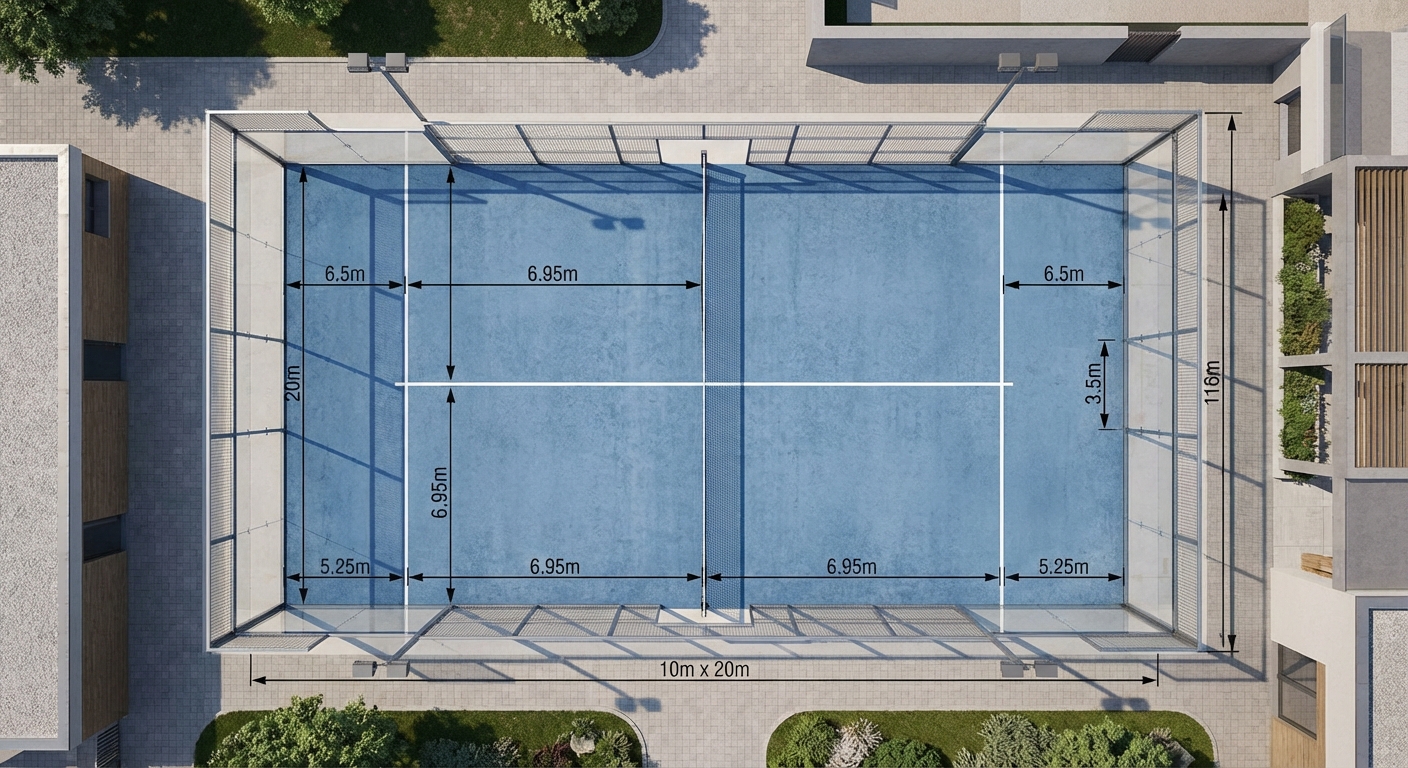
The standard dimensions for a padel court are precisely 20 meters in length and 10 meters in width, divided by a central net. When planning [how much to build a padel court], you must factor in the total footprint, which includes the necessary safety run-off areas and structural supports. These dimensions are non-negotiable for competitive play and ensure the game remains fast and balanced.
Precise Measurements for Play Areas
Every official court must adhere to these exact specifications to meet international governing body standards. The playing area is divided into service boxes that are 6.95 meters long, providing a consistent experience for all participants.
Here is the deal:
Consistency in court size is vital for player safety and skill development.
- Net height of 88cm at the center.
- Service line 6.95m from the net.
- Central longitudinal line for service.
Safety Run-Off and Total Footprint Needs
Beyond the 200 square meters of playing surface, you need to consider the external structural requirements. Many facilities choose to include extra space for player movement and spectator viewing areas around the glass perimeter.
The best part?
Padel courts allow you to fit two or three courts in the space of one traditional tennis court.
- Total footprint approx. 22m x 12m.
- Space for structural posts.
- Room for spectator seating.
| Component | Standard Dimension | Requirement Type |
|---|---|---|
| Length | 20.00 Meters | Playing Area |
| Width | 10.00 Meters | Playing Area |
| Net Height | 0.88 – 0.92 Meters | Equipment |
This data confirms that the compact nature of padel courts maximizes land utility for high-density sports centers.
Key Takeaway: Adhering to official dimensions is essential for regulatory compliance and long-term facility value.
How is a padel court built from scratch?
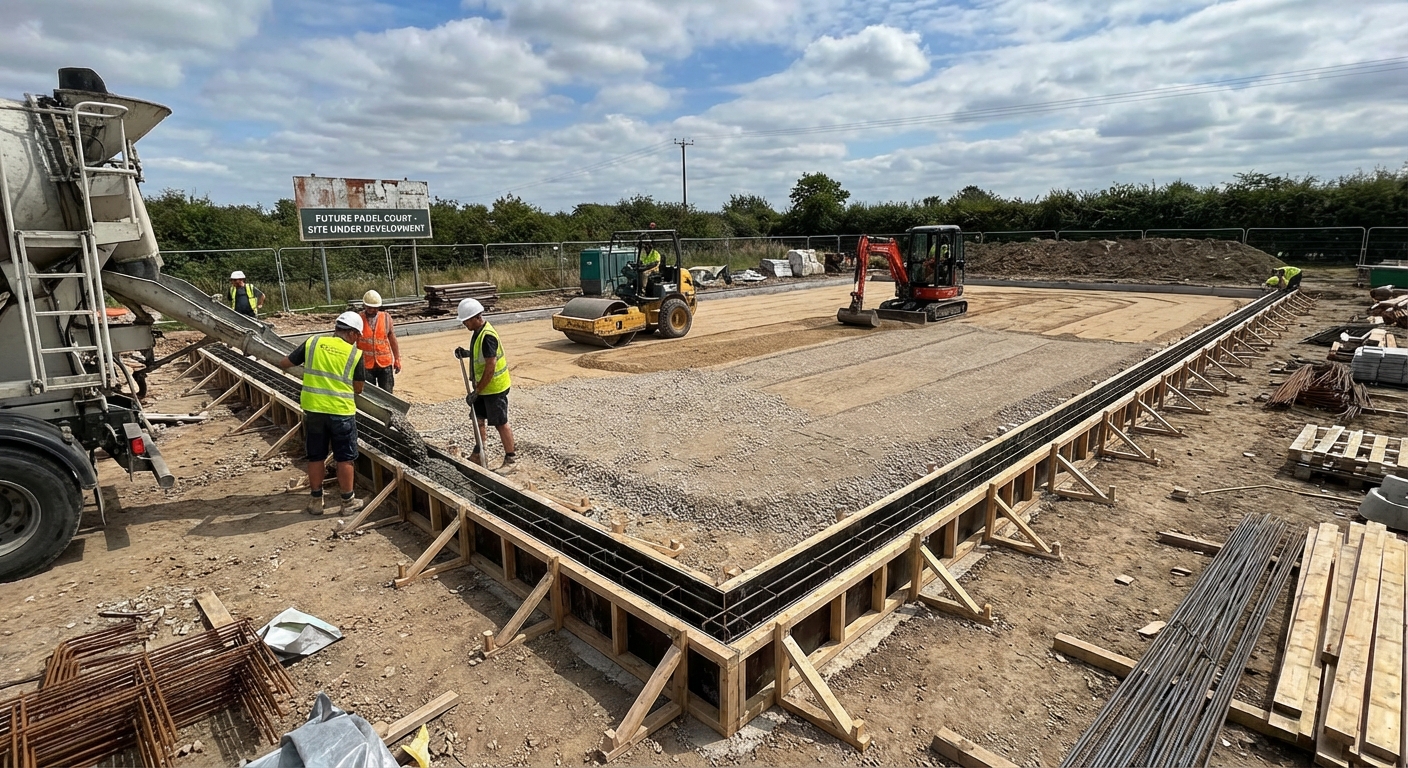
Building a padel court from scratch involves a technical ten-stage process ranging from design and planning to final surface installation. Determining how much to build a padel court requires an understanding of these stages, particularly the groundworks and structural engineering involved. A properly built court ensures durability and player safety over a 20-year lifespan.
The 10 Essential Construction Stages
The construction journey begins with securing planning permission and performing environmental impact assessments. Following this, the site must be cleared and leveled to prepare for the critical structural foundations.
But wait, there is more:
The sequence of installation is just as important as the quality of materials used.
- Design and Planning.
- Health and Safety.
- Earthworks.
- Drainage Systems.
- Concrete Ring Beam.
Preparing the Foundation and Base
Expertly prepared foundations are the most vital component to ensure the integrity of the playing surface. A reinforced concrete ring beam is typically designed by a structural engineer to support the heavy glass panels and steel framework.
Look:
If the base is uneven, the glass will eventually crack or the turf will wear prematurely.
- Sub-base and base construction.
- Perimeter concrete ring beam.
- Laser-leveled finishing.
| Construction Phase | Critical Task | Primary Benefit |
|---|---|---|
| Stage 4-6 | Groundworks & Base | Structural Integrity |
| Stage 7 | Ring Beam | Glass Panel Support |
| Stage 9 | Turf Laying | Playing Performance |
Careful execution of these early phases prevents costly repairs and ensures the court remains playable in all weather conditions.
Key Takeaway: A disciplined approach to the ten stages of construction is the only way to guarantee a professional-grade result.
How much does it really cost to build a padel court?
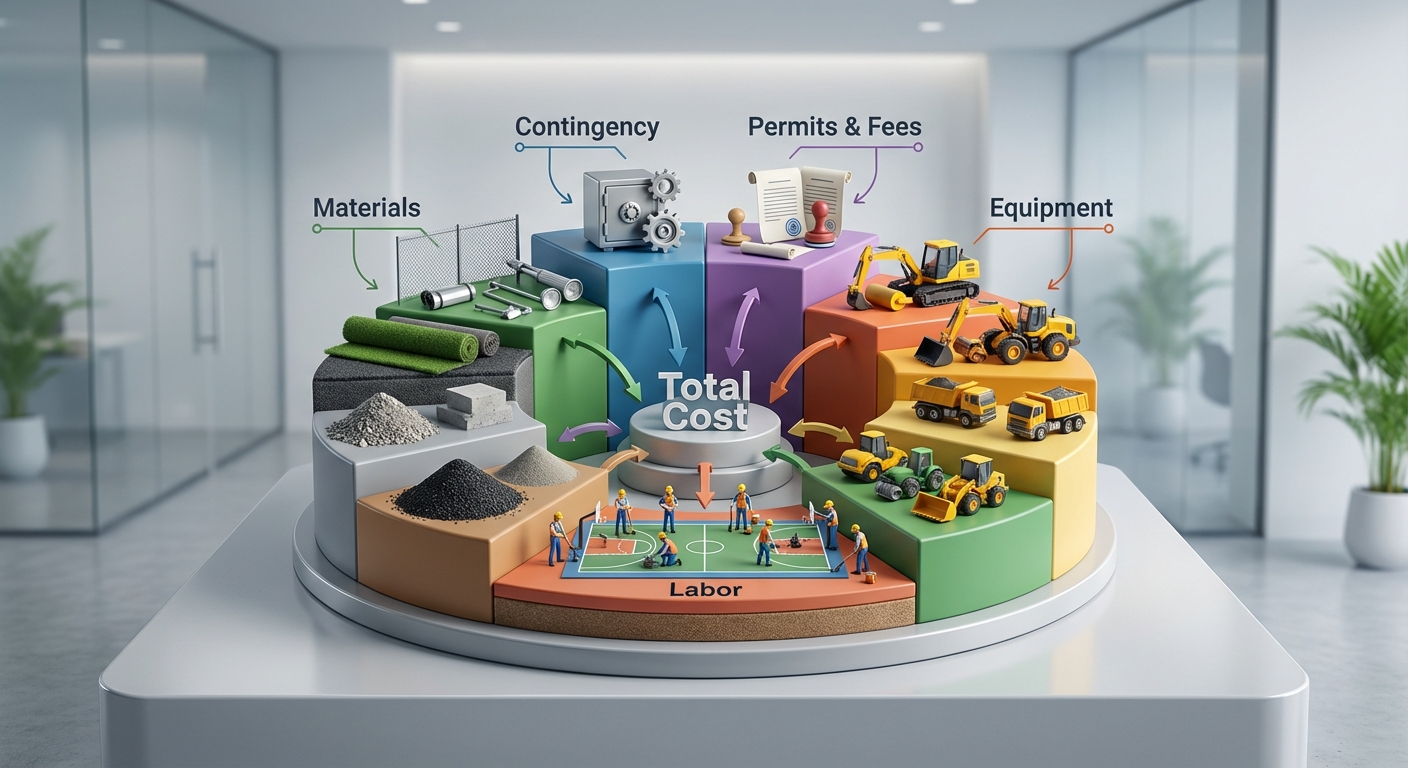
The real cost to build a padel court typically falls between £55,000 and £80,000 for a standard commercial-grade installation. When analyzing [how much to build a padel court], you must realize that site-specific groundworks and drainage often account for a significant portion of the total budget. Investing in higher specifications upfront can reduce long-term operational costs.
Breakdowns of Average Build Expenses
A typical budget allocation focuses on the structural elements, the playing surface, and the lighting systems. Groundworks are the most variable factor, as difficult terrain or poor drainage can quickly inflate the price.
Think about it:
Buying direct from a manufacturer can save you up to 30% on the structural components.
- Groundworks (30-40% of budget).
- Steel and Glass (40-45% of budget).
- Turf and Lighting (15-20% of budget).
Factors That Influence the Final Price
The number of courts being built simultaneously and the chosen level of customization will heavily impact your final quote. Selecting premium features like panoramic glass or integrated roofing will push the price toward the higher end of the spectrum.
The best part?
Multiple courts built at once often benefit from economies of scale in labor and logistics.
- Site accessibility.
- Soil condition.
- Lighting power requirements.
| Cost Category | Average Range | % of Total |
|---|---|---|
| Groundworks | £15k – £30k | 35% |
| Structure | £25k – £35k | 45% |
| Lighting/Turf | £10k – £15k | 20% |
This cost breakdown helps facility owners align their financial planning with realistic market expectations for professional construction.
Key Takeaway: Comprehensive budgeting must include a contingency for groundworks to avoid project overruns.
What is the best surface for padel performance?
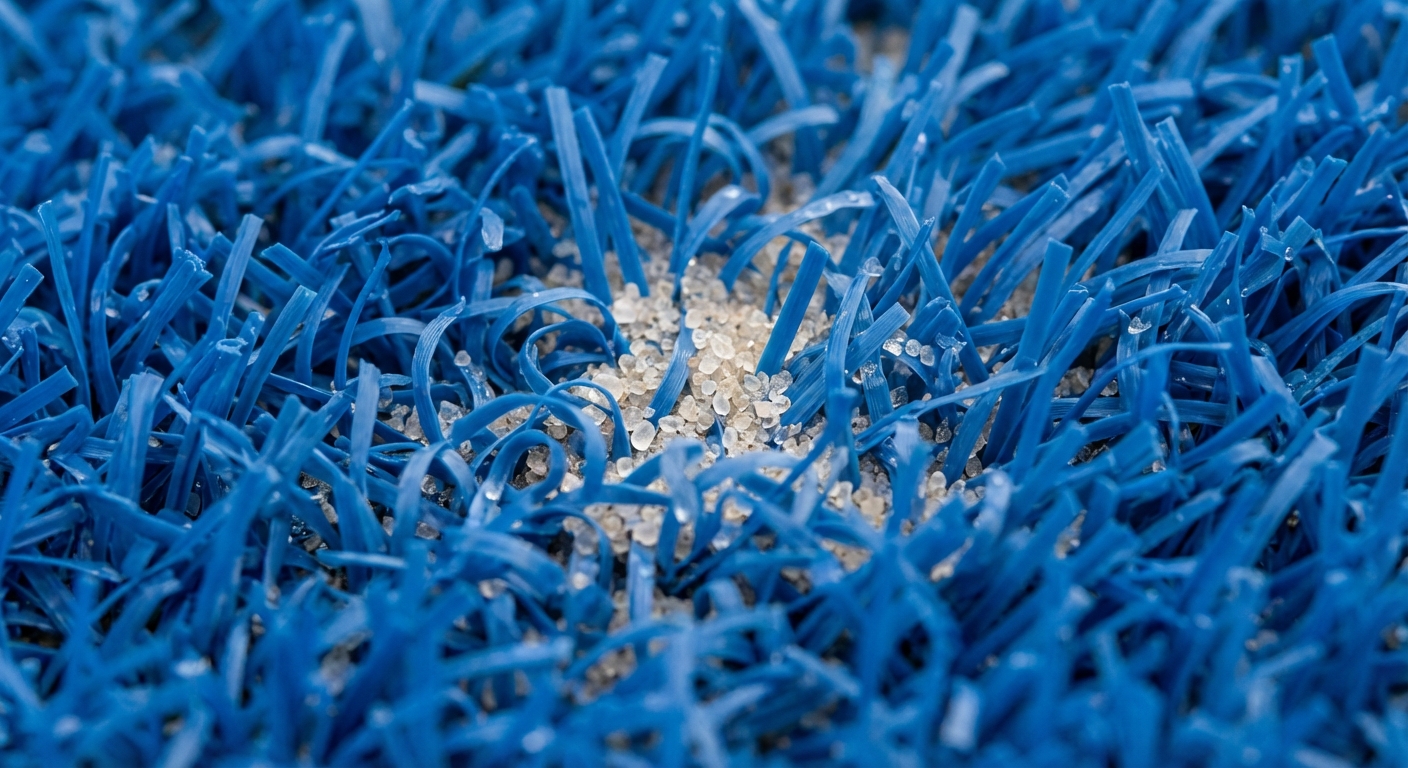
The best surface for padel is sand-dressed artificial turf, which provides the most consistent ball bounce and player traction. When calculating how much to build a padel court, you should prioritize high-density, EU-standard compliant Padel Grass for maximum durability. A premium surface not only enhances playability but also reduces the risk of joint injuries for your players.
Benefits of Sand-Dressed Artificial Turf
Sand-dressed synthetic surfaces allow for all-weather play by facilitating efficient water drainage through the sub-base. The silica sand infill keeps the fibers upright and provides the necessary “slide” that padel players expect during matches.
Look:
The right turf density ensures the ball doesn’t “die” when it hits the ground.
- Exceptional wear resistance.
- Consistent ball speed.
- All-weather performance.
Comparing Fibrillated and Textured Grass
Textured or monofilament grass is often preferred for high-end clubs because it requires less maintenance and provides a more aesthetically pleasing look. Fibrillated turf is a cost-effective alternative that still delivers reliable performance for community settings.
Here is the deal:
Textured fibers hold the sand in place better, leading to a more uniform playing surface.
- Monofilament for high-end clubs.
- Fibrillated for cost-efficiency.
- UV stability for outdoor use.
| Turf Type | Durability | Maintenance Level |
|---|---|---|
| Textured/Monofill | High | Low |
| Fibrillated | Medium | Medium |
| Sand-Dressed | High | Required |
Selecting the appropriate turf type directly impacts the user experience and the long-term profitability of your sports center.
Key Takeaway: Investing in premium, textured artificial turf pays for itself through lower maintenance costs and higher player satisfaction.
Why are the glass and mesh enclosures critical?
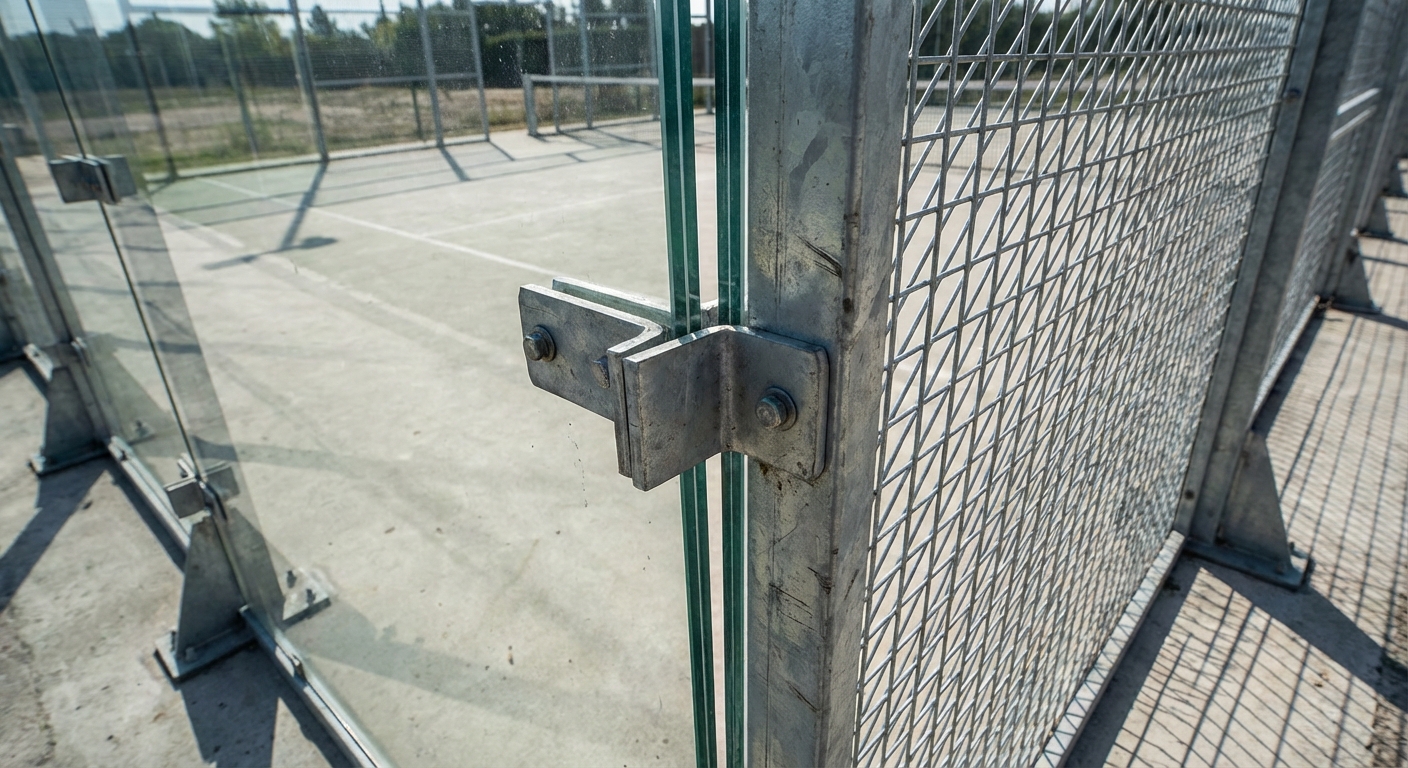
Glass and mesh enclosures are critical because they define the unique rebound mechanics of the game while ensuring player safety. When considering [how much to build a padel court], it is essential to specify 12mm tempered Padel Glass that meets anti-explosion standards. These structural elements must withstand heavy impacts and environmental stresses for decades.
Safety Standards for Tempered Glass
Safety is paramount when players are running at high speeds towards the court boundaries. High-quality tempered glass is designed to crumble into small, blunt pieces if broken, significantly reducing the risk of severe injury.
Think about it:
Liability is a major risk if you cut corners on glass specifications.
- 12mm thickness is the industry standard.
- Compliant with European EN 12150.
- Impact-resistant mounting hardware.
Structural Integrity of Steel Frameworks
The steel frame holds the glass and mesh in place, providing the rigid foundation needed for consistent ball rebounds. Galvanized steel is the preferred material to prevent corrosion, especially for outdoor courts exposed to rain and humidity.
But wait, there is more:
The mesh panels must be perfectly tensioned to prevent dead spots during play.
- Hot-dip galvanized for rust prevention.
- Modular design for easy assembly.
- Anti-injury mesh systems.
| Component | Standard Spec | Function |
|---|---|---|
| Glass | 12mm Tempered | Rebound & Visibility |
| Mesh | Electro-welded Steel | Structural Safety |
| Frame | Galvanized Steel | Load Bearing |
These specifications ensure that your enclosure remains safe and aesthetically pleasing throughout its operational life.
Key Takeaway: High-quality glass and steel are non-negotiable components that protect both your players and your investment.
How do you design effective padel court lighting?
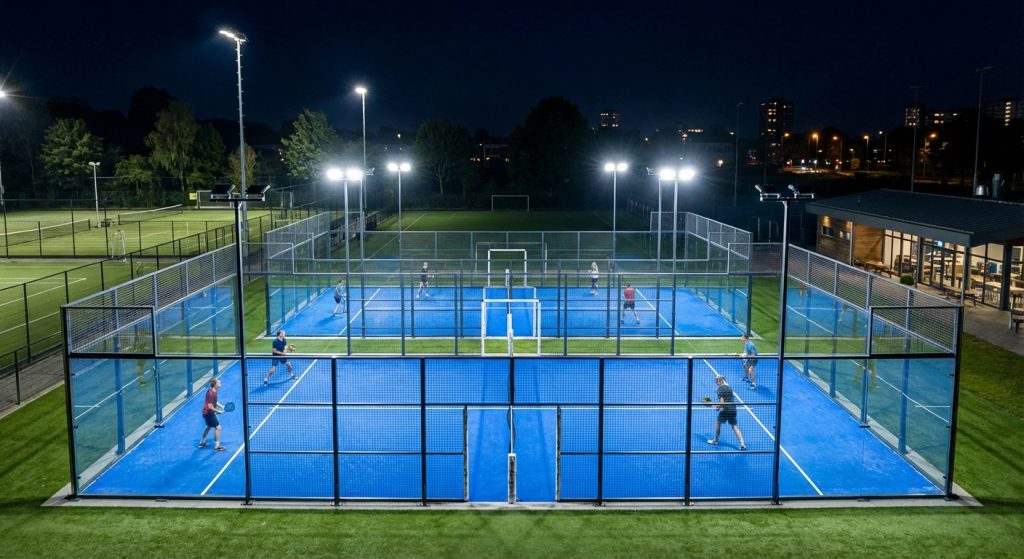
Effective padel court lighting is designed using high-efficiency LED floodlights that provide uniform illumination without creating glare. When researching how much to build a padel court, you should look for Padel LED Lighting solutions with an IP66 waterproof rating. Proper lighting extends your court’s playable hours, which is critical for maximizing booking revenue.
Choosing LED Floodlights for Night Play
LED technology has replaced traditional metal halide lights because it offers superior brightness at a fraction of the energy cost. These systems provide instant-on capability, meaning no warm-up time is required before players can start their match.
Look:
Uniform lighting prevents shadows that can distract players during high-velocity lobs.
- Energy savings of up to 60%.
- Long lifespan (50,000+ hours).
- Precise beam control.
Optimizing Light Uniformity and Glare
The placement and angle of the light fixtures are just as important as the bulbs themselves. Designers use photometric planning to ensure that the light is evenly distributed across the entire 200-square-meter surface.
The best part?
Modern LED systems are designed to minimize light spill, keeping your neighbors happy.
- Minimal light pollution.
- Glare-free lenses.
- Eight-fixture standard setup.
| Lighting Feature | LED Benefit | Operational Value |
|---|---|---|
| Efficiency | High Lumens/Watt | Lower Utility Bills |
| Longevity | 5-10 Years | Fewer Bulb Changes |
| Quality | Uniform Spread | Better Player Focus |
By optimizing your lighting design, you can ensure your facility remains a premier destination for evening and winter play.
Key Takeaway: Quality LED lighting is a revenue generator that significantly improves the versatility of your sports facility.
Which type of padel court should you choose?
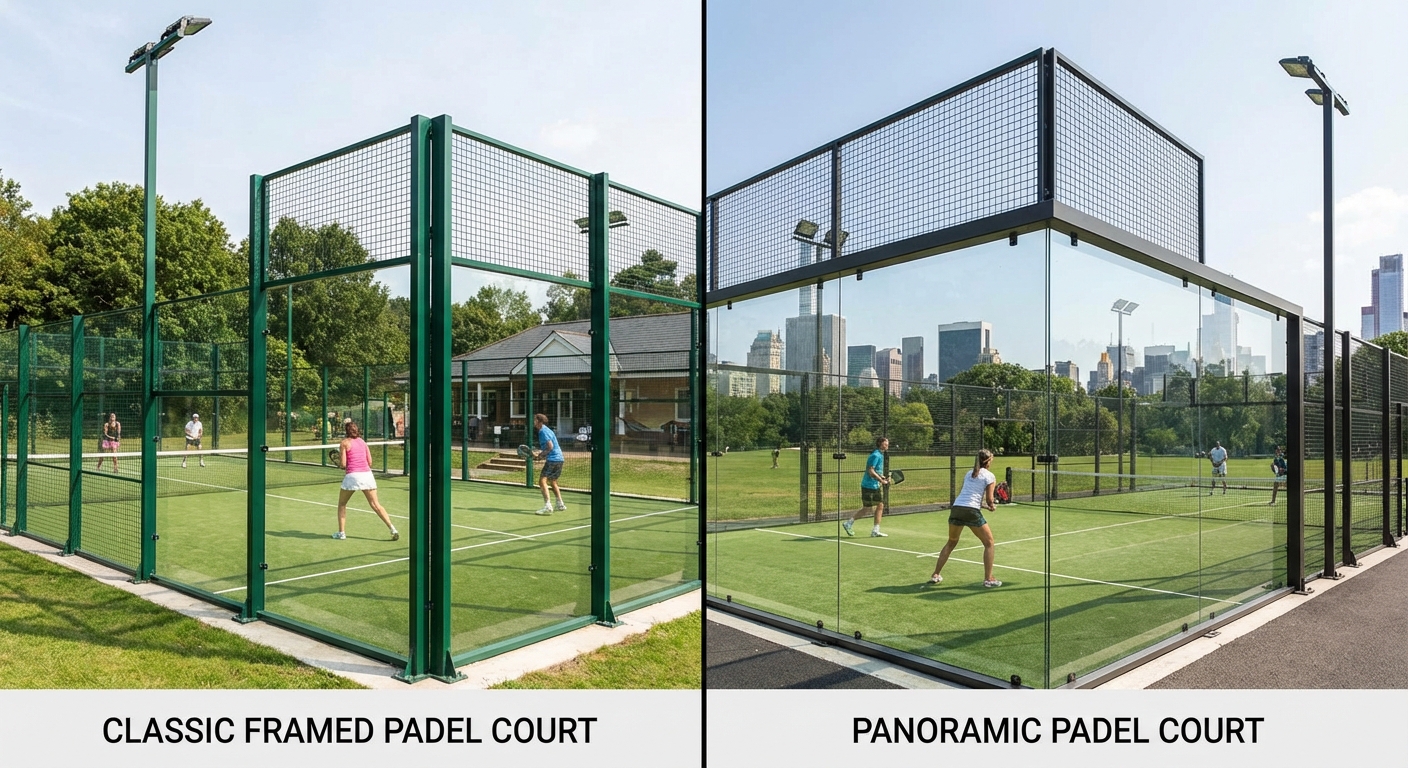
Choosing the right type of padel court depends on your facility’s goals, whether you prioritize cost-efficiency or a premium spectator experience. When evaluating [how much to build a padel court], you must decide between a classic framed model and more advanced options. Premier venues often opt for a Panoramic Padel Court to offer unobstructed views for fans and television cameras.
Comparing Standard and Panoramic Designs
Standard courts use vertical steel pillars to support the glass, making them a robust and cost-effective choice for schools and local clubs. In contrast, panoramic designs remove these pillars from the back walls, creating a sleek, high-end look.
Think about it:
A panoramic court can command higher rental fees due to its premium “pro-circuit” feel.
- Standard: Durable and affordable.
- Panoramic: Superior visibility.
- Super Panoramic: Elite aesthetic.
Advantages of Roofed Padel Court Systems
In regions with unpredictable weather, an integrated Roofed Padel Court system is the ultimate solution for year-round revenue. These structures allow for uninterrupted play during rain or intense heat, ensuring your booking schedule remains full.
Here is the deal:
All-weather roofing prevents lost income from weather-related cancellations.
- Protection from UV rays.
- Uninterrupted winter bookings.
- Increased member satisfaction.
| Court Type | Ideal Setting | Visibility Rating |
|---|---|---|
| Standard | Schools/Clubs | Good |
| Panoramic | Premier Venues | Excellent |
| Roofed | All-Weather Sites | Varies |
Selecting the model that aligns with your brand’s positioning will ensure you attract the right player demographic.
Key Takeaway: Matching the court model to your target audience is essential for optimizing your facility’s long-term ROI.
How do you maintain a padel court for longevity?
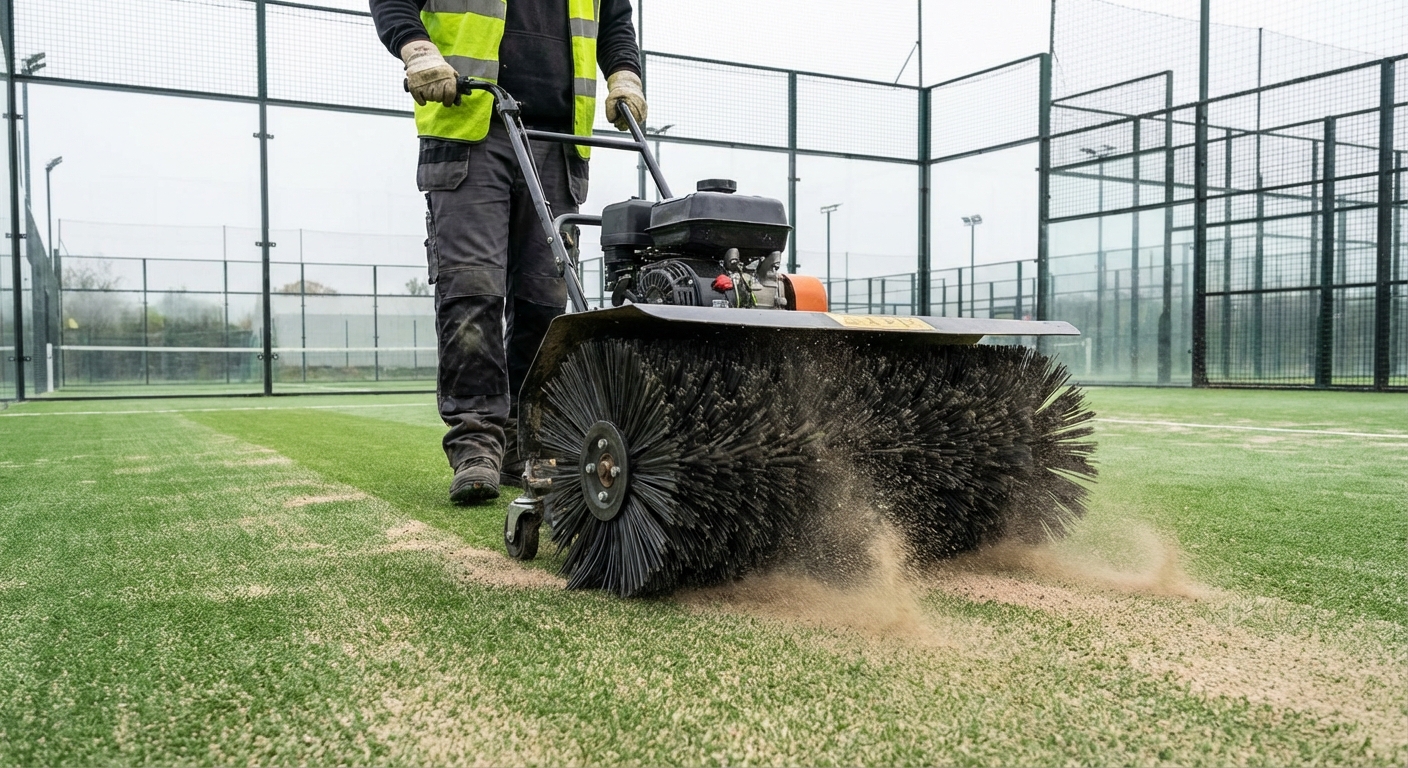
Maintaining a padel court involves regular brushing of the turf and periodic structural inspections to ensure a 20-year lifespan. When budgeting for how much to build a padel court, you must factor in the modest but essential costs of ongoing care. A well-maintained court retains its performance characteristics and prevents expensive emergency repairs.
Routine Brushing and Decompaction Steps
The sand infill in the artificial turf must be redistributed regularly to prevent it from compacting and becoming hard. Brushing the surface ensures that the grass fibers stay upright, which is critical for consistent ball bounce.
Look:
Neglecting the sand infill leads to premature turf wear and slippery playing conditions.
- Weekly brushing for high-use courts.
- Debris removal (leaves/dirt).
- Infill depth monitoring.
Maintaining Structural Bolts and Glass
The structural integrity of the steel frame and glass panels depends on keeping all bolts tightened and secure. Over time, the vibrations from heavy play can loosen fasteners, which can lead to glass misalignment if left unchecked.
The best part?
A simple monthly inspection can prevent 90% of structural issues.
- Bolt tightening schedule.
- Glass cleaning for visibility.
- Rust checks on metal parts.
| Task | Frequency | Objective |
|---|---|---|
| Brushing | Weekly | Sand Redistribution |
| Debris Clearing | Daily | Surface Safety |
| Structural Check | Monthly | Fastener Integrity |
Consistent maintenance is the most effective way to protect your capital investment and ensure player safety.
Key Takeaway: Proactive maintenance is a fraction of the cost of court replacement and ensures your facility remains top-tier.
How can you secure funding for a padel facility?

Securing funding for a padel facility involves exploring government grants, national sports loans, and private leasing options. Understanding [how much to build a padel court] helps you present a professional business case to potential lenders or grant committees. Many organizations are eager to fund padel due to its high participation rates and social benefits.
Government Loans and National Grants
In many regions, organizations like the LTA offer interest-free loans specifically designed to expand padel infrastructure. These programs often provide between £25,000 and £250,000 for eligible clubs and community groups.
Think about it:
Interest-free funding can significantly accelerate your project’s timeline.
- LTA Quick Access Loan Scheme.
- Local council sports grants.
- National Lottery funding.
Private Funding and Leasing Options
For commercial operators, private hire purchase agreements or operating leases can spread the cost of construction over several years. This approach preserves your cash flow while allowing you to start generating revenue from court bookings immediately.
But wait, there is more:
Revenue from just one padel court can often cover its own monthly finance payments.
- Hire purchase agreements.
- Finance leases.
- Private equity partnerships.
| Funding Source | Accessibility | Primary Benefit |
|---|---|---|
| LTA Loans | High (Clubs) | 0% Interest |
| Private Leasing | High (Business) | Cash Flow Preservation |
| Local Grants | Medium | Non-repayable |
Choosing the right financial instrument allows you to scale your facility without putting undue pressure on your existing capital.
Key Takeaway: Diverse funding options make padel construction accessible for facilities of all sizes and business models.
*
Summary and Next Steps
Building a professional padel facility is a strategic investment that requires balancing technical excellence with financial discipline. We have solved the common problems of cost uncertainty, structural planning, and material selection. Whether you are looking to revitalize an under-utilized space or build a flagship sports center, our team provides the expert engineering and factory-direct pricing to make your project a success. We are committed to leading the global padel revolution by delivering courts that define the industry standard for safety and performance.
Ready to transform your space? To get a detailed breakdown of costs for your specific site, contact us today for a custom quotation.
*
Frequently Asked Questions (FAQ)
Can I build a padel court in my backyard?
Yes, you absolutely can. You will need a level space of approximately 20m x 10m and must obtain the necessary planning permission for sports structures in residential areas.
What is the best way to clean padel court glass?
The best option is standard glass cleaning solutions paired with a high-quality squeegee. This ensures maximum visibility for players and spectators while allowing you to inspect the structural bolts for tightness.
How do I know if I need planning permission?
You should always assume that planning permission is required. Most jurisdictions classify padel courts as a permanent change of use or a significant new structure, requiring a formal application to local authorities.
Can I convert a tennis court into a padel court?
Yes, this is a highly efficient use of space. A single traditional tennis court provides enough square footage to house two or even three padel courts, effectively tripling your potential member participation.
What is the lifespan of an artificial turf surface?
The best estimate is between 5 to 8 years. While the structural frame can last up to 20 years, the artificial turf is a wear-layer that requires replacement once the fiber density or ball bounce begins to degrade.