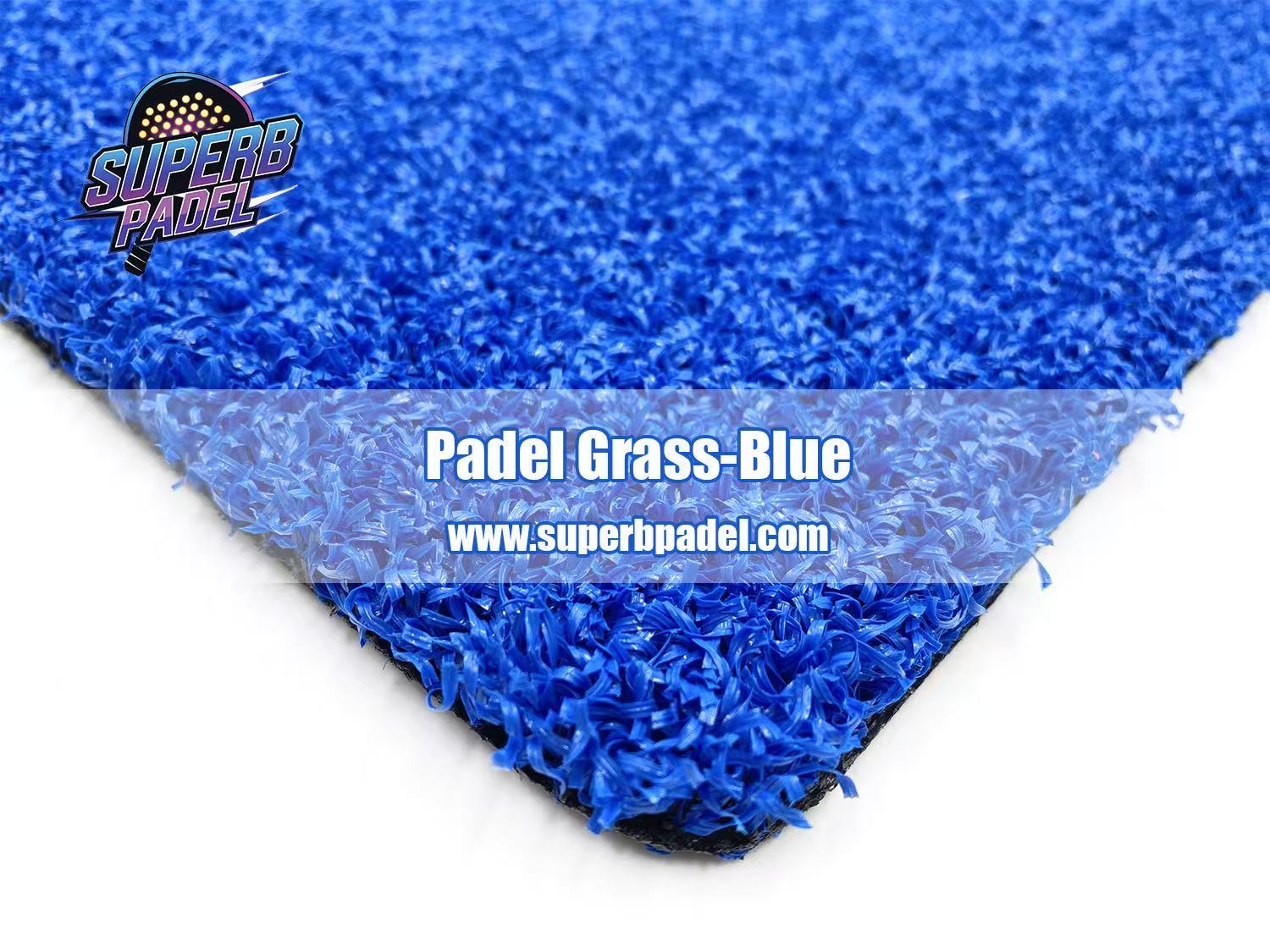
The average padel court construction cost usa typically ranges from $28,000 for standard installations to over $110,000 for premium, pro-level facilities. Many investors see the skyrocketing demand for this sport but feel paralyzed by the lack of transparent pricing in the American market. This uncertainty often leads to significant budget overruns or the purchase of low-quality hardware that fails under high commercial traffic. But here’s the kicker. By understanding the specific variables of site engineering and factory-direct procurement, you can turn a complex capital expenditure into a high-yielding sports asset that dominates your local market.
1. What is the average padel court construction cost usa?

The baseline padel court construction cost usa varies significantly based on whether you choose a basic pillar-style court or a high-end panoramic model. For a standard commercial-grade installation, you should budget between $35,000 and $55,000 for the hardware and basic installation. Choosing a Standard Padel Court allows you to access factory-direct pricing while ensuring the structure meets rigorous CE-compliant safety standards.
Is your project a $20,000 or $100,000 endeavor?
Determining your budget tier depends entirely on the intended user experience and the durability required for your specific climate. Entry-level courts often sacrifice steel thickness and glass quality, which can lead to higher maintenance costs down the road. Think about it. A premium facility catering to elite members will require heavy-duty safety glass and professional lighting to justify higher rental fees.
- Entry Level: $20k – $35k (Basic mesh and 10mm glass).
- Mid-Range: $40k – $60k (Standard panoramic with 12mm glass).
- Elite Level: $75k – $110k+ (Super panoramic with pro-grade lighting).
How does geographic location shift the baseline?
Shipping and labor rates across different US states can swing your total investment by as much as 20% due to logistics. Delivering a 40ft container to a coastal hub like Miami is far more cost-effective than transporting materials to landlocked mountainous regions. Wait, there’s more. Local concrete labor rates in metropolitan areas like New York or Los Angeles will also inflate the preparation phase compared to rural zones.
- Coastal Hubs: Lower shipping, higher labor.
- Landlocked Regions: Higher logistics, lower labor.
- Urban Zones: Premium permitting and installation fees.
| Cost Component | Price Range (USD) | Priority |
|---|---|---|
| Court Hardware | $20,000 – $45,000 | Essential |
| Logistics/Shipping | $3,000 – $8,500 | Variable |
| Professional Installation | $5,000 – $12,000 | Essential |
| Total Baseline | $28,000 – $65,500 | Estimated |
Comprehensive planning ensures that your initial capital allocation covers all regional logistical hurdles and structural requirements.
Key Takeaway: Precise budgeting requires balancing initial hardware savings against the long-term structural integrity needed for high-revenue commercial use.
2. Which site prep affects padel court construction cost usa?

Groundwork is the primary “invisible” driver of the padel court construction cost usa, often accounting for 30% of the total project spend. You must ensure the site is perfectly level with a reinforced concrete slab that can support the massive weight of the glass panels. Here’s the deal. If your land requires significant excavation or grading to achieve a 1% slope or less, your preparation costs will rise quickly before a single bolt is even tightened.
Is ground leveling adding thousands to your bill?
Excavating uneven terrain requires heavy machinery and specialized labor which adds a layer of complexity to your financial planning. Padel courts demand a precision-leveled foundation because even a minor tilt can cause the tempered glass walls to misalign or shatter during play. Believe it or not. Proactive soil testing can save you from the nightmare of a sinking foundation that ruins the playability of the court.
- Soil Analysis: Essential for long-term stability.
- Grading: Costly if slopes are steep or rocky.
- Concrete Slab: 15cm-20cm thickness is mandatory.
What drainage requirements are mandatory for US soil?
Managing water runoff is critical for outdoor facilities to prevent synthetic turf degradation and foundation erosion over time. Many US municipalities require specific environmental drainage systems to handle heavy rainfall, especially in states like Florida or Texas. The bottom line is this: skipping drainage will lead to standing water that makes the court unplayable and shortens the lifespan of the expensive turf.
- Permeable Layers: Best for heavy rain zones.
- Perimeter Drains: Prevents slab erosion.
- Slope Management: Ensures water moves away from play.
| Prep Task | Cost Driver | Necessity |
|---|---|---|
| Excavation | Soil Volume | High |
| Drainage System | Local Rainfall | Mandatory |
| Concrete Material | Square Footage | Mandatory |
| Subtotal Prep | $10,000 – $25,000 | Total |
Proper site preparation acts as the permanent backbone of your facility, ensuring the hardware remains stable for decades.
Key Takeaway: Investing in a high-quality foundation and drainage system prevents future structural failures and maintains the court’s professional bounce quality.
3. How do models change padel court construction cost usa?
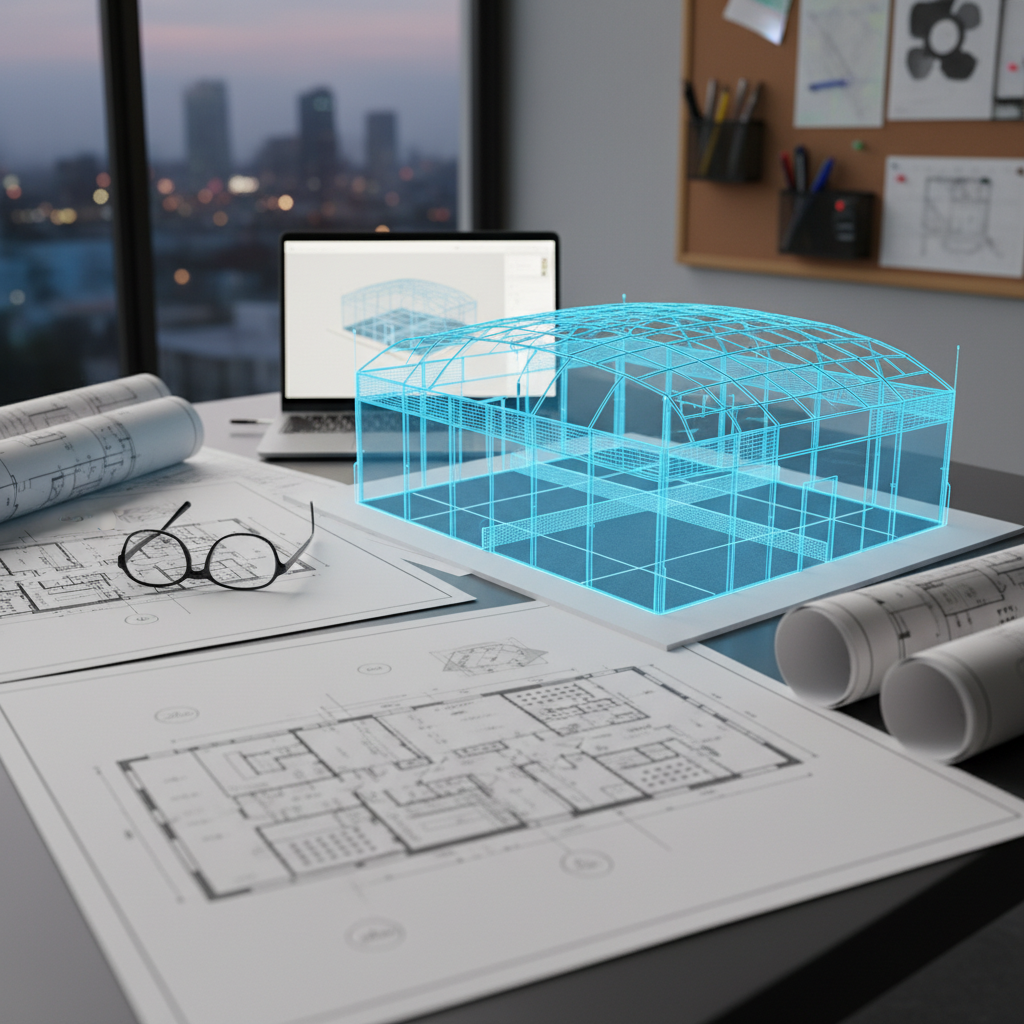
The architectural style you select directly influences the padel court construction cost usa and the overall marketability of your sports club. For instance, the Panoramic Padel Court offers a sleek, modern look that maximizes visibility for spectators while removing obstructing corner pillars. Ready for the good part? While these premium designs cost more upfront, they typically allow you to charge higher hourly rates because of the professional atmosphere they create.
Should you choose a pillar or panoramic design?
Traditional pillar designs use more steel supports but offer a lower price point for developers working with tight budget constraints. However, the panoramic model utilizes thicker tempered glass and reinforced frames to provide a “pro tour” feel that is highly sought after in the American market. What’s the real story? Investors often find that the slight price increase for a panoramic court is recouped within the first year through higher booking volume.
- Pillar Court: Reliable and budget-friendly option.
- Panoramic Court: Enhanced visibility and club prestige.
- Portable Court: Best for temporary events.
Does mesh thickness change the installation cost?
The gauge of the electro-welded mesh affects the sound of the game and the safety of the players during high-impact matches. Thicker mesh requires more robust steel framing to maintain tension, which slightly increases the hardware and shipping costs. This is where it gets interesting. Higher-quality mesh reduces the frequency of repairs, meaning you spend less on maintenance over the lifecycle of the court.
- Standard Mesh: Cost-effective for residential use.
- Reinforced Mesh: Durable for heavy club traffic.
- Anti-Injury Mesh: Smoother joints for player safety.
| Model Type | Primary Benefit | Price Premium |
|---|---|---|
| Standard Pillar | Cost Efficiency | Baseline |
| Panoramic | Spectator View | +15% – 20% |
| Portable | Versatility | +35% |
| Summary | Visibility vs. Budget | Strategic Move |
A well-chosen model enhances the player experience and serves as a powerful marketing tool for attracting new members.
Key Takeaway: Selecting a court model is a strategic decision that balances your immediate capital availability with your long-term revenue goals.
4. Why does steel impact padel court construction cost usa?
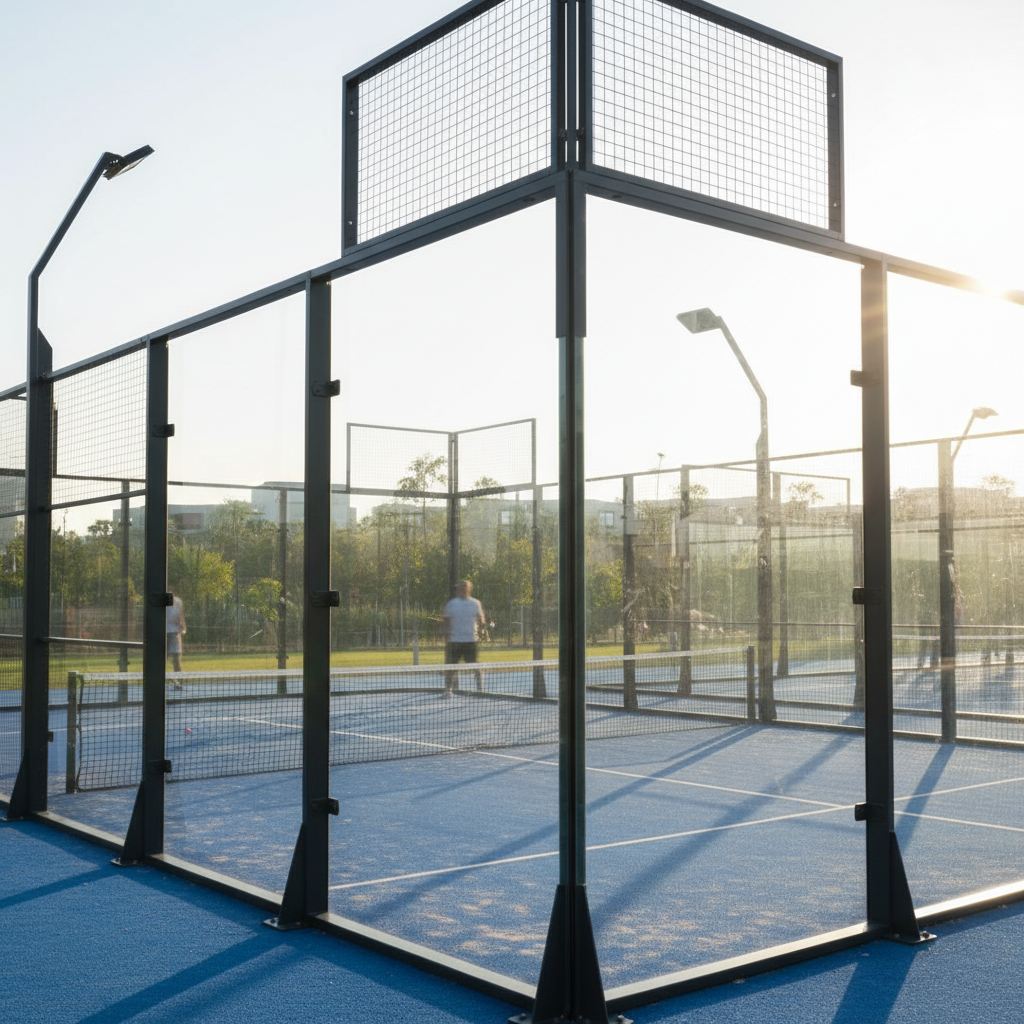
Using inferior steel or thin glass can drastically increase the padel court construction cost usa over time due to constant part replacements. You should prioritize hot-dip galvanized steel and 12mm safety glass to ensure the structure can withstand both heavy use and harsh environmental conditions. Here’s the deal. Cutting corners on raw materials might save money this month, but it creates a massive liability for a commercial business.
Is 12mm tempered glass worth the extra investment?
While 10mm glass is common in some European markets, the US commercial standard has shifted toward 12mm EN12150 safety glass for improved durability. This extra thickness provides a more consistent ball rebound and significantly higher resistance to the high-force impacts typical of competitive play. Basically, don’t skip this. Choosing the thicker glass reduces the risk of shattering, protecting both your players and your business reputation.
- 10mm Glass: Standard for residential use cases.
- 12mm Glass: Recommended for commercial sports clubs.
- Rebound Quality: Superior with thicker glass panels.
How does hot-dip galvanization prevent rust?
If you are building near a coast or in a humid region, untreated steel will begin to corrode within just a few years of installation. Hot-dip galvanization involves coating the steel in zinc, providing a 15-year rust-free guarantee that keeps your court looking brand new. It gets better. This treatment ensures that your structural joints remain strong, preventing the frame from warping or leaning over time.
- Electro-Galvanized: Budget-friendly but shorter lifespan.
- Hot-Dip Galvanized: Industry standard for outdoor durability.
- Powder Coating: Adds aesthetic value and protection.
| Material | Specification | Life Expectancy |
|---|---|---|
| Glass | 12mm Tempered | 20+ Years |
| Steel | Q355 Galvanized | 15+ Years |
| Turf | Monofilament PE | 5 – 7 Years |
| Durability | Premium Grade | ROI Impact |
Prioritizing durability during the procurement phase ensures your facility remains a safe and profitable asset for decades to come.
Key Takeaway: High-grade materials like Q355 galvanized steel and 12mm tempered glass are essential for minimizing the total cost of ownership.
5. What features raise padel court construction cost usa?
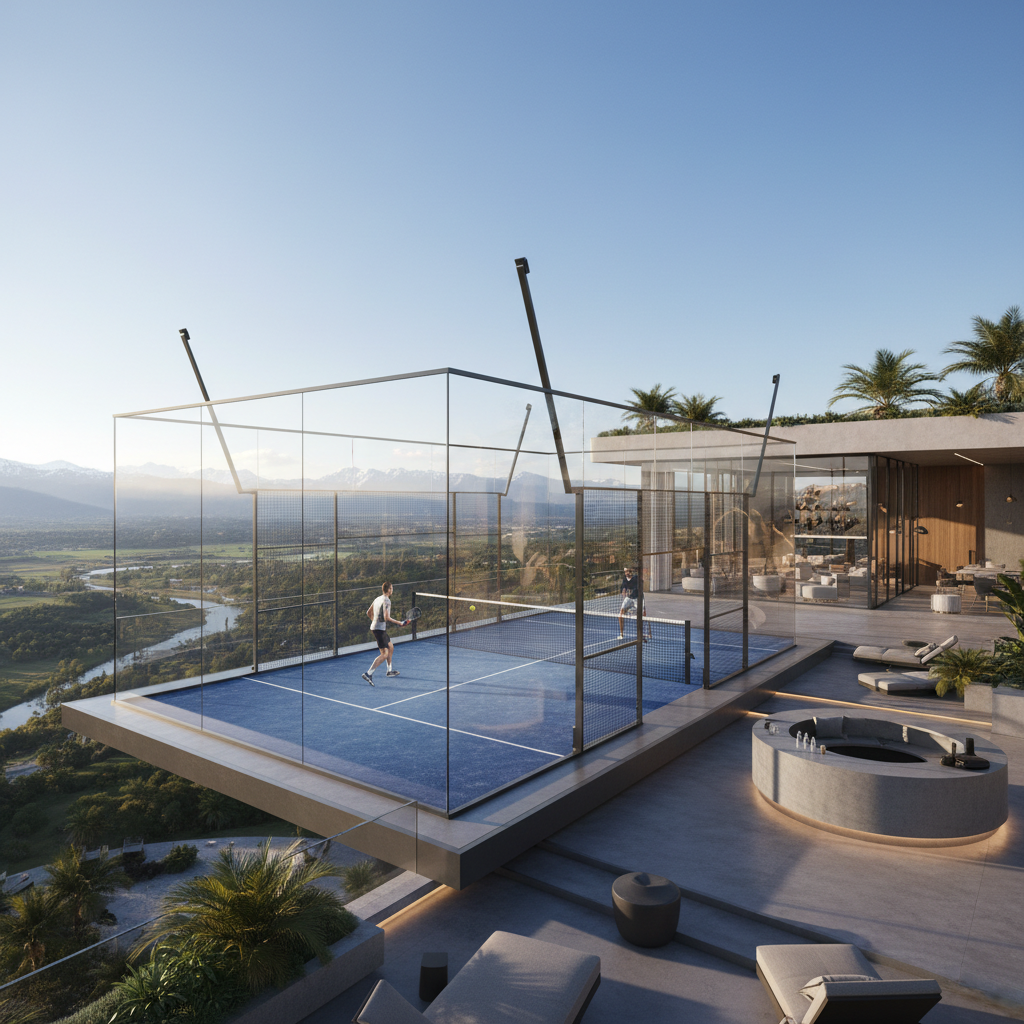
For developers aiming for elite market positioning, the padel court construction cost usa often includes advanced architectural upgrades. The Super Panoramic Padel Court represents the absolute peak of this category, featuring a hidden joint system and zero vertical posts for a stunning 360-degree view. But here’s the kicker. These features create a “wow factor” that attracts professional tournaments and high-net-worth members to your facility.
Is the zero-post view worth the price?
Removing vertical posts requires significantly stronger glass and reinforced horizontal beams, which adds a premium to the hardware and engineering costs. This design allows for unobstructed viewing, which is critical if you plan to broadcast matches or host large spectator events. Think about it. A facility with pro-level aesthetics can command higher sponsorship deals and more expensive membership tiers than a standard club.
- Visual Impact: Unmatched 360-degree viewing experience.
- Steel Support: Reinforced beams for maximum safety.
- Target Audience: Professional and high-end players.
How much do high-output LED systems cost?
Professional play requires high-output LED lighting that produces between 500 and 750 lux to ensure perfect visibility during nighttime bookings. Investing in a 200W pro-grade lighting system ensures that your most profitable hours—evenings and nights—remain fully booked without complaints about glare. Ready for the good part? Modern LEDs are highly energy-efficient, meaning your monthly utility bills stay low even with maximum court usage.
- Standard LED: 100W for basic visibility.
- Pro LED: 200W for competitive match standards.
- Smart Controls: Dimmable options for energy savings.
| Upgrade | Benefit | Cost Impact |
|---|---|---|
| Zero-Post Glass | Maximum Visibility | High |
| 200W Pro LED | Night Playability | Medium |
| Custom RAL Colors | Brand Identity | Low |
| Total Premium | Elite Positioning | +$15k – $30k |
Strategic investments in high-end features can dramatically increase your facility’s prestige and long-term revenue potential.
Key Takeaway: Premium upgrades like zero-post glass and professional lighting systems position your club as a premier destination for serious athletes.
6. Can roofs lower your padel court construction cost usa?
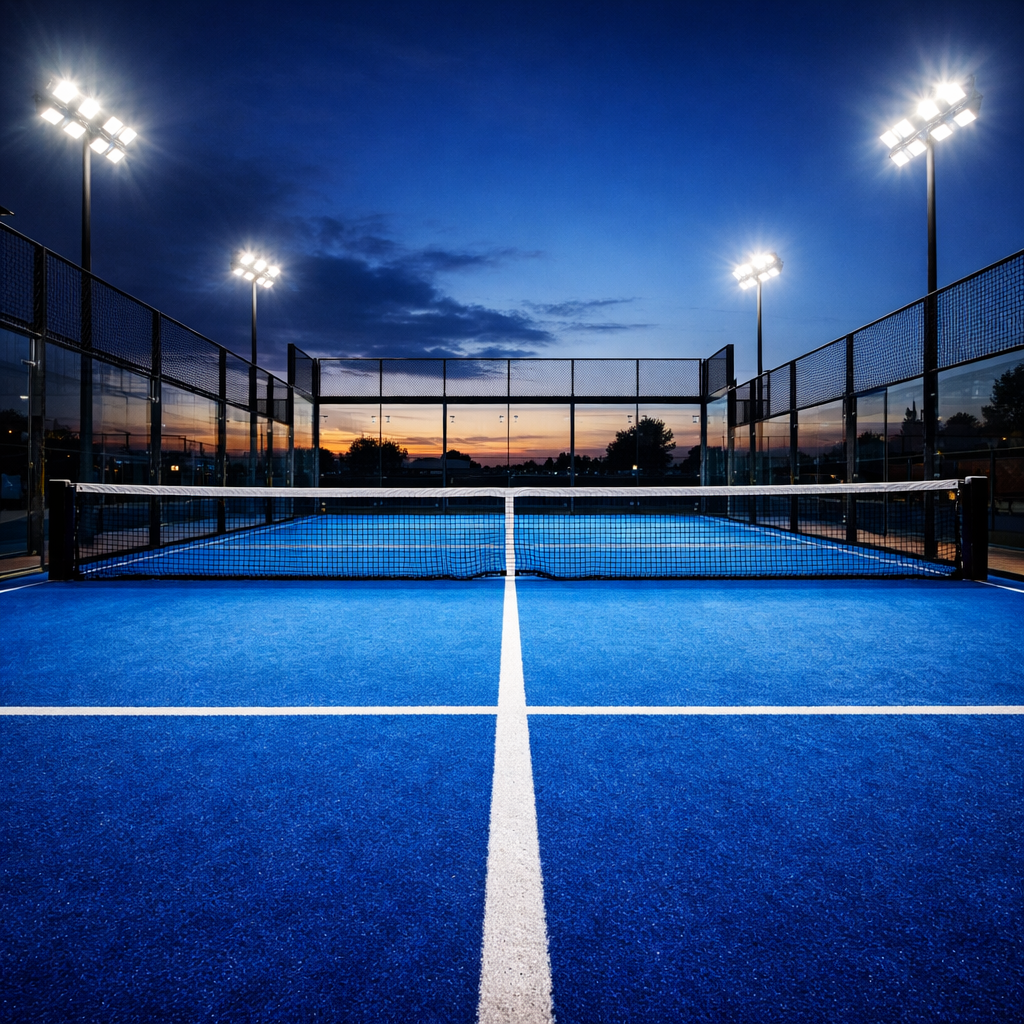
When you calculate the padel court construction cost usa, you must also consider the potential for lost revenue due to rain or extreme heat. Integrating a Roofed Padel Court design ensures that your facility can operate 365 days a year regardless of the weather outside. What’s the real story? An outdoor court in a rainy climate can lose up to 30% of its billable hours, making a roof a very sensible financial choice.
Does an integrated canopy provide better ROI?
Adding a structural steel canopy increases your initial construction budget, but it protects your court hardware and turf from UV degradation and moisture. This protection extends the life of your synthetic grass and prevents the steel frames from being exposed to constant weather cycles. It gets better. Players are much more likely to book a court if they know their game won’t be canceled by a sudden thunderstorm.
- UV Protection: Extends the synthetic turf lifespan.
- Rain Coverage: Prevents expensive booking cancellations.
- Temperature Control: Keeps players cool in summer.
How does weather protection expand booking revenue?
Consistency is the secret to a successful sports business, and a roof provides the stability needed for league play and scheduled coaching clinics. If you can guarantee court availability every single day, you can build a more loyal community and charge premium rates for guaranteed slots. Wait, there’s more. A roofed facility can also host corporate events and social gatherings that would otherwise be impossible in an open-air environment.
- League Play: Guaranteed schedules regardless of rain.
- Coaching Clinics: High-margin revenue without interruption.
- Corporate Events: Large group bookings in all weather.
| Option | Revenue Stability | Asset Protection |
|---|---|---|
| Outdoor (Open) | Low (Weather Dependent) | Minimal |
| Covered (Canopy) | High | UV & Rain |
| Indoor (Full) | Maximum | Total Climate Control |
| ROI Impact | Consistent Cashflow | High Priority |
The ability to operate in any weather condition makes a roofed court one of the most reliable investments in the sports industry.
Key Takeaway: A roofed structure stabilizes your income by eliminating weather-related downtime and protecting your expensive physical assets.
7. Are there legal fees for padel court construction cost usa?
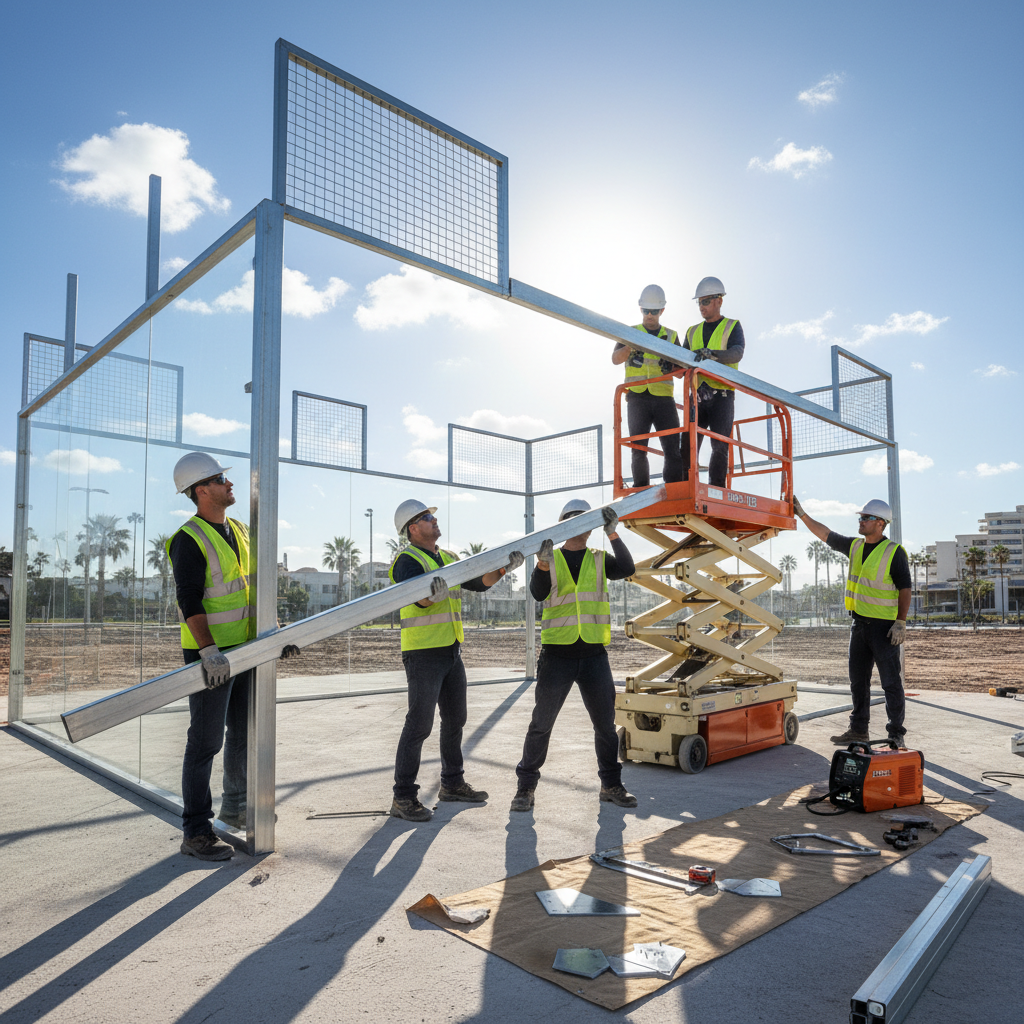
Navigating the administrative side of the padel court construction cost usa is often more complex than the actual physical assembly of the court. You will need to account for local zoning approvals, structural engineering stamps, and ADA compliance to ensure your facility is legally sound. This is where it gets interesting. Skipping these steps can lead to heavy fines or even the forced removal of your structure after it has been built.
Will local zoning laws require soundproof barriers?
Padel can be a noisy sport, and if your facility is located near a residential area, the city may require acoustic testing and noise mitigation strategies. You might need to install specialized fencing or sound-dampening panels which can add several thousand dollars to your project budget. Believe it or not. Proactively addressing noise concerns during the permitting phase can prevent costly lawsuits from neighbors later on.
- Zoning Permits: Essential land use approval.
- Acoustic Testing: Required in dense residential zones.
- ADA Access: Mandatory routes for all players.
How much should you budget for engineering?
Every state has unique requirements for wind and snow load capacity, meaning you must have a Professional Engineer (PE) review and stamp your site plans. This ensures that the court hardware and any roofing structures can withstand local extreme weather events without collapsing. The bottom line is this: a few thousand dollars spent on engineering now protects you from massive liability and insurance issues in the future.
- PE Stamps: Professional validation of safety.
- Wind Loading: Critical for coastal US states.
- Snow Loading: Essential for Northern US climates.
| Legal Step | Requirement | Estimated Cost |
|---|---|---|
| Zoning Approval | Land Use Compliance | $1,000 – $3,500 |
| Structural PE | Wind/Snow Load | $2,500 – $5,500 |
| ADA Compliance | Accessible Routes | $1,500 – $4,000 |
| Subtotal Admin | Legal Safety | $5k – $13k |
Ensuring full legal compliance from the start protects your investment and provides a solid foundation for long-term business growth.
Key Takeaway: Administrative and legal compliance is a non-negotiable expense that ensures your business operates safely and stays within local law.
8. What is maintenance for padel court construction cost usa?
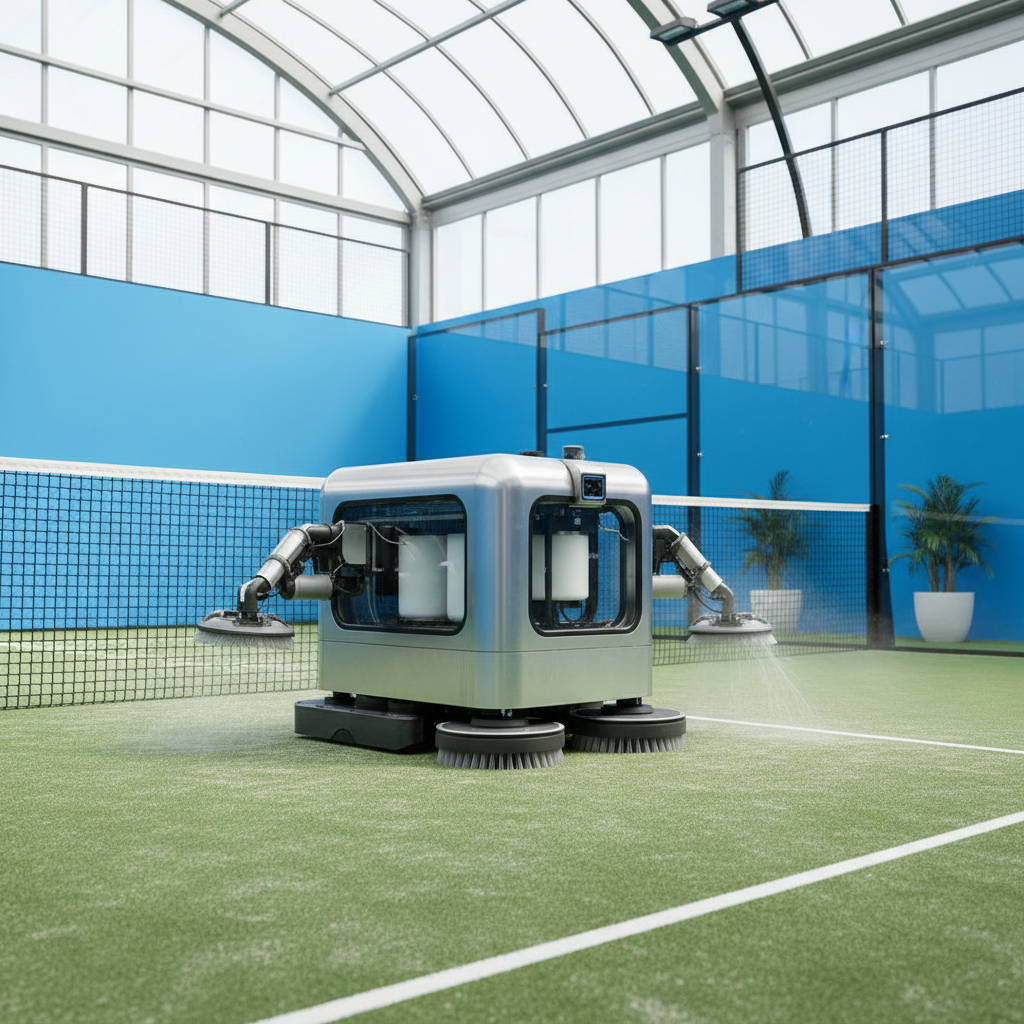
Operating a facility involves managing the ongoing padel court construction cost usa through consistent and proactive maintenance routines. You must prioritize the upkeep of the synthetic turf and the glass hardware to ensure player safety and maintain a high-quality bounce. But here’s the kicker. Regular maintenance is significantly cheaper than replacing an entire court because of neglect or structural failure.
How often does turf need professional brushing?
Synthetic turf requires weekly brushing to redistribute the silica sand infill and prevent the monofilament fibers from matting down. If the sand is not properly managed, the court surface will become slippery and the ball bounce will become inconsistent across the area. Think about it. A well-maintained surface not only looks better but also reduces the risk of player injuries caused by poor traction.
- Weekly Brushing: Simple internal labor task.
- Deep Cleaning: Recommended every 6 months.
- Sand Refill: Annually to maintain bounce quality.
What is the annual budget for glass checks?
You should inspect the mounting bolts and gaskets of your tempered glass walls every quarter to account for vibration and temperature fluctuations. A single loose bolt can create stress points that might lead to a shattered panel, which is an expensive and dangerous event for any club owner. Ready for the good part? These inspections take very little time but are essential for the long-term structural integrity of your facility.
- Bolt Torque: Check for vibration-induced loosening.
- Gasket Integrity: Ensures glass remains cushioned.
- Glass Cleaning: Maintains pro-level aesthetic appeal.
| Maintenance Task | Frequency | Estimated Annual Cost |
|---|---|---|
| Turf Brushing | Weekly | Internal Labor |
| Glass Hardware | Quarterly | $500 |
| LED Inspection | Bi-Annual | $350 |
| Total Maintenance | Asset Protection | $1k – $2k |
Proactive care extends the life of your court and minimizes the risk of sudden, expensive repairs that disrupt your business.
Key Takeaway: Consistent maintenance protects your physical assets and ensures a high-quality experience that keeps players coming back.
9. Is the ROI high for padel court construction cost usa?

While the padel court construction cost usa is a substantial initial commitment, the revenue potential is remarkably high compared to other racket sports. Padel courts are compact, allowing you to fit three courts into the space of one tennis court, effectively tripling your revenue density. What’s the real story? The high occupancy rates and social nature of the game make it one of the most profitable sports investments currently available in America.
What are the typical hourly rental rates?
In major US markets, court rentals typically range from $45 to $120 per hour depending on the time of day and the facility’s amenities. With a conservative 60% occupancy rate during peak hours, a single court can generate significant monthly gross income from rentals alone. It gets better. You can also generate secondary revenue through coaching clinics, pro-shop sales, and organized social tournaments that foster a strong community.
- Court Rentals: Primary and consistent revenue stream.
- Coaching Fees: High-margin service for clubs.
- Pro-Shop Sales: Revenue from rackets and balls.
How fast can you break even on a club?
Most well-managed padel clubs in the USA are seeing a full return on investment (ROI) within 20 to 36 months of operation. This rapid break-even point is driven by the sport’s growing popularity and the relatively low operational overhead once the courts are installed. Wait, there’s more. As the sport continues to trend upward, the resale value of a functioning padel facility remains extremely strong for future investors.
- Rapid Break-Even: 20-36 months on average.
- High Occupancy: Driven by social play demand.
- Low Overhead: Minimal staff needed for court operation.
| Revenue Stream | Monthly Est. (1 Court) | Annual Total |
|---|---|---|
| Court Rentals | $6,800 | $81,600 |
| Clinics/Coaching | $1,800 | $21,600 |
| Memberships | $1,200 | $14,400 |
| Gross Total | $9,800 | $117,600 |
The financial data clearly indicates that a well-located padel facility is a robust and sustainable business model for the modern sports market.
Key Takeaway: The high revenue density and rapid growth of padel make it a premier choice for B2B developers looking for strong returns.
10. How do you start padel court construction cost usa?
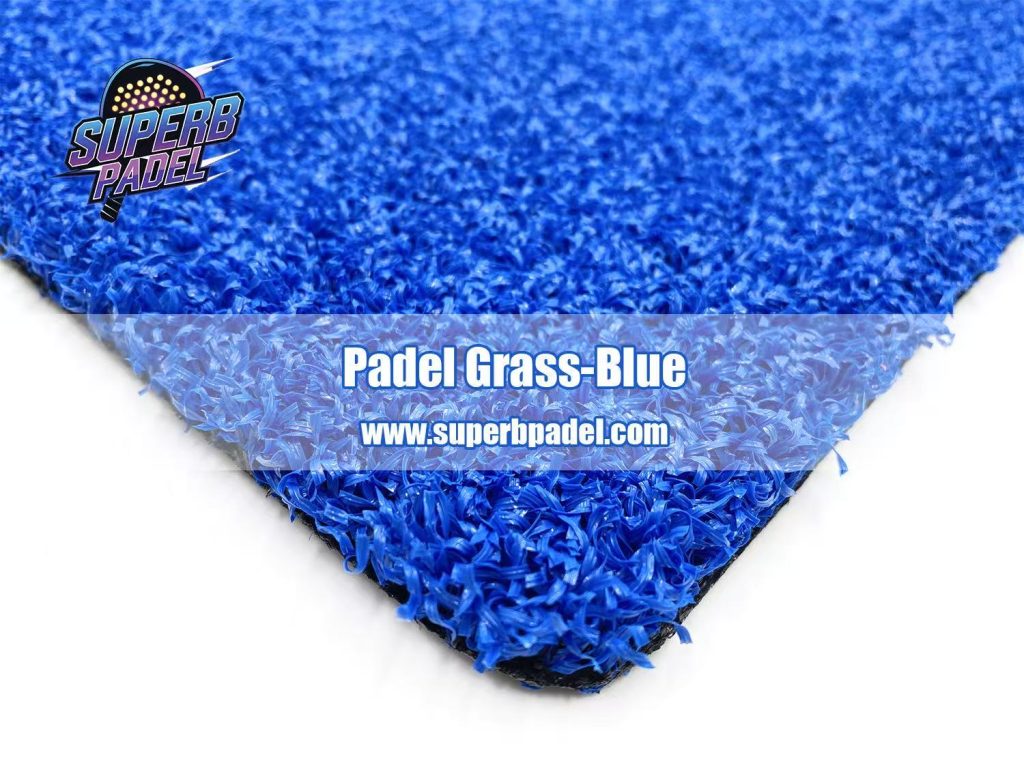
Finalizing your padel court construction cost usa requires moving from the theoretical planning stage to active procurement and site development. You should partner with a manufacturer that provides precision-engineered hardware and understands the specific logistics of the American market. Here’s the deal. By choosing factory-direct solutions, you eliminate middleman markups and can reallocate those savings into better amenities for your players.
Which manufacturer provides the best factory value?
Working directly with a specialized manufacturer ensures you receive the highest grade of hot-dip galvanized steel and safety glass without excessive surcharges. At Superb Padel, we offer modular CNC manufacturing which ensures that every component fits perfectly, reducing your on-site installation time and labor costs. Believe it or not. This level of precision is what separates a world-class sports destination from a standard community court.
- CNC Precision: Ensures perfect component alignment.
- Direct Pricing: Eliminates 20-30% middleman markups.
- Quality Control: CE-compliant and FIFA-spec materials.
What are the final steps for project launch?
Once you have selected your court model and secured your site, you must finalize your logistics plan and prepare for the 4-6 week shipping window. During this time, you should complete all concrete foundation work and secure your local permits to ensure a seamless transition to the installation phase. Ready for the good part? Having a professional crew ready to assemble the structure as soon as the container arrives will minimize your downtime and accelerate your opening day.
- Logistics Plan: Coordinate shipping and container arrival.
- Foundation Work: Complete concrete curing beforehand.
- Pro Installation: Fast-track assembly with expert crews.
| Project Phase | Focus Area | Completion Time |
|---|---|---|
| Procurement | Model Selection | 1 – 2 Weeks |
| Shipping | Global Logistics | 4 – 6 Weeks |
| Installation | On-Site Assembly | 3 – 5 Days |
| Total Cycle | Fastest Path | 8 – 10 Weeks |
Strategic execution of these final steps ensures your facility launches on time and stays within the projected investment budget.
Key Takeaway: Success in padel development depends on choosing the right manufacturing partner and executing a disciplined construction timeline.
Summary of Your Investment
Building a padel facility is about more than just construction; it is about creating a high-performance community hub and a durable business asset. We believe that by combining superior engineering with transparent, factory-direct pricing, every developer in the USA can build a court that defines the future of the sport. This article has detailed the costs, materials, and strategic steps required to solve your project hurdles and launch a successful club.
Are you ready to build a premier sports destination? Contact us today to get a custom quote and start your journey toward owning a world-class padel facility.
Frequently Asked Questions
Can I install a padel court on top of an existing tennis court?
Yes, you certainly can. A standard tennis court is large enough to accommodate up to three padel courts, provided the existing slab is reinforced and thick enough to hold the anchor bolts.
What’s the best steel grade for an outdoor court in a coastal area?
Q355 hot-dip galvanized steel is the superior choice. This high-strength structural steel offers the best resistance to salt-air corrosion and high wind loads common in coastal states.
Can I customize the color of the turf and steel frame?
Absolutely. While standard colors like blue and green are common, you can select custom RAL colors for the steel and various turf shades to match your club’s specific branding requirements.
Can I complete the installation with a local general contractor?
It is possible, but we highly recommend a specialized padel installation crew. Specialized teams understand the precision needed for glass alignment and turf stretching, which prevents future structural issues.
What’s the best glass thickness for a commercial padel facility?
12mm tempered safety glass is the industry gold standard for commercial use. It provides better rebound consistency and significantly higher safety margins than 10mm options during heavy play.