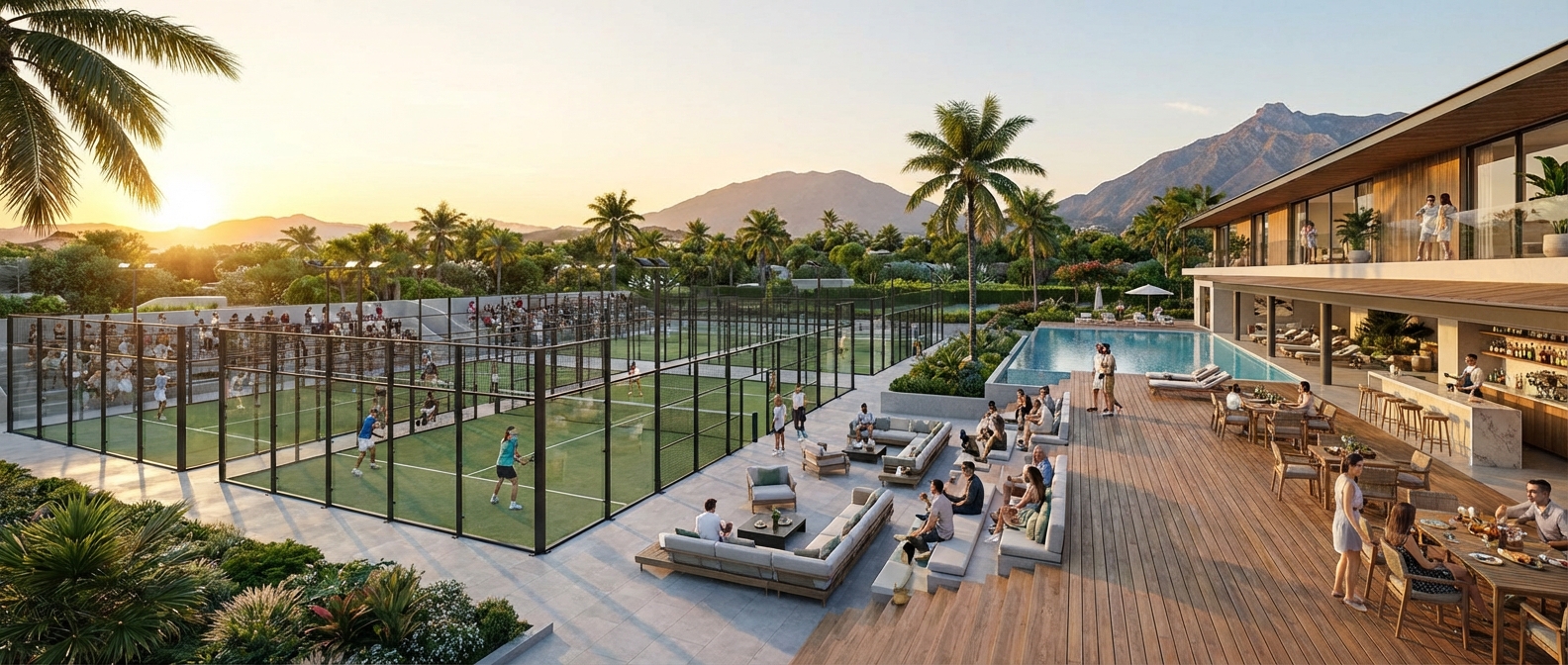
A standard padel court measures 65.6 feet in length and 32.8 feet in width. Many property developers and club owners underestimate the precise spatial planning required for a professional installation. Miscalculating the necessary perimeter or ceiling height often leads to significant structural delays and increased labor costs. You can secure a high-performing facility by following the specific engineering guidelines for padel court size in feet and ensuring your site meets official international standards.
What is the standard padel court size in feet?
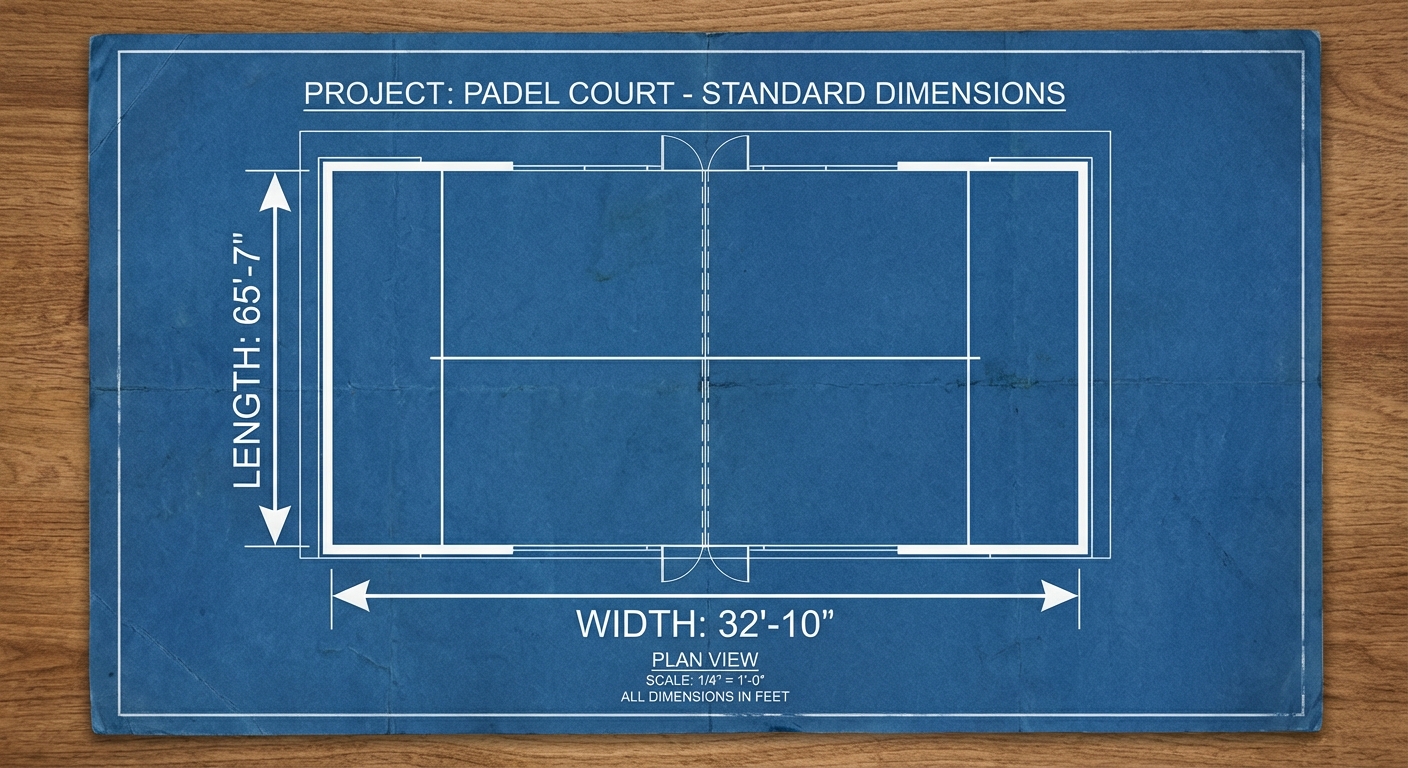
The standard dimensions for a professional padel court are 65.6 feet (20 meters) long by 32.8 feet (10 meters) wide. These measurements define the internal playing area within the glass enclosure, totaling approximately 2,152 square feet of space. Selecting the correct padel court size in feet is vital for ensuring your facility meets International Padel Federation (FIP) regulations. This uniform footprint allows players to maintain consistent strategy and timing across different venues.
Does the width vary for doubles?
Most courts are designed for four players, utilizing the full 32.8-foot width. This width provides enough lateral space for fast-paced defensive play and strategic net coverage.
Think about it:
If the width is narrowed even by a few inches, the tactical “angles” of the game are completely compromised.
- Length: 65.6 ft
- Width: 32.8 ft
- Total Area: 2,152 sq ft
- Tolerance: +/- 0.5%
| Feature | Dimension |
|---|---|
| Playing Length | 65.6 Feet |
| Playing Width | 32.8 Feet |
| Total Internal Area | 2,152 Sq Ft |
Precision in these baseline dimensions ensures that every player experiences the game as intended by professional standards.
Key Takeaway
Standardizing your court dimensions to 65.6′ x 32.8′ ensures global compatibility for your club. This consistency attracts competitive players and facilitates tournament hosting, maximizing your venue’s long-term utility.
Is the padel court size in feet right for your land?
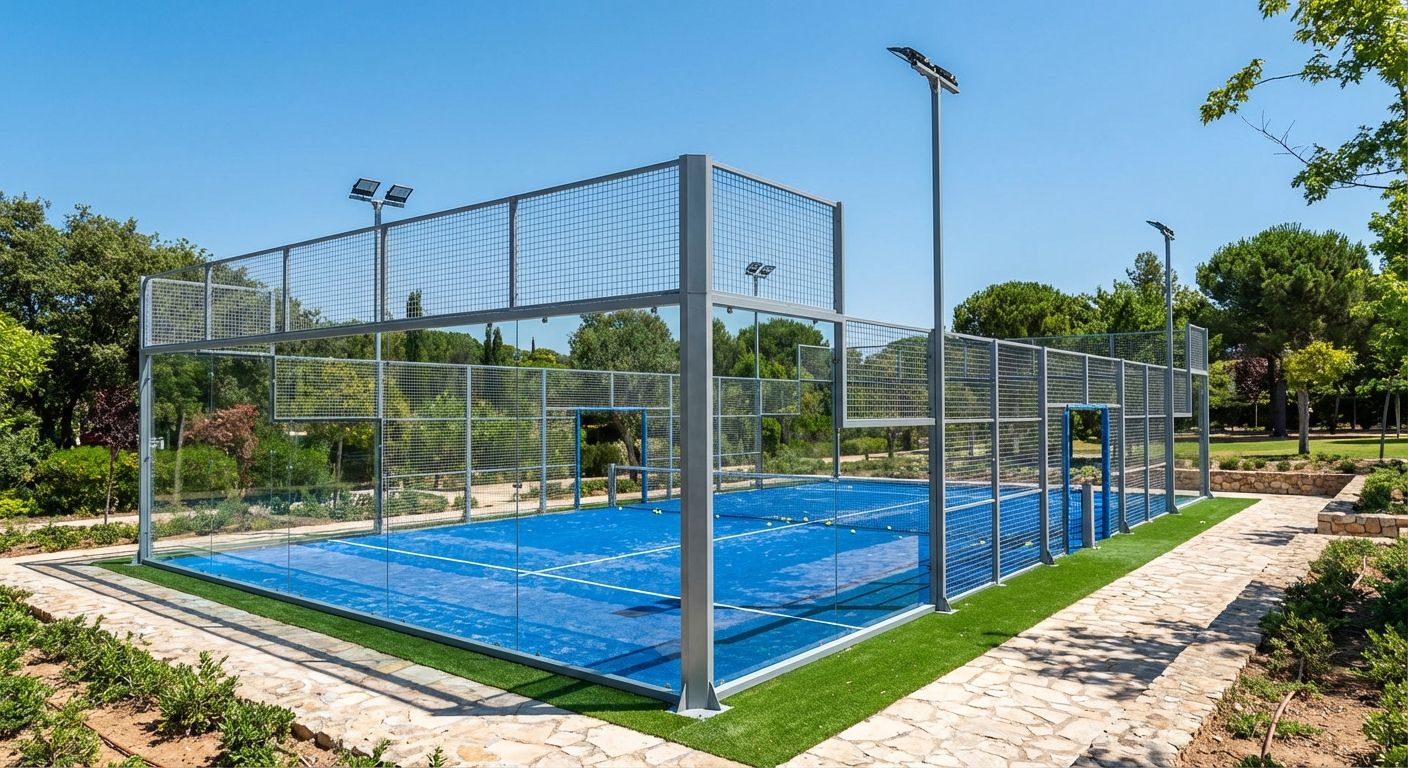
To successfully install a court, you typically need a total land area of at least 82 feet by 49 feet. While the internal padel court size in feet is fixed, you must account for the exterior structural supports and safety zones. This perimeter space is necessary for maintenance access and prevents players from colliding with nearby obstacles. Proper land assessment ensures that your installation complies with local safety codes and zoning laws.
What is the perimeter safety zone?
A safety perimeter of 3 to 6 feet around the glass walls is highly recommended for all professional builds. This allows for “out-of-court” play where players can retrieve difficult balls through the side gates.
The best part?
Adequate perimeter space also creates natural walkways for spectators and coaches to observe the match.
- Min Length Required: 82 ft
- Min Width Required: 49 ft
- Safety Buffer: 3-6 ft
- Side Play Space: 2m x 4m
| Land Requirement | Dimension (Feet) |
|---|---|
| Minimum Length | 82 Feet |
| Minimum Width | 49 Feet |
| Total Minimum Footprint | 4,018 Sq Ft |
Allocating land beyond the playing area is a critical step in providing a premium player experience.
Key Takeaway
A generous perimeter allows for professional-level play and enhances safety at your facility. By securing at least 4,000 square feet per court, you ensure the venue remains functional for both recreational and competitive use.
Can you fit the padel court size in feet indoors?
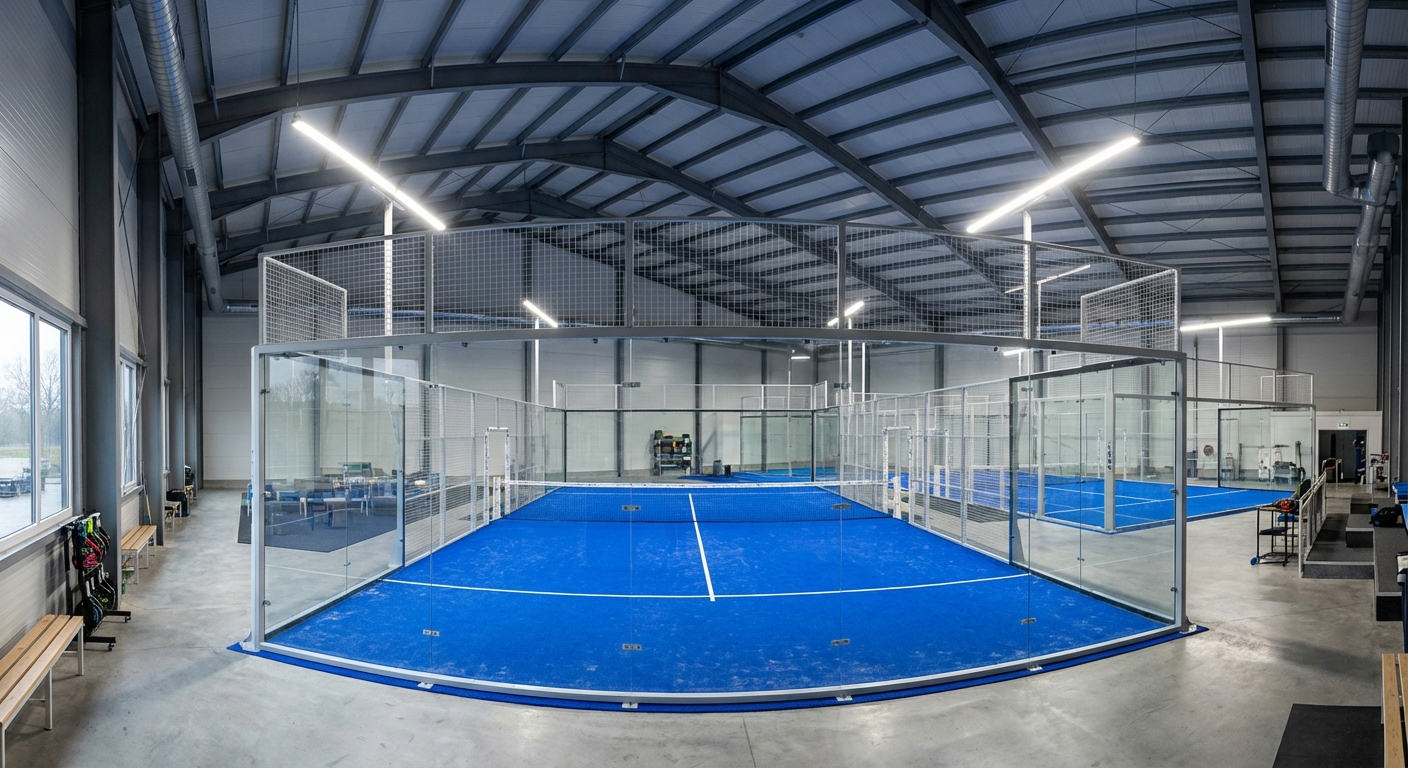
You can install a court indoors provided you have a minimum ceiling height of 19.7 feet (6 meters). However, the recommended vertical clearance for this padel court size in feet is closer to 26 to 30 feet to accommodate defensive lobs. Indoor facilities offer the advantage of year-round play regardless of weather conditions. You must ensure the flooring and lighting systems are integrated into the building’s existing architecture.
Why does vertical clearance matter?
The lob is a fundamental shot in padel that requires significant upward flight. If your ceiling is too low, the ball will frequently hit the roof, disrupting the flow of the match.
Consider this:
Higher ceilings attract elite players who rely on tactical height to control the rhythm of the game.
- Min Height: 19.7 ft
- Ideal Height: 26.2 ft+
- Pro Standard: 32.8 ft
- Lighting Height: 20 ft
| Level of Play | Recommended Height |
|---|---|
| Recreational | 20 Feet |
| Professional | 26 – 30 Feet |
| Tournament | 32+ Feet |
Maximizing vertical space is the most effective way to future-proof your indoor sports investment.
Key Takeaway
Prioritizing a ceiling height of at least 26 feet elevates the quality of play at your indoor facility. This investment ensures that your venue remains competitive and attractive to a wider range of players.
How does padel court size in feet affect your foundation?
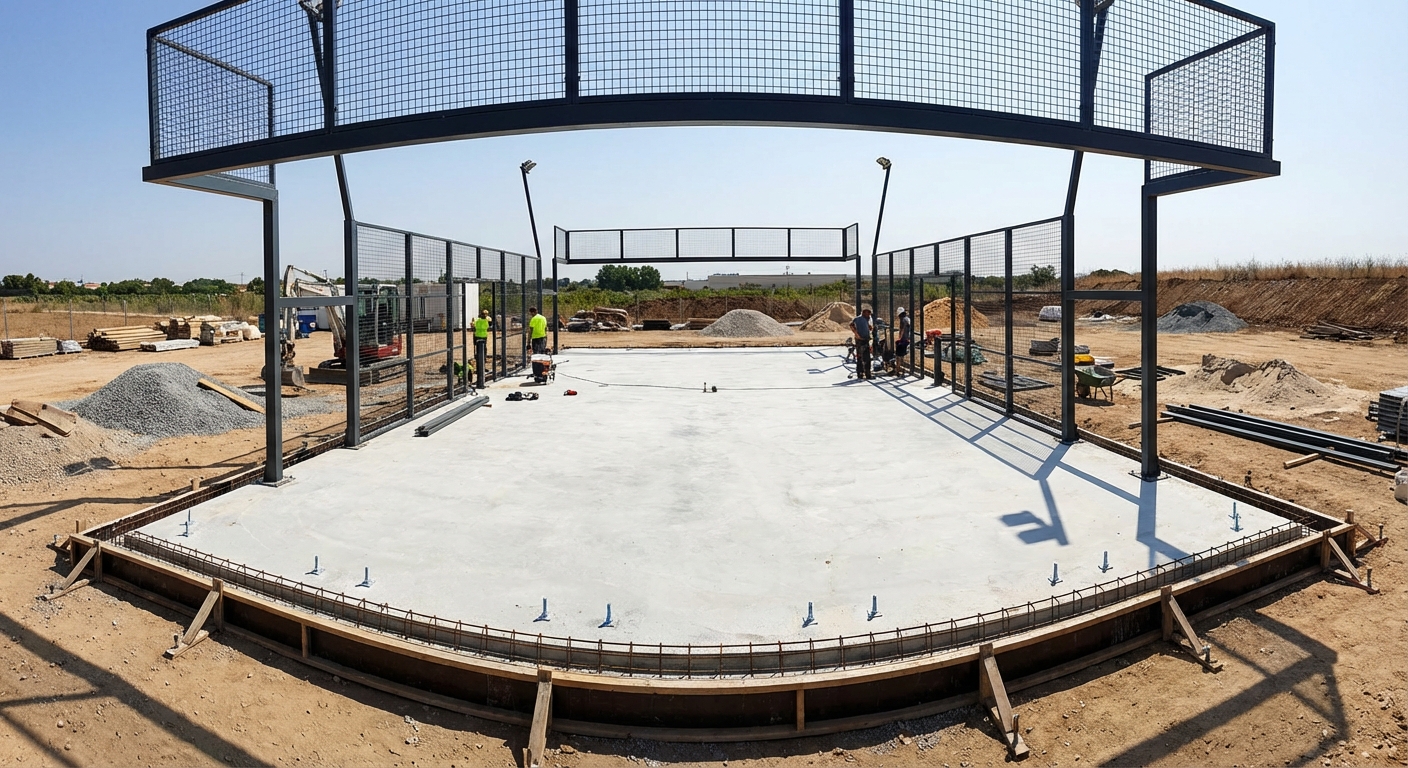
Your foundation must be a reinforced concrete slab that covers the entire 2,152 square foot area. Because the padel court size in feet creates a high-tension structure, the concrete needs a minimum thickness of 4 to 6 inches. A perfectly level base prevents irregular ball bounce and reduces the risk of glass breakage over time. You should also include a perimeter ring beam to anchor the heavy steel posts and glass panels securely.
What is a ring beam’s role?
The ring beam acts as a structural anchor that distributes the weight of the enclosure evenly. It prevents the frame from shifting due to wind loads or player impacts on the glass.
The bottom line?
A poorly engineered foundation will lead to cracks that eventually compromise the safety of the entire court.
- Slab Thickness: 4-6 inches
- Ring Beam Width: 10 inches
- Concrete Grade: High strength
- Levelling Tolerance: +/- 3mm
| Foundation Element | Specification |
|---|---|
| Slab Depth | 4 – 6 Inches |
| Perimeter Beam | 10″ x 10″ |
| Leveling Accuracy | High Precision |
High-quality groundworks are the silent foundation of a long-lasting and safe sports facility.
Key Takeaway
Investing in a 6-inch reinforced concrete slab protects your court from structural fatigue. A stable foundation ensures consistent play and minimizes expensive long-term repair costs.
Does the padel court size in feet require specific steel?
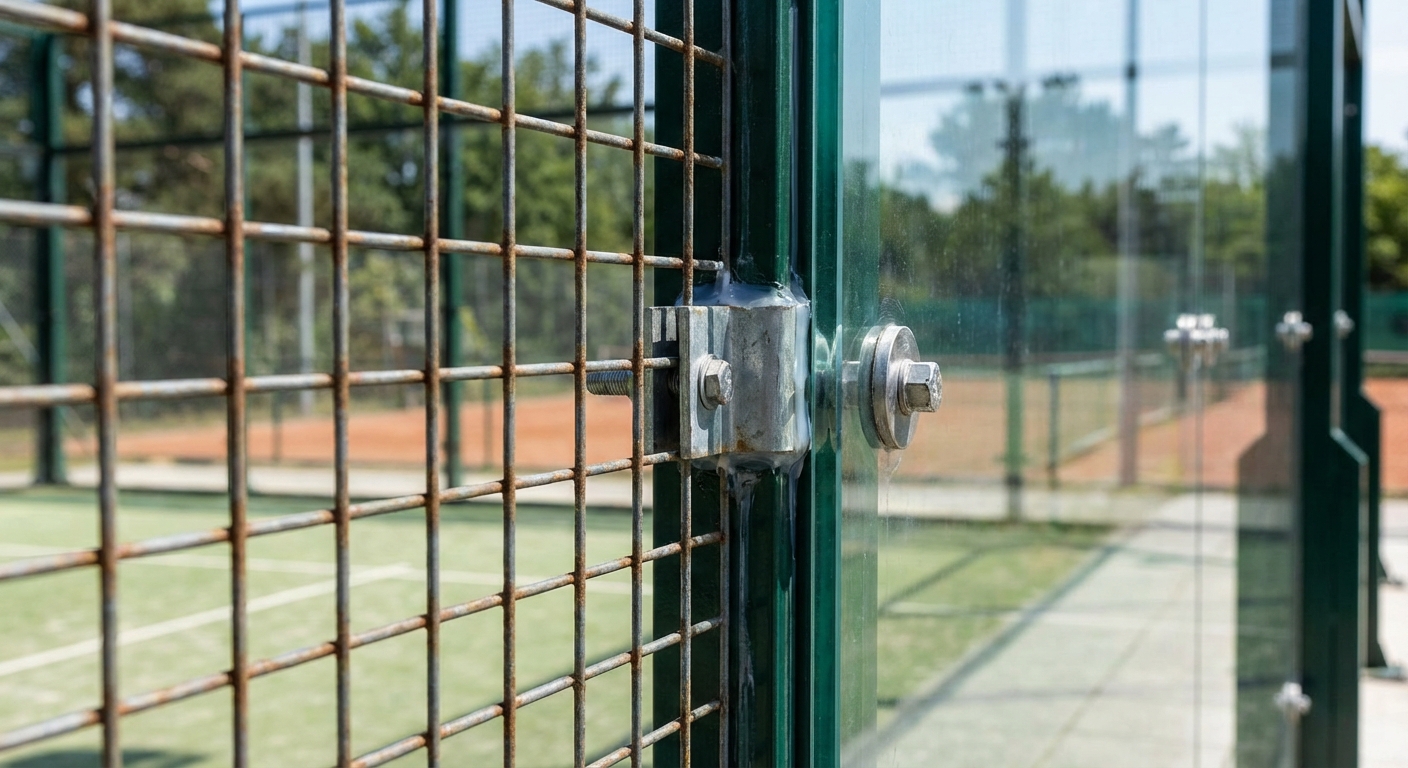
The 65.6′ x 32.8′ structure is typically supported by a modular cage made of hot-dip galvanized steel. This material is chosen for the padel court size in feet because it offers superior rust resistance and structural rigidity. Modular frames allow for easier transport and faster assembly on-site compared to welded alternatives. You must ensure the steel gauge is sufficient to withstand both wind and high-impact play.
Is corrosion protection necessary?
Padel courts are often exposed to humidity and sweat, making galvanization essential. This coating prevents oxidation and extends the lifespan of the frame to over 20 years.
You might wonder:
“Is powder coating just for looks?” No, it provides an additional layer of protection while enhancing the venue’s aesthetic appeal.
- Steel Grade: Q235 or higher
- Coating: Hot-dip galvanized
- Finish: Electrostatic powder
- Tube Thickness: 2mm to 4mm
| Structural Part | Material Spec |
|---|---|
| Pillars | 100x100mm Steel |
| Framework | Galvanized Tube |
| Fasteners | Stainless Steel |
Utilizing modular galvanized steel ensures that your facility remains structurally sound for decades of heavy use.
Key Takeaway
Choosing hot-dip galvanized steel prevents structural failure due to rust. This material choice is a strategic business decision that reduces maintenance labor and ensures player safety.
How do you measure the padel court size in feet for walls?
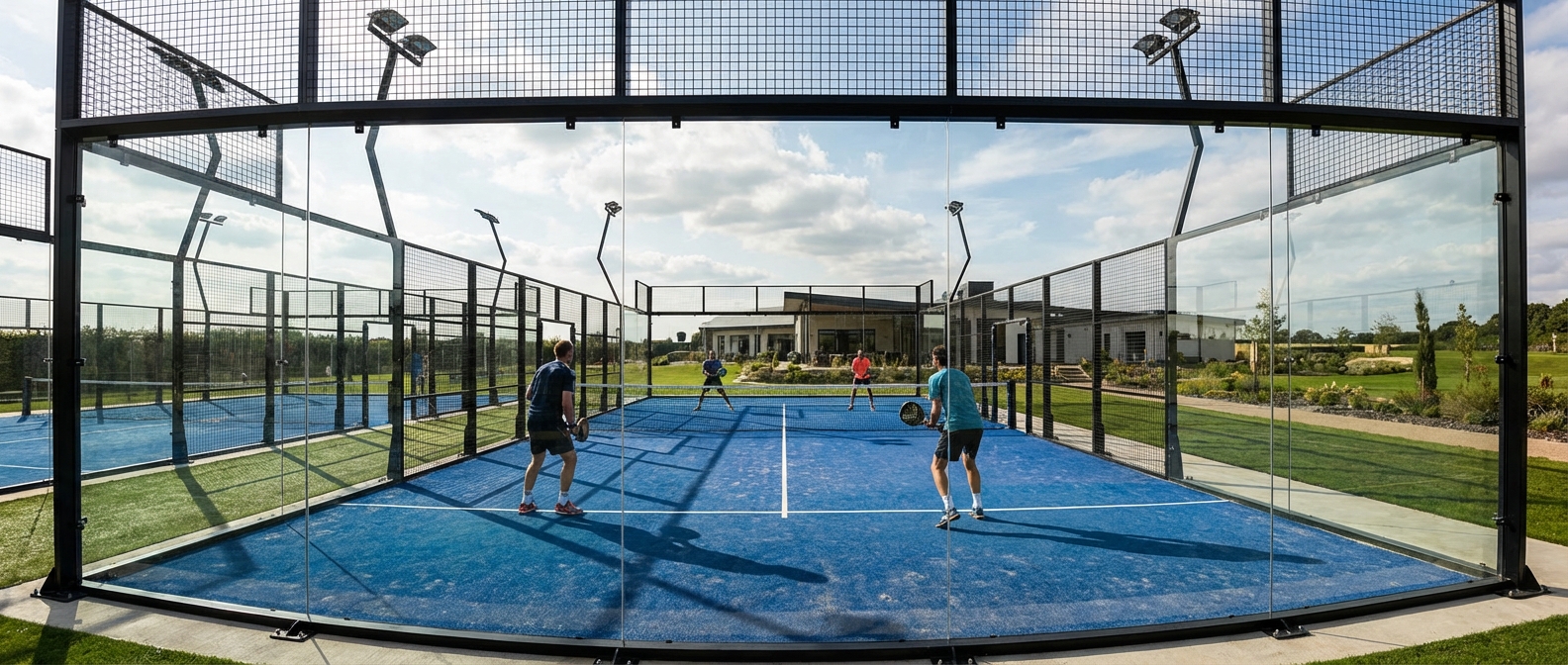
Back walls are 9.8 feet high, but the enclosure often reaches 13.1 feet when the upper mesh is added. This vertical padel court size in feet is designed to keep the ball in play during high-speed rebounds. The side walls transition from 13.1 feet at the back corners to 9.8 feet near the center net. You must use tempered safety glass to ensure the walls can handle heavy impact without shattering.
What glass thickness is safest?
For professional courts, 12mm tempered glass is the global standard for safety and bounce quality. Thinner glass may flex too much, leading to inconsistent rebounds and a shorter lifespan.
Believe it or not:
12mm glass also significantly improves the acoustic quality of the court, reducing the “bang” sound during play.
- Standard Height: 9.8 ft
- Total Height: 13.1 ft
- Glass Thickness: 10mm or 12mm
- Panel Size: 2m x 3m
| Wall Section | Height (Feet) |
|---|---|
| Back Wall (Glass) | 9.8 Feet |
| Total Height (Mesh) | 13.1 Feet |
| Side Transition | 9.8 – 13.1 Feet |
Standardized wall dimensions are essential for maintaining the strategic rebounding mechanics that define padel.
Key Takeaway
Using 12mm tempered glass provides the most consistent ball bounce and highest safety rating. This standard protects your players and creates a more professional atmosphere at your club.
What grass works for this padel court size in feet?
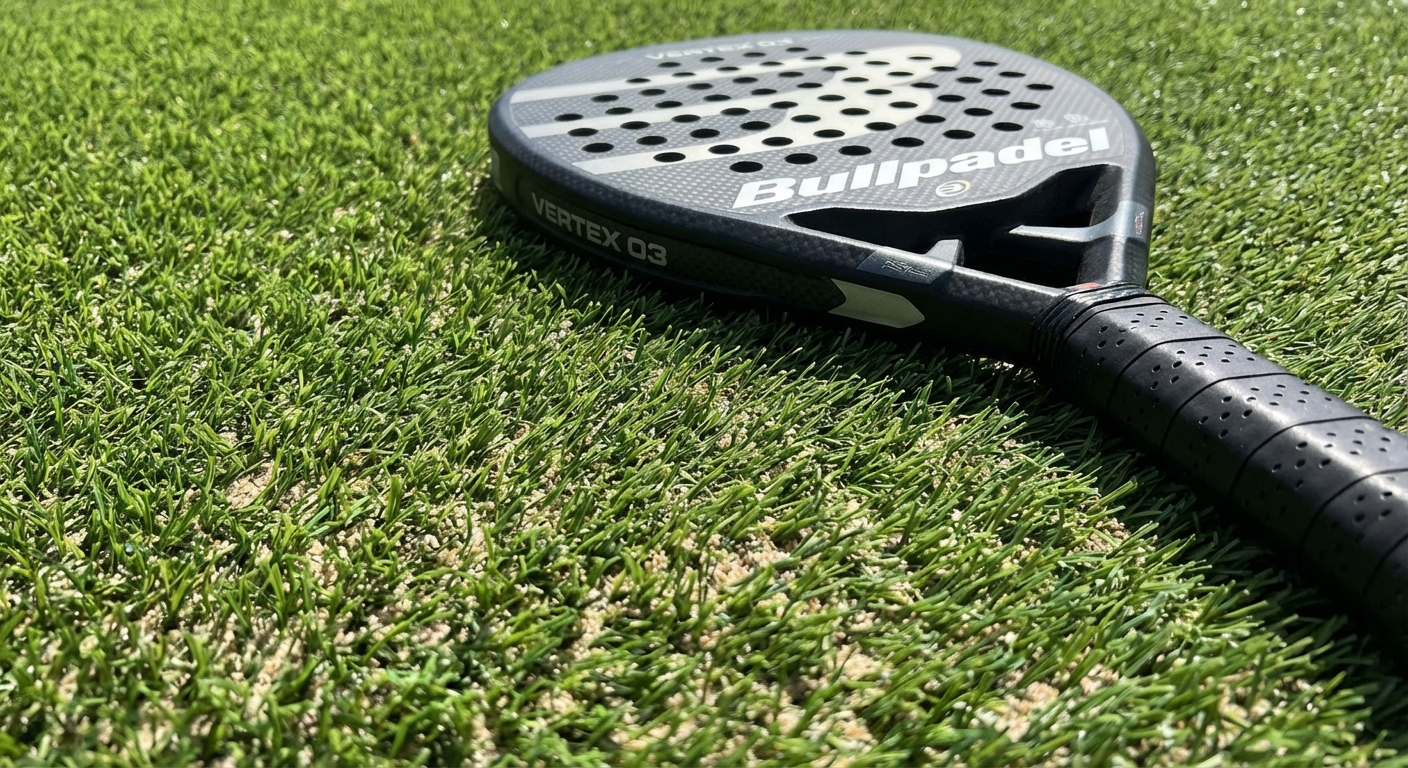
Professional facilities use synthetic turf specifically engineered for the padel court size in feet. This turf is unrolled across the 2,152 square foot base and filled with fine silica sand for stability. High-density monofilament or textured fibers are preferred because they withstand the friction of lateral movement. You can choose different colors, though blue and green remain the most popular for competitive visibility.
Why use silica sand infill?
Silica sand stabilizes the grass fibers and ensures a uniform ball bounce across the entire surface. It also allows players to slide slightly, which prevents excessive stress on knee and ankle joints.
Look at it this way:
The sand isn’t just a filler; it is a functional component that regulates the speed of the match.
- Fiber Type: Monofilament
- Sand Type: 0.2-0.5mm Silica
- Turf Height: 12mm to 15mm
- Stitch Rate: High density
| Turf Property | Specification |
|---|---|
| Fiber Height | 12 – 15 mm |
| Infill Amount | 15 kg per Sq M |
| Fiber Style | Textured or Fibrillated |
The correct synthetic turf selection is the primary factor in determining the speed and safety of play.
Key Takeaway
High-density textured turf reduces the need for frequent sand redistribution. This saves your staff hours of maintenance while providing players with a consistent, professional-grade surface.
How does padel court size in feet impact lighting needs?
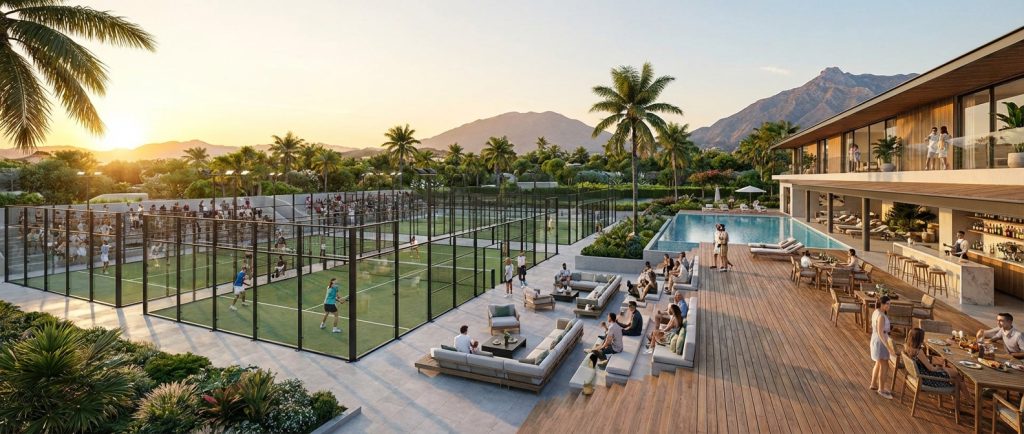
Illuminating the 32.8′ x 65.6′ area requires four LED poles, each standing at least 20 feet high. Proper lighting placement is crucial to eliminate shadows that could obscure the fast-moving ball. For recreational venues, a minimum of 300 lux is recommended, while professional tournaments require 500 to 750 lux. You must position the poles outside the structural cage to avoid creating hazardous obstacles for the players.
What are the lux requirements?
Lux measures the intensity of light falling on the court surface. Higher lux levels ensure that the ball remains visible even during high-velocity lobs or corner rebounds.
Here is the kicker:
LED floodlights are far more efficient than older metal-halide systems, reducing your monthly energy costs significantly.
- Light Type: LED
- Pole Height: 20 ft (6m)
- Recreational Lux: 300
- Broadcast Lux: 750+
| Play Type | Required Lux |
|---|---|
| Recreational | 300 Lux |
| Competitive | 500 Lux |
| Professional | 750+ Lux |
Optimized lighting extends your facility’s operational hours well into the evening, increasing your total revenue.
Key Takeaway
Installing 500-lux LED lighting ensures your court is ready for competitive play at any time. This investment improves the customer experience and maximizes your venue’s earning potential.
Is the padel court size in feet suitable for single play?
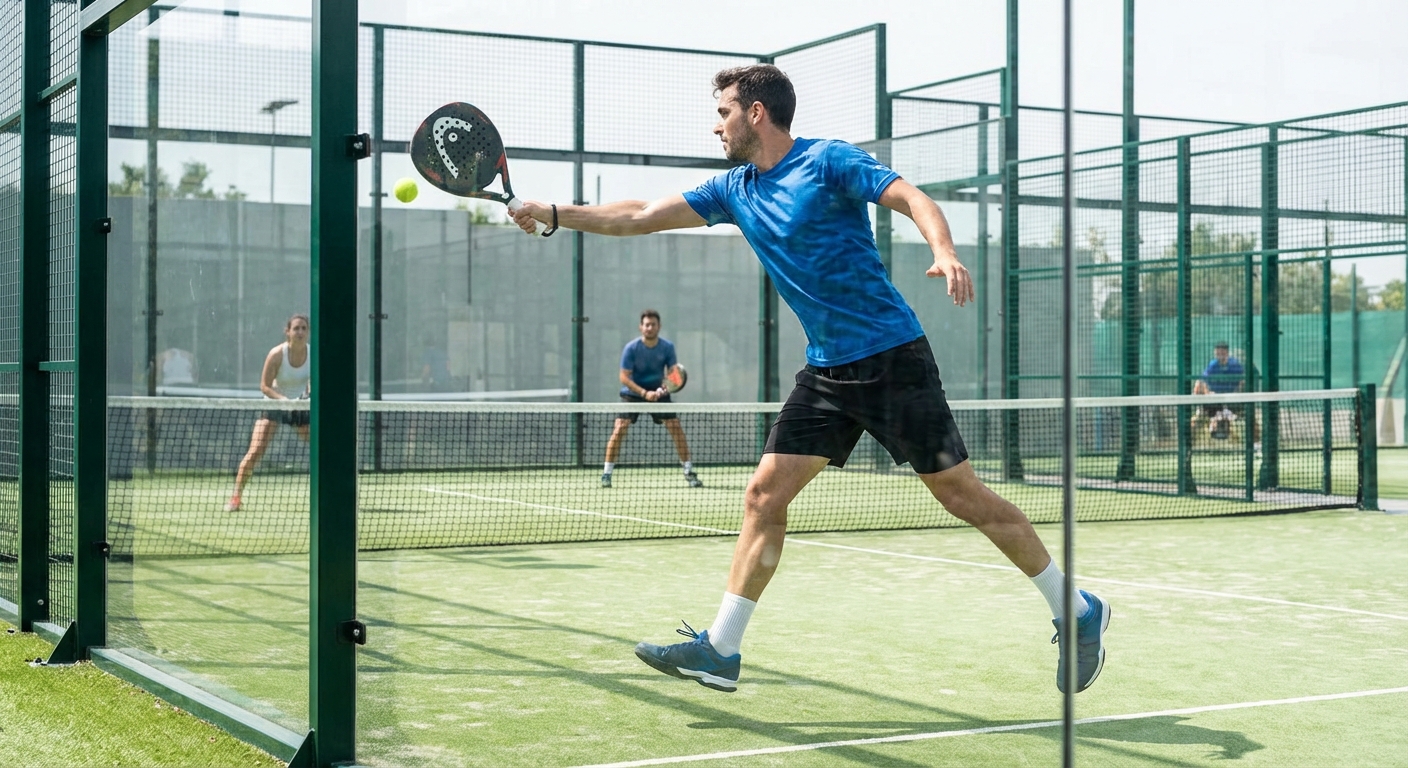
While the standard padel court size in feet is 32.8′ wide for doubles, a single-play court is narrowed to 19.7 feet (6 meters). The length remains identical at 65.6 feet, maintaining the same rebounding dynamics. Single courts are excellent for training or for clubs with limited space available. You should consider adding at least one single court to your venue to diversify your booking options.
How does the pace change?
On a narrower court, the game becomes more physically demanding as one player must cover more ground. The lack of a partner forces a greater focus on individual ball control and cardiovascular endurance.
Keep in mind:
Singles play is a perfect way for beginners to master the glass rebounds before moving to doubles.
- Singles Width: 19.7 ft
- Singles Length: 65.6 ft
- Total Area: 1,291 sq ft
- Best for: Training/Coaching
| Court Type | Dimensions (Feet) |
|---|---|
| Standard Doubles | 65.6 x 32.8 |
| Standard Singles | 65.6 x 19.7 |
| Area Savings | 40% Less Space |
Offering both singles and doubles courts allows you to cater to a broader demographic of athletes.
Key Takeaway
Adding a single court maximizes smaller land plots that cannot fit a full doubles structure. This flexibility increases your venue’s capacity and offers a unique service to solo trainers.
How much does a standard padel court size in feet cost?
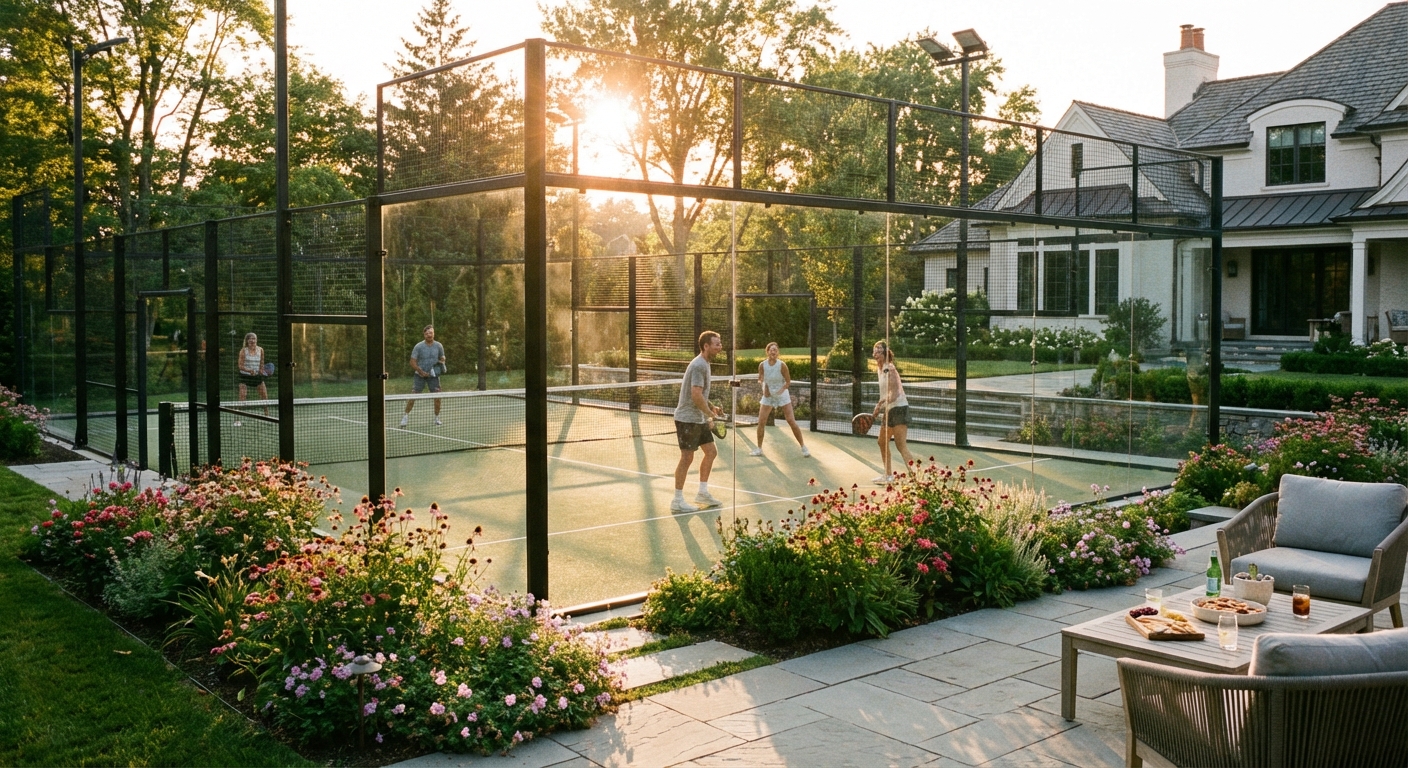
Building a court of this size generally costs between $25,000 and $65,000. The total budget depends on the complexity of your groundworks and the quality of the glass and lighting systems. You should also account for shipping, local labor, and any necessary planning permits. While the initial investment is significant, the high occupancy rate of padel courts typically leads to a fast return on investment.
What factors drive the budget?
Foundation preparation is often the most expensive variable, especially if the land requires significant leveling. Premium panoramic glass walls—which offer unobstructed views—also add to the final price tag.
You might be wondering:
“How long does the court last?” A high-quality build will remain functional for over 15 to 20 years with minimal maintenance.
- Structure: $15k – $25k
- Groundworks: $8k – $20k
- Turf/Lights: $5k – $10k
- Installation: $3k – $7k
| Expense Category | Estimated Cost (USD) |
|---|---|
| Structural Kit | $15,000 – $25,000 |
| Foundation | $8,000 – $20,000 |
| Surface & Lighting | $5,000 – $10,000 |
Careful budgeting during the planning phase prevents unexpected financial strain during construction.
Key Takeaway
While panoramic models have a higher upfront cost, they provide a superior spectator experience and command higher booking fees. A well-planned budget ensures you build a facility that balances performance with long-term profitability.
Selecting the correct padel court size in feet is more than just a measurement; it is an engineering commitment to quality and safety. By adhering to the 65.6′ x 32.8′ standard and ensuring a robust foundation, you create a facility that stands the test of time. If you are ready to transform your property into a world-class sports destination, contact us today to discuss your custom project. We believe that every court we build is a step toward a more active and connected global community.
Frequently Asked Questions (FAQ)
- Can I build a padel court on a tennis court?
Yes, a standard tennis court is large enough to fit two full padel courts with room to spare for a central walkway. - What’s the best glass thickness for outdoors?
You should use 12mm tempered glass for outdoor courts to ensure they can withstand high wind loads and heavy player impact. - How do I know if my ceiling is too low?
If your ceiling is below 20 feet, the ball will hit the roof on almost every defensive lob, significantly degrading the game’s tactical quality. - Can I install a court on grass?
No, the structure requires a solid, reinforced concrete foundation to anchor the steel frame and prevent the glass from cracking. - How long does construction take?
Once the concrete foundation is cured, the actual assembly of the steel, glass, and turf usually takes 4 to 6 working days.