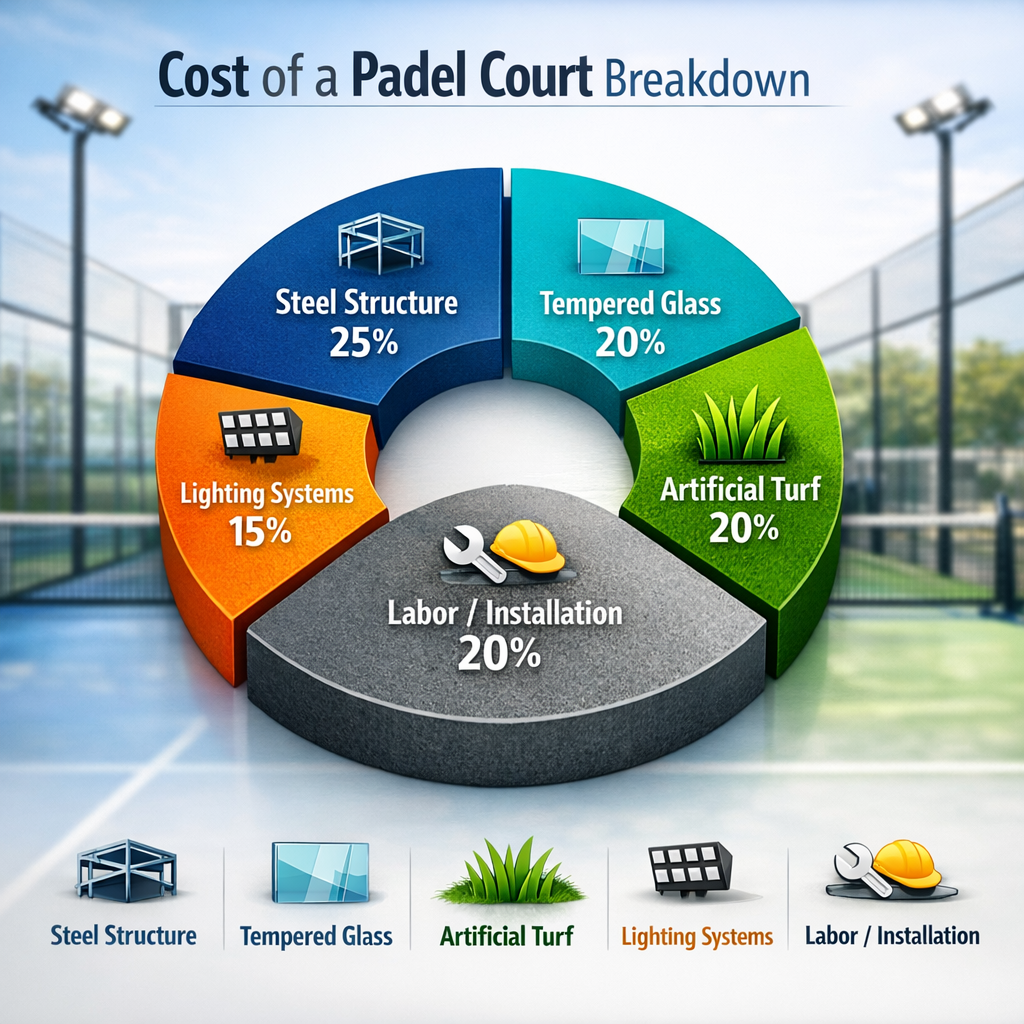
The average cost of a padel court typically ranges between $20,000 and $45,000 depending on the specific structural design and the quality of industrial materials selected for the project. Many commercial investors face significant financial strain when hidden procurement fees and unexpected site preparation requirements balloon the initial budget beyond manageable limits. We provide a transparent technical roadmap to help you navigate these variables and secure a professional-grade facility that guarantees long-term durability and player safety. Use our cost of a padel court analysis to optimize your capital expenditure while building a world-class sports destination.
What is the total cost of a padel court setup?
A standard professional-grade installation usually requires a financial commitment starting at $20,000 for basic models and reaching upwards of $40,000 for premium panoramic configurations. This baseline investment includes the heavy-duty steel frame, tempered safety glass, synthetic turf, and the necessary lighting systems required for evening play. You must account for the fact that factory-direct sourcing can significantly lower these figures by removing middleman markups.
Analyzing Initial Capital Outlay
Most project managers categorize expenses into structural components and site labor to maintain a clear overview of the financial health of the facility development. High-quality hot-dip galvanized steel frames represent the largest single material expense because they dictate the twenty-year lifespan of the entire sports structure. Here is the deal.
- Steel frame fabrication and powder coating.
- Tempered safety glass panels (10mm or 12mm).
- Synthetic turf and specialized quartz sand infill.
- Professional LED floodlight systems and mounting poles.
| Expense Category | Budget Allocation | Primary Objective |
|---|---|---|
| Structural Materials | 50% | Integrity and safety |
| Ground Works | 25% | Slab stability and drainage |
| Logistics/Labor | 25% | Installation and shipping |
The primary expenditure is weighted toward structural integrity to ensure the facility withstands environmental stress and heavy daily usage.
Key Takeaway: Start with a factory-direct quote to eliminate distributor markups and reallocate saved funds toward premium glass or lighting upgrades.
How does glass quality impact the cost of a padel court?
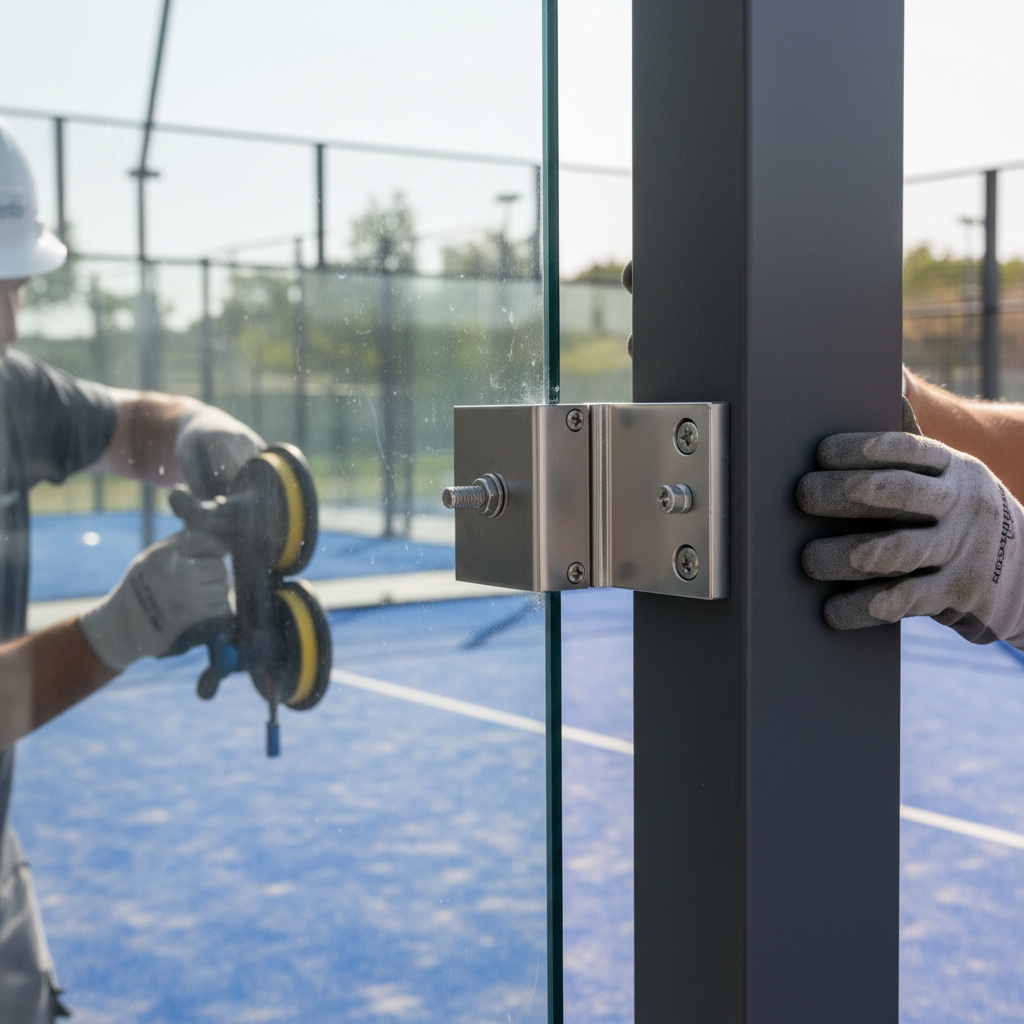
Selecting 12mm tempered safety glass over 10mm alternatives will increase the cost of a padel court by approximately ten percent but offers vastly superior impact resistance. This decision is fundamental for commercial clubs where high-velocity ball rebounds and accidental player impacts occur thousands of times every month. The perimeter cost is also influenced by the precision of the edge polishing and the quality of the anti-explosion certifications attached to the panels.
Evaluating Glass Thickness and Safety
Tempered glass serves as both a structural wall and a high-performance rebound surface that must remain perfectly flat under significant mechanical pressure during matches. Industrial-grade 12mm panels provide the solid “bounce” that professional players demand while significantly reducing the statistical likelihood of spontaneous shattering. But it doesn’t stop there.
- Increased rebound consistency for competitive play.
- Higher resistance to structural vibration and wind load.
- Compliance with international safety standards like EN 12150.
- Reduced insurance premiums due to certified safety ratings.
| Glass Type | Thickness | Relative Price | Best Application |
|---|---|---|---|
| Standard Tempered | 10mm | Baseline | Residential/Low traffic |
| Premium Tempered | 12mm | +15% | Commercial/Pro clubs |
| Laminated Safety | 12mm+ | +40% | Public/Unsupervised areas |
Thicker glass panels represent a safety-first investment that protects the facility owner from liability while enhancing the overall player experience.
Key Takeaway: Specify 12mm tempered glass for all commercial projects to ensure structural durability and meet the expectations of experienced players.
Why does turf selection change the cost of a padel court?
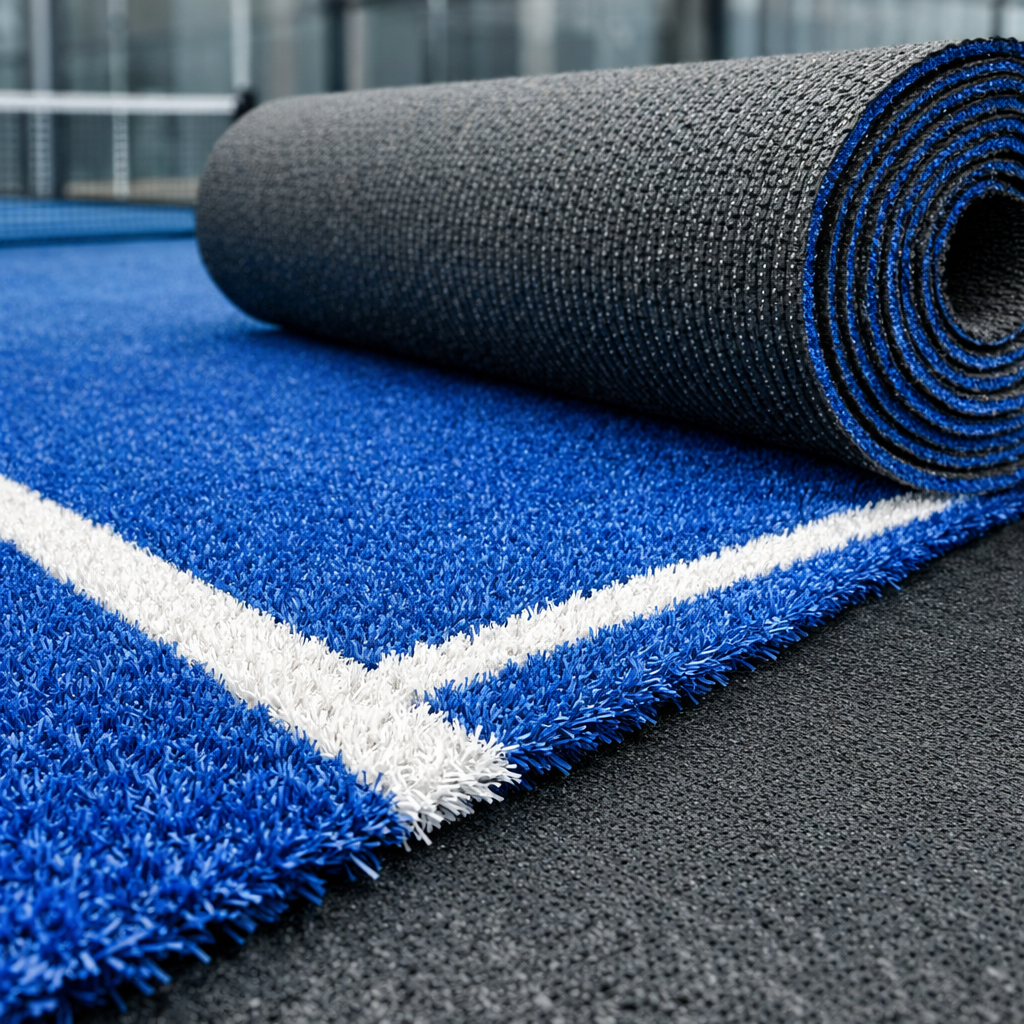
High-density monofilament turf systems are more expensive than fibrillated options but they provide a more natural ball bounce and a longer operational lifespan. The surface expense also includes the specialized polyurethane backing which prevents the grass from buckling or shrinking under extreme temperature fluctuations. Cheaper turf options often lead to “dead spots” where the ball fails to rebound correctly, ultimately damaging the reputation of your sports facility.
Choosing Between Monofilament and Fibrillated
Monofilament fibers are individually extruded to maintain their vertical shape, which reduces the amount of specialized sand grooming required to keep the surface playable. This advanced manufacturing process ensures that your investment translates into lower annual maintenance expenses for the facility management team. You might be wondering.
- Superior wear resistance in high-traffic zones.
- Consistent ball speed across the entire playing area.
- Enhanced player comfort and reduced joint impact.
- UV stability that prevents color fading in outdoor sun.
| Turf Category | Fiber Shape | Maintenance Need | Service Life |
|---|---|---|---|
| Fibrillated | Split-film | High | 5 – 7 Years |
| Monofilament | Single Strand | Medium | 8 – 10 Years |
| Texturized | Curled | Low | 7 – 9 Years |
Investing in high-end monofilament or texturized turf creates a professional atmosphere that justifies higher court rental fees for the facility operator.
Key Takeaway: Prioritize monofilament turf with a PU backing to ensure the playing surface remains consistent and durable for at least a decade.
How do ground works affect the cost of a padel court?
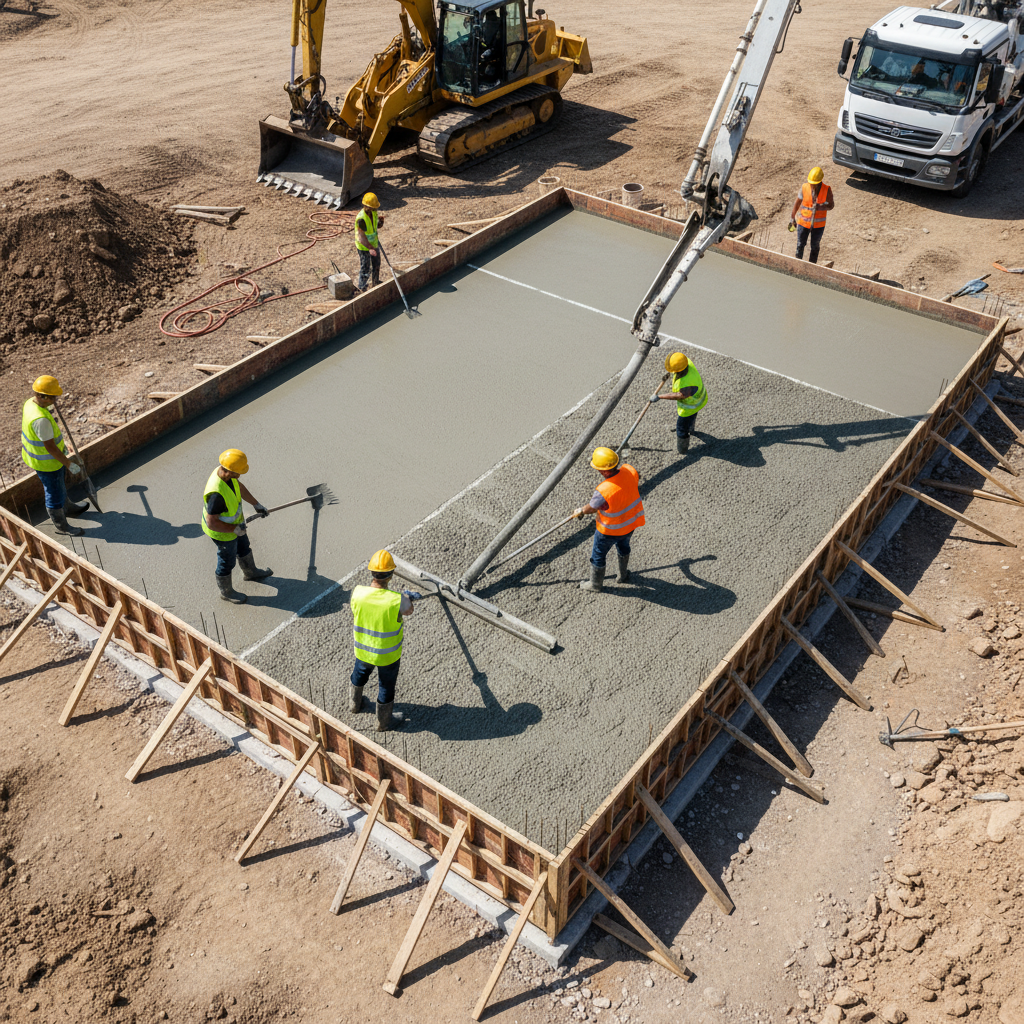
Preparing a reinforced concrete slab with integrated drainage can account for thirty percent of the total cost of a padel court depending on your local soil conditions. If the existing ground is not properly stabilized or leveled to within a 3mm tolerance, the heavy glass and steel structure will eventually shift. This shifting often results in misaligned panels and structural cracks that are incredibly expensive to rectify.
Engineering the Perfect Foundation
A professional foundation requires a 15cm reinforced concrete base that serves as a permanent anchor for the modular steel pillars that support the entire court. This phase includes the excavation labor and the specialized gravel sub-base needed to prevent water from pooling under the synthetic grass. What does this mean for you?
- Prevention of structural sinking and glass misalignment.
- Rapid drainage after heavy rain for maximum uptime.
- Perfectly flat playing surface for professional-grade bounce.
- Long-term protection of the turf adhesive and backing.
| Foundation Layer | Material | Function | Importance |
|---|---|---|---|
| Sub-base | Compacted Gravel | Stability/Drainage | High |
| Concrete Slab | Reinforced C25/30 | Structural Anchor | Maximum |
| Surface Finish | Laser-leveled | Playability | High |
The sub-surface engineering is the invisible foundation of your investment, determining whether the court remains a viable asset or becomes a maintenance liability.
Key Takeaway: Never skip soil density testing or laser leveling during the concrete pour to ensure the structural pillars remain perfectly vertical.
Does steel frame quality drive the cost of a padel court?
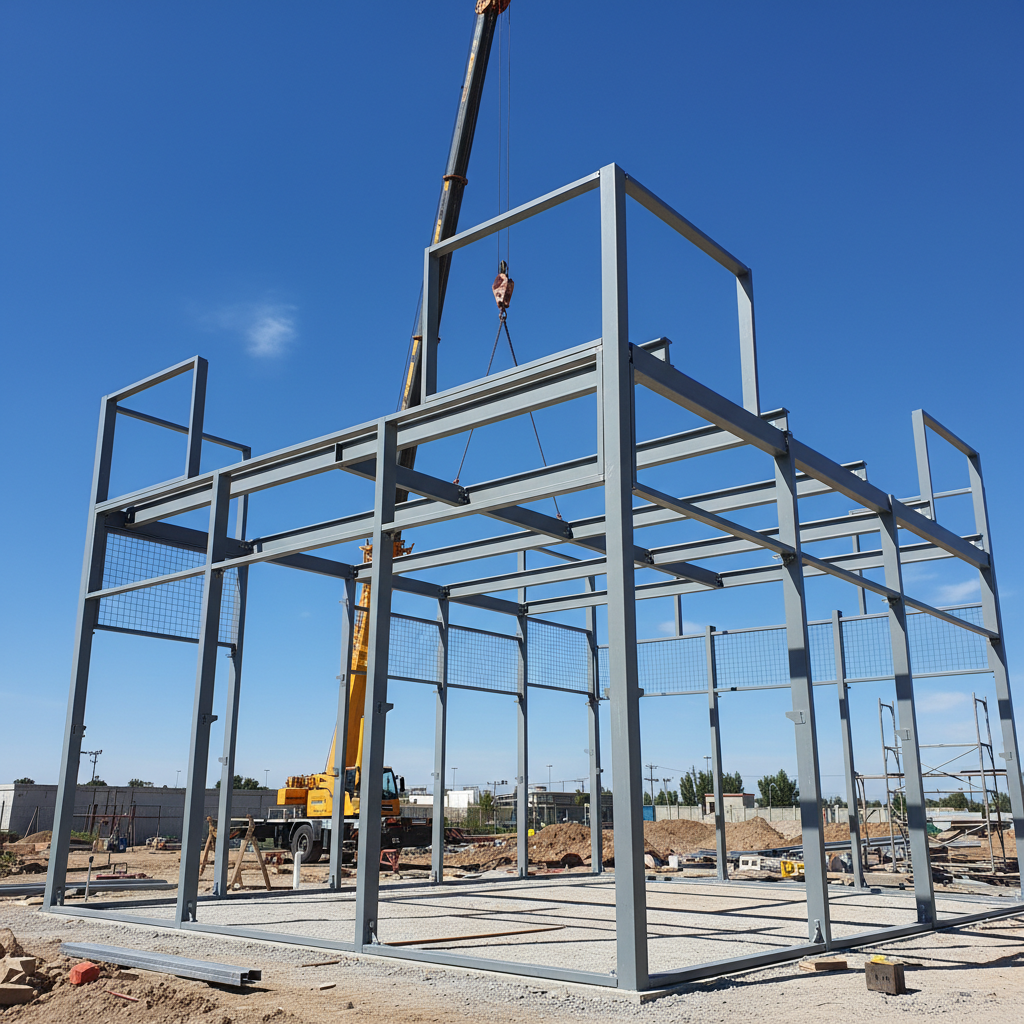
Hot-dip galvanized steel frames are the primary defense against rust and structural fatigue, directly impacting the long-term project value through durability. Using untreated or thin-walled steel profiles might save money during the initial purchase but will lead to visible oxidation within the first year of operation. High-quality frames utilize a modular design that allows for rapid assembly while maintaining the rigid tolerances required to hold heavy glass.
Evaluating Steel Quality and Protection
The metallurgical bond created during the hot-dip galvanization process protects the steel from the inside out, making it essential for facilities in humid areas. This advanced protection ensures that your facility structure can span up to twenty years of continuous outdoor exposure without failure. Ready for the good part?
- Complete rust protection in high-humidity environments.
- Rigid structural support for 12mm tempered glass panels.
- Custom powder coating for a professional, branded look.
- Electro-welded mesh that maintains tension for years.
| Steel Feature | Specification | User Benefit | Cost Impact |
|---|---|---|---|
| Coating | Hot-dip Galvanized | 20-year rust free | Medium |
| Wall Thickness | 3.0mm – 4.0mm | High wind resistance | High |
| Finish | Powder Coated | Aesthetic durability | Low |
A robust steel frame is the backbone of the facility, providing the necessary safety and performance characteristics that professional players expect from a top-tier club.
Key Takeaway: Insist on hot-dip galvanization over cold-spray alternatives to protect your structural investment from environmental degradation and visible rust.
How does lighting influence the cost of a padel court?
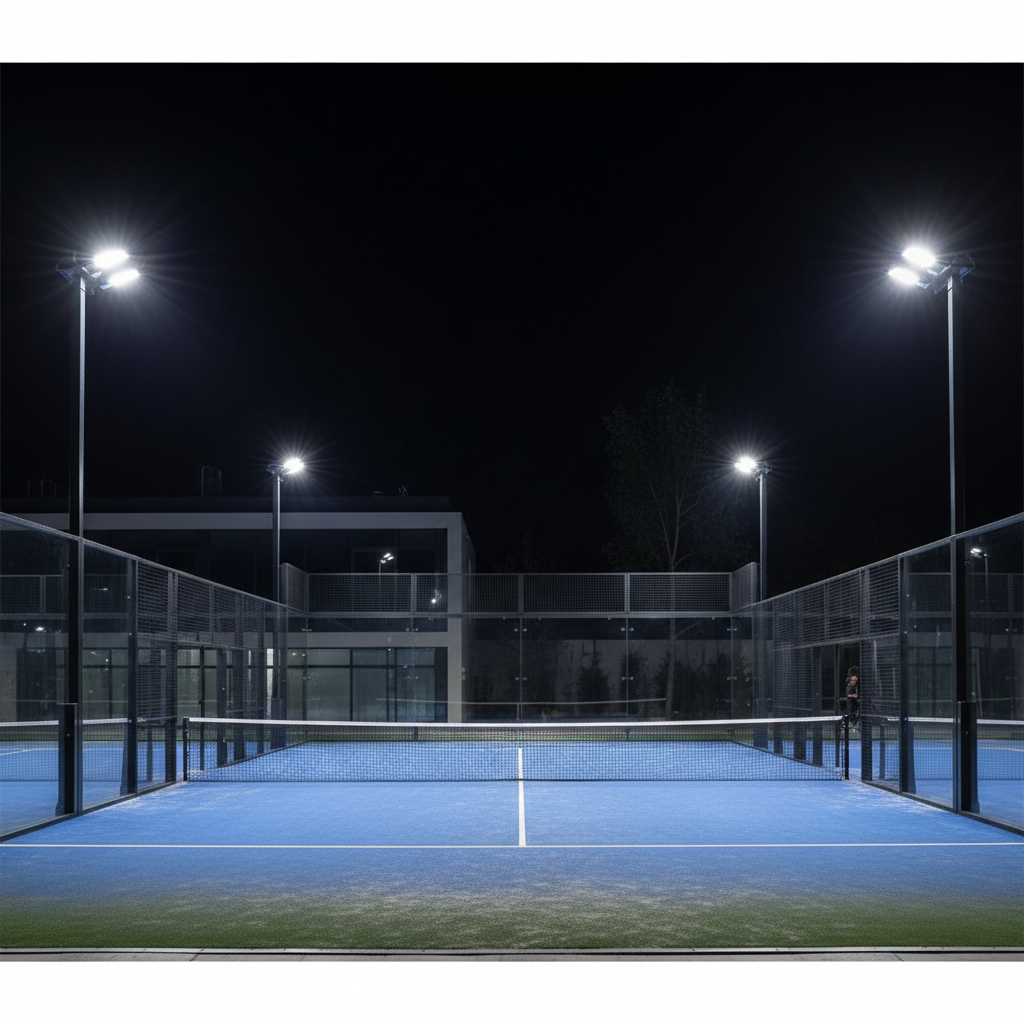
High-efficiency LED floodlight systems represent a significant portion of the cost of a padel court because they directly determine the facility’s ability to generate revenue at night. Professional lighting must provide uniform illumination across the entire area without creating shadows or glare that distract players during high-speed rallies. Modern LED systems reduce energy consumption by up to sixty percent compared to traditional options, lowering your monthly operational overhead.
Optimizing Lumens and Energy Costs
Advanced LED drivers and optics ensure that the light is focused precisely on the playing surface rather than spilling over into neighboring properties. This focused illumination is a vital component because it prevents light pollution and simplifies the local zoning approval process for your development. Here is the kicker.
- Consistent 300 to 500 lux levels for professional play.
- Instant-on technology with no warm-up or cool-down cycles.
- IP66 waterproof rating for reliable performance in heavy rain.
- Significant reduction in monthly electricity expenditures.
| Lighting System | Energy Use | Lifespan | Uniformity |
|---|---|---|---|
| Traditional Halide | High | 10,000 Hours | Poor |
| Standard LED | Medium | 30,000 Hours | Medium |
| Pro LED Optics | Low | 50,000 Hours | Excellent |
High-quality lighting extends your operational window and provides a professional atmosphere that attracts competitive tournaments and high-value club memberships.
Key Takeaway: Invest in 200W or 300W LED floodlights with asymmetric optics to provide tournament-level visibility while minimizing light spill and energy costs.
Why do shipping logistics affect the cost of a padel court?
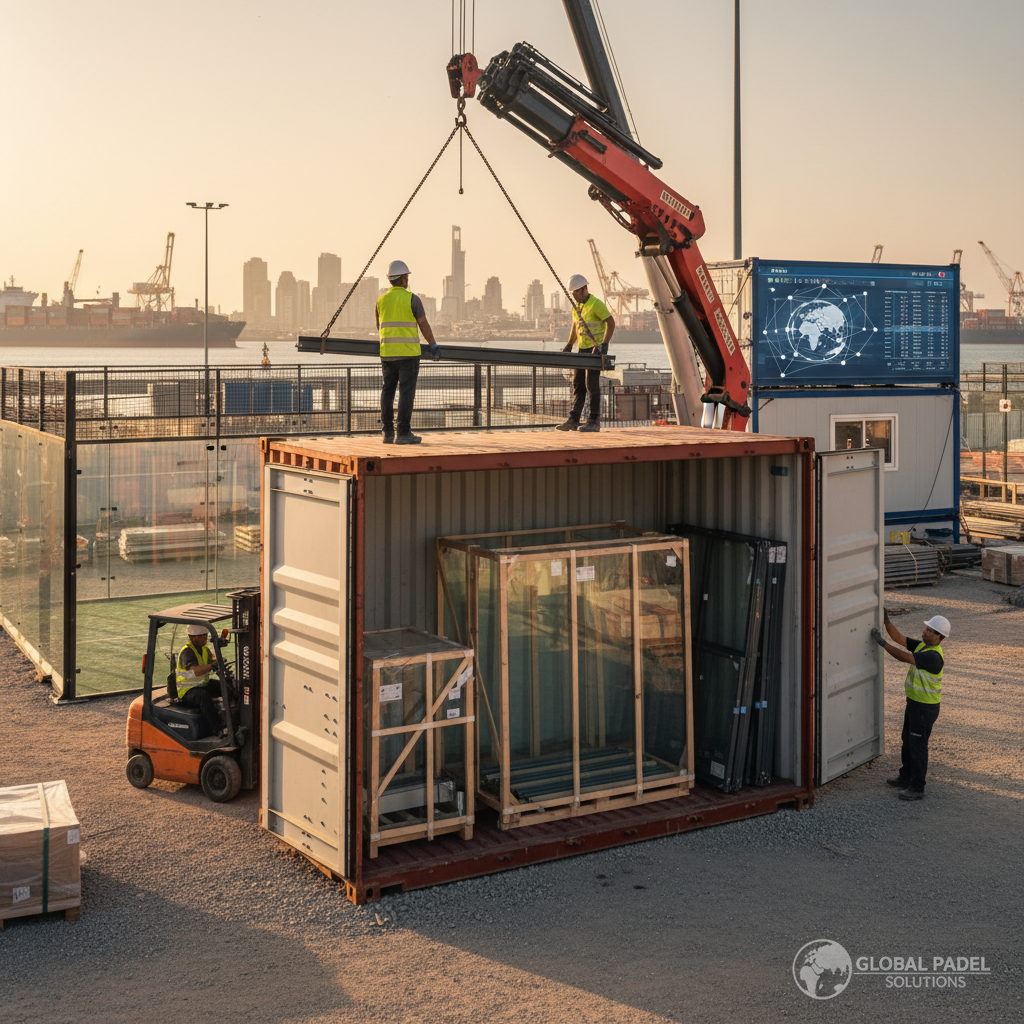
Global logistics and container optimization strategies can shift the total project expense by thousands of dollars depending on the shipping route and port efficiency. Most manufacturers can fit two complete courts into a single 40-foot high-cube container, which effectively halves the per-unit transport expense for you. Delivery also includes the specialized glass crating and structural packing needed to prevent damage during transit.
Streamlining International Logistics
Professional shipping coordinators handle the complex documentation required for customs clearance to ensure that your materials arrive at the site without unexpected storage fees. Efficient loading patterns also protect the delicate glass panels from the vibrations and shocks inherent in long-distance ocean freight. This is where it gets interesting.
- Reduced per-unit costs through container optimization.
- Enhanced protection for structural steel and glass panels.
- Simplified customs clearance and local port handling.
- Predictable delivery timelines for construction scheduling.
| Shipping Metric | Standard Practice | Cost Impact | Goal |
|---|---|---|---|
| Container Size | 40ft High Cube | Efficient | Load 2 Courts |
| Packaging | Reinforced Crates | Medium | Zero Breakage |
| Logistics | Port-to-Door | Variable | Speed/Convenience |
Effective logistics management ensures that the materials arrive in perfect condition, allowing the installation team to begin work immediately without waiting for replacement parts.
Key Takeaway: Order two courts simultaneously to maximize container space and significantly reduce the individual shipping overhead per unit.
Does branding customization add to the cost of a padel court?
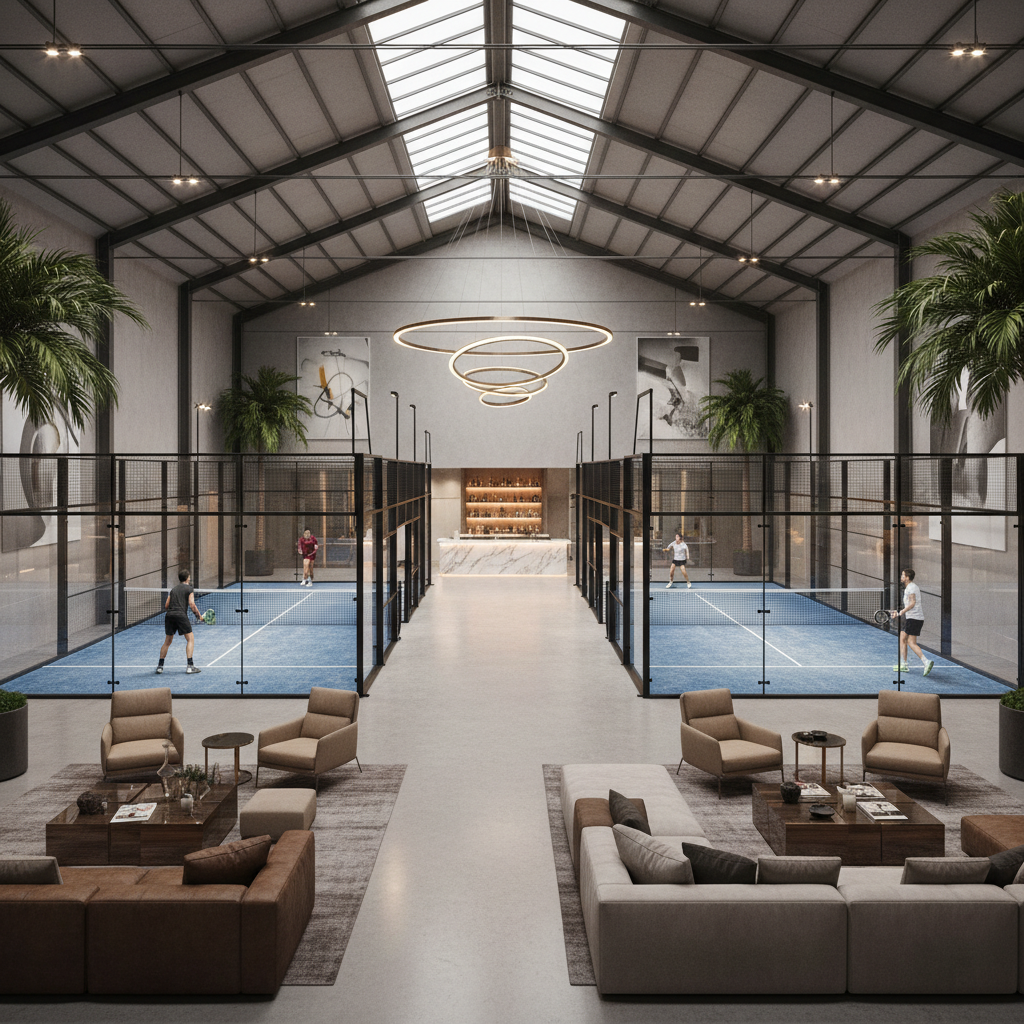
Adding custom RAL colors to the structural frame or integrating club logos into the synthetic turf will slightly increase the cost of a padel court while providing massive marketing value. You can use these visual elements to differentiate your club from competitors and create a luxury atmosphere that commands premium booking rates. Customization is a strategic expenditure that often pays for itself through increased member retention and social media exposure.
Personalizing the Playing Experience
Customized net straps and laser-cut logos on the steel pillars provide a level of professional finish that signals a high-end facility to potential members. These details are integrated during the factory production phase to ensure the highest level of durability and visual impact for your brand. Think about it.
- Unique frame colors that match your corporate identity.
- Permanent logo inlays that won’t fade or peel over time.
- Branded corner protectors and net tensioning hardware.
- Professional aesthetic that attracts elite tournament play.
| Branding Element | Method | Duration | Marketing ROI |
|---|---|---|---|
| Frame Color | Powder Coating | Permanent | High |
| Turf Logo | Tufted Inlay | Permanent | Very High |
| Net Strap | Sublimation | Seasonal | Medium |
Small investments in branding transform a standard sports court into a recognizable destination that builds community loyalty and strengthens your local market position.
Key Takeaway: Use high-contrast colors for your logo inlays to ensure they are clearly visible in player photos and social media marketing content.
How does location modify the cost of a padel court?
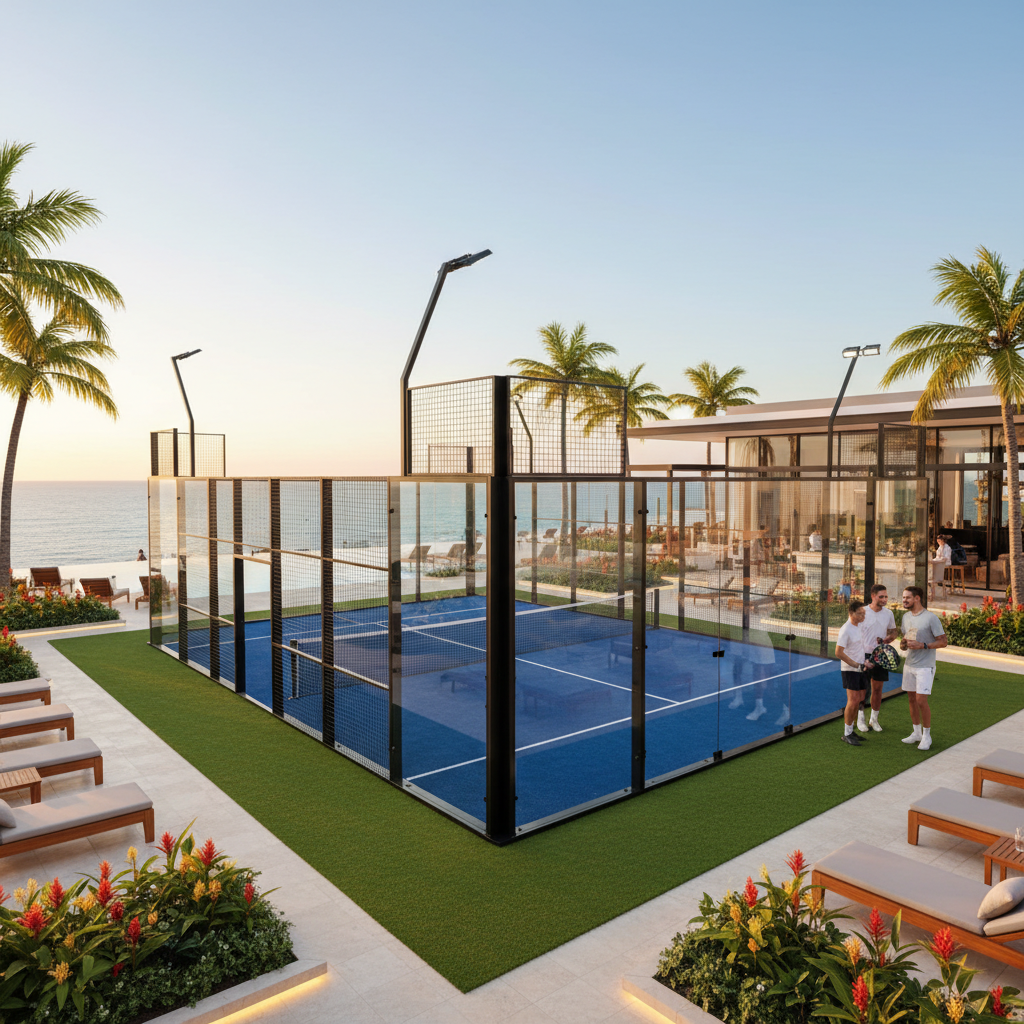
Extreme weather conditions like high-velocity hurricane zones or coastal salt air require structural upgrades that will naturally escalate the project budget. Sites located within one kilometer of the ocean need a duplex coating system to prevent corrosive saltwater from eating through the steel hardware. Engineering must be adapted to meet local building codes and environmental stresses to ensure the facility remains safe for years.
Adapting to Environmental Stress
In regions with high average wind speeds, the steel pillars must be reinforced and the glass panels thickened to prevent catastrophic structural failure. This specialized engineering is a mandatory part of the budget for projects in the Caribbean, Florida, or Southeast Asia. Wait, there’s more.
- Marine-grade stainless steel fasteners for coastal sites.
- Thicker glass panels to handle increased wind pressure.
- Reinforced structural pillars for hurricane resistance.
- Specialized paint systems that resist UV degradation.
| Region Type | Critical Upgrade | Cost Factor | Reason |
|---|---|---|---|
| Coastal | Duplex Coating | Medium | Salt corrosion |
| High Wind | Reinforced Steel | High | Structural safety |
| Inland | Standard Specs | Baseline | Standard usage |
Local site characteristics dictate the minimum engineering requirements, making it vital to share your specific GPS coordinates with the manufacturer during the design phase.
Key Takeaway: Request a wind-load certification for all outdoor projects to ensure your court structure complies with local insurance and safety regulations.
What maintenance reduces the lifetime cost of a padel court?
Implementing a consistent maintenance schedule can extend the life of your facility by five years and drastically reduce the long-term cost of a padel court ownership. Routine tasks like brushing the synthetic turf and tightening the glass mounting hardware prevent small mechanical issues from turning into structural failures. Upkeep is a minimal operational expense that protects the integrity of your initial capital investment.
Preserving Structural and Surface Quality
Regularly redistributing the quartz sand infill prevents the turf fibers from being crushed and maintains the professional ball bounce that players expect. A proactive maintenance plan also includes checking the tension of the net and the condition of the center strap to ensure tournament-level playability. The bottom line is.
- Weekly turf brushing to prevent fiber matting and wear.
- Quarterly structural inspections of bolts and fasteners.
- Monthly glass cleaning for maximum spectator visibility.
- Annual sand leveling to maintain consistent ball rebound.
| Task | Frequency | Cost Impact | Benefit |
|---|---|---|---|
| Turf Brushing | Weekly | Low | Extends life 30% |
| Bolt Check | Quarterly | Low | Structural safety |
| Glass Clean | Monthly | Low | Visual appeal |
A well-maintained court is a safer environment for players and a more profitable asset for the facility owner, as it requires fewer expensive emergency repairs.
Key Takeaway: Create a simple maintenance log for your staff to ensure that every court in your facility receives the attention it needs to remain professional.
Constructing a top-tier padel facility requires a strategic balance between initial material quality and long-term operational efficiency. By sourcing factory-direct components and prioritizing structural integrity through hot-dip galvanization and 12mm tempered glass, you secure a durable asset that delivers consistent player satisfaction. Our vision is to empower club owners worldwide with professional-grade courts that define the future of the sport. Ready to elevate your facility to international standards with a customized, cost-effective solution? Join hundreds of successful investors and contact us today to receive a comprehensive technical quotation for your upcoming project.
Professional FAQ
Can I build a padel court on an existing concrete surface?
Yes, provided the slab is at least 15cm thick and perfectly level within a 3mm tolerance. You must also ensure that the anchor points for the structural pillars are reinforced to handle the high lateral pressure from wind and player impact.
What’s the best lighting for a professional indoor facility?
We recommend using 200W LED floodlights with asymmetric optics that distribute light evenly without creating glare for the players. This setup provides 500 lux levels while minimizing the energy expenditure required for daily operation.
How long does a professional installation take to complete?
A standard installation usually requires 7 to 10 days for a trained team once the concrete foundation has fully cured. This includes the assembly of the steel frame, the setting of the glass panels, and the laying of the synthetic turf.
How do I know if I need 12mm glass instead of 10mm?
If you are operating a commercial club with high traffic, 12mm glass is the industry standard for safety and performance. You should also consider 12mm glass if your court is located in a high-wind area or will host professional-level tournaments.
How do I know if my site needs hurricane-resistant engineering?
You should consult your local building department for wind-load requirements or provide your GPS coordinates to your manufacturer. If your facility is located in a known hurricane path, reinforced steel pillars and specialized anchoring systems are mandatory for safety and insurance.