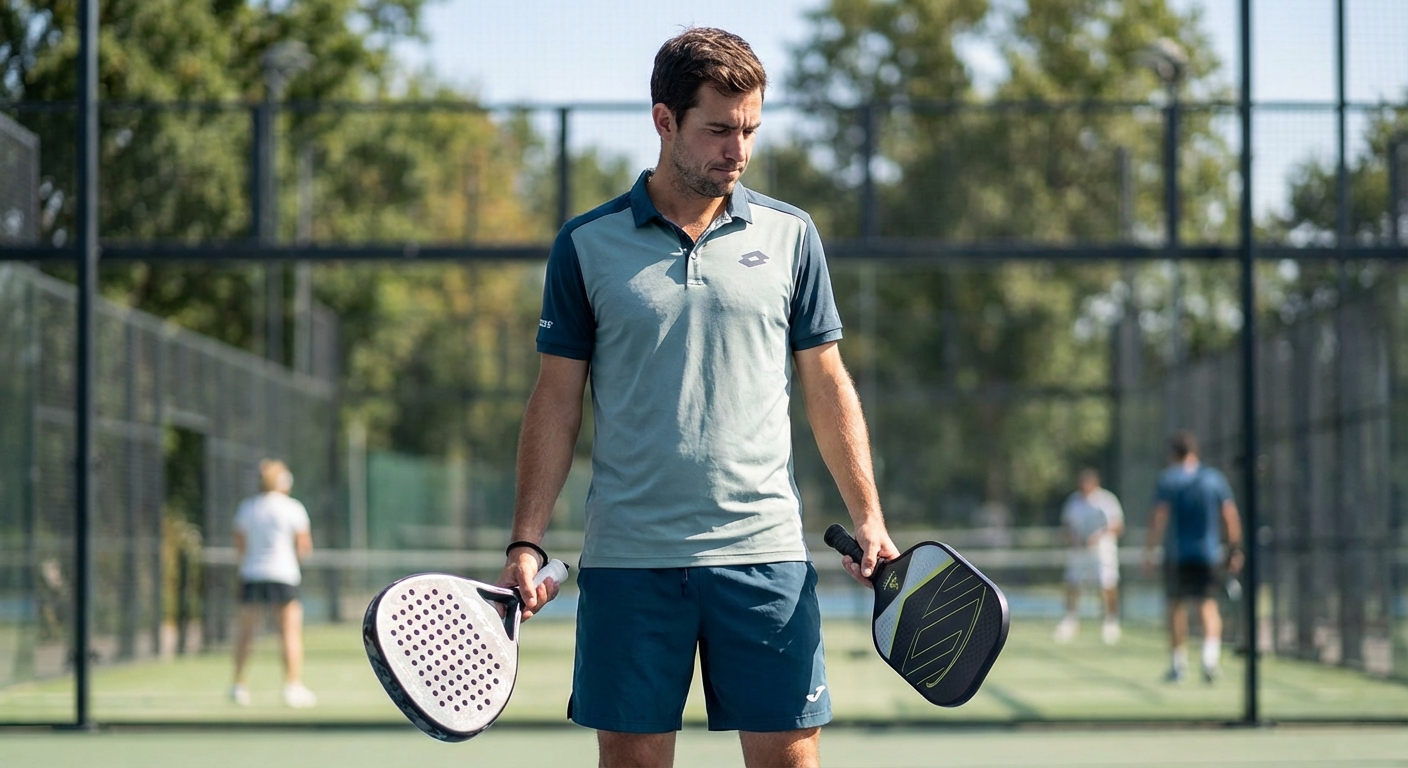
A padel vs pickleball racket is a specialized sports implement constructed from carbon fiber, fiberglass, and foam or polymer cores, and building it requires precision molding to accommodate specific ball speeds and court dimensions. Many athletes struggle with equipment confusion, often selecting gear that doesn’t match the aerodynamic needs of their sport. This leads to poor shot control, slower reaction times, and increased physical strain on the elbow and wrist. By understanding the technical nuances of the padel vs pickleball racket, you can optimize your equipment choice and significantly improve your performance on the court.
What is a padel vs pickleball racket definition?
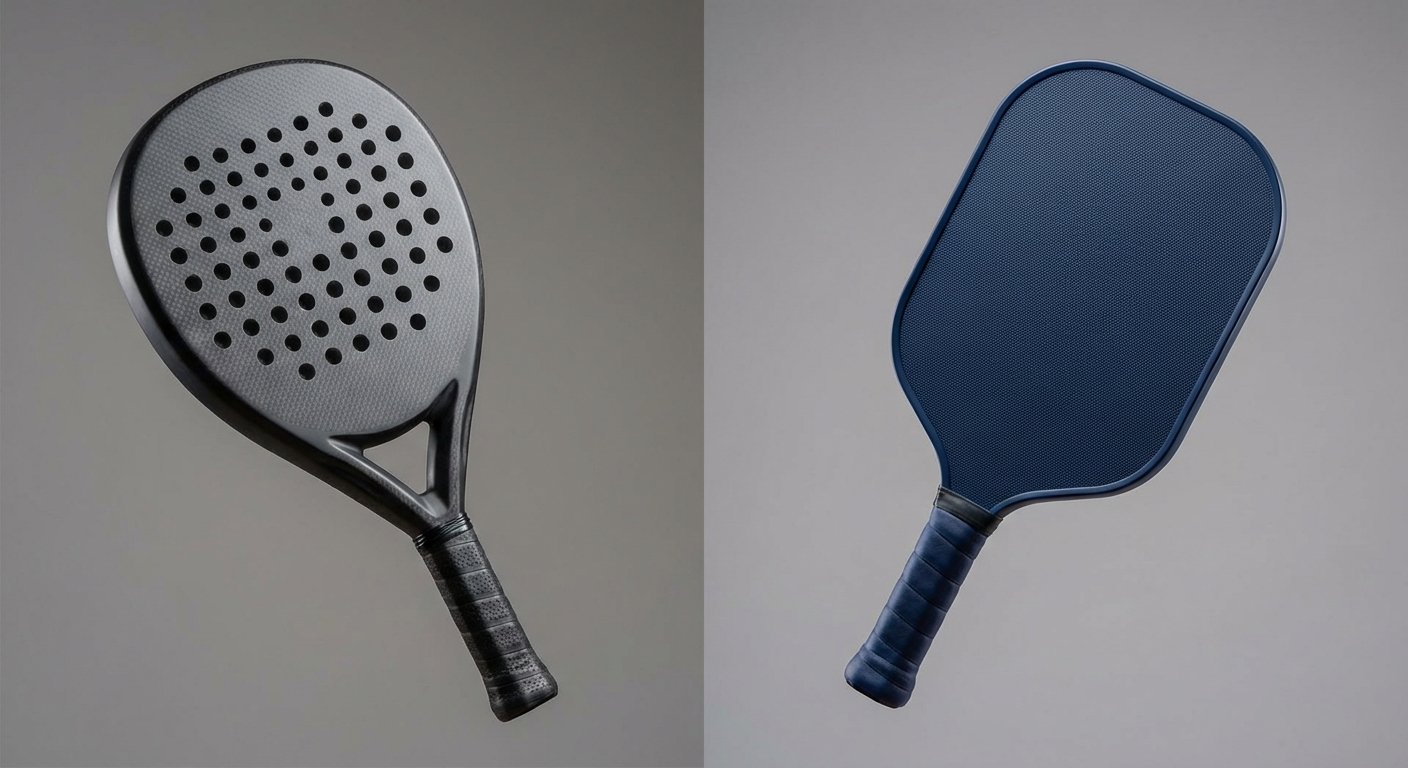
The padel vs pickleball racket represents two distinct engineering approaches to stringless sports, where one uses a thick perforated frame and the other a thin solid face. These rackets are defined by their ability to manage different ball materials, ranging from pressurized felt to hard perforated plastic.
Are the shapes different?
The silhouette of your equipment determines your swing path and defensive capabilities. Padel rackets are typically round, teardrop, or diamond-shaped to shift the balance.
Think about it:
- Round: Best for defensive control.
- Teardrop: The versatile all-rounder.
- Diamond: Designed for maximum power smashes.
Pickleball paddles are generally rectangular with rounded corners. They prioritize maximum hitting surface within strict width and length regulations to ensure fairness.
Key Takeaway
Padel rackets rely on geometric variety to change performance, while pickleball paddles focus on a consistent rectangular hitting area.
| Feature | Padel Racket | Pickleball Paddle |
|---|---|---|
| Shape | Round/Teardrop/Diamond | Rectangular |
| Surface Type | Perforated (Holes) | Solid Face |
| Edge Guard | Integrated | External Plastic |
The variation in geometry allows padel players to choose a racket based on their specific court position, unlike the more standardized pickleball paddle shapes.
How to size a padel vs pickleball racket correctly?
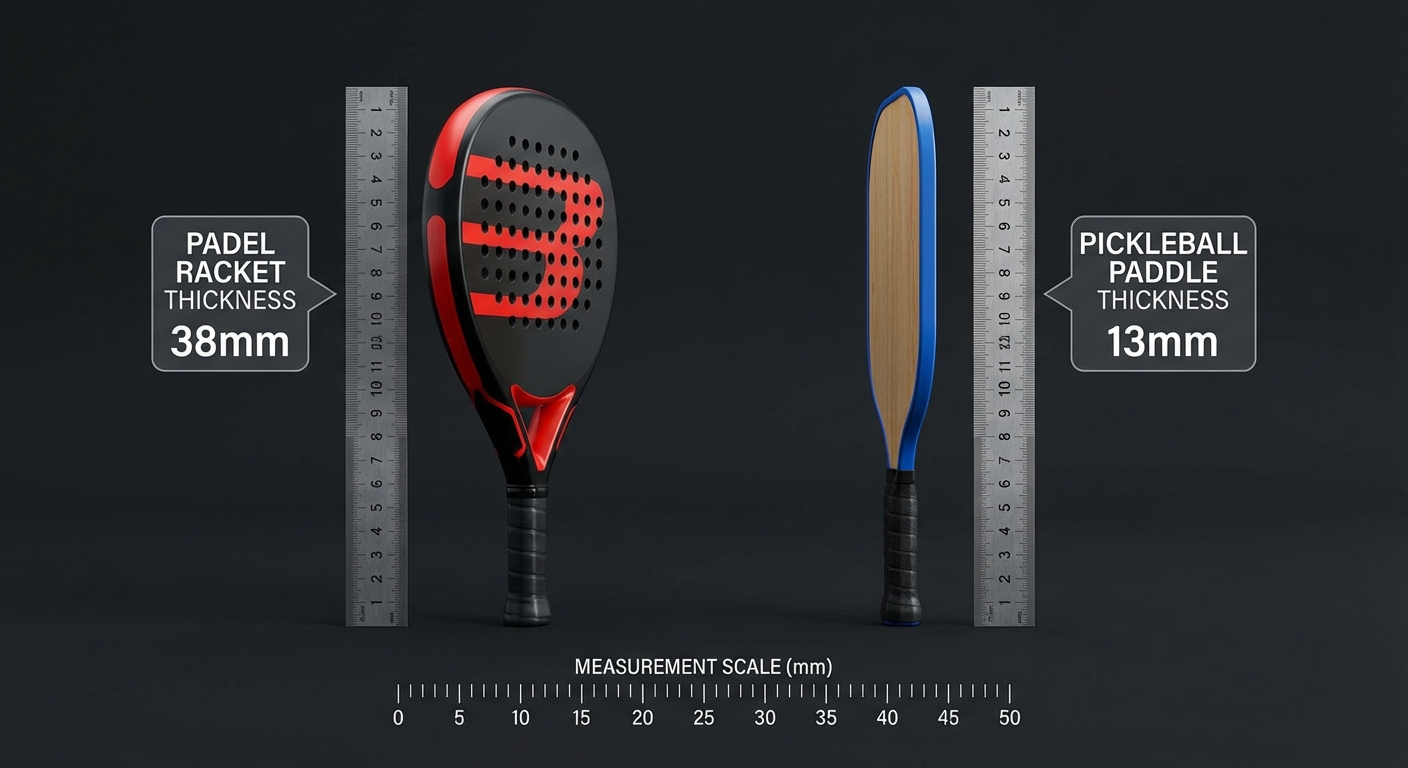
Sizing a padel vs pickleball racket requires measuring total length and thickness to ensure compliance with international tournament regulations. Padel rackets are standardized for thickness, whereas pickleball paddles offer more variety in core depth to suit personal touch preferences.
How do dimensions impact play?
Total length determines your reach and the leverage you can apply during a serve or volley. Padel rackets are limited to 45.5 cm in length, making them feel like an extension of the arm.
Here is the deal:
- Padel Length: Maximum 45.5 cm.
- Pickleball Length: Combined length and width cannot exceed 24 inches.
- Maneuverability: Shorter frames allow for faster net exchanges.
Pickleball paddles can be “elongated” or “standard” depending on the player’s preference. This choice directly affects the torque generated during high-speed drives from the baseline.
Key Takeaway
Correct sizing ensures that the racket provides the necessary reach without exceeding the technical limits that govern professional play.
| Dimension | Padel Standard | Pickleball Range |
|---|---|---|
| Max Length | 45.5 cm | 17 inches (Elongated) |
| Max Width | 26 cm | 8.25 inches (Wide) |
| Thickness | 38 mm | 10 mm – 16 mm |
Physical dimensions dictate the “swing weight,” which is the most critical factor for players seeking to avoid repetitive strain injuries.
Which materials build a padel vs pickleball racket?
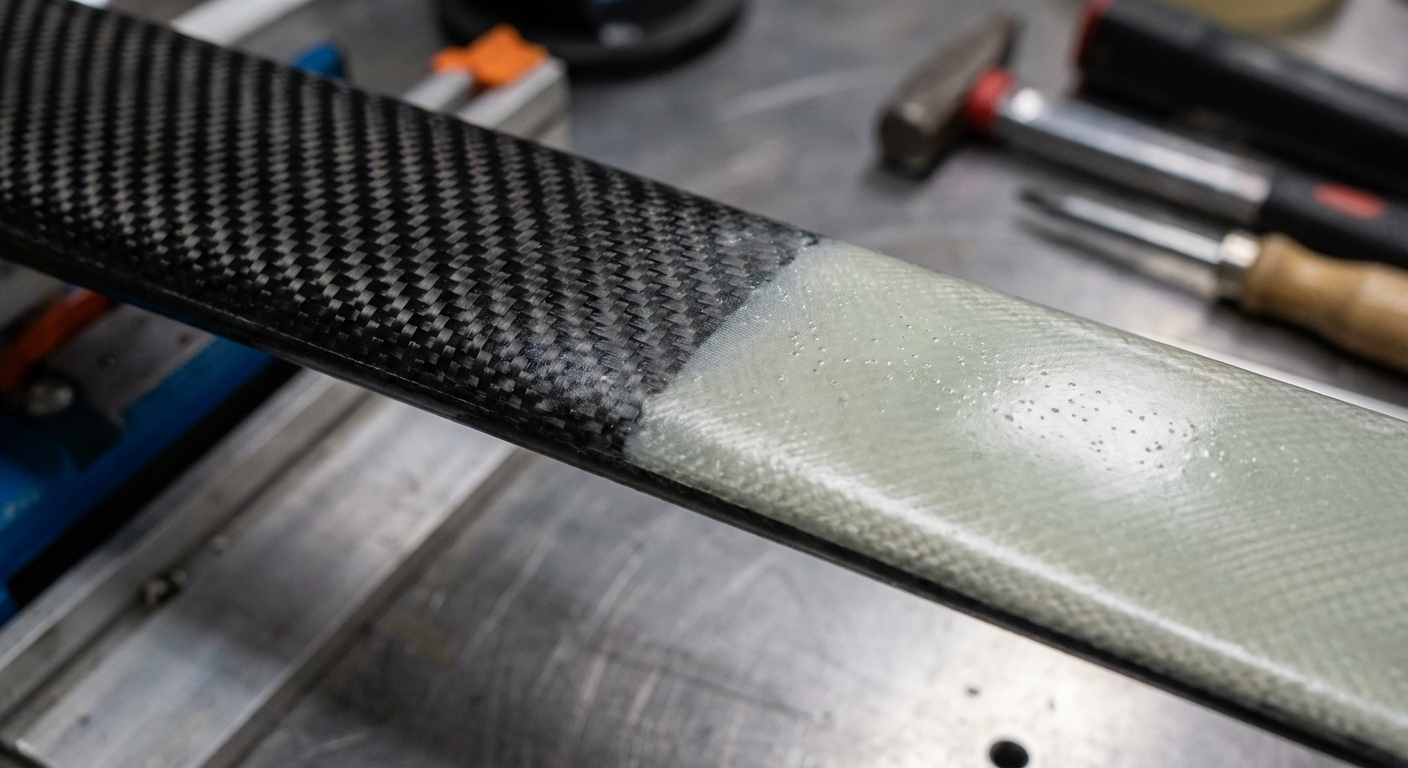
A padel vs pickleball racket is built using high-tech composites like carbon fiber or fiberglass layered over a dampening core. The choice of material on the face determines the “hardness” of the hit and the amount of energy returned to the ball.
Is carbon fiber superior?
Carbon fiber is the gold standard for players seeking durability and explosive power during offensive plays. It provides a stiffer response that rewards precise technique with massive ball exit speed.
Look at it this way:
- Carbon Fiber: Stiff, powerful, and durable.
- Fiberglass: Flexible, comfortable, and forgiving.
- Hybrids: Combine both for a balanced feel.
Fiberglass is often preferred by beginners because it offers more “pop” with less effort. It helps players get the ball across the net when they haven’t yet mastered full swing mechanics.
Key Takeaway
Material selection is a trade-off between the stiff power of carbon and the elastic comfort of fiberglass.
| Material | Feel | Best For |
|---|---|---|
| 3K Carbon | Firm | Intermediate Players |
| 12K Carbon | Very Hard | Professional Power |
| Fiberglass | Soft | Beginner Comfort |
Advanced manufacturing allows for specialized weaves that can dampen vibrations before they reach the player’s handle.
How to compare padel vs pickleball racket cores?
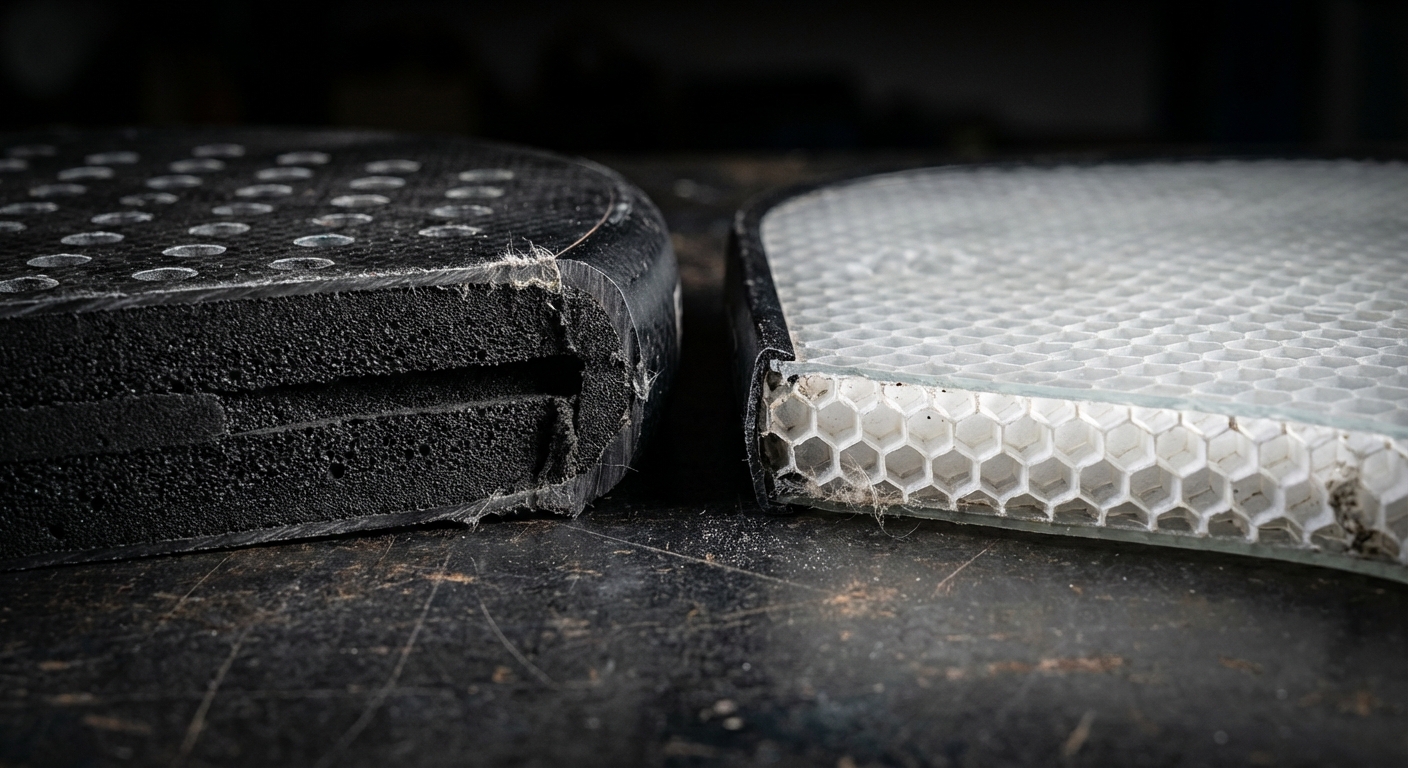
When you look at a padel vs pickleball racket, the most significant difference is hidden inside the frame. Padel uses compressed foam, while pickleball utilizes a honeycomb structure to maintain a lightweight profile.
How does core density work?
Core density determines how much the ball “sinks” into the racket upon impact, which affects both control and spin. Padel cores use EVA foam for its high memory and rebound properties.
Make no mistake:
- EVA Foam: High compression for pressurized balls.
- Polymer Honeycomb: Rigid support for plastic balls.
- Polyethylene: A softer alternative for padel comfort.
Pickleball cores are mostly polypropylene honeycomb, which provides a “clicky” feel and keeps the weight low. This rigidity is essential for the short, sharp strokes required in the pickleball kitchen.
Key Takeaway
Cores act as the engine of the racket, with foam providing spring and honeycomb providing stability.
| Core Material | Sport | Primary Benefit |
|---|---|---|
| EVA Foam | Padel | Vibration Absorption |
| Polymer | Pickleball | Lightweight Control |
| Nomex | Pickleball | Hardness and Speed |
The internal architecture of the core is the primary factor in determining the racket’s lifespan and resistance to “dead spots.”
Does weight affect padel vs pickleball racket play?
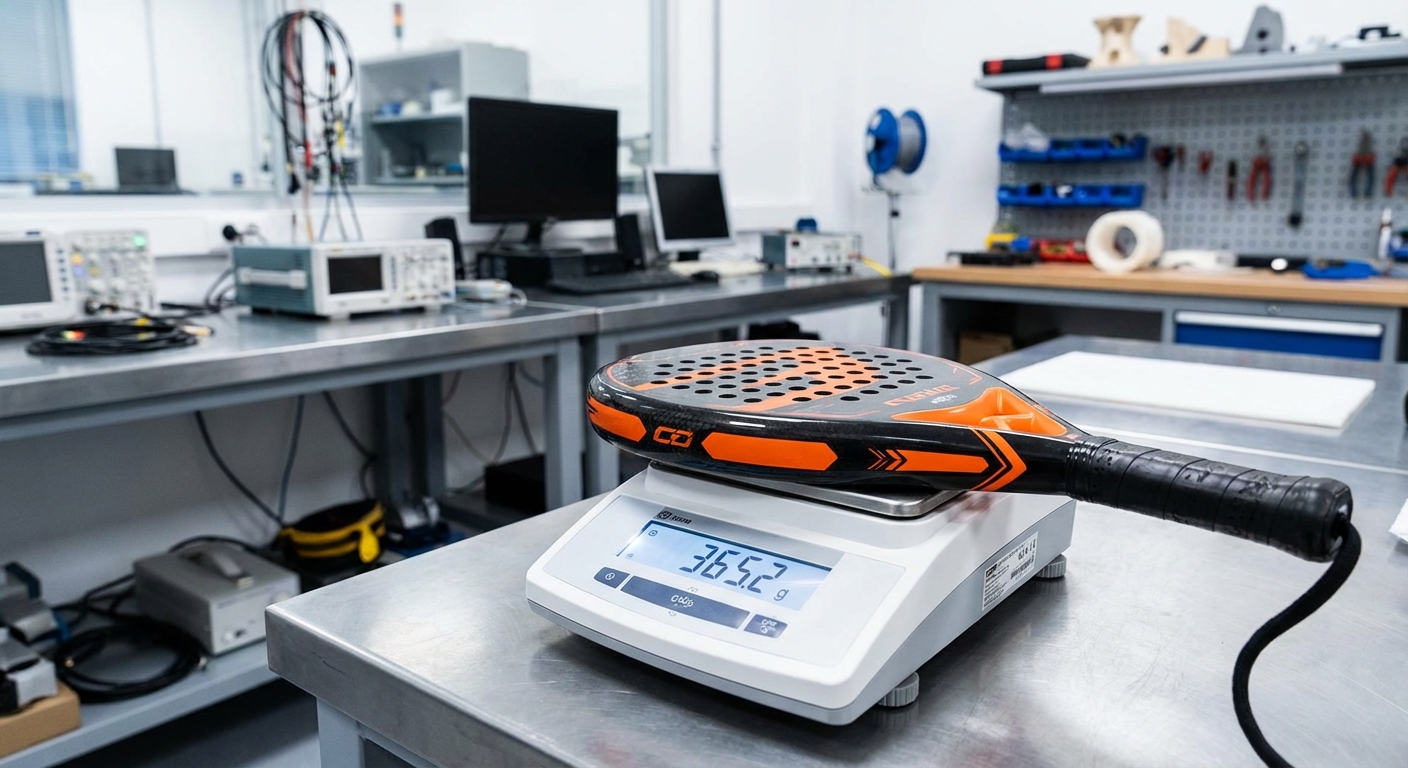
The padel vs pickleball racket weight discrepancy is massive, with padel rackets often being nearly double the weight of pickleball paddles. This extra mass is necessary to counter the momentum of a heavier, pressurized ball without losing stability.
Is lighter always better?
Lightweight gear offers lightning-fast reflexes but often lacks the “plow-through” needed for deep baseline shots. Professional players often choose slightly heavier frames to gain more stability on off-center hits.
The truth is:
- Lightweight: 350g-360g (Padel) / 7.2oz-7.8oz (Pickleball).
- Mid-Weight: 365g-370g (Padel) / 7.9oz-8.3oz (Pickleball).
- Heavy: 375g+ (Padel) / 8.4oz+ (Pickleball).
Heavier rackets absorb more shock, which can actually protect the arm from vibrations if the player has the strength to swing them. However, a racket that is too heavy will lead to fatigue and late hits.
Key Takeaway
Weight must be balanced against the player’s physical strength to ensure both power and injury prevention.
| Weight Class | Padel (Grams) | Pickleball (Ounces) |
|---|---|---|
| Light | < 360g | < 7.5oz |
| Standard | 360g – 375g | 7.6oz – 8.2oz |
| Heavy | > 375g | > 8.3oz |
Managing the total mass is critical because even a 10-gram difference can completely alter the swing timing of a competitive athlete.
How to test a padel vs pickleball racket surface?
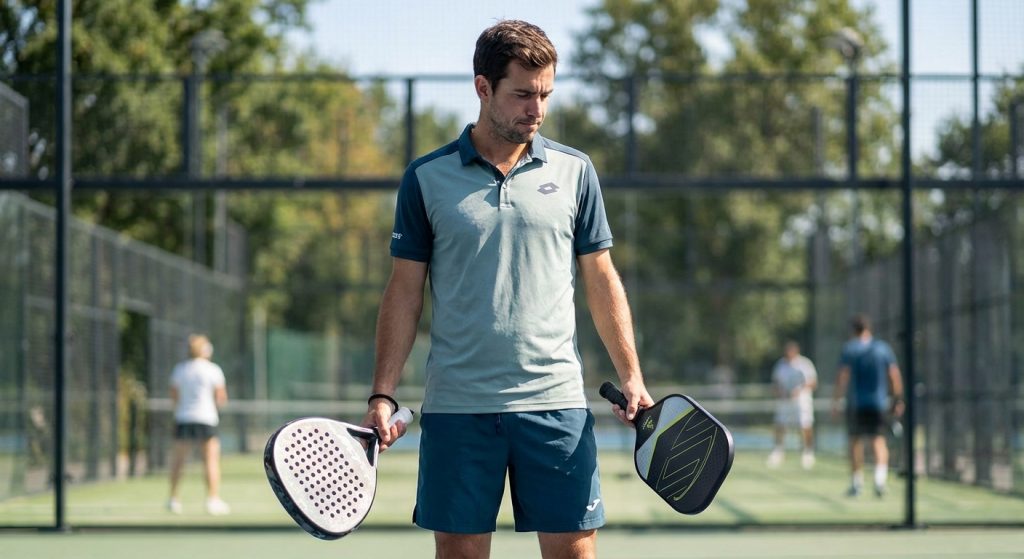
To effectively test a padel vs pickleball racket, you must evaluate the surface grit and the “dwell time” of the ball. A quality surface should provide enough friction to generate spin without sacrificing the durability of the composite skin.
Does grit improve spin?
Surface texture allows the racket to “grab” the ball during a slice or roll shot. Modern manufacturing uses either 3D-molded patterns or a spray-on sand-like grit to achieve this.
It gets better:
- 3D Patterns: Long-lasting and consistent.
- Sand Grit: Maximum initial spin but wears down.
- Smooth Surface: Best for raw power and flat hitting.
Testing involves hitting several volleys to feel if the ball slides or grips. You should also check for “dead zones” by tapping the face with your knuckles to ensure the core is fully bonded.
Key Takeaway
Surface friction is the tool that allows players to manipulate ball trajectory and pace through spin.
| Surface Test | Method | Indicator |
|---|---|---|
| Spin Test | Sliced Ball Hit | RPM and Trajectory |
| Bond Test | Knuckle Tap | Solid Sound (Good Core) |
| Flex Test | Frame Pressure | Stiffness Level |
Evaluating the face integrity before purchase prevents the frustration of using a racket that loses its performance after just a few matches.
Why use holes in a padel vs pickleball racket?
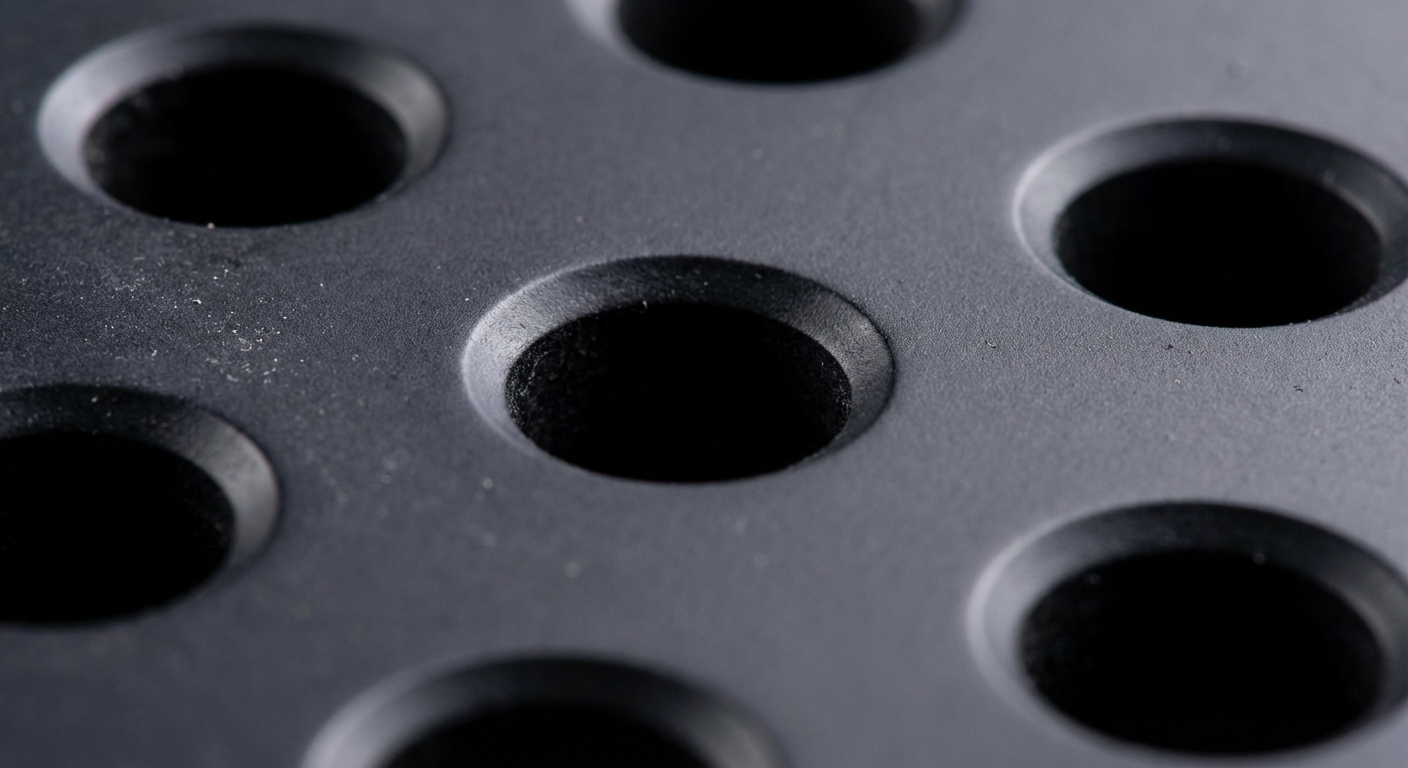
Holes are a functional necessity in the padel vs pickleball racket design to manage aerodynamics and reduce the weight of the 38mm thick frame. Without these perforations, the air resistance during a high-speed smash would make the racket feel incredibly heavy and slow.
Do holes affect the sweet spot?
The drilling pattern is strategically designed to maintain structural integrity while expanding the effective hitting area. Central holes are often larger to allow for more core compression and “bite” on the ball.
The best part?
- Central Holes: Enhance power and grip.
- Perimeter Holes: Maintain frame stiffness.
- Symmetry: Essential for a balanced swing weight.
Pickleball paddles do not have holes because their thin profile already allows for minimal air drag. Furthermore, a solid face is better for the smaller contact point of a plastic pickleball.
Key Takeaway
Holes are the primary aerodynamic solution for the thick padel frame, whereas pickleball relies on thinness for speed.
| Hole Feature | Padel Racket | Pickleball Paddle |
|---|---|---|
| Presence | Mandatory Perforations | None (Solid) |
| Purpose | Airflow & Weight | Surface Area Max |
| Impact | Reduces Drag | Maximizes “Pop” |
Engineering the perfect hole pattern is a complex task that balances the need for speed with the requirement for a strong, long-lasting frame.
How to build a padel vs pickleball racket grip?
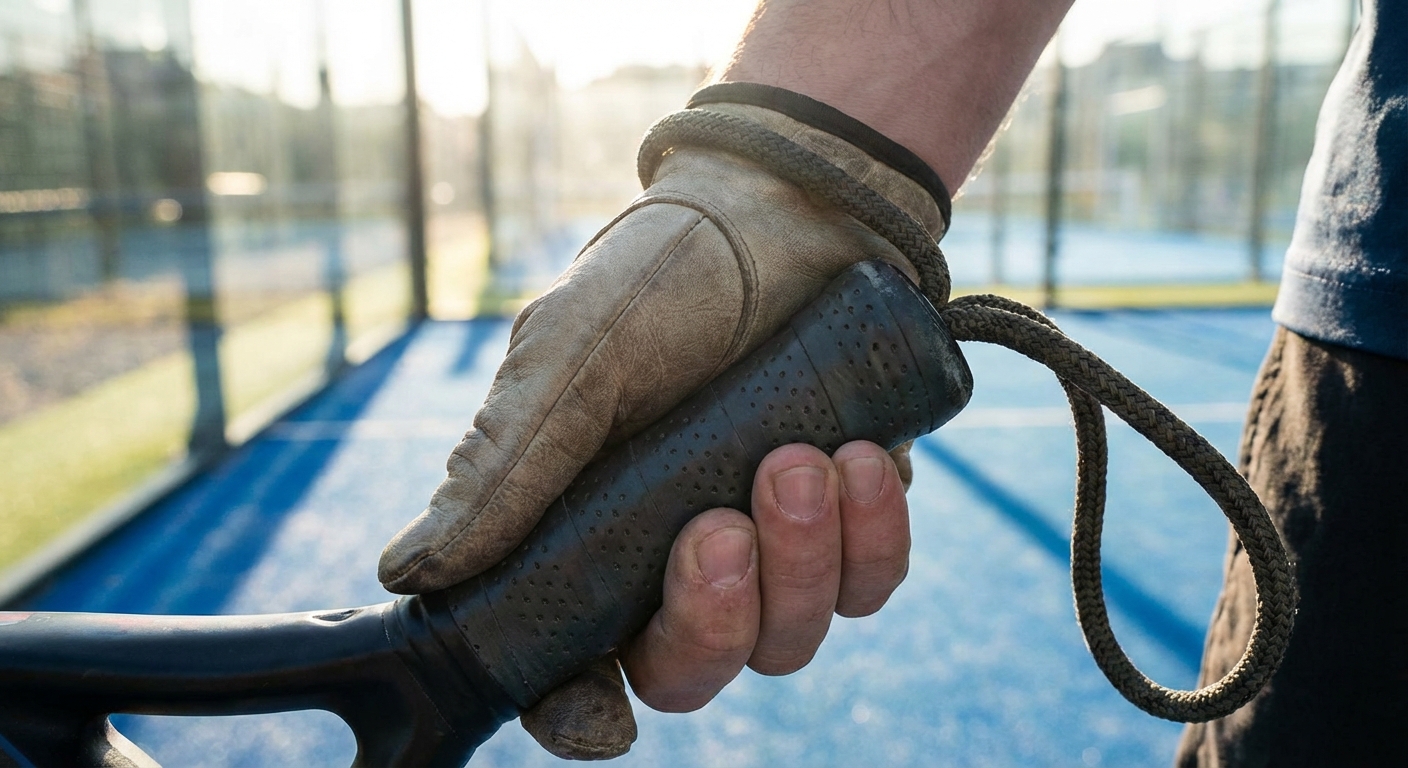
Building a custom grip for your padel vs pickleball racket involves choosing the right base thickness and adding overgrips for moisture management. The grip is the only point of communication between the athlete and the gear, making its construction vital for comfort.
Is handle length fixed?
Handle length varies to accommodate different playing styles, such as the two-handed backhand which is becoming more common in both sports. Padel handles are generally shorter and must include a safety wrist tether.
Wait, there’s more:
- Short Handle: Better for quick net volleys.
- Long Handle: Essential for two-handed power.
- Wrist Cord: A mandatory safety feature in padel.
The grip circumference should allow for a small gap between your fingers and the palm of your hand. A grip that is too small leads to excessive squeezing and potential wrist injuries.
Key Takeaway
Customizing your grip with overgrips is the most effective way to improve comfort and reduce the risk of “tennis elbow.”
| Grip Layer | Purpose | Change Frequency |
|---|---|---|
| Base Grip | Handle Cushioning | Yearly |
| Overgrip | Tackiness & Sweat | Every 3-5 Matches |
| Safety Cord | Player Protection | Constant Check |
A properly built grip ensures that the racket remains stable in your hand even during high-intensity points with heavy perspiration.
What is the padel vs pickleball racket thickness?
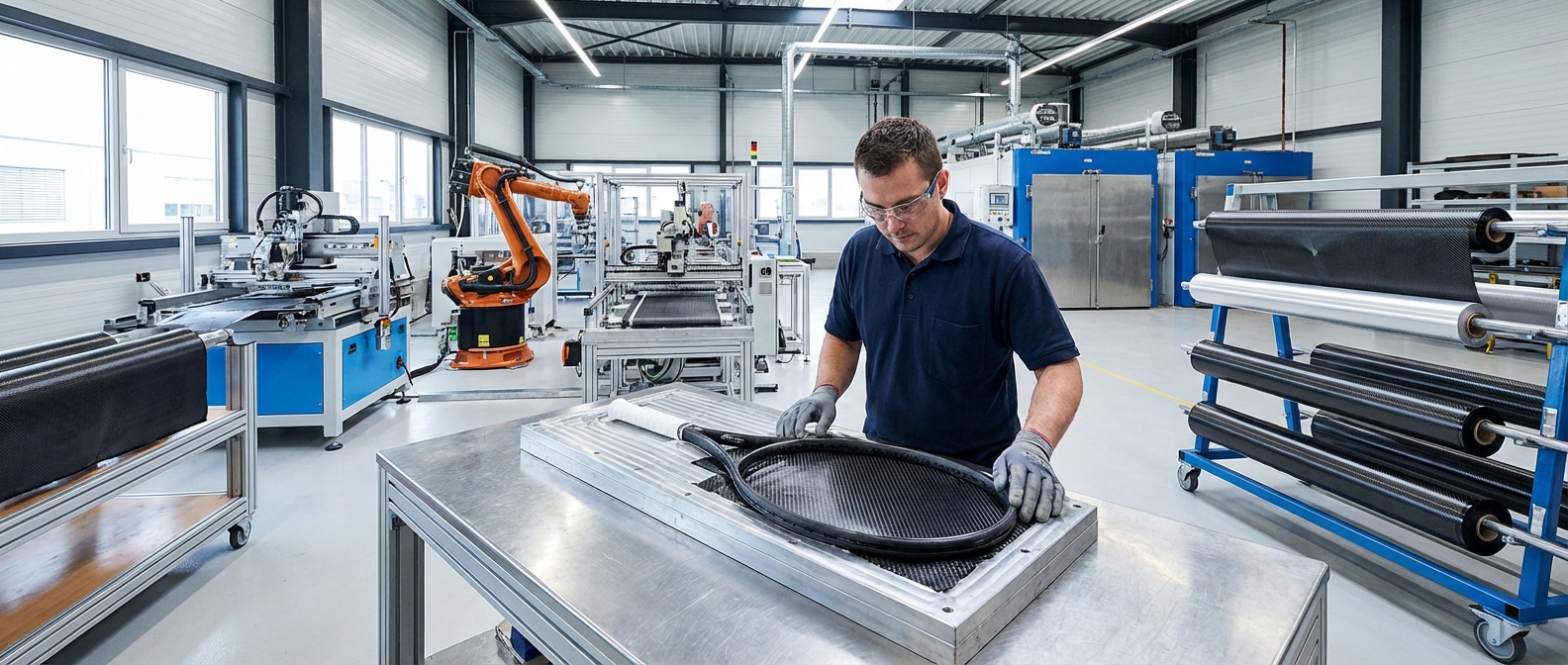
The padel vs pickleball racket thickness is perhaps the most obvious physical difference, with padel rackets locked at 38mm for professional play. Pickleball paddles are much thinner, typically ranging from 10mm to 16mm, which facilitates the different physics of the ball bounce.
Does thickness equal power?
In the world of composite sports gear, a thicker core generally offers more control and a larger sweet spot because it absorbs more energy. Thinner frames are “livelier” and offer more immediate ball exit speed, often called “pop.”
You bet it is:
- 16mm Pickleball: The choice for control and dinking.
- 13mm Pickleball: The choice for power and speed.
- 38mm Padel: The industry standard for maximum shock absorption.
Building a thick padel racket requires high-pressure molding to ensure the EVA foam and carbon skins are perfectly fused. This thickness allows the racket to handle the high-velocity impact of a tennis-like ball without cracking.
Key Takeaway
Thickness is the primary lever used by manufacturers to balance the “power vs. control” equation for different player levels.
| Thickness | Best For | Sport |
|---|---|---|
| 13 mm | Power Hitting | Pickleball |
| 16 mm | Tactical Control | Pickleball |
| 38 mm | Heavy Impact | Padel |
The trend in professional pickleball is moving toward thicker 16mm cores to provide the stability needed for the modern, fast-paced “dinking” game.
Is the padel vs pickleball racket sweet spot same?
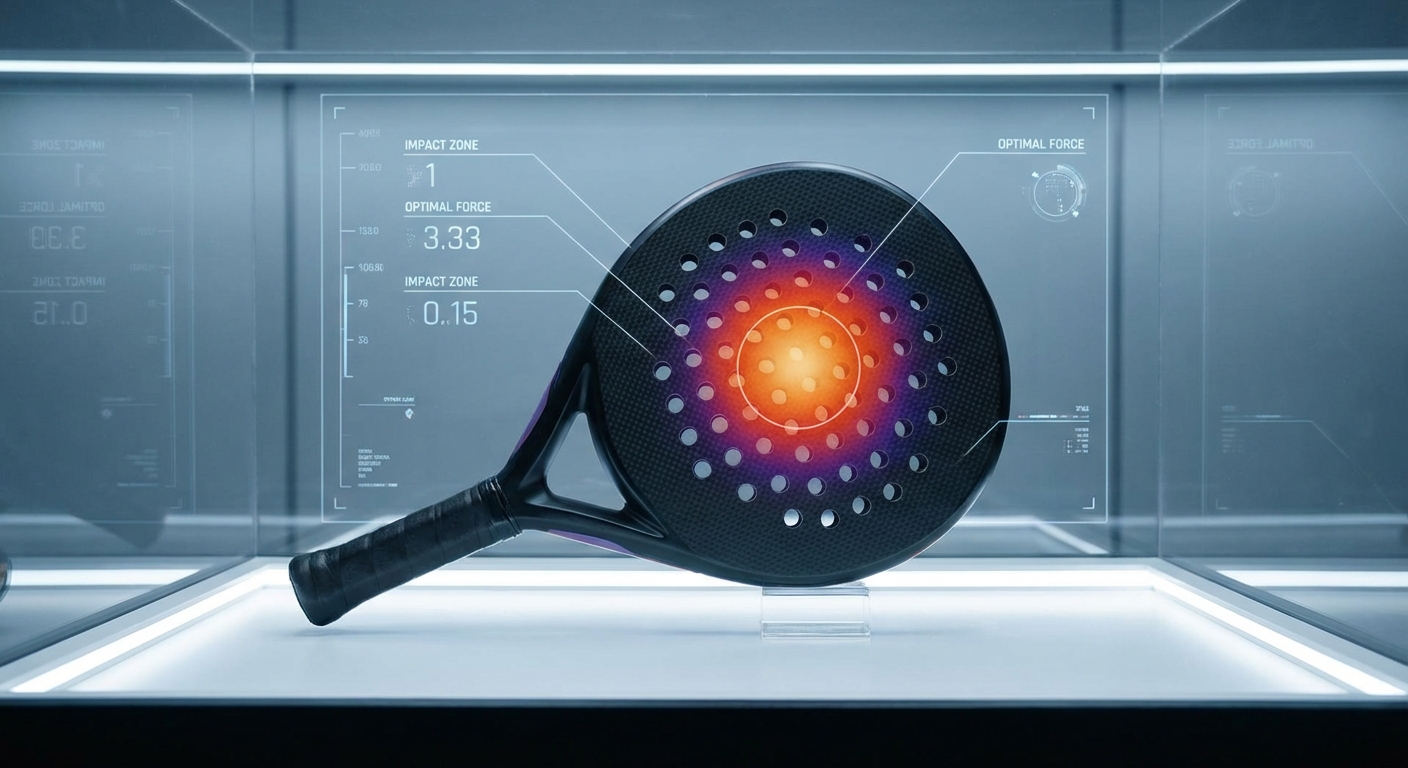
The sweet spot of a padel vs pickleball racket is the area where the core provides the most efficient energy transfer and the least vibration. While both aim for a centered impact zone, the geometry of the racket can shift this spot higher or lower on the face.
Where is the impact zone?
On a round padel racket, the sweet spot is large and centrally located, making it very forgiving for beginners. Diamond-shaped rackets shift the sweet spot to the top of the frame to maximize the leverage and power of a smash.
Look at it this way:
- Center Spot: Maximum control and forgiveness.
- High Spot: Maximum power and torque.
- Elongated Spot: Found in rectangular pickleball paddles.
Hitting outside the sweet spot results in “torque,” where the racket twists in your hand, leading to errors and wrist strain. High-end rackets use specialized fiber weaves to expand this zone as much as possible.
Key Takeaway
Understanding where your racket’s sweet spot is located allows you to adjust your swing for maximum efficiency and power.
| Shape | Sweet Spot Position | Skill Level |
|---|---|---|
| Round | Center (Large) | Beginner/Intermediate |
| Diamond | Tip (Small) | Professional/Offensive |
| Standard | Center (Medium) | All-Around |
Modern sweet spot analysis uses high-speed cameras and sensors to ensure that the drilling pattern and core density are perfectly aligned for the player.
Conclusion
Mastering the padel vs pickleball racket technicalities is the first step toward dominating your local court. From the EVA foam cores of padel to the honeycomb polymer of pickleball, every design choice serves the specific physics of the sport. We have analyzed how weight, thickness, and hole patterns influence your ability to control the ball and prevent injury.
At Superb Padel, we are dedicated to providing the insights and high-performance gear you need to elevate your game. Our expert team ensures that every piece of equipment meets the highest standards of quality and innovation. If you are ready to find the perfect racket for your playing style, contact us today to explore our latest curated collection and start your journey to the top of the rankings.
FAQ
Can I use a pickleball racket to play padel?
No, pickleball paddles are too thin and light to handle the pressure of a padel ball, and they lack the necessary holes for aerodynamic swing speed.
What’s the best weight for a beginner padel vs pickleball racket?
Beginners should opt for a 355g-360g padel racket or a 7.8oz-8.2oz pickleball paddle to ensure a good balance of maneuverability and stability.
How do I know if my racket core is worn out?
You will notice a significant loss in power, a “hollow” sound upon impact, or unusual vibrations traveling up your arm, indicating the core has lost its elasticity.
Can I add weight to my padel vs pickleball racket?
Yes, you can apply lead or tungsten tape to the frame to increase power or adjust the balance, though this should be done in small increments.
What’s the best material for a durable racket surface?
Carbon fiber is the superior choice for durability, as it resists fatigue and cracking much better than traditional fiberglass or wood-based materials.