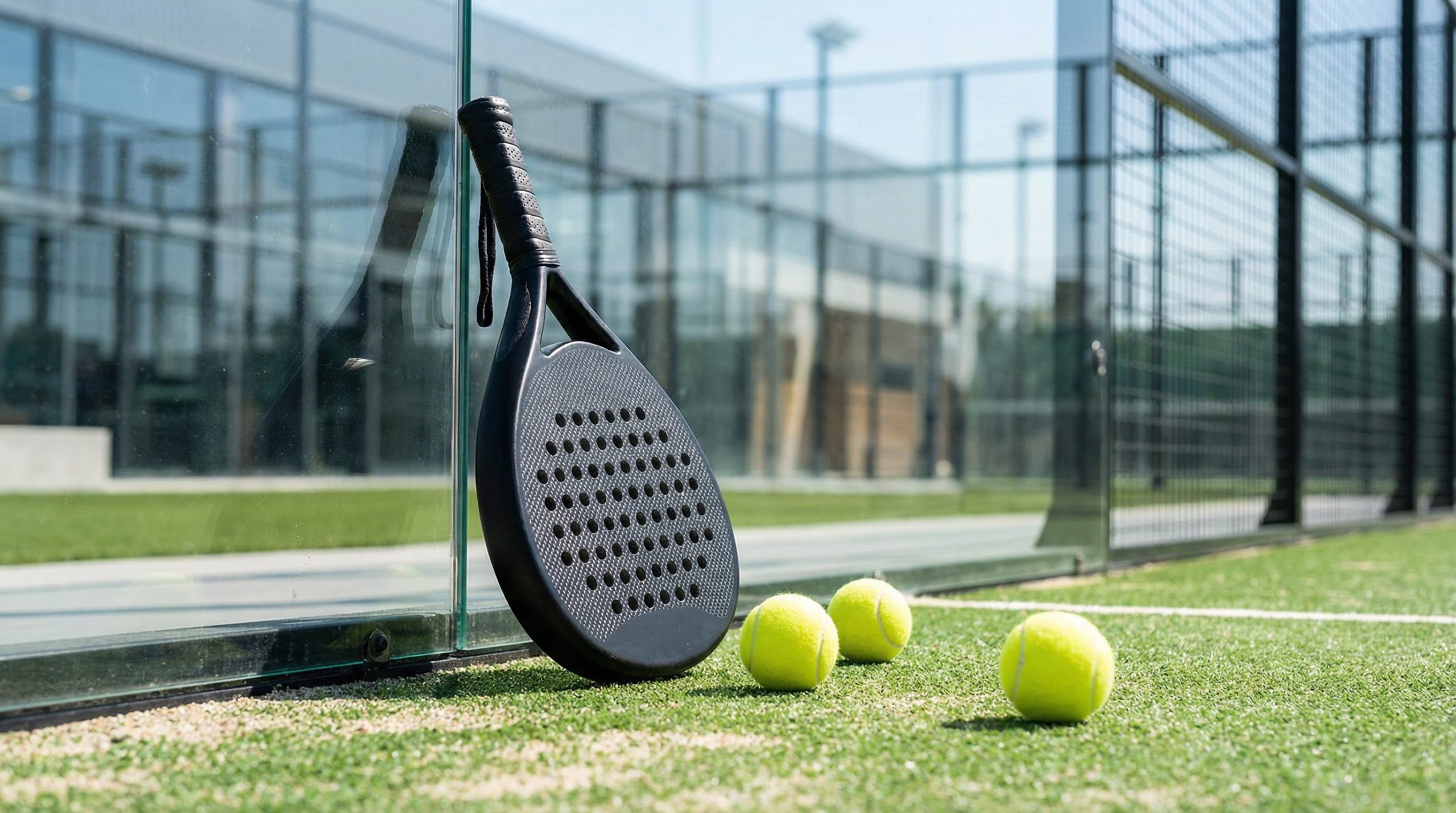
A padel ball is a pressurized rubber sphere wrapped in felt that is specifically designed with lower internal pressure and a smaller diameter than a tennis ball. You might think grabbing any yellow ball from the bin is fine, but using the wrong equipment can ruin your technique and timing. It agitates your rhythm on the court and leads to frustrating errors during critical match points. By choosing the correct padel ball vs tennis ball, you ensure that your gear matches the engineering of the court.
What is the main difference in padel ball vs tennis ball?
The primary difference lies in the internal pressure, which is significantly lower in a padel ball to prevent it from bouncing too high in a confined space. Understanding the padel ball vs tennis ball distinction is the first step toward optimizing your performance on a professional court.
How do they look to the naked eye?
Wait, there is more than just color to consider when looking at these spheres. While both use high-visibility yellow felt, the subtle difference in the “fuzz” or nap determines how they cut through the air.
- Tennis balls have a more aggressive, shorter nap.
- Padel balls often look slightly smaller when held side-by-side.
- Logos usually specify the intended sport for quick identification.
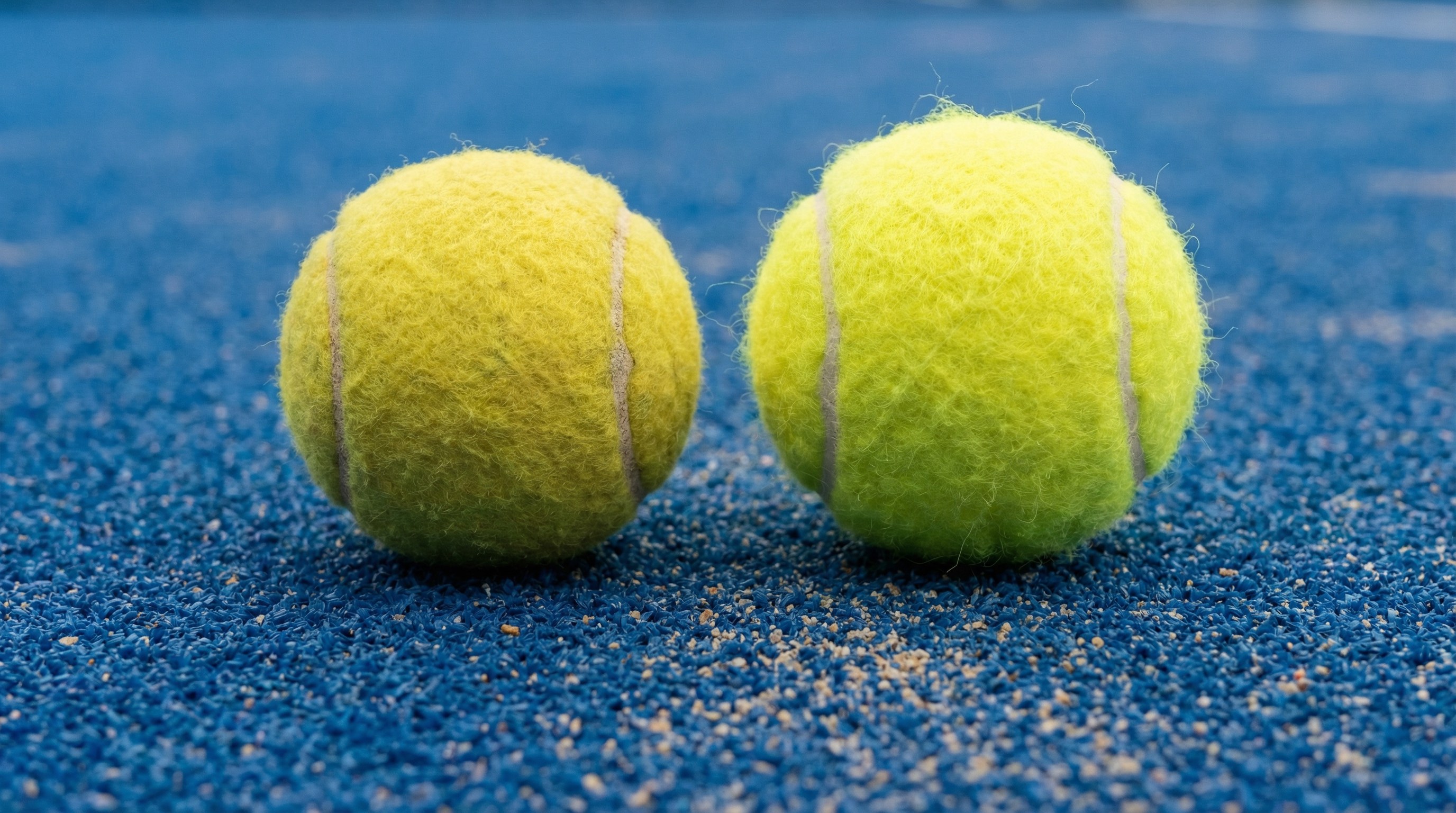
The physical appearance of the equipment provides the first clue to its unique on-court behavior.
| Feature | Padel Ball | Tennis Ball |
|---|---|---|
| Visibility | High (Yellow) | High (Yellow) |
| Surface Texture | Dense Nap | Short Nap |
| Typical Use | Glass Courts | Open Courts |
Key Takeaway: Always verify the sport-specific logo on the ball before starting a match to ensure consistent gameplay.
How does the size of padel ball vs tennis ball compare?
A padel ball is regulated to be slightly smaller than a standard tennis ball, measuring between 6.35 cm and 6.77 cm. This specific padel ball vs tennis ball sizing ensures that the ball interacts correctly with the smaller rackets used in the sport.
Does size influence your game?
But here is the kicker: a few millimeters can change the entire feel of your swing. Smaller balls are more aerodynamic and allow for tighter spin control when playing off the glass.
- Smaller diameter reduces air resistance.
- Increased density provides a solid feel on impact.
- Precision becomes the priority over pure velocity.
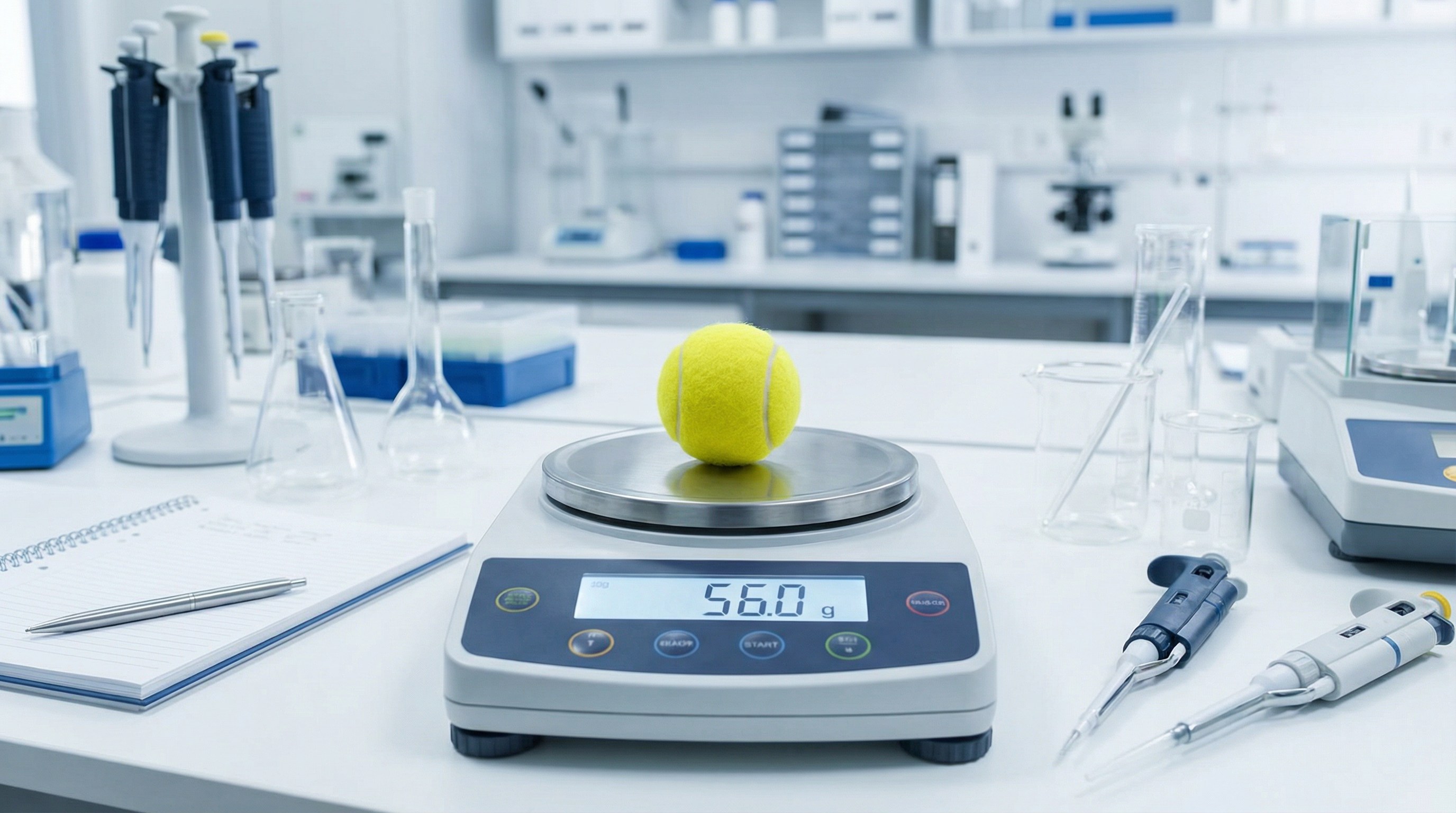
Evaluating the dimensions reveals why specialized equipment is necessary for high-level tactical play.
| Dimension | Padel Ball | Tennis Ball |
|---|---|---|
| Diameter (cm) | 6.35 – 6.77 | 6.54 – 6.86 |
| Density Feel | Very High | Moderate |
| Aerodynamics | Optimized for Spin | Optimized for Speed |
Key Takeaway: The smaller size of the padel ball is engineered for better control and maneuverability within a confined court.
Why is pressure vital for padel ball vs tennis ball?
Internal pressure dictates the speed of the game, with padel balls requiring a lower PSI of around 10 to 11 to suit a Panoramic Padel Court. When you compare padel ball vs tennis ball specs, the higher 14 PSI of tennis equipment would make a padel match uncontrollably fast.
Why use lower PSI?
You might wonder why you wouldn’t want more speed, but in a cage, control is king. Lower pressure increases the “dwell time” on your racket, giving you the split second needed to aim for the corners.
- Lower pressure reduces the force of the rebound.
- It allows for more strategic, slower rallies.
- Pressure varies with altitude and court temperature.
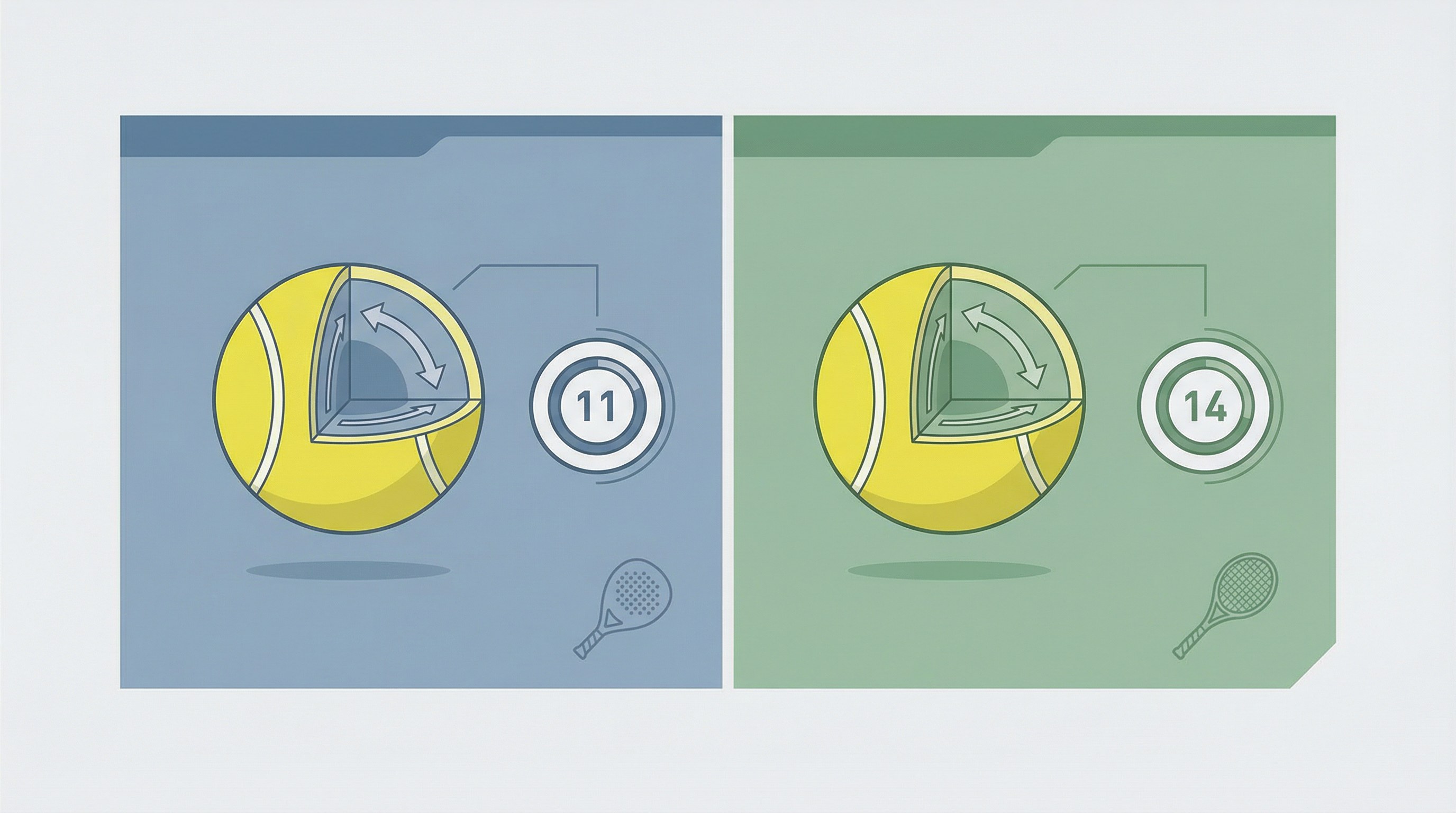
Technical data proves that pressure is the most important factor in distinguishing these two sports.
| Spec | Padel Ball | Tennis Ball |
|---|---|---|
| Internal PSI | 10 – 11 | Approx. 14 |
| Speed Category | Medium-Slow | Fast |
| Court Type | Enclosed | Open |
Key Takeaway: Lower internal pressure is essential for padel to keep the ball “in play” during wall-rebound scenarios.
How does felt differ on padel ball vs tennis ball?
Padel balls feature a thicker and longer felt nap designed to create more drag and slow the ball down. The padel ball vs tennis ball felt construction directly impacts how the ball “grips” the air during a slice or a lob.
What materials are used?
Believe it or not, the blend of natural wool and synthetic nylon is a closely guarded secret for top manufacturers. A higher wool content generally provides better feel and durability, which you need for repeated impacts against the mesh.
- Padel felt is designed for maximum air resistance.
- Tennis felt is thinner for high-velocity baseline shots.
- Fibers must be bonded securely to prevent premature balding.
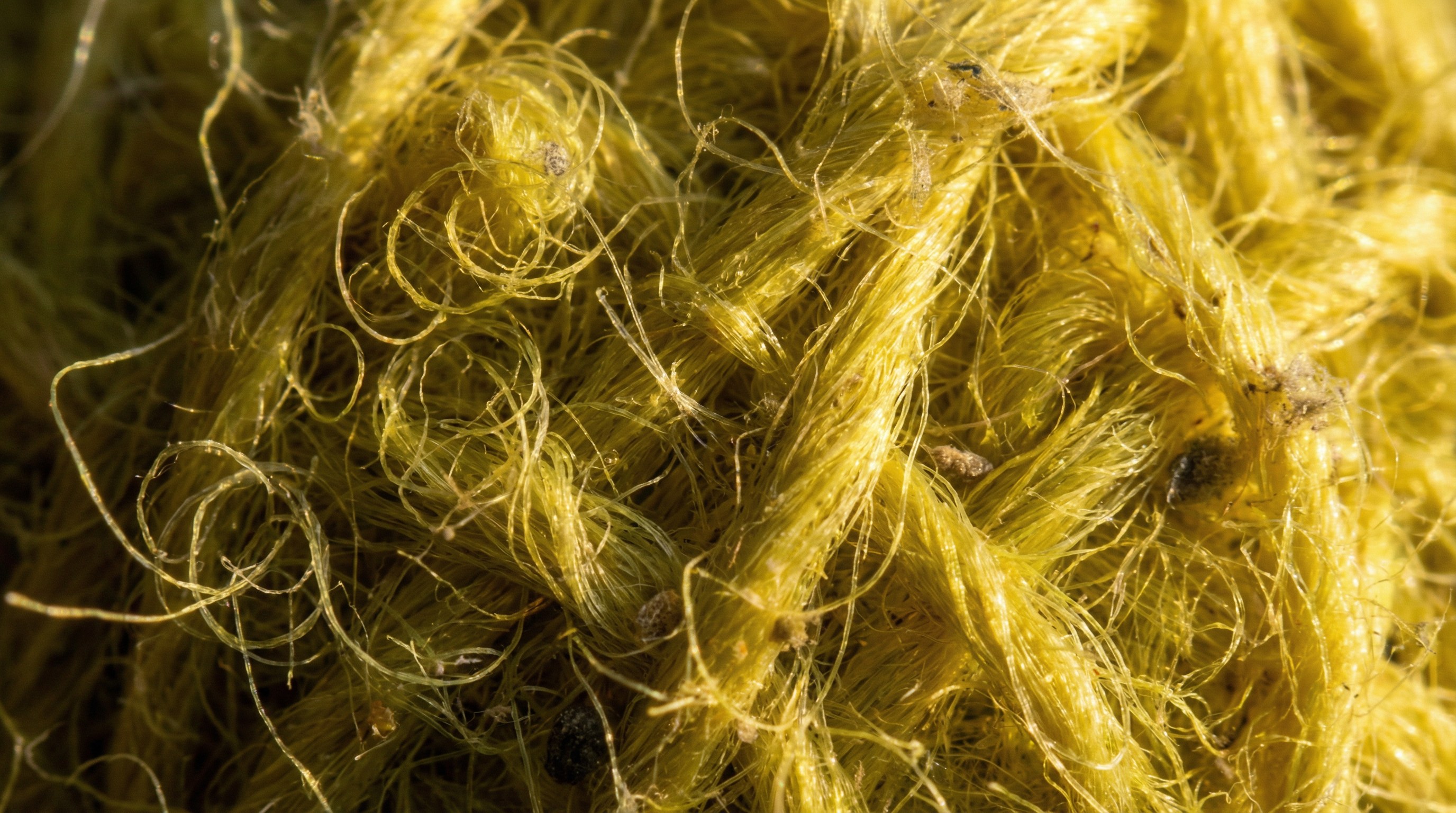
Microscopic analysis highlights the engineering effort spent on the outer layer to control the pace of play.
| Material Feature | Padel Ball | Tennis Ball |
|---|---|---|
| Felt Thickness | Thick / Long | Thin / Short |
| Air Drag | High | Low |
| Durability | High impact focus | High velocity focus |
Key Takeaway: The thicker felt of a padel ball is a deliberate design choice to maintain a manageable game speed.
What is the bounce of padel ball vs tennis ball?
A padel ball must bounce between 135 and 145 cm when dropped from a height of 254 cm on a hard surface. This specific padel ball vs tennis ball bounce requirement ensures the game remains playable within the glass walls of a Super Panoramic Padel Court.
Can environment change bounce?
But here is the kicker: altitude and temperature can turn a standard ball into a rocket. In high-altitude cities, players often use specialized low-pressure balls to compensate for the thinner air.
- Heat increases internal pressure and bounce height.
- Cold weather makes the rubber core stiffer and the bounce lower.
- Humidity can weigh down the felt, slowing the rebound.
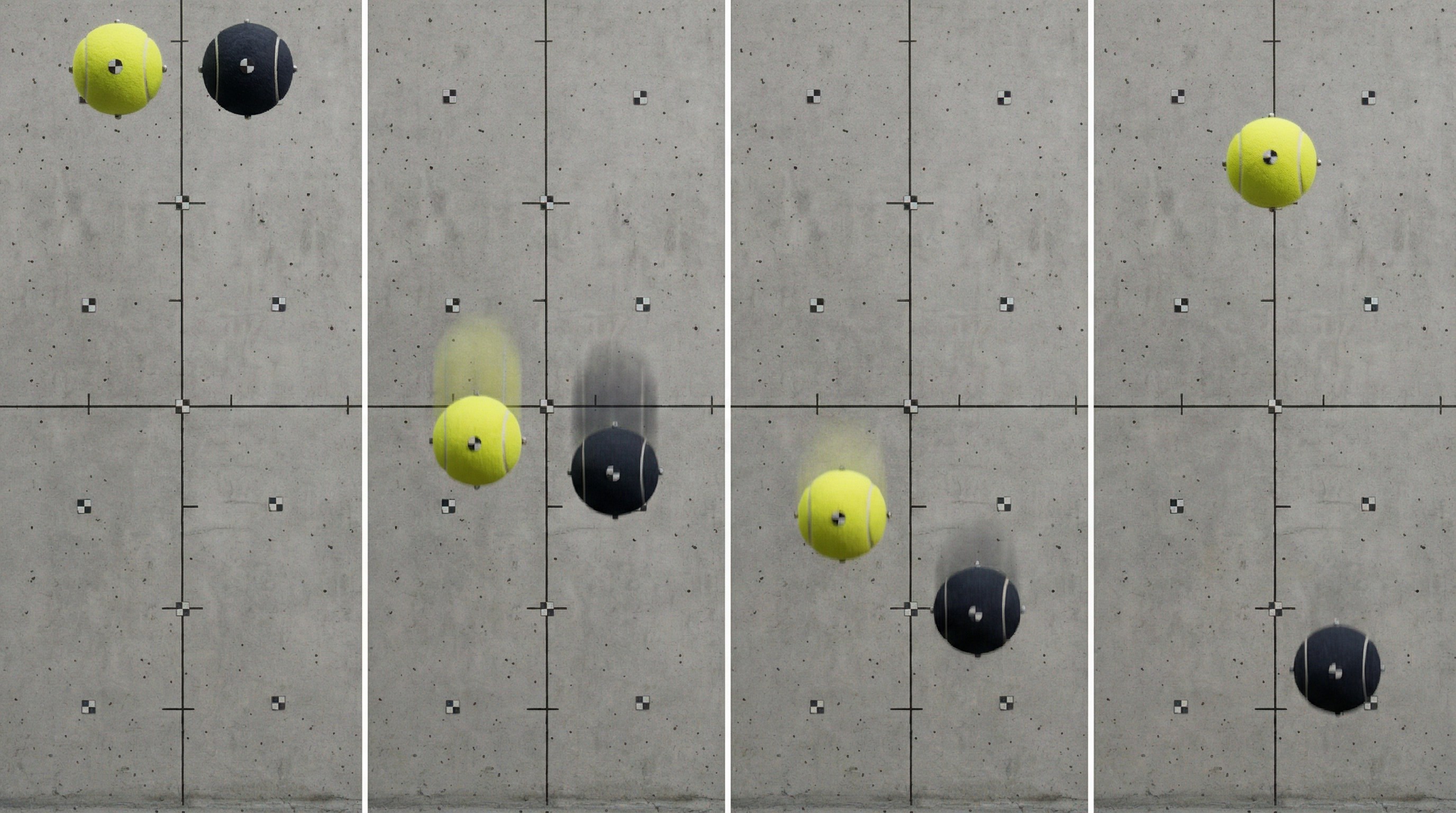
Observing the bounce height is the most reliable way to differentiate between the two types of equipment in the field.
| Drop Test (254cm) | Padel Ball | Tennis Ball |
|---|---|---|
| Min Bounce | 135 cm | >145 cm |
| Max Bounce | 145 cm | Variable |
| Rebound Feel | Controlled | Explosive |
Key Takeaway: Padel balls are engineered to have a more predictable, lower bounce to suit tactical wall play.
How to build a padel ball vs tennis ball core?
The core of both balls is built by vulcanizing two rubber half-shells together under extreme heat and pressure. When constructing a padel ball vs tennis ball core, the rubber compound for padel is often slightly softer to handle the lower PSI requirements.
What is the vulcanization process?
Wait, there is more to it than just heat. You must introduce a chemical pellet or pressurized air into the center before the shells are fused to create the internal “spring.”
- Natural rubber is mixed with strengthening agents.
- Half-shells are molded in high-precision metal dyes.
- Internal pressure is locked in during the final sealing stage.
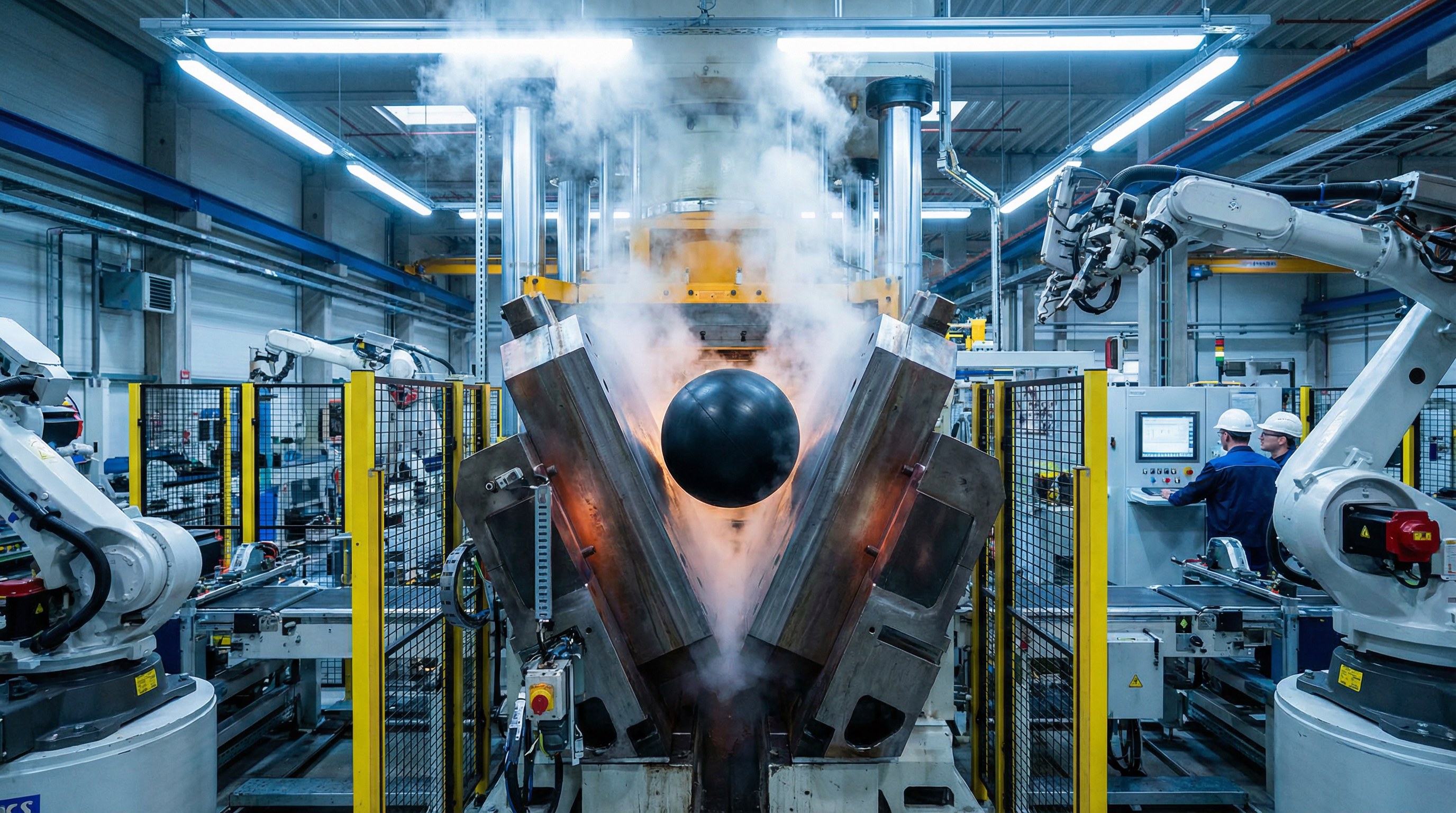
The manufacturing phase is where the technical characteristics of the ball are permanently established.
| Build Stage | Padel Ball | Tennis Ball |
|---|---|---|
| Core Material | Softened Rubber | Standard Rubber |
| Sealing Method | Vulcanization | Vulcanization |
| PSI Insertion | Chemical / Air | High-Pressure Air |
Key Takeaway: High-quality cores are the foundation of a ball’s longevity and consistent bounce performance.
Which racket fits padel ball vs tennis ball?
Padel requires a solid, stringless racket made of composite materials like carbon fiber to properly strike the ball. The padel ball vs tennis ball dynamic is heavily influenced by the racket face, which is often utilized on a Roofed Padel Court.
Why are padel rackets stringless?
You need a solid surface to generate the specific spins and touch shots that define the sport. The perforated holes in the racket face are there to reduce weight and air resistance, not to mimic strings.
- Carbon fiber provides a rigid, powerful striking surface.
- Perforations help you move the racket quickly through the air.
- Soft foam cores inside the racket absorb impact vibrations.
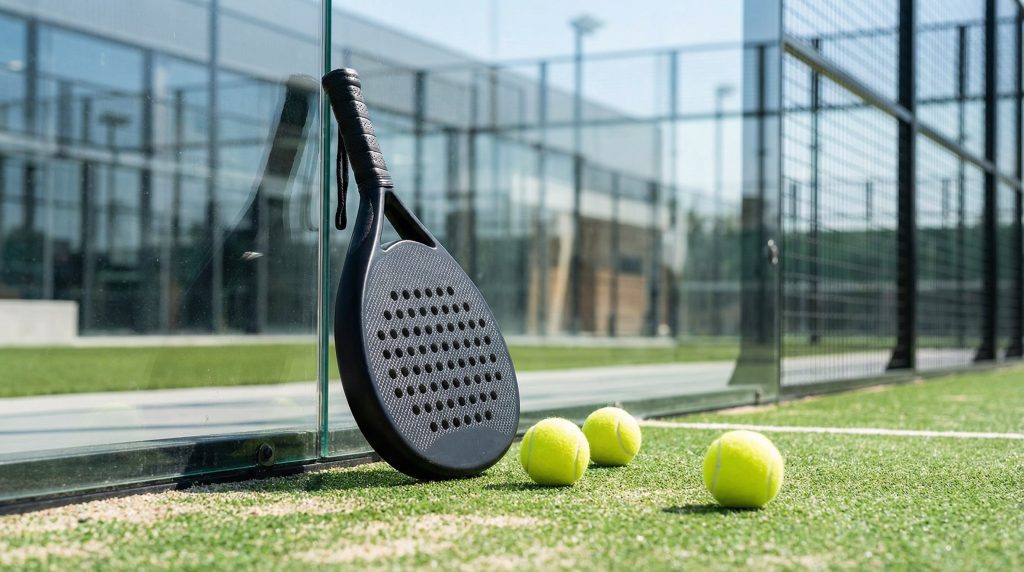
Matching your racket to the correct ball type is essential for preventing equipment damage and injury.
| Strike Tool | Padel Racket | Tennis Racket |
|---|---|---|
| Surface | Solid / Perforated | Strung Mesh |
| Material | Carbon / Fiberglass | Graphite / Aluminum |
| Sweet Spot | Central and Large | Variable |
Key Takeaway: Using a tennis racket for a padel ball results in a “mushy” feel and poor power transfer.
Does grass affect padel ball vs tennis ball play?
The artificial turf used in padel is designed to interact with the ball’s felt to provide consistent friction and spin. While the padel ball vs tennis ball debate often focuses on the sphere itself, the Padel Grass determines how that ball slides or grips.
Why do walls matter?
But here is the kicker: the glass walls mean the ball is never really “out” if it hits the ground first. You need a ball that can survive hundreds of high-speed collisions with glass and metal without losing its shape.
- Turf sand increases the wear on the ball’s felt.
- Consistent friction allows for predictable kick-outs.
- Durability is tested by constant impact with the cage.
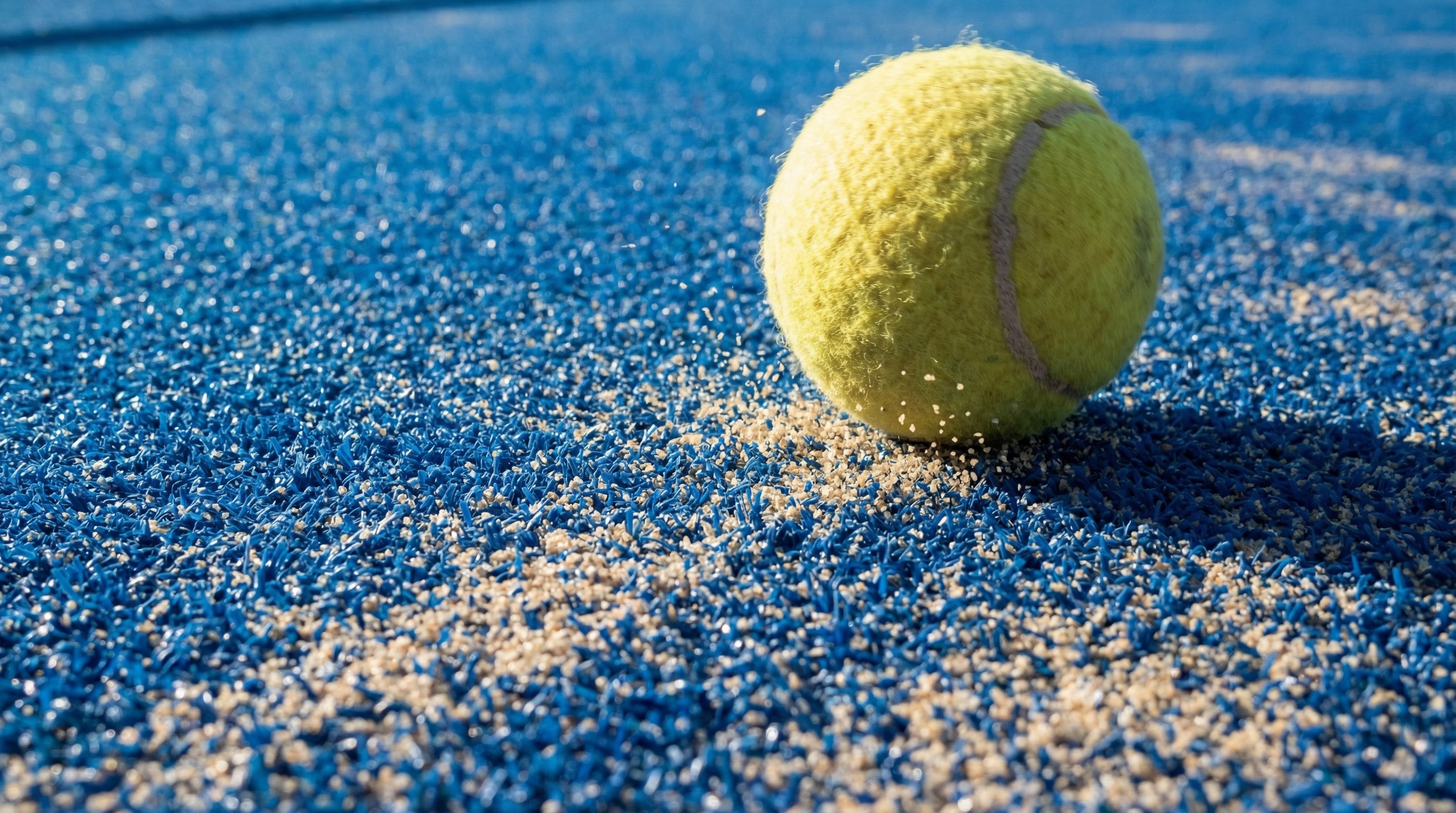
The court surface and the surrounding infrastructure create a unique ecosystem for the ball to perform.
| Surface Factor | Padel Court | Tennis Court |
|---|---|---|
| Friction Level | High (Sand/Turf) | Variable (Hard/Clay) |
| Wall Play | Primary Mechanic | None |
| Ball Wear | Rapid Felt Abrasion | Surface Dependent |
Key Takeaway: Padel balls are built to withstand the abrasive nature of sand-filled turf and glass rebounds.
How to maintain a padel ball vs tennis ball?
Maintaining pressure is the biggest challenge, as both types of balls begin losing PSI the moment the pressurized can is opened. To preserve your padel ball vs tennis ball, you should store them in a specialized tube that maintains the Padel Structure of the core.
Can you clean the felt?
You might be tempted to wash them, but moisture is the enemy of performance. If they get wet, the felt absorbs water and the ball becomes a heavy, unplayable brick.
- Store balls in a pressurized canister after every match.
- Keep them away from direct sunlight and extreme heat.
- Brush off excess sand to keep the nap functional.
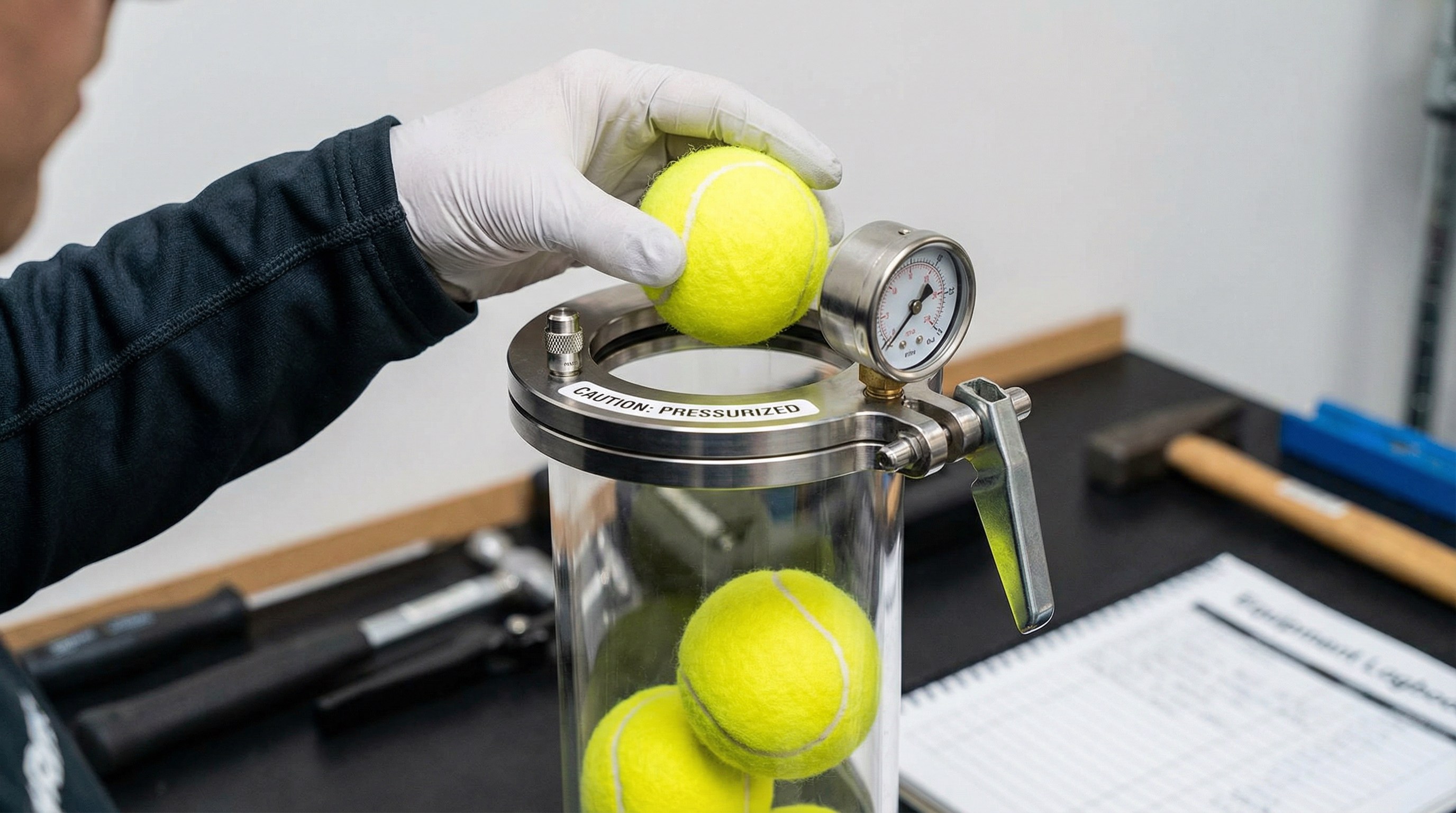
Proactive maintenance can nearly double the lifespan of your equipment for recreational play.
| Care Method | Recommended | Prohibited |
|---|---|---|
| Storage | Pressurized Tube | Loose in Bag |
| Cleaning | Dry Brush | Washing Machine |
| Temperature | Room Temp | Inside Hot Car |
Key Takeaway: Investing in a pressure-saver tube is the most effective way to keep your balls feeling brand new.
What is the best padel ball vs tennis ball choice?
The best choice is always the ball designed specifically for your sport’s court and equipment. When choosing between padel ball vs tennis ball, you must prioritize the technical regulations of your league to ensure fair and competitive play.
Why select padel gear?
But here is the kicker: playing padel with tennis balls is the fastest way to develop bad habits. The excessive bounce will lead to poor positioning and a lack of respect for the wall-rebound physics.
- Padel balls reward strategy and placement.
- Tennis balls reward power and baseline speed.
- Correct gear protects your racket from unnecessary stress.
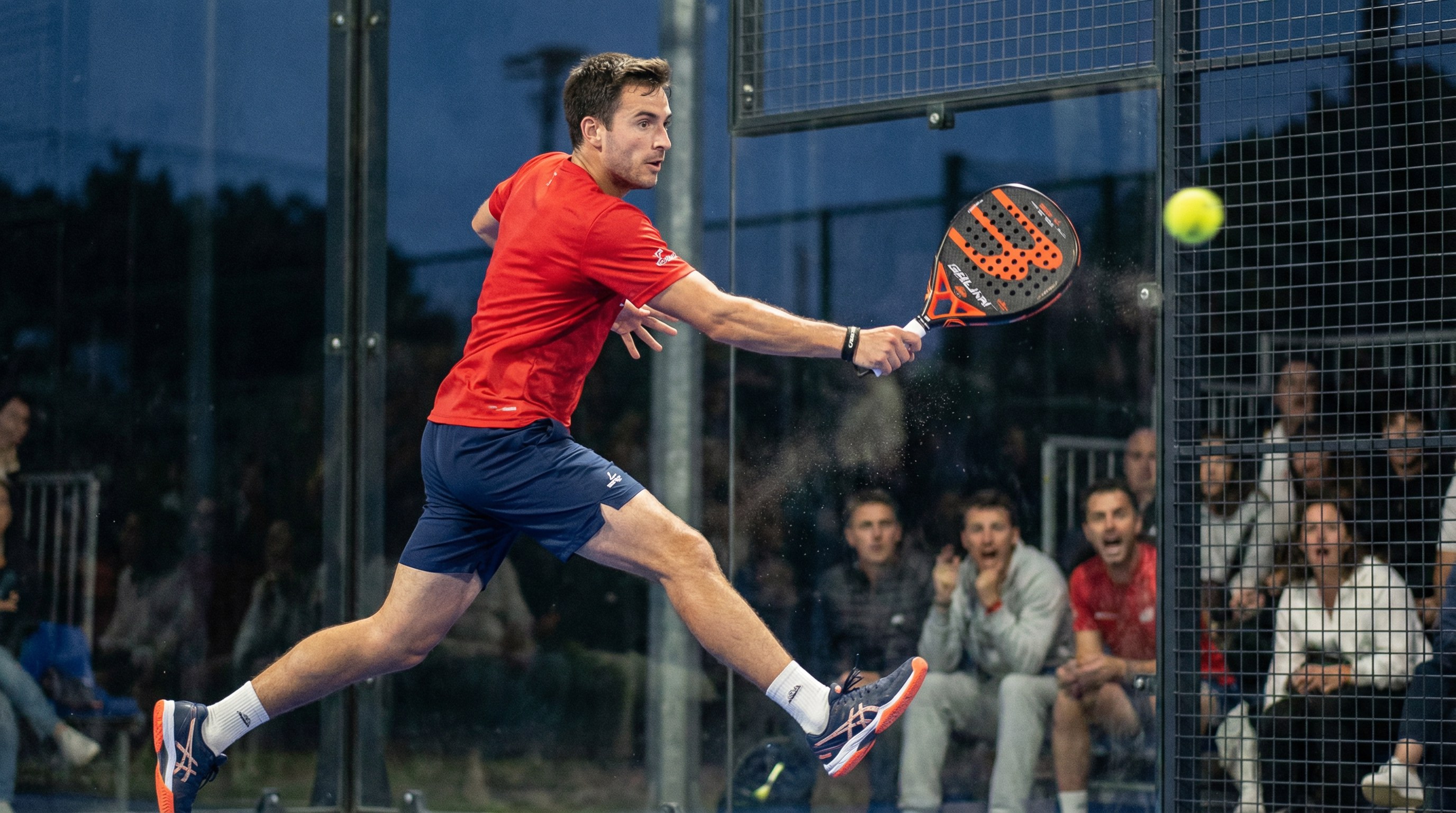
Final selection should always align with the official standards of the International Padel Federation.
| Recommendation | Padel Match | Tennis Match |
|---|---|---|
| Optimal Ball | Padel Specific | Tennis Specific |
| Skill Focus | Tactics & Spin | Power & Range |
| Outcome | Improved Technique | Standard Gameplay |
Key Takeaway: Using the correct ball is non-negotiable for anyone looking to master the technical nuances of the sport.
Frequently Asked Questions
Can I use tennis balls for padel practice?
No, it is not recommended because the higher bounce of a tennis ball will distort your sense of timing and wall play. You will find it much harder to transition back to a real padel match if you practice with the wrong equipment.
What’s the best way to tell them apart quickly?
Check the printed logo on the surface of the felt, as most manufacturers clearly state the sport. If the logo is worn off, a simple drop test will reveal that the padel ball bounces significantly lower.
Can I repressurize dead balls?
Yes, there are specialized pressurized canisters on the market that can force air back into the rubber core. While this can extend the life of a ball for practice, it will never perfectly replicate the feel of a fresh, factory-sealed can.
What happens if a padel ball gets wet?
The felt becomes saturated and the ball will feel much heavier and slower during play. Moisture also damages the glue bonding the felt to the core, leading to “balding” and unpredictable flight patterns.
Is one ball more expensive than the other?
The pricing is generally comparable, though padel balls are often sold in 3-ball cans while tennis balls can come in 3 or 4-ball sets. On a per-ball basis, the cost of high-quality manufacturing remains similar across both disciplines.
Conclusion
Understanding the technical engineering behind your gear is what separates a recreational player from a true expert. From the internal PSI levels to the specific weave of the felt, every detail of the padel ball is designed to maximize the strategic depth of the game. By choosing the right equipment and maintaining it properly, you protect your investment and improve your performance. We are dedicated to providing the highest quality court infrastructure and insights to help you succeed. If you are ready to upgrade your playing environment, contact us today to explore professional solutions for your facility.