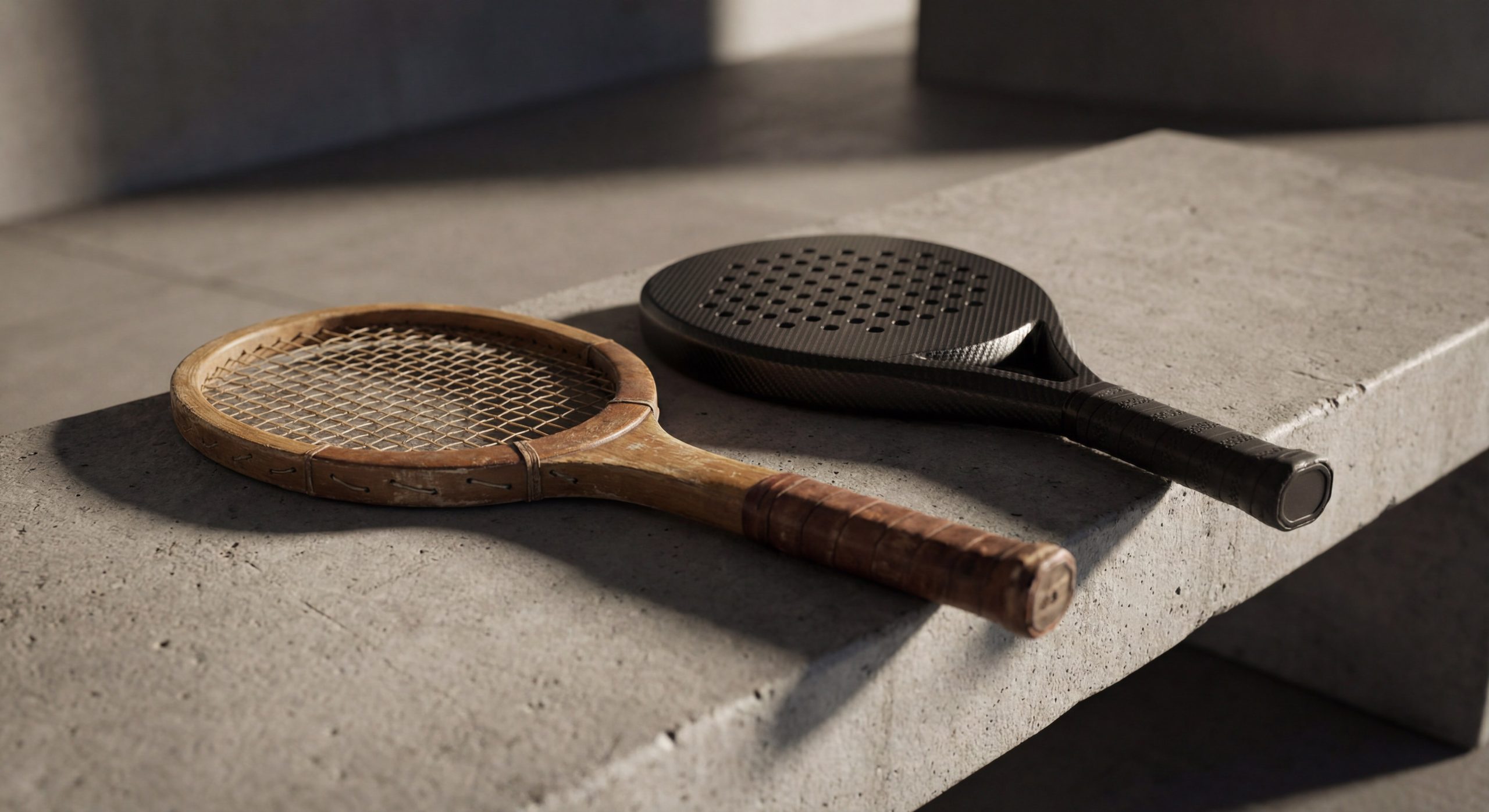
Finding a social sport that balances high-level networking with genuine physical intensity is becoming increasingly difficult in Southern California. Traditional tennis clubs often feel inaccessible to newcomers, while the recent pickleball surge can sometimes lack the sophisticated, fast-paced edge that urban professionals crave.
Think about it: you want a sport that is easy to learn but offers a lifetime of tactical depth. You need a venue that reflects the premium lifestyle of the West Coast while providing a massive return on investment for club owners.
Here is the deal: padel los angeles is the answer to this gap in the market. This guide explores why this global phenomenon is taking over the city and how you can capitalize on its growth by building world-class facilities.
1. Why is padel los angeles becoming the city’s new obsession?
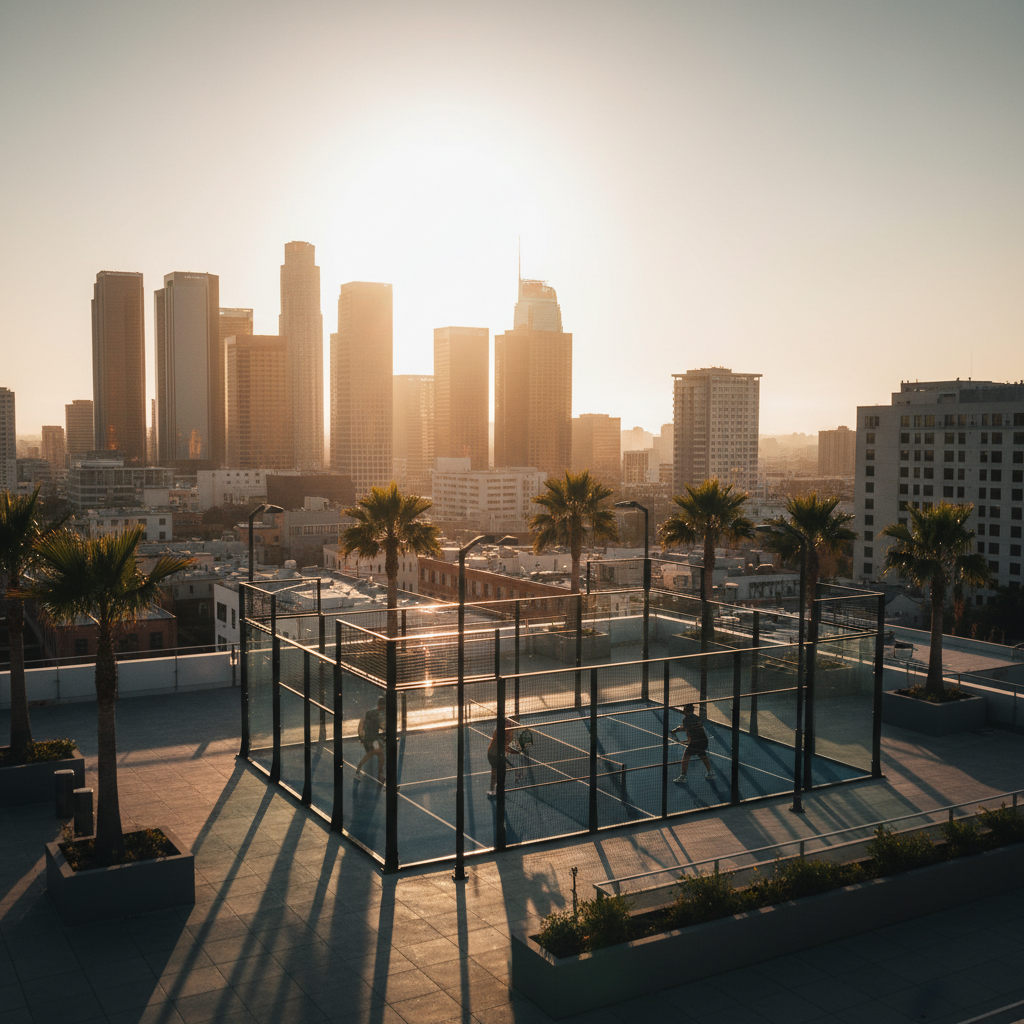
The sport is currently sweeping through Hollywood and the wider metro area at an unprecedented rate. Unlike other racquet sports, it offers a unique blend of high-energy play and social accessibility.
Is padel the successor to the current pickleball trend?
While pickleball paved the way for social sports, padel offers a more dynamic, “3D” experience thanks to its enclosed glass walls. It attracts a demographic looking for a more athletic challenge without the steep learning curve of professional tennis.
Who is driving the growth of the sport in the local area?
Luxury developers and elite athletes are the primary catalysts for this movement. Major hubs like Culver City and Sherman Oaks are seeing a surge in dedicated facilities designed for a premium audience.
Key Takeaway: Padel is bridging the gap between social recreation and high-intensity competition in Southern California.
2. How does padel los angeles differ from pickleball or tennis?
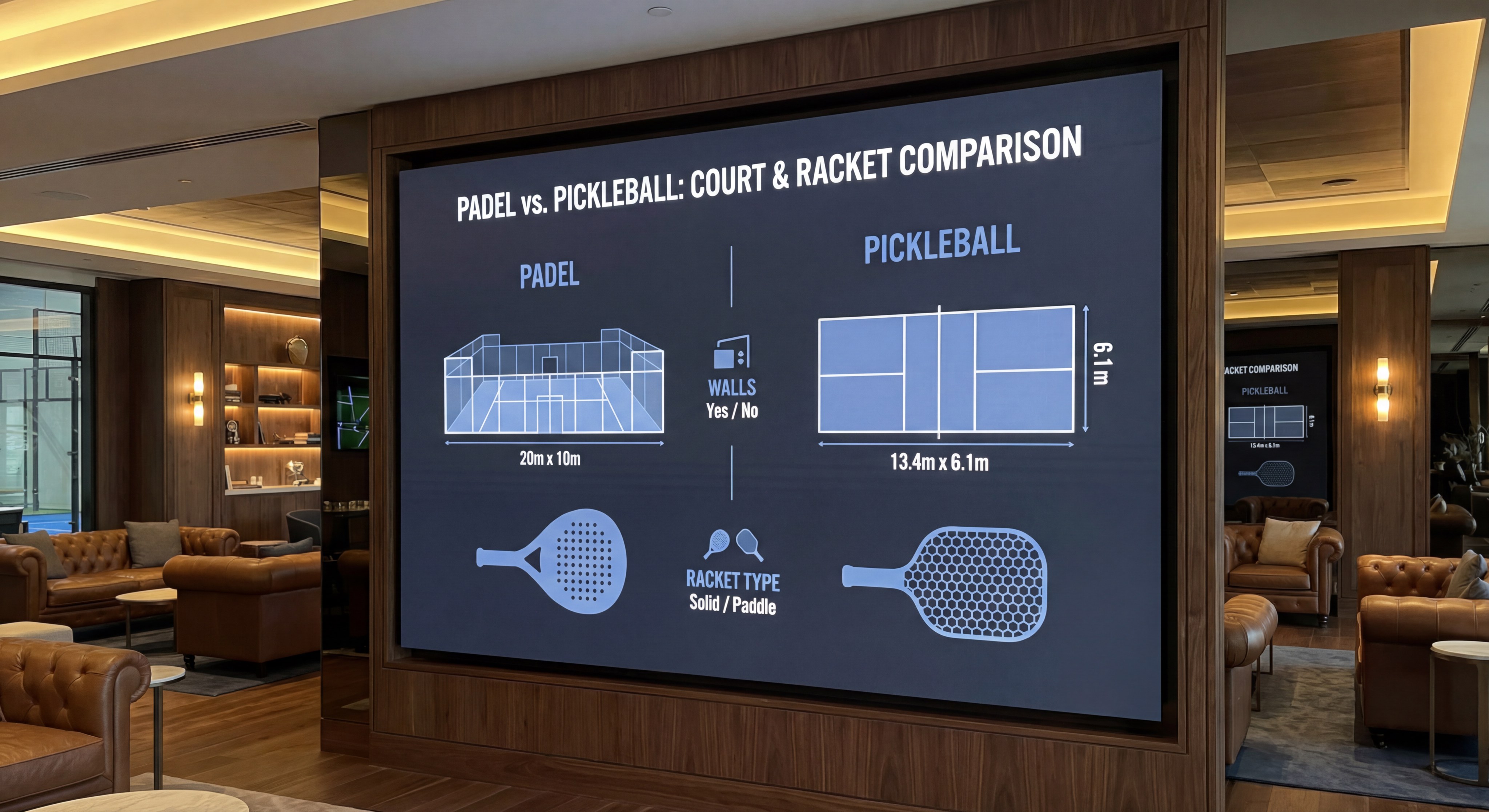
Understanding the nuances of padel los angeles is essential for players and investors alike. While it shares some DNA with tennis, the tactical use of the surrounding environment changes the game entirely.
What are the core differences in court dimensions?
Padel courts are significantly smaller than tennis courts but larger than pickleball setups. The 10m x 20m footprint allows for more courts to be installed in tight urban spaces.
How do the racket and ball specifications vary?
Look at the equipment: padel uses a stringless, perforated paddle and low-compression balls. This combination ensures the ball remains in play longer, emphasizing strategy over raw power.
| Feature | Padel | Pickleball | Tennis |
|---|---|---|---|
| Court Size | 20m x 10m | 13.4m x 6.1m | 23.77m x 10.97m |
| Walls | Tempered Glass | None | None |
| Scoring | Tennis Style | First to 11/15/21 | Game-Set-Match |
3. What is the history of padel los angeles and its global roots?
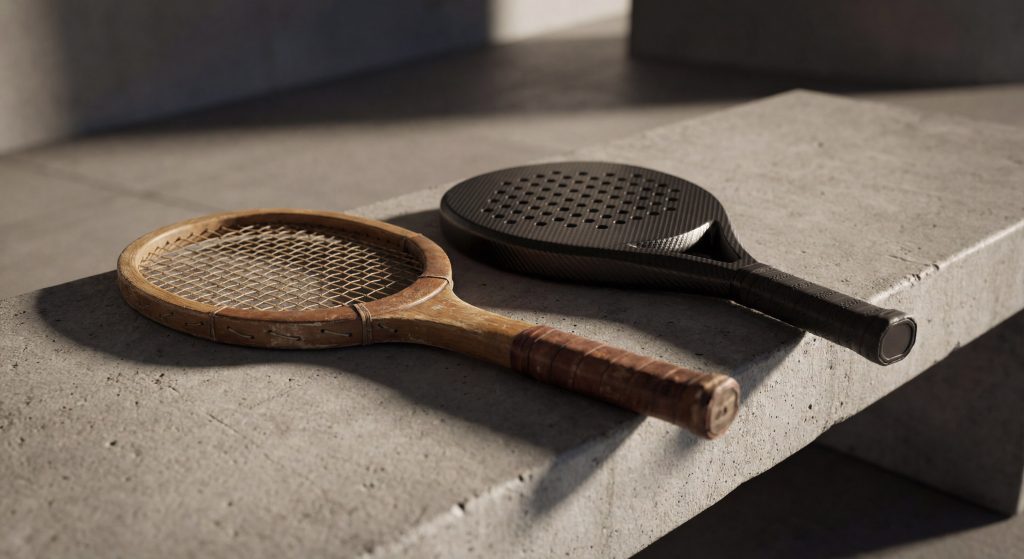
The journey of the sport began in Acapulco, Mexico, in 1969. It was originally designed as a private solution for a businessman who didn’t have space for a full tennis court.
Where did the sport originate before arriving in California?
After its birth in Mexico, the game was exported to Spain by a prince who saw its social potential. It quickly became the second most popular sport in Spain, trailing only behind soccer.
How did it transition from a private hobby to a public sport?
Modern engineering and the demand for “social wellness” transformed it into a public spectacle. Today, it is a staple of high-end sports clubs and boutique urban rooftops across the globe.
- 1969: Invented by Enrique Corcuera in Mexico.
- 1974: Introduced to Marbella, Spain.
- 2020s: Rapid expansion into major US markets like LA and Miami.
4. Why is padel los angeles always played as a doubles game?
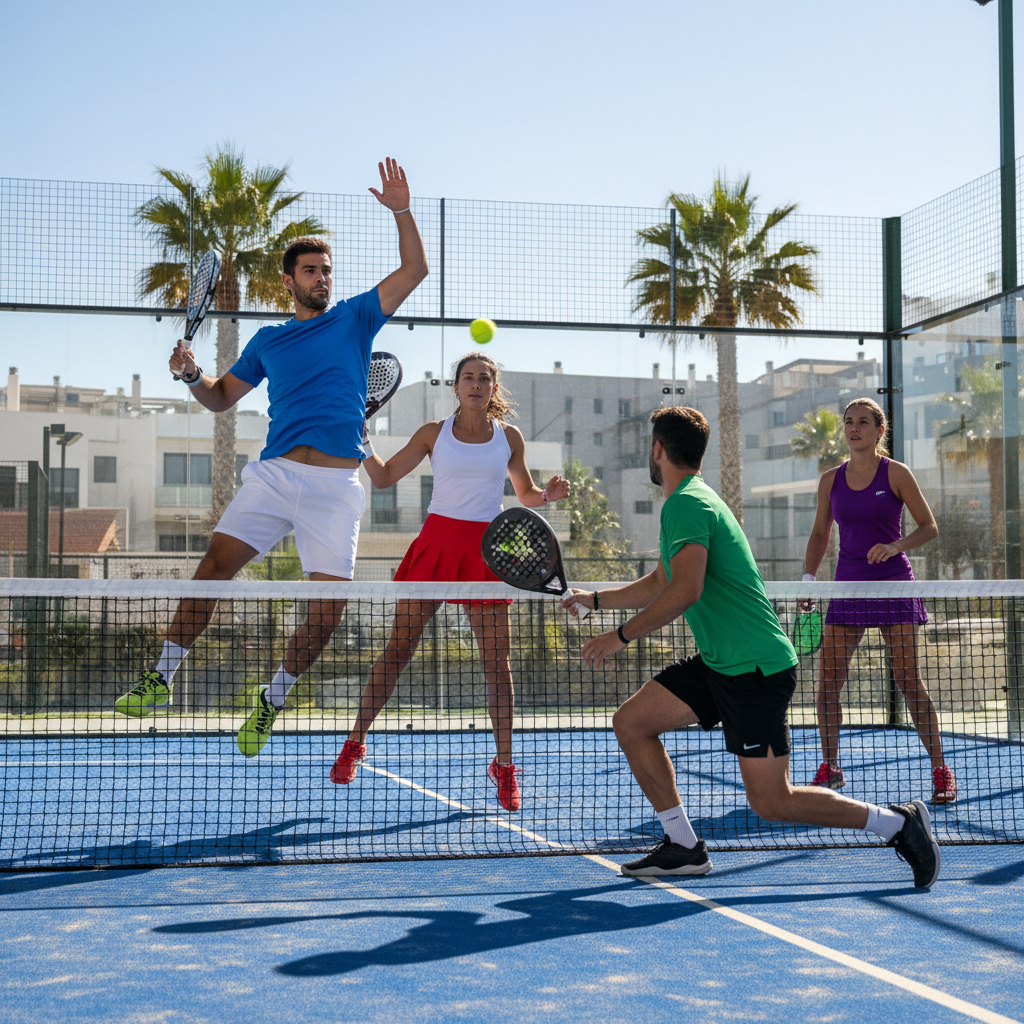
The social nature of padel los angeles is baked into its rules. By requiring four players, the sport fosters a community-first atmosphere that is perfect for networking.
Why is tandem movement essential for winning points?
In padel, you and your partner must move like a single unit. Because the court is small and the walls are active, covering angles together is the only way to defend effectively.
It’s simple: four people on a small court leads to more conversation. This format has made it the “new golf” for business professionals looking to connect outside the boardroom.
Expert Insight: The doubles requirement effectively doubles the revenue potential for club owners per hour of court time.
5. What equipment do you need for padel los angeles success?
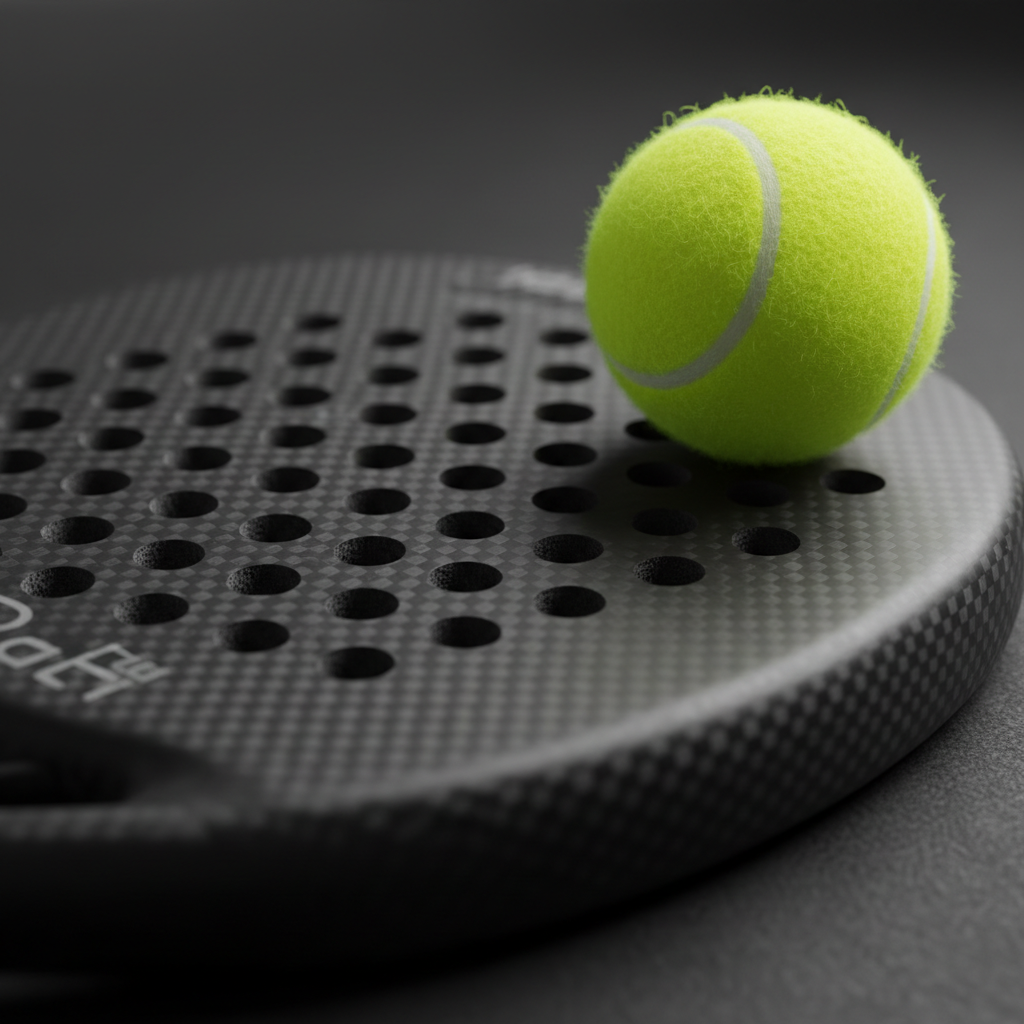
To excel in the local scene, you need gear that matches the high-performance environment. The technology behind modern rackets has evolved significantly to provide better control and vibration dampening.
What makes a padel racket different from a tennis racket?
Padel rackets are solid, usually made of carbon fiber or fiberglass with an EVA foam core. They feature holes rather than strings, which reduces wind resistance and enhances maneuverability.
Why are low-compression balls used for glass-wall play?
Standard tennis balls are too bouncy for an enclosed 10m x 20m space. Low-compression balls provide a predictable bounce off the glass, allowing for the tactical “back-wall” shots that define the sport.
Equipment Essentials Table
| Item | Material | Purpose |
|---|---|---|
| Racket | Carbon Fiber / EVA | Control and Power |
| Balls | Low-PSI Felt | Consistent Wall Bounce |
| Shoes | Clay Court / Padel Sole | Grip on Sand-Infused Turf |
6. How can you find the best courts for padel los angeles?
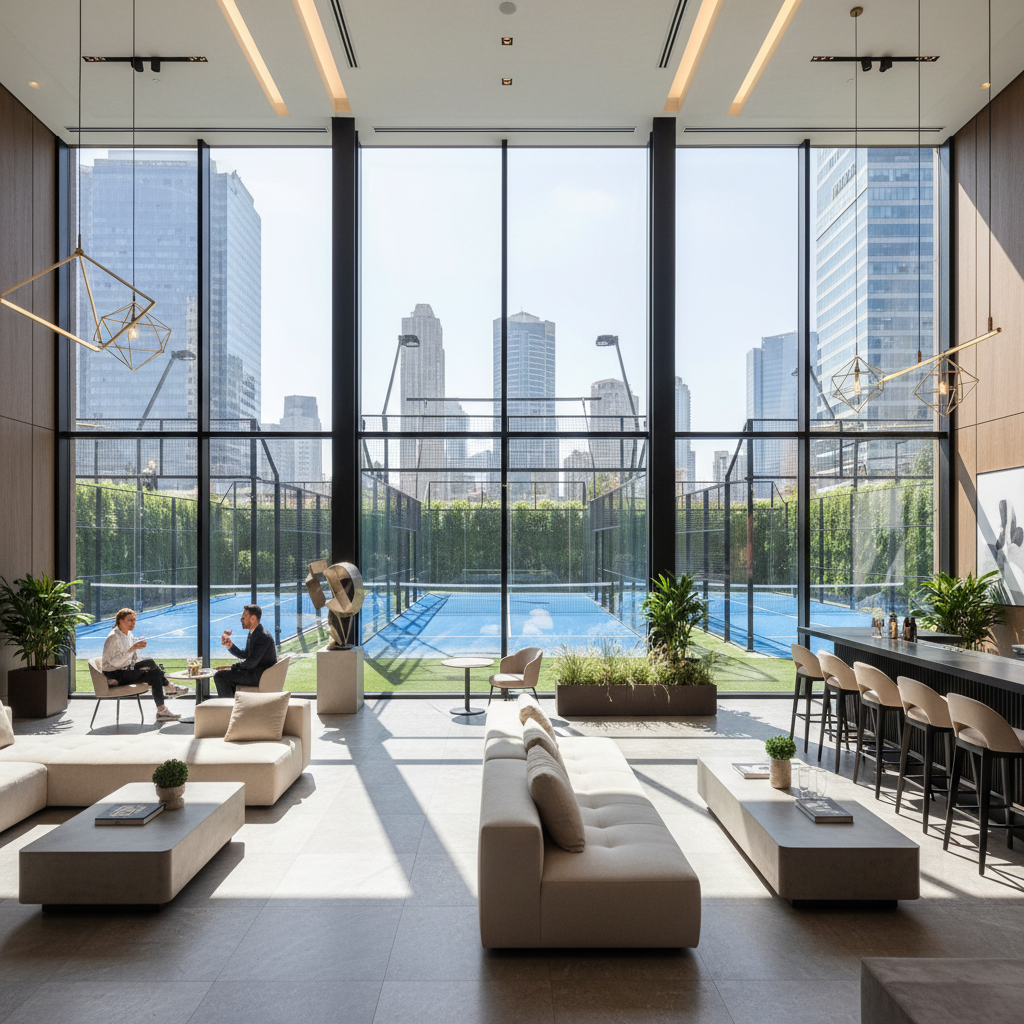
Finding the right place to play padel los angeles involves looking for more than just a court. Premium facilities offer a full lifestyle experience, including coaching and social lounges.
The best clubs feature state-of-the-art lighting, pro shops, and high-end locker rooms. Look for venues that offer “match-making” services to help you find partners of your skill level.
How does booking work for public versus private facilities?
Most LA clubs use digital platforms like Playbypoint or Reclub for seamless reservations. While private memberships offer priority, many boutique spots provide “pay-and-play” options for the general public.
- Check for: Certified coaching staff.
- Look for: Sand-filled monofilament turf.
- Verify: Active community leagues and ladders.
7. What are the technical requirements to build padel los angeles courts?
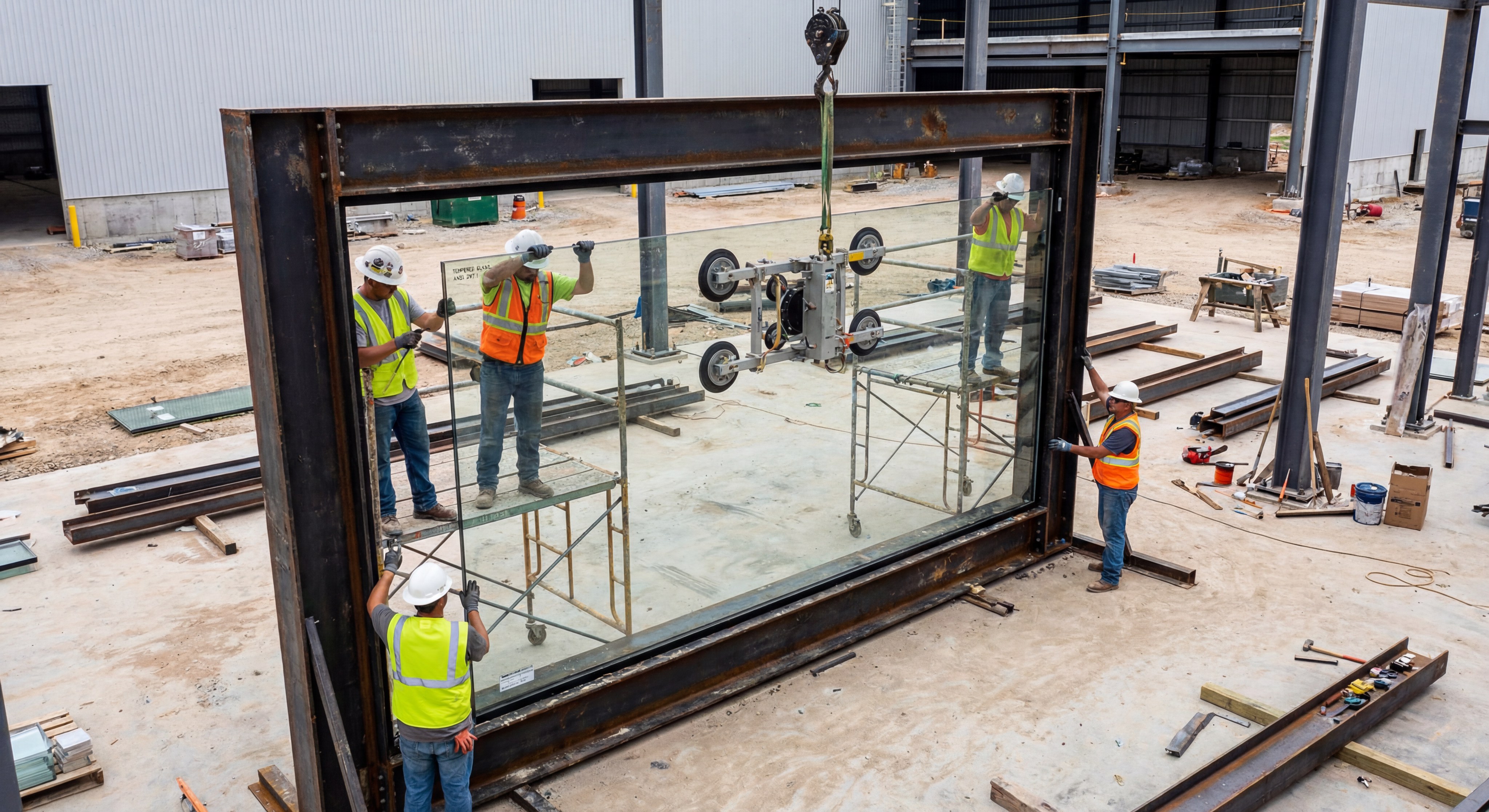
Building a court in the city requires precision engineering and adherence to international standards. Here is the deal: skipping on materials like tempered glass is a major safety and playability risk.
What are the standard dimensions for a regulation court?
A regulation court is exactly 20 meters long and 10 meters wide. You must also account for a “safety zone” around the perimeter for out-of-court play during advanced matches.
Why are tempered glass walls a construction necessity?
The glass walls are not just boundaries; they are active parts of the game. Using 10mm or 12mm tempered glass ensures the ball bounces correctly and the structure can withstand high-impact collisions.
Structural Requirements
| Component | Specification | Function |
|---|---|---|
| Glass | 12mm Tempered | Safety and Rebound |
| Steel Frame | Powder-Coated | Structural Integrity |
| Mesh | Electro-welded | Airflow and Ball Retention |
8. How do you choose the right surface for padel los angeles?
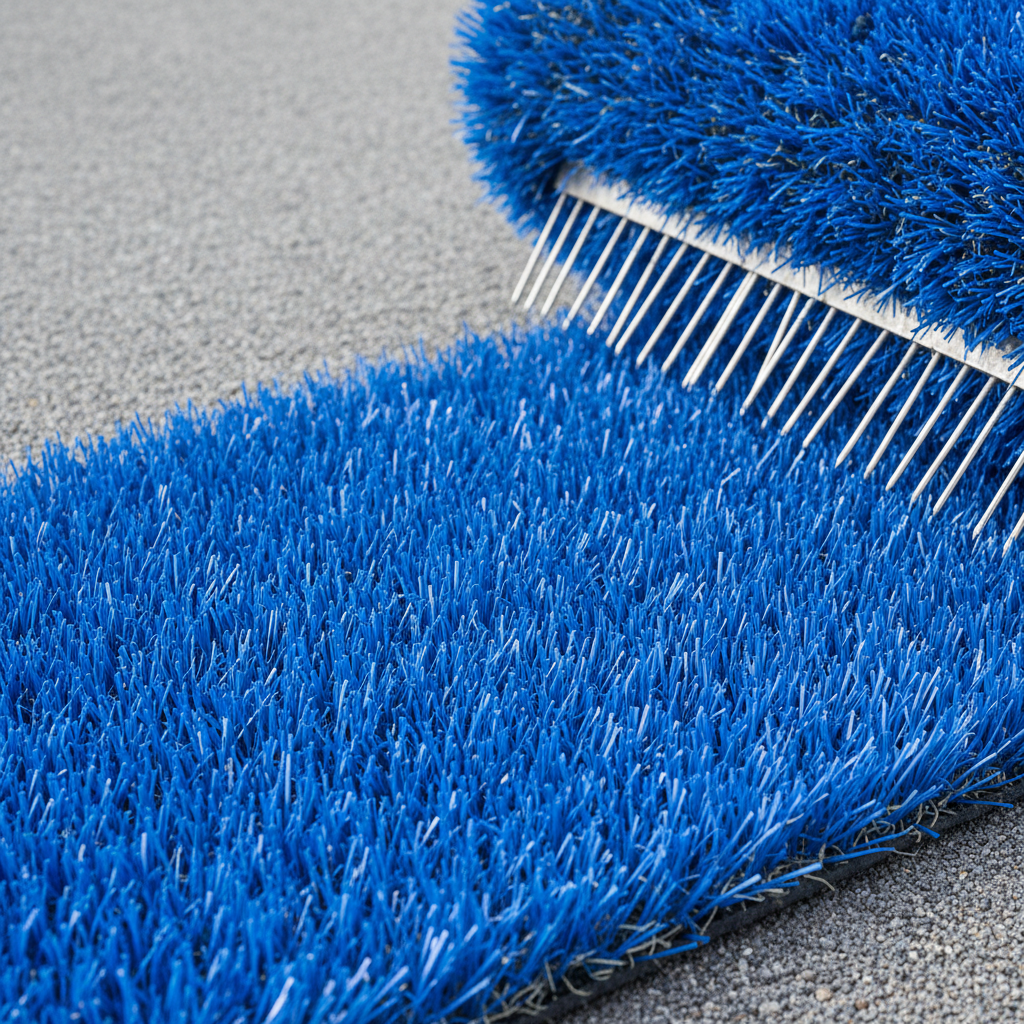
The turf is the foundation of every padel los angeles facility. In the specific climate of Southern California, UV resistance and drainage are non-negotiable factors for longevity.
Which turf options provide the most consistent ball bounce?
Monofilament synthetic grass is the gold standard for professional play. It holds the specialized silica sand evenly, preventing “dead spots” and ensuring the ball moves at a consistent speed.
How does the local climate affect court durability?
LA’s intense sun can degrade low-quality fibers quickly. High-grade turf with UV-stabilized polymers is essential to prevent fading and brittle fibers over time.
- Monofilament: Best for professional visibility.
- Fibrillated: Often used for high-traffic recreational areas.
- Sand Infill: Critical for player pivot and slide safety.
9. What is the cost of building for padel los angeles facilities?
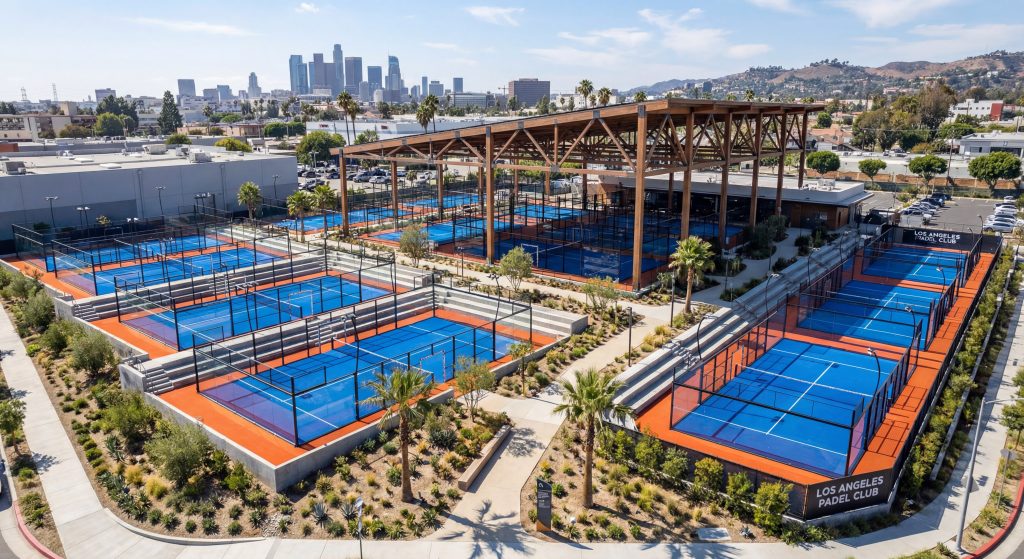
Investors need to look at the bottom line when planning a new facility. While the initial capital expenditure is higher than pickleball, the premium pricing model in LA offers a much faster ROI.
What is the expected ROI for adding courts to existing clubs?
Clubs often see a return on investment within 18 to 24 months. The high occupancy rates and the ability to charge premium hourly rates make padel a lucrative addition to any sports complex.
What specific permits are required for local construction?
Building in LA requires navigating specific zoning laws and seismic safety codes. You will typically need a building permit, an electrical permit for LED lighting, and sometimes a drainage plan.
Investment Projection
| Expense Type | Estimated Cost | Notes |
|---|---|---|
| Court Kit | $25k – $45k | Varies by glass thickness |
| Installation | $10k – $20k | Professional crew required |
| Civil Works | $15k – $30k | Concrete/Asphalt sub-base |
10. Why is the community aspect of padel los angeles so vital?
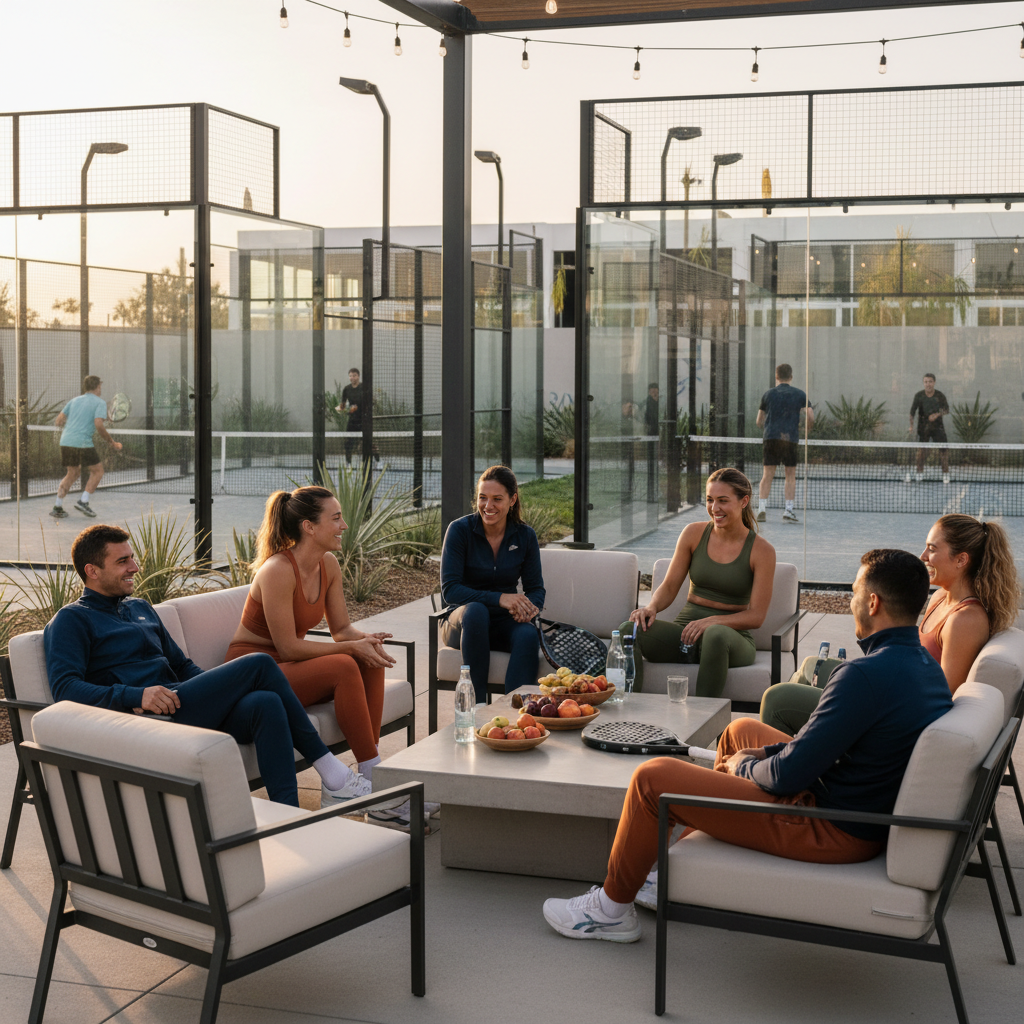
The final piece of the puzzle for padel los angeles success is the culture. Unlike traditional sports that end the moment the whistle blows, padel is designed to keep people at the club.
Tournaments, mixers, and “clinics” turn a court into a community hub. When players feel a sense of belonging, they are more likely to maintain long-term memberships and bring in new referrals.
Will we see the sport in future major athletic competitions?
The momentum is clearly building toward Olympic inclusion. With professional leagues already active in the US, the sport is poised to transition from a trend to a permanent athletic staple.
Final Thought: Building a padel facility in Los Angeles isn’t just about construction—it’s about creating the city’s next premier social destination.