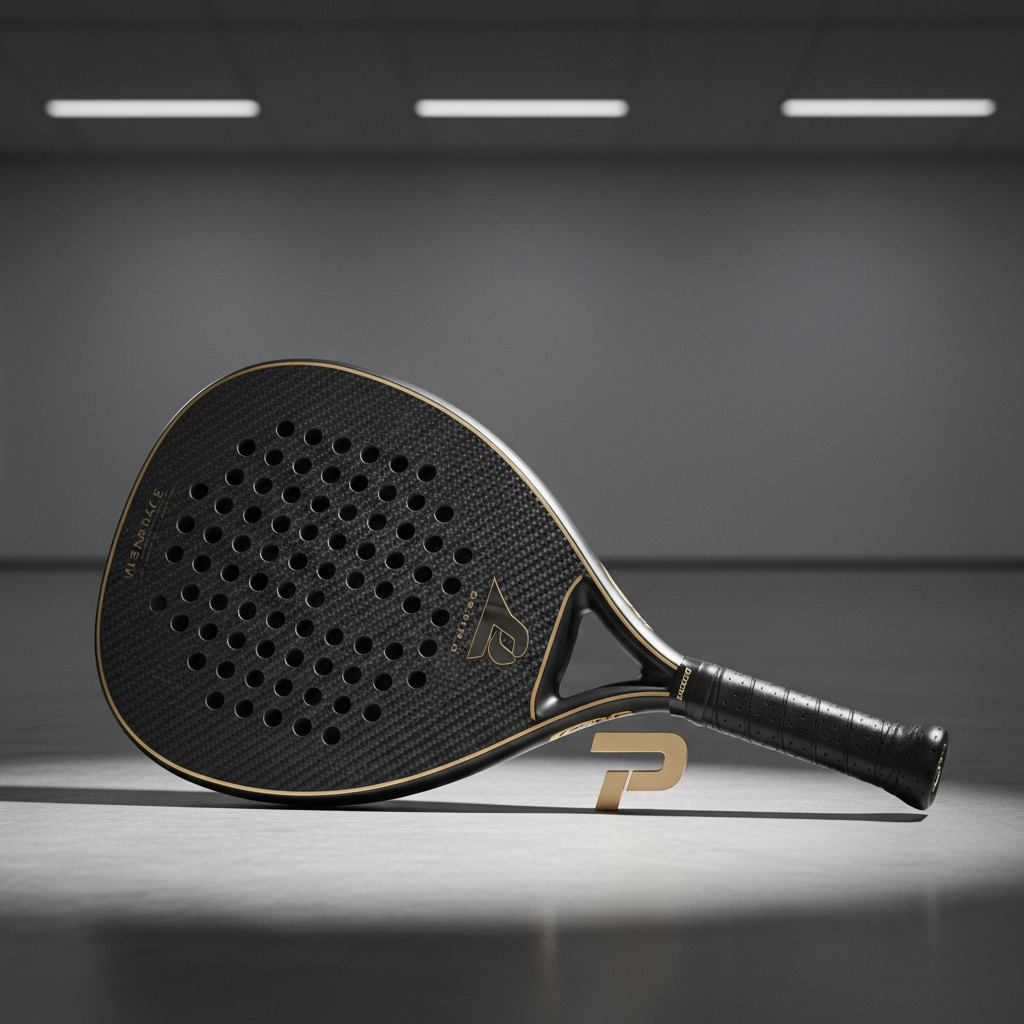
A padel paddle is a solid-surface sports instrument used in padel tennis, distinguished by its perforated face and lack of strings. Most club owners find that players complain about inconsistent bounce and arm fatigue after long sessions. This frustration grows when expensive gear breaks down after just a few months of heavy use. Investing in a technically superior padel paddle allows for maximum durability and elite performance.
What defines a high-quality padel paddle?
Selecting the right padel paddle is the most significant decision a player makes before stepping onto the court. High-quality construction relies on the synergy between structural rigidity and the energy absorption of the internal core.
Is it just a heavy racket?
Think about it. Unlike traditional tennis gear, this equipment relies on a solid frame filled with specialized foam. You will notice the difference in how the ball reacts upon contact with the surface.
- No strings used for hitting.
- Perforated face for air resistance.
- Internal foam core for damping.
- Integrated wrist safety strap.
Does the frame shape matter?
But that’s not all. The frame dictates how the energy travels from the handle to the sweet spot. A robust frame prevents the racket from twisting during off-center hits.
- Increases torsional stability.
- Protects internal core integrity.
- Enhances overall product lifespan.
- Improves power transfer efficiency.
Key Takeaway: Structural integrity is the foundation of performance, ensuring that every swing translates to controlled power.
| Feature | Entry-Level | Professional |
|---|---|---|
| Frame Material | Fiberglass | Carbon Fiber |
| Core Density | Low | Multi-Density |
| Face Finish | Smooth | Textured |
This data confirms that professional-grade materials are essential for consistent play and long-term facility ROI.
Which shape suits your padel paddle style?
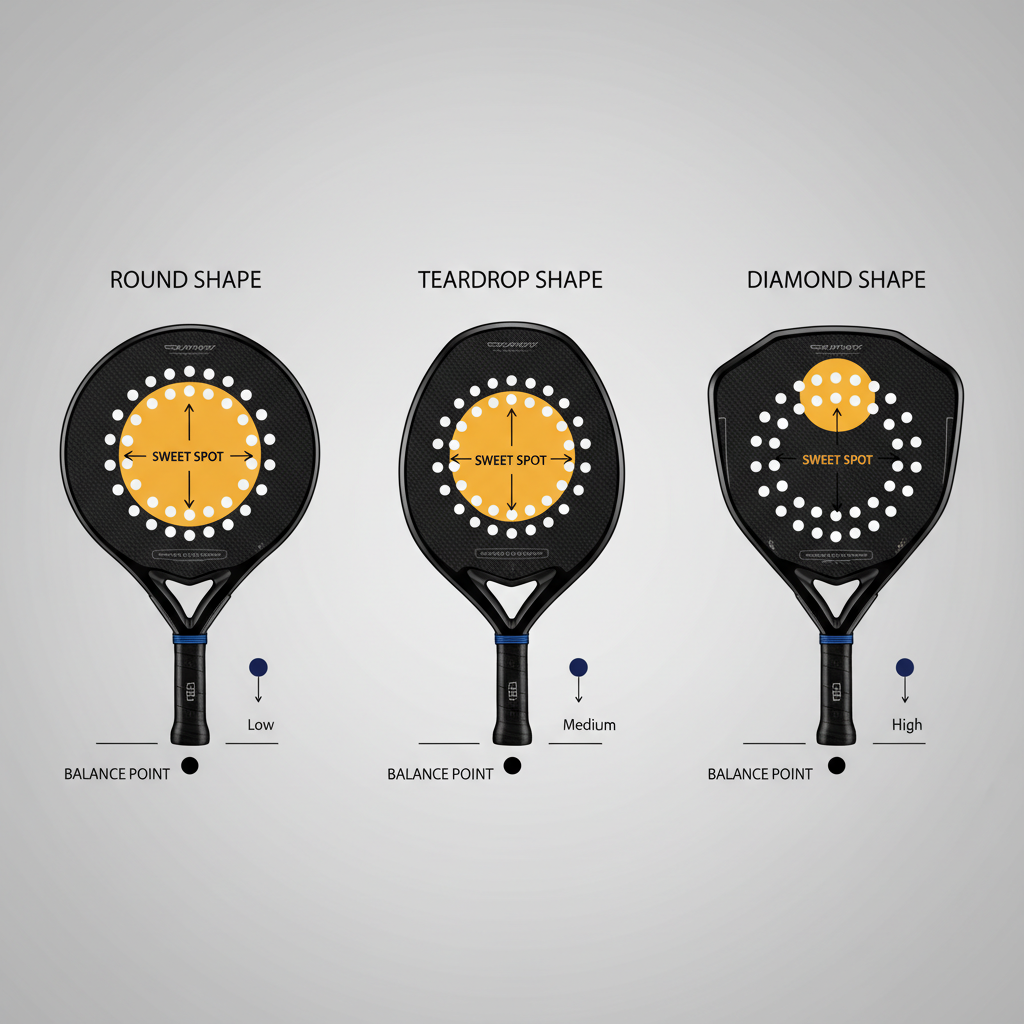
The geometry of a padel paddle dictates how the energy from your swing transfers into the ball. Choosing the correct silhouette is the first step toward mastering your specific role on the court.
Why choose a round geometry?
Here is the deal. Round shapes offer a massive sweet spot located directly in the center of the face. This makes the racket incredibly forgiving for beginners or defensive specialists.
- Maximum control over ball placement.
- Reduced risk of mishits.
- Excellent maneuverability at the net.
- Ideal for defensive lobbing.
Is the diamond shape for pros?
Believe it or not. The diamond profile shifts the weight toward the top of the frame for maximum leverage. While harder to control, it provides the explosive power needed for match-ending smashes.
- Shifted balance for power.
- Smaller, high-positioned sweet spot.
- Increased ball exit speed.
- Favored by aggressive attackers.
Key Takeaway: Shape is a strategic choice that should align with your physical strengths and court position.
| Shape | Control Level | Power Output | Skill Level |
|---|---|---|---|
| Round | High | Low | Beginner |
| Teardrop | Medium | Medium | Intermediate |
| Diamond | Low | High | Advanced |
The comparison shows that as the sweet spot moves higher, the requirement for technical precision increases significantly.
How does weight impact a padel paddle?
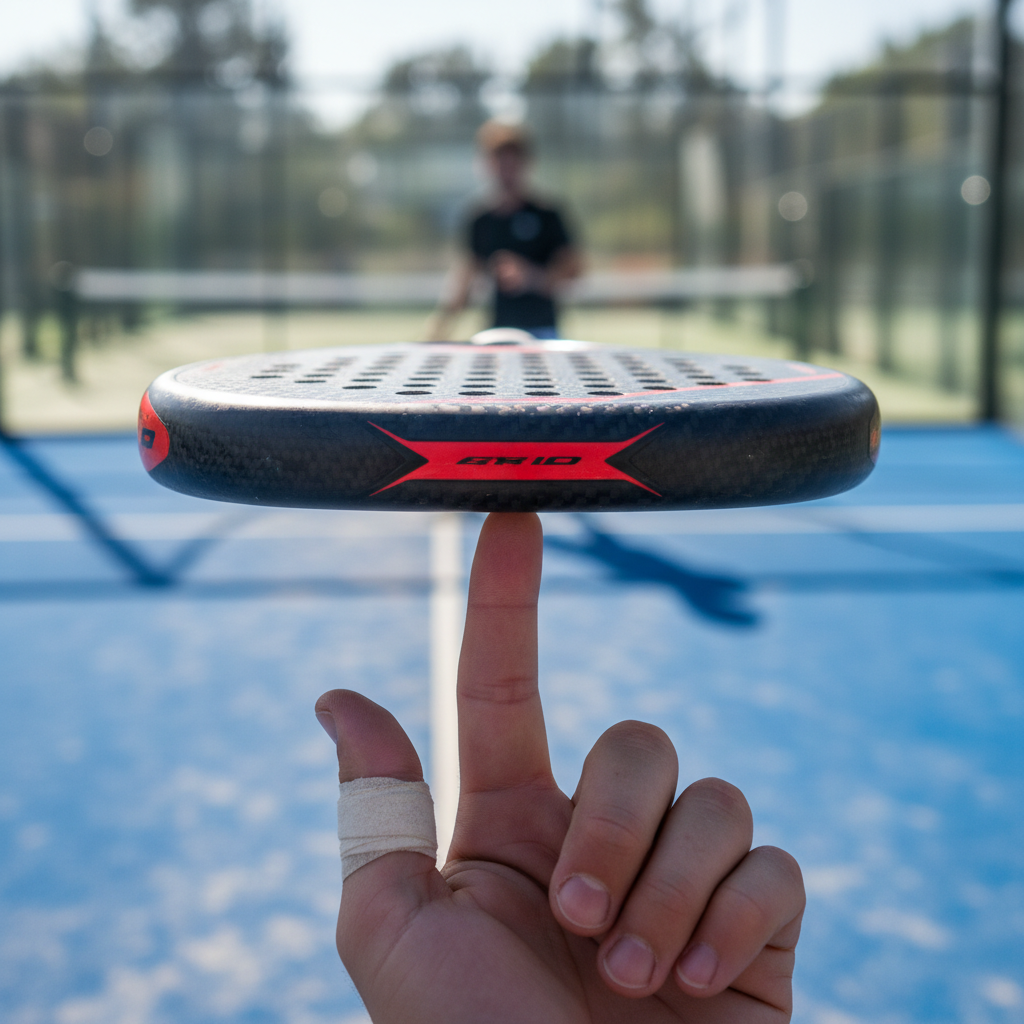
Every gram of a padel paddle modifies the torque applied to your elbow and shoulder during a match. A standard frame typically falls between 350 and 390 grams depending on the target user.
Is a heavy frame always better?
Now for the secret. Heavier rackets provide more stability and raw power when you make clean contact. However, they can lead to faster muscle fatigue if you are not conditioned for the load.
- Greater impact force.
- Reduced vibration transfer.
- Higher momentum on smashes.
- Enhanced defensive blocking.
Why should you go lightweight?
The best part? Lighter equipment allows for lightning-fast reactions when you are engaged in quick exchanges at the net. You will find it much easier to recover your position after a full swing.
- Faster swing speeds.
- Reduced strain on the elbow.
- Easier to change grip mid-point.
- Perfect for junior players.
Key Takeaway: Finding the right weight range is vital for preventing injuries while maintaining offensive capability.
| Weight Range | Best For | Benefit |
|---|---|---|
| 350g – 365g | Women/Juniors | Maneuverability |
| 365g – 375g | All-rounders | Versatility |
| 375g – 390g | Power Hitters | Maximum Force |
Statistical analysis indicates that most club players find the 370-gram mark to be the ideal balance of performance and health.
Why is balance vital for a padel paddle?

Determining the balance point of a padel paddle helps players switch between defensive lobs and aggressive smashes. Balance refers to the physical center of gravity where the mass is most concentrated.
What is head-heavy distribution?
Here’s the kicker. When the weight is concentrated toward the top, the racket acts like a hammer. This creates immense torque during your swing, which is perfect for driving the ball out of the court.
- Focuses energy on the tip.
- Ideal for overhead smashes.
- Requires strong wrist stability.
- Adds depth to your shots.
Is even balance the best choice?
You might wonder. An even balance places the weight in the middle of the racket for a neutral feel. Most versatile players prefer this because it doesn’t favor one style over the other.
- Consistent feel on all shots.
- Balances power and control.
- Predictable ball response.
- Reduced risk of wrist strain.
Key Takeaway: Balance defines the “soul” of the racket, dictating how heavy it feels in your hand during active play.
| Balance Type | Center of Gravity | Playstyle |
|---|---|---|
| Head-Heavy | Top Heavy | Attacking |
| Neutral | Center | Balanced |
| Head-Light | Near Handle | Defensive |
This table clarifies why choosing a balance point is a highly personal decision based on individual game tactics.
How to choose padel paddle handle sizes?
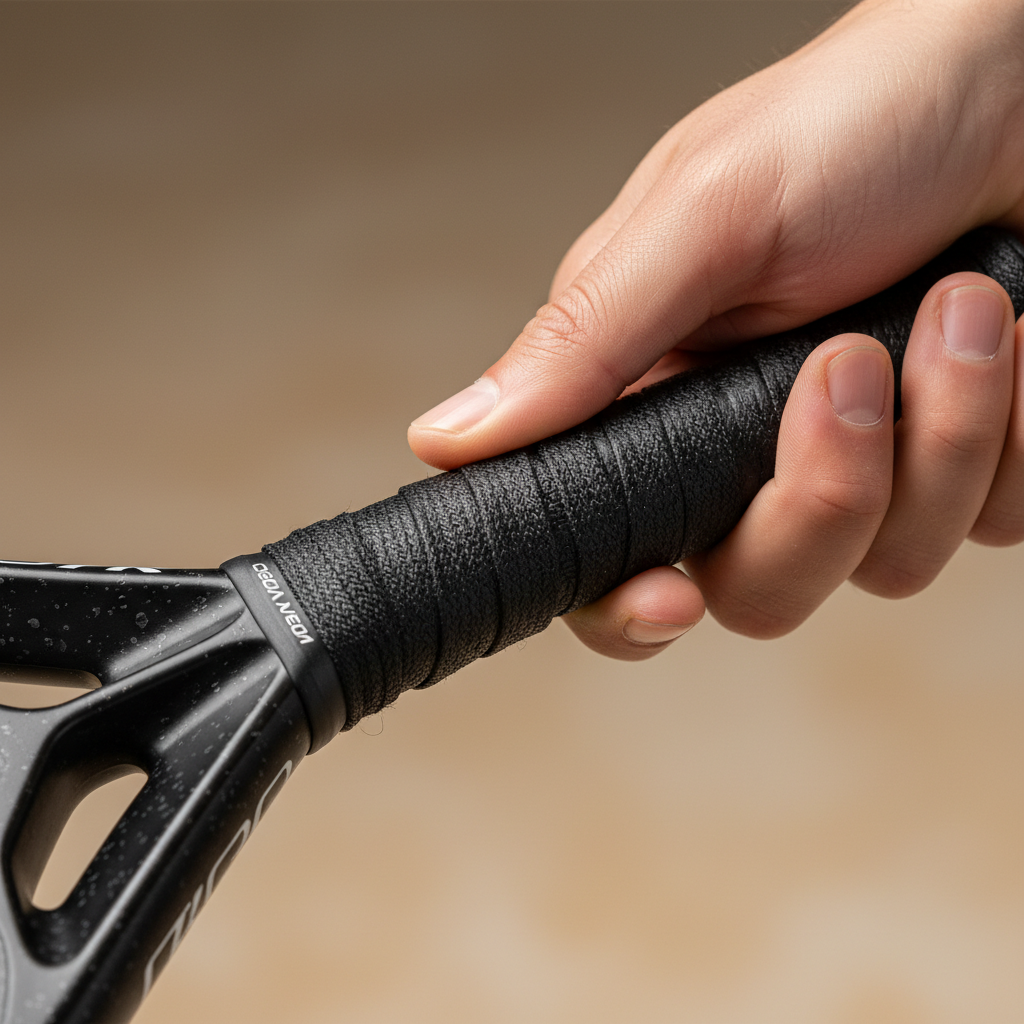
A padel paddle with an incorrect handle circumference can lead to chronic fatigue or serious joint injury. The handle is your only point of contact, making its ergonomics a top priority for performance.
Are grip overwraps necessary?
But that’s not all. Most handles are built to a standard size, which is often too small for the average adult male. Overwraps allow you to customize the thickness until the racket feels secure.
- Absorbs sweat during play.
- Prevents the racket from slipping.
- Cushions impact vibrations.
- Adjusts handle circumference.
Does handle length help power?
As it turns out. A slightly longer handle provides more leverage, allowing you to generate higher tip speed. This is especially beneficial if you use a two-handed backhand for extra stability.
- Enables two-handed grips.
- Extends your reach slightly.
- Improves whip action.
- Increases rotational torque.
Key Takeaway: Handle customization is the most cost-effective way to improve comfort and prevent common injuries like tennis elbow.
| Grip Setup | Feel | Primary Benefit |
|---|---|---|
| No Overgrip | Thin/Firm | Precise Feedback |
| 1 Overgrip | Standard | Better Traction |
| 2+ Overgrips | Thick/Soft | Vibration Damping |
Expert analysis suggests that a grip is the correct size when there is a finger-width gap between your fingertips and palm.
What materials build a padel paddle core?
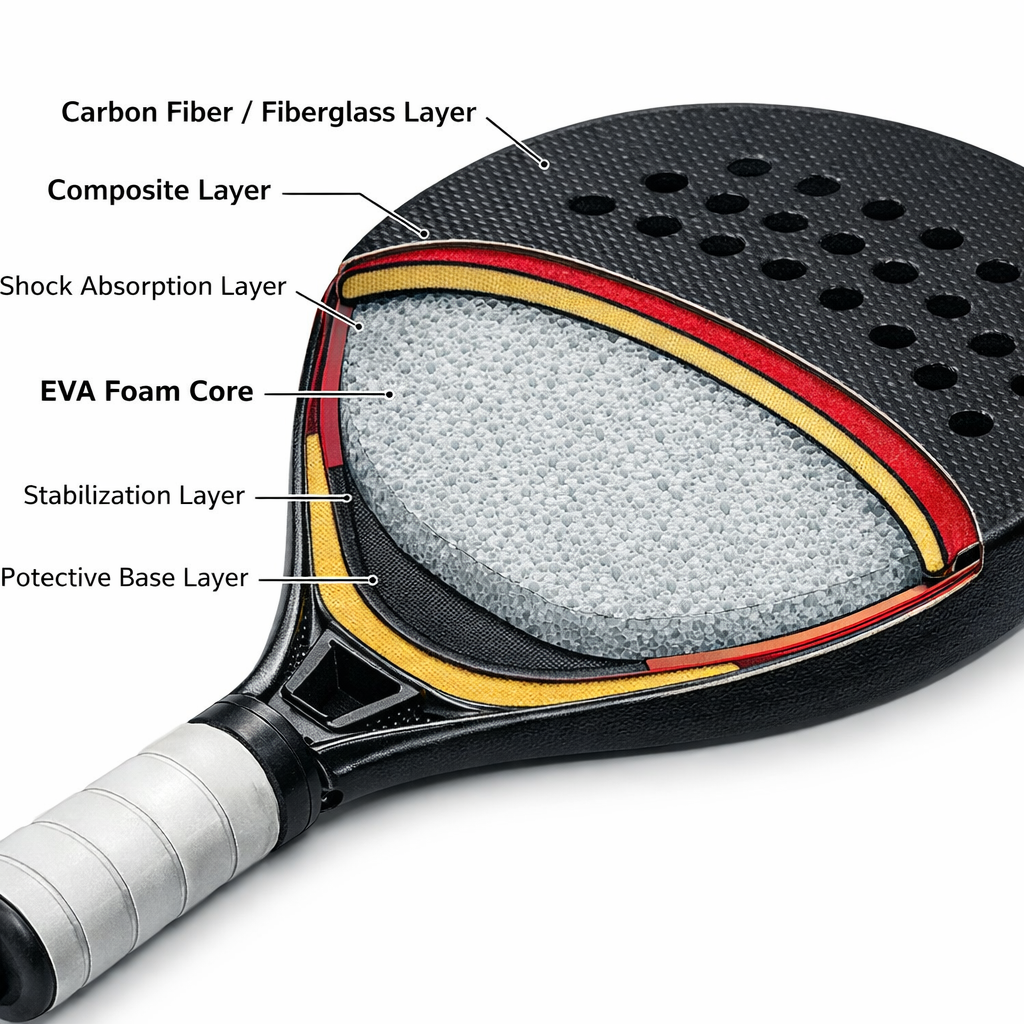
Innovative composite materials used to build a padel paddle define its longevity and impact absorption. The internal foam acts as the engine of the racket, converting your swing into ball velocity.
What makes EVA foam special?
Here is the deal. EVA is a high-density rubber that offers incredible durability and a firm feel. You will find that it retains its shape even after thousands of high-impact games.
- Strong memory effect.
- Excellent power return.
- Long-lasting durability.
- Predictable bounce levels.
Is carbon fiber worth the cost?
But wait, there’s more. Carbon fiber provides a strength-to-weight ratio that fiberglass simply cannot match. It makes the racket stiffer, which translates to better precision when hitting at high speeds.
- Reduces overall racket weight.
- Increases structural stiffness.
- Withstands temperature changes.
- Provides a premium aesthetic.
Key Takeaway: The core material is the single biggest factor in how a racket “feels” during a match.
| Material | Flexibility | Durability | Price Point |
|---|---|---|---|
| Polyethylene | High | Low | Affordable |
| Soft EVA | Medium | Medium | Mid-range |
| Hard EVA | Low | High | Premium |
This comparison highlights why hard EVA is the preferred choice for professional facility inventory and elite competitors.
Can texture improve a padel paddle grip?
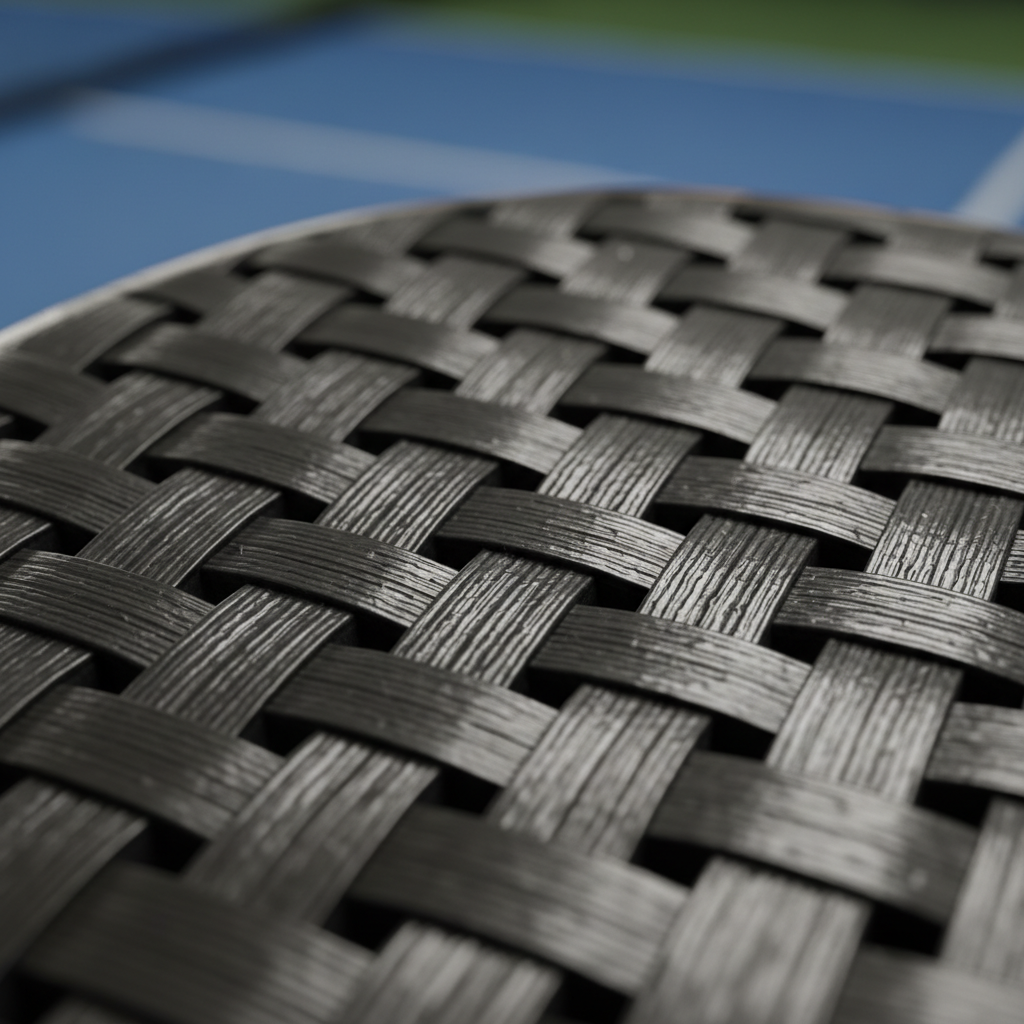
The surface finish on a padel paddle creates the friction necessary to generate professional-grade spin. Smooth surfaces are becoming less common as players demand more “bite” on the ball during technical shots.
Does sandpaper finish help spin?
The secret is out. A rough, sandpaper-like texture increases the dwell time of the ball on the racket face. This allows you to “grab” the ball and rotate it more effectively for slices.
- Extreme spin potential.
- Gritty feel for control.
- Ideal for slice serves.
- Enhances drop shot precision.
What are molded 3D patterns?
But that’s just the beginning. Some manufacturers mold geometric patterns directly into the carbon fiber face. Unlike sandpaper finishes that wear off, these 3D patterns last the entire life of the racket.
- Permanent surface texture.
- Consistent friction levels.
- Aerodynamic benefits.
- Modern, high-tech look.
Key Takeaway: Surface texture transforms a standard hit into a strategic shot by adding rotation that confuses the opponent.
| Surface Type | Spin Level | Durability | Control |
|---|---|---|---|
| Smooth | Low | High | Medium |
| Sandpaper | High | Low | High |
| 3D Molded | Medium-High | High | High |
The data confirms that molded patterns offer the best balance of long-term utility and technical performance.
How do elites use a custom padel paddle?

Customizing a padel paddle involves fine-tuning the internal specifications to match specific physical strengths. Professionals rarely use “off-the-shelf” configurations without some level of personal adjustment.
Do pros adjust internal weight?
Think about it. Many top-tier players add lead or tungsten tape to specific areas of the frame. This allows them to shift the balance point by just a few millimeters to suit their daily form.
- Precise balance tuning.
- Customized swing weight.
- Increases head stability.
- Tailors the feel of impact.
Why use lead tape for control?
But wait, there’s more. Adding weight to the sides of the racket (3 and 9 o’clock positions) increases the “sweet spot” width. This makes the racket much more stable during defensive volleys under pressure.
- Expands the hitting area.
- Reduces racket twisting.
- Stabilizes off-center hits.
- Improves defensive reliability.
Key Takeaway: Customization allows a player to bridge the gap between their physical limitations and their tactical goals.
| Customization | Location | Primary Effect |
|---|---|---|
| Weight Tape | Head | More Power |
| Weight Tape | Handle | More Control |
| Throat Guards | Center | Less Vibration |
This breakdown illustrates how minor physical changes result in major performance shifts on the court.
How can you build a custom padel paddle?
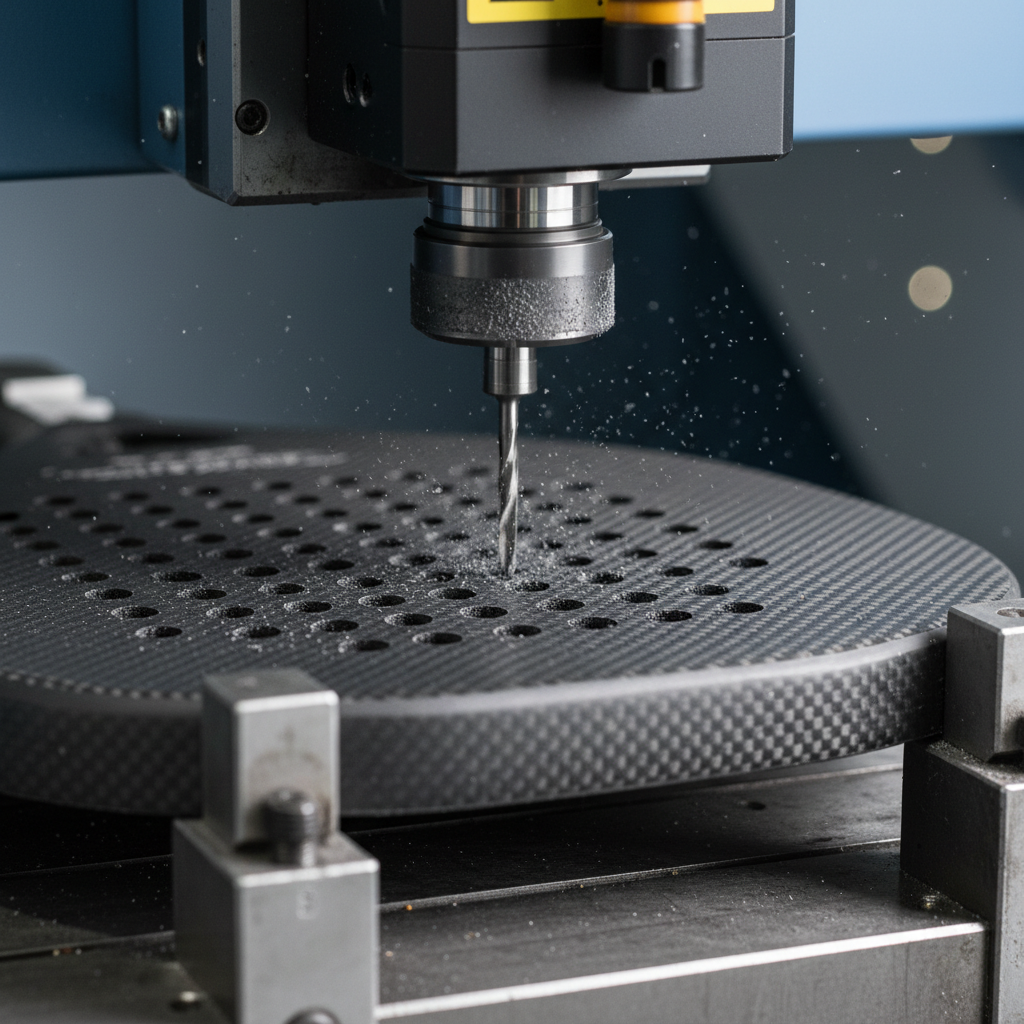
Learning to build a padel paddle from scratch requires understanding the delicate layering of resins and foams. The process is an industrial art form that combines chemistry with high-precision engineering.
What tools are required to start?
Here is the deal. You need a high-pressure mold and a temperature-controlled environment to ensure the resin cures correctly. Without these, the layers will delaminate after just a few hits.
- CNC machine for hole drilling.
- Hydraulic heat press.
- Precision cutting tools.
- Vacuum bagging system.
How do you layer the resin?
But that’s not all. The order of the layers determines the final flex of the racket. You must apply the carbon fiber sheets with surgical precision to avoid air bubbles that create weak spots.
- Start with the base resin.
- Apply structural carbon layers.
- Insert the foam core.
- Seal with the top sheets.
Key Takeaway: Manufacturing is a rigorous process where even a one-degree temperature variance can ruin the final product quality.
| Build Stage | Description | Critical Factor |
|---|---|---|
| Layup | Placing carbon sheets | Fiber Alignment |
| Curing | Heating in the mold | Temperature |
| Drilling | Creating the hole pattern | Pattern Symmetry |
These steps demonstrate the complexity involved in producing a professional-grade sporting instrument.
How to care for your padel paddle daily?
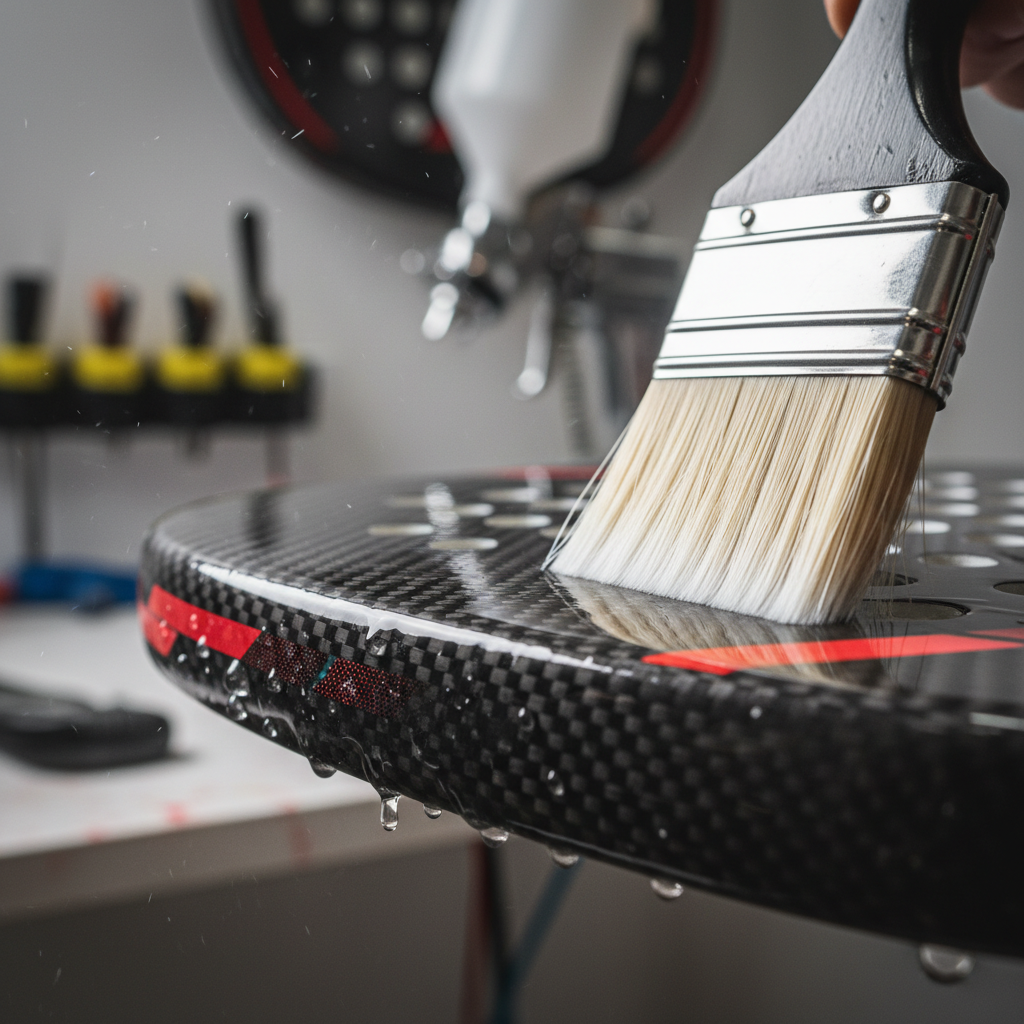
Maintaining a padel paddle properly ensures that the structural integrity remains consistent over hundreds of games. Neglect is the primary cause of premature core failure in commercial facilities.
Does excessive heat hurt foam?
Here’s the kicker. Leaving your equipment in a hot car can cause the internal gas in the foam to expand. This leads to internal cracking and a “dead” feel where the ball no longer bounces correctly.
- Avoid direct sunlight storage.
- Use thermally insulated bags.
- Keep in room temperature.
- Check for core delamination.
How do you clean the surface?
Believe it or not. Using harsh chemicals can dissolve the protective resin coating on the carbon fiber. A simple damp cloth is all you need to remove sweat and court dust after a session.
- Use only water and mild soap.
- Dry immediately after cleaning.
- Inspect for frame chips.
- Replace overwraps regularly.
Key Takeaway: Proactive maintenance doubles the lifespan of your equipment and maintains a professional image for your club.
| Care Task | Frequency | Benefit |
|---|---|---|
| Wipe Down | Every Match | Prevents Grime |
| Grip Replacement | Monthly | Maintains Traction |
| Bag Storage | Always | Temperature Protection |
Daily care ensures that your investment continues to perform at its peak for every single client.
Managing a high-performance facility requires more than just passion; it demands technical expertise. We have explored every layer of construction, from the foam core to the custom surface textures that define modern play. By understanding these mechanics, you can optimize your equipment inventory and provide your players with a superior experience. Our vision is to empower court owners with the highest quality manufacturing standards in the industry. For personalized consultation on outfitting your facility, contact us today.
FAQ
Can I build a paddle without a professional mold?
No, because the internal foam requires high-pressure compression to bond correctly with the carbon fiber layers. Without a mold, the structure will lack the necessary rigidity for safe play.
What is the best shape for a complete beginner?
The round shape is superior for new players. It offers the largest sweet spot, which helps build confidence by making it easier to return the ball consistently.
How do I know if my core is dead?
You will notice a dull “thud” sound instead of a crisp “pop” when hitting the ball. This usually indicates that the internal foam has lost its elasticity or has cracked internally.
Can I use a regular tennis overgrip?
Yes, standard overgrips are compatible with all handle sizes. They are vital for managing sweat and adjusting the handle thickness to fit your hand perfectly.
What is the best way to prevent frame cracks?
Installing a transparent frame protector is the most effective solution. This thin layer of adhesive plastic absorbs the impact when the racket hits the court walls or floor.