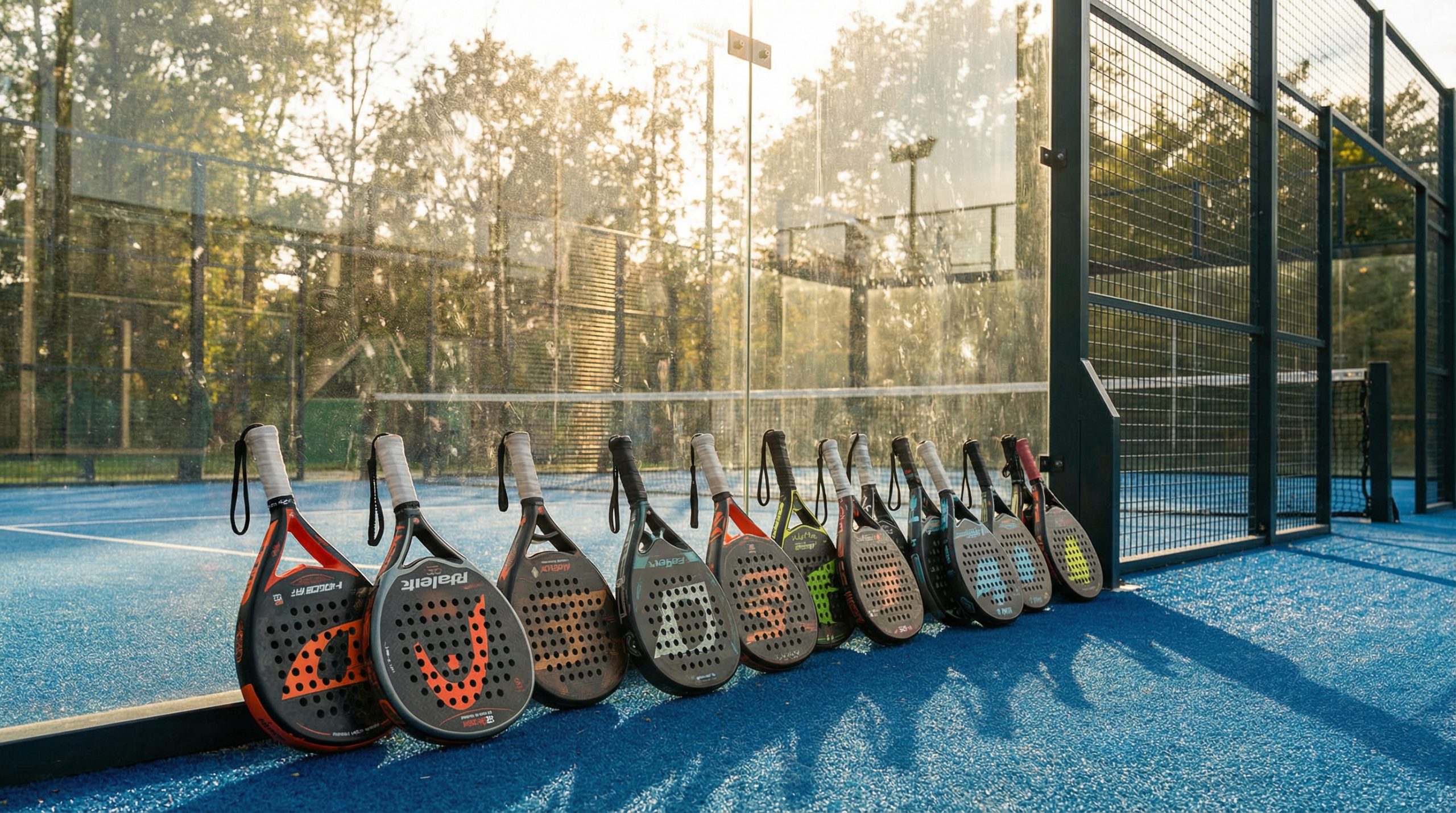
The best padel racket for beginners is a round-shaped, lightweight frame featuring a soft foam core to maximize control and minimize vibration. You might feel overwhelmed by the sheer variety of gear available, leading to a choice that makes hitting the ball feel like a chore rather than a joy. This frustration often leads new players to quit before they even master the basics of the game. By choosing the best padel racket for beginners, you ensure a forgiving experience that builds confidence and protects your arm from common injuries.
Why is the best padel racket for beginners so vital?
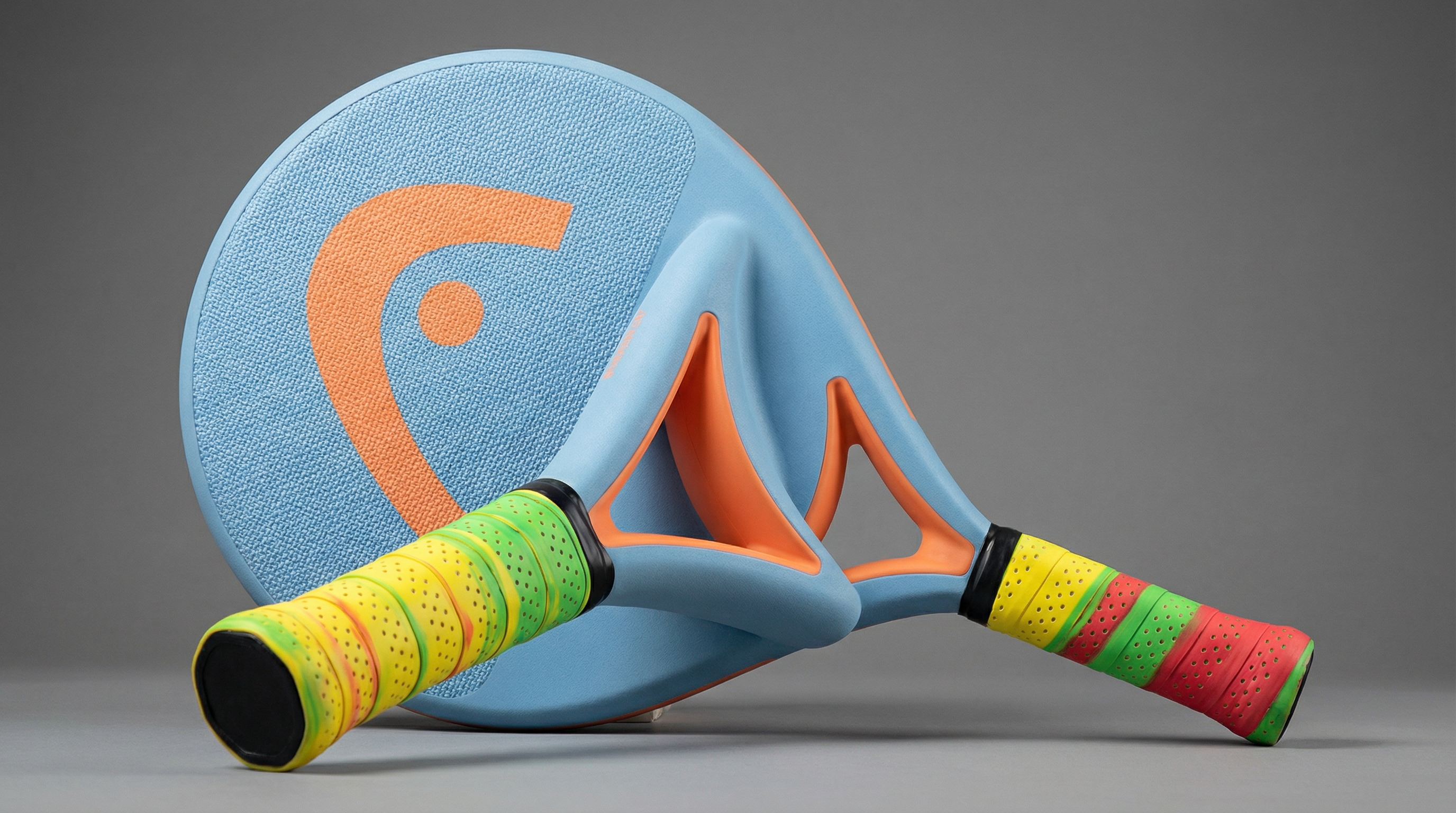
Choosing the best padel racket for beginners is vital because it directly impacts your ability to keep the ball in play while you learn the mechanics. A proper entry-level racket compensates for poor timing and off-center hits, which are common when you first start. This allows you to focus on your footwork and court positioning without fighting against your equipment.
Does the right gear stop muscle fatigue?
Using a tool specifically designed for your level prevents the physical strain often caused by heavy professional models. Here is the kicker: a racket that is too stiff will send every vibration straight into your elbow, potentially causing long-term pain. You need a setup that absorbs the impact so you can play for hours.
- Soft EVA rubber cores dampen impact.
- Round frames provide a wider hitting area.
- Lightweight materials reduce shoulder tension.
- Flexible surfaces help with ball exit speed.
Key Takeaway: Prioritizing comfort and shock absorption ensures you stay healthy while rapidly improving your skills on the court.
| Benefit | Result | Importance |
|---|---|---|
| Shock Absorption | Less Elbow Pain | High |
| Large Sweet Spot | Fewer Errors | High |
| Light Frame | Faster Reactions | Medium |
Choosing gear with these benefits creates a foundation for technical growth and injury prevention.
What are the specs of the best padel racket for beginners?
The technical specifications of the best padel racket for beginners should always favor a low balance and a soft internal core for maximum playability. These specs ensure the racket feels “easy” from the first swing, providing a predictable response every time the ball makes contact. You want a tool that feels like an extension of your arm rather than a heavy weight you have to drag.
Why is a large sweet spot your best friend?
A large sweet spot is essential because it gives you a much higher margin for error during fast rallies. But wait, there is more: when you hit the ball slightly off-center, a beginner-friendly racket will still send the ball over the net with decent speed. This prevents the “dead” feeling that professional rackets have when you miss the exact center.
- Centered sweet spots offer more stability.
- Wider holes improve aerodynamic flow.
- Lower density foam increases ball bounce.
- Fiberglass faces provide extra flexibility.
Key Takeaway: High forgiveness in the sweet spot is the single most important technical feature for any newcomer to the sport.
| Spec Category | Target Value | Impact |
|---|---|---|
| Balance | Low (Handle) | Agility |
| Weight | 350g – 365g | Ease of Use |
| Core | FOAM / Soft EVA | Comfort |
Standardizing these specifications helps you identify the right equipment without getting lost in technical jargon.
Which shape is the best padel racket for beginners?
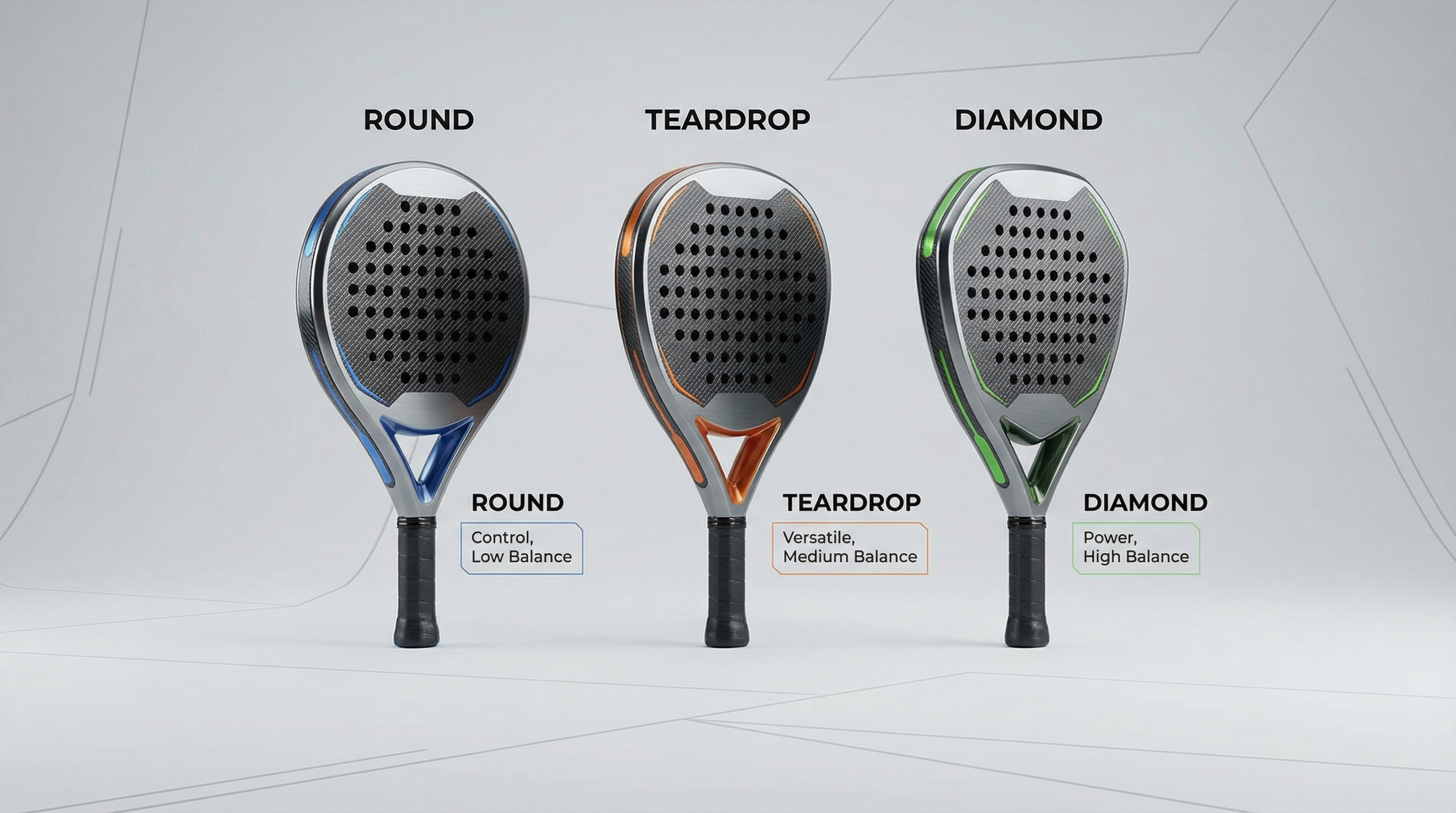
A round frame is the undisputed best padel racket for beginners because it places the weight closer to the handle for superior maneuverability. While diamond shapes look aggressive and powerful, they are top-heavy and very difficult for a novice to control during a match. You need the stability of a circular design to ensure your defensive shots are consistent and accurate.
Is the round shape superior for control?
Round rackets offer the most control because their balance is located near the hand, making the racket feel lighter than it actually is. Make no mistake: being able to move your racket quickly at the net is the difference between winning a point and missing the ball entirely. This shape helps you develop the “touch” required for strategic placement.
- Lower center of gravity for speed.
- Circular geometry maximizes the hitting zone.
- Reduced wrist strain during overheads.
- Better stability for defensive wall shots.
Key Takeaway: Selecting a round shape provides the defensive reliability you need to stay in rallies longer and improve faster.
| Shape | Control Level | Power Level | Best For |
|---|---|---|---|
| Round | Very High | Low | Beginners |
| Teardrop | Medium | Medium | Intermediate |
| Diamond | Low | Very High | Advanced |
The round shape remains the gold standard for anyone looking to build a solid technical foundation.
Do materials change the best padel racket for beginners?
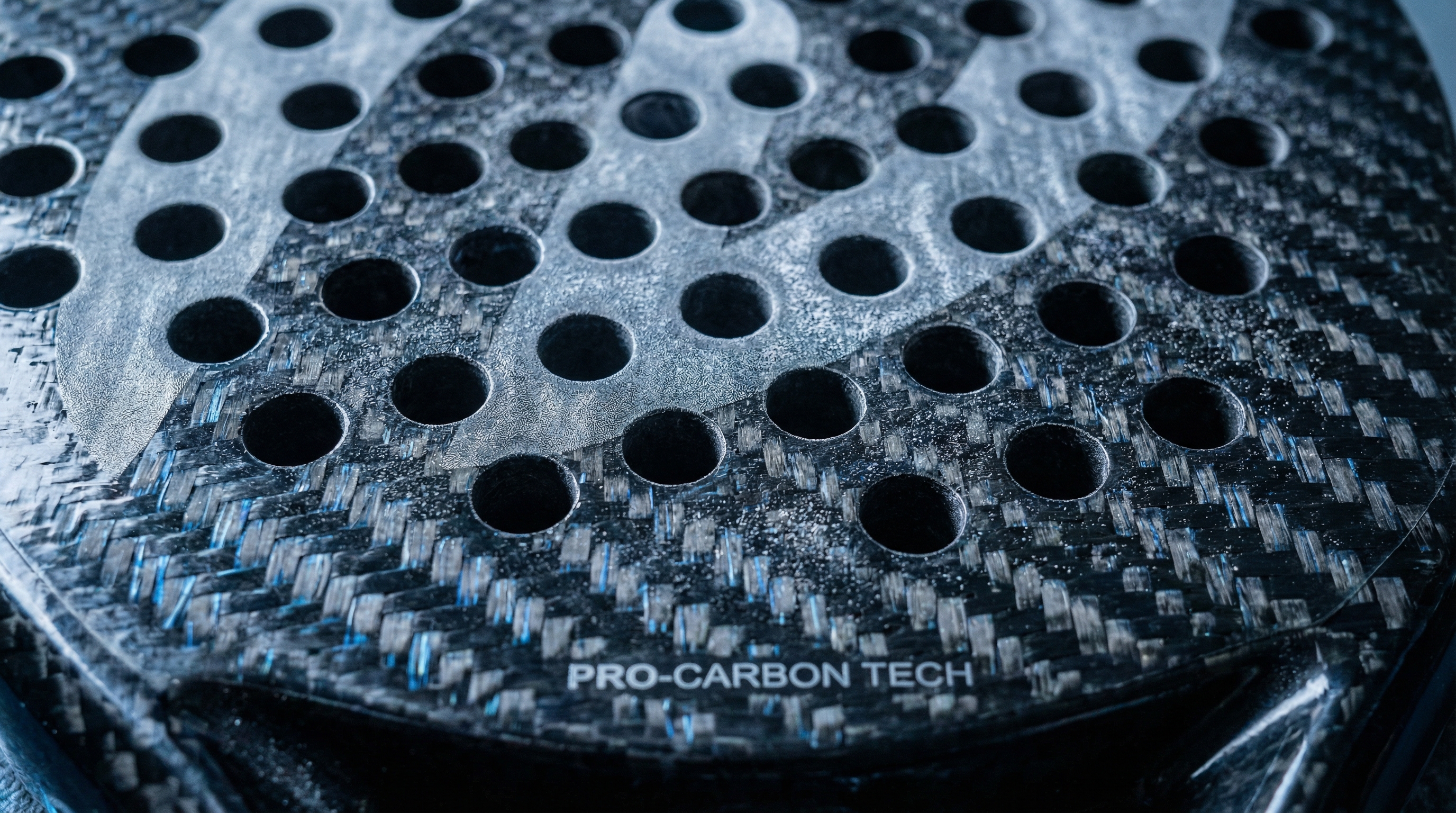
Materials like fiberglass and soft EVA foam are what define the best padel racket for beginners by providing a comfortable “trampoline effect” on every shot. Carbon fiber might be popular among pros for its durability and power, but it is often too stiff for someone still learning the swing. Fiberglass is more elastic, which helps you generate ball speed even if your technique isn’t perfect yet.
Should you prefer fiberglass over carbon fiber?
You should definitely choose fiberglass because it provides a softer touch and vibrates significantly less than hard carbon surfaces. Here is the kicker: the extra flexibility of fiberglass means the ball stays on the racket face for a fraction of a second longer, giving you more time to direct your shot. This “dwelling time” is a secret weapon for improving your accuracy.
- Fiberglass is more cost-effective.
- Soft FOAM cores reduce joint impact.
- High elasticity aids in ball recovery.
- Flexible resin layers prevent cracking.
Key Takeaway: Choosing softer materials like fiberglass ensures your arm stays protected while you enjoy a more responsive hitting experience.
| Material | Surface Feel | Best Benefit |
|---|---|---|
| Fiberglass | Soft / Flex | High Forgiveness |
| Carbon | Hard / Stiff | Maximum Power |
| Soft EVA | Plush / Absorbent | Vibration Control |
Soft materials are the key to a racket that feels welcoming and easy to use from day one.
Is weight key for the best padel racket for beginners?
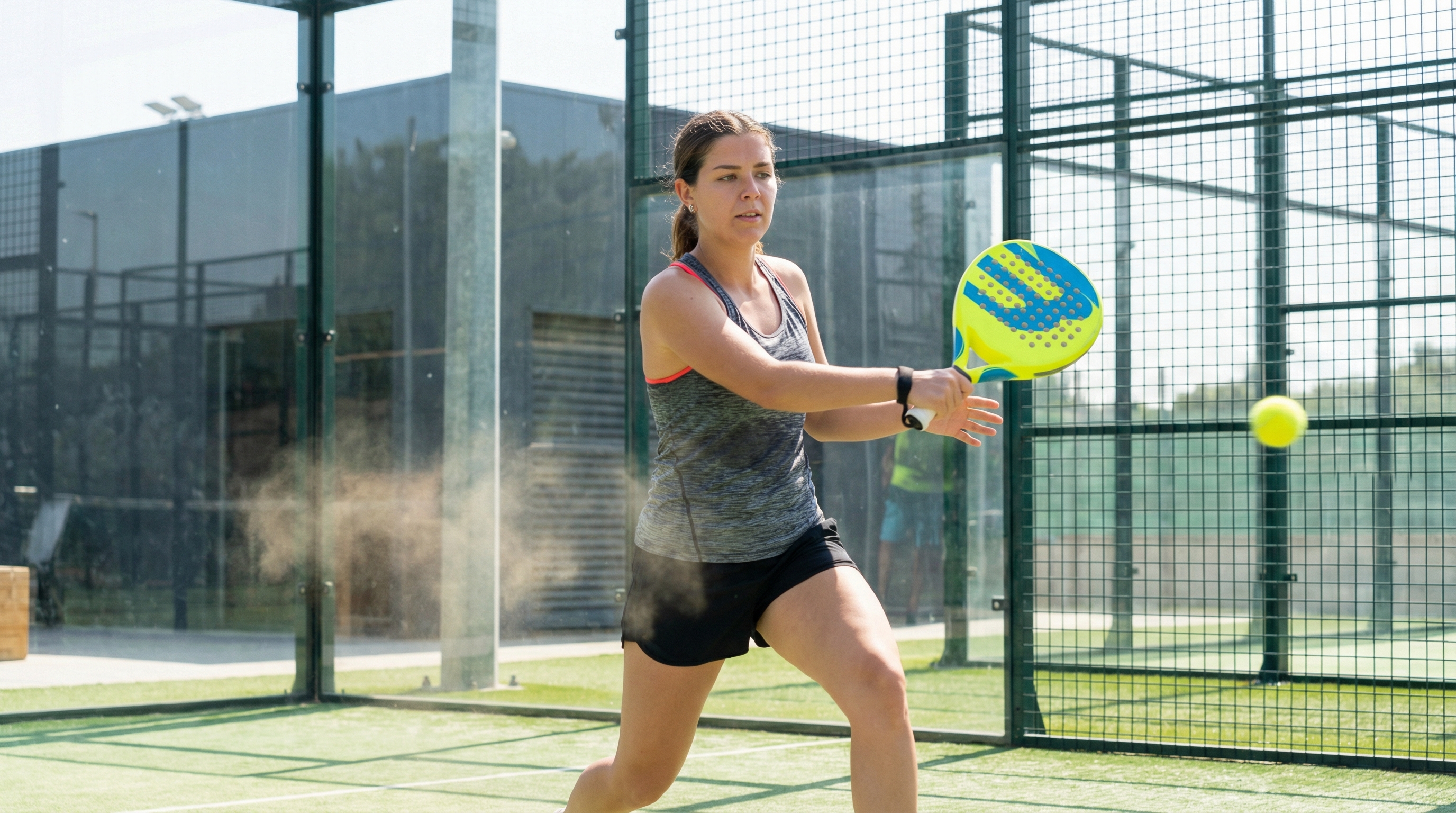
Maintaining a light weight is essential for the best padel racket for beginners to ensure you don’t suffer from fatigue during long training sessions. Most experts recommend a weight range between 350 and 365 grams for new players to balance stability with ease of movement. If a racket is too heavy, your reaction time will slow down, and your technique will likely suffer as the match progresses.
Does a lighter frame prevent fatigue?
A lighter frame allows you to react faster at the net and swing more freely without straining your shoulder muscles. But wait, there is more: a light racket is also much easier to control when you are forced into awkward defensive positions. You will find that you can play for much longer without feeling the typical “heavy arm” sensation.
- Faster transitions from defense to attack.
- Less pressure on the wrist tendons.
- Easier to generate racket head speed.
- Better maneuverability for low balls.
Key Takeaway: Keeping your racket light is the most effective way to prevent fatigue and maintain high performance throughout your match.
| Weight Class | Range | Ideal User |
|---|---|---|
| Ultra-Light | < 355g | Juniors / Women |
| Standard Beginner | 355g – 365g | Most Beginners |
| Professional | > 375g | Advanced Players |
Weight management is a critical factor that determines how much you will enjoy your time on the court.
Where to buy the best padel racket for beginners?
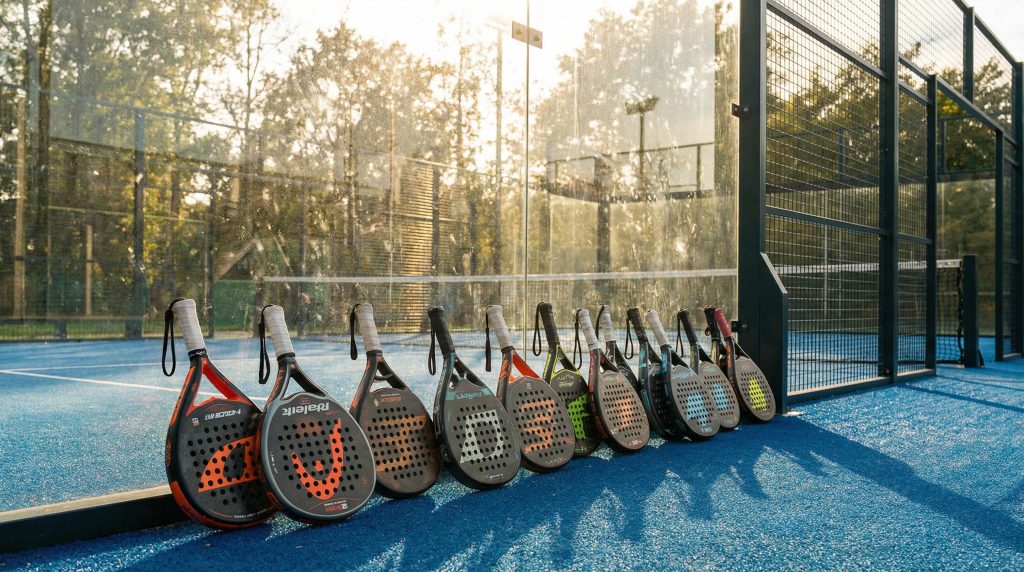
You should look for the best padel racket for beginners at specialized retailers where you can get expert advice tailored to your specific playing style. General sports stores often carry generic models that lack the specific technologies required for a good beginner experience. A specialized shop will often have demo rackets available, allowing you to feel the weight and balance before spending your money.
Why are specialized shops better for advice?
Specialized retailers understand the nuances of frame composition and can help you avoid buying a racket that is far too advanced for your current skill level. You might be tempted by the flashiest pro model, but a specialist will guide you toward the tool that will actually help you win points. Their expertise ensures your investment matches your actual needs on the court.
- Expert staff can explain material benefits.
- Demo programs let you try before you buy.
- Better selection of beginner-specific brands.
- Specialized warranty and maintenance support.
Key Takeaway: Buying from experts reduces the risk of choosing the wrong gear and helps you get started with the right accessories immediately.
| Retailer Type | Expert Advice | Demo Options | Best For |
|---|---|---|---|
| Specialized Pro Shop | High | Yes | Serious Beginners |
| Online Padel Store | Medium | No | Budget Conscious |
| General Sports Store | Low | No | Casual Players |
Expert guidance is the safest path to finding gear that feels perfect from your very first match.
Does balance help the best padel racket for beginners?
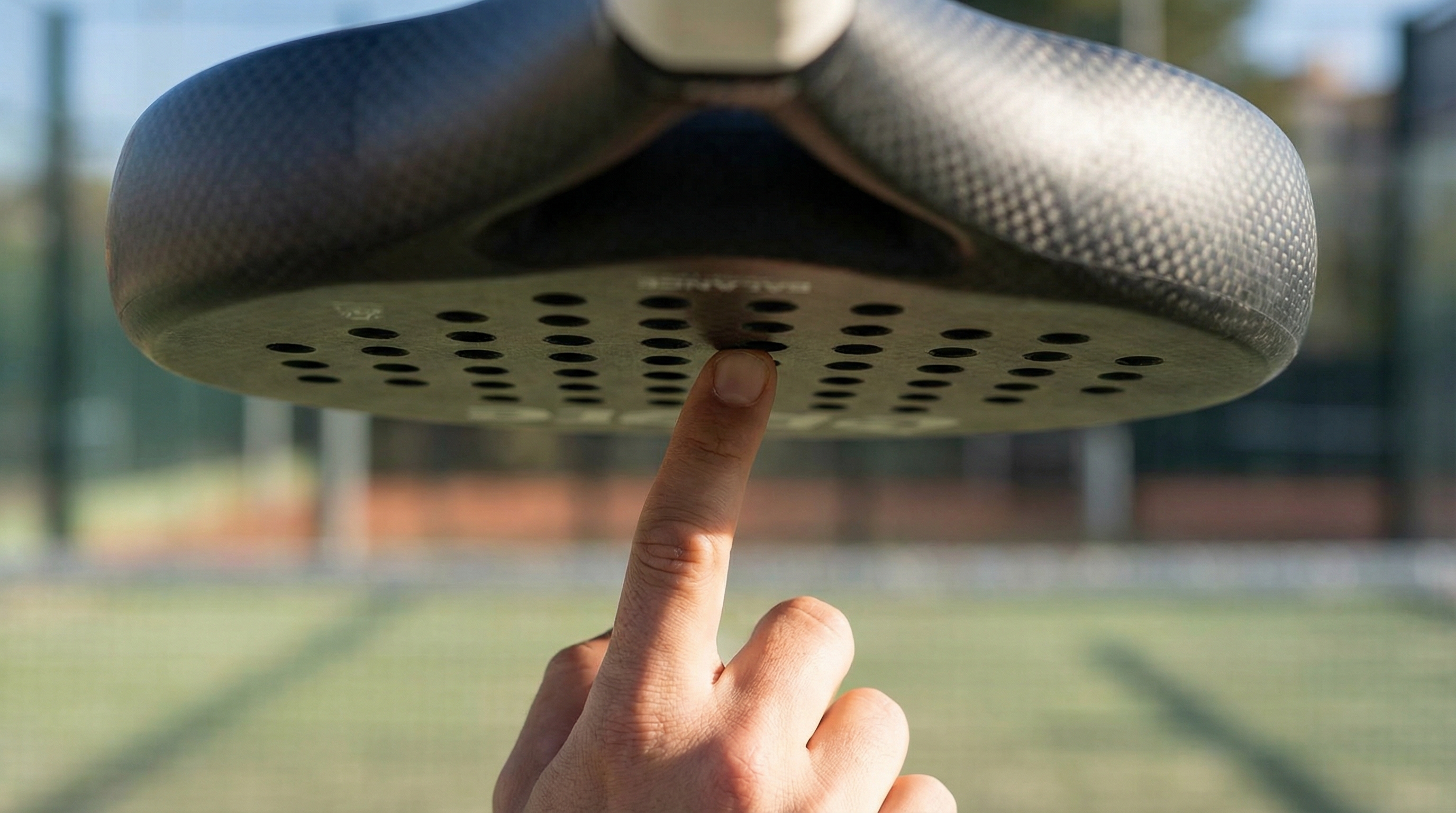
Balance is a critical metric for the best padel racket for beginners because it determines how heavy the racket feels when you are actually moving it. A low balance point means the weight is concentrated in the handle, giving you the sensation of a very light and agile tool. This setup is perfect for newcomers who need help with their swing speed and ball control.
What is a low balance and why do you need it?
Low balance refers to a center of gravity that is situated very close to your hand rather than the head of the racket. Here is the kicker: this distribution makes it much easier to change the angle of your racket face at the last second. This agility is vital when you are still learning to read the ball’s trajectory off the glass.
- Prevents the racket from feeling “head-heavy.”
- Improves accuracy for flat shots.
- Reduces the leverage strain on your wrist.
- Enhances your ability to play defensive lobs.
Key Takeaway: Low balance is the secret to a racket that feels responsive and easy to control during high-speed exchanges.
| Balance Type | Position | Main Benefit |
|---|---|---|
| Low | Near Handle | Control / Agility |
| Neutral | Center | Versatility |
| High | Near Head | Power / Leverage |
Focusing on a low balance point will make your learning journey significantly more comfortable and productive.
Can grips aid the best padel racket for beginners?
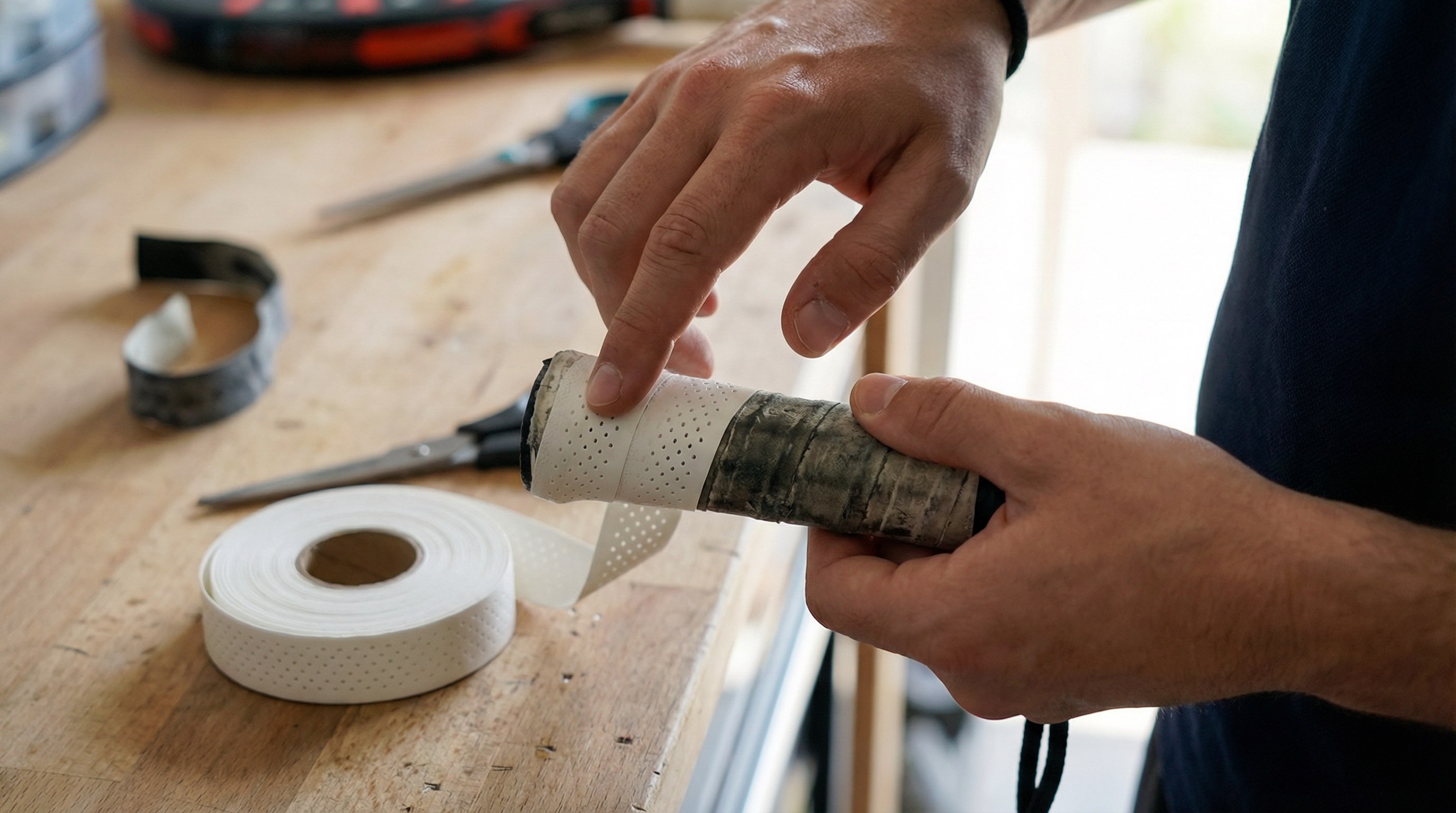
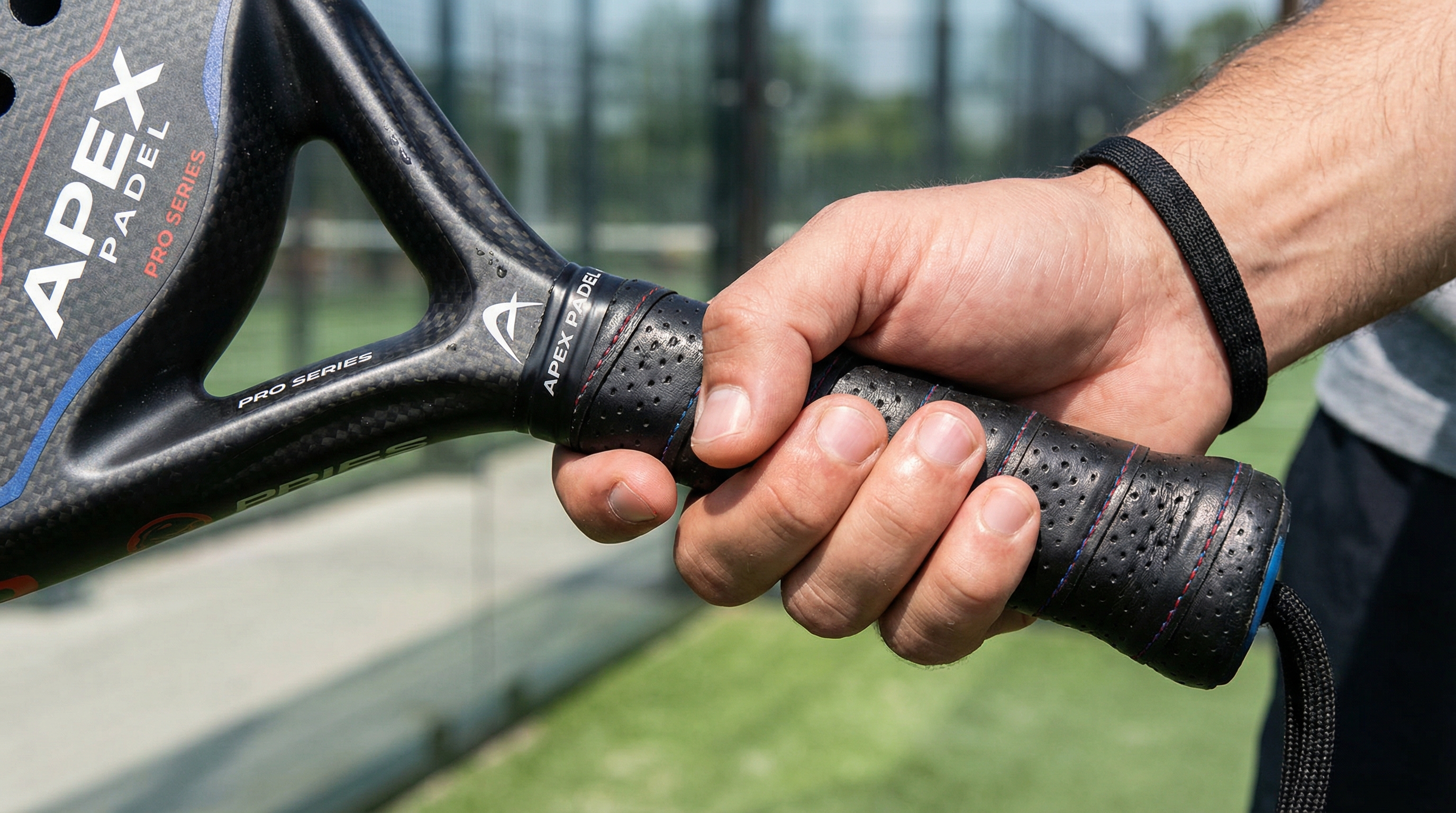
Customizing the handle of the best padel racket for beginners with an overgrip can instantly improve your comfort and prevent the racket from twisting. Most rackets come with a factory grip that is often too thin for the average adult hand, leading to a tight and tiring grip. By adding a simple overgrip, you can adjust the thickness to fit your hand perfectly, which allows for a more relaxed and effective swing.
Can a thicker handle improve your accuracy?
A thicker handle provides more surface area for your palm, which naturally stabilizes the racket during impact with the ball. But wait, there is more: a properly sized grip prevents you from over-squeezing the handle, which is a major cause of muscle tension in the forearm. A relaxed grip always leads to better ball feel and more precise placement.
- Perforated overgrips absorb excess sweat.
- Padded grips provide extra shock protection.
- Correct sizing improves racket maneuverability.
- Better traction prevents the racket from slipping.
Key Takeaway: Small adjustments to your grip size can have a massive impact on your comfort and shot consistency.
| Accessory | Function | Impact |
|---|---|---|
| Basic Overgrip | Handle Thickness | High |
| Hesacore Grip | Ergonomic Shape | Medium |
| Anti-Sweat Wrap | Traction | High |
Investing in your grip setup is an inexpensive way to customize your racket for peak performance.
How to save the best padel racket for beginners?
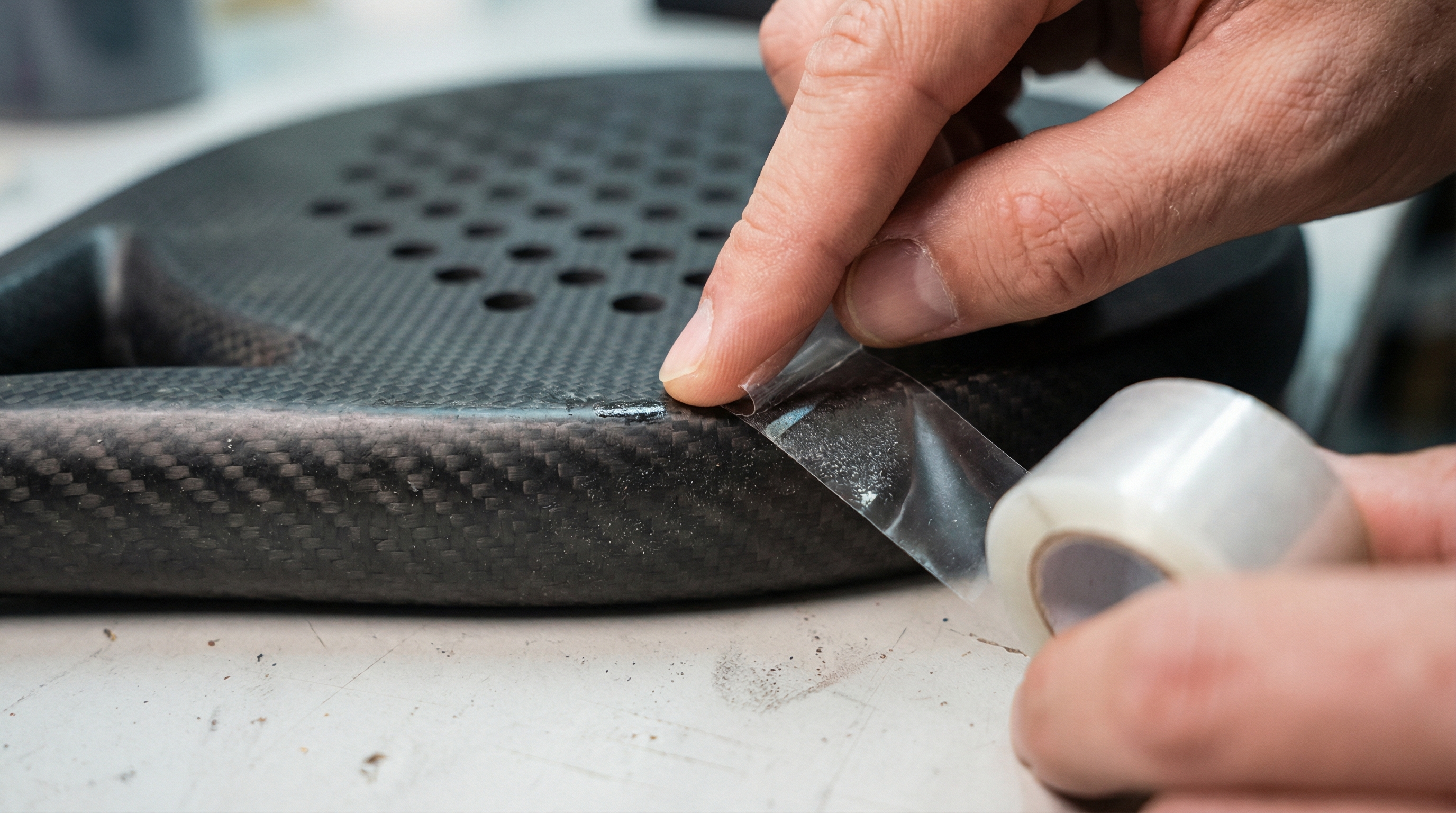
Protecting the best padel racket for beginners involves using a frame protector and a thermal bag to ensure the materials don’t degrade over time. As a new player, you will likely hit the glass or the court surface occasionally while you find your range. A simple adhesive protector strip on the top of the frame can prevent these minor impacts from turning into catastrophic cracks.
Does a frame protector extend your racket life?
A frame protector acts as a sacrificial layer that takes the brunt of any impact with the walls or the ground. Truth be told: without one, even a small scrape against the court can compromise the structural integrity of your racket. It is a tiny investment that can literally double the lifespan of your expensive gear.
- Guards against paint chips and scratches.
- Absorbs small impacts during low shots.
- Keeps the racket looking new for longer.
- Prevents structural cracks in the outer rim.
Key Takeaway: Consistent use of protectors and proper storage are the most effective ways to preserve your racket’s performance for months.
| Maintenance | Frequency | Benefit |
|---|---|---|
| Frame Protector | Once (Replace if Torn) | Impact Defense |
| Thermal Bag | Every Session | Foam Preservation |
| Grip Replacement | Every 5-10 Matches | Better Control |
Routine care ensures your gear remains in top condition, protecting your investment and your game.
How to build the best padel racket for beginners?
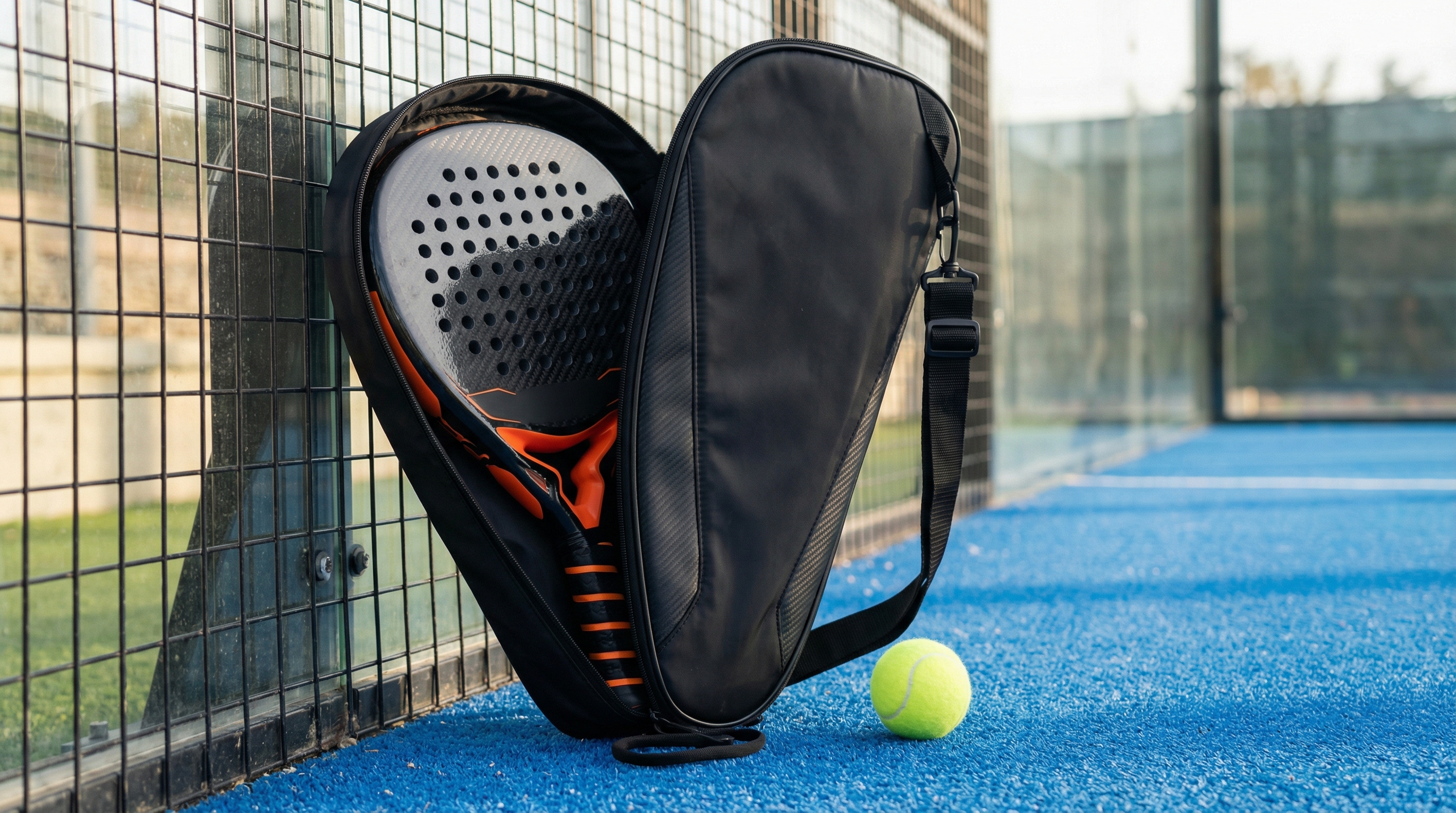
You build the best padel racket for beginners by starting with a round fiberglass frame and customizing it with the right ergonomic accessories. Building your setup is about more than just the racket itself; it is about creating a personalized system that supports your physical growth in the sport. When you combine a forgiving core with a customized grip and frame protection, you have the ultimate beginner tool.
Is assembling your own setup worth the effort?
Assembling a custom setup ensures that every aspect of the gear—from the handle thickness to the frame durability—is optimized for your hand and playstyle. Here is the kicker: a racket that feels “perfect” gives you the mental confidence to go for shots you might otherwise miss. This psychological edge is just as important as the physical specs of the equipment.
- Choose a soft FOAM core for feel.
- Add an overgrip for the perfect fit.
- Apply a transparent frame protector.
- Use a high-quality thermal bag for storage.
Key Takeaway: A thoughtfully assembled racket setup is your best ally in mastering the game and avoiding the pitfalls of generic gear.
| Build Component | Choice for Beginners | Goal |
|---|---|---|
| Base Frame | Round / Fiberglass | Control |
| Handle Prep | 1-2 Overgrips | Comfort |
| Safety Add-on | Top Protector Strip | Durability |
Taking the time to build your perfect setup shows a commitment to your progress and long-term enjoyment of the sport.
We have solved the problem of equipment overwhelm by identifying exactly what makes a racket beginner-friendly and how to maintain it for the long term. Our vision is to empower every new player with the knowledge and tools they need to step onto the court with total confidence. If you are ready to start your journey with the perfect gear, contact us today for personalized recommendations and expert support.
FAQ
Can I use a professional racket as a beginner?
No, because professional rackets are too heavy and stiff, which will hurt your progress and potentially cause injuries like tennis elbow.
What is the best weight for a beginner racket?
The ideal range is between 350g and 365g, as this provides enough stability without causing muscle fatigue during long matches.
How do I know if my grip is the right size?
The right size is usually achieved when you can fit one finger between your palm and your fingertips when holding the handle.
What’s the best shape for a newcomer?
A round shape is definitely the best choice because it offers the most control and has the largest, most forgiving sweet spot.
How do I know if I need a new overgrip?
You should replace it as soon as it starts to feel slippery or loses its “tacky” texture, which usually happens every 5 to 10 matches.