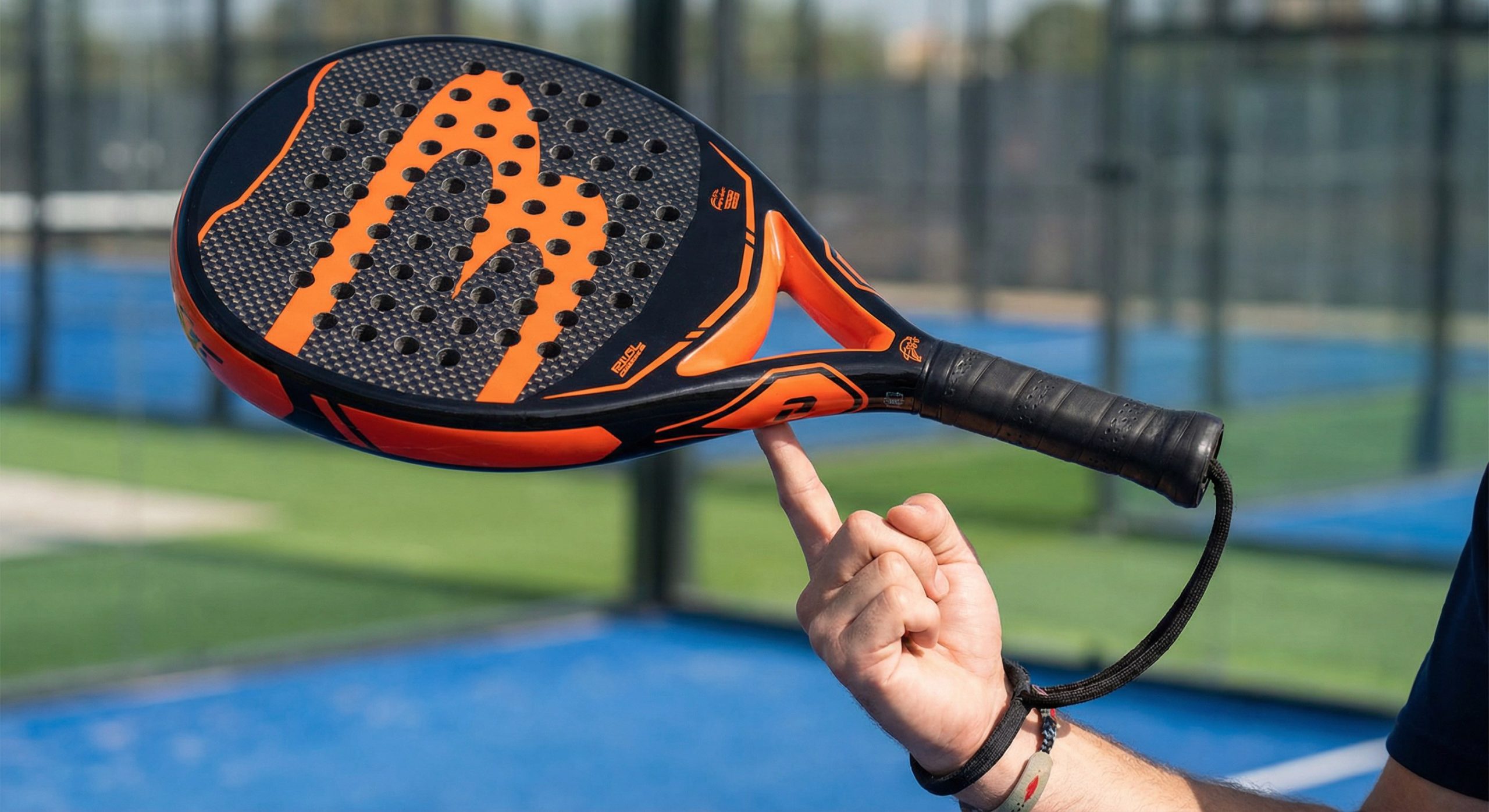
You have outgrown your beginner gear and now feel your progress hitting a plateau. Your current equipment lacks the precision needed for consistent lobs and the power required to finish a point. It is frustrating to feel your skill level exceed what your racket can actually deliver during a match.
You need a tool that bridges the gap between easy handling and professional-grade performance. Without the right upgrade, you risk developing poor habits or even physical strain from overcompensating for a weak frame. Finding the best padel racket for intermediate players is the key to unlocking your next level of play.
What is the best padel racket for intermediate players?
Does skill level change racket needs?
As you move into the intermediate phase, you require a larger sweet spot combined with better energy return. Beginners often focus solely on control, but you now need a racket that helps you transition into offensive play. To complement your new gear, practicing intermediate padel drills will help you master the added power.
Bucket Brigade: Let’s dive in.
- Increased frame rigidity for better power.
- Enhanced vibration dampening for longer matches.
- Greater texture for improved spin.
Is weight a primary factor for you?
Most intermediate players find success with a racket weighing between 360 and 375 grams. This weight provides enough mass to drive the ball while remaining maneuverable at the net.
Key Takeaway: The ideal mid-level gear balances mass and speed to support both defensive and offensive maneuvers.
| Feature | Beginner | Intermediate |
|---|---|---|
| Weight | 350-360g | 360-375g |
| Material | Fiberglass | Carbon/Fiberglass Mix |
| Focus | Forgiveness | Versatility |
How does shape define the best padel racket for intermediate?
Why is the teardrop shape popular?
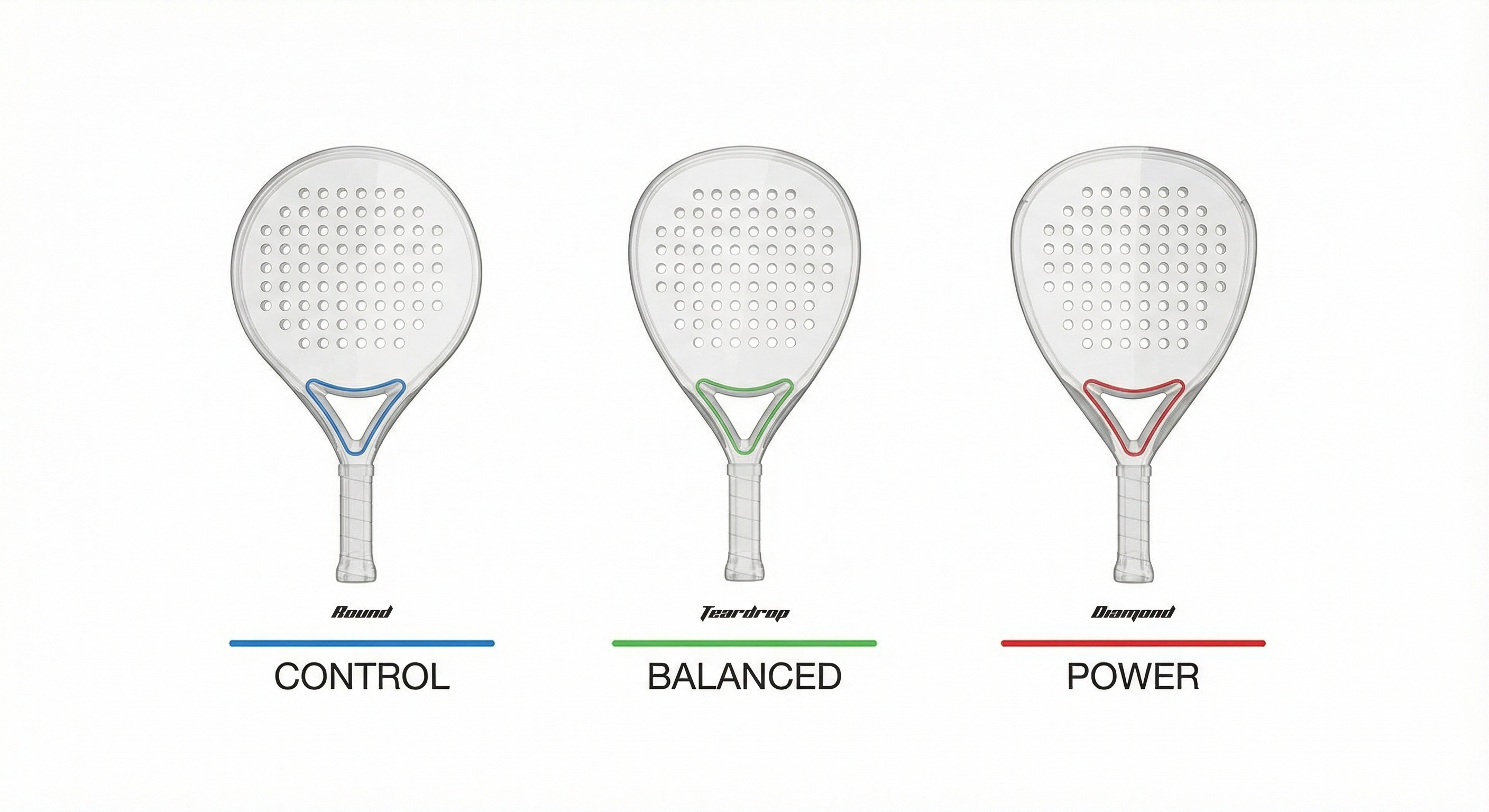
The teardrop shape is widely considered the best padel racket for intermediate users because it offers a medium balance. It places the weight slightly higher than a round racket without being as punishing as a diamond shape. You can explore the technical differences in our padel racket shapes guide.
Bucket Brigade: Think about it.
- Medium balance points.
- Large hitting area.
- Versatile power potential.
Should you avoid diamond shapes?
Diamond shapes are often too head-heavy for those still mastering their swing technique. You might find them difficult to control during quick exchanges at the net.
Key Takeaway: Stick to teardrop or hybrid shapes to maintain a balance between control and smashing power.
| Shape | Balance | Player Benefit |
|---|---|---|
| Round | Low | Maximum Control |
| Teardrop | Medium | Balanced Play |
| Diamond | High | Maximum Power |
Which weight works for the best padel racket for intermediate?
Is a heavier racket better for power?
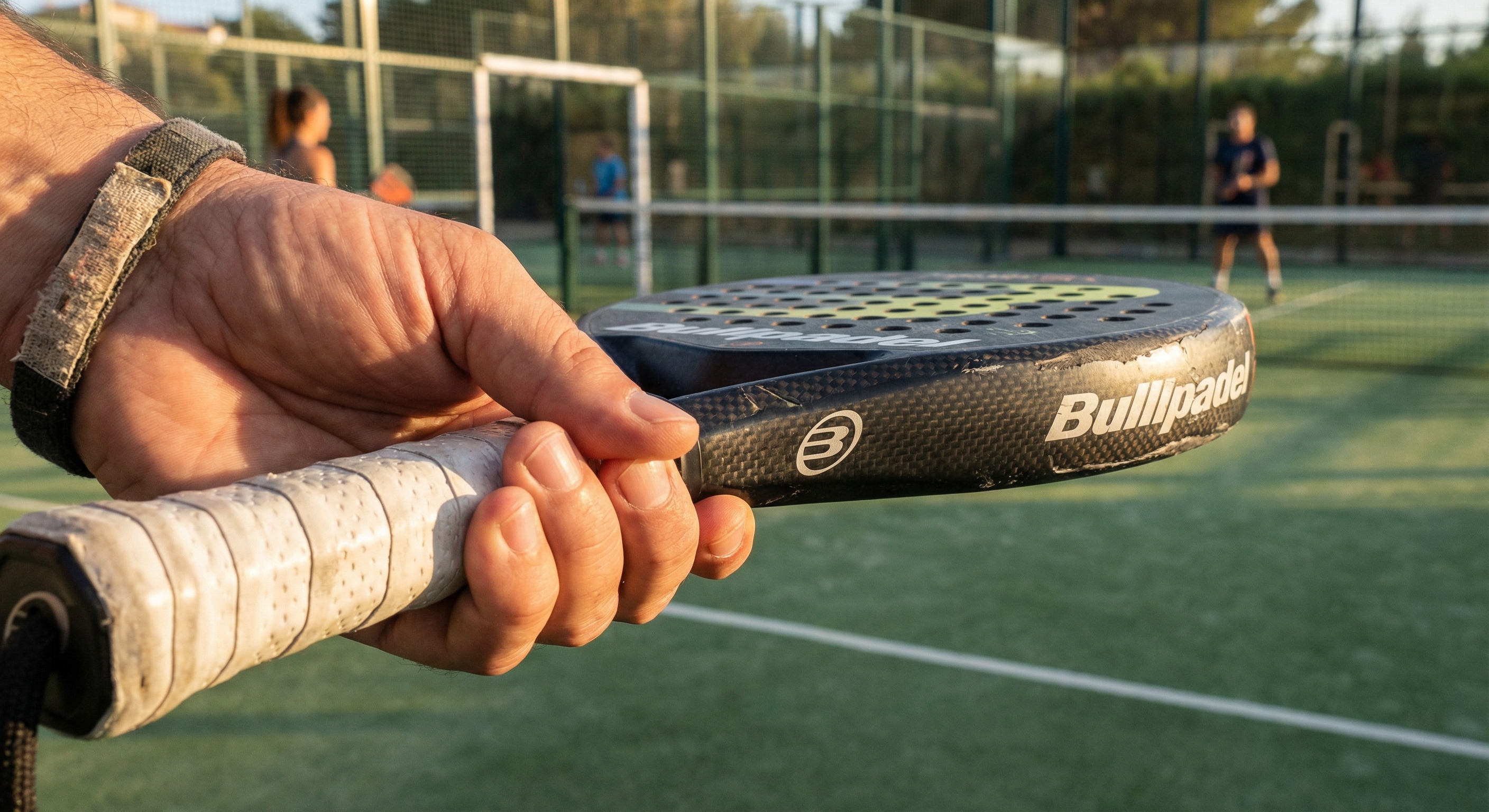
A heavier racket naturally generates more momentum through the ball. However, if it is too heavy, you will tire quickly and your reaction time will suffer. For a deeper look at specific gram ranges, see our article on choosing racket weight.
Bucket Brigade: Here is the kicker.
- Heavier rackets (370g+) offer more stability.
- Lighter rackets (under 360g) are easier on the elbow.
- The “sweet spot” for most is around 365g.
Does your physical build matter?
Your own strength and arm speed should dictate the final weight choice. A player with a tennis background might prefer more weight, while a squash player might prefer something lighter.
Key Takeaway: Choose a weight that feels substantial but does not slow down your volleying speed.
| Weight Class | Range | Best For |
|---|---|---|
| Lightweight | 340-355g | Junior/Women/Speed |
| Standard | 360-370g | Most Intermediates |
| Heavy | 375g+ | Power Specialists |
Does balance impact the best padel racket for intermediate?
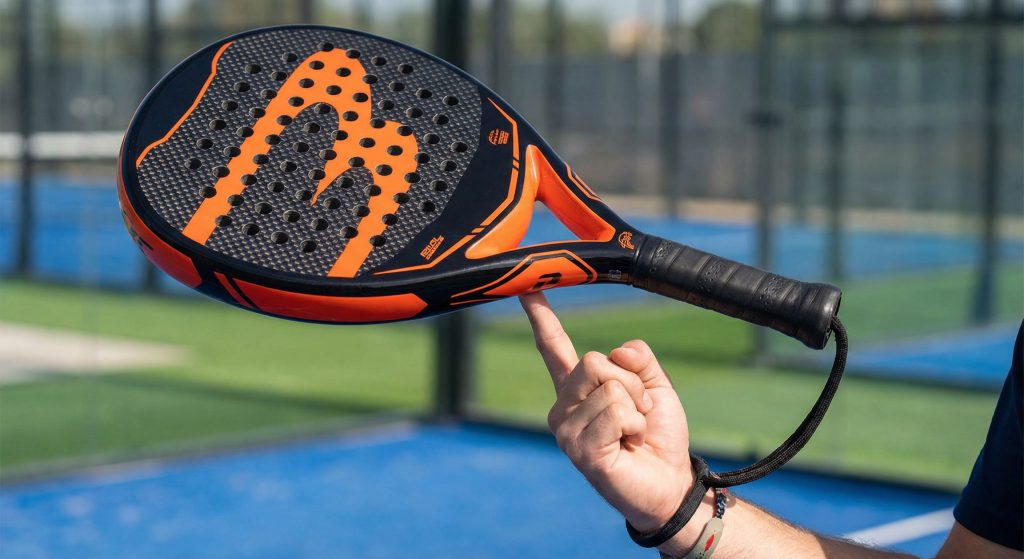
What is medium balance exactly?
Medium balance means the weight is distributed toward the center of the frame. This allows the best padel racket for intermediate players to feel comfortable in both the back of the court and at the net.
Bucket Brigade: Believe it or not.
- Easier transition between shots.
- Reduced risk of wrist fatigue.
- Consistent feel on every swing.
How do you measure balance?
You can find the balance point by resting the racket throat on your finger. If it tilts toward the head, it is high balance; toward the handle, it is low.
Key Takeaway: Aim for a balance point between 260mm and 270mm for the most versatile experience.
| Balance Type | Position | Style |
|---|---|---|
| Head Heavy | Toward Top | Aggressive |
| Neutral | Middle | All-round |
| Handle Heavy | Toward Grip | Defensive |
What core materials suit the best padel racket for intermediate?
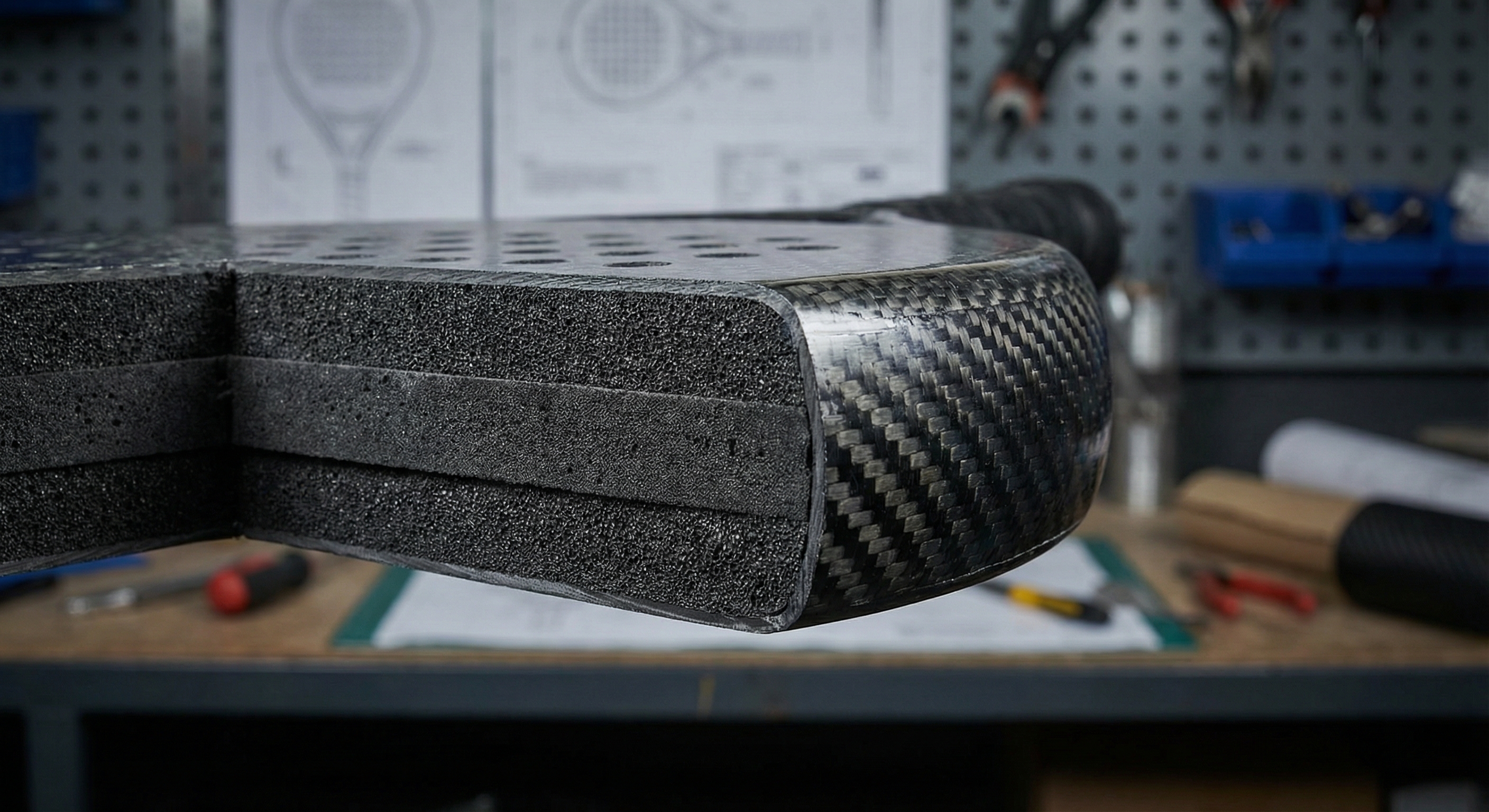
Is soft or hard foam better?
Intermediate players usually benefit from a medium-density EVA foam. This provides a “spring” effect that helps with ball exit speed without losing the feel of the ball.
Bucket Brigade: You might be wondering.
- Soft foam: High comfort, less power.
- Hard foam: High power, less comfort.
- Medium EVA: The perfect compromise.
Why is 3K carbon used?
The 3K carbon weave provides enough stiffness to handle faster shots from opponents. It is more durable than fiberglass but more forgiving than 12K or 18K carbon.
Key Takeaway: A medium-soft core paired with a carbon face offers the best feedback for improving players.
| Core Type | Softness | Impact Feel |
|---|---|---|
| FOAM | Very Soft | High Vibration Dampening |
| Soft EVA | Medium-Soft | Great Ball Exit |
| Black EVA | Medium-Hard | Precise Power |
Can the best padel racket for intermediate prevent arm pain?
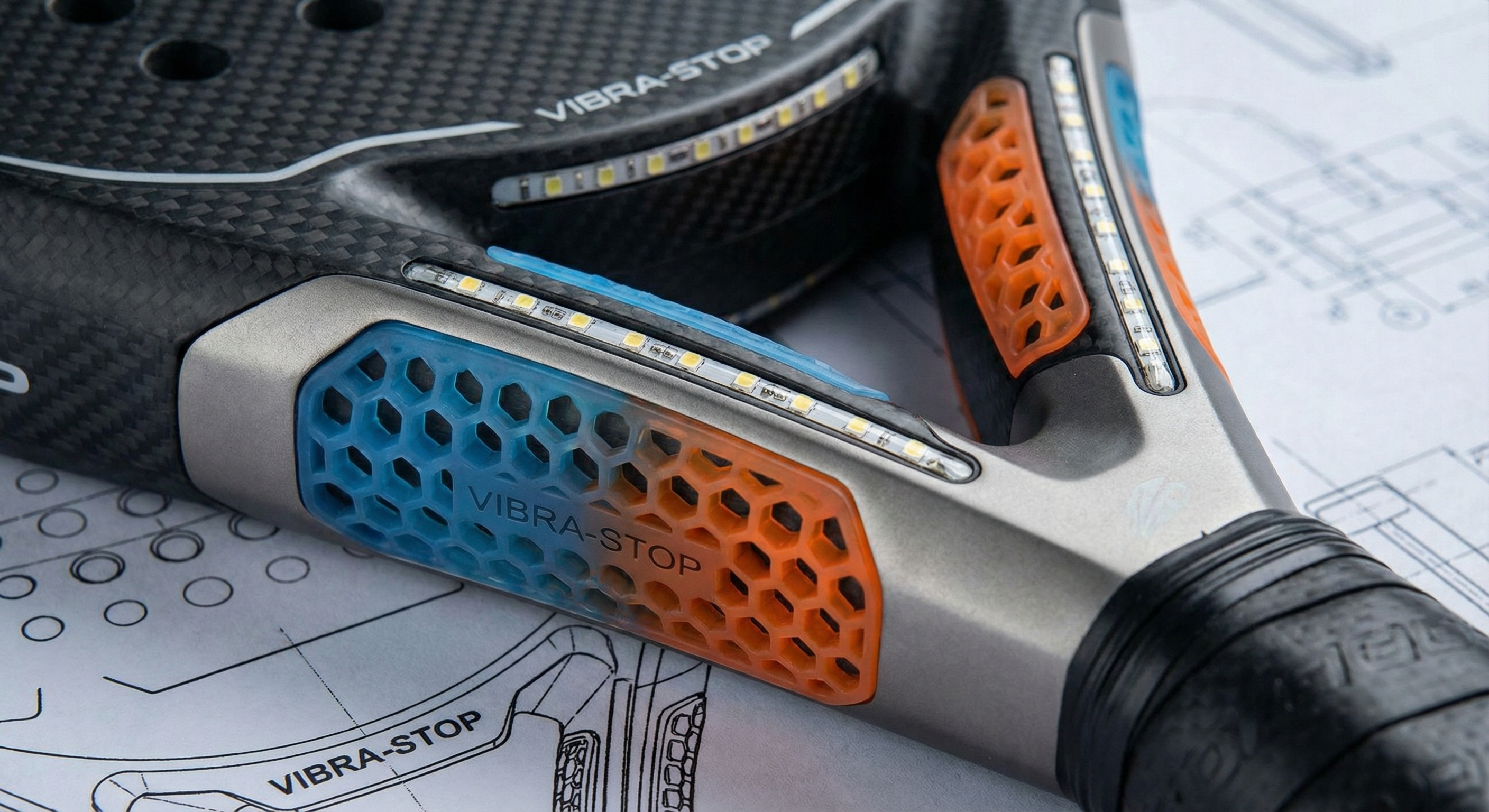
Do vibration dampeners actually work?
Many modern rackets include silicone inserts or specialized grips to absorb shock. These are essential for athletes who play several times a week. To further protect your joints, ensure you are wearing the best padel shoes for proper court shock absorption.
Bucket Brigade: It gets better.
- Reduces “tennis elbow” symptoms.
- Provides a cleaner hitting sensation.
- Protects joints during off-center hits.
How does frame stiffness affect you?
A frame that is too stiff will transfer all the energy of the ball directly into your arm. Conversely, a frame that is too flexible will feel “mushy” and lack precision.
Key Takeaway: Prioritize rackets with built-in anti-vibration technology to ensure long-term health.
| Tech Feature | Purpose | User Impact |
|---|---|---|
| Silicone Channel | Absorption | Less Arm Strain |
| Bridge Design | Stability | Less Frame Torque |
| Rough Surface | Friction | More Ball Spin |
What face texture is on the best padel racket for intermediate?
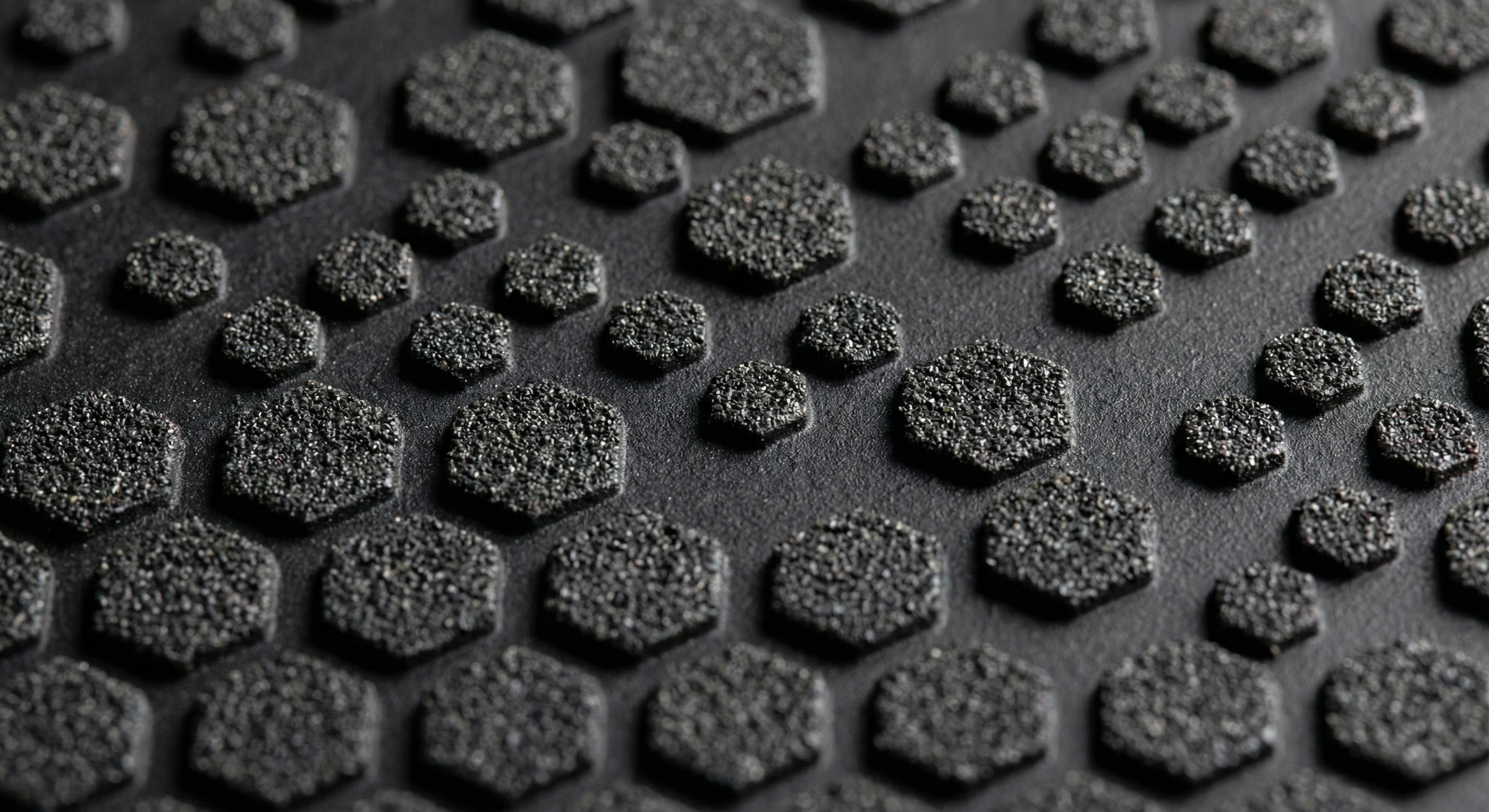
Does a rough surface help?
A textured or “sandpaper” finish allows you to grip the ball more effectively. This is crucial when you start learning to hit “bandejas” and “viboras” with slice.
Bucket Brigade: But wait, there’s more.
- 3D patterns offer permanent grip.
- Sand finishes offer maximum initial spin.
- Smooth faces are better for flat hitting.
Will texture wear off over time?
Integrated 3D patterns molded into the carbon will last the life of the racket. Applied sand textures can wear down after several months of intensive play.
Key Takeaway: Look for molded hexagonal or 3D patterns for consistent spin performance.
| Surface Type | Longevity | Spin Potential |
|---|---|---|
| Smooth | Permanent | Low |
| Sandpaper | Temporary | High |
| 3D Molded | Permanent | Medium-High |
Why choose a hybrid for the best padel racket for intermediate?
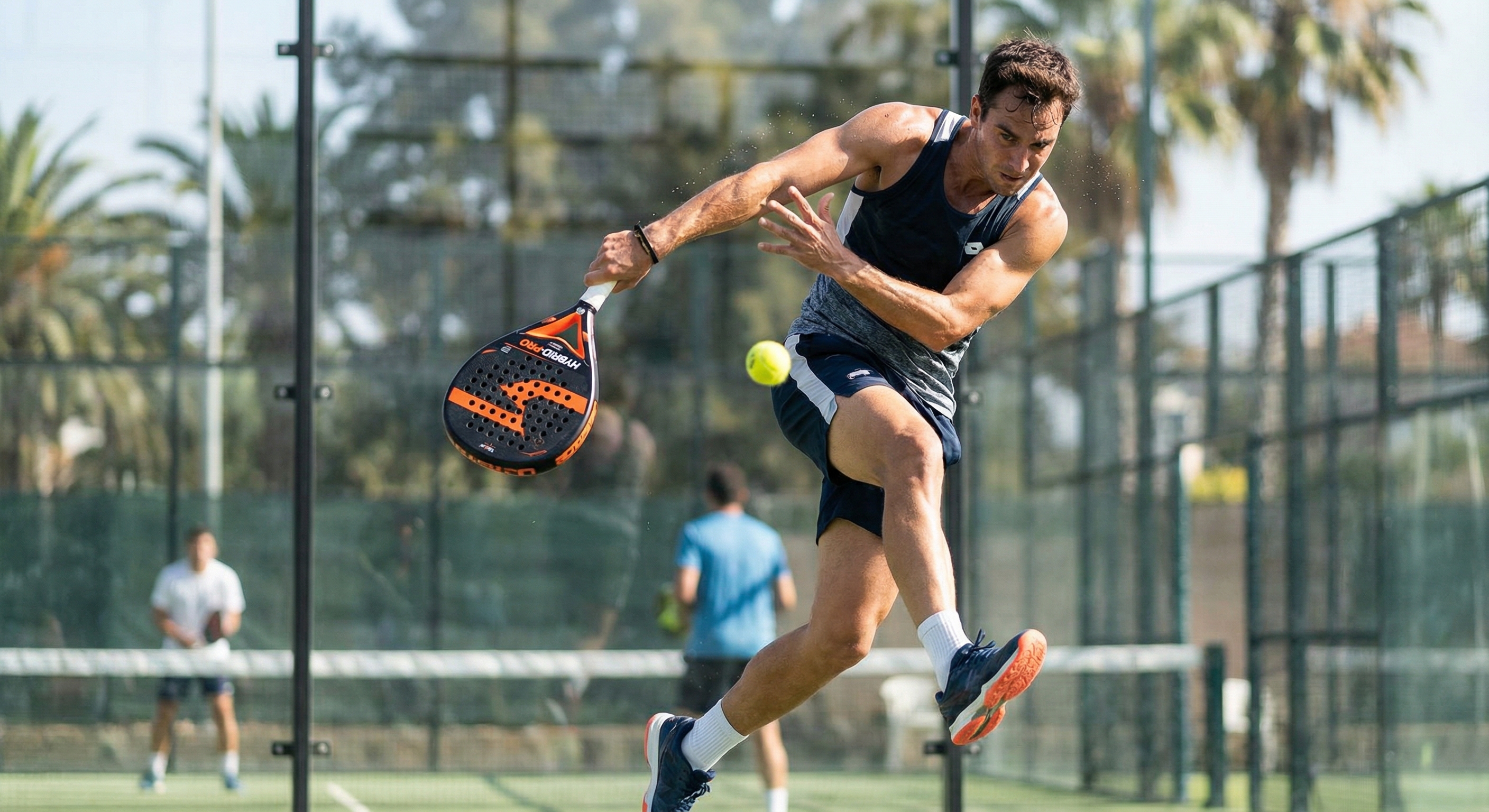
What defines a hybrid design?
A hybrid racket often combines a teardrop shape with a varied hole pattern. This maximizes the sweet spot across the face, making it a strong contender for the title of best padel racket for intermediate performance.
Bucket Brigade: Let’s look closer.
- Wider sweet spot.
- Optimized aerodynamics.
- Consistent response on all shots.
Is it the safest bet for an upgrade?
If you are unsure whether you are a defensive or offensive player, a hybrid is your safest investment. It allows you to explore different styles without being limited by your equipment.
Key Takeaway: Hybrids provide the versatility needed to discover your specific playing identity.
| Feature | Hybrid Racket | Specialty Racket |
|---|---|---|
| Versatility | Excellent | Specific |
| Learning Curve | Low | Moderate |
| Game Style | All-around | One-dimensional |
How to build the best padel racket for intermediate?
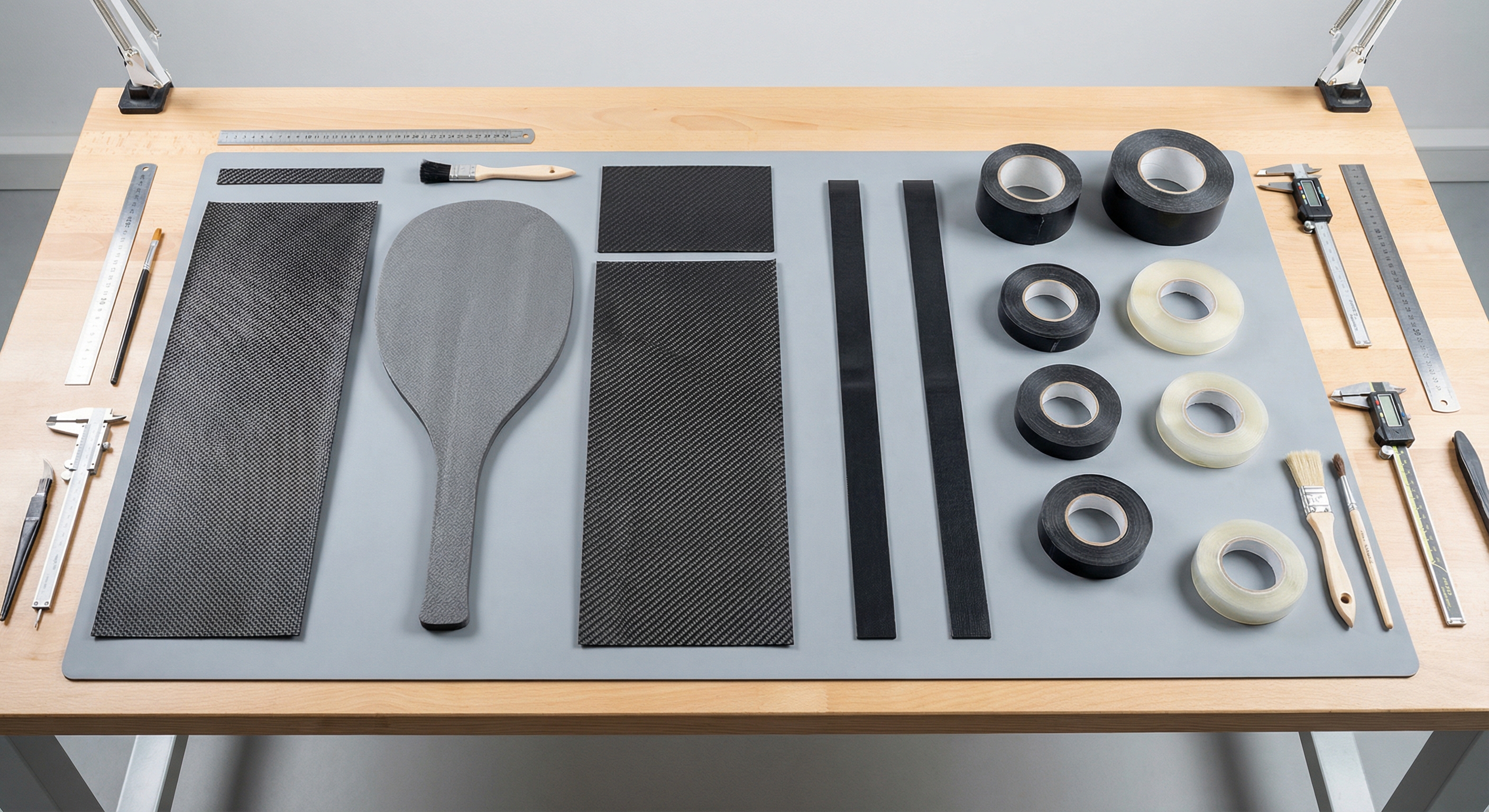
What components go into a custom build?
Building the perfect racket involves selecting the right carbon weave and foam density. You must also consider the frame reinforcement and the protective tape on top.
Bucket Brigade: Here is the secret.
- Start with a twin-tube carbon frame.
- Select a 100% carbon face for durability.
- Insert a medium-density EVA core.
How does the hole pattern change things?
The way holes are drilled affects the air resistance and the flexibility of the hitting surface. Linear patterns offer stability, while curved patterns can enhance the sweet spot.
Key Takeaway: A well-constructed racket is more than just its shape; it is the synergy of internal materials.
| Component | Standard Choice | Premium Choice |
|---|---|---|
| Frame | Fiberglass | Carbon Fiber |
| Grip | Standard Synth | Multi-layer Absorb |
| Protector | Plastic Tape | Integrated Carbon |
Is the best padel racket for intermediate worth the cost?
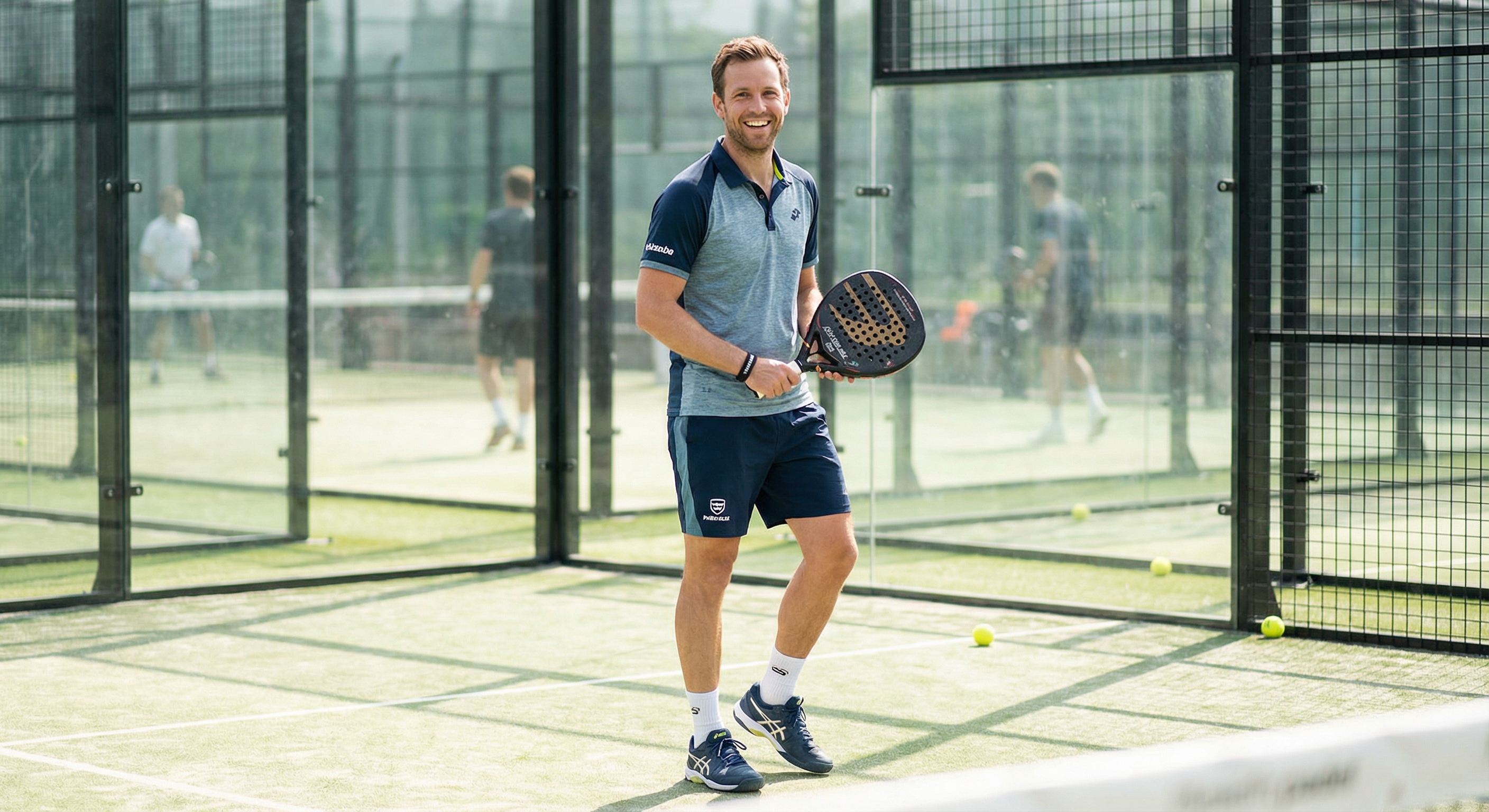
Should you spend more now?
Investing in a quality best padel racket for intermediate levels prevents you from needing another upgrade in six months. Higher-priced models use better materials that maintain their playing properties longer.
Bucket Brigade: You get what you pay for.
- Longer lifespan of the foam.
- Better resistance to frame cracks.
- Higher resale value later.
Does a better racket make you play better?
While a racket won’t fix poor technique, it will ensure that good technique is rewarded. You will notice fewer “dead” shots and more consistent results on your power hits.
Key Takeaway: View your racket as a long-term investment in your athletic development and enjoyment.
| Price Range | Material Quality | Expected Life |
|---|---|---|
| Budget | Low (Glass) | 6-12 Months |
| Mid-Range | High (Carbon) | 12-24 Months |
| Premium | Elite (Specialty) | 2+ Years |
Moving from a beginner to an intermediate player is an exciting phase of your journey. By selecting a racket that offers the right balance of shape, weight, and material, you provide yourself with the best opportunity to improve. Focus on teardrop shapes and medium balances to keep your game versatile. If you are ready to upgrade your facility or gear, please contact us today for expert guidance.
FAQ
Can I use a diamond racket if I am an athletic intermediate?
While you can, the smaller sweet spot might lead to more unforced errors until your timing is perfect.
What’s the best way to protect my new racket?
Always apply a frame protector to the top of the racket and keep it in a thermal-lined bag.
How often should I replace my intermediate racket?
If you play twice a week, the foam core usually loses its “pop” after about 12 to 18 months.
Should I choose a racket based on my favorite pro player?
Pro rackets are often much stiffer and heavier than what an intermediate player actually needs.
Can a different grip size improve my intermediate game?
Yes, using overgrips to achieve the correct handle thickness can reduce hand fatigue and improve control.