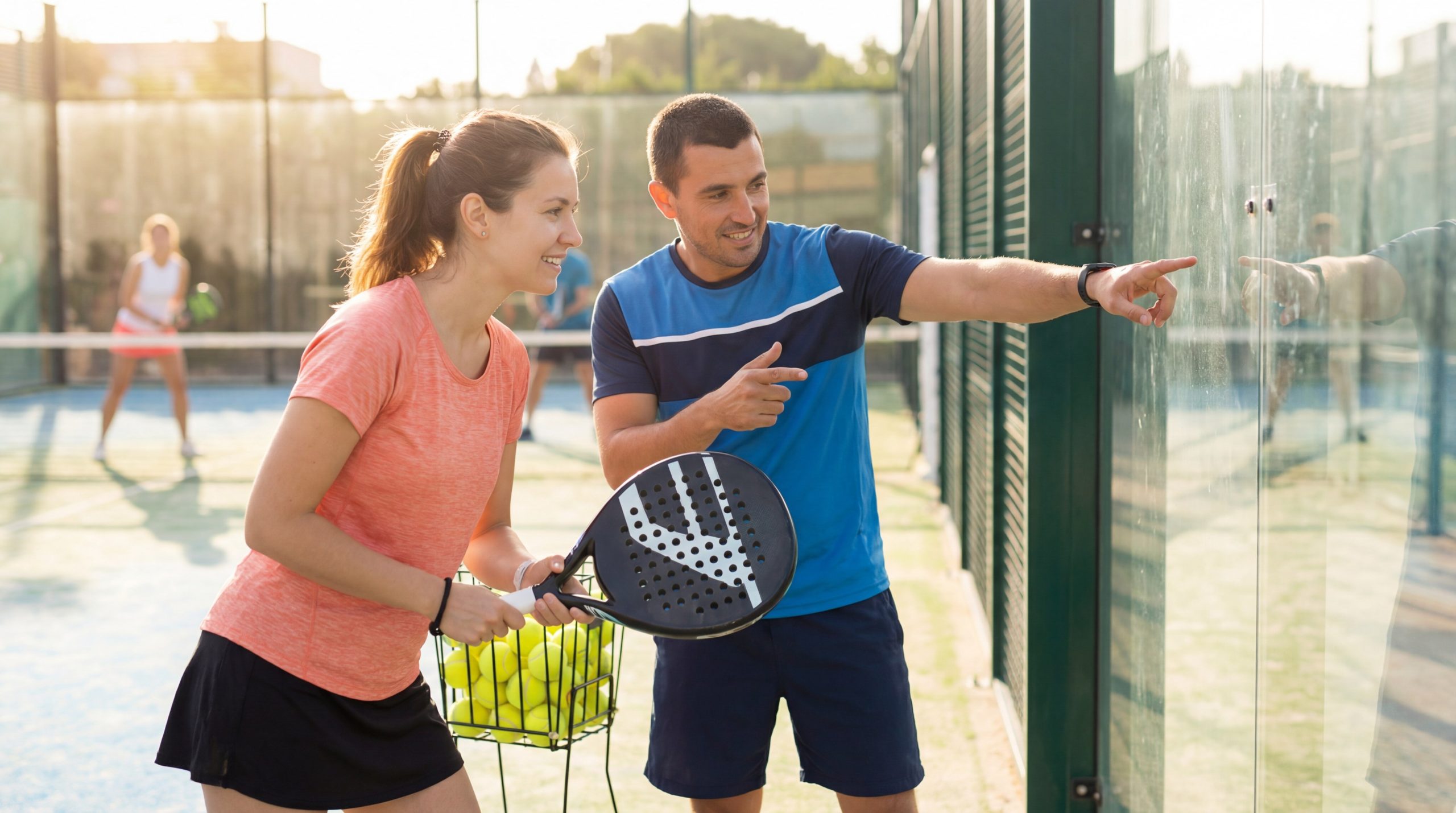
Learning how to play padel tennis involves mastering a unique blend of tennis and squash mechanics on a specialized enclosed court. Finding a new hobby that is both physically engaging and easy to learn can feel nearly impossible for many beginners. You might worry about complex equipment or difficult rules that take months to understand, leaving you stuck on the sidelines. Fortunately, this guide provides the exact steps you need to master the game and enjoy the world’s fastest-growing racket sport.
What is the core concept of how to play padel tennis?
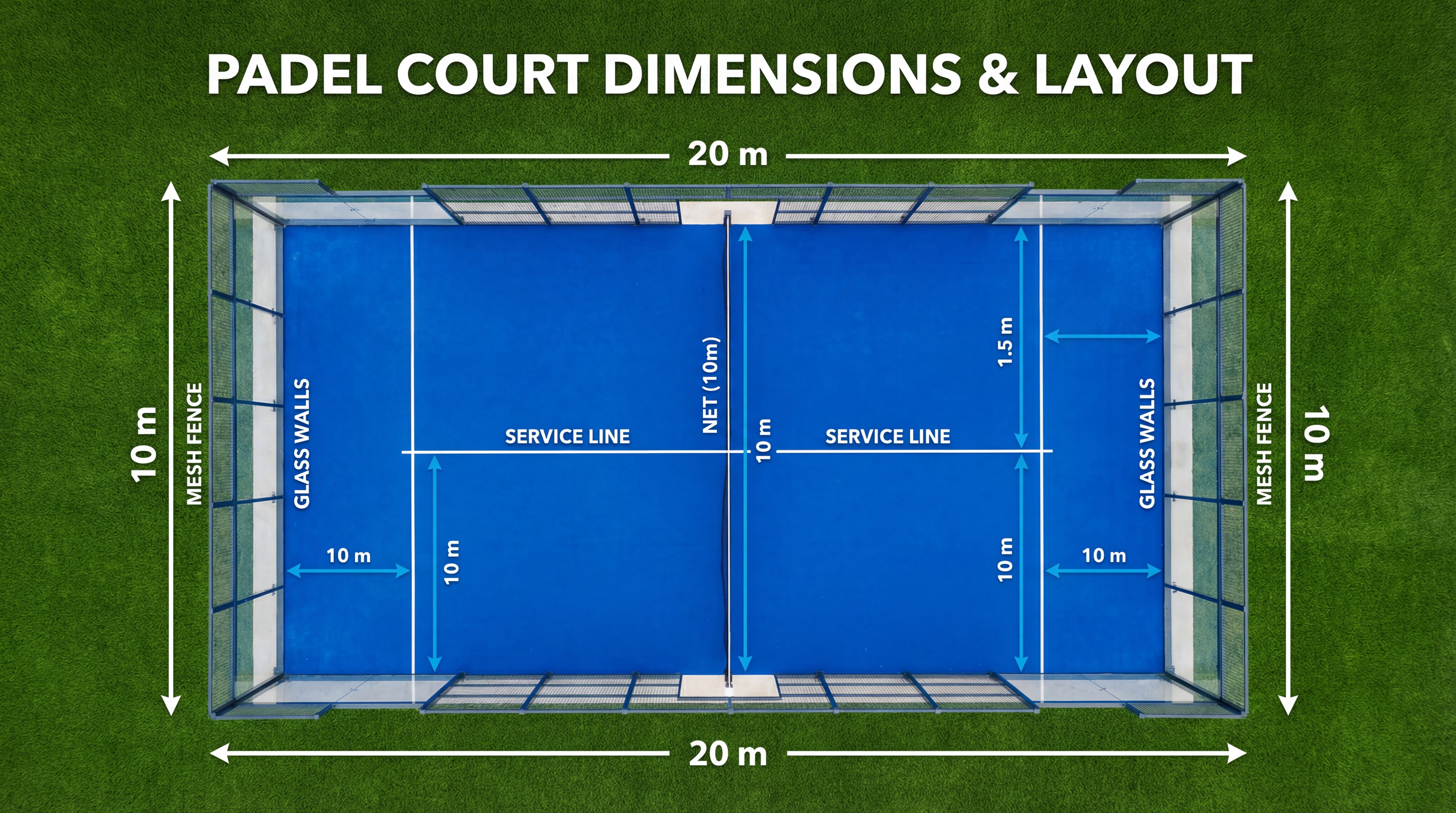
The core concept of how to play padel tennis is a doubles-based racket sport played on an enclosed court where you use the glass walls to keep the ball in play. You compete on a court that is roughly 25% smaller than a standard tennis court, which emphasizes strategy over power. This setup ensures that you stay engaged in long, exciting rallies that test your reflexes.
Listen:
The court is your most important tool in this sport. It features specific dimensions and materials designed for high-speed play and tactical depth.
- The court measures 10 meters wide by 20 meters long.
- High glass walls and metal mesh panels surround the entire area.
- A central net divides the two teams, just like in tennis.
- Service boxes are marked on the turf to guide your initial shots.
Key Takeaway
Padel is a social, doubles-focused sport that utilizes an enclosed court to create dynamic gameplay.
| Feature | Description |
|---|---|
| Players | Always played in doubles (2 vs 2) |
| Boundary | Glass and mesh walls are part of play |
| Court Size | 10m x 20m |
The structural arrangement of the court forces a shift from power-reliant tennis play to a tactical game of angles and anticipation.
Why is learning how to play padel tennis so popular?
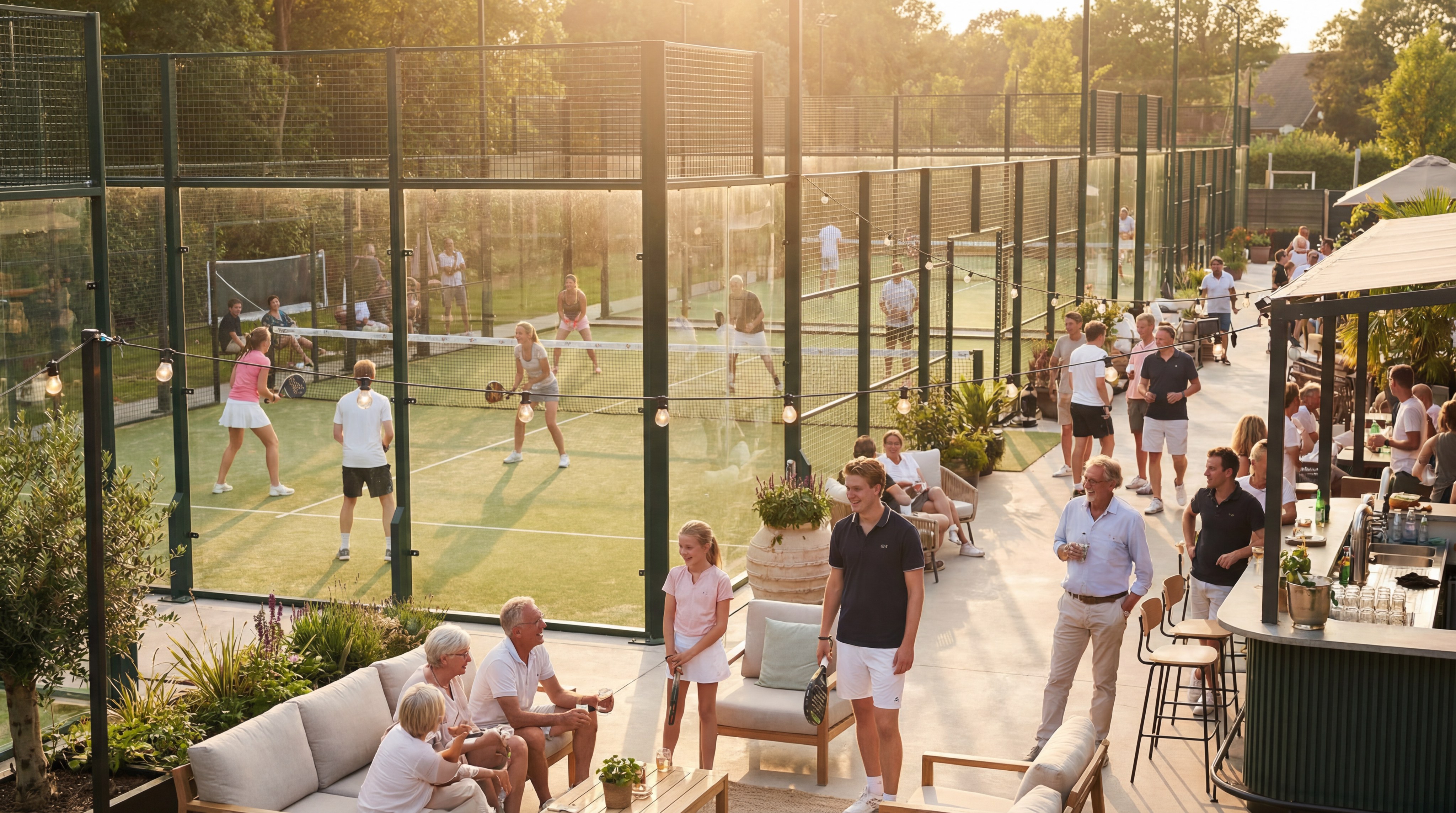
Learning how to play padel tennis is popular because it offers a gentle learning curve and a highly social environment for players of all ages. You will find that you can start enjoying rallies almost immediately, unlike other racket sports that require years of technical training. Once you understand how to apply the rules of padel during competitive play, the game becomes an addictive mix of fitness and fun.
The best part?
You don’t need to be a professional athlete to have a great time on the court. The sport encourages communication and teamwork, making it a perfect weekend activity.
- You engage in a full-body workout that improves cardiovascular health.
- The doubles format makes it easy to meet new people and build community.
- Lower physical impact on joints compared to tennis makes it accessible.
- Quick games fit easily into a busy modern lifestyle.
Key Takeaway
The combination of accessibility and social interaction makes padel an ideal sport for diverse skill levels.
| Benefit | Impact on You |
|---|---|
| Learning Curve | Very fast; play matches in days |
| Social Factor | High; requires four players and teamwork |
| Health | Improves agility, stamina, and reflexes |
The rapid adoption rate is fundamentally driven by the sport’s low barrier to entry and the immediate psychological reward of achieving long rallies.
What are the fundamental rules for how to play padel tennis?
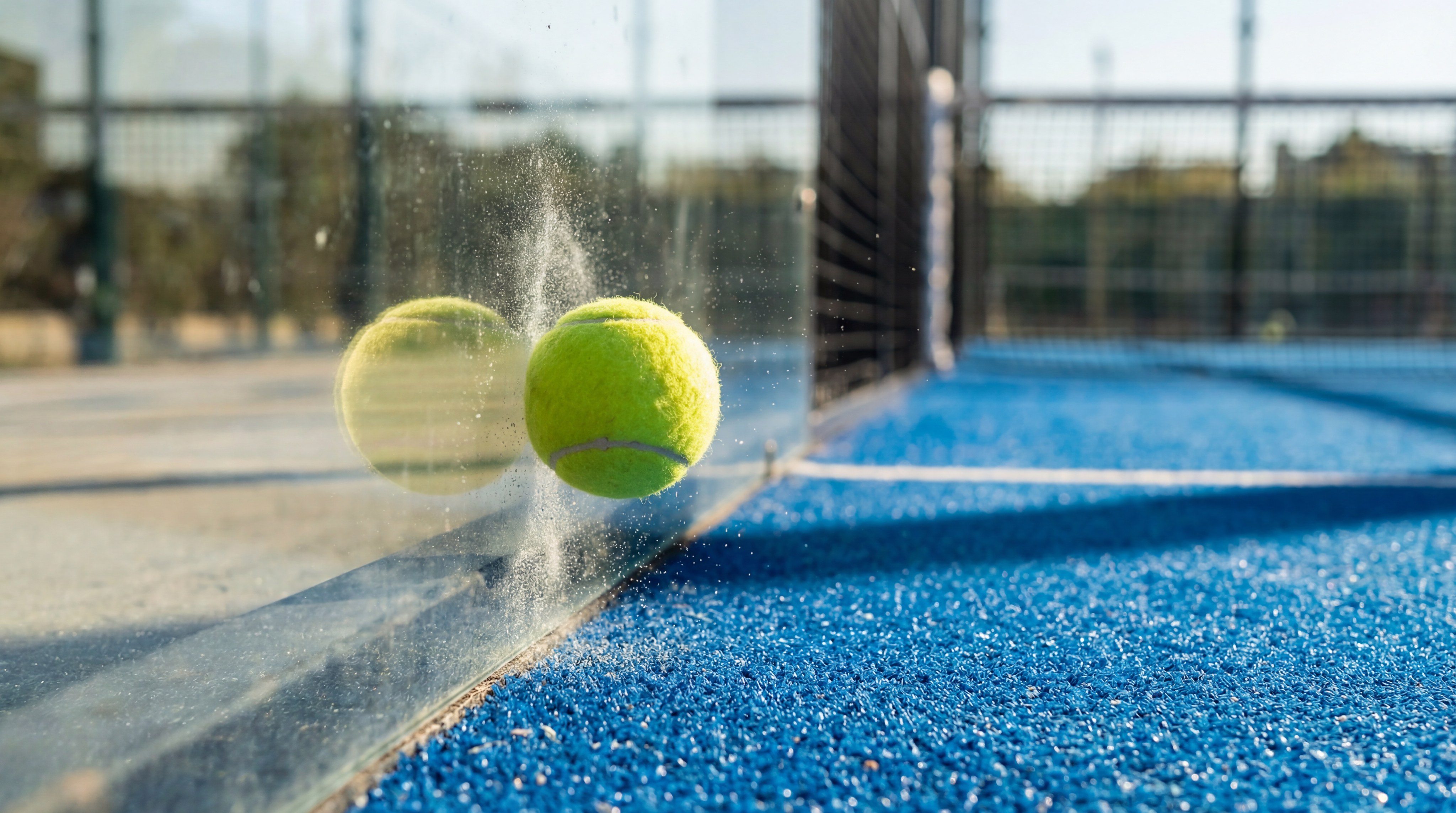
The fundamental rules for how to play padel tennis dictate that the ball must bounce on the ground before hitting a wall and must be hit over the net before it bounces twice. You must always serve underhand and ensure the ball lands in the opponent’s diagonal service box. Understanding these basics allows you to navigate the court effectively during your first match.
Look:
The walls change everything you know about traditional racket sports. You must learn when to let the ball hit the glass and when to strike it early.
- The ball must land in the opponent’s court before touching the wire mesh or glass.
- You can hit the ball against your own glass walls to get it over the net.
- A point is lost if the ball hits the opponent’s wall directly without bouncing first.
- Volleys are permitted except during the return of a serve.
Key Takeaway
The interaction between the ground and the walls is the defining rule set for every padel match.
| Rule Type | Action Required |
|---|---|
| Serve | Underhand, below waist level |
| Wall Bounce | Ball must hit ground before hitting glass |
| Double Bounce | Point ends if the ball bounces twice on one side |
The “ground-first” bounce rule is the primary mechanism that prevents the sport from devolving into a pure power game, emphasizing control instead.
How do you serve when learning how to play padel tennis?
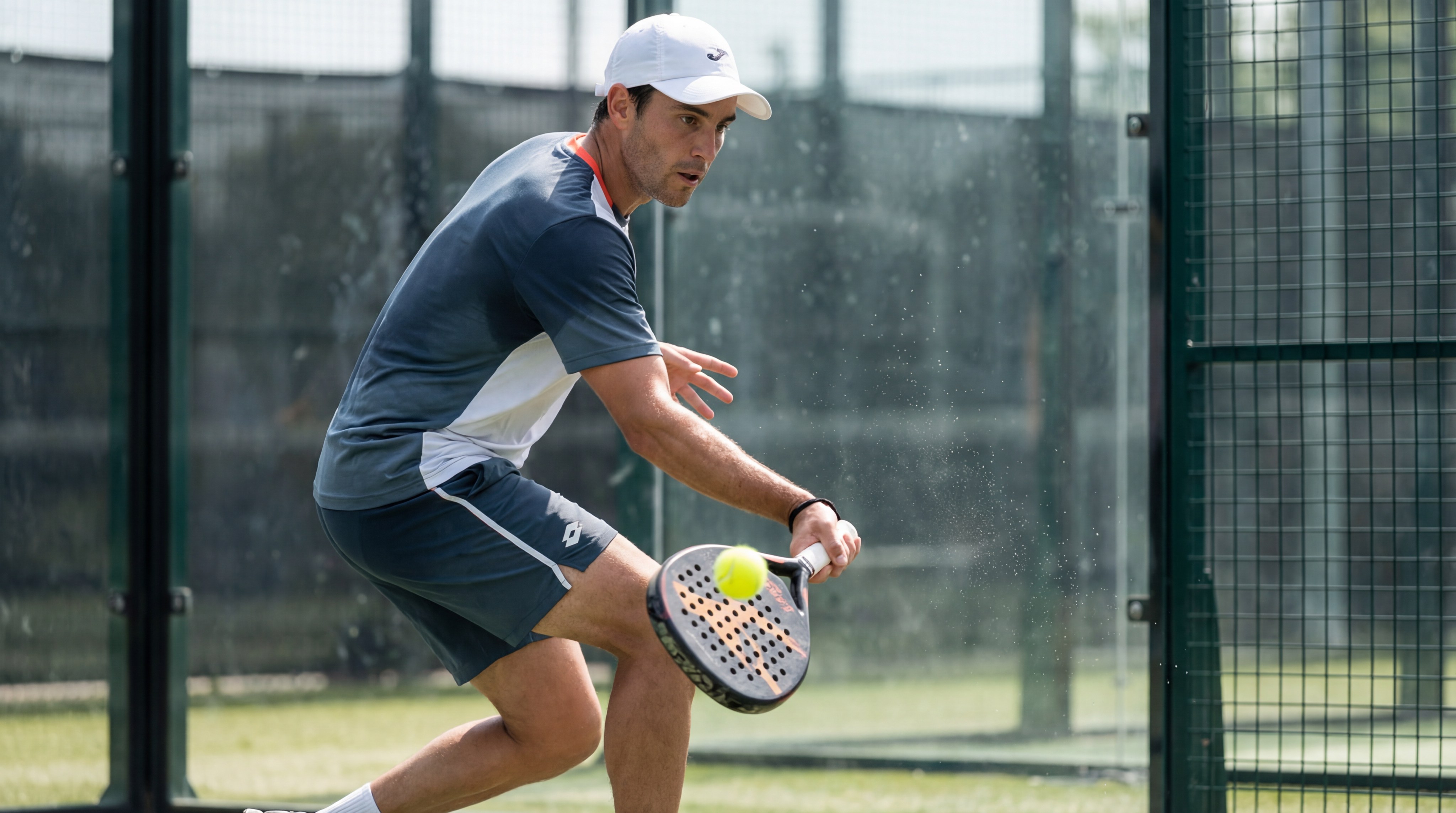
You serve in how to play padel tennis by bouncing the ball once behind the service line and hitting it underhand at or below your waist. The serve must travel diagonally across the net and land within the opponent’s service box. If you want to improve your performance, you should learn how to select the right Vibora padel racket for playing to gain better control over your spin and power.
The truth is:
A powerful serve isn’t always the best serve in padel. Accuracy and depth are far more important for setting up a winning point at the net.
- Always stand behind the service line when starting the point.
- Drop the ball and hit it after the first bounce.
- Aim for the side glass or the back corner to force a difficult return.
- You have two serve attempts, similar to the rules of tennis.
Key Takeaway
Padel serves are defensive tools meant to start the point rather than end it immediately with an ace.
| Serve Step | Requirement |
|---|---|
| Position | Behind the white service line |
| Height | Ball must be hit at or below the waist |
| Direction | Diagonally into the opposite box |
By restricting the serve to an underhand strike, the game ensures the receiving team isn’t immediately disadvantaged, fostering more competitive points.
What gear do you need for how to play padel tennis?
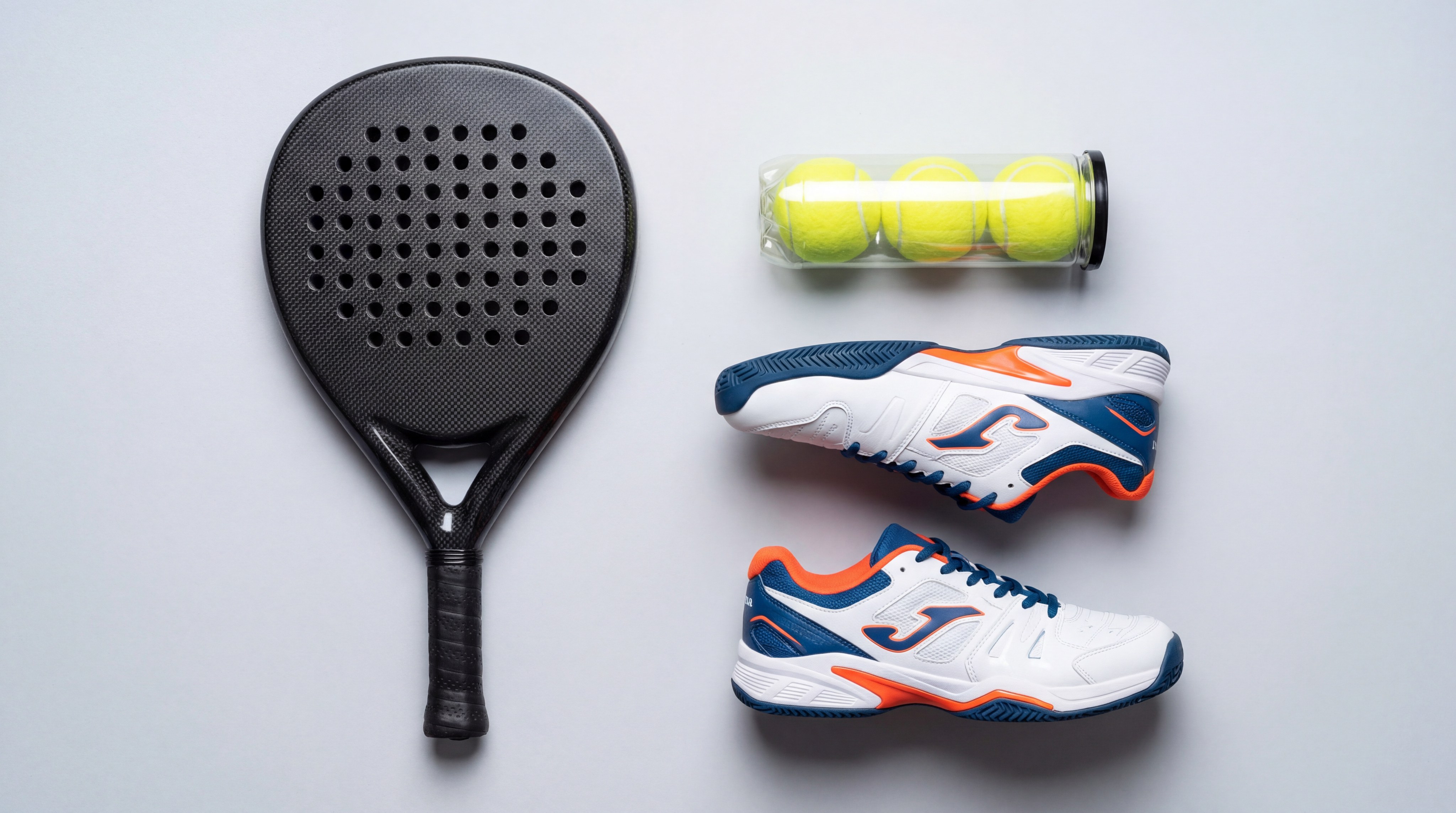
To participate in how to play padel tennis, you need a specialized stringless racket, pressurized padel balls, and non-marking court shoes. You should look for a racket with a solid foam core and a perforated surface to handle the unique physics of the sport. Having the right equipment ensures you play safely and perform at your highest potential.
It gets better:
You don’t need a massive budget to get started with high-quality gear. Many clubs offer rental options so you can test different styles before buying your own.
- Choose a racket shape (round, teardrop, or diamond) that fits your skill level.
- Use specific padel balls which have slightly less pressure than tennis balls.
- Wear shoes with a herringbone grip pattern for traction on synthetic grass.
- Carry a moisture-wicking grip to maintain control during long matches.
Key Takeaway
Investing in a quality racket and proper footwear is essential for preventing injury and improving your game.
| Item | Purpose |
|---|---|
| Padel Racket | Provides control and power without strings |
| Padel Balls | Optimized for the slower pace of the court |
| Grip | Ensures the racket stays secure in your hand |
Selecting specific equipment is not merely about brand preference but about managing the unique vibration and impact physics inherent in a solid-core racket.
How do you use walls in how to play padel tennis?
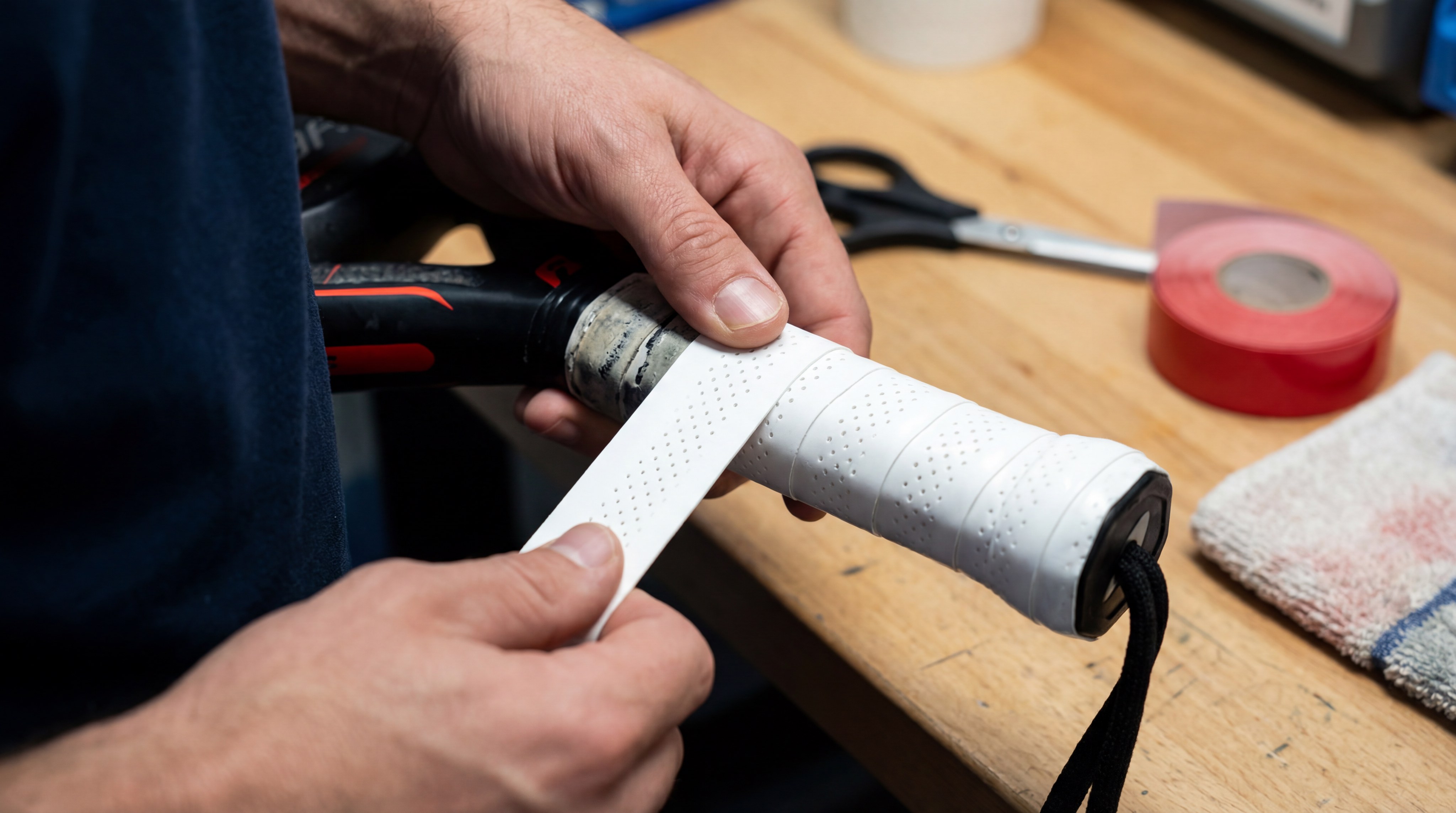
Using walls in how to play padel tennis involves letting the ball bounce on the turf and then strike the glass before you return it to the other side. This tactic allows you to slow down the pace of the game and reposition yourself for a better shot. If your racket feels slippery during these intense wall rallies, you may need to learn how to replace or rewrap a worn padel grip to maintain your accuracy.
Think about it:
The wall is your best friend when you are under pressure from a hard shot. It gives you an extra second to react and turn a defensive situation into an offensive one.
- Wait for the ball to bounce off the back glass before swinging.
- Move your feet to stay behind the path of the ball after the bounce.
- Use your own glass wall to “boast” the ball over the net in emergencies.
- Avoid the metal mesh, as the bounce there is unpredictable and difficult.
Key Takeaway
Mastering the “wall bounce” is what separates beginners from intermediate players.
| Wall Type | Gameplay Effect |
|---|---|
| Back Glass | Predictable bounce; used for defensive resets |
| Side Glass | Often used to create difficult angles for opponents |
| Metal Mesh | Causes erratic bounces; avoid hitting this defensively |
Strategic use of the glass transforms the court’s physical boundaries from a limitation into a primary defensive tool for resetting the rally.
What positioning is best for how to play padel tennis?
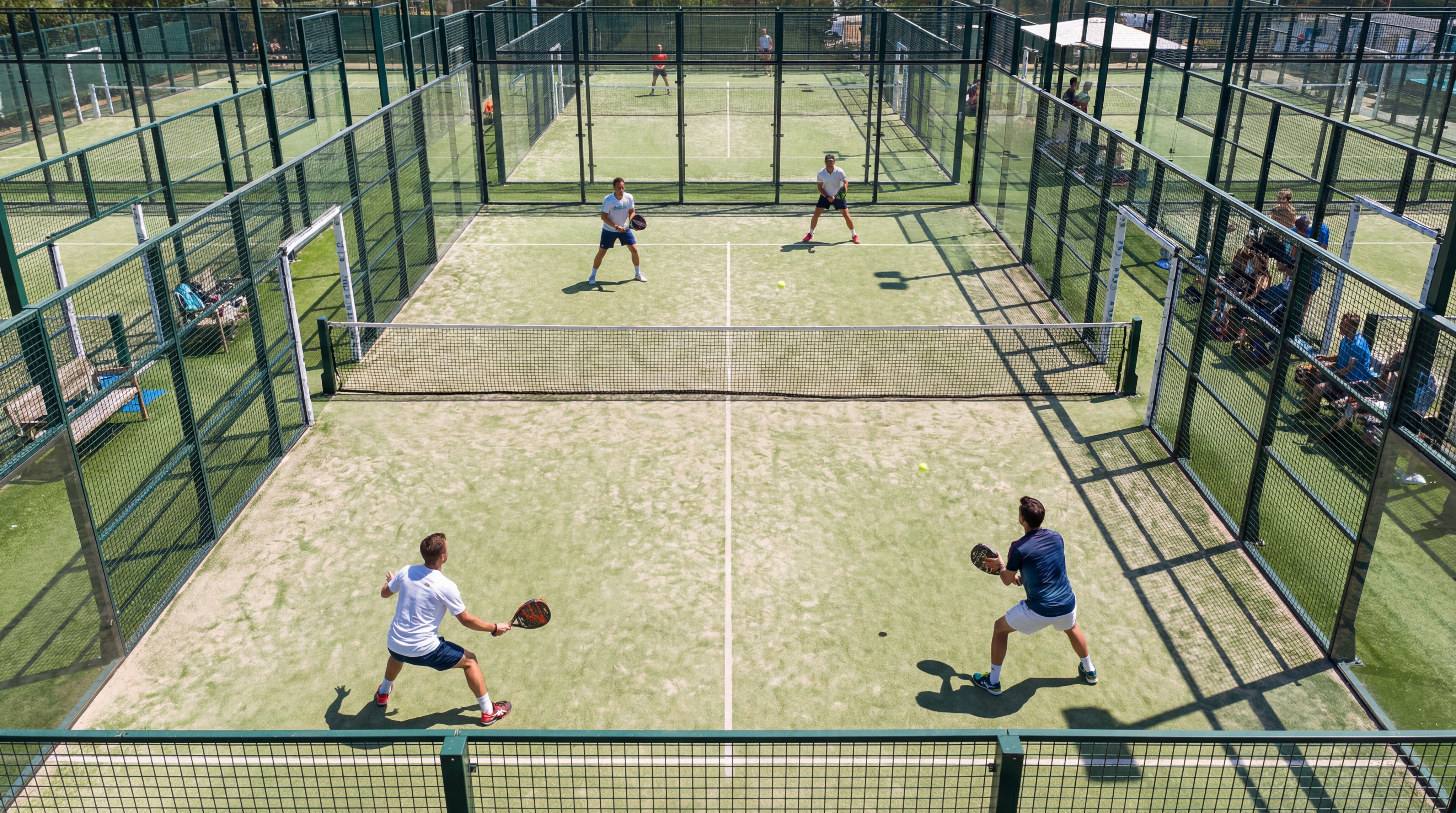
The best positioning for how to play padel tennis is to have both you and your partner move in synchronization between the net and the back of the court. You should aim to control the net area to finish points, as this is the most aggressive position in the game. When you are defending, staying behind the service line helps you manage balls bouncing off the back glass.
Believe it or not:
Winning in padel is more about where you stand than how hard you hit the ball. You must communicate constantly with your partner to cover the middle of the court.
- Move forward together when your team is on the attack.
- Retreat to the back when the opponents hit a lob over your heads.
- Keep a “string” between you and your partner to maintain even spacing.
- Always return to a “neutral” position after hitting a difficult shot.
Key Takeaway
Strategic positioning and team chemistry are the keys to outlasting your opponents in long rallies.
| Position | Primary Goal |
|---|---|
| Net | Attack and finish the point with volleys |
| Back Court | Defend and use lobs to regain the net |
| Transition | Move quickly to avoid being caught in “no man’s land” |
Synchronization is the invisible backbone of a winning team, as tactical gaps on the court are usually the result of poor communication rather than lack of speed.
How do you score points in how to play padel tennis?
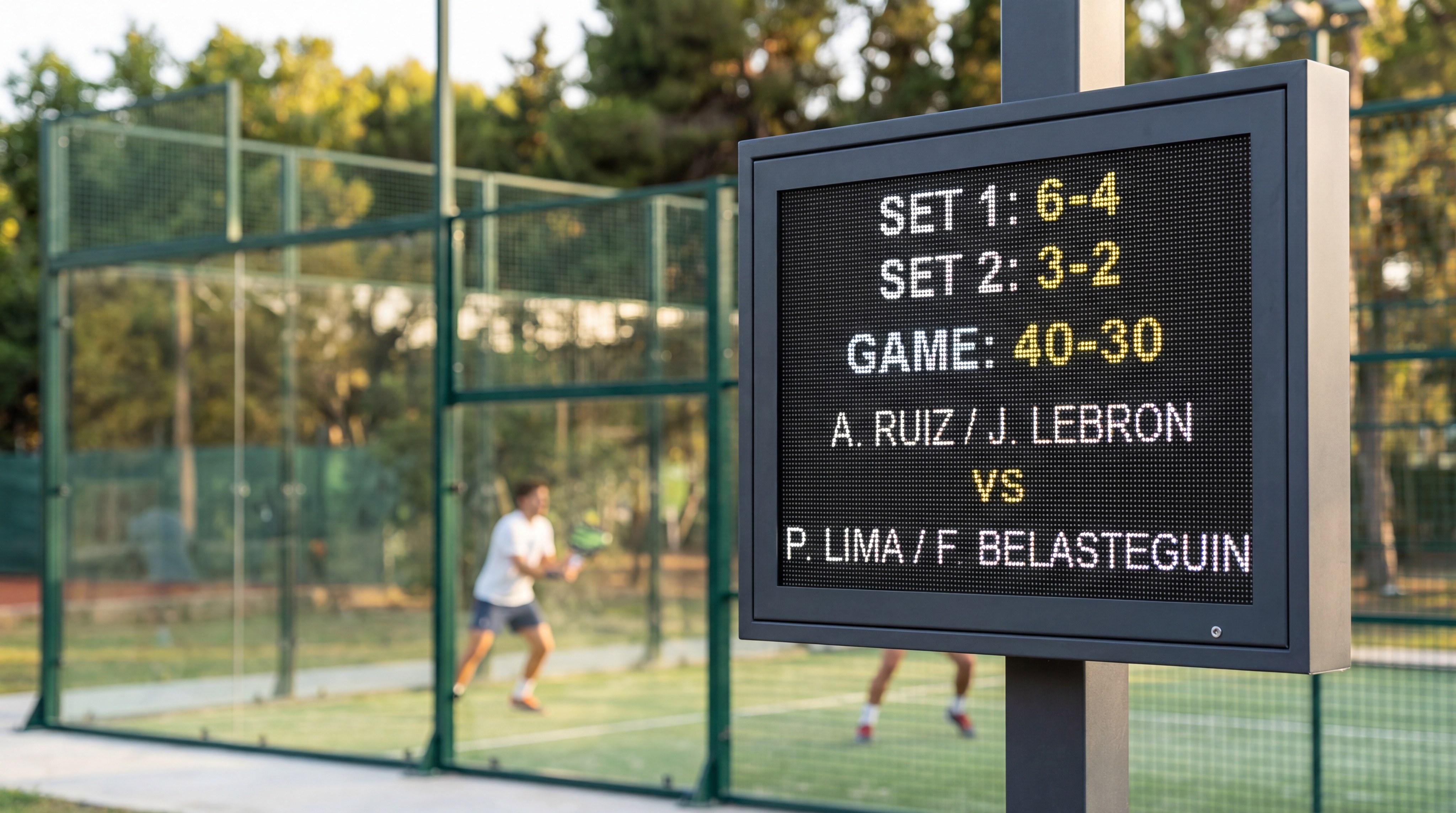
You score points in how to play padel tennis using the traditional tennis system of 15, 30, 40, and Game. Matches are typically played as the best of three sets, with a six-game set winning the frame. To stay comfortable through a long match, it is helpful to know how to maintain Asics padel footwear for long-term performance so your feet stay supported during every set.
Keep in mind:
Many tournaments use the “Golden Point” rule to speed up the game. This means if the score reaches deuce, the very next point decides who wins the game.
- A set is won by the first team to reach six games with a two-game lead.
- A tie-break is played if the score in a set reaches six games all.
- Points are won when the opponent hits the ball into the net or out.
- Double bounces on the opponent’s side result in a point for you.
Key Takeaway
Padel scoring is identical to tennis, making it easy for players of other racket sports to transition.
| Score | Tennis Equivalent |
|---|---|
| 1 Point | 15 |
| 2 Points | 30 |
| 3 Points | 40 |
| 4 Points | Game |
Retaining the traditional scoring system provides a familiar psychological framework that allows players to focus entirely on on-court tactical execution.
How do you master volleys in how to play padel tennis?
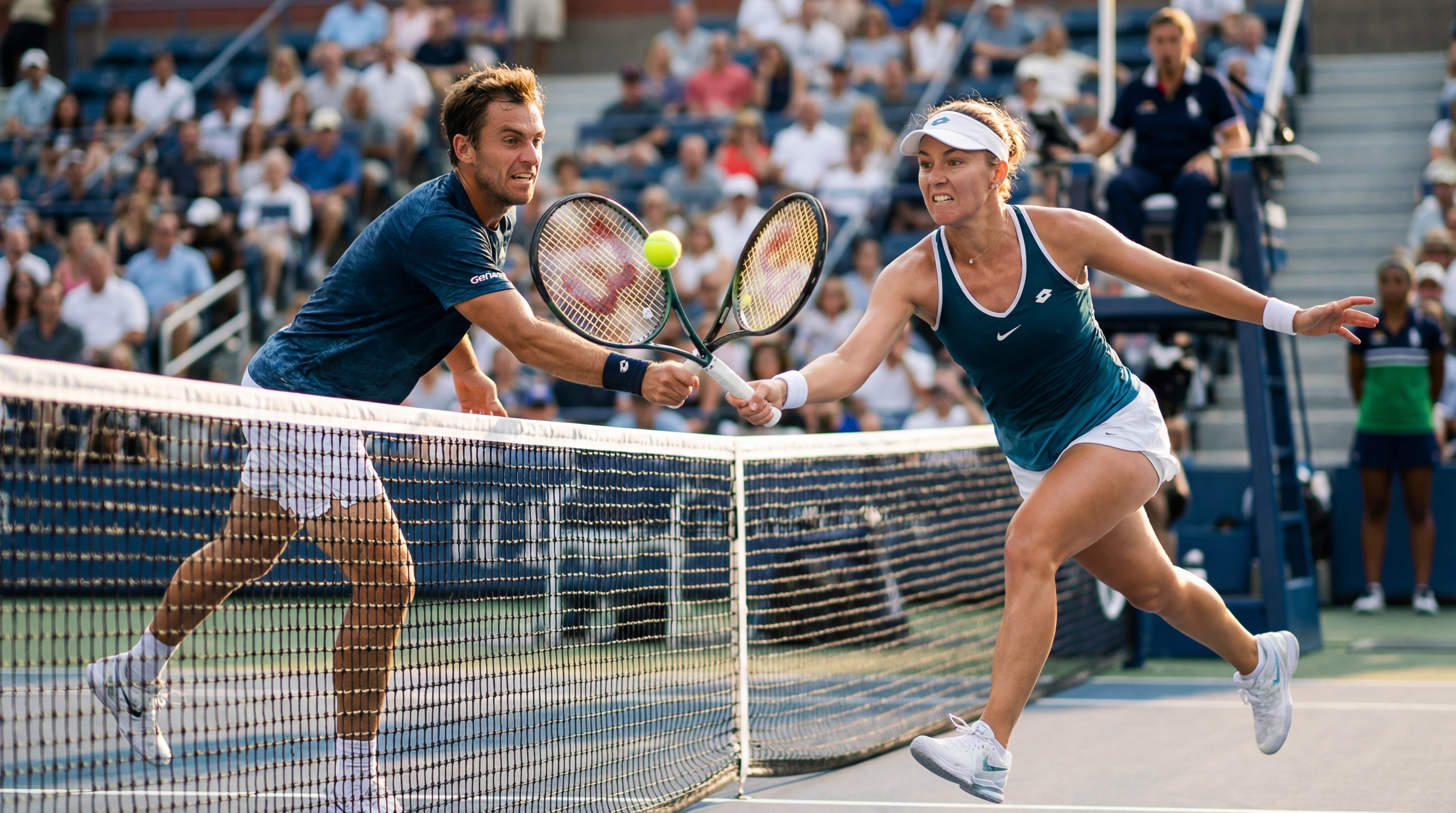
To master volleys in how to play padel tennis, you must use a short “punching” motion with minimal backswing while standing close to the net. You should focus on keeping the ball low to prevent your opponents from using the walls to their advantage. Effective volleying requires quick reflexes and a firm wrist to redirect the power of the incoming shot.
The secret?
Control is far more valuable than speed when you are standing at the net. Aim for the feet of your opponents to force them into making a mistake.
- Keep your racket head up and in front of your body at all times.
- Step into the shot to use your body weight for power.
- Use the “continental grip” to handle both forehand and backhand volleys easily.
- Aim your volleys toward the corners or the side mesh for maximum impact.
Key Takeaway
The volley is your primary weapon for ending points and maintaining pressure on the opposing team.
| Volley Tip | Benefit |
|---|---|
| Short Swing | Increases accuracy and reaction time |
| Low Trajectory | Prevents opponents from hitting easy lobs |
| Footwork | Allows you to reach wide balls and stay balanced |
Mastering the “punch” volley effectively neutralizes an opponent’s momentum by utilizing their power against them within a shorter reaction distance.
How can you start practicing how to play padel tennis?
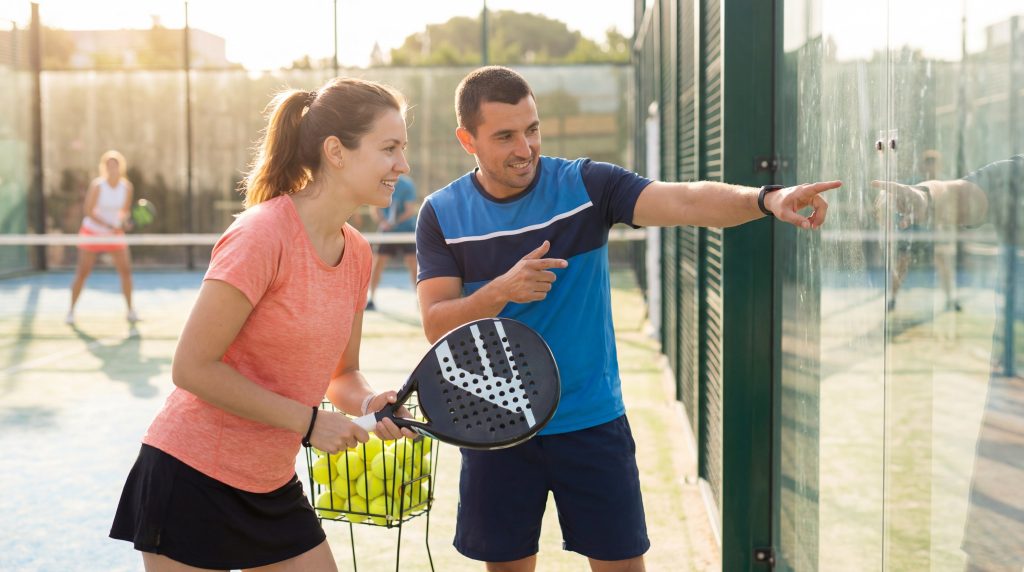
You can start practicing how to play padel tennis by booking a court at a local club and engaging in simple “wall-to-wall” drills with a partner. Taking an introductory lesson is the fastest way to how to understand padel regler before your first match and avoid developing bad habits. Regular practice focusing on ball control and wall interaction will significantly improve your confidence on the court.
Start here:
Consistency is the most important trait of a successful padel player. Spend time hitting against the glass by yourself to get a feel for the unique bounce.
- Find a local padel community or club through social apps.
- Practice your underhand serve until you can hit the corners consistently.
- Watch professional matches to learn about tactical positioning.
- Play with partners who are slightly better than you to challenge your skills.
Key Takeaway
Consistent court time and structured drills are the most effective ways to advance from a beginner to an intermediate player.
| Practice Method | Focus Area |
|---|---|
| Solo Wall Drills | Reflexes and ball control |
| Group Lessons | Technique and rules |
| Friendly Matches | Strategy and teamwork |
Structured drills bridge the critical gap between intellectual understanding of the rules and the muscle memory required for high-level competitive play.