Many beginners enter the world of padel and immediately feel overwhelmed by a sea of technical specifications, often making the mistake of purchasing expensive professional-grade equipment. Using the wrong gear makes your learning curve significantly steeper, but finding the best padel rackets for beginners simplifies the entire selection process. This guide teaches you how to focus on specific comfort and control features that help new players thrive.
What is a beginner padel racket?
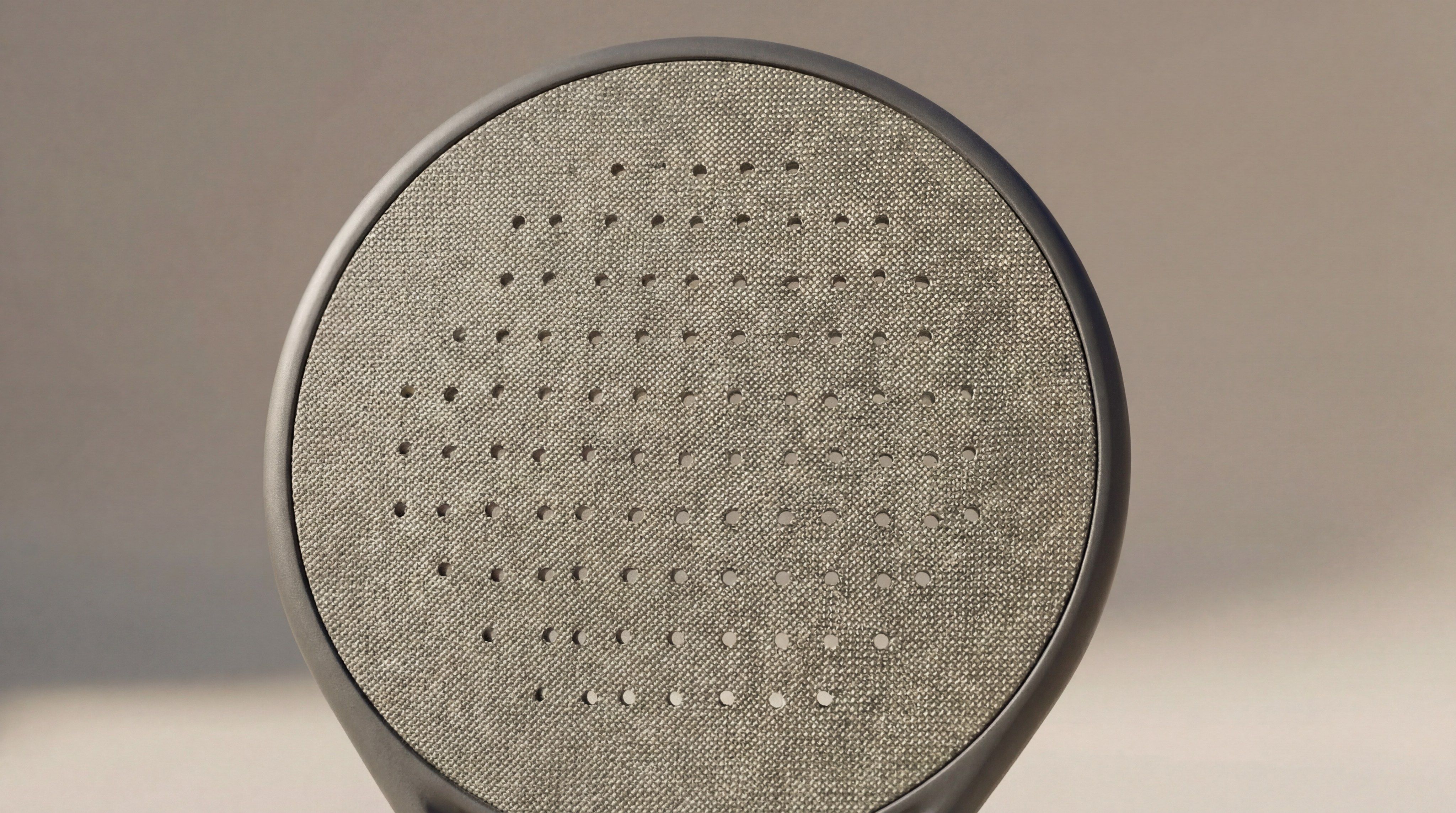
A beginner padel racket is a specialized piece of sports equipment designed to provide maximum forgiveness, a large hitting surface, and vibration dampening for new players. Unlike professional models that prioritize raw power and surgical precision, the best padel rackets for beginners are engineered to help you keep the ball in play. They act as a “buffer” for your technique, ensuring that even if your contact isn’t perfect, the ball still crosses the net with reasonable pace and direction.
A soft core, usually made of low-density foam, is vital because it acts like a spring when you are still developing your swing speed. These soft materials absorb the shock of the impact, protecting your joints from the repetitive vibrations that cause fatigue and injury. The entry-level category is defined by three pillars: maneuverability, comfort, and a wide sweet spot.
Key Takeaways
- Beginner rackets prioritize “forgiveness” over power.
- Soft cores are essential for absorbing vibrations and preventing injury.
- Entry-level gear is designed to help you stay in the game longer.
| Feature | Beginner Standard | Benefit |
|---|---|---|
| Core Density | Soft EVA / Foam | Higher comfort and easier ball exit |
| Face Material | Fiberglass | Flexibility and “forgiveness” |
| Primary Goal | Control | Consistency during long rallies |
This structural design ensures that you spend more time enjoying rallies rather than struggling with equipment that is too stiff for your current skill level.
How do you choose the right racket shape?
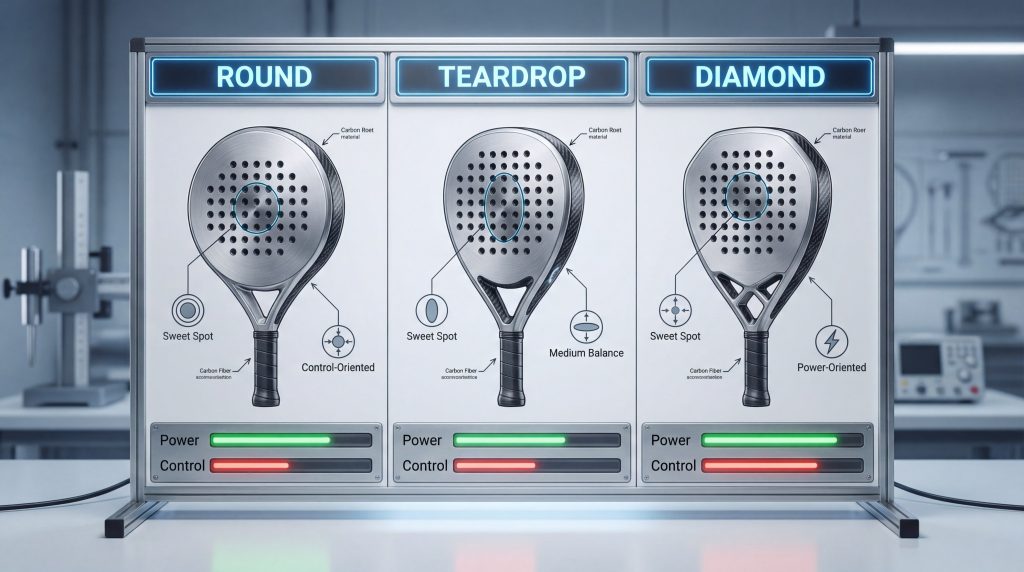
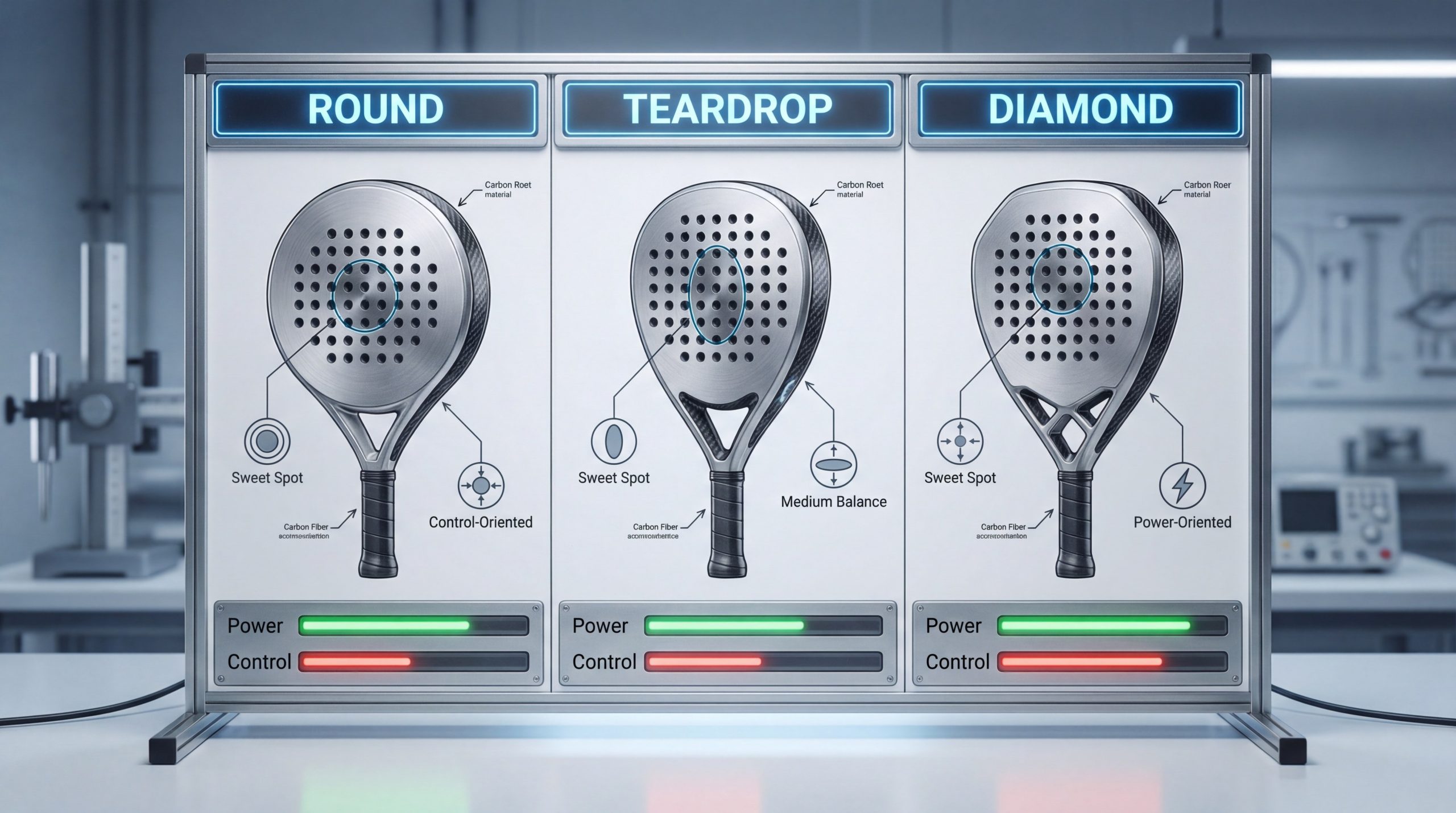
You choose the right racket shape by selecting a round geometry, as this design places the sweet spot in the center of the face and keeps the weight balanced toward the handle. While you may see professional players using diamond-shaped models for explosive power, these are difficult for starters to handle. A round shape provides the most stable platform for learning the fundamentals of the sport.
The round shape is superior for control because its balance is “low,” meaning the weight is closer to your hand. This makes the racket feel lighter and easier to move through the air during fast volleys. Additionally, a larger sweet spot allows you to find your rhythm and improve your technique without getting frustrated by “dead” hits.
Key Takeaways
- Round rackets are the gold standard for anyone starting the sport.
- Weight closer to the handle increases maneuverability.
- A central sweet spot reduces the penalty for off-center hits.
| Shape | Skill Level | Weight Distribution | Sweet Spot Size |
|---|---|---|---|
| Round | Beginner | Handle-Heavy (Low) | Large / Central |
| Teardrop | Intermediate | Even | Medium / High |
| Diamond | Advanced | Head-Heavy (High) | Small / Top |
Selecting a round profile is the most effective way to guarantee a “user-friendly” experience that builds confidence through consistent ball contact.
Why does racket weight matter for your game?

Racket weight matters because it directly impacts your swing speed, the stability of your shots, and the amount of physical stress placed on your arm and shoulder. For most beginners, the best padel rackets for beginners should fall between 350 and 365 grams to provide enough stability without feeling like a lead weight. Finding this “Goldilocks” zone of weight is essential for both performance and health.
Lighter equipment reduces the “torque” on your elbow and wrist during the swing, which is vital since beginners often use more “arm” than “body” to hit. By choosing a lighter, handle-balanced model, you reduce the effort required to stop and start the racket’s motion. This significantly lowers the risk of developing chronic inflammation or acute strains like padel elbow.
Key Takeaways
- Most beginners should stay between 350g and 365g.
- Proper weight distribution prevents the dreaded “padel elbow.”
- Lighter rackets allow for faster reaction times at the net.
| Weight Range | Feel | Best For |
|---|---|---|
| < 350g | Ultra-light | Juniors or players with joint issues |
| 350g – 365g | Maneuverable | Standard Beginners |
| > 370g | Heavy / Powerful | Experienced athletes with high strength |
Choosing a weight within the recommended range ensures you can play multiple sets without experiencing excessive fatigue in your hitting arm.
Which materials offer the most comfort?
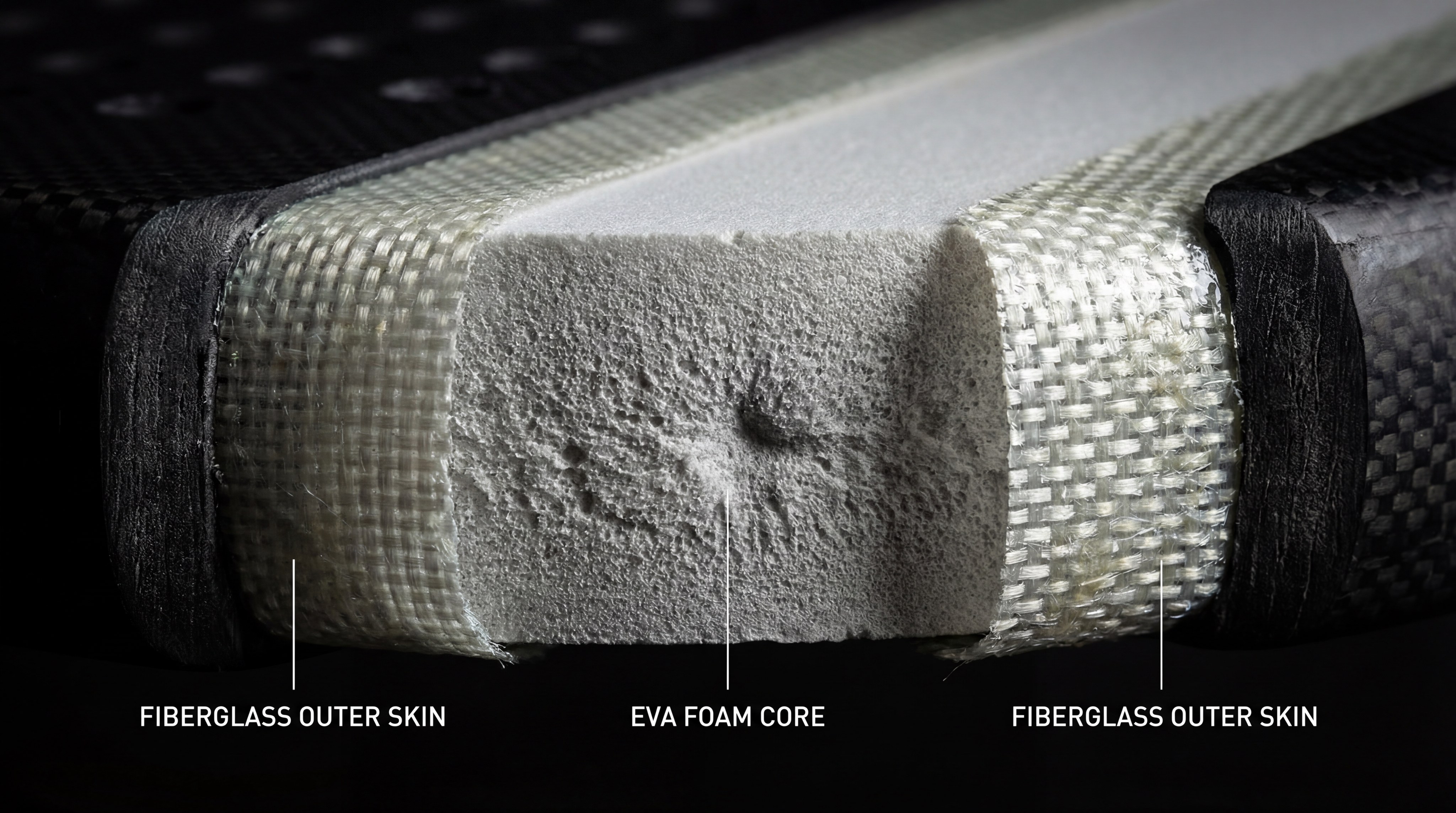
Materials such as fiberglass for the face and soft EVA foam for the core offer the most comfort because they are elastic and effectively dampen impact vibrations. While carbon fiber is the trend in professional gear due to its stiffness, it can feel “harsh” to a beginner. Flexible materials provide a softer “touch,” making the game feel more intuitive and less physically taxing.
Fiberglass is significantly better for learning because its elasticity creates a “trampoline effect” that helps launch the ball back with minimal effort. This material also provides better sensory feedback, helping you feel where the ball is on the racket face. Soft, low-density foam does the heavy lifting for you, ensuring your shots have enough depth to keep your opponents back.
Key Takeaways
- Look for “Fiberglass” on the spec sheet for maximum comfort.
- Soft foam helps you generate pace without swinging wildly.
- Flexible materials provide better “feel” for the ball.
| Material | Property | Beginner Advantage |
|---|---|---|
| Fiberglass Face | Elasticity | Easier to hit deep shots |
| Soft EVA Core | Shock Absorption | Protects the arm from impact |
| Carbon Frame | Structural Strength | Increases the longevity of the gear |
Prioritizing flexible components over rigid ones will help you master ball control much faster while keeping your joints protected from high-frequency vibrations.
What balance is best for steady progress?
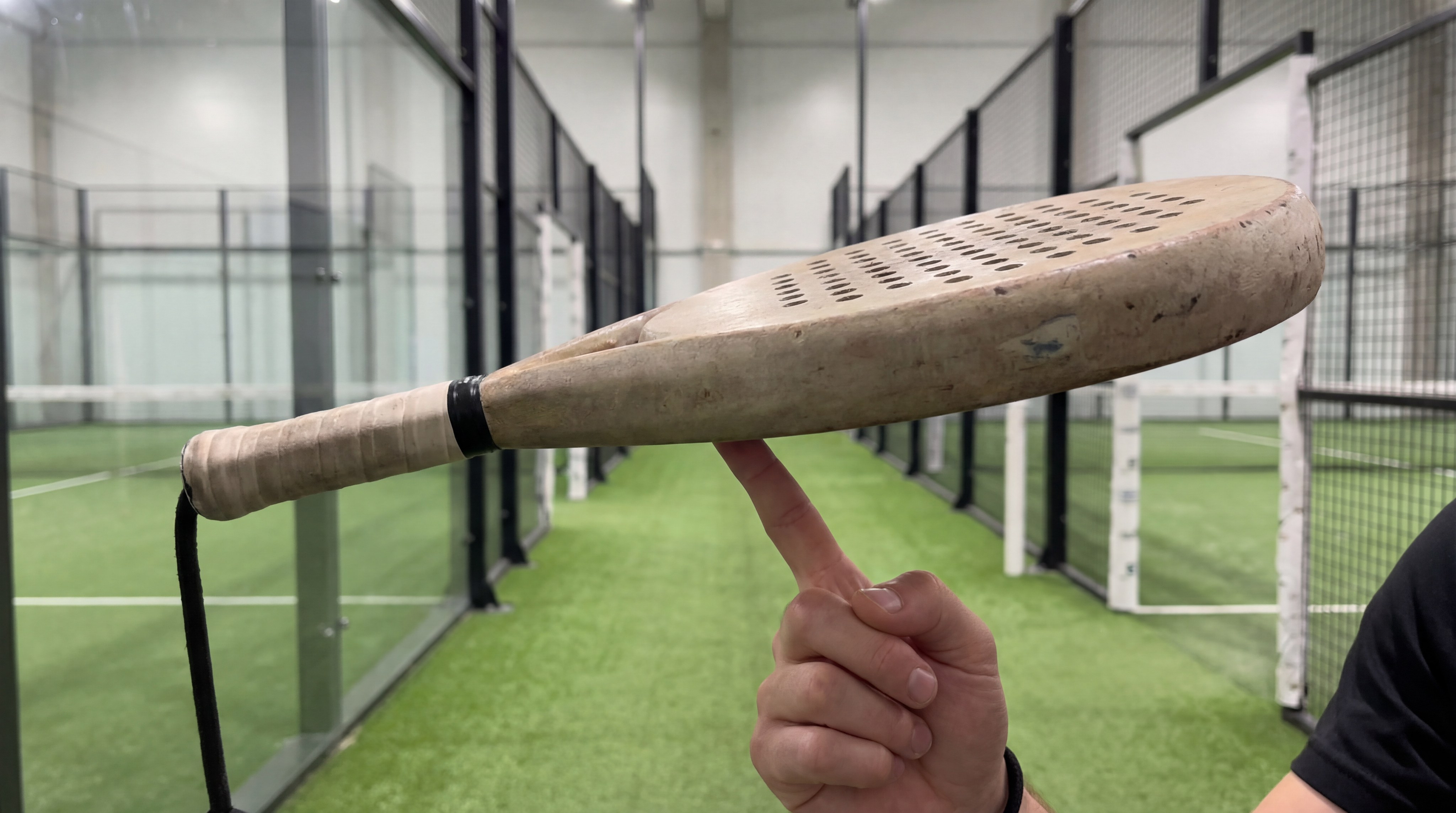
A low balance, where the weight is concentrated in the handle, is the best choice for steady progress because it maximizes your ability to control the racket head. When you search for the best padel rackets for beginners, you should prioritize this “handle-heavy” feel to ensure the equipment doesn’t “drag” during your swing. This is crucial when you are still trying to master basic strokes and defensive positioning.
You should choose a low-balance racket because it offers the highest level of “moveability” for split-second defensive saves off the glass. Handle-heavy weight feels “light” in the hand, providing a sense of security and precision. This control allows you to focus on ball placement rather than fighting against the momentum of the gear.
Key Takeaways
- Low balance makes a racket feel easier to swing.
- It is the best choice for developing defensive skills.
- Handle-heavy gear allows for faster adjustments during play.
| Balance Type | Pivot Point | Playing Style |
|---|---|---|
| Low (Handle) | Near the grip | Defensive / Control / Beginner |
| Medium (Even) | Middle of face | All-around / Intermediate |
| High (Head) | Top of the frame | Aggressive / Power / Advanced |
Opting for a low-balance setup allows you to build proper muscle memory without the physical strain caused by a top-heavy racket.
How do you build a complete gear setup?
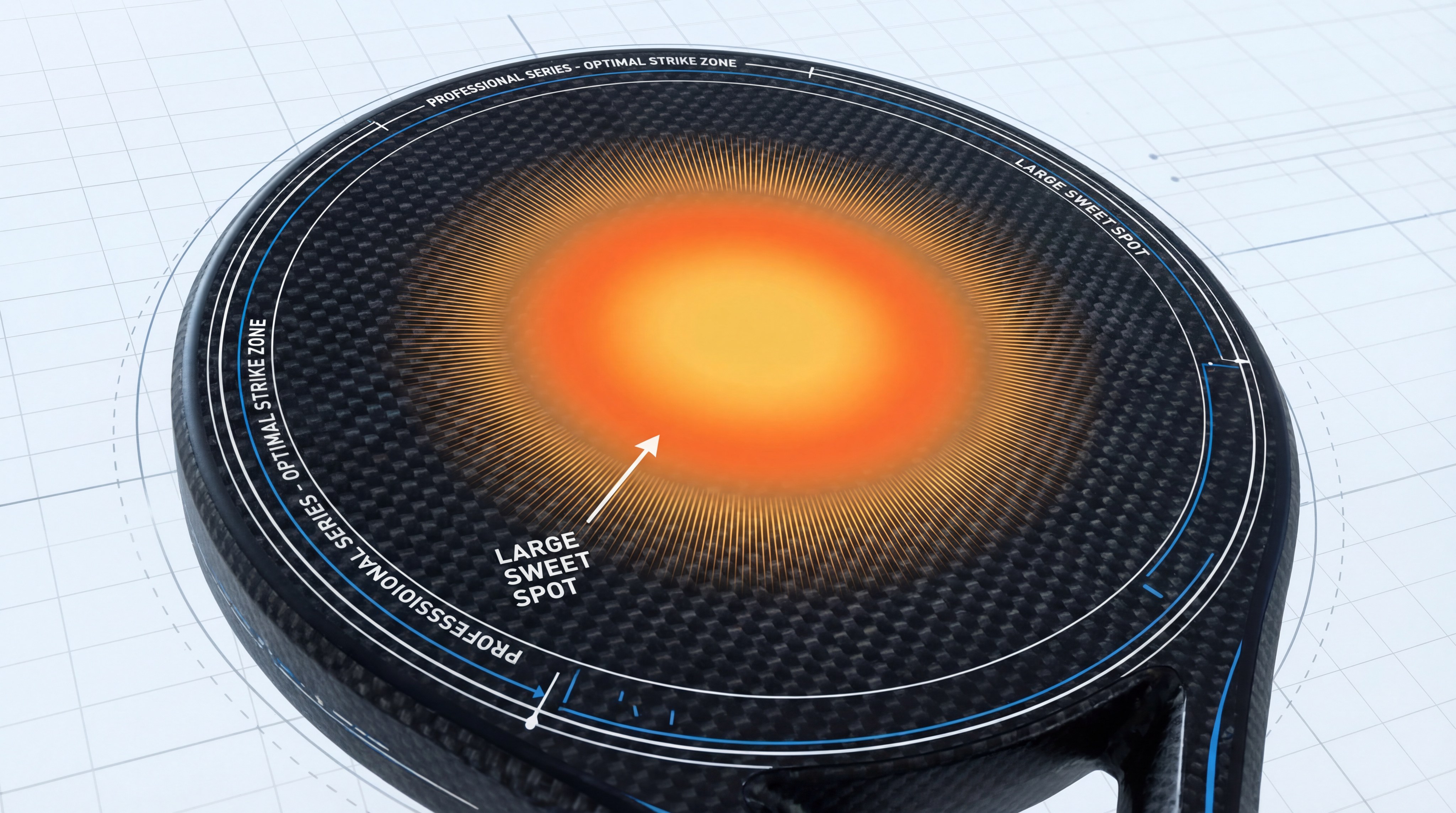
Building a complete gear setup involves selecting a round racket and pairing it with proper court shoes, high-visibility balls, and a comfortable grip to ensure maximum safety and performance. Many beginners focus solely on the racket, but your connection to the handle and the court surface is just as important. It is essential to select the best grips to absorb sweat and maintain a tacky surface during matches.
Using an overgrip allows you to customize the thickness of the handle to match your hand size, preventing the racket from twisting during impact. This holistic approach to your equipment will prevent injuries and keep you playing longer. Proper footwear and the right balls complete the setup, ensuring you have the traction and bounce needed for success.
Key Takeaways
- Don’t neglect your grip; it’s your control center.
- Proper footwear is just as important as the racket.
- A customized handle thickness prevents “twisting” on off-center hits.
| Item | Importance | Role |
|---|---|---|
| Round Racket | Critical | Primary tool for control |
| Padel Shoes | High | Grip on the sandy turf |
| Overgrips | High | Comfort and handle sizing |
| Padel Balls | Medium | Correct bounce for the court |
Investing in a complete kit ensures that your performance is never limited by a single missing piece of essential equipment.
How can you distinguish between sport types?
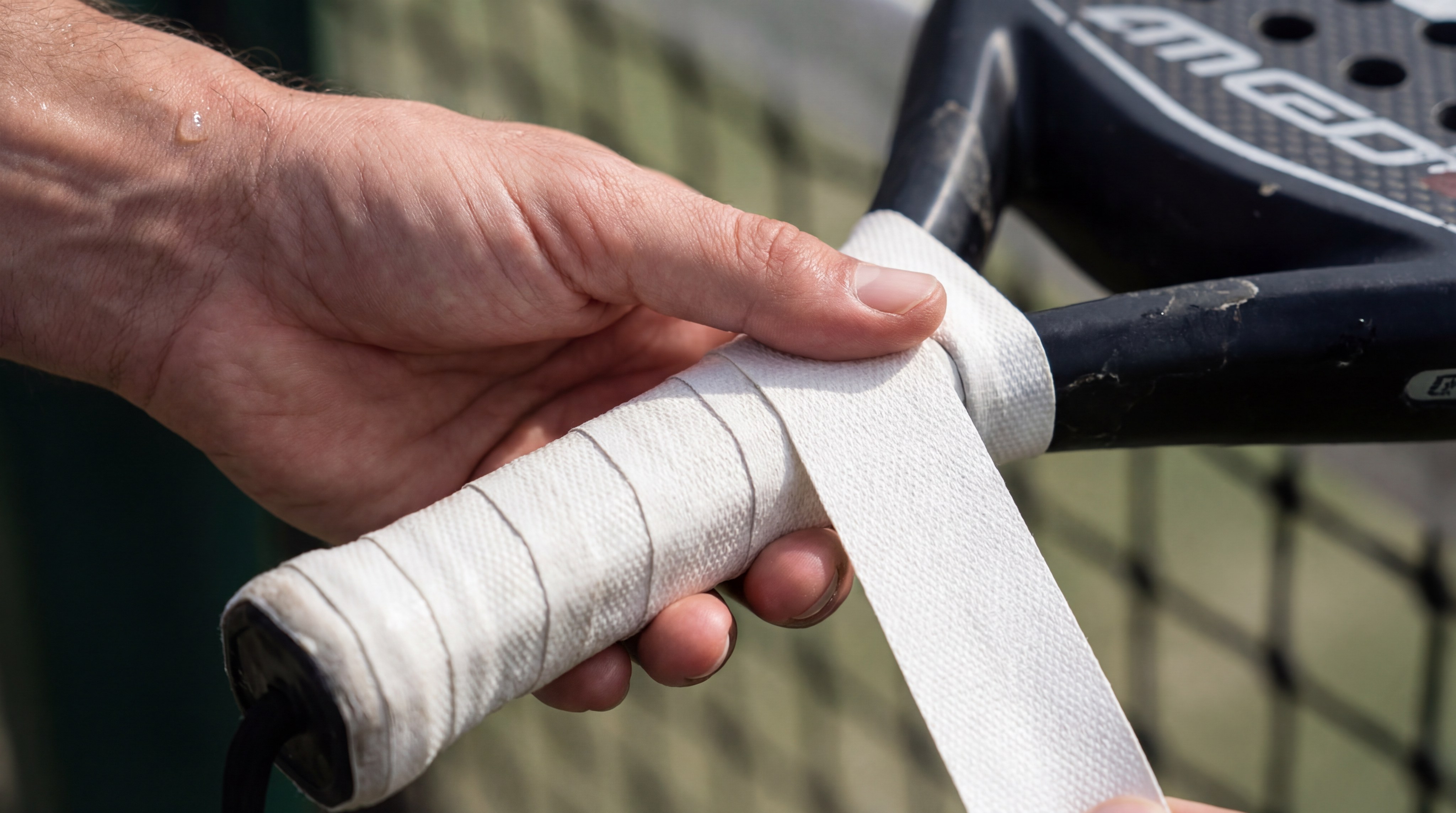
You can distinguish between sport types by looking at the court design, the rules regarding the use of walls, and the specific perforated rackets used in each game. When seeking the best padel rackets for beginners, you must ensure the model is intended for a 10×20 meter glass court environment. Understanding these differences ensures you don’t accidentally buy gear meant for a different discipline.
Padel is distinct from other platform sports in its use of pressurized balls and glass walls that are constantly in play. If you are confused by the terminology used in different regions, it is helpful to compare paddle vs padel to understand which sport you are actually entering. This clarity helps you select the specific gear that meets official tournament standards for the sport.
Key Takeaways
- Padel gear is highly specific to its unique court environment.
- Always ensure your racket is designed for the 10x20m glass court.
- Nomenclature varies by country, but the equipment standards remain consistent.
| Feature | Padel | Other Platform Sports |
|---|---|---|
| Racket Surface | Solid with holes | Varies (often textured) |
| Walls | Glass / Mesh (In play) | Varies (often wire) |
| Balls | Low-pressure | Varies |
Distinguishing the technical requirements of the sport prevents you from wasting money on equipment that is incompatible with standard padel courts.
How do you select the best accessories?
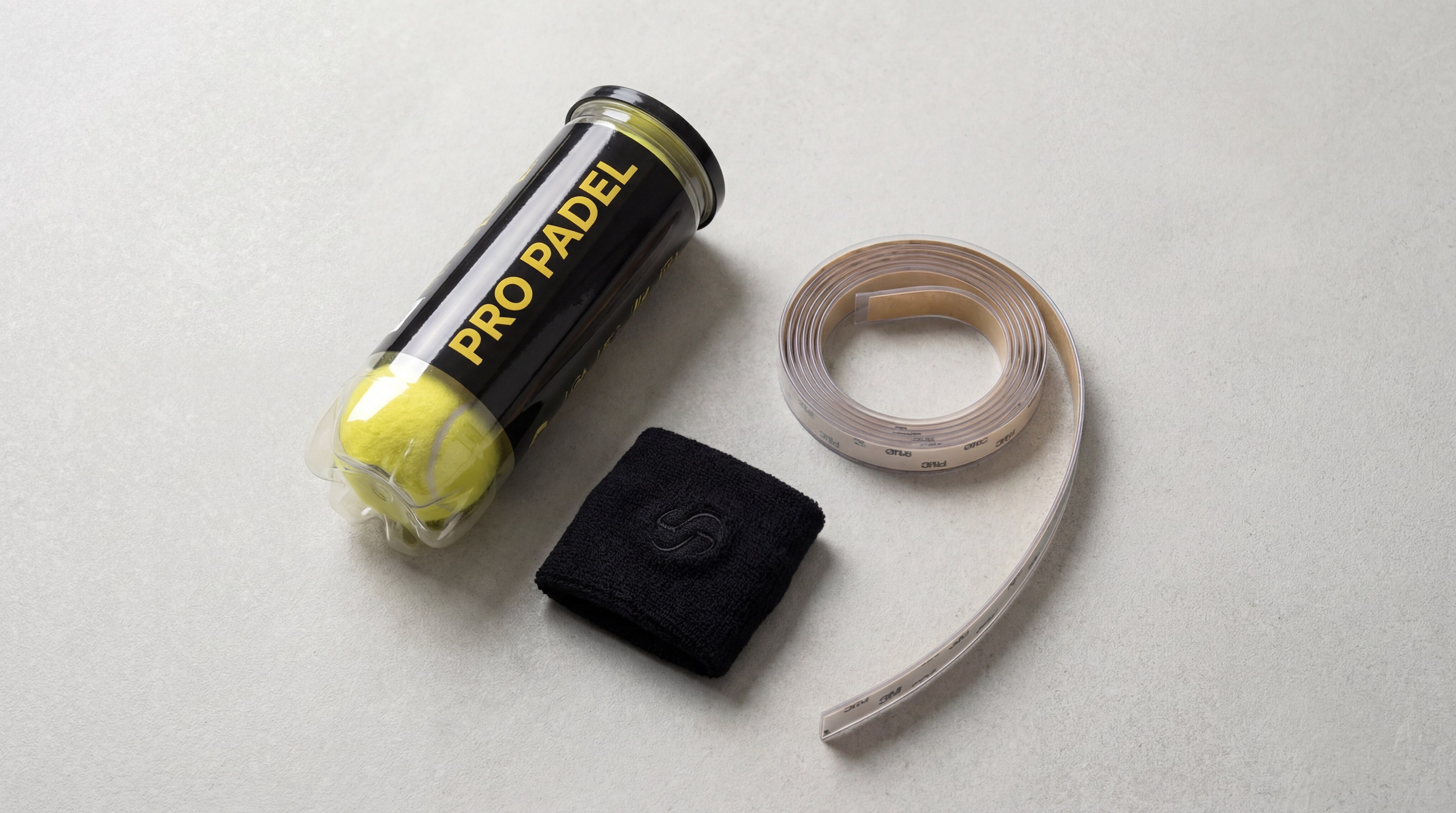
Selecting the best accessories involves choosing items that prolong the life of your equipment and enhance your comfort on the court. From protective tape for the top of your racket frame to high-quality balls, the right additions act as functional tools. You should test durability of balls frequently to ensure they still have the “pop” required for a fair and consistent game.
Durability is key for beginners who might accidentally scrape their racket against the walls or floor during play. You can improve the longevity of your gear by using frame protectors, while wristbands help keep sweat off your grip. Fresh balls are necessary for consistent practice, as “dead” balls can lead to poor technique while you overcompensate for lack of bounce.
Key Takeaways
- Use frame protectors to safeguard your racket from wall scrapes.
- Fresh balls are necessary for consistent practice.
- Wristbands help maintain a dry, secure grip.
| Accessory | Function |
|---|---|
| Frame Protector | Prevents cracks from wall collisions |
| Wristband | Keeps sweat off your grip |
| Ball Resurrectors | Maintains ball pressure between games |
Using the right accessories not only protects your financial investment but also ensures a much smoother and more professional playing experience.
How should you compare different models?
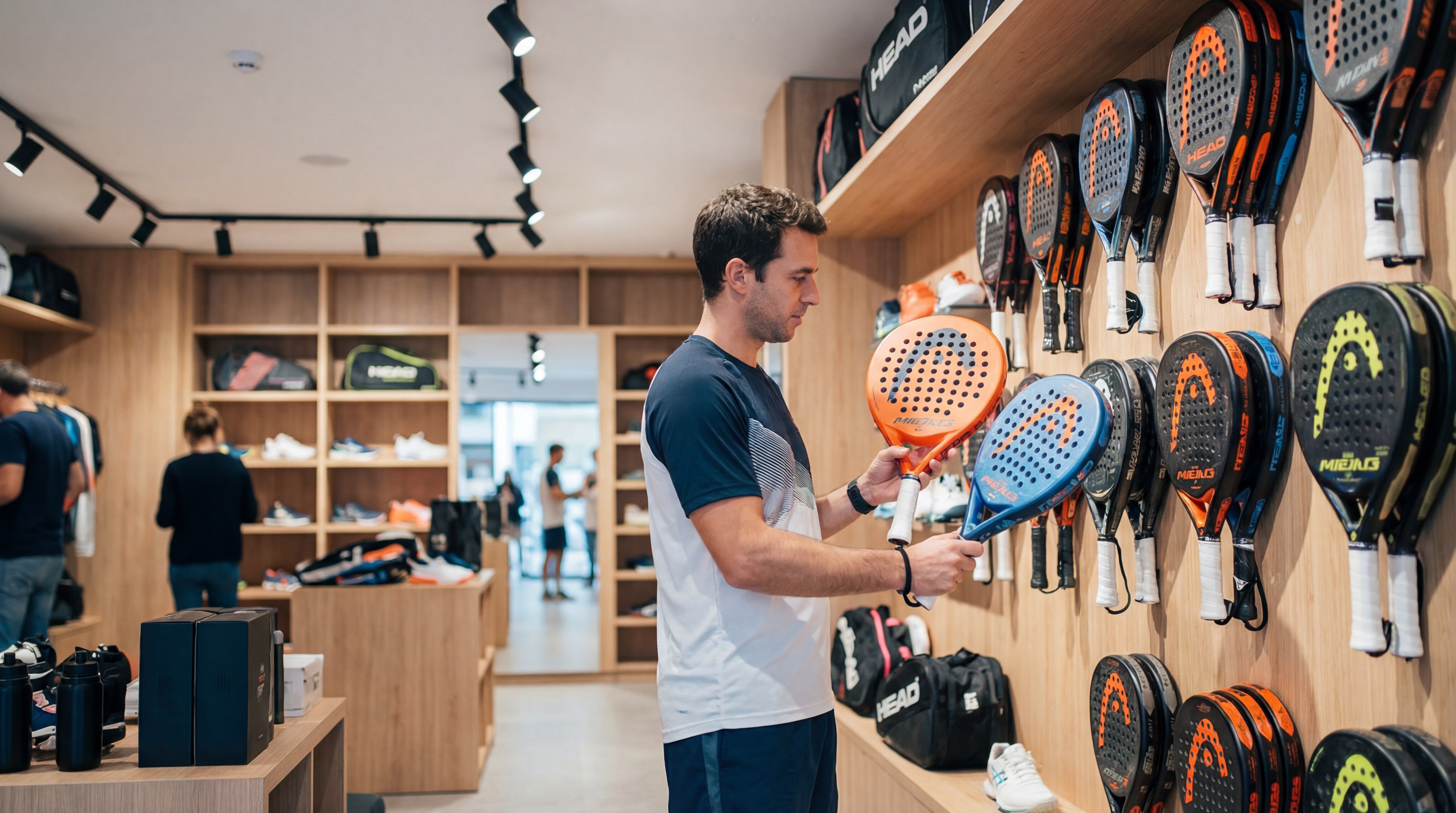
You should compare different models by looking past the flashy graphics and focusing on the core materials, face texture, and intended skill level mentioned in the manufacturer’s technical sheet. The best padel rackets for beginners are often categorized specifically by brands to help you identify models with the largest sweet spots. You can compare features across models to find the best value for your specific budget.
If you want a brand known for engineering excellence, you can select the ideal racket from specialized beginner ranges that focus on playability. Ignore “Power” ratings for now; focus instead on “Control” and “Comfort” scores to ensure the racket suits your current physical strength. Technical specs like balance point and foam density are far more important than aesthetics when making your final decision.
Key Takeaways
- Ignore “Power” ratings; focus on “Control” and “Comfort.”
- Compare technical specs rather than aesthetics.
- Select a model that fits your specific physical strength.
| Feature to Check | Optimal Beginner Range | Why it Matters |
|---|---|---|
| Balance Point | 260mm – 265mm | Easier to maneuver |
| Face Material | Fiberglass / Alutex | More elastic and forgiving |
| Core Foam | Polyethylene / Soft EVA | Best shock absorption |
Analyzing the technical data sheets rather than marketing claims will lead you to a racket that genuinely supports your growth as a player.
Where should you start your equipment search?
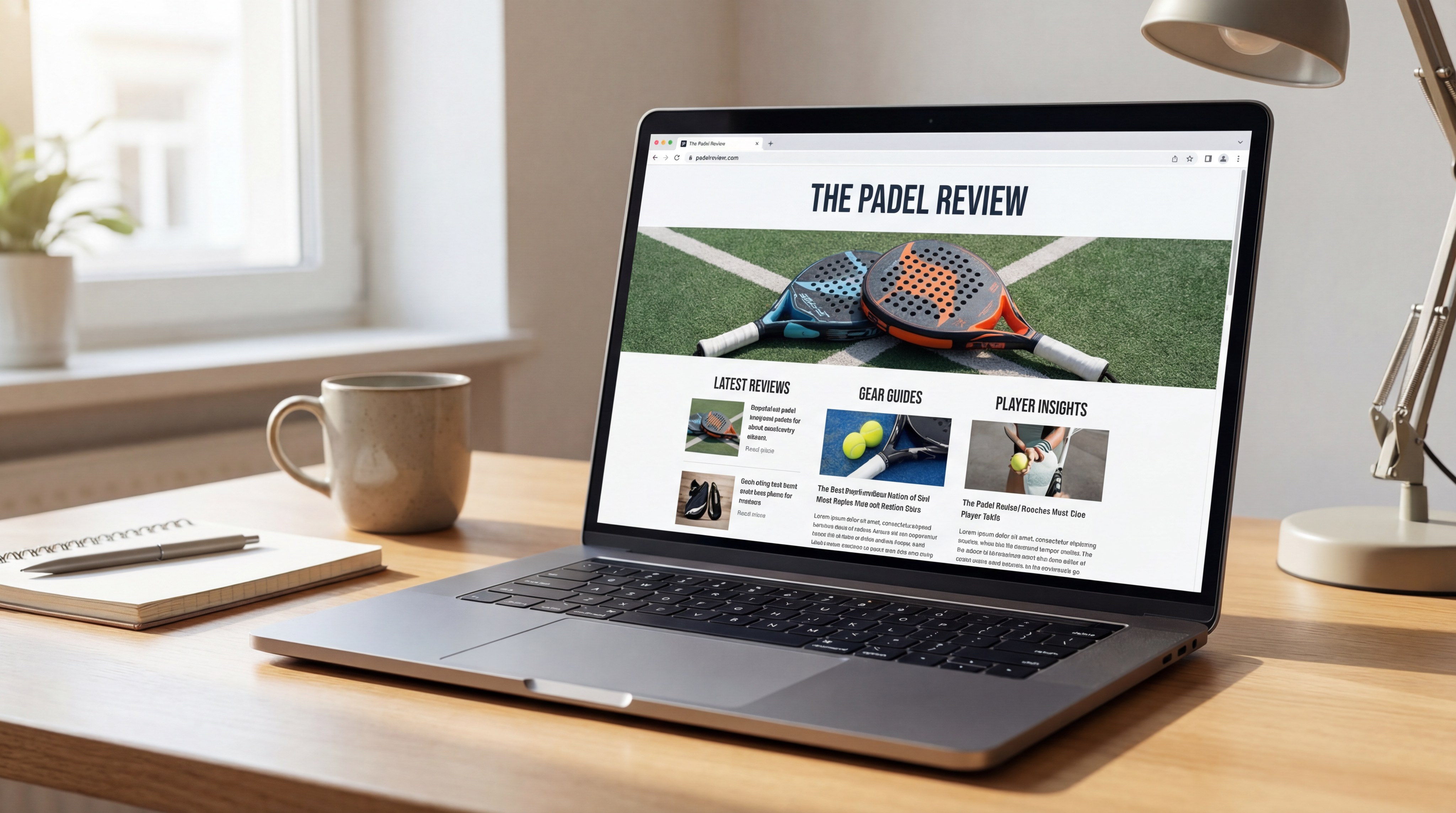
You should start your equipment search at a dedicated specialist platform that offers curated guides and expert reviews tailored to new players. Generic sports stores often stock low-quality imports that lack the necessary vibration dampening required for safe play. By visiting a specialized resource, you ensure that every model you consider has been vetted for quality and suitability for the beginner demographic.
Expert guides translate “marketing speak” into actionable advice, helping you avoid the pitfall of buying a racket that is too advanced. This is the number one reason beginners quit the sport due to frustration or unnecessary injury. For the most up-to-date recommendations and deep dives into technology, choosing a specialist ensures you receive proper after-purchase support and advice.
Key Takeaways
- Specialists provide better “after-purchase” support and advice.
- Avoid used rackets as a beginner; internal damage isn’t always visible.
- Trust sites that focus exclusively on padel technology.
| Source | Reliability | Benefit |
|---|---|---|
| Specialist Sites | Very High | Curated for padel specifically |
| General Sports Stores | Medium | Convenient but less expertise |
| Used Market | Low | Hard to check for internal cracks |
Starting your journey with a trusted specialist platform is the fastest way to find equipment that accelerates your progress and keeps the game fun.
FAQ
- What is the best weight for a beginner padel racket?
Most beginners should look for a racket between 350g and 365g. This range offers a perfect balance of stability for your shots and maneuverability to prevent arm fatigue and injury. - Which shape is most forgiving for new players?
A round shape is the most forgiving because it features a large, central sweet spot. This design ensures that even off-center hits travel over the net with reasonable accuracy. - Can I use tennis balls for padel?
No, you should use specific padel balls. While they look similar, padel balls have lower internal pressure, which is necessary for the correct bounce height and speed on a padel court. - How often should I change my overgrip?
You should change your overgrip as soon as it loses its “tackiness” or starts to show signs of wear. For most players, this is every 3 to 5 matches to ensure a secure hold. - Why should I avoid carbon fiber rackets as a novice?
Carbon fiber is very stiff and designed for power, which can be difficult to control. Beginners benefit more from fiberglass, which is more elastic, comfortable, and forgiving on the arm.
For more information on the latest gear and techniques, contact us today.