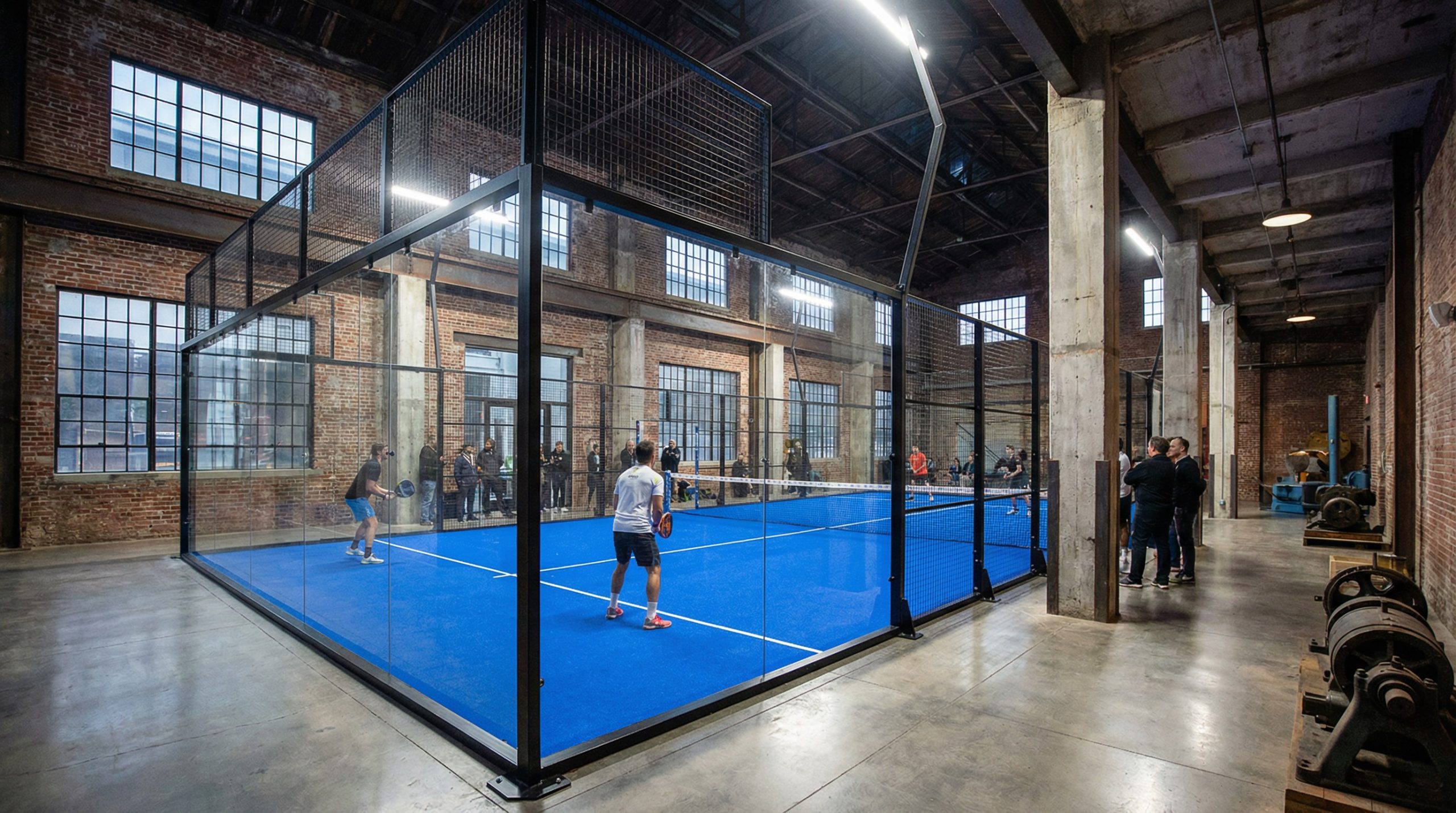
New York City faces a critical shortage of high-end social sports facilities, leaving the massive demand for Padel largely unmet due to high real estate costs and technical complexity. While the sport is exploding globally, local investors risk falling behind or installing sub-standard equipment that fails to meet the “Big Apple” expectations for safety, aesthetics, and durability. This guide serves as the definitive manual for navigating the padel New York landscape, from market demographics to the structural engineering required for factory-direct, premium court installation.
1. What is the current growth trajectory of padel New York?
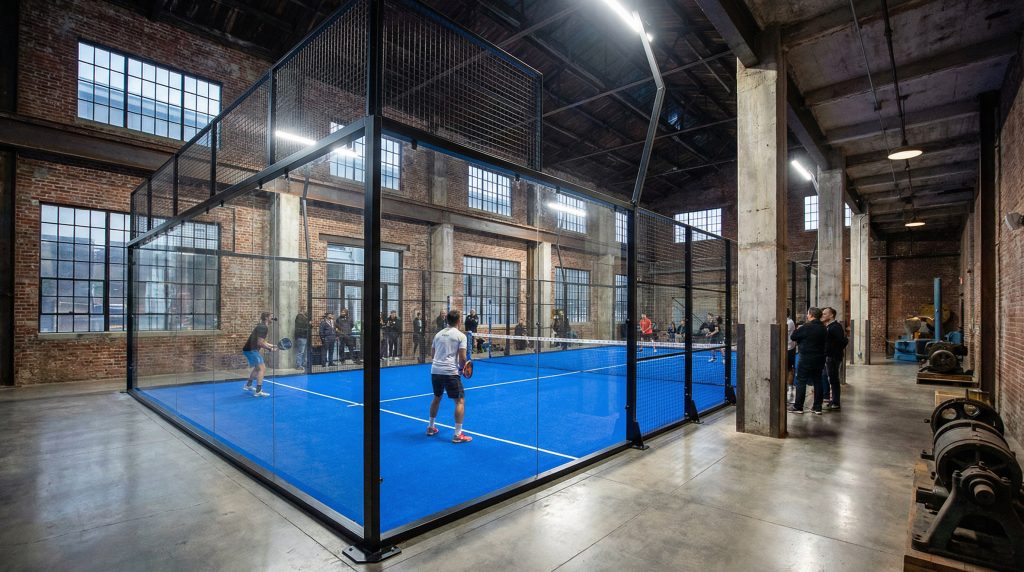
The growth of padel New York is currently entering a “Hyper-Growth” phase, transitioning from niche social clubs to a staple of urban luxury real estate and professional sports complexes.
The Demographic Shift
The local market is seeing a massive convergence of former tennis players and corporate networking groups looking for a more social alternative. These high-value participants demand premium amenities and a seamless booking experience.
And it’s only getting started.
- Age Ranges: Primary focus on 25–55 year olds.
- Income Brackets: High-disposable income professionals.
- Booking Habits: High-frequency, recurring weekly reservations.
Urban Real Estate Integration
Padel is uniquely suited for the New York footprint because it fits perfectly into underutilized commercial spaces that are too small for traditional tennis. Developers are increasingly looking at these compact court dimensions to revitalize dormant assets.
Think about it.
- Parking Lots: Easy conversion for outdoor seasonal play.
- Rooftops: Ideal for luxury residential amenities.
- Warehouses: Perfect for high-ceiling indoor sports hubs.
Market Forecasts for the Five Boroughs
Projections indicate a significant surge in court counts for Manhattan and Brooklyn by 2027 as more dedicated clubs receive permits. Investor sentiment remains bullish as membership waitlists continue to grow across the metropolitan area.
The best part?
- Growth Percentage: Expected 300% increase in court capacity.
- Investor Sentiment: Highly optimistic due to low churn.
- Membership: Currently seeing waitlists of over 500+ members per club.
Market Tiers vs. Projected ROI
| Market Tier | Location Type | Projected ROI (Year 2) |
|---|---|---|
| Luxury Tier | Manhattan Rooftops | 35% – 45% |
| Industrial Tier | Brooklyn Warehouses | 40% – 50% |
| Community Tier | Queens/Bronx Hubs | 25% – 35% |
Key Takeaway: Urban Padel demand currently exceeds supply by a 4:1 ratio in NYC, creating a massive opportunity for early movers.
*
2. Where are the most strategic locations for padel New York?
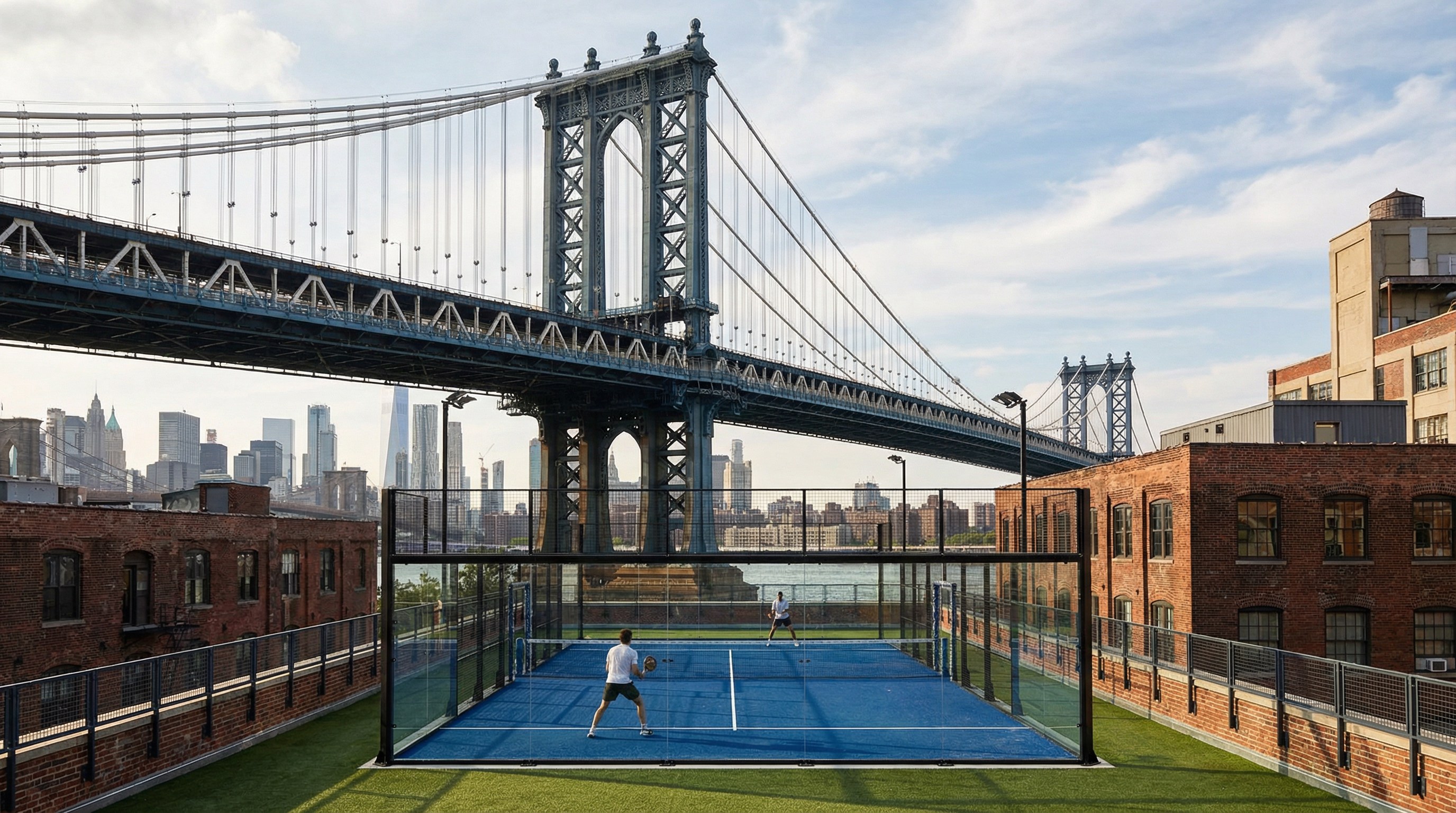
Successful padel New York developments are concentrated in Williamsburg, DUMBO, and Long Island City, where industrial footprints meet high-density residential luxury.
Industrial Conversions in Brooklyn
Brooklyn’s industrial heritage provides the perfect “bones” for indoor padel clubs, offering the necessary ceiling heights and open floor plans. These spaces allow for multiple courts to be housed under one roof, maximizing operational efficiency.
But that’s not all.
- Zoning: M1 and M2 zones are often the most viable.
- Clearance: A minimum of 7 meters is required for professional play.
- Spacing: Column-free spans are preferred for unobstructed court layout.
Manhattan Rooftop Potential
In Manhattan, the lack of ground space makes rooftops the ultimate frontier for padel installation. Navigating the technical challenges of wind loads and weight distribution is the price of admission for these high-visibility locations.
Here is the catch.
- Reinforcement: Rooftops often require steel dunnage to distribute court weight.
- Safety: High-perimeter netting is mandatory for urban safety.
- Permits: Requires specialized DOB approvals for recreational occupancy.
Queens and The Bronx Expansion
Large-scale “super-clubs” are beginning to emerge in the outer boroughs where land is more accessible for multi-sport complexes. These locations focus on high-volume play and community engagement to drive revenue.
Let’s look closer.
- Accessibility: Proximity to subway lines is the #1 success factor.
- Parking: A major competitive advantage in the Bronx and Queens.
- Community: Partnerships with local schools can stabilize daytime revenue.
Location Comparison: Cost per Sq Ft vs. Footfall
| Borough | Average Rent ($/sq ft) | Footfall Rating | Market Saturation |
|---|---|---|---|
| Manhattan | $120+ | High | Moderate |
| Brooklyn | $45 – $85 | High | Low |
| Queens | $30 – $55 | Medium | Low |
Key Takeaway: Brooklyn offers the highest immediate ROI for multi-court facilities due to the balance of rent costs and player density.
*
3. Which court models are essential for padel New York?
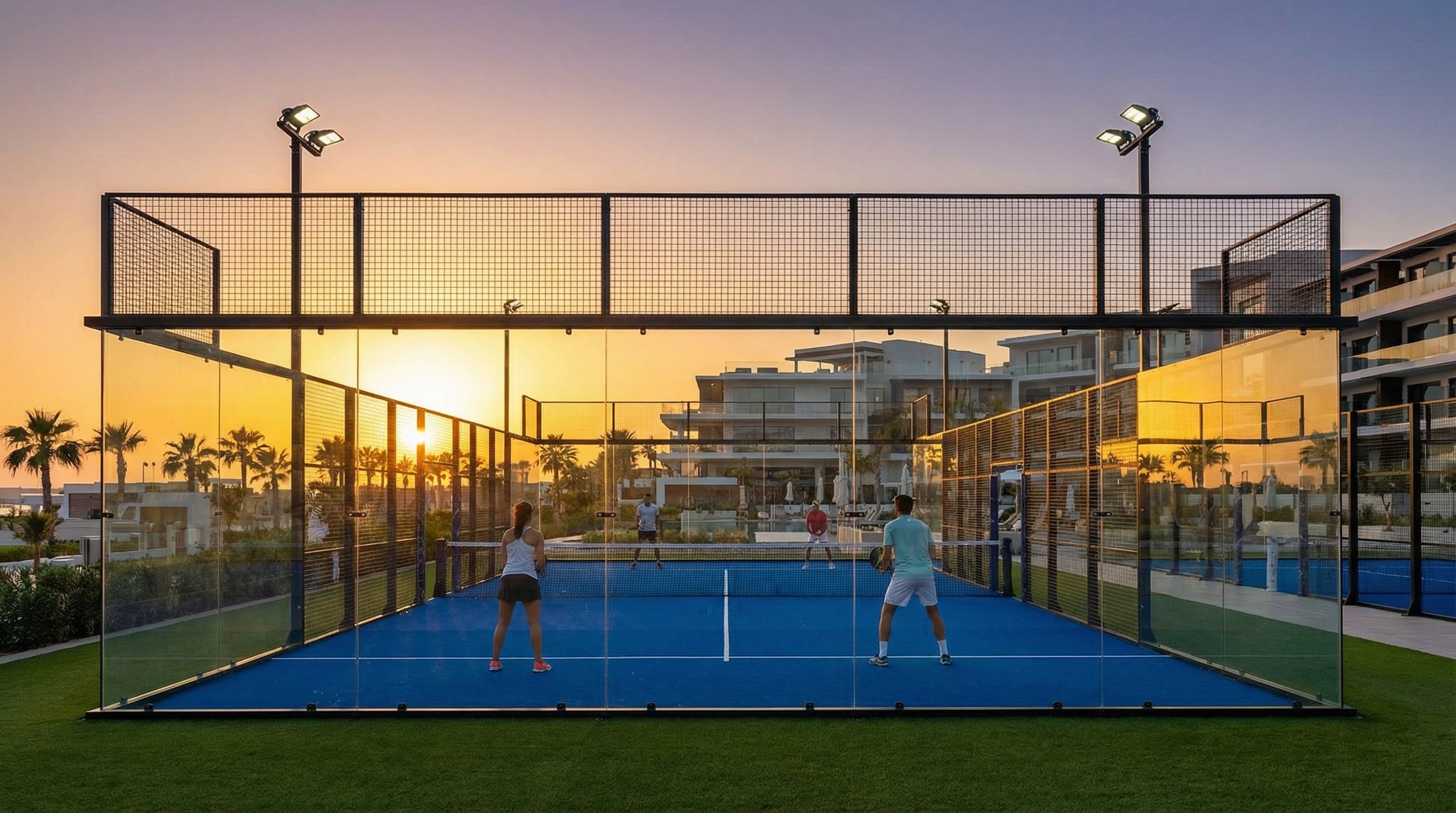
The competitive padel New York market favors the Panoramic and Super Panoramic models to provide the high-end aesthetic and spectator visibility expected in premium city clubs.
The Standard Club Setup
For facilities focusing on high-frequency daily use and training, the Standard Padel Court provides a durable and cost-effective foundation. It is engineered to withstand the rigors of 12+ hours of daily play.
It’s simpler than you think.
- Frame: Robust steel pillars for maximum stability.
- Versatility: Available in various RAL colors to match club branding.
- Maintenance: Lower long-term upkeep requirements for high-traffic zones.
Panoramic Views for Spectator Engagement
Visual transparency acts as a powerful marketing tool for NYC clubs, allowing passersby and lounge guests to see the action. The Panoramic Padel Court removes rear pillars to create an uninterrupted viewing window.
Why does this matter?
- Glass: 12mm thickness is standard for safety and bounce.
- Stability: Specialized structural joints compensate for the lack of rear posts.
- Media: Ideal for recording content and social media sharing.
The Super Panoramic Masterpiece
Defining the flagship court for elite Manhattan venues, the Super Panoramic Padel Court offers 360-degree unobstructed views. This is the model of choice for televised matches and luxury hospitality projects.
The result?
- Aesthetics: A sleek, minimal design that screams luxury.
- Status: Commands the highest hourly rental rates in the city.
- Experience: Provides the closest feeling to a professional tour court.
Standard vs. Panoramic vs. Super Panoramic Specs
| Feature | Standard | Panoramic | Super Panoramic |
|---|---|---|---|
| Visibility | Good | Excellent | Superior (360°) |
| Rear Posts | Present | Removed | Fully Unobstructed |
| Typical Premium | Base | +15% | +30% |
Key Takeaway: Panoramic courts justify a 20-30% higher rental premium in NYC compared to standard pillar-based models.
*
4. How do you engineer the frame for padel New York?
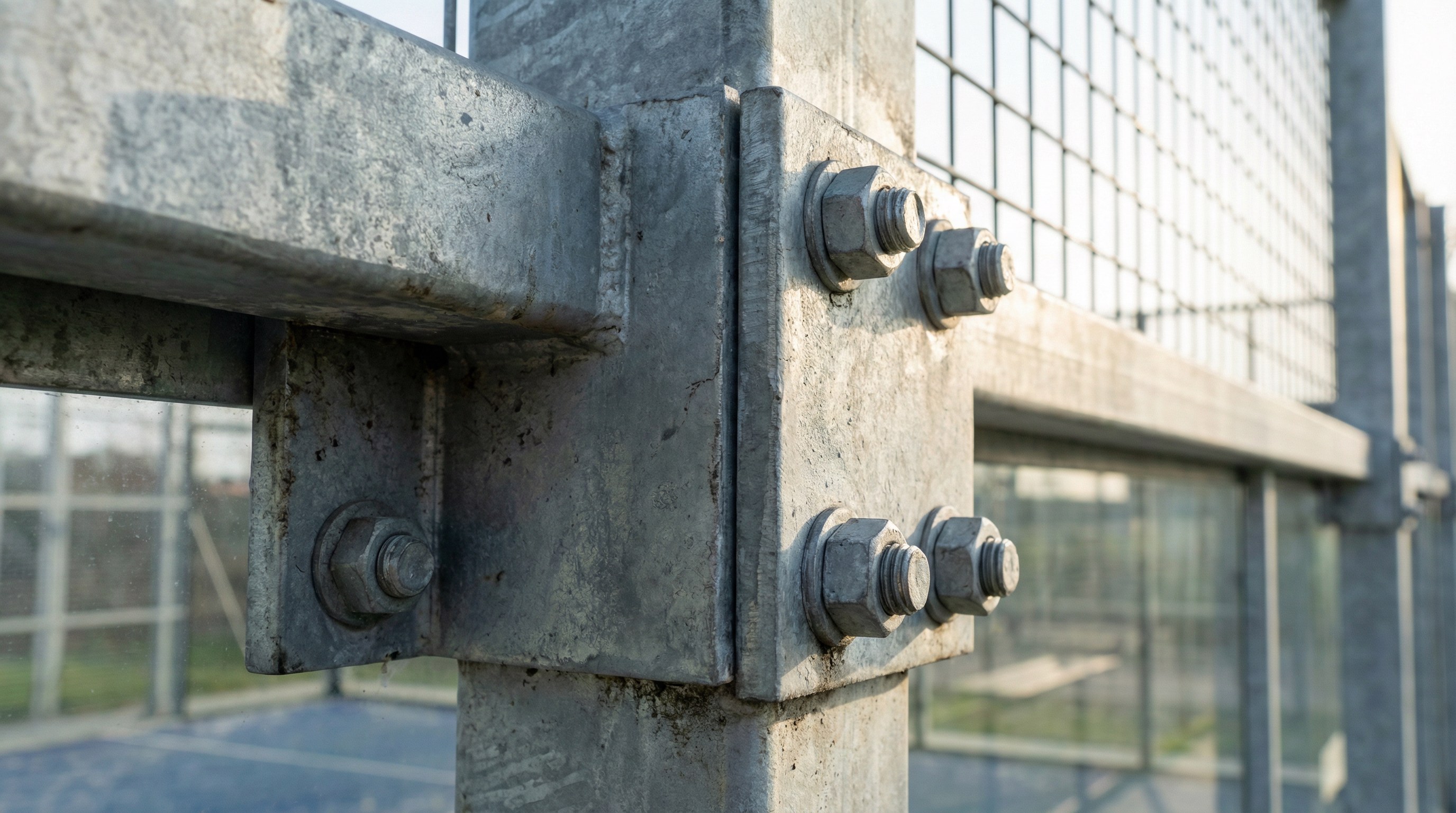
Engineering for padel New York requires heavy-duty Padel Structure materials that withstand high vibration and urban environmental factors.
Galvanized Steel Standards
NYC’s proximity to the coast means humidity and salt air can quickly corrode inferior steel. Utilizing hot-dip galvanized steel ensures the structure remains rust-free and structurally sound for decades.
Does it really last?
- Zinc Bath: Full immersion process protects the interior and exterior of tubes.
- Coating: Electrostatic powder coating is applied over the galvanization.
- Warranty: Typically carries a 20-year structural design life.
Wind Load and Seismic Compliance
Outdoor and rooftop installations in New York must meet stringent building codes regarding wind resistance. The engineering must account for “wind tunnel” effects created by surrounding skyscrapers.
Safety first.
- Wind Rating: Built to withstand gusts up to 120mph.
- Anchoring: Deep-set chemical anchors for concrete foundations.
- Dampening: Vibration pads to reduce noise transfer in mixed-use buildings.
Modular Assembly Benefits
In the fast-paced NYC construction environment, time is money. Modular, bolt-together systems allow for rapid installation without the need for on-site welding or heavy machinery.
Imagine the savings.
- Logistics: Components can fit through standard service elevators for rooftops.
- Labor: Reduced man-hours for assembly on-site.
- Precision: Factory-drilled holes ensure perfect alignment every time.
Steel Grade and Coating Durability Chart
| Specification | Requirement | Benefit |
|---|---|---|
| Steel Grade | Q235B High Carbon | Structural Rigidity |
| Galvanization | Hot-Dip (80-100 microns) | Corrosion Resistance |
| Joint System | Modular Bolted | Fast Installation |
Key Takeaway: Hot-dip galvanization is mandatory for any outdoor or rooftop NYC installation to prevent structural failure from coastal corrosion.
*
5. What playing surface is required for padel New York?
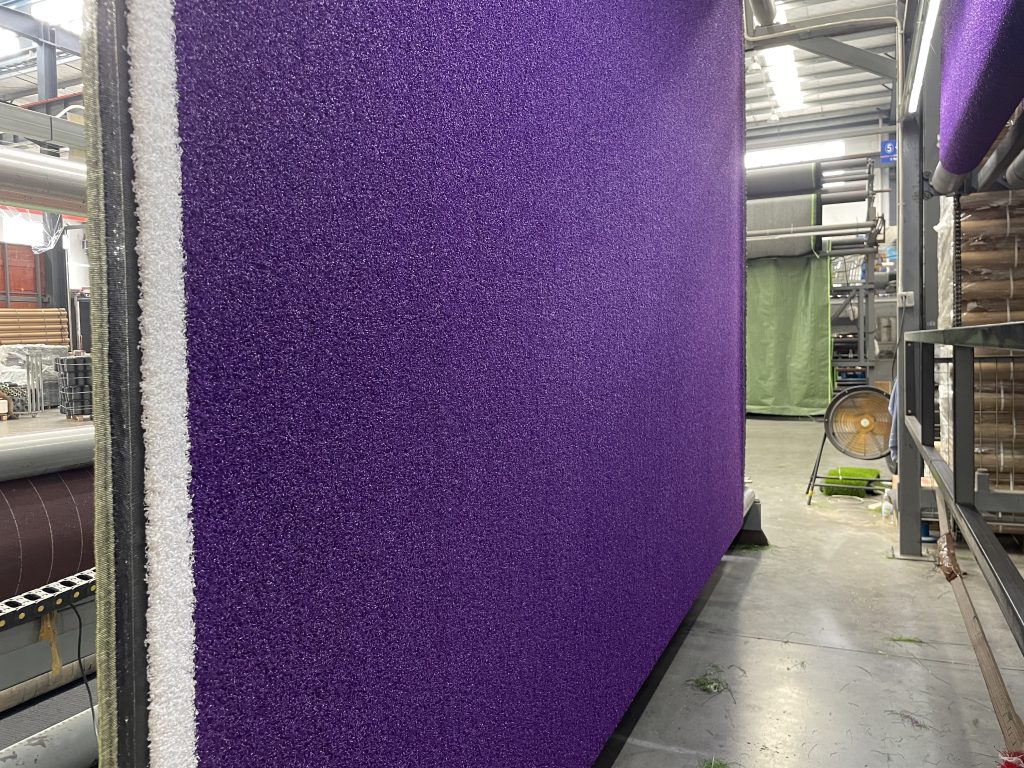
The ideal surface for padel New York is a high-density, EU-compliant Padel Grass that ensures consistent ball bounce and player joint protection.
Fibrillated vs. Monofilament Turf
For high-traffic city clubs, durability is the primary concern. Monofilament turf offers a more “upright” blade look, while fibrillated turf is often praised for its ability to hold sand infill better over time.
Which one is for you?
- Dtex: Higher Dtex ratings (9000+) indicate better wear resistance.
- Pile Height: 12mm is the industry standard for professional play.
- Stitch Density: High density ensures the turf doesn’t “flat” under heavy use.
Sand Infill Management
The secret to a perfect padel court is the silica sand. Proper distribution ensures the ball bounces predictably and players can slide safely without catching their shoes on the turf.
Keep it smooth.
- Type: Kiln-dried, rounded silica sand is essential.
- Grain Size: 0.2mm to 0.8mm for optimal drainage and feel.
- Quantity: Usually requires 2,500kg to 3,000kg per court.
Impact Absorption and Player Safety
New York athletes are high-performance players who demand surfaces that protect their joints. Premium turf systems include shock-absorbing layers that reduce the impact on knees and ankles.
The pros know it.
- Force Reduction: Reduces player fatigue during long matches.
- Slip Resistance: Maintains grip even in humid summer conditions.
- Shock Pad: Optional underlayment for maximum comfort levels.
Turf Lifespan vs. Weekly Player Hours
| Usage Level | Hours per Week | Estimated Lifespan |
|---|---|---|
| Low | < 20 Hours | 8 – 10 Years |
| Moderate | 20 – 50 Hours | 5 – 7 Years |
| Professional | 50+ Hours | 3 – 5 Years |
Key Takeaway: High-density turf reduces maintenance costs by 15% over a 5-year period and significantly improves player retention.
*
6. Is safety glass mandatory for padel New York?
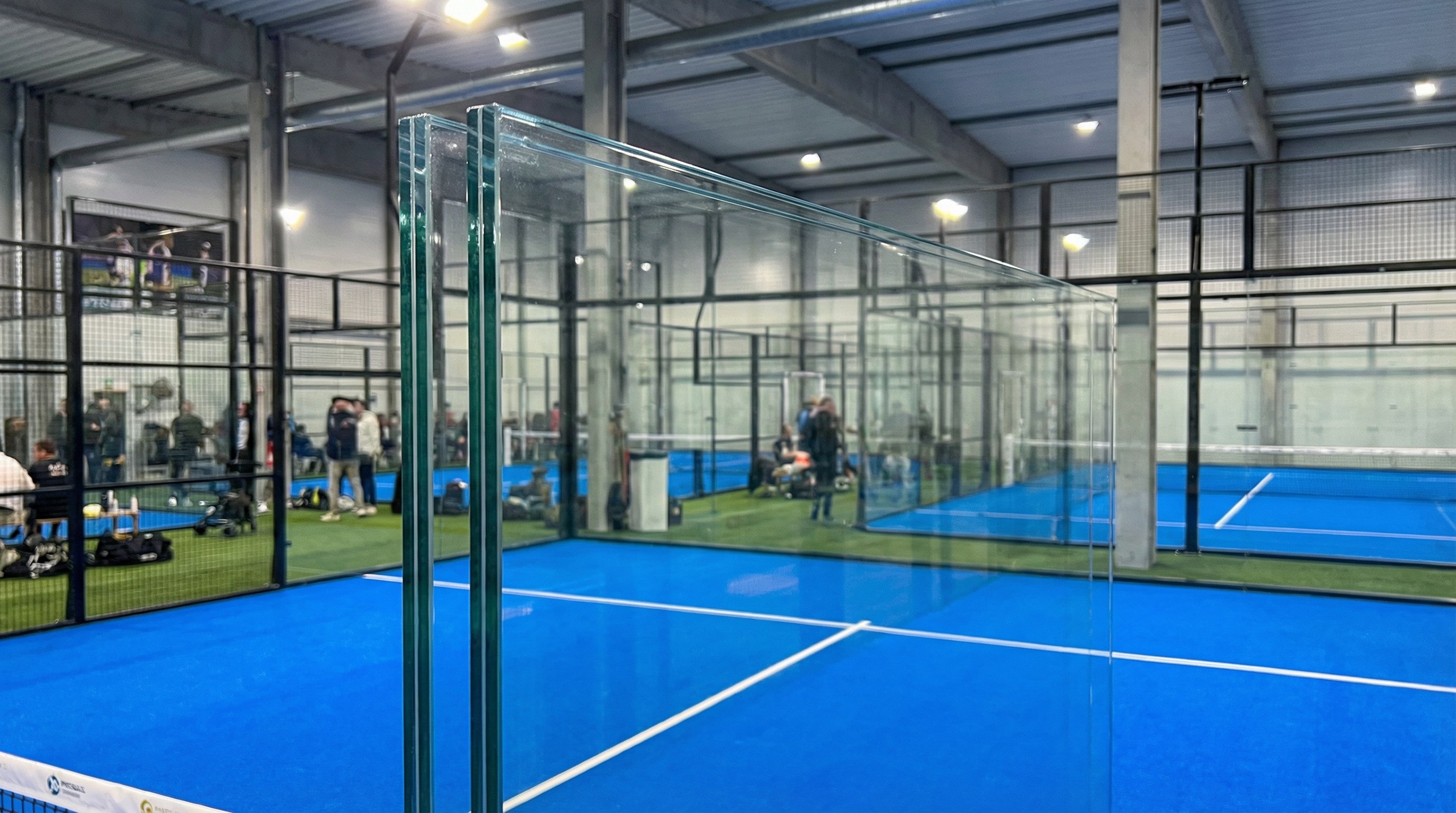
Yes, every padel New York installation must utilize 12mm anti-explosion tempered Padel Glass that complies with European EN 12150-1 standards to ensure player safety.
Tempered vs. Laminated Options
While tempered glass is the standard for its strength and safe shatter pattern, some high-end clubs opt for laminated glass for even greater safety in public-facing urban areas.
It’s all about the specs.
- Thickness: 12mm is non-negotiable for commercial liability in NYC.
- Shatter Pattern: Tempered glass breaks into small, blunt granules.
- Testing: Heat-soak testing reduces the risk of spontaneous breakage.
Structural Mounting Systems
The way the glass is attached to the steel frame determines the longevity of the installation. Proper gaskets and torque settings prevent the glass from cracking under the vibration of ball impacts.
Don’t skip this.
- EPDM Gaskets: Vital for preventing metal-on-glass contact.
- Countersunk Holes: Ensure the mounting bolts are flush with the surface.
- Torque: Precise bolt tightening prevents stress fractures in the glass.
Clarity and Anti-Glare Coatings
In New York’s bright rooftops or highly-lit indoor clubs, glare can be a significant issue for players. High-quality glass offers superior light transmission to keep the game visible at all times.
Crystal clear.
- Transmission: Look for 90%+ light transmission ratings.
- Maintenance: Easy-clean coatings reduce water spots and smudges.
- Scratch Resistance: Essential for maintaining the “new court” look.
Glass Thickness vs. Structural Stability Ratings
| Glass Thickness | Impact Resistance | Vibration Stability | NYC Suitability |
|---|---|---|---|
| 10mm | Medium | Low | Not Recommended |
| 12mm | High | High | Industry Standard |
| 12mm Laminated | Very High | Excellent | Premium/Public |
Key Takeaway: Certified 12mm tempered glass is the industry standard for commercial liability and performance in the NYC market.
*
7. Which lighting systems optimize padel New York venues?
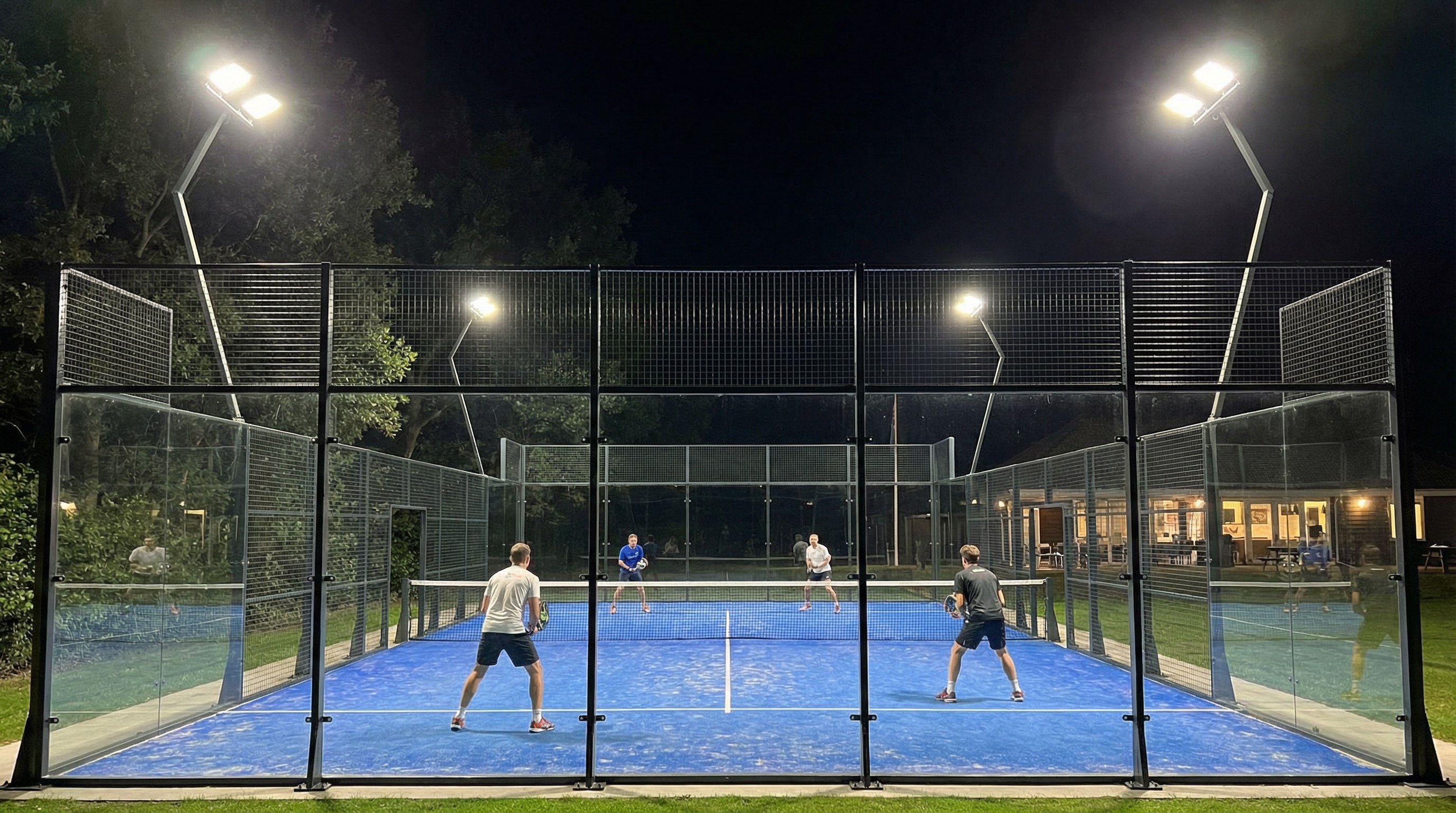
To maximize booking hours, padel New York facilities must implement IP66-rated Padel LED Lighting that provides at least 500-750 Lux of uniform illumination.
LED Efficiency and Energy Savings
Operating a facility in New York involves high electricity costs. Modern LED systems provide superior brightness while consuming a fraction of the power required by old-fashioned bulbs.
Pay less, play more.
- Wattage: 200W-300W per floodlight is typical.
- Lifespan: Rated for 50,000+ hours, reducing replacement cycles.
- Instant On: No warm-up time required, perfect for automated booking systems.
Eliminating Glare for Players
The most common complaint in poorly lit clubs is glare during high lobs. Precision optics ensure the light is directed at the court surface, not into the players’ eyes.
Watch the ball.
- Asymmetric Lenses: Focus light exactly where it is needed.
- Beam Angles: Wide-angle distribution eliminates “dead zones.”
- Mounting: 6-meter high poles provide the ideal angle for play.
Weatherproofing and Durability
NYC weather ranges from humid summers to freezing, snowy winters. Lighting systems must be completely sealed to prevent moisture ingress and electrical failure.
Rain or shine.
- IP66 Rating: Guaranteed protection against heavy rain and dust.
- Surge Protection: Built-in safeguards against city power fluctuations.
- Heat Dissipation: Aluminum housing keeps the LEDs cool for longer life.
Lux Levels for Recreational vs. Professional Play
| Play Level | Required Lux | Uniformity Ratio |
|---|---|---|
| Recreational | 300 – 500 Lux | 0.5 |
| Competitive | 500 – 750 Lux | 0.7 |
| Professional/TV | 1000+ Lux | 0.8 |
Key Takeaway: LED systems reduce energy costs by 60% compared to traditional metal halides and are essential for profitable night-time bookings.
*
8. Can you build year-round padel New York courts?

Creating a year-round revenue stream for padel New York requires the installation of a Roofed Padel Court to protect against rain, snow, and intense summer UV.
Integrated Roofing Systems
A roofed solution allows clubs to maintain a consistent booking schedule regardless of the forecast. These structures are designed to provide the necessary 10m+ clearance for high lobs.
The weather is no longer an issue.
- Tensile Fabric: Lightweight and aesthetically modern.
- Steel Panels: Maximum durability for heavy snow loads.
- Clearance: Ensures the roof doesn’t interfere with the gameplay.
Climate Control and Enclosure
For a truly premium experience, roofed courts can be semi-enclosed with side curtains or equipped with radiant heating for the winter months. This keeps the courts playable even in January.
Keep it cozy.
- Radiant Heaters: Efficiently heat the players, not the air.
- Wind Curtains: Block crosswinds while maintaining ventilation.
- Ventilation: Essential for preventing humidity buildup in the summer.
Maximizing Booking Consistency
Tournaments and leagues require a guarantee that matches will proceed on time. Covered courts are the only way to secure high-value corporate events and seasonal membership commitments.
Reliability is key.
- Cancellations: Reduced by nearly 95% compared to open courts.
- Retention: Members stay active through the winter months.
- Insurance: Covered courts are often easier to insure against weather damage.
Roofed vs. Open Court: 12-Month Revenue Projection
| Month | Open Court Bookings | Roofed Court Bookings |
|---|---|---|
| July (Summer) | 100% | 100% |
| October (Rain) | 60% | 100% |
| January (Snow) | 0% | 100% |
Key Takeaway: Roofed courts increase annual booking availability by 40% in the NYC climate, directly impacting the facility’s bottom line.
*
9. Is the investment in padel New York profitable?
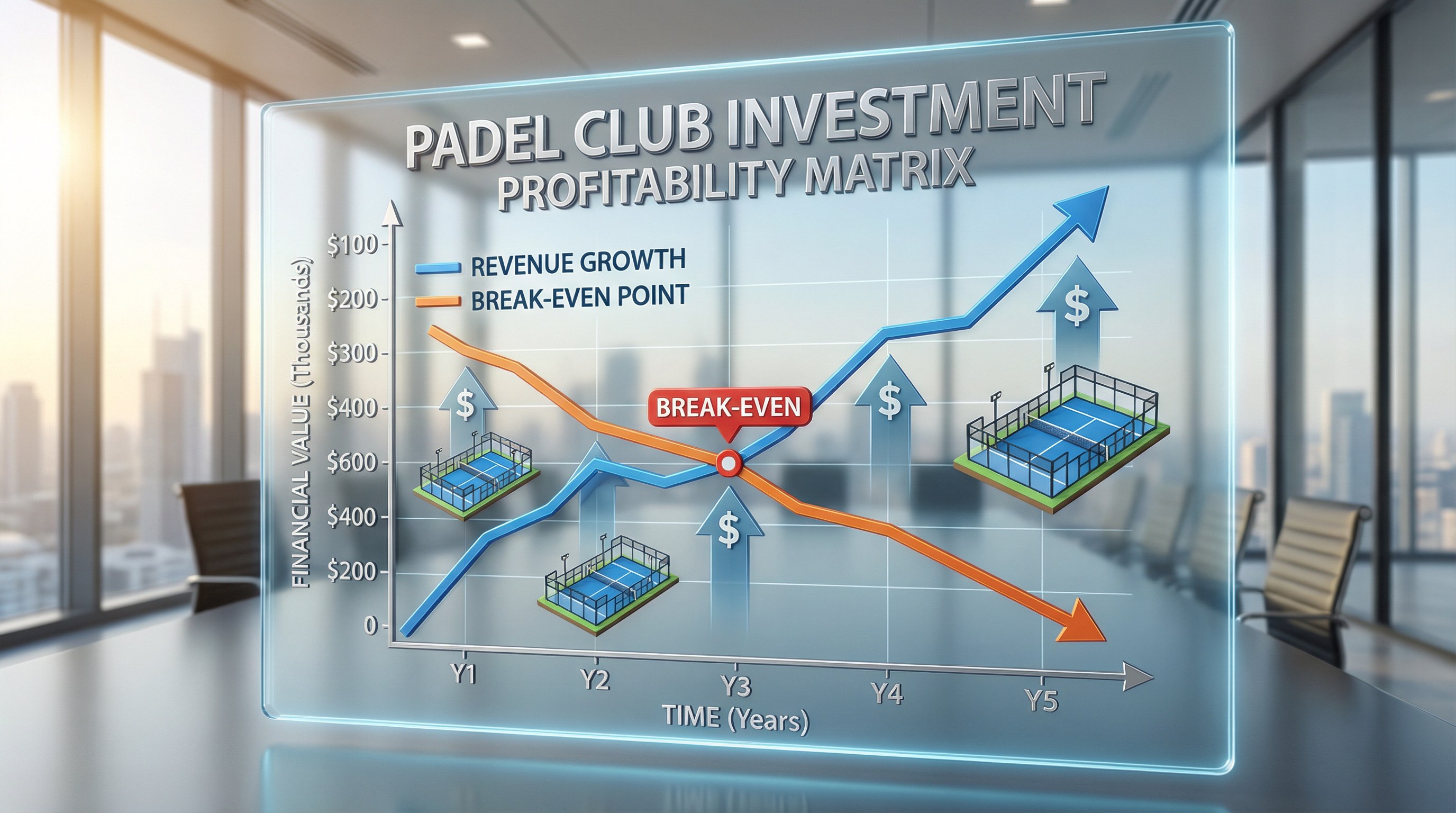
Investing in padel New York remains highly profitable due to premium hourly rates (averaging $100-$160) and high secondary revenue from merchandise and food/beverage.
CAPEX vs. OPEX Breakdown
While the initial capital expenditure for NYC real estate and court procurement is significant, the daily operational costs are remarkably low compared to gyms or swimming pools.
Let’s talk numbers.
- Procurement: Factory-direct court sourcing saves 30% on CAPEX.
- Maintenance: Minimal daily staff required for court upkeep.
- Utilities: Efficient LED lighting keeps monthly overhead low.
Revenue Streams Beyond Court Rental
A successful Padel club is a social hub. By monetizing the lifestyle through retail and coaching, facility owners can significantly diversify their income beyond simple court time.
But wait, there’s more.
- Coaching: High-margin private and group lessons.
- Retail: Sale of racquets, balls, and branded New York Padel apparel.
- F&B: Coffee bars and healthy snacks drive community lingering.
Breakeven Timelines for NYC Clubs
With occupancy rates often exceeding 70% in the first six months, many NYC clubs are seeing a return on investment faster than traditional commercial real estate projects.
The finish line.
- Target: 18-24 month breakeven for 4-court facilities.
- Churn: Low membership turnover due to the social nature of the sport.
- Growth: Expansion to additional courts is often funded by Year 2 cash flow.
Projected ROI by Court Type (Standard vs. Panoramic)
| Metric | Standard Court Club | Panoramic Court Club |
|---|---|---|
| Avg. Hourly Rate | $110 | $145 |
| Est. Annual Revenue | $320,000 | $410,000 |
| Breakeven Point | 24 Months | 20 Months |
Key Takeaway: A well-managed 4-court NYC club can achieve full breakeven within 22 months by leveraging premium rates and ancillary revenue.
*
10. How do you start building padel New York facilities?
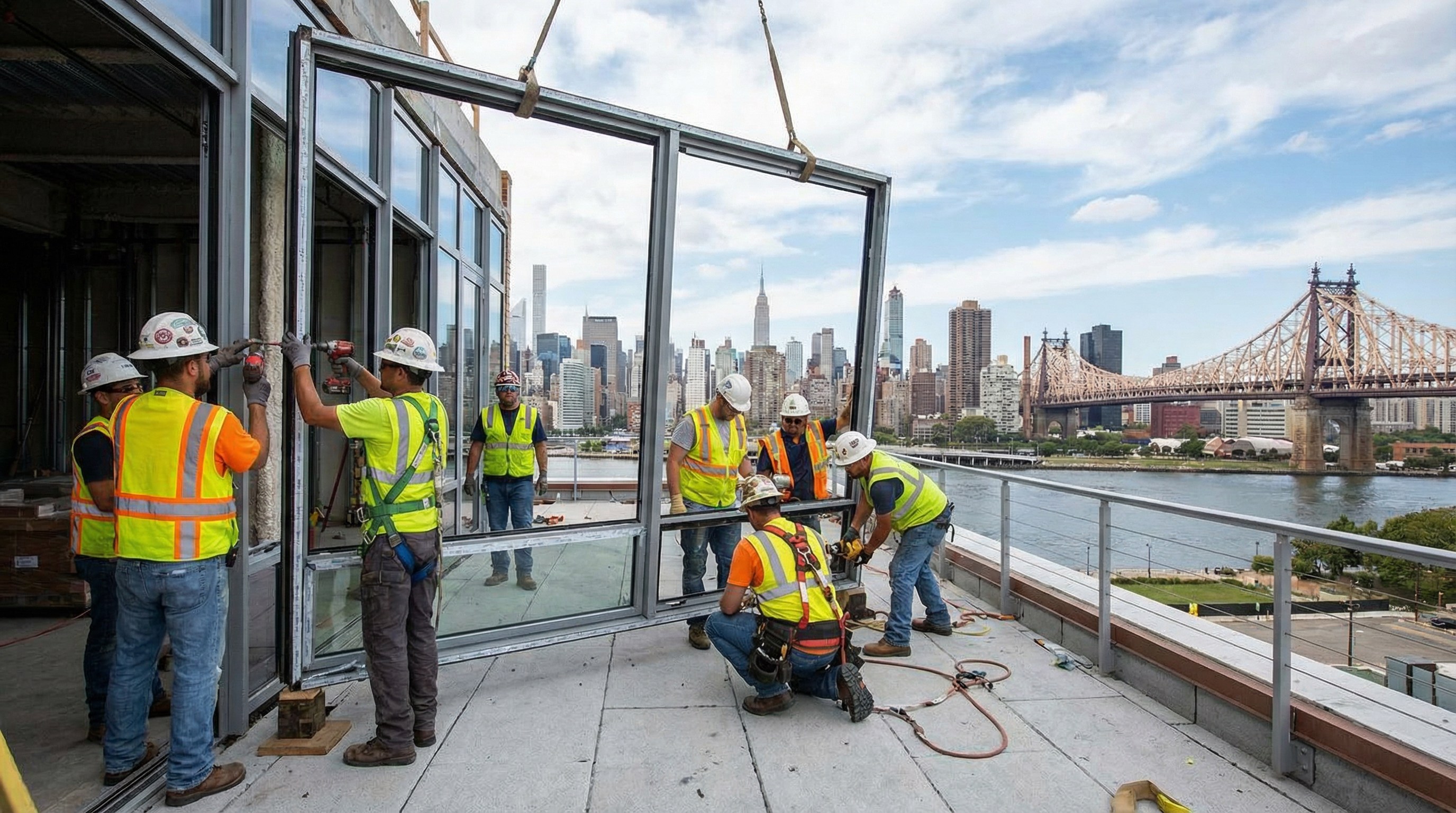
Building a world-class padel New York venue starts with factory-direct procurement and choosing an OEM partner that manages logistics from manufacturing to final assembly guidance.
Factory-Direct Procurement
By bypassing domestic distributors and buying straight from the source, you can allocate more of your budget toward premium amenities or additional courts.
Go straight to the source.
- Savings: Typically 30% lower than local reseller pricing.
- Customization: Direct control over colors, branding, and technical specs.
- Quality: Direct access to factory quality control documentation.
Moving heavy steel and glass through the Port of NY/NJ requires an experienced logistics partner. Ensuring the containers are loaded for safe maritime transport is critical for project timelines.
Smooth sailing.
- Clearing: Professional customs handling avoids costly delays.
- Trucking: Local delivery to tight NYC job sites in Brooklyn or Manhattan.
- Staging: Coordinated arrival to match foundation completion.
Installation Support and Quality Assurance
A court is only as good as its assembly. Expert guidance ensures the glass is perfectly aligned and the turf is correctly seamed for a 20-year lifespan.
Done right the first time.
- Video Support: Real-time remote guidance for local installation crews.
- Manuals: Detailed structural drawings for site engineers.
- Tech Support: Dedicated project managers to troubleshoot on-site issues.
The 5-Step Procurement Checklist
- Site Audit: Verify ceiling heights and floor load capacity.
- Design: Choose Panoramic or Standard models based on target demo.
- Quoting: Request a factory-direct quote with shipping included.
- Logistics: Coordinate container arrival with local rigging teams.
- Assembly: Follow manufacturer guidance for frame and glass setting.
Key Takeaway: Factory-direct sourcing ensures both the highest material quality and the lowest project cost for the demanding NYC market.
*
Frequently Asked Questions
What is your Minimum Order Quantity (MOQ)?
Our MOQ is one (1) set. This allows you to start a pilot project or test our product quality with minimal upfront investment, giving you the benefit of reduced risk.
Can you customize the court with my brand and colors?
Yes. We offer full OEM support. This includes custom RAL colors for the structure and your logo integrated into the court, providing you with a unique product. The benefit is strengthening your brand identity in your local market.
Can I specify the port of destination?
Absolutely. Our logistics team has the capability to ship globally. We can arrange delivery to your designated port, which benefits you by streamlining your supply chain and reducing inland transport costs.
Do you provide technical documentation?
Yes. A full documentation package is a standard with every order. This includes detailed structural drawings and material specifications, giving you all necessary paperwork for planning, installation, or client presentations.
Do you offer installation support?
Our courts have a modular design for straightforward assembly. To support this, we provide detailed installation manuals and remote video guidance. The benefit is a predictable, efficient installation process for your local team.
Ready to transform your New York space into a premier Padel destination? contact us today to receive your custom quote and start building the future of social sports.