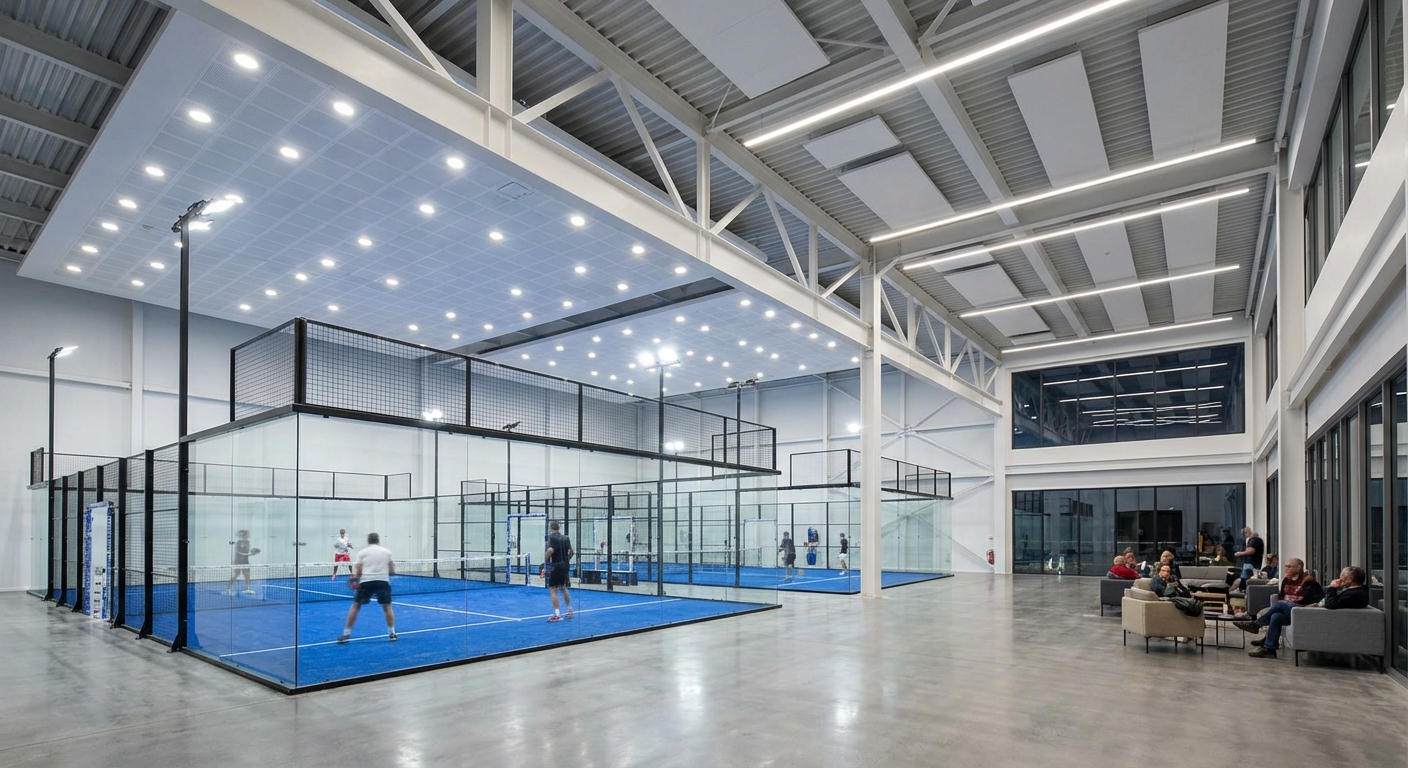
Building a padel court is a specialized construction project that creates a 200-square-meter enclosed playing area specifically designed for a hybrid sport that combines tennis and squash. Many facility managers struggle with stagnant revenue streams and underutilized land that fails to attract a younger, more social demographic. This lack of modern amenities can cause your club to lose its competitive edge and miss out on the fastest-growing global sports trend. By investing in building a padel court (https://superbpadel.com/), you solve these engagement issues and unlock a high-yield asset that maximizes player density and social interaction.
Is building a padel court worth the investment?
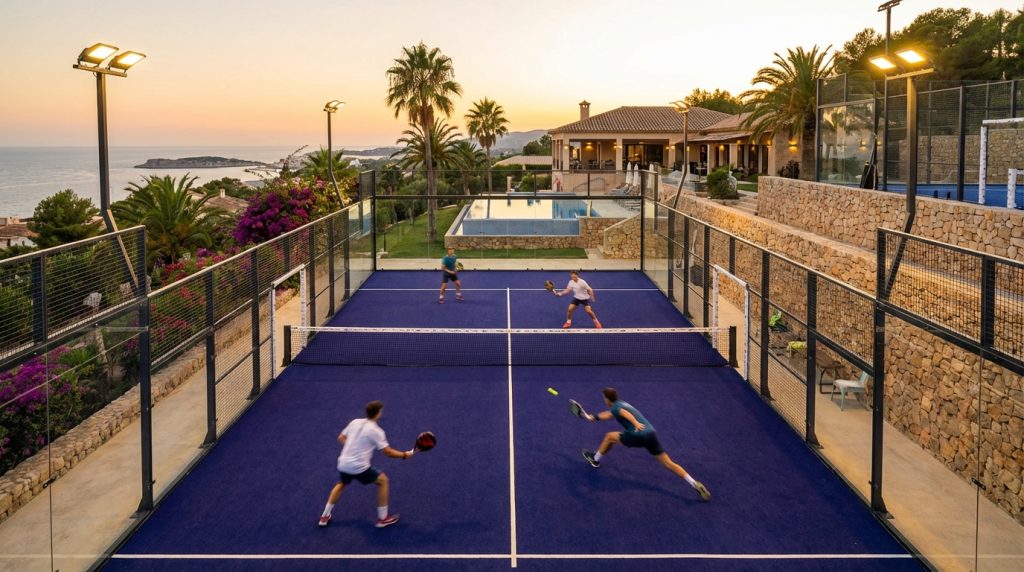
Investing in the infrastructure for building a padel court (https://superbpadel.com/Standard-Padel-Court/) is highly profitable because it allows you to fit three courts into the space of one traditional tennis court. This density significantly increases your hourly revenue potential while lowering the per-player maintenance cost. You can capture a wider market share by offering a sport that is easier to learn than tennis, ensuring higher booking rates throughout the week.
How do you maximize ROI for sports clubs?
Maximizing your return requires a focus on high-traffic booking windows and membership tiering. By offering a social, fast-paced game, you encourage group bookings and repeat visits that drive ancillary revenue in your pro shop and cafe.
Look at this:
- Three padel courts generate 3x the hourly rental fees of one tennis court.
- Lower entry barriers lead to higher court occupancy during off-peak hours.
- Social play increases the average spend per head at your facility.
The best part? You can recoup your initial investment in as little as 18 to 24 months with a proper booking strategy.
Key Takeaway: Investing in padel infrastructure maximizes your land’s earning potential by accommodating more players per square meter and fostering a loyal, social community.
| Revenue Metric | Padel Court | Tennis Court |
|---|---|---|
| Players per Session | 4 | 2-4 |
| Space Required | 200 sqm | 670 sqm |
| Annual Revenue Potential | High | Moderate |
Strategic land use through padel installation allows you to triple your hourly billing capacity within the same footprint.
What dimensions matter for building a padel court?
![[DIAGRAM] A detailed architectural blueprint and 3D technical diagram of a 20×10 meter padel court, showing measurements, steel frame points, and glass panel dimensions.](https://r2-bucket.flowith.net/f/729cd19b15348cc4/padel_court_architectural_blueprint_index_1.jpeg)
The official dimensions for building a padel court require a precise 20×10 meter internal playing area with a 0.5% tolerance for competitive standards. You must also account for a safety buffer zone around the perimeter to allow for player movement and structural stability. Ensuring these measurements are exact is critical for meeting international regulations and providing a professional experience for your members.
Understanding the 20×10 meter footprint?
A regulation court is exactly 20 meters long and 10 meters wide, divided by a net at the center. You must ensure the base slab is slightly larger to accommodate the glass supports and lighting columns.
Believe it or not:
- The playing area is exactly one-third the size of a tennis court.
- Internal height must be consistent across the entire 200sqm surface.
- Service lines are positioned 6.95 meters from the net.
This compact size makes it an ideal solution for urban sports clubs where space is at a premium.
What is the required safety buffer zone?
Safety zones are essential for protecting players who may run out of the court to save a ball during a professional match. You should plan for at least one meter of clear space around the exterior of the fencing.
Here is the kicker:
- Out-of-court play requires a 2×4 meter clearance at the gates.
- Safety zones prevent collisions with spectators or adjacent structures.
- Proper spacing allows for easier maintenance access.
Key Takeaway: Adhering to strict 20×10 meter dimensions ensures your facility qualifies for official tournaments and provides the standard gameplay experience users expect.
| Dimension Feature | Official Standard | Benefit |
|---|---|---|
| Internal Length | 20 Meters | FIP Compliance |
| Internal Width | 10 Meters | Competitive Play |
| Net Center Height | 0.88 Meters | Standard Ball Clearance |
Precision in your site layout prevents costly adjustments during the structural installation phase.
Which materials are best for building a padel court?
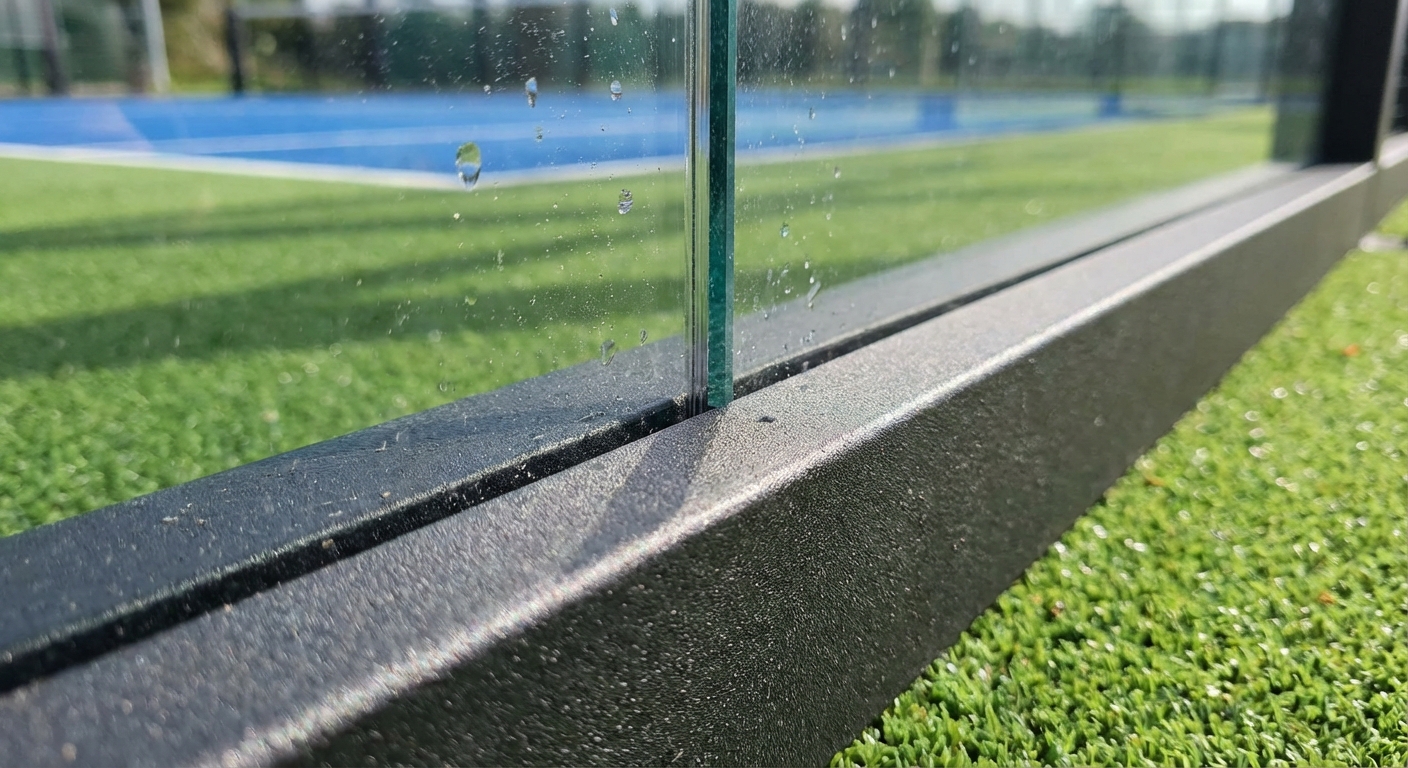
Selecting high-grade materials for building a padel court (https://superbpadel.com/Panoramic-Padel-Court/) ensures long-term structural integrity and reduces the frequency of expensive repairs. You should prioritize 12mm anti-explosion tempered glass and hot-dip galvanized steel to withstand both player impact and environmental stressors. These materials provide the transparency and durability necessary for a premium facility that attracts high-end clientele.
Why use 12mm anti-explosion tempered glass?
Tempered glass is the backbone of the court, providing the rebounding surface that defines the game’s unique mechanics. You need 12mm thickness to ensure the panels can handle the kinetic energy of players leaning or crashing into the walls.
Make no mistake:
- 12mm glass offers superior safety and impact resistance over 10mm options.
- Anti-explosion treatments prevent dangerous shards if a break occurs.
- High transparency improves the viewing experience for club spectators.
Using certified safety glass is the most effective way to manage liability and player safety in your facility.
How does galvanized steel prevent corrosion?
The metal framework must be treated with a hot-dip galvanization process to prevent rust, especially for outdoor installations. You should look for powder-coated finishes that provide an extra layer of protection against UV rays and moisture.
But wait, there is more:
- Galvanized steel can last over 20 years in outdoor environments.
- Modular frames allow for faster on-site assembly and alignment.
- Powder coating allows you to customize the court colors for branding.
Key Takeaway: Prioritizing industrial-grade steel and 12mm safety glass significantly extends the lifespan of your court while minimizing operational risks.
| Material | Specification | Purpose |
|---|---|---|
| Steel Frame | Hot-dip Galvanized | Corrosion Resistance |
| Glass Walls | 12mm Tempered | Safety and Rebound |
| LED Lights | IP66 Waterproof | Energy Efficiency |
Choosing premium materials up front protects your investment from weather damage and heavy usage wear.
Are you building a padel court for indoor play?
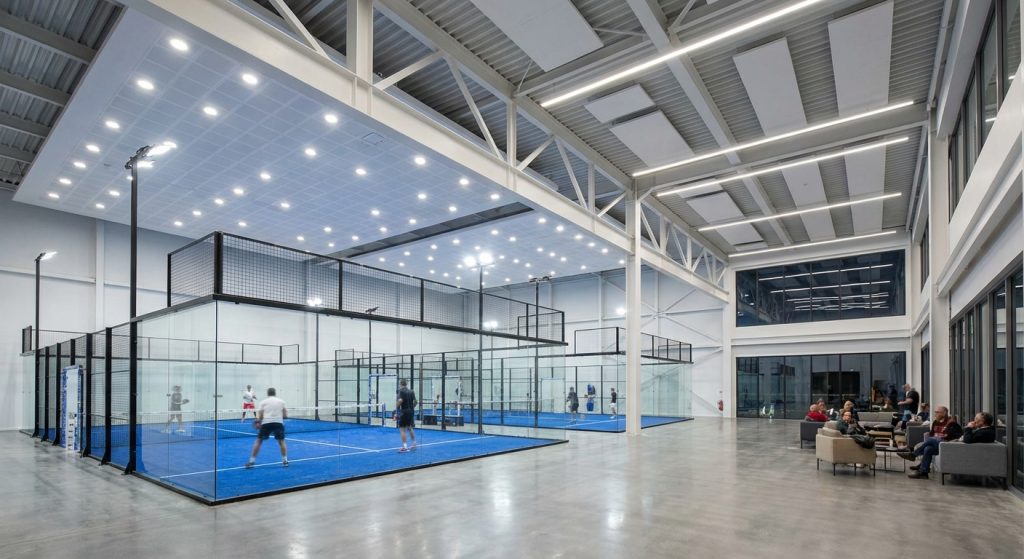
Indoor environments for building a padel court require a minimum ceiling clearance of 6 meters, though 8 meters is highly recommended for professional play. You must carefully manage lighting and ventilation to ensure that the enclosed space remains comfortable during high-intensity matches. Indoor courts offer the advantage of year-round bookings, shielding your revenue from rain, wind, and extreme temperatures.
Essential 6-8 meter ceiling clearances?
Vertical space is a critical part of padel strategy because the “lob” is a primary defensive and offensive shot. If you build with low ceilings, you frustrate players and limit the skill levels your facility can accommodate.
Think about it:
- 8 meters of height allows for high-level competitive lobs.
- Clearances must account for hanging lights and HVAC ducting.
- Obstructions above the court are immediate point-stoppers.
By providing ample vertical room, you ensure your courts are suitable for both beginners and advanced tournament players.
How to optimize indoor light distribution?
Indoor lighting needs to be uniform and flicker-free to prevent shadows that can distract players during fast rallies. You should install LED floodlights that are positioned outside the vertical plane of the court to avoid glare.
The best part?
- LED systems reduce energy consumption by up to 50% vs traditional bulbs.
- Uniform illumination prevents “dark spots” in the corners of the court.
- Instant-on capability ensures your courts are ready for play immediately.
Key Takeaway: Indoor courts provide a controlled environment that guarantees consistent playing conditions and maximum booking availability regardless of the weather.
| Indoor Factor | Requirement | Impact |
|---|---|---|
| Ceiling Height | 8 Meters Recommended | Lob Shot Viability |
| Ventilation | High Air Change Rate | Player Comfort |
| Lighting | 400-500 Lux | Visual Clarity |
Indoor facilities remove weather as a variable, allowing you to run a predictable 365-day booking schedule.
Can you save costs when building a padel court?
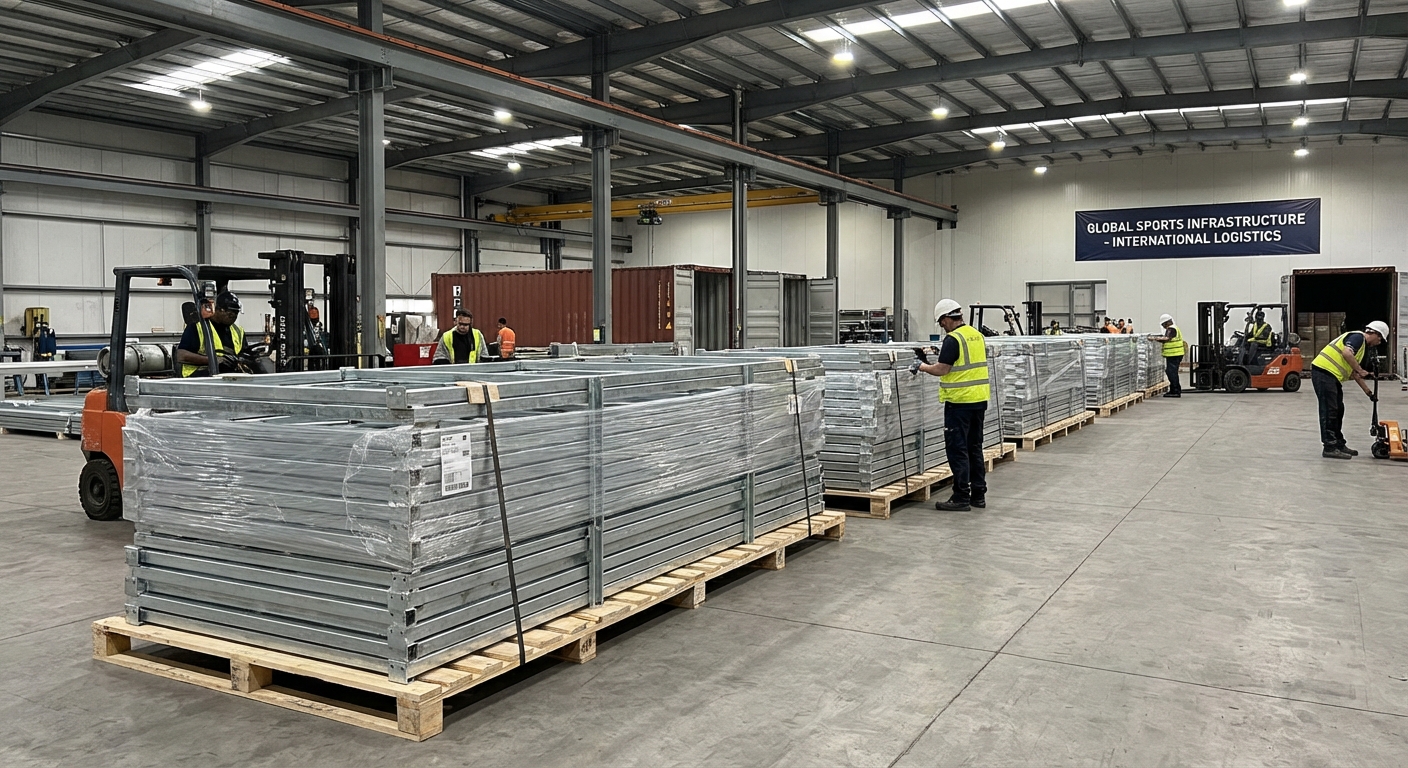
The most effective way to reduce the budget for building a padel court (https://superbpadel.com/Padel-Structure/) is through factory-direct procurement. By eliminating middlemen and distributors, you can often save up to 30% on the total equipment cost while maintaining high quality standards. Direct communication with the manufacturer also allows you to utilize OEM services to customize the court to your specific brand identity.
Why buying direct saves 30% on margins?
Middlemen often add significant markups for logistics and local warehousing that do not add value to the physical product. When you buy directly from the factory, you pay for the materials and engineering rather than someone else’s profit margin.
Look at this:
- Direct sourcing removes multi-tiered markups from local agents.
- Factory engineering teams can provide 24-hour technical support.
- Bulk shipping direct to your site reduces inland handling fees.
This cost-saving strategy allows you to reinvest those funds into high-quality turf or better lighting systems.
Can you use OEM and ODM services?
Customizing your court with your club’s logo and specific colors creates a unique brand experience that sets you apart from competitors. You can work with factory designers to adjust structural elements or aesthetic details to fit your site perfectly.
But wait, there is more:
- Custom RAL colors allow the structure to match your club’s palette.
- Logo integration into the glass or turf boosts professional branding.
- Flexible engineering can adapt the court for non-standard spaces.
Key Takeaway: Factory-direct sourcing empowers you to build a premium, branded facility at a significantly lower price point than buying through local resellers.
| Procurement Path | Cost Margin | Benefit |
|---|---|---|
| Local Distributor | +30-40% | Local Stock |
| Factory Direct | Base Price | 30% Savings |
| OEM Customization | Included | Brand Identity |
Buying direct from the source is the single most impactful decision for maintaining a lean construction budget.
What is the site plan for building a padel court?
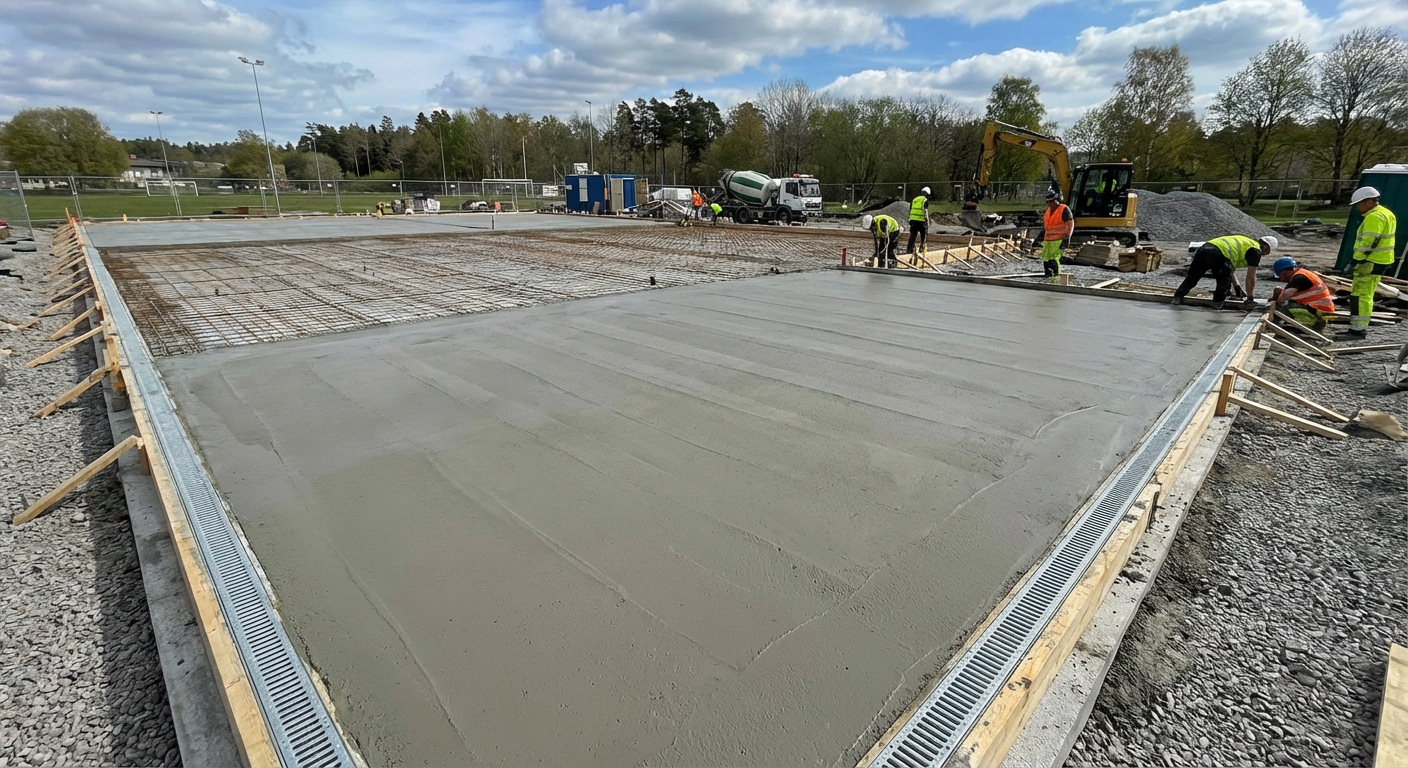
A robust site plan for building a padel court begins with a reinforced concrete slab that serves as the foundation for the heavy glass and steel. You must ensure the ground is perfectly level and includes integrated drainage to prevent water pooling under the turf. Proper site preparation prevents structural shifting and ensures that your court remains safe for high-intensity play over many years.
Soil stability and excavation basics?
Before pouring concrete, you must verify that the soil can support the weight of the structure without settling. You should remove any organic material and compact the sub-base with crushed stone to create a stable platform.
Here is the kicker:
- Poor compaction leads to cracked slabs and uneven playing surfaces.
- Reinforced concrete with mesh prevents structural failure under load.
- A 15-20cm slab thickness is the industry standard for durability.
A solid foundation is the only way to guarantee that your glass panels remain perfectly aligned for consistent ball bounces.
Designing effective drainage systems?
For outdoor courts, water management is crucial to prevent the turf from becoming waterlogged or damaged. You should design the slab with a slight slope or perimeter drainage channels to move rainwater away quickly.
The best part?
- Quick drainage allows players to return to the court sooner after rain.
- Proper water runoff prevents mold growth on the synthetic turf.
- Integrated channels keep the base of the steel frame dry and rust-free.
Key Takeaway: A well-engineered foundation and drainage system protect your structural investment and ensure the court is playable in all weather conditions.
| Preparation Step | Standard | Criticality |
|---|---|---|
| Slab Levelness | <3mm Deviation | High |
| Concrete Strength | 25/30 MPa | High |
| Slope for Drainage | 0.5% to 1% | Medium |
Investing in a high-quality concrete base prevents expensive structural adjustments once the glass walls are installed.
Which glass type is used in building a padel court?
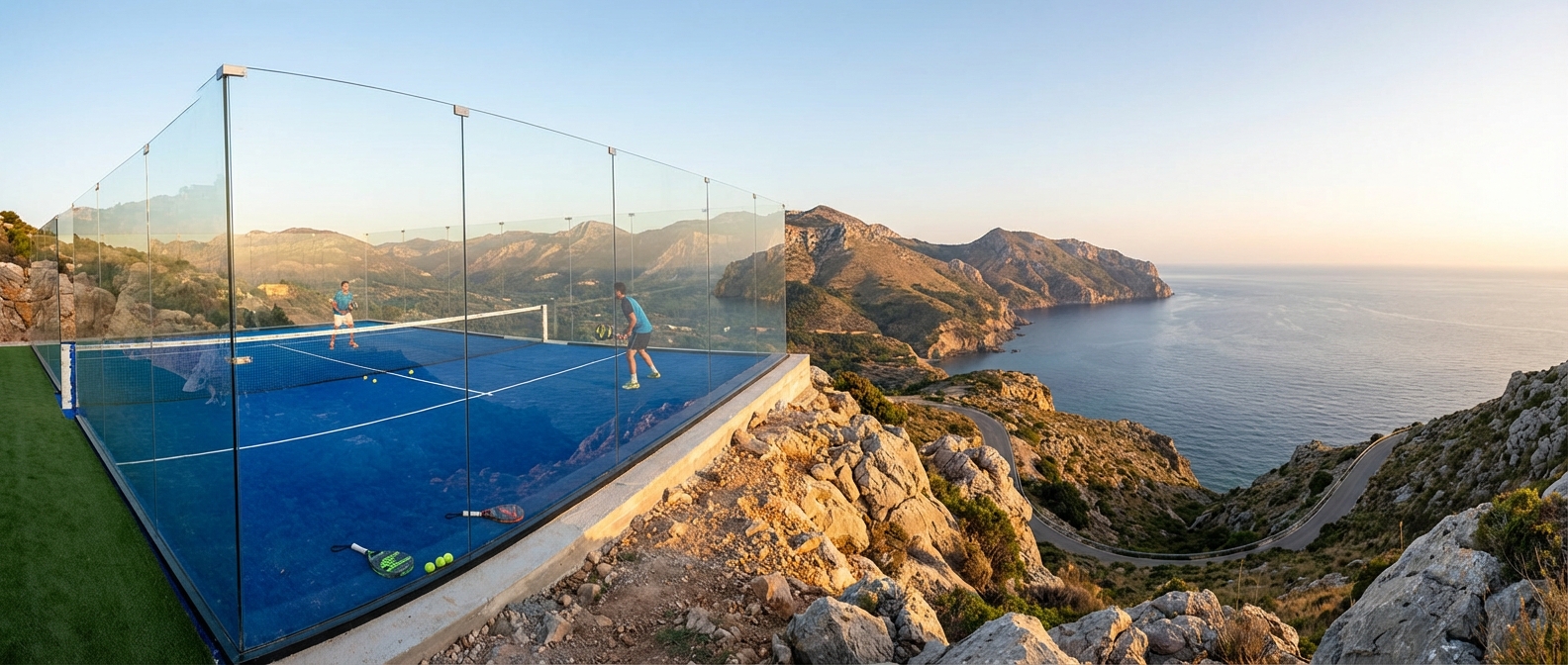
The glass walls used in building a padel court (https://superbpadel.com/Super-Panoramic-Padel-Court/) must meet strict EN 12150 safety certifications to ensure they are fit for purpose. You have the choice between standard designs and panoramic visibility models which offer unobstructed views for spectators. Selecting the right glass thickness and frame style defines both the safety level and the aesthetic appeal of your sports venue.
Standard vs. Panoramic visibility designs?
Standard courts use more vertical steel posts, which provide extra stability but can slightly block the view from the outside. Panoramic courts eliminate these rear posts, creating a “TV-ready” look that is highly desirable for premier clubs and hotels.
Believe it or not:
- Panoramic courts are the preferred choice for televised matches.
- Standard courts are often more cost-effective for private residences.
- Both designs use the same 12mm safety glass for performance.
Choosing a panoramic design can help you justify higher rental fees by providing a more elite playing environment.
Why EN 12150 safety certification matters?
This European standard ensures that the tempered glass has been tested for fragmentation and impact resistance. You must verify this certification to protect yourself from liability and to ensure that players are safe in the event of an accident.
Look at this:
- Certified glass breaks into small, dull pieces rather than sharp shards.
- EN 12150 glass is significantly stronger than standard plate glass.
- Proper certification is often required for facility insurance coverage.
Key Takeaway: High-visibility safety glass not only enhances the professional look of your facility but also provides the essential protection players need.
| Glass Feature | Specification | User Benefit |
|---|---|---|
| Thickness | 12mm | Superior Durability |
| Clarity | Ultra-Clear | Better Visibility |
| Certification | EN 12150 | Safety Assurance |
Panoramic glass walls transform a standard sports area into a high-end visual centerpiece for your facility.
Does building a padel court require specific turf?
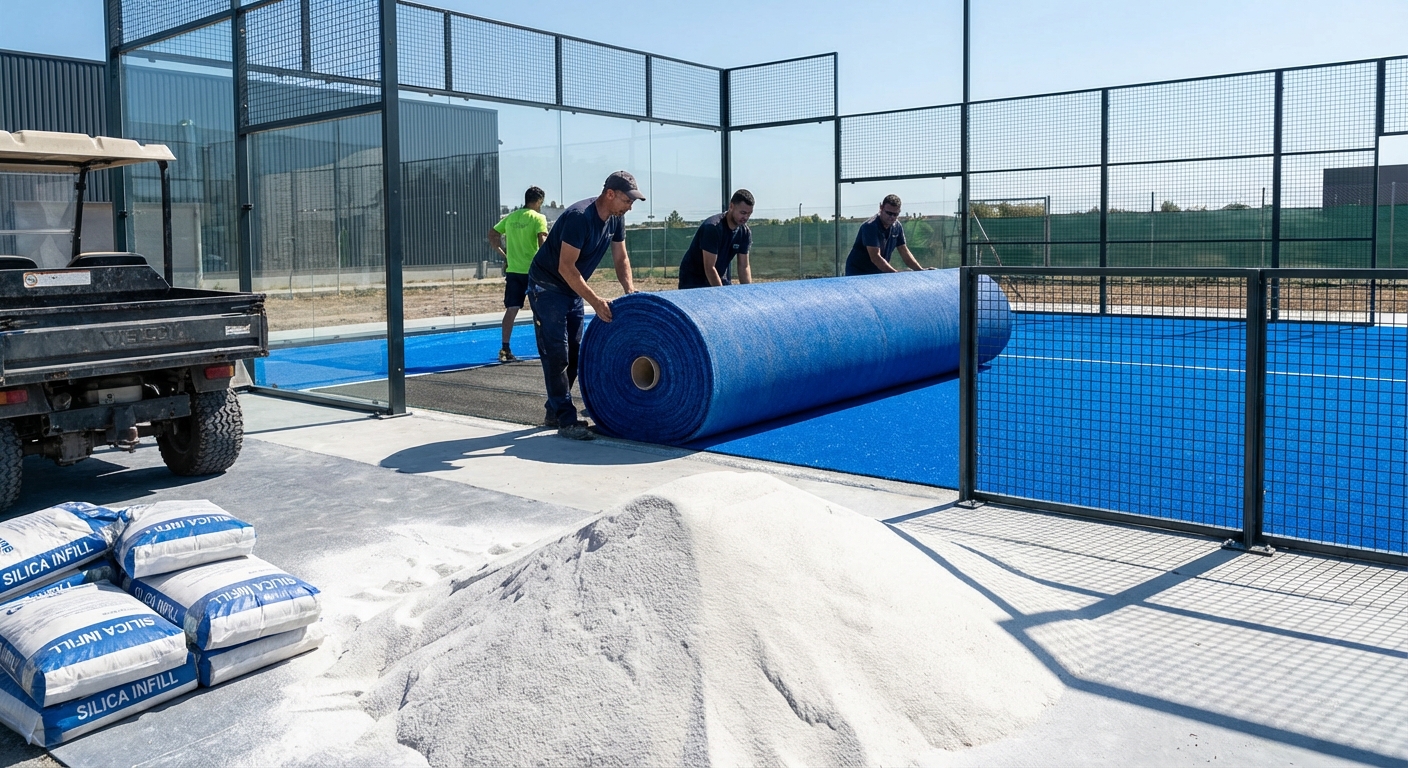
The playing surface for building a padel court must be a high-density synthetic turf that is specifically engineered for the sport’s unique pivoting movements. You should select fibrillated or monofilament grass that can hold the required silica sand infill while maintaining its texture over time. This specialized turf ensures a consistent ball bounce and provides the necessary grip to prevent player injuries.
High-density fibrillated synthetic grass?
Fibrillated turf is a popular choice because its fibers split slightly to lock in the sand infill, creating a stable and durable surface. You want a high stitch rate to ensure the grass doesn’t flatten out under heavy commercial use.
Make no mistake:
- Padel turf is shorter and denser than typical football turf.
- Blue and green are the most popular colors for visual contrast.
- High-quality fibers are UV-stabilized to prevent fading in the sun.
The right turf choice reduces long-term maintenance needs and keeps your court looking brand new for years.
The role of silica sand infill for grip?
Silica sand is not just a filler; it is what allows players to slide safely and keeps the turf fibers standing upright. You must use the correct grain size and volume to ensure the surface isn’t too slippery or too “grabby.”
Here is the kicker:
- Sand infill protects the base of the turf from premature wear.
- Proper distribution ensures the ball bounces predictably every time.
- Rounded silica grains prevent skin abrasions during player falls.
Key Takeaway: High-performance synthetic turf combined with correct silica infill creates a professional-grade playing surface that maximizes safety and durability.
| Turf Quality | Padel Requirement | Player Benefit |
|---|---|---|
| Pile Height | 10mm – 12mm | Fast Ball Speed |
| Fiber Density | High | Long Lifespan |
| Infill Type | Silica Sand | Consistent Traction |
Selecting sport-specific turf is vital for providing the fast-paced, high-traction experience that defines padel.
What are the steps for building a padel court?
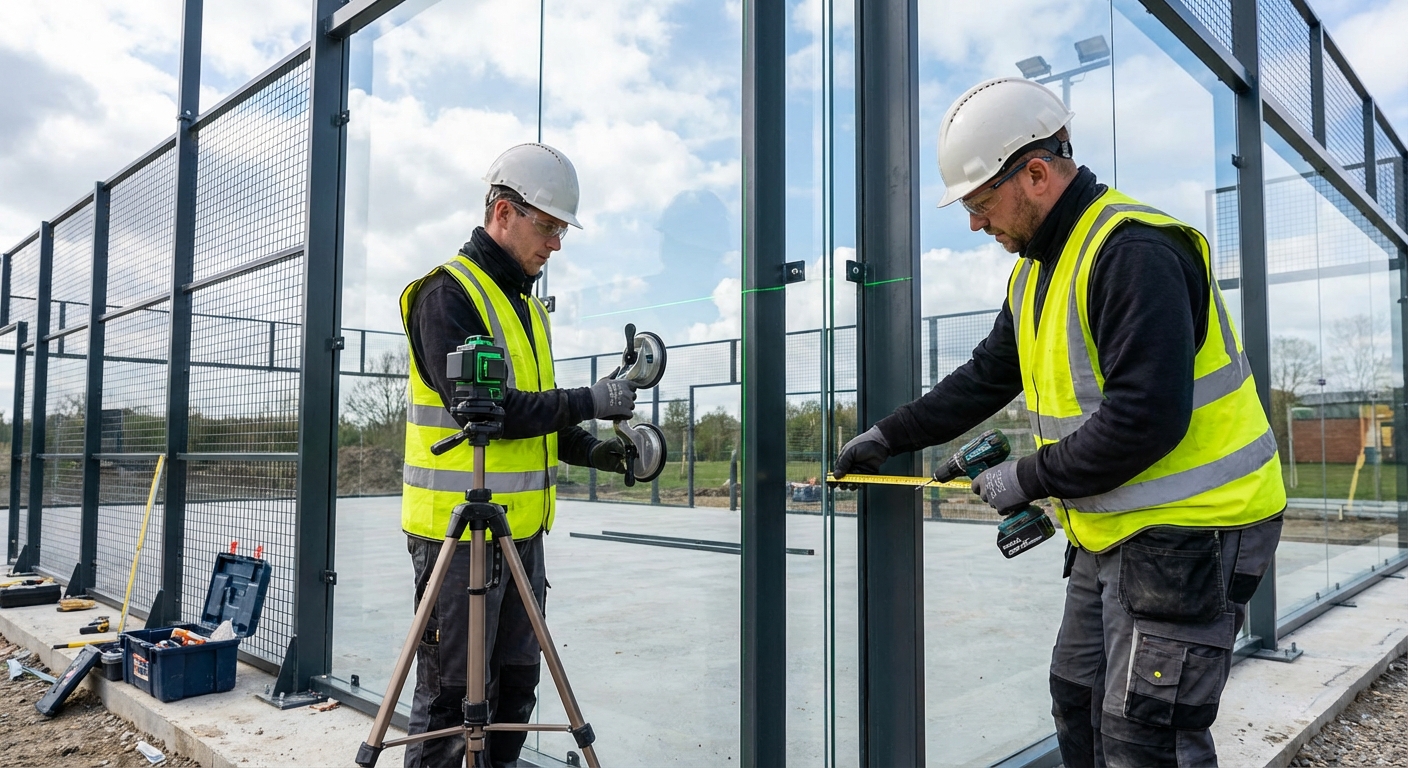
The process of building a padel court (https://superbpadel.com/Padel-Glass/) follows a strict sequence: site preparation, base slab pouring, frame assembly, glass installation, and turf laying. You must ensure that each phase is completed with precision, particularly the glass mounting, to avoid structural stress. Professional installers use laser leveling tools to ensure the frame is perfectly square before the first ball is ever served.
Modular frame and glass installation?
Once the concrete is cured, the steel frame is bolted to the slab using heavy-duty anchors. You then mount the 12mm glass panels into the frame, ensuring there is a small gap between the glass and the steel to allow for thermal expansion.
But wait, there is more:
- Modular designs can be installed in as little as 3 to 5 days.
- Laser leveling ensures the net and walls are perfectly aligned.
- Specialized suction tools are used to safely handle the heavy glass.
A well-aligned frame is the secret to a court that stays quiet and stable during high-impact matches.
How do you finish final surfacing and tensioning?
The final step is unrolling the turf, gluing the seams, and spreading the silica sand. You must then install the net and tension it to the official height of 0.88 meters at the center and 0.92 meters at the posts.
The best part?
- Proper net tensioning is the hallmark of a professional-grade court.
- Automated sand spreaders ensure even distribution across the turf.
- Final inspections verify that all bolts are torqued to safety specs.
Key Takeaway: Following a systematic installation process with professional-grade tools ensures your court is safe, compliant, and ready for commercial use.
| Phase | Duration | Focus |
|---|---|---|
| Base Slab | 7-14 Days | Leveling and Curing |
| Steel Frame | 1-2 Days | Structural Alignment |
| Glass/Turf | 2-3 Days | Safety and Playability |
A professional installation team minimizes downtime and ensures the court meets all safety and performance standards.
How do you maintain after building a padel court?
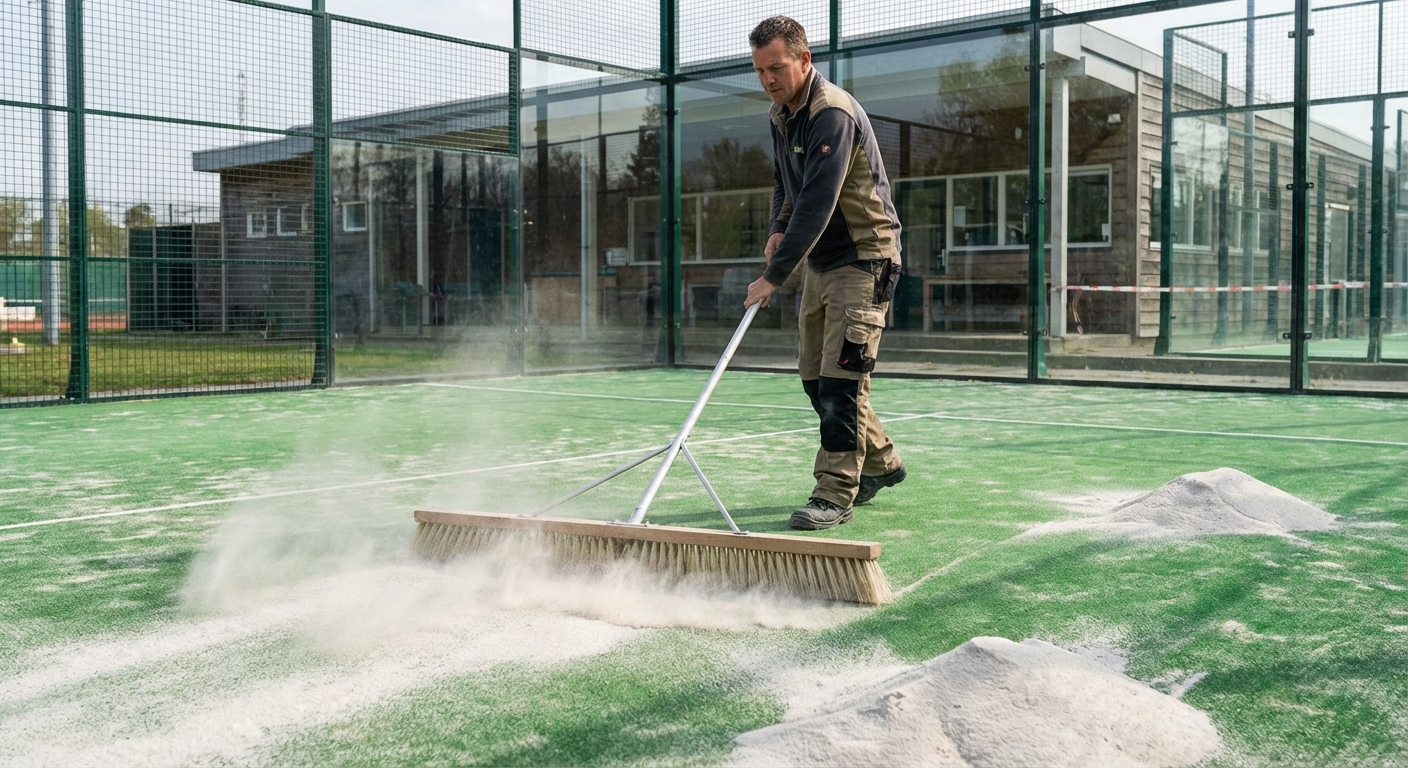
Routine maintenance for building a padel court involves weekly brushing of the turf and regular inspection of the structural bolts and glass panels. You must keep the sand infill evenly distributed to prevent the turf from wearing out prematurely in high-traffic zones like the net. Consistent care extends the life of your facility and ensures a safe environment for your players.
Weekly brushing and sand redistribution?
As people play, the silica sand tends to migrate toward the corners and edges of the court. You should use a professional drag brush once a week to pull the sand back into the center and lift the turf fibers.
Look at this:
- Brushing prevents the turf from matting and becoming slippery.
- Regular sand leveling ensures the ball bounce remains consistent.
- Removing debris like leaves prevents drainage clogs in the turf.
This simple routine can add years to the lifespan of your synthetic surface.
When to inspect structural bolts and mesh?
The vibrations from ball impacts and player collisions can eventually loosen the hardware that holds the court together. You should perform a monthly check of all structural bolts and the tension of the metal mesh fencing.
Believe it or not:
- Tightening bolts monthly prevents structural rattling and noise.
- Inspecting glass gaskets ensures the panels stay securely seated.
- Early detection of rust spots allows for quick touch-up painting.
Key Takeaway: A proactive maintenance schedule protects your capital investment and ensures your court remains a high-quality asset for your club.
| Task Frequency | Action | Benefit |
|---|---|---|
| Weekly | Turf Brushing | Surface Longevity |
| Monthly | Bolt Inspection | Structural Safety |
| Annually | Professional Deep Clean | Aesthetics/Hygiene |
Standardized maintenance ensures your facility maintains a “like-new” feel that keeps members returning.
Conclusion
Building a padel court is more than just a construction project; it is a strategic investment into the future of your sports facility. By following the technical guidelines for site preparation, selecting factory-direct materials, and committing to a routine maintenance schedule, you solve the problem of underutilized space and create a high-revenue social hub. Our commitment to factory prices and international safety standards ensures that your project is both affordable and built to last. We are dedicated to providing the highest quality infrastructure to help your business thrive in the modern sports landscape. To start your journey toward a premier sports facility, contact us today (https://superbpadel.com/) for a professional quotation and expert consultation.
Frequently Asked Questions
Can I customize the court color to match my club’s branding?
Yes, you can specify any RAL color for the steel structure. This allows you to integrate the court perfectly into your existing facility’s aesthetic and strengthen your brand identity.
Can I install a padel court on an existing tennis court surface?
Usually, this is possible if the base is reinforced concrete or high-quality asphalt. However, you must verify the slab thickness and levelness to ensure it can support the concentrated weight of the glass walls.
What’s the best type of lighting to prevent glare during night matches?
The best choice is professional IP66 LED floodlighting with asymmetric lenses. This technology directs light onto the playing surface while minimizing upward glare, ensuring players can see the ball clearly at all times.
How do I know if my soil is stable enough for a concrete slab foundation?
You should conduct a professional soil compaction test before pouring any concrete. Stable soil prevents the foundation from shifting, which is critical for keeping the glass panels aligned and safe.
How do I know if I should choose a Panoramic or Standard court design?
Choose Panoramic if your goal is to host high-profile events or if the court is a visual centerpiece for a resort. Select the Standard design for a budget-friendly, high-durability option suitable for schools or residential areas.