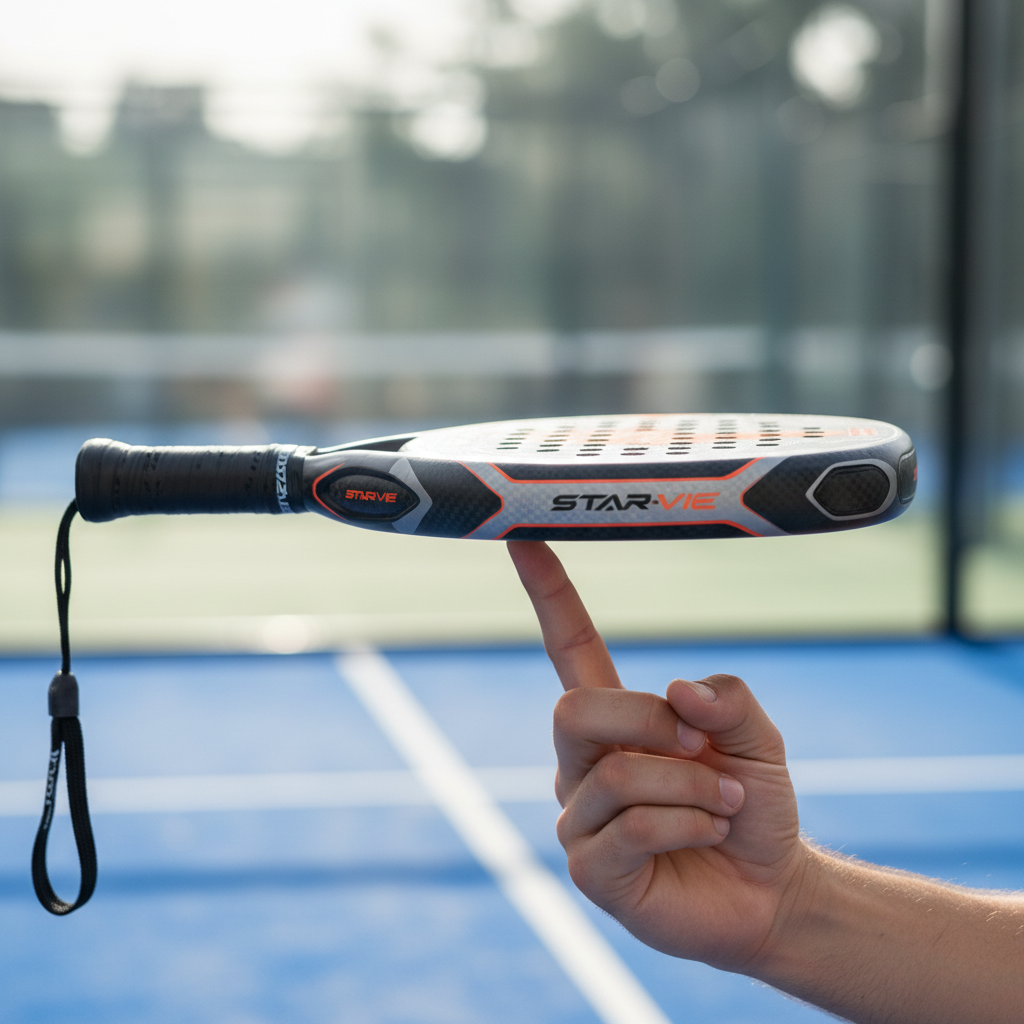
Many athletes struggle with chronic wrist pain and inconsistent shot accuracy because they utilize a mismatched padel bat. This technical mismatch leads to physical strain and hinders competitive progress on a professional court. We provide a definitive breakdown of racket engineering and material selection to resolve these performance bottlenecks. Our expertise comes from decades of manufacturing excellence at the SuperbPadel About facility where precision remains a standard requirement.
Table of Contents
- What is a padel bat and how does it function?
- Which padel bat level matches your experience?
- How does the shape of a padel bat affect your game?
- Why is the weight of a padel bat critical for performance?
- Where should the balance of a padel bat be located?
- What surface materials are used in a padel bat?
- Which core materials define a padel bat’s feel?
- Does the thickness of a padel bat impact durability?
- How can you optimize the grip of a padel bat?
- How do experts build a professional padel bat?
1. What is a padel bat and how does it function?
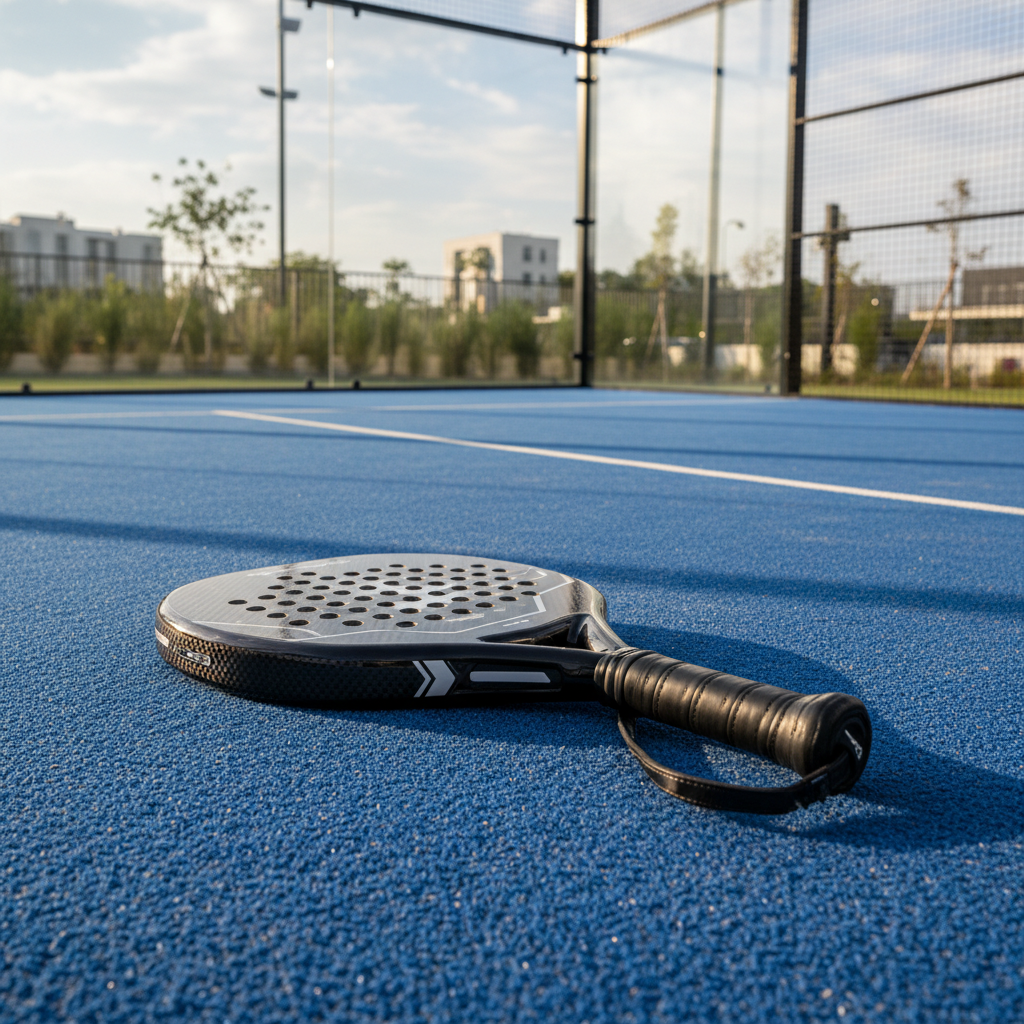
A padel bat serves as a solid-faced instrument specifically designed for the sport of padel. Unlike a tennis racket which uses nylon strings a padel bat features a composite construction with a foam core. This tool must move through the air with minimal drag so engineers drill patterns into the face. Each hole allows air passage during high-speed swings at the Standard Padel Court baseline. The absence of strings creates a different elastic response during ball impact.
The physical mechanics of a padel bat rely on the trampoline effect of its internal core. When a ball strikes the surface the foam compresses then rapidly expands to propel the sphere forward. This energy transfer happens within milliseconds yet it determines the “output” of every shot. Professional players require a specific hole alignment to ensure consistent flight paths. Aerodynamics play a massive role when executing overhead smashes or quick volleys.
Think about this…
A standard padel bat functions as a lever that amplifies arm strength while providing vibration dampening.
- The solid face increases the contact surface for better control.
- Perforated holes reduce weight and air resistance during a swing.
- Internal foam cores absorb shock to protect the player’s joints.
- Safety cords remain a mandatory feature for all competitive models.
Key Takeaway: Understanding the basic physics of a padel bat enables better equipment selection.
Aerodynamic and Structural Parameters
| Component | Function | Material | Standard Spec |
|---|---|---|---|
| Racket Face | Ball Contact | Carbon or Glass Fiber | 38mm Thickness |
| Hole Pattern | Air Drag Reduction | CNC Drilled | 10-13mm Diameter |
| Safety Cord | Player Protection | Nylon or Polyester | Adjustable Wrist Strap |
2. Which padel bat level matches your experience?
Choosing a padel bat requires a sober assessment of your current technical abilities on the turf. Beginners often make the mistake of buying high-stiffness rackets used by world-class athletes. This usually leads to a lack of “ball output” and increased risk of tendonitis. A softer racket provides more assistance during the learning phase because the materials do the work for you. If you play at a Panoramic Padel Court you need equipment that scales with your growth.
Advanced players seek a padel bat that offers “transparency” in every shot. This means the racket does not add unintended power but follows the player’s precise input. High-end models utilize rigid carbon weaves like 18K fiber to maximize energy transfer. These instruments demand perfect timing yet they reward the user with incredible accuracy. Intermediate players should look for “hybrid” models that bridge the gap between comfort and precision.
Here’s the deal…
Your skill level dictates the optimal stiffness and sweet spot size of your preferred padel bat.
- Beginner: Large sweet spot with a soft foam core for forgiveness.
- Intermediate: Balanced weight distribution for versatile playstyles.
- Advanced: High-stiffness face for explosive power and technical placement.
- Professional: Custom-weighted frames tailored to specific tactical roles.
Key Takeaway: Matching a padel bat to your specific skill level prevents injury and accelerates progress.
Racket Level Comparison Matrix
| Player Level | Racket Stiffness | Sweet Spot Size | Primary Material |
|---|---|---|---|
| Novice | Low (Flexible) | Very Large | Fiberglass / Soft Foam |
| Club Player | Medium | Large | Carbon Hybrid / EVA Soft |
| Pro Athlete | High (Rigid) | Small / High | 18K Carbon / EVA Hard |
3. How does the shape of a padel bat affect your game?
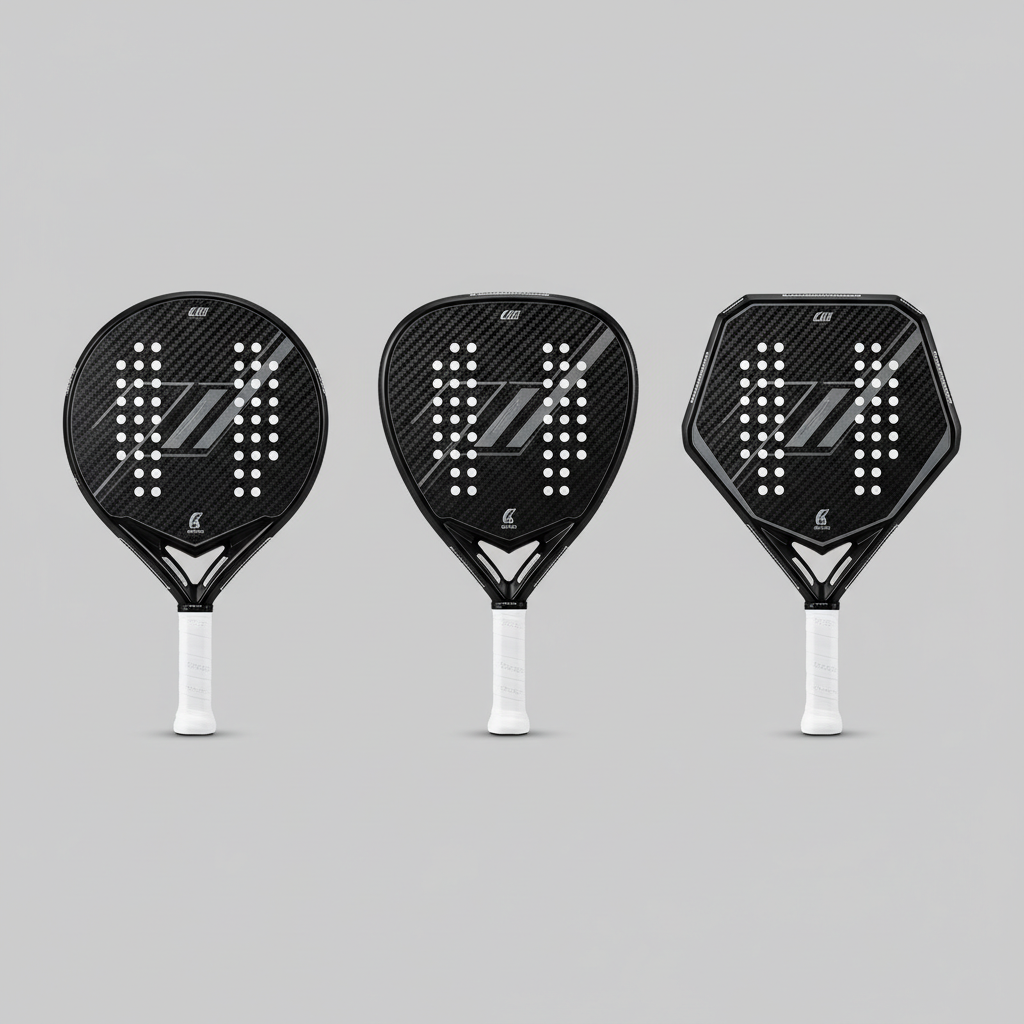
The geometry of a padel bat determines the location of its “sweet spot” and its natural balance point. Round shapes are the most traditional because they place the center of gravity near the handle. This design provides exceptional maneuverability during defensive rallies at the Super Panoramic Padel Court. A round padel bat is inherently stable yet it lacks the leverage for devastating overhead shots. It remains a favorite for tactical players who value placement over raw speed.
Diamond shapes represent the opposite end of the spectrum for a modern padel bat. These rackets are top-heavy and require significant strength to swing effectively. The sweet spot sits very high on the face which creates a massive lever effect during smashes. Teardrop shapes act as the versatile “middle ground” in the industry. They offer a blend of power and control making them suitable for aggressive baseliners.
Believe it or not…
The physical shape of the head changes the way air flows around the padel bat during a stroke.
- Round: Maximizes control and provides the most forgiving hit area.
- Teardrop: Shifts the balance slightly higher for increased versatile power.
- Diamond: Concentrates weight at the tip for maximum smashing velocity.
- Oversized: Increases the surface area for amateur players needing help.
Key Takeaway: Selecting the correct shape for your padel bat aligns the equipment with your tactical goals.
Racket Shape Dynamics
| Shape | Balance Point | Sweet Spot Location | Tactical Usage |
|---|---|---|---|
| Round | Low (Handle) | Center | Defensive / Control |
| Teardrop | Medium | Middle-Top | All-Around / Balanced |
| Diamond | High (Head) | Top | Offensive / Power |
4. Why is the weight of a padel bat critical for performance?
Mass remains a pivotal factor when evaluating a padel bat for competitive use. Most professional rackets weigh between 350 and 385 grams yet a 10-gram difference is quite noticeable. A lighter padel bat allows for lightning-fast reactions at the net during rapid volleys. This mobility is requisite when defending high-speed shots on Padel Grass surfaces. However a light racket can vibrate excessively and cause arm fatigue over long matches.
Heavier bats provide more “plow-through” when making contact with the ball. A heavy padel bat absorbs more energy from the opponent’s shot and stays stable during impact. This mass helps players generate pace without having to swing with maximum effort. Many male professional players prefer a weight closer to 375 grams to dominate the court. Women and junior players typically opt for lighter frames to maintain speed and prevent shoulder injuries.
Wait, there’s more…
The effective weight of a padel bat feels different depending on how you distribute the mass.
- 350g-360g: Ultra-light for maximum agility and injury prevention.
- 365g-370g: Standard weight for the majority of club-level players.
- 375g-385g: Professional weight for high-stability and explosive smashes.
- Custom: Lead tape additions can fine-tune a racket to exact grams.
Key Takeaway: The weight of your padel bat must balance your physical strength with your desired swing speed.
Weight Class Performance Impact
| Weight Range | Swing Speed | Stability | Injury Risk |
|---|---|---|---|
| < 355g | Very High | Low | Lower (Less Strain) |
| 360g – 370g | High | Medium | Balanced |
| > 375g | Moderate | High | Higher (Weight Stress) |
5. Where should the balance of a padel bat be located?
Balance refers to the center of gravity along the longitudinal axis of the padel bat. If the weight sits near the handle the racket feels “head-light” and easy to flick. This setup allows for technical “chiquita” shots and delicate drop shots near the net. A head-light padel bat feels much lighter than its actual scale weight during play. This configuration is often found in round-shaped rackets designed for precision.
High balance creates a “head-heavy” sensation where the padel bat pulls your wrist forward. This momentum is vital for aggressive players who want to drive the ball out of the court. A head-heavy racket requires stronger forearm muscles to control during quick defensive blocks. Most diamond-shaped models utilize this high balance point to maximize the “hammer effect.” Players at a Roofed Padel Court often choose high balance to counteract slow ball conditions.
This is where it gets interesting…
Changing the balance of a padel bat by just five millimeters can transform its entire playing characteristic.
- Low Balance: Enhances wrist mobility and technical touch during volleys.
- Medium Balance: Provides a versatile feel that suits most game situations.
- High Balance: Increases leverage for power but reduces defensive speed.
- Static Balance: Measured in millimeters from the bottom of the handle.
Key Takeaway: Balance determines the “perceived weight” and maneuverability of your padel bat during matches.
Balance Points and Playing Style
| Balance Type | Measurement | Feel | Best For |
|---|---|---|---|
| Head-Light | 250 – 260mm | Agile | Defensive Grinders |
| Even | 265 – 275mm | Stable | All-Rounders |
| Head-Heavy | > 280mm | Powerful | Offensive Smashers |
6. What surface materials are used in a padel bat?
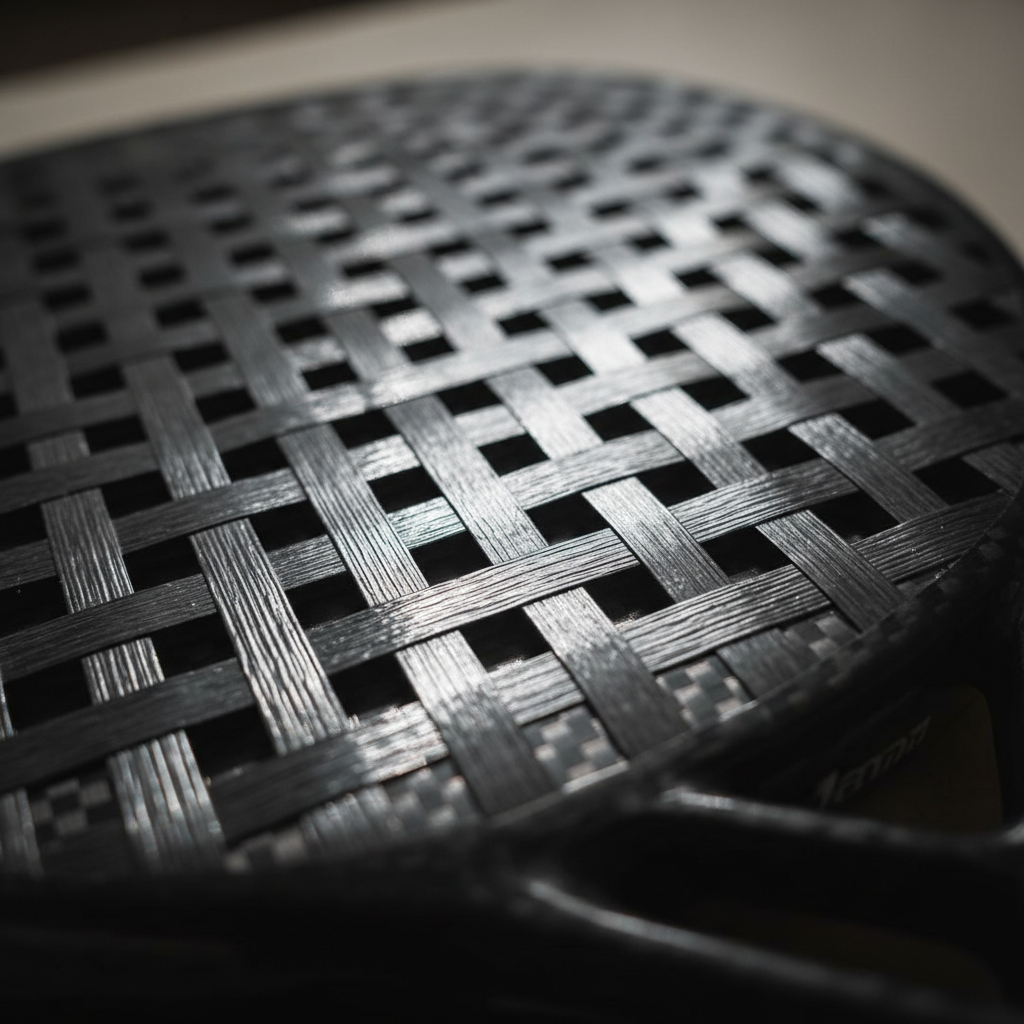
The face of a padel bat is constructed from layers of fiberglass or carbon fiber. Fiberglass is more flexible and offers a “soft” touch that helps beginners control the ball. This material provides high comfort because it absorbs the impact energy effectively. However fiberglass is less durable and can lose its elasticity over time. Most entry-level rackets utilize this material to keep the price accessible for new enthusiasts.
Carbon fiber is the gold standard for a professional padel bat due to its strength-to-weight ratio. Manufacturers use different weaves like 3K 12K or 18K to adjust the stiffness of the surface. A 18K carbon face is extremely rigid and provides massive power for those with high swing speeds. Modern rackets also feature “rough” textures to increase friction for spin shots. These patterns are requisite for technical play on high-quality Padel Glass environments.
Here is the deal…
The density of the weave on a padel bat surface dictates the “trampoline effect” during impact.
- Fiberglass: High flexibility and comfort for amateur recreational use.
- 3K Carbon: A balanced weave that offers good durability and response.
- 12K Carbon: A stiff surface for players seeking increased ball speed.
- 18K Carbon: The ultimate rigid face for maximum precision and power.
Key Takeaway: Surface materials define the “touch” and long-term durability of a high-performance padel bat.
Surface Material Comparison
| Material | Elasticity | Durability | Power Potential |
|---|---|---|---|
| Fiberglass | High | Moderate | Low |
| Carbon 3K | Moderate | High | Medium |
| Carbon 18K | Low | Extreme | Very High |
7. Which core materials define a padel bat’s feel?
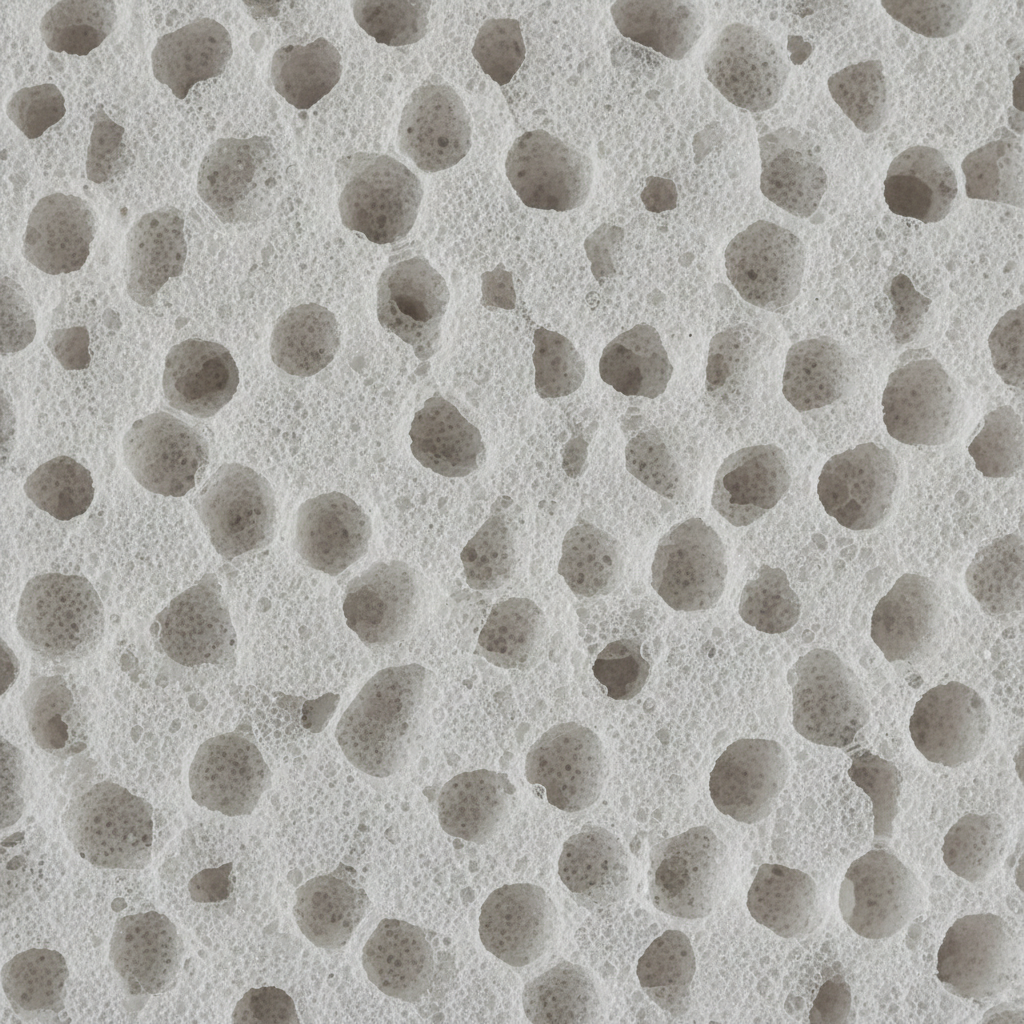
Internal foam acts as the “engine” of a padel bat by determining its energy return. The two primary options are EVA (Ethylene-Vinyl Acetate) and FOAM (Polyethylene). EVA is a denser rubber-like material that offers high durability and a “crisp” feel. It comes in various densities such as “Soft” or “Hard” to suit different player preferences. A hard EVA core is pivotal for power because it does not absorb the ball’s kinetic energy.
FOAM is much softer and provides incredible vibration dampening for the padel bat. This material is perfect for players recovering from “tennis elbow” or joint injuries. It offers a large “ball output” which means the ball travels far even with a slow swing. The downside of FOAM is its shorter lifespan as the cells lose their memory faster than EVA. Proper storage in a climate-controlled Padel Structure helps maintain core integrity.
Ready for the good part?
The combination of a hard face and soft core can create a unique “hybrid” padel bat feel.
- EVA Soft: The most popular core for intermediate club-level performance.
- EVA Hard: Provides maximum energy transfer for professional smashing power.
- Polyethylene: Offers the highest level of comfort and shock absorption.
- Multi-Density: Layers of different foams to optimize both power and touch.
Key Takeaway: The core density of a padel bat remains the most important factor for player comfort.
Foam Core Density Matrix
| Core Type | Density | Vibration Absorption | Bounce (Output) |
|---|---|---|---|
| Soft FOAM | Low | Excellent | High |
| EVA Soft | Medium | Good | Moderate |
| EVA Hard | High | Low | Low (Requires Strength) |
8. Does the thickness of a padel bat impact durability?
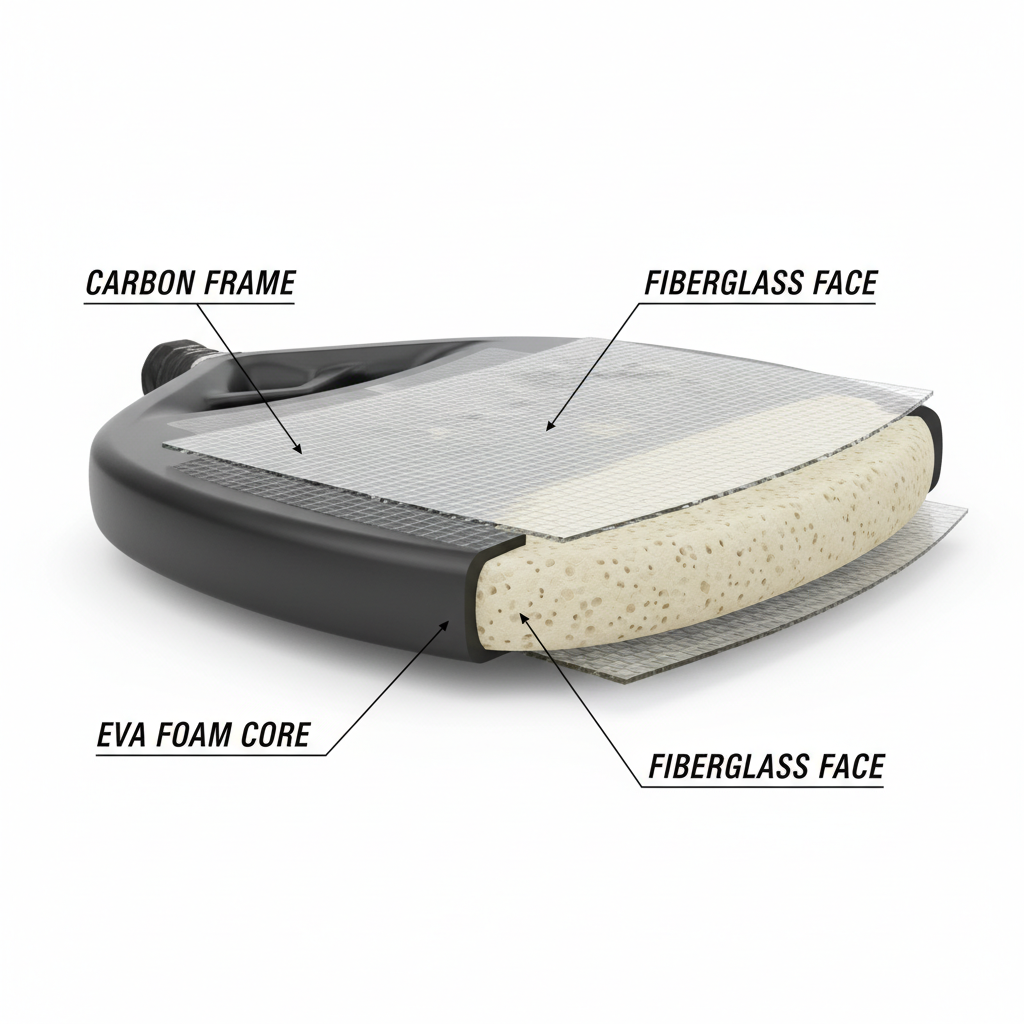
Regulation standards dictate that a padel bat must not exceed 38 millimeters in thickness. This measurement provides the necessary volume for the foam core to function as a spring. A thinner frame would lack the structural integrity to withstand the high-velocity impacts of a professional game. Modern frames often use a “tubular” carbon construction to provide stiffness without adding weight. This hollow structure surrounds the foam core to keep the padel bat rigid during off-center hits.
Durability is also affected by the frame’s protective bumper at the top of the padel bat. This plastic or carbon strip prevents the racket from cracking when it hits the glass walls. Since padel involves many shots close to the perimeter protection is a requisite feature. High-quality rackets use integrated frames that extend deep into the handle for better energy flow. This prevents the “neck” of the bat from snapping under the stress of a heavy smash.
Think about this…
The 38mm thickness of a padel bat is the result of decades of engineering for safety and performance.
- Tubular Frame: Double carbon tubes increase the strength of the outer rim.
- Integrated Protector: Shields the frame from wall impacts during play.
- Core Thickness: Always remains at the 38mm limit for competitive models.
- Neck Reinforcement: Structural bridges reduce vibration and increase stability.
Key Takeaway: Standardized thickness ensures every padel bat meets safety and performance regulations.
Structural Integrity Components
| Feature | Purpose | Material | Benefit |
|---|---|---|---|
| Tubular Frame | Rigidity | Carbon Fiber | Less Frame Distortion |
| Bridge | Stability | Reinforced Plastic | Lower Vibrations |
| Frame Protector | Impact Shield | Thermoplastic | Longer Racket Life |
9. How can you optimize the grip of a padel bat?
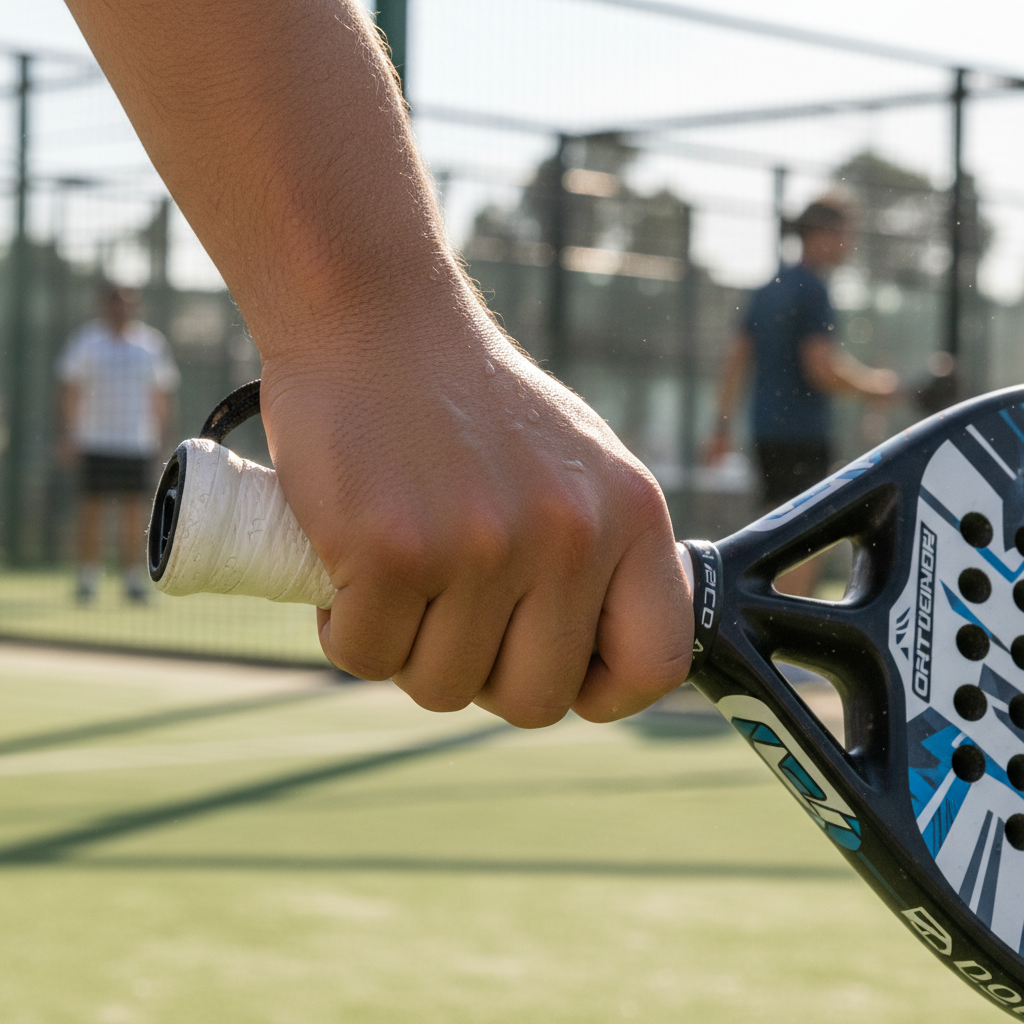
The handle of a padel bat is usually too thin for the average adult hand out of the box. Players must add “overgrips” to reach the perfect thickness for their specific palm size. A grip that is too small forces the player to squeeze too hard which leads to wrist injuries. Conversely a grip that is too thick reduces wrist snap and makes the padel bat feel bulky. The rule of thumb is to have enough space for your index finger between your thumb and fingertips.
Absorption is another vital role of the overgrip on a padel bat during intense matches. Sweaty hands can cause the racket to slip which results in dangerous uncontrolled shots. High-quality Padel LED Lighting can increase court temperature making moisture management pivotal. Some overgrips feature perforations to wick away sweat while others offer a “tacky” feel for maximum friction. Changing your overgrip frequently ensures that your padel bat always feels secure.
What’s the real story?
The handle length of a padel bat also influences how much leverage you can generate.
- Overgrip: Customizes the diameter to prevent hand fatigue and slipping.
- Replacement Grip: The primary layer that provides initial cushioning.
- Hesacore: A honeycomb grip insert that reduces vibrations and improves hold.
- Wrist Strap: A mandatory safety cord that prevents the bat from flying.
Key Takeaway: A customized grip on your padel bat is fundamental for shot consistency and injury prevention.
Grip Customization Guide
| Modification | Primary Effect | Materials Used | Player Profile |
|---|---|---|---|
| 1-2 Overgrips | Standard Thin | Synthetic Felt | Small Hands / Precise |
| 3+ Overgrips | Large Handle | Synthetic Felt | Large Hands / Power |
| Hesacore Insert | Ergonomic Hold | Silicone / Rubber | Injury Prone Players |
10. How do experts build a professional padel bat?
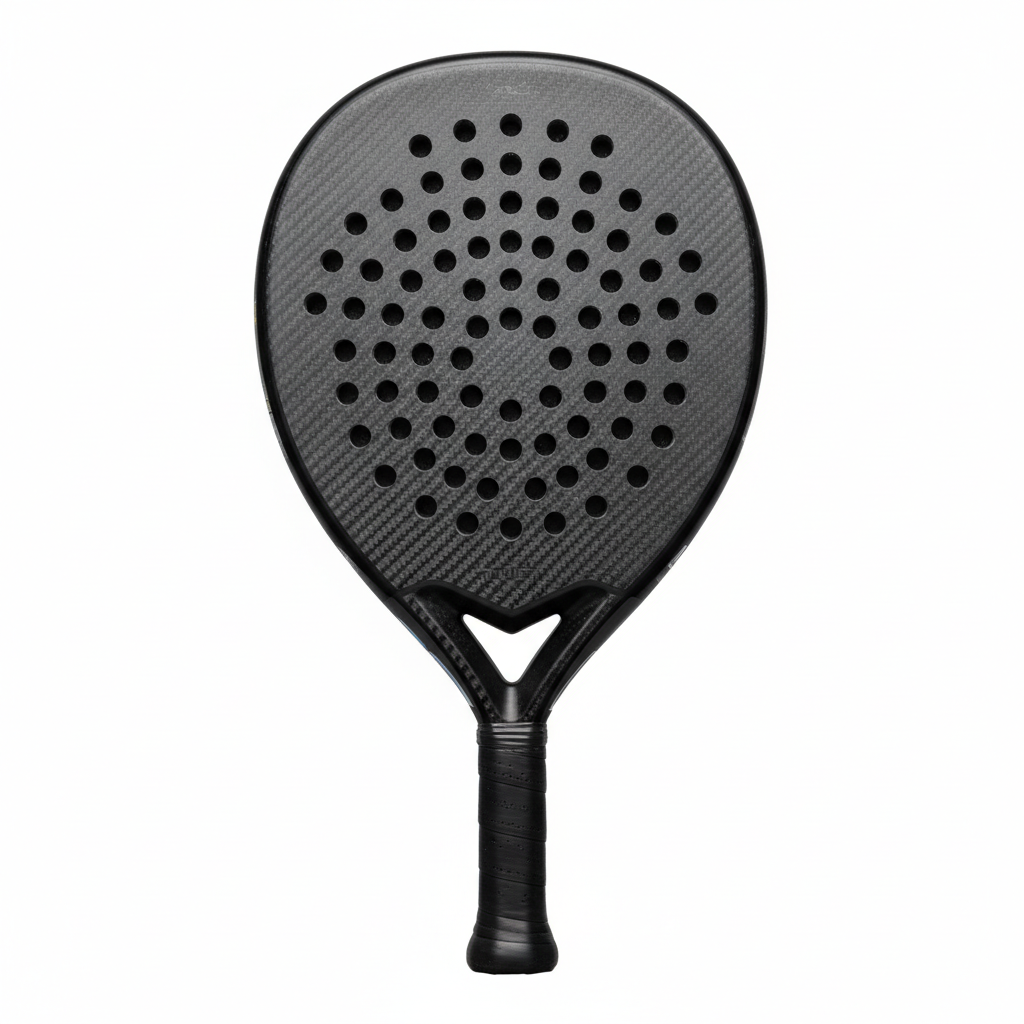
The manufacturing of a padel bat is a labor-intensive process that combines manual skill with advanced technology. It begins with the foam core being cut into the desired shape (Round Teardrop or Diamond). Technicians then layer sheets of carbon fiber or fiberglass over the core using epoxy resins. The entire assembly is placed into a high-pressure vacuum mold to remove air bubbles. This step is pivotal for ensuring that the padel bat does not delaminate during play.
Once the “blank” is removed from the mold it undergoes CNC drilling for the hole pattern. This precision machinery ensures that every padel bat has perfectly aligned holes for aerodynamic balance. The final stages involve sanding painting and the application of the protective bumper. At the Super Panoramic Padel Court standard quality control checks every racket for balance and weight. Each unit must meet strict tolerances before it reaches the hands of a professional athlete.
Ready for the good part?
The “secret sauce” of a high-end padel bat lies in the resin quality and curing time.
- Lamination: Layering carbon sheets to create specific stiffness profiles.
- Vacuum Molding: Removes internal voids to increase structural strength.
- CNC Drilling: Creates aerodynamic holes without damaging the fibers.
- Finishing: Aesthetic coating and texture application for spin effects.
Key Takeaway: Professional construction techniques ensure that every padel bat performs consistently at high speeds.
Manufacturing Stages and Quality Control
| Stage | Description | Critical Metric | Tool Used |
|---|---|---|---|
| Molding | Resin Infusion | Pressure / Heat | Vacuum Press |
| Drilling | Hole Placement | 0.1mm Tolerance | CNC Machine |
| Calibration | Final Weighting | +/- 2 Grams | Digital Scale |
Frequently Asked Questions (FAQ)
Q1: How long does a typical padel bat last?
A high-quality padel bat usually lasts between 6 to 12 months for a frequent player. Environmental factors like heat and moisture can degrade the foam core faster. Always store your racket in a padded bag to protect the carbon fibers from temperature swings.
Q2: Can I use a tennis ball with my padel bat?
We do not recommend using tennis balls because they have higher internal pressure. The increased impact force can damage the internal foam core of your padel bat over time. Always use certified padel balls which are softer and designed for the solid surface of the racket.
Q3: Why does my padel bat vibrate so much?
Vibration often indicates that the padel bat is either too stiff for your swing speed or the core has lost its elasticity. Adding a silicone grip or using a softer overgrip can help dampen these shocks. If the vibration is new the racket might have internal micro-cracks.
Q4: Is a heavier padel bat better for avoiding injuries?
Not necessarily. A heavy padel bat provides more stability yet it puts more stress on the shoulder and elbow during the swing. If you struggle with joint pain a lighter racket with a soft core is usually a safer choice for long-term health.
Q5: What is the difference between 3K and 18K carbon?
These numbers represent the number of carbon filaments in each bundle of the weave. A 3K padel bat is more flexible and offers more comfort. An 18K model is much stiffer and designed for professional players who want maximum power transfer.
By following these technical guidelines you can select or build a padel bat that maximizes your potential on the court. Whether you are playing on a Panoramic Padel Court or training at home the right equipment remains the foundation of your success.