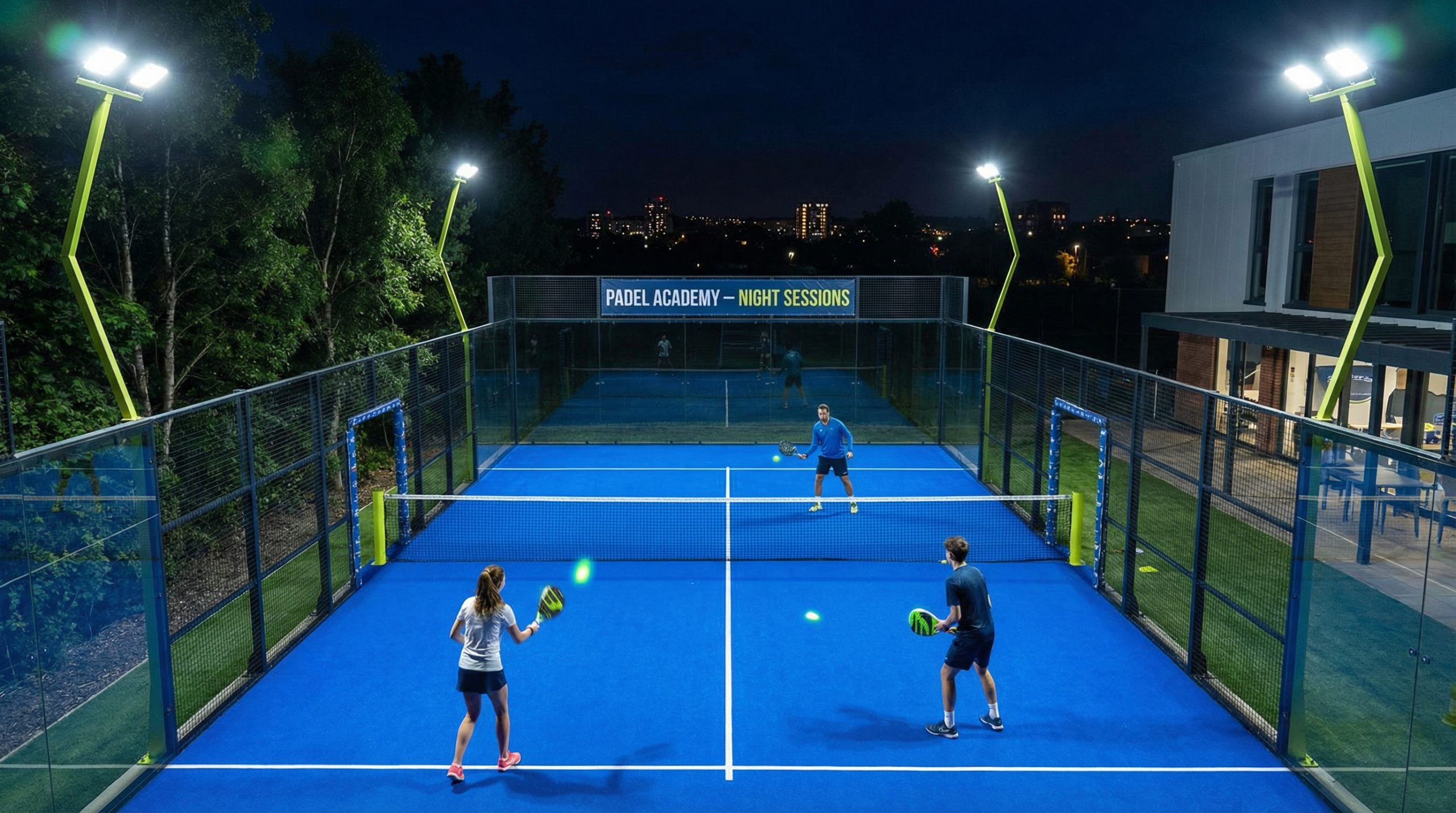
Padel lessons: what it is and how to build it is a comprehensive approach to mastering the world’s fastest-growing racket sport through structured coaching and professional infrastructure. You might feel the frustration of entering a court without knowing how to leverage the glass walls or the specific court geometry. Failing to understand these nuances can lead to poor habits that hinder your progress and diminish the social fun of the game.
By investing in structured padel lessons, you gain the technical foundation and infrastructure knowledge needed to excel. This guide outlines the essential components of a successful coaching program and the technical requirements for building a high-performance facility.
1. What is the primary focus of beginner padel lessons?
Padel lessons for beginners focus on the fundamental mechanics of movement and racket control to ensure a safe transition into the sport. Taking professional padel lessons helps you understand how to navigate the court’s unique dimensions and the social doubles format. Coaches emphasize the importance of positioning and basic stroke production early on.
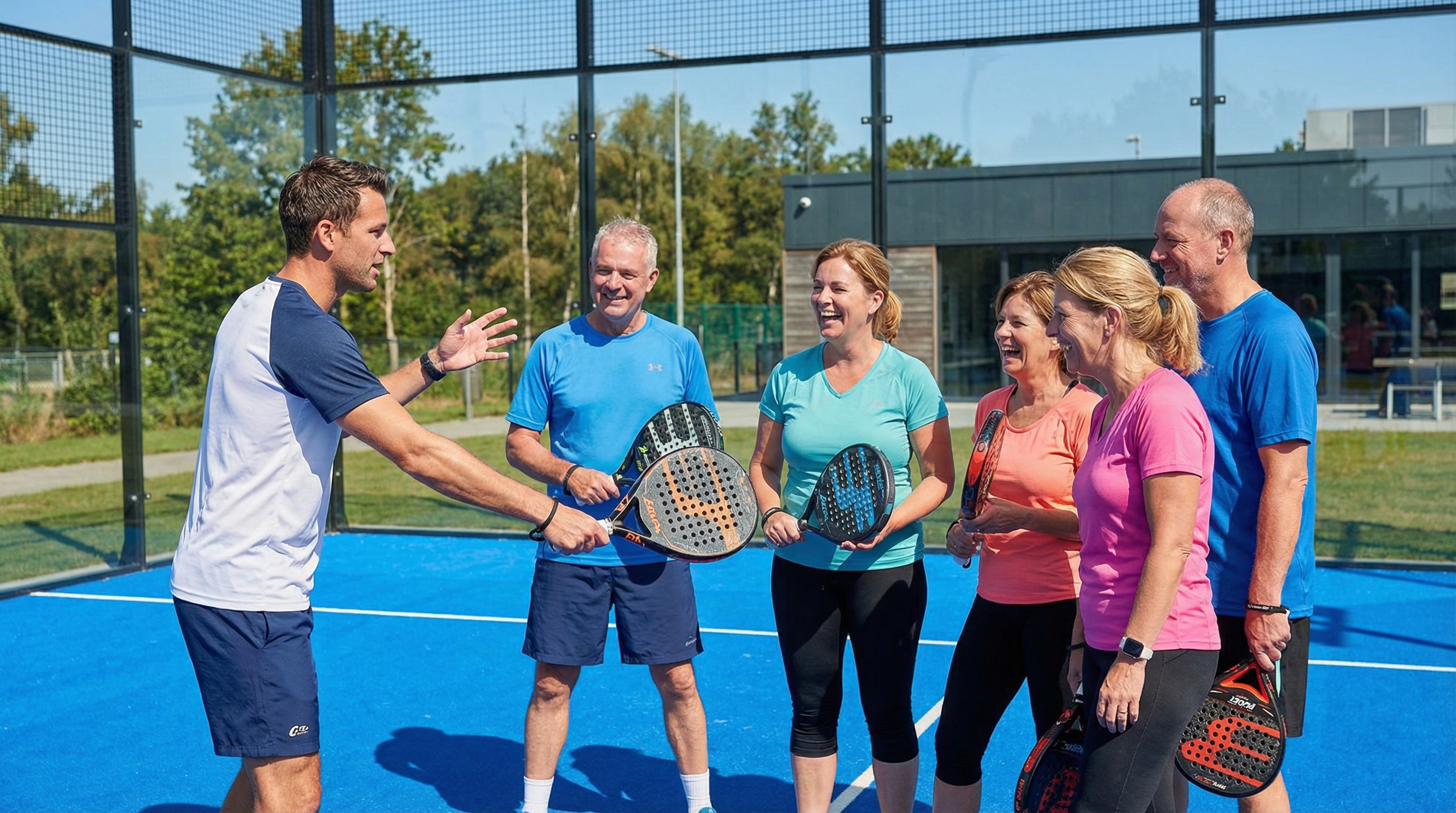
Developing Core Skills
Think about it: how often do you get to play a sport that blends agility with high-level strategy? These sessions are designed to build your confidence and help you enjoy the game immediately.
- Learning the underhand serve technique.
- Mastering the forehand and backhand groundstrokes.
- Understanding basic court positioning in doubles.
Key Takeaway: Foundations are the most critical part of your journey to becoming a competitive player.
| Skill Focus | Beginner Level | Priority |
|---|---|---|
| Grip | Continental | High |
| Footwork | Lateral Slides | Medium |
| Strategy | Net Defense | High |
This logical progression ensures that you develop the right habits before moving to advanced tactics.
2. Why should facility managers invest in padel lessons?
Facility managers invest in padel lessons to drive membership retention and create a recurring revenue stream for their sports club. Offering structured padel lessons attracts a diverse demographic, from young professionals to families looking for social activities. This initiative turns a simple court into a vibrant community hub with high engagement.
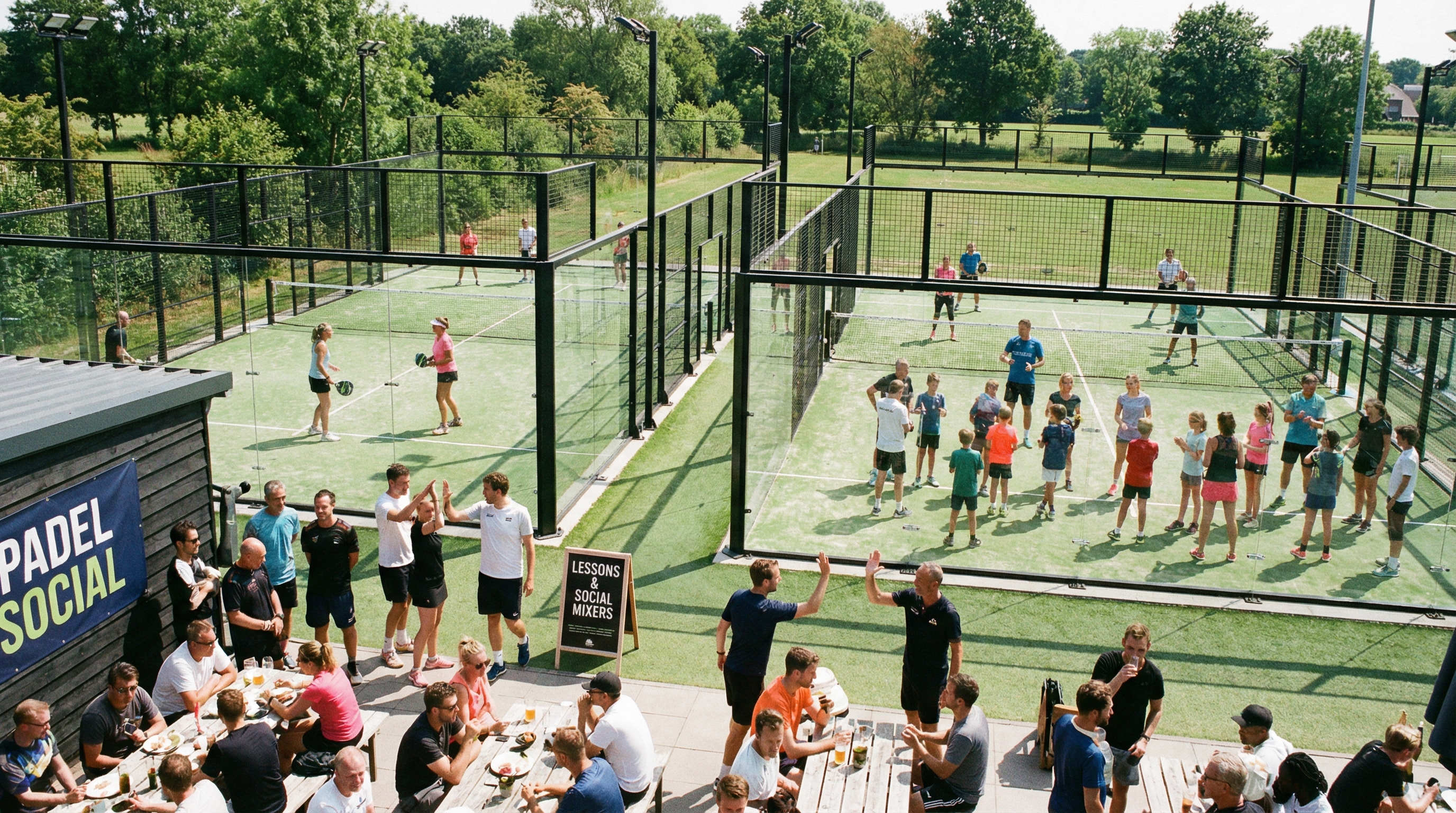
Maximizing ROI and Engagement
The best part? You can significantly increase court utilization during off-peak hours by scheduling group clinics.
- Increased secondary spend at pro shops and cafes.
- Improved member retention through social league play.
- Higher court occupancy rates throughout the week.
Key Takeaway: A successful lesson program is the engine that drives a profitable and active padel facility.
| Metric | Impact of Lessons | Value |
|---|---|---|
| Occupancy | Daytime fill rates | +35% |
| Revenue | Coaching fees | High |
| Loyalty | Membership churn | -20% |
Analyzing these metrics shows that coaching is not just a service, but a vital business strategy.
3. How do technical mechanics differ in padel lessons?
Technical mechanics in padel lessons differ from other sports by emphasizing shorter swings and the strategic use of back-wall rebounds. During your padel lessons, you will learn that power is often secondary to precision and court geometry. Coaches will guide you through the process of using the glass to your advantage during defensive plays.
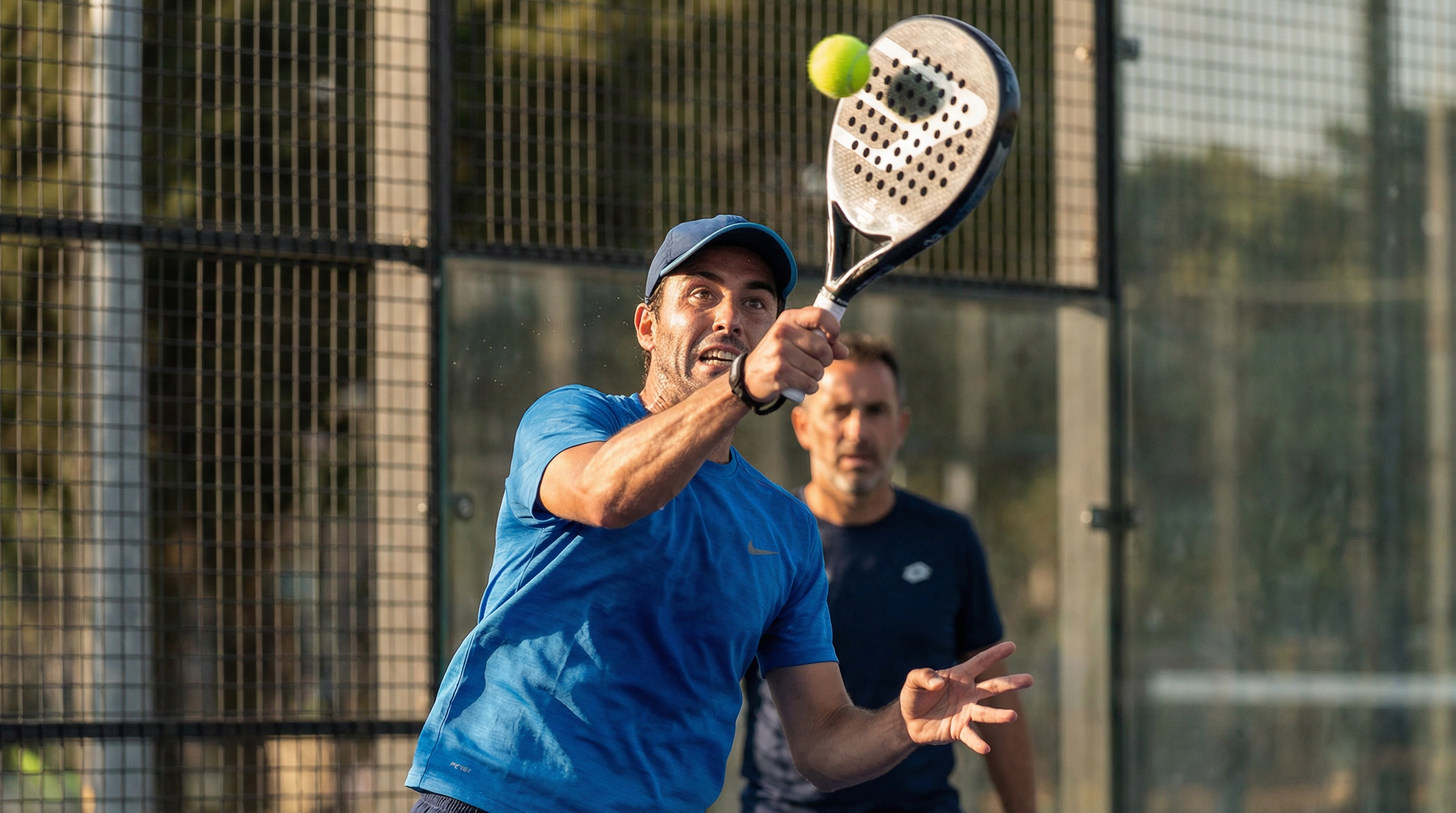
Mastering the Specialized Strokes
Here is the kicker: the most important shot in the game is one you likely haven’t seen in tennis. The “Bandeja” is a defensive overhead that keeps you in control of the net.
- Learning the slice-heavy “Bandeja” overhead.
- Shortening swing paths for faster reaction times.
- Utilizing body weight for direction rather than raw force.
Key Takeaway: Precision beats power in padel, making technical instruction vital for high-level play.
| Shot Type | Mechanics | Strategic Goal |
|---|---|---|
| Bandeja | High slice | Net retention |
| Vibora | Side spin | Aggressive finish |
| Volley | Compact punch | Positioning |
Mastering these specific strokes allows you to dictate the tempo of any match.
4. What court dimensions are required for professional padel lessons?
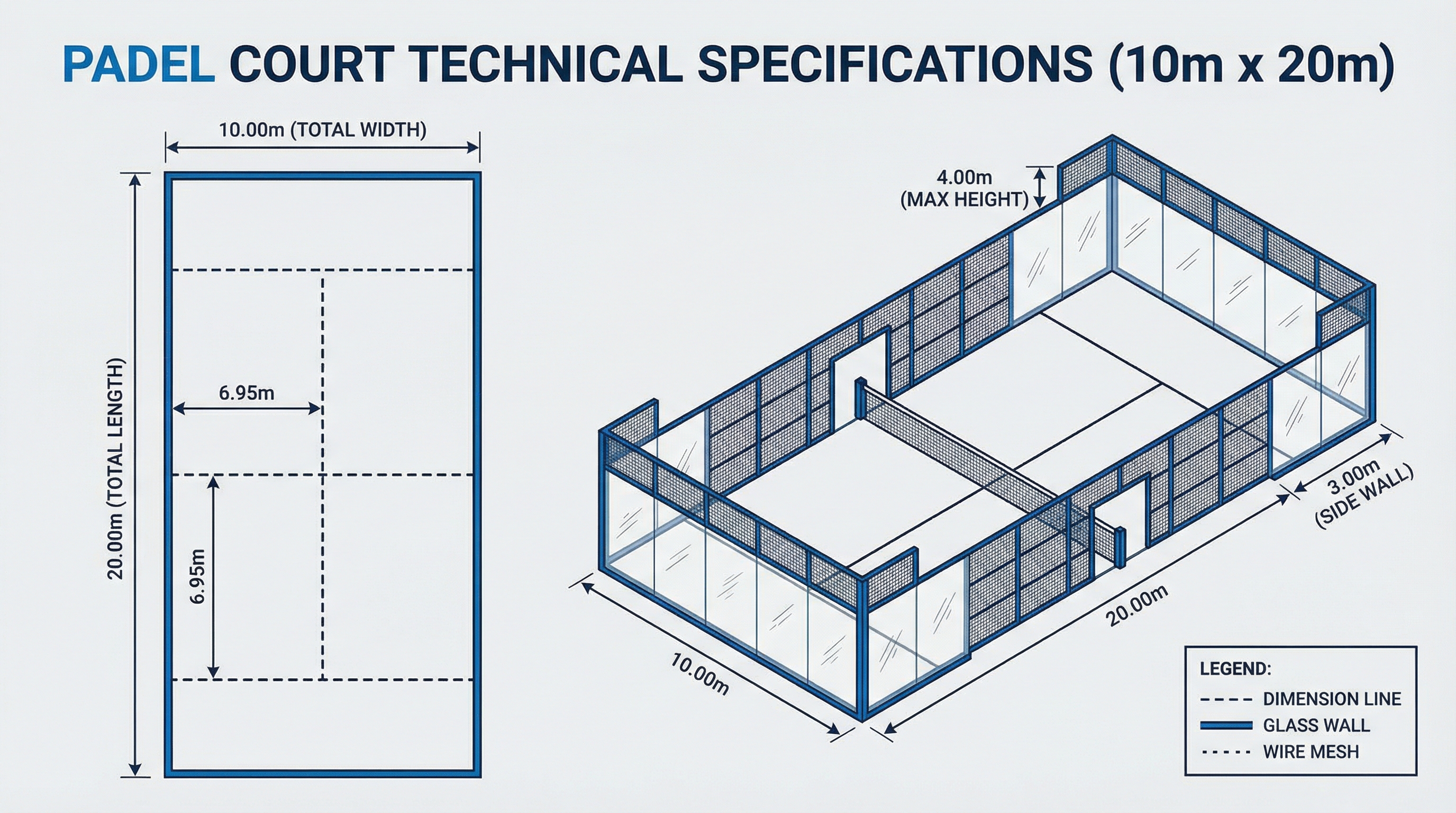
Professional padel lessons require a court that is exactly 10 meters wide and 20 meters long to maintain standard playability. These Standard Padel Court Specifications ensure that players develop an accurate sense of distance and ball speed. Proper dimensions are essential for coaching tactical movement and defensive positioning relative to the net.
Optimizing the Playing Area
It gets better: a properly sized court allows for the perfect balance between offensive volleys and defensive lobs.
- Precise 10m x 20m internal dimensions.
- Correct positioning of the service lines.
- Standardized net height for consistent training.
Key Takeaway: Adhering to official dimensions is non-negotiable for anyone looking to build a professional-grade facility.
| Dimension | Standard Value | Tolerance |
|---|---|---|
| Total Length | 20.00 Meters | ± 0.1m |
| Total Width | 10.00 Meters | ± 0.05m |
| Net Height | 0.88 – 0.92m | Exact |
Strict adherence to these measurements ensures that skills learned on your court translate to any competitive environment.
5. How does the frame impact the quality of padel lessons?
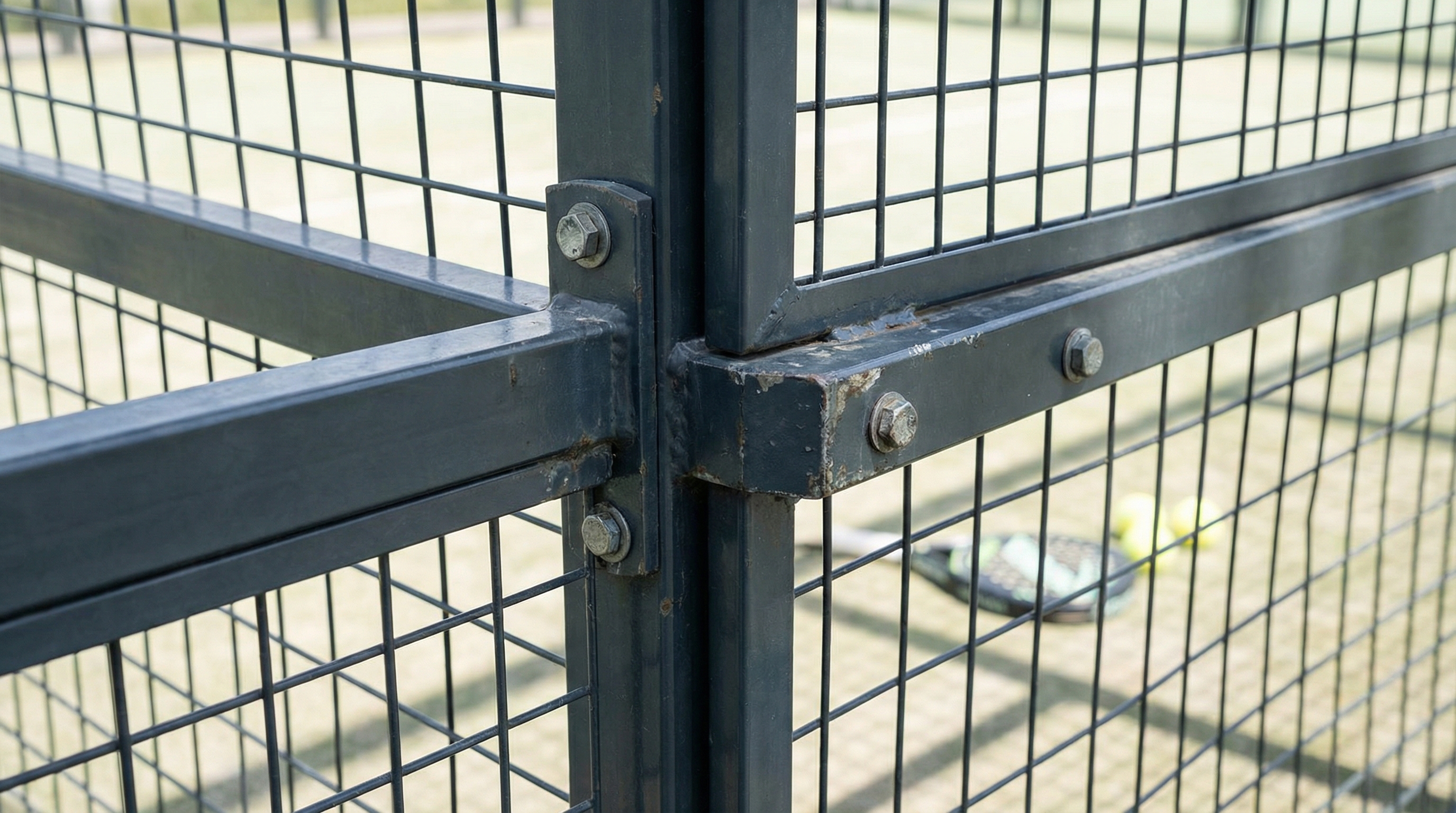
The structural frame impacts padel lessons by providing the necessary tension for the metallic mesh and support for the glass panels. High-quality padel lessons rely on a Padel Court Structure that is stable enough to withstand player impact and weather conditions. A flimsy frame can lead to irregular ball bounces, which frustrates players and hinders the learning process.
Structural Integrity for Training
Now, consider how the durability of your equipment affects the safety of your students. A robust frame ensures that the metallic mesh provides a predictable rebound during drills.
- Anti-corrosion coating for outdoor longevity.
- Heavy-duty steel profiles for impact resistance.
- Integrated glass support systems for safety.
Key Takeaway: A high-performance frame is the backbone of a safe and consistent training environment.
| Component | Material | Benefit |
|---|---|---|
| Frame | Galvanized Steel | Durability |
| Mesh | Electro-welded | Rebound consistency |
| Finish | Powder Coating | Aesthetics/Protection |
Investing in a premium structure reduces maintenance costs and ensures long-term facility viability.
6. Why is glass rebound training a staple of padel lessons?
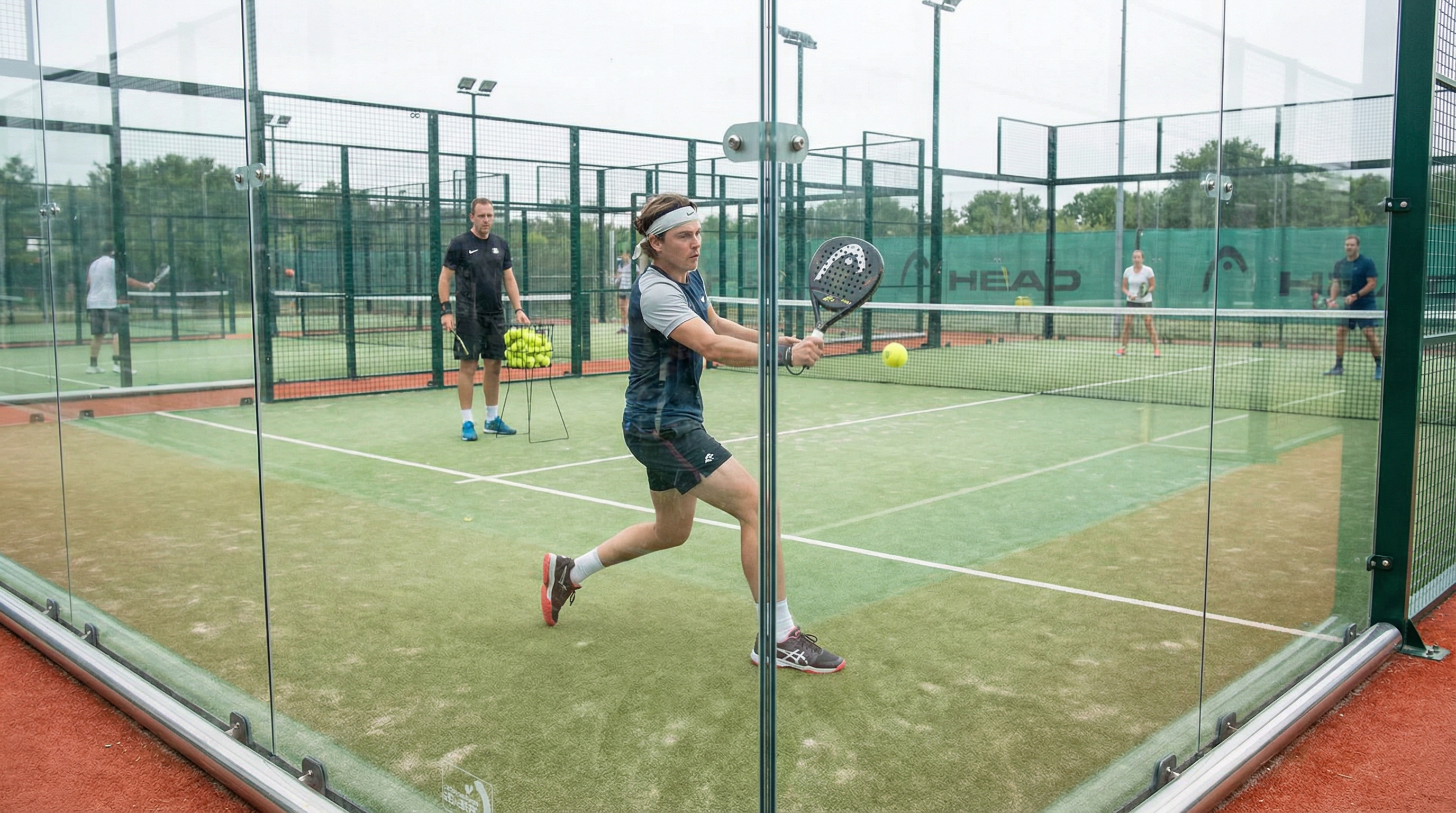
Glass rebound training is a staple of padel lessons because it teaches players how to defend against balls that have already passed them. Using Professional Padel Glass is essential to provide the transparent, high-strength surface needed for consistent play. Instructors spend significant time showing you how to turn your back to the net and use the wall’s momentum for returns.
Defensive Mastery Off the Wall
Look: once you master the “double glass” rebound, the game becomes much less intimidating.
- Learning to wait for the ball after the bounce.
- Positioning the body relative to the glass.
- Using the wall to clear the opponents with a lob.
Key Takeaway: Mastering the glass is what separates a tennis player from a true padel expert.
| Feature | Specification | Importance |
|---|---|---|
| Glass Type | Tempered Safety | Safety |
| Thickness | 10mm or 12mm | Bounce Quality |
| Clarity | Ultra-Clear | Visibility |
Analyzing the physics of the rebound is a core part of advancing from intermediate to professional play.
7. How does turf selection influence movement in padel lessons?
Turf selection influences movement in padel lessons by determining the level of traction and ball bounce consistency on the court. During your padel lessons, the type of Padel Court Surface (Grass) will dictate how easily you can slide or pivot. High-quality synthetic turf with proper sand infill reduces the risk of joint injuries during intense sessions.

Optimizing Surface Performance
But that’s not all. The right grass also affects how the ball takes spin, which is critical for learning advanced techniques like the “Vibora.”
- Fibrillated or monofilament fibers for durability.
- Consistent sand distribution for uniform bounce.
- Shock absorption to protect players’ knees.
Key Takeaway: The playing surface is the most used component of the court and requires the highest quality materials.
| Turf Type | Grip Level | Maintenance |
|---|---|---|
| Monofilament | Excellent | Medium |
| Fibrillated | High | Low |
| Textured | Superior | Minimal |
A well-maintained surface ensures that your footwork remains precise throughout the entire lesson.
8. Can LED lighting improve evening padel lessons?
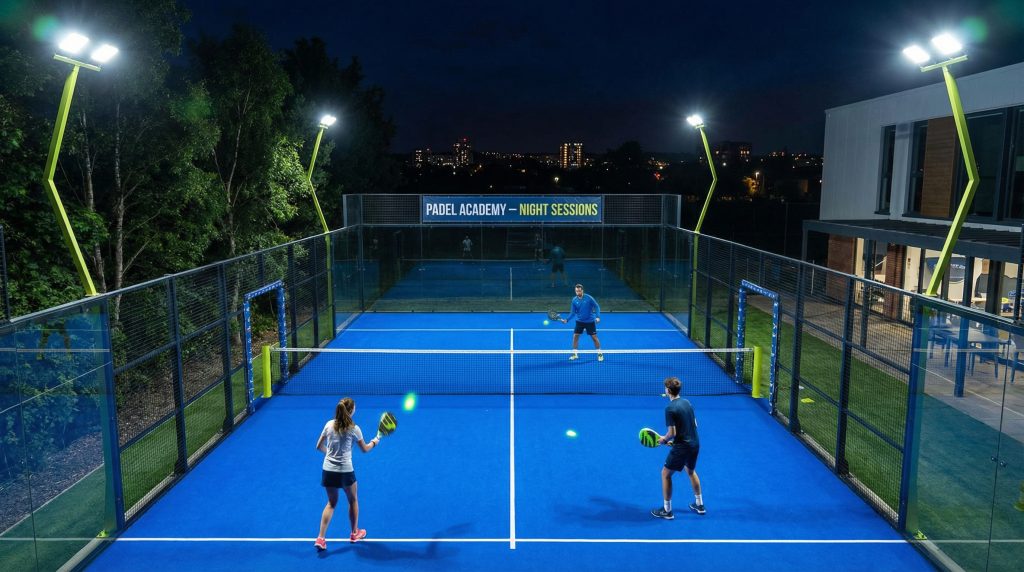
LED lighting improves evening padel lessons by extending the playable hours of a facility and ensuring high visibility for fast-paced drills. Professional Padel Court Lighting systems are designed to eliminate shadows and prevent glare, which is vital when tracking the ball against the glass. This allows you to offer coaching sessions long after the sun goes down, maximizing your revenue.
Maximizing Visibility and Hours
What does this mean for you? You can double your coaching capacity by making evening sessions just as effective as daytime ones.
- High-efficiency LED fixtures for cost savings.
- Uniform light distribution across the entire 200m² area.
- Instant-on capability for seamless session transitions.
Key Takeaway: High-quality lighting is essential for any facility that wants to compete in the modern sports market.
| Lighting Spec | Goal | Result |
|---|---|---|
| Lux Level | 500+ | Professional clarity |
| Uniformity | >0.7 | No dark spots |
| CRI | >80 | True color rendering |
Proper illumination ensures that every player can react quickly to the high-speed exchanges typical of advanced coaching.
9. What equipment must be provided for entry-level padel lessons?
Entry-level padel lessons must provide round-shaped bats and specific low-pressure balls to facilitate the learning process. Providing high-quality gear during padel lessons ensures that beginners have the best possible first experience. Most facilities offer rentals so that new players don’t have to invest in expensive equipment before they understand their own playing style.
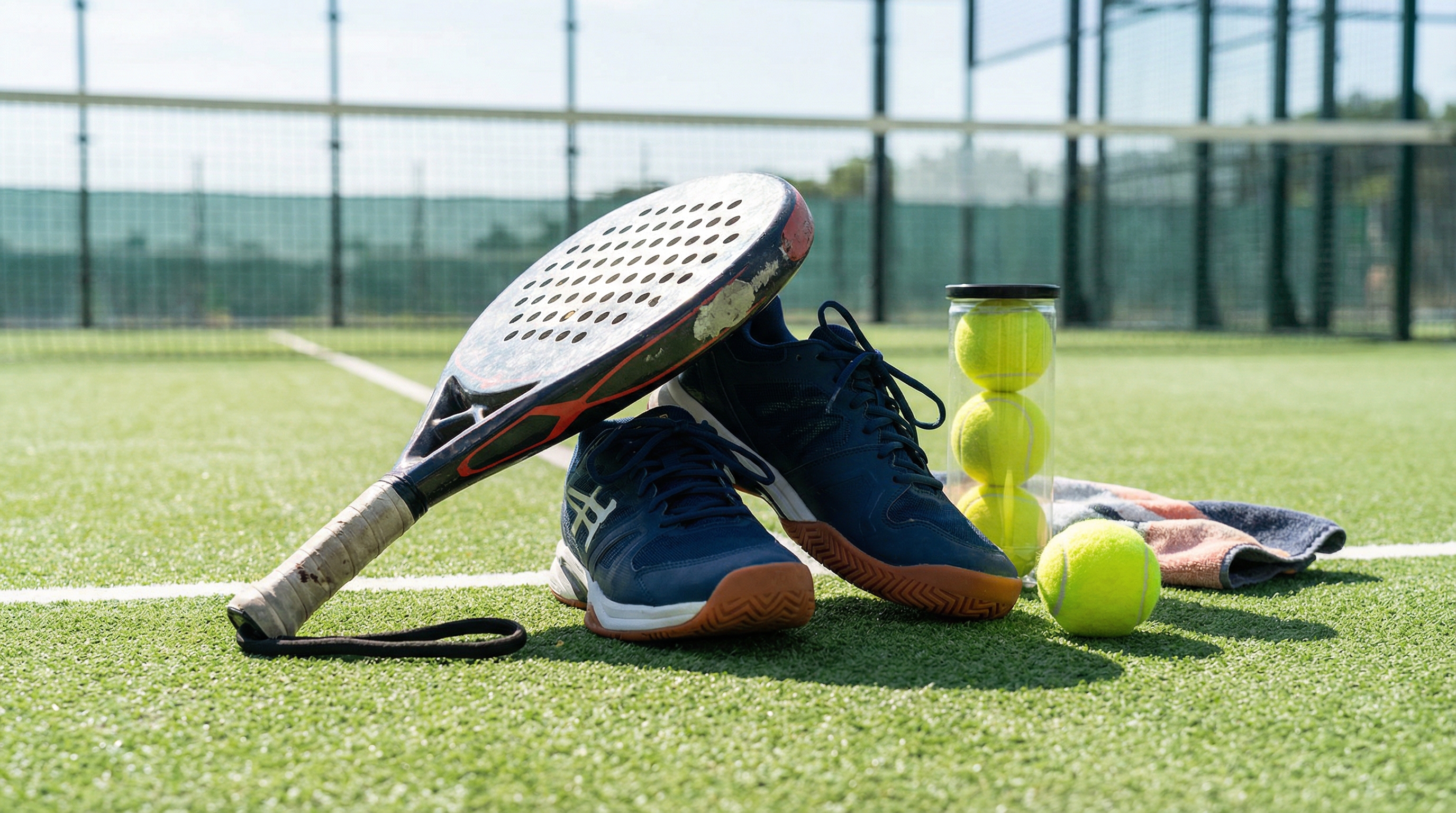
Equipping Your Students
Believe it or not, the shape of the racket can completely change how quickly a student learns to hit the ball.
- Round rackets for a larger sweet spot.
- Depressurized balls for a more controlled pace.
- Non-marking court shoes for safety and grip.
Key Takeaway: Providing the right equipment lowers the barrier to entry and encourages long-term participation.
| Gear Item | Recommended Type | Benefit |
|---|---|---|
| Racket | Round / Soft Foam | Control |
| Balls | Padel-Specific | Consistent bounce |
| Bag | Insulated | Protection |
Using the correct gear prevents early frustration and helps players focus on their technical development.
10. How do you build a digital system for booking padel lessons?
Building a digital system for padel lessons involves implementing a seamless platform for scheduling, payments, and coach management. A mobile-friendly booking system allows your clients to secure padel lessons at their convenience, reducing administrative overhead for your staff. This modern approach to facility management is essential for staying competitive in a tech-driven market.
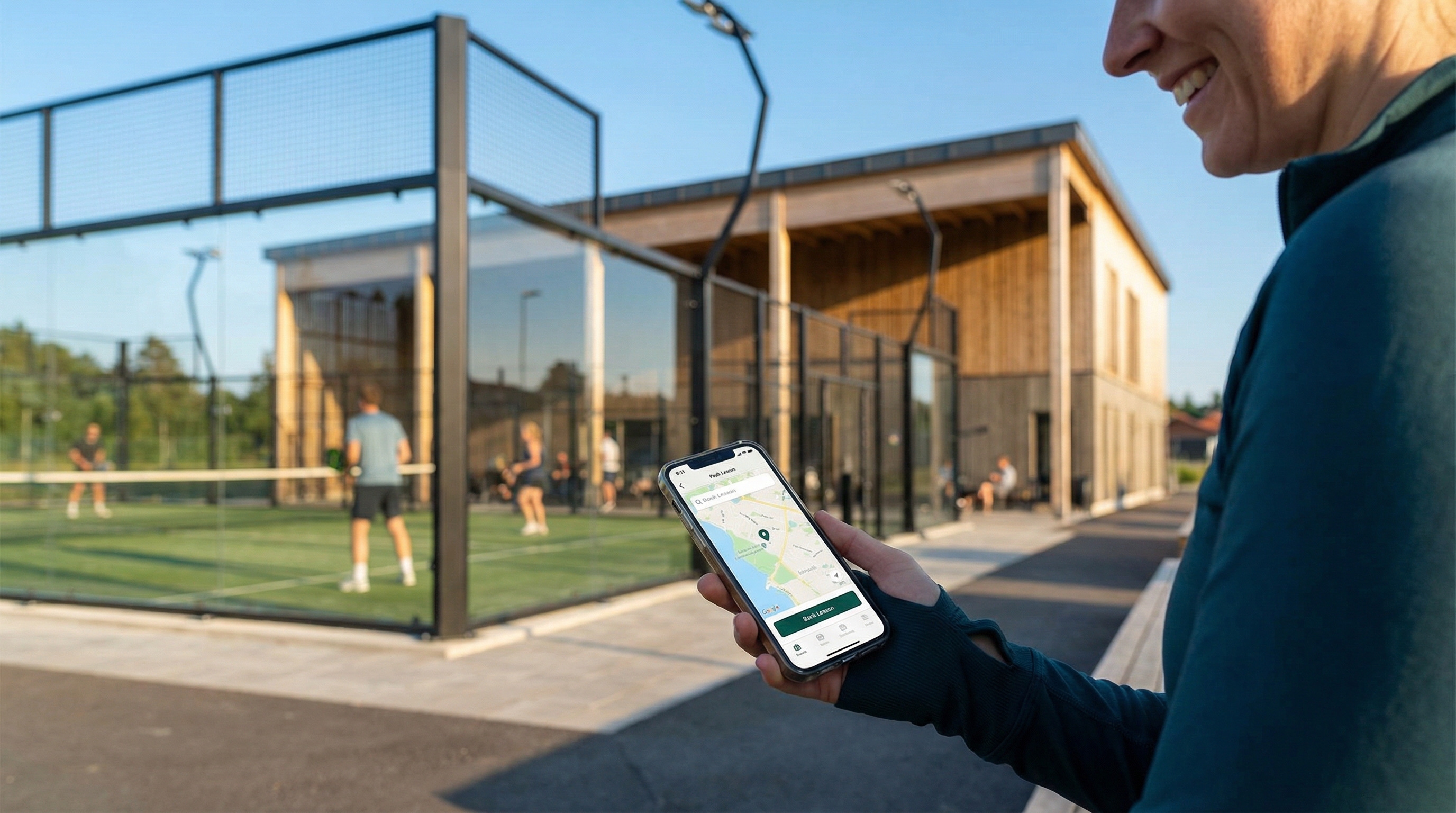
Streamlining Facility Operations
In short, moving your coaching schedule to the cloud is the fastest way to improve your customer experience.
- Real-time availability for students and coaches.
- Integrated payment gateways for automated billing.
- Automated reminders to reduce no-shows.
Key Takeaway: Digital integration is the final step in building a professional and scalable padel business.
| Feature | User Benefit | Manager Benefit |
|---|---|---|
| Mobile App | Easy access | Data collection |
| Online Pay | Secure booking | Cash flow stability |
| Feedback | Growth tracking | Quality control |
A digital-first strategy ensures that your facility remains organized as your community of players continues to grow.
FAQ
Can I learn padel if I have never played tennis?
Absolutely. Padel is designed to be accessible, and many of its mechanics are unique to the sport, meaning you don’t need a tennis background to excel in coaching sessions.
What is the minimum age for children to start lessons?
Children as young as five or six can start with modified equipment and “mini-padel” drills that focus on hand-eye coordination and basic movement.
How many lessons do I need before I can play a match?
Most beginners feel comfortable playing a social match after 3 to 5 structured lessons where they learn the serve, basic groundstrokes, and safety rules.
How do I maintain my court surface between coaching sessions?
Regularly brushing the synthetic grass to redistribute the sand infill is the most important maintenance task to ensure a consistent bounce and safe footing.
What should I look for in a professional padel coach?
Look for certification from a recognized padel federation, a clear understanding of court geometry, and the ability to tailor drills to your specific skill level.
Conclusion
Mastering padel requires a blend of technical skill and high-quality infrastructure. Whether you are a player looking to improve your game or a facility owner aiming to build a world-class venue, the right foundation is key to success. Don’t wait to elevate your experience in the world’s most exciting racket sport. To get started with professional court construction or to learn more about our equipment, contact us today.