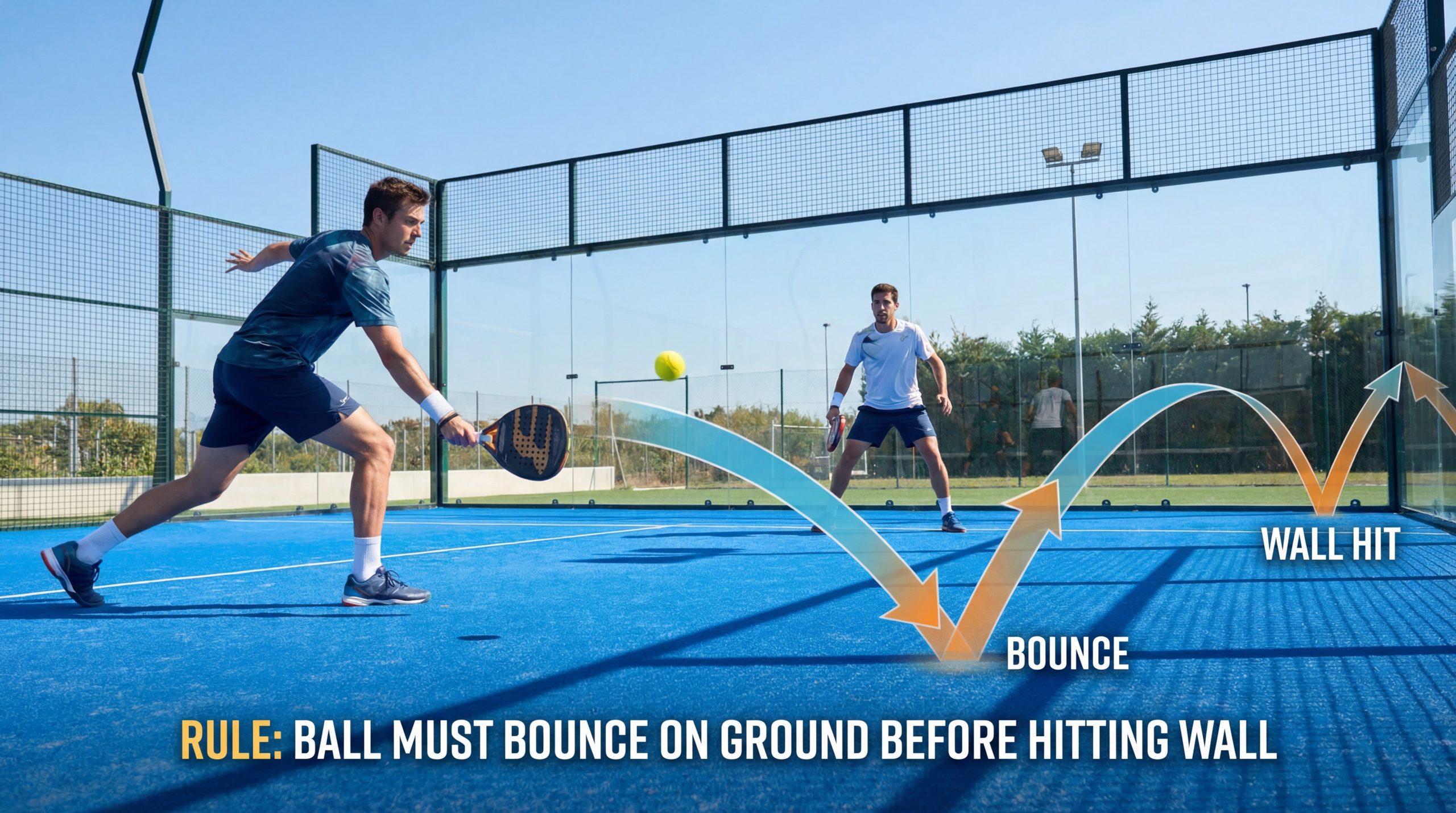
Tennis padel is a fast-paced racket sport played in an enclosed court that is roughly one-third the size of a traditional tennis court. You might be struggling with how to modernize your sports club or wondering if this trend is worth the investment. Without a professional construction plan, you risk building a court that lacks structural safety and player appeal, but a certified tennis padel facility guarantees a high-growth revenue stream and premium athlete engagement.
What is the origin of the tennis padel sport?
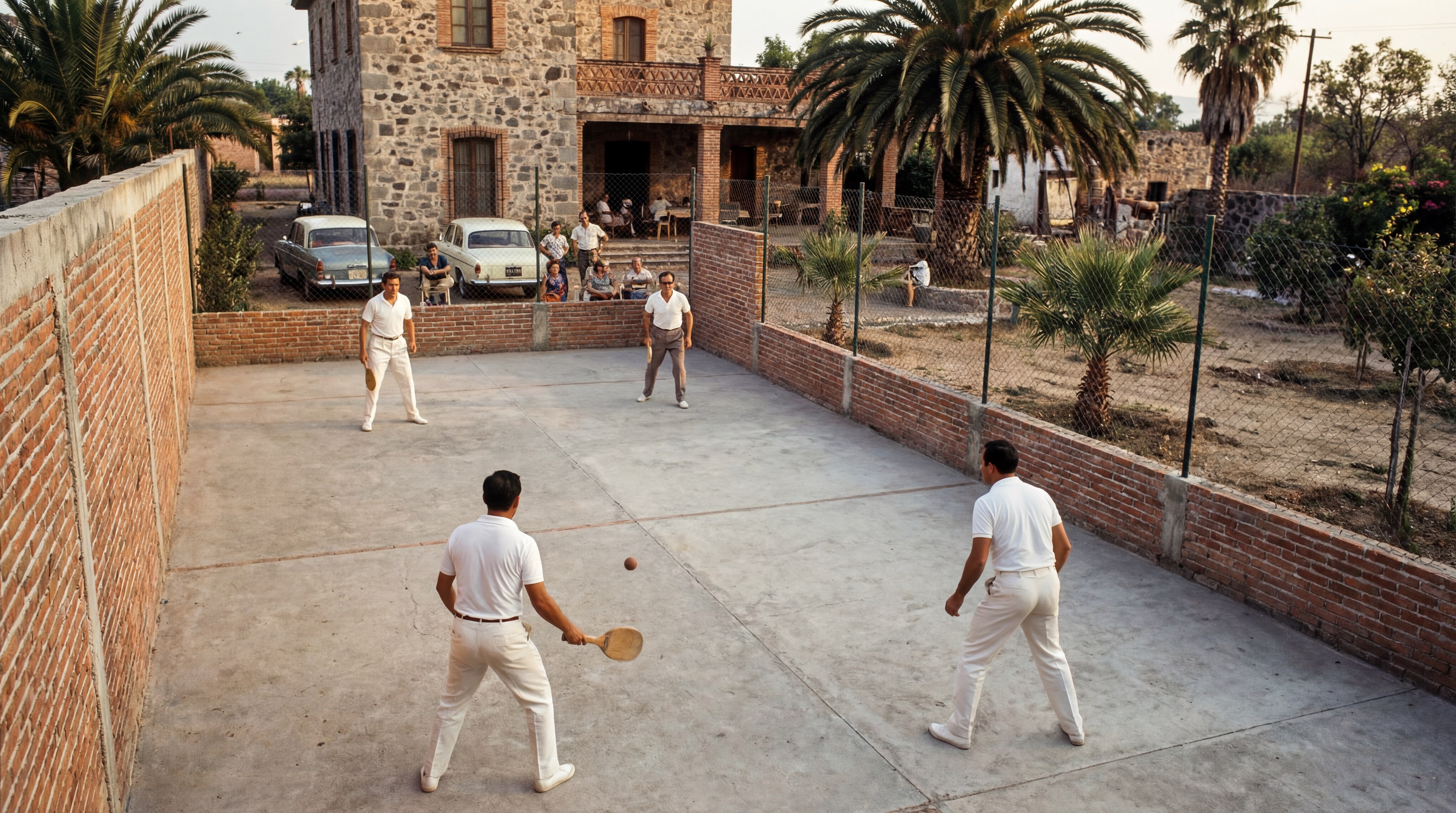
The sport originated in Mexico in 1969 as a creative adaptation of tennis for a private backyard. Enrique Corcuera wanted to play tennis at home but didn’t have enough space for a full court and wanted to keep the balls from leaving his property.
The 1969 Mexican Roots
Enrique Corcuera invented the game by building walls around a smaller court area to prevent the ball from escaping. This innovative setup changed the physics of the game entirely.
Here is the deal:
- The first court used walls as part of the play.
- It was originally called “Paddle Corcuera.”
- Wooden paddles were used instead of strung rackets.
Expansion into Europe and Beyond
From Mexico, the sport migrated to Spain through the Marbella Club, where it became a favorite among socialites. This European foothold allowed it to eventually spread across the Mediterranean and into Northern Europe.
Look:
- Spain is now the global heart of the sport.
- Over 20,000 courts exist in Spain alone.
- It is the second most popular sport in several countries.
The Rise of Global Popularity
The sport is currently the fastest-growing racket game in the world due to its social nature and ease of learning. Unlike tennis, players can reach a competent level of play within just a few sessions.
Think about it:
- It is played almost exclusively in doubles.
- Social interaction is built into the game’s DNA.
- It attracts diverse age groups and skill levels.
Key Takeaway: The sport’s history as a solution to limited space defines its modern 3D gameplay and high social value.
| Milestone | Detail |
|---|---|
| Origin City | Acapulco, Mexico |
| Key Growth Driver | Social doubles format |
| Current Reach | 25+ Million players worldwide |
How does tennis padel differ from regular tennis?
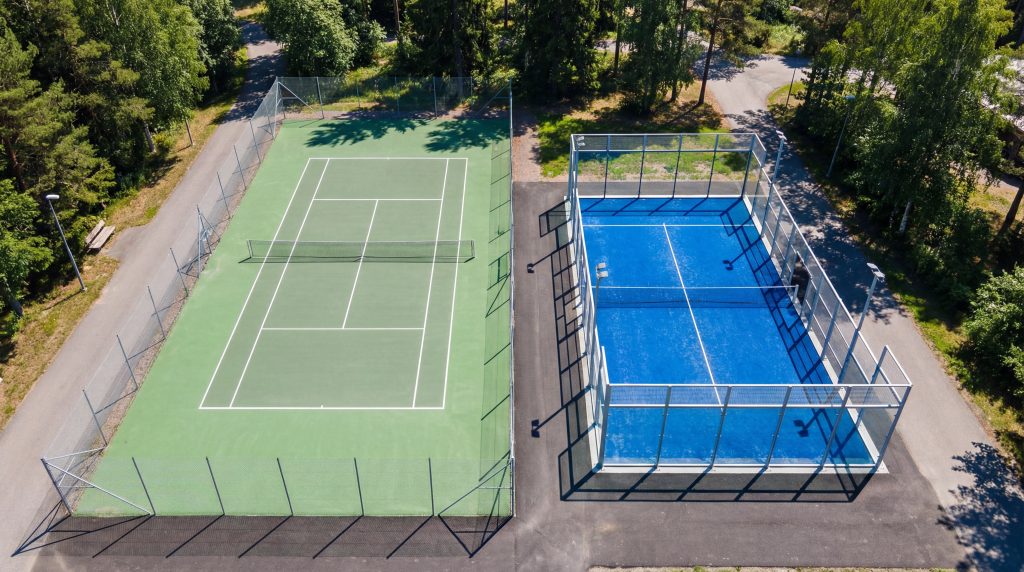
While both sports use similar scoring systems, tennis padel is played in an enclosed space where the walls are active components of the rally. Tennis is an open-court game focused on power and baseline play, whereas this variant emphasizes strategy and positioning.
Court Size and Enclosure Comparisons
A padel court is 20 meters long and 10 meters wide, making it significantly smaller than a standard tennis court. The surrounding glass and mesh walls are the most defining structural difference.
In other words:
- Padel courts use 200 square meters of space.
- Tennis courts require roughly 260 square meters.
- The walls keep the ball in play longer.
Scoring and Racket Variants
Both sports use the 15, 30, 40, and game scoring system, but the equipment is vastly different. Padel rackets are solid, perforated, and shorter than their tennis counterparts.
The best part?
- Rackets lack strings, reducing maintenance.
- The shorter handle offers better control.
- Low-compression balls result in slower rallies.
The Strategic Use of Perimeter Walls
In tennis, the point ends once the ball crosses the line, but in this sport, the glass wall acts as a second chance. Players can let the ball hit the back wall and play it on the rebound.
Make no mistake:
- Tactical use of walls is a core skill.
- Speed is less important than ball placement.
- Rallies are typically much longer than in tennis.
Key Takeaway: The primary distinction lies in the enclosure, which transforms the court into a strategic, 3D playing field.
| Aspect | Regular Tennis | Tennis Padel |
|---|---|---|
| Court Enclosure | None (Open) | Glass and Metallic Mesh |
| Racket Material | String-based | Solid Composite (EVA) |
| Service Style | Overhand | Underhand |
What are the dimensions for a tennis padel court?
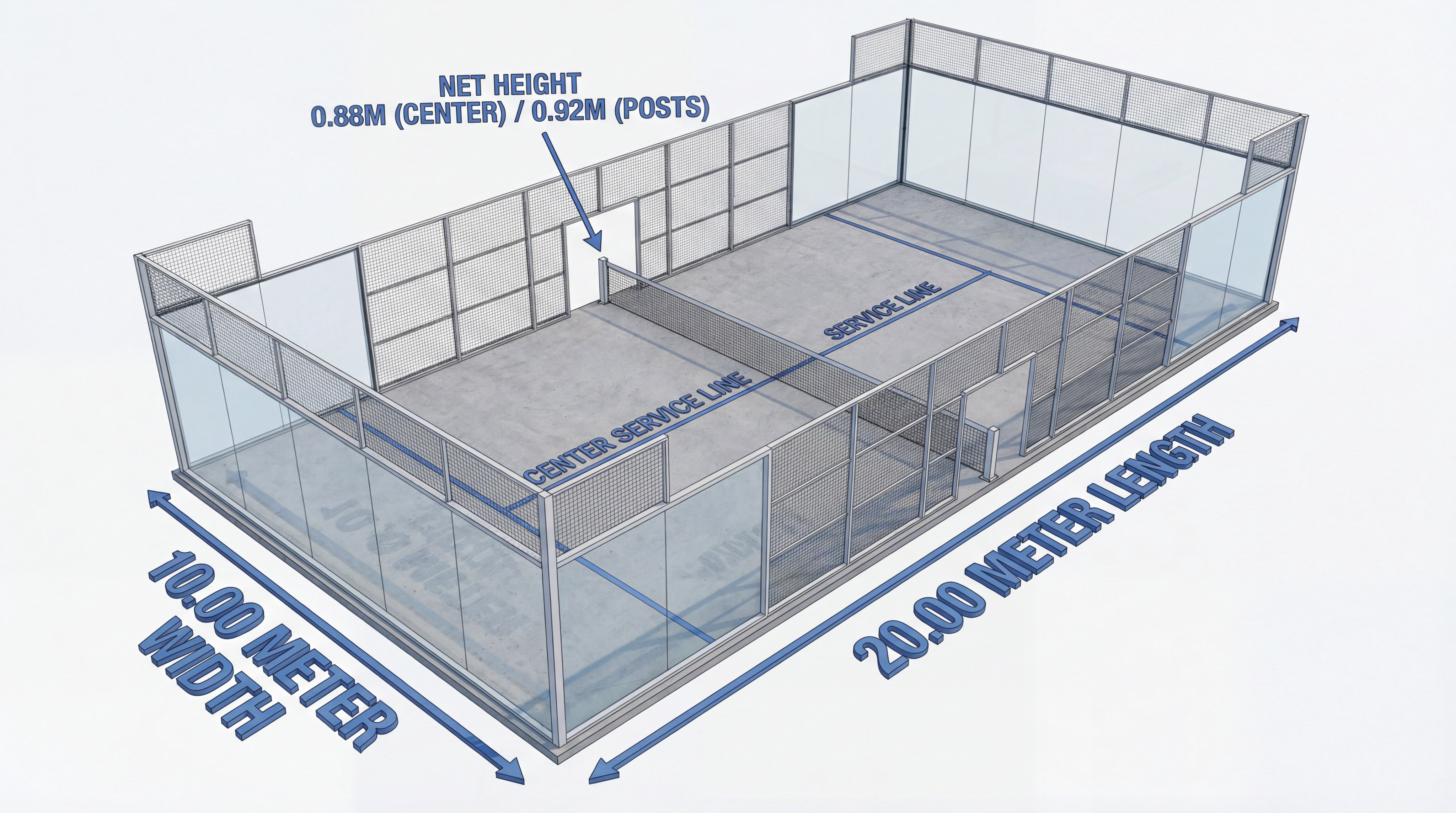
The internal playing area must be a rectangle measuring exactly 10 meters in width and 20 meters in length. These dimensions are strictly regulated by the International Padel Federation to ensure consistency across all professional facilities.
Standard 20m x 10m Layout
The court is divided in half by a net, with service lines placed 6.95 meters from the net. The center service line is 5 meters from each side wall, bisecting the back service area.
Simply put:
- Length: 20 meters.
- Width: 10 meters.
- Net height: 0.88m at center, 0.92m at posts.
Tolerance and Safety Clearances
When planning your construction, you must account for the thickness of the structure and the space for out-of-court play. A total footprint of 21m x 11m is usually the minimum requirement for a single installation.
Keep this in mind:
- External structural beams add 0.5m-1.0m to the footprint.
- Safety zones are required for professional play.
- Clearances prevent players from hitting nearby obstacles.
Indoor vs Outdoor Height Requirements
For indoor facilities, the ceiling height is a critical factor for the “globo” or lob shot. A minimum height of 6 meters is mandatory, though professional clubs prefer 8 to 10 meters.
But wait, there is more:
- Low ceilings limit tactical play options.
- 6 meters is the absolute minimum standard.
- Obstructions like lamps must be outside this height zone.
Key Takeaway: Adhering to the 20x10m internal standard and 6m+ height clearance is essential for a sanctioned facility.
| Dimension Type | Standard Metric |
|---|---|
| Internal Playing Area | 200 Square Meters |
| Minimum Indoor Height | 6.0 Meters |
| Service Line Distance | 6.95 Meters from Net |
How is a professional tennis padel structure built?
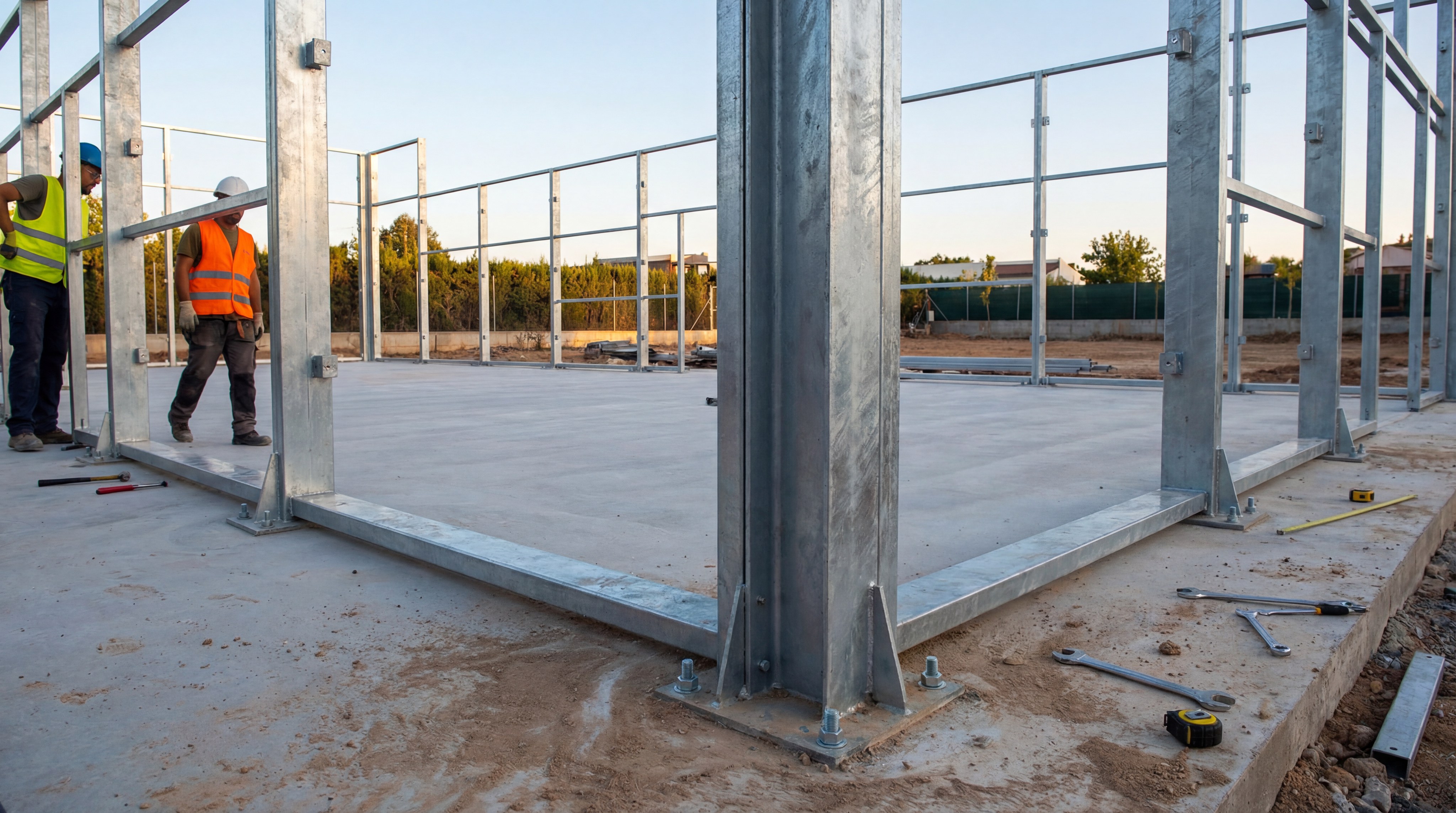
A professional tennis padel structure is built using a modular galvanized steel frame that supports the glass panels and mesh. The foundation must be a perfectly level reinforced concrete slab to ensure the structure remains stable over time.
Galvanized Steel Frameworks
The “skeleton” of the court consists of steel pillars and frames that are hot-dip galvanized to prevent corrosion. This is particularly important for outdoor installations exposed to rain and humidity.
Here is the deal:
- Steel thickness usually ranges from 3mm to 4mm.
- Pillars are anchored directly into the concrete.
- Electrostatic powder coating adds a final layer of protection.
Engineering for Wind Resistance
If you are building outdoors, the structure must be engineered to withstand local wind loads. The glass and steel panels act as a large sail, requiring robust anchoring and structural reinforcements.
Look:
- Engineering calculations prevent structural collapse.
- Reinforced pillars are used in high-wind zones.
- Glass mounting systems must allow for slight flexibility.
Integration with Indoor Facilities
Indoor builds often allow for lighter structural designs because wind resistance is not a factor. However, the lighting masts and glass supports must still meet the same rigid safety standards.
It gets better:
- Indoor courts have lower maintenance costs.
- Structural pillars can be integrated with lighting.
- Modular designs allow for fast installation times.
Key Takeaway: High-quality galvanized steel and precision anchoring are the foundations of a safe and durable court structure.
| Structural Component | Specification |
|---|---|
| Frame Material | Hot-dip Galvanized Steel |
| Pillar Dimensions | 80x80mm or 100x100mm |
| Anchoring Method | Mechanical or Chemical Expansion Bolts |
Why is glass essential for a tennis padel enclosure?
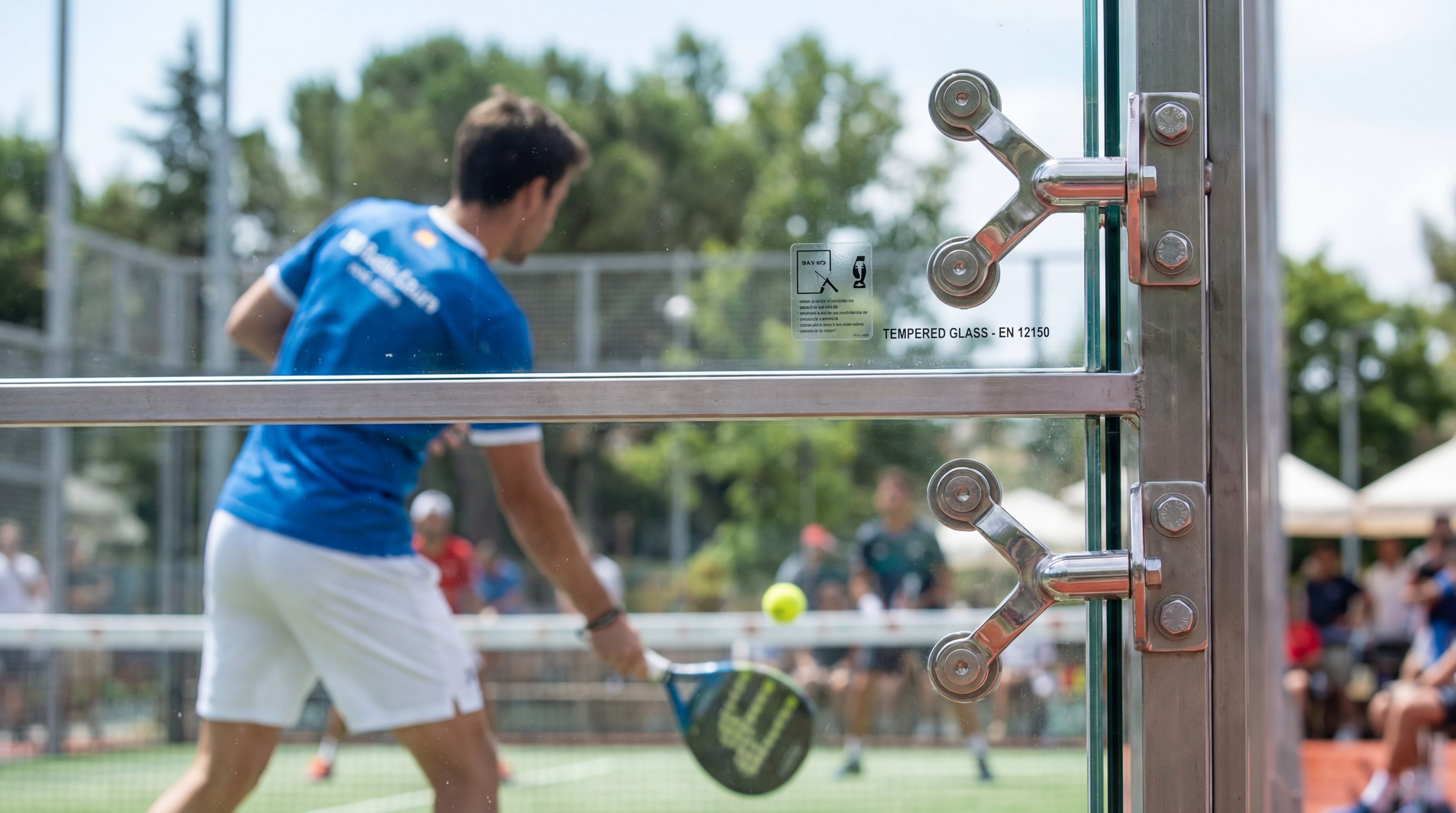
Glass is essential because it provides a consistent, predictable rebound for the ball while allowing spectators to view the game. Unlike the mesh sections, the glass sections are designed to withstand heavy body impacts and high-velocity ball strikes.
Tempered Glass Specifications
Professional courts use tempered safety glass with a thickness of either 10mm or 12mm. This glass is heat-treated to be significantly stronger than standard glass and shatters into small, blunt fragments if it breaks.
Think about it:
- 12mm glass is preferred for professional play.
- It offers a more uniform bounce than thinner glass.
- Tempered glass is 5x stronger than regular glass.
Safety Standards for Wall Play
Because players frequently collide with the walls during intense rallies, the mounting hardware must include rubber gaskets. These gaskets absorb vibration and prevent the glass from cracking under pressure.
Simply put:
- Hardware should be stainless steel.
- Plastic or rubber bushings prevent glass-to-metal contact.
- Countersunk holes ensure a flush, safe surface.
Impact Resistance and Rebound Consistency
The quality of the glass determines the “speed” of the court. High-quality glass ensures that the ball doesn’t lose energy upon impact, maintaining the fast pace of the game.
But wait, there is more:
- Glass must be perfectly vertical for true bounces.
- Imperfections in the glass cause erratic ball flight.
- Polished edges prevent injury during maintenance.
Key Takeaway: Safety-certified tempered glass is the most critical material for both player protection and consistent game physics.
| Glass Property | Requirement |
|---|---|
| Certification | EN 12150-1 (Safety Glass) |
| Standard Thickness | 10mm (Club) / 12mm (Pro) |
| Installation | Recessed stainless steel bolts |
What grass is used for a tennis padel surface?
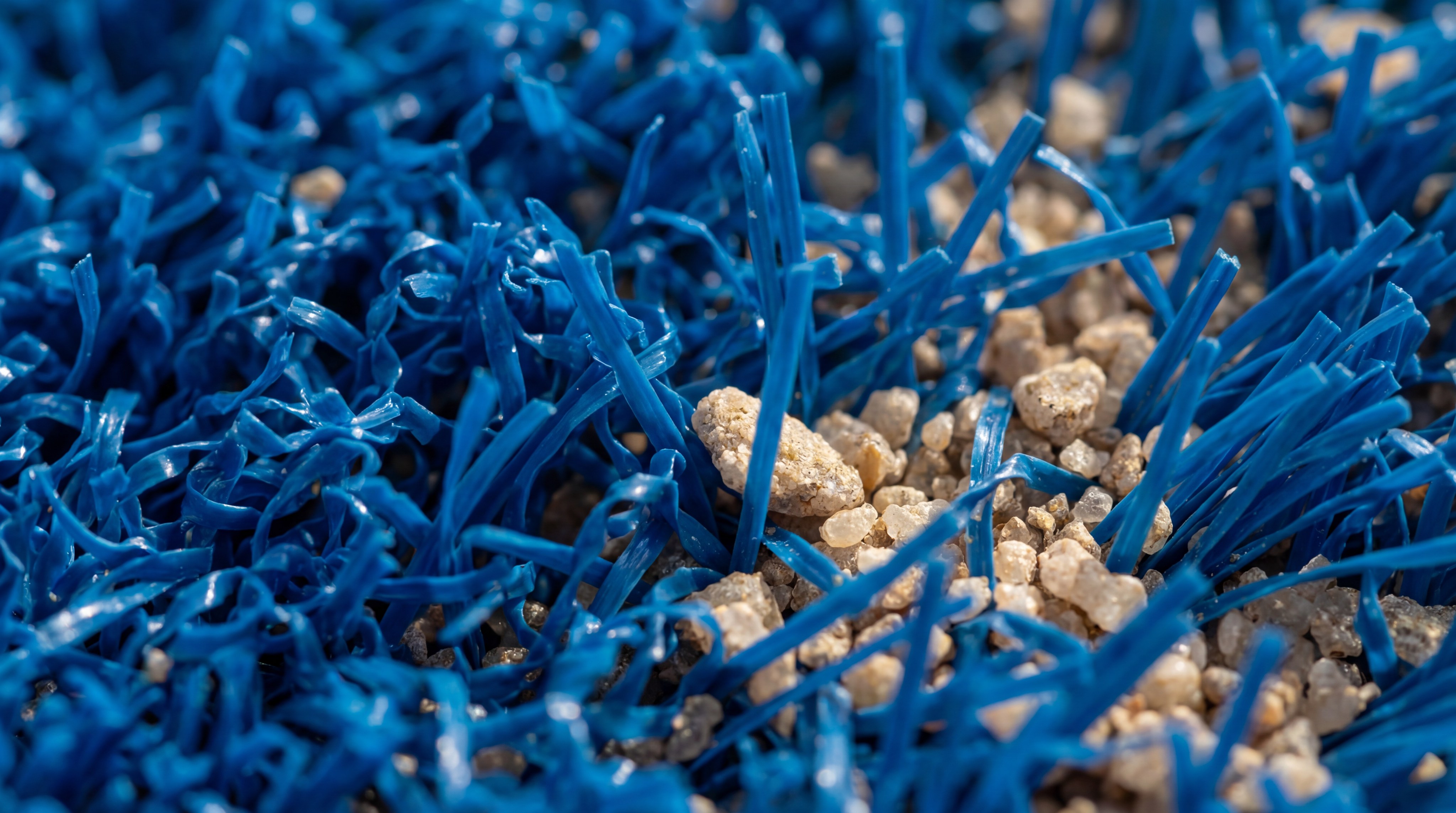
The tennis padel surface utilizes a specialized short-pile artificial turf filled with silica sand. This synthetic grass is designed to allow players to slide slightly while maintaining enough traction for explosive movements.
Sand-Filled Artificial Turf
The turf is usually made of polyethylene fibers with a pile height of 10mm to 12mm. Silica sand is brushed into the fibers to keep them standing upright and provide a consistent bounce.
Make no mistake:
- The sand acts as the “wear layer” of the court.
- It prevents the fibers from matting down.
- Proper sand levels are vital for player safety.
Drainage and Fiber Density
For outdoor courts, the backing of the turf must be porous to allow rainwater to drain through the concrete slab. High fiber density, measured in Dtex, ensures the surface lasts for years under heavy use.
In other words:
- Higher Dtex means more durable fibers.
- Porous backing prevents puddles after rain.
- Texturized fibers hold sand better than straight ones.
Choosing the Right Pile Height
While 12mm is the standard, some clubs choose monofilament or fibrillated fibers depending on the desired speed. Monofilament turf is the current gold standard for professional circuits.
The best part?
- Monofilament fibers offer a natural grass feel.
- They require less maintenance over time.
- Blue is the most popular color for TV visibility.
Key Takeaway: Premium monofilament turf with a 10-12mm pile height provides the best balance of traction and durability.
| Turf Metric | Specification |
|---|---|
| Fiber Material | Polyethylene (PE) |
| Pile Height | 10mm – 12mm |
| Sand Type | 0.4 – 0.8mm Silica Sand |
How does LED lighting enhance a tennis padel court?
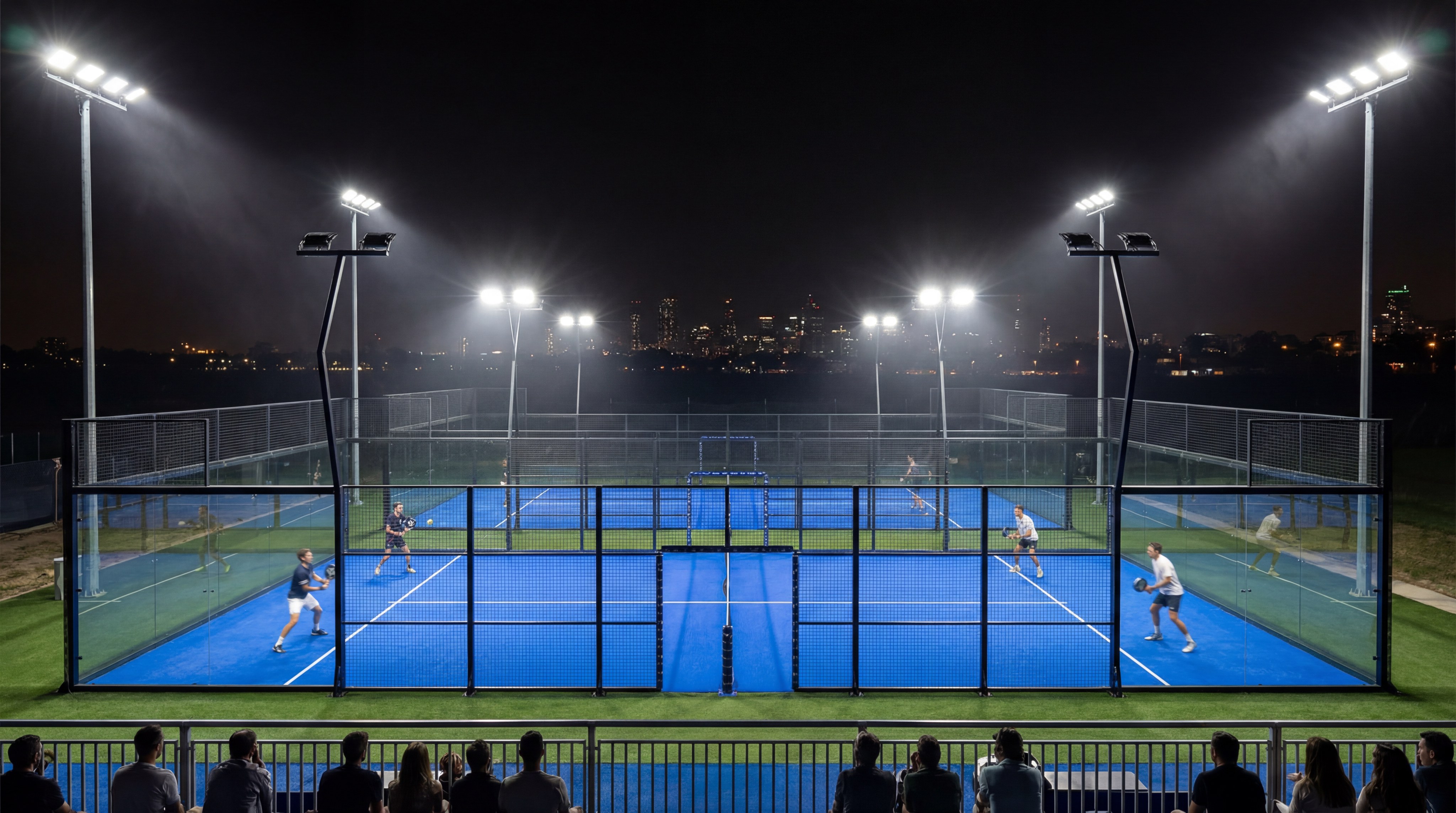
LED lighting enhances the court by providing uniform illumination that mimics daylight, extending playing hours and increasing revenue. Proper lighting design ensures that players aren’t blinded by glare when looking up to hit a lob.
Luminance Levels and Uniformity
A professional court requires at least 500 to 750 lux for competitive play. Uniformity is key; there should be no dark spots or shadows that could hide the ball during fast exchanges.
Keep this in mind:
- 300 lux is sufficient for recreational play.
- 750 lux is the standard for televised matches.
- Uniformity should be above 0.7 for optimal vision.
Energy-Efficient LED Systems
Modern LED floodlights consume 50% to 70% less energy than old metal-halide lamps. They also turn on instantly, avoiding the long warm-up times of traditional lighting.
Look:
- LEDs have a lifespan of over 50,000 hours.
- Lower heat output reduces the load on indoor HVAC.
- Directional beams reduce light pollution for neighbors.
Anti-Glare Mast Placement
Lighting masts are typically 6 meters high and placed outside the court’s perimeter. Specialized optics in the LED fixtures direct light downward and inward to minimize glare for the players.
It gets better:
- “Z-shaped” masts keep lights away from the net.
- Asymmetrical lenses reduce direct glare.
- Properly angled lights improve ball contrast.
Key Takeaway: High-performance LED lighting is a critical investment that maximizes court utilization and player comfort.
| Lighting Feature | Standard |
|---|---|
| Average Illuminance | 500+ Lux |
| Color Temperature | 5000K (Daylight) |
| Energy Consumption | ~150W – 200W per lamp |
What is a panoramic tennis padel court design?
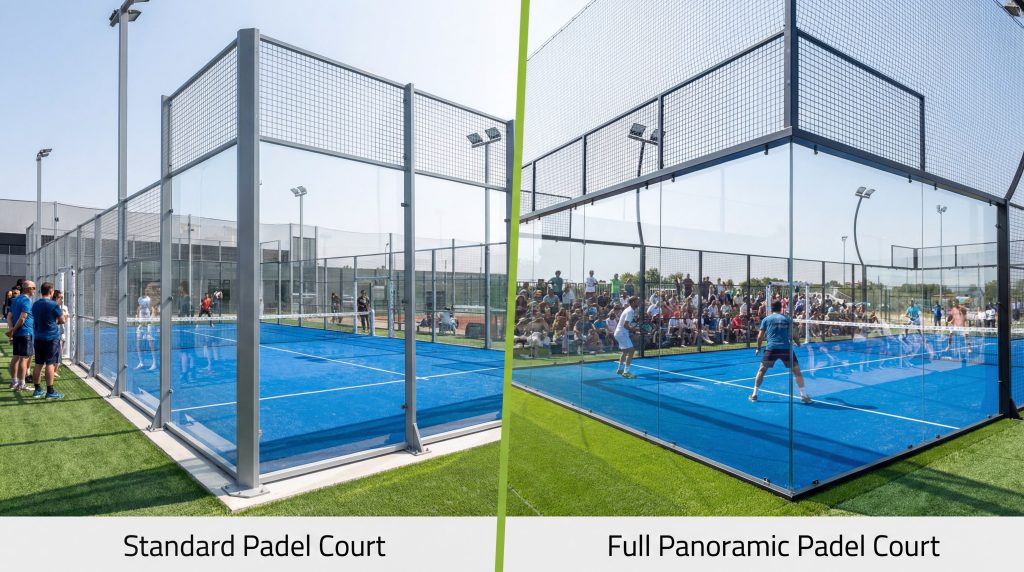
A panoramic design removes the vertical steel pillars from the back and side walls to provide an unobstructed view for spectators. This architectural style is the preferred choice for tournament venues and high-end private clubs.
Pillarless Viewing Experiences
By using thicker glass and reinforced base beams, the structure maintains its integrity without the need for corner supports. This creates a seamless glass wall that looks incredibly modern and luxurious.
Think about it:
- Fans get a 360-degree view of the action.
- It is much easier to film matches for broadcast.
- The court feels more open to the players.
Super Panoramic Models
The Super Panoramic model takes this concept further by removing even more structural elements from the sides. It relies on heavy-duty 12mm glass and specialized engineering to handle the lack of steel pillars.
Make no mistake:
- These are the “Formula 1” of padel courts.
- They command higher booking fees at clubs.
- Structural rigidity is maintained through advanced base frames.
Aesthetics vs Structural Rigidity
While panoramic courts look beautiful, they require more precise engineering and higher-quality glass to ensure they don’t sway or vibrate. The lack of pillars means the glass must be the primary structural support.
But wait, there is more:
- Installation requires more experienced crews.
- The cost is higher than a standard “club” court.
- It is the ultimate statement piece for any facility.
Key Takeaway: Panoramic courts offer a premium aesthetic and superior visibility that justify their higher construction costs for top-tier venues.
| Court Model | Main Advantage | Best For |
|---|---|---|
| Standard Club | Cost-effective / Durable | Training / High Traffic |
| Full Panoramic | Unobstructed Rear View | Club Center Courts |
| Super Panoramic | Maximum Visibility | Tournaments / VIP |
What equipment is needed for tennis padel play?
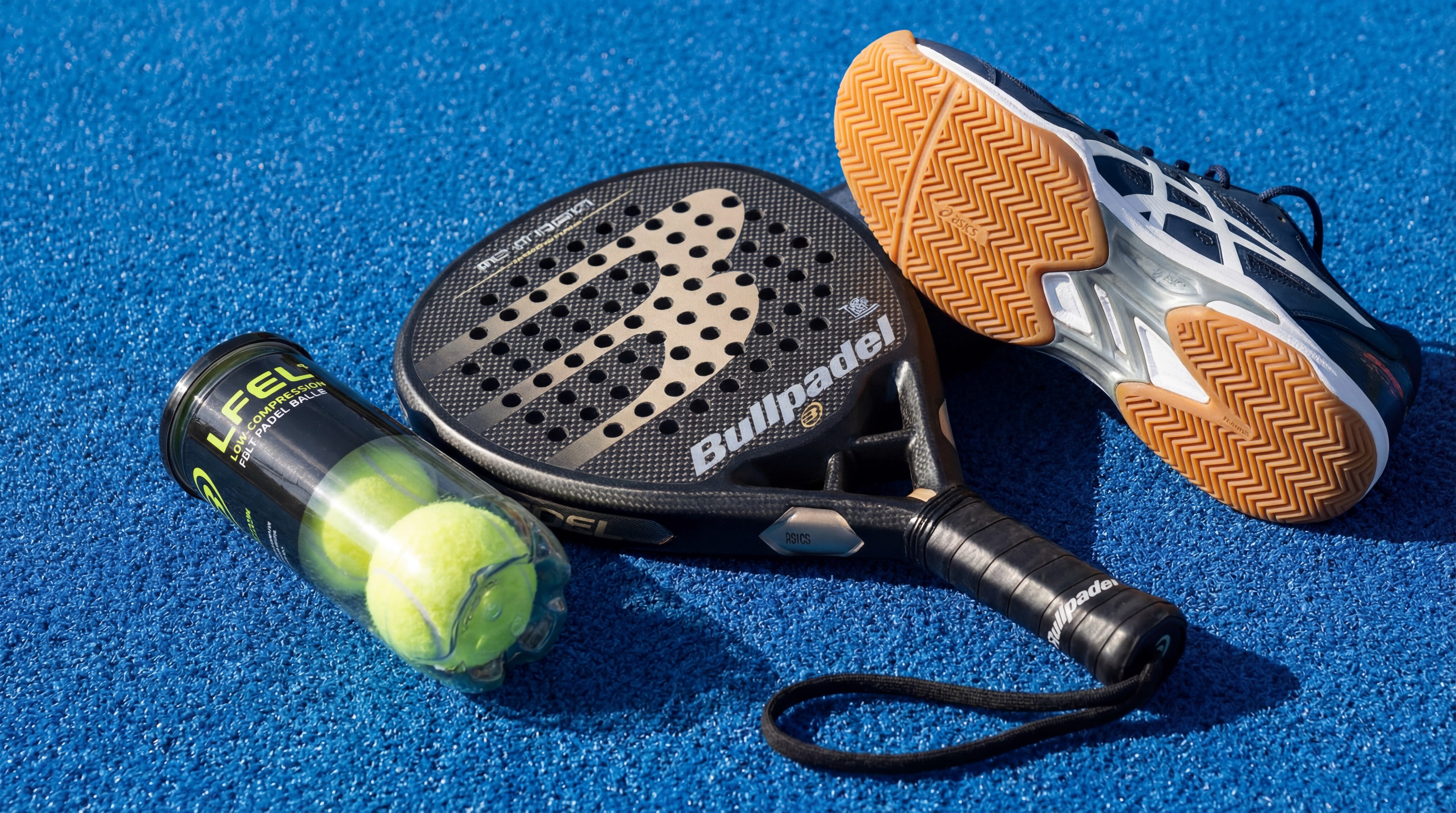
To play effectively, you need a specialized racket, low-compression balls, and shoes designed for artificial turf. Using the wrong equipment—like a tennis racket or running shoes—can lead to poor performance and an increased risk of injury.
Carbon Fiber Padel Rackets
The racket is a solid composite tool with a maximum thickness of 38mm and a surface covered in holes. It is shorter than a tennis racket, which makes it much easier to handle near the walls.
Simply put:
- Round rackets offer more control for beginners.
- Diamond rackets provide power for advanced players.
- Teardrop rackets are the versatile mid-point.
Low-Compression Ball Design
Padel balls look identical to tennis balls but have a lower internal pressure. This design ensures they don’t bounce too high, which is essential for keeping the ball manageable within the walls.
Here is the deal:
- Tennis balls are too fast for a padel court.
- Lower pressure allows for more strategic rallies.
- Padel-specific balls are mandatory for official play.
Performance Footwear Choices
Shoes must have a “herringbone” or “omni” sole to provide grip on the sand-filled turf. Proper footwear prevents the sliding that causes ankle rolls and knee strain on synthetic grass.
Look:
- Lateral support is crucial for side-to-side movement.
- Deep treads help grip the silica sand.
- Cushioning protects joints during high-impact jumps.
Key Takeaway: Investing in the correct rackets and shoes is necessary to handle the unique physical demands and physics of the sport.
| Equipment Item | Defining Feature |
|---|---|
| Racket | Solid core / No strings |
| Ball | Pressurized / 6.35cm – 6.77cm |
| Shoes | Clay or Omni sole patterns |
What are the official tennis padel rules today?
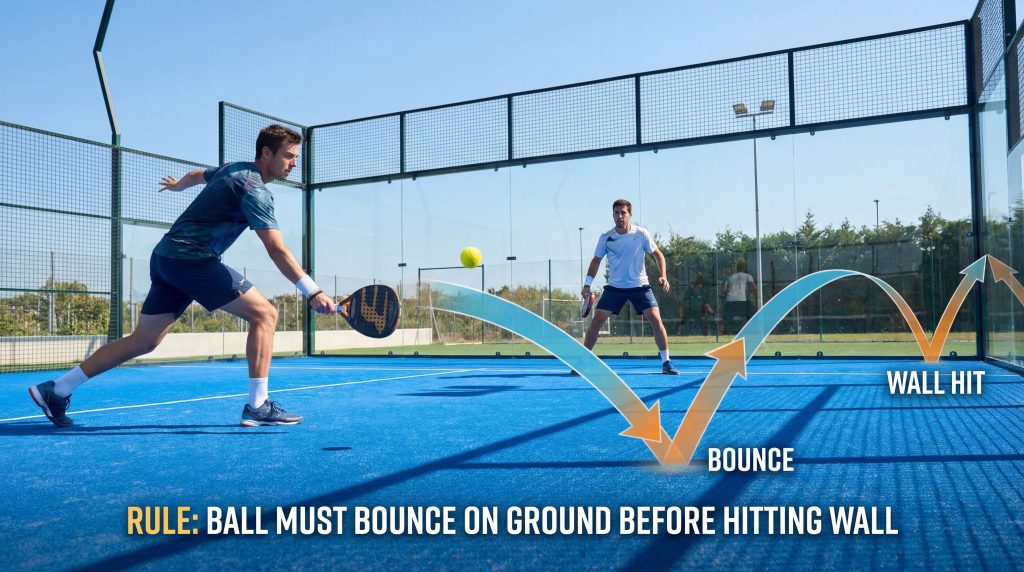
The official rules center on the interaction between the ball and the enclosure walls. The primary rule is that the ball must bounce on the opponent’s floor before hitting any part of the wall or fence.
The Underhand Serve Protocol
Unlike tennis, every serve must be performed underhand and hit at or below waist level. The player must bounce the ball on the ground first before striking it toward the diagonal service box.
The best part?
- Serves are easier to return than in tennis.
- The underhand style reduces shoulder strain.
- You get two attempts to make a legal serve.
Using the Walls for Rebounds
A point is won if the ball bounces twice on the opponent’s side or if the opponent hits the ball into the net or directly against a wall. You are allowed to hit the ball against your own glass wall to pass it over the net.
Think about it:
- The fence is “in” only if the ball bounces on the floor first.
- Hitting the fence directly is an automatic fault.
- Using your own glass is a key defensive strategy.
Common Faults and Scoring
Scoring follows the traditional 15-30-40-game format. However, many professional tours now use the “Golden Point” rule, where the winner of a 40-40 deuce wins the game immediately.
In other words:
- Golden Point speeds up the match flow.
- A “let” occurs if the ball clips the net on a serve.
- Matches are usually the best of three sets.
Key Takeaway: Mastering the “ground-before-wall” rule and the underhand serve is the first step to becoming a competent player.
| Rule Category | Regulation Summary |
|---|---|
| Service Height | At or below the waist |
| Wall Contact | Must hit ground first (on opponent side) |
| Scoring | 15/30/40/Game (Deuce or Golden Point) |
Summary and Next Steps
Building a successful facility for this sport requires a deep understanding of its technical foundations, from the galvanized steel structure to the specific density of the sand-filled turf. By prioritizing safety-certified materials and official dimensions, you ensure that your investment provides a world-class experience for years to come.
Ready to bring your project to life? To get started with a professional consultation and custom quote, contact us today.
Frequently Asked Questions
Can I build a court in my backyard?
Yes, provided you have a flat 21m x 11m space and the necessary local zoning permits for the structure and lighting.
What’s the best surface color?
Blue is the professional standard as it offers the highest contrast for the yellow ball, though green is a popular choice for traditional club aesthetics.
Can I convert a tennis court?
Absolutely. A single tennis court footprint is large enough to accommodate two full-sized padel courts, effectively doubling your player capacity.
What’s the best way to maintain the glass?
Regular cleaning with non-abrasive soap and water, combined with monthly checks of the mounting bolts and rubber gaskets, is sufficient.
Can I use regular tennis balls?
It is not recommended. Tennis balls have higher pressure and bounce, which makes the game too fast and difficult to control within the walls.