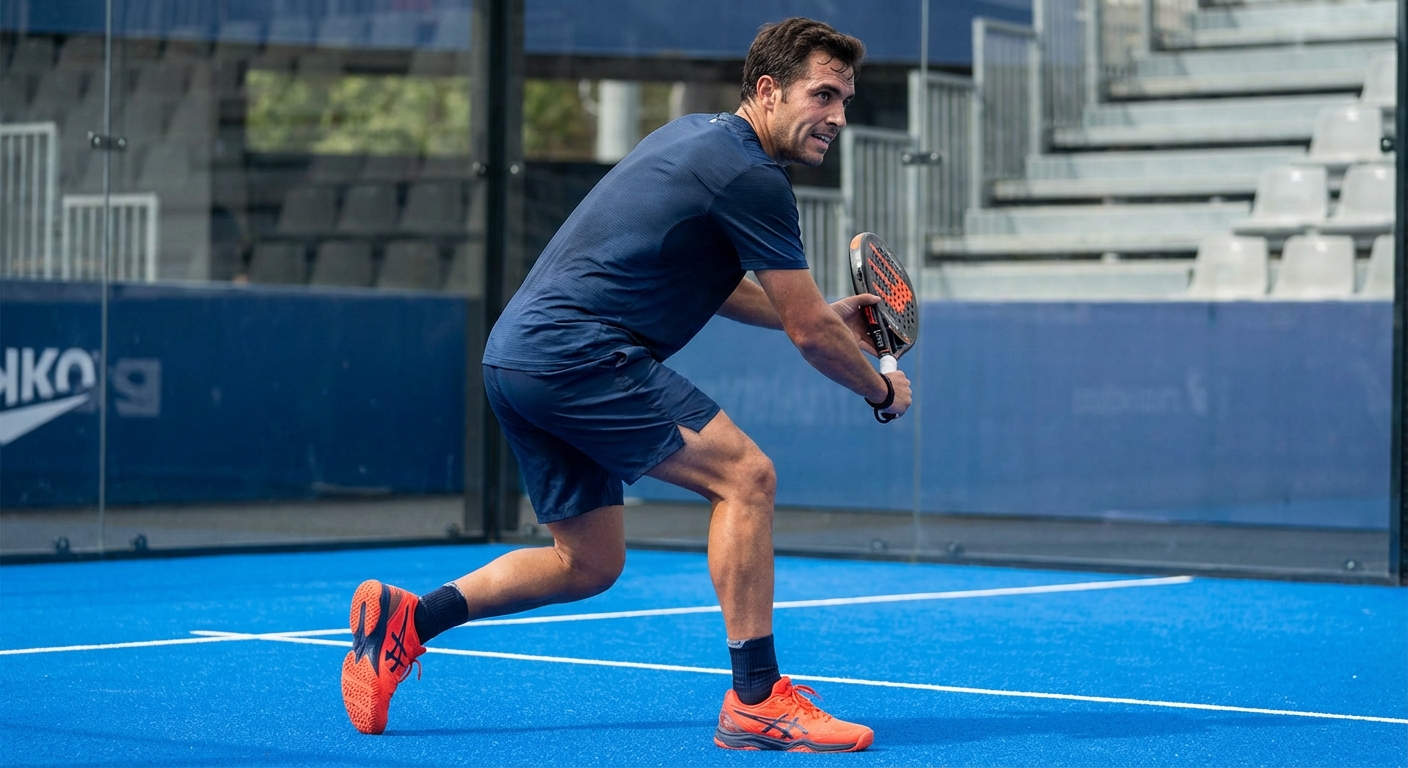
What is a padel court and why is it growing so fast?
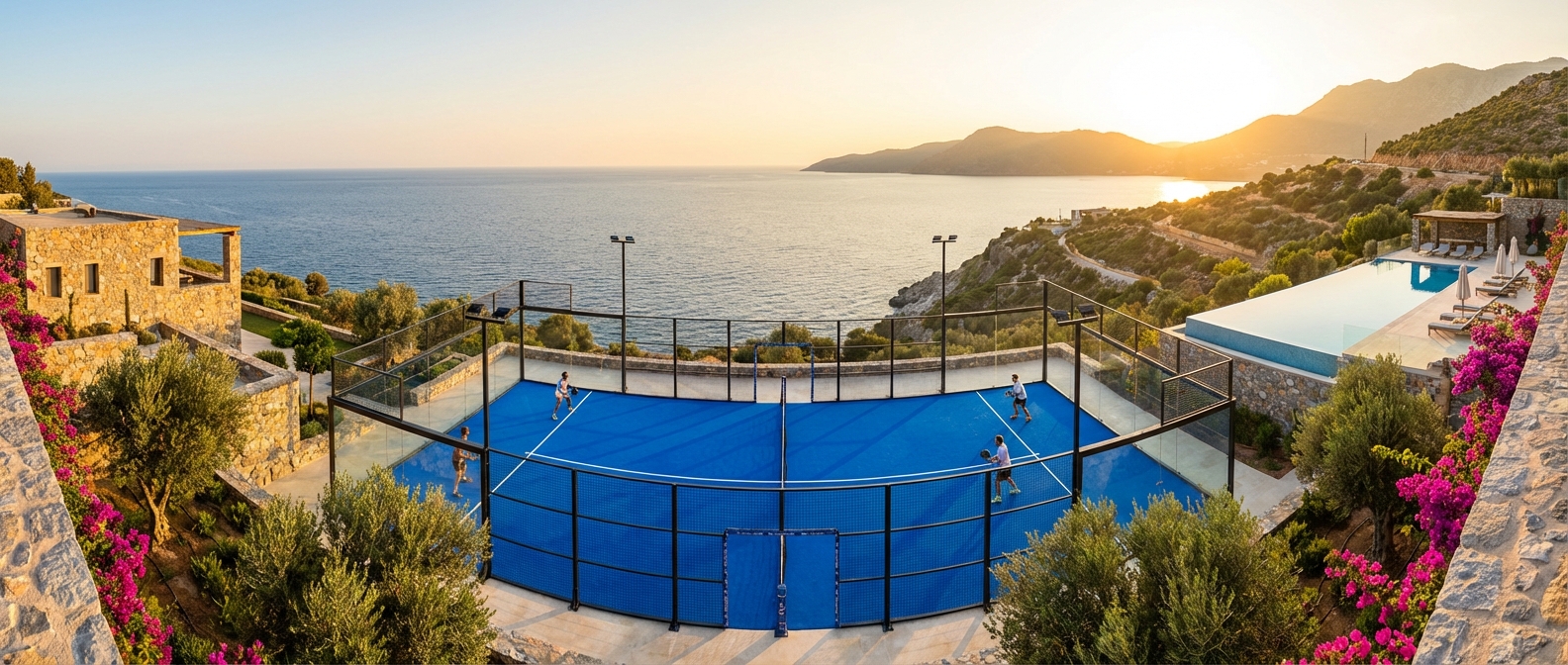
Defining what is a padel court involves understanding a social, doubles-centric environment that has captured the global sports market. The game originates from a desire to combine the tactical depth of tennis with the fast-paced rebounding mechanics of squash. Because the court is smaller than a traditional tennis court, it encourages constant communication and engagement between players.
Where did this unique racket sport originate?
The sport began in Mexico during the late 1960s before exploding in popularity across Spain and Argentina. It was designed to fit into smaller residential spaces where full-sized tennis courts were not feasible.
Here is the deal:
- The enclosed walls allow for longer rallies.
- It is significantly easier to learn for beginners than tennis.
- The social aspect drives high recurring club memberships.
How does it blend elements of tennis and squash?
Padel utilizes the scoring system and net-play of tennis while incorporating the wall-bounce mechanics found in squash. This hybrid nature creates a low-impact yet high-cardio workout suitable for all ages.
Why is it traditionally played in a doubles format?
Playing in pairs is the standard because the court dimensions are optimized for four people to cover the space efficiently. This setup fosters a community atmosphere that traditional solo sports often lack.
Key Takeaway: The rapid growth of padel is driven by its accessibility and the high social ROI provided by its doubles format.
| Factor | Padel | Traditional Racket Sports |
|---|---|---|
| Learning Curve | Low/Immediate | Moderate to High |
| Social Engagement | High (Doubles Only) | Variable (Singles/Doubles) |
| Space Efficiency | High (200 sqm) | Low (600+ sqm) |
The social dynamic of the sport makes it an ideal anchor for modern sports and country clubs.
What is a padel court according to standard dimensions?
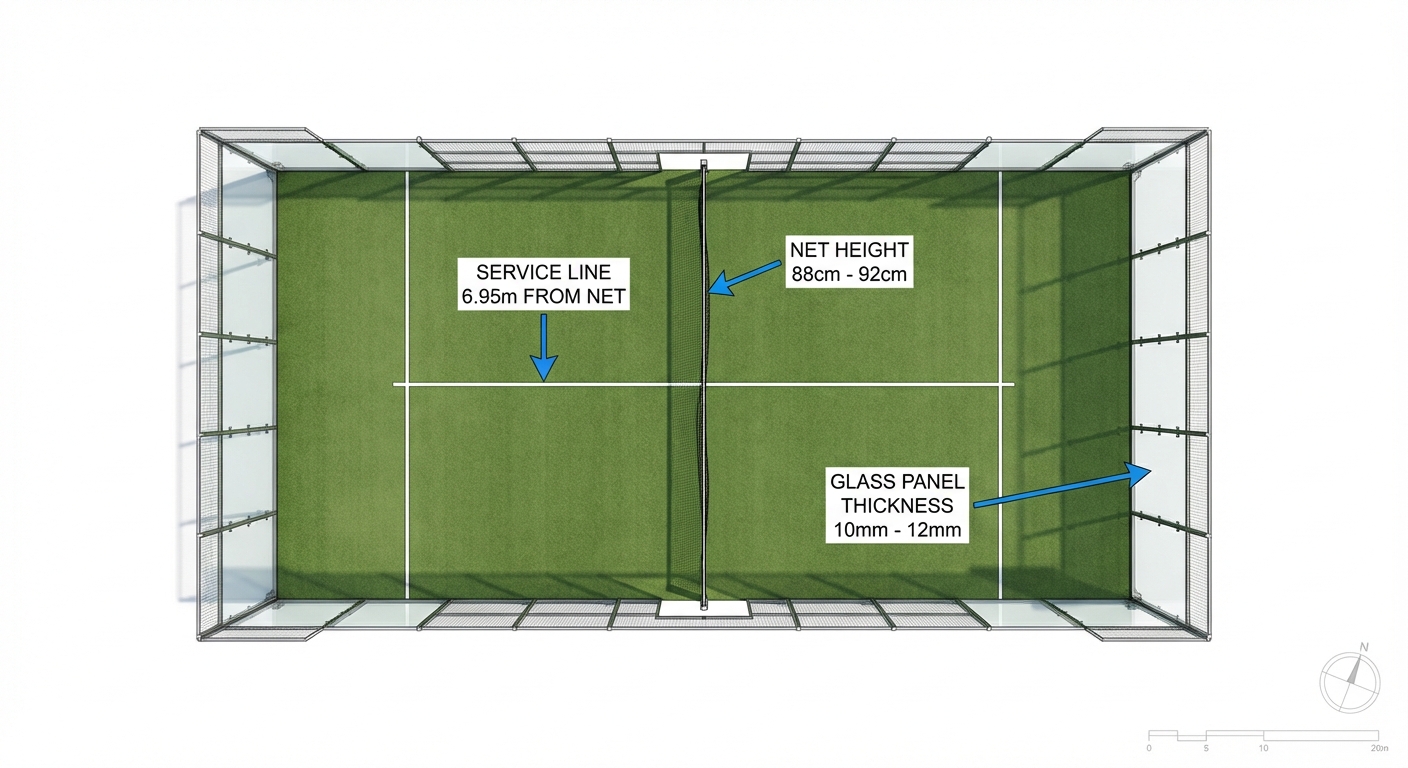
Establishing what is a padel court requires strict adherence to the International Padel Federation (FIP) standards of 10 meters in width by 20 meters in length. These precise dimensions ensure that the ball trajectory and player movement remains consistent across all professional facilities. Any deviation from these metrics can invalidate a court for official competitive play and affect the quality of the bounce.
How large is the official playing area?
The total footprint is exactly 200 square meters, divided into two equal squares by a central net. You must also account for a safety perimeter around the exterior for professional installations.
But wait, there is more:
- The service lines are positioned 6.95 meters from the net.
- A center line divides the service area into two equal zones.
- Total height clearance should be at least 6 meters for indoor builds.
What is the required height for the center net?
The net must be 10 meters long and stand at a height of 88 centimeters at the center. It can rise slightly to 92 centimeters at the post ends to maintain tension.
Where are the service lines located on the court?
Service lines are marked parallel to the net and are essential for governing the start of every point. They ensure that the underhand serve remains a tactical start rather than an overwhelming advantage.
Key Takeaway: Precision in court dimensions is non-negotiable for ensuring fair play and meeting international tournament standards.
| Component | Official Measurement | Tolerance |
|---|---|---|
| Total Length | 20.00 Meters | +/- 0.5% |
| Total Width | 10.00 Meters | +/- 0.5% |
| Net Center Height | 88 Centimeters | +/- 1 cm |
Accurate labeling and line painting are the final steps in certifying a court for professional use.
What is a padel court wall made of and which materials are best?
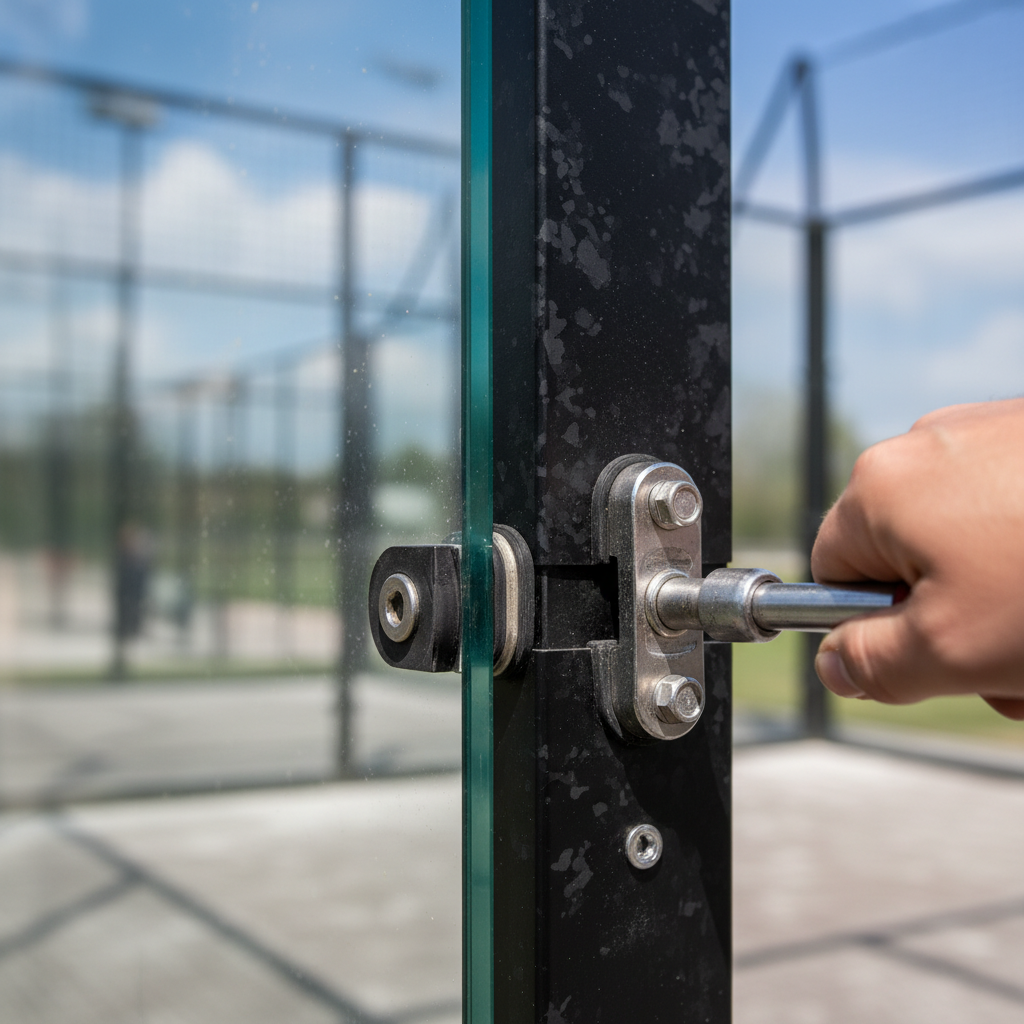
In engineering terms, what is a padel court is defined by its structural perimeter of tempered glass and electro-welded metallic mesh. Professional-grade Padel Glass must be thick enough to withstand high-impact collisions from players and the constant force of the ball. Using high-quality galvanized steel for the framework prevents corrosion and ensures the longevity of the installation.
Why is tempered glass the industry standard?
Tempered glass provides a predictable and consistent bounce, which is vital for the strategic “off-the-wall” shots. It also offers spectators an unobstructed view of the action, making it perfect for televised matches.
Look at this:
- 12mm glass is preferred for high-traffic clubs.
- 10mm glass is often used for residential or budget builds.
- Safety-first manufacturing ensures glass breaks into small granules if shattered.
When should metallic mesh be integrated into the frame?
The mesh sections are located on the sides and are designed to create an “unpredictable” bounce compared to the glass. This forces players to adapt their positioning and adds a layer of complexity to the game.
How do indoor and outdoor wall requirements differ?
Outdoor courts require hot-dip galvanized steel to protect against humidity and rain. Indoor courts can focus more on acoustic management and lighting integration within the frame.
Key Takeaway: Investing in 12mm tempered glass and galvanized steel frames reduces long-term maintenance costs and improves player safety.
| Material Type | Pros | Best Use Case |
|---|---|---|
| 10mm Tempered Glass | Cost-effective, Lighter | Private/Residential |
| 12mm Tempered Glass | Maximum Durability | Professional Clubs |
| Metallic Mesh | Tactical Complexity | Standard Side Walls |
Structural integrity is the backbone of a high-performance court that can withstand years of heavy usage.
What is a padel court scoring system and how do you follow it?
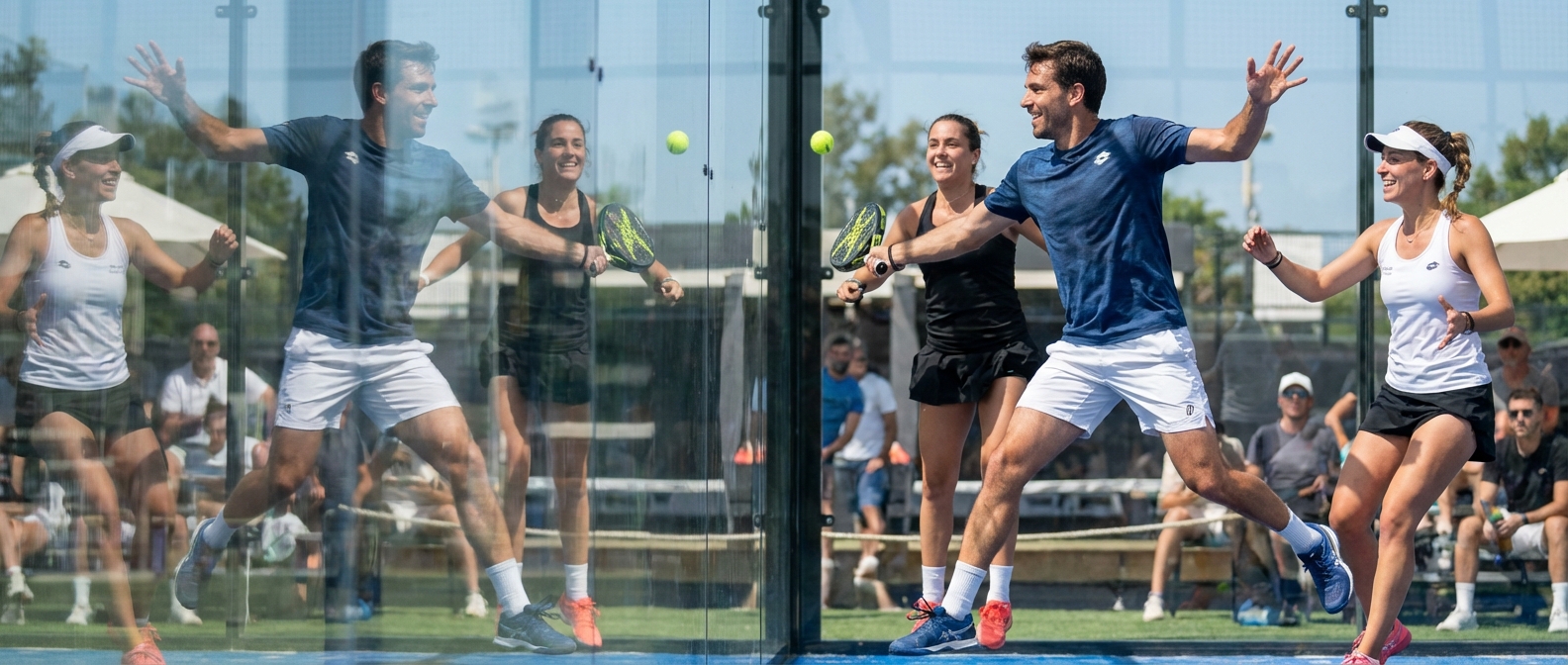
Understanding what is a padel court also requires mastering the scoring mechanics, which mirror the traditional tennis “15, 30, 40, Game” structure. Matches are played in a best-of-three sets format, emphasizing consistency and tactical patience over raw power. This familiar system allows tennis players to transition into padel with almost zero learning curve regarding the math of the game.
Is the scoring system identical to tennis?
Yes, the progression of points remains exactly the same, though the pace of the game is often faster. You win a set by reaching six games with a two-game advantage.
The best part?
- Tie-breaks are played at 6-6 to decide the set winner.
- Points are won when the ball bounces twice on the opponent’s side.
- Balls hitting the wall directly without bouncing are considered out.
What happens when a game reaches a deuce?
In many professional circuits, a “Golden Point” or “Punto de Oro” is used to decide the game. This means the next point wins the game immediately, eliminating long deuce-advantage cycles.
How are sets and matches structured?
Most competitive matches are the best of three sets. This structure provides enough time for tactical adjustments and shifts in momentum throughout the match.
Key Takeaway: The familiar tennis-style scoring makes padel instantly approachable for millions of existing racket sport fans.
| Score Stage | Points Earned | Terminology |
|---|---|---|
| First Point | 15 | Fifteen |
| Third Point | 40 | Forty |
| Tied at 40-40 | Deuce | Deuce / Golden Point |
Efficient scoring management keeps the game moving and maintains high energy levels for both players and fans.
What is a padel court serve technique for competitive play?
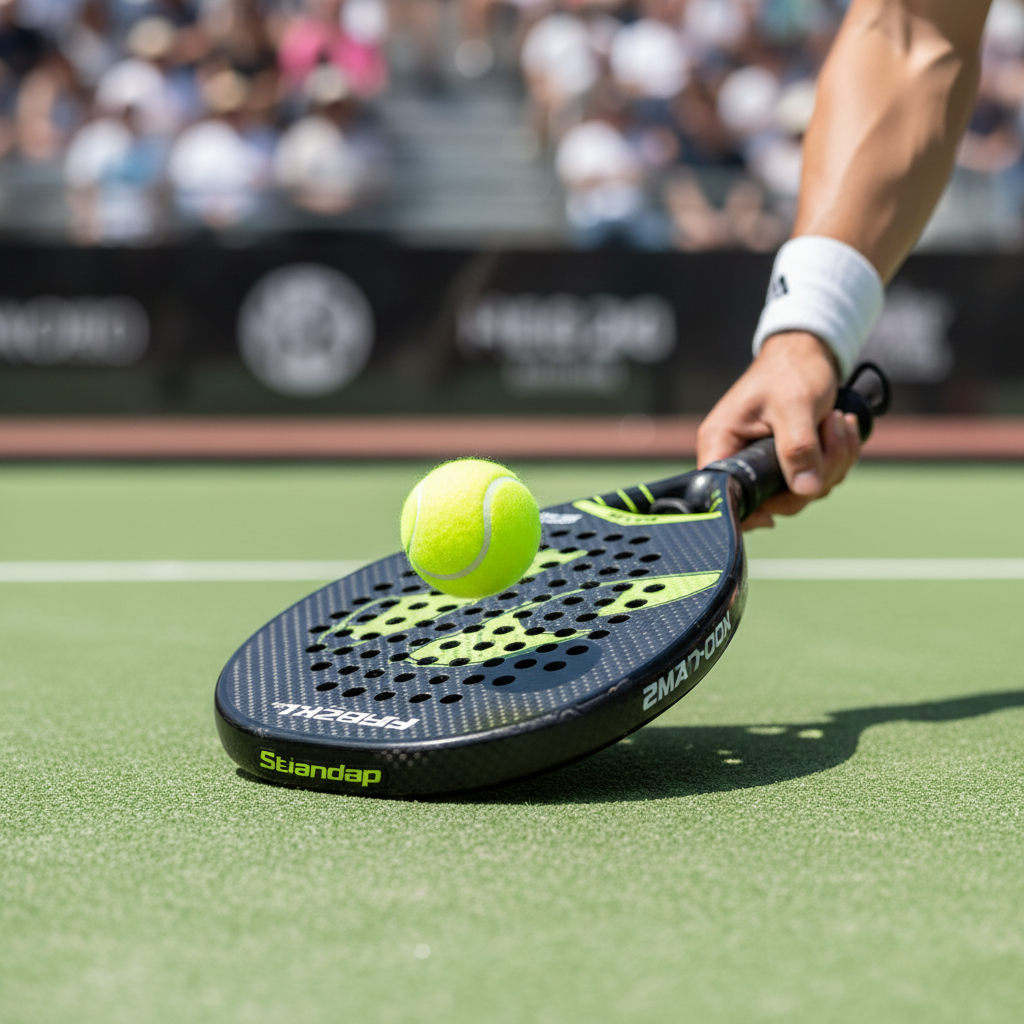
At the start of every point, what is a padel court rulebook mandates an underhand serve delivered from behind the service line. Unlike tennis, where the serve is often an offensive weapon, the padel serve is a tactical tool designed to put the ball in play. The ball must be struck at or below waist level after a single bounce on the server’s side.
Why must the ball be struck below waist level?
Striking the ball below the waist prevents players from delivering high-velocity “smash” serves that would be impossible to return in a small space. This keeps the game focused on rallies rather than service aces.
Think about this:
- The server must keep at least one foot on the ground.
- The ball must land in the diagonally opposite service box.
- Touching the service line during the motion is a fault.
Does the ball have to bounce before the service hit?
Yes, you must let the ball bounce once behind the service line before making contact with the racket. This ensures a consistent height for the underhand strike.
Which area of the opponent’s court is the target?
The target is the cross-court service box. If the ball hits the net and lands in the box, it is a “let,” and the serve is retaken.
Key Takeaway: The underhand serve rule prioritizes strategic ball placement and ensures longer, more engaging rallies for all skill levels.
| Serve Requirement | Rule Specification | Penalty for Violation |
|---|---|---|
| Contact Height | Below the Waist | Fault |
| Initial Bounce | Behind Service Line | Fault |
| Target Zone | Diagonal Service Box | Fault |
Mastering the serve is about precision and setting up the point for a strong net position.
What is a padel court racket and how is it professionally built?
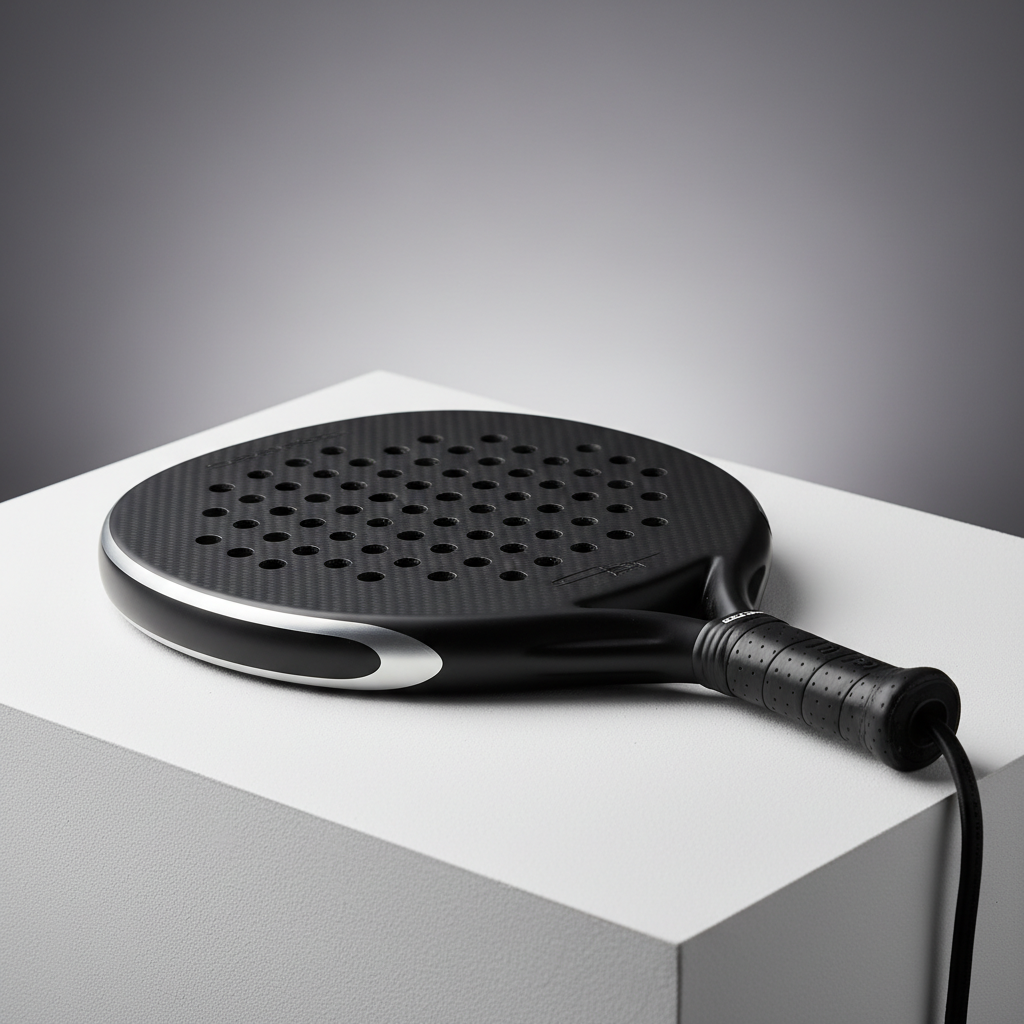
Identifying what is a padel court involves looking at the specialized equipment used, specifically the stringless, perforated racket. These rackets are shorter and thicker than tennis rackets, typically constructed from carbon fiber or fiberglass with an EVA foam core. This design is optimized for the close-quarters combat and rapid-fire volleys that define the sport’s high-level gameplay.
Why do these rackets lack traditional strings?
The solid surface with drilled holes provides a different type of impact absorption and spin control. This allows for a more “elastic” feel that helps players manipulate the ball’s trajectory off the glass.
The secret?
- Different hole patterns affect the “sweet spot” of the racket.
- Carbon fiber provides more power for advanced players.
- Fiberglass offers more comfort and flexibility for beginners.
Which materials comprise the frame and foam core?
Most professional rackets use a 100% carbon frame for rigidity. The internal foam, either EVA or Polyethylene, determines how much “pop” or control the racket has upon contact.
How does racket weight influence power and control?
Heavier rackets (375g+) offer more stability and power for overhead shots. Lighter rackets (350g-360g) provide better maneuverability at the net for quick defensive reactions.
Key Takeaway: Choosing the right racket material and weight balance is essential for preventing injuries like tennis elbow while maximizing performance.
| Material | Feel | Best For |
|---|---|---|
| Carbon Fiber | Stiff/Powerful | Advanced/Aggressive |
| Fiberglass | Soft/Flexible | Beginners/Intermediate |
| EVA High Memory | Harder Core | Maximum Power |
A high-quality racket acts as an extension of the arm, allowing for precise control over every rebound.
What is a padel court ball and how does it differ from tennis?
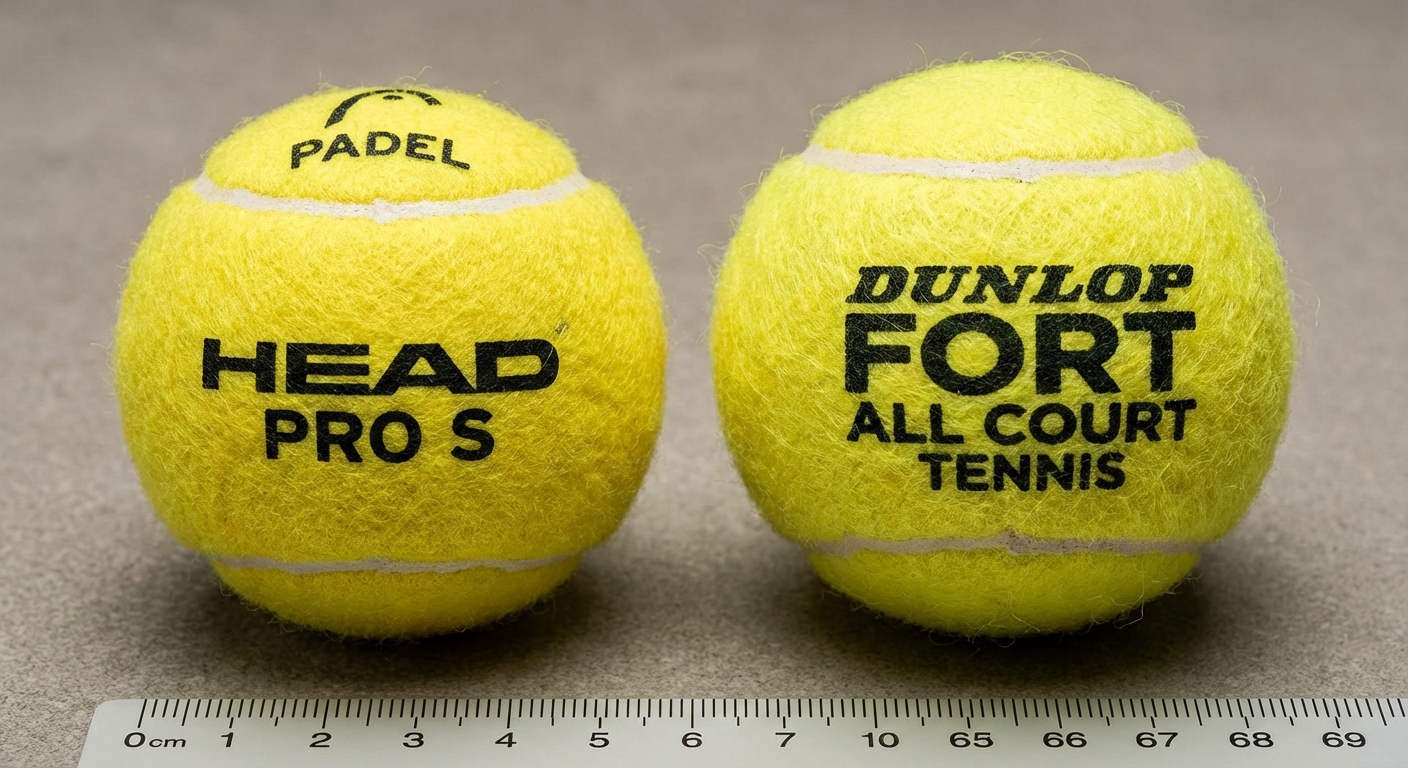
While they look identical to the naked eye, what is a padel court ball is actually a lower-pressure version of a standard tennis ball. The reduced internal pressure decreases the bounce height, making the ball more manageable within the 10×20 meter enclosure. This technical distinction is critical because a high-pressure tennis ball would bounce too fast off the glass, making the game chaotic and difficult to control.
Is the internal pressure lower in specialized balls?
Yes, padel balls generally have a pressure of about 10-11 psi, whereas tennis balls sit around 14-15 psi. This slight difference significantly changes how the ball interacts with the turf and walls.
Look at this:
- The ball diameter is usually between 6.35cm and 6.77cm.
- Weight must fall between 56.0g and 59.4g for official play.
- Higher altitude versions exist with even lower pressure to compensate for thin air.
What are the official size and weight specifications?
The FIP regulates these specs strictly to ensure that professional tournaments offer a consistent experience worldwide. A ball that is too heavy or too large will slow down the game and fatigue the players.
Can standard tennis balls be used for casual play?
While possible, it is not recommended for a Panoramic Padel Court because the increased speed can damage the glass and ruins the intended tactical flow of the game.
Key Takeaway: Using authentic padel balls is the only way to experience the strategic depth and wall-play the sport was designed for.
| Specification | Padel Ball | Tennis Ball |
|---|---|---|
| Internal Pressure | 10 – 11 PSI | 14 – 15 PSI |
| Bounce Height | 135cm – 145cm | 135cm – 147cm |
| Tactical Feel | Control Focused | Speed Focused |
Proper equipment maintenance, including replacing balls frequently, ensures the best possible playing experience.
What is a padel court floor made of for high-performance use?
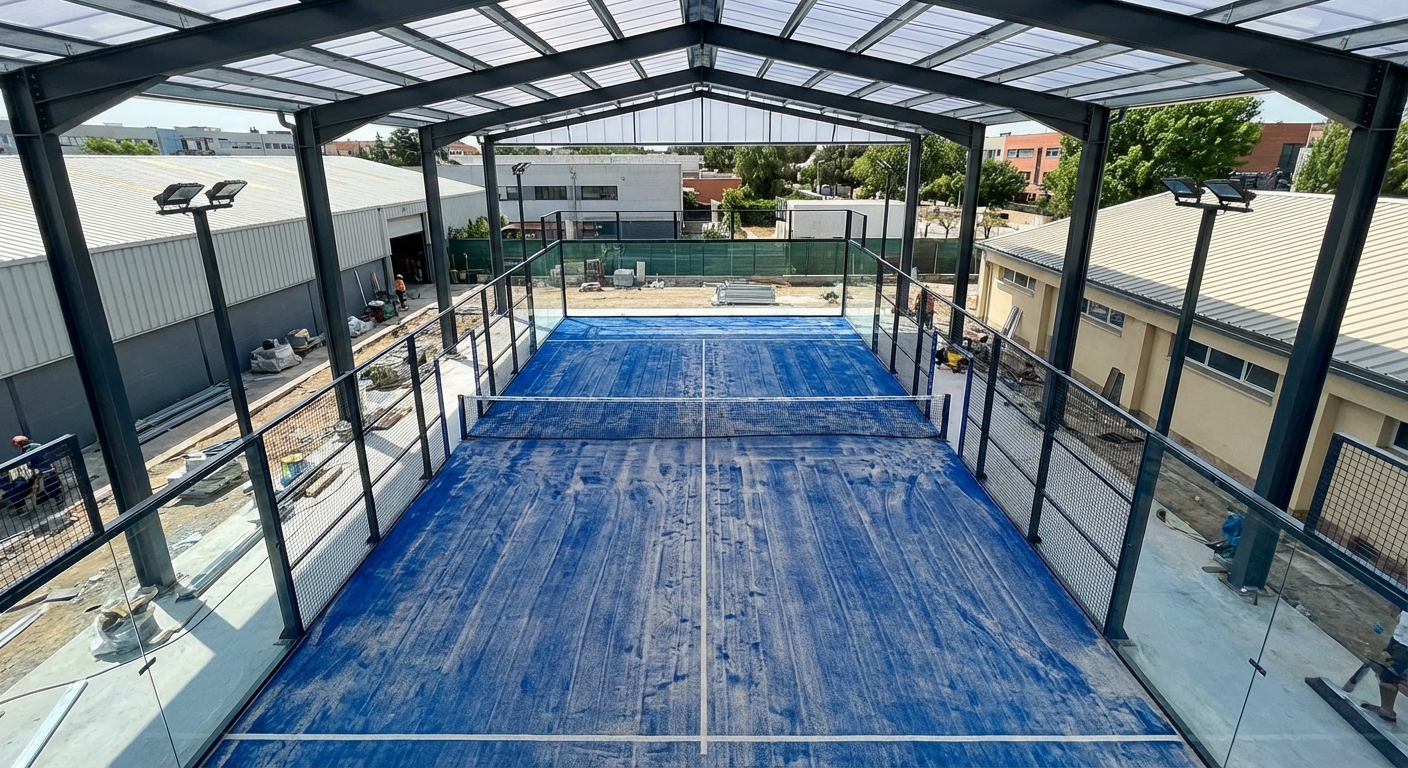
Determining what is a padel court surface involves selecting the right artificial turf and sand infill to ensure a consistent bounce and player safety. High-performance Padel Grass is typically made of monofilament or textured polyethylene fibers that can withstand intense lateral movements. The integration of a Roofed Padel Court structure further protects this surface from UV damage and weather-related wear.
Why is artificial turf preferred over hard surfaces?
Artificial turf provides excellent shock absorption, which protects the players’ joints during the explosive movements required in a match. It also holds the silica sand infill that allows for controlled sliding.
The best part?
- Blue turf is the most popular for television visibility.
- Monofilament fibers offer the best durability for high-traffic clubs.
- Sand distribution must be checked weekly for a uniform bounce.
Can a court be installed on a concrete or wood base?
A reinforced concrete or porous asphalt base is essential for a stable installation. This base must be perfectly leveled to prevent “dead spots” where the ball fails to bounce correctly.
How does the surface affect the consistency of the bounce?
The density of the turf fibers and the amount of sand infill directly correlate to the ball speed. A “faster” court has less sand, while a “slower” court has more, favoring defensive players.
Key Takeaway: A high-quality turf system combined with a level concrete base is the most important factor for player satisfaction and safety.
| Surface Component | Material Used | Maintenance Need |
|---|---|---|
| Artificial Turf | Polyethylene Monofilament | Daily Brushing |
| Infill | Kiln-dried Silica Sand | Monthly Redistribution |
| Base | Reinforced Concrete | None (if installed correctly) |
Selecting the right turf color and fiber density can define the “brand” and playstyle of your sports facility.
What is a padel court gear set to maximize player agility?
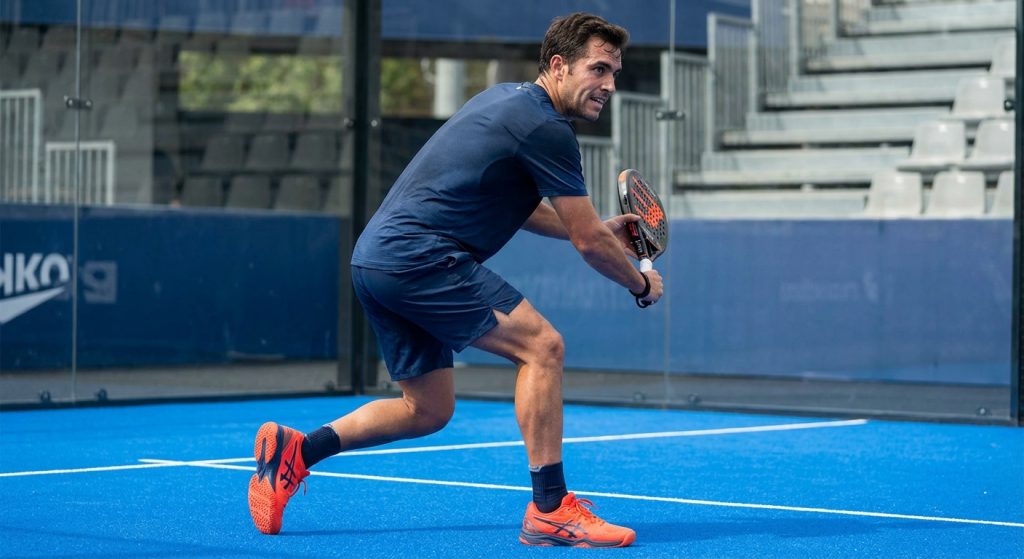
Knowing what is a padel court requirement for players means looking beyond the racket to specialized footwear and apparel. Padel shoes are designed with a specific “clay” or “omni” sole pattern to provide grip on the sand-filled turf without sticking too firmly, which could cause knee injuries. Lightweight, moisture-wicking clothing is equally important to manage the high-intensity heat generated during a typical 90-minute match.
Why is breathable fabric essential for match shirts?
Padel is an aerobic sport that involves constant movement, meaning players generate significant body heat. High-tech synthetic fabrics help pull sweat away from the skin, keeping players cool and focused.
But wait, there is more:
- Specialized socks prevent blisters during rapid lateral shifts.
- Wristbands are used to keep sweat off the racket grip.
- Overgrips should be changed regularly for maximum friction.
How do specialized shoes improve lateral movement?
The sole of a padel shoe is designed to “clean” the sand from the grooves as you move. This provides the perfect balance between traction for sprinting and sliding for defensive reach.
Which accessories help with grip and moisture control?
Using a high-quality overgrip and anti-sweat sprays can significantly improve your racket handling. This is especially important in humid outdoor environments where the racket might slip.
Key Takeaway: Investing in specialized padel shoes is the single best way to improve performance and prevent common on-court injuries.
| Gear Essential | Primary Function | Replacement Cycle |
|---|---|---|
| Padel Shoes | Grip and Stability | 6 – 12 Months |
| Overgrip | Handle Friction | Every 3 – 5 Matches |
| Moisture-Wick Shirt | Thermal Regulation | As needed |
Equipping your players with the right gear ensures they can perform at their peak for every point.
What is a padel court competition structure globally?
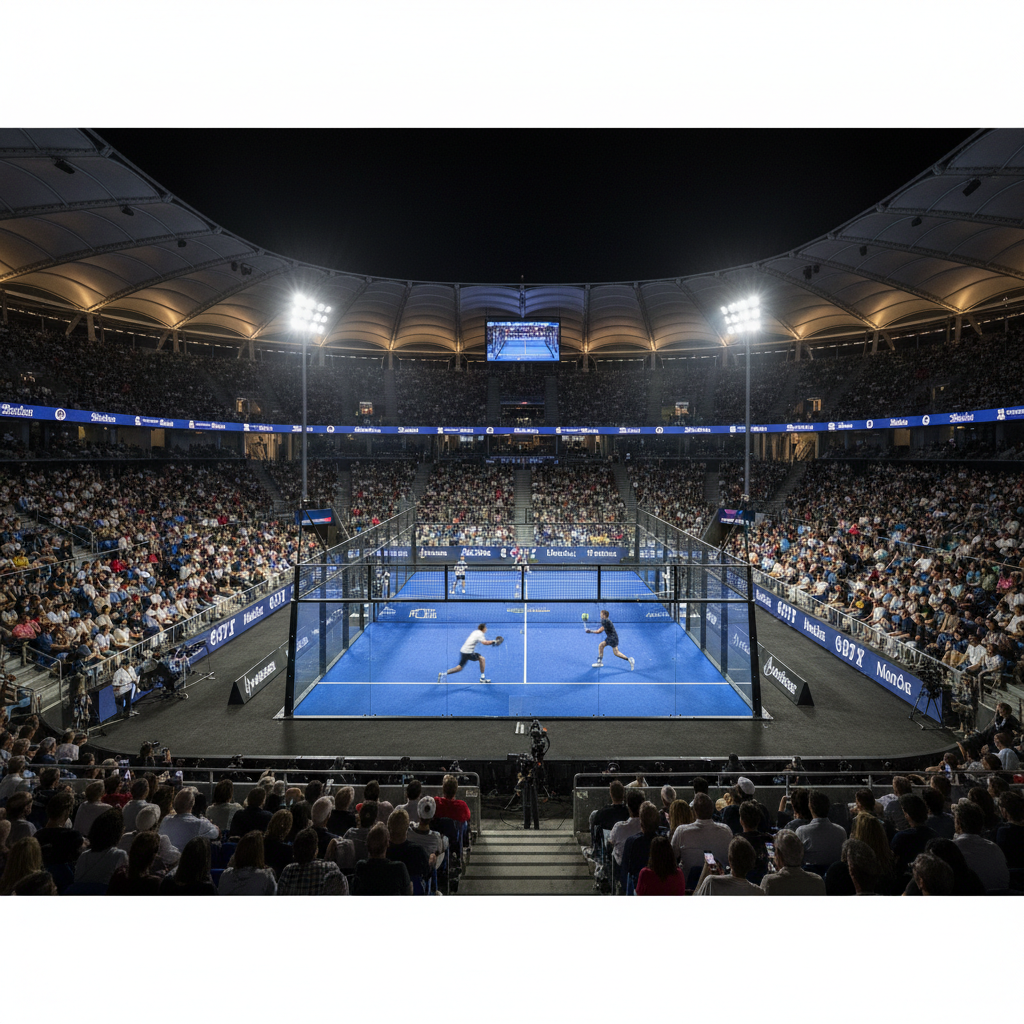
The final piece of what is a padel court knowledge is understanding the professional ecosystem governed by the International Padel Federation (FIP). The sport has professional circuits that draw thousands of spectators to stadiums equipped with advanced Padel Led Lighting systems. This professionalization is driving the sport toward eventual Olympic status, as more countries establish national federations and training academies.
Which body manages the international championships?
The International Padel Federation (FIP) is the global governing body that sets the rules and certifies international tournaments. They work to standardize court builds and player rankings across all continents.
Here is the deal:
- Major tours like Premier Padel offer significant prize money.
- National federations help develop youth programs.
- The sport is currently a candidate for future Olympic Games.
What is the top professional circuit for elite players?
Premier Padel has emerged as the leading global tour, featuring the world’s best players in high-production stadium environments. These events are crucial for growing the sport’s global viewership.
Is the sport currently moving toward Olympic status?
Yes, the rapid expansion into the US, Asia, and the Middle East has put padel on a fast track for Olympic consideration. The infrastructure requirements for a host city are relatively low compared to other major sports.
Key Takeaway: The professionalization of padel ensures a clear pathway for athletes and provides a stable framework for investors to build clubs.
| Organization | Role | Scope |
|---|---|---|
| FIP | Global Governance | Rules & Certification |
| Premier Padel | Elite Professional Tour | Global Events |
| National Federations | Local Development | Grassroots & Academies |
The professional stadium atmosphere highlights the incredible athleticism and growth potential of this modern sport.
Building a professional padel facility is more than just clearing space; it is about engineering a social hub designed for longevity and performance. From the 12mm tempered glass walls to the specialized monofilament turf and LED lighting, every component plays a role in the player’s journey. Our vision is to empower club owners and developers with the highest standard of court technology, ensuring that every match played is safe, competitive, and unforgettable. If you are ready to transform your space into a world-class athletic destination, contact us today for a comprehensive consultation on your next project.
FAQ
Can I play padel on a standard tennis court?
No. The dimensions are significantly different, and the essential glass wall-play mechanics of padel cannot be replicated on an open tennis court.
What is the best way to maintain the artificial grass?
Regularly. You should brush the turf weekly and redistribute the silica sand infill to ensure a uniform bounce and prevent fiber matting.
How do I know if my padel racket needs replacing?
It depends. Look for signs of “dead” sounds upon impact, visible cracks in the frame, or a noticeable loss of power from the internal foam core.
Can I install a padel court in a residential area?
Yes. As long as you have a 10m x 20m flat footprint and check your local zoning laws regarding structure height and noise levels.
What is the best lighting for an outdoor padel court?
IP66-rated LEDs. You need high-output floodlights (200W-300W per pole) that provide shadowless illumination and can withstand wind and rain.