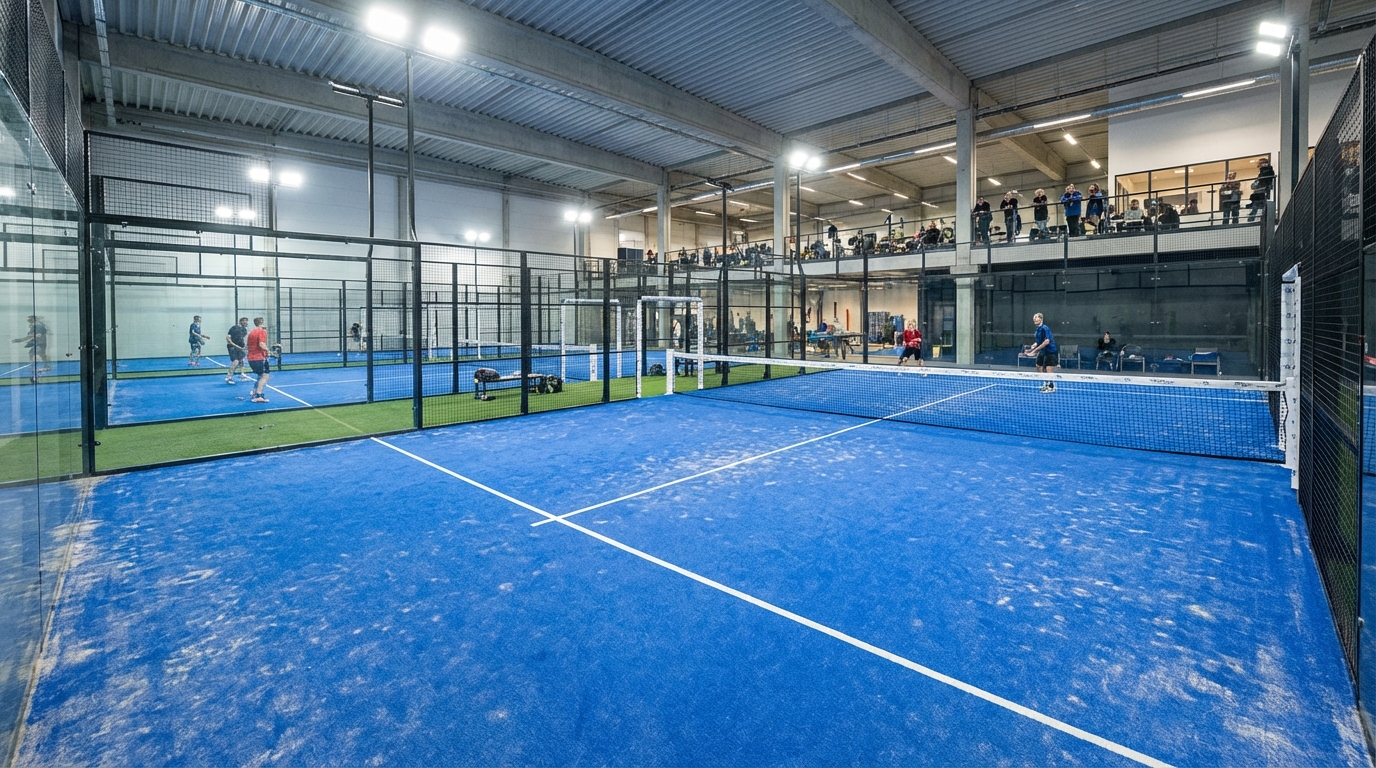
Padel is a fast-growing racket sport played in a semi-enclosed court, and indoor padel is the professional solution that brings this game into climate-controlled environments for year-round play. If you are a club owner, you likely struggle with weather-related cancellations and seasonal revenue drops that drain your profits. It is frustrating to watch your courts sit empty during rain or cold while your fixed costs continue to mount. By choosing to build inside, you eliminate environmental variables and secure a stable, 365-day income stream that your members will appreciate.
What is an indoor padel facility?
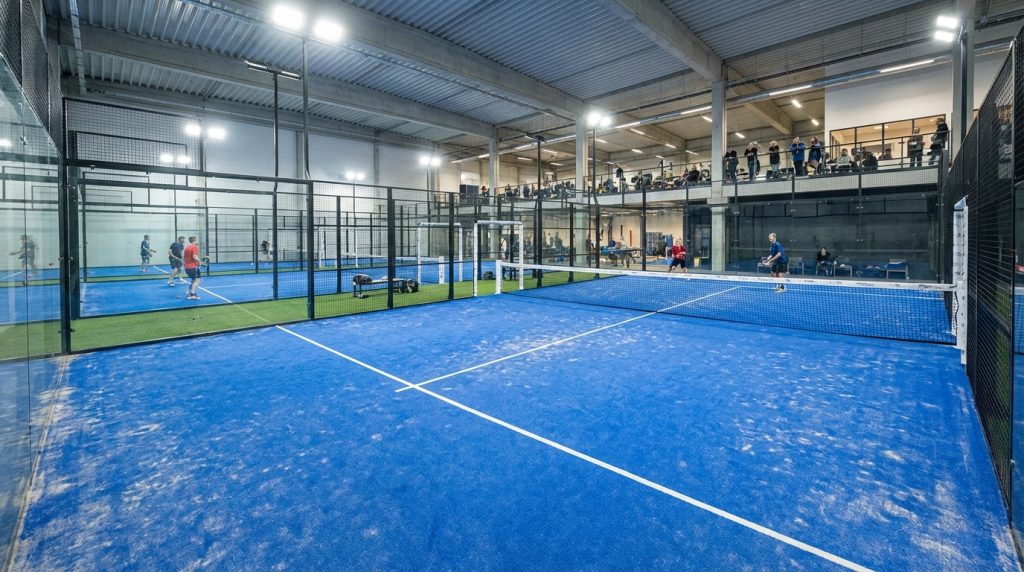
An indoor padel facility is a specialized sports venue designed to house standard 20×10 meter courts within a permanent building or warehouse. Unlike outdoor setups, these facilities offer a controlled environment where players are shielded from wind, sun, and precipitation. This professional setting ensures that the game can be played at its highest level regardless of the external climate.
What are the official dimensions?
A standard court requires exactly 200 square meters of playing space, measuring 10 meters wide by 20 meters long. You also need to account for a safety perimeter of at least 0.5 meters around the structure.
Here is the catch:
If your building footprint is too tight, you risk player collisions with the warehouse walls.
- 10m Width
- 20m Length
- 0.5m Safety Zone
Why is the ceiling height vital?
The ceiling must be high enough to accommodate the high “lob” shot, which is a fundamental tactical element of the game. For professional play, you should aim for a clear height of at least 8 to 10 meters.
Key Takeaway: Professional indoor facilities must prioritize spatial dimensions to ensure both safety and competitive playability.
| Metric | Requirement |
|---|---|
| Playing Area | 200 sqm |
| Min Height | 6 meters |
| Ideal Height | 8-10 meters |
Adhering to these specifications is the first step toward achieving international competition standards.
Why should you invest in indoor padel?
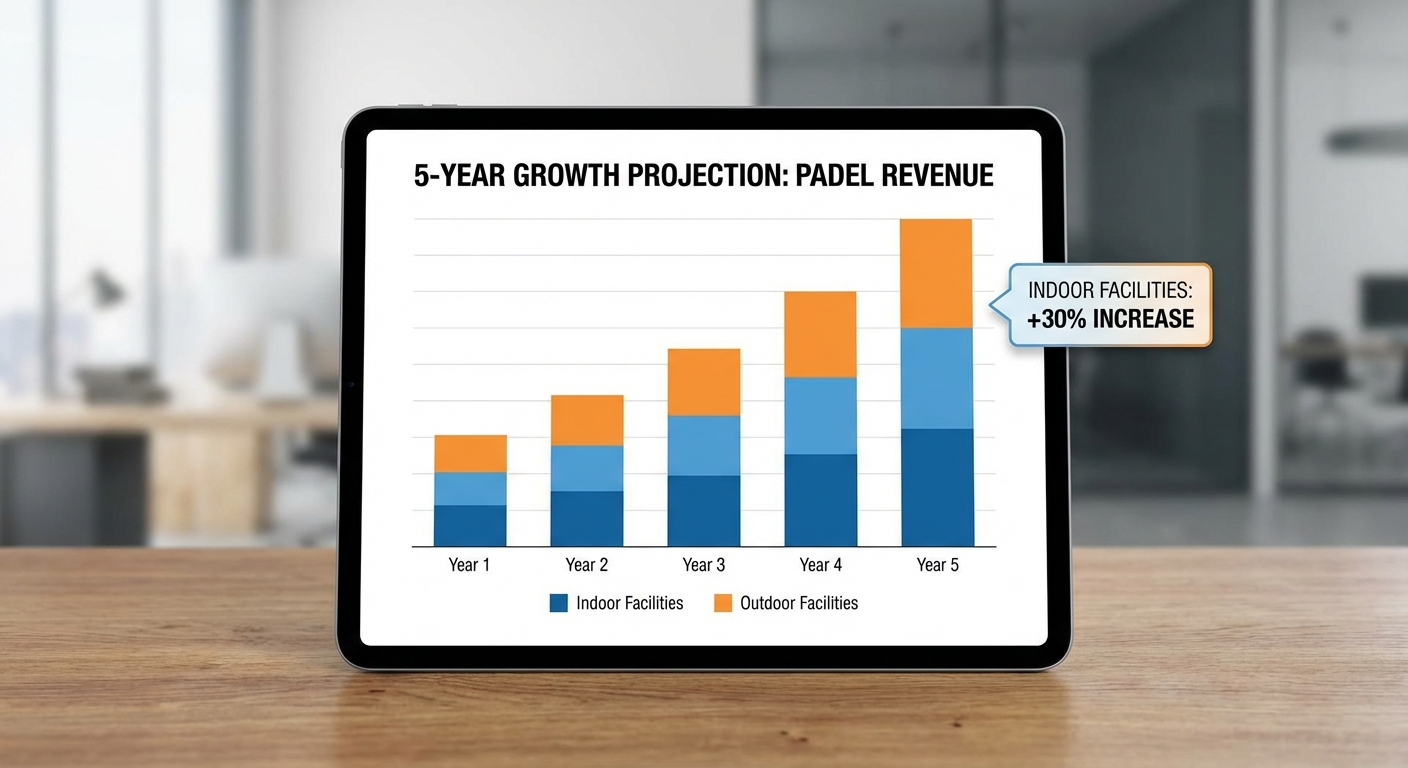
Investing in indoor padel is a strategic move for business owners looking to maximize court utilization and ROI. While outdoor courts are cheaper to install, they suffer from significant downtime due to weather conditions. By moving inside, you guarantee that every booking slot is available for sale, which drastically improves your annual revenue.
How does weather affect revenue?
Rain and extreme heat are the primary enemies of outdoor club stability, leading to constant refund requests. With an indoor setup, your revenue stream remains consistent throughout the winter and peak summer months.
But wait, there is more:
Indoor courts also experience less wear and tear since they are not exposed to UV rays or rain.
- 365-day availability
- No refund management
- Higher member retention
What is the long-term ROI?
The initial higher investment of building indoors is typically offset within 24 to 36 months due to higher occupancy rates. You can also charge a premium for the comfort of a climate-controlled environment.
Key Takeaway: Indoor facilities provide a predictable financial model that outperforms outdoor operations by eliminating environmental risks.
| Benefit | Impact |
|---|---|
| Utilization | Up to 100% |
| Maintenance | 40% Lower |
| Revenue | Stable Monthly |
This stability makes indoor venues more attractive to banks and institutional investors looking for reliable cash flow.
How do you meet indoor padel structural needs?
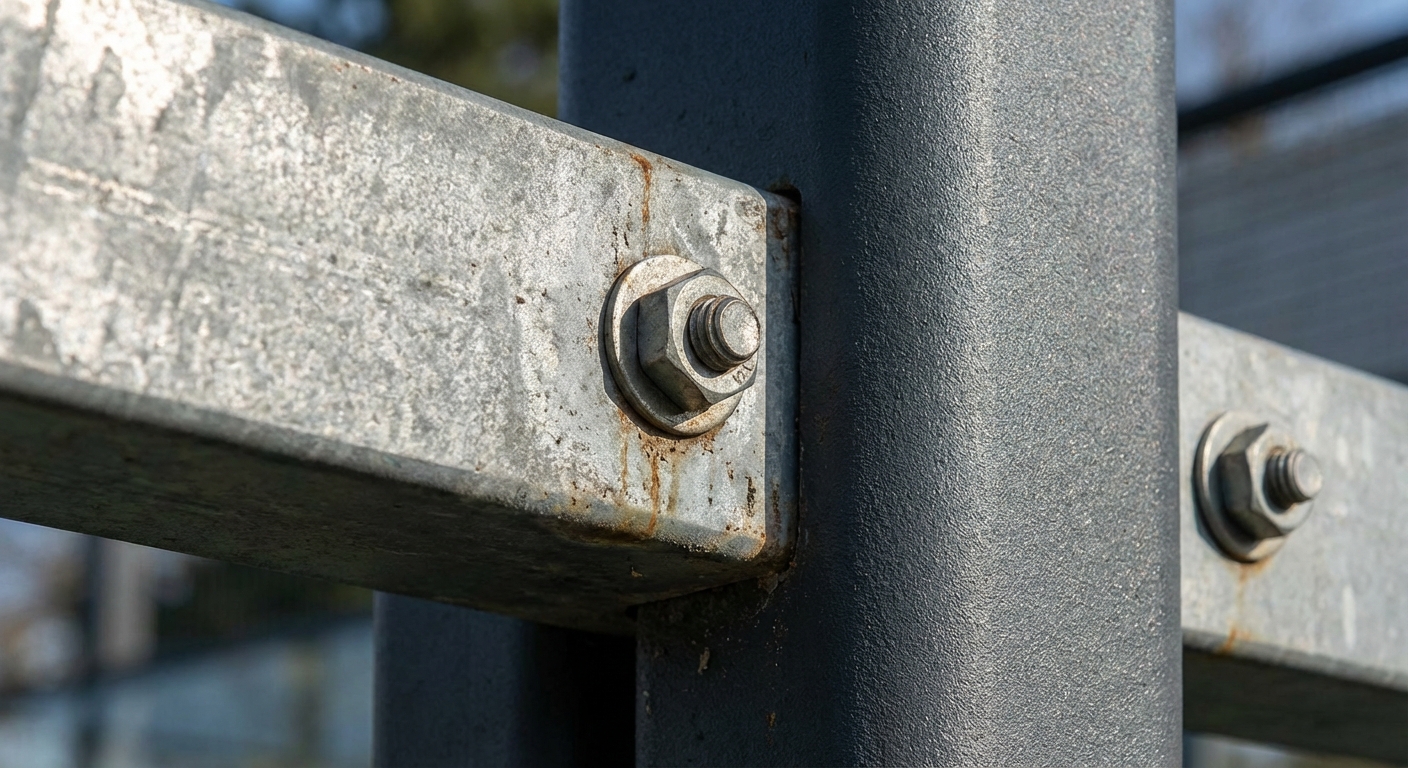
To meet indoor padel structural needs, you must utilize high-grade hot-dip galvanized steel for the framework. This ensures the court remains fireproof and resistant to the humidity that can accumulate in enclosed sports halls. A robust skeleton is the foundation of player safety and longevity.
Why use galvanized steel?
Galvanized steel prevents the frame from rusting or fatiguing over decades of heavy use. This is particularly important for the structural integrity of the glass support pillars.
Think about this:
A single structural failure could lead to catastrophic glass breakage and severe liability issues for your club.
- Rust resistance
- Fire safety
- Modular assembly
How does modular design help?
Modular frames allow for faster installation and the ability to relocate or expand your facility in the future. This flexibility is a key advantage for growing businesses.
Key Takeaway: Using certified, galvanized steel structures is non-negotiable for ensuring the long-term safety and durability of your club.
| Material | Feature |
|---|---|
| Steel Grade | Hot-dip galvanized |
| Coating | Thermo-hardened powder |
| Design | Modular bolts |
Investing in high-quality materials reduces your total cost of ownership by minimizing future repair needs.
What is the best turf for indoor padel?
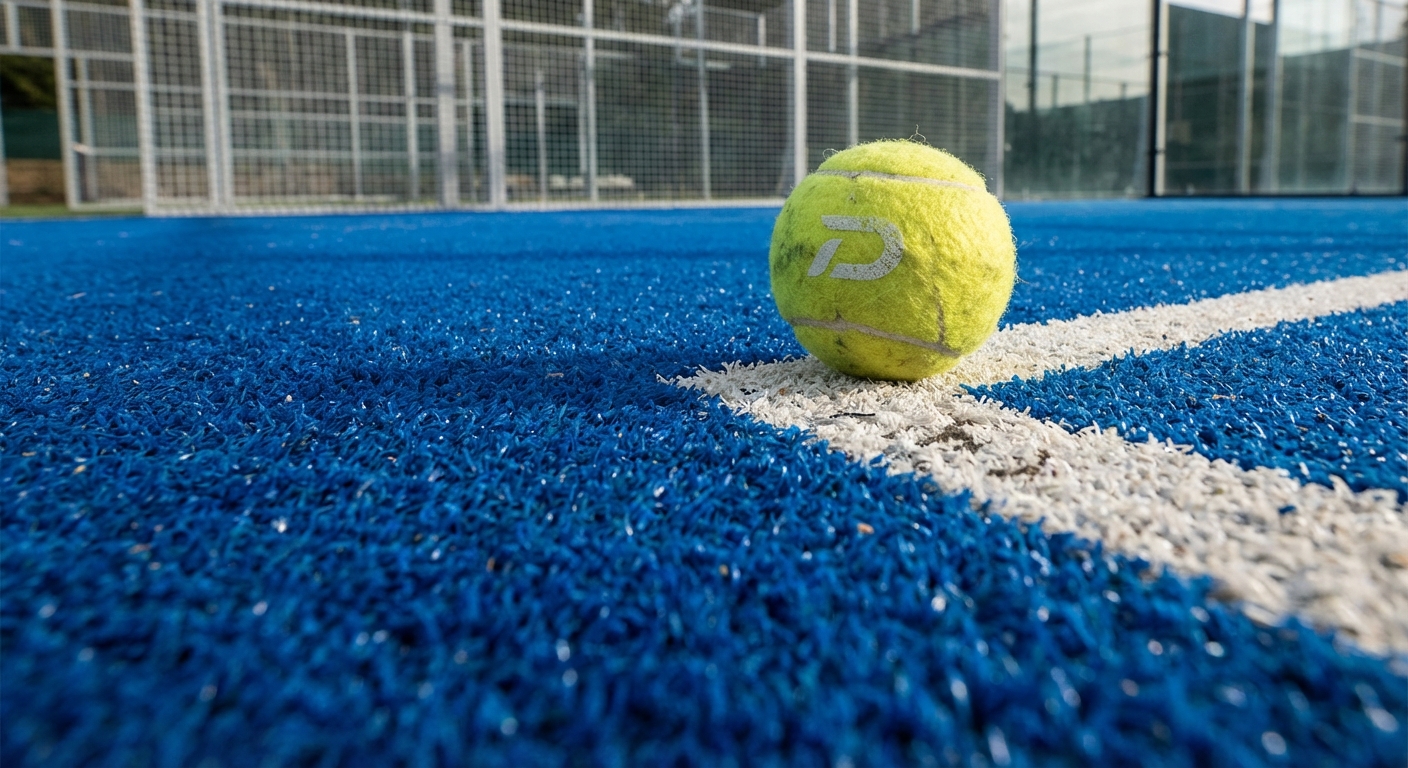
The best turf for indoor padel is a high-density synthetic grass that balances ball bounce and player comfort. Indoor environments don’t require the same drainage as outdoor courts, allowing you to focus purely on performance. Choosing the right density ensures that the ball reacts predictably during fast-paced rallies.
Fibrillated or monofilament?
Fibrillated turf is often chosen for its durability and ease of maintenance, while monofilament provides a more consistent, professional bounce. Many clubs now opt for textured monofilament to reduce the amount of sand required on the surface.
Here is the deal:
Higher sand levels can create more dust indoors, affecting the facility’s air quality and cleanliness.
- Monofilament: Pro feel
- Fibrillated: Durability
- Textured: Low sand
How does turf affect safety?
The friction of the grass protects players’ joints by allowing for controlled slides without sudden stops. Proper installation ensures there are no bumps or wrinkles that could cause trips.
Key Takeaway: Selecting professional-grade turf enhances the player experience and significantly reduces the risk of joint injuries.
| Turf Type | Best Use |
|---|---|
| Monofilament | Pro Competition |
| Fibrillated | High-Traffic Clubs |
| Textured | Luxury/Low Sand |
A premium playing surface is the most noticeable feature for your members and directly influences re-booking rates.
How does glass safety impact indoor padel?
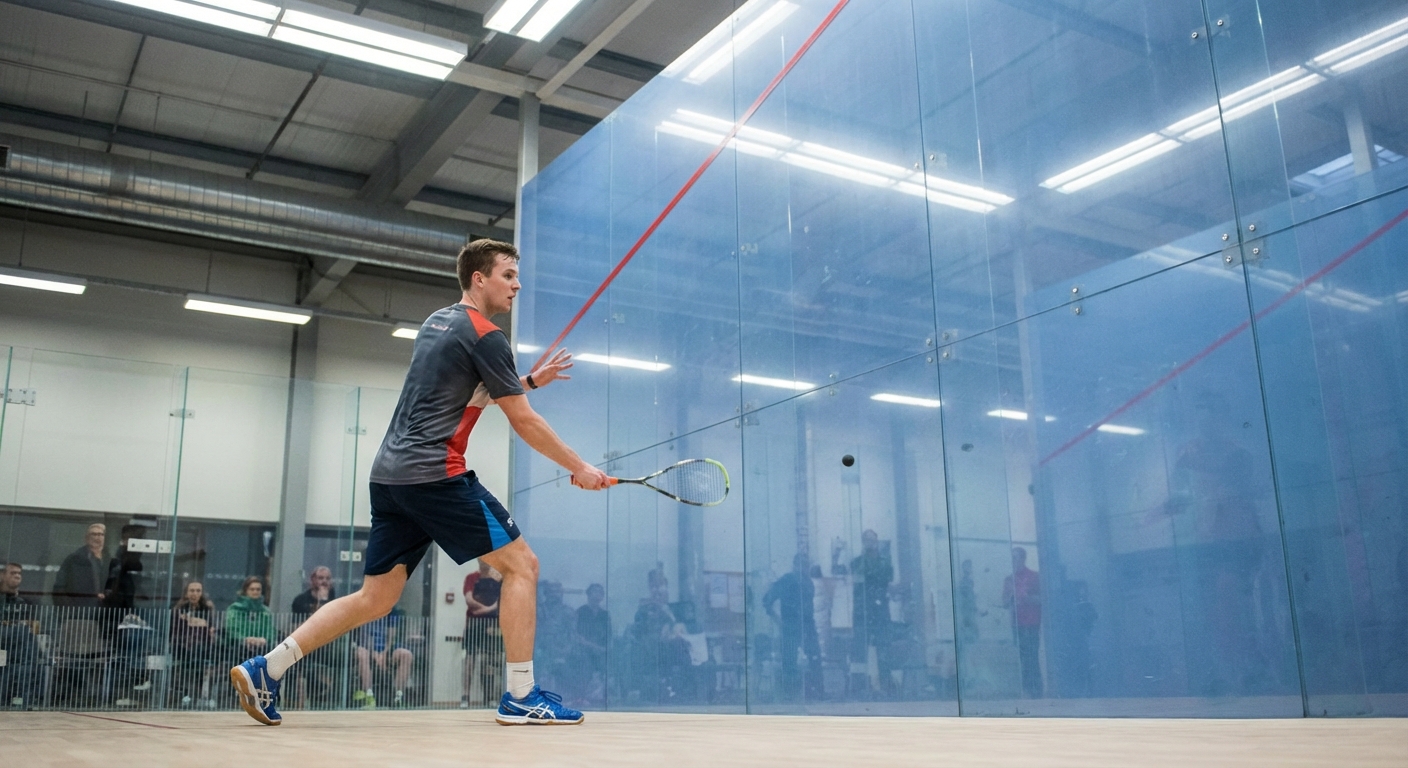
Glass safety is a critical factor in indoor padel because the walls are an active part of the gameplay. You must use tempered safety glass that meets international standards, such as EN 12150. This ensures that if the glass does break, it shatters into small, harmless pieces rather than dangerous shards.
Is 12mm thickness necessary?
While 10mm glass is common, 12mm glass provides much better stability and a superior ball rebound for indoor padel. The extra thickness reduces the “vibration” feel when players hit the wall during intense matches.
The reality is:
Thinner glass can feel flimsy and may not withstand high-velocity ball impacts over several years of use.
- Standard: 10mm
- Premium: 12mm
- Safety: Tempered
How do you prevent explosions?
Anti-explosion treatments and high-quality mounting brackets are essential to manage the stress on the glass panels. Proper alignment during installation prevents the localized pressure points that lead to breakage.
Key Takeaway: Investing in 12mm tempered safety glass is the most effective way to ensure player security and optimal game mechanics.
| Property | 12mm Glass |
|---|---|
| Safety Standard | EN 12150 |
| Rebound Quality | Superior |
| Impact Resistance | High |
Safety certifications are mandatory for commercial operations to protect the business from legal liability.
How does lighting improve indoor padel?
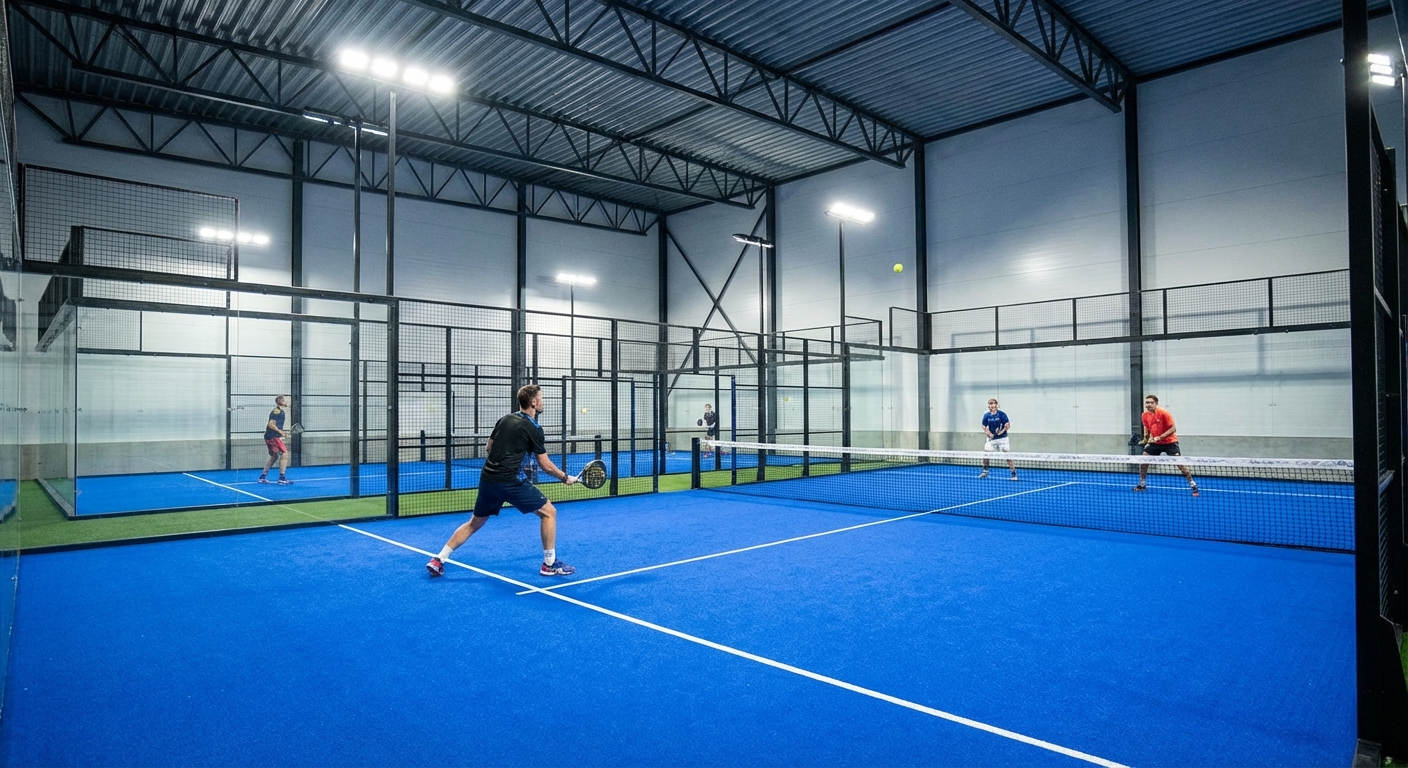
Lighting is the heart of the indoor padel experience since you cannot rely on natural sunlight. High-efficiency LED systems must provide uniform distribution across the entire court without creating dark spots. Proper illumination allows players to track the ball’s flight path during high-speed lobs and smashes.
Why use IP66-rated LEDs?
Even in indoor padel environments, dust and humidity can damage electronic components. IP66-rated fixtures are dustproof and protected against moisture, ensuring they last for years without flickering.
Don’t miss this:
Poor lighting leads to eye strain and reduces the premium feel of your facility, causing members to look elsewhere.
- 200W-300W LED
- Uniform lux levels
- Anti-glare design
How to avoid player glare?
Fixtures should be positioned at a specific height and angle to ensure players aren’t blinded when looking up for an overhead shot. Using 8 light poles per court is the industry standard for pro-level illumination.
Key Takeaway: High-quality LED lighting reduces operational energy costs while providing the visibility needed for competitive night play.
| Feature | Benefit |
|---|---|
| LED Efficiency | Low Power Bill |