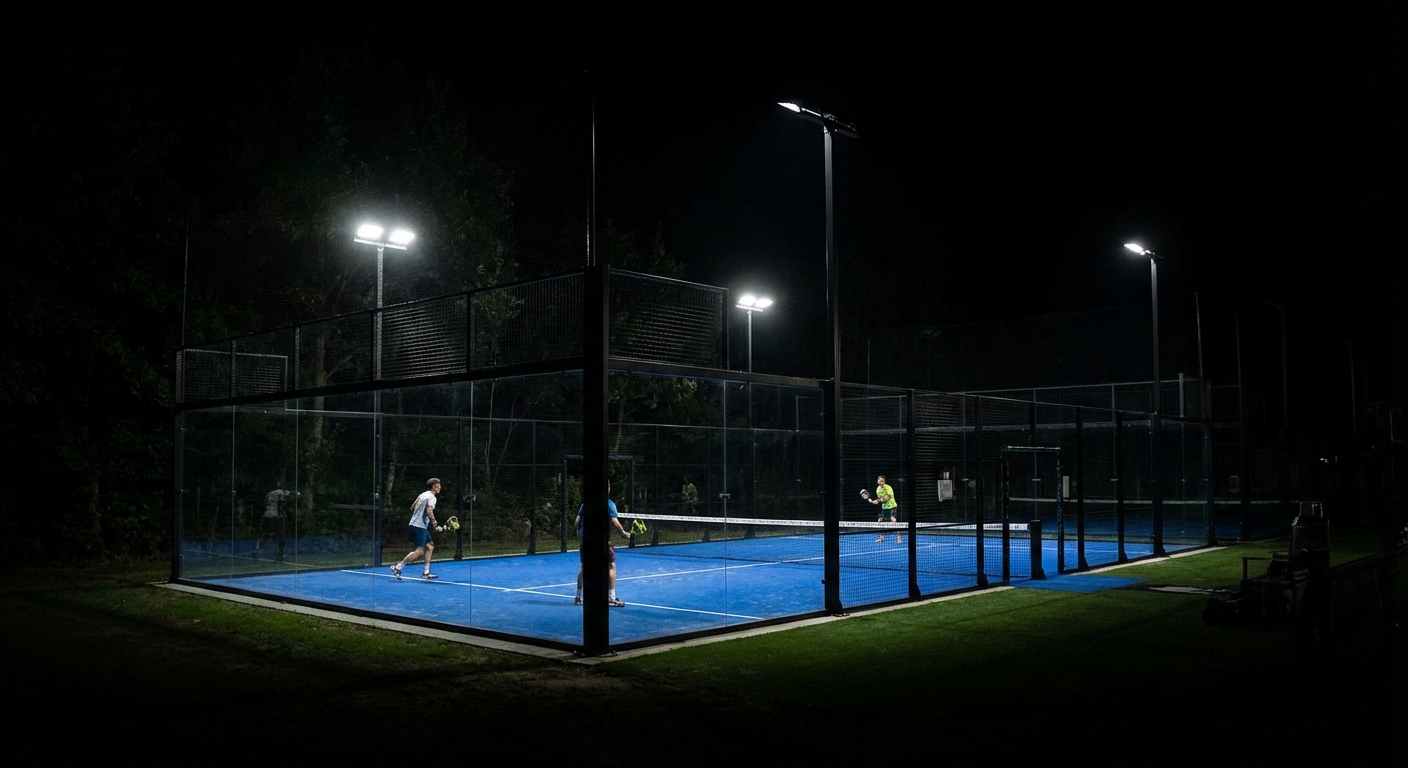
Developing a high-end sports facility often presents a daunting challenge for investors who lack a precise technical blueprint for specialized construction. Without rigorous adherence to structural and material standards, your project risks safety compromises and a subpar playing experience that can alienate your target demographic. This comprehensive guide serves as your strategic roadmap for constructing padel fields that deliver professional performance and exceptional long-term durability.
What are the origins of modern padel fields?
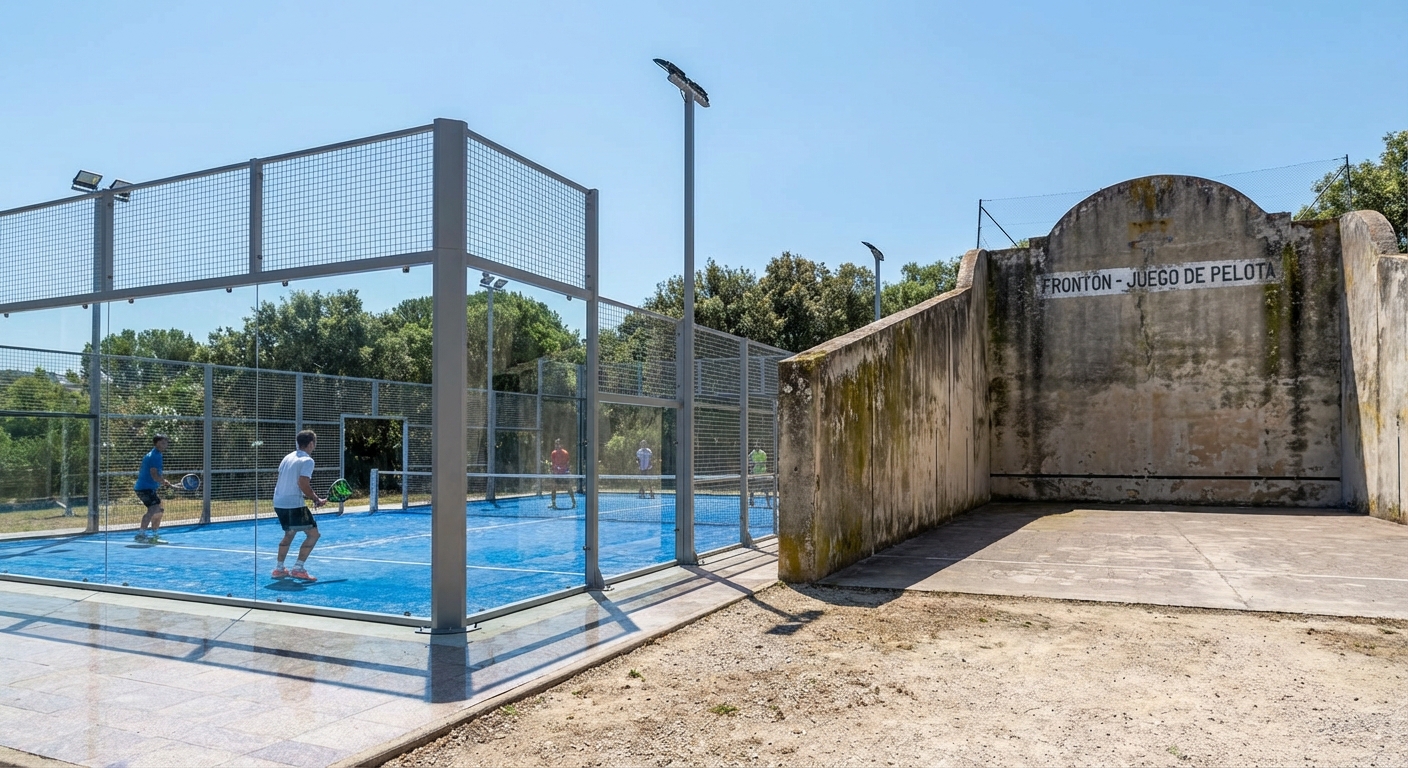
Modern padel fields originated in Acapulco, Mexico, in 1969 when Enrique Corcuera modified his residential property to create a hybrid racket sport environment. This initial adaptation utilized existing walls to keep the ball in play, fundamentally changing how athletes interact with the boundaries of the court.
The evolution of these padel fields continued as the sport migrated to Spain, where the design was further refined for public and club use. Engineers introduced metallic mesh sections to improve ventilation and visibility while maintaining the unique rebound mechanics of the game.
How did the first court look?
The original court design was a practical solution to limited backyard space that eventually birthed a global phenomenon. Here is the deal: early iterations relied heavily on solid concrete walls which provided a very different rebound compared to the glass panels used today.
- Adaptation of squash court principles.
- Initial use of cement walls for ball containment.
- Small-scale footprint for private residential use.
Standardization on a global scale
As the sport gained international traction, federations stepped in to ensure that every facility offered a consistent competitive experience. Look at it this way: standardization allows players to transition between venues without adjusting their tactical approach to the field.
- Unified height requirements for walls and mesh.
- Strict net tension and post placement rules.
- Defined ratios between solid surfaces and metallic fencing.
Key Takeaway: Understanding the historical shift from concrete to transparent materials helps you appreciate the technical demands of modern court visibility and rebound consistency.
| Era | Primary Material | Key Feature |
|---|---|---|
| 1960s | Concrete/Cement | Solid walls, squash-inspired |
| 1980s | Brick & Mesh | Introduction of metal fencing |
| Modern | Glass & Steel | High-visibility tempered glass |
The historical progression of court materials highlights the shift toward spectator-friendly designs and advanced safety engineering.
What are the standard dimensions for padel fields?
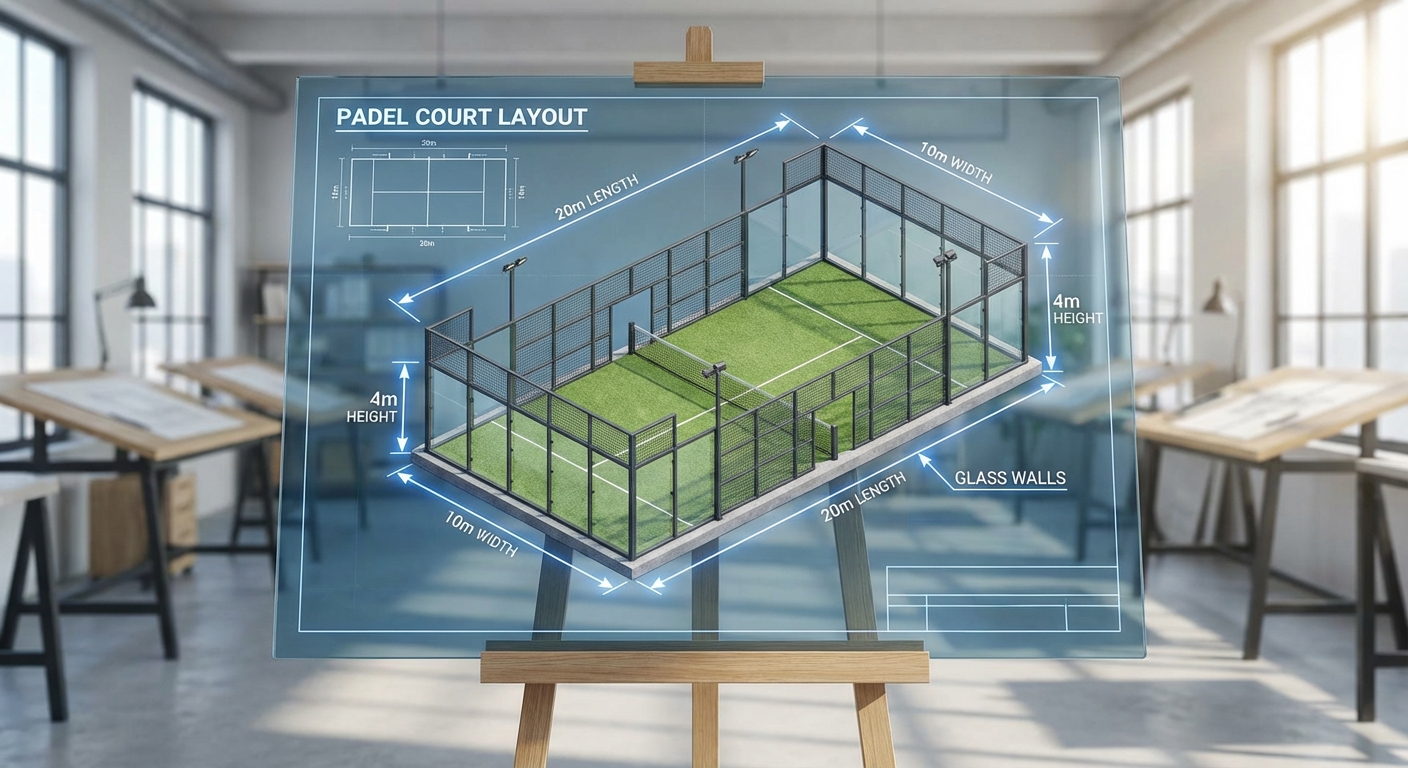
Standard padel fields must measure exactly 20 meters in length and 10 meters in width to comply with international federation regulations. This 2:1 ratio is critical for maintaining the specific game geometry that defines professional padel fields worldwide.
Precision in these measurements ensures that the ball dynamics remain predictable for high-level players. Even a slight deviation in the footprint can compromise the structural integrity of the glass paneling and the tension of the surrounding mesh.
Critical internal measurements
The net divides the court into two equal 10m x 10m squares, which serves as the primary field of play for doubles matches. Think about it: if the service lines or the center line are even a few centimeters off, the entire fairness of the match is called into question.
- Service lines located 6.95 meters from the net.
- Central service line dividing the service area into two equal zones.
- Net height of 0.88 meters at the center and 0.92 meters at the posts.
Space optimization for clubs
When planning your facility layout, you must account for the external thickness of the structure and the necessary walking paths between courts. But wait, there is more: you also need to consider the out-of-court play zone required for professional-grade competition.
- Minimum 2-meter safety zone around the perimeter.
- Clearance height of at least 6 meters (ideally 8 meters).
- Buffer zones to prevent interference between adjacent matches.
Key Takeaway: Adhering to precise dimensions is the only way to guarantee your facility is eligible to host sanctioned tournaments and professional league play.
| Component | Dimension | Purpose |
|---|---|---|
| Total Length | 20 Meters | Standard court length |
| Total Width | 10 Meters | Standard court width |
| Wall Height | 3-4 Meters | Consistent ball rebound |
Dimensional accuracy is the foundation upon which all other technical components of the facility are successfully integrated.
Why is glass quality critical for padel fields?
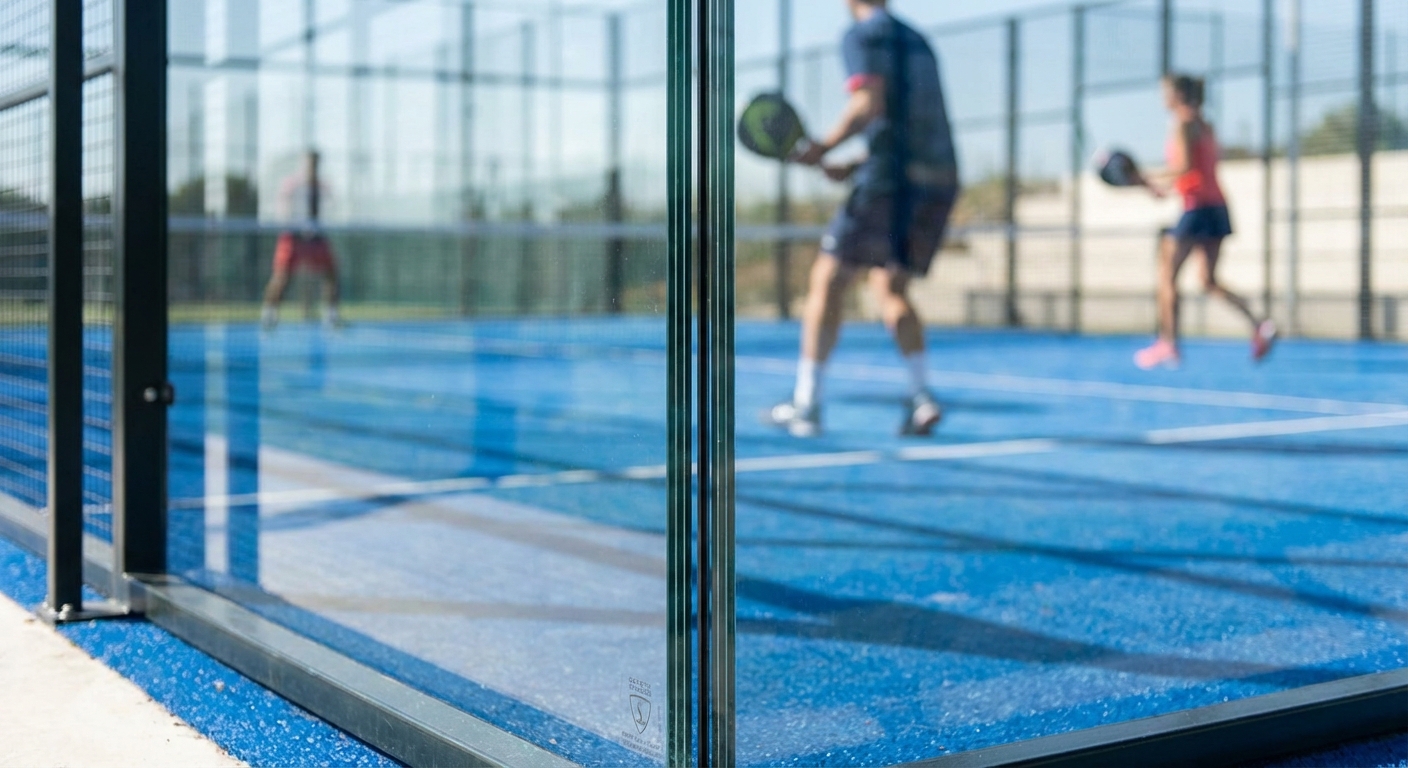
Glass quality is critical because the walls of padel fields function as active playing surfaces that must withstand high-velocity impacts while ensuring maximum safety. If the glass is too thin or poorly tempered, it will fail to provide the “true” bounce that advanced players expect during intense rallies.
Using premium safety glass for your padel fields mitigates the risk of catastrophic failure and reduces long-term liability for your facility. Superior transparency also ensures that spectators have a clear view of the action from any angle around the court.
Safety standards for tempered panels
Modern glass walls are manufactured using thermal tempering processes that make the material significantly stronger than standard architectural glass. Here is the deal: in the unlikely event of a break, the glass crumbles into small, blunt granules instead of dangerous sharp shards.
- Compliance with EN 12150-1 safety standards.
- Resistance to heavy body impacts from players.
- Anti-explosion technology to prevent spontaneous shattering.
Rebound consistency and thickness
The thickness of the glass, typically ranging from 10mm to 12mm, directly influences how the ball reacts when it strikes the wall. Make no mistake: 12mm glass is the preferred choice for professional venues because it offers the most rigid and consistent playing experience.
- Reduction of vibration during high-speed impacts.
- Elimination of “dead zones” where ball bounce is unpredictable.
- Long-term structural stability under environmental stress.
Key Takeaway: Investing in certified 12mm tempered glass is a non-negotiable step for any facility owner prioritizing player safety and professional playability.
| Glass Feature | Standard Requirement | Benefit |
|---|---|---|
| Thickness | 10mm to 12mm | Structural stability |
| Type | Tempered (Toughened) | Break-safe technology |
| Transparency | Ultra-clear | High spectator visibility |
The integration of high-grade glass panels defines the aesthetic appeal and the tactical reliability of the modern court.
How has the surface of padel fields evolved?
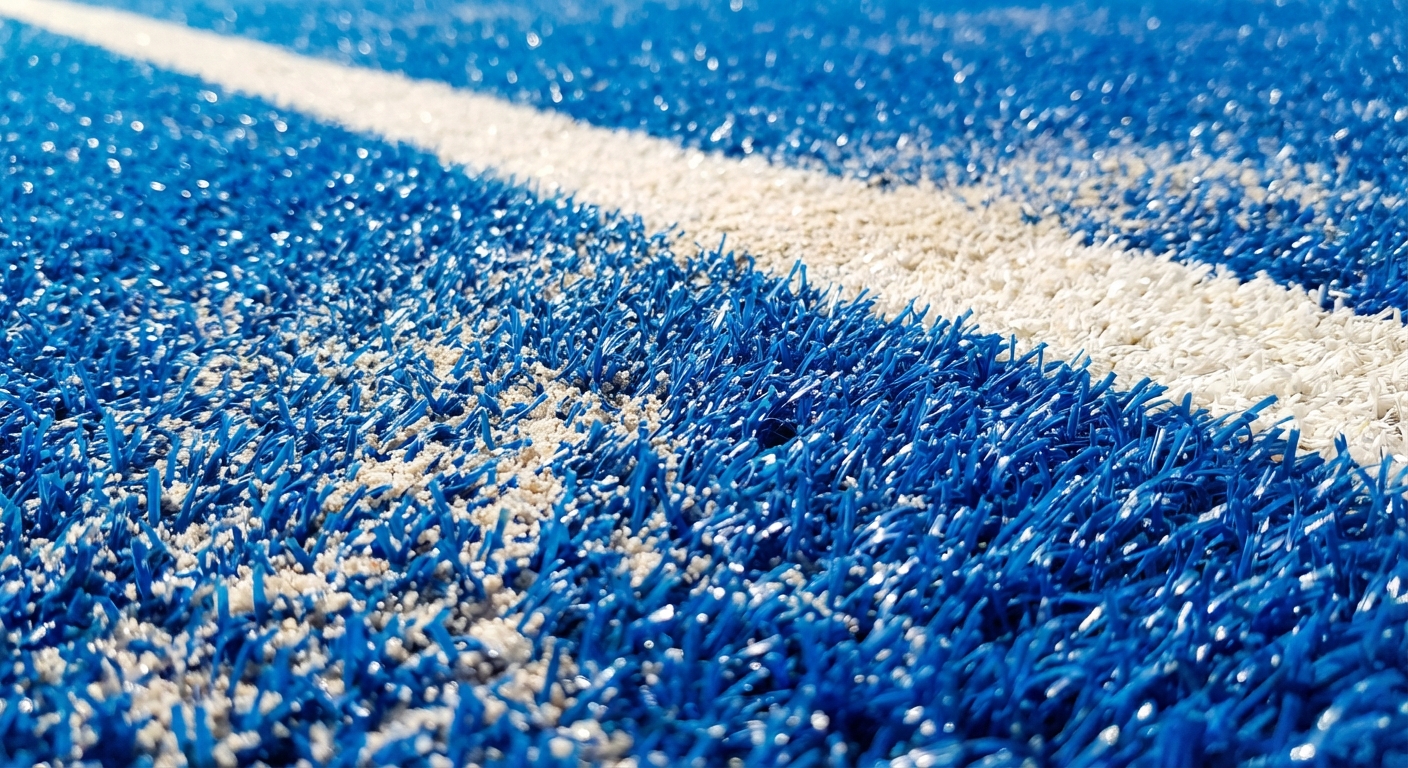
The surface of padel fields has transitioned from hard, abrasive concrete to advanced artificial turf systems designed specifically for shock absorption. This evolution in padel fields has drastically reduced the incidence of joint injuries among frequent players.
Modern synthetic grass utilizes high-density fibers that are engineered to hold silica sand infill evenly across the entire court. This configuration provides the necessary grip for rapid lateral movements and pivots without trapping the player’s foot.
The shift to monofilament fibers
Early artificial turf used fibrillated fibers that would wear down quickly and become slippery over time. The best part? Monofilament technology offers superior durability and a more natural feel, mimicking the performance of high-end tennis surfaces.
- Increased resistance to UV radiation and weathering.
- Superior “memory” that keeps fibers upright for longer periods.
- Enhanced comfort for players’ knees and ankles.
Understanding sand infill dynamics
Silica sand is not just a filler; it is a functional component that stabilizes the turf and regulates the ball’s bounce height. But that is not all: the correct distribution of sand prevents the turf from shifting or wrinkling during aggressive play.
- Uniform distribution to prevent uneven ball trajectories.
- Promotion of effective water drainage for outdoor courts.
- Standardization of 10-15kg of sand per square meter.
Key Takeaway: Choosing high-density monofilament turf extends the lifespan of your court surface while providing the elite performance that keeps members returning.
| Surface Type | Material | Impact Level |
|---|---|---|
| Early Stages | Concrete/Asphalt | High (High joint stress) |
| Modern Standard | Fibrillated Turf | Low (Shock absorbing) |
| Premium | Monofilament Turf | Lowest (Professional grade) |
The surface material is the most interactive part of the facility, making it a primary driver of overall player satisfaction.
What structural options exist for padel fields?
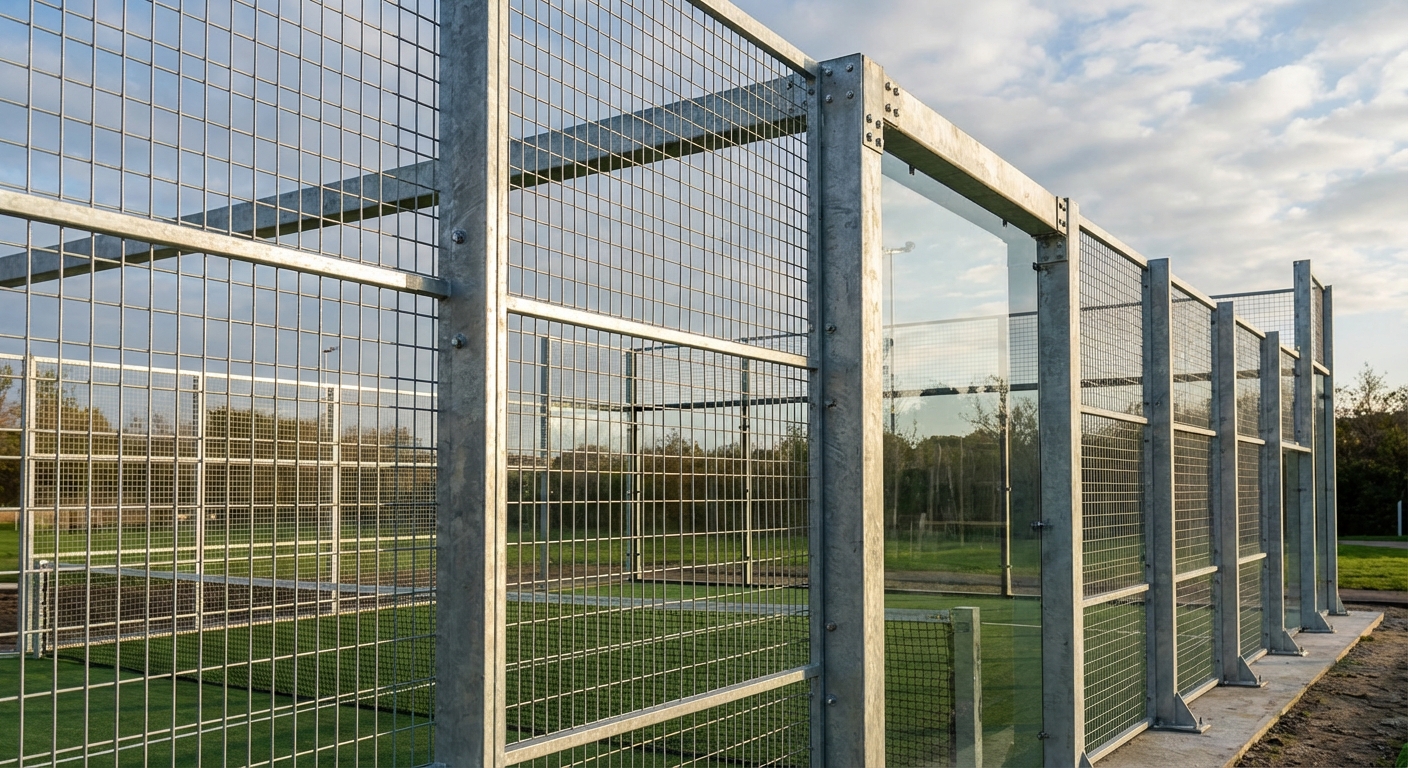
Structural options for padel fields are generally categorized into standard pillar-based frames and advanced panoramic designs that utilize reinforced beams. The choice of structure for your padel fields depends on your specific aesthetic goals, budget, and local environmental conditions.
A robust frame is essential for supporting the massive weight of the glass panels and the tension of the metallic mesh. Galvanized steel is the industry standard for these structures due to its exceptional strength and resistance to corrosion.
Standard modular steel frames
The traditional frame design uses vertical pillars spaced at regular intervals to provide a rigid skeleton for the walls and fencing. Believe it or not: these modular systems are the most cost-effective solution for multi-court clubs that prioritize durability over 360-degree views.
- Easy assembly and replacement of individual components.
- High stability against wind loads for outdoor installations.
- Standardized powder coating for custom color branding.
Corrosion resistance and longevity
For facilities located near the coast or in high-humidity areas, the quality of the steel treatment is a critical factor for success. The secret is out: hot-dip galvanization provides an internal and external protective layer that prevents rust for decades.
- Double-layer protection against environmental wear.
- Minimum coating thickness requirements for industrial grade.
- Maintenance-free performance in diverse climates.
Key Takeaway: Selecting a galvanized steel structure ensures that your initial investment remains structurally sound and visually appealing for over 20 years.
| Structure Component | Material | Function |
|---|---|---|
| Pillars | Galvanized Steel | Weight distribution |
| Mesh | Electrowelded Wire | Rebound & ventilation |
| Finish | Powder Coating | Aesthetic & protection |
Material selection for the structural frame dictates the long-term maintenance costs and the overall safety of the venue.
What is the benefit of panoramic padel fields?
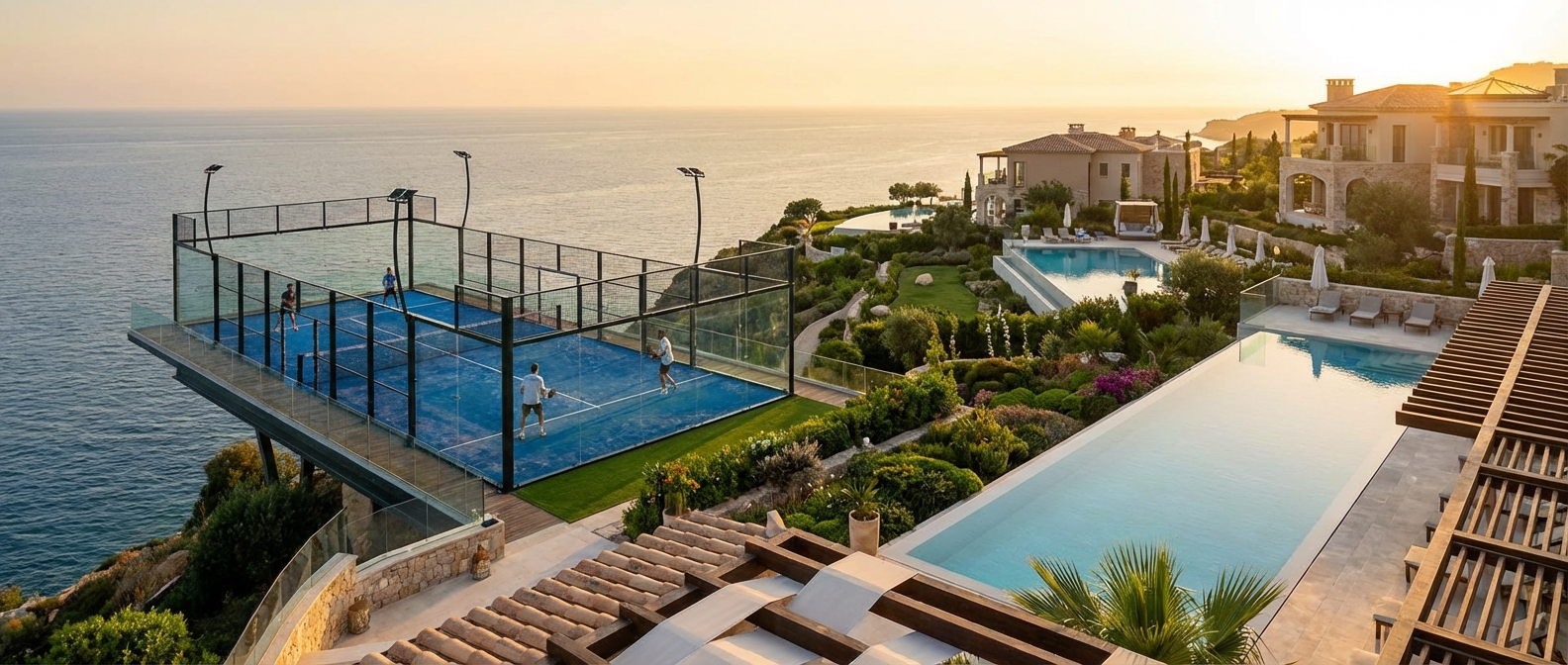
The primary benefit of panoramic padel fields is the removal of obstructive vertical pillars from the rear glass sections to provide an uninterrupted view. This premium design for padel fields is specifically engineered for high-profile tournament venues and luxury clubs.
By utilizing thicker glass and specialized horizontal support beams, these courts maintain the necessary structural integrity without compromising the visual experience. This makes them the ideal choice for venues that intend to broadcast matches or host professional spectators.
Elevating the spectator experience
Panoramic designs transform a standard court into a professional arena that feels open and integrated with the surrounding environment. Here is the deal: spectators can follow the ball’s movement perfectly without having their line of sight broken by steel posts.
- Unobstructed 360-degree visibility for coaches and fans.
- Professional stadium aesthetic for high-end resorts.
- Increased commercial value for television broadcasting.
Engineering for pillar-less support
Removing the corner pillars requires a higher level of engineering precision to ensure the glass panels do not vibrate or shift. Think about it: the entire weight of the structure must be distributed through reinforced top and bottom rails.
- Use of 12mm reinforced tempered glass.
- Heavy-duty anchoring systems for the horizontal beams.
- Increased resistance to lateral forces during high-impact play.
Key Takeaway: Panoramic courts act as a centerpiece for any club, attracting elite players and increasing the venue’s overall prestige and rental potential.
| Court Type | Rear View | Best For |
|---|---|---|
| Standard | Interrupted by pillars | Training & local clubs |
| Panoramic | Uninterrupted glass | Tournaments & TV |
| Super Panoramic | Full transparency | Premium centers |
The aesthetic advantage of a panoramic design directly correlates with higher member retention and increased media exposure for the facility.
How do you plan the lighting for padel fields?
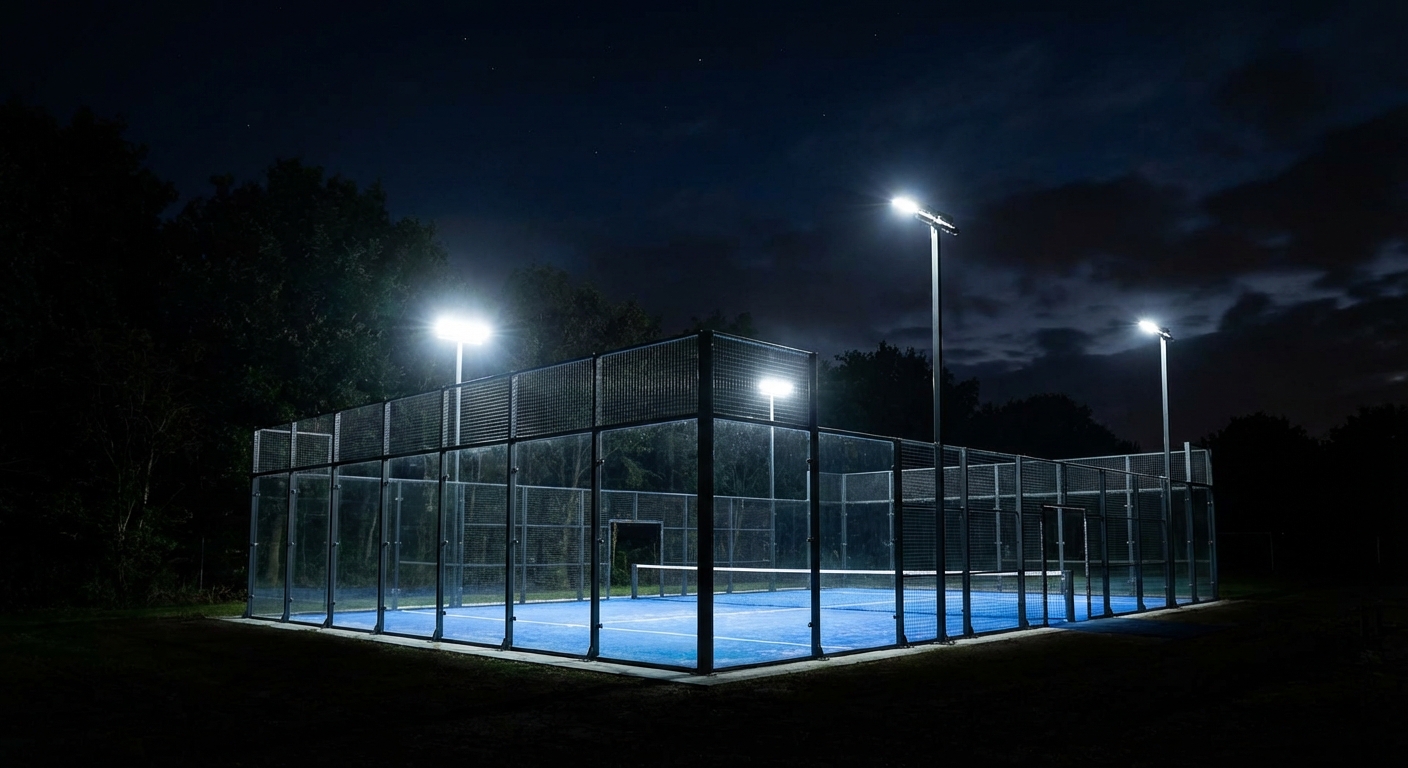
Planning the lighting for padel fields requires a precise calculation of lux levels to ensure uniform brightness across the entire playing surface. For professional padel fields, the goal is to provide clear visibility for players tracking high lobs without causing blinding glare.
Modern lighting systems utilize energy-efficient LED floodlights mounted on 6-meter poles to minimize shadows. Proper illumination allows your facility to remain operational long after sunset, significantly increasing your daily revenue potential.
Achieving professional lux levels
A standard club court usually requires an average of 300 to 500 lux, while televised tournament courts need upwards of 750 lux. The bottom line: uniform light distribution is more important than raw brightness for maintaining player focus.
- Calculation of uniformity coefficients to avoid dark spots.
- Placement of floodlights to prevent glare for players looking up.
- IP66 waterproof rating for reliable outdoor performance.
Efficiency and automated control
LED technology has revolutionized court management by offering instant-on capability and significantly lower power consumption compared to old metal halide lamps. But wait, there is more: smart lighting systems can now be integrated with booking apps to automate energy usage.
- Up to 60% reduction in electricity costs.
- Dimming capabilities for non-peak hours.
- Integration with motion sensors or scheduling software.
Key Takeaway: High-quality LED lighting extends your operational hours and ensures that your players can perform safely at any time of day or night.
| Lighting Factor | Recommended Level | Benefit |
|---|---|---|
| Intensity | 500+ Lux | High visibility |
| Uniformity | >0.7 Coefficient | Consistent play |
| Technology | LED | Lower power costs |
Optimized lighting is an essential component for any indoor venue and a high-value upgrade for outdoor facilities.
What are the steps to build padel fields?
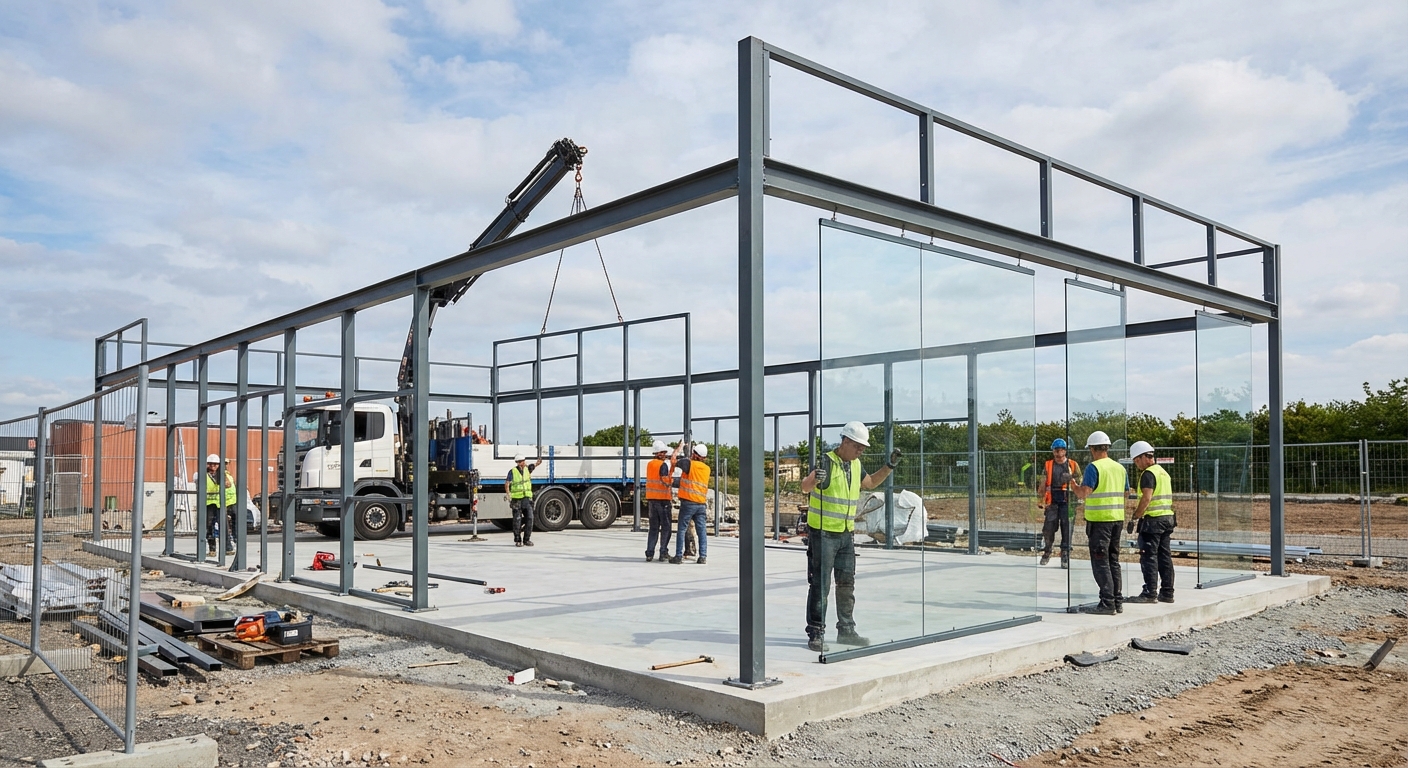
Building padel fields involves a sequential multi-stage process that begins with ground leveling and ends with the precision installation of the turf. Each phase of constructing padel fields must be executed with extreme accuracy to prevent structural issues or drainage failures later.
A successful installation relies on a perfectly flat foundation, usually made of porous concrete or asphalt. Any deviation in the base slab will be amplified once the steel structure and glass panels are bolted into place.
Foundation and site preparation
The foundation is the most critical part of the project because it supports the entire weight of the structure and handles water runoff. Here is the deal: if your sub-base is not porous, the court will flood during heavy rain, leading to damaged turf and cancelled bookings.
- Excavation and leveling of the ground surface.
- Installation of a drainage system to prevent water pooling.
- Pouring of a high-strength, level concrete slab.
Structure and glass assembly
Once the foundation has cured, the modular steel frame is erected and anchored to the base using heavy-duty bolts. But that is not all: the installation of the glass panels requires specialized suction tools and a highly experienced team to ensure a perfect fit.
- Bolting of the vertical pillars and horizontal beams.
- Installation of glass gaskets to prevent metal-to-glass contact.
- Precision tensioning of the metallic mesh sections.
Key Takeaway: Hiring a professional installation team with a proven track record is the best way to avoid the costly mistakes associated with DIY construction.
| Step | Action | Critical Tool |
|---|---|---|
| 1. Sub-base | Leveling concrete | Laser level |
| 2. Framework | Bolting steel pillars | Torque wrench |
| 3. Finishing | Laying turf & sand | Sand spreader |
The complexity of the installation process necessitates a systematic approach to ensure the facility meets all safety and performance standards.
What modern trends are influencing padel fields?
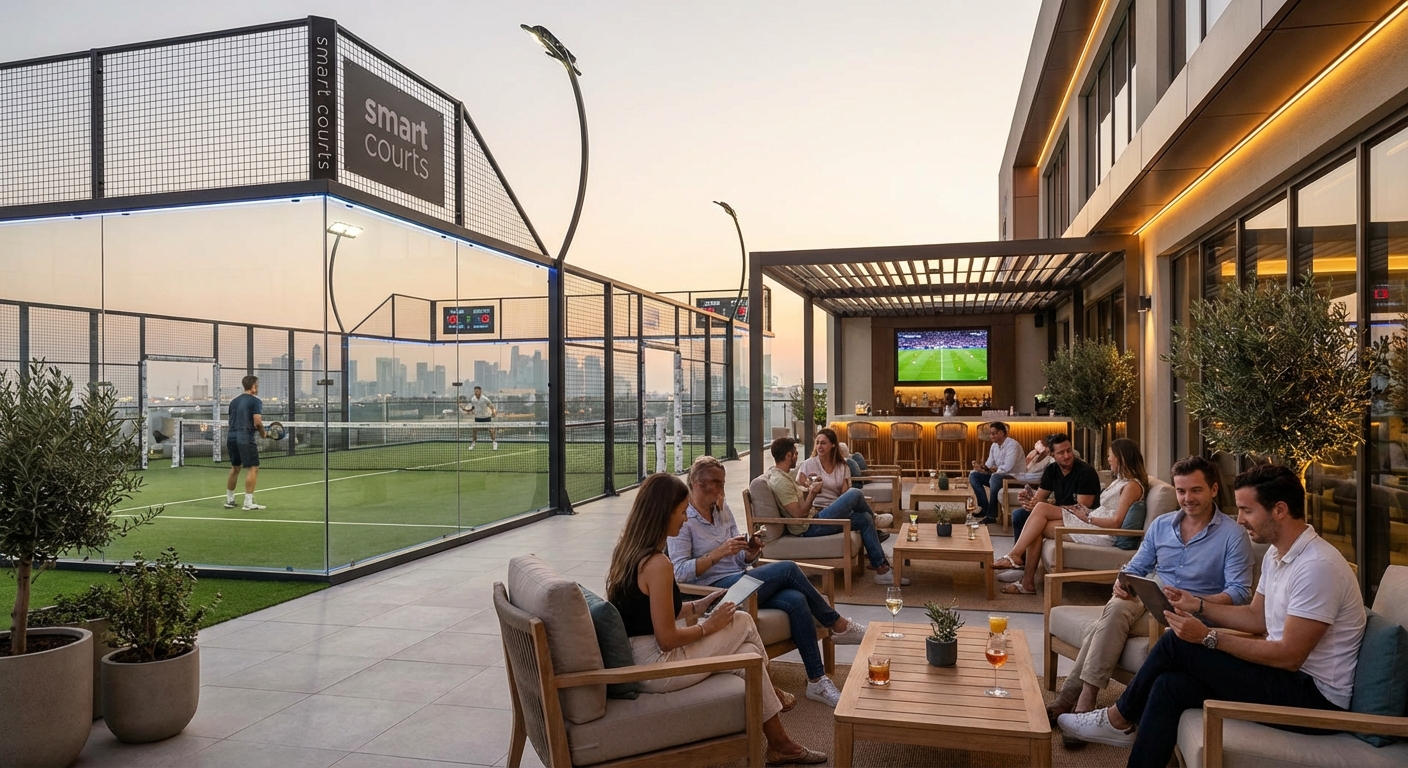
Modern trends in padel fields are shifting toward the integration of smart technology and the creation of comprehensive social “lifestyle” hubs. Today’s padel fields are no longer just sports courts; they are designed to be high-end amenities that offer a luxury experience.
Facility owners are increasingly focused on aesthetic customization, moving beyond traditional blue turf to incorporate brand-specific colors. This trend allows clubs to differentiate themselves in a competitive market and build a strong visual identity.
Smart courts and automation
The newest facilities are incorporating automated cameras and sensory technology to enhance the player experience. Think about it: players now expect to be able to record their matches, analyze their stats, and share highlights on social media instantly.
- Integrated 4K cameras for match recording and live streaming.
- Scoreboard tablets that sync directly with club booking systems.
- Smart lighting that adjusts based on natural ambient brightness.
The rise of social lounge spaces
Padel is inherently a social sport, and builders are responding by designing courts with adjacent luxury seating areas and bars. The best part? This integration increases the time players spend at the facility, directly boosting secondary revenue from food and beverage sales.
- Designed lounge areas with views of multiple courts.
- Integration of high-end hospitality features into the venue.
- Customized landscapes that create a resort-like atmosphere.
Key Takeaway: Integrating modern technology and social spaces ensures your facility remains competitive and appeals to the growing demographic of affluent padel enthusiasts.
| Trend | Description | Impact |
|---|---|---|
| Smart Courts | App-controlled booking/lights | Operational efficiency |
| Color Customization | Non-traditional turf colors | Brand identity |
| Sustainability | Recyclable components | Eco-friendly appeal |
Staying ahead of industry trends allows you to position your venue as a premier destination rather than just a basic sports facility.
How do I get a quote for building padel fields?
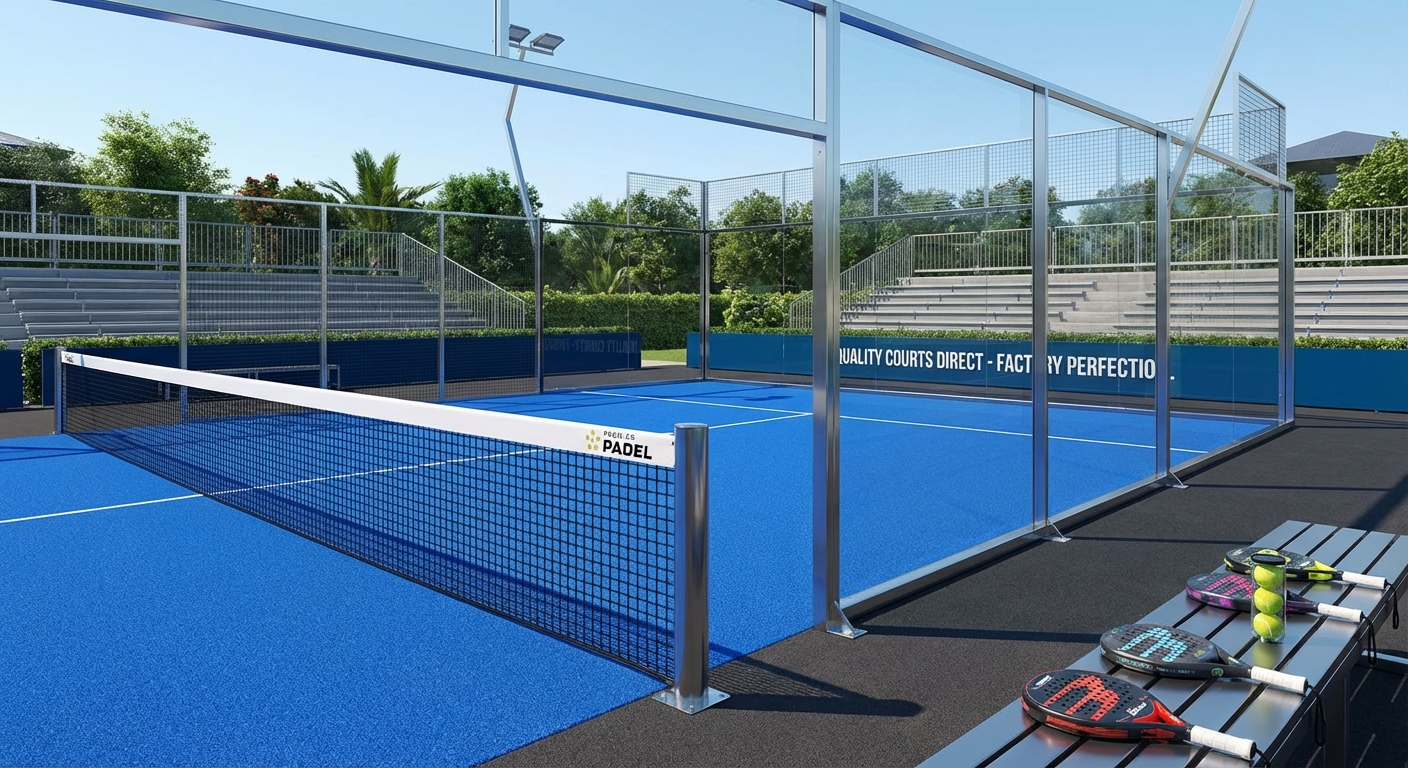
To get an accurate quote for building padel fields, you must provide detailed information about your site location, the number of courts, and your desired specifications. Every project for padel fields is unique, and factors like local wind loads or soil conditions can significantly influence the final cost.
Working directly with a specialized manufacturer allows you to cut out middlemen and receive factory-direct pricing. This approach also ensures that you have access to expert technical support during the design and planning phases of your project.
Information needed for estimation
When you request a proposal, being as specific as possible will help the engineering team provide a realistic budget. Look at it this way: the more data you provide upfront, the fewer surprises you will encounter during the actual construction phase.
- Precise dimensions and photos of the proposed site.
- Identification of indoor vs. outdoor installation requirements.
- Desired customization levels for turf, colors, and lighting.
Why technical consultations matter
A professional consultation goes beyond just pricing; it involves a feasibility study and a review of local building codes. Here is the deal: a manufacturer can help you optimize your court layout to fit more fields into your space without compromising safety.
- Review of structural requirements for high-wind areas.
- Advice on the best materials for your specific climate.
- Customized shipping and logistics planning to your destination.
Key Takeaway: Requesting a comprehensive technical quote early in the process allows you to secure financing and move forward with confidence.
| Info Needed | Why it Matters | Result |
|---|---|---|
| Site Location | Logistics & Shipping | Accurate delivery cost |
| Court Quantity | Bulk pricing | Lower cost per unit |
| Customization | Branding/Color | Unique venue look |
The quoting process is your first opportunity to establish a partnership with a supplier that can deliver a turn-key solution for your facility.
Conclusion
Building world-class sports facilities requires a deep understanding of structural engineering, material science, and player expectations. By following the technical standards for dimensions, glass quality, and surface technology outlined in this guide, you can avoid the common pitfalls that lead to expensive renovations and safety risks. Whether you are developing a private resort or a professional tournament center, the success of your project depends on the precision of your planning and the quality of your components.
We are dedicated to helping you transform your vision into a high-performance reality with our factory-direct solutions and expert engineering support. If you are ready to elevate your venue and capitalize on the explosive growth of this sport, contact us today to receive a customized project consultation. Let us provide the technical foundation your club needs to thrive in the modern market through durable structures, elite playing surfaces, and a commitment to professional excellence.
FAQ
Can I install padel fields on an existing tennis court?
Yes, you can. Because a standard court is smaller than a tennis court, you can typically fit two units within the footprint of one tennis court, provided the sub-base is reinforced to handle the specific weight of the glass walls.
What’s the best material for outdoor padel field structures?
The best option is hot-dip galvanized steel. This material provides the necessary structural rigidity to withstand high winds while offering a protective coating that prevents rust and corrosion in outdoor environments.
How do I know if my ceiling height is sufficient for indoor padel fields?
The best practice is to have at least 6 meters of clearance, though 8 meters is the professional standard. You can measure from the lowest hanging obstacle, such as lights or beams, to ensure players can execute high lobs without interference.
Can I customize the color of the turf and structure for my project?
Yes, you can. Most manufacturers offer a wide range of RAL colors for the steel frame and various turf colors, allowing you to match the facility perfectly with your club’s branding or local landscape.
What’s the best way to maintain the glass walls and turf?
The best approach is a consistent schedule involving weekly turf brushing to redistribute sand and monthly glass cleaning. You should also conduct semi-annual inspections of the structural bolts and gaskets to ensure everything remains securely anchored.