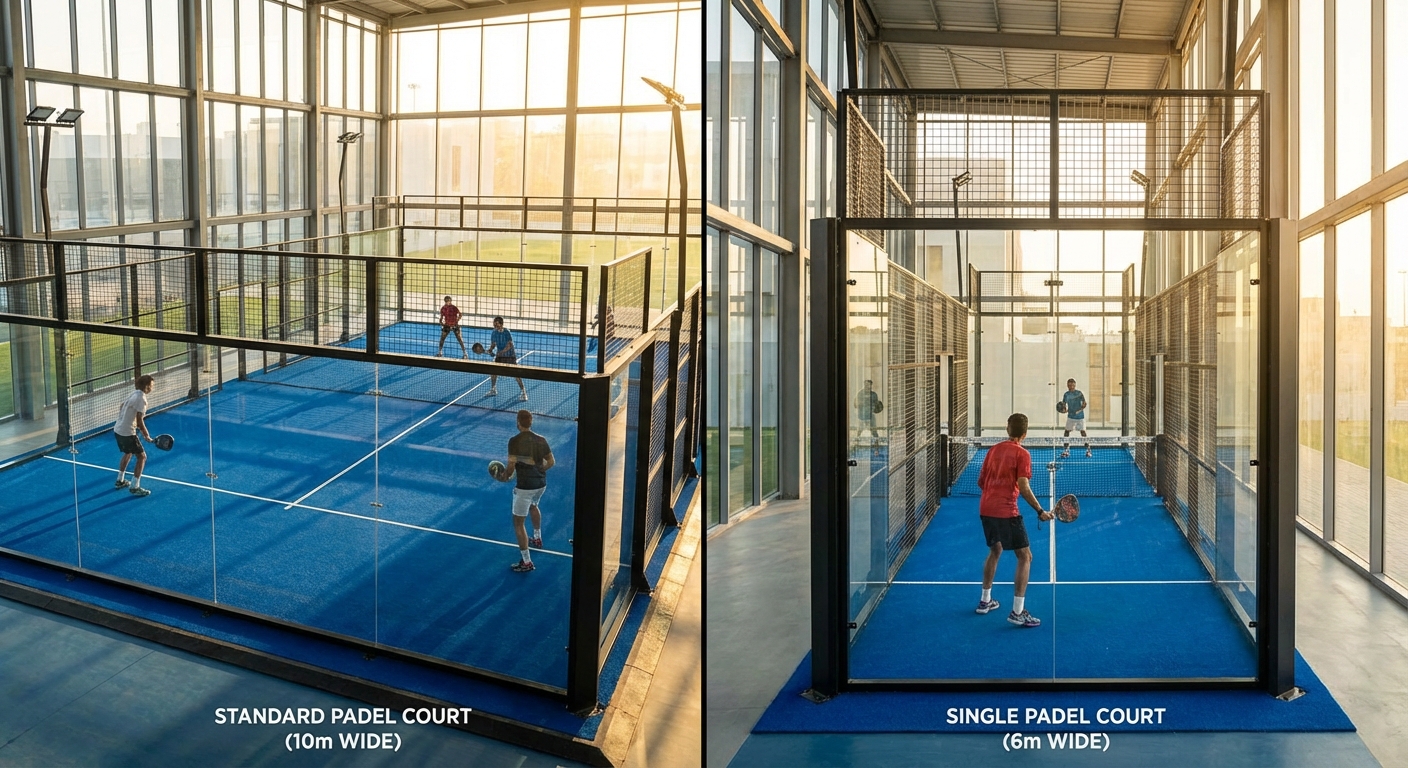
The standard single padel court dimensions are 6 meters in width by 20 meters in length, providing a dedicated 120-square-meter area for 1-on-1 matches. You likely have underutilized space at your club or in your private estate that isn’t large enough for a full-sized doubles court. This waste of square footage translates directly into lost revenue and missed training opportunities for your players. By adopting this compact layout, you can transform restricted zones into high-performance zones that maximize your facility’s profitability.
What are the exact single padel court dimensions?
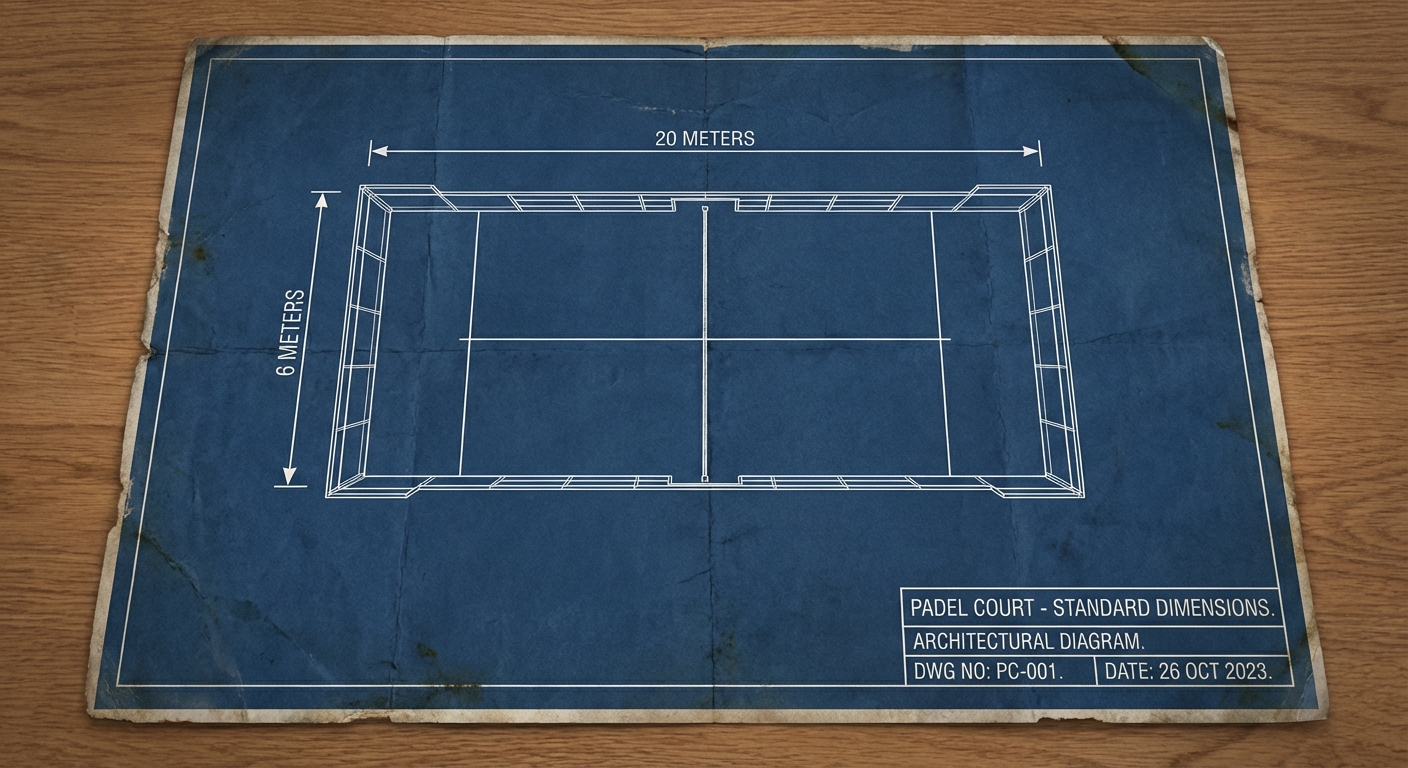
The International Padel Federation (FIP) specifies that single padel court dimensions must measure 6 meters wide and 20 meters long. This footprint is meticulously designed to allow for balanced individual play while maintaining the standard length of a professional court. You must ensure the play area is clearly marked with the same service line distances as a standard installation.
How does the play area differ?
The total surface area is reduced from 200 square meters in doubles to just 120 square meters in singles. Here is the deal: this reduction doesn’t simplify the game but rather intensifies the physical demands on each player.
- Playing area: 6m x 20m
- Service line: 6.95m from the net
- Net height: 88cm at the center
- Post height: 92cm maximum
Key Takeaway: Understanding the precise layout ensures your court meets international standards for competitive 1-on-1 play.
| Specification | Metric Value |
|---|---|
| Length | 20 Meters |
| Width | 6 Meters |
| Total Area | 120 Square Meters |
| Net Height (Center) | 88 Centimeters |
The architectural precision of these measurements is vital for maintaining the intended physics of the ball during rapid volleys.
How do single courts compare to standard doubles?
A single court is 40% narrower than a standard doubles court, which measures 10 meters in width. While the length remains identical, the single padel court dimensions create a much tighter lateral environment. This shift forces you to rethink your court positioning and defensive strategy entirely.
What is the impact on gameplay?
Because the court is narrower, the angles for smashes and volleys are significantly more constrained. But wait, this actually benefits technical players who rely on depth and precision rather than pure power.
- Requires faster reaction times.
- Eliminates the “middle” gap found in doubles.
- Increases the number of ball contacts per player.
- Emphasizes vertical movement patterns.
Key Takeaway: The narrower profile makes these courts an elite choice for technical training and high-intensity cardio sessions.
| Court Type | Dimensions | Surface Area |
|---|---|---|
| Standard Doubles | 10m x 20m | 200 sq.m |
| Professional Single | 6m x 20m | 120 sq.m |
The comparison highlights how the 6-meter width optimizes land use without sacrificing the professional 20-meter length.
Why should you choose single padel court dimensions?
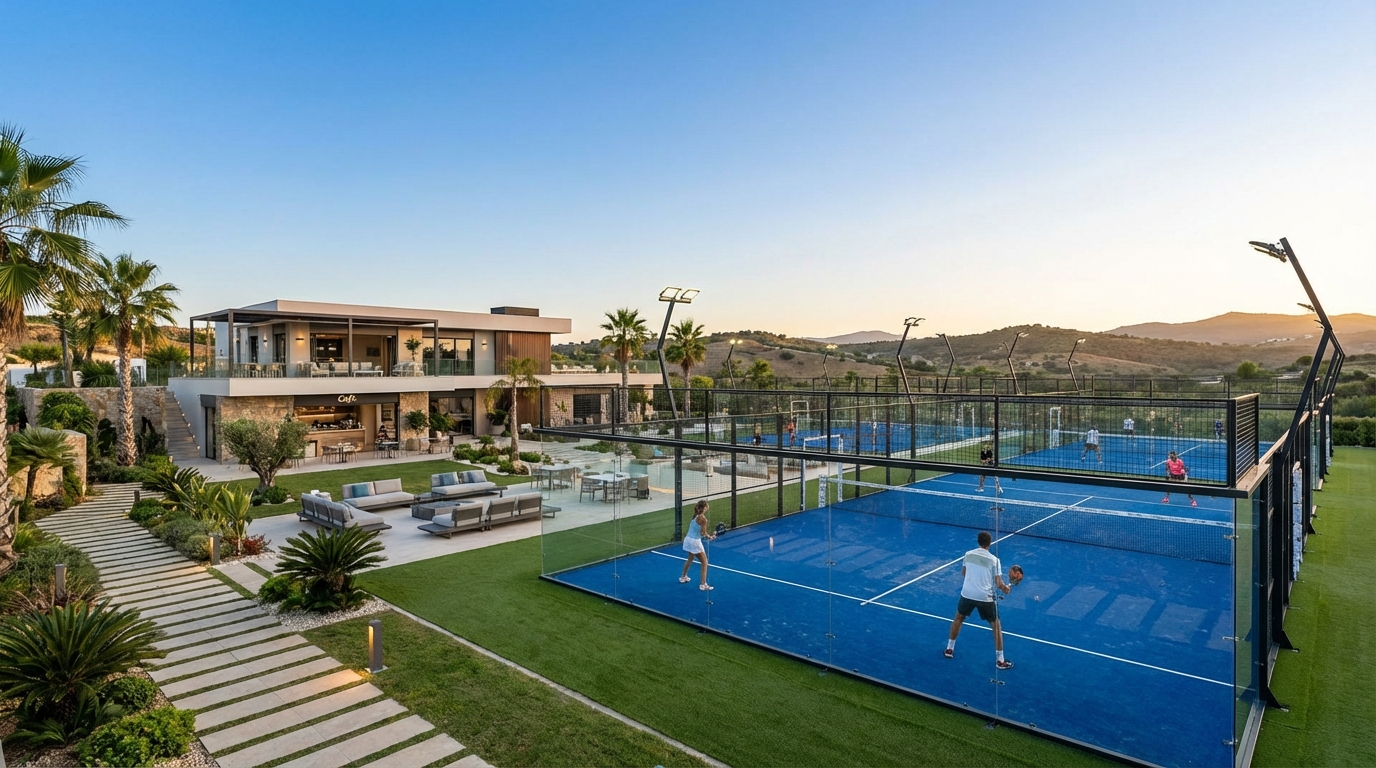
Choosing single padel court dimensions allows facility owners to monetize small land parcels that are too narrow for standard 10-meter courts. This flexibility is a game-changer for urban clubs where every square meter counts toward your bottom line. You can effectively increase your total court count by utilizing “dead zones” within your existing sports complex.
How does this improve ROI?
Lower initial construction costs combined with high demand for 1-on-1 coaching makes these courts highly profitable. Best of all, they allow you to offer lower rental rates for solo players while maintaining higher per-square-meter revenue.
- Higher court density per acre.
- Targeted at the growing 1-on-1 market.
- Lower material costs for steel and glass.
- Ideal for professional coaching clinics.
Key Takeaway: Maximizing your facility’s layout with single courts ensures no space is left unproductive.
| ROI Factor | Advantage |
|---|---|
| Land Use | High Efficiency |
| Material Cost | 20-30% Lower |
| Target Market | Coaches & Solo Players |
| Booking Slots | Faster Turnover |
Analyzing your site’s footprint reveals that these dimensions are the most efficient way to scale a padel business in tight environments.
What materials are required for construction?
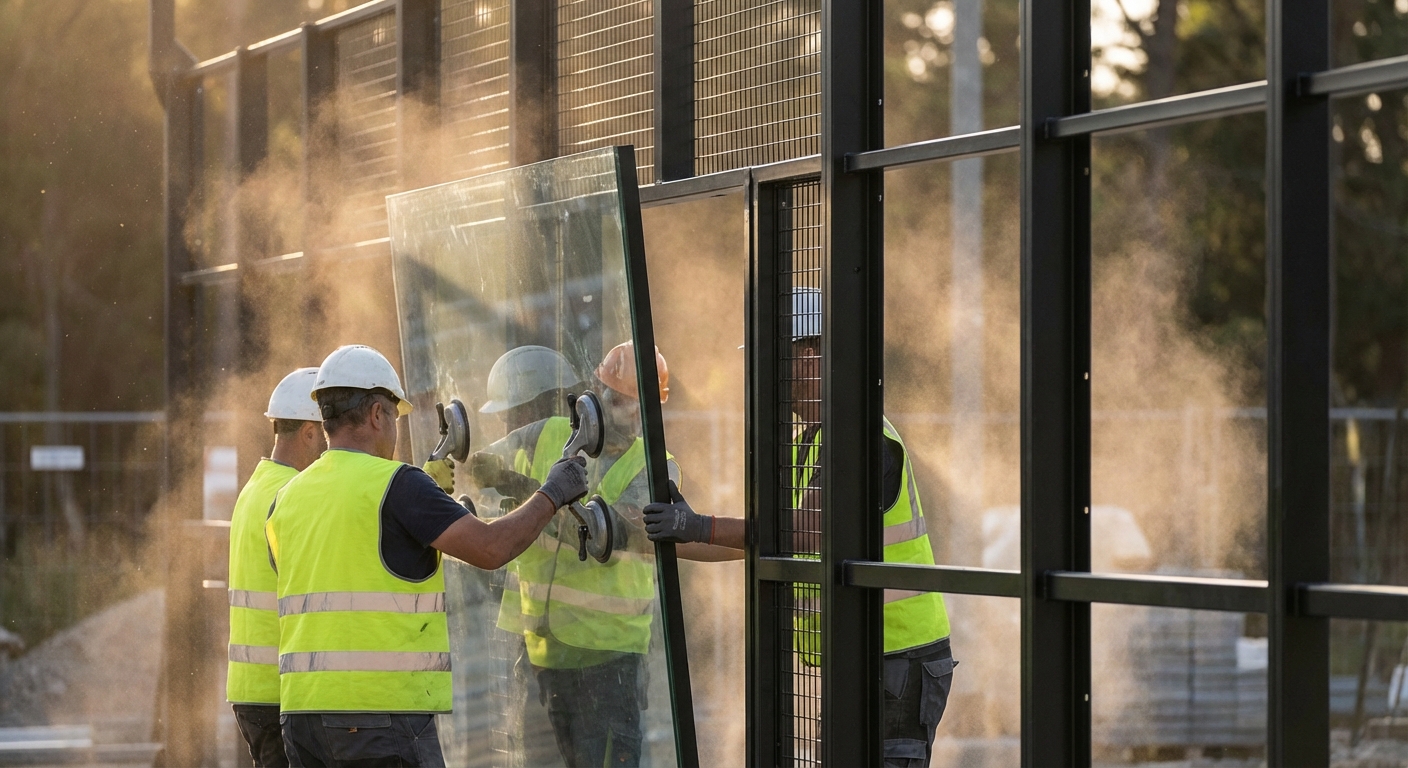
Constructing a court with single padel court dimensions requires the same high-grade materials as a full-sized court, including galvanized steel and tempered glass. You need to ensure the structural frame is engineered to withstand high wind loads and player impact. Using inferior materials can lead to structural failure or safety hazards during intense play.
Selecting the right glass and steel?
The perimeter requires 10mm or 12mm tempered safety glass to ensure maximum durability. Here’s the deal: even though the court is smaller, the intensity of play means the glass often takes more frequent impacts than in doubles.
- Hot-dip galvanized steel frames.
- Anti-vibration structural joints.
- UV-resistant powder coating.
- High-impact tempered glass panels.
Key Takeaway: Quality materials are non-negotiable for ensuring the 20-year lifespan of your sports investment.
| Material | Standard Requirement |
|---|---|
| Structure | Galvanized Steel (80x40mm min) |
| Glass | 12mm Tempered Safety |
| Turf | Fibrillated or Monofilament |
| Lighting | 200W+ LED Floodlights |
Selecting premium components guarantees that your court remains a safe and attractive asset for your club.
How do dimensions influence the tactical game?
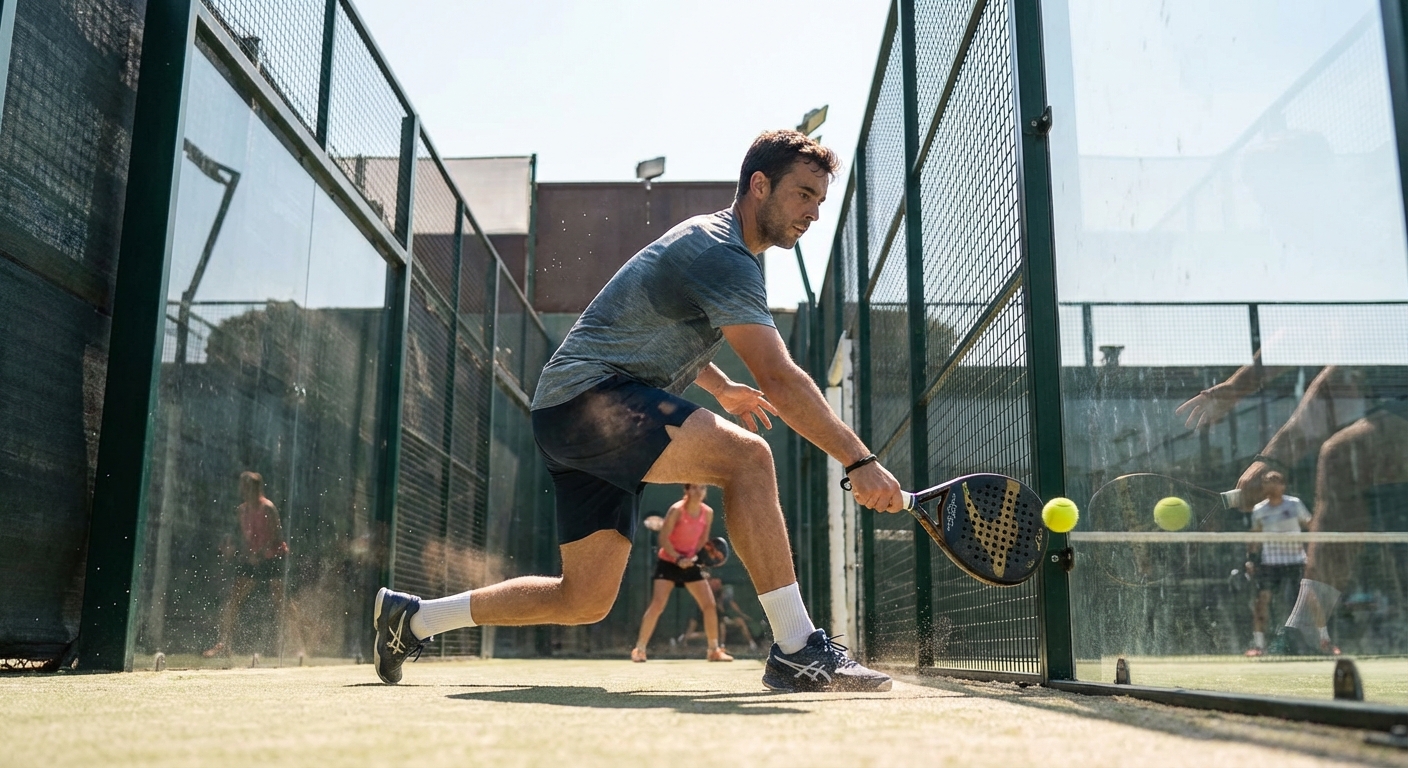
The single padel court dimensions fundamentally alter the physics of ball rebounds and player movement. Since you only have 3 meters of space on either side of the center line, your footwork must be incredibly precise and economical. You will find that lobs and chiquitas become much more dangerous tactical weapons in this narrower space.
Why is reflex speed critical here?
The proximity of the side glass means the ball returns to you much faster after a rebound. But wait, this rapid pace is exactly what makes the single court the ultimate tool for improving your defensive reflexes.
- Shortens the swing arc for volleys.
- Rewards aggressive net play.
- Forces better “reading” of the glass.
- Eliminates the lateral “middle” gap.
Key Takeaway: Strategic play on a 6-meter wide court translates to superior ball control in standard doubles matches.
| Tactical Element | Single Court Impact |
|---|---|
| Reflex Time | Significant Increase |
| Court Coverage | High Intensity |
| Glass Rebounds | Faster Return |
| Net Transition | Essential Skill |
The tight dimensions serve as a high-pressure environment that accelerates player development and technical mastery.
Can you fit a single court in your backyard?
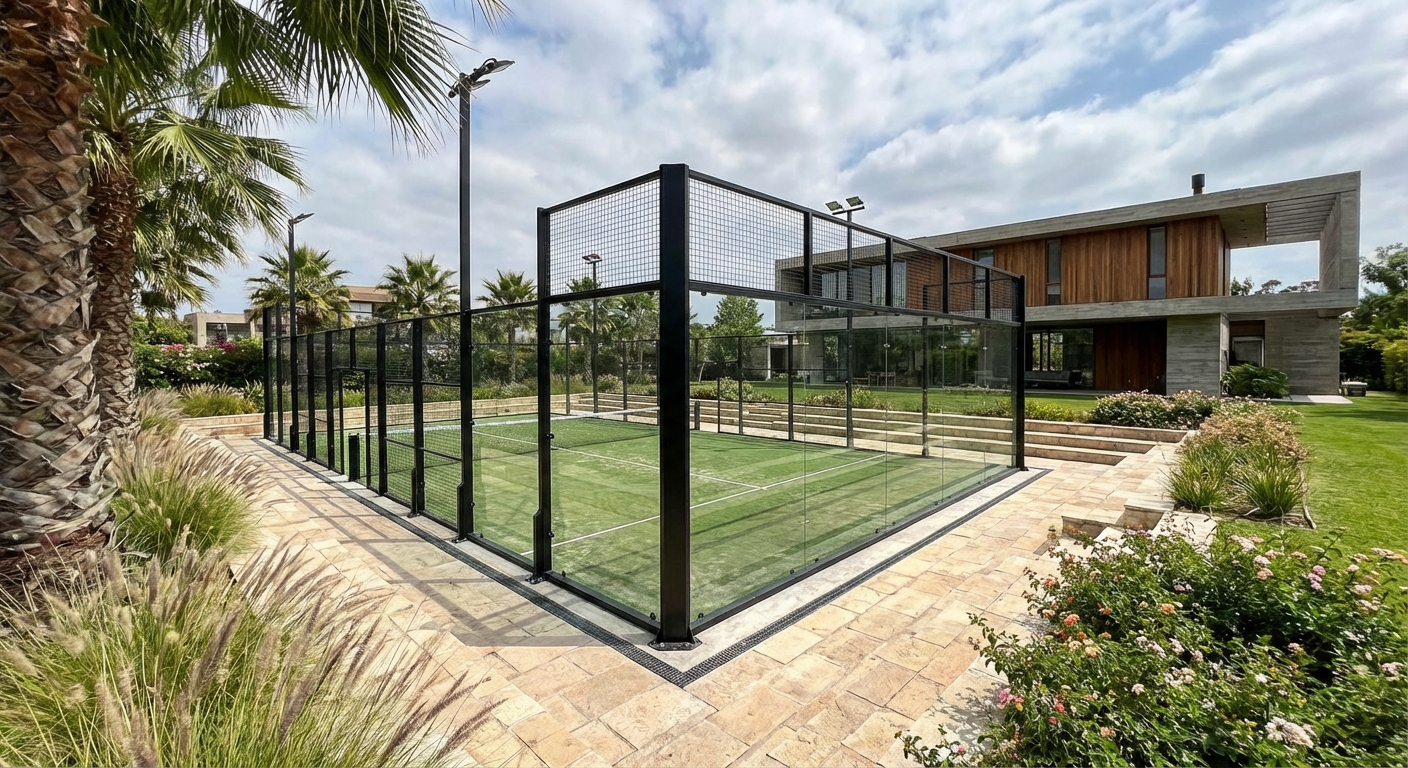
The 6-meter width of single padel court dimensions makes it the perfect fit for residential gardens and private estates. Most backyards can accommodate a 20-meter length, but the 10-meter width of doubles often encroaches on landscaping or property lines. You can now bring the professional club experience directly to your home with a much smaller footprint.
What are the site requirements?
You need a total clear area of approximately 7 x 21 meters to account for the structure and a minimal safety perimeter. Believe it or not, a single court often fits where a traditional swimming pool would, adding more value to your property.
- Level ground with 0.5% drainage slope.
- Access for construction machinery.
- Minimum 6-meter overhead clearance.
- Proximity to power for LED systems.
Key Takeaway: Homeowners with limited space can now enjoy a professional-grade padel court without a massive land requirement.
| Preparation Step | Requirement |
|---|---|
| Clear Width | 7 Meters |
| Clear Length | 21 Meters |
| Height Clearance | 6-8 Meters |
| Foundation Type | Reinforced Concrete |
A residential installation turns a simple backyard into a luxury sports amenity that enhances both lifestyle and property value.
How is the foundation for a single court built?
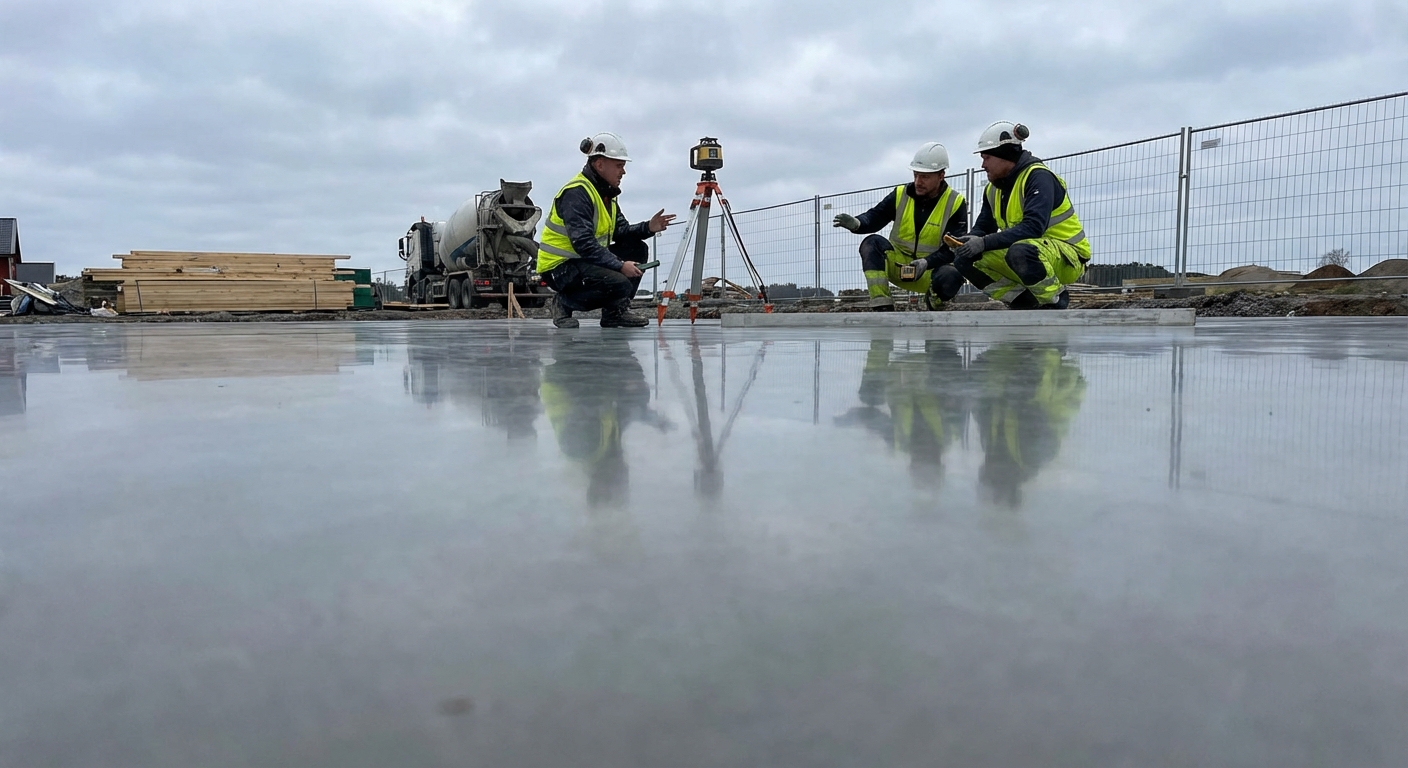
A stable foundation is the bedrock of any installation using single padel court dimensions. You must pour a reinforced concrete slab that is at least 15cm thick to prevent the glass panels from cracking due to ground movement. If the slab is not perfectly level, the ball bounce will be inconsistent, ruining the competitive integrity of the court.
How do you handle drainage?
Water management is crucial to ensure your synthetic turf doesn’t flood and the glass remains clean. Look at it this way: a well-drained court is a playable court, even minutes after a heavy rainstorm.
- Porous asphalt or sloped concrete.
- Integrated drainage channels.
- Perimeter gravel pits.
- High-quality adhesive for turf.
Key Takeaway: Investing in a professional foundation prevents costly repairs and ensures a perfectly flat playing surface for years.
| Foundation Layer | Thickness/Spec |
|---|---|
| Sub-base | 20cm Compacted Gravel |
| Concrete Slab | 15cm Reinforced |
| Surface Finish | Laser-Leveled |
| Drainage Slope | 0.5% to 1.0% |
The technical success of your padel project depends entirely on the quality of the unseen structural layers beneath the turf.
What lighting works best for these dimensions?
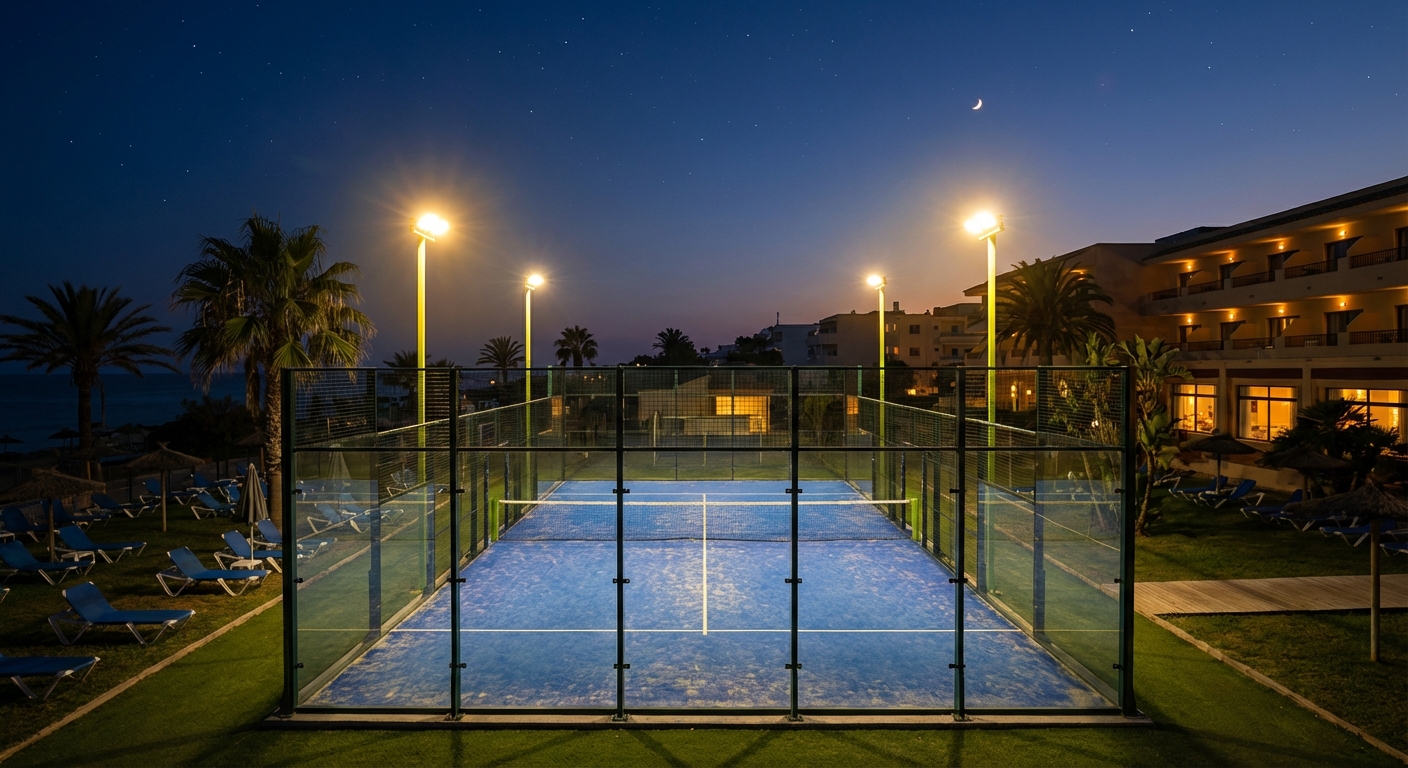
Proper lighting for single padel court dimensions requires a minimum of four LED floodlights mounted on 6-meter masts. You must ensure the light distribution is uniform across the entire 120-square-meter area to avoid blinding players or creating deep shadows. Modern LED systems provide superior visibility while significantly reducing your club’s energy consumption.
How do you eliminate glare?
The angle of the lights should be tilted to illuminate the play area without shining directly into the players’ eyes during lobs. Here is the deal: high-quality optics in LED fixtures can virtually eliminate glare, creating a professional “daylight” feel at night.
- 200W to 300W LED fixtures.
- IP66 waterproof rating for outdoors.
- 5000K to 6000K color temperature.
- Flicker-free drivers for video recording.
Key Takeaway: High-performance lighting extends your court’s playable hours and enhances the safety of night-time matches.
| Lighting Spec | Target Value |
|---|---|
| Illuminance (Lux) | 300 – 500 Lux |
| Uniformity (Uo) | > 0.7 |
| Mast Height | 6 Meters |
| Power Source | Dedicated 220V/110V |
Optimizing your lighting layout ensures that your single court remains a premium asset 24 hours a day.
How do you optimize LED placement for visibility?
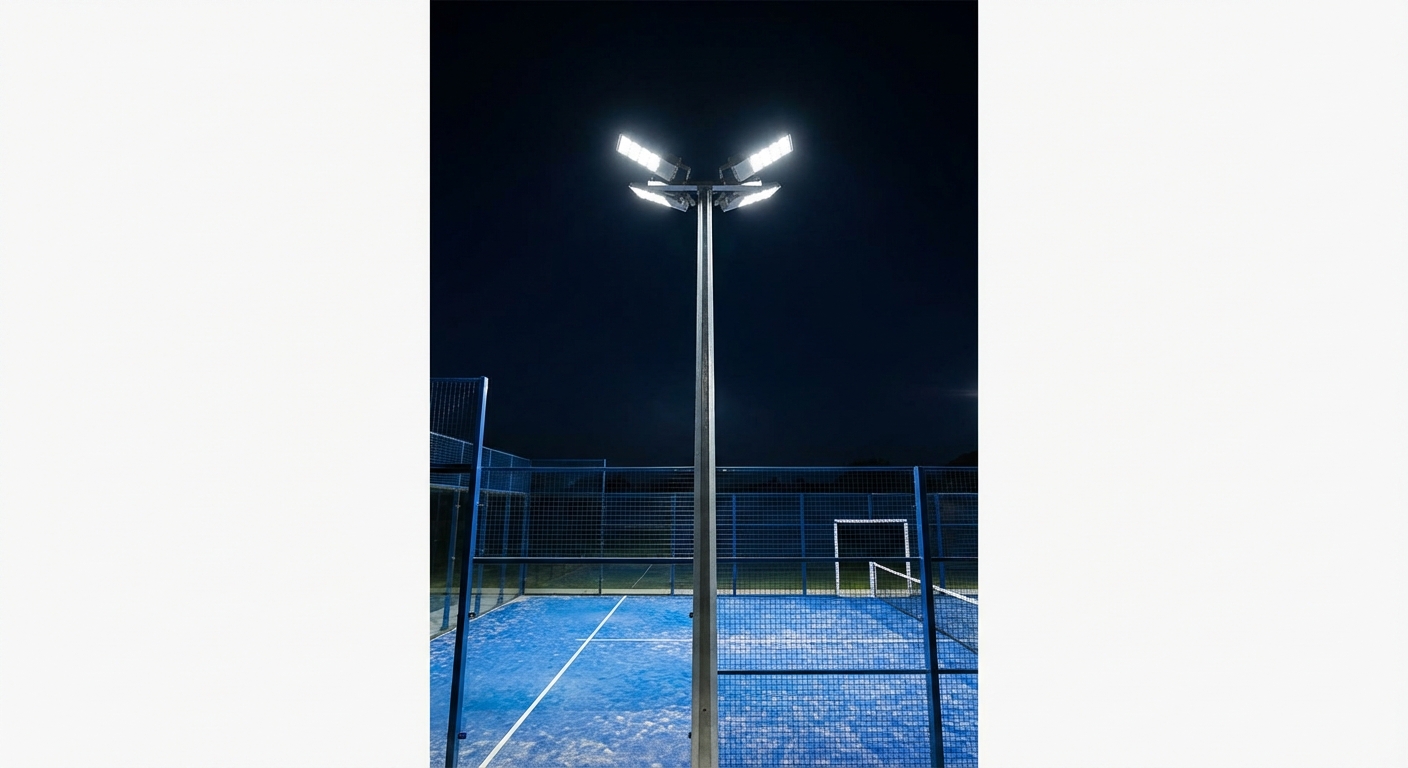
When working with the narrower single padel court dimensions, mast placement must be precise to avoid creating a “tunnel” effect. You should place the lighting columns at the center-point of each side and near the corners to wrap the court in light. This setup ensures that the ball is visible from every angle, even when it is high in the air or near the glass.
Why use modular LED systems?
Modular systems allow you to adjust the beam angle of individual lights to perfectly match your specific site conditions. But wait, this flexibility also means you can easily upgrade or repair sections of the lighting without replacing the entire fixture.
- Adjustable mounting brackets.
- High-efficiency heat sinks.
- Instant-on/off functionality.
- Smart control compatibility.
Key Takeaway: Precision lighting placement is the difference between a frustrating match and a professional-grade experience.
| Positioning | Mast Count | Beam Angle |
|---|---|---|
| Lateral Center | 2 | 60 – 90 Degrees |
| Diagonal Corners | 2 | 45 – 60 Degrees |
Analyzing the light path on a 6-meter court allows for a much more focused and efficient use of energy.
What maintenance keeps the dimensions playable?
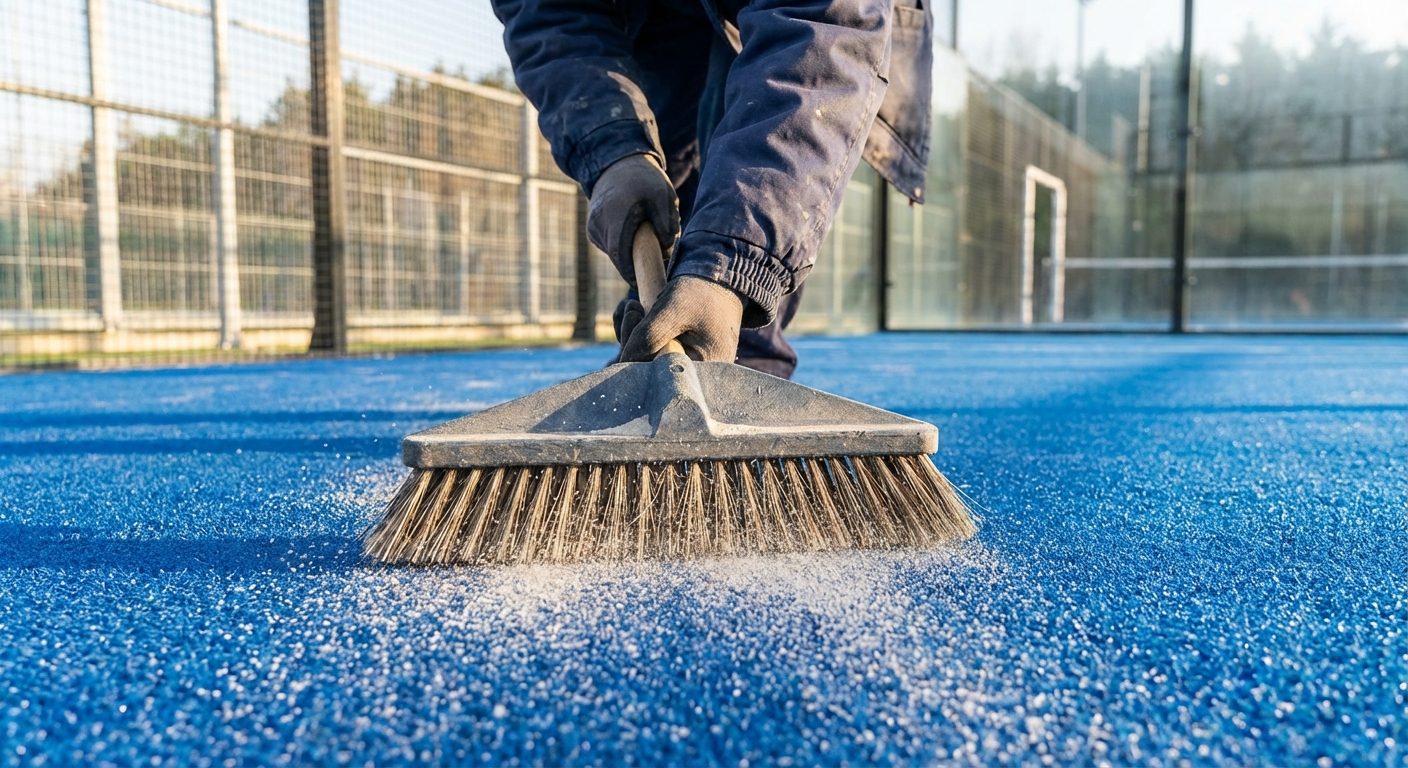
Maintaining a court with single padel court dimensions involves regular brushing of the synthetic turf and cleaning of the glass panels. You must redistribute the silica sand every few weeks to ensure a consistent bounce and prevent the fibers from flattening. Neglecting these simple tasks will lead to slippery surfaces and a rapid decline in the aesthetic appeal of your court.
How often should you clean the glass?
The glass panels should be cleaned weekly with non-abrasive materials to maintain the high-visibility “panoramic” feel. Here’s the deal: clean glass isn’t just about looks; it allows spectators to enjoy the match and ensures players have a clear view of the surroundings.
- Monthly sand depth checks.
- Weekly glass wiping.
- Periodic structural bolt tightening.
- Algae treatment for outdoor turf.
Key Takeaway: Consistent maintenance preserves the value of your court and ensures a safe, high-performance environment for all players.
| Task | Frequency | Purpose |
|---|---|---|
| Turf Brushing | Weekly | Even Sand Distribution |
| Glass Cleaning | Weekly | Clarity & Safety |
| Joint Inspection | 6 Months | Structural Integrity |
| Sand Top-up | Yearly | Traction & Resilience |
The longevity of your investment is directly tied to the discipline of your facility’s maintenance protocols.
Conclusion
Mastering the single padel court dimensions is the ultimate strategy for sports facility owners and homeowners looking to optimize their available space. By choosing the 6×20 meter layout, you solve the problem of underutilized land while catering to the high-demand 1-on-1 and coaching markets. At Superbpadel, we are committed to delivering factory-direct, high-performance courts that redefine the standards of durability and playability. Whether you are building a professional club or a luxury residential retreat, our engineering expertise ensures your project is a resounding success. We believe that every square meter of your property has the potential to become a world-class sports destination. To start your journey toward a premium court installation, contact us today for a personalized consultation and a factory-direct quote.
FAQ
Can I install a single court in a residential area?
Yes, you certainly can. The 6×20 meter footprint is designed specifically for tight spaces, making it significantly easier to install in residential areas compared to standard doubles courts.
Is the construction cost lower than a standard court?
Yes, it is generally 20% to 30% more cost-effective. You will save on materials such as steel for the frame, the total amount of tempered glass required, and the square footage of synthetic turf.
Does the 6-meter width affect ball physics?
Yes, it makes the game faster. The ball returns to you much quicker after hitting the side glass, which requires faster reaction times and more precise defensive positioning.
Can these courts be used for professional coaching?
Yes, they are the ideal tool for coaches. They allow for focused 1-on-1 technical drills without occupying a full-sized doubles court, effectively doubling your club’s coaching capacity.
How long does the installation process take?
The physical assembly usually takes 3 to 5 days. Our modular designs are engineered for rapid installation once your concrete foundation has been properly cured and leveled.