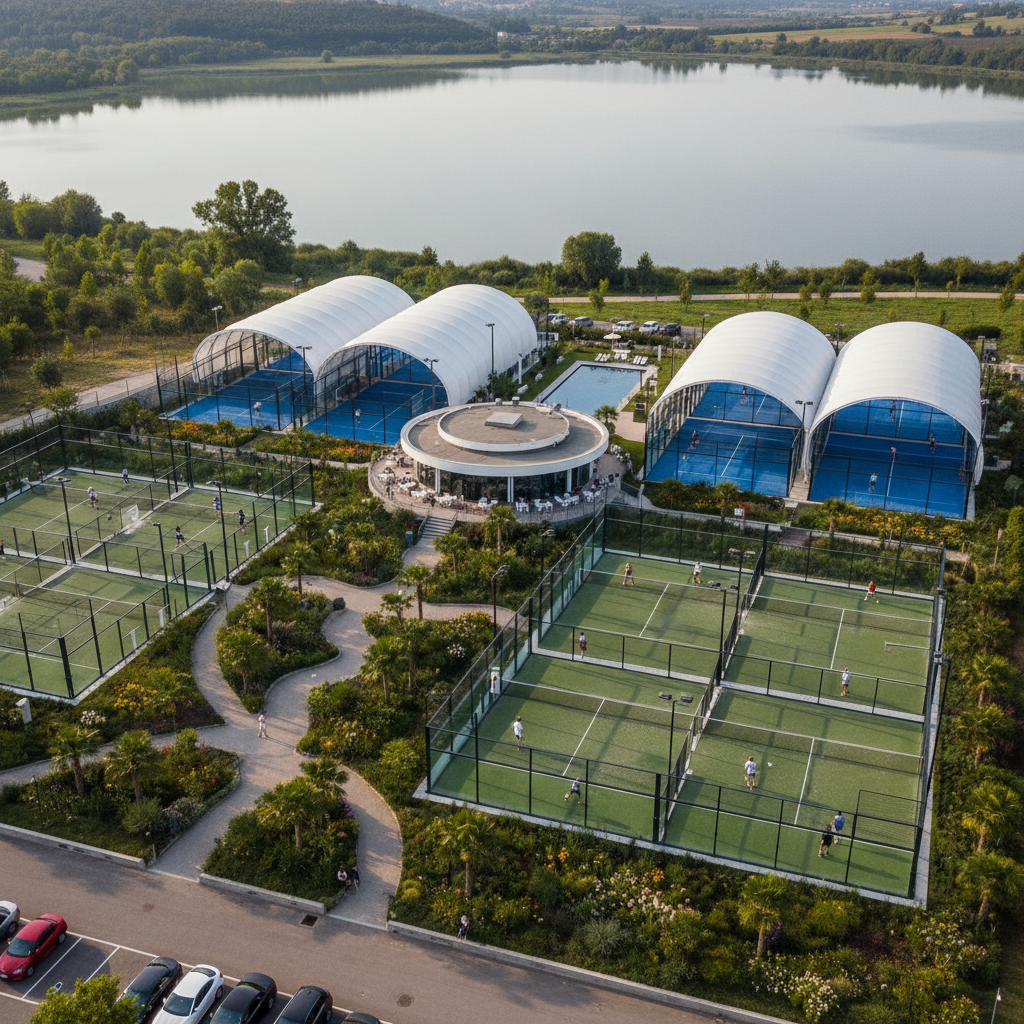
The padel market is a high-growth recreational ecosystem centered around a social-first racquet sport that blends elements of tennis and squash. Imagine walking past your local sports club and seeing half-empty tennis courts while maintenance costs continue to climb. You are losing revenue to outdated facilities that fail to engage the modern, social-seeking athlete. By building a high-performance venue, you can tap into a surging global demand that offers higher player density and significantly better returns.
What defines the current global padel market?

The global padel market is defined by its hybrid nature, combining the strategic depth of racquet sports with a heavy emphasis on social interaction and accessibility. This padel market growth is fueled by a low barrier to entry for beginners and a high intensity that appeals to experienced athletes. You will find that the sport fosters a community-driven atmosphere that traditional sports often lack. This unique blend makes it one of the fastest-growing recreational industries in the world.
Is it just a combination of tennis and squash?
While padel shares the net of tennis and the walls of squash, it is a distinct discipline with its own equipment and pacing. The use of solid, perforated paddles and a smaller court size changes the physics of the game entirely.
Here is the kicker:
- Padel is played almost exclusively in doubles, doubling the social density.
- The enclosed glass walls keep the ball in play longer, reducing frustration for novices.
- It requires less court coverage than tennis, making it accessible to all ages.
Social interaction is the primary engine behind the sport’s explosive popularity because it emphasizes the experience over the score. Unlike solitary gym sessions, every match is an opportunity to connect with three other people in a high-energy environment.
But there is more:
- Most clubs integrate lounges or cafes to prolong the player’s stay.
- Matches often lead to post-game networking and community building.
- The team-based format encourages consistent weekly bookings.
The following data summarizes the core characteristics that distinguish this sport from traditional racquet alternatives.
Key Takeaway
| Feature | Padel | Tennis | Squash |
|---|---|---|---|
| Players per Court | 4 (Doubles) | 2-4 | 2 |
| Social Density | Very High | Moderate | Low |
| Learning Curve | Short / Easy | Long / Technical | Moderate |
| Primary Driver | Social Experience | Competition | Fitness |
How is the padel market evolving for investors?

The padel market is evolving by shifting from a niche hobby into a recognized institutional asset class with predictable returns. Investors are increasingly seeing the value in higher revenue per square meter compared to traditional sports. You can maximize profitability by utilizing a standard padel court as a baseline for your initial capital expenditure. This transition allows for more aggressive scaling and professional management of sports facilities.
What is the average return on facility investment?
The average return on investment for a well-managed facility typically ranges from 15% to 30% annually, depending on occupancy rates. Because you can fit three padel courts into the space of one tennis court, your potential for hourly rental income triples.
Think about it:
- Rental fees are usually split between four players, making it affordable for them but lucrative for you.
- Low overhead costs after the initial installation ensure high margins.
- Strategic lighting and indoor setups allow for 18-hour daily operation.
How do membership models compare to rentals?
Membership models provide steady recurring revenue, while pay-to-play rentals offer higher immediate cash flow during peak hours. Most successful clubs use a hybrid approach to ensure both community loyalty and financial flexibility.
Make no mistake:
- Memberships reduce your marketing spend by securing a base of regulars.
- Rental fees allow you to capture the high demand from transient players.
- Tiered pricing can optimize court usage during off-peak morning hours.
Analysis of these financial models suggests that a diversified revenue stream is the safest path to long-term profitability.
Key Takeaway
| Investment Metric | Target Value | Impact on ROI |
|---|---|---|
| Payback Period | 18 – 24 Months | High |
| Peak Occupancy | 85% + | Critical |
| Maintenance Cost | Low (Annual) | Positive |
| Secondary Revenue | 20% (Bar/Pro-shop) | Significant |
Where should you position a padel market facility?
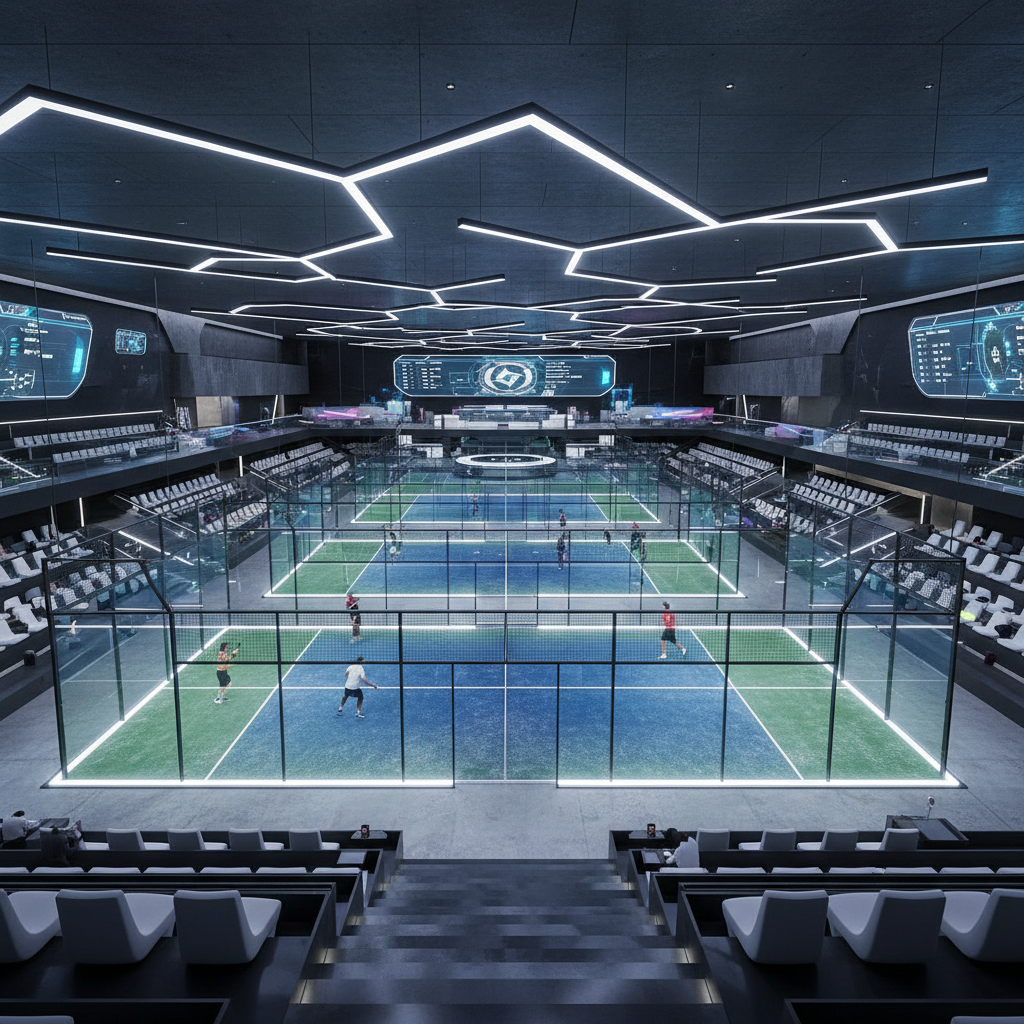
Positioning a facility within the padel market requires a balance of high visibility, easy accessibility, and proximity to urban or residential hubs. You should target areas where the demographic values health, social connectivity, and convenience. Industrial buildings are often repurposed for courts because they provide the necessary height and clear spans. Geographic location remains the primary driver of success in any emerging market.
Why are industrial buildings ideal for courts?
Industrial buildings are ideal because they offer the 6 to 8-meter ceiling clearance required for high lobs during play. These spaces are often more affordable than prime commercial retail, allowing you to invest more in court quality.
Here is the truth:
- High ceilings prevent play interruptions and structural damage.
- Open floor plans allow for modular court placement and easy expansion.
- Existing loading docks simplify the logistics of importing court materials.
Is urban density a requirement for success?
Urban density is a major advantage but not a strict requirement if the location is within a 15-minute commute of your target audience. People are willing to travel for a high-quality social experience that feels like a destination.
The best part:
- High-density areas ensure a larger pool of potential players.
- Suburban locations can thrive by becoming a “third place” for families.
- Proximity to offices can drive high-demand lunchtime and after-work bookings.
The following table evaluates the most common site types for new court installations.
Key Takeaway
| Location Type | Pros | Cons |
|---|---|---|
| Industrial Warehouse | High ceilings, lower rent | Industrial aesthetic, less foot traffic |
| Shopping Malls | High visibility, ample parking | Higher rent, limited ceiling height |
| Sports Complexes | Existing player base | Competition from other sports |
| Resorts/Hotels | Premium guest amenity | Seasonal occupancy |
What court types dominate the padel market today?
Standard and panoramic designs dominate the current padel market because they cater to different levels of spectator engagement and budget. You can choose a panoramic padel court to enhance visibility for high-end clubs or competitive matches. Each type is engineered for specific environments, whether you are building an indoor facility or an outdoor resort. Matching the court type to your business model is essential for attracting the right clientele.
When is a panoramic padel court necessary?
A panoramic court is necessary when your facility hosts tournaments or focuses on a premium aesthetic that prioritizes spectator views. These courts remove the rear corner posts, offering an unobstructed look through the glass walls.
Believe it or not:
- They provide a “stadium” feel that justifies higher rental premiums.
- Better visibility is a must for video recording and social media content.
- They serve as a visual centerpiece that elevates the brand of your club.
Does an all-weather roof maximize booking revenue?
An all-weather roof is a game-changer because it eliminates the risk of cancellations due to rain or extreme sun. You will see a much higher consistency in your monthly revenue if players know they can always play.
It gets better:
- It protects your investment from UV damage and moisture.
- You can offer 365-day availability regardless of local climate.
- Players are more likely to book in advance when weather is not a factor.
Choosing the right court configuration depends on your specific goals for player experience and aesthetic appeal.
Key Takeaway
| Court Model | Best For | Structural Highlight |
|---|---|---|
| Standard Court | Daily club play | Durable galvanized frame |
| Panoramic Court | Premium venues | Post-less rear glass walls |
| Super Panoramic | Professional tourney | Maximum spectator visibility |
| Roofed Court | Outdoor climates | Integrated weather protection |
How do structural standards impact the padel market?
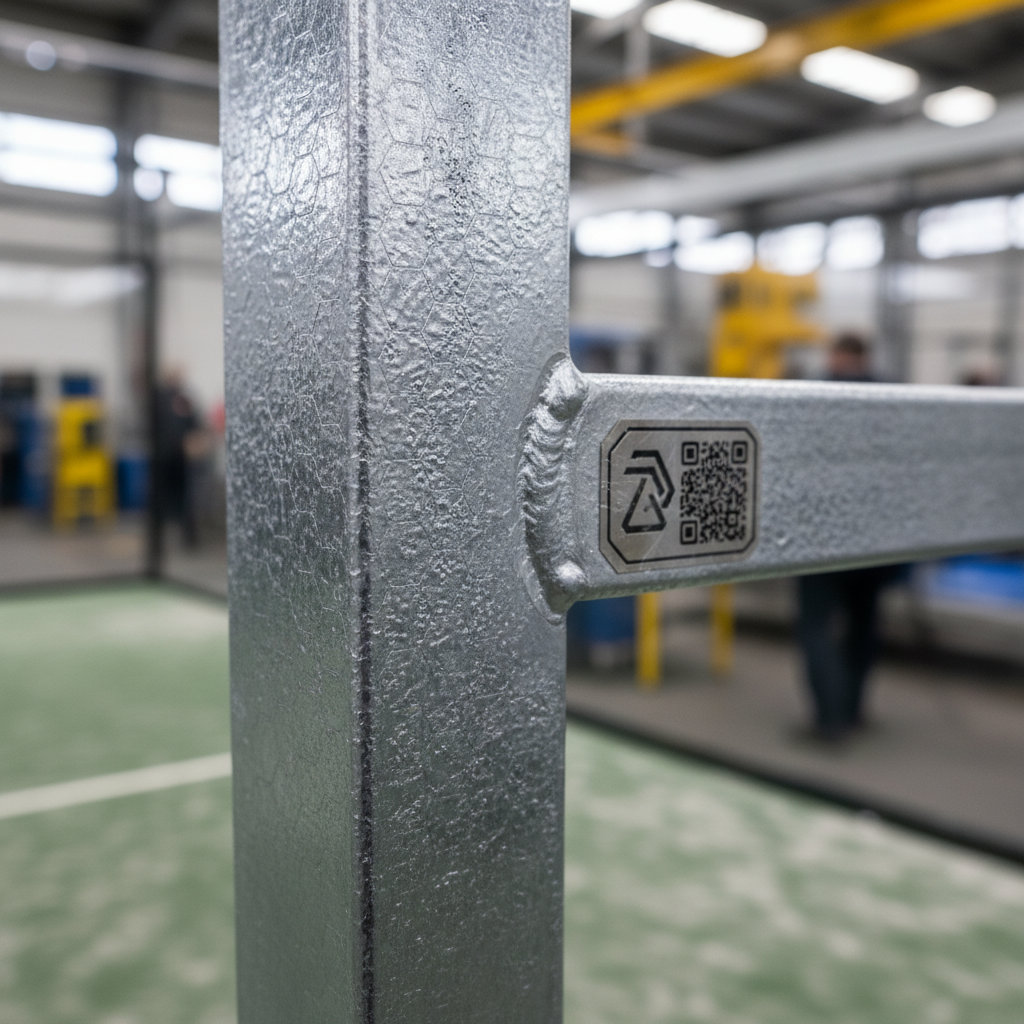
Structural standards impact the padel market by determining the safety, longevity, and maintenance requirements of every installation. You must prioritize materials like hot-dip galvanized steel to prevent corrosion, especially in humid or coastal environments. High-quality tempered glass is also non-negotiable for protecting players during high-intensity matches. Long-term durability is the bedrock of trust in any institutional project.
Why does galvanized steel ensure 20-year longevity?
Galvanized steel undergoes a chemical process that bonds a protective zinc layer to the metal, preventing rust from even reaching the core structure. You won’t have to worry about the frame degrading or becoming unsafe over decades of use.
Keep in mind:
- It resists scratches and impacts from paddles and balls.
- Maintenance is reduced to simple cleaning rather than repainting.
- It provides the structural rigidity needed for high-tension glass walls.
Is anti-explosion glass a safety requirement?
Anti-explosion tempered glass is a vital safety requirement because it is designed to crumble into small, blunt pieces rather than sharp shards if it breaks. This protection mitigates liability and ensures player confidence during aggressive play.
Here is the secret:
- 12mm thickness is the industry standard for commercial facilities.
- Certified glass ensures compliance with international building codes.
- It provides a consistent rebound that professional players expect.
Understanding the material science behind the courts is necessary for making a sound long-term investment.
Key Takeaway
| Material Component | Standard | Benefit |
|---|---|---|
| Steel Frame | Hot-dip Galvanized | 20-year rust protection |
| Safety Glass | 12mm Tempered | Impact resistance & player safety |
| Surface Turf | Fibrillated PE | Consistent bounce & durability |
| Fasteners | Stainless Steel | Prevention of joint corrosion |
Why is the padel market expanding into real estate?
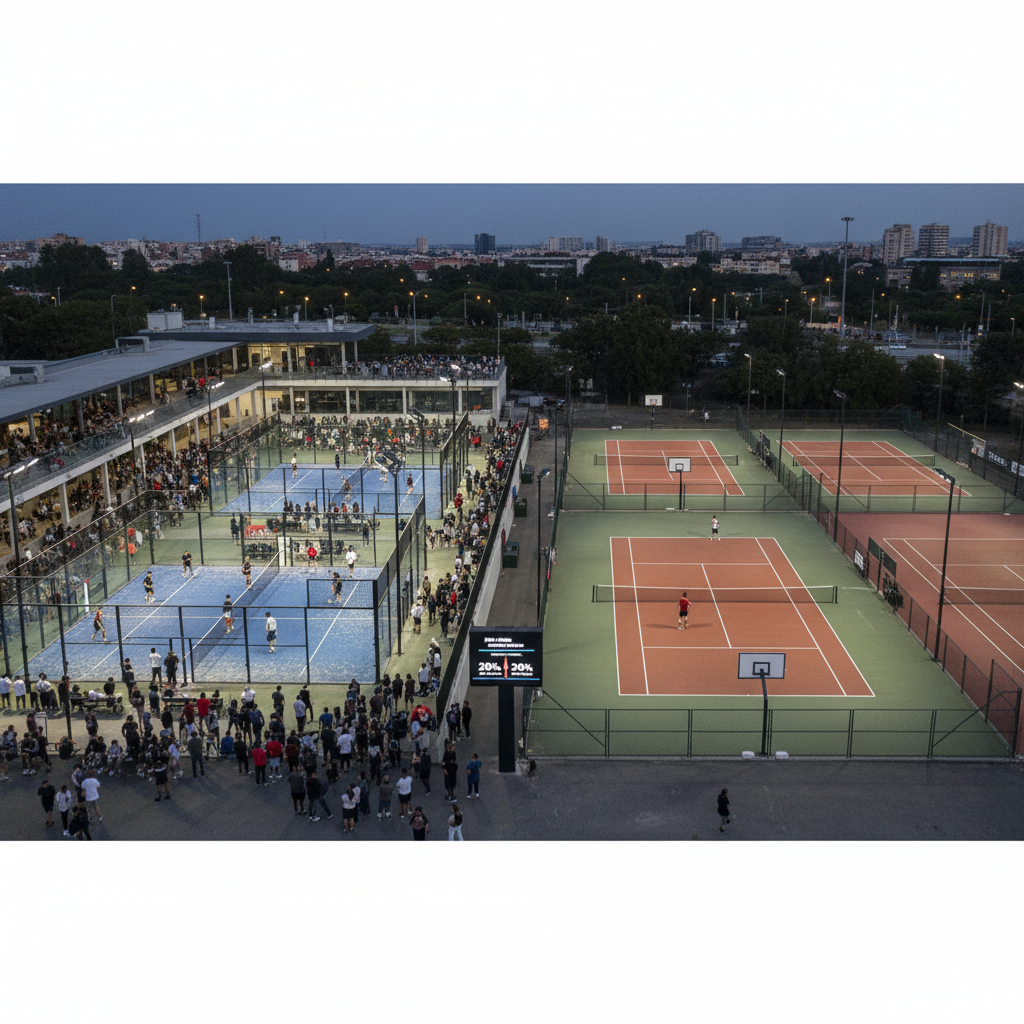
The padel market is expanding into real estate as developers use sports amenities to differentiate properties and increase valuations. You can add a padel court to a residential complex to provide a modern, high-demand lifestyle feature for tenants. This trend is driven by the small footprint of the sport compared to golf or tennis. Integrating these courts often accelerates sales and improves long-term resident retention.
How do courts increase property values?
Courts increase property values by signaling a commitment to luxury, health, and community within the development. You are providing an amenity that is currently trending, making your property more attractive to high-net-worth buyers.
You should know:
- It transforms underutilized land into a revenue-generating or value-adding asset.
- Modern sports amenities often justify a higher price per square foot.
- They serve as a social hub that improves the “vibe” of the entire complex.
Can sports amenities accelerate residential sales?
Sports amenities can significantly accelerate sales by offering a lifestyle that residents cannot find in competing buildings. You will notice that buyers are increasingly looking for ways to socialize without leaving their home environment.
Here is the deal:
- Padel attracts a young, affluent demographic of buyers.
- The visual appeal of a glass-walled court enhances marketing materials.
- It fosters a sense of community that makes a development feel like home.
The following analysis highlights how the integration of padel courts impacts different real estate sectors.
Key Takeaway
| Real Estate Sector | Value Addition | Primary Benefit |
|---|---|---|
| Residential Condos | Lifestyle Amenity | Resident retention & sales speed |
| Commercial Parks | Employee Wellness | Attraction of premium tenants |
| Luxury Resorts | Guest Experience | Increased booking rates |
| Private Estates | Personal Prestige | Increased resale value |
Can gyms successfully enter the padel market?
Gyms can successfully enter the padel market by offering a social competitive element that complements traditional strength and cardio training. You can diversify your fitness center’s revenue by installing professional padel grass to meet the performance expectations of serious athletes. This integration helps gyms move beyond a “lonely” workout model toward a community-based business. It is a turn-key solution for boosting member engagement.
How does it diversify traditional fitness revenue?
Padel diversifies revenue by adding court booking fees, coaching services, and equipment rentals to your standard membership dues. You will find that players often buy refreshments and gear, further increasing their average spend.
Think about it:
- It utilizes space more efficiently than many traditional aerobic rooms.
- It attracts a demographic that might not be interested in weightlifting.
- Peak court times often differ from peak gym floor usage hours.
Is the footprint small enough for typical gyms?
The footprint of a padel court is only 200 square meters, making it small enough to fit into most medium-to-large fitness facilities. You can replace a single underperforming yoga studio or a portion of a parking lot with a high-ROI court.
You might be wondering:
- One court supports four active users every hour.
- Modular designs allow for installation in awkward or corner spaces.
- Indoor setups can utilize existing gym climate control and lighting.
The table below shows how adding padel courts can transform a traditional gym’s performance metrics.
Key Takeaway
| Metric | Traditional Gym | Gym with Padel |
|---|---|---|
| Social Engagement | Low | Very High |
| Revenue Stream | Monthly Fees only | Fees + Bookings + Retail |
| Member Churn | Higher | Lower (Team factor) |
| Peak Space ROI | Moderate | High (4 players/200sqm) |
How does lighting technology affect the padel market?
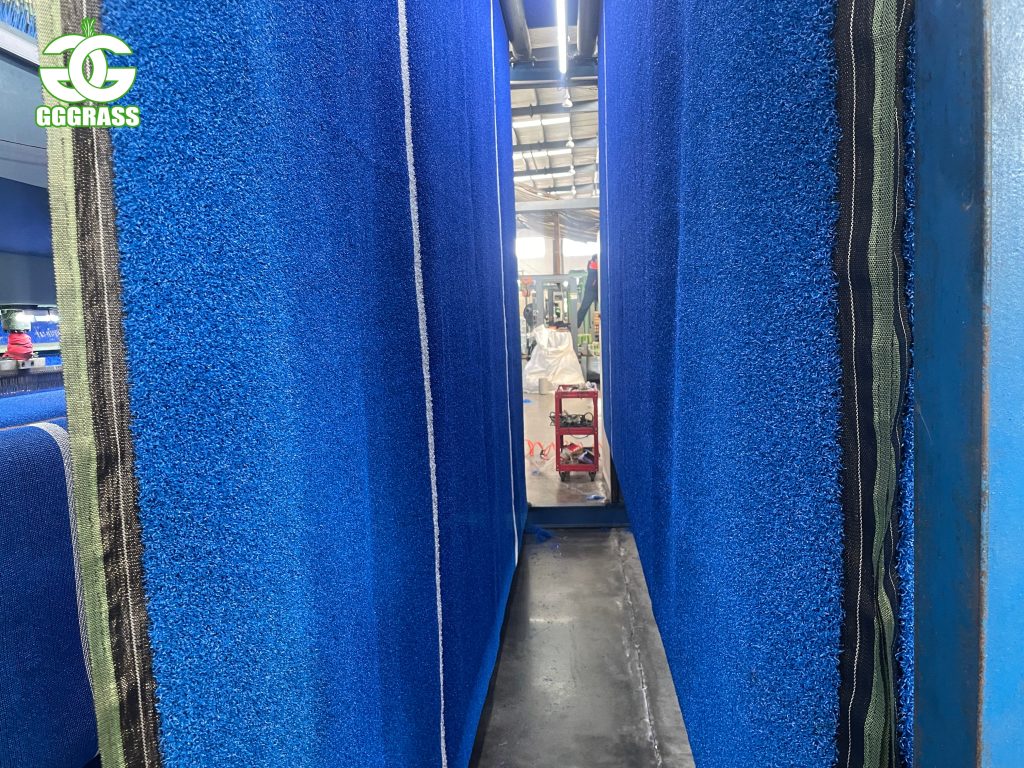
Lighting technology affects the padel market by extending operational hours and significantly reducing long-term electrical costs. You need high-efficiency LED systems to ensure uniform illumination across the court, which is critical for fast-paced play. Advanced lighting also improves the safety of evening matches and the quality of video recordings. Reliable performance is essential for maintaining a professional standard at your club.
Do LED systems reduce long-term operational costs?
LED systems reduce costs by consuming up to 60% less energy than traditional metal halide lamps while lasting five times longer. You will see a direct impact on your monthly utility bills and a massive reduction in maintenance visits.
Most importantly:
- Instant-on capabilities mean no waiting for lights to warm up.
- Lower heat emission reduces the load on indoor cooling systems.
- 50,000-hour lifespans mean you rarely have to replace bulbs.
Why is uniform illumination critical for play?
Uniform illumination is critical because padel involves fast ball movements and rebounds off glass walls from multiple angles. You must avoid shadows or “dead zones” that could cause players to lose track of the ball or trip.
Look at it this way:
- High-quality LEDs minimize glare on the glass walls.
- Proper light distribution ensures safety during aggressive net play.
- It allows for professional-grade photography and live streaming.
A strategic approach to lighting ensures your facility remains profitable and safe well after the sun goes down.
Key Takeaway
| Lighting Feature | LED Benefit | Operational Impact |
|---|---|---|
| Energy Efficiency | High (IP66 Rated) | Lower overhead costs |
| Light Quality | Uniform / No Glare | Better player experience |
| Lifespan | 50,000+ Hours | Minimal maintenance |
| Startup Speed | Instant | Better scheduling flexibility |
What are the logistical hurdles in the padel market?

Logistical hurdles in the padel market include managing international shipping, navigating local planning permits, and ensuring precise modular assembly. You must work with experienced partners who understand the technical documentation required for customs and local safety inspections. Secure handling during transport is vital to prevent damage to the heavy tempered glass and steel structures. Planning for these challenges ahead of time will save you significant delays and costs.
How do you manage international shipping safely?
International shipping is managed by using specialized packing techniques and secure cargo containers to protect fragile components. You should ensure that your supplier documents the loading process to verify that everything is braced correctly for sea travel.
And that’s not all:
- Steel frames are often modular to fit efficiently in containers.
- Glass is packed in custom wooden crates to prevent vibration cracks.
- Tracking systems allow you to coordinate on-site labor for arrival.
What documentation is needed for local planning?
Documentation usually includes structural drawings, material certifications, and wind load calculations for outdoor installations. You will need these papers to satisfy local building authorities and insurance providers before you can break ground.
In fact:
- European standard EN 12150 is often required for glass safety.
- Galvanization certifications prove the court’s weather resistance.
- Foundation plans ensure the concrete slab is poured correctly.
Successful logistics depend on a combination of robust packaging and accurate paperwork to ensure a smooth transition from factory to facility.
Key Takeaway
| Logistical Phase | Focus Area | Success Metric |
|---|---|---|
| Packing | Secure Glass Crating | Zero transit breakage |
| Shipping | Container Optimization | Reduced freight costs |
| Customs | Technical Paperwork | Fast clearance times |
| On-site | Modular Assembly | Reduced labor hours |
How can you scale your brand in the padel market?
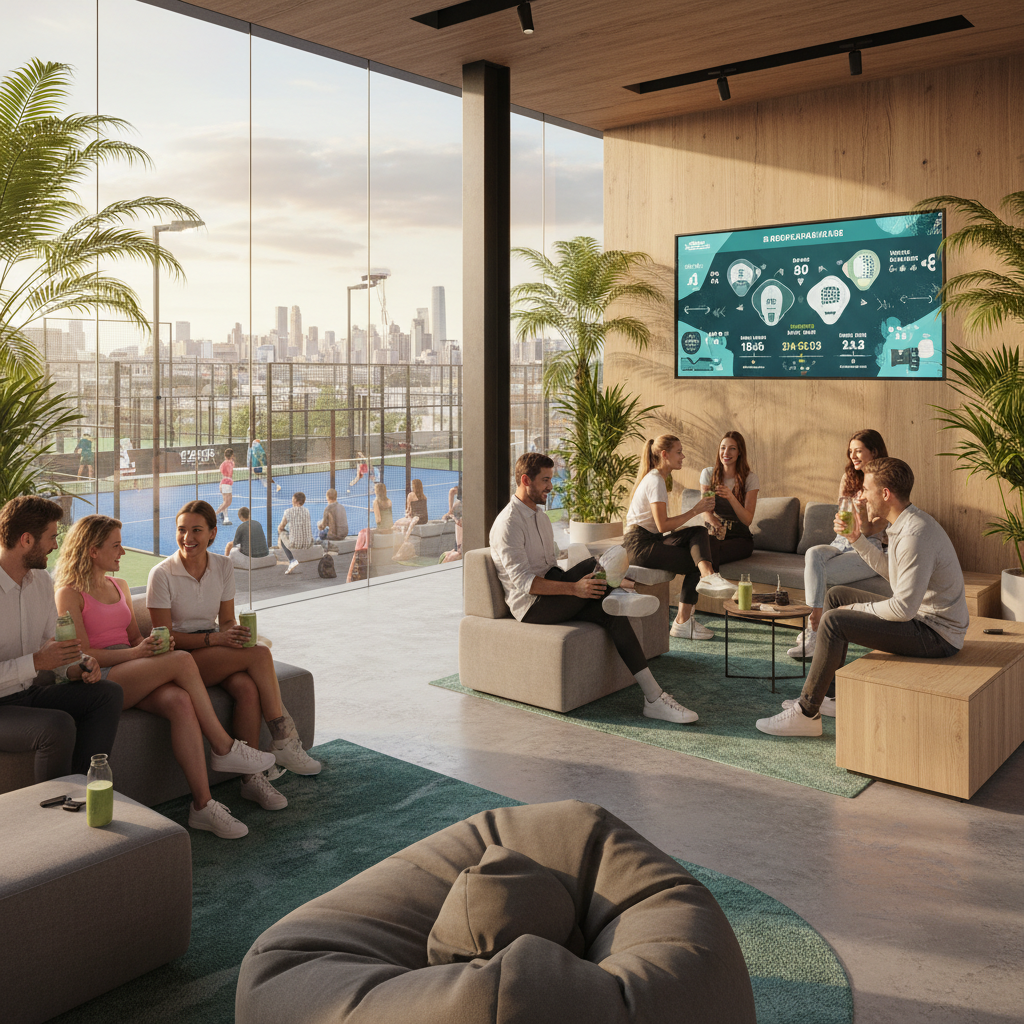
Scaling your brand in the padel market requires customization, OEM branding, and direct-from-factory procurement to maximize your profit margins. You can build a unique identity by choosing custom colors for your court structures and integrating your logo into the turf. Buying directly from the manufacturer allows you to eliminate middlemen markups and invest more in marketing. This approach empowers you to lead your local market with a distinct and professional product.
Can you customize colors and structural branding?
Yes, you can customize almost every aspect of the court, from the RAL color of the steel frame to the specific shade of the professional turf. This allows you to align the facility’s aesthetic with your existing brand identity or local team colors.
Simply put:
- Custom logos can be laser-cut into the steel or woven into the grass.
- Unique color schemes make your club stand out on social media.
- Branding creates a more professional environment for high-end clients.
Why is direct-from-factory procurement essential?
Direct procurement is essential because it lowers your capital expenditure by 30% or more compared to buying from local distributors. You gain a competitive advantage by having a lower cost basis, allowing you to offer better rates or higher-quality amenities.
Beyond that:
- You have a direct line to technical support and replacement parts.
- Custom engineering requests are handled faster by the manufacturer.
- You can ensure quality control by seeing the production capability in action.
The final step in your journey involves selecting a partner that can support your vision with both quality and scale.
Key Takeaway
| Branding Strategy | Method | Goal |
|---|---|---|
| OEM Support | Factory-direct branding | Unique market identity |
| Custom Colors | RAL Powder Coating | Aesthetic differentiation |
| Direct Buying | Eliminate Middlemen | 30% Cost reduction |
| Quality Control | Factory certifications | Long-term reliability |
Conclusion
Building your place in the global padel market is a strategic move toward a high-ROI, social-first sports ecosystem. By focusing on structural quality, strategic location, and efficient revenue models, you can resolve the problem of underutilized sports space and declining engagement. Our vision is to empower developers and club owners with the most durable and aesthetically stunning courts available today. To start your journey with a customized consultation and a factory-direct quote, contact us today and let’s transform your vision into a premier sports destination.
FAQ
Can I build a padel court in a residential area?
Judgement: Yes. Reason: Padel courts have a small footprint and social focus that fits modern residential amenities, provided you follow local zoning and noise ordinances.
What’s the best way to maintain the court surface?
Judgement: Regular brushing. Reason: Frequent brushing redistributes the silica sand and lifts the turf fibers, ensuring a consistent ball bounce and long-term durability.
Can I customize the court for an indoor facility with low ceilings?
Judgement: Limited. Reason: While installation is possible, a minimum of 6 meters of clearance is required to maintain the vertical play style that defines the sport.
What is the minimum order quantity for courts?
Judgement: One set. Reason: A low entry barrier allows you to test the local market or launch a pilot project without a massive initial inventory commitment.
Can I get assistance with the installation process?
Judgement: Yes. Reason: Manufacturers provide comprehensive modular assembly manuals and remote video support to guide your local team through the setup process efficiently.