What is the average cost of a padel court?
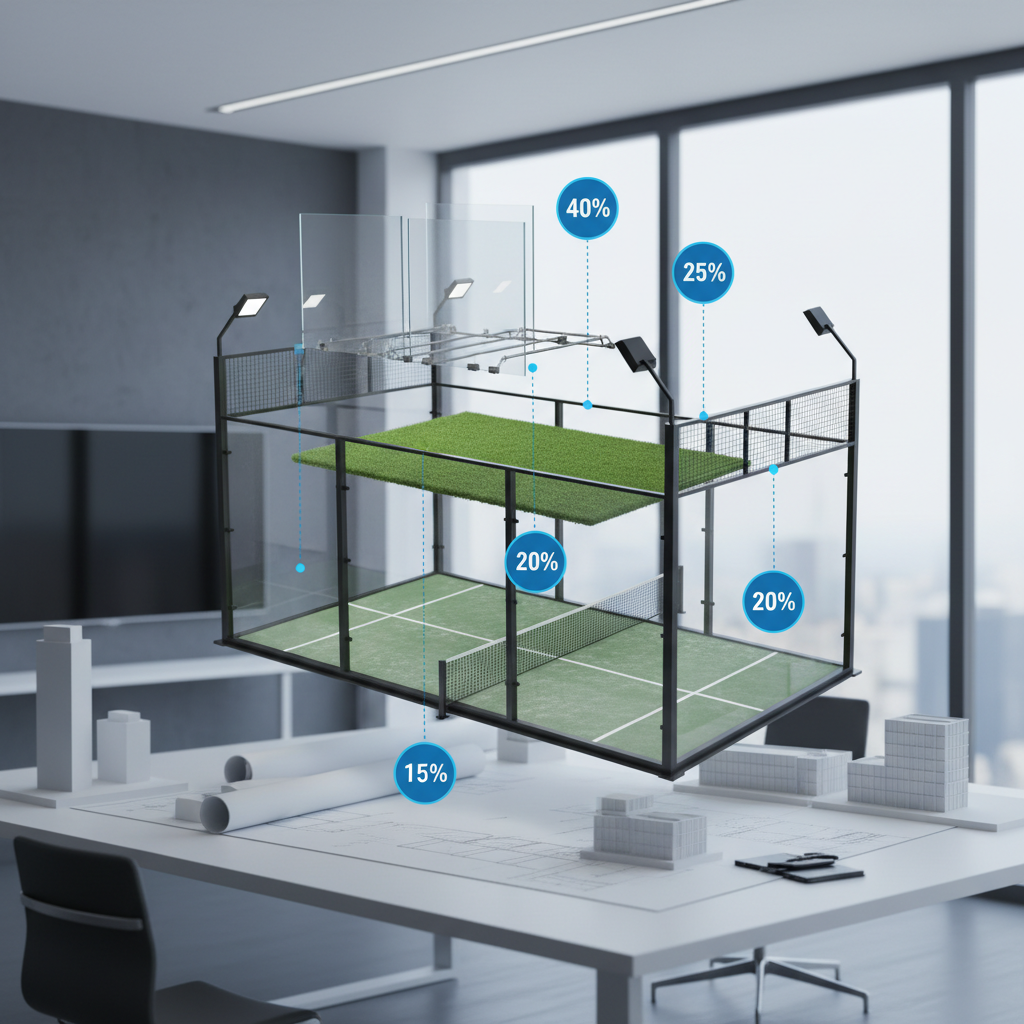
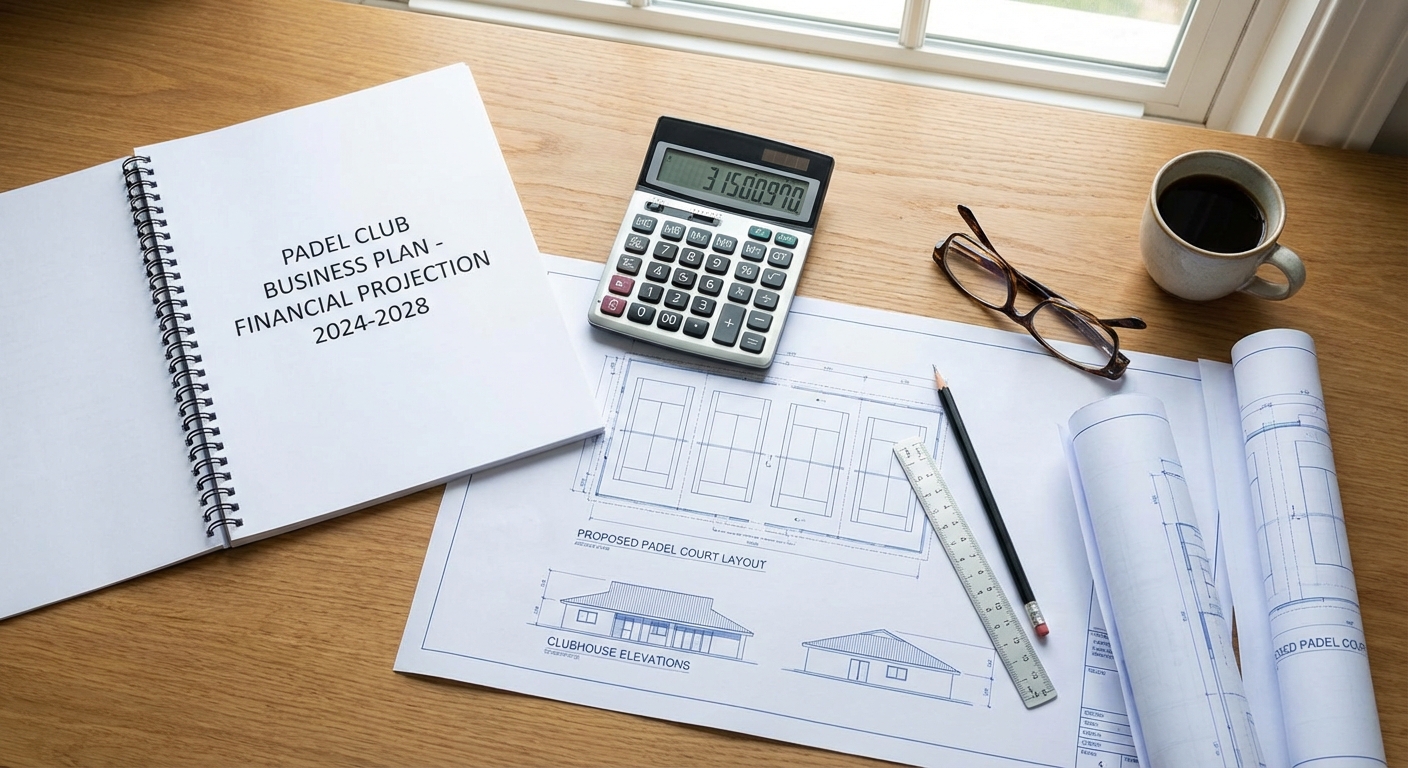
The average cost of a padel court falls between $20,000 and $43,000 depending on your specific site requirements and material choices. This range covers the core hardware, including galvanized steel, tempered glass, and artificial turf. You must also account for regional shipping and local labor costs to determine your final investment.
Developing a clear budget early in the process helps you avoid project delays. You can prioritize high-impact areas like the structural frame while finding savings in logistical planning.
Understanding the Baseline Investment
Here is the deal:
- Hardware usually accounts for 60% of your total budget.
- Foundation work typically takes up another 25%.
- Installation labor and lighting make up the final 15%.
Key Takeaway: Identifying your total budget upfront allows you to allocate resources efficiently across hardware and labor.
| Expense Category | Typical Range (USD) | Percentage of Total |
|---|---|---|
| Court Hardware | $12,000 – $25,000 | 60% |
| Foundation/Base | $5,000 – $12,000 | 25% |
| Installation Labor | $3,000 – $6,000 | 15% |
Establishing a realistic financial baseline is the first step toward a successful court launch.
How do components change the cost of a padel court?
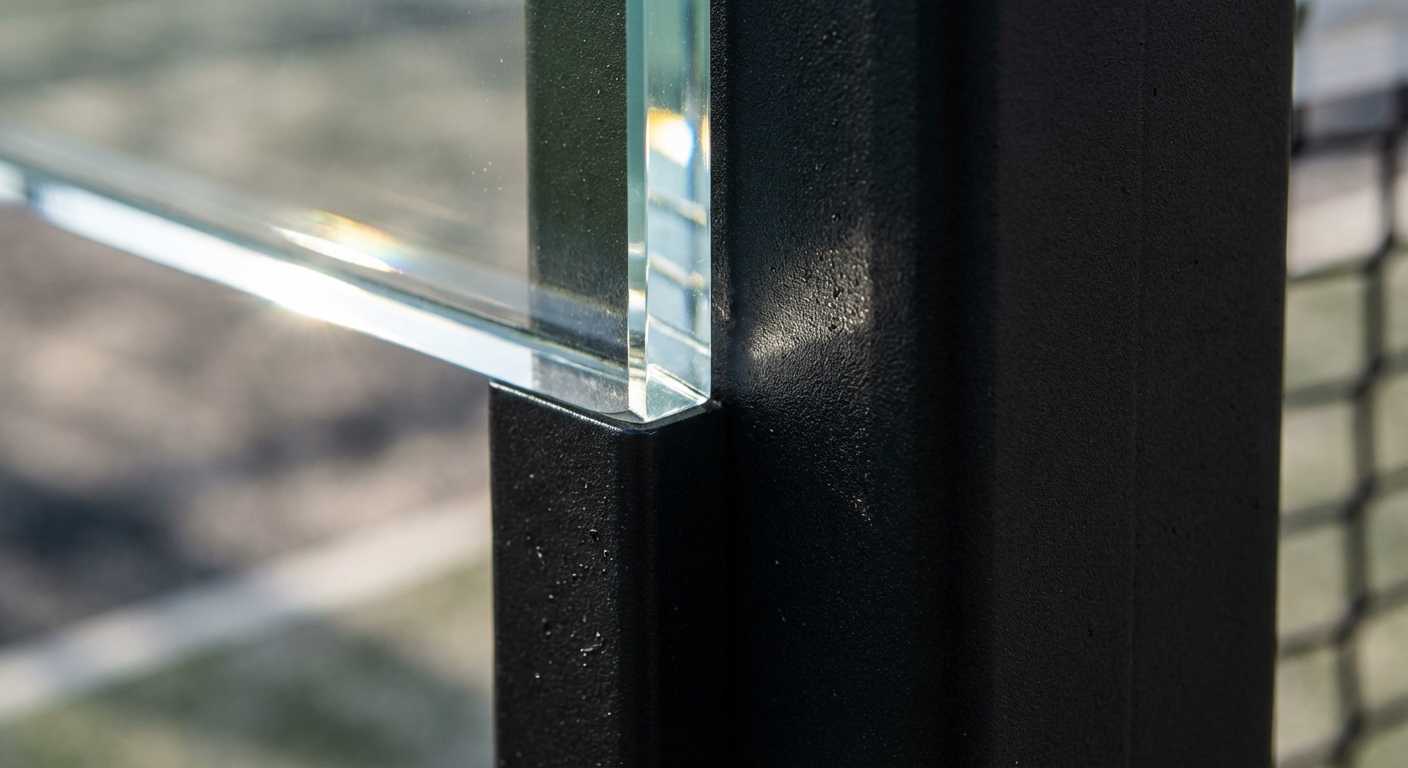
Specific component specifications like steel thickness and glass type directly determine the final cost of a padel court. High-quality materials ensure safety and long-term durability for your players. You should always check the galvanization level of the steel to prevent rust in outdoor settings.
Investing in premium components reduces your long-term repair needs. Durable glass and rust-resistant pillars keep the court looking new for years.
Material Quality and Safety Standards
But wait:
- 12mm tempered glass is significantly safer than 10mm options.
- Hot-dip galvanized steel frames offer the best weather resistance.
- Stainless steel bolts prevent unsightly rust stains on your glass.
Key Takeaway: Choosing certified, high-grade materials protects your investment from premature wear and safety liabilities.
| Component | Recommended Spec | Impact on Price |
|---|---|---|
| Structure | Hot-dip Galvanized Steel | High |
| Walls | 12mm Tempered Safety Glass | Medium-High |
| Fasteners | Stainless Steel | Low |
Quality hardware ensures your facility meets international standards and remains a premium destination for players.
Which design affects the total cost of a padel court?
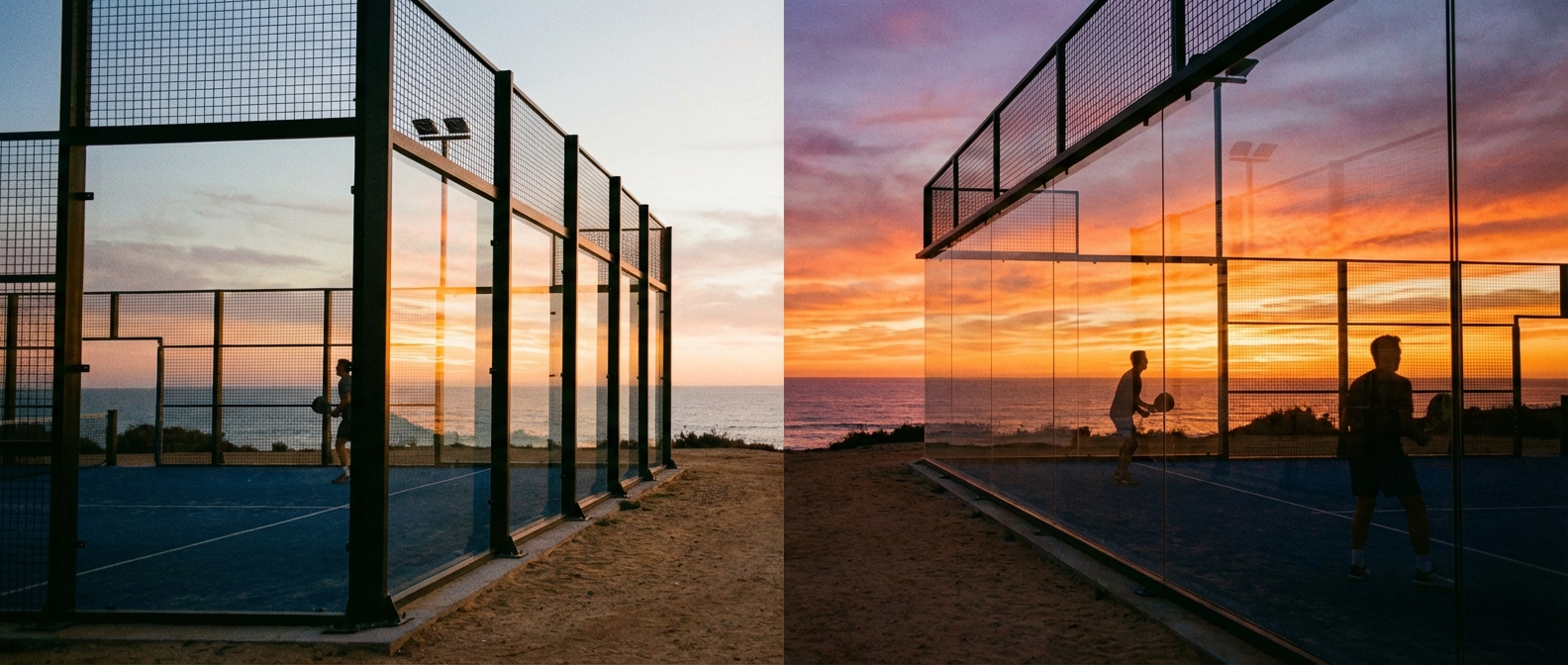
Choosing between a standard model or a panoramic design significantly shifts the total cost of a padel court because of the structural engineering required. Standard courts use more vertical pillars and are generally the most affordable choice for training centers. Panoramic courts offer a pillar-free view for spectators but require thicker glass and more robust support beams.
The aesthetic of your court defines your club’s brand and attracts different player demographics. You should match your design choice to your specific commercial goals.
Comparing Standard and Panoramic Models
The truth is:
- Standard models are best for high-frequency community training.
- Panoramic designs are essential for tournament-ready facilities.
- Super Panoramic models offer the highest visual impact for spectators.
Key Takeaway: Selecting the right design allows you to balance your initial investment with the expected rental income of your venue.
| Court Type | Visual Appeal | Relative Price | Ideal For |
|---|---|---|---|
| Standard | Functional | Base Price | Schools/Clubs |
| Panoramic | High | +15-20% | Commercial Sites |
| Super Panoramic | Elite | +30% | Pro Tournaments |
Your chosen model dictates the spectator experience and your ability to host high-level events.
What steps impact the final cost of a padel court?
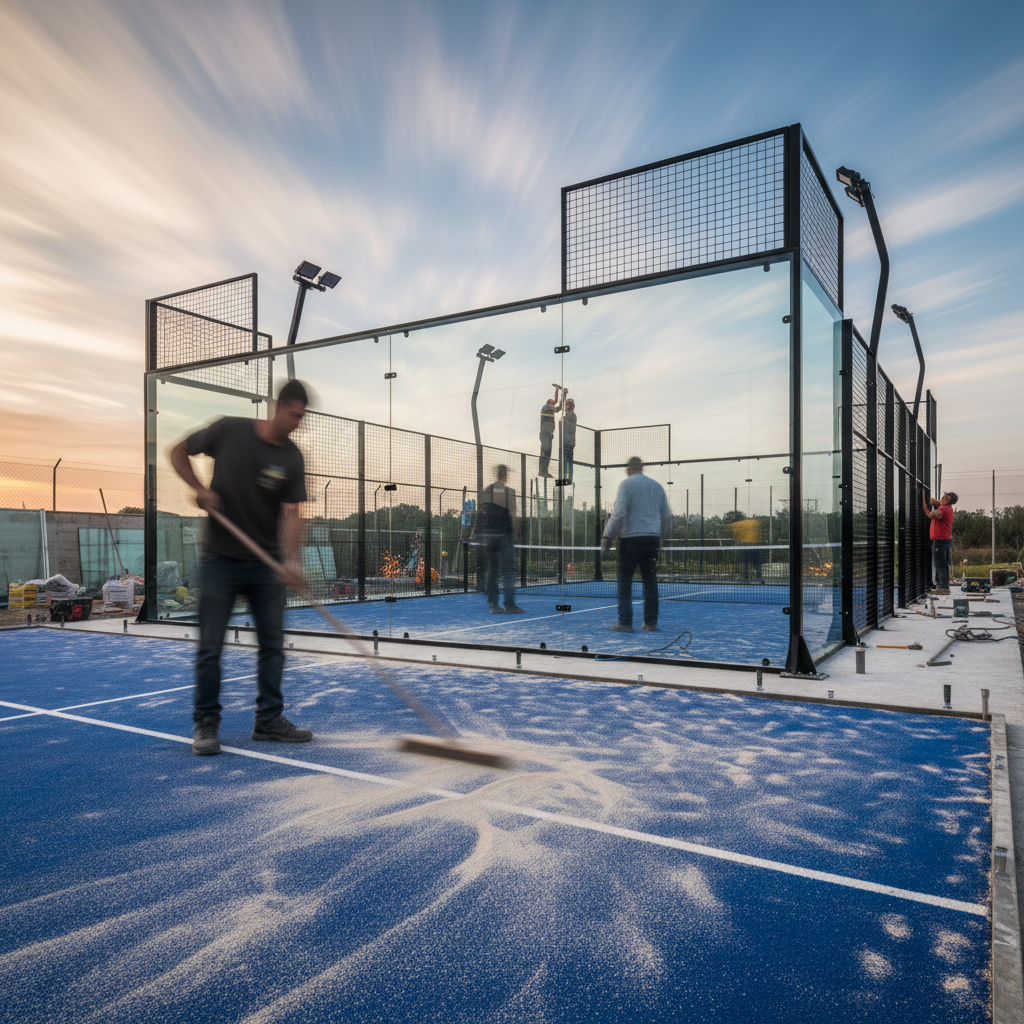
The sequence of construction steps—site prep, foundation, hardware setup, and finishing—all contribute to the cumulative cost of a padel court. Professional assembly usually takes two to three weeks if you already have a prepared site. You must manage the schedule carefully to minimize labor costs and equipment rental fees.
Coordination between your supplier and your local contractor is key to a smooth build. Delays in one phase can often lead to increased costs in another.
Managing the Construction Timeline
Think about it:
- Site leveling ensures proper drainage and prevents puddling.
- Foundation curing takes roughly 7 to 10 days before assembly.
- Modular hardware setup is the fastest part of the process.
Key Takeaway: Efficient project management and following a strict construction timeline prevent expensive labor overruns.
| Construction Phase | Duration | Primary Focus |
|---|---|---|
| Site Preparation | 3-5 Days | Leveling and Drainage |
| Foundation Pouring | 7-10 Days | Curing and Stability |
| Frame Assembly | 5-7 Days | Alignment and Bolting |
Following a logical construction order ensures structural integrity and keeps your project on budget.
How does foundation work raise the cost of a padel court?
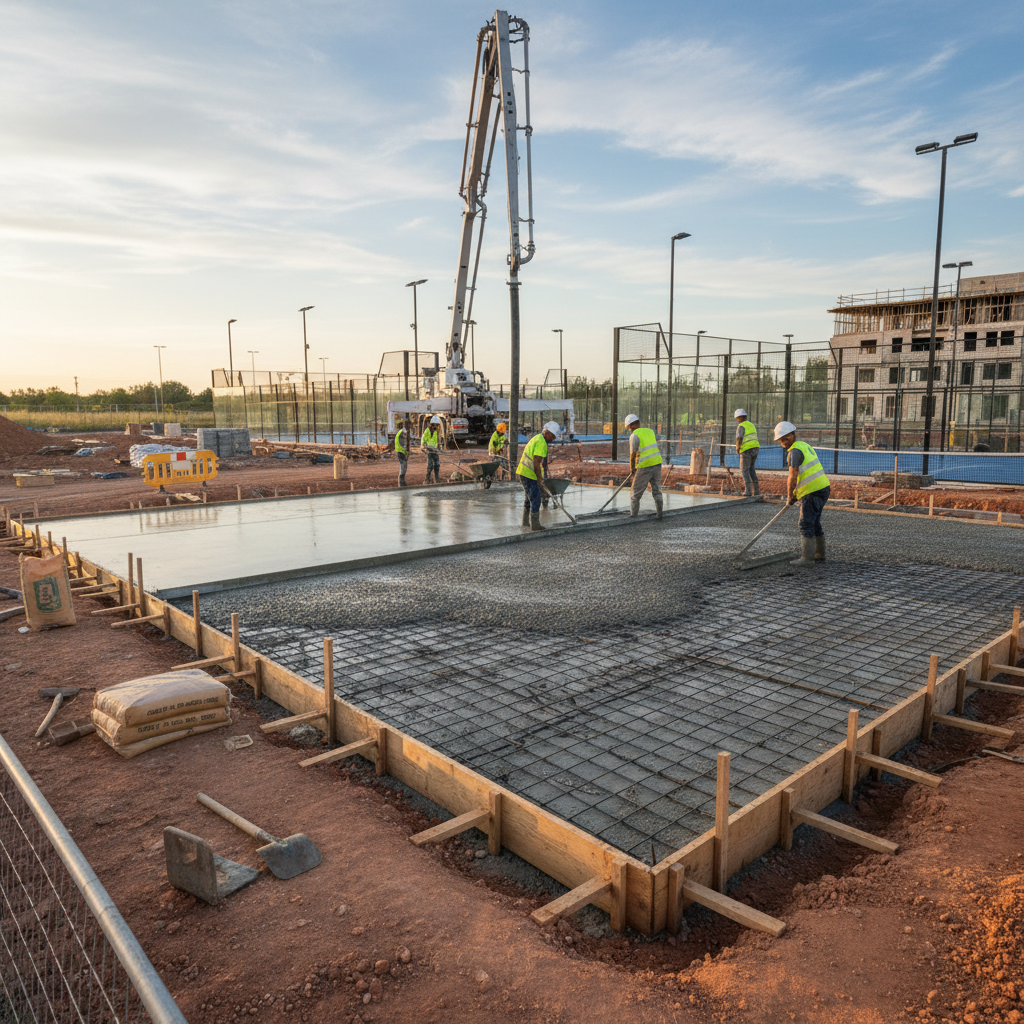
A reinforced concrete slab can increase the cost of a padel court by $5,000 to $12,000 depending on your local soil conditions. This foundation is essential for a perfectly flat playing surface and reliable ball bounce. You must ensure the base has a slight 1% slope to handle rainwater effectively.
A poor foundation leads to dead spots and potential glass tension issues. It is often the most critical part of the build that you cannot fix later.
Slab vs Ring Beam Considerations
The best part?
- Reinforced slabs provide a 20-year lifespan for your court.
- Ring beams are a budget-friendly alternative for very stable soil.
- Proper vapor barriers prevent moisture from damaging the turf adhesive.
Key Takeaway: Investing in a professional-grade foundation prevents future surface repairs and maintains consistent play quality.
| Foundation Type | Cost Level | Stability | Best Environment |
|---|---|---|---|
| Concrete Slab | High | Elite | All Locations |
| Ring Beam | Medium | Moderate | Stable, Dry Soil |
| Porous Asphalt | High | Excellent | Rainy Climates |
A solid base is the silent hero of a high-performance court that players will return to.
Why does turf choice drive the cost of a padel court?
Selecting high-density monofilament or texturized turf can adjust the cost of a padel court by 20% to 30% of the hardware price. Your choice of surface impacts ball speed, player safety, and how often you need to perform maintenance. You should consider the player level at your club when picking a grass type.
Modern texturized turf is the professional standard and requires much less sand infill. This keeps the court looking blue and vibrant for a longer period.
Surface Types and ROI Impact
Check this out:
- Texturized “curly” turf offers the most professional experience.
- Monofilament turf is highly durable and handles heavy use well.
- Fibrillated turf is a cost-effective option for recreational play.
Key Takeaway: Quality turf directly improves player satisfaction, leading to higher booking rates and better returns.
| Turf Type | Comfort Level | Maintenance | Expected Life |
|---|---|---|---|
| Texturized | Elite | Low | 8-10 Years |
| Monofilament | High | Medium | 7-8 Years |
| Fibrillated | Medium | High | 5 Years |
The right playing surface is the most tangible part of the investment for your club members.
Do lighting specs increase the cost of a padel court?
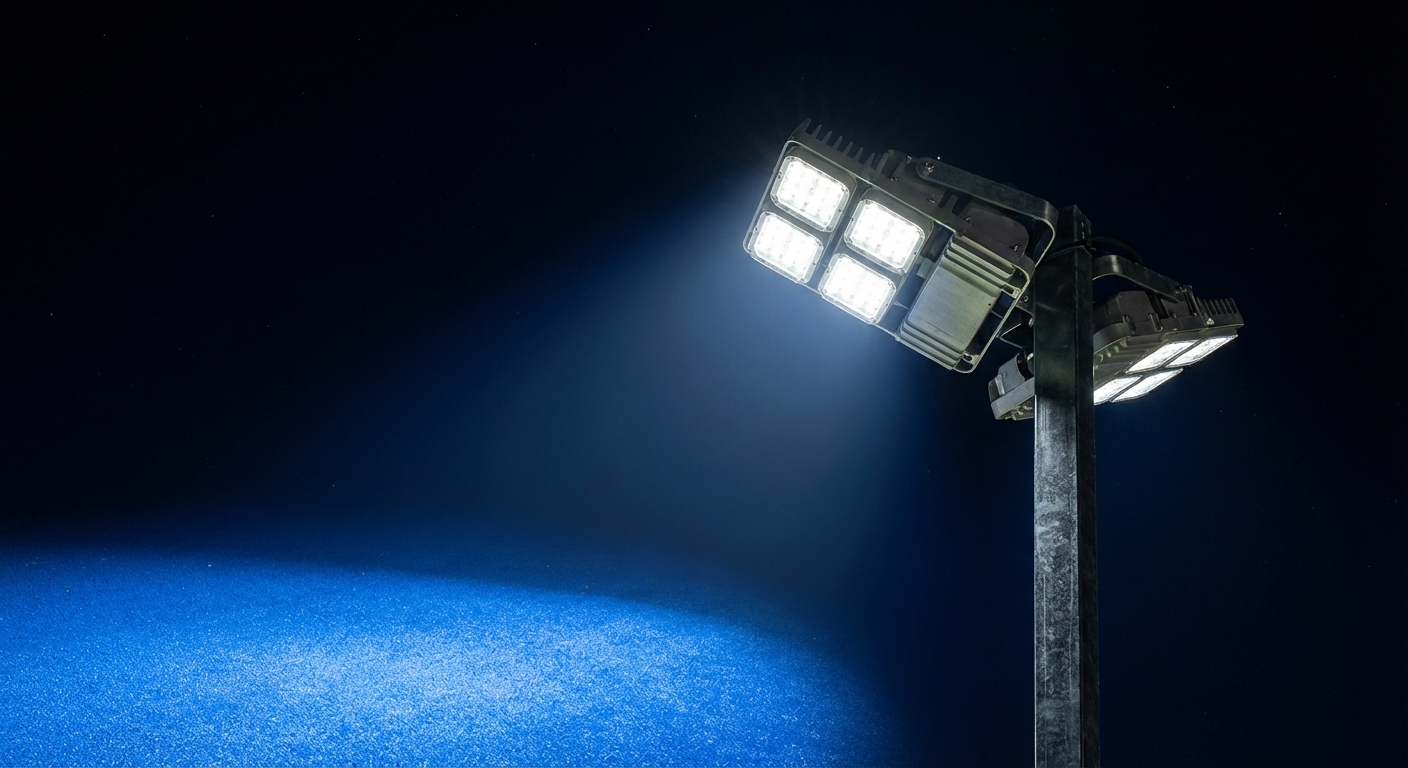
Upgrading to professional 200W or 300W LED systems will raise the initial cost of a padel court but significantly lowers your monthly electricity bills. High-efficiency lighting allows for night-time play, which is often the most profitable time for club owners. You should ensure the lighting is uniform to prevent shadows that distract players.
LEDs last longer than traditional halide lamps and require much less maintenance. This makes them the clear choice for any modern sports facility.
Professional Illumination Standards
Bottom line:
- 8 LED lamps per court provide shadow-free visibility.
- IP66 waterproof ratings are essential for outdoor floodlights.
- Energy-efficient bulbs pay for themselves in reduced utility costs.
Key Takeaway: High-quality lighting extends your usable hours into the evening, maximizing your revenue potential.
| Feature | Specification | User Benefit |
|---|---|---|
| Lighting Type | 200W-300W LED | Clear night visibility |
| Protection | IP66 Waterproof | Outdoor durability |
| Distribution | 8 Lamps per court | Shadow-free play |
Effective lighting transforms your court into a 24-hour revenue stream for your sports business.
What is the upkeep cost of a padel court annually?
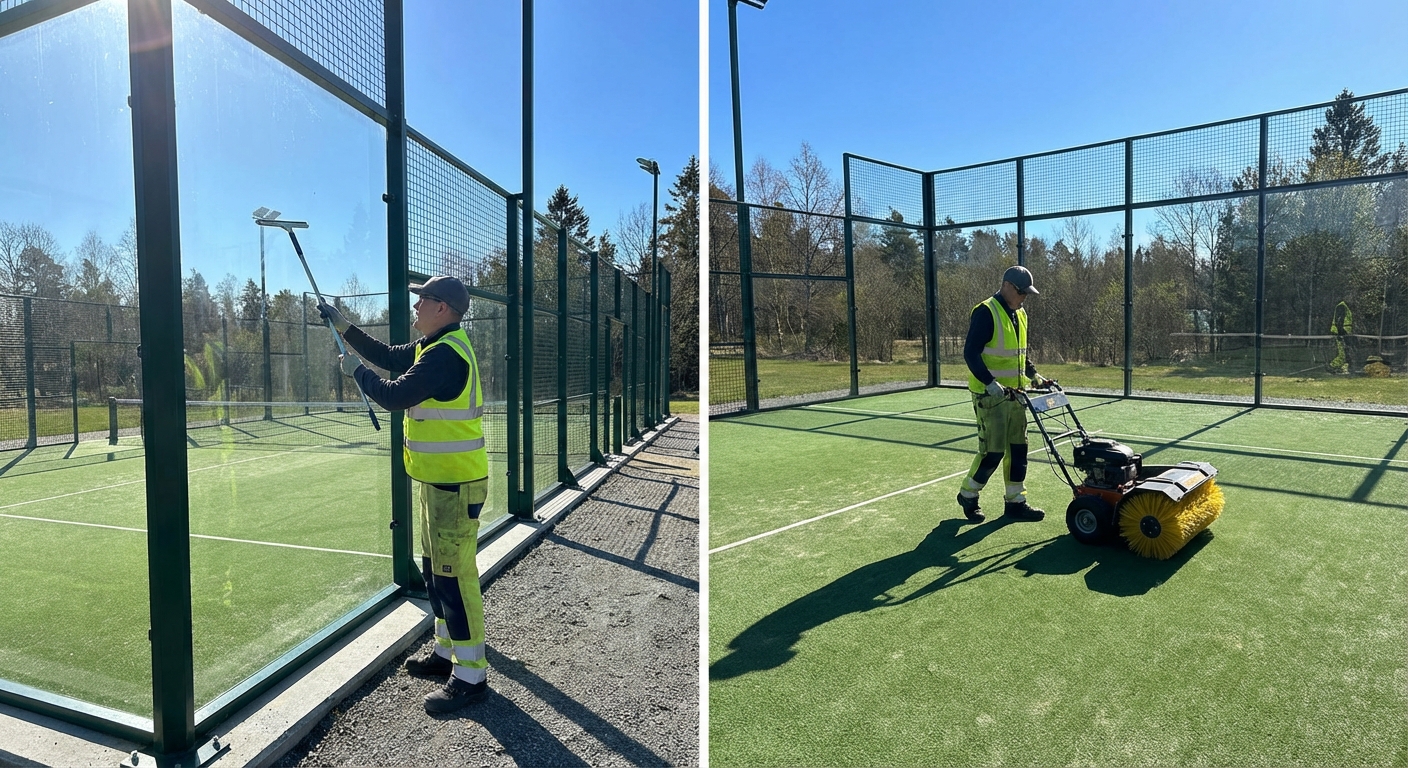
You should budget approximately $500 to $1,000 per year for the maintenance and cost of a padel court upkeep. Regular brushing and sand refilling are simple tasks that extend the life of your turf by several years. You can often perform these tasks yourself or train your staff to handle them.
Keeping the glass clear and the steel free of debris maintains the premium look of your facility. It also prevents dirt from clogging the drainage system during rain.
Routine Maintenance Tasks
It gets better:
- Brushing once a month keeps the turf fibers upright.
- Refilling silica sand once a year ensures even ball bounce.
- Checking bolt tension annually keeps the structure safe and quiet.
Key Takeaway: Minimal annual maintenance prevents the need for expensive structural repairs or early turf replacement.
| Task | Frequency | Estimated Cost |
|---|---|---|
| Turf Brushing | Monthly | $300 (Labor) |
| Sand Top-up | Annually | $200 |
| Glass Inspection | Bi-Annually | $100 |
A well-maintained court retains its value and keeps your players safe and happy.
Does location influence the initial cost of a padel court?
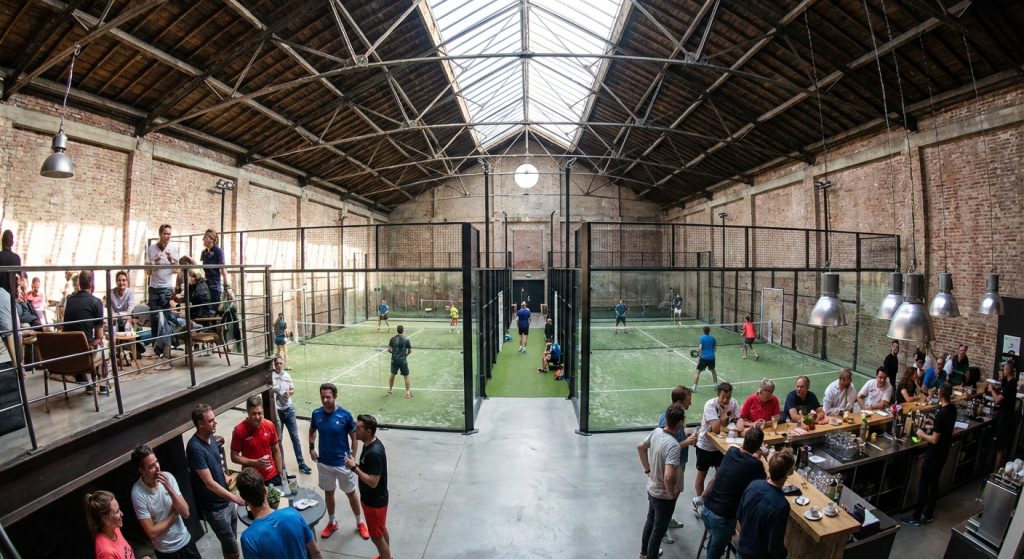
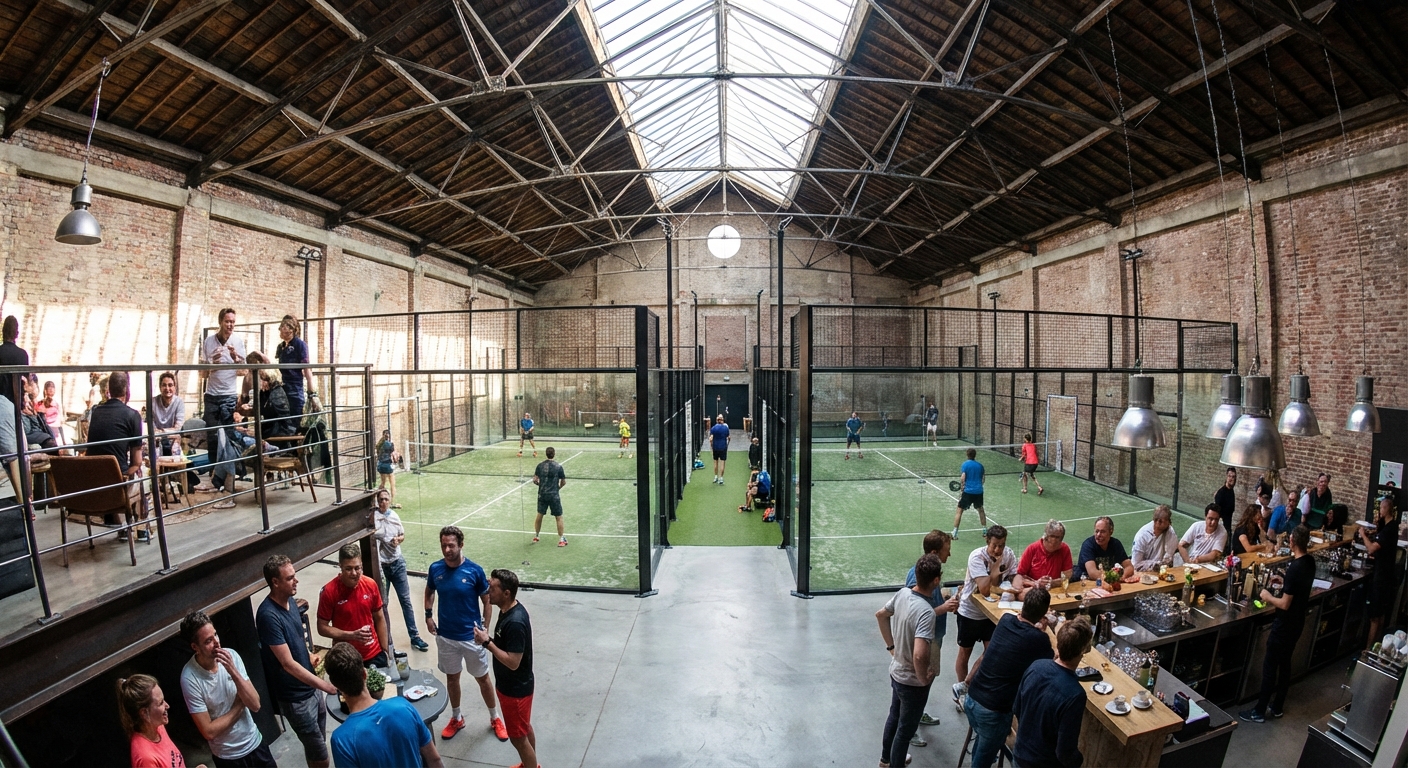
Building your facility indoors can raise the initial cost of a padel court project due to rent and ceiling heights, but it maximizes your utilization rate. Indoor courts are protected from all weather conditions, meaning you never lose revenue to rain, wind, or extreme heat. You also save on maintenance costs because the materials are not exposed to UV rays.
The social atmosphere of an indoor club can justify higher membership fees. You should consider the local climate when deciding between indoor and outdoor builds.
Indoor vs Outdoor Utilization
Imagine this:
- Indoor courts can be booked 365 days a year without weather risk.
- Outdoor courts offer a vibrant atmosphere but have seasonal downtime.
- Roofed courts provide a hybrid solution for moderate climates.
Key Takeaway: Indoor locations offer a more predictable ROI by ensuring consistent bookings regardless of the season.
| Factor | Outdoor Court | Indoor Court |
|---|---|---|
| Annual Play Time | ~2,000 Hours | ~3,500+ Hours |
| Weather Risk | High | Zero |
| Maintenance Need | Medium-High | Low |
Location choice is a strategic decision that affects both your costs and your long-term profit margins.
How do you lower the procurement cost of a padel court?
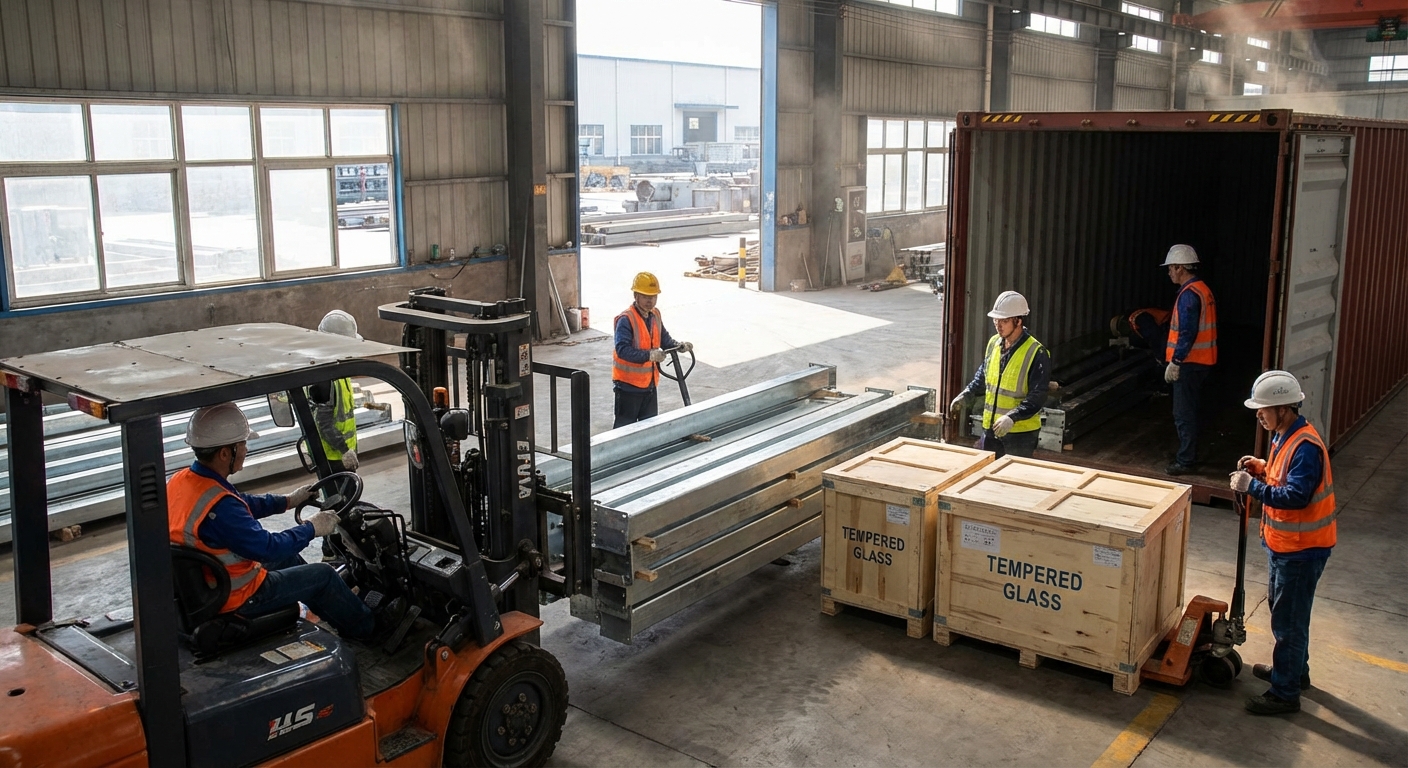
Buying directly from a factory is the most effective way to reduce the cost of a padel court by eliminating middleman markups. Professional manufacturers provide OEM services, allowing you to customize colors and logos without paying extra distributor fees. You should look for suppliers who handle the logistics and shipping directly to your port.
Direct sourcing also gives you a direct line to technical support and installation guidance. This ensures that any issues during the build are resolved quickly by the engineers.
Factory Direct Sourcing Benefits
Ready to start?
- No MOQ requirements allow you to test a single court first.
- Direct communication ensures your technical specs are met perfectly.
- Factory warranties provide peace of mind for your investment.
Key Takeaway: Eliminating the middleman is the fastest way to save up to 30% on your total procurement costs.
| Supplier Benefit | Business Value | Impact |
|---|---|---|
| Factory Price | No markup | High Savings |
| Customization | Build your brand | High ROI |
| Direct Support | Faster resolution | Low Risk |
Sourcing from a trusted manufacturer is the final step in launching a successful and profitable padel venture.
*
Building a world-class padel facility is a significant investment that requires careful planning and a deep understanding of the structural elements involved. By following this guide, you can navigate the complexities of pricing, materials, and construction to create a high-performance venue. Don’t let the mystery of pricing stop you from joining the world’s fastest-growing sport. We are here to help you turn your vision into a reality with factory-direct quality and professional expertise. Take the first step toward your sports business success and contact us today for a personalized quotation.
*
Padel Court Construction FAQ
Can I build a padel court in my own backyard?
Yes, as long as you have a flat space of at least 21m x 11m and the proper local permits for a permanent structure.
What is the best way to save on international shipping?
Ordering two courts at once usually fills a 40ft container perfectly, which significantly reduces the shipping cost per unit.
Can I install the court myself with a local crew?
Yes, our modular designs are made for straightforward assembly, and we provide detailed manuals and remote support to guide your team.
How long does a professional padel court last?
The galvanized steel frame is built to last 20 years, while the glass and turf typically need replacement after 8 to 10 years.
How quickly can I see a return on my investment?
Most commercial clubs with a 60% occupancy rate see a full return on their hardware costs within 12 to 24 months.