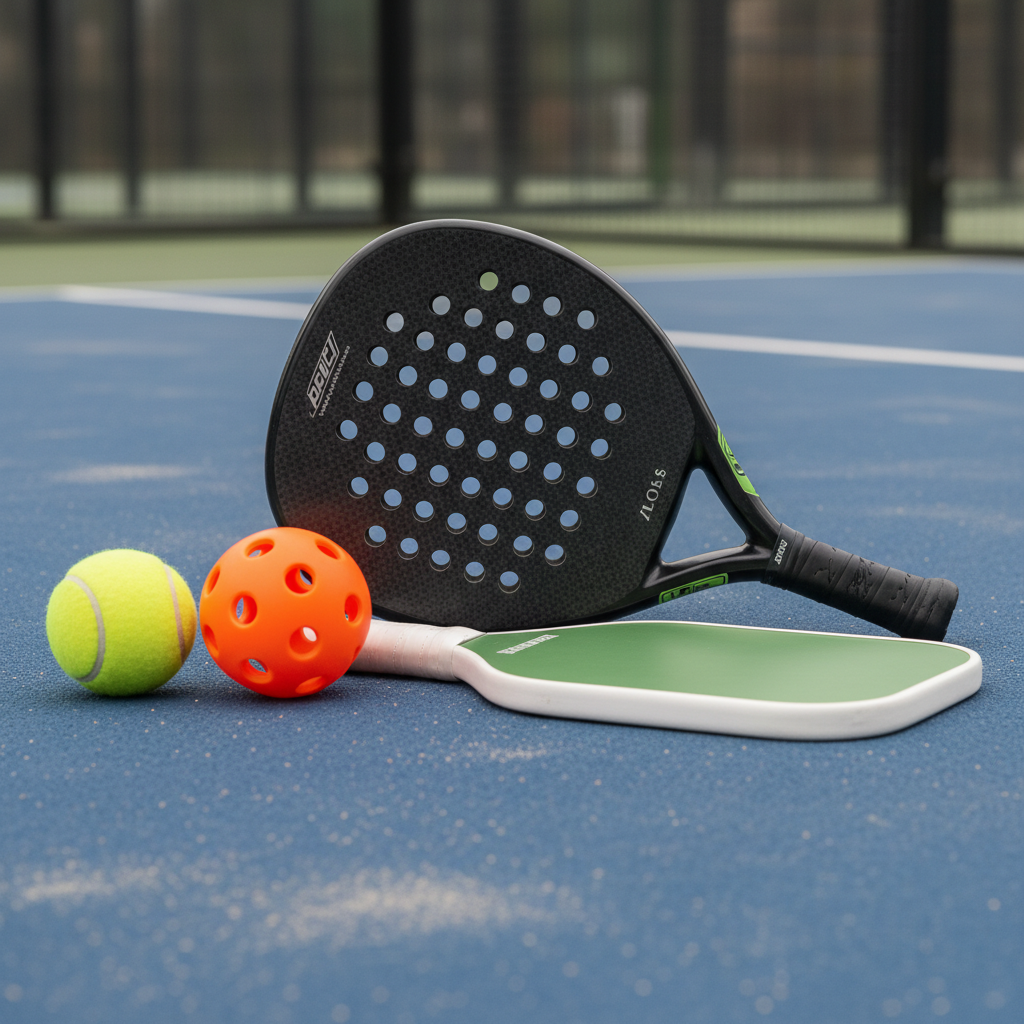
The core difference between pickleball and padel lies in the court architecture, where padel utilizes glass walls for rebound play while pickleball is played on an open, court-based layout. Many facility investors and club owners find themselves at a crossroads when choosing which sport to prioritize, often leading to significant capital being wasted on the wrong infrastructure. Building a facility that fails to meet local demand or technical standards can result in low utilization rates and poor long-term returns. This comprehensive guide clarifies the technical difference between pickleball and padel while providing a clear blueprint for high-performance construction.
Here is the bottom line:
What is the main difference between pickleball and padel?
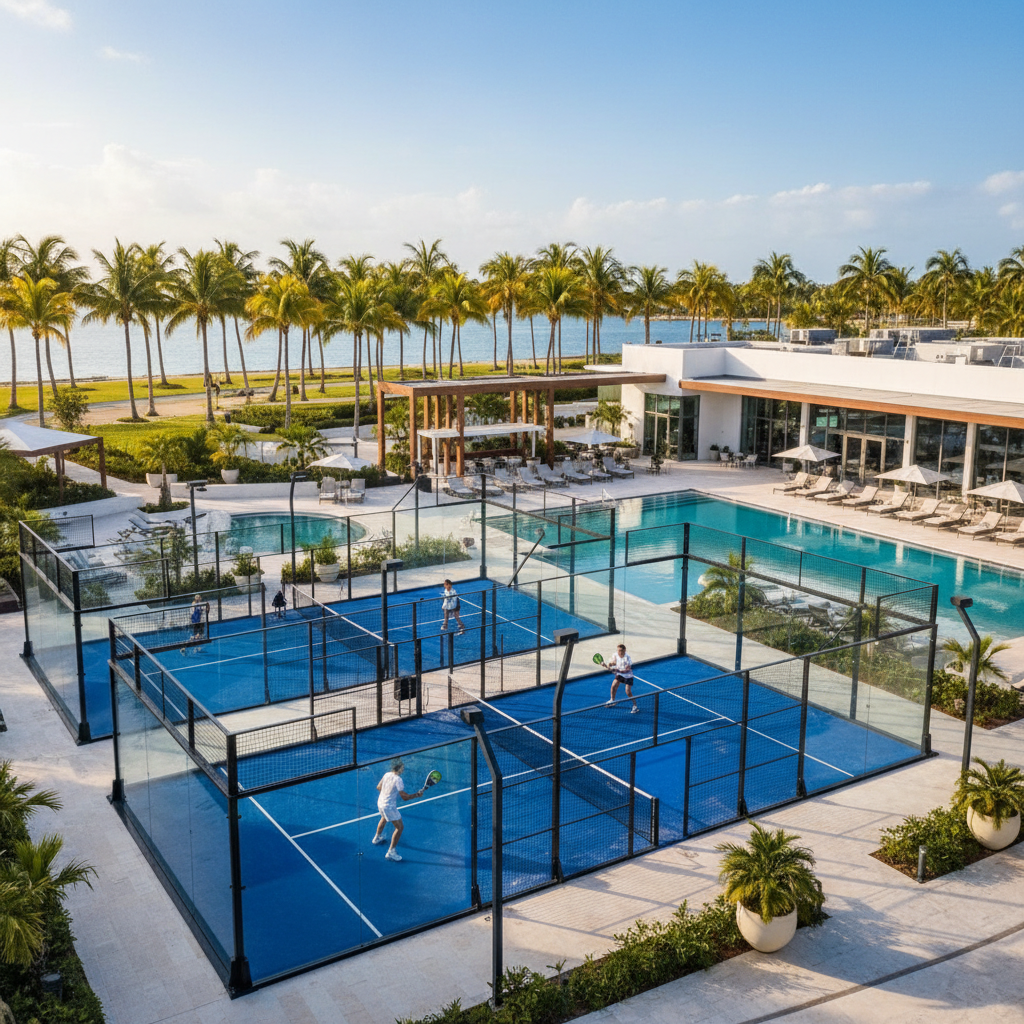
The most significant difference between pickleball and padel is the presence of a structural enclosure made of tempered glass and mesh walls in padel versus the open-air design of a pickleball court. Padel is essentially a hybrid of tennis and squash, allowing players to hit the ball off the walls to keep it in play. Pickleball, conversely, relies on a “non-volley zone” known as the kitchen to limit aggressive net play.
Is padel the same as paddle tennis?
- Padel: Originating in Mexico, it uses a 10x20m cage and solid, perforated rackets.
- Paddle Tennis: A U.S.-based variant played on a smaller court without walls, using a depressurized ball.
- The Key Distinction: While the names are phonetically similar, the gameplay mechanics involving wall rebounds are exclusive to padel.
Key Takeaways:
- Walls are the defining structural element of padel.
- Pickleball focuses on “dink” shots and kitchen strategy.
- Padel is almost exclusively played in a doubles format.
| Feature | Padel | Pickleball |
|---|---|---|
| Wall Usage | Essential for gameplay | No walls used |
| Court Type | Enclosed Cage | Open Surface |
| Player Count | Typically 2v2 | 1v1 or 2v2 |
This table highlights why the physical footprint and construction complexity differ so drastically between the two sports.
How do the origins of padel and pickleball differ?
The historical difference between pickleball and padel is rooted in their geographic and cultural origins, moving from high-society Mexico to backyard Washington state. Padel was invented in 1969 by Enrique Corcuera in Acapulco, who built walls around his home court to prevent balls from flying into his neighbor’s garden. Pickleball was born earlier, in 1965, when three fathers in the United States created a game using mismatched sports equipment to entertain their children.
Who invented these global racquet sports?
- Enrique Corcuera: The Mexican businessman credited with the birth of padel.
- Joel Pritchard & Friends: The American founders of pickleball on Bainbridge Island.
- Global Spread: Padel exploded first in Spain and Argentina, while pickleball is currently the fastest-growing sport in North America.
Key Takeaways:
- Padel was a solution for limited space and ball containment.
- Pickleball was designed as a family-friendly, low-barrier-to-entry game.
- Both sports have transitioned from niche hobbies to professional global industries.
| Origin Metric | Padel | Pickleball |
|---|---|---|
| Year Invented | 1969 | 1965 |
| Country of Origin | Mexico | USA |
| Primary Driver | Space efficiency / Ball containment | Family entertainment |
Understanding the history explains why each sport prioritizes different social and competitive atmospheres.
What are the key differences in court dimensions?
A primary difference between pickleball and padel lies in the total surface area and height requirements, with padel demanding a much larger and more complex footprint. A standard padel court measures 10 meters wide by 20 meters long, enclosed by 3-meter high glass walls. A pickleball court is significantly smaller, measuring 20 feet by 44 feet, which is the same size as a double badminton court.
Why does padel require an enclosed cage structure?
- Ball Rebounds: The 12mm glass walls are a tactical part of the game, allowing for complex defensive plays.
- Safety: The enclosure keeps high-velocity balls within the playing area, allowing for multiple courts to be placed closely together.
- Structural Integrity: The cage must withstand high-impact collisions from players and the constant vibration of the ball.
What is the “Kitchen” in a pickleball layout?
- Non-Volley Zone: A 7-foot area on both sides of the net where players cannot hit the ball in the air.
- Strategic Depth: This zone prevents players from standing at the net and “smashing” every return.
- Construction: The kitchen line must be painted with high-precision anti-slip court paint.
Key Takeaways:
- Padel courts are nearly double the size of pickleball courts.
- Vertical space is irrelevant for pickleball but critical for padel.
- Pickleball courts can often be converted from existing tennis courts more easily.
| Dimension | Padel Court | Pickleball Court |
|---|---|---|
| Total Area | 200 Square Meters | ~81 Square Meters |
| Enclosure | 3m-4m Glass/Mesh | None (or low fence) |
| Net Height | 88cm (center) | 34 inches (center) |
This structural variance dictates the foundational requirements and total cost of any facility development.
How do the equipment and gear vary between sports?
The technical difference between pickleball and padel gear is most visible in the racket design, where padel uses a thick, perforated “pala” compared to the flat paddle of pickleball. Padel rackets are usually made of carbon fiber or fiberglass with an EVA foam core and feature no strings. Pickleball paddles are thinner, typically featuring a honeycomb core made of polymer, aluminum, or Nomex.
What is a padel “pala” made of?
- Carbon Fiber: Provides the stiffness and durability needed for high-speed wall play.
- EVA Foam: Absorbs shock and provides the “pop” required for various shot types.
- Perforations: Holes are drilled into the face to reduce air resistance and weight.
Why do pickleballs have holes?
- Aerodynamics: The holes create drag, slowing the ball down to make the game more accessible.
- Material: Made of lightweight, durable plastic (Wiffle ball style).
- Outdoor vs. Indoor: Outdoor balls have more, smaller holes to resist wind interference.
Key Takeaways:
- Padel balls are pressurized, similar to tennis balls but with less bounce.
- Pickleball paddles are significantly lighter than padel palas.
- Equipment for both sports is rapidly evolving with advanced aerospace materials.
| Equipment | Padel | Pickleball |
|---|---|---|
| Racket Name | Pala | Paddle |
| Core Material | EVA Foam | Polymer Honeycomb |
| Ball Type | Pressurized Rubber | Perforated Plastic |
Gear choices significantly impact the speed of the game and the physical strain on the players’ joints.
What are the unique scoring and gameplay rules?
Strategic difference between pickleball and padel competition is defined by how points are tallied and where players are allowed to stand. Padel follows the traditional tennis scoring system (15, 30, 40, Game) and is played in sets. Pickleball uses “side-out” scoring, meaning only the serving team can score points, and games are typically played to 11 points.

Can you play the ball off the walls in pickleball?
- No Walls: Pickleball has no enclosure, so any ball that leaves the court perimeter is considered out.
- Bounce Rules: The ball must bounce once on each side before any volleys are allowed (Double Bounce Rule).
- The Kitchen: Players must stay out of the non-volley zone unless the ball has already bounced within it.
Key Takeaways:
- Padel scoring is faster and more familiar to tennis players.
- Pickleball scoring requires constant verbal tracking (e.g., “4-2-1”).
- Padel allows for spectacular “out of court” plays through side doors.
| Rule Set | Padel | Pickleball |
|---|---|---|
| Scoring Style | Tennis (15-30-40) | Side-out (Only server scores) |
| Serve Style | Underhand (below waist) | Underhand (below navel) |
| Winning Score | Best of 3 sets | First to 11 points |
These rules create a different psychological flow, with padel feeling more like a continuous battle and pickleball feeling like a tactical chess match.
Which sport is easier for beginners to master?
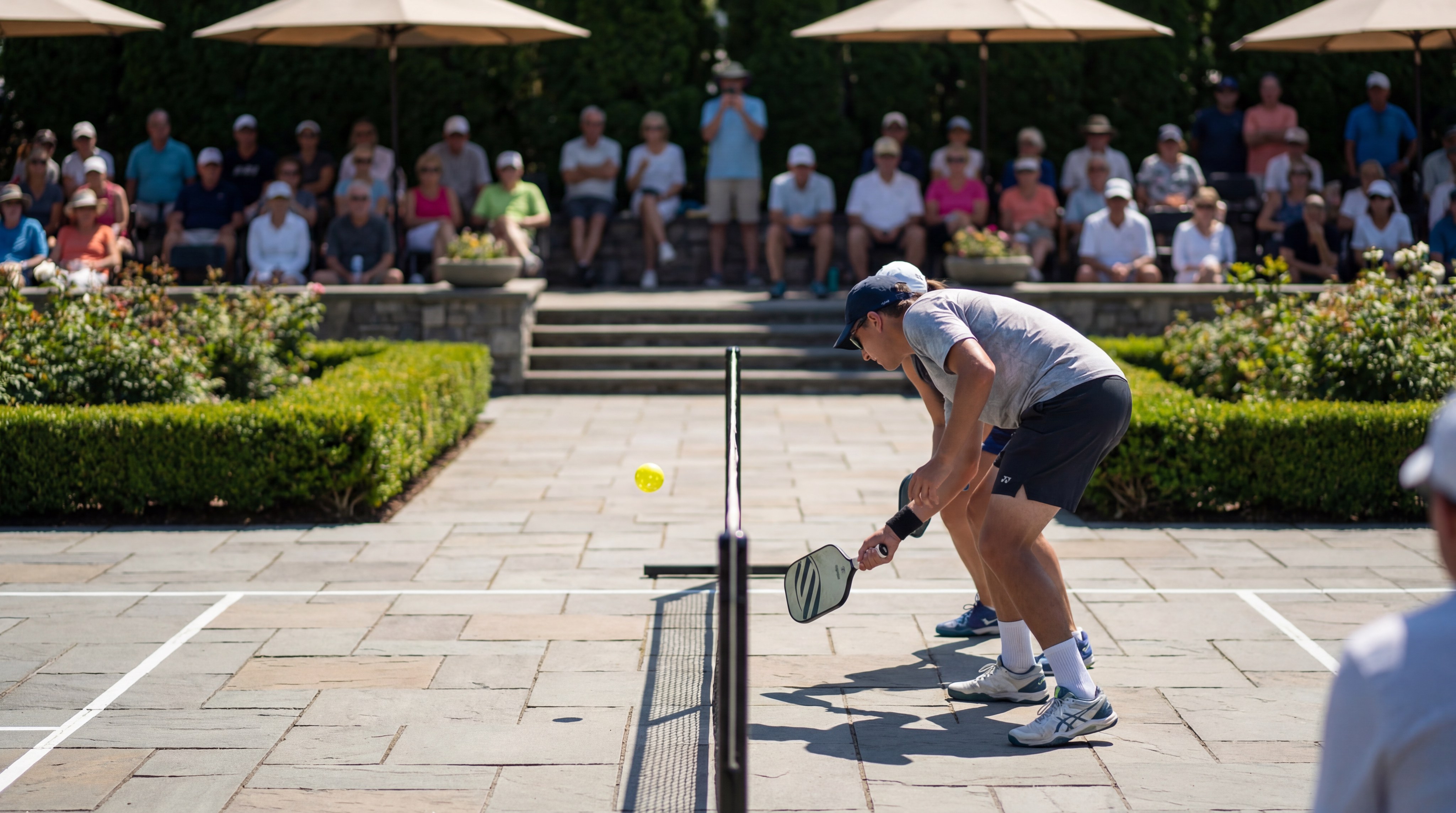
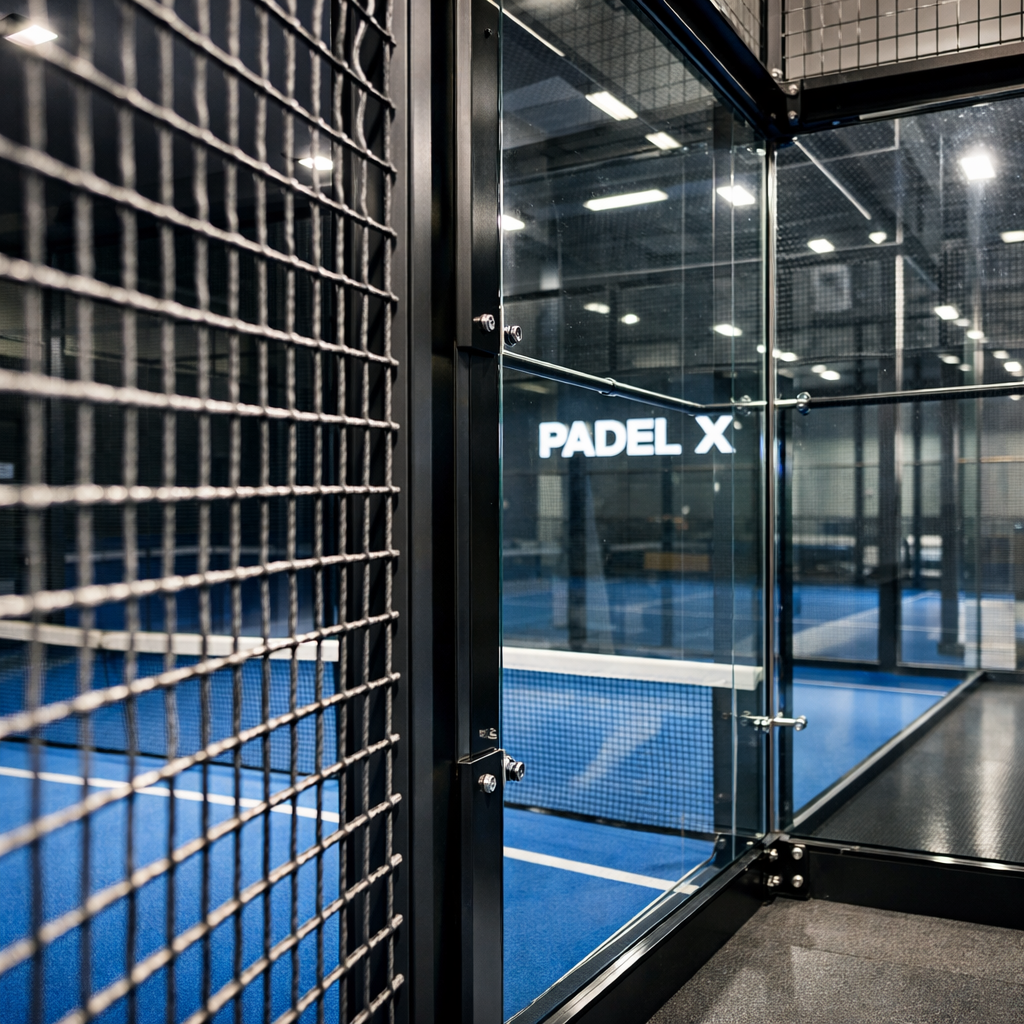
When analyzing the difference between pickleball and padel for new players, pickleball generally offers a shorter learning curve due to its slower ball speed. Because the pickleball court is small and the ball is plastic, beginners can sustain rallies within minutes of picking up a paddle. Padel is also beginner-friendly compared to tennis, but the addition of wall rebounds adds a layer of geometric complexity that takes time to anticipate.
Why is pickleball’s growth outpacing traditional tennis?
- Low Impact: The smaller court requires less sprinting, making it accessible for seniors.
- Social Nature: Players are physically close to each other, encouraging mid-game conversation.
- Affordability: Entry-level paddles are inexpensive compared to high-tech padel palas.
Key Takeaways:
- Pickleball is the “gateway” sport for many non-athletes.
- Padel attracts those looking for a more “extreme” and high-energy social experience.
- Both sports have high retention rates due to their communal nature.
| Learning Metric | Padel | Pickleball |
|---|---|---|
| Initial Difficulty | Moderate (Wall physics) | Very Low |
| Physical Intensity | High | Low to Moderate |
| Social Interaction | High (Doubles focus) | Extremely High |
The ease of entry is a major factor for club owners when deciding which sport will attract the most members.
How do you build a professional-grade padel court?
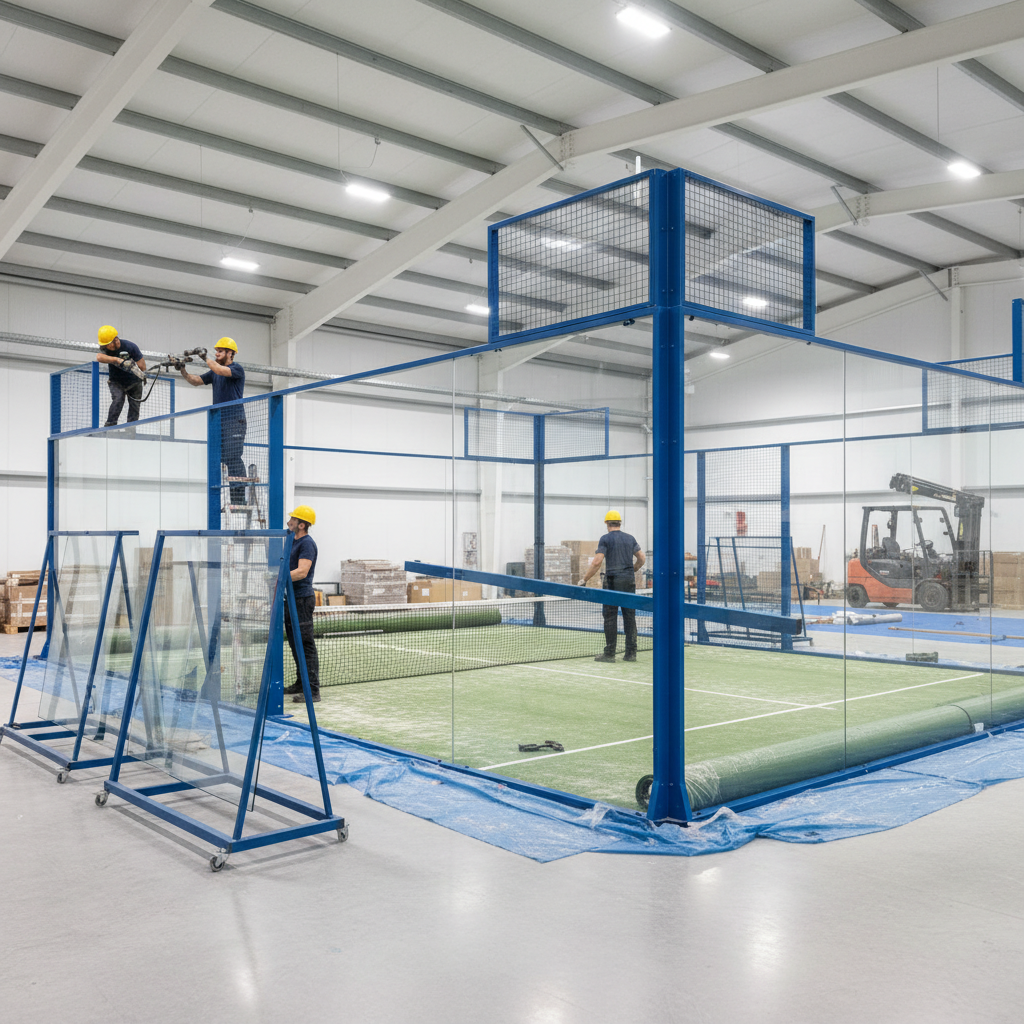
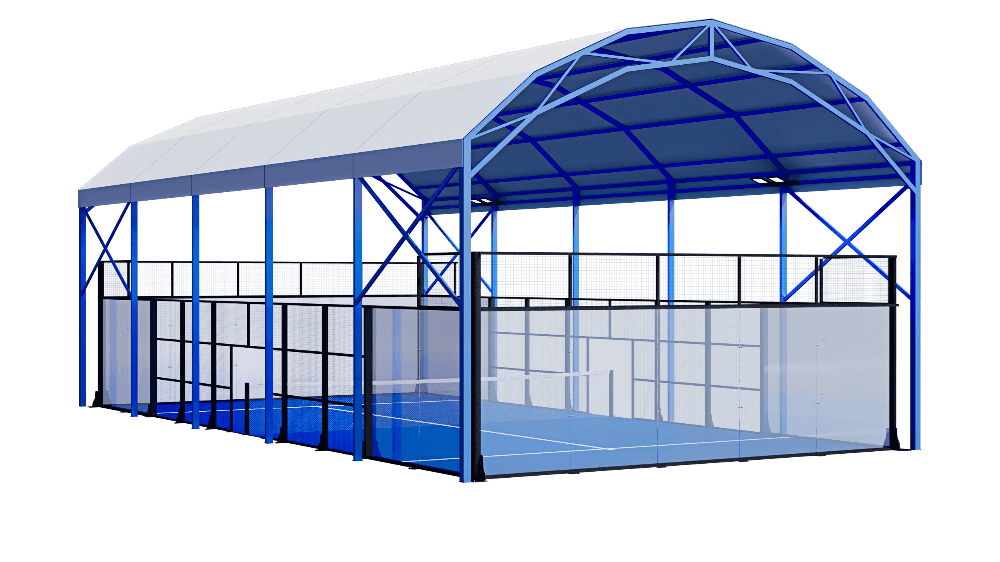
The technical difference between pickleball and padel construction is centered on the requirement for a reinforced concrete ring beam and heavy-duty steel framing. Unlike pickleball, which can be installed on a standard asphalt slab, a padel court requires precision-engineered 12mm glass panels that weigh several hundred pounds each. The structure must be perfectly level to ensure consistent ball bounce off the walls and to prevent glass breakage.
Think about it: a single mistake in the foundation can lead to a shattered panoramic wall.
Can padel courts be customized with branding?
- OEM Services: High-quality manufacturers like SuperbPadel allow for custom RAL colors on the steel frame.
- Logo Integration: You can laser-cut club logos into the mesh or print them directly onto the turf.
- Modular Design: Professional courts are designed for rapid assembly, often taking only 3-4 days to install on a prepared base.
Key Takeaways:
- Padel construction is a specialized engineering task.
- Foundations must be thicker to support the weight of the glass.
- Proper drainage is essential for outdoor panoramic courts.
| Construction Phase | Padel Requirements | Pickleball Requirements |
|---|---|---|
| Foundation | Reinforced 20cm concrete | 10cm Asphalt or Concrete |
| Installation Time | 4-7 Days | 1-2 Days |
| Specialty Labor | Glass & Steel specialists | Surface coating experts |
A professional build ensures the safety of your players and the longevity of your investment.
What materials are essential for quality court construction?
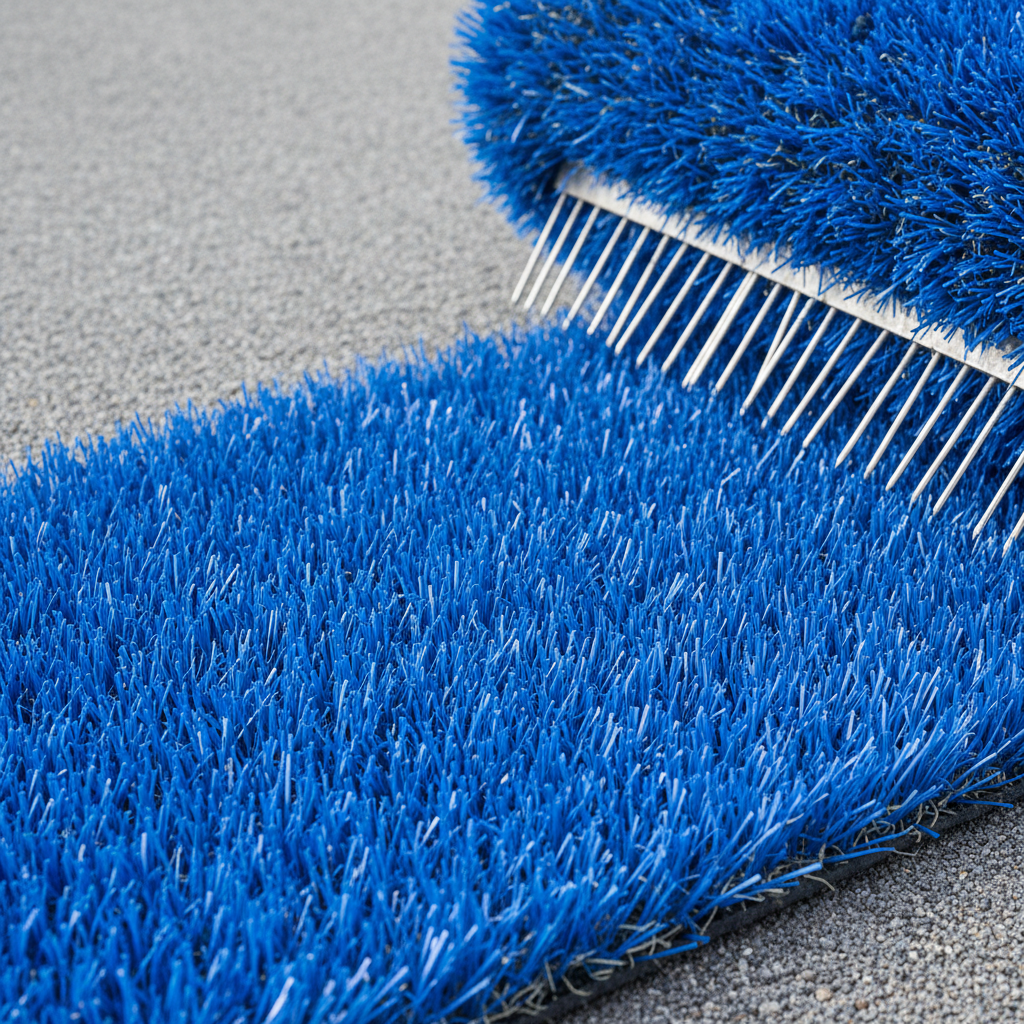
Selecting the right materials highlights the difference between pickleball and padel maintenance requirements and player experience. For padel, the gold standard is professional Padel Grass which uses fibrillated or monofilament fibers designed for sand infill. For the walls, Padel Safety Glass must be 12mm tempered anti-explosion glass to meet international safety standards.
What type of turf is best for high-performance padel?
- Fibrillated Grass: Better for holding sand in place and providing a consistent slide.
- Monofilament Grass: Offers a more aesthetic look and higher durability for heavy-use clubs.
- Color Choice: While blue is the World Padel Tour standard, green and red are popular for residential builds.
Why is 12mm anti-explosion glass the industry standard?
- Impact Resistance: Players often crash into the walls during intense rallies; thinner glass will shatter.
- Ball Response: 12mm glass provides a truer, more energetic bounce than 10mm alternatives.
- Liability: Using certified safety glass is a mandatory requirement for commercial insurance.
Key Takeaways:
- Never compromise on glass thickness for commercial facilities.
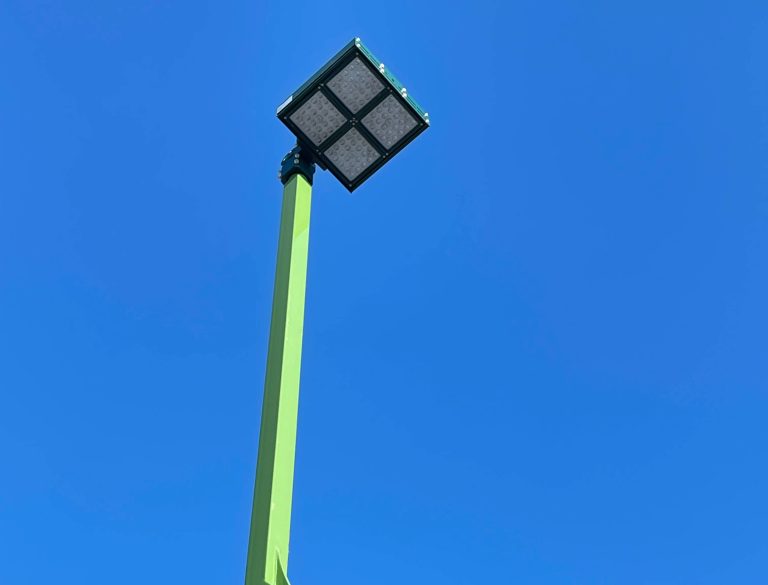
- High-quality LED lighting (300-500 lux) is essential for night play.
- UV-resistant turf prevents fading and fiber degradation in outdoor settings.
| Material | Standard Specification | Purpose |
|---|---|---|
| Steel Frame | Hot-dip Galvanized | Rust prevention |
| Glass | 12mm Tempered | Player safety & bounce |
| Turf | 12mm-15mm PE | Joint protection |
Quality materials are the difference between a court that lasts 2 years and one that lasts 20.
What is the estimated cost of building these facilities?
Budgeting reveals a significant difference between pickleball and padel initial capital expenditure, with padel costing three to four times more per court. A standard pickleball court might cost between $15,000 and $25,000, whereas a professional padel court ranges from $35,000 to $60,000 depending on the model.
Here is the kicker: you can often recoup the costs faster with padel due to higher rental premiums.
How can you save 30% by buying directly from a manufacturer?
- Eliminate Middlemen: Buying Standard Padel Courts directly from the factory cuts out distributor markups.
- Bulk Shipping: Ordering multiple courts at once significantly reduces the per-unit logistics cost.
- OEM Branding: Get factory-direct customization without the boutique agency fees.
Key Takeaways:
- Padel is a “premium” sport with higher booking fees.
- Pickleball allows for higher density, fitting more courts in the same area.
- Maintenance for padel (sand brushing) is slightly more labor-intensive than pickleball.
| Cost Element | Padel Court | Pickleball Court |
|---|---|---|
| Base Price | $25,000 – $40,000 | $5,000 – $15,000 |
| Shipping/Duty | High (Glass/Steel weight) | Low |
| ROI Potential | High Premium per hour | High Volume of players |
While the initial cost is higher, padel courts often become the centerpiece of high-end sports clubs.
How do you choose between building padel or pickleball?
Deciding based on the difference between pickleball and padel ROI involves analyzing your local demographics and available land area. If you are targeting a younger, tech-savvy urban demographic, padel is often the better choice for its “cool factor” and social media appeal. For residential communities or facilities with limited budgets, pickleball offers an immediate way to activate a space with minimal construction.
Which court type offers better long-term revenue for clubs?
- Panoramic Retention: Comparing Panoramic vs. Standard Court ROI, panoramic courts attract more spectators and tournament finals.
- Player Density: You can fit four pickleball courts in the space of one tennis court, maximizing the number of paying members.
- Weather Resilience: Roofed padel courts ensure revenue continues through rain or snow, unlike open-air pickleball.
Key Takeaways:
- Padel is a lifestyle choice; pickleball is a community choice.
- Panoramic courts are better for social media and marketing.
- Diversifying with both sports is the safest strategy for large facilities.
| Decision Factor | Build Padel If… | Build Pickleball If… |
|---|---|---|
| Budget | You have $50k+ per court | You have <$20k per court |
| Audience | Socialites, Tennis Pros, VIPs | Seniors, Families, Beginners |
| Space | You have 200m² per court | You have 80m² per court |
Choosing the right sport is about matching the facility to the community’s pulse.
Whether you are looking to install a single backyard court or develop a multi-court commercial complex, understanding the technical and financial nuances of these sports is vital. Padel offers a high-end, strategic experience that commands premium pricing, while pickleball provides unparalleled accessibility and rapid community growth. By focusing on quality materials and professional installation, you ensure your facility stands out in an increasingly competitive market. To get started on your facility design or to receive a factory-direct quote on the latest panoramic court technology, contact us today and let our expert analysts guide your project to success.
FAQ
Can I convert my existing tennis court into padel courts?
Yes, you can typically fit three padel courts within the footprint of one standard tennis court, though you will need to reinforce the concrete base to support the glass walls.
What’s the best surface for an outdoor pickleball court?
The best surface is a multi-layered acrylic coating over a concrete or asphalt base, providing the necessary grit for ball response and player traction.
How do I know if my area prefers padel or pickleball?
Analyze local club memberships; if there is a strong tennis or squash culture, padel will likely thrive, whereas retirement communities and schools often lean toward pickleball.
Can I install a padel court on a rooftop?
Yes, but you must consult a structural engineer to ensure the building can handle the significant dead load of the glass walls and the live load of active play.
How often do I need to replace the turf on a padel court?
High-quality monofilament turf typically lasts between 5 to 8 years in a high-traffic commercial club before it requires professional replacement.