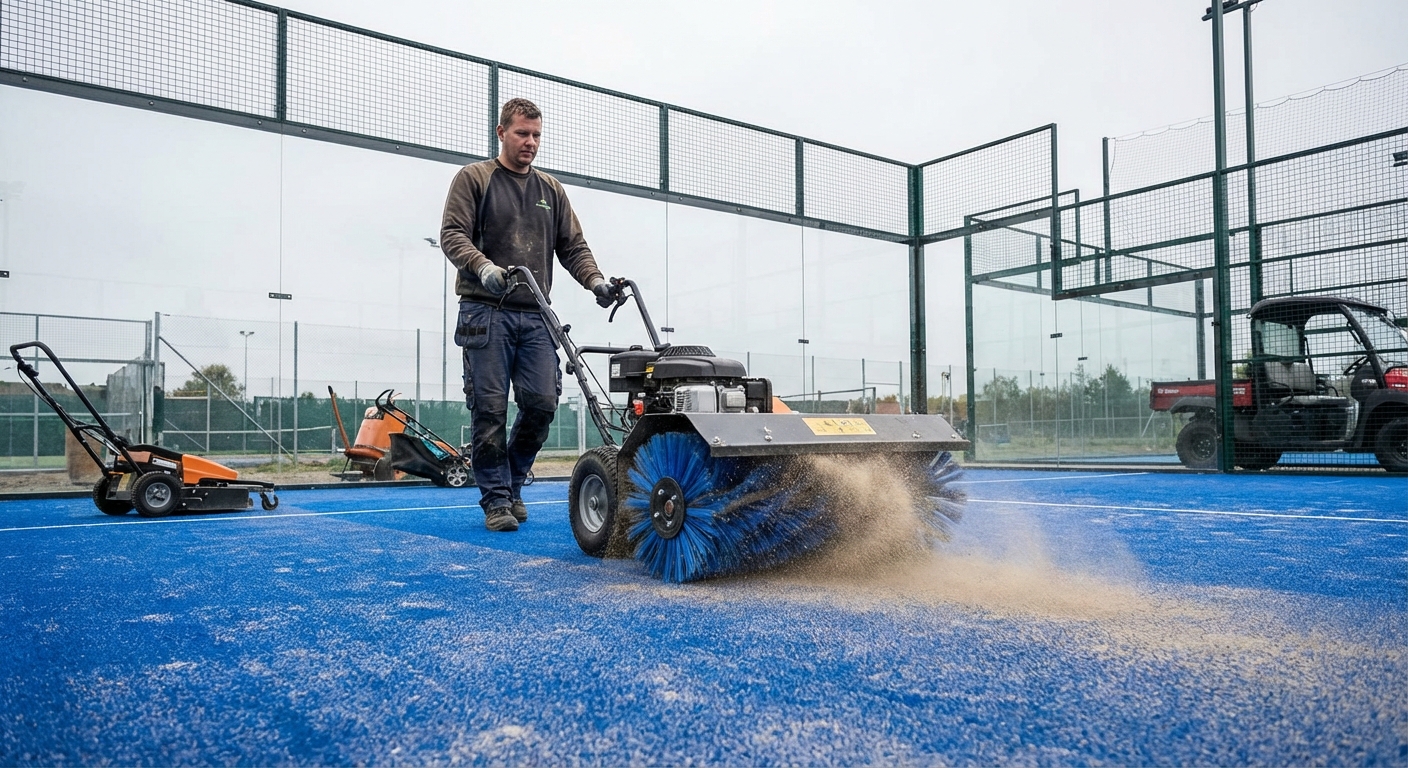
What are the top padel court manufacturers for your project?
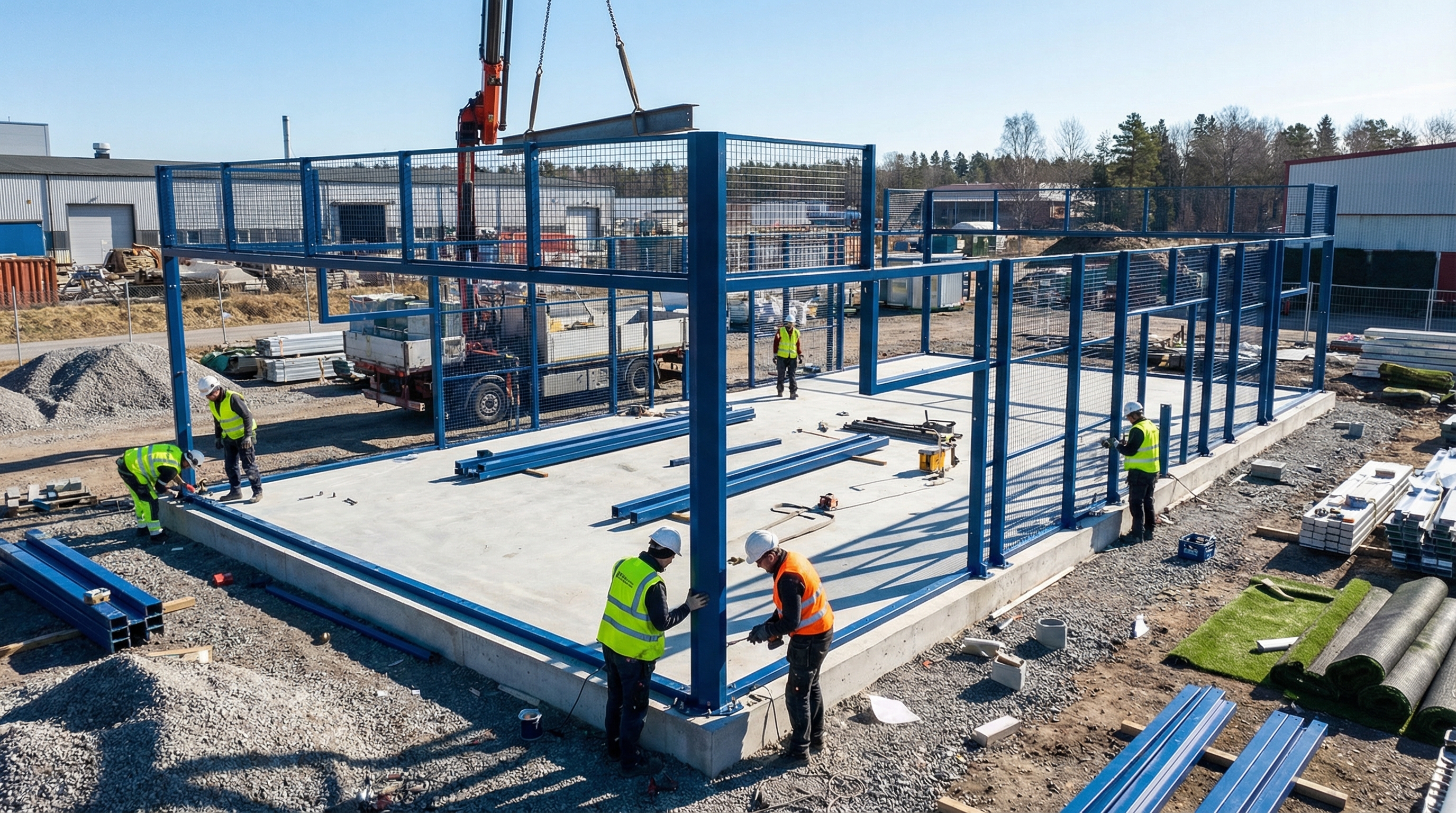
Leading padel court manufacturers provide comprehensive kits that include galvanized steel structures, tempered glass, and professional-grade artificial turf. You should look for partners with a proven track record in turnkey installations and international certifications. These companies manage everything from initial site surveys to the final assembly of the court components.
Evaluating supplier reputations
Selecting a supplier requires reviewing their previous installations and the quality of their hardware. You want to ensure they use materials that can withstand local weather conditions and high-intensity play.
Key Takeaway: Choosing the right manufacturer is the foundation of a successful, long-term sports facility investment.
| Feature | Importance | Benefit |
|---|---|---|
| Global Track Record | High | Ensures reliability and proven engineering. |
| Material Quality | Critical | Increases the lifespan of the facility. |
| Turnkey Service | Moderate | Simplifies the project management process. |
Selecting an experienced partner reduces the risk of structural failures and ensures your court meets all official regulations.
How do padel court manufacturers design professional courts?
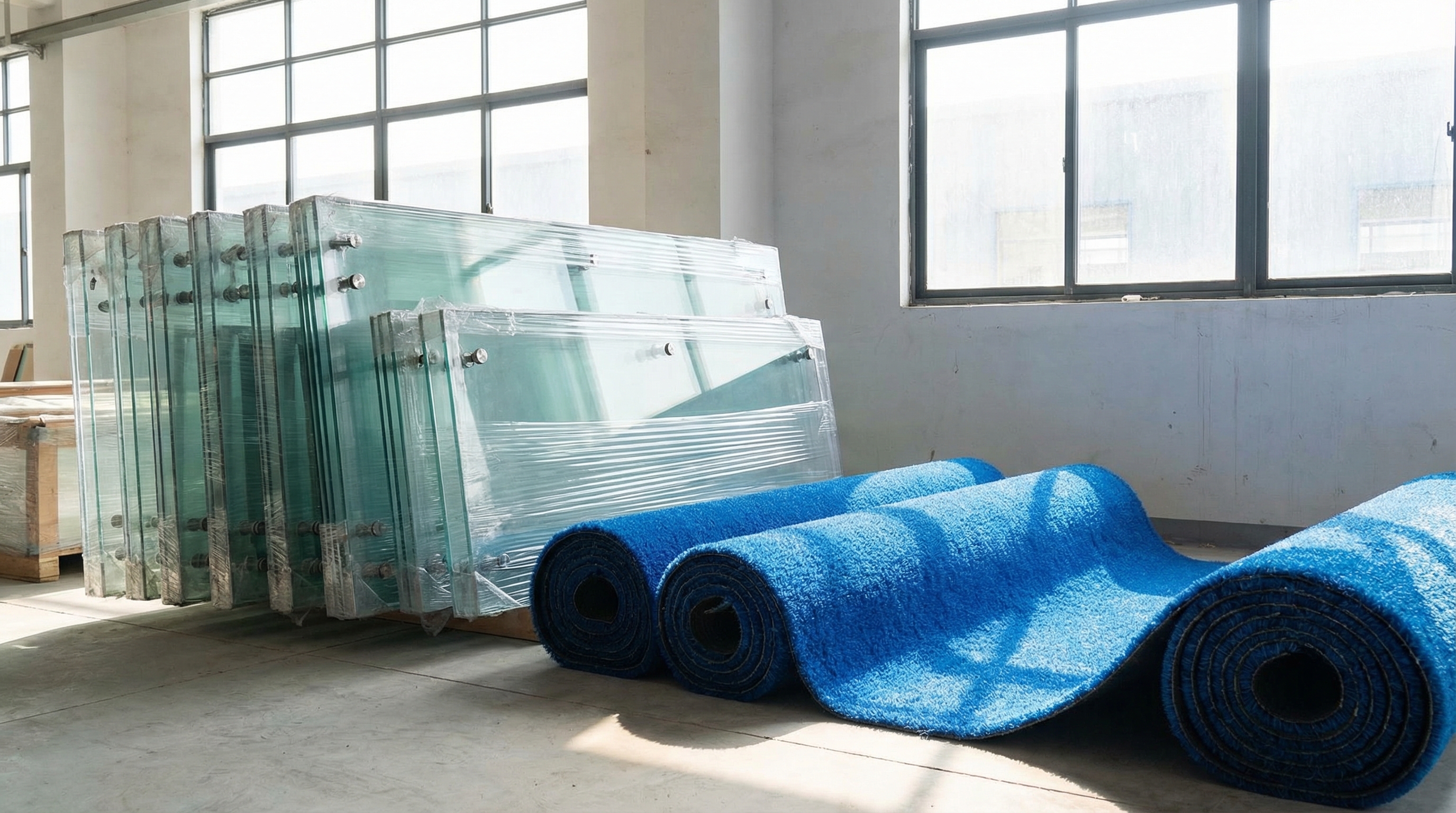
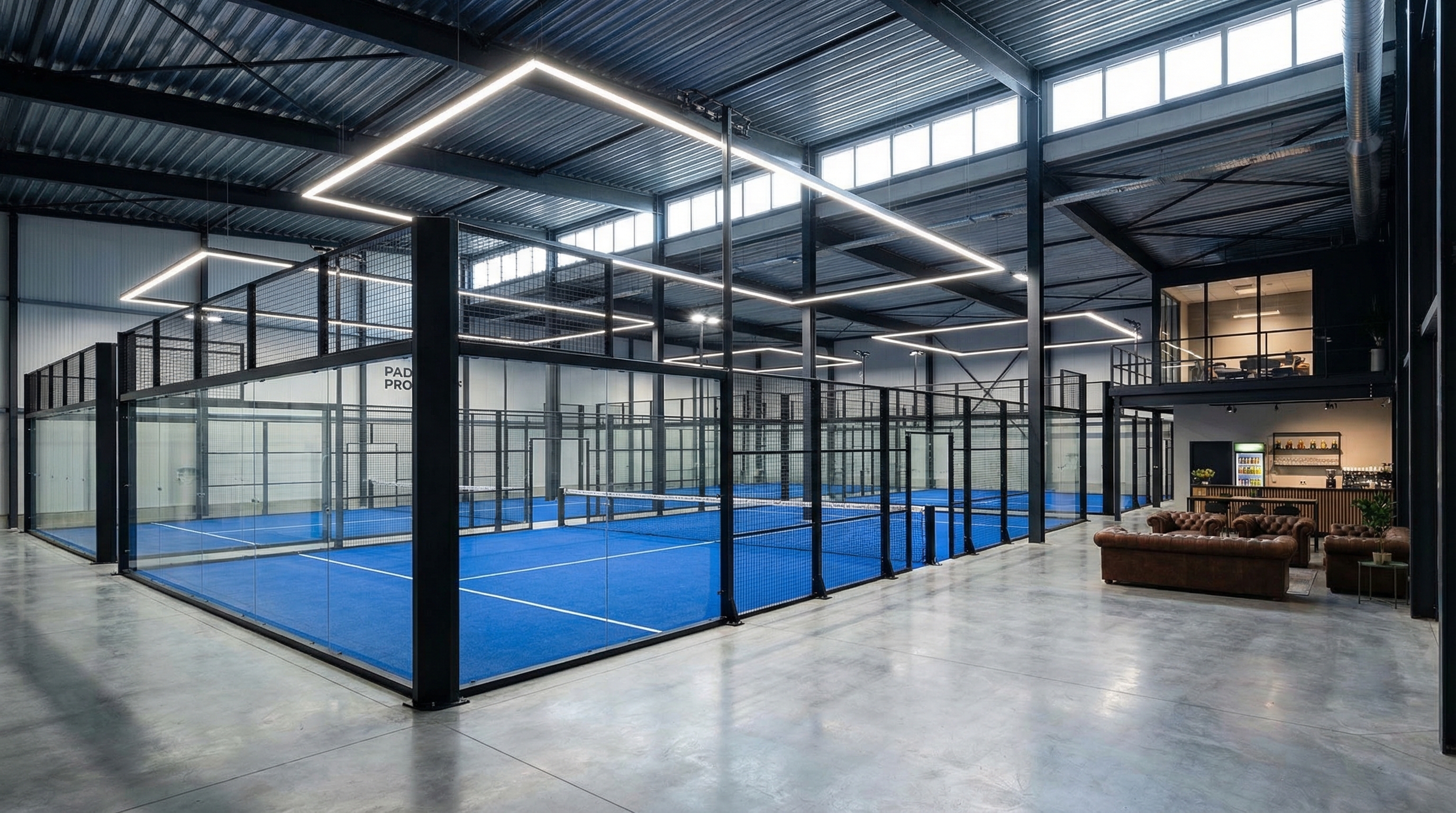
Professional padel court manufacturers utilize CAD software to create precise structural layouts that account for wind loads and soil stability. They focus on modular designs that allow for efficient transportation and rapid on-site assembly. The design phase is where the specific needs of your location are integrated into the final blueprint.
Utilizing 3D modeling tools
Modern design techniques allow you to visualize the finished product before any ground is broken. This ensures that every element, from the net posts to the lighting columns, is perfectly placed.
Key Takeaway: Advanced design protocols minimize errors during the physical construction phase and optimize material usage.
| Design Element | Focus Area | Goal |
|---|---|---|
| Structural Integrity | Steel Frame | Safety and stability under pressure. |
| Aesthetic Layout | Glass & Turf | Visual appeal for players and fans. |
| Space Optimization | Footprint | Efficient use of the available land. |
Precision in the digital design phase leads to a seamless installation process once the components arrive at your site.
Why should you trust professional padel court manufacturers?
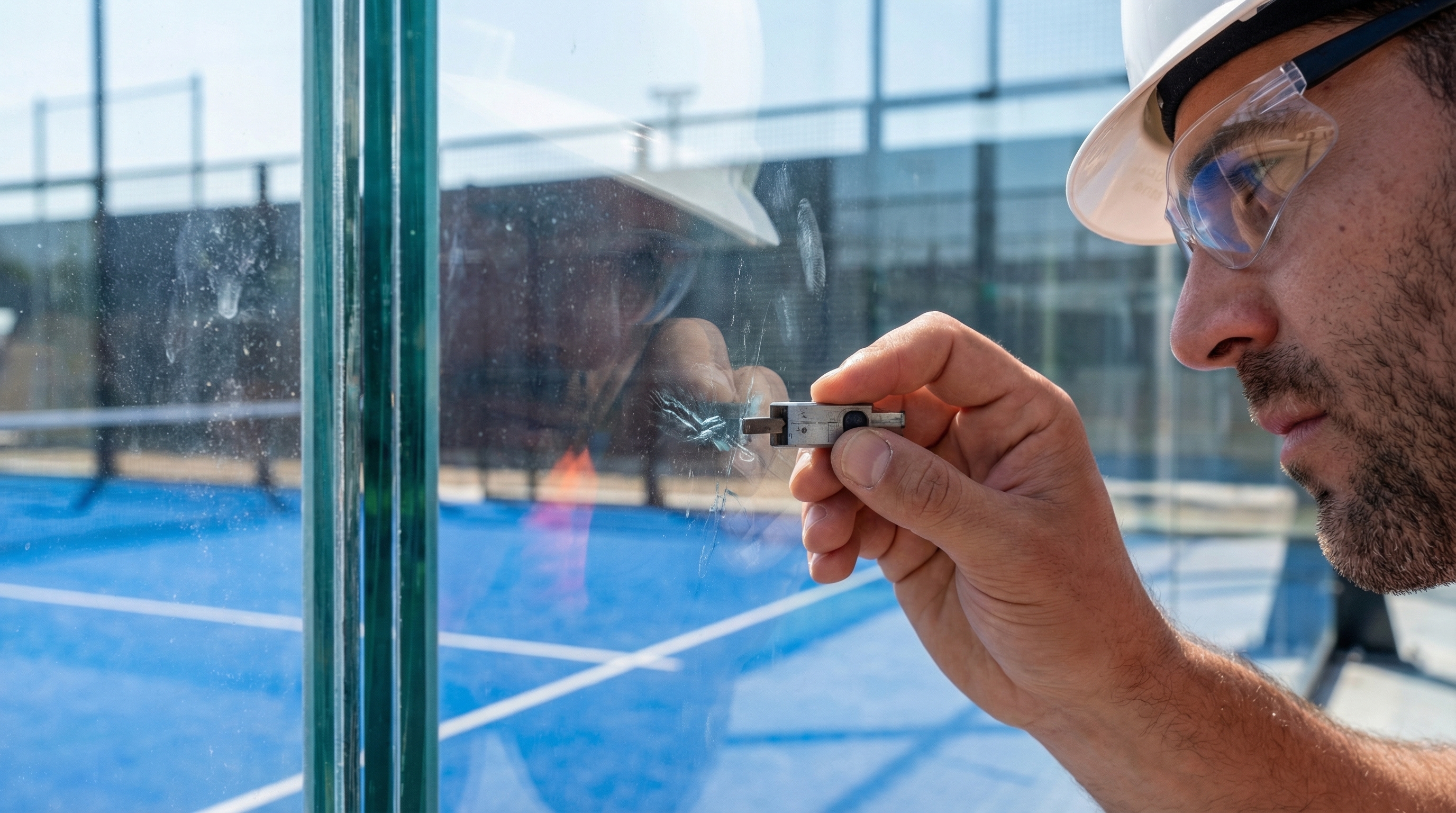
Expert padel court manufacturers adhere to strict safety regulations, such as those set by the International Padel Federation (FIP). They perform rigorous quality control checks on tempered glass panels to ensure they can handle heavy impact. Trusting professionals means you receive a warranty-backed product that protects your players and your investment.
Professional certification benefits
When you work with certified builders, you gain access to industry-standard materials that are not available in the general market. These experts understand the nuances of rebound physics and structural tension.
- High-impact tempered glass safety.
- Galvanized steel corrosion resistance.
- UV-stabilized artificial turf longevity.
- FIP-compliant lighting systems.
Key Takeaway: Professional oversight guarantees that every component of the court is engineered for maximum safety and performance.
| Protection Level | Component | Standard |
|---|---|---|
| Structural | Steel Pillars | ISO Certification. |
| Safety | Glass Walls | Heat-tempered 12mm panels. |
| Performance | Turf Surface | High-density polyethylene fiber. |
Relying on specialized manufacturers eliminates the guesswork involved in complex sports infrastructure projects.
What materials do leading padel court manufacturers utilize?
Top padel court manufacturers prioritize galvanized steel for the frame and monofilament fibers for the artificial turf. These materials are chosen for their ability to resist wear while providing consistent ball bounce. The combination of metal, glass, and synthetic turf creates the unique environment required for high-level padel play.
Selecting the right turf
The turf is perhaps the most visible part of the court and requires a high density of fibers to ensure durability. You must choose a surface that offers excellent grip without causing joint fatigue for the players.
Key Takeaway: High-grade materials are essential for maintaining the court’s playability and reducing long-term maintenance costs.
| Material | Primary Use | Critical Quality |
|---|---|---|
| Galvanized Steel | Main Structure | Rust and corrosion resistance. |
| Monofilament Turf | Playing Surface | Consistent friction and bounce. |
| Tempered Glass | Perimeter Walls | Impact safety and visibility. |
The synergy between these specialized materials defines the overall quality and lifespan of your padel facility.
How do padel court manufacturers manage the installation process?
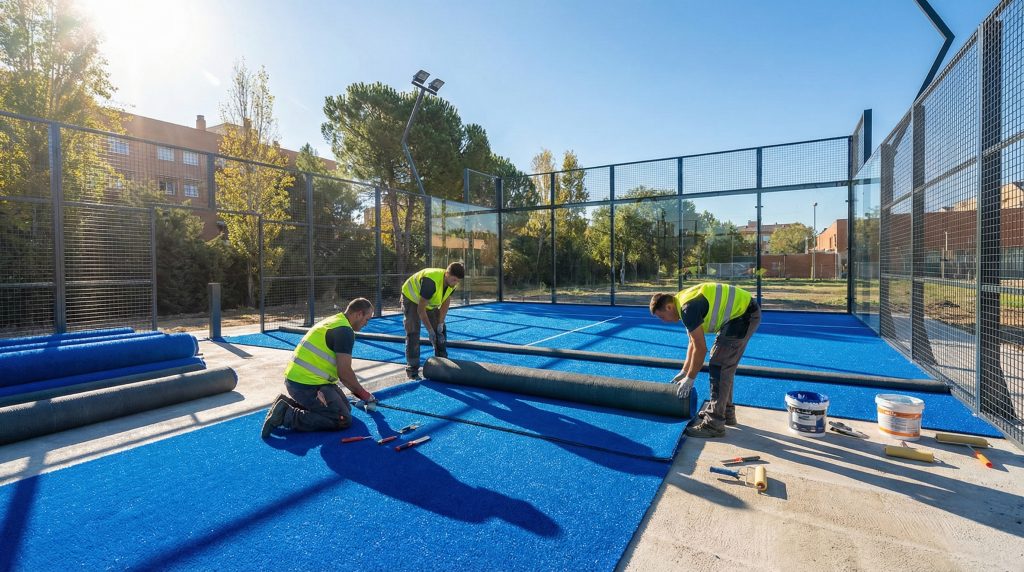
Experienced padel court manufacturers deploy specialized crews to handle the delicate process of glass leveling and turf seaming. They coordinate the arrival of components to ensure the construction site remains organized and efficient. Proper installation is critical because even a small misalignment in the glass or steel can affect the ball’s trajectory.
Managing the project timeline
Here is the deal: a well-managed installation can be completed in as little as two weeks if the foundation is properly prepared. The manufacturers oversee every detail, from anchor bolt placement to the final tensioning of the net.
Key Takeaway: Professional installation ensures that the court is perfectly level and structurally sound for years of use.
| Phase | Duration | Responsibility |
|---|---|---|
| Site Preparation | 7-10 Days | Local Contractor/Owner. |
| Frame Assembly | 3-5 Days | Manufacturer Crew. |
| Surface & Finishing | 2-3 Days | Specialized Installers. |
Efficient project management by the manufacturer prevents costly delays and ensures a high-quality finish.
Can padel court manufacturers build courts in coastal areas?
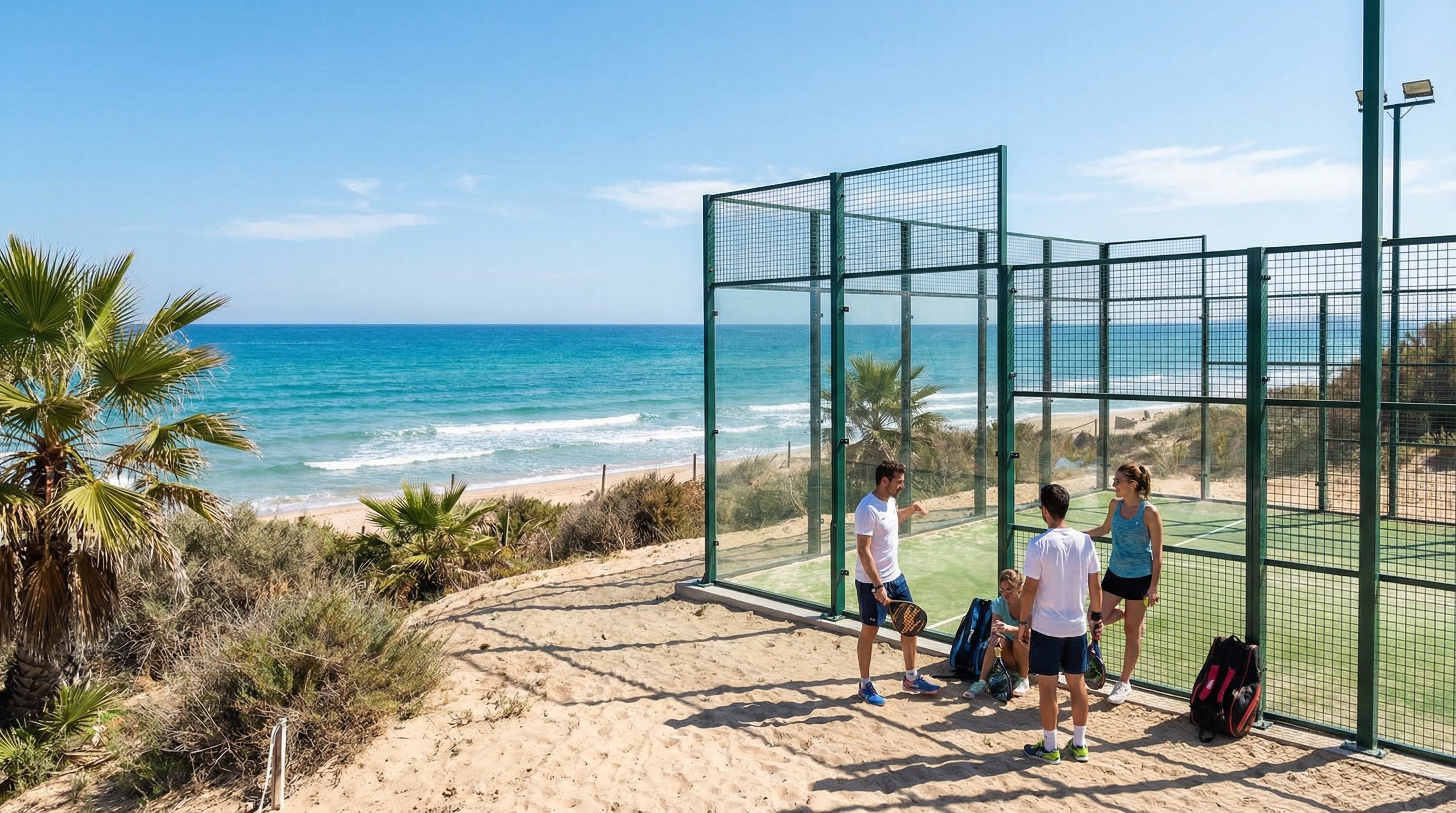
Yes, specialized padel court manufacturers design models specifically for high-salinity and high-wind environments. They use marine-grade coatings and extra structural reinforcements to prevent salt-air corrosion. If you are building near the ocean, these specific adaptations are necessary to prevent the steel frame from degrading.
Adapting to harsh environments
Coastal courts require more frequent maintenance but can be extremely profitable due to their scenic appeal. You should ensure the glass is rated for high wind loads to prevent breakage during storms.
Key Takeaway: Coastal installations are feasible and durable when using specialized materials designed for salt and wind resistance.
| Environmental Challenge | Solution | Long-term Effect |
|---|---|---|
| Salt Corrosion | Marine Coating | Prevents frame degradation. |
| High Wind | Reinforced Pillars | Ensures structural stability. |
| Sand Ingress | Drainage Systems | Keeps the turf surface clean. |
Customized engineering allows padel courts to thrive in diverse geographical locations without compromising on safety.
How do padel court manufacturers ensure safety and durability?
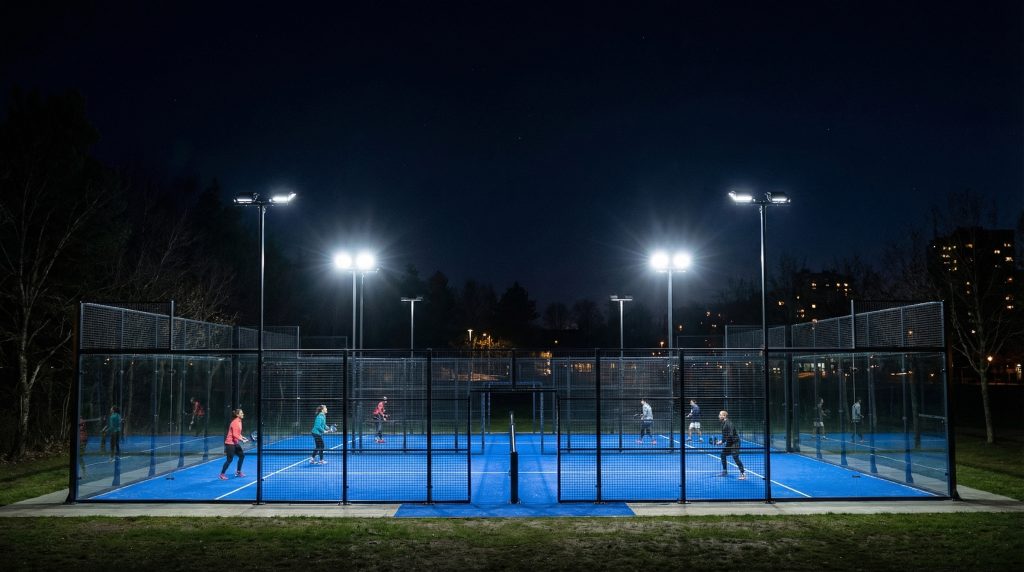
Reliable padel court manufacturers implement multi-stage testing for every component, focusing on weld strength and glass resilience. They use vibration-damping systems in the frame to reduce the noise and impact transferred to the foundation. This focus on durability ensures the court can withstand thousands of hours of gameplay without structural fatigue.
Implementing quality control
Every batch of tempered glass undergoes heat-soak testing to identify potential spontaneous breakage. The steel structures are often powder-coated over a galvanized base to provide dual-layer protection against the elements.
Key Takeaway: Rigorous testing and high-quality coatings are the primary drivers of a padel court’s long-term safety profile.
| Safety Test | Targeted Component | Goal |
|---|---|---|
| Heat-Soak Test | Tempered Glass | Identify glass impurities. |
| Salt Spray Test | Steel Frame | Measure corrosion resistance. |
| Impact Test | Mesh & Pillars | Ensure structural integrity. |
Safety standards are non-negotiable for professional manufacturers who aim to provide a secure environment for all athletes.
What services do full-service padel court manufacturers provide?
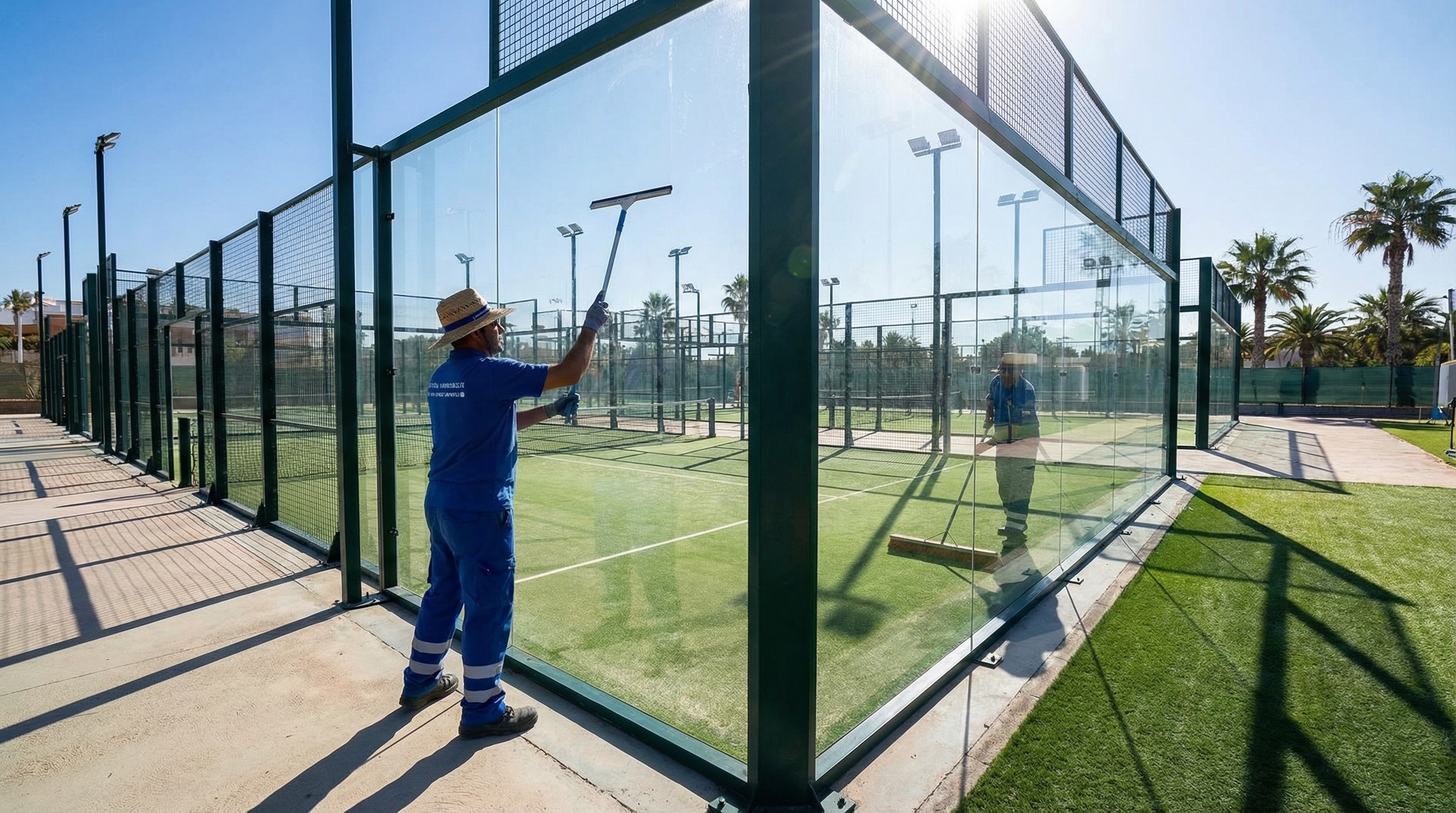
Full-service padel court manufacturers offer end-to-end solutions including consultation, installation, and long-term maintenance packages. They provide guidance on facility management and can even help with marketing your new sports club. These companies act as long-term partners rather than just material suppliers.
Maintenance and aftercare services
Regular maintenance is vital to preserve the turf’s texture and the glass’s clarity. Manufacturers offer scheduled inspections to tighten bolts and redistribute the silica sand on the playing surface.
Key Takeaway: Comprehensive service packages extend the life of your facility and simplify daily operations for club owners.
| Service Category | Included Tasks | Frequency |
|---|---|---|
| Consultation | Site Analysis & Design | Once (Initial). |
| Installation | Full Court Assembly | Once (Initial). |
| Maintenance | Cleaning & Adjustments | Quarterly/Bi-annually. |
Working with a full-service provider ensures that your facility remains in peak condition long after the initial build.
How do padel court manufacturers define standard court dimensions?
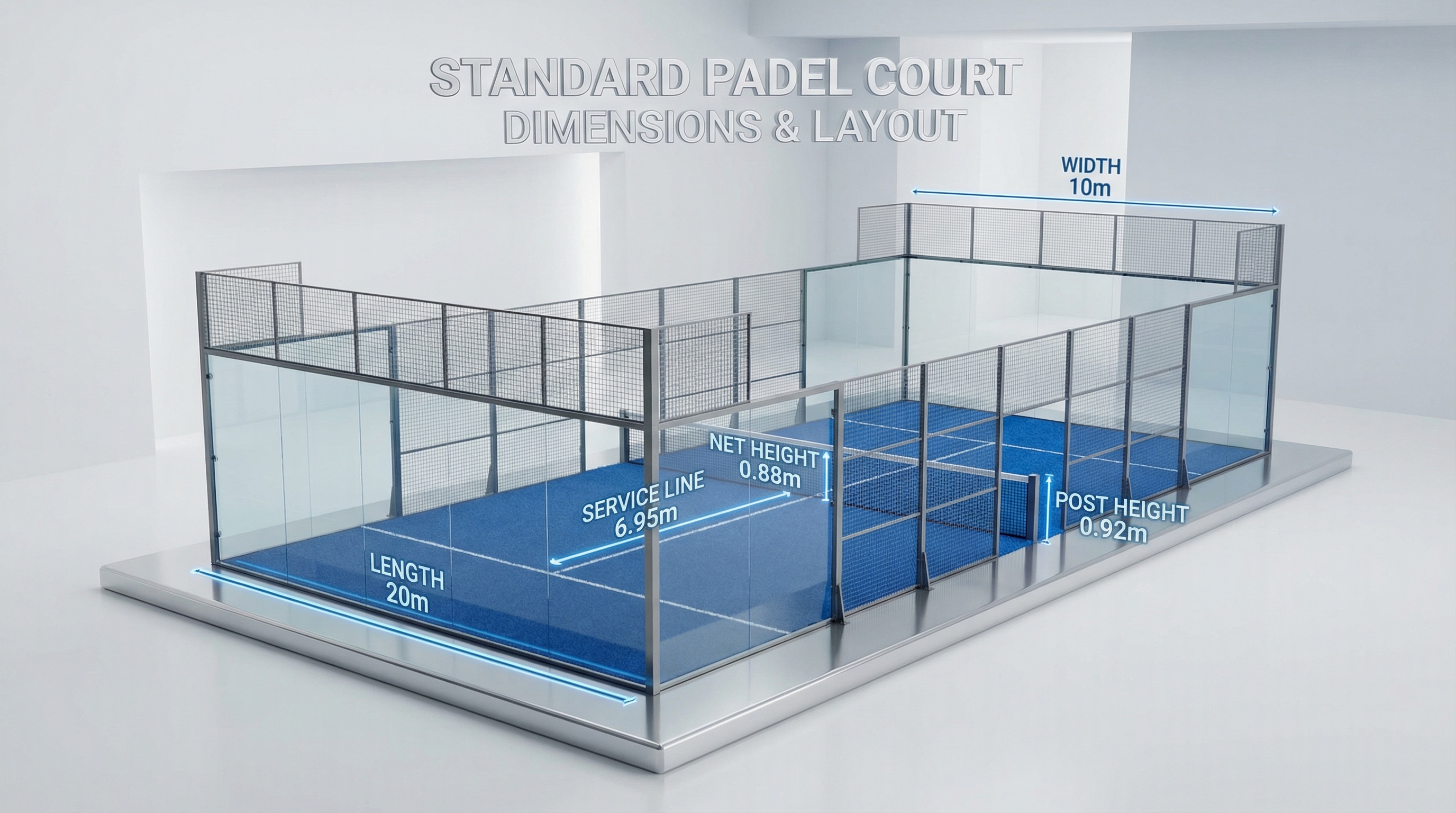
Standard padel court manufacturers adhere to the strict 20×10 meter interior dimension to ensure fair and competitive play. They precisely mark the service lines and net height according to international regulations. These specific measurements are what separate a professional padel court from a generic recreational area.
Precise boundary marking
The service lines are positioned 6.95 meters from the net, and the net height must be 0.88 meters at the center. Precision in these markings is essential for players to develop accurate skills and strategies.
Key Takeaway: Strict adherence to international dimensions is mandatory for any court hosting official tournaments or professional play.
| Measurement | Standard Value | Tolerance |
|---|---|---|
| Total Length | 20.00 Meters | +/- 0.05m |
| Total Width | 10.00 Meters | +/- 0.02m |
| Net Center Height | 0.88 Meters | +/- 0.01m |
Accurate dimensions are the hallmark of a high-quality court build that provides a standardized experience for all players.
Why is selecting the right padel court manufacturers vital?
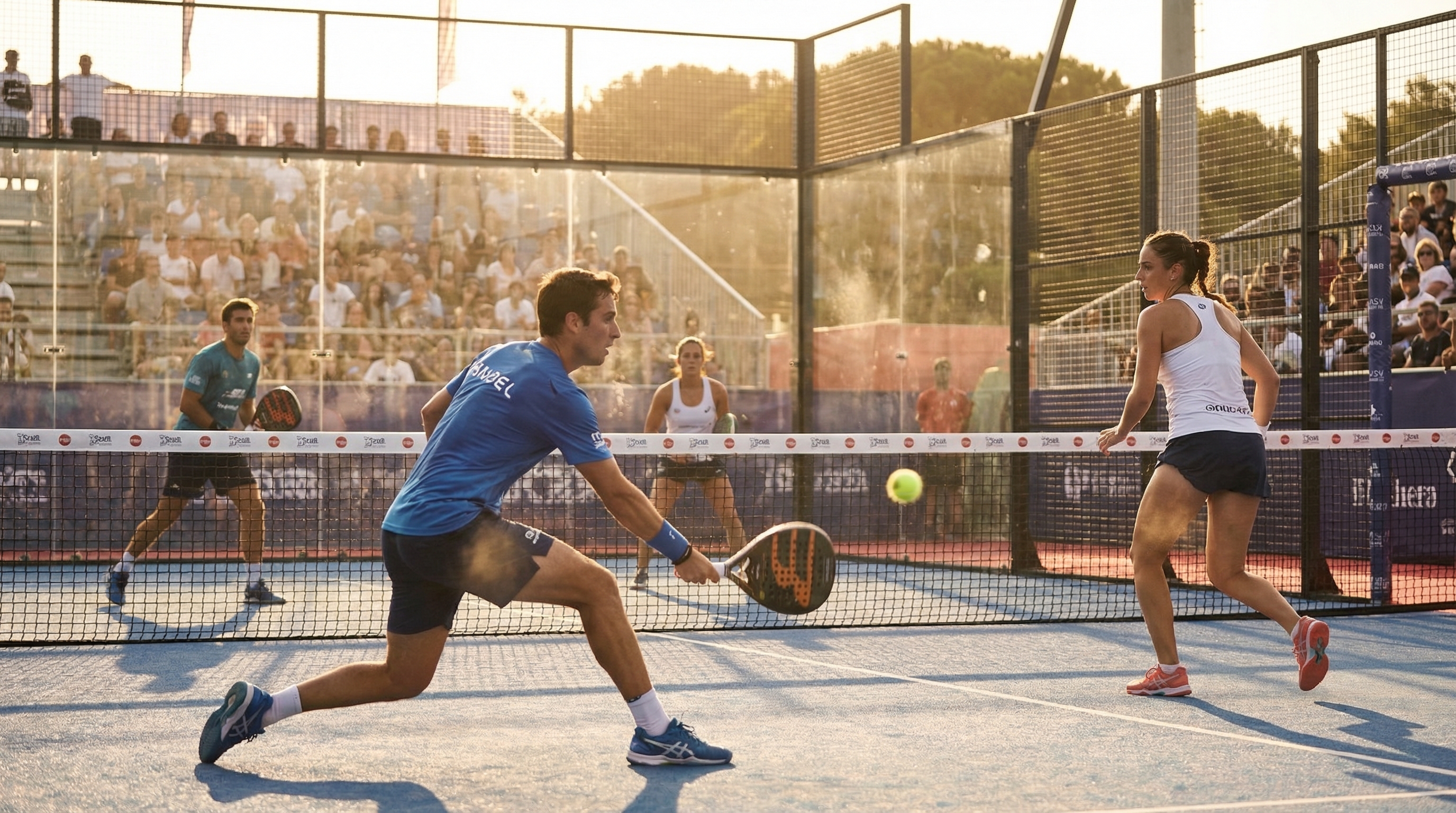
Selecting the right padel court manufacturers determines the safety of your athletes and the profitability of your sports venue. High-quality courts attract more players and allow you to charge premium rates for court time. A poorly constructed court will lead to high repair costs and potential legal liabilities due to glass failures.
Impact on player retention
Look at this: players can immediately feel the difference in ball bounce and surface grip on a professionally built court. When you invest in quality, you build a community of loyal players who value the superior playing conditions.
Key Takeaway: The manufacturer you choose directly influences the long-term viability and reputation of your sports facility.
| Factor | High-Quality Manufacturer | Low-Quality Supplier |
|---|---|---|
| Player Experience | Exceptional | Inconsistent |
| Maintenance Needs | Minimal | Frequent |
| Market Value | High | Rapidly Depreciating |
Your choice of builder is the most significant decision you will make in the lifecycle of your padel project.
Conclusion
Building a professional padel facility is a complex undertaking that requires the precision and expertise of specialized padel court manufacturers. This article has detailed how these experts manage everything from technical design and material selection to the final safety certifications. We have solved the problems of navigating structural standards and environmental adaptations, showing you exactly how to achieve a world-class result. At Superb Padel, our vision is to elevate the global sport by providing infrastructure that combines engineering excellence with aesthetic appeal. Whether you are launching a new club or upgrading a private venue, the quality of your court is the foundation of your success. To begin your journey toward owning a premier sports facility, contact us today for a comprehensive consultation.
FAQ: Padel Court Contractors
Can I install a padel court on an existing tennis court surface?
Yes, it is possible, but you must ensure the foundation is level and capable of supporting the steel anchor bolts. Padel courts require a reinforced concrete base or a highly stable asphalt layer to prevent the structure from shifting over time.
What’s the best way to maintain the artificial turf on my court?
Regular brushing is the most effective method to prevent the silica sand from clumping and to keep the fibers upright. You should also remove organic debris like leaves immediately to prevent drainage issues and algae growth.
How do I know if a manufacturer is FIP-compliant?
You should ask for their technical specification sheets and official certification documents before signing a contract. Reputable builders will always provide evidence that their dimensions, glass safety, and lighting levels meet the International Padel Federation’s requirements.
Can I customize the color of the court frame and turf?
Absolutely, most professional manufacturers offer a wide range of RAL colors for the steel structure and various shades for the artificial turf. Customizing the colors allows you to align the court with your brand identity or the surrounding environment.
How do I know if my site is suitable for a padel court?
A professional manufacturer will conduct a site survey to check soil stability, drainage patterns, and access for construction machinery. You need a flat area of at least 21×11 meters to accommodate the court and a small perimeter for maintenance access.