You are ready to invest in a modern racket sport facility to capitalize on the latest fitness trends. However, many developers fail because they mistake one sport for the other, leading to expensive construction errors and mismatched equipment. By choosing superbpadel.com, you get the expert insight needed to distinguish these sports and build a world-class venue. No, padel and pickleball are not the same; they are distinct sports with unique rules, specialized court structures, and different equipment requirements.
Why are padel and pickleball the same or different in rules?
Padel and pickleball have entirely different rule sets despite both being categorized as racket sports. Padel utilizes a scoring system identical to tennis, while pickleball typically plays to 11 points where only the serving side can score. You should consider a classic padel court to experience the high-energy flow of professional padel rules.
What are the core scoring differences?
Think about it:
- Padel uses 15, 30, 40, and Deuce scoring.
- Pickleball uses a “point-per-serve” system.
- Padel matches are usually best of three sets.
- Pickleball games are shorter and often played in a rally format.
How do walls change the gameplay?
The reality is:
- Padel allows players to hit the ball after it bounces off the glass.
- Pickleball is played on an open court with no wall interaction.
- Strategy in padel revolves around wall rebounds and angles.
| Feature | Padel Rules | Pickleball Rules |
|---|---|---|
| Scoring | Tennis-style (15, 30, 40) | To 11 points (win by 2) |
| Wall Play | Allowed and encouraged | Non-existent |
| Serve Style | Underhand below waist | Underhand below waist |
The inclusion of walls transforms padel into a 3D tactical game, whereas pickleball remains a 2D placement-focused sport.
Key Takeaway: Rules define the pace, and padel’s use of walls creates a much more dynamic and longer rally experience.
How are padel and pickleball the same regarding court dimensions?
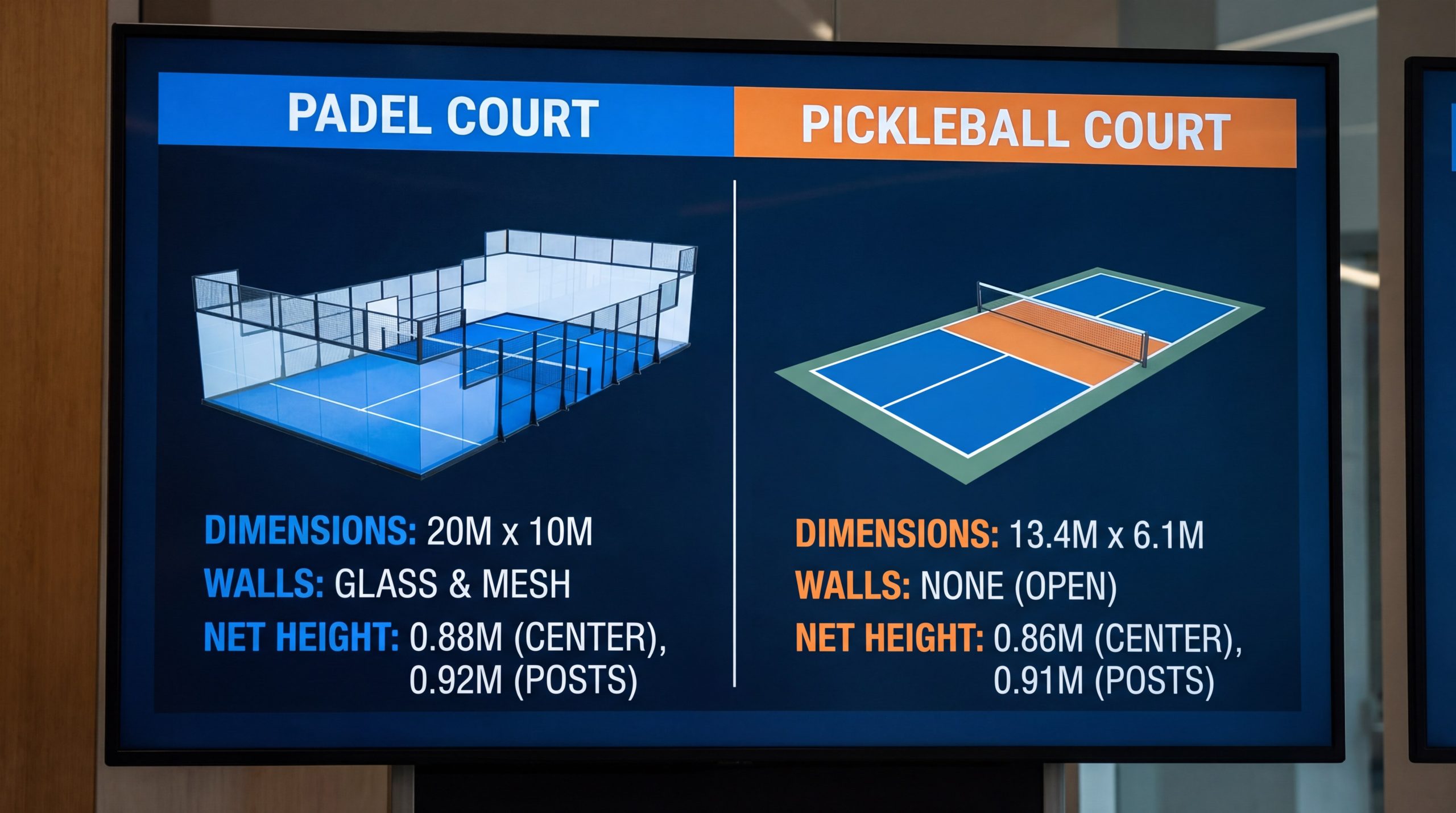
The court sizes are not the same at all, as a padel court is significantly larger than a pickleball court. Padel courts measure 20 meters by 10 meters, while pickleball courts are roughly the size of a badminton court at 13.4 meters by 6.1 meters. Planning for the correct footprint is the first step in successful facility development.
Why is the footprint different?
Look:
- Padel requires 200 square meters of playing surface.
- Pickleball fits into roughly 82 square meters.
- Developers can fit two pickleball courts in the space of one padel court.
- Padel requires extra height clearance for the surrounding glass structure.
How does the structure impact space?
Here is why:
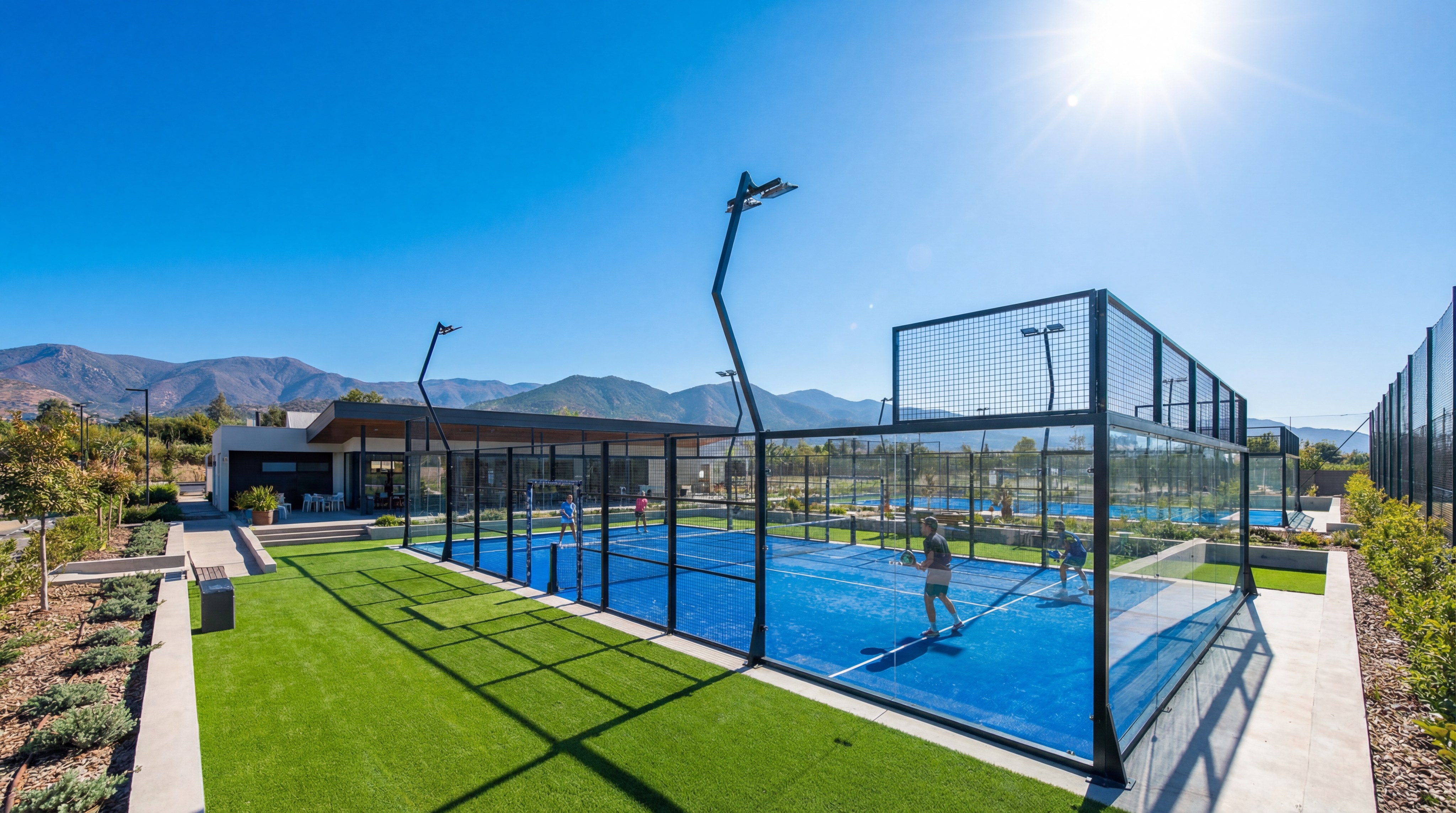
- Padel courts need a 4-meter high glass and mesh enclosure.
- Pickleball courts only require a simple perimeter fence.
- Foundation work for padel is more intensive due to the weight of the glass.
| Metric | Padel Court | Pickleball Court |
|---|---|---|
| Length | 20 Meters | 13.4 Meters |
| Width | 10 Meters | 6.1 Meters |
| Total Area | 200 sqm | 81.7 sqm |
Padel courts require a much larger physical investment and a more complex structural foundation to handle the glass walls.
Key Takeaway: You need more than double the space for a single padel court compared to a pickleball court.
Are padel and pickleball the same when choosing rackets?
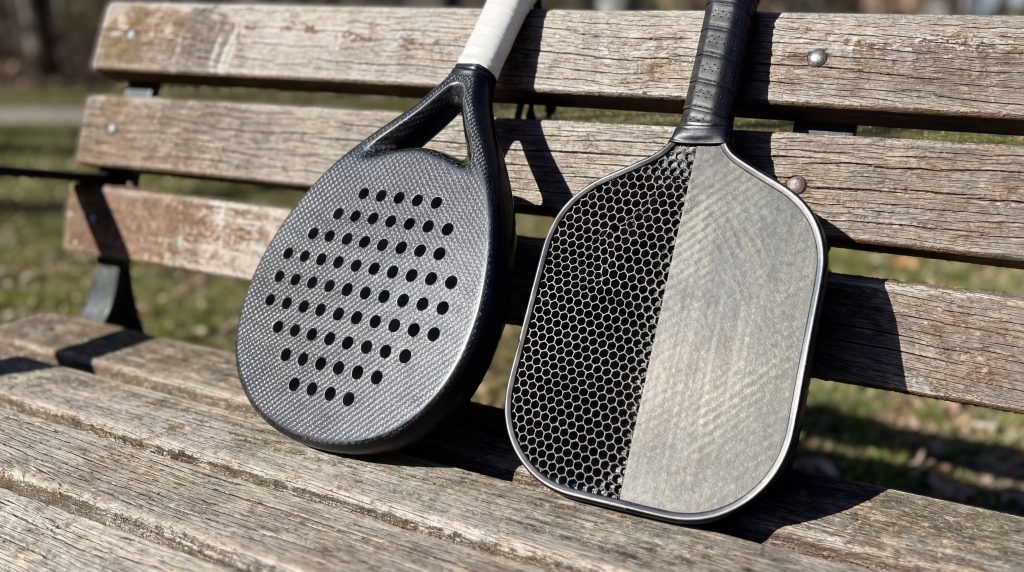
Equipment specifications are vastly different, as padel uses thick perforated rackets while pickleball uses thin, solid paddles. Choosing the right gear is essential for the safety and performance of your club members. You can see the importance of equipment visibility on a panoramic padel court where every detail counts.
Why do padel rackets have holes?
It gets better:
- Holes reduce air resistance for faster swings.
- The 38mm thickness provides shock absorption and power.
- Carbon fiber surfaces allow for professional-grade spin.
- The perforated design keeps the racket lightweight despite its size.
How do pickleball paddles differ?
Believe it or not:
- Pickleball paddles are flat and thin with no holes.
- Materials include graphite or composite polymers.
- The focus is on precision and “dinking” over raw power.
| Racket Feature | Padel Racket | Pickleball Paddle |
|---|---|---|
| Thickness | ~38mm | ~13mm – 16mm |
| Surface | Perforated (holes) | Solid / Smooth |
| Core | EVA Foam | Polymer Honeycomb |
The mechanical design of a padel racket is built for power and wall-play physics, which is unnecessary for pickleball.
Key Takeaway: Padel rackets are engineered for aerodynamics and power, while pickleball paddles prioritize touch and control.
Are padel and pickleball the same in term of ball types?
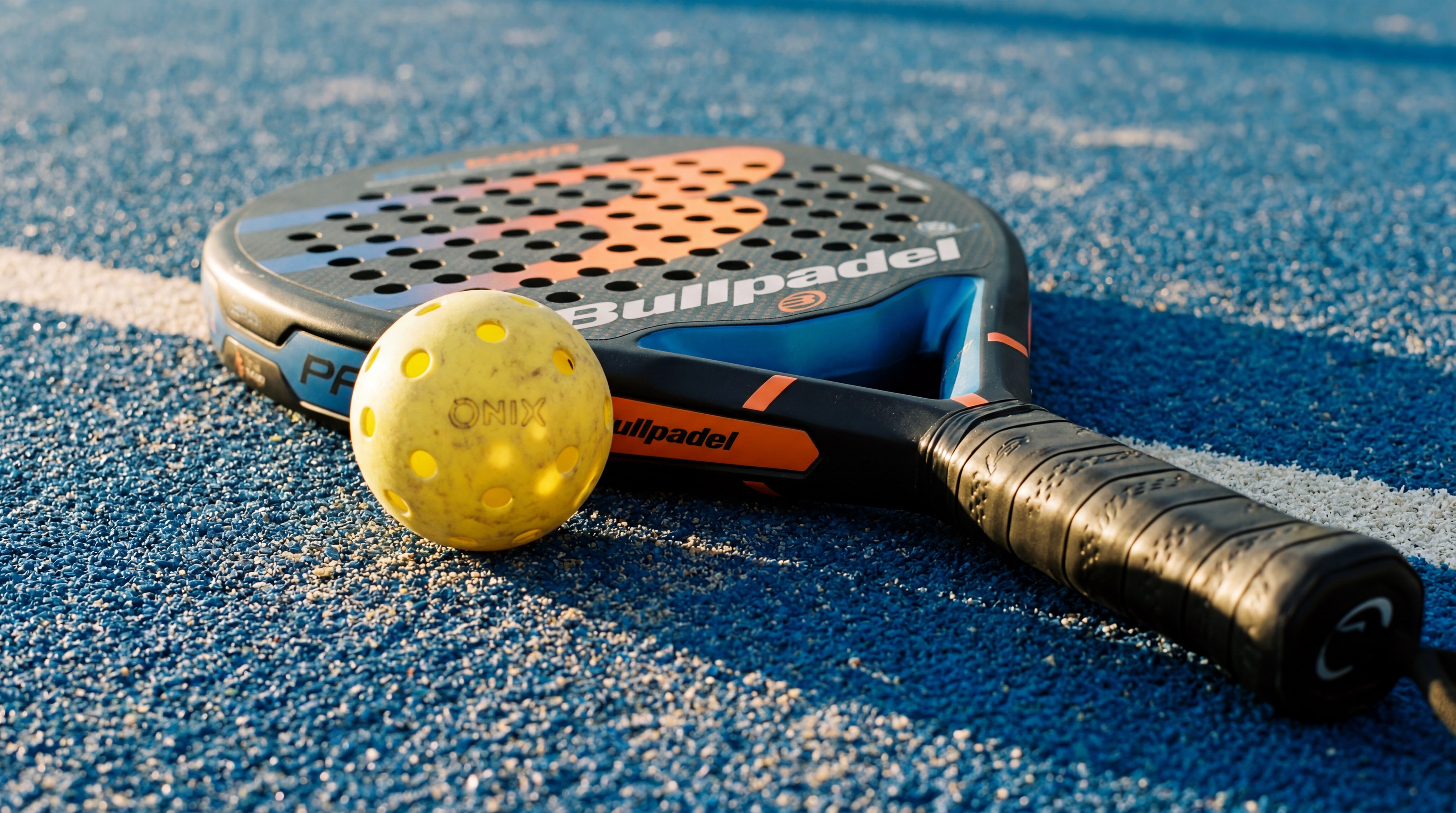
The balls used in these sports are fundamentally different in material, weight, and bounce characteristics. Padel balls look like tennis balls but have less internal pressure, whereas pickleball balls are hard plastic with drilled holes. Using the wrong ball can damage the court surface or the equipment.
Is a padel ball just a tennis ball?
Wait, there’s more:
- Padel balls have lower pressure to prevent excessive bouncing on glass.
- They are made of rubber and covered in felt.
- The internal pressure is roughly 10-11 psi.
- They are designed to stay in play longer during wall rallies.
Why does a pickleball have holes?
Here is the kicker:
- The holes create drag to keep the ball slow and manageable.
- Indoor balls have fewer, larger holes than outdoor ones.
- They are made of lightweight, durable plastic.
| Ball Property | Padel Ball | Pickleball Ball |
|---|---|---|
| Material | Rubber / Felt | Hard Plastic |
| Air Pressure | Low Pressure | None (Hollow) |
| Bounce Style | High / Consistent | Low / Short |
Padel balls are designed for high-speed aerodynamics and glass impact, while pickleball balls focus on wind resistance and slow play.
Key Takeaway: You cannot swap balls between the two sports without ruining the gameplay mechanics entirely.
Globally, are padel and pickleball the same in popularity?
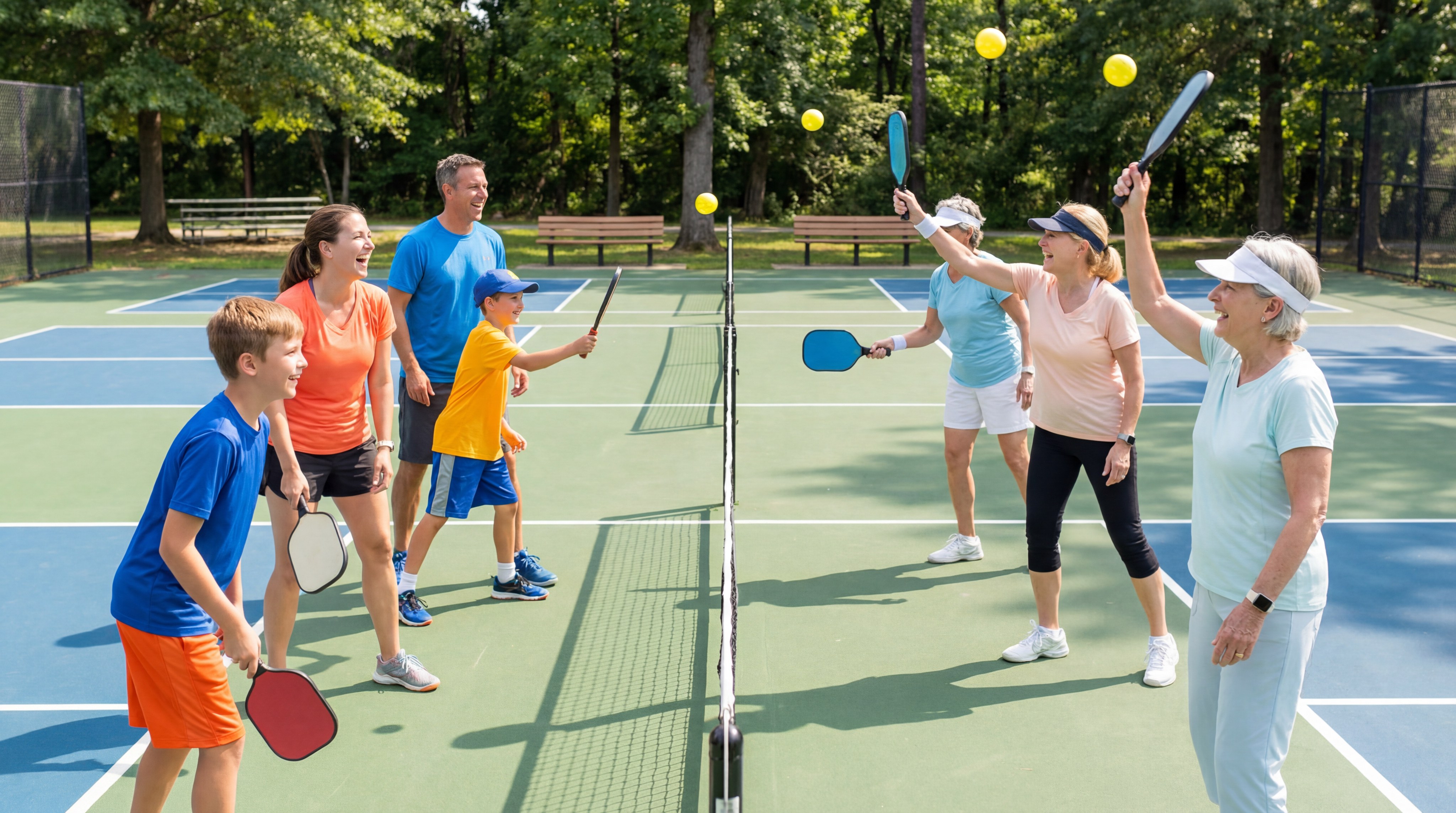
Popularity levels vary wildly by region, with padel dominating Europe and Latin America while pickleball leads in North America. Understanding your local market is key to ensuring a high return on investment. If you are building in a high-growth area, professional padel court construction is often the most lucrative choice.
Where is padel most dominant?
Think about it:
- Spain and Argentina have millions of active padel players.
- Europe is currently seeing a massive boom in new court installations.
- The Middle East is investing heavily in luxury padel clubs.
- It is considered the fastest-growing sport in the UK and Sweden.
Why is North America obsessed with pickleball?
The reality is:
- Pickleball is extremely easy for all ages to learn.
- Public parks in the US have converted thousands of tennis courts.
- The social aspect attracts a massive community of senior players.
| Market Region | Padel Status | Pickleball Status |
|---|---|---|
| Europe | Market Leader | Niche / Growing |
| North America | High-end / Emerging | Market Leader |
| Middle East | Rapid Expansion | Very Niche |
The global landscape shows two different paths of adoption, with padel leaning towards club culture and pickleball towards public community spaces.
Key Takeaway: Build padel for high-end club revenue and pickleball for broad community access.
Which to play? Are padel and pickleball the same for you?
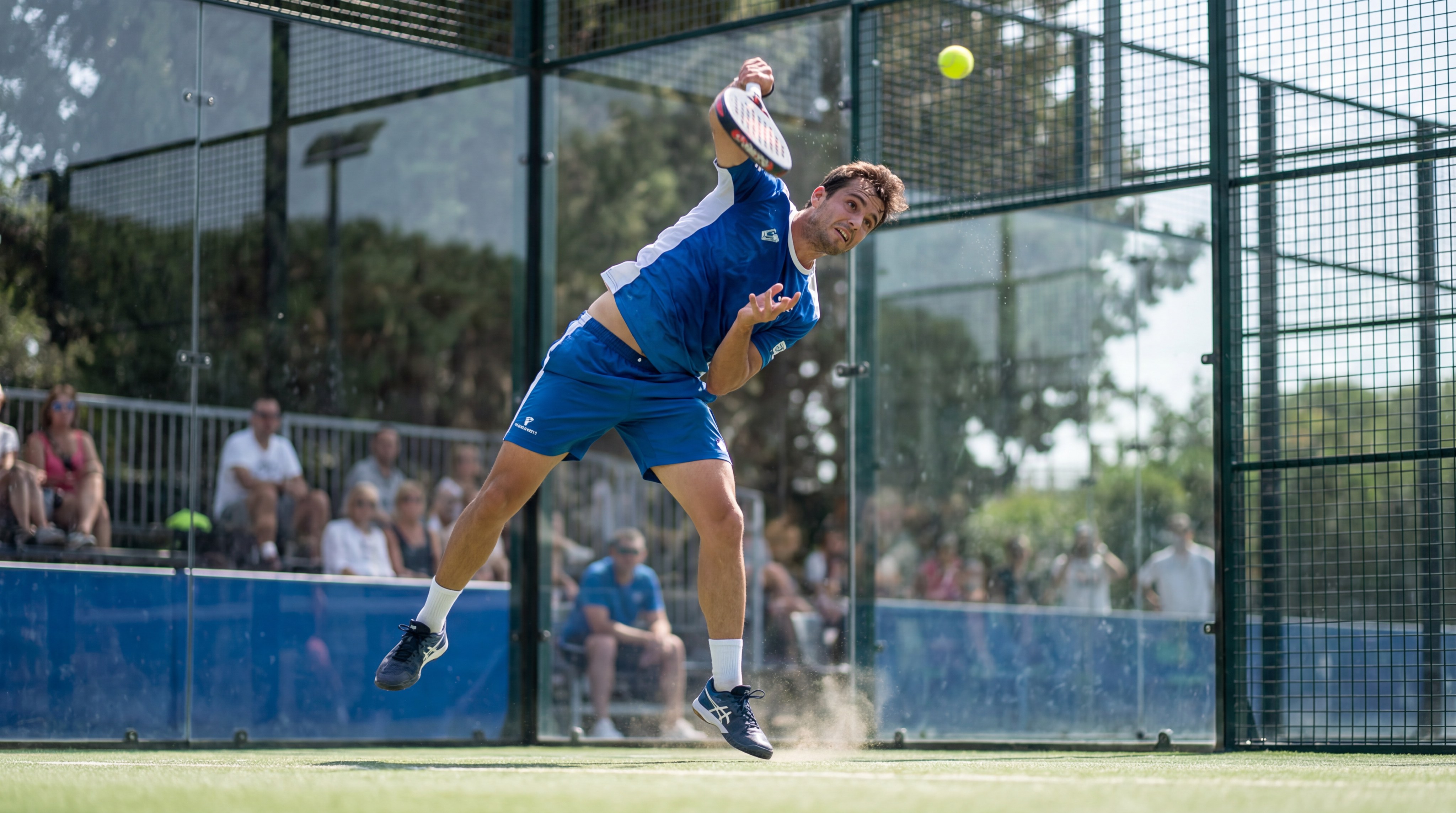
The sports cater to different fitness goals and playing styles, so they are not interchangeable for the average athlete. Padel is a high-intensity, tactical game for those who enjoy movement, while pickleball is a lower-impact sport focusing on placement and social interaction. Choosing between them depends on your personal athletic background.
Who should choose padel?
Look:
- Former tennis players who want a more social game.
- Athletes looking for high-cardio workouts and quick reflexes.
- Players who enjoy the complexity of wall-based strategy.
- Groups of four seeking a competitive doubles experience.
Who should choose pickleball?
Here is why:
- People looking for a sport that is easy on the joints.
- Beginners who want to start playing matches within 15 minutes.
- Social groups looking for a casual outdoor activity in local parks.
| Athlete Goal | Padel Experience | Pickleball Experience |
|---|---|---|
| Fitness | High Intensity | Low to Moderate |
| Learning Curve | Moderate | Very Easy |
| Movement | Fast / Multi-directional | Slower / Forward-Back |
Padel provides a more physically demanding experience that appeals to a younger, competitive demographic.
Key Takeaway: Choose padel for intense competition and pickleball for relaxed, multi-generational social play.
For builds, are padel and pickleball the same structure?
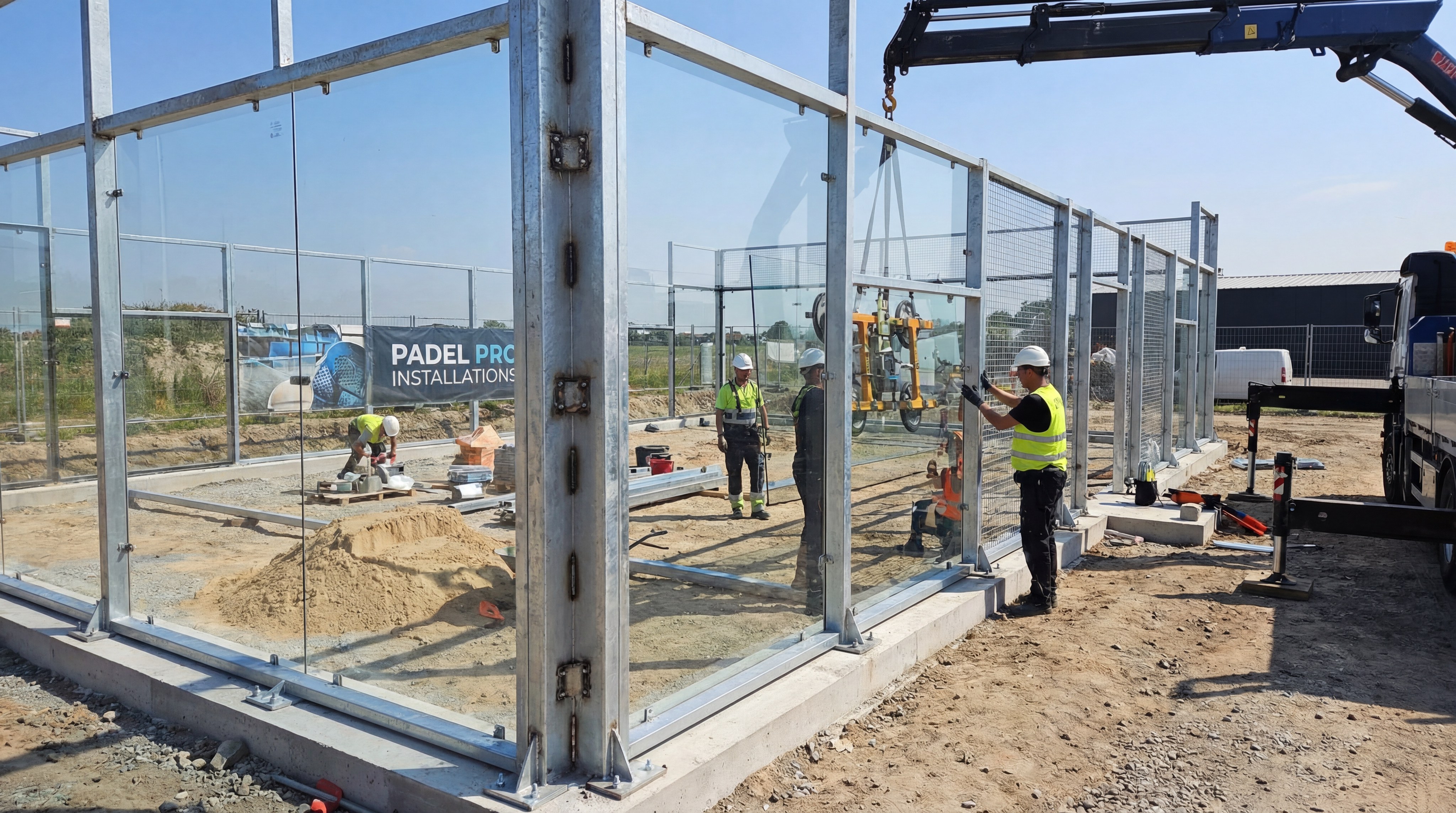
The structural engineering required for a padel court is vastly more complex than the simple surfacing needed for pickleball. Padel courts involve heavy-duty steel frames and 12mm tempered glass that must withstand high-velocity ball impacts. To ensure safety, always hire experts for padel court construction.
What materials are required for the enclosure?
It gets better:
- Padel requires 12mm anti-explosion tempered safety glass.
- Hot-dip galvanized steel is used for rust-proof structural support.
- Pickleball typically only needs a net system and painted lines.
- Artificial turf with sand infill is mandatory for professional padel.
Are the foundation requirements identical?
Believe it or not:
- Padel requires a reinforced concrete slab to hold the glass weight.
- Precision leveling is critical for glass alignment and safety.
- Pickleball can often be played on converted asphalt or concrete pads.
| Component | Padel Construction | Pickleball Construction |
|---|---|---|
| Framework | Galvanized Steel Enclosure | Simple Posts & Net |
| Walls | 12mm Tempered Glass | None |
| Surface | Fibrillated Artificial Turf | Acrylic / Hard Coating |
Building a padel court is a major engineering project, whereas pickleball is primarily a surfacing and fencing job.
Key Takeaway: Padel structures require specialized glass and steel expertise that standard court builders may lack.
Are padel and pickleball the same in manufacturing standards?
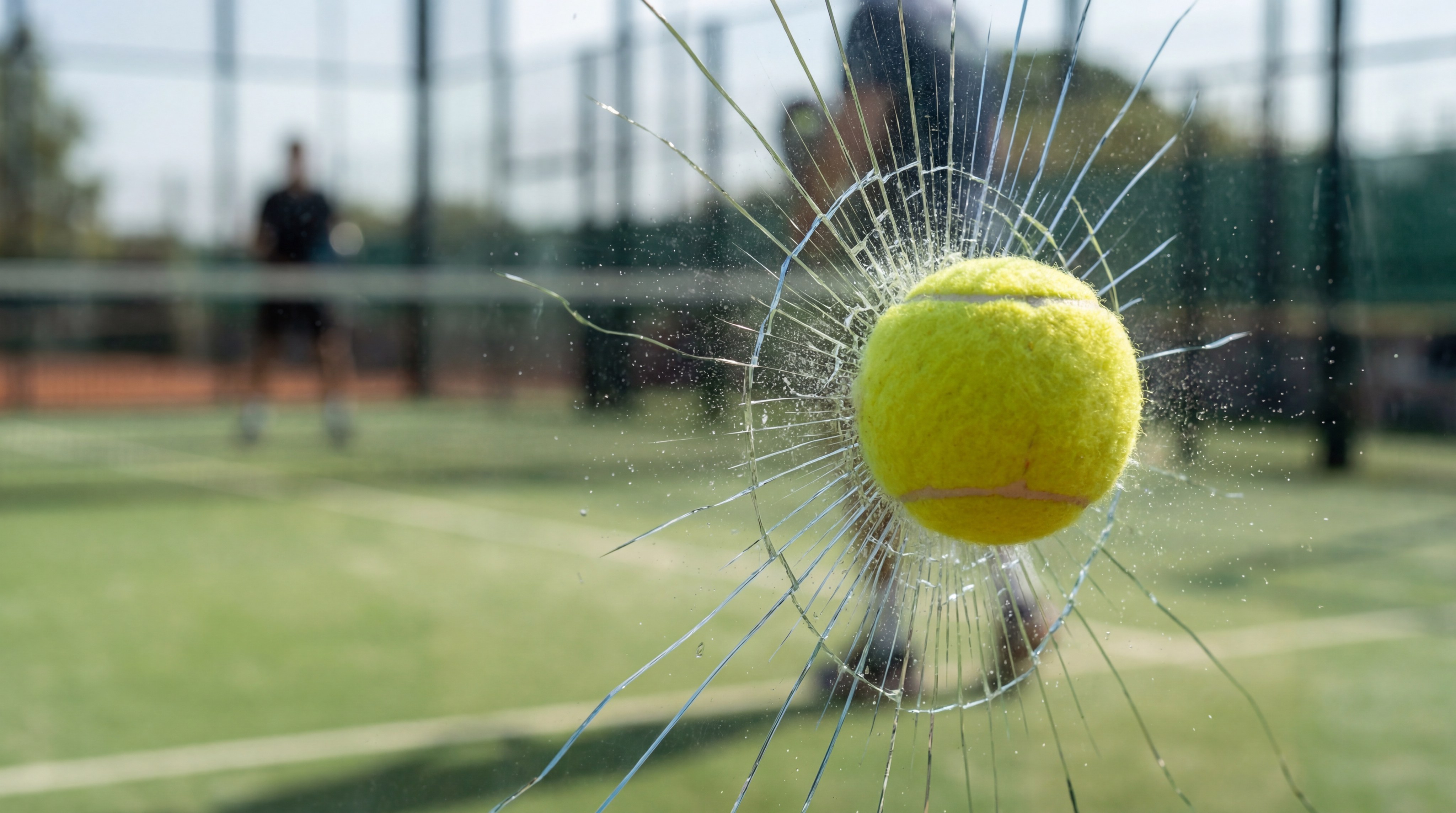
Manufacturing standards for padel are strictly regulated by international federations to ensure player safety during wall collisions. High-quality padel courts use EN 12150 certified glass and high-density fibrillated turf for consistent performance. For a premium aesthetic and safety, consider a panoramic padel court from a verified manufacturer.
Why is OEM customization important?
Wait, there’s more:
- You can brand your club logo directly into the turf or steel.
- Custom RAL colors allow the structure to match your facility’s design.
- Direct-from-factory sourcing ensures you get the best material grade.
- Modular designs allow for faster and cheaper installation on site.
What are the international quality standards?
Here is the kicker:
- Glass must be heat-soaked and impact-tested to CE standards.
- Steel must undergo hot-dip galvanization for a 20-year lifespan.
- LED lighting must provide uniform, flicker-free illumination for night play.
| Standard | Padel Requirement | Benefit |
|---|---|---|
| Glass | EN 12150 Safety Standard | Prevents injury if glass breaks |
| Steel | Hot-dip Galvanization | Prevents rust in humid climates |
| Turf | High-density Fibrillated | Ensures consistent ball bounce |
The safety and durability of a padel court rely on high-tech manufacturing processes that are not necessary for pickleball setups.
Key Takeaway: Buying direct from a certified manufacturer like SuperbPadel ensures your build meets global safety and quality benchmarks.
Are padel and pickleball the same regarding project costs?
Project costs for padel are significantly higher than pickleball due to the materials and professional labor required for installation. While a pickleball court is a low-budget addition, a padel court is a premium asset that commands higher rental fees. You can view our classic padel court options to find a balance between budget and quality.
Can you save money by buying direct?
Think about it:
- Sourcing from the factory eliminates middleman markups.
- Bulk shipping in containers reduces the landed cost per court.
- Professional manufacturers provide technical manuals for local installers.
- Direct support ensures you don’t overpay for third-party consulting.
What are the long-term maintenance expenses?
The reality is:
- Padel requires periodic sand brushing and glass cleaning.
- Pickleball requires resurfacing of the acrylic coating every few years.
- LED lighting in padel courts saves on operational electricity costs.
| Expense Category | Padel Project | Pickleball Project |
|---|---|---|
| Initial Capital | Higher (Materials/Glass) | Lower (Surfacing/Net) |
| Installation | Professional Crew | Often DIY/General Labor |
| ROI Potential | High (Premium Pricing) | Volume (Low Entry Fee) |
Padel involves a higher upfront cost but often generates more revenue per hour due to its “premium” status in the sports market.
Key Takeaway: Padel is a high-cap, high-reward investment, while pickleball is a low-entry-cost social amenity.
For owners, are padel and pickleball the same investment?
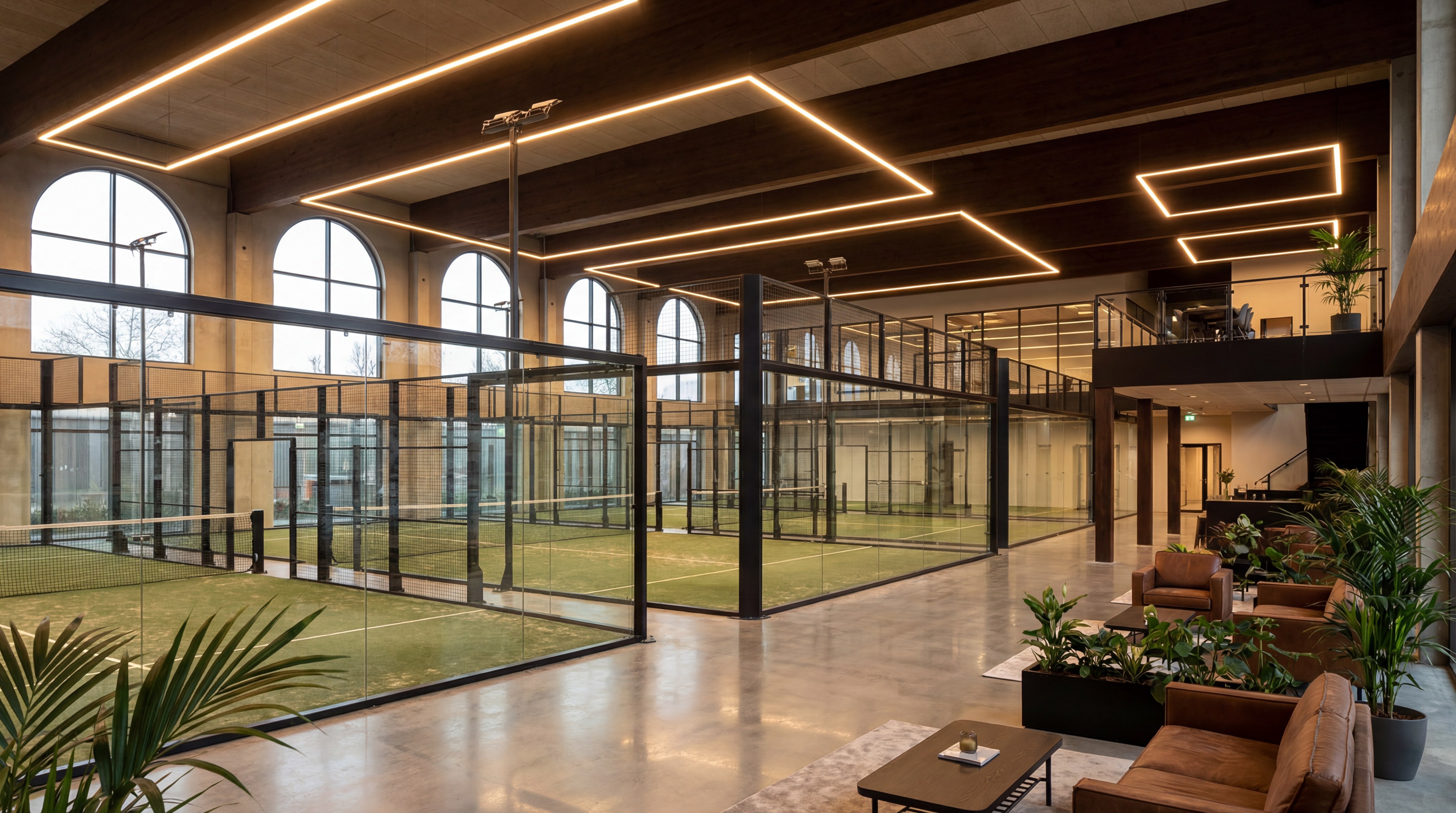
From an investment perspective, padel and pickleball serve different demographics and business models. Padel clubs focus on membership retention and high-end tournament play, while pickleball centers thrive on high-volume, community-based traffic. Using a panoramic padel court can elevate your brand and attract elite clients.
Which sport offers a better ROI for clubs?
Look:
- Padel courts often have higher utilization rates during peak hours.
- Players are willing to pay premium hourly rates for glass-enclosed courts.
- The social, club-like atmosphere of padel drives beverage and pro-shop sales.
- Professional structures increase the overall property value of sports complexes.
Can they coexist in the same facility?
Here is why:
- Mixing both sports allows you to capture two different market segments.
- Pickleball attracts seniors and families, while padel attracts young professionals.
- Shared facilities like lockers and cafes maximize operational efficiency.
| Investment Metric | Padel Club | Pickleball Center |
|---|---|---|
| Target Client | 25-50 years / High Income | All Ages / Families |
| Revenue Stream | Rentals, Coaching, Events | Volume Bookings, Clinics |
| Property Value | High (Infrastructure) | Moderate (Amenities) |
Padel acts as a centerpiece for luxury sports clubs, while pickleball is a versatile addition for any recreational facility.
Key Takeaway: Investing in padel creates a high-end destination brand, while pickleball builds a broad-based community hub.
Conclusion
Padel and pickleball may share some DNA, but they are fundamentally different in execution, equipment, and structural needs. Whether you are looking for a high-intensity sport with wall-play strategy or an accessible game for the whole community, understanding these differences is vital for your success. If you are ready to build a world-class facility with factory-direct pricing and international standards, contact us today to start your project.
FAQ
- Can I use a tennis court for padel or pickleball? You can easily convert a tennis court into multiple pickleball courts, but padel requires a specialized glass structure and artificial turf foundation.
- What is the most expensive part of building a padel court? The tempered safety glass and the high-grade galvanized steel structure represent the bulk of the material costs.
- Can I build a padel court indoors? Yes, indoor padel is very popular, but you must ensure a ceiling height of at least 6 to 8 meters for proper gameplay.
- What is the maintenance like for these courts? Padel requires regular sand redistribution and glass cleaning, while pickleball needs surface pressure washing and eventual repainting.
- Is padel harder to learn than pickleball? Pickleball has a shorter learning curve for beginners, but padel is highly rewarding for those who enjoy learning the tactical use of walls.