Is pickleball the same as padel in historical origins?
No, padel was invented in Mexico in 1969, whereas pickleball was created in the United States in 1965. While both sports emerged during the same decade, the question of is pickleball the same as padel is answered by their very different cultural beginnings. Padel began as an elite modification of squash and tennis for a private residence in Acapulco.
Pickleball started as a backyard family game on Bainbridge Island, Washington, designed to entertain children using existing equipment. This American heritage focused on accessibility and repurposing badminton courts. Today, both sports have evolved into global phenomena with professional tours and dedicated fan bases.
The Mexican influence
Padel was the brainchild of Enrique Corcuera, who didn’t have enough space for a full tennis court.
He added walls to his court to keep the ball from flying into his neighbor’s yard.
- Developed in Acapulco
- Focused on social doubles play
- Utilized walls as active game elements
Key Takeaway: Padel and pickleball share a mid-century timeline but originated from different social needs and geographical locations.
| Feature | Padel Origin | Pickleball Origin |
|---|---|---|
| Year | 1969 | 1965 |
| Country | Mexico | USA |
| Environment | Private Estate | Family Backyard |
The historical divergence explains why the sports developed such different structural and social identities.
Is pickleball the same as padel for court structures?
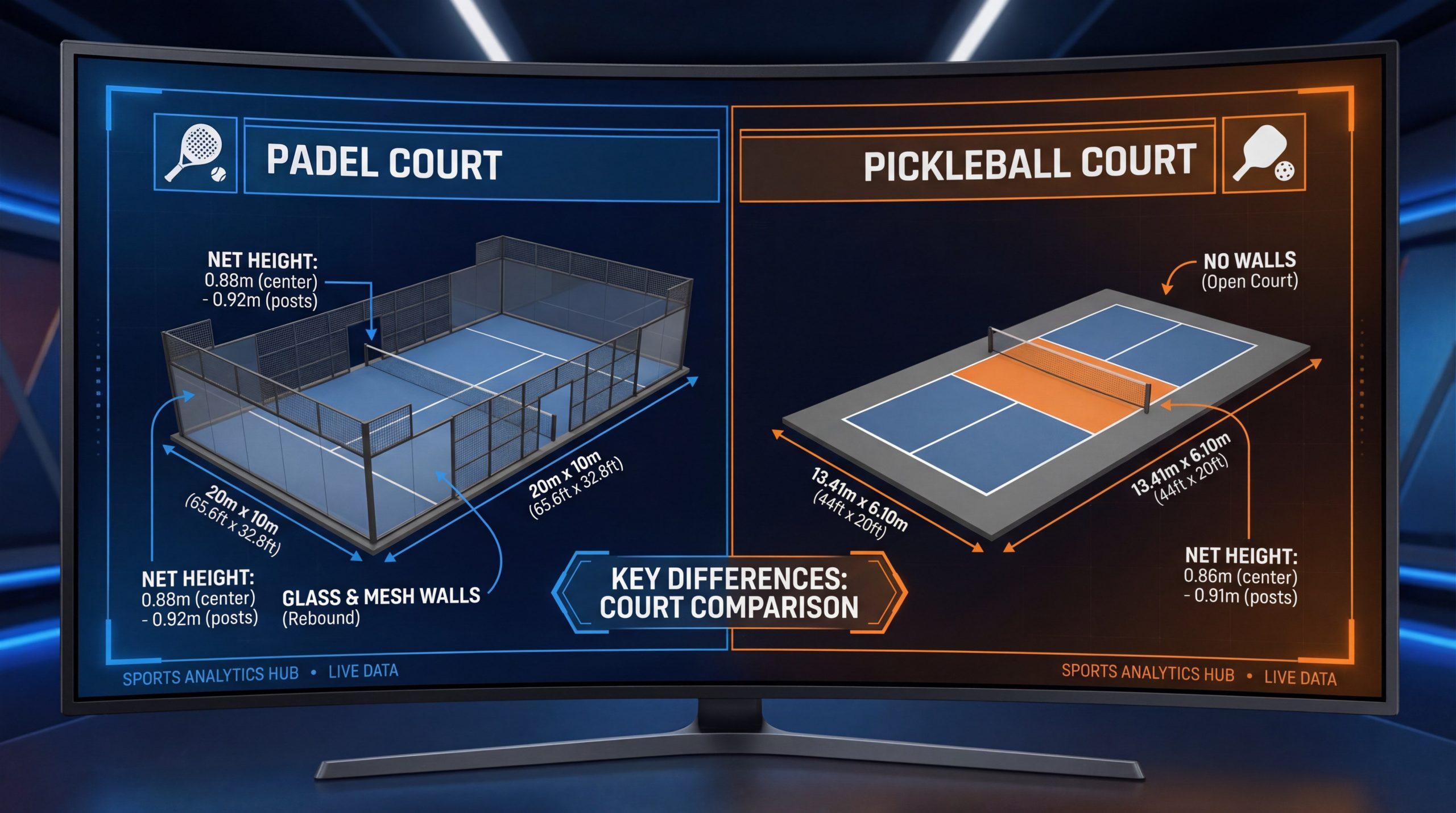
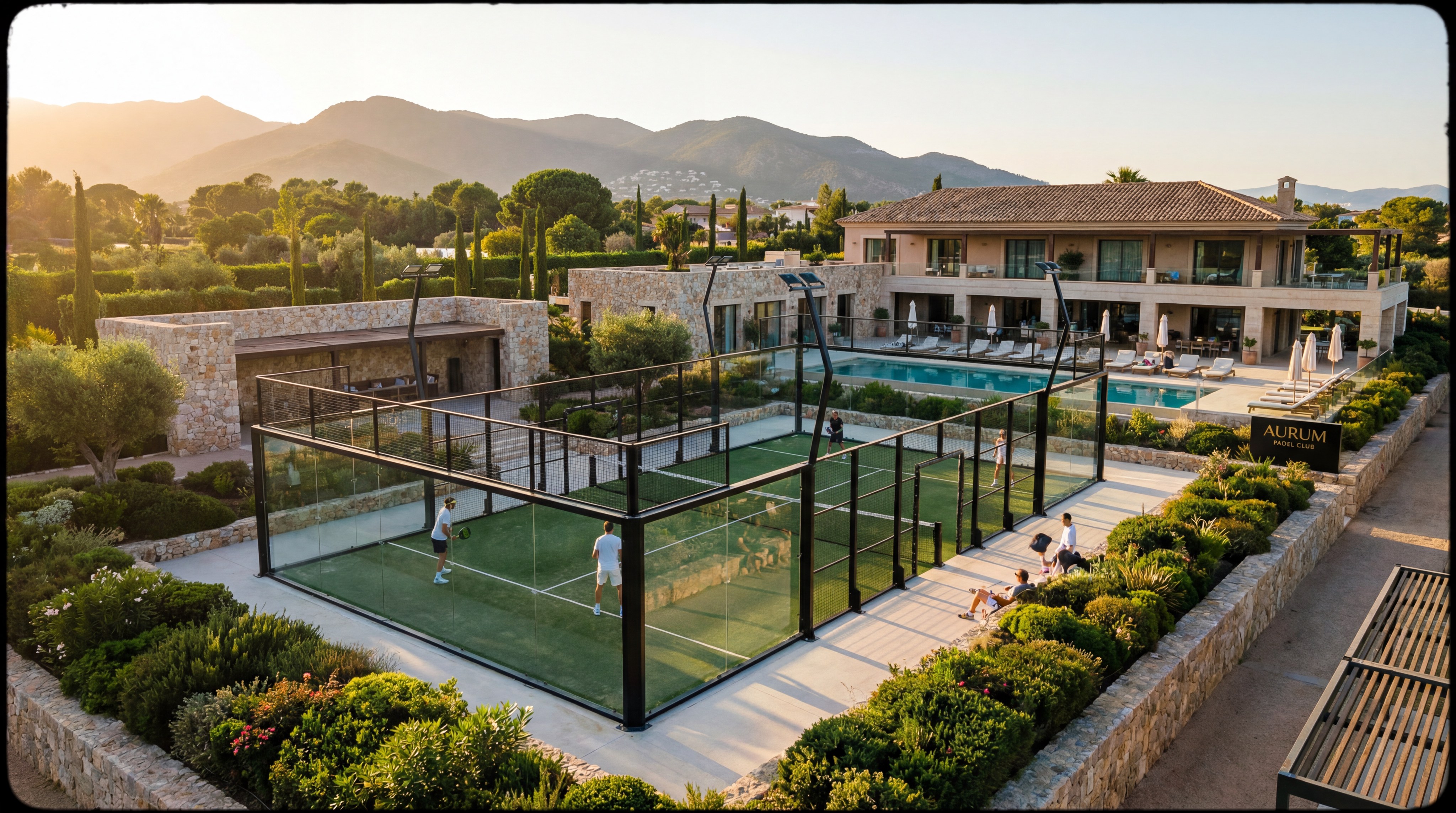
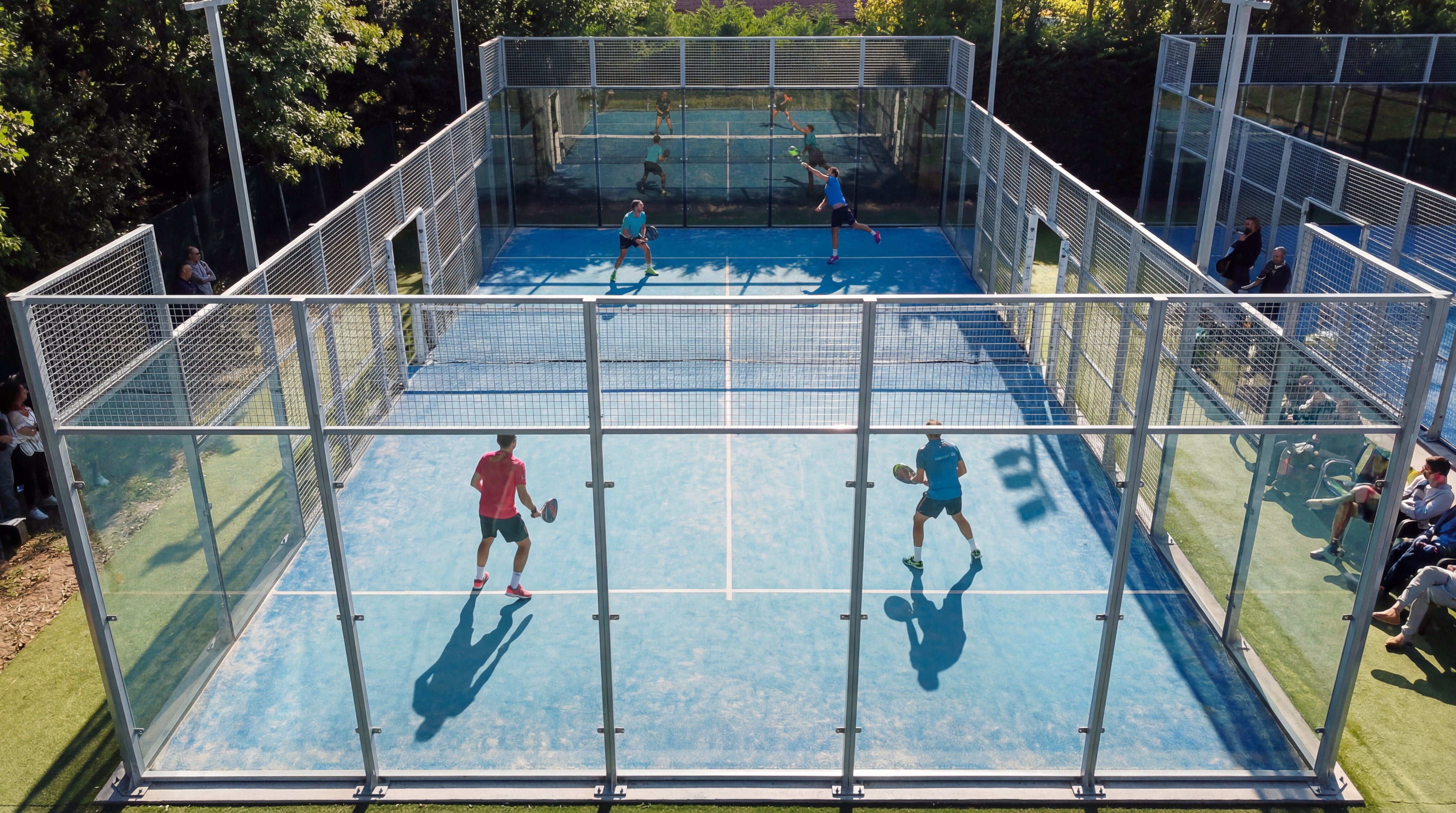
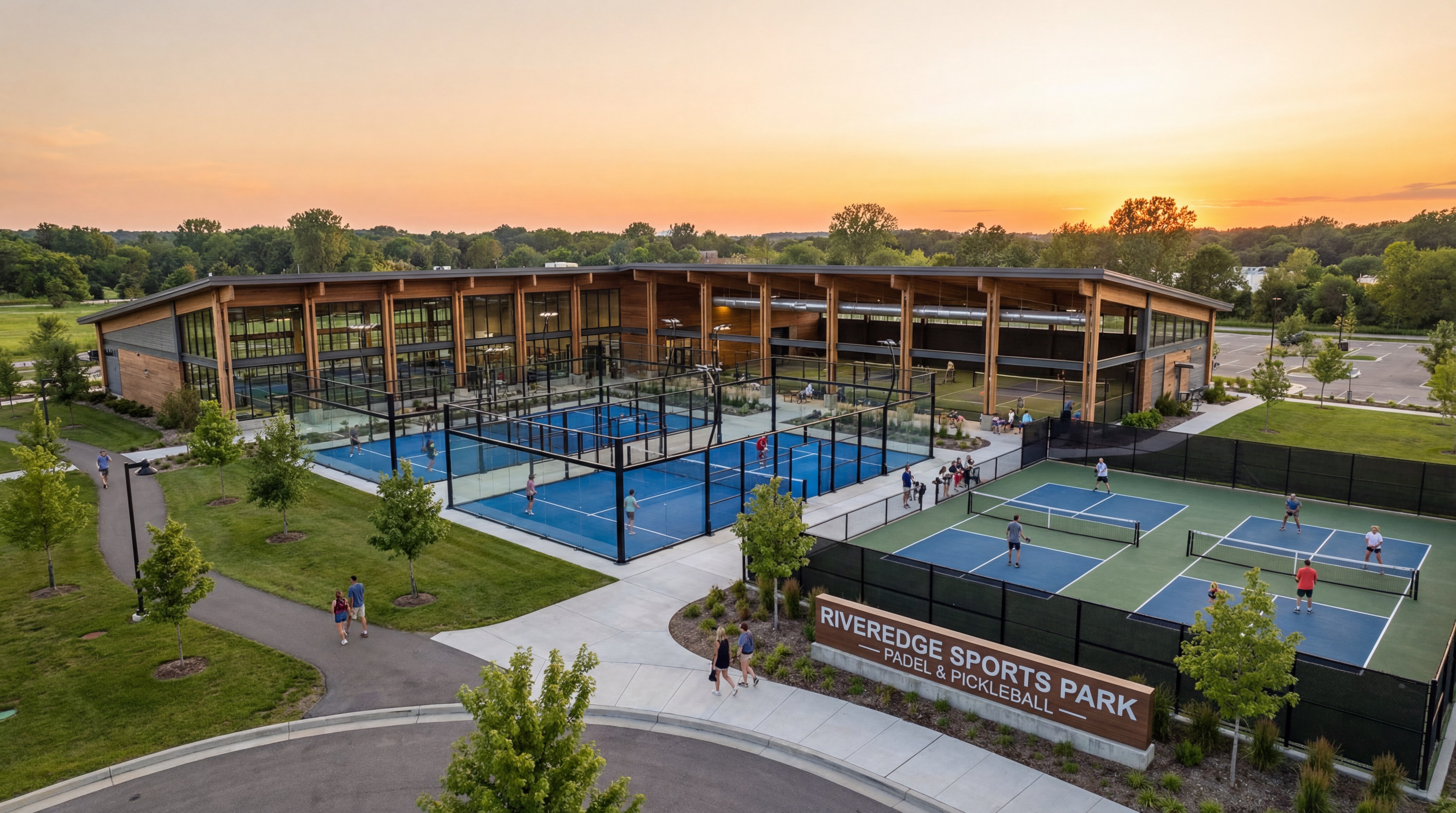
Padel courts are fully enclosed by glass and mesh walls, while pickleball courts are open systems similar to tennis. Understanding is pickleball the same as padel requires an appreciation for the complex engineering involved in padel enclosures. The walls are not just boundaries; they are active components of the rally.
Pickleball courts utilize standard fencing or simple court boundaries without any rebound requirements. You can often see multiple pickleball courts placed side-by-side in a single gymnasium or outdoor park. The lack of vertical infrastructure makes pickleball much easier to integrate into existing multipurpose spaces.
Enclosure requirements
Listen to this:
Padel courts require tempered glass panels that can withstand high-impact collisions from players.
These structures must also include specialized metal mesh to allow for unpredictable ball rebounds.
The open-air approach
Pickleball courts are essentially scaled-down tennis courts that do not require vertical boundaries.
This simplicity allows for faster setup and lower material overhead for public parks.
Key Takeaway: The defining physical difference is the presence of heavy-duty glass and mesh enclosures required for every padel installation.
| Structural Component | Padel | Pickleball |
|---|---|---|
| Perimeter | 3m Glass / Mesh | Optional Fencing |
| Active Walls | Yes | No |
| Foundation | Reinforced Concrete | Asphalt or Concrete |
Padel’s structural complexity necessitates a more robust engineering approach compared to the relatively simple pickleball footprint.
Is pickleball the same as padel in total dimensions?
No, padel courts are significantly larger, measuring 20 meters by 10 meters, compared to pickleball’s 13.41 meters by 6.10 meters. When calculating facility capacity, is pickleball the same as padel becomes a question of square footage efficiency for the owner. A single padel court occupies approximately 200 square meters of playing surface.
In contrast, a pickleball court only requires about 81.7 square meters for the playing area itself. This means you can fit more than two pickleball courts into the same space required for a single padel court. For clubs with limited real estate, this ratio is a critical factor in revenue-per-square-foot calculations.
Padel footprint
The 200-square-meter footprint of a padel court is designed specifically for doubles play.
You must also account for a safety zone around the perimeter for professional-grade play.
Pickleball dimensions
Pickleball uses the exact same court size as a standard doubles badminton court.
This standardized size makes it easy to convert indoor sports halls into pickleball hubs.
Key Takeaway: Pickleball is much more space-efficient, allowing for higher player density in a smaller geographic area.
| Dimension | Padel | Pickleball |
|---|---|---|
| Length | 20 Meters | 13.41 Meters |
| Width | 10 Meters | 6.10 Meters |
| Area | 200 sqm | ~82 sqm |
The difference in size directly impacts the speed of the game and the types of athletic movements required.
Is pickleball the same as padel for surface materials?
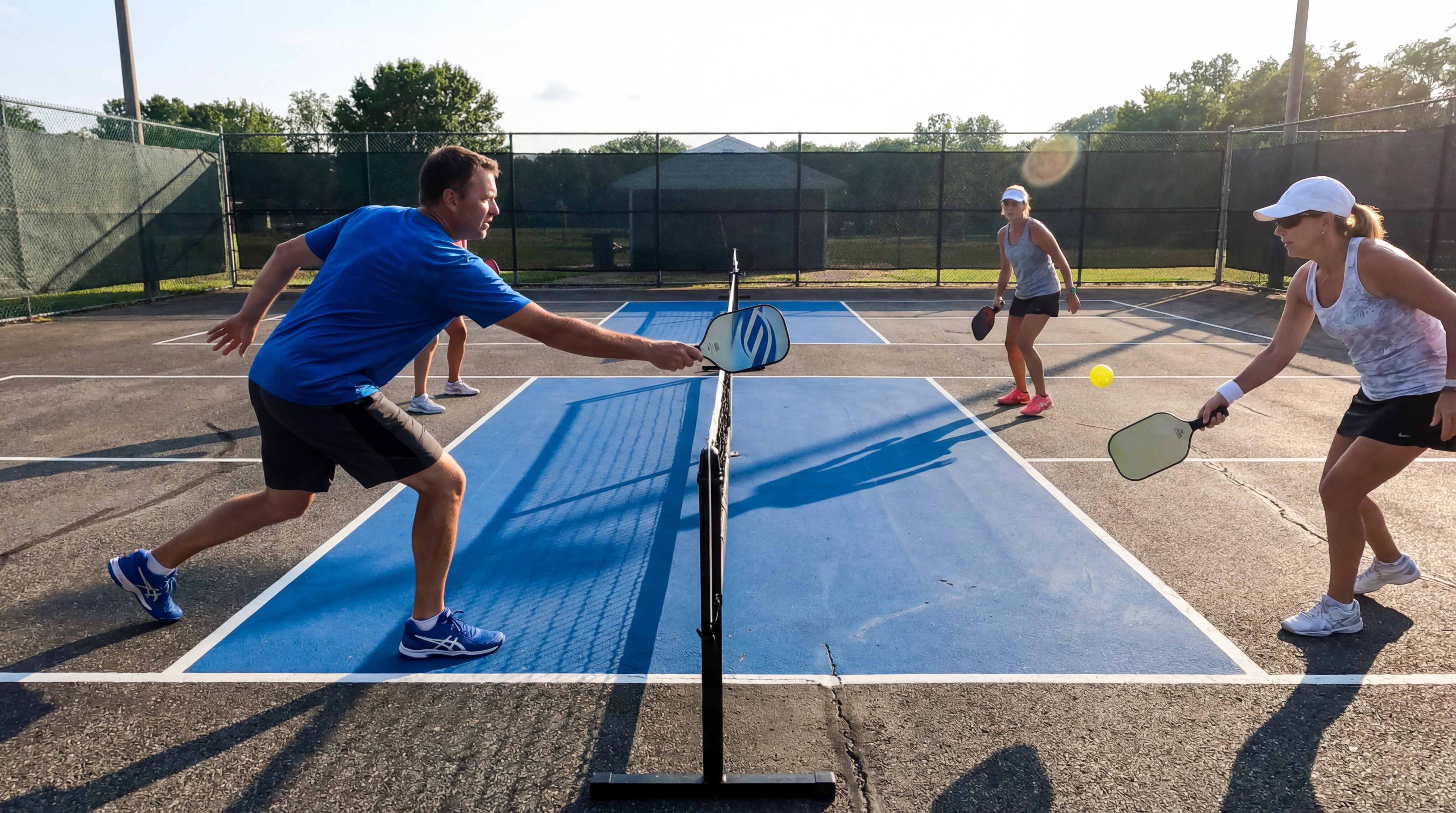
No, padel requires a specific type of monofilament artificial grass with sand infill, while pickleball uses hard acrylic or asphalt surfaces. Many investors ask is pickleball the same as padel regarding surface compatibility, but the requirements are functionally opposite. Padel turf is designed to allow controlled sliding and consistent ball bounce off the floor.
Pickleball surfaces are almost identical to those found on hard-court tennis facilities. These surfaces provide the high-friction grip necessary for the quick starts and stops typical of the game. Using a pickleball surface for padel would lead to joint injuries, and padel turf is unsuitable for the hollow plastic balls used in pickleball.
Padel turf technology
Modern padel courts use texturized synthetic grass that hides the silica sand infill.
This technology ensures that the ball bounces consistently while protecting player knees and ankles.
Acrylic hard courts
Believe it or not:
Pickleball courts often use cushioned acrylic layers to provide a slight bit of “give” for older players.
- Multiple layers of paint
- High-grip finish
- UV-resistant coatings
Key Takeaway: Surface materials are sport-specific and cannot be easily swapped without compromising safety and gameplay quality.
| Surface Type | Padel | Pickleball |
|---|---|---|
| Primary Material | Artificial Grass | Acrylic / Asphalt |
| Infill | Silica Sand | None |
| Grip Level | Medium (Sliding) | High (Traction) |
Selecting the correct surface is the most important factor in ensuring the longevity of your court investment.
Is pickleball the same as padel regarding racquet design?
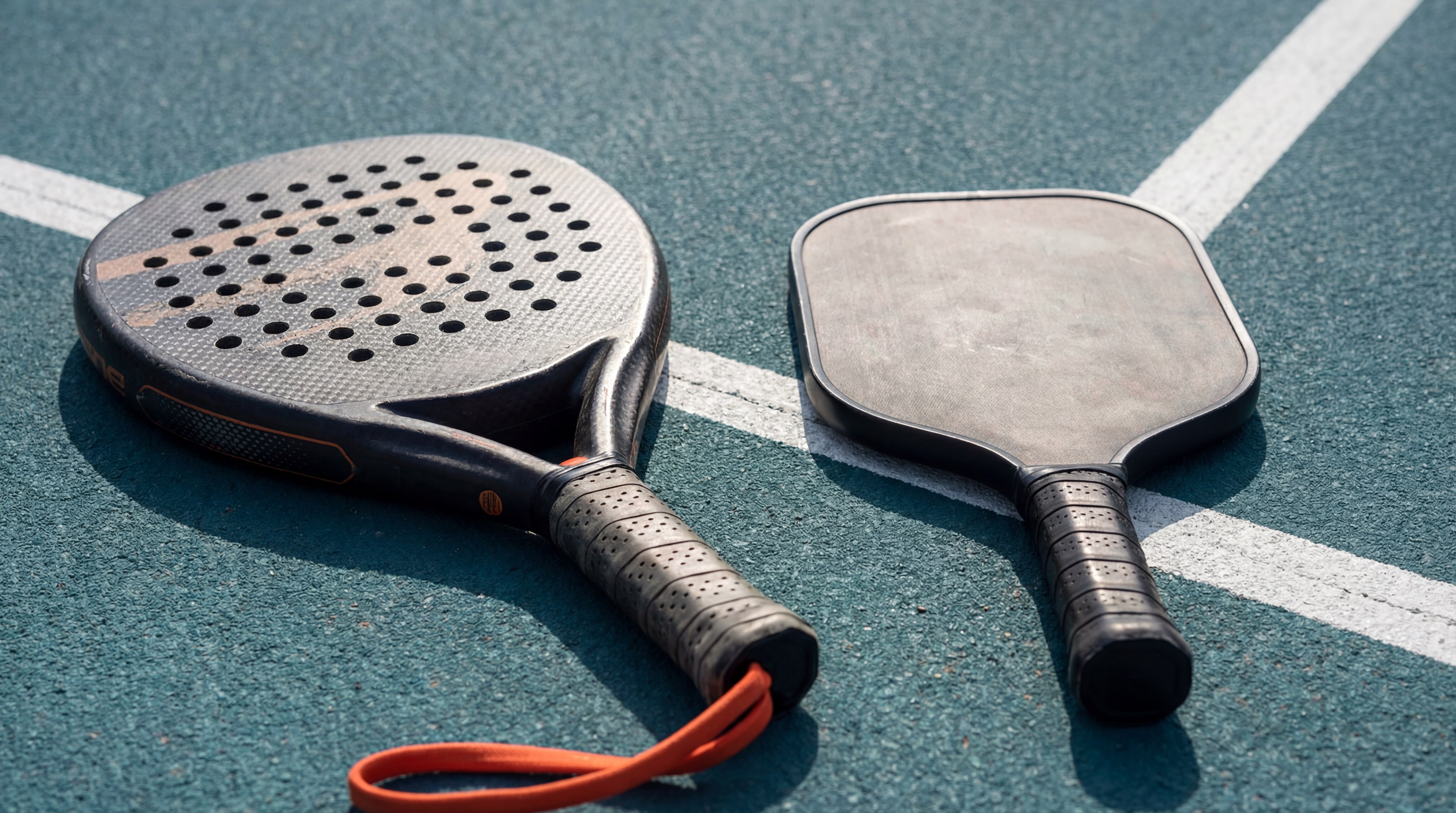
No, padel rackets are thick, perforated, and made of carbon fiber or fiberglass, while pickleball paddles are thin and solid. When examining is pickleball the same as padel, the equipment is the most obvious visual differentiator. Padel rackets can be up to 38mm thick and feature a foam core to absorb impact.
Pickleball paddles are much thinner, usually ranging from 13mm to 19mm in thickness. They feature a honeycomb core made of polymer, aluminum, or Nomex, and they do not have holes. These paddles are designed for precision and “pop” when hitting a lightweight plastic ball.
Padel racket anatomy
Padel rackets use a stringless design with a perforated surface to reduce wind resistance.
The wrist strap is a mandatory safety feature to prevent the racket from flying out of your hand.
Pickleball paddle builds
Pickleball paddles have a flat, solid face that provides a unique acoustic “clink” upon impact.
You will find that the grip size is more similar to a table tennis bat than a traditional tennis racquet.
Key Takeaway: Equipment is not interchangeable; the weight and aerodynamics of each tool are tuned to the specific ball type of the sport.
| Equipment | Padel Racket | Pickleball Paddle |
|---|---|---|
| Thickness | Up to 38mm | 13mm – 19mm |
| Holes | Yes (Perforated) | No (Solid) |
| Core | EVA Foam / Foam | Honeycomb Polymer |
The distinct equipment designs reflect the different physics involved in a padel rally versus a pickleball dink.
Is pickleball the same as padel in installation price?
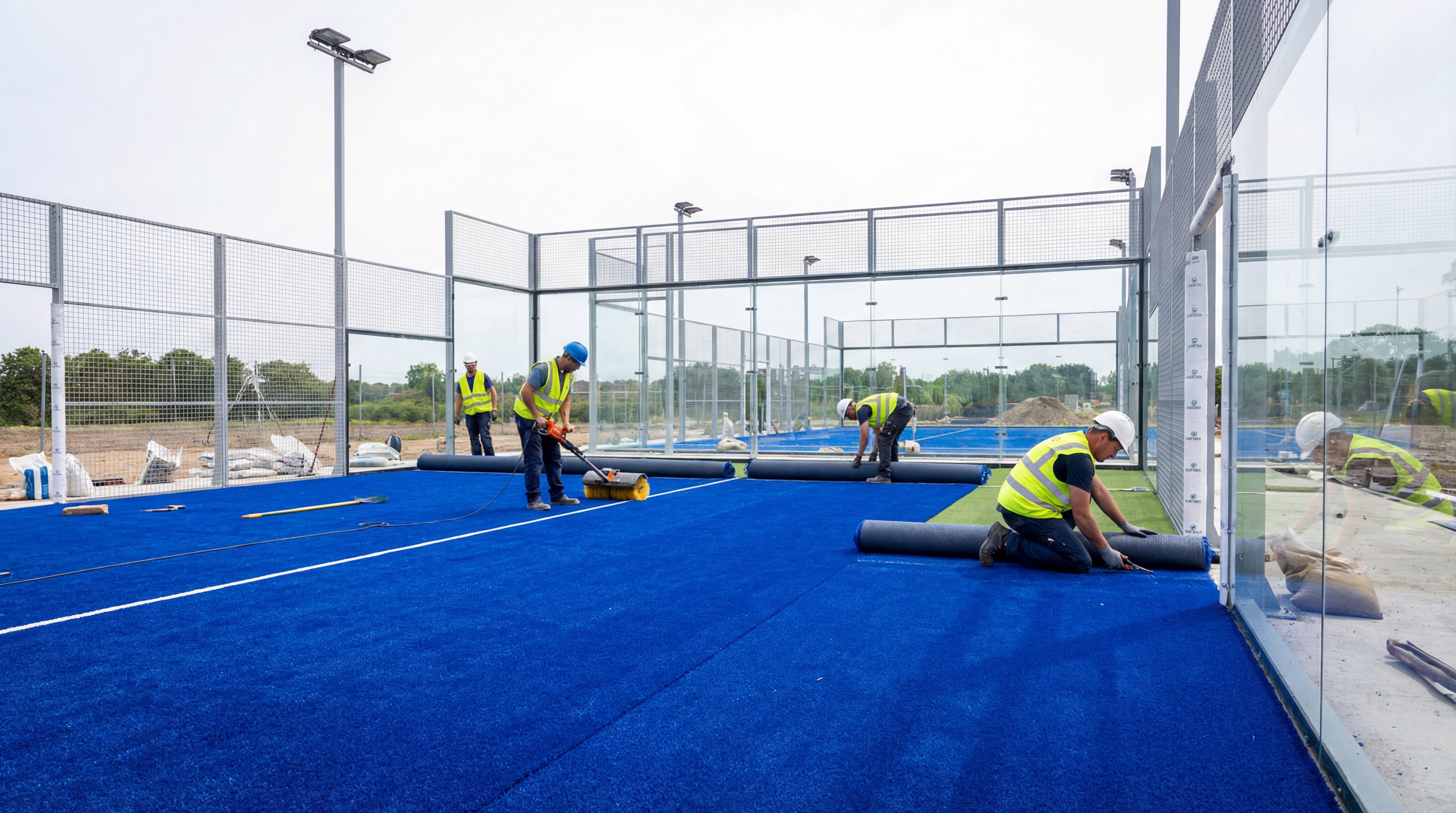
No, padel courts are significantly more expensive to install due to the specialized glass, steel, and turf required. When calculating is pickleball the same as padel for your budget, expect a padel court to cost two to three times more than a pickleball court. A professional padel installation requires heavy machinery and precision engineering for the glass walls.
Pickleball installation is much more straightforward, often involving a simple concrete slab with an acrylic coating. If you already have a tennis court, you can stripe it for multiple pickleball courts for a fraction of the cost. Padel, however, requires a dedicated structural foundation to support the weight of the tempered glass.
Cost of glass and steel
The glass for a single padel court can weigh several tons and requires specialized shipping.
Steel frames must be powder-coated to prevent rust, especially in humid or coastal environments.
Pickleball budget factors
Think about it:
Most of your pickleball budget will go into the concrete quality and the lighting system.
- Lower material costs
- Faster installation time
- Minimal maintenance needs
Key Takeaway: Padel is a high-CAPEX investment compared to the relatively low-cost entry point of pickleball facility development.
| Cost Driver | Padel | Pickleball |
|---|---|---|
| Foundation | Reinforced Slab | Standard Concrete |
| Boundary | Tempered Glass | Netting / Fence |
| Relative Price | High ($$$) | Low ($) |
Budgeting correctly for these differences ensures that your project remains financially viable from start to finish.
Is pickleball the same as padel for scoring protocols?
No, padel follows the traditional tennis scoring system, while pickleball uses a unique three-number scoring format. The question is pickleball the same as padel often confuses beginners who are transition between the two sports. In padel, you play for points like 15, 30, and 40, and games are organized into sets.
Pickleball scoring is based on a side-out system where only the serving team can score points. A typical game is played to 11 points, and you must win by a margin of two. The three-number score called out before a serve represents the server’s score, the receiver’s score, and whether it is the first or second server.
Padel set structure
Padel usually follows a “best of three sets” format, just like professional tennis.
Many clubs use the “Golden Point” rule at deuce to speed up match times for court rotations.
Pickleball’s unique rhythm
Here is the deal:
You must announce all three numbers before every serve, or you might lose the point.
- Only serve team scores
- Games to 11 or 15
- Margin of two required
Key Takeaway: Padel’s scoring is familiar to tennis players, whereas pickleball requires learning an entirely new numerical language.
| Scoring Aspect | Padel | Pickleball |
|---|---|---|
| Point System | 15, 30, 40, Game | Sequential (1, 2, 3…) |
| Who Scores | Either Team | Serving Team Only |
| Set Format | Best of 3 Sets | Single Games (usually) |
Understanding these rules is vital for tournament organization and ensuring fair play among club members.
Is pickleball the same as padel for ball characteristics?
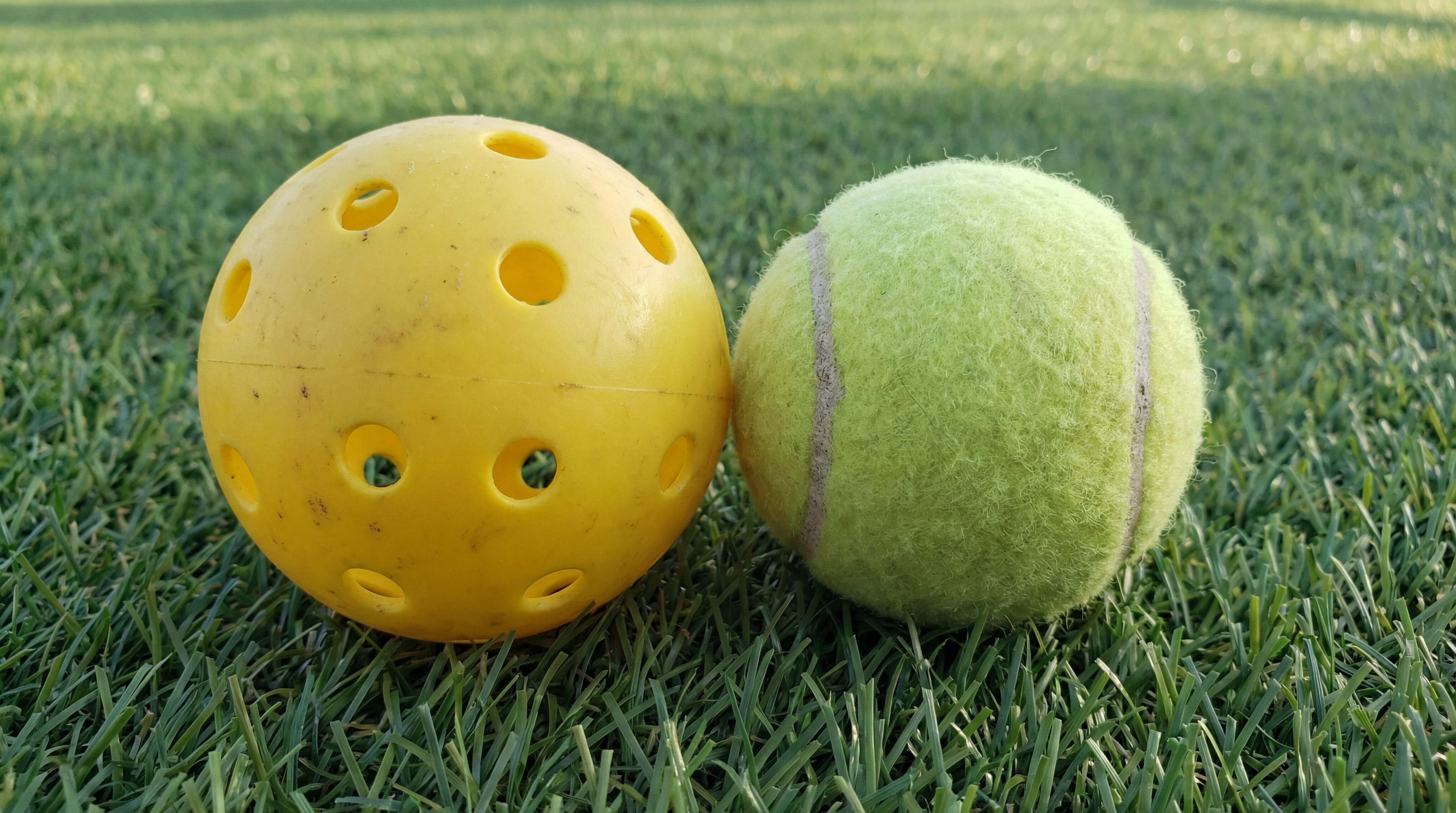
Padel balls are pressurized and felt-covered like tennis balls, whereas pickleball balls are hollow plastic with holes. Investigating is pickleball the same as padel equipment costs reveals that ball replacement cycles are quite different. Padel balls lose their internal pressure over time and need frequent replacement for optimal bounce.
Pickleball balls are much more durable but are highly sensitive to temperature and wind. They are categorized into “indoor” and “outdoor” versions based on the size and number of the holes. Because they are made of hard plastic, they produce a significantly louder impact sound than the soft felt of a padel ball.
Padel ball physics
Padel balls have less internal pressure than tennis balls to keep the game at a manageable speed.
This lower pressure allows the ball to rebound off the walls without flying out of the court constantly.
The pickleball wiffle
It gets better:
Outdoor pickleball balls have 40 small holes to minimize the effect of wind during flight.
- Hollow plastic build
- No internal pressure
- High acoustic output
Key Takeaway: The ball is the primary driver of the game’s pace, sound profile, and tactical requirements.
| Characteristic | Padel Ball | Pickleball Ball |
|---|---|---|
| Material | Rubber & Felt | Hollow Plastic |
| Pressure | Yes (Pressurized) | No (Static) |
| Sound | Low Thud | High-Pitch Clack |
Choosing the right ball for your facility is a minor but essential detail for player satisfaction.
Is pickleball the same as padel for gameplay strategy?
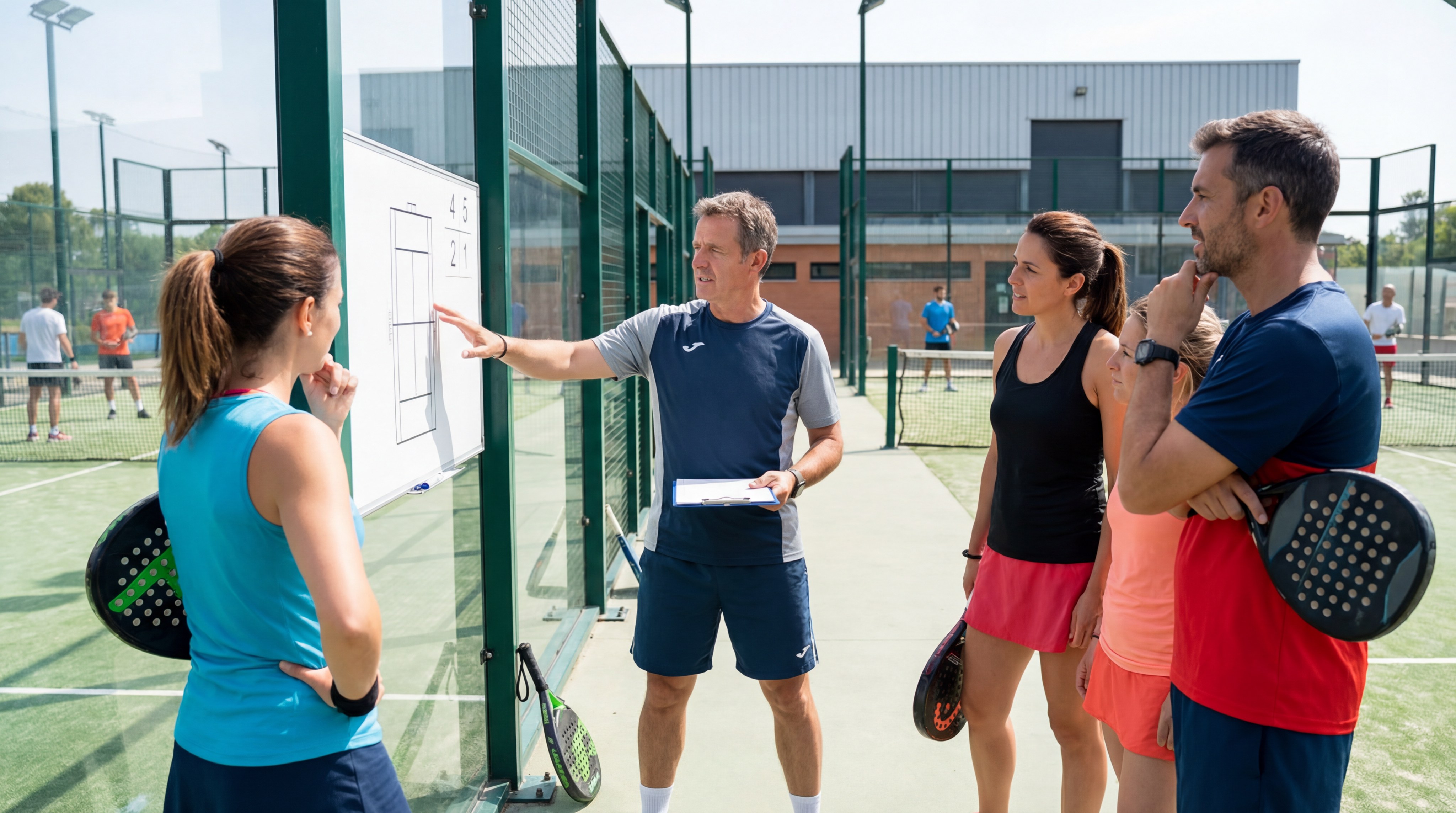
No, padel strategy revolves around wall rebounds and lobs, while pickleball strategy focuses on “dinking” and the Non-Volley Zone. Even though both are racquet sports, is pickleball the same as padel in terms of movement? Padel players must learn to let the ball pass them and play it off the back glass.
In pickleball, the “Kitchen” (Non-Volley Zone) prevents players from smashing the ball at the net. This creates a strategic “dink” game where players tap the ball softly back and forth until an opening appears. Padel is more about controlling the net and using the walls to reset the point’s momentum.
Mastering the glass
You must learn to read the angle of the ball as it hits the corner glass.
The walls are your friends, allowing you to return shots that would be impossible in tennis.
The kitchen game
The result?
Pickleball rallies often turn into a test of patience at the net rather than a test of power.
- No-volley zone (Kitchen)
- Underarm serve mandatory
- Focus on soft touches
Key Takeaway: Padel is a game of angles and rebounds, whereas pickleball is a game of patience and precise net play.
| Strategy Element | Padel | Pickleball |
|---|---|---|
| Key Area | Net & Walls | The Kitchen (NVZ) |
| Common Shot | Lob / Bandeja | Dink / Drop Shot |
| Serve Type | Underhand (waist) | Underhand (waist) |
The different strategies appeal to different types of athletes, often allowing clubs to target diverse player personas.
Is pickleball the same as padel in facility longevity?

No, the maintenance requirements and structural lifespan of padel courts are more demanding than those of pickleball courts. When evaluating is pickleball the same as padel for long-term operations, you must consider the “wear and tear” of the glass and turf. Padel turf requires regular brushing and sand redistribution to prevent the fibers from flattening.
Pickleball courts are largely “set and forget” once the acrylic surface is cured. While they may need resurfacing every 5 to 7 years, they do not have the mechanical components like mesh tensioners or glass seals found in padel. However, both sports offer excellent ROI due to their high popularity and social nature.
Padel maintenance needs
You must inspect the glass fasteners and mesh integrity every few months to ensure safety.
Regularly cleaning the glass is also necessary to maintain the premium “panoramic” aesthetic players expect.
Pickleball durability
Best of all:
Pickleball courts can withstand extreme weather conditions better than the complex components of padel.
- Resurfacing every 5 years
- Simple net replacements
- Easy crack repair
Key Takeaway: Padel requires active weekly maintenance, while pickleball is a lower-maintenance facility option.
| Longevity Factor | Padel | Pickleball |
|---|---|---|
| Maintenance Level | High (Weekly) | Low (Monthly) |
| Main Concern | Turf / Glass Seals | Surface Cracking |
| Typical Lifespan | 10-15 Years | 15-20 Years |
Understanding these operational differences will help you project your long-term management costs accurately.
By clarifying the technical and operational distinctions between these two powerhouse sports, you can better align your facility’s offerings with your business goals. Our vision is to provide world-class sporting infrastructure that stands the test of time, helping you build a vibrant community around these exciting games. Whether you are looking for a turn-key padel solution or a multipurpose racquet facility, contact us today to start your project.
Frequently Asked Questions
Can I play padel on a pickleball court?
No. Padel requires glass walls for the ball to rebound, which pickleball courts lack, making the game impossible to play correctly.
What’s the best footwear for both court types?
Padel requires clay-court or padel-specific shoes with “herringbone” grips for turf, while pickleball requires hard-court tennis shoes for traction on acrylic.
How much space do I need for a dual-sport facility?
You need approximately 300-400 square meters to comfortably house one of each court with sufficient walkway and safety clearance.
Are there different balls for indoor and outdoor play?
In pickleball, yes; outdoor balls have smaller holes to resist wind. In padel, the same balls are generally used for both, though humidity affects bounce.
Which is easier for beginners to learn quickly?
Pickleball is generally considered easier to pick up in a single session due to the slower ball speed and lack of wall-rebound complexity.