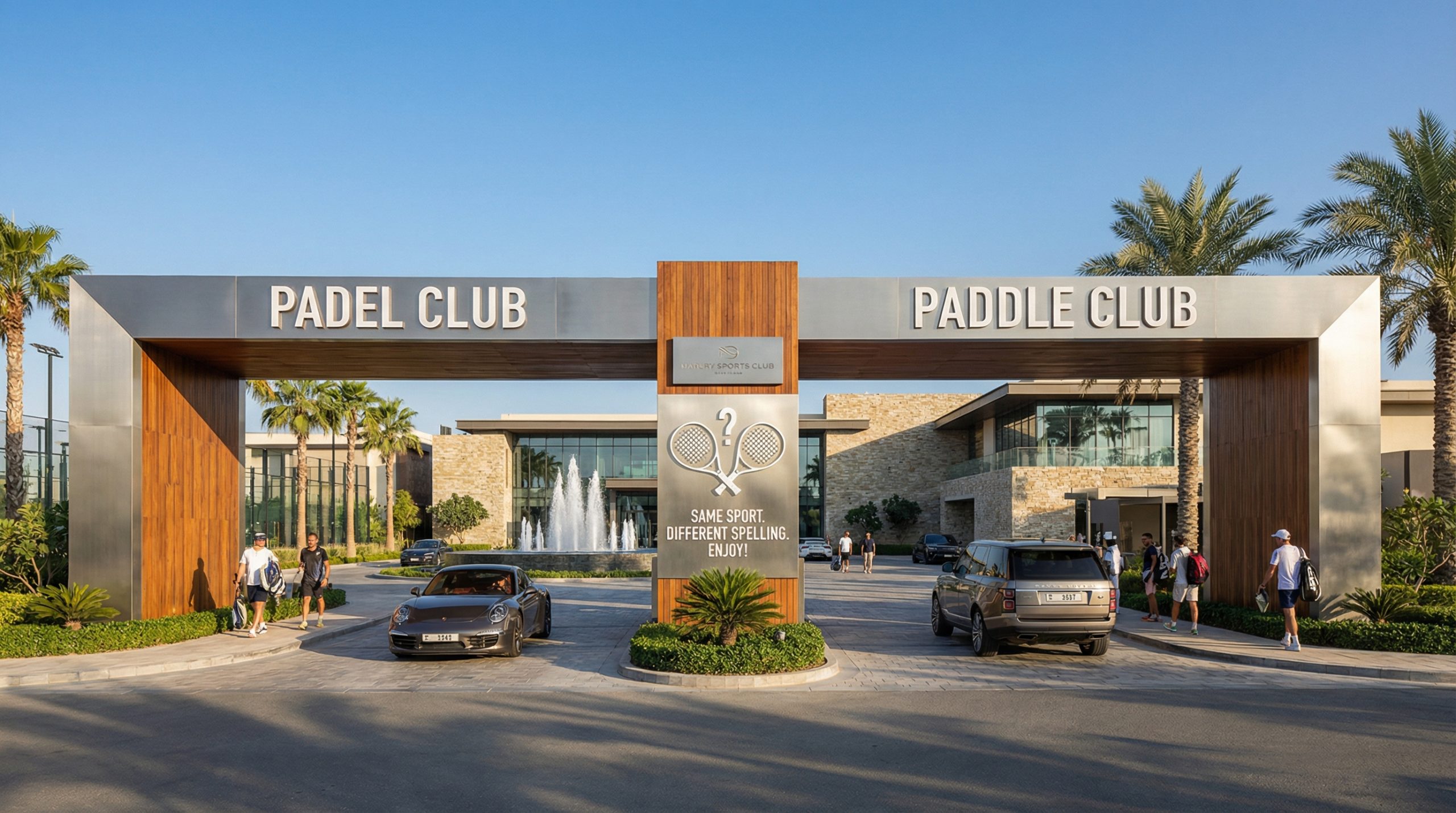
Padel is a fast-paced racket sport originating in Mexico that uses glass-walled courts and stringless rackets, whereas Paddle Tennis is an older American variant played on smaller courts without walls. Confusing these terms can lead you to invest in the wrong equipment or build a facility that doesn’t meet international tournament standards. Imagine spending your budget on a “paddle” court only to find your local community expected a glass-enclosed Padel arena. You can avoid these costly mistakes by understanding the definitive differences between paddle or padel and following a professional construction blueprint to ensure your project is a global success.
1. What is the main difference between paddle or padel?
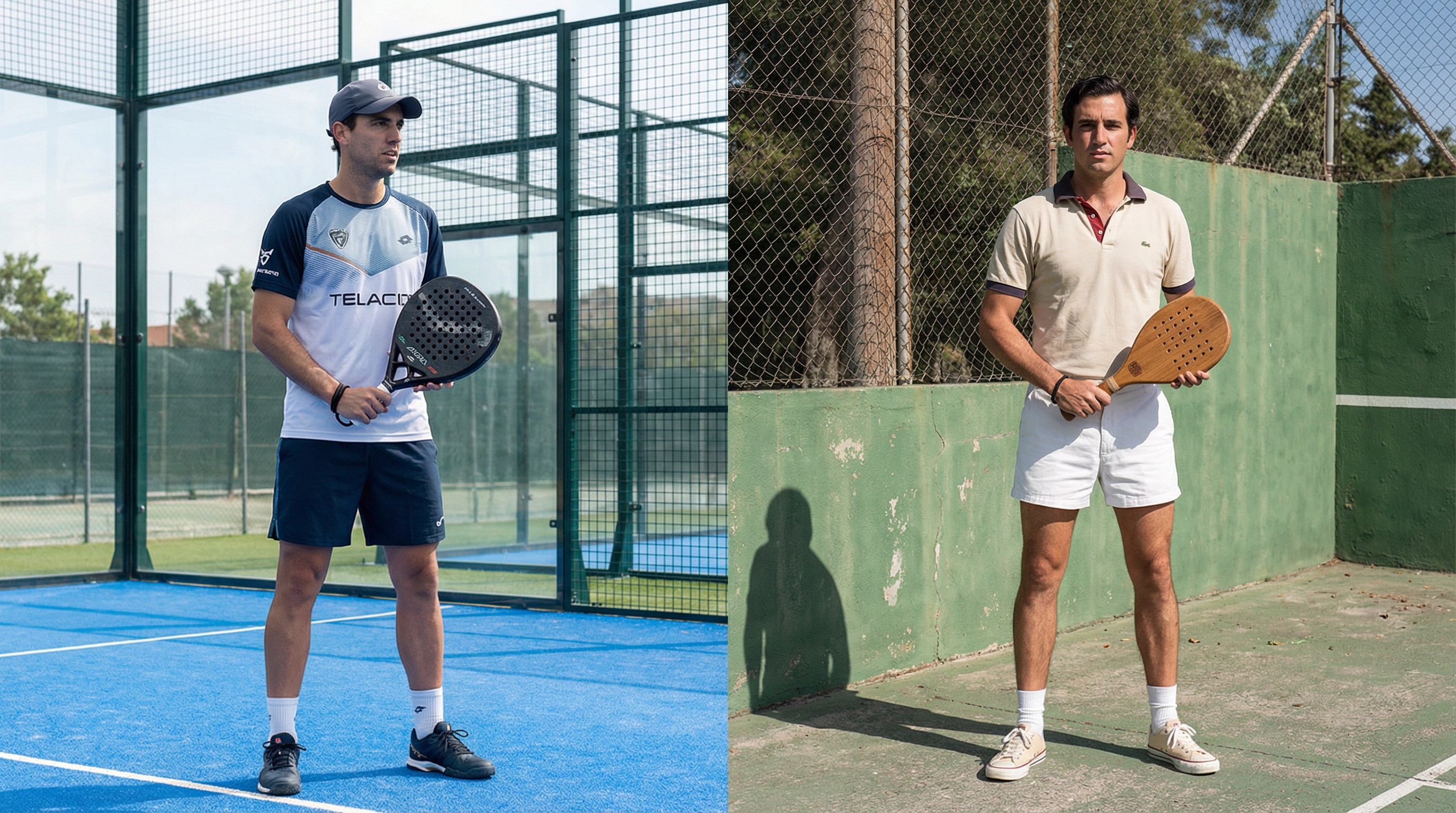
The primary difference lies in the court design and equipment, as Padel requires glass walls for active play while Paddle Tennis is played on a more traditional, open court layout. When you look at the global growth of paddle or padel, you will notice that Padel is currently the dominant international trend.
How did these two sports begin?
Padel was invented in 1969 in Acapulco, Mexico, by Enrique Corcuera who wanted a sport that incorporated walls to keep the ball in play. In contrast, Paddle Tennis (now often called POP Tennis) has its roots in New York City from the early 1900s.
Think about it:
- Padel evolved from a desire for private, walled-in recreation.
- POP Tennis was designed to bring tennis to crowded urban environments.
- Both sports aim to make racket play more accessible to everyone.
What are the main rule variations?
Padel is almost always played as doubles and features an underhand serve that must bounce before contact. You will find that using the walls is a strategic necessity in Padel, whereas Paddle Tennis relies on traditional court boundaries.
Actually:
- Padel serves must be at or below waist level.
- POP Tennis allows for more traditional tennis-style movement.
- Scoring in both sports typically follows the traditional 15, 30, 40 system.
Key Takeaway: While the names sound identical, Padel is the wall-based global phenomenon you likely want to build for modern commercial success.
| Feature | Padel | Paddle Tennis (POP) |
|---|---|---|
| Wall Play | Essential (Glass/Mesh) | None |
| Serve | Underhand only | Underhand (usually) |
| Main Racket | Solid, perforated carbon | Thinner, perforated paddle |
This comparison highlights that Padel offers a unique “second chance” dynamic thanks to its enclosed structure.
2. Why is the term paddle or padel often confused?
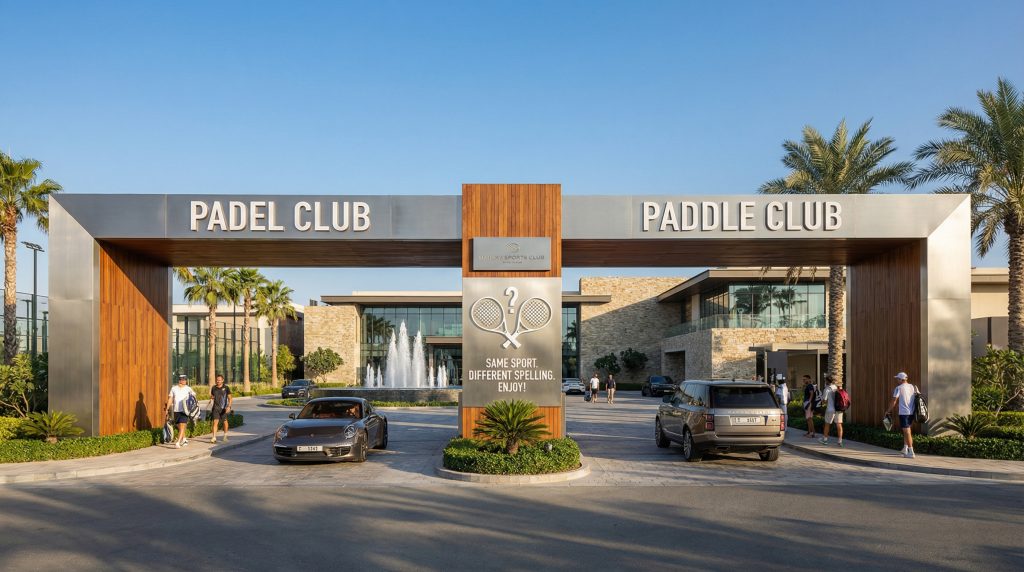
Confusion stems from linguistic translation where “Padel” is often phonetically anglicized to “Paddle” by players and developers in English-speaking regions. You might find yourself searching for paddle or padel and seeing results for two completely different sports because the terms are used interchangeably in casual conversation.
How does language cause confusion?
The Spanish word “Pádel” was adapted directly from the English word “Paddle,” creating a circular linguistic loop that baffles newcomers. You will often see sports clubs using both spellings to capture all search traffic from potential members.
Here is the kicker:
- “Padel” is the official international spelling recognized by federations.
- “Paddle” is frequently used in the US to refer to Platform Tennis.
- Most modern European clubs are strictly Padel facilities.
What is the role of POP Tennis?
The rebranding of Paddle Tennis to POP Tennis was a deliberate attempt to reduce this terminology overlap. You should realize that this change helps professional builders specify exactly which type of court surface and dimensions you require.
The reality is:
- POP Tennis branding targets the American market specifically.
- Padel maintains its branding for the global professional circuit.
- Using the wrong term during procurement can lead to significant delays.
Key Takeaway: Always specify “Padel” if you intend to build a court with glass walls, as “Paddle” remains a broad and ambiguous term in the industry.
| Aspect | Padel | POP Tennis |
|---|---|---|
| Global Recognition | Very High | Mainly USA |
| Formal Name | Padel | POP Tennis |
| Branding Strategy | Professional / Olympic | Recreational / Community |
Choosing the correct terminology ensures you receive the specific technical blueprints and equipment required for your facility.
3. Which court size is used for paddle or padel?
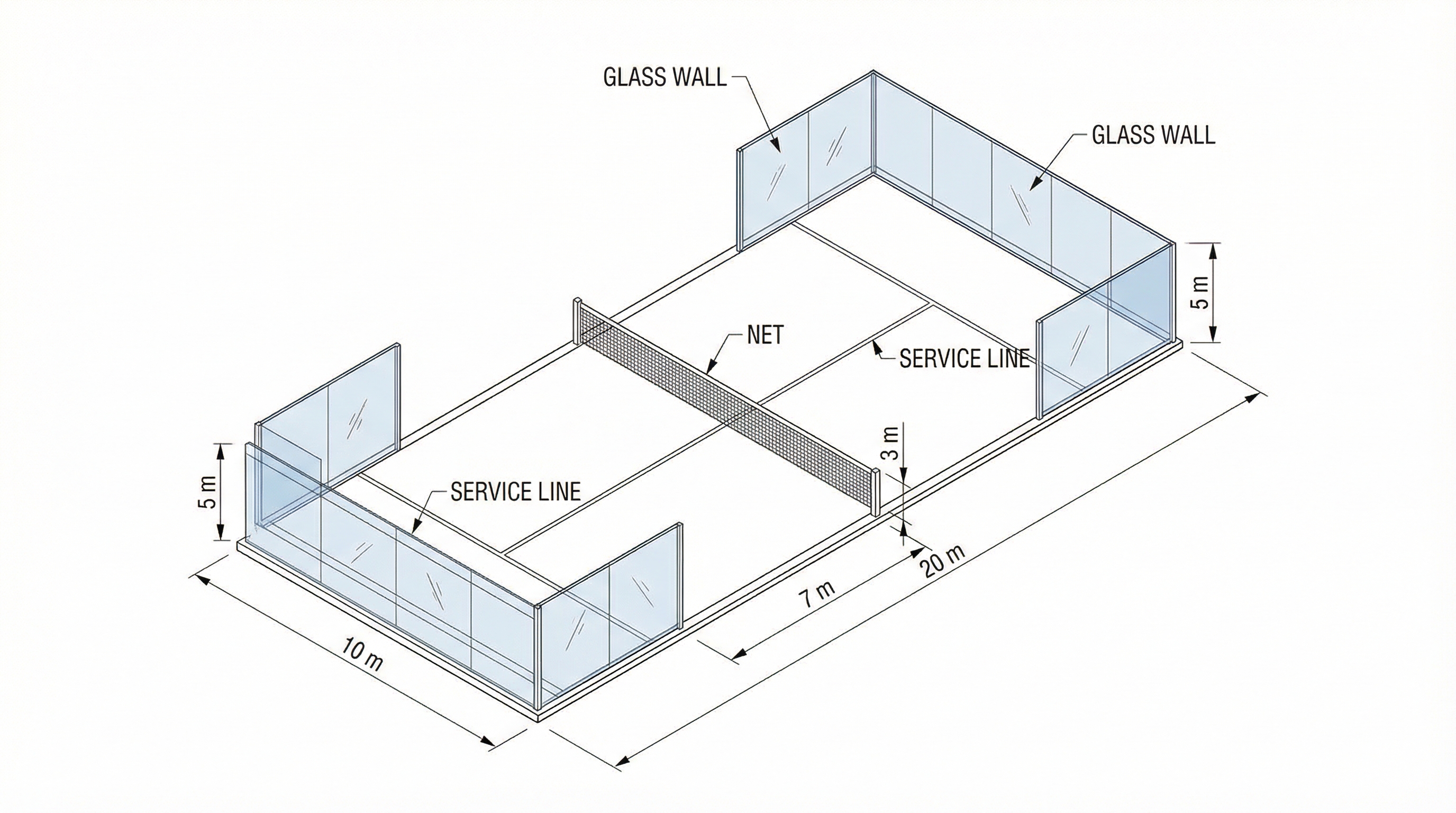
A standard doubles court for Padel measures exactly 20 meters long by 10 meters wide, creating a 200-square-meter field of play. Precision is vital when building for paddle or padel because the glass panels are manufactured to fit these exact metric dimensions.
What are doubles court dimensions?
The doubles court is the gold standard for the sport, divided by a net and surrounded by a combination of glass and metallic mesh. You must ensure the service lines are placed 6.95 meters from the net to comply with official regulations.
Look:
- Total width must be a precise 10 meters.
- Total length must be a precise 20 meters.
- The net height is 88cm at the center and 92cm at the posts.
How large are singles courts?
Singles courts are less common but perfect for training, measuring 20 meters in length but only 6 meters in width. You can use these smaller footprints to maximize revenue in tight urban spaces where a full doubles court won’t fit.
In other words:
- Singles courts save 40% of horizontal space.
- The length remains identical to maintain the rhythm of play.
- They are excellent for one-on-one coaching sessions.
Key Takeaway: Stick to the 20×10 meter standard for doubles to ensure your court is eligible for official tournaments and high-demand bookings.
| Court Type | Length | Width | Area |
|---|---|---|---|
| Doubles | 20m | 10m | 200 sqm |
| Singles | 20m | 6m | 120 sqm |
Using these exact dimensions allows you to install standardized glass and fencing kits without custom modification costs.
4. How much space is needed for paddle or padel?
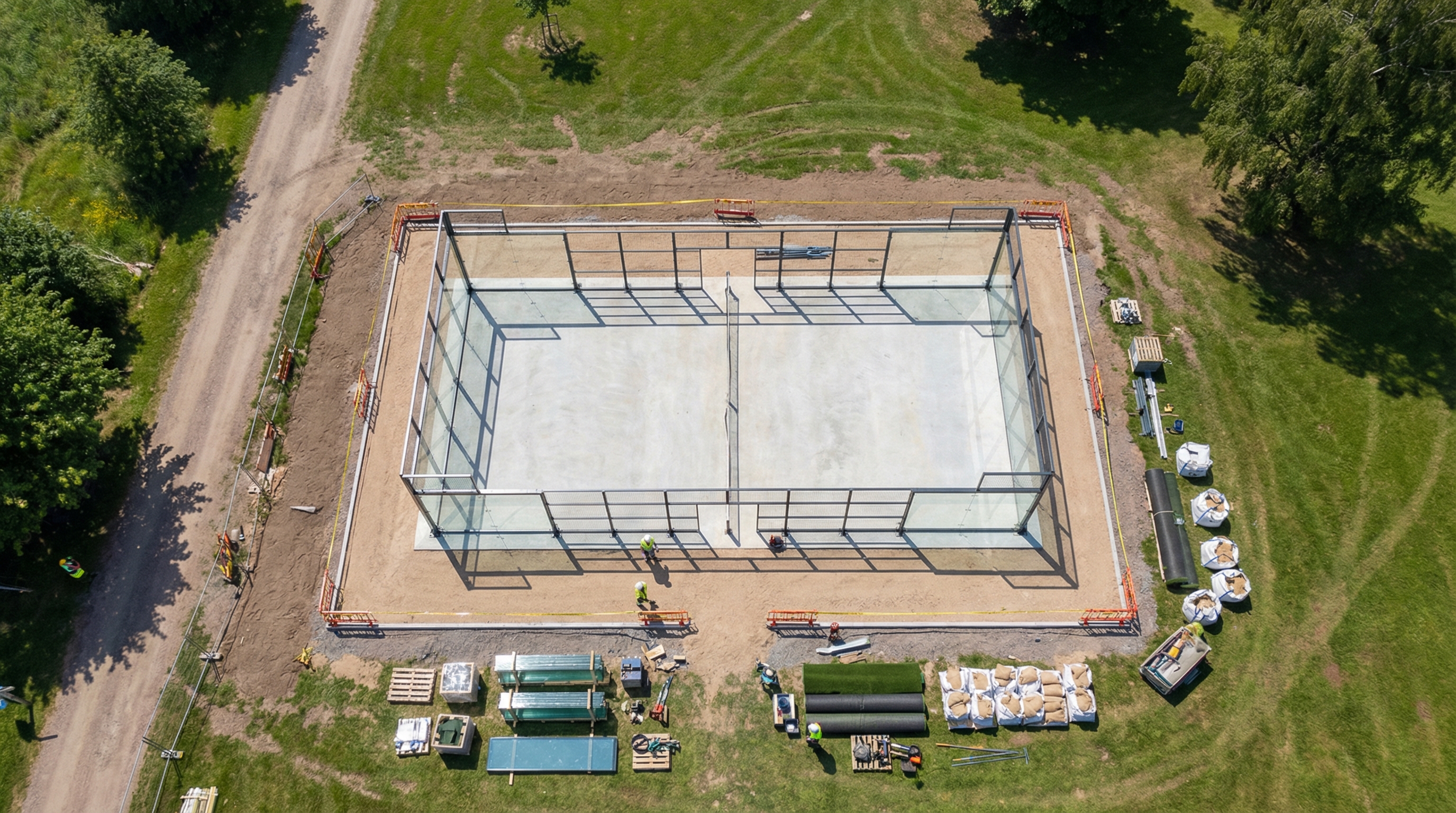
You need a total clear area of approximately 21 meters by 11 meters to accommodate the court structure, safety zones, and external glass supports. While the playing area for paddle or padel is fixed, you must account for the concrete foundation extending slightly beyond the court perimeter.
What is the required ceiling height?
Vertical space is just as important as the floor area, especially for high lobs that are a core part of the game’s strategy. You should aim for a minimum of 6 meters of clearance, though 8 meters is the professional recommendation.
Think about it:
- Indoor players need height for defensive lobs.
- Obstructions like lights or beams can ruin a match.
- Professional facilities often go up to 10 meters or more.
How much perimeter space is needed?
You must leave enough room for players to run out of the side doors to return “out of court” smashes in high-level play. Ideally, you should provide a 2-meter safety zone on each side of the court exits.
Actually:
- Safety zones are required for World Padel Tour standards.
- External foundations must be wider than the fence line.
- Walkways between courts improve the spectator experience.
Key Takeaway: Don’t just measure the court; ensure you have at least 231 square meters of total flat ground and high vertical clearance.
| Requirement | Minimum | Professional |
|---|---|---|
| Total Ground Area | 231 sqm | 250+ sqm |
| Ceiling Height | 6.0m | 8.0m – 12.0m |
| Side Clearance | 0.5m | 2.0m |
Adequate spatial planning prevents structural damage to the glass and provides a safer environment for aggressive play.
5. What materials are best for paddle or padel courts?
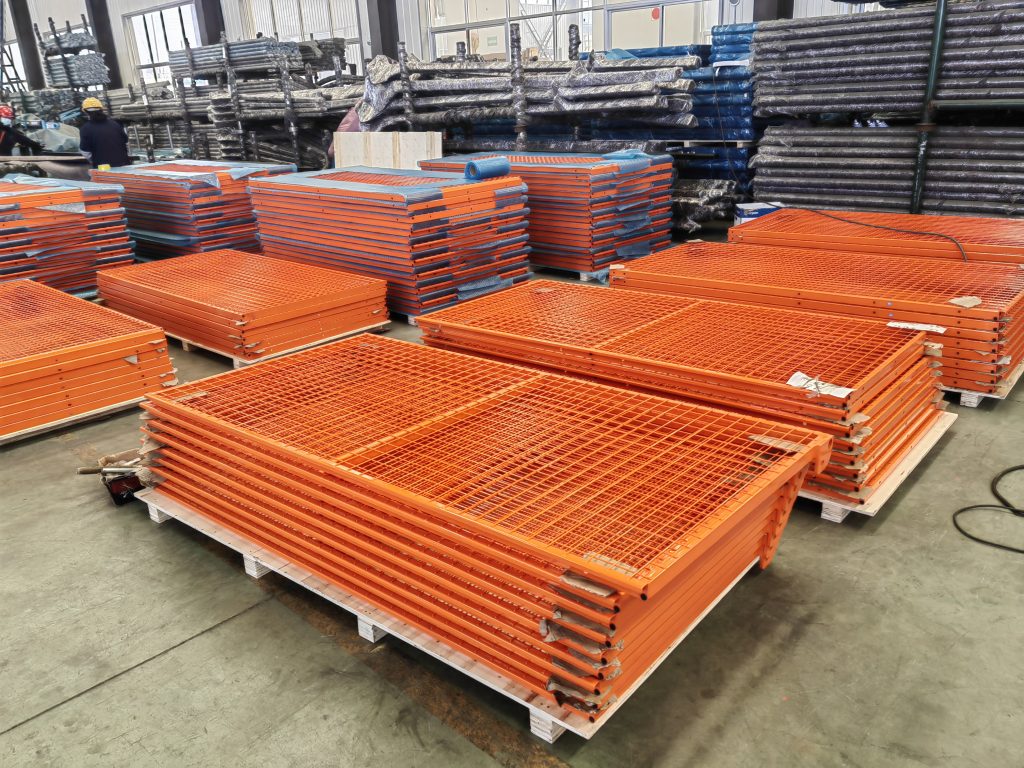
High-quality tempered glass and monofilament artificial turf are the essential materials for building a durable and professional-grade facility. When selecting components for paddle or padel, you must prioritize UV resistance and structural integrity to withstand years of heavy use.
Why choose glass over walls?
Tempered glass panels, typically 10mm or 12mm thick, provide the best visibility for spectators and a consistent bounce for players. You will find that modern panoramic designs eliminate many steel pillars to offer an unobstructed view of the action.
Here is the kicker:
- 12mm glass is significantly safer for high-impact commercial use.
- Glass creates a premium, modern aesthetic for your club.
- It allows for easy maintenance and cleaning compared to concrete.
How do you pick artificial turf?
The turf should be specifically designed for Padel, using monofilament fibers that can hold a consistent layer of specialized silica sand. You should choose a blue or green “Mondo” style surface to ensure a professional-level ball response.
Look:
- Textured turf requires less sand and offers better grip.
- Monofilament fibers are more durable than fibrillated options.
- Proper drainage backing is vital for any outdoor installation.
Key Takeaway: Invest in 12mm tempered glass and high-density monofilament turf to reduce long-term maintenance and improve player satisfaction.
| Component | Recommended Material | Lifespan |
|---|---|---|
| Walls | 12mm Tempered Glass | 15+ Years |
| Surface | Monofilament Turf | 5 – 8 Years |
| Structure | Galvanized Steel | 20+ Years |
Prioritizing these materials ensures your court remains safe and attractive, maximizing your return on investment over time.
6. Is a roof required for paddle or padel courts?
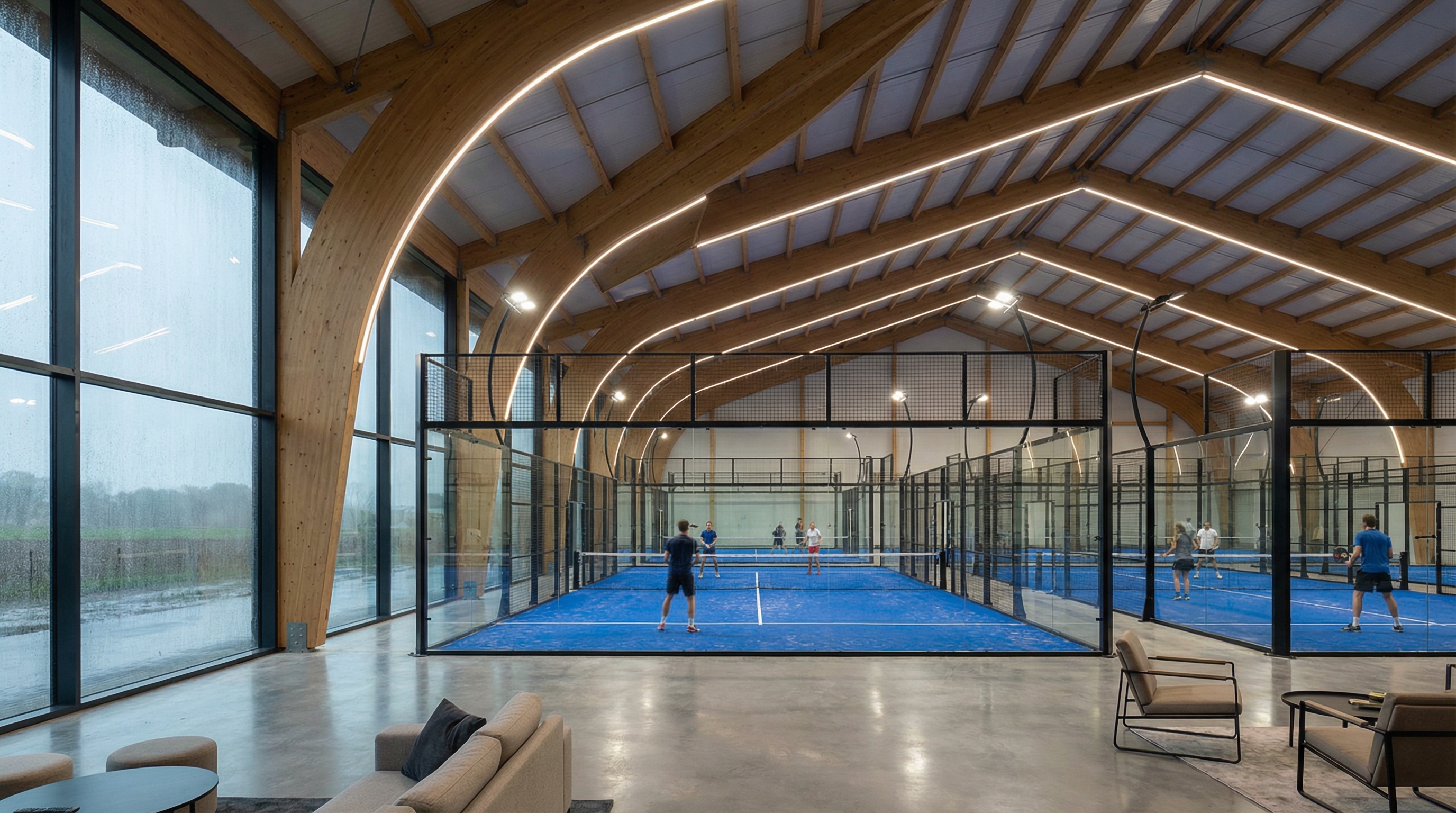
A roof is not strictly mandatory, but it is highly recommended to ensure your facility can generate revenue regardless of rain or extreme sun. In many climates, the decision for paddle or padel infrastructure to include a roof can increase your annual booking hours by over 30%.
What are the benefits of indoor play?
Indoor facilities protect the expensive artificial turf and glass from UV degradation and moisture, significantly extending their lifespan. You also provide a controlled environment for lighting, which is crucial for late-night matches.
The reality is:
- Wind can disrupt the ball’s flight during precise lobs.
- Direct sunlight creates dangerous glare on the glass walls.
- Climate control attracts players during hot summer months.
Can you build a roofed outdoor court?
Roofed outdoor structures, or “canopies,” offer a middle ground by providing shade and rain protection while maintaining an open-air feel. You should ensure the roof structure is tall enough to meet the 6-meter minimum clearance requirement.
In other words:
- Canopies are often cheaper than full warehouse builds.
- They allow for natural ventilation and reduced cooling costs.
- You must engineer them to withstand local wind and snow loads.
Key Takeaway: If your budget allows, a roof is the single best way to guarantee a consistent return on investment and protect your materials.
| Environment | Playability | Maintenance | ROI Potential |
|---|---|---|---|
| Outdoor | Weather Dependent | Higher | Seasonal |
| Roofed/Canopy | All-Weather | Moderate | Consistent |
| Indoor | 365 Days | Lower | Maximum |
Evaluating your local weather patterns is the first step in deciding if a roof is a luxury or a necessity for your project.
7. How do you choose equipment for paddle or padel?
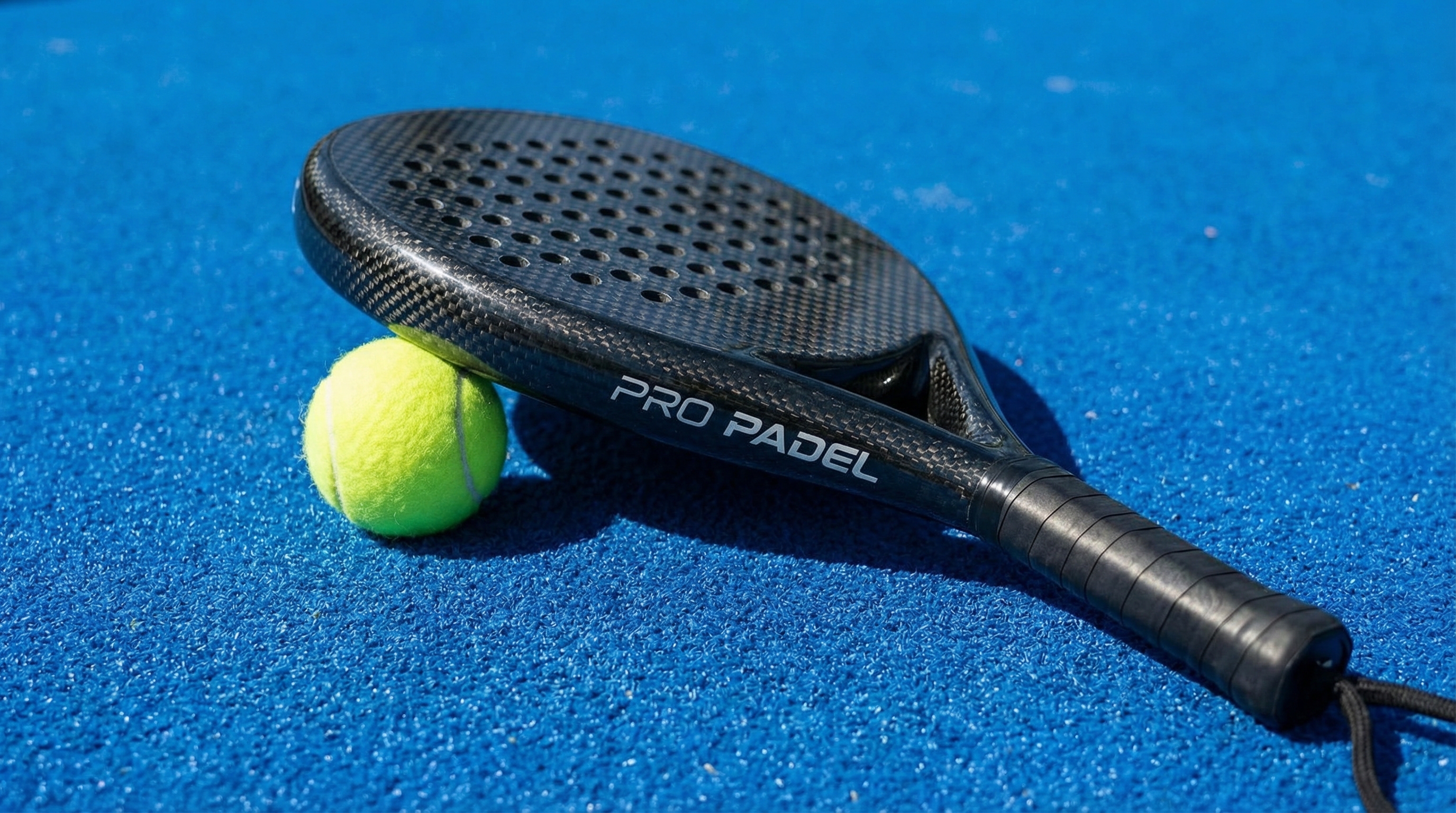
Selecting the right equipment involves matching racket shapes and ball pressures to the skill level of the players using the court. You can find detailed guides on the paddle or padel blog to help you curate the perfect pro-shop inventory for your new facility.
Which racket shape is best?
Beginners should start with round rackets because they offer a larger sweet spot and better control during slow rallies. As you progress, you might move to teardrop or diamond shapes to increase the power of your smashes.
Think about it:
- Round rackets minimize frustrating unforced errors.
- Diamond rackets are top-heavy for maximum attacking power.
- Carbon fiber frames offer the best balance of weight and durability.
What are the ball and shoe requirements?
Padel balls are slightly smaller and have lower pressure than tennis balls to prevent them from bouncing too wildly off the glass. You also need shoes with a “herringbone” or “clay” sole to maintain grip on the sand-filled turf.
Actually:
- Tennis shoes can be too slippery on a Padel court.
- Low-pressure balls allow for longer, more strategic rallies.
- Using the wrong ball can actually damage the glass over time.
Key Takeaway: Standardize your equipment around round or teardrop rackets and specific Padel balls to provide the best experience for the majority of players.
| Equipment | Level | Primary Benefit |
|---|---|---|
| Round Racket | Beginner | Control & Sweet Spot |
| Teardrop Racket | Intermediate | Power/Control Balance |
| Diamond Racket | Advanced | Maximum Power |
Providing high-quality rental equipment is an easy way to generate additional revenue while helping new players fall in love with the sport.
8. What are the costs for building paddle or padel?
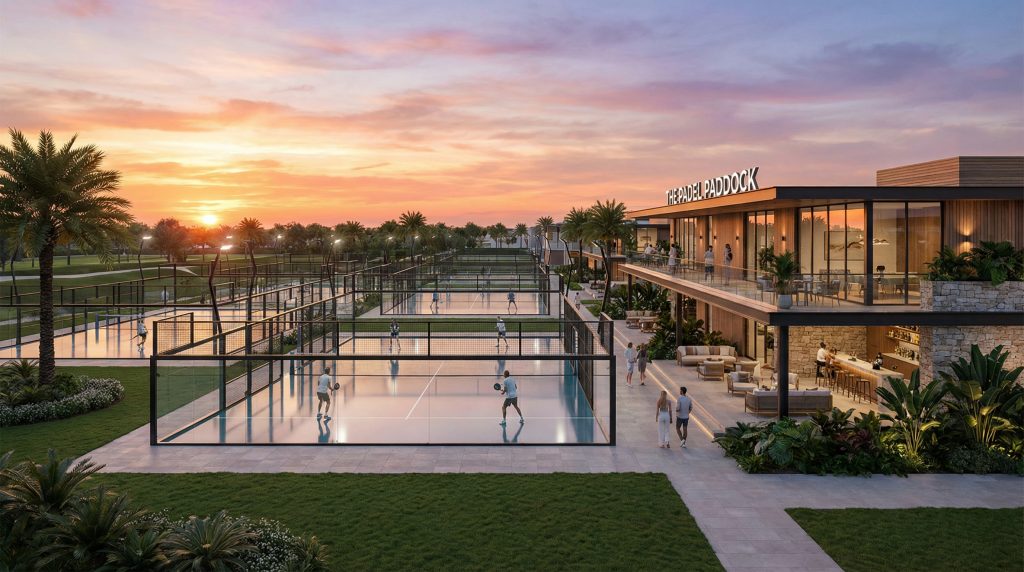
The cost to build a professional court typically ranges from $20,000 to $50,000, depending on the glass type, lighting system, and ground preparation required. When budgeting for paddle or padel, you must not overlook the cost of a reinforced concrete slab, which is the foundation of a flat playing surface.
What are the main capital expenses?
The steel frame and tempered glass panels represent the largest portion of your investment, followed by the artificial turf and LED lighting. You should also factor in shipping and professional installation, as DIY attempts often lead to expensive glass breakage.
Look:
- Panoramic courts cost more due to thicker glass and specialized engineering.
- LED lighting is an upfront cost that saves thousands in electricity.
- Import duties can vary significantly depending on your location.
How much is annual maintenance?
Maintenance is relatively low but essential, involving the regular brushing of turf to redistribute sand and cleaning the glass panels. You should budget for a professional turf deep-clean every two years to prevent compaction and drainage issues.
In other words:
- Weekly glass cleaning keeps the court looking premium.
- Sand top-ups ensure the ball bounce remains consistent.
- LED bulbs have long lifespans but need occasional checks.
Key Takeaway: Focus your budget on a high-quality foundation and frame to avoid structural repairs that can cost double the original installation.
| Expense Category | Estimated % | Priority |
|---|---|---|
| Concrete Slab | 30% | Critical |
| Frame & Glass | 45% | High |
| Turf & Lighting | 25% | Moderate |
A well-funded initial build reduces your total cost of ownership by minimizing emergency repairs and downtime.
9. Who can help with designing a paddle or padel court?
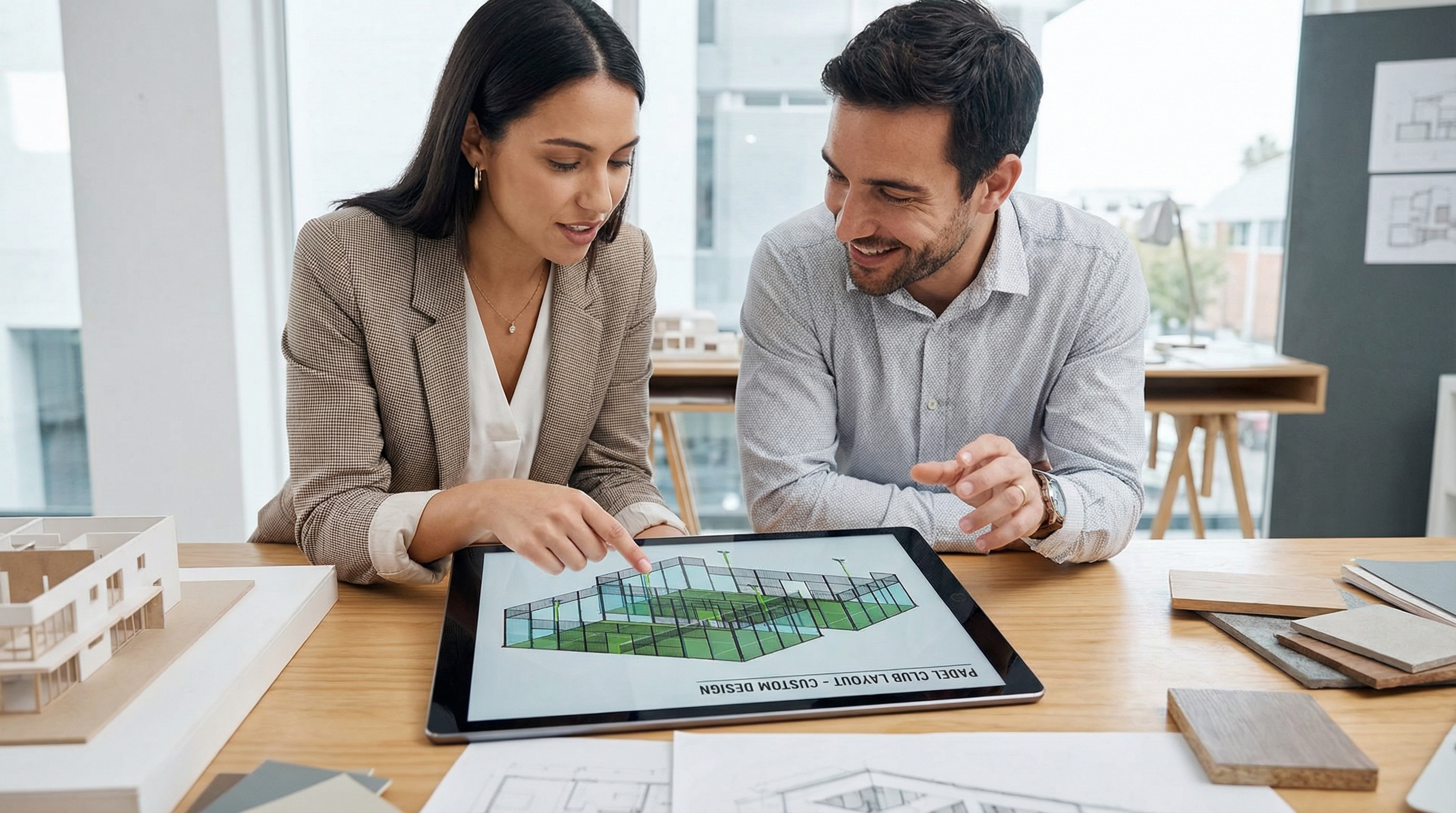
Certified manufacturers and specialized sports architects are your best resources for creating a layout that maximizes both player safety and spectator comfort. You can learn more paddle or padel insights by consulting with experts who understand the nuances of international building codes and sports drainage.
Why use a specialized designer?
Specialized designers understand how to arrange multiple courts to prevent sound interference and ensure smooth player traffic. They can provide 3D renderings that help you visualize the final facility and secure funding from investors.
Actually:
- Designers optimize the orientation to minimize sun glare.
- They ensure all exits meet local fire and safety regulations.
- Custom branding can be integrated directly into the turf or frame.
What customization options exist?
You can choose from various frame colors, turf textures, and even smart lighting systems that players can control via a mobile app. Professional designers will help you select a color palette that matches your brand identity or home aesthetic.
Think about it:
- Black frames offer a classic, high-end look.
- Integrated benches and bag storage improve the player experience.
- Automated gate systems can reduce your on-site staffing needs.
Key Takeaway: Partner with an experienced manufacturer early in the process to avoid layout errors that are impossible to fix once the concrete is poured.
| Service | Benefit | Value |
|---|---|---|
| 3D Rendering | Visual Confirmation | High |
| Structural Design | Safety Compliance | Critical |
| Brand Integration | Marketing Appeal | Moderate |
Professional guidance ensures your court is not only functional but also a visually stunning centerpiece for your club or property.
10. Why trust experts for your paddle or padel project?
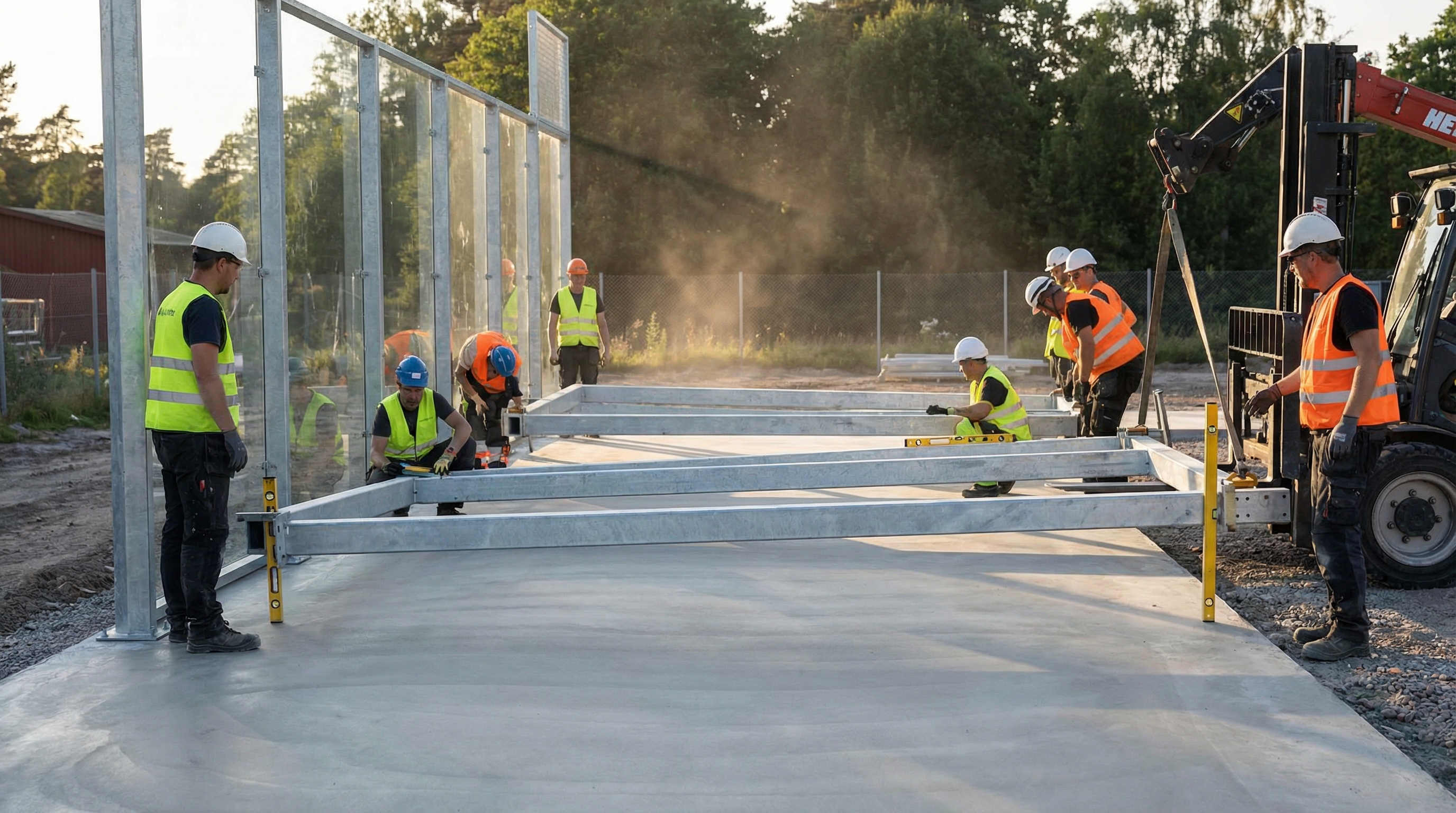
Experts bring the technical precision required to align glass panels within millimeters, ensuring the ball reacts predictably during every match. Building a paddle or padel facility is a major investment, and professional installers provide the warranties and support you need for long-term peace of mind.
How does expert installation help?
Professional teams use specialized suction equipment and laser leveling to install the heavy glass panels safely and accurately. You will find that expert-installed courts have fewer issues with vibrating fences or uneven turf seams.
Here is the kicker:
- Incorrectly tensioned mesh can cause dead spots in the bounce.
- Improperly leveled slabs lead to puddling and turf rot.
- Professional installers carry insurance for the glass during transit.
What about long-term support?
Working with a reputable company ensures you have access to replacement glass panels and turf patches if accidents happen years down the line. They can also provide maintenance schedules that keep your court in “as-new” condition for a decade or more.
In other words:
- Expert support reduces the risk of long-term structural failure.
- You get access to the latest technological upgrades in the sport.
- A certified court has a much higher resale or appraisal value.
Key Takeaway: Saving money on a cheap installation team usually leads to higher costs when you have to hire experts to fix their mistakes.
| Advantage | Expert Build | DIY/Budget |
|---|---|---|
| Bounce Quality | Consistent | Irregular |
| Structural Safety | Guaranteed | Unknown |
| Warranty | Included | None |
Trusting a professional team is the final step in transforming your vision into a world-class Padel destination.
Frequently Asked Questions
- Can I build a Padel court on a regular tennis court?
No, because the dimensions are smaller and the foundation must be specifically reinforced to support the heavy glass wall structures. - What’s the best way to maintain the glass walls?
Standard glass cleaner and a squeegee are sufficient for weekly maintenance, but you should check the structural bolts every six months for tightness. - How do I know if I need a panoramic court?
You should choose panoramic if your court will host filmed matches or if you want to offer spectators a premium, unobstructed view of the play. - Can I play Padel with a regular tennis racket?
Actually, no, because the Padel ball is less pressurized and the stringed tennis racket would make the game uncontrollably fast and dangerous in an enclosed space. - What’s the best color for artificial Padel turf?
Blue is the most popular choice as it provides the highest contrast with the optic yellow ball, making it easier for players and cameras to track the action.
Deciding whether to build for paddle or padel is a choice between a niche historical variant and a booming global sport. By choosing Padel, you are investing in a social, high-energy activity that is currently the fastest-growing racket sport in the world. At Superb Padel, our vision is to help you create world-class facilities using the highest-quality materials and most precise engineering available. We are dedicated to providing the technical expertise you need to turn your vision into a professional-grade reality. Ready to start your project? Contact us today to get your custom quote and architectural consultation.