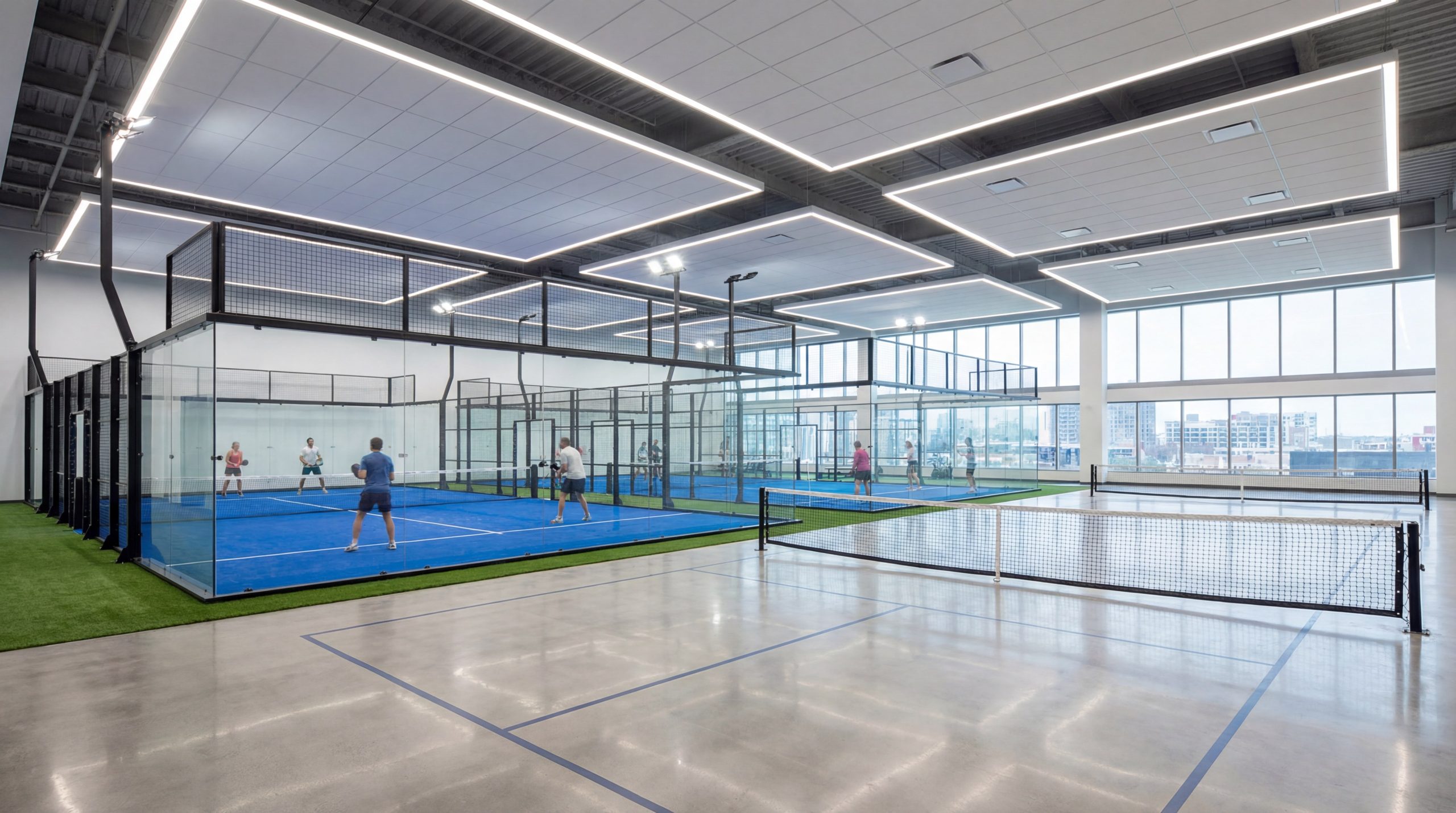
You are likely evaluating the most profitable way to expand your sports facility or develop a new private club. The current market indecision between choosing padel v pickleball can lead to stalled projects and lost revenue as competitors capture the local demand. By understanding the specific construction requirements and player demographics of both sports, you can build a future-proof facility with padel v pickleball integrated as high-performance assets.
How does padel v pickleball differ for beginners?
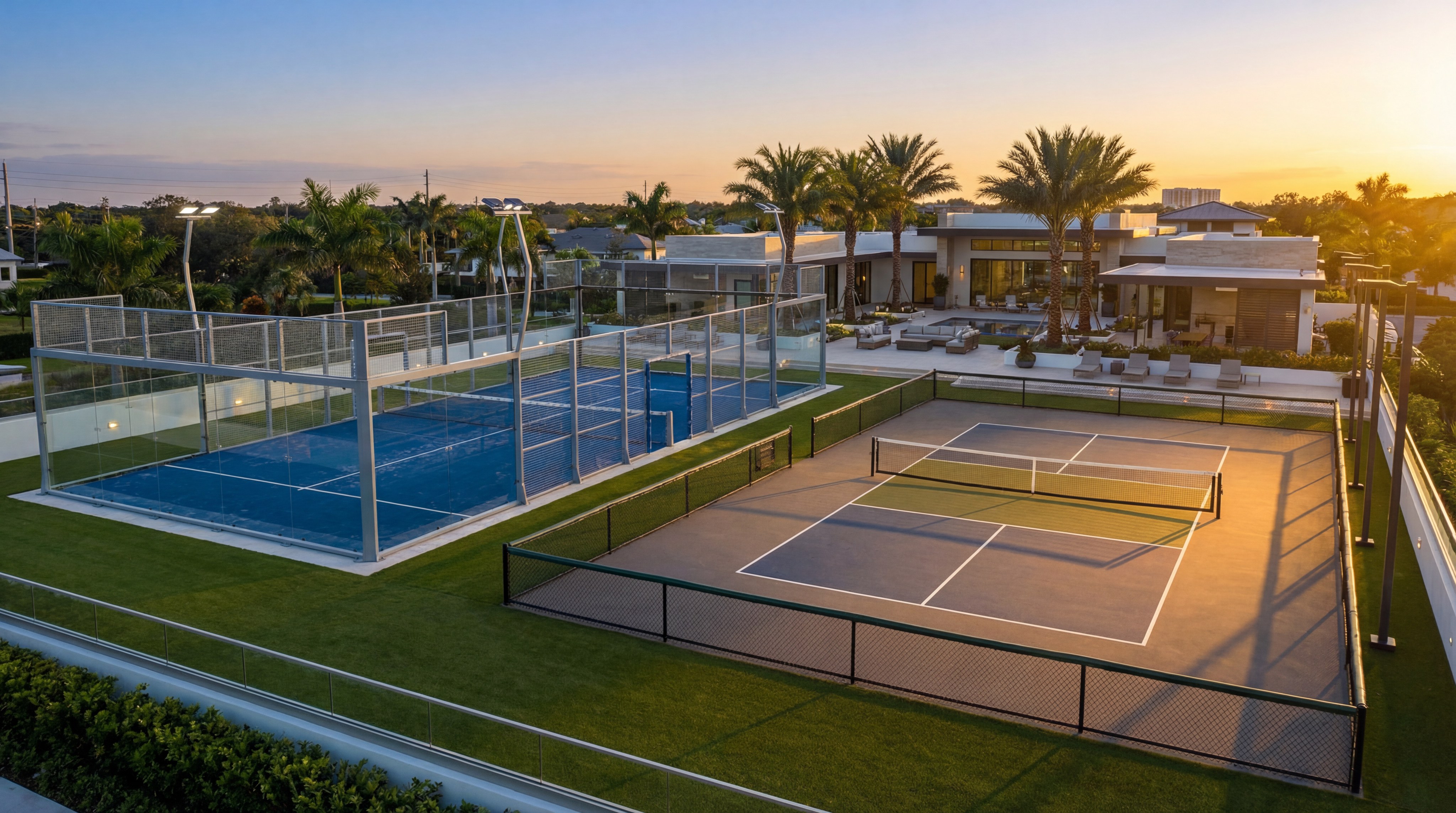
Beginners often find pickleball has the lowest barrier to entry, while padel offers a more intuitive transition for those with a tennis or squash background. When you introduce padel v pickleball to a new audience, the initial “fun factor” is immediate for both, though the mechanical skills required for each vary significantly.
What makes the learning curve different?
Pickleball is frequently described as “giant table tennis,” making hand-eye coordination feel very natural for most people.
But here is the kicker:
- Padel: Requires players to learn how to use the glass walls for rebounds, which adds a layer of tactical complexity.
- Pickleball: The “non-volley zone” (the kitchen) prevents easy smashes and forces players to develop patience.
- Padel: The underhand serve is easy to master, keeping rallies going longer than in traditional tennis.
- Pickleball: The plastic ball moves slower, giving beginners more time to react and place their shots.
Key Takeaway: Pickleball is easier for immediate success, but padel provides a higher tactical ceiling that keeps competitive athletes engaged for longer periods.
| Feature | Padel Beginner Experience | Pickleball Beginner Experience |
|---|---|---|
| Initial Difficulty | Moderate (Wall play) | Very Low |
| Physical Intensity | High | Low to Moderate |
| Social Focus | High (Always 2v2) | High (1v1 or 2v2) |
Analysis: Investors should note that pickleball attracts a wider age range instantly, while padel builds a more dedicated, skill-focused membership base.
What are the court sizes for padel v pickleball?
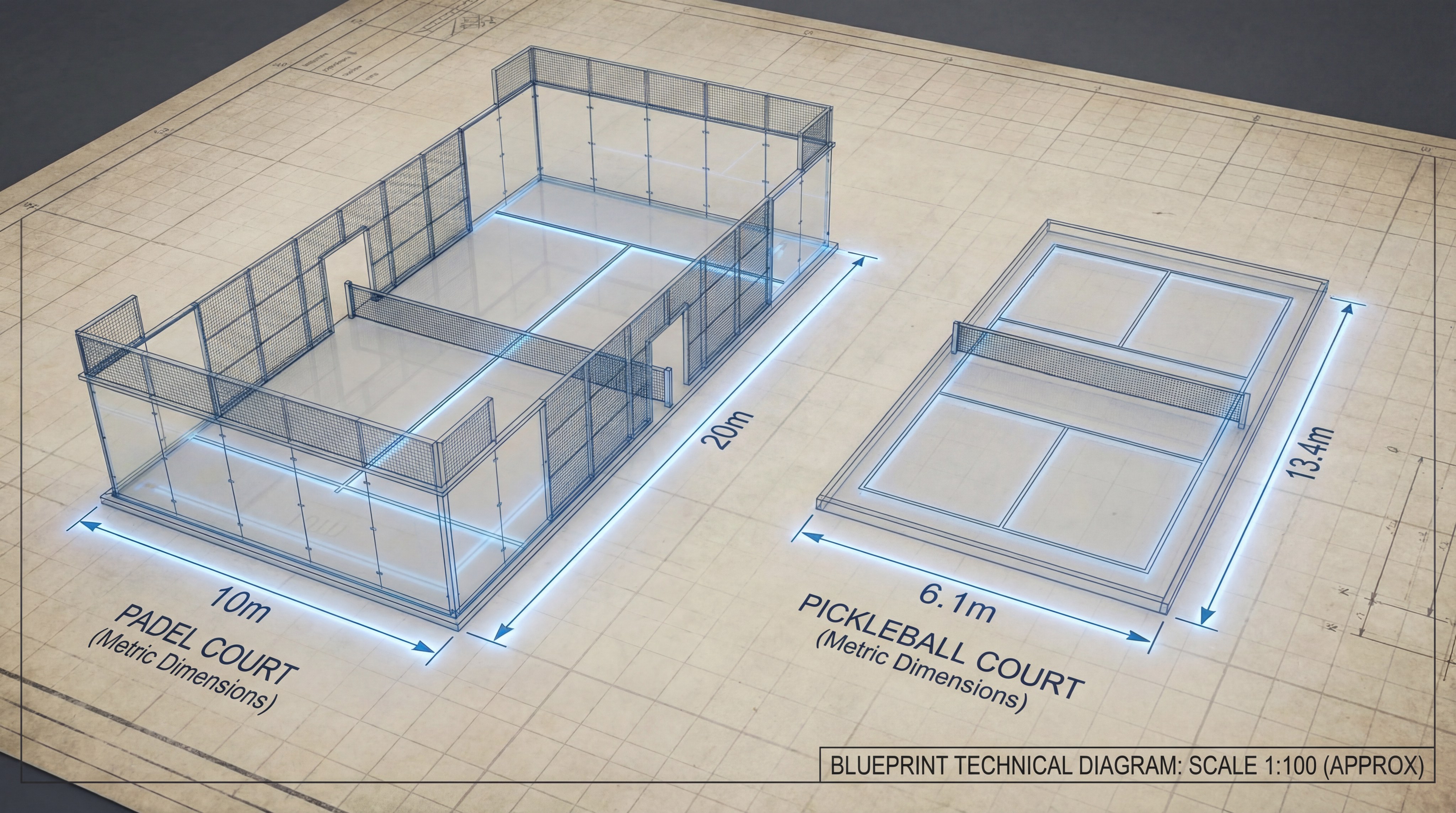
A standard padel court measures 20 meters by 10 meters, whereas a pickleball court is significantly more compact at 13.4 meters by 6.1 meters. Understanding the spatial footprints of padel v pickleball is essential for maximizing the revenue-generating potential of your available real estate.
How do footprint requirements compare?
Padel requires a dedicated 200 square meter area plus additional space for the structural safety zone.
Wait, there is more:
- Total Area: 200sqm per padel court vs. ~82sqm per pickleball court.
- Verticality: Padel requires at least 6 meters of clear height for indoor play to accommodate high lobs.
- Efficiency: You can typically fit three pickleball courts into the same footprint occupied by one tennis court.
Key Takeaway: Pickleball offers superior space efficiency for high-volume public parks, while padel creates a premium, enclosed environment for boutique clubs.
| Dimension | Padel Court | Pickleball Court |
|---|---|---|
| Length/Width | 20m x 10m | 13.4m x 6.1m |
| Total Square Meters | 200 sqm | ~81.7 sqm |
| Enclosure Type | Glass and Mesh | None or standard fence |
Analysis: If your site has limited square footage, pickleball allows for more simultaneous players, but padel justifies a higher hourly booking fee.
Which rackets are best for padel v pickleball?
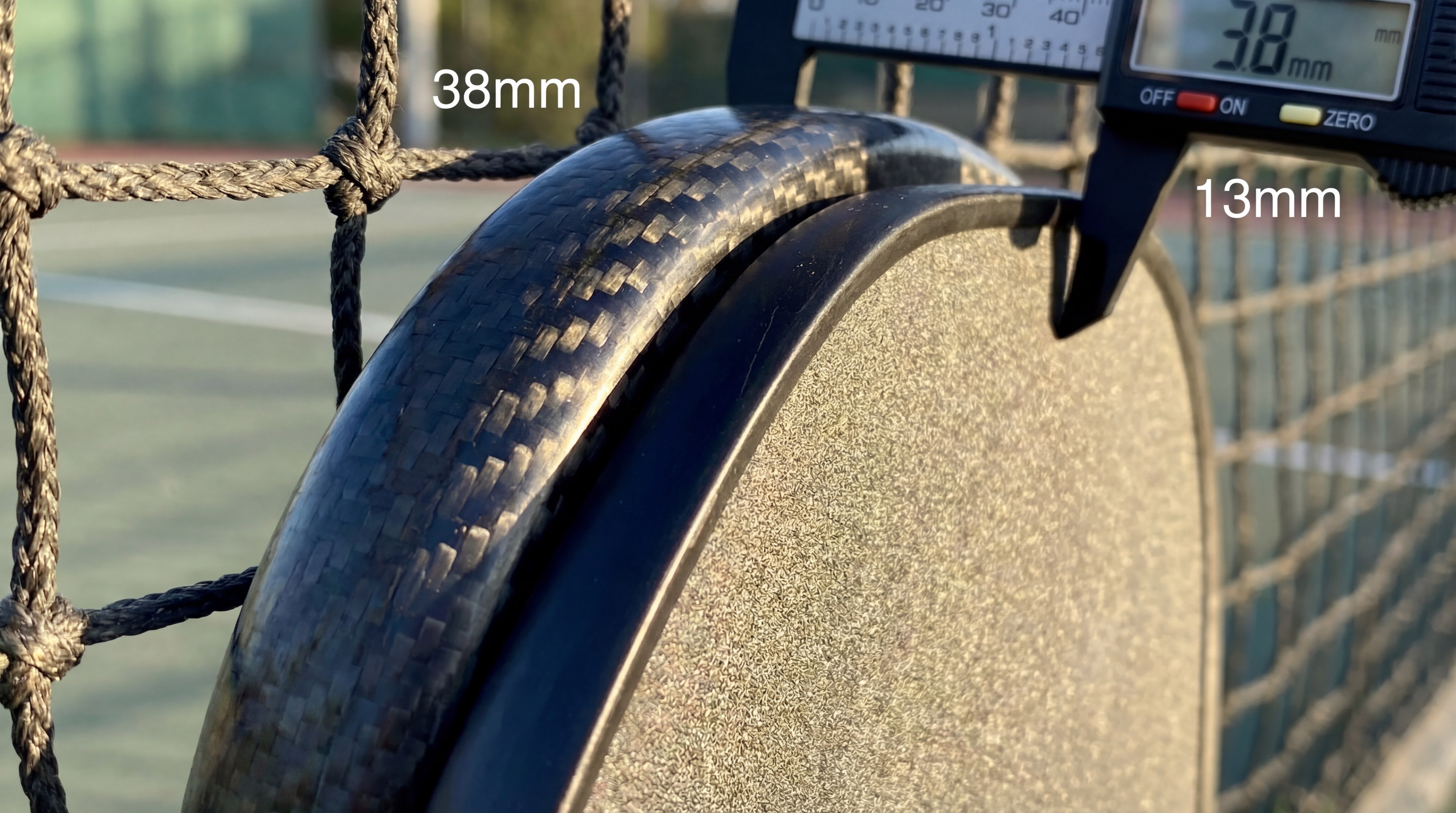
Padel rackets are thick, perforated tools made of foam and carbon fiber, while pickleball paddles are thin, solid, and made of lightweight composite materials. The equipment you choose for padel v pickleball significantly influences the sound profile and the physical impact on the players’ joints.
How does racket technology differ?
Padel rackets (often called blades) are usually 38mm thick and feature a core of EVA rubber for shock absorption.
Think about this:
- Materials: Padel uses carbon fiber for power; pickleball uses graphite or fiberglass for control.
- Surface: Padel rackets have holes to reduce wind resistance; pickleball paddles are entirely solid.
- Weight: Padel rackets are heavier (350g-380g), requiring a wrist strap for safety during high-speed play.
Key Takeaway: Padel equipment is engineered for power and heavy hits against glass rebounds, whereas pickleball paddles are designed for delicate “dinking” and placement.
| Characteristic | Padel Racket | Pickleball Paddle |
|---|---|---|
| Average Thickness | 38mm | 13mm to 16mm |
| Surface Style | Perforated | Solid |
| Weight Range | 350g – 380g | 200g – 250g |
Analysis: Facility pro-shops typically see higher margins on padel rackets due to their complex construction and higher retail price points.
How do balls differ in padel v pickleball?
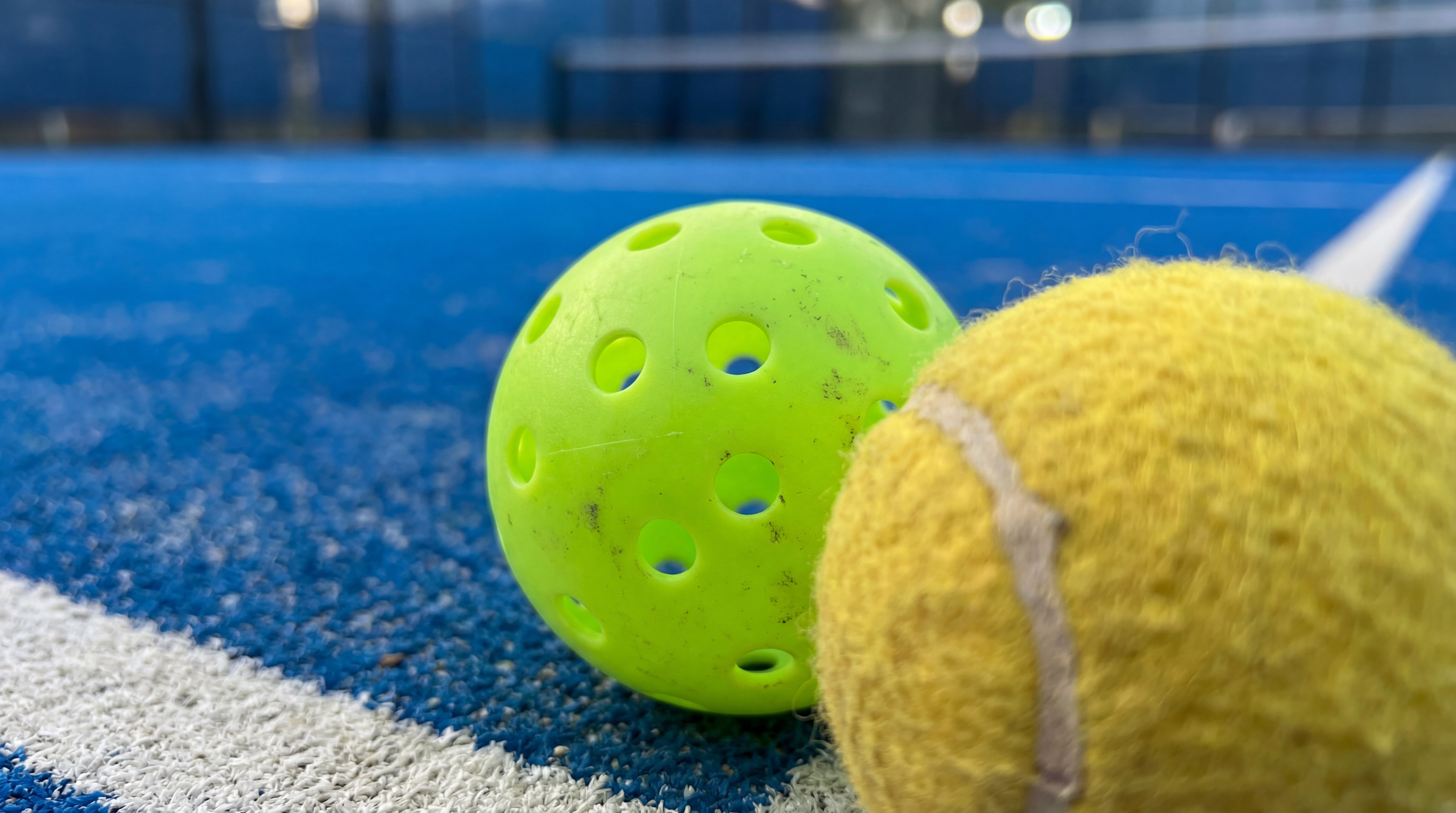
Padel balls are pressurized and fuzzy like tennis balls, whereas pickleball balls are made of hard, perforated plastic designed for low bounce. The flight dynamics in padel v pickleball create two distinct sensory experiences that dictate the pace of the game.
What are the ball specifications?
Padel balls have a slightly lower internal pressure than tennis balls to ensure they don’t bounce too high off the glass.
Here is the secret:
- Material: Rubber and felt for padel; hard plastic polymers for pickleball.
- Holes: Pickleball balls have 26 to 40 holes to control flight speed and wind resistance.
- Bounce: The padel ball is lively and responsive, while the pickleball is designed to stay low to the ground.
Key Takeaway: Padel balls behave predictably for wall-based strategy, while pickleball balls require a unique hitting technique due to their lack of compression.
| Property | Padel Ball | Pickleball Ball |
|---|---|---|
| Composition | Pressurized Rubber/Felt | Perforated Plastic |
| Weight | ~58 grams | ~25 grams |
| Air Resistance | Moderate | High (due to holes) |
Analysis: The “pop” of a pickleball is significantly louder than the “thud” of a padel ball, which is a critical factor for indoor acoustic planning.
Why is padel v pickleball growing so fast?
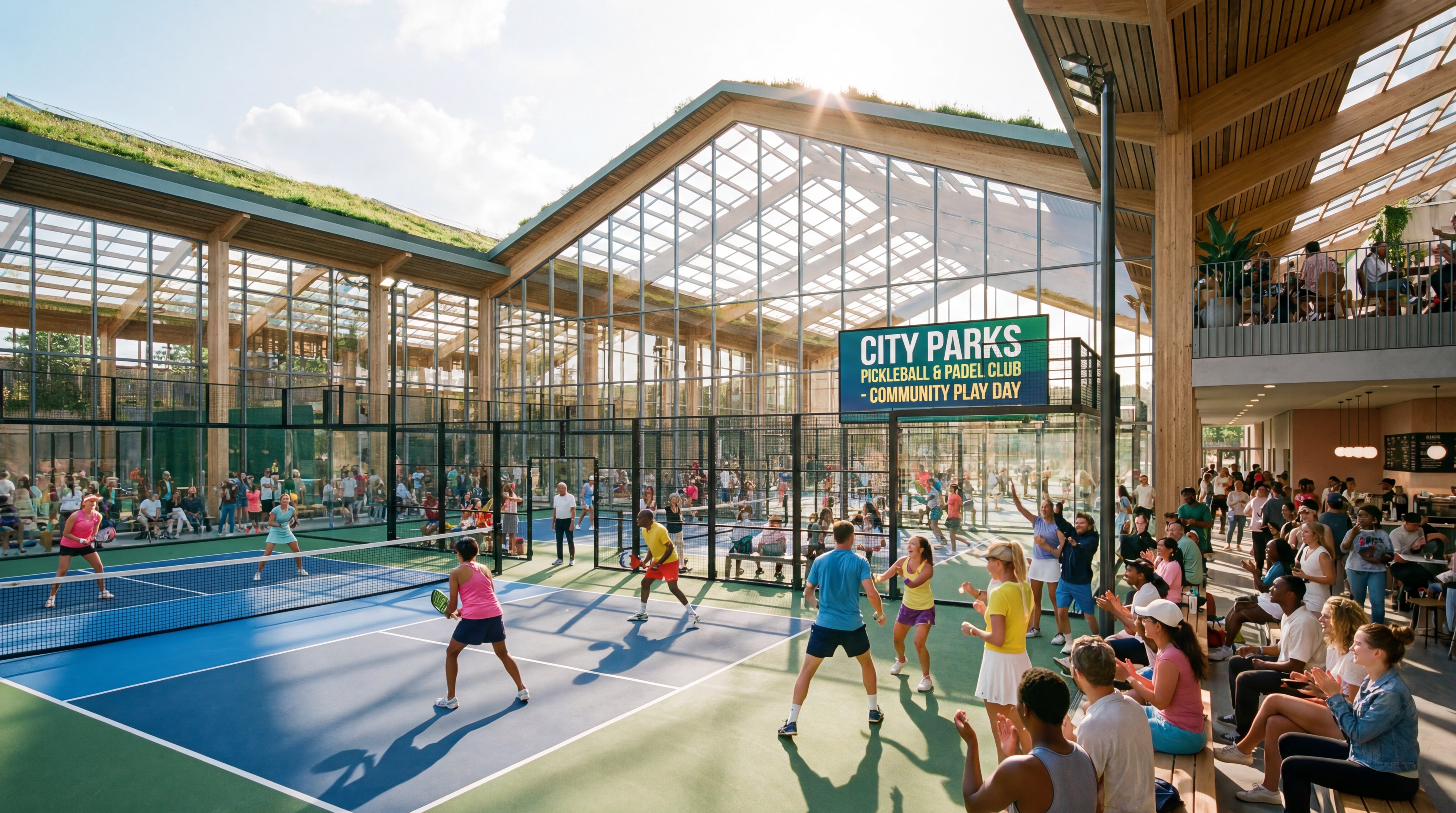
Popularity is surging because both sports address the modern need for social, time-efficient, and low-impact exercise. Whether you analyze padel v pickleball in Europe or North America, the growth rates are currently outpacing traditional tennis by several hundred percent.
What drives this global expansion?
Padel is booming in Europe and the Middle East as a luxury club sport, while pickleball has become a cultural phenomenon in North America.
It is a game-changer:
- Commercial Appeal: Four players per court increases the revenue-per-hour potential for facility owners.
- Social Nature: Both games are almost exclusively played in doubles, fostering strong community bonds.
- Celebrity Interest: High-profile athletes and influencers are investing in their own private courts and professional teams.
Key Takeaway: Padel expands through high-end leisure hubs, while pickleball grows through accessibility and the retrofitting of existing community spaces.
| Growth Region | Lead Sport | Primary Driver |
|---|---|---|
| Europe | Padel | Premium Club Culture |
| North America | Pickleball | Public Accessibility |
| Middle East | Padel | Luxury Leisure / Tourism |
Analysis: Developers who offer both sports can capture multiple market segments, from elite athletes to casual family players.
Which game is better when comparing padel v pickleball?
“Better” is subjective and depends on your goals, but padel is superior for high-intensity athleticism while pickleball is best for tactical finesse. Choosing between padel v pickleball often comes down to the player’s physical condition and desire for technical depth.
Which style fits your audience?
Padel appeals to those seeking a full-body workout that involves sprinting, jumping, and complex wall-play strategy.
Here’s the deal:
- Athleticism: Padel requires more lateral movement; pickleball is easier on the knees and joints.
- Strategy: Padel focuses on using the environment (walls); pickleball focuses on “the kitchen” and net placement.
- Atmosphere: Padel often feels like a high-energy “action” sport, whereas pickleball is often a social “chess match.”
Key Takeaway: Padel is the preferred choice for younger, athletic demographics, while pickleball has universal appeal across all ages and fitness levels.
| Player Type | Padel Preference | Pickleball Preference |
|---|---|---|
| Former Tennis Pros | Very High | High |
| Seniors (55+) | Moderate | Very High |
| Corporate Groups | High | High |
Analysis: From a business perspective, padel often generates higher loyalty through its “addictive” tactical progression and athletic challenge.
How do you plan a hub for padel v pickleball?
Planning a hub requires careful consideration of noise ordinances, soil stability for glass foundations, and player traffic flow. Success in building padel v pickleball facilities hinges on your ability to integrate high-quality surfaces with proper spectator amenities.
What are the zoning essentials?
Noise mitigation is the most frequently overlooked aspect of pickleball planning, especially in residential areas.
Don’t overlook this:
- Acoustics: Pickleball noise is high-pitched and requires acoustic fencing or indoor soundproofing.
- Structural Load: Padel courts require a concrete ring beam to support the weight of the tempered glass walls.
- Lighting: LED systems must be positioned at 6 meters for padel to avoid glare on the glass surfaces.
Key Takeaway: Padel requires higher initial structural investment, while pickleball requires more focus on community relations and noise impact.
| Planning Factor | Padel Requirement | Pickleball Requirement |
|---|---|---|
| Foundation | Reinforced concrete beam | Level asphalt or concrete slab |
| Enclosure | 10-12mm Tempered Glass | Standard perimeter fencing |
| Noise Profile | Low/Moderate | High (Frequent “pop”) |
Analysis: Integrating both sports into a “Hybrid Hub” allows you to share amenities like cafes and changing rooms, optimizing your operational overhead.
What materials are used for padel v pickleball?
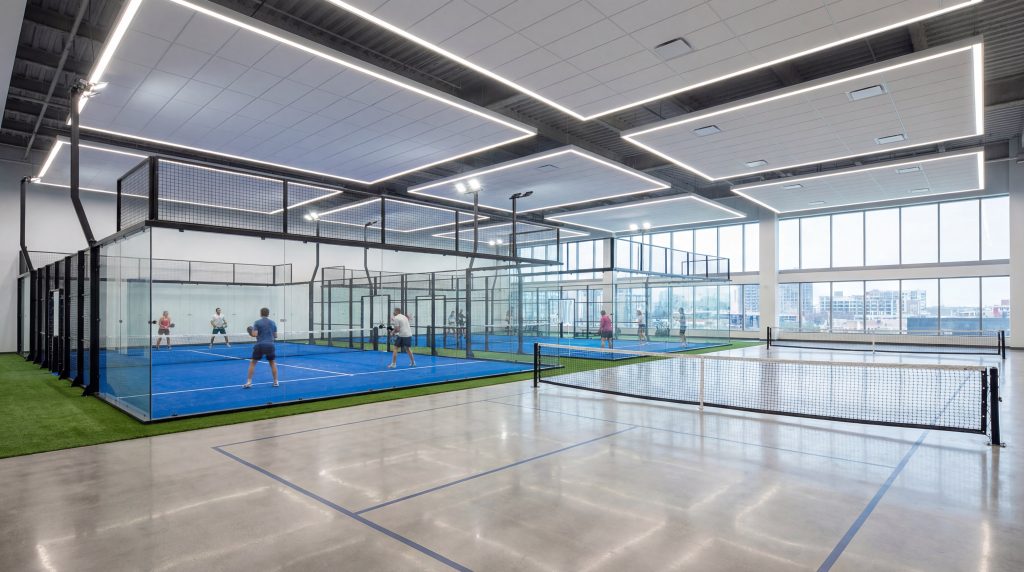
Padel courts are constructed with tempered glass and monofilament artificial grass, while pickleball courts use acrylic-coated hard surfaces. The material selection for padel v pickleball determines the longevity of the facility and the frequency of maintenance required.
Which surfaces provide best performance?
The quality of the monofilament turf in padel is critical for a consistent ball bounce and player safety.
Let’s look at the facts:
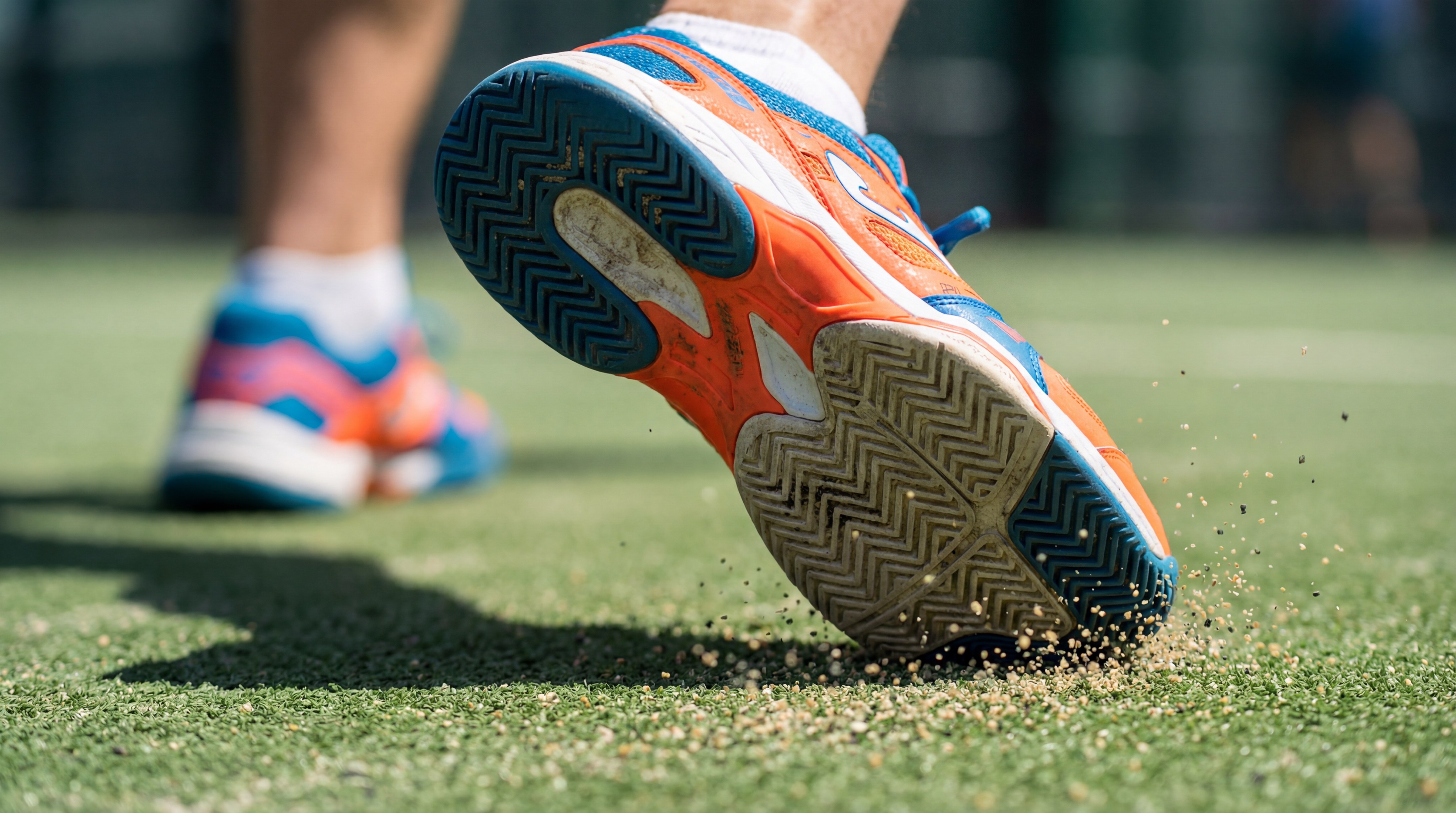
- Surface: Padel uses sand-filled artificial grass; pickleball uses a multi-layered acrylic system.
- Walls: Padel uses heat-soaked tempered glass for safety; pickleball typically has no walls.
- Structure: Padel requires galvanized steel frames to prevent rust, especially in outdoor or humid indoor settings.
Key Takeaway: Padel materials are more expensive upfront but offer a “premium” feel that justifies higher membership and booking fees.
| Material | Padel Court | Pickleball Court |
|---|---|---|
| Primary Surface | Monofilament Grass + Silica | Acrylic or Polyurethane |
| Perimeter | Glass and Steel Mesh | Chain Link or Open |
| Durability | High (with turf brushing) | Moderate (requires resurfacing) |
Analysis: Choosing high-grade 12mm glass and professional-grade turf will significantly reduce your long-term maintenance costs and improve player retention.
How much space is needed for padel v pickleball?
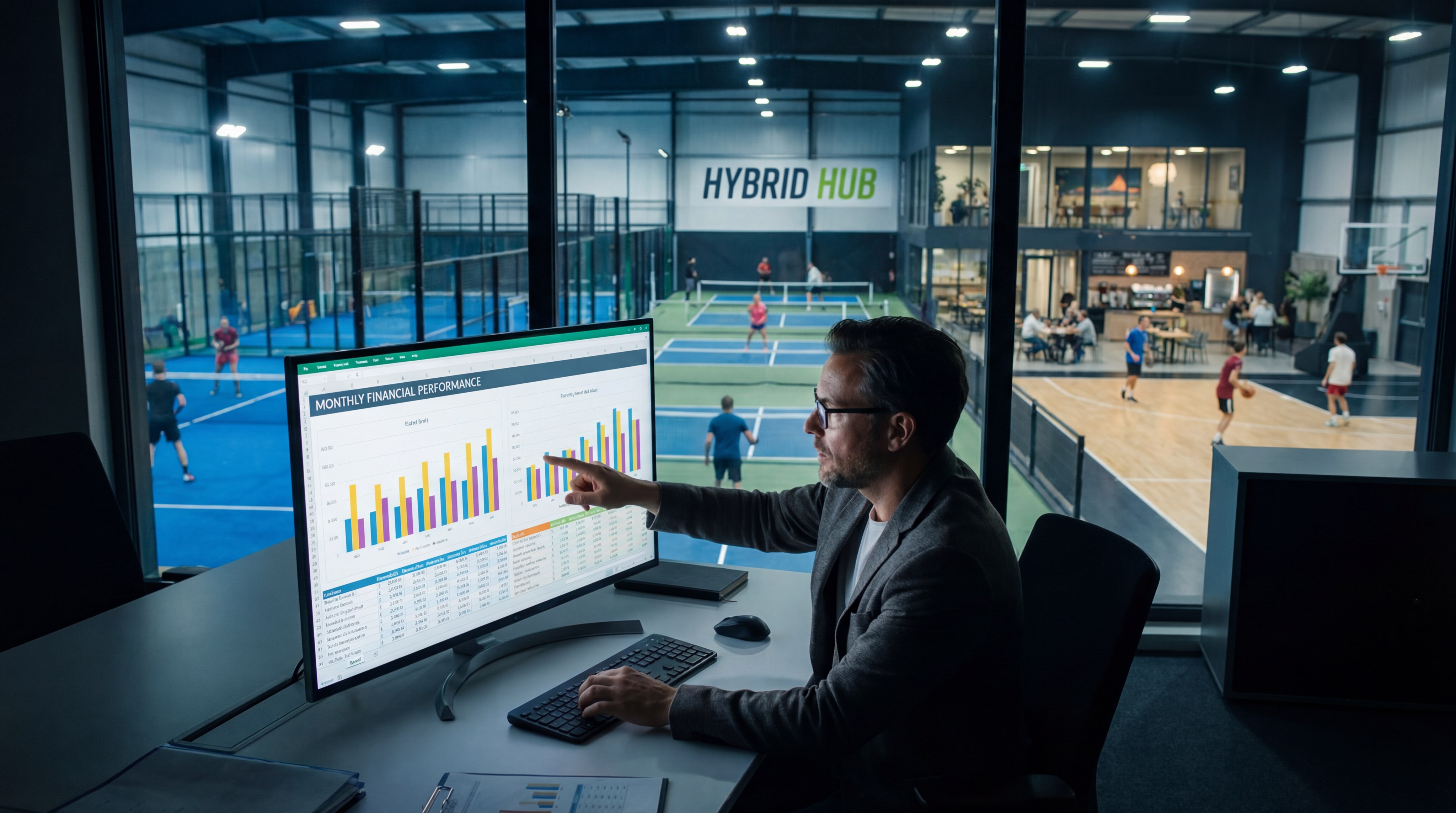
A commercial-grade hub typically requires 1,000 to 1,500 square meters to host a balanced mix of courts and social zones. The land utilization for padel v pickleball determines how many “revenue units” you can operate simultaneously.
How do you maximize density?
If you have a narrow or irregular lot, pickleball courts offer more flexible orientation options than the fixed 20x10m padel box.
You’re going to love this:
- Cluster Design: Four pickleball courts can share a single large fenced area to save on materials.
- Padel Spacing: You must leave 1-2 meters of buffer between padel courts for player movement and safety.
- Player Volume: Pickleball allows for nearly double the number of simultaneous players in the same total area.
Key Takeaway: Pickleball wins on sheer volume and player density, while padel wins on the luxury-per-square-meter revenue model.
| Land Area (1200sqm) | Padel Layout | Pickleball Layout |
|---|---|---|
| Court Count | 4-5 Courts | 12-14 Courts |
| Total Players | 16-20 Players | 48-56 Players |
| Social Space | High | Moderate |
Analysis: Boutique investors usually favor the padel model for its higher brand prestige, while municipal developers prefer pickleball for community reach.
Can you maximize ROI with padel v pickleball?
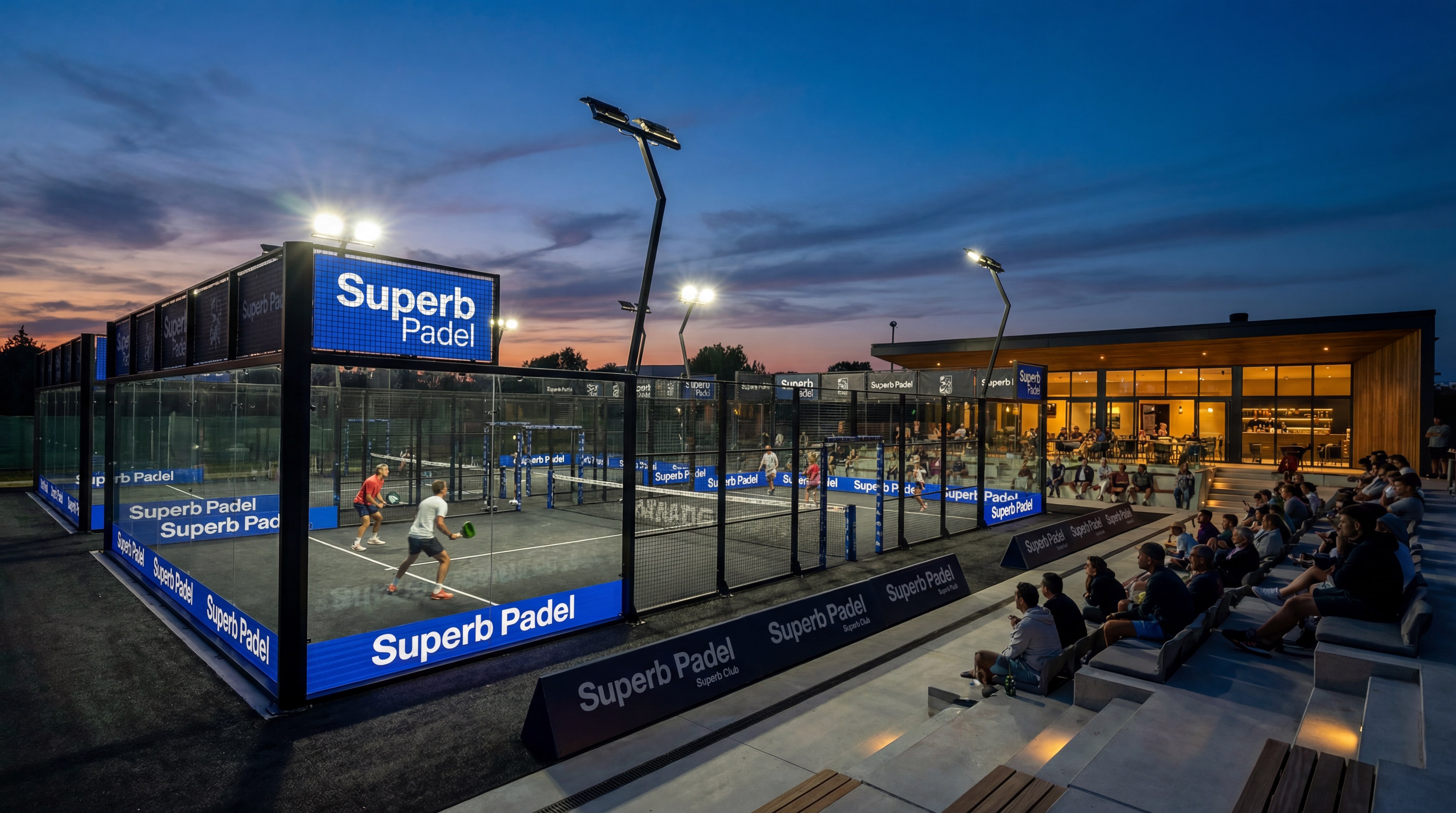
You can maximize ROI by charging premium hourly rates for padel or by driving massive foot traffic and tournament volume with pickleball. Analyzing padel v pickleball from an investment perspective reveals two distinct but equally viable financial paths.
What are the revenue drivers?
Padel facilities often see a faster return on investment through high-end memberships, coaching clinics, and retail sales.
It’s easier than you think:
- Booking Fees: Padel courts can command $60-$100 per hour in major metropolitan areas.
- Retail Turnover: Padel players replace rackets and balls more frequently than pickleball players.
- Events: Padel “Panoramic” courts attract sponsors and corporate events due to their visual appeal and prestige.
Key Takeaway: Padel has a higher entry cost but generates a faster “prestige” payoff, whereas pickleball is a low-risk, high-volume community play.
| Metric | Padel (Commercial) | Pickleball (Commercial) |
|---|---|---|
| Est. Build Cost | $35,000 – $65,000 | $12,000 – $25,000 |
| Hourly Rate | Premium ($40+) | Standard ($20+) |
| ROI Timeline | 18 – 36 Months | 12 – 24 Months |
Analysis: The most successful modern sports ventures are now adopting a “Hybrid Hub” approach to capitalize on both the volume of pickleball and the margins of padel.
*
Frequently Asked Questions
Can I build a pickleball court on an old tennis court?
Yes, it is highly efficient. You can fit up to four pickleball courts on a single tennis court footprint, making it the most cost-effective way to revitalize underused assets.
What’s the best way to reduce noise for outdoor pickleball?
Install specialized acoustic dampening fences and encourage the use of “quiet” paddles. This is the most effective judgment for keeping local residents happy while operating a busy outdoor hub.
How do I choose between padel v pickleball for my private home?
Choose padel if you want a complete workout and have the budget for a glass structure. It is the superior choice for homeowners looking for a “wow factor” and high-intensity play.
Are padel courts more expensive to maintain than pickleball?
Yes, slightly. Padel requires regular turf brushing and glass cleaning to maintain its professional appearance, whereas pickleball primarily requires periodic surface repainting every few years.
What is the minimum ceiling height for an indoor padel court?
The industry standard is 6 meters. This height ensures that tactical lobs do not hit the ceiling, which is a fundamental requirement for competitive play.
*
Build Your Future with Superb Padel
The global surge in racket sports is more than a trend; it is a fundamental shift in how people exercise and socialize. Whether you choose the strategic intensity of padel or the accessible community of pickleball, the success of your project depends on professional execution. At Superb Padel, we are dedicated to providing world-class infrastructure that turns vacant lots into vibrant, revenue-generating sports hubs.
Ready to transform your facility and capitalize on this movement? contact us today for a technical consultation and bespoke quote. Our vision is to empower developers with the highest quality “Panoramic” and “Standard” court solutions, ensuring your investment becomes a cornerstone of local health and connection.