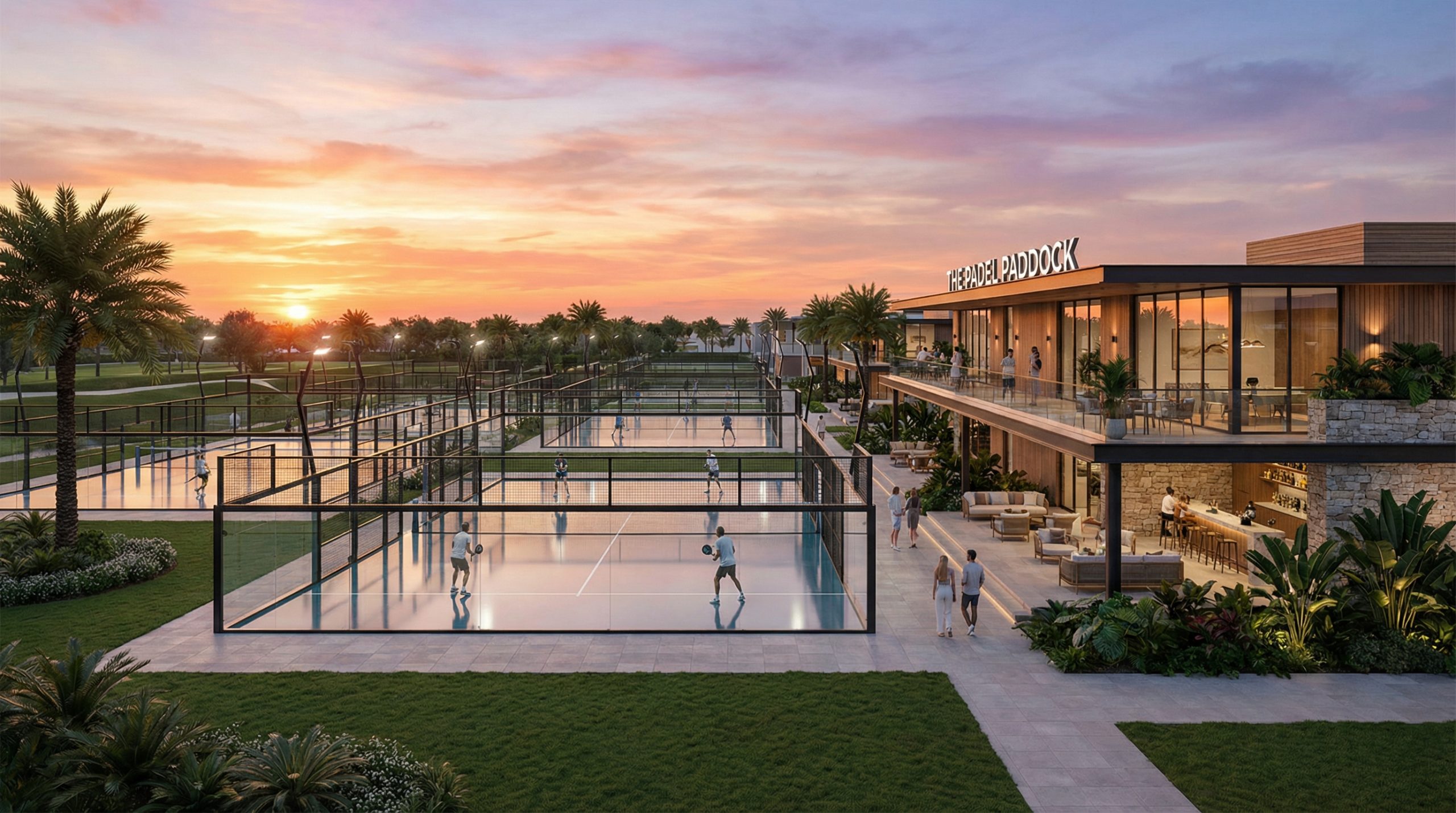
Padel is a racquet sport typically played in doubles on an enclosed court about one-third the size of a tennis court. While traditional tennis facilities often struggle with underutilized space and high maintenance costs, many developers feel they are losing out on a massive global trend. Missing the opportunity to capitalize on high-density player engagement can lead to stagnant revenue and outdated amenities. Professional que es padel deporte construction offers a high-ROI solution that maximizes footprint efficiency and modernizes any sports portfolio.
What is que es padel deporte and its history?
[Image 1]
Where did this sport originate?
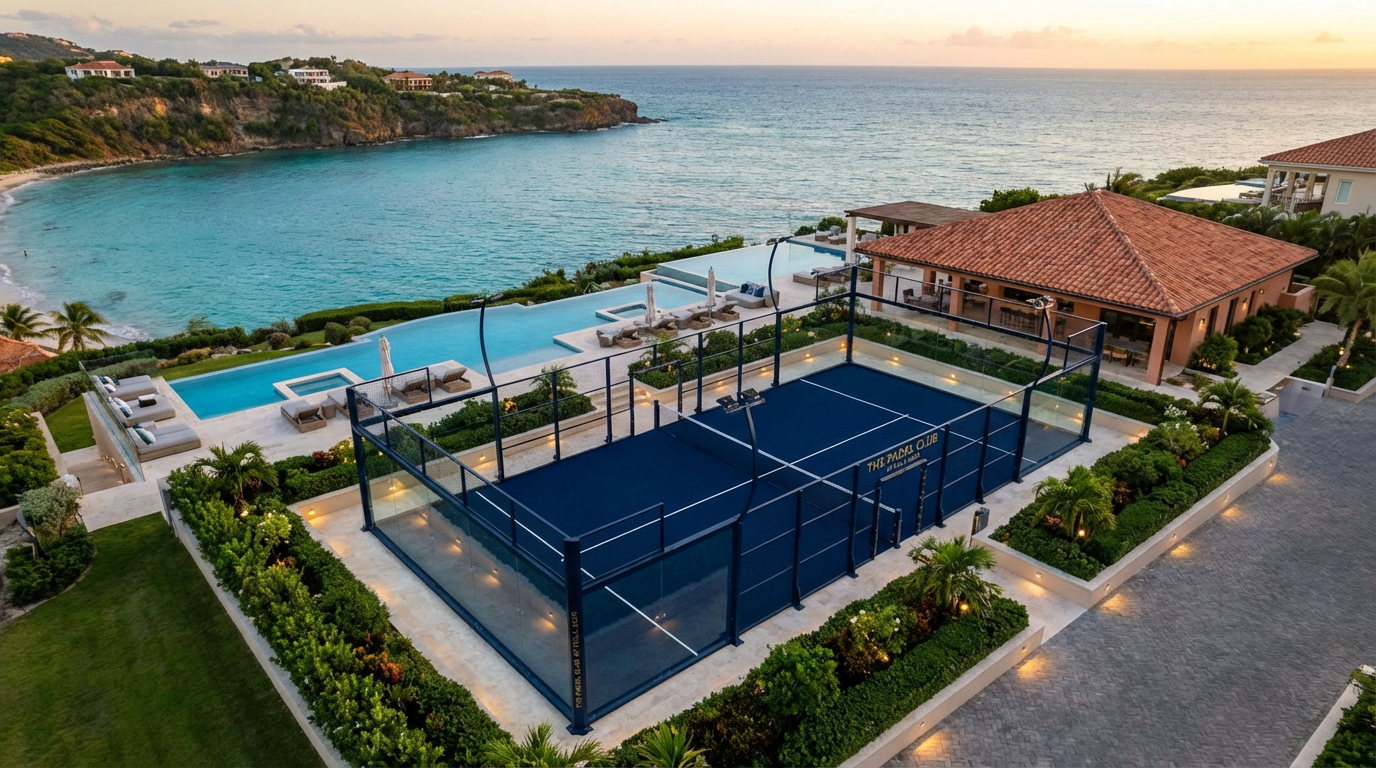
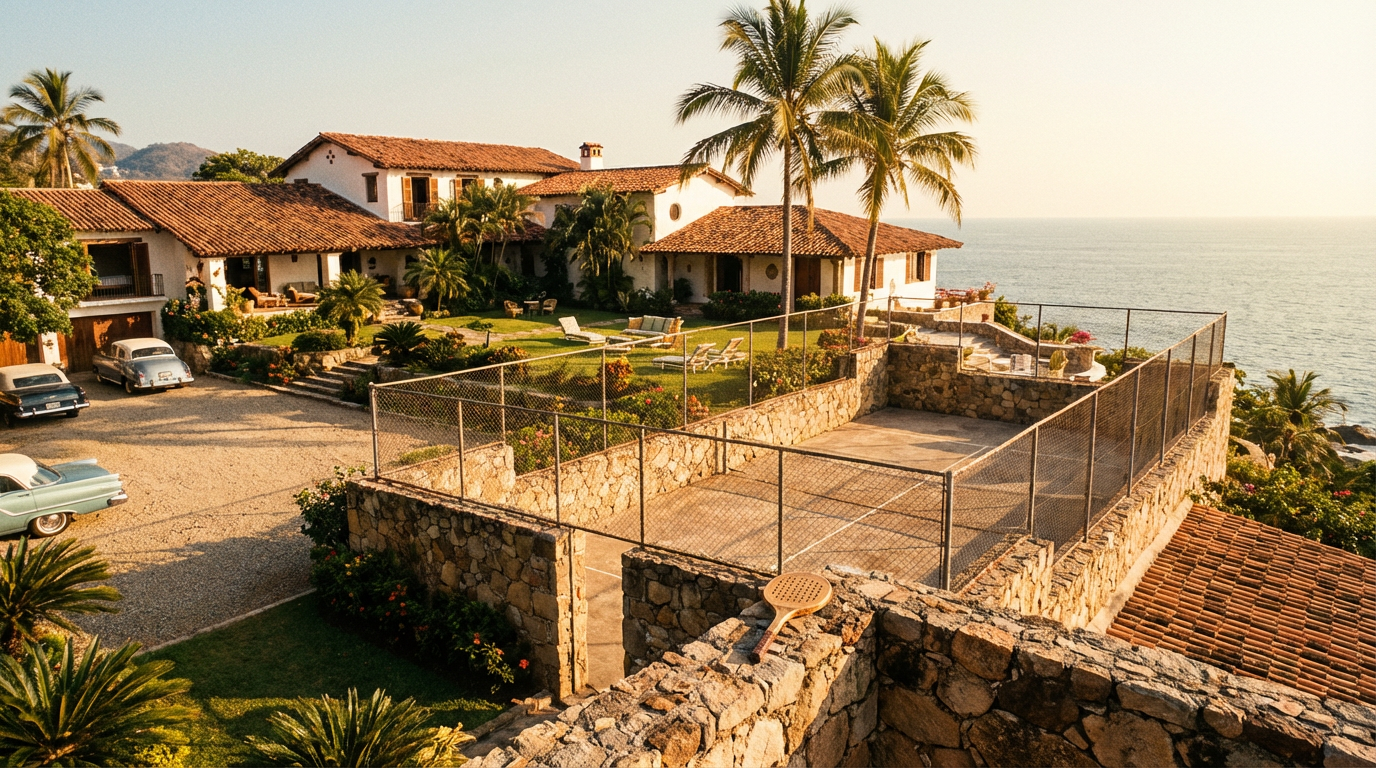
Think about this: padel wasn’t born in a country club, but in a private residence in Acapulco. Enrique Corcuera created the first court in 1969 by modifying his backyard to prevent balls from escaping into his neighbor’s yard. This necessity-driven design eventually transformed into a global phenomenon.
- Founded in 1969 in Mexico.
- Initially used walls to keep the ball in play.
- Spread rapidly through Spain and Argentina.
- Now recognized as the world’s fastest-growing racquet sport.
Key Takeaway: Understanding the roots of que es padel deporte helps investors appreciate its unique blend of squash and tennis.
| Phase | Description | Key Element |
|---|---|---|
| Origin | 1969 Acapulco | Modified backyard court |
| Growth | 1970s Spain | Introduction to Europe |
| Global | 2020s Boom | Rapid B2B expansion |
The transition from a niche hobby to a professional industry highlights the sport’s massive commercial scalability.
Why is padel the fastest growing global sport?
[Image 2]
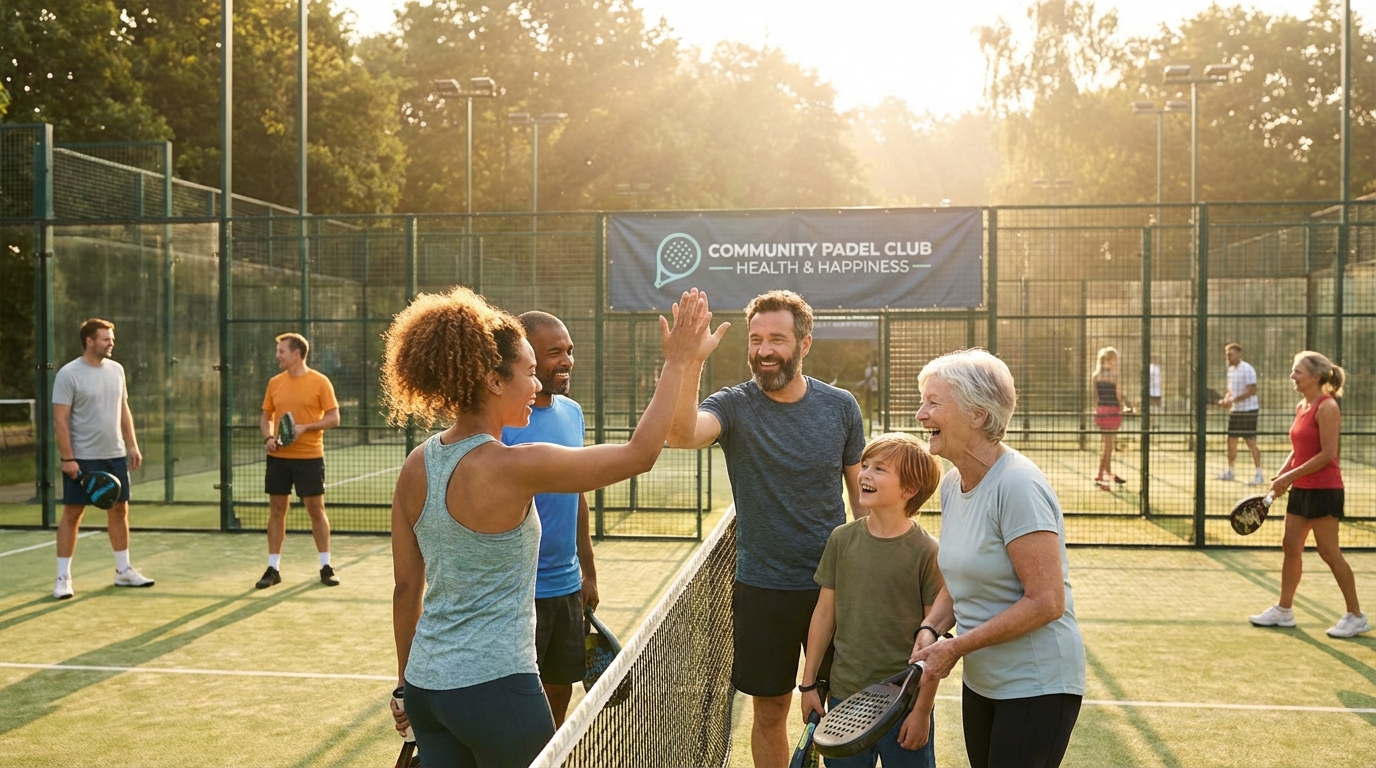
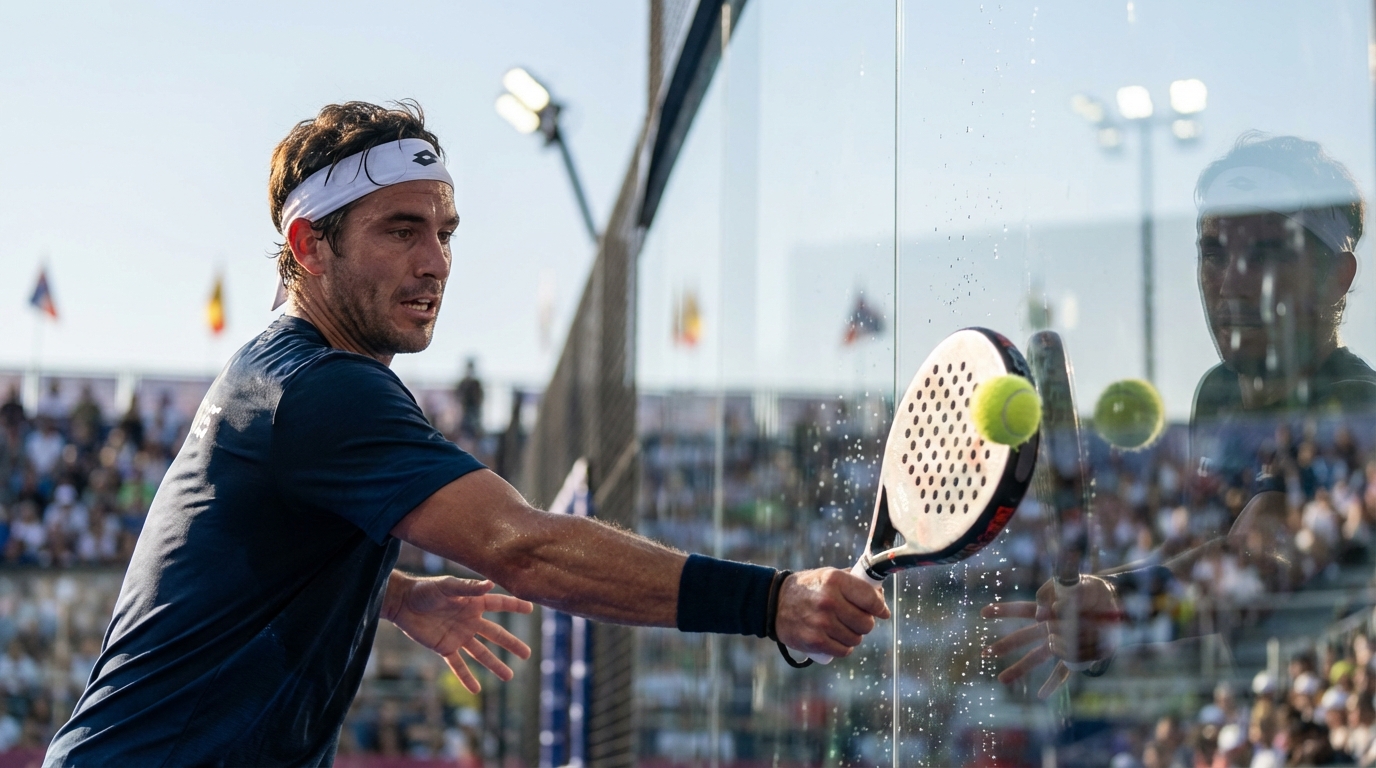
You might be wondering why everyone is switching to the glass court. Unlike tennis, which requires years of technical training, padel has a very low barrier to entry. This allows players of different skill levels to compete and socialize effectively.
- Played exclusively in doubles (4 players).
- Shorter racquets offer better control.
- Enclosed walls keep the ball active longer.
- Proximity between players encourages conversation.
Key Takeaway: The social nature of the game ensures higher court occupancy rates and repeat customer visits.
| Driver | Impact | Result |
|---|---|---|
| Accessibility | Low skill ceiling | Diverse demographics |
| Social Play | Doubles format | High engagement |
| Duration | Constant action | High churn/booking rate |
The social dynamic is a primary driver for club owners looking to build a loyal community around their facility.
How does que es padel deporte differ from tennis?
[Image 3]
Is the court size significantly smaller?
The best part? You can fit nearly three padel courts in the footprint of a single traditional tennis court. This spatial efficiency is the “secret sauce” for high-density sports clubs. The walls are not just boundaries; they are active parts of the gameplay.
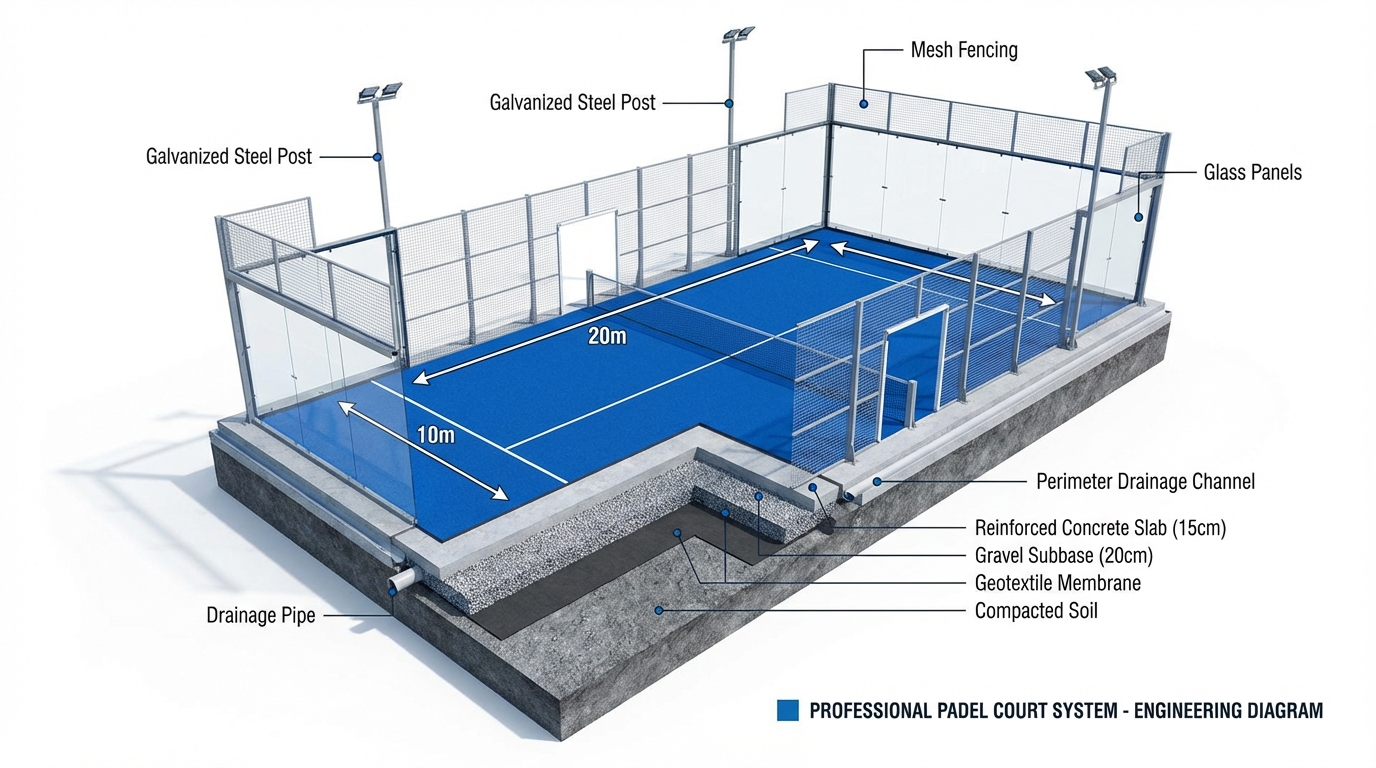
- Court size is 10m x 20m.
- Scoring is identical to tennis.
- Underhand serves are mandatory.
- Use of walls allows for strategic “rebound” shots.
Key Takeaway: que es padel deporte provides a unique tactical experience that emphasizes positioning over raw power.
| Feature | Padel | Tennis |
|---|---|---|
| Size | 200 sqm | 600+ sqm |
| Walls | Active gameplay | Out of bounds |
| Serve | Underhand | Overhand |
Converting underutilized tennis space into multiple padel courts significantly increases the hourly revenue potential per square meter.
What are the technical specs of a padel court?
[Image 4]
What materials are used for the floor?
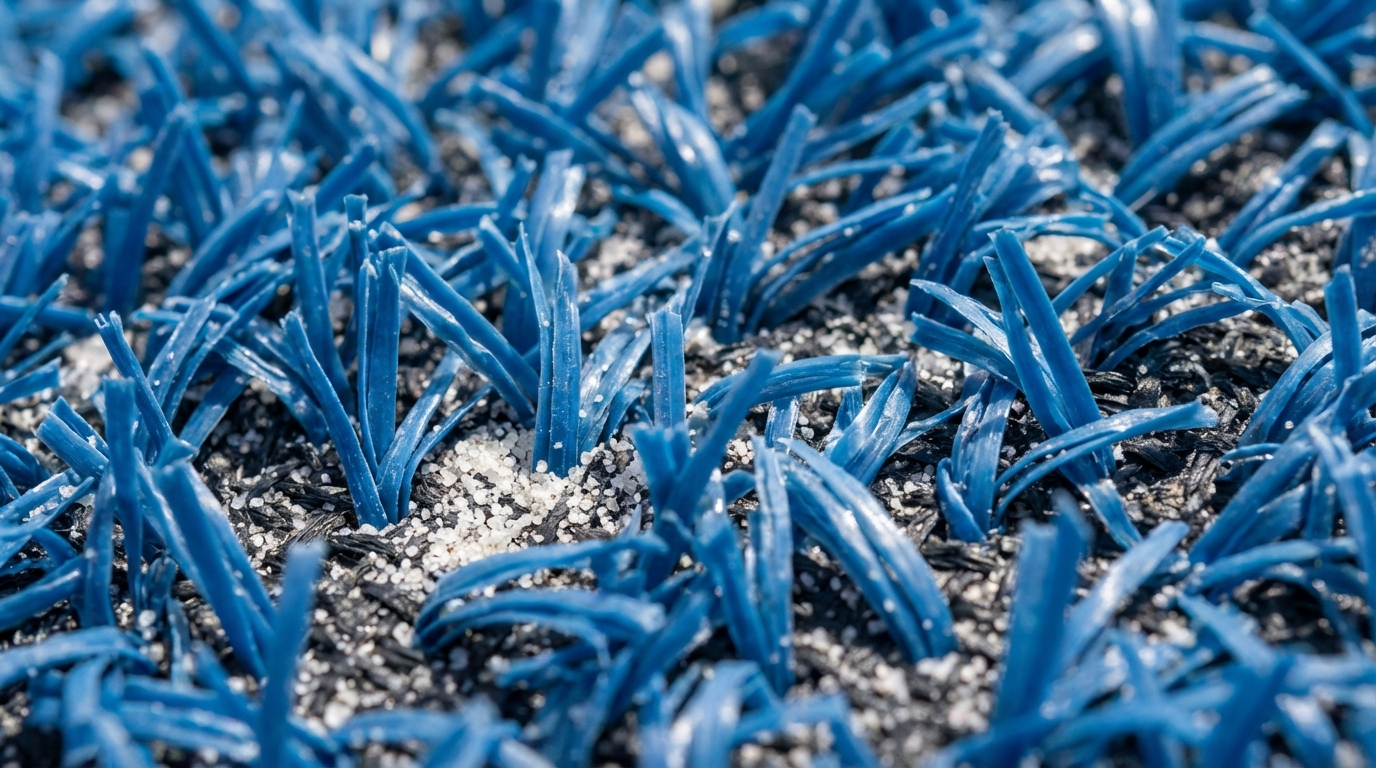
But here is the kicker: the floor isn’t just “grass”—it is a specialized synthetic turf system. This turf must be designed to hold a specific amount of kiln-dried silica sand to ensure a consistent bounce. Professional installation services are required to get the drainage and leveling perfect.
- Monofilament or textured synthetic turf.
- Reinforced 15cm concrete slab base.
- Galvanized steel frame for the perimeter.
- 10mm to 12mm tempered safety glass.
Key Takeaway: High-quality technical specifications prevent structural fatigue and ensure player safety over long-term use.
| Component | Material | Function |
|---|---|---|
| Glass | Tempered Safety | Ball rebound & visibility |
| Turf | Polyethylene | Traction & joint protection |
| Frame | Galvanized Steel | Structural integrity |
Investing in premium materials during the initial build phase drastically reduces the total cost of ownership over ten years.
How much space do you need for que es padel deporte?
[Image 5]
Can you fit multiple courts in one tennis court?
Believe it or not, the math heavily favors the switch to padel. A standard tennis court requires roughly 670 square meters including the run-off areas. In contrast, a que es padel deporte installation only requires 200 square meters.
- Standard dimensions: 10m width x 20m length.
- Minimum ceiling height for indoor: 6 meters (8m preferred).
- Perimeter clearance: 0.5m to 1m for maintenance.
- Multi-court layouts maximize shared walkways.
Key Takeaway: Space optimization is the strongest argument for real estate developers and sports club managers.
| Layout | Units | Space Used |
|---|---|---|
| Tennis Court | 1 | ~670 sqm |
| Padel Array | 3 | ~600 sqm |
| Player Count | 12 (Padel) | 4 (Tennis) |
The ability to triple the player capacity within the same footprint makes padel an unbeatable choice for urban locations.
What is a panoramic padel court design?
[Image 6]
Why choose glass over traditional mesh?
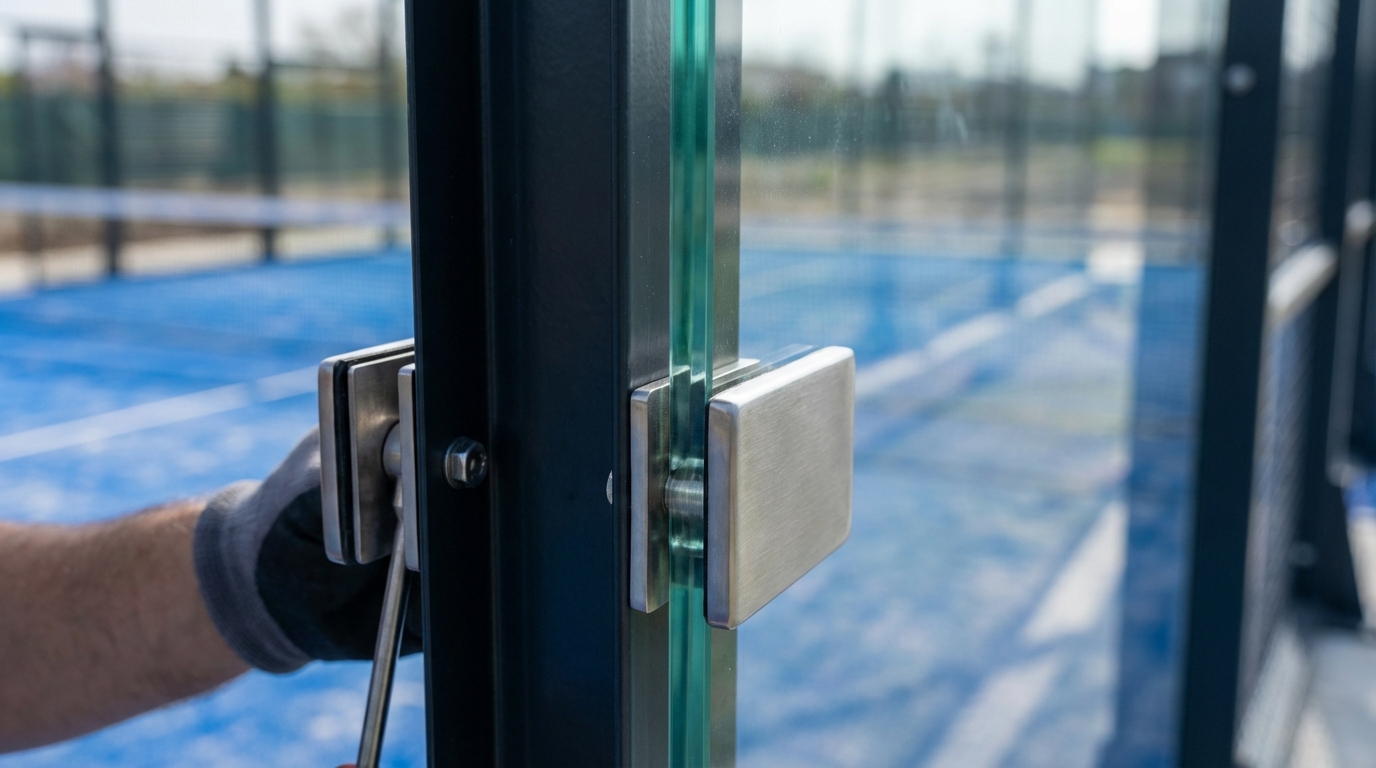
It gets better: modern technology has removed the need for vertical steel pillars in the back walls. A panoramic padel court uses thicker glass and specialized fasteners to provide an unobstructed view. This is the gold standard for televised matches and high-end luxury clubs.
- 12mm tempered glass without corner pillars.
- Enhanced aesthetic appeal for spectators.
- Premium lighting systems integrated into the frame.
- High-tensile strength for professional-grade impact.
Key Takeaway: Panoramic designs offer a superior spectator experience and command higher booking fees.
| Design Type | Pillar Use | Visual Clarity |
|---|---|---|
| Standard | Corner pillars | Good |
| Panoramic | Pillarless back | Exceptional |
| Full Panoramic | Pillarless sides | Ultimate |
Selecting a panoramic design increases the prestige of the facility and attracts higher-spending corporate clientele.
What are the costs of que es padel deporte builds?
[Image 7]
What factors drive the final price?
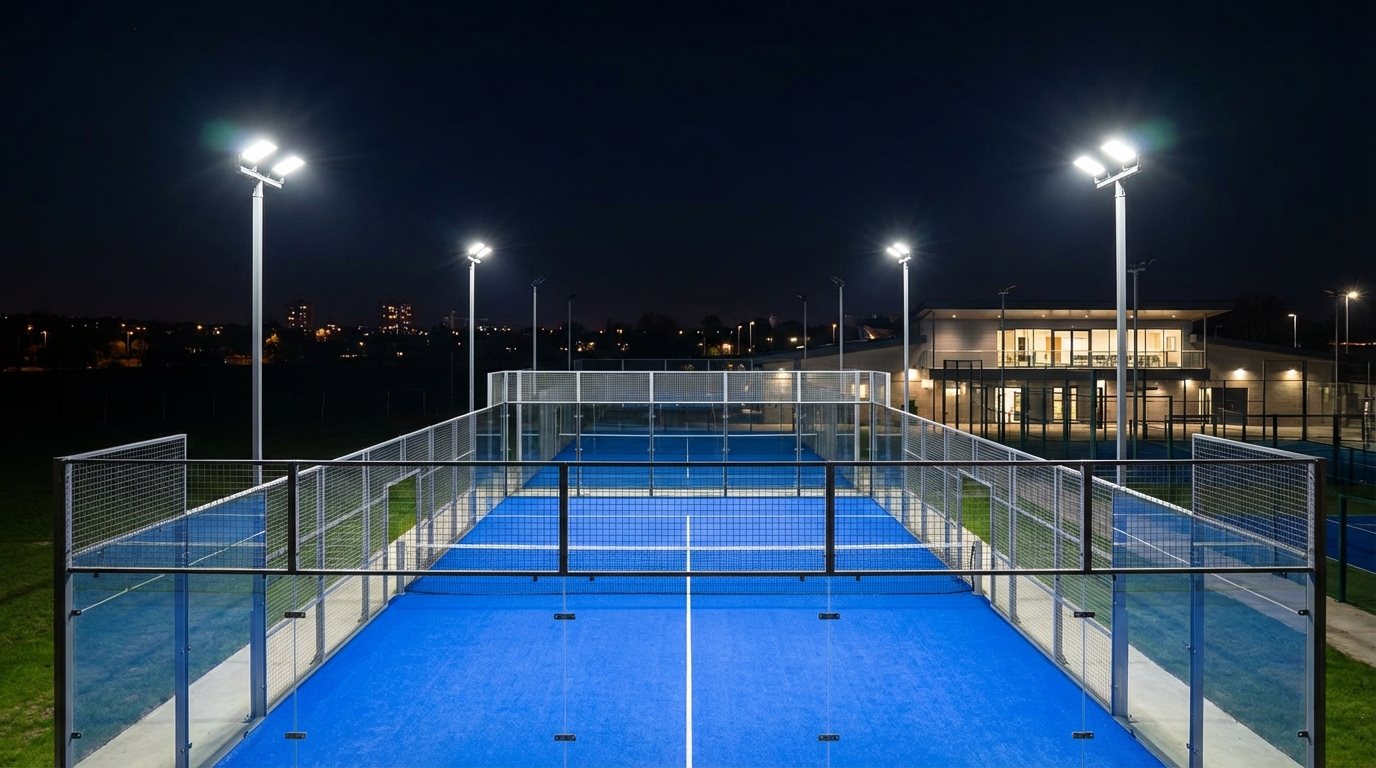
In other words: you get what you pay for when it comes to structural longevity. The price of que es padel deporte construction varies based on site preparation, lighting, and glass thickness. Don’t forget that outdoor courts require additional wind-load engineering.
- Soil stability and concrete slab quality.
- Glass thickness (10mm vs 12mm).
- LED lighting wattage and pole design.
- Customization like turf color and branding.
Key Takeaway: Initial investment levels determine the long-term maintenance schedule and the court’s overall lifespan.
| Factor | Cost Impact | Why? |
|---|---|---|
| Foundation | High | Prevents slab cracking |
| Glass Type | Medium | Safety and rebound quality |
| Lighting | Low | Essential for night revenue |
Managing the budget requires a balance between aesthetic luxury and the mechanical durability of the steel and glass components.
How do you maintain a padel court for longevity?
[Image 8]
How often should you redistribute the sand?
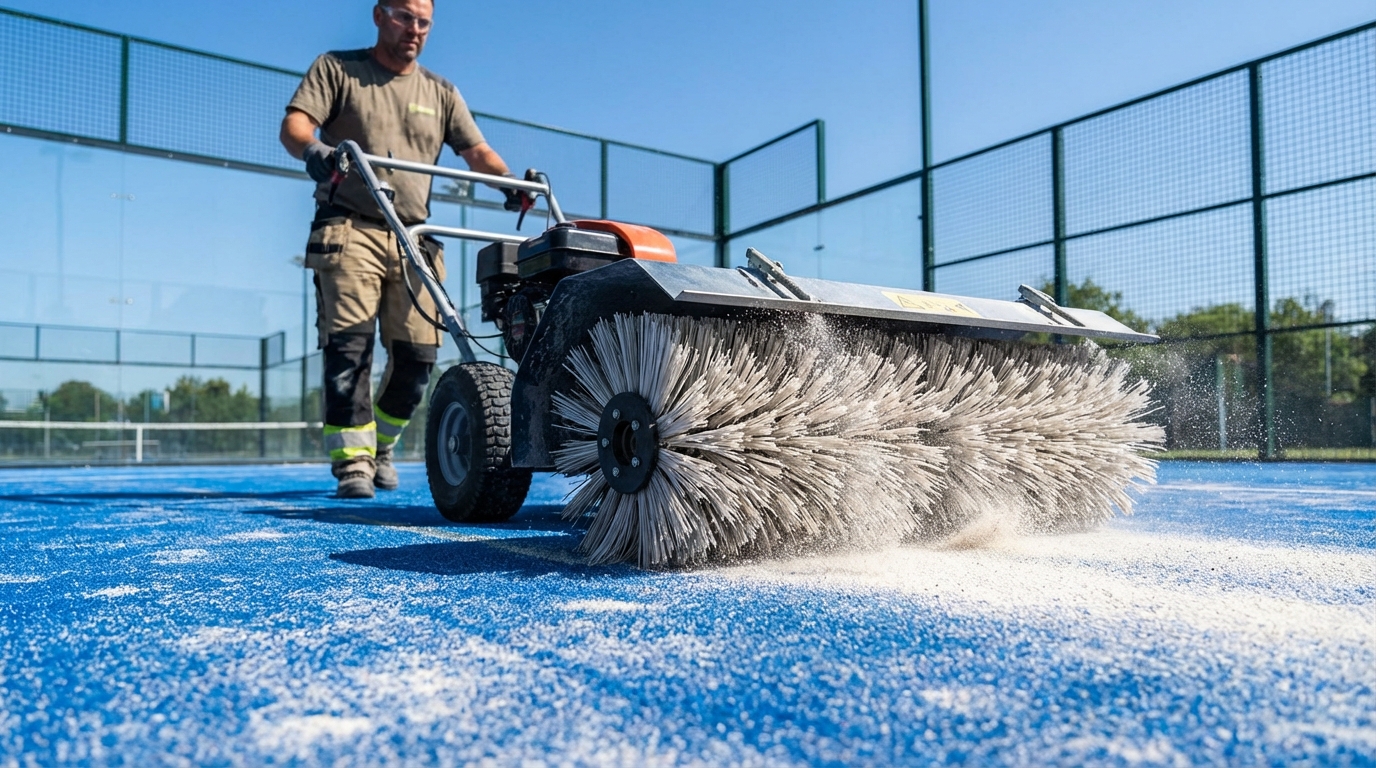
Simply put: if you don’t brush your courts, they will die. Sand redistribution is the most critical part of maintenance because it prevents the turf fibers from flattening. When fibers flatten, they break, leading to a “bald” court that is slippery and dangerous.
- Weekly brushing to even out the sand.
- Monthly check of glass tension bolts.
- Annual deep cleaning of drainage holes.
- Periodic replacement of the net.
Key Takeaway: A proactive maintenance schedule doubles the lifespan of the synthetic turf and keeps the glass safe.
| Task | Frequency | Objective |
|---|---|---|
| Brushing | Weekly | Prevent turf compaction |
| Bolt Check | Monthly | Structural safety |
| Sand Top-up | Quarterly | Maintain ball bounce |
Neglecting maintenance leads to player injuries and expensive full-turf replacements much sooner than necessary.
Who are the best que es padel deporte installers?
[Image 9]
What should you look for in a contractor?
But wait, there’s more: a great installer does more than just bolt glass together. You need a partner who understands the local climate and wind loads for que es padel deporte setups. Check for certifications and a portfolio of completed projects in your region.
- Proven track record in specialized sports construction.
- Compliance with International Padel Federation (FIP) standards.
- Comprehensive warranty on steel and glass.
- Knowledge of local building permits and codes.
Key Takeaway: Choosing an experienced installer ensures the court remains level and safe for years of heavy use.
| Criteria | Importance | Impact |
|---|---|---|
| FIP Compliance | Essential | Tournament eligibility |
| Local Experience | High | Proper drainage design |
| Warranty | High | Long-term risk mitigation |
A professional contractor will provide a turnkey solution that includes everything from the base slab to the final lighting configuration.
How do you start a padel club business today?
[Image 10]
What is the estimated ROI for owners?
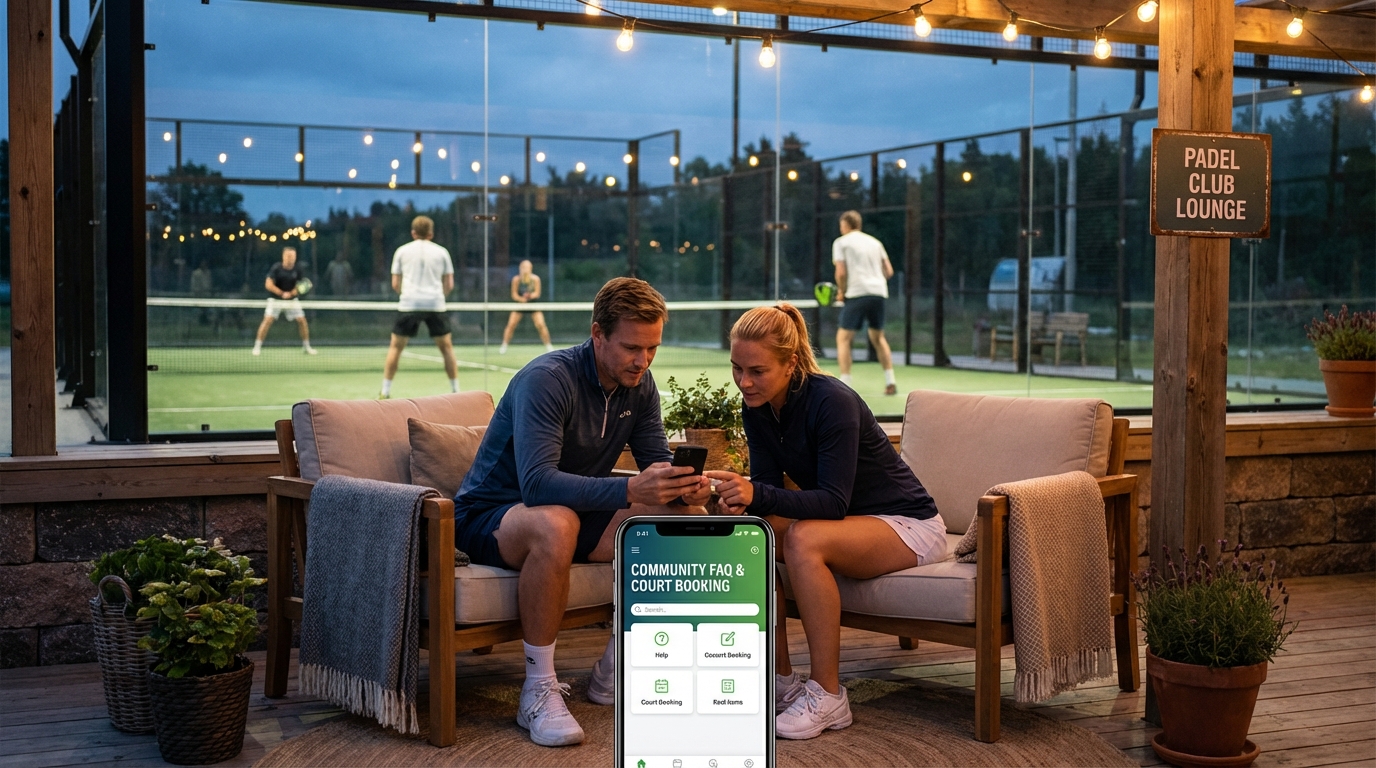
Make no mistake: padel is currently one of the most profitable sports business models available. Because you have four players per court per hour, the revenue per hour is significantly higher than tennis or pickleball. Most clubs see a full return on investment within 18 to 36 months.
- Revenue from court bookings.
- Profits from the pro shop and equipment rental.
- Food and beverage sales from the social lounge.
- Membership fees and tournament entries.
Key Takeaway: Diversifying revenue streams through coaching and hospitality maximizes the profitability of the physical asset.
| Revenue Stream | % of Total | Growth Potential |
|---|---|---|
| Court Rental | 60% | High (Peak hours) |
| Food & Beverage | 20% | High (Social events) |
| Coaching/Retail | 20% | Medium (Skill-based) |
A successful club balances high-performance sports with a lifestyle experience that keeps players coming back for the community.
Frequently Asked Questions
Can I build a padel court in my backyard?
Yes, provided you have at least 200 square meters of flat space and follow local zoning laws regarding structure heights.
What’s the best glass thickness for a commercial court?
For high-traffic commercial clubs, 12mm tempered glass is recommended for its superior durability and better ball rebound.
How many players are needed for a standard match?
Padel is designed to be played 2-on-2, meaning you need exactly four players for a standard game.
What is the lifespan of the synthetic turf?
With proper maintenance, high-quality monofilament turf typically lasts between 5 to 8 years depending on usage frequency.
Does a padel court require a lot of water?
No, unlike grass tennis courts, padel courts are dry systems that require zero irrigation, making them very eco-friendly.
If you are ready to capitalize on the fastest-growing sport in the world and transform your facility, contact us today for a professional consultation.