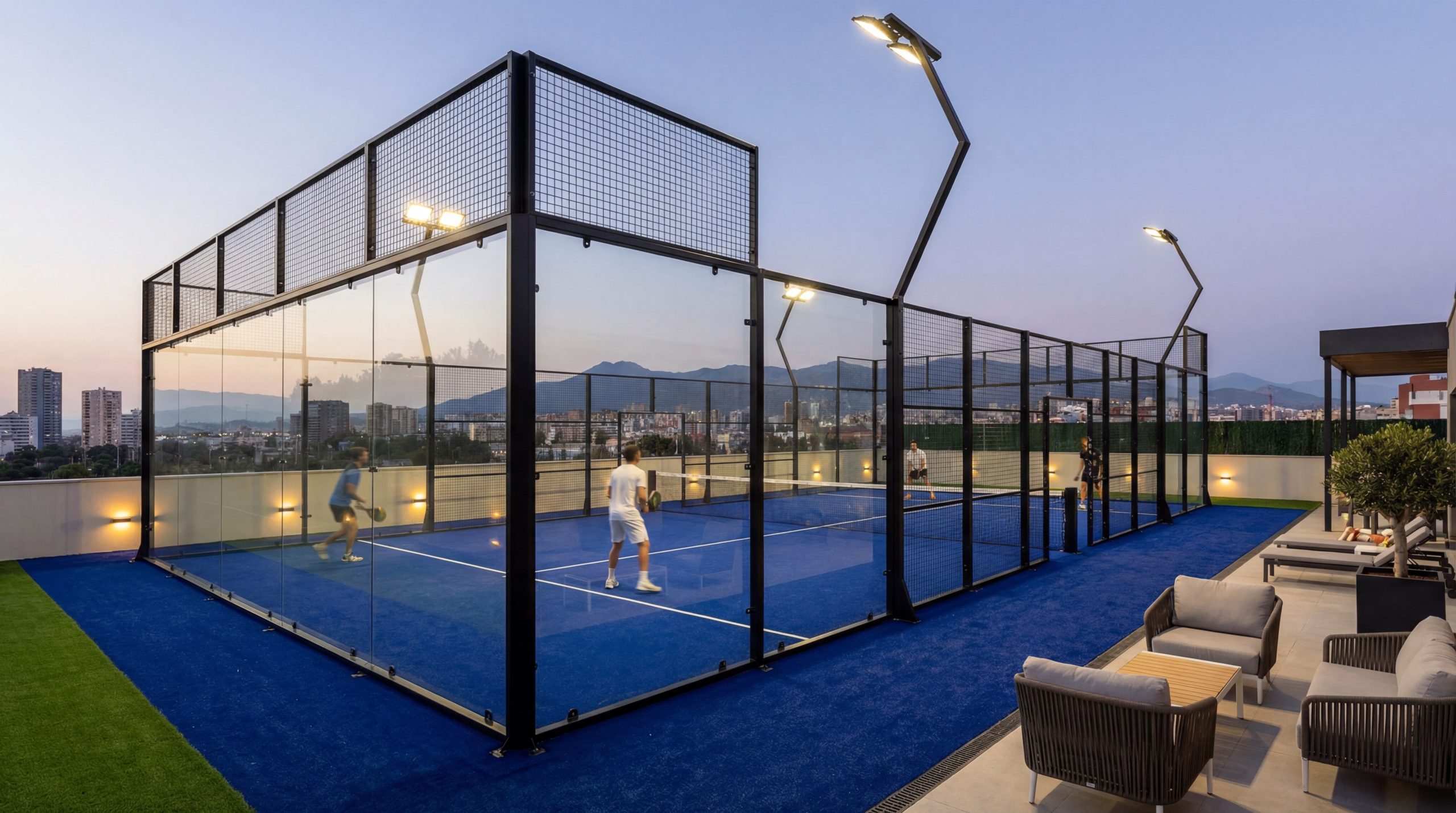
Padel is a fast-paced racket sport that combines elements of tennis and squash, played on an enclosed court. You may find that traditional sports facilities are struggling to keep up with changing player demands, leading to underutilized space and declining memberships. Understanding the padel origin provides the architectural and strategic foundation you need to build a high-performance facility that attracts long-term users.
Where did the padel origin actually begin?
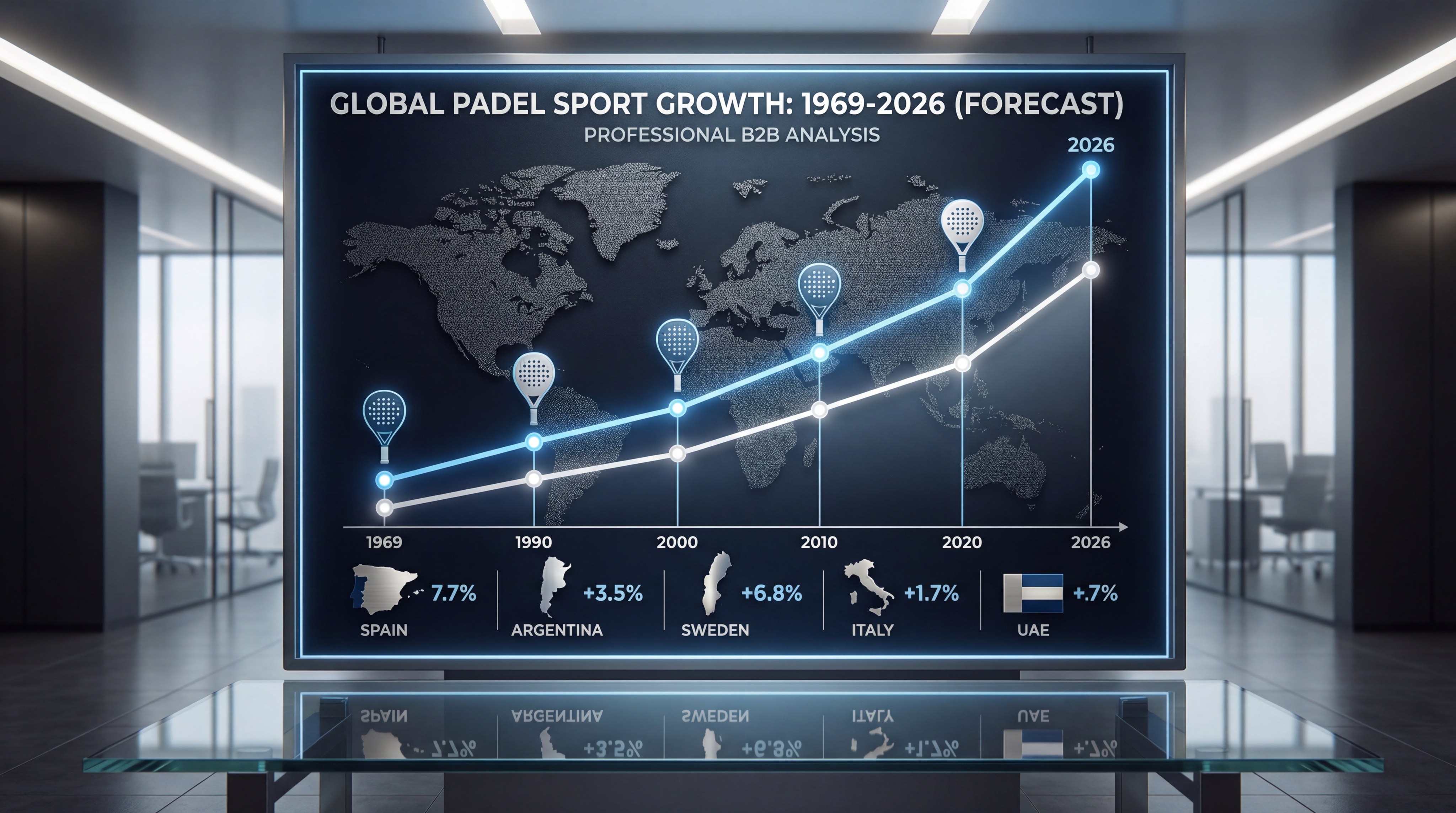
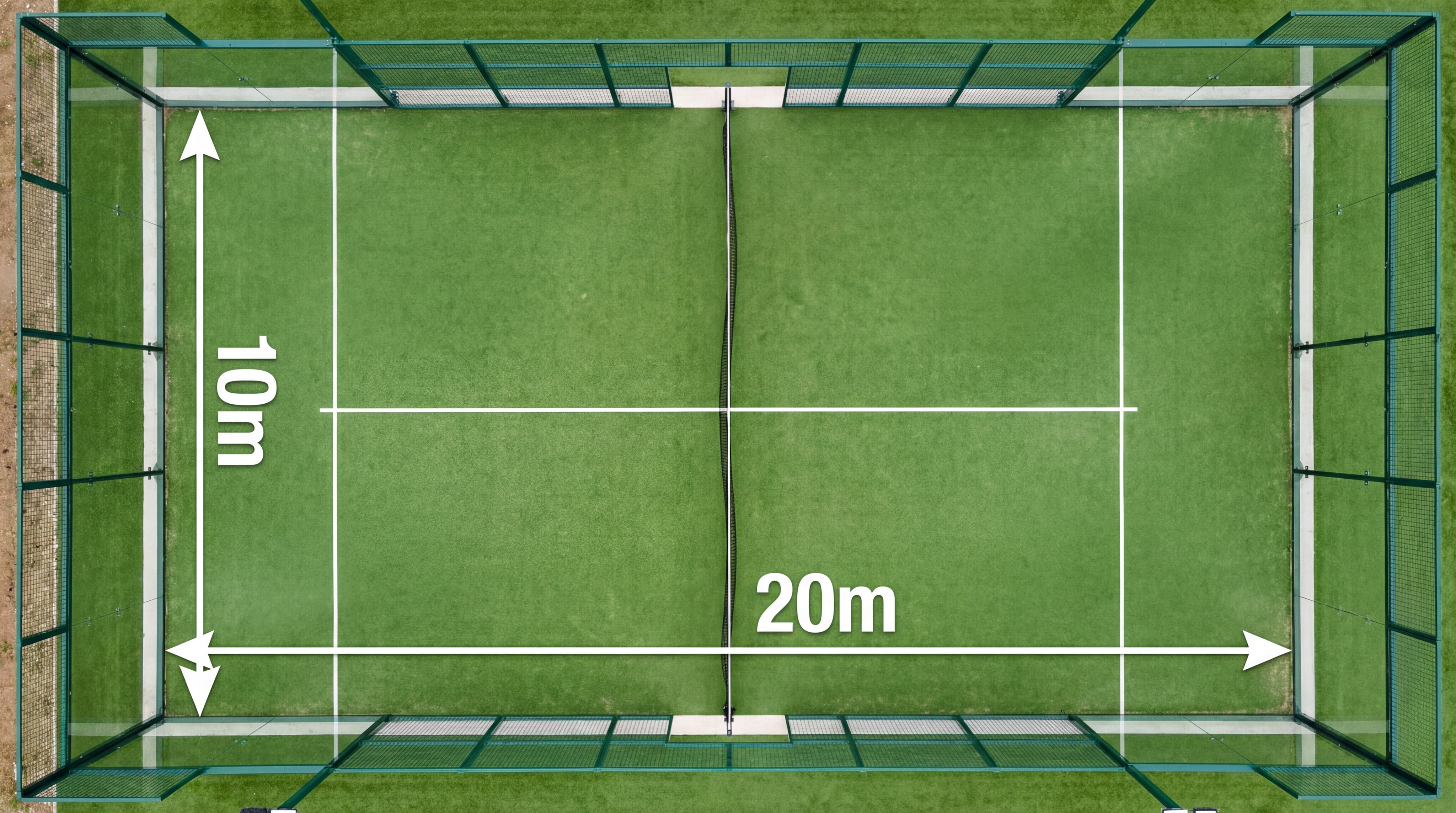
The padel origin traces back to 1969 in Acapulco, Mexico, where the sport was first conceptualized. You should know that it didn’t start as a professional league but as a private solution for a residential backyard. This heritage defines the compact, 10×20 meter footprint used today.
The Mexican Residential Roots
The first court was built by Enrique Corcuera because he did not have enough space for a full tennis court. He used existing walls and added metallic fencing to keep the ball in play. This setup created a unique hybrid game that emphasized strategy over raw power.
Think about it:
The sport was born out of a physical constraint, which is why it fits so well in urban environments.
- 1969: Conceptualization in Acapulco.
- Space-saving: Designed for residential backyards.
- Hybrid rules: Combined tennis and squash elements.
Expansion to Spain
In 1974, the sport traveled from Mexico to Spain via Prince Alfonso de Hohenlohe. He fell in love with the game and built the first two European courts in Marbella. This transition marked the beginning of padel’s international commercialization.
Believe it or not:
A single vacation in Mexico led to the birth of the European padel industry.
- 1974: Introduction to Marbella.
- Social Elite: Initial adoption by Spanish royalty.
- Commercialization: First public clubs established.
Key Takeaway: Padel originated in Mexico as a space-saving alternative to tennis before finding its commercial footing in Spain.
| Factor | Detail |
|---|---|
| Year of Origin | 1969 |
| Location | Acapulco, Mexico |
| Founder | Enrique Corcuera |
| First European Stop | Marbella, Spain |
The transition from a private hobby to a public sport was facilitated by the high-society connections of its early adopters.
Who is responsible for the padel origin story?
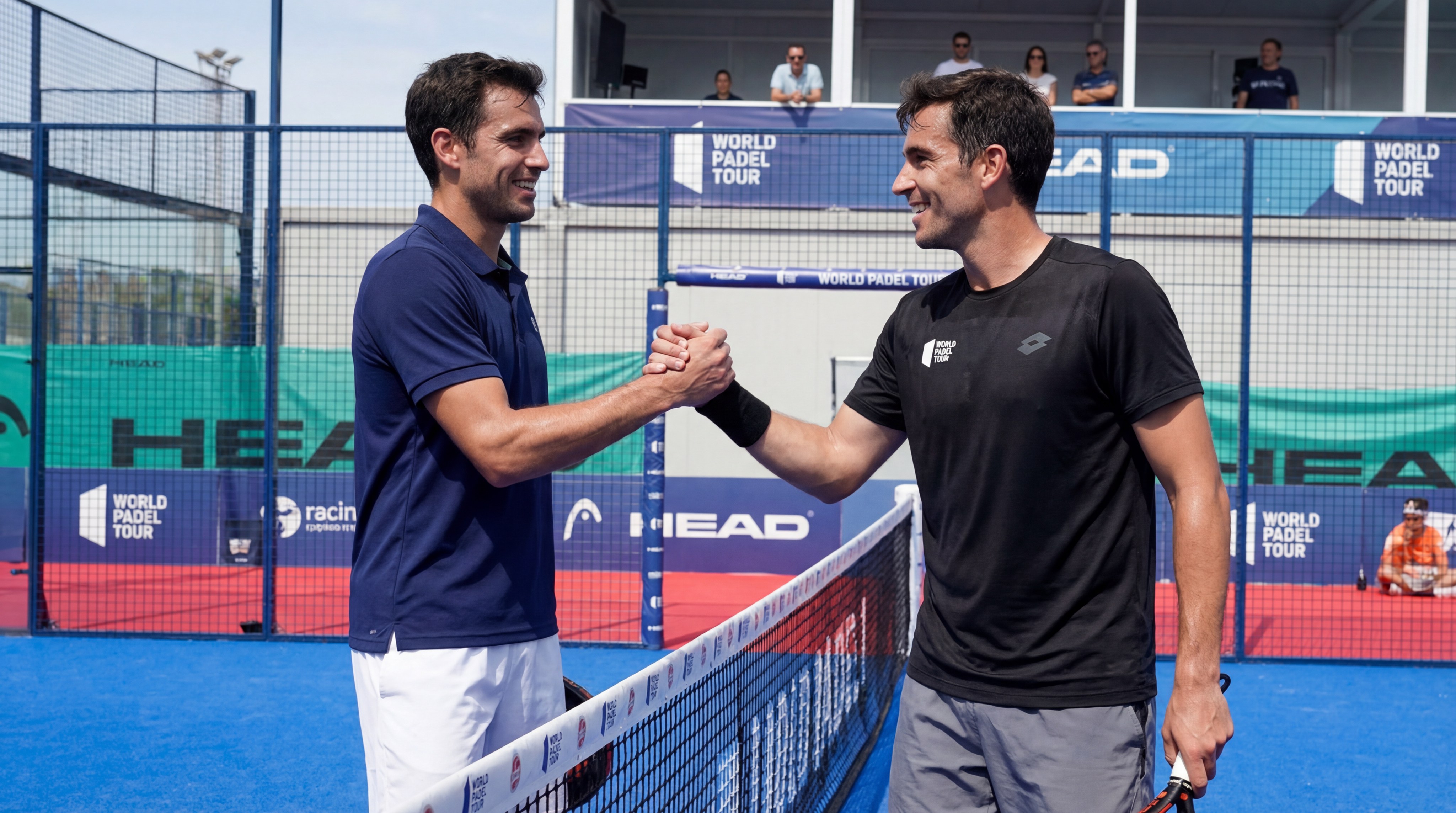
The padel origin is credited to Enrique Corcuera, a Mexican businessman who sought to maximize his limited backyard space. You will find that his background allowed him to blend the best aspects of tennis and squash. His innovation changed the trajectory of racket sports forever.
Enrique Corcuera’s Vision
Corcuera wanted a game that his family and friends could play regardless of their athletic level. By enclosing the court, he reduced the need for running long distances and kept the ball constantly active. This inclusivity remains the core selling point for clubs worldwide today.
Look:
One man’s desire for a private game created a multi-billion dollar global industry.
- Inclusivity: Designed for all ages and skill levels.
- Social Play: Emphasized doubles for better interaction.
- Low Barrier: Shorter rackets make it easier to learn.
The First Rulebook
He didn’t just build a court; he defined the initial mechanics of the game. Corcuera drafted the first set of rules to ensure the use of the walls was fair and consistent. These rules laid the groundwork for the International Padel Federation decades later.
Here is the deal:
Consistency in the rulebook allowed the sport to scale internationally without confusion.
- Wall Play: Standardized how ball rebounds work.
- Scoring: Adopted the familiar tennis scoring system.
- Equipment: Defined the use of perforated stringless rackets.
Key Takeaway: Enrique Corcuera’s specific design for his Acapulco home established the sport’s identity and its social accessibility.
| Role | Impact on Padel |
|---|---|
| Enrique Corcuera | Inventor and first rule-maker |
| Alfonso de Hohenlohe | Introduced the sport to the European elite |
| Early Players | Refined the doubles-only competitive format |
Identifying the key figures in the sport’s history allows you to market the heritage of your new facility to prospective members.
Why does padel origin matter for construction?
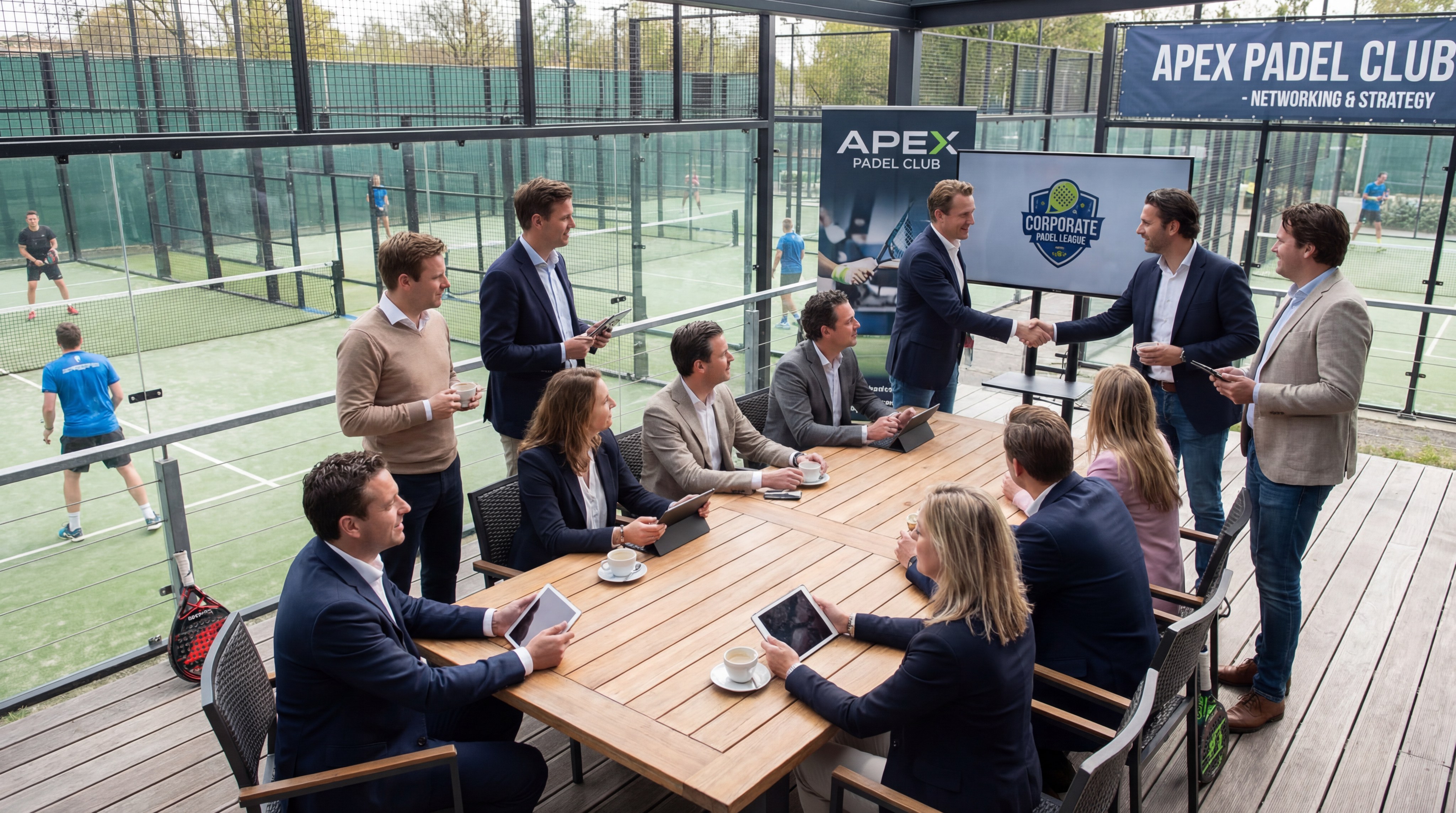
The padel origin dictates the exact physical dimensions and structural requirements you must follow to build a certified court. You cannot ignore the historical 10-meter by 20-meter layout because it is optimized for the speed and bounce of the ball. Deviating from these standards would render your facility ineligible for official tournaments.
Structural Integrity of Walls
The original use of concrete walls has evolved into high-strength tempered glass. However, the requirement for a rebound surface remains the defining characteristic of the sport’s construction. You must ensure your glass panels can withstand high-velocity impacts while providing clear visibility.
In short:
The walls are not just boundaries; they are active components of the field of play.
- 12mm Glass: Standard thickness for safety and bounce.
- Steel Framework: Provides the necessary structural rigidity.
- Vibration Dampening: Essential for maintaining glass longevity.
Net and Mesh Standards
The height of the net and the tension of the metallic mesh are both derived from early Mexican designs. These elements ensure the rebound effect is predictable for players. Using inferior materials can lead to dead spots on the court, ruining the playing experience.
But it gets better:
Correct mesh tension allows for tactical “fence shots” that are unique to this sport.
- Net Height: 88cm at the center, 92cm at the posts.
- Mesh Aperture: Specifically sized to prevent ball trapping.
- Anti-Injury Design: Smooth finishes on all metallic edges.
Key Takeaway: Modern construction must respect historical dimensions to ensure player safety and competitive fairness.
| Component | Standard Origin | Importance |
|---|---|---|
| Court Size | 20m x 10m | Balanced gameplay for doubles |
| Wall Height | 3m to 4m | Essential for strategic rebounds |
| Surface | Synthetic Turf | Mimics the consistent bounce of early courts |
Adhering to these established specifications ensures your facility meets the expectations of both casual and professional players.
How has padel origin influenced modern design?
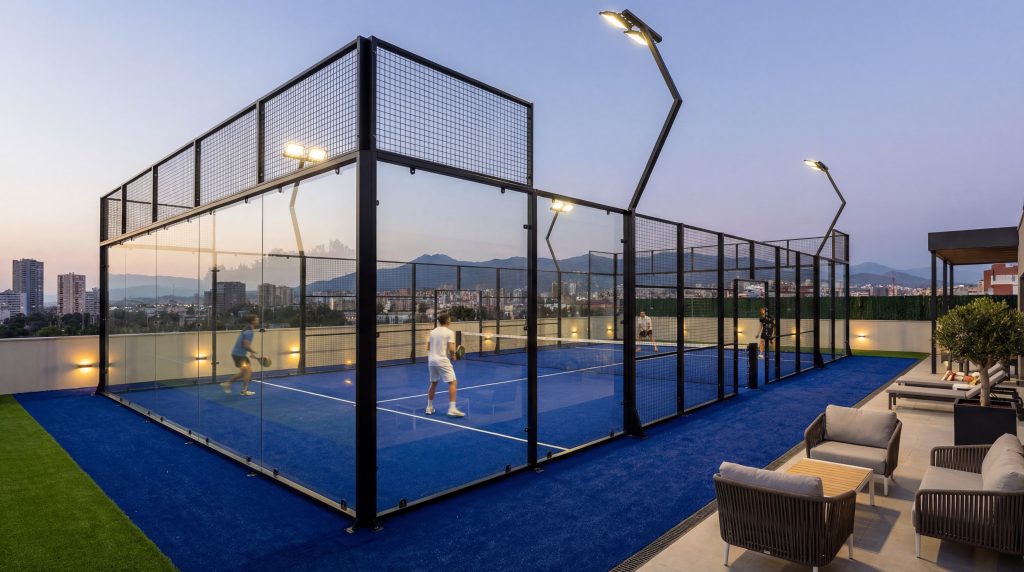
The padel origin has directly shaped how contemporary architects approach club layouts and player flow. You can see the influence in how courts are clustered together to encourage social interaction among spectators. This “social-first” design philosophy is a direct descendant of the sport’s backyard beginnings.
Panoramic Court Engineering
Modern manufacturers have removed vertical pillars to offer a 360-degree view of the action. While the structural support has changed, the internal playing area remains identical to Corcuera’s original court. This evolution allows for better television broadcasting and live spectating.
You see:
The removal of visual obstacles has transformed padel into a spectator-friendly sport.
- 360-degree Vision: No pillars in the back or side corners.
- Tempered Safety Glass: Provides a seamless and safe viewing experience.
- Structural Steel: Hidden or reinforced to maintain the open feel.
Integrated Lighting Systems
Lighting was an afterthought in the early days, but today it is integrated into the court’s structural frame. You need to ensure uniform lux levels so that the ball is visible against the glass and mesh. Modern LED solutions now provide better visibility than the sun-drenched courts of Acapulco.
Think about it:
Proper lighting extends your operating hours and increases your total daily revenue.
- LED Masts: Usually 6-meter height for optimal distribution.
- Zero Glare: Designed to prevent blinding players during lobs.
- Energy Efficiency: Modern systems reduce operational overhead significantly.
Key Takeaway: Innovation has refined the materials, but the fundamental spatial relationship between players and walls remains unchanged.
| Innovation | Historical Root | Benefit |
|---|---|---|
| Panoramic Glass | Concrete Backwalls | Unmatched visibility for fans |
| LED Masts | Natural Daylight | 24/7 facility utilization |
| Laser-Cut Steel | Basic Fence Mesh | Extreme durability and safety |
By blending heritage with modern engineering, you create a facility that feels both professional and welcoming to all guests.
Which countries embraced the padel origin first?
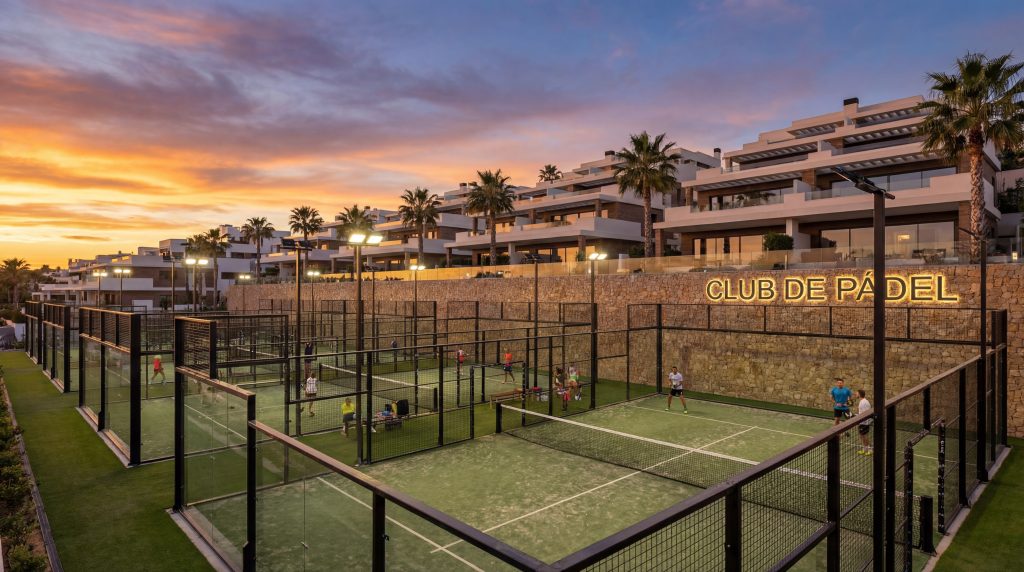
Mexico and Spain were the primary catalysts for the padel origin and its subsequent global explosion. You will notice that Argentina soon followed, becoming a powerhouse for producing world-class professional players. These three nations formed the “Golden Triangle” of padel development throughout the 1980s and 90s.
The Argentine Boom
In the late 80s, padel became the second most popular sport in Argentina. Developers built thousands of courts in city centers, proving that the sport could thrive in dense urban environments. This period proved the commercial viability of padel as a mass-market business.
Believe it or not:
Argentina was the first country to turn padel into a genuine national obsession.
- Urban Density: Courts were built in small city lots.
- Player Volume: Millions of active players by the early 90s.
- Professionalism: Birth of the first professional circuits.
European Expansion
Following Spain’s lead, countries like Italy, Sweden, and France are now seeing exponential growth. They are adopting the same club models that worked in Marbella decades ago. You can leverage these proven international success stories when pitching your own facility project.
The best part is:
Europe is currently the fastest-growing market for new court construction globally.
- Sweden: Rapid adoption with high-end indoor facilities.
- Italy: Strong growth in social clubs and sports centers.
- Middle East: Emerging as a hub for luxury padel experiences.
Key Takeaway: The rapid adoption in Mexico, Spain, and Argentina created the blueprint for today’s global market expansion.
| Country | Key Contribution | Current Status |
|---|---|---|
| Mexico | The Invention | Emerging professional market |
| Spain | Professionalization | Global hub for the sport |
| Argentina | Mass Popularity | Top-tier talent producer |
Studying these regional success stories helps you identify the demographic patterns that will make your own club successful.
What materials define the padel origin standards?
Standardized materials for court building are rooted in the padel origin of using durable, weather-resistant barriers. You must choose between galvanized steel and aluminum for the frame to prevent corrosion over time. The choice of materials directly impacts the lifespan and maintenance costs of your investment.
Tempered Glass Specifications
The transition from solid walls to glass required the use of 10mm or 12mm tempered safety glass. This material provides the necessary bounce while ensuring that if a panel breaks, it shatters into small pieces. You should always prioritize certified glass to protect your players and your business.
Look:
Safety glass is the most critical component for liability and player confidence.
- 12mm Standard: Recommended for high-traffic commercial clubs.
- Polished Edges: Prevents cuts during the installation process.
- Impact Rating: Must withstand heavy player collisions.
Artificial Turf Selection
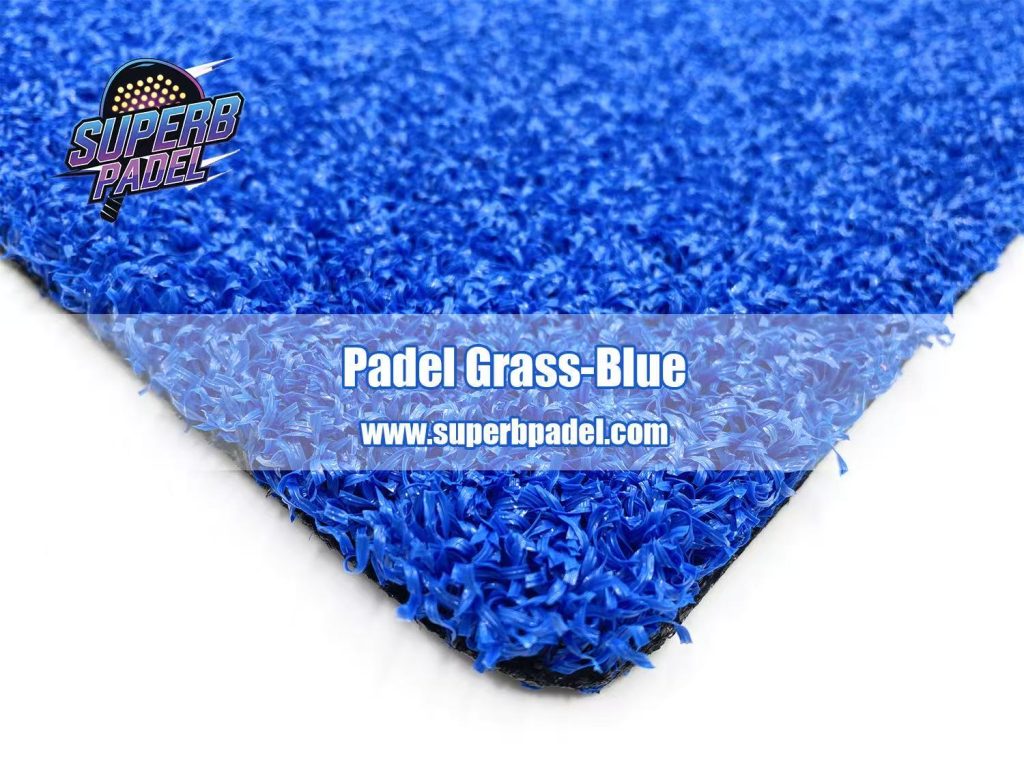
Early courts used sand-filled carpets, but today you have access to monofilament and textured fibers. These surfaces provide better grip and reduce the risk of joint injuries for players. Selecting the right turf density is crucial for maintaining the true bounce established by the sport’s founders.
Here is the deal:
The right turf can reduce player fatigue and keep your members playing longer.
- Monofilament: High durability and excellent ball response.
- Texturized: Requires less sand and offers a more uniform look.
- Drainage: Perforated backing allows for quick water runoff.
Key Takeaway: Quality materials like tempered glass and monofilament turf are essential for maintaining historical playability and safety.
| Material | Industry Standard | Why it Matters |
|---|---|---|
| Frame | Galvanized Steel | Prevents rust in outdoor settings |
| Glass | 12mm Tempered | Maximum safety and rebound |
| Turf | Texturized PE | Reduced maintenance and sand splash |
Investing in premium materials at the start will significantly reduce your long-term operational headaches and repair costs.
How does padel origin compare to tennis rules?
The padel origin incorporates tennis scoring but introduces completely different rules for the serve and the walls. You serve underhand in padel, which immediately makes the game more accessible for beginners compared to the high-difficulty overhead tennis serve. This fundamental shift is why padel has such a high retention rate for new players.
The Role of the Walls
In tennis, if the ball passes you, the point is over; in padel, the game is just beginning. You can let the ball hit the back wall and play it on the rebound, extending the length of rallies. This mechanic keeps the heart rate up and ensures every point is a tactical battle.
You see:
The walls turn a simple missed shot into an opportunity for a counter-attack.
- Rebound Rule: Ball must hit the ground before hitting a wall.
- Strategic Depth: Players use the glass to bypass opponents at the net.
- Longevity: Rallies last longer, providing a better workout.
Double-Only Format
While singles tennis is the standard, the padel origin is strictly a doubles game. This social dynamic is built into the rules and the court size. You will find that the doubles format makes it easier to fill courts and organize social tournaments at your facility.
In short:
Four players per court means more social energy and better revenue per hour.
- Social Networking: Easy to find partners and meet new people.
- Team Strategy: Requires communication and synchronized movement.
- Court Utilization: Maximizes the number of people using the facility.
Key Takeaway: Padel’s rules emphasize strategy and social play, making it more inclusive than traditional tennis.
| Feature | Tennis | Padel |
|---|---|---|
| Serve | Overhand (Power) | Underhand (Control) |
| Walls | Out of play | In play (Rebound) |
| Standard Format | Singles or Doubles | Primarily Doubles |
By understanding these differences, you can better position padel as a social, high-energy alternative to traditional racket sports.
Can you build a court using padel origin specs?
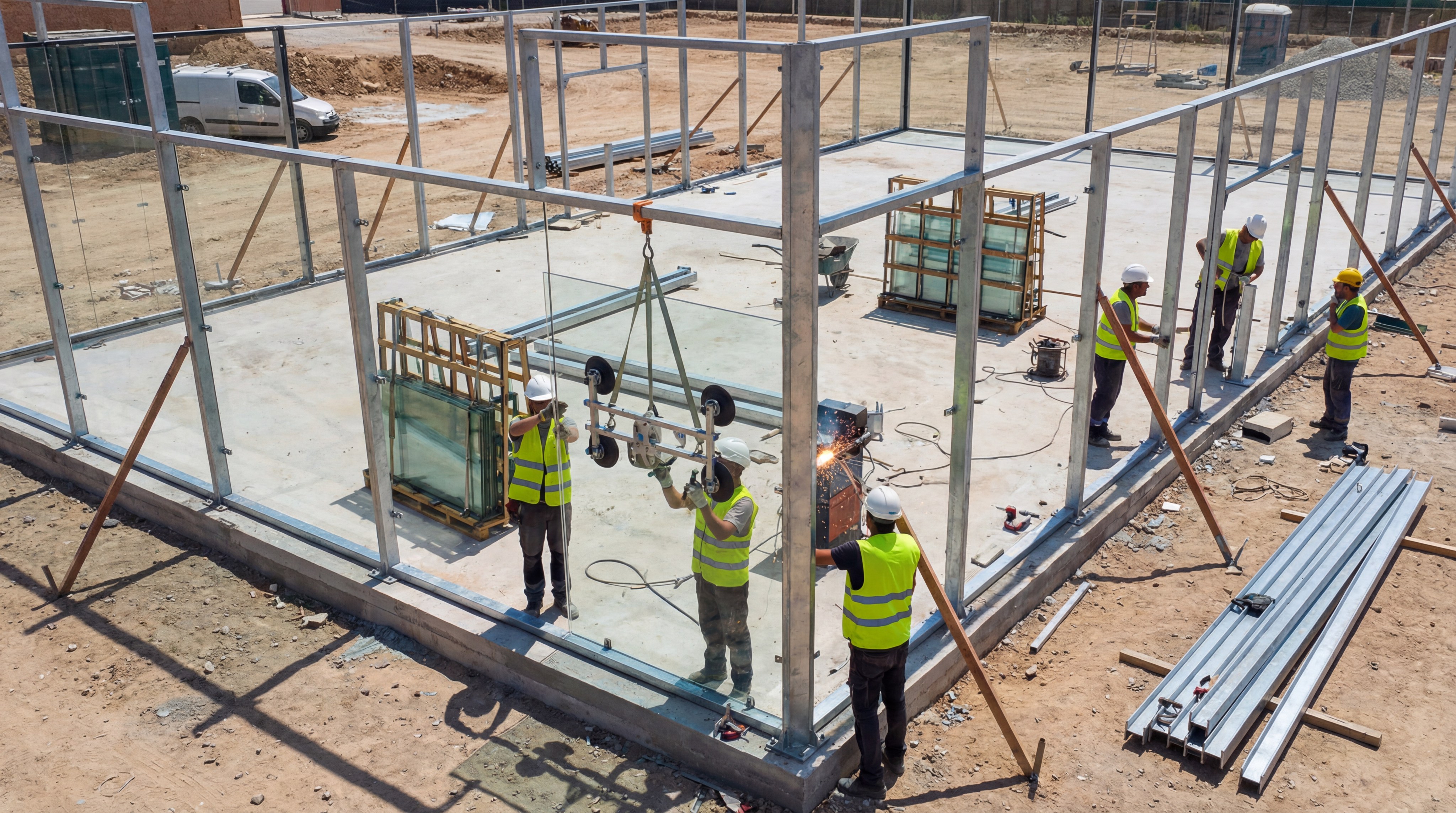
You can certainly build a professional-grade facility by following the padel origin specifications for court dimensions and safety. The process starts with a solid concrete foundation that must be perfectly level to ensure an even bounce. You should partner with experienced installers who understand the nuances of the metallic structure and glass alignment.
Foundation and Drainage
A 15cm to 20cm reinforced concrete slab is the standard requirement for a stable court. You must also incorporate a drainage system to ensure the court is playable minutes after a rainstorm. This reliability is key to maintaining a high court-occupancy rate throughout the year.
Believe it or not:
The quality of your base determines the lifespan of your entire court structure.
- Leveling: Maximum deviation of 3mm over 3 meters.
- Porous Concrete: Ideal for outdoor courts with heavy rainfall.
- Reinforcement: Prevents cracking under the weight of the steel and glass.
Installation Precision
Installing the glass panels and the turf requires specialized tools and expertise. You need to ensure the mesh panels are perfectly flush with the glass to prevent bad bounces. A professional installation team can typically complete a single court in 3 to 5 days once the base is ready.
Think about it:
Precision in the assembly phase prevents costly glass breakages and turf wrinkles.
- Laser Alignment: Ensures the structure is perfectly square.
- Turf Seaming: Professional glue and tape prevent tripping hazards.
- Sand Infill: Uniform distribution is required for a consistent bounce.
Key Takeaway: Professional installation on a level foundation is non-negotiable for a high-quality padel court.
| Phase | Duration | Critical Checkpoint |
|---|---|---|
| Base Work | 7-10 Days | Leveling and curing |
| Structure | 2 Days | Bolt tension and alignment |
| Glass/Turf | 2-3 Days | Seam invisibility and safety |
Focusing on technical details during the build phase will protect your brand reputation and ensure long-term player safety.
What are the ROI benefits of padel origin growth?
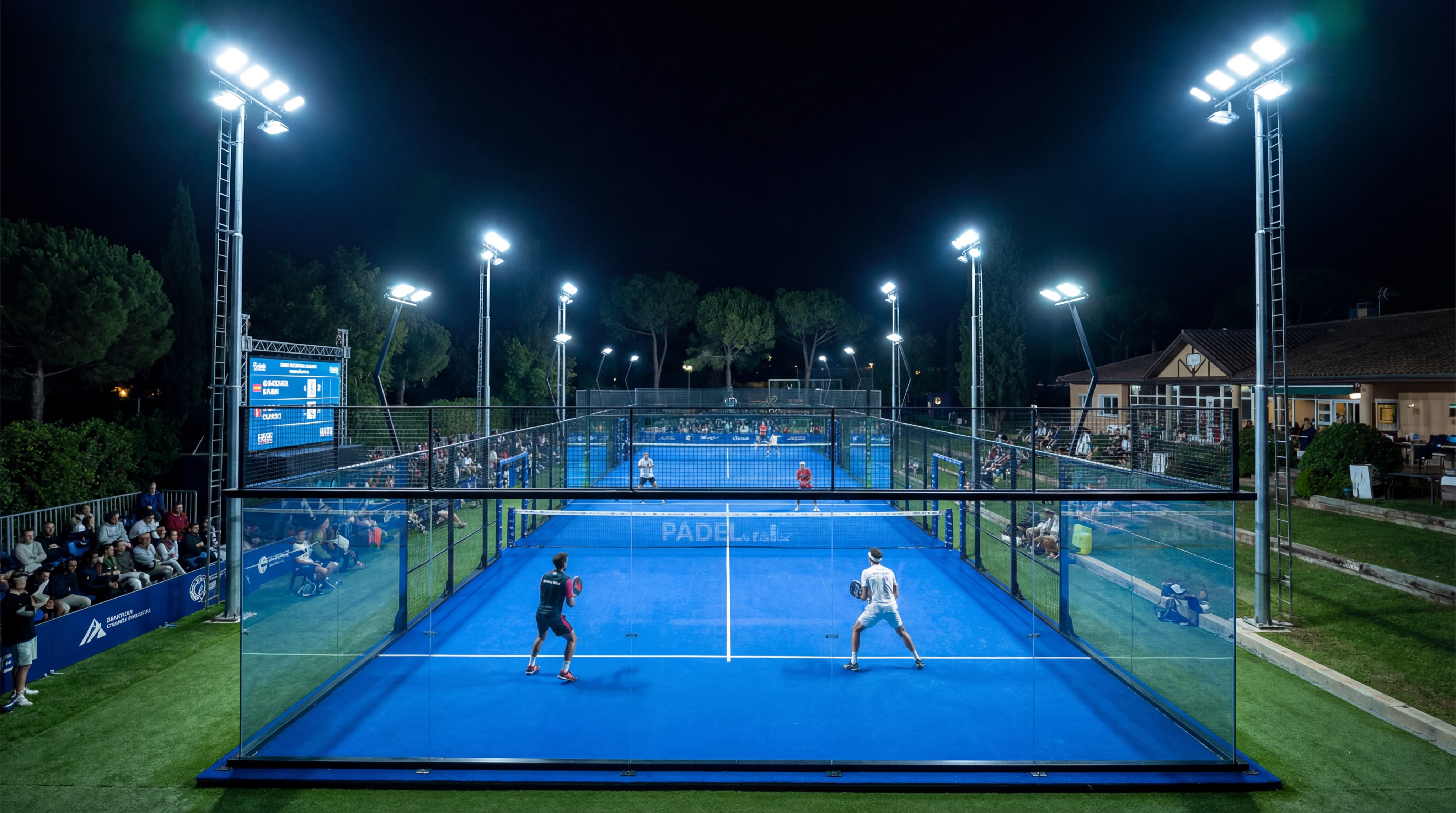
The padel origin highlights a sport designed for high density, allowing you to fit three courts in the space of one tennis court. This means you can have 12 players generating revenue in the same footprint where you previously only had two or four. You will see a much faster return on investment due to this increased capacity and the sport’s high popularity.
Maximizing Square Footage
In commercial real estate, revenue per square foot is the ultimate metric. Padel’s compact size makes it the most profitable racket sport per meter. You can turn dead space in parking lots or old warehouses into high-revenue zones with minimal structural overhead.
Look:
Higher player density equals higher beverage, retail, and membership sales.
- 3:1 Ratio: Fit three padel courts in one tennis court space.
- 12 Players: Triple the hourly court fee potential.
- Low Maintenance: Modern courts require very little daily upkeep.
Social and Retail Revenue
Because padel is a social game, players tend to stay longer at the facility after their match. You can capitalize on this by offering a pro-shop and a café or bar area. This secondary spend often accounts for a significant portion of a successful club’s profit margin.
But it gets better:
The social atmosphere creates a community that spends more than just court fees.
- Retail: Sale of rackets, balls, and specialized apparel.
- F&B: Post-match drinks and snacks are a cultural staple.
- Memberships: Recurring revenue through tiered access plans.
Key Takeaway: Padel offers superior ROI due to high player density and strong secondary revenue streams from social activity.
| Metric | Tennis Court | Padel Court |
|---|---|---|
| Players per Court | 2 to 4 | 4 |
| Revenue per SqM | Moderate | High |
| Retention Rate | Lower | Very High |
The financial data supports padel as one of the smartest investments in the current sports and leisure market.
Where is the padel origin heading in the future?
The padel origin is now entering a phase of professionalization and Olympic consideration. You are witnessing the rise of global tours and massive media rights deals that are bringing the sport to new markets like the USA and China. This global momentum ensures that your investment in a padel facility is backed by a growing international trend.
Technology and Smart Courts
Future courts will integrate sensors and cameras to provide players with instant video highlights and performance data. You can already install these systems to offer a “smart” experience that justifies higher court fees. This technology bridges the gap between the 1960s backyard game and the modern digital athlete.
In short:
Data and video are becoming essential parts of the amateur player’s experience.
- Video Recording: Instant replay of the best points of the match.
- Performance Stats: Tracking ball speed, heat maps, and shot accuracy.
- App Integration: Easy booking and social matchmaking.
Sustainability in Construction
There is a growing shift toward using recycled materials and energy-efficient lighting for new builds. You should consider these eco-friendly options to future-proof your facility against rising energy costs. Sustainable courts are also more attractive to corporate sponsors and environmentally conscious members.
The best part is:
Green building practices often qualify for government grants and tax incentives.
- Recycled Steel: Reduces the carbon footprint of construction.
- Low-Energy LED: Cuts electricity costs by up to 60%.
- Sustainable Turf: Made from recycled polymers and organic infill.
Key Takeaway: The future of padel lies in global expansion, technological integration, and sustainable building practices.
| Trend | Impact | Strategic Value |
|---|---|---|
| Olympic Bid | Global Legitimacy | Increased government funding |
| Smart Courts | Player Engagement | Higher premium membership tiers |
| US Expansion | Massive Market | High growth potential for franchises |
By aligning your facility with these future trends, you ensure long-term viability and a dominant position in the local market. To start your journey and secure your place in the global padel community, contact us today for a comprehensive consultation.