What is Padel Ball: What It Is and How to Build It
Investors often face significant uncertainty when entering the high-growth racket sports market because technical requirements are frequently misunderstood. If you fail to differentiate between professional standards and casual setups, you risk building a facility that fails to attract high-level events or long-term members. Exploring what is padel ball allows you to master the structural nuances that define this fast-growing global industry. This guide provides the strategic blueprint needed to design, construct, and maintain a premier facility that ensures a high return on investment and superior player satisfaction.
1. What is padel ball history and origin?
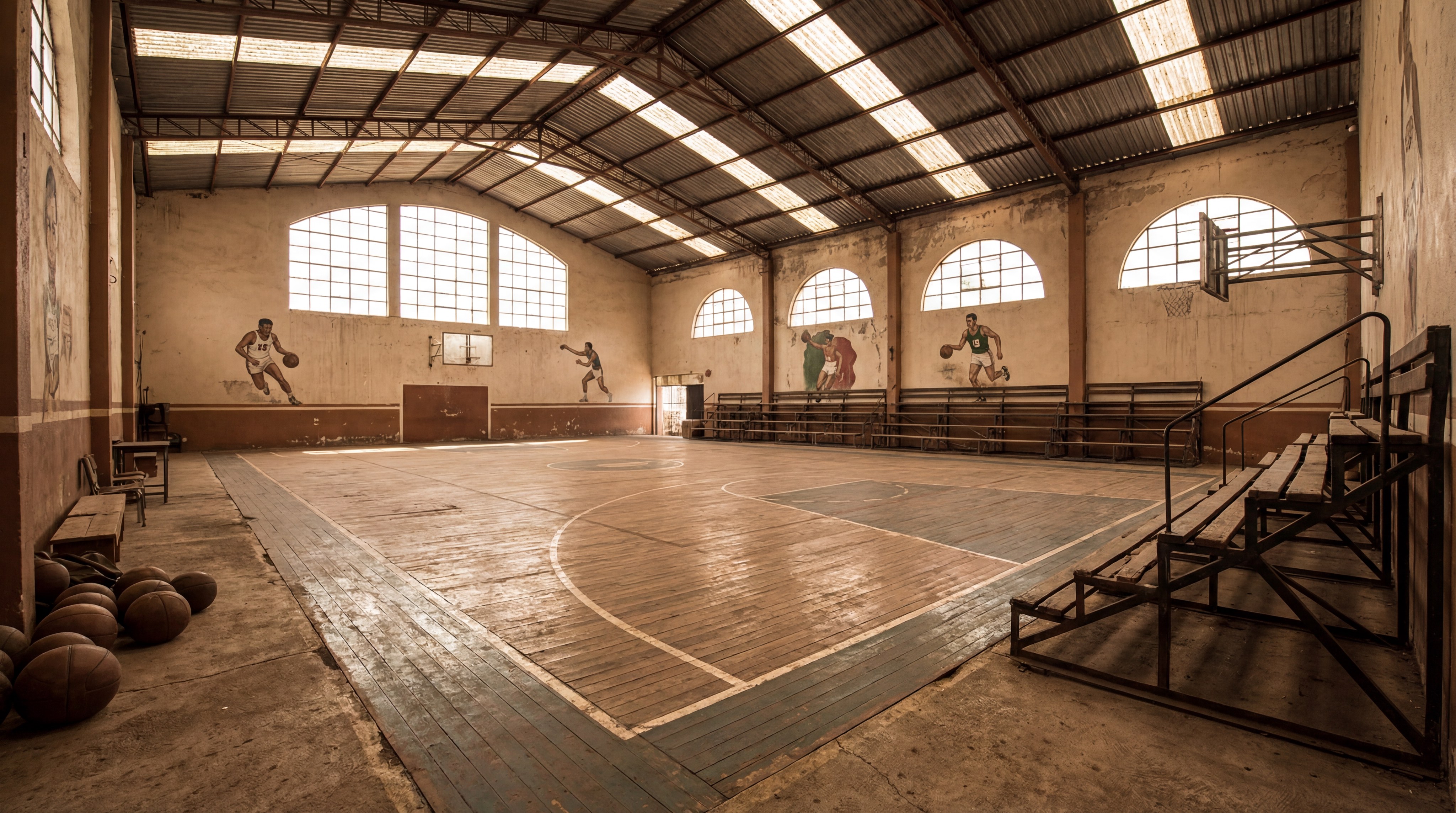
Padel ball history begins in 1969 when Enrique Corcuera modified a squash court at his home in Acapulco, Mexico. Understanding what is padel ball requires looking back at how he integrated walls into the game to keep the ball in play within a confined space. This innovation created a hybrid sport that combined the best elements of tennis and squash.
How did the sport go global?
The evolution of the game accelerated when it reached Spain in the 1970s and subsequently exploded across South America. Here is the kicker:
- The first international federation was formed in 1991.
- Standardization of court dimensions occurred shortly after.
- Global adoption has led to professional circuits across Europe and the Middle East.
| Milestone | Year | Location | Impact |
|---|---|---|---|
| Invention | 1969 | Mexico | Birth of the enclosed court concept |
| European Entry | 1974 | Spain | Shift toward mass-market popularity |
| Federation | 1991 | Madrid | Global standardization of rules |
The following table highlights the critical historical pivot points that transformed a private hobby into a multi-million dollar industry.
Key Takeaway: Padel is a modern racket sport born from space-saving innovation that has evolved into a standardized global professional discipline.
2. What is padel ball technical specification?
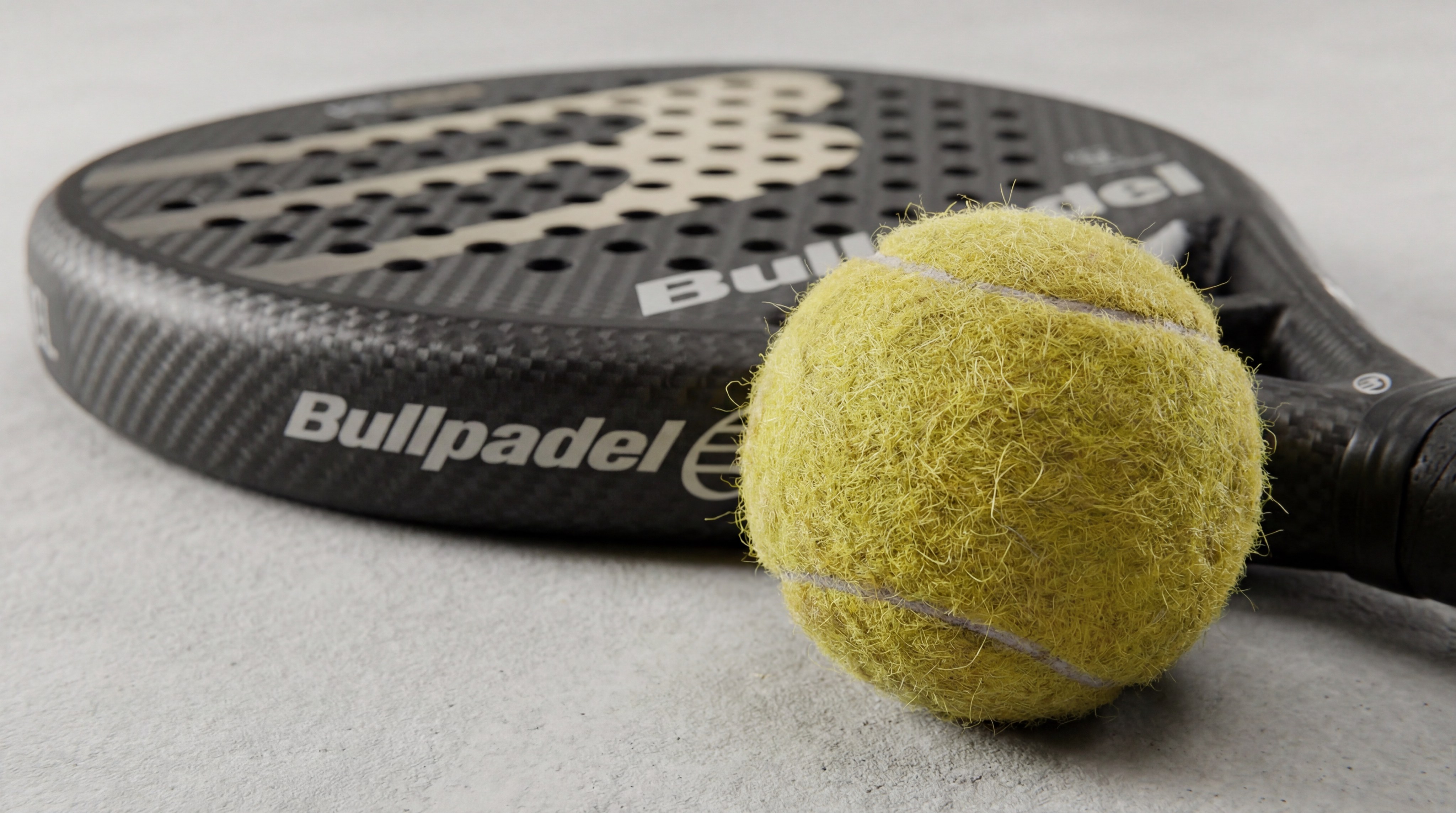
The technical specification of the ball includes a diameter between 6.35 cm and 6.77 cm and a specific internal pressure. When you analyze what is padel ball, you will find it must weigh between 56.0 and 59.4 grams to ensure consistent flight physics. This standardization is critical for professional-grade playability.
Why does the internal pressure matter?
Padel balls are pressurized at approximately 11 psi, which is significantly lower than standard tennis balls. But wait, there’s more:
- Lower pressure creates a slower bounce for strategic wall play.
- It reduces the impact force on glass panels.
- The felt thickness is optimized for artificial turf interaction.
| Feature | Regulation Requirement | Purpose |
|---|---|---|
| Diameter | 6.35 cm – 6.77 cm | Aerodynamic consistency |
| Weight | 56.0g – 59.4g | Predictable power transfer |
| Pressure | ~11 psi | Enhanced wall-rebound control |
This technical breakdown ensures that you select equipment that meets international federation standards for competitive integrity.
Key Takeaway: Professional padel balls are engineered with lower pressure than tennis balls to facilitate the tactical, wall-based rallies central to the sport.
3. What is padel ball court dimension standard?
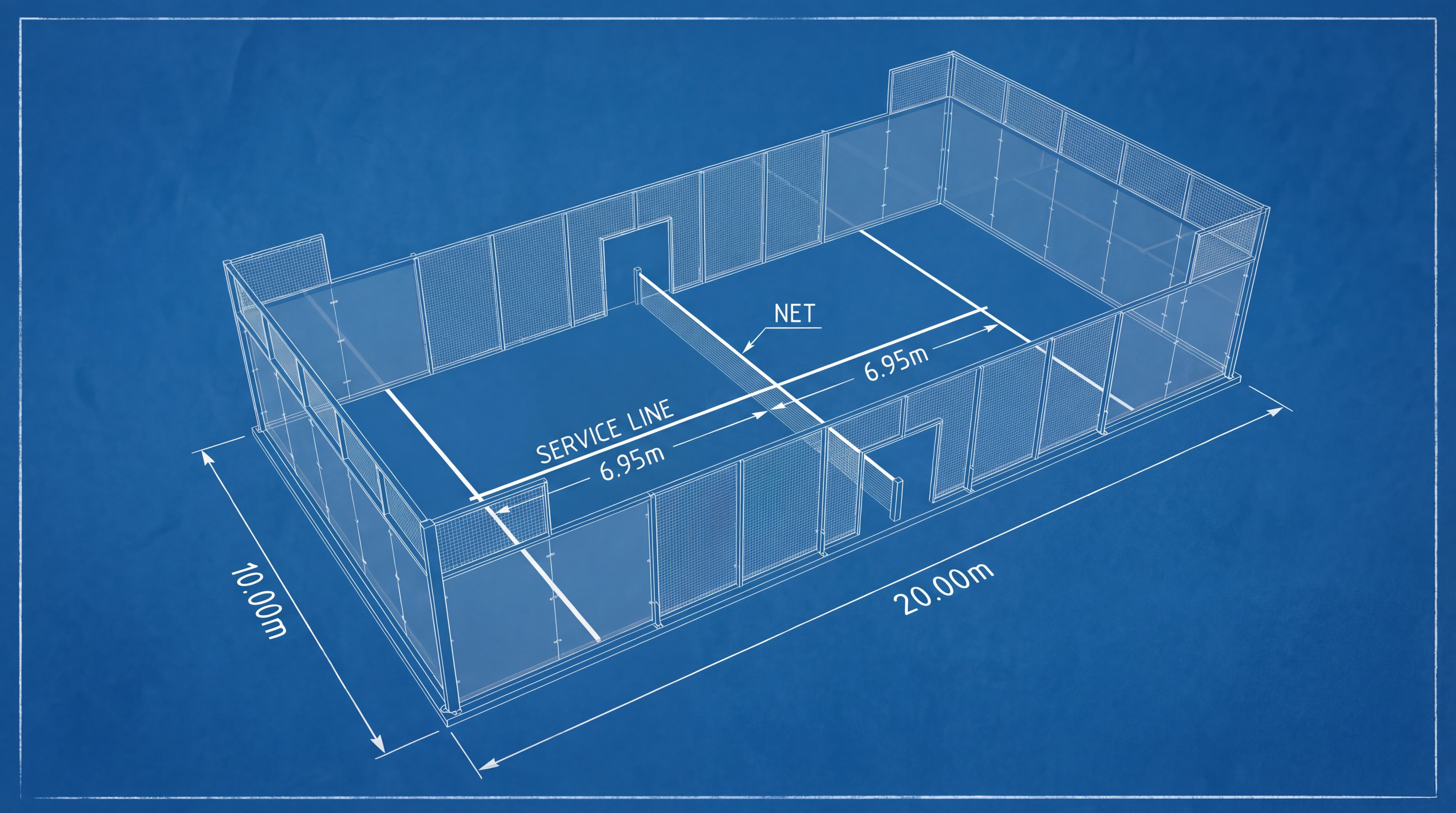
The standard court is a rectangle measuring exactly 10 meters wide by 20 meters long. When planning your facility, you must remember that what is padel ball regulation requires these dimensions to be precise to the centimeter. This compact footprint allows for higher court density compared to traditional tennis facilities.
How is the playing area divided?
The court is split by a central net that stands 88cm high at the midpoint and 92cm at the posts. The best part?
- Service lines are located 6.95 meters from the net.
- The center service line extends 5 meters from the net to the service line.
- A 3-meter safety zone is recommended around the perimeter.
| Component | Standard Metric | Tolerance |
|---|---|---|
| Length | 20.00 Meters | +/- 0.5% |
| Width | 10.00 Meters | +/- 0.5% |
| Net Height | 0.88 – 0.92 Meters | Fixed |
Accurate dimensions are the foundation of a professional facility, as even minor deviations can ruin the game’s rebound mechanics.
Key Takeaway: A 10×20 meter layout is the non-negotiable standard for all professional padel installations worldwide.
4. What is padel ball turf selection criteria?
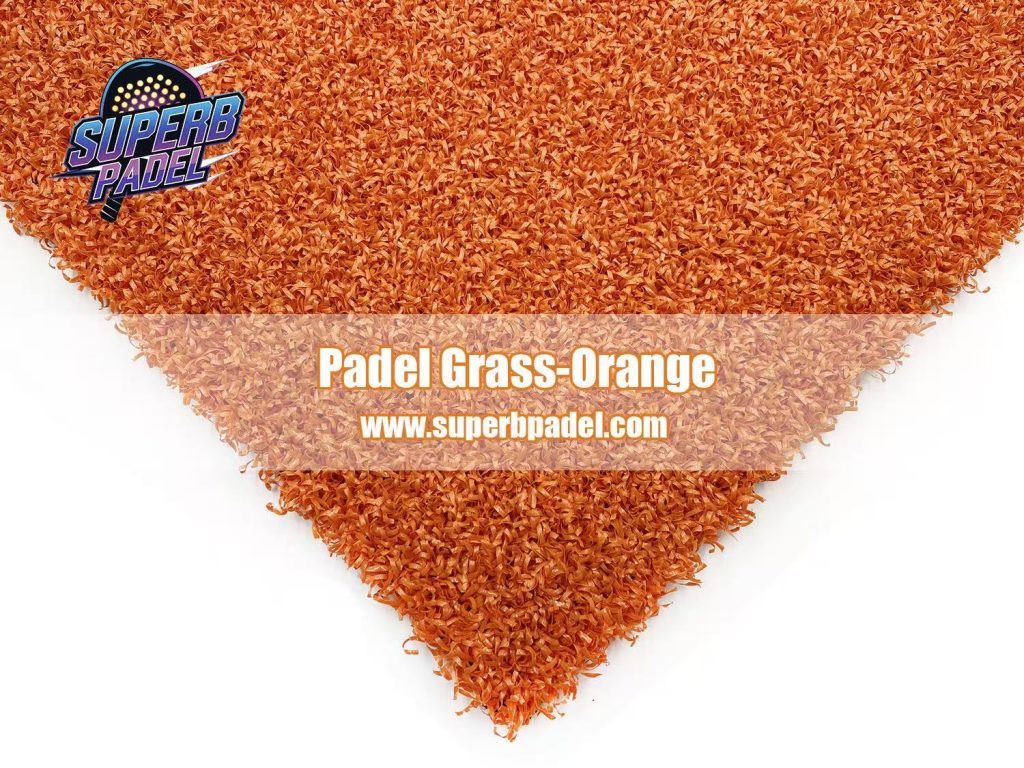
Selection criteria for turf focus on monofilament or textured artificial grass with a height of 10-12mm. Investigating what is padel ball surface needs reveals that sand infill is mandatory for fiber stability and player movement. The right turf prevents joint injuries while ensuring a consistent ball response.
Why is silica sand essential?
You must apply approximately 8kg to 12kg of specialized silica sand per square meter. Think about this:
- Sand keeps the turf fibers upright under heavy use.
- It allows players to slide safely without catching.
- Uniform sand distribution ensures the ball bounces predictably everywhere.
| Turf Type | Recommended Use | Longevity |
|---|---|---|
| Monofilament | Professional Clubs | 5 – 7 Years |
| Fibrillated | High-Traffic Public | 4 – 6 Years |
| Textured | Premium/TV Courts | 7+ Years |
The choice of turf material directly impacts your long-term O&M costs and the overall reputation of your club.
Key Takeaway: High-quality artificial turf paired with precise silica sand distribution is the only way to achieve professional-grade playing conditions.
5. What is padel ball structural enclosure design?
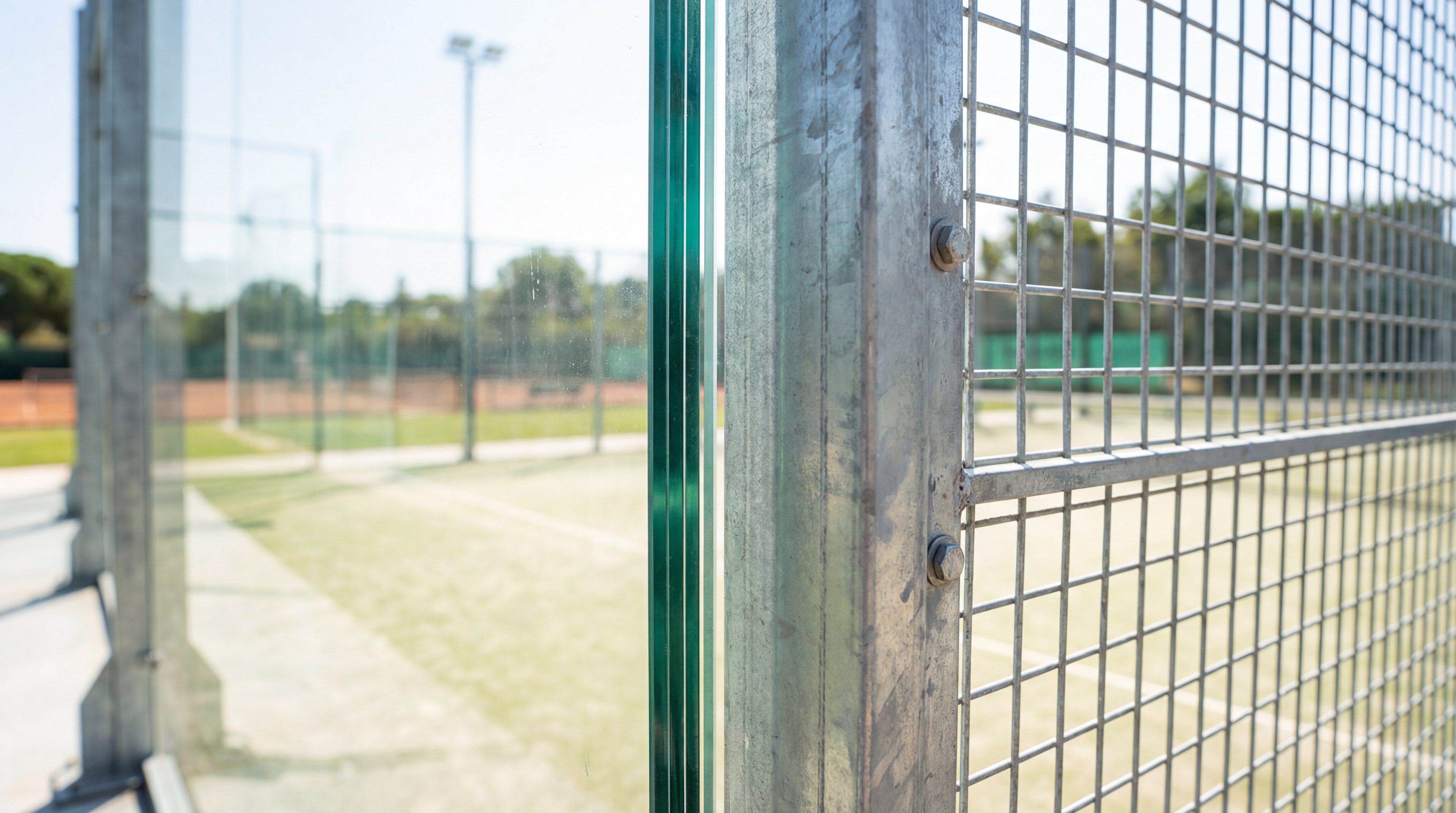
The structural enclosure consists of a combination of tempered glass and galvanized metallic mesh panels. In the context of what is padel ball architecture, these walls are active participants in the game, necessitating extreme durability. The steel frame must be zinc-coated to prevent corrosion in outdoor environments.
What are the height requirements?
The back walls must reach 3 meters in height, often topped with an additional meter of mesh. It gets better:
- Glass panels must be 10mm or 12mm thick.
- Side mesh panels provide an irregular bounce for strategic variety.
- The total enclosure height typically reaches 4 meters at the ends.
| Material | Specification | Role |
|---|---|---|
| Tempered Glass | 12mm (Outdoor) | High-rebound active wall |
| Metallic Mesh | 50x50mm Grid | Strategic irregular rebound |
| Steel Pillars | 80x80mm to 100x100mm | Main structural support |
A robust structural design ensures the safety of the players while maintaining the high-speed integrity of the match.
Key Takeaway: The interplay between glass and mesh creates the unique strategic depth of padel, requiring materials that can withstand constant high-impact play.
6. What is padel ball foundation engineering?
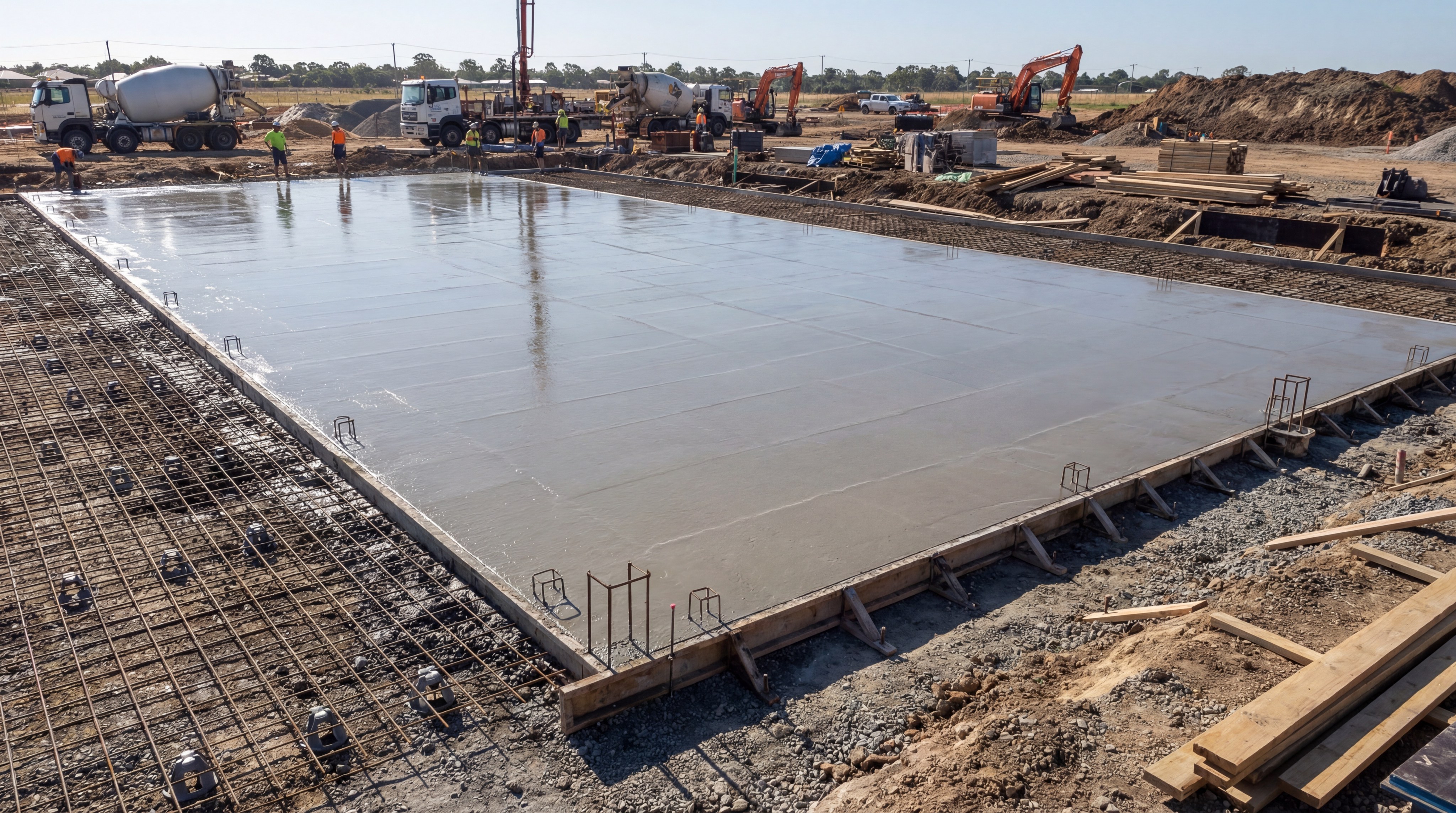
Foundation engineering requires a reinforced concrete or asphalt slab with a minimum thickness of 12 cm. When you research what is padel ball groundwork, you will find that a perimeter ring beam is essential for anchoring the glass pillars. Without a perfectly level base, the glass panels will eventually crack under stress.
How do you manage drainage?
Proper slope or porous materials are required to prevent water accumulation on the playing surface. Make no mistake:
- A 0.5% to 1.0% slope is standard for outdoor concrete.
- Porous concrete allows for vertical drainage in high-rainfall areas.
- Sub-base compaction must reach 95% to prevent future sinking.
| Base Type | Pros | Cons |
|---|---|---|
| Reinforced Concrete | Maximum stability | High initial cost |
| Porous Asphalt | Superior drainage | Shorter lifespan |
| Porous Concrete | Best for rain | Requires expert installation |
Investing in a high-quality foundation is the most effective way to protect your court from structural failure over a 10-year period.
Key Takeaway: A precision-leveled concrete slab with a reinforced ring beam is the most critical component for structural longevity.
7. What is padel ball professional lighting setup?
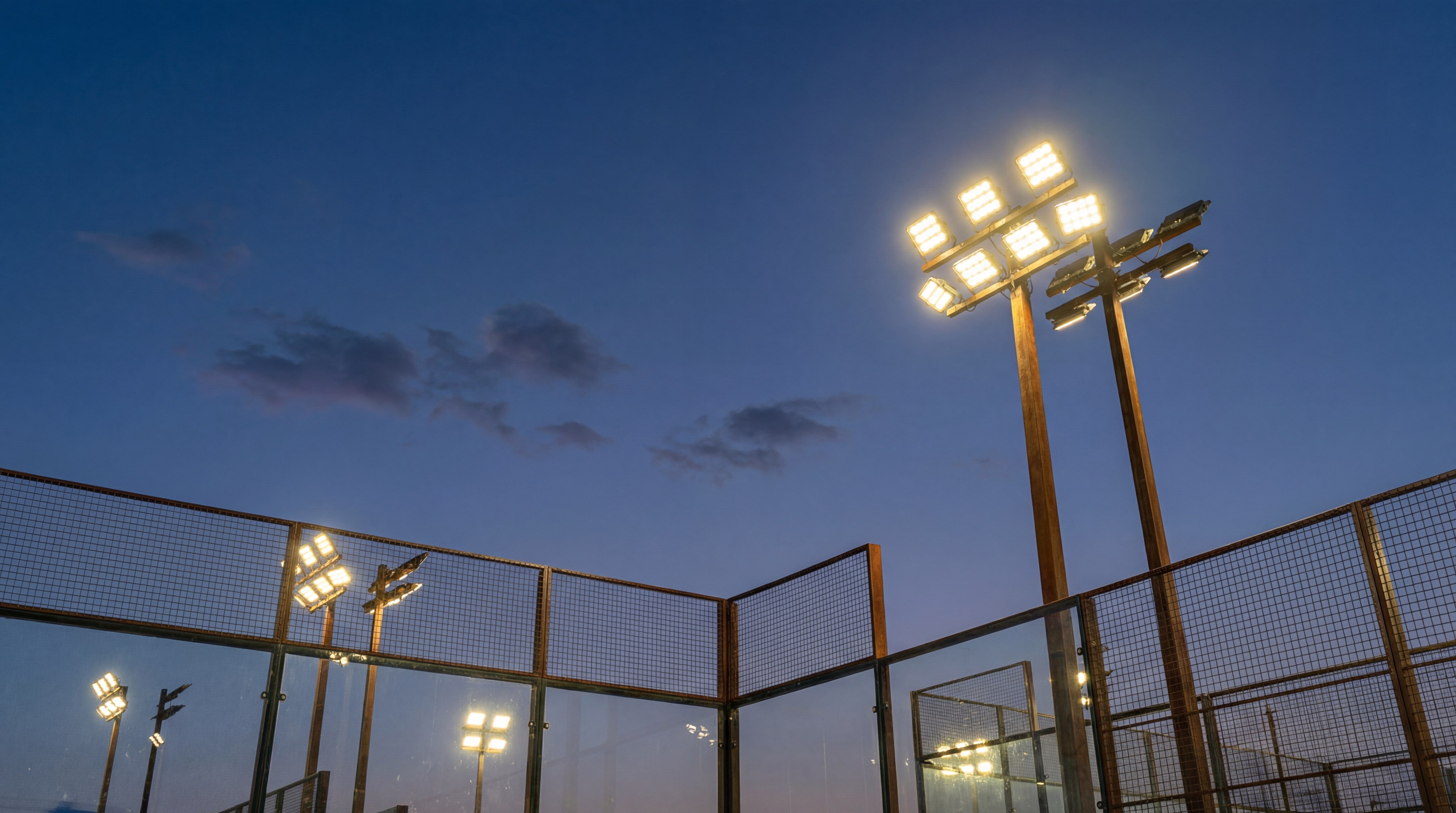
A professional lighting setup utilizes eight LED projectors mounted on four poles at a height of 6 meters. Understanding what is padel ball visibility needs means aiming for a minimum of 500 lux for club play and up to 750 lux for televised matches. Uniform illumination is vital to ensure players can track the fast-moving ball against the glass.
How do you reduce glare?
You must position the projectors to eliminate shadows and prevent direct glare into players’ eyes during lobs. The reality is:
- LEDs offer 50% energy savings over traditional halides.
- Asymmetric optics focus light purely on the playing area.
- Instant-on capabilities are essential for commercial facility management.
| Lighting Grade | Min Lux Level | Application |
|---|---|---|
| Class III | 200 Lux | Recreational/Private |
| Class II | 500 Lux | Professional Club Play |
| Class I | 750+ Lux | International Tournaments |
Strategic lighting extends your operating hours and enhances the premium feel of the facility for members.
Key Takeaway: High-performance LED lighting is essential for player safety and maximizing court utilization during evening hours.
8. What is padel ball glass installation safety?
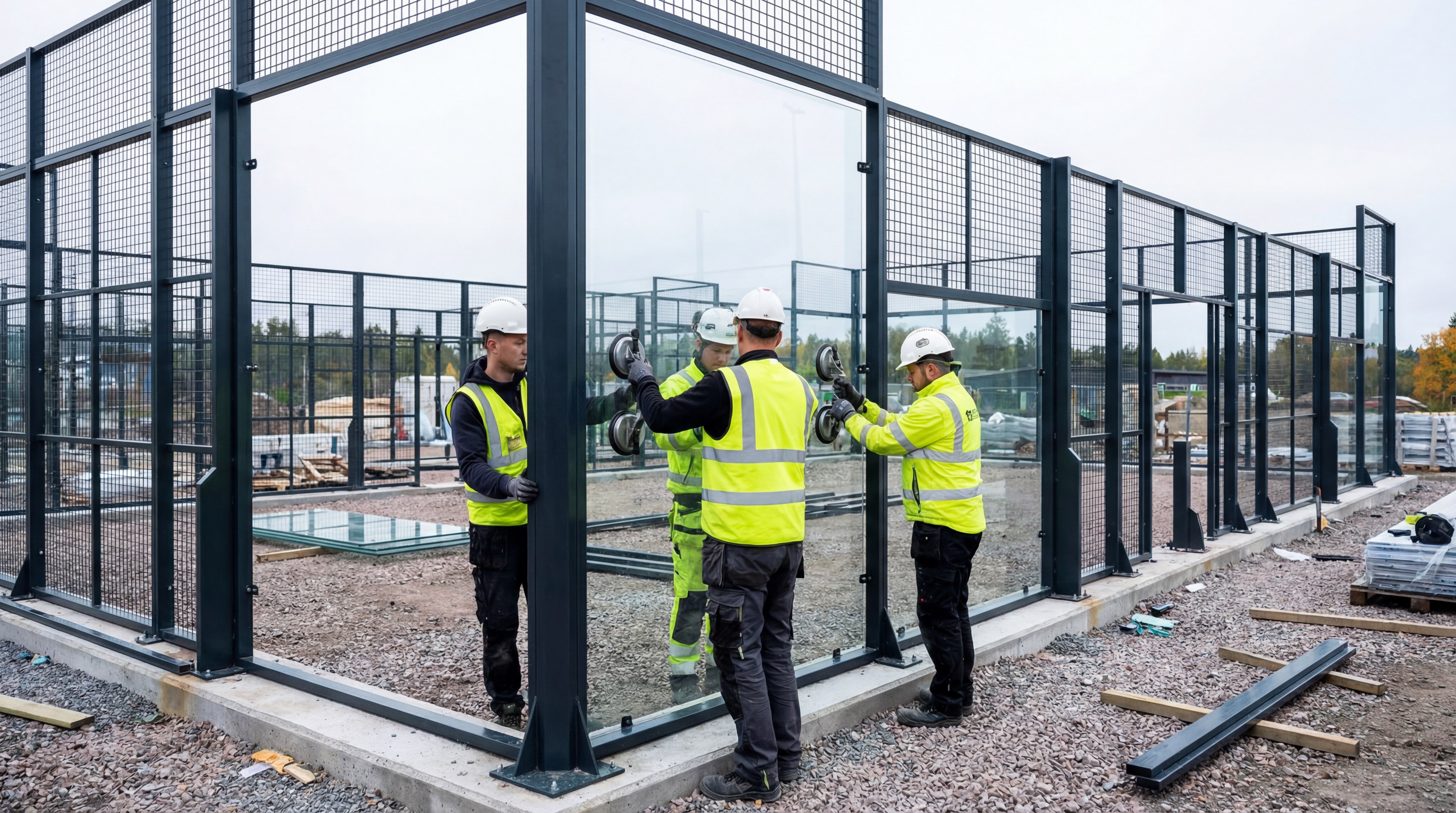
Safety in glass installation requires the use of tempered glass that meets European or US impact standards. When evaluating what is padel ball structural safety, you must ensure panels are 12mm thick for outdoor courts to resist wind loads. Proper rubber gaskets between the glass and steel are mandatory to absorb vibration.
Can the glass shatter?
While tempered glass is incredibly strong, improper installation or structural shifting can cause failure. Looking closer:
- Countersunk holes prevent bolt-to-glass direct contact.
- Polished edges reduce the risk of stress fractures.
- UV-resistant gaskets prevent material degradation over time.
| Spec Item | Standard | Importance |
|---|---|---|
| Glass Type | Tempered / Toughened | Safety on breakage |
| Thickness | 10mm or 12mm | Impact and wind resistance |
| Fasteners | Stainless Steel | Rust prevention/Stability |
Professional installation ensures that your facility remains safe for years of high-intensity competitive use.
Key Takeaway: Using 12mm tempered glass with high-quality dampening gaskets is essential for preventing catastrophic panel failure.
9. What is padel ball facility maintenance?
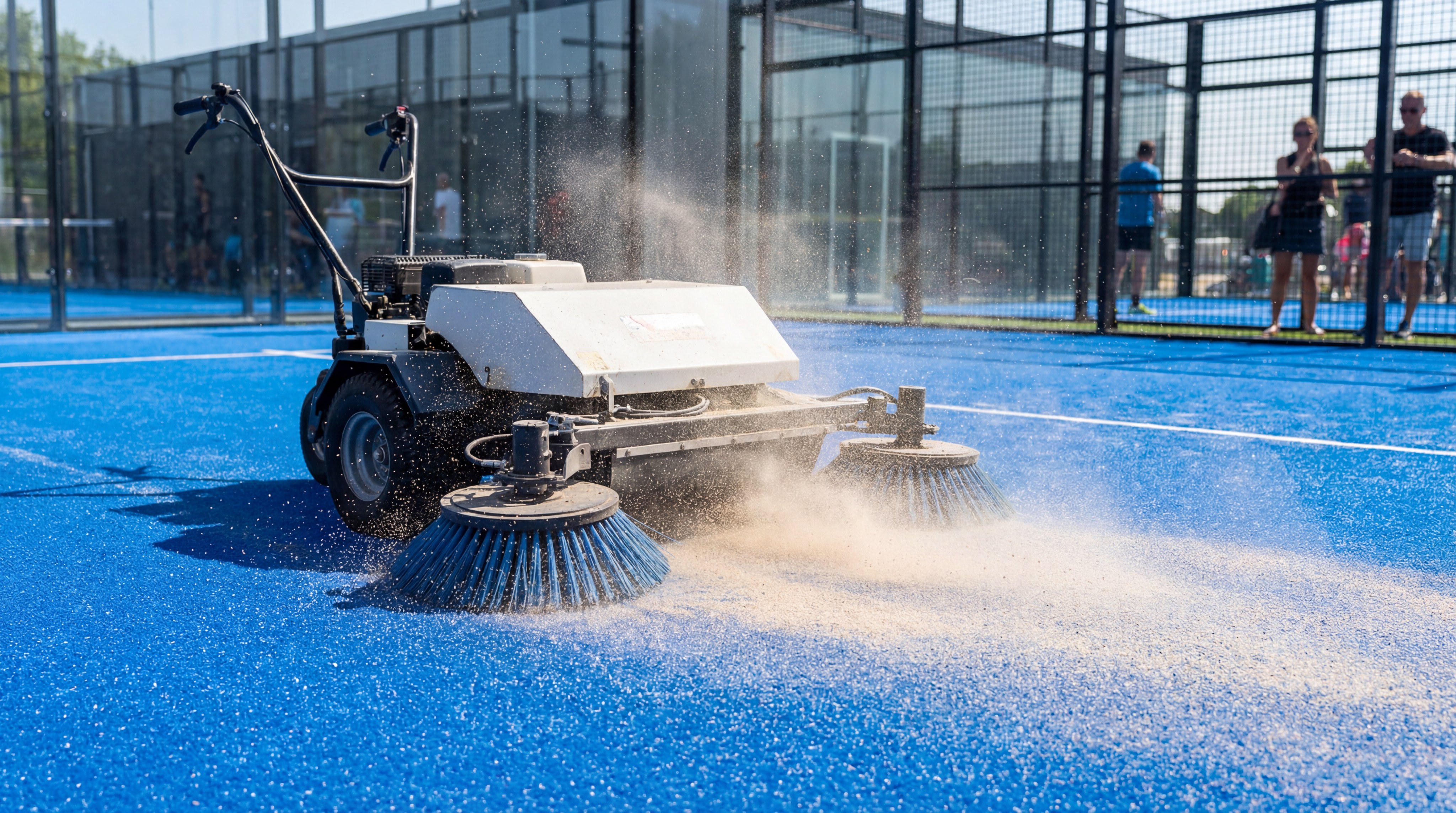
Maintenance of the facility involves weekly glass cleaning and bi-weekly brushing of the artificial turf. To maintain what is padel ball performance, you must redistribute the silica sand to prevent “bald spots” where the ball might skid. Proactive care prevents premature wear and keeps the court looking like a premium asset.
How do you clean the glass effectively?
You should use a mild detergent and a soft squeegee to remove sweat and ball marks without scratching the surface. Beyond that:
- Check net tension monthly to ensure it stays at 88cm.
- Inspect structural bolts for loosening every quarter.
- Clean drainage channels to prevent water damage to the turf.
| Maintenance Task | Frequency | Expected Outcome |
|---|---|---|
| Sand Brushing | Every 2 Weeks | Uniform bounce and grip |
| Glass Cleaning | Weekly | Clear visibility for players |
| Bolt Inspection | Quarterly | Structural safety and integrity |
A consistent maintenance schedule protects your investment and ensures a premium experience for every visitor.
Key Takeaway: Regular sand redistribution and glass cleaning are the most effective ways to extend the lifespan of your court materials.
10. What is padel ball project budget planning?
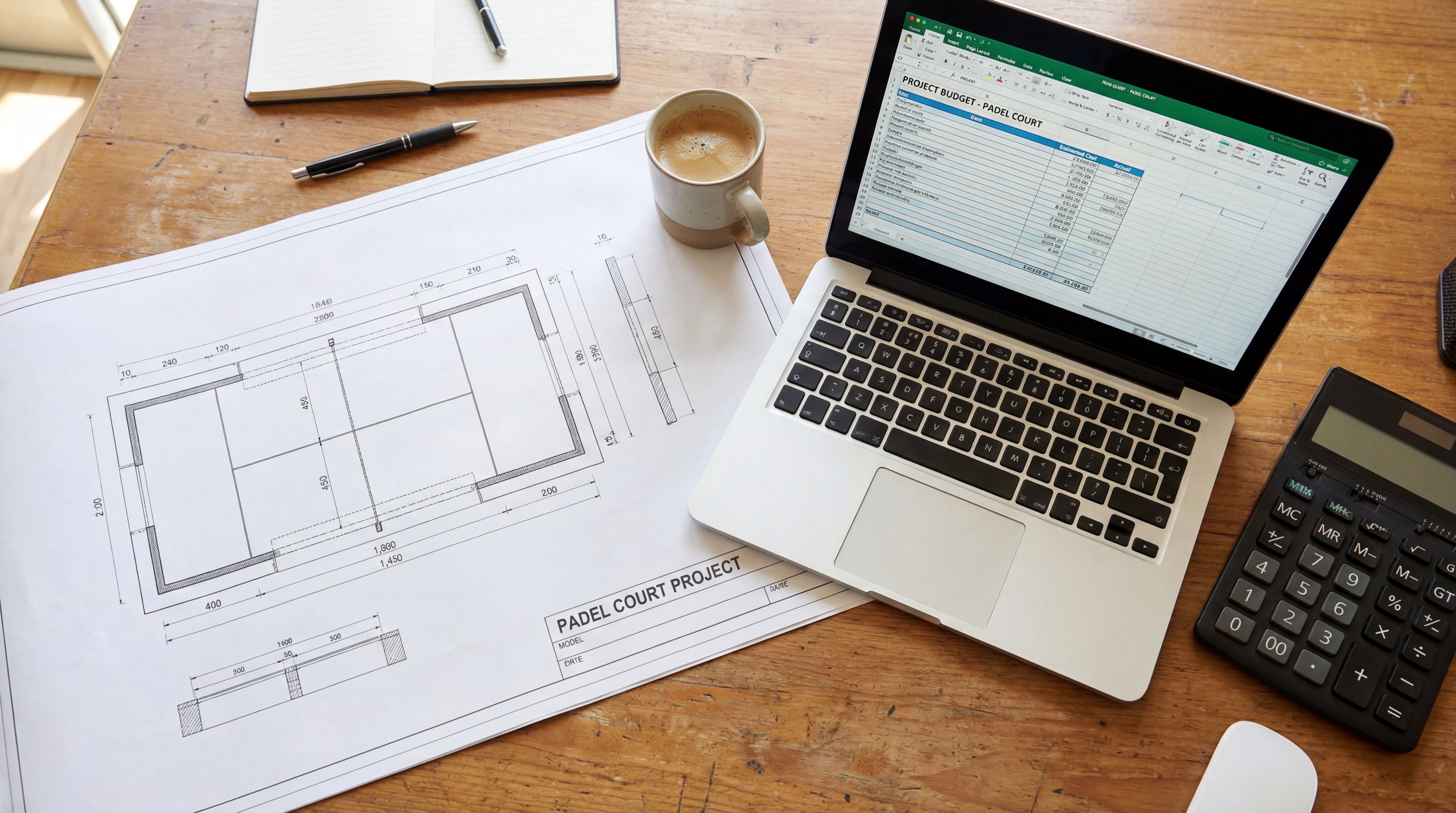
Budget planning for a court project requires accounting for groundwork, structural materials, and professional installation labor. Analysis of what is padel ball ROI shows that high-quality materials reduce O&M costs significantly over a ten-year cycle. You must also factor in local permits and lighting infrastructure which can vary by region.
What are the main cost drivers?
The concrete foundation and the glass enclosure typically represent the largest portions of the initial CAPEX. Bottom line:
- Groundwork can cost 25% to 40% of the total budget.
- Shipping costs for heavy glass panels must be calculated.
- Professional assembly ensures the 10-year warranty remains valid.
| Budget Category | Typical Allocation | Priority |
|---|---|---|
| Groundwork | 35% | High (Stability) |
| Structure/Glass | 45% | High (Playability) |
| Turf/Lighting | 20% | Medium (Aesthetics) |
A well-planned budget prevents mid-project delays and ensures the facility meets professional standards from day one.
Key Takeaway: Successful padel projects prioritize high-quality foundations and glass enclosures to ensure long-term commercial viability.
Frequently Asked Questions
Can I use standard tennis balls for padel?
No. Padel balls have a lower internal pressure (11 psi) compared to tennis balls (14 psi), which is essential for the strategic wall play that defines the sport. Using tennis balls will result in an uncontrollably fast bounce off the glass.
What’s the best thickness for court glass?
12mm is the industry standard for outdoor courts. While 10mm is acceptable for some indoor facilities, the extra 2mm of thickness provides the necessary wind load resistance and impact durability required for professional outdoor environments.
Can I build a court on an existing tennis surface?
Yes, but only if the foundation can support the specific anchoring requirements of the glass pillars. You will typically need to install a reinforced concrete ring beam around the perimeter to safely secure the heavy steel and glass structure.
What’s the best way to manage sand infill?
Regular brushing with a specialized machine or a stiff broom is the best method. You must ensure the silica sand is evenly distributed every two weeks to prevent the turf fibers from flattening and to maintain a consistent ball bounce.
Can I install a padel court myself?
No. The installation of 12mm tempered glass panels and the precision leveling of the steel frame require specialized equipment and expert knowledge to prevent structural failure and ensure player safety.
The global sports landscape is shifting toward high-density, social, and strategic games that offer maximum engagement for players of all ages. Building a padel court is not just a construction project; it is an investment in a lifestyle and a community. By adhering to the professional standards outlined in this guide, you ensure that your facility stands as a benchmark for quality and performance. If you are ready to transform your vision into a world-class sports destination, contact us today to begin your journey with the industry’s leading construction experts. Our vision is to elevate the standard of padel worldwide, one precision-built court at a time.