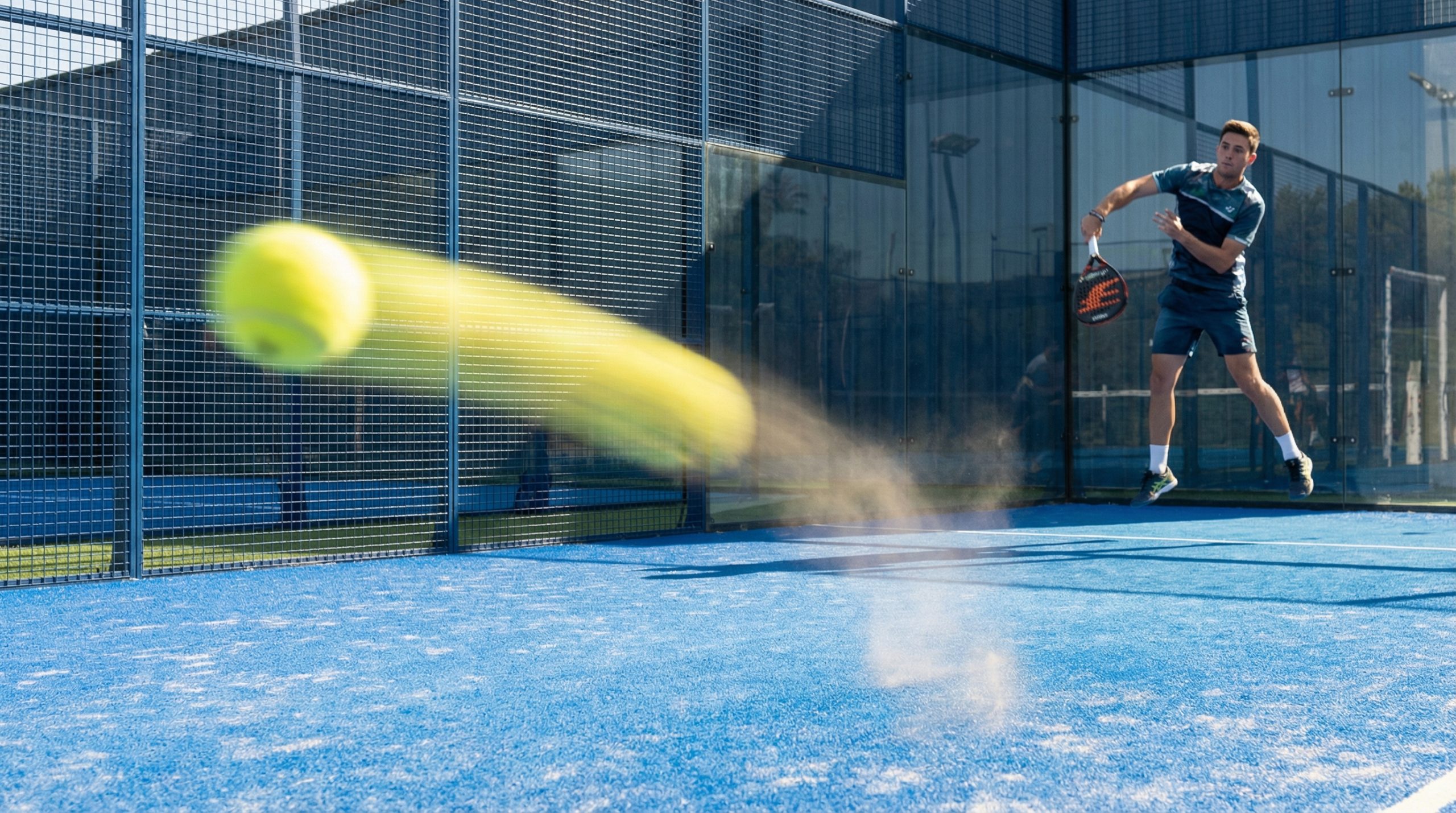
Imagine you are deep into a third-set tiebreak, the adrenaline is surging, and you prepare for a decisive overhead smash. You connect perfectly with your padel-racket, but instead of exploding off the turf, the ball drops dead, costing you the championship point. what is padel ball is a specialized, low-pressure rubber sphere encased in high-density felt, engineered specifically to interact with the unique geometry and glass walls of a modern court. Understanding the technical nuances of this equipment is the difference between amateur play and professional-grade performance.
What is padel ball and why does it matter?
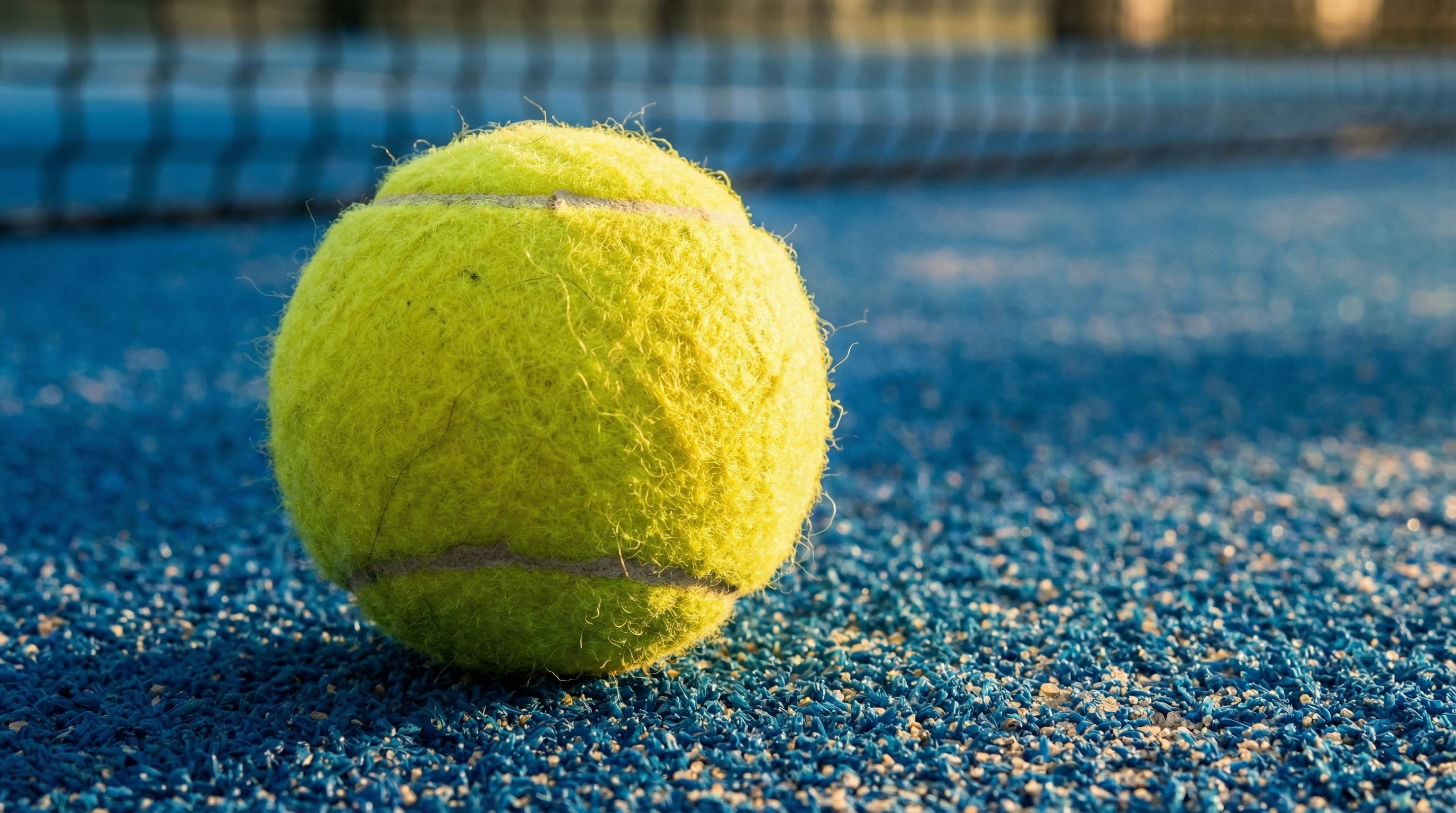
A padel ball is the central component that defines the tempo and strategic depth of every match you play. It is designed to be slower and less bouncy than a standard tennis ball to ensure rallies remain long and engaging within the confined space of a padel-court.
The essence of specialized design
You might think all yellow balls are created equal, but the internal chemistry of this sphere is highly distinct. Its primary purpose is to provide a predictable response when striking the synthetic turf or the surrounding enclosure.
Bucket Brigade: Let’s get down to business.
- The rubber core is optimized for mid-range compression.
- The felt is woven to withstand the abrasive nature of sandy courts.
- The internal gas volume is calibrated for consistent rebound heights.
- Visibility is enhanced through specific fluorescent dye applications.
Key Takeaway: The design of the ball is a deliberate attempt to balance speed with control, allowing for the tactical “chess-like” gameplay the sport is known for.
Impact on game strategy
When you master the ball’s behavior, you unlock the ability to play off the glass with total confidence. The ball’s drag coefficient is specifically tuned to slow down just enough after hitting the back wall, giving you time to recover and counter-attack.
Bucket Brigade: Think about this for a second.
- Lower air resistance allows for sharp, slicing “bandeja” shots.
- Consistent bounce ensures that lobs reach the necessary height to reset the point.
- The weight distribution prevents the ball from flying out of the court too easily.
- Texture allows the racket face to “grip” the ball for maximum spin.
Key Takeaway: Strategic mastery depends on your ability to predict how the ball will behave under different strike angles and force levels.
The technical foundation of play
The ball serves as the interface between your racket and the court infrastructure. Whether you are playing on a standard setup or a panoramic-padel-court, the ball must remain the most consistent variable in the equation.
Bucket Brigade: Here is the real kicker.
- It must maintain its shape under high-velocity impacts.
- The internal pressure must resist fluctuating outdoor temperatures.
- It acts as the primary tool for sound-based timing for expert players.
Key Takeaway: A high-quality ball ensures that the physical integrity of the match remains intact from the first serve to the final point.
| Specification | Value | Impact on Play |
|---|---|---|
| Core Material | Vulcanized Rubber | Determines rebound consistency |
| Outer Coating | High-Density Felt | Manages drag and spin potential |
| Internal Pressure | 10-11 PSI | Controls the overall game speed |
This data confirms that the ball’s construction is a precision-engineered solution for the sport’s unique environmental demands.
What is padel ball history and origin?

Understanding what is padel ball history requires a look back to 1969 in Acapulco, Mexico, where the sport was first conceptualized. Originally, players used modified equipment, but as the sport grew in popularity, the need for a dedicated ball became apparent.
The Acapulco transition
The sport was born from a desire to play a racket game in a residential space with limited room. Because the court was enclosed by walls, the high-flying nature of traditional tennis balls caused immediate logistical issues.
Bucket Brigade: Believe it or not.
- Early matches utilized tennis balls with holes drilled in them to reduce pressure.
- Founders experimented with different felt thicknesses to slow down the play.
- The evolution was driven by the need for longer, more social rallies.
- Transitioning to a dedicated ball allowed for the formalization of tournament rules.
Key Takeaway: The ball’s history is a story of adaptation, moving from improvised gear to a highly regulated piece of sports technology.
The European standardization
Once the sport reached Spain in the mid-1970s, the manufacturing process began to modernize. European engineers recognized that the ball needed to be standardized to ensure that matches played in different cities felt the same.
Bucket Brigade: You should know this.
- Spanish manufacturers were the first to create the modern 11 PSI standard.
- The use of synthetic wool blends became the norm for durability.
- International federations were formed to certify ball quality.
- The shift from white to yellow balls followed the global trend in racket sports.
Key Takeaway: Standardization in Europe turned a regional pastime into a professional sport with global aspirations and uniform equipment.
Modern day innovations
Today, the history of the ball continues to be written through material science and sustainability. Manufacturers are now looking for ways to maintain pressure longer and reduce the environmental impact of discarded balls.
Bucket Brigade: It gets even better.
- Nitrogen-infused cores now offer more stable pressure over time.
- Eco-friendly felt blends are being tested to reduce microplastic shedding.
- Micro-porous rubber technology is the latest frontier in ball longevity.
Key Takeaway: Modern innovation focuses on extending the “peak performance” window of the ball to satisfy the demands of elite athletes.
| Era | Key Development | Primary Motivation |
|---|---|---|
| 1969-1974 | Improvised Tennis Equipment | Basic functional testing |
| 1975-1990 | Formal Pressure Standards | International consistency |
| 2000-Present | Advanced Material Science | Performance and durability |
The historical progression of the ball mirrors the sport’s journey from a backyard hobby to a global professional phenomenon.
What is padel ball size and official weight?
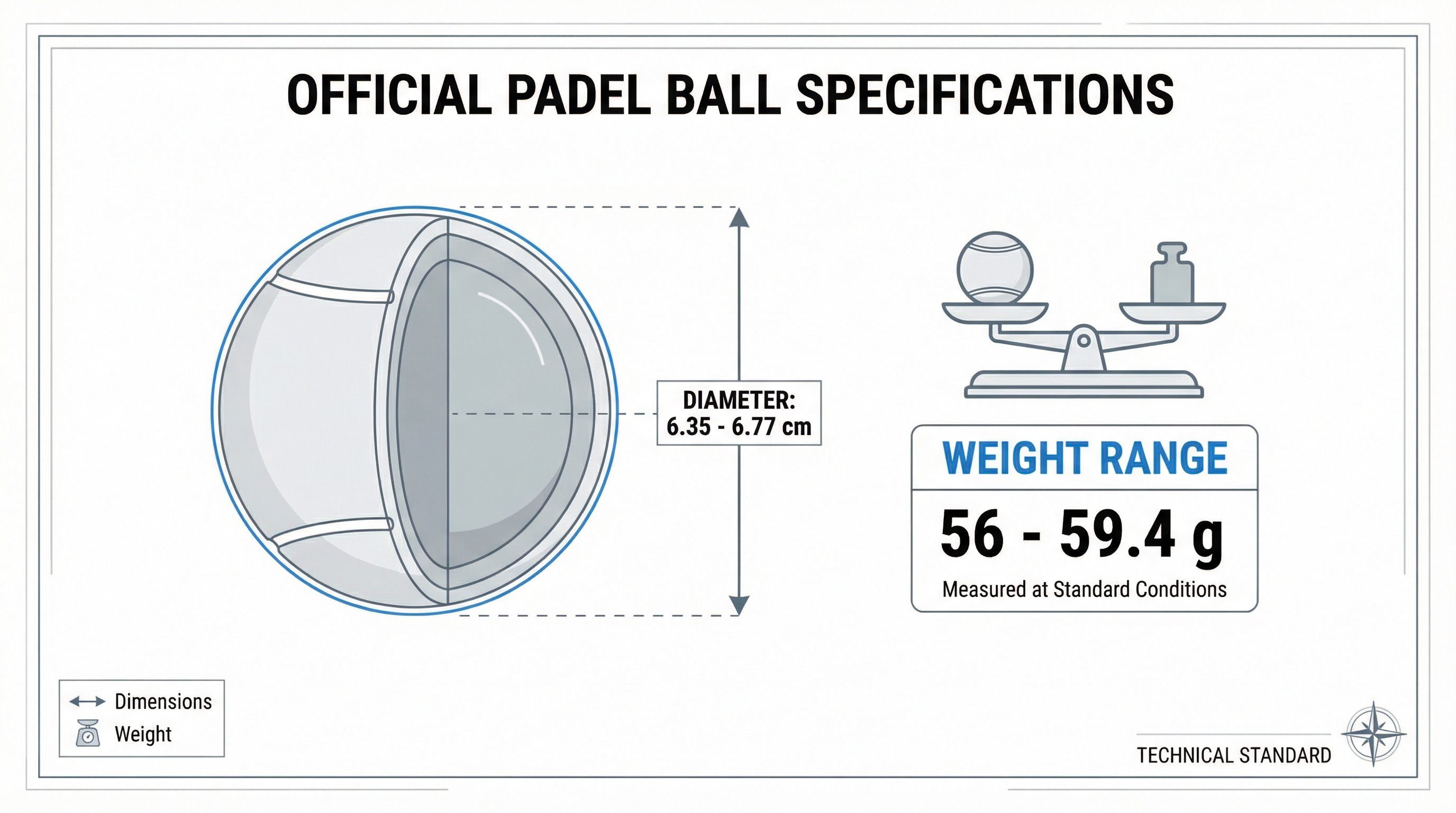
For a ball to be legally used in a sanctioned match, it must strictly adhere to the physical dimensions set by international governing bodies. You will find that even a millimeter of difference in diameter can completely alter how the ball travels through the air.
The diameter constraints
The official size of the ball is a range rather than a fixed number, allowing for minor manufacturing variances. It must measure between 6.35 cm and 6.77 cm in diameter.
Bucket Brigade: It’s a fact.
- A larger ball creates more wind resistance and moves slower.
- A smaller ball penetrates the air faster, making defense harder.
- Consistency in size ensures the ball interacts correctly with the racket’s holes.
- Referees often use a “ring test” to verify these dimensions before big matches.
Key Takeaway: The precise diameter range ensures that the ball fits the aerodynamic profile required for the sport’s short-court geometry.
Weight and mass distribution
Weight is perhaps the most critical factor for the feel of the ball on your racket. The official weight must fall between 56.0 grams and 59.4 grams.
Bucket Brigade: Listen closely.
- Heavier balls carry more momentum and are harder to stop at the net.
- Lighter balls are easier to flick and spin but can be unpredictable in wind.
- Uniform weight distribution prevents “wobbling” during high-speed flight.
- Modern manufacturing uses centrifugal molds to ensure the rubber is perfectly even.
Key Takeaway: Strict weight regulations protect players from the joint strain associated with hitting balls that are too heavy or “dead.”
Tolerance and regulation
These specifications are not mere suggestions; they are the laws of the game. Every tube of balls produced for professional use undergoes rigorous laboratory testing to ensure every sphere in the can is identical.
Bucket Brigade: Don’t miss this.
- Variations outside these limits can lead to disqualification of equipment.
- Humidity can slightly alter the perceived weight of the felt.
- Altitude plays a role in how the weight affects the ball’s trajectory.
Key Takeaway: Adherence to official weight and size standards is the foundation of competitive integrity in the sport.
| Parameter | Minimum | Maximum |
|---|---|---|
| Diameter | 6.35 cm | 6.77 cm |
| Weight | 56.0 g | 59.4 g |
| Internal Pressure | 10.0 PSI | 11.0 PSI |
These tight tolerances ensure that the physical experience of hitting the ball remains consistent regardless of the manufacturer or location.
What is padel ball impact on glass walls?
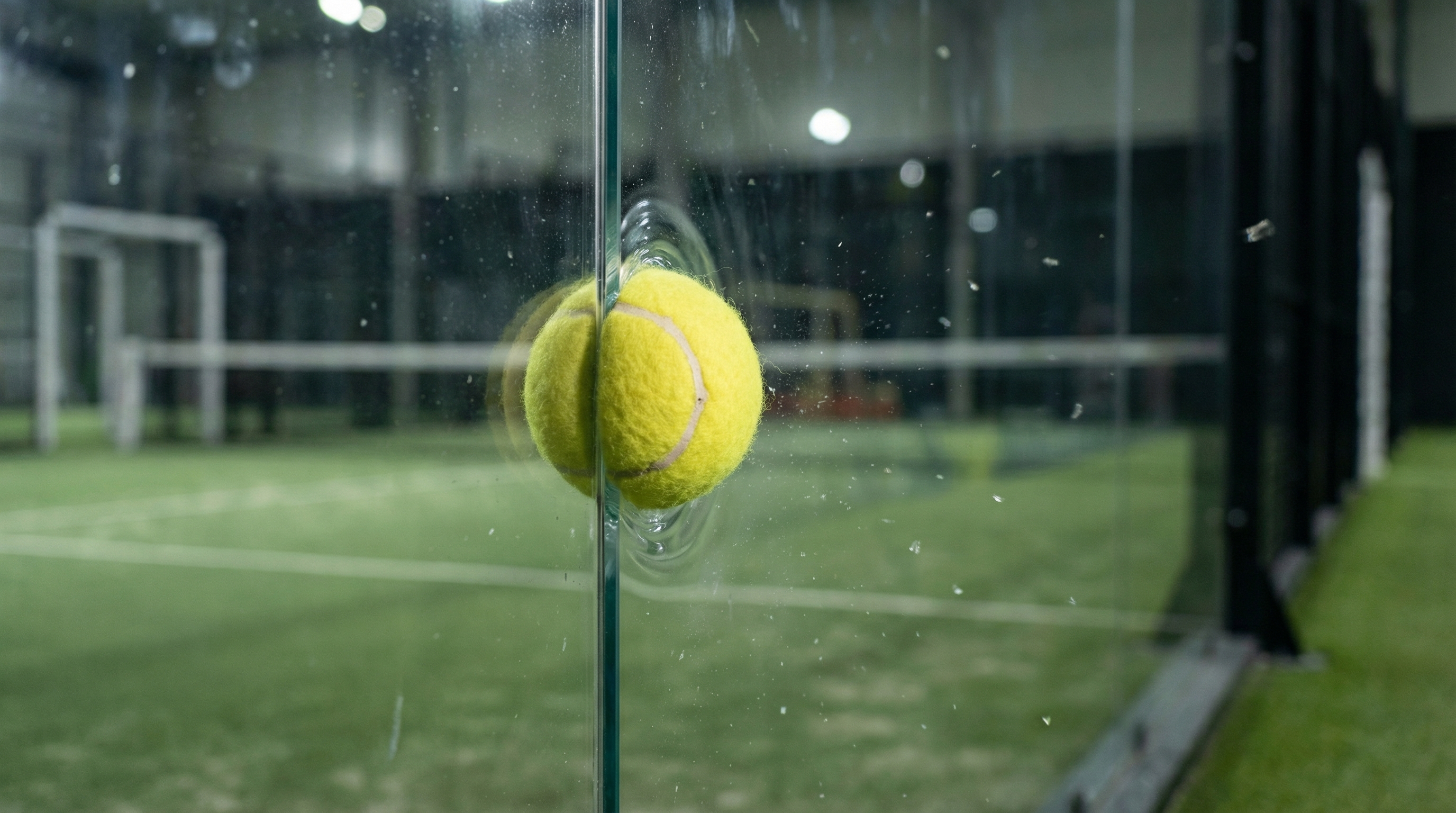
The defining characteristic of what is padel ball performance is its interaction with the tempered glass walls. You must understand that the ball is designed to compress against the glass, creating a unique rebound that allows for the sport’s iconic wall-play.
Rebound mechanics and compression
When the ball strikes the wall, the rubber core deforms, absorbing kinetic energy before snapping back into shape. This “energy return” determines how far the ball will bounce back toward the net.
Bucket Brigade: Keep this in mind.
- The ball must hit the glass and remain “active” for the rally to continue.
- Higher compression leads to a more predictable, slower rebound.
- Low-quality balls may skid off the glass instead of bouncing.
- The temperature of the glass can affect how much energy the ball retains.
Key Takeaway: The ball’s ability to compress and rebound off glass is what separates it from equipment used in wall-less sports.
Strategic use of the enclosure
You can use the ball’s interaction with the glass to your advantage by manipulating the spin and angle of impact. A ball with fresh felt will “grip” the glass more effectively, allowing for sharper angles.
Bucket Brigade: Here is the deal.
- Topspin causes the ball to jump upward after hitting the back wall.
- Backspin makes the ball “die” or stay low after the glass contact.
- Side-spin can cause the ball to curve unpredictably off the side panels.
- Understanding these physics is essential for high-level defensive play.
Key Takeaway: Mastery of the wall-rebound mechanics allows you to turn a defensive position into an offensive opportunity.
Durability against the enclosure
The constant impact against hard surfaces like glass and mesh puts immense stress on the ball’s construction. Over time, these impacts lead to internal pressure loss and felt thinning.
Bucket Brigade: But wait, there’s more.
- Frequent wall-hits accelerate the “softening” of the rubber core.
- The abrasive nature of the wall seams can tear the ball’s felt dumbbell shapes.
- High-quality manufacturing ensures the seams don’t split upon high-impact contact.
Key Takeaway: Professional-grade balls are reinforced to survive hundreds of high-velocity wall impacts without losing their structural integrity.
| Impact Variable | Effect on Ball | Player Consequence |
|---|---|---|
| High Velocity | Maximum compression | Fast, long rebound |
| Heavy Spin | Increased friction | Sharp angle changes |
| Cold Temperature | Reduced elasticity | Short, “dead” rebound |
Analysis shows that the ball-to-wall interaction is the most technically demanding aspect of the ball’s performance profile.
What is padel ball felt and fiber composition?
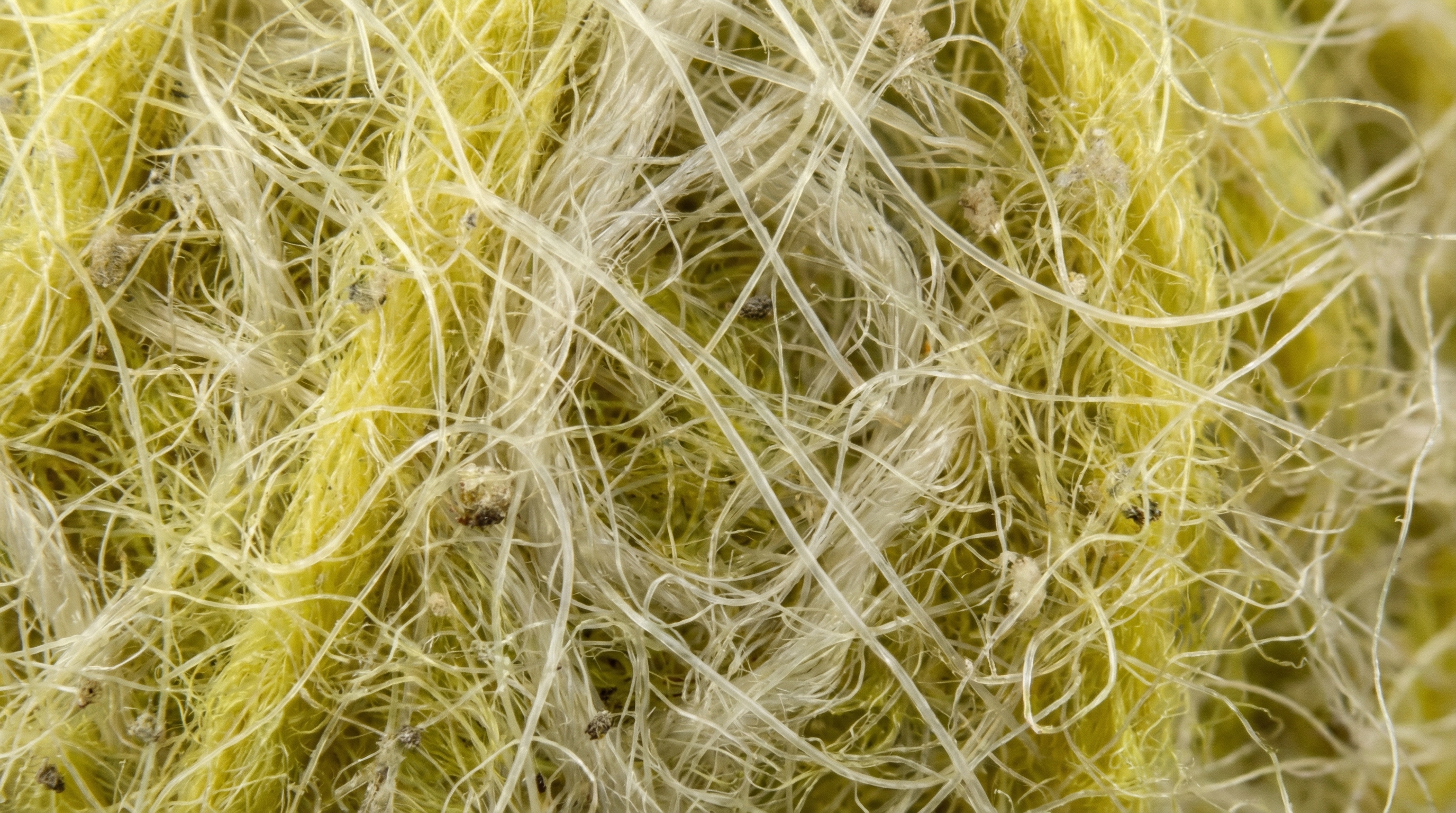
The “fuzz” you see on the outside of the ball is actually a complex textile engineering marvel. It is composed of a blend of natural wool and synthetic fibers, designed to balance aerodynamic drag with extreme durability.
The role of natural wool
Natural wool is used because of its unique ability to “bloom” or fluff up during play. This increase in volume creates more air resistance, which is vital for keeping the ball within the court boundaries.
Bucket Brigade: It’s simpler than you think.
- Wool fibers provide the “grip” needed for the racket to apply spin.
- High wool content usually indicates a premium, tournament-grade ball.
- The natural scales on wool fibers help the felt hold its shape after impact.
- Wool absorbs moisture, which can change the ball’s weight during humid matches.
Key Takeaway: Wool is the primary material responsible for the aerodynamic stability and “soft” feel of a high-quality ball.
Synthetic fiber integration
To combat the abrasive nature of synthetic turf and sand, manufacturers mix in synthetic fibers like nylon or polyester. These materials act as a protective shield for the more delicate wool fibers.
Bucket Brigade: You’ll love this.
- Nylon increases the “tensile strength” of the felt covering.
- Synthetic blends prevent the ball from going “bald” after a few games.
- These fibers are often treated with UV-resistant dyes to maintain visibility.
- The ratio of synthetic to natural fiber determines the ball’s overall speed.
Key Takeaway: Synthetic fibers provide the “armor” necessary for the ball to survive the high-friction environment of the court floor.
Weaving and bonding technology
The way these fibers are woven together—either as a “needle-felt” or a “woven-felt”—determines the ball’s longevity. Woven felts are generally more expensive but offer much better performance consistency.
Bucket Brigade: Check this out.
- Woven felt stays attached to the core more securely under stress.
- Needle-felt is common in budget balls but wears down faster.
- The “dumbbell” shape of the felt is precision-cut to minimize seam thickness.
Key Takeaway: Advanced weaving techniques ensure that the felt remains a cohesive part of the ball’s performance system throughout its lifespan.
| Fiber Type | Function | Percentage in Pro Balls |
|---|---|---|
| Natural Wool | Spin and Aerodynamics | 40% – 60% |
| Synthetic Nylon | Durability and Strength | 40% – 60% |
| Cotton/Other | Filler and Structure | < 5% |
This fiber matrix is what allows the ball to maintain a consistent speed while enduring the brutal friction of sandy synthetic turf.
What is padel ball manufacturing and construction?
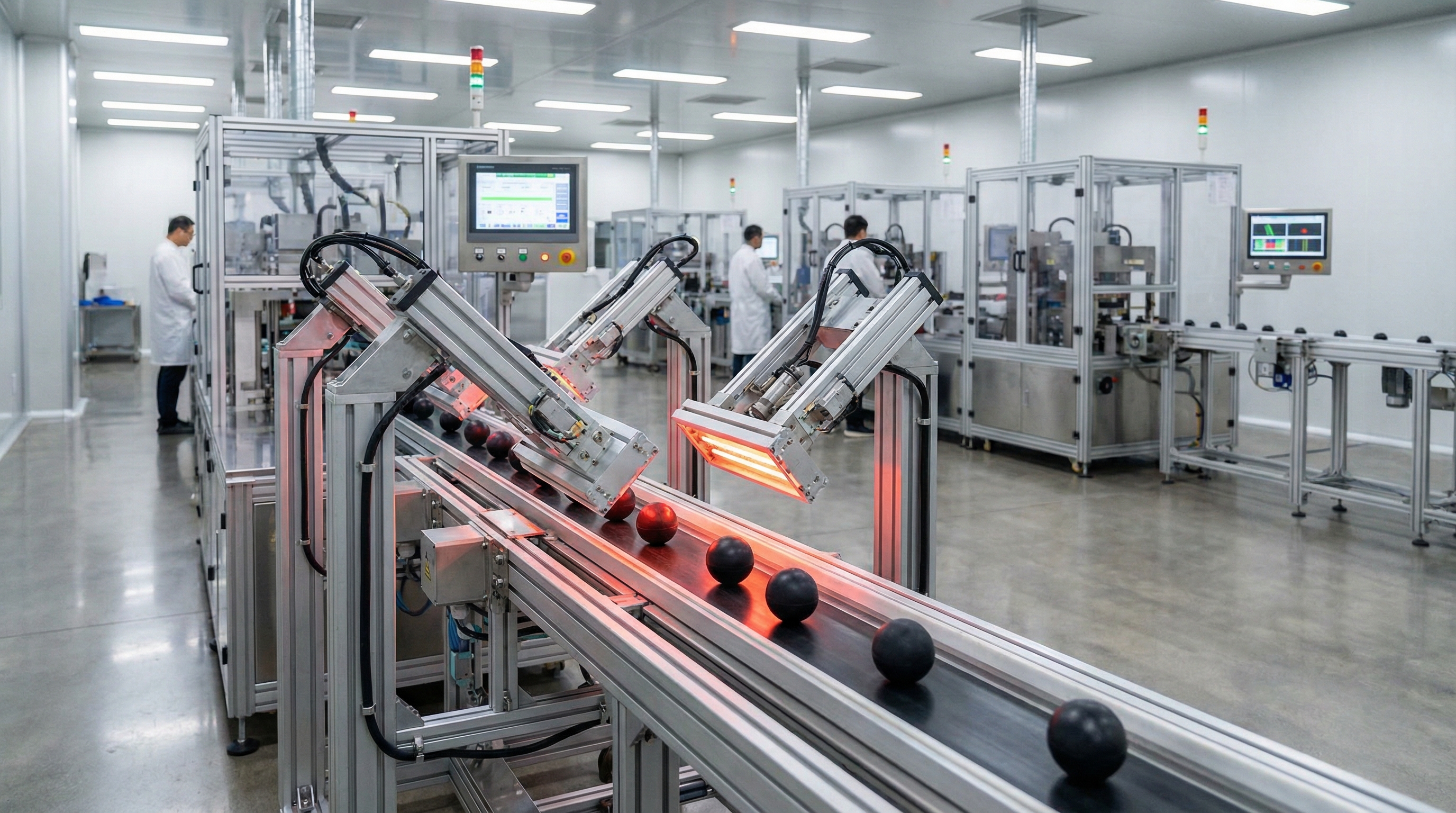
Building a ball is a high-heat, high-pressure industrial process that requires extreme precision. When you learn what is padel ball manufacturing, you realize that it is more like making a precision instrument than a simple toy.
The core molding process
The journey begins with high-grade natural and synthetic rubber compounds. These are mixed with chemical blowing agents and pressed into hemispherical molds.
Bucket Brigade: Here is how it works.
- Two half-shells are created in a pressurized heating press.
- A chemical tablet or compressed gas is placed inside the shells.
- The shells are fused together in a process called vulcanization.
- This creates a seamless, pressurized hollow sphere.
Key Takeaway: The core is the engine of the ball, and its creation requires perfect temperature control to ensure uniform wall thickness.
Felt application and curing
Once the rubber cores are ready, they are coated in a strong adhesive. The felt dumbbell shapes are then wrapped around the core by automated precision arms.
Bucket Brigade: It gets better.
- The ball is placed into a final mold for “curing” the adhesive.
- High pressure ensures the felt is permanently bonded to the rubber.
- The seams are then buffed to ensure there are no protrusions.
- Any misalignment during this stage results in a “wobbly” flight path.
Key Takeaway: The bonding of the felt is a critical step that dictates whether a ball will stay together or delaminate during a power smash.
Pressure testing and packaging
Before the balls leave the factory, they must be tested for bounce consistency. Finally, they are placed into a tube that is pressurized to match the internal pressure of the balls.
Bucket Brigade: This is key.
- Every batch is dropped from a standard height to verify the rebound.
- Pressurizing the tube prevents the gas inside the balls from leaking out.
- The “pop” you hear when opening a can is the sound of quality preservation.
Key Takeaway: Packaging is just as important as manufacturing for ensuring the ball performs as intended the moment it hits the court.
| Step | Equipment Used | Critical Metric |
|---|---|---|
| Shell Molding | Hydraulic Heat Press | Wall Uniformity |
| Vulcanization | Pressure Chamber | PSI Accuracy |
| Felt Coating | Adhesive Applicator | Seam Integrity |
Manufacturing excellence ensures that the ball you pull from the tube meets the exact standards required for high-level play.
What is padel ball vs tennis ball difference?
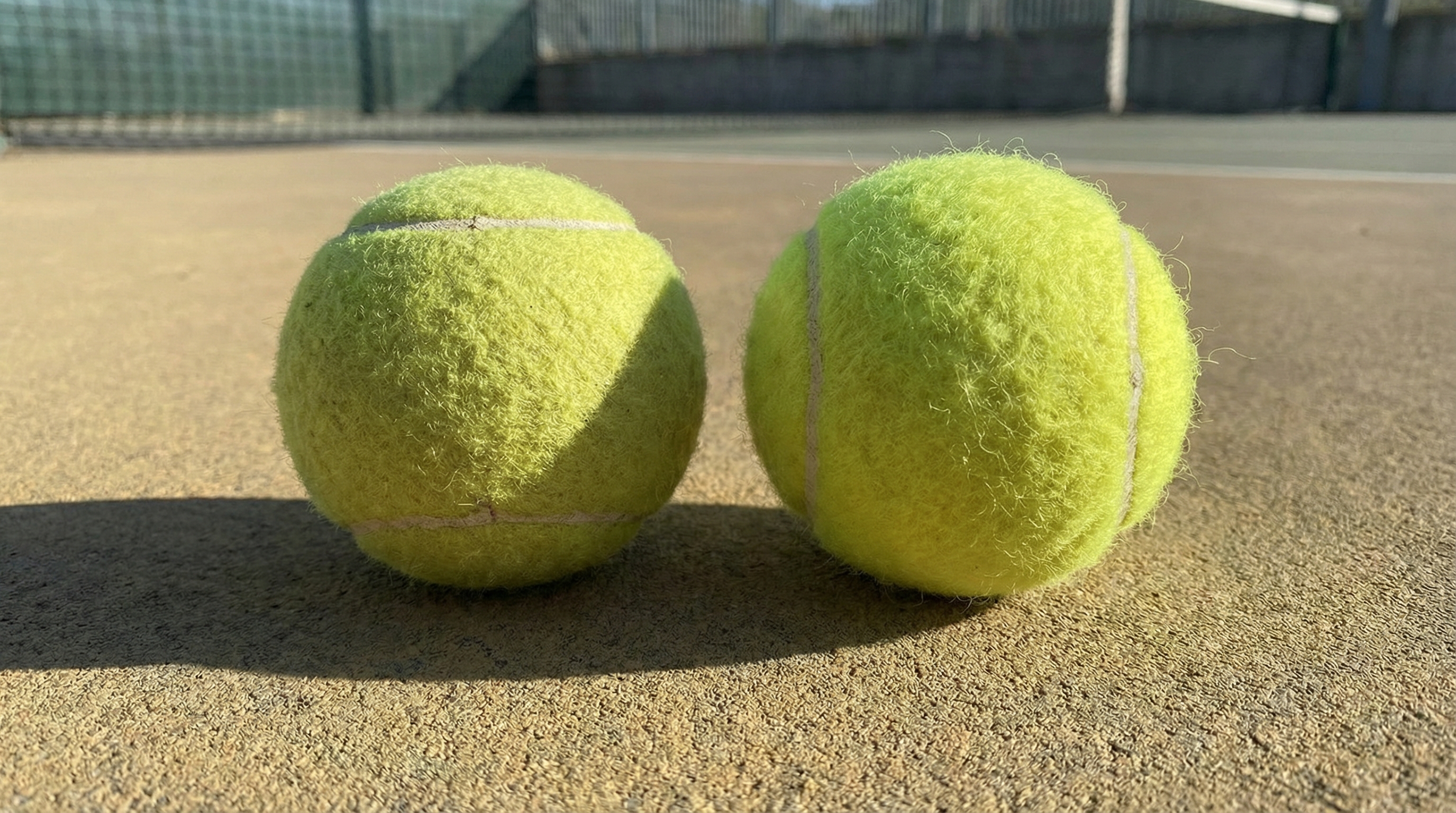
To the untrained eye, they look identical, but to a professional, they are worlds apart. You must understand that using the wrong ball can significantly degrade the quality of your game and potentially damage your equipment.
Pressure and bounce height
The most significant difference is the internal pressure. Tennis balls are pressurized to about 14-15 PSI, whereas these balls are kept between 10-11 PSI.
Bucket Brigade: Let’s look at the numbers.
- A tennis ball will bounce significantly higher off the same surface.
- The lower pressure of the specialized ball keeps it within the court walls.
- High pressure makes the game too fast for the strategic nature of the sport.
- Lower pressure allows for more dwell time on the racket face.
Key Takeaway: Pressure is the “speed limit” of the game; the lower pressure of the dedicated ball keeps the match controllable.
Felt density and aerodynamics
The felt on these balls is typically longer and fluffier. This is a deliberate choice to create more drag, which helps the ball slow down after the initial hit.
Bucket Brigade: You should realize.
- Tennis balls are “faster” through the air due to tighter felt.
- Fluffier felt allows for more “bite” when hitting a slice.
- The thicker felt protects the ball from the sand found on most courts.
- Using a tennis ball on a court can lead to excessive glass impact force.
Key Takeaway: The felt composition is tailored for the short-distance exchanges and wall interactions unique to the sport.
Size and weight nuances
While the size ranges overlap, tennis balls are often slightly larger on average. However, the weight is where players notice the difference in “feel” during a full match.
Bucket Brigade: Think about it.
- Tennis balls can feel “light” or “flighty” on a small court.
- The specific weight of the dedicated ball provides a “solid” impact feel.
- Using a tennis ball with a padel-racket can lead to premature elbow fatigue.
Key Takeaway: While they look like siblings, these two balls are engineered for entirely different physical environments and racket types.
| Feature | Padel Ball | Tennis Ball |
|---|---|---|
| Internal Pressure | 10 – 11 PSI | 14 – 15 PSI |
| Felt Length | Long / Fluffy | Short / Tight |
| Rebound (from 254cm) | 135 – 147 cm | 135 – 151 cm |
The technical data proves that the dedicated ball is a slower, more tactical alternative to its tennis counterpart.
What is padel ball lifespan and wear pattern?
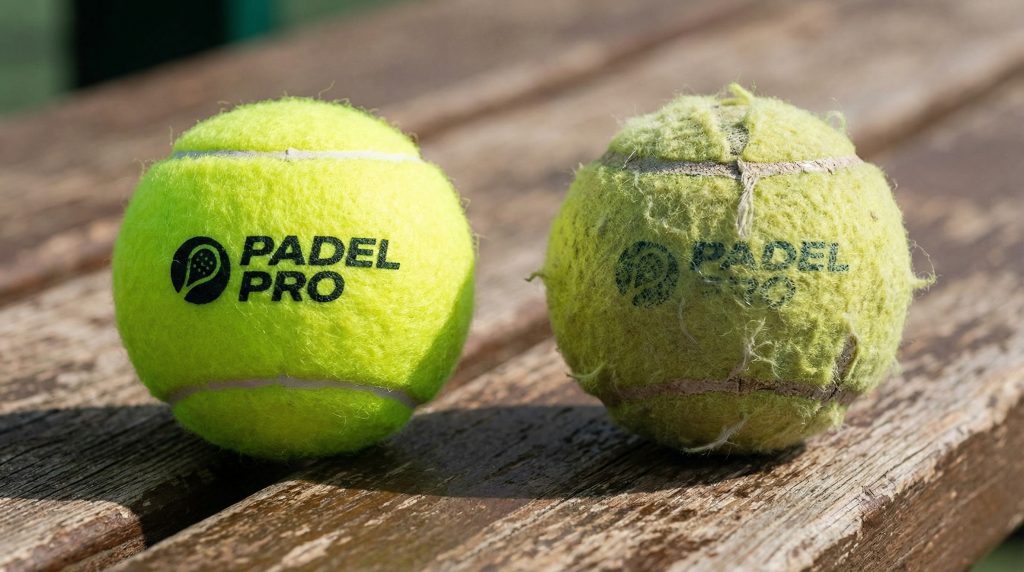
One of the most frequent questions about what is padel ball management is how often you need to replace them. You will notice that their performance begins to degrade the very moment you open the pressurized container.
Natural pressure loss
Even if you don’t use the balls, they are constantly losing pressure. The rubber core is slightly porous, allowing gas molecules to slowly escape over time.
Bucket Brigade: It’s a race against time.
- A ball left out of the tube for a week will feel significantly “deader.”
- Temperature fluctuations accelerate the loss of internal gas.
- High-altitude play causes the internal pressure to push out faster.
- Pressurizer tubes can extend this lifespan by maintaining external pressure.
Key Takeaway: Pressure loss is an inevitable part of the ball’s lifecycle, making storage conditions vital for longevity.
Felt degradation and “balding”
As you play, the friction between the ball and the sandy turf acts like sandpaper. This wear pattern is the most visible indicator that your balls need replacing.
Bucket Brigade: You’ll see the signs.
- First, the felt will “pill” and create small clumps of fiber.
- Then, the ball will lose its fuzz and become “bald” and fast.
- A bald ball loses its aerodynamic drag and flies out of bounds.
- Moisture from the court can cause the felt to clump and become heavy.
Key Takeaway: Visible wear on the felt is a clear signal that the ball’s aerodynamic properties have been compromised.
The “Dead Ball” phenomenon
Eventually, the ball reaches a state where it no longer provides a consistent bounce. This is often called a “dead ball,” and playing with them can ruin the rhythm of your match.
Bucket Brigade: Here is the test.
- Drop the ball from shoulder height; it should rebound to your waist.
- If it makes a “thud” sound rather than a “ping,” it’s finished.
- Professional matches change balls every 7 to 9 games.
- For recreational play, 2 to 3 matches is the standard limit.
Key Takeaway: Knowing when to retire a ball is essential for maintaining the quality and safety of your games.
| Usage Stage | Physical Sign | Performance Impact |
|---|---|---|
| Fresh (0-2 hours) | Bright, fluffy felt | Maximum spin and control |
| Worn (4-6 hours) | Visible pilling | Reduced bounce height |
| Dead (8+ hours) | Bald / Soft core | Unpredictable and heavy |
This wear analysis confirms that the “peak performance” window for a ball is relatively short, requiring frequent rotation for high-level play.
What is padel ball speed in a power smash?
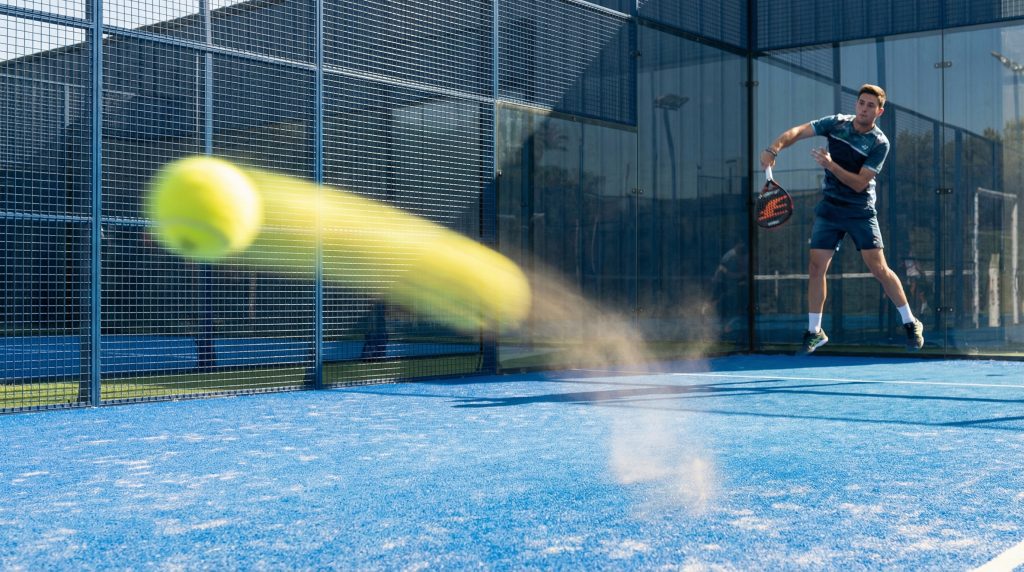
In a professional match, the speed of the ball can reach staggering levels during an overhead smash. You must understand that the ball’s construction is what prevents it from simply exploding upon impact with the racket face.
Impact deformation and energy
When an elite player strikes the ball, it can compress by up to 50% of its original diameter. This rapid deformation and recovery are what generate the “pop” sound heard during a match.
Bucket Brigade: It’s pure physics.
- The rubber core acts as a high-tension spring.
- Energy is transferred from the player’s core through the racket.
- A fresh ball returns energy more efficiently than a worn one.
- This is the moment where the internal 11 PSI is most critical.
Key Takeaway: The ball’s ability to withstand extreme compression is a testament to the quality of the vulcanized rubber core.
Aerodynamic drag at high speeds
As the ball travels toward the opponent’s court, the fluffy felt creates a “turbulent boundary layer” of air. This drag is what keeps the ball from flying into the back fence on every shot.
Bucket Brigade: You need to know.
- Without the felt, the ball would behave like a projectile.
- The drag increases exponentially with the speed of the smash.
- Spin creates a pressure differential that causes the ball to dip.
- This allows players to hit harder while still keeping the ball in.
Key Takeaway: Aerodynamics are the only reason the sport is playable at high power levels; they act as a natural brake for the ball.
The “X3” and “X4” smash
In professional play, a smash that bounces over the side wall (3 meters) or the back wall (4 meters) is the ultimate goal. The ball’s rebound quality is what makes these spectacular shots possible.
Bucket Brigade: It’s a game changer.
- A clean hit on a fresh ball is required for an X3.
- The ball must strike the turf and the glass with perfect energy.
- Humidity can make these shots nearly impossible by weighing down the felt.
Key Takeaway: High-speed play relies on the perfect synergy between ball pressure, felt condition, and player technique.
| Shot Type | Est. Ball Speed | Primary Physics Force |
|---|---|---|
| Power Smash | 120 – 150 km/h | Elastic Rebound |
| Slice / Volley | 60 – 80 km/h | Magnus Effect (Spin) |
| Lob | 30 – 40 km/h | Gravity / Drag |
Data shows that the ball is designed to transition seamlessly between these extreme speed variances during a single rally.
What is padel ball selection for a new player?
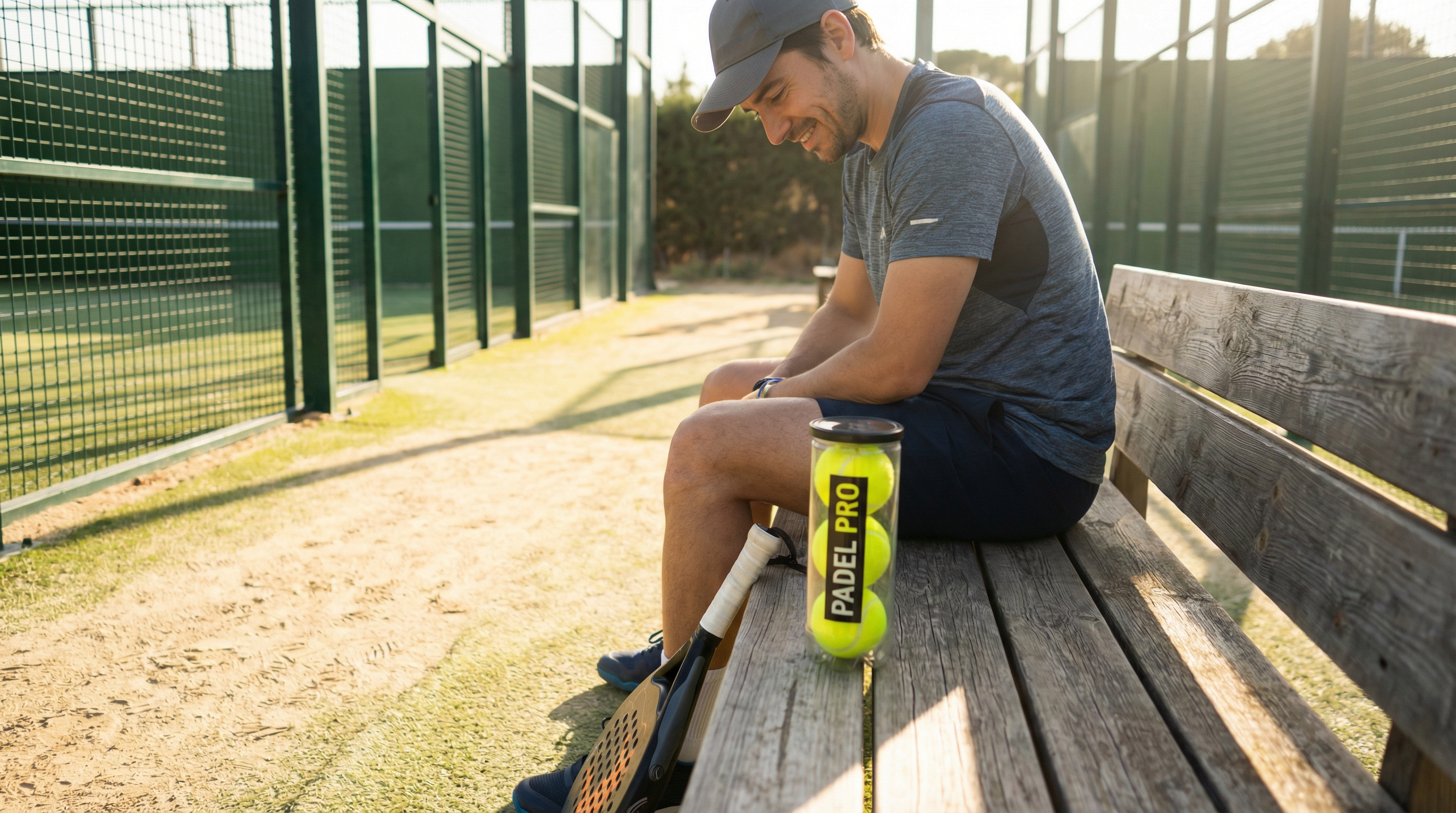
If you are just starting your journey, choosing the right what is padel ball can significantly accelerate your learning curve. You should avoid the temptation to buy the cheapest option and instead focus on balls that offer a balance of durability and control.
Prioritizing “Slower” balls
As a beginner, your biggest challenge is controlling the rebound off the walls. Using a “slow” ball with thicker felt gives you more time to react and position your body.
Bucket Brigade: Start smart.
- Slow balls have slightly lower pressure for easier control.
- Thicker felt creates more drag, slowing the ball’s flight path.
- These balls help you develop the “feel” for the racket-ball connection.
- They are less punishing on your arm during off-center hits.
Key Takeaway: Choosing a slower, more forgiving ball allows beginners to focus on technique rather than just survival.
Durability for training
When you are learning, you will likely hit the ball into the fence or mesh more often. You need a ball that can withstand this irregular impact without losing its pressure immediately.
Bucket Brigade: Look for this.
- Choose “All-Court” versions that are built for multi-surface use.
- Avoid “Pro” or “Speed” versions until you have mastered the basics.
- Buy in bulk to ensure you always have a fresh set for practice.
- Keep your balls away from direct sunlight between sessions.
Key Takeaway: Durability is more important than raw speed for players who are still developing their foundational skills.
Climate-based choices
Your local weather should also dictate your choice. If you play in a cold, damp climate, the ball will naturally feel heavier and slower.
Bucket Brigade: Don’t forget.
- In hot climates, a standard ball will feel “faster” and bouncier.
- In humid areas, you might need a ball with a more synthetic felt blend.
- Adjusting your ball choice to your environment is a pro-level tip.
Key Takeaway: Understanding how your environment affects the ball will help you choose the right equipment for any condition.
| Player Level | Recommended Ball Type | Key Benefit |
|---|---|---|
| Absolute Beginner | High-Felt / Low Pressure | Maximum reaction time |
| Intermediate | Standard All-Court | Balanced speed and control |
| Advanced | High-Pressure / Pro Speed | Explosive power and spin |
The right selection ensures that your equipment supports your growth as a player rather than hindering your progress.
Conclusion
Choosing the right ball is not just a matter of preference; it is a fundamental requirement for the integrity of the game. From the precise rubber molding process to the complex fiber composition of the felt, every aspect of the ball is designed to optimize your experience on the court. Whether you are building a new facility or simply preparing for your next match, investing in high-quality equipment is the only way to ensure peak performance.
If you are ready to elevate your game with professional-grade courts and equipment, contact us today to explore our industry-leading solutions.
Frequently Asked Questions
Can I use a tennis ball if I don’t have a padel ball?
Concise Judgment: No, it is highly discouraged. While they look similar, the higher pressure of a tennis ball makes the game too fast, ruins the tactical rebound off the glass, and can cause injury to your elbow due to the different impact vibrations.
What’s the best way to make my padel balls last longer?
Concise Judgment: Use a pressurized storage container. These devices create a high-pressure environment around the balls when they aren’t in use, which physically prevents the internal gas from leaking through the rubber core, potentially doubling or tripling their effective lifespan.
Can I play with padel balls that have gotten wet?
Concise Judgment: It is possible, but they will perform poorly. When the felt absorbs water, the ball becomes significantly heavier and loses its bounce, making it feel “dead” and potentially damaging your racket’s foam core over time.
What’s the difference between a “Speed” and a “Standard” ball?
Concise Judgment: The difference lies in internal pressure and felt thickness. “Speed” balls have slightly higher pressure and thinner felt for faster play in cold or humid conditions, while “Standard” balls are designed for optimal control in warmer, dry climates.
Can I recycle old padel balls?
Concise Judgment: Yes, there are several specialized programs. Many clubs now collect dead balls to be ground down for use in synthetic turf or playground flooring, which is a much more sustainable option than simply throwing them in the trash.