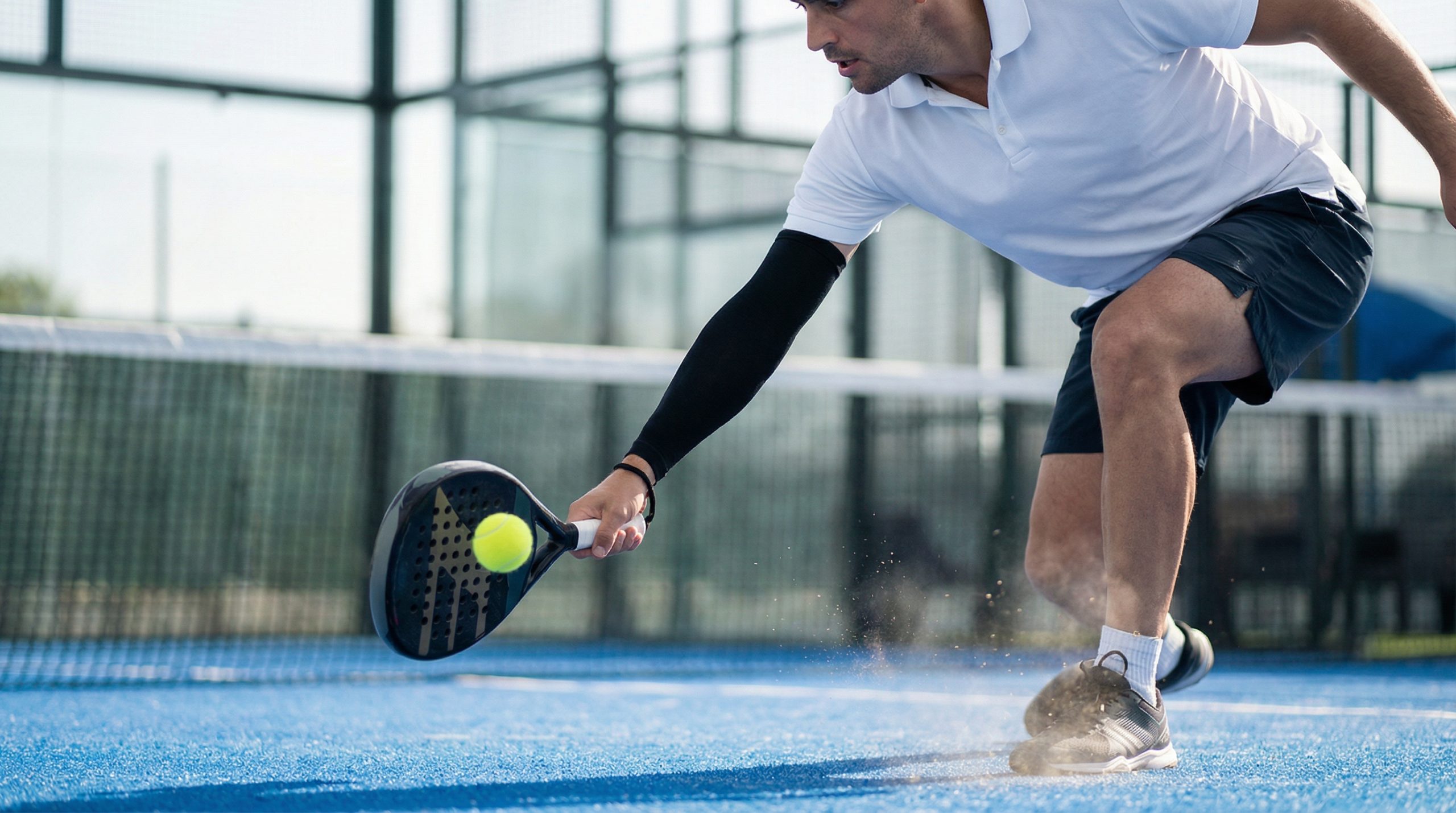
Many sports facility owners struggle to fill underutilized court space, watching potential revenue slip away as traditional sports lose their local appeal. It is frustrating to invest in real estate only to find that high learning curves discourage new members from consistent play. You need a modern, high-density solution that maximizes engagement and profitability. Discovering a professional-grade SuperbPadel installation is the first step toward transforming your facility into a thriving community hub.
What is padel game and its basic definition?
A unique hybrid of racket sports
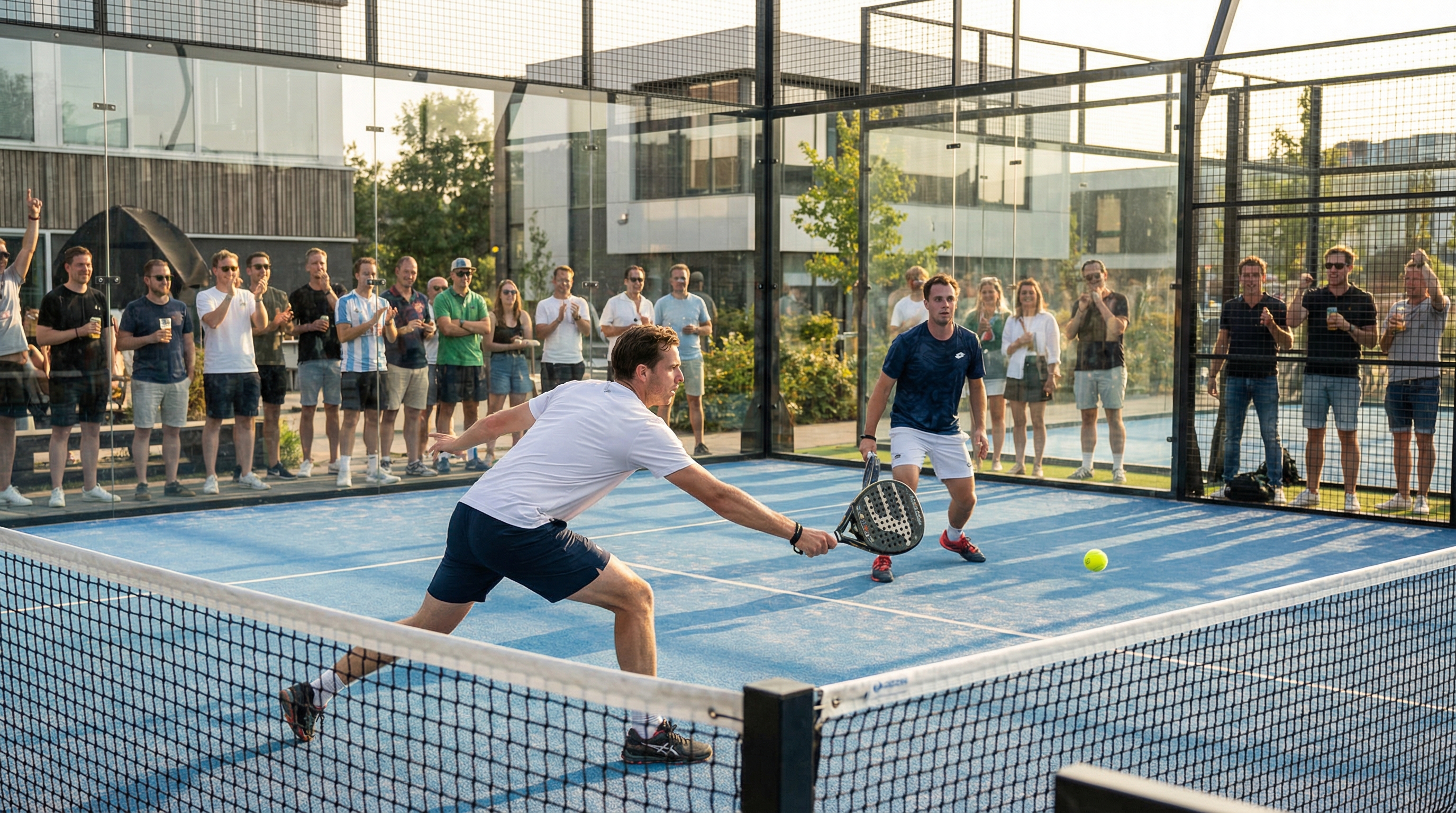
You can think of this sport as a tactical mix between tennis and squash, played exclusively in a 2v2 doubles format. It utilizes the net-play of tennis but incorporates the surrounding walls to keep the ball in constant motion. This setup ensures longer rallies and significantly more touches for every player on the court.
The role of the enclosure
The court is fully enclosed by glass and metallic mesh, which act as active participants in the game. You are allowed to play the ball off the walls after it bounces, creating a dynamic environment where power is often secondary to strategy. This “second chance” element makes the game incredibly forgiving and addictive for beginners.
Key Takeaways
- Played as doubles on an enclosed 10m x 20m court.
- Combines elements of tennis and squash for high engagement.
- Focuses on strategy and wall-use rather than raw power.
| Feature | Description |
|---|---|
| Format | Always 2 vs 2 (Doubles) |
| Court Type | Enclosed with glass and mesh walls |
| Play Style | Tactical, high-speed, and social |
What is padel game history and origin?
The Mexican innovation
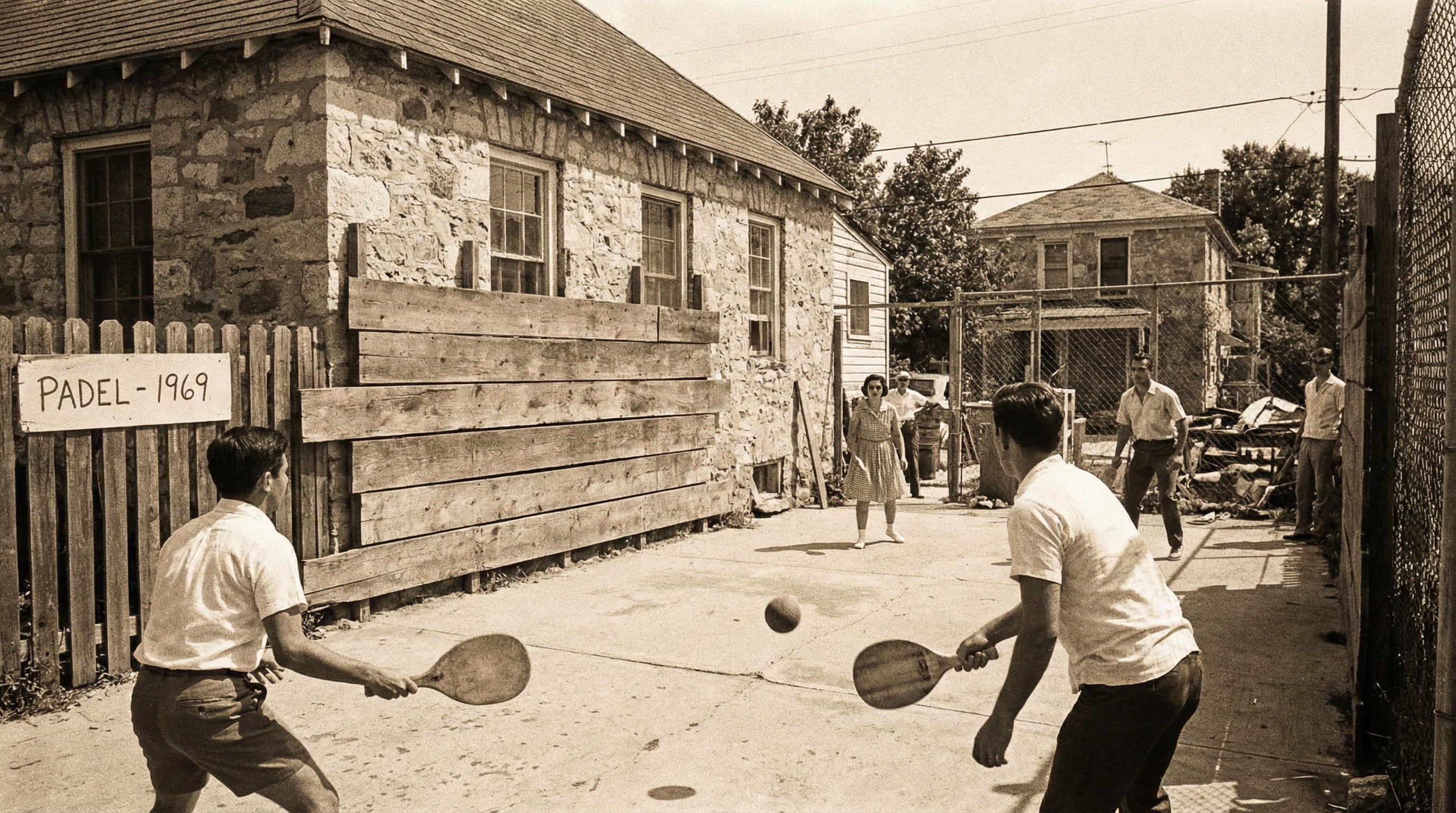
The sport was born in 1969 when a Mexican businessman decided he didn’t have enough space for a full-sized tennis court at his home in Acapulco. He built a smaller court, added walls to keep the ball from flying into the neighbors’ yard, and used wooden paddles. This ingenious modification of space created a brand-new discipline that emphasized close-quarters agility.
Global expansion and adoption
From Mexico, the game traveled to Spain via a close friend of the inventor and quickly became a cultural phenomenon. It is now the second most popular sport in Spain, trailing only behind football in terms of active participation. Today, the International Padel Federation oversees its rapid professionalization and expansion into the UK, USA, and Middle Eastern markets.
Key Takeaways
- Invented in 1969 in Acapulco, Mexico.
- Designed as a space-saving solution for private residential use.
- Exploded in popularity across Spain and Argentina before going global.
| Milestone | Year | Location |
|---|---|---|
| Invention | 1969 | Acapulco, Mexico |
| International Federation | 1991 | Madrid, Spain |
| Pro Circuit Growth | 2010s-Present | Global Markets |
What is padel game play style and key rules?
The underhand serve requirement
Unlike tennis, you must perform all serves underhand at or below waist level after letting the ball bounce once. The ball must land in the opponent’s cross-court service box to be considered legal. If the ball hits the metallic fence after the bounce during a serve, it is a fault, though hitting the glass is permitted.
The dynamics of rebounds
During a rally, the ball can hit any of the glass walls and remain in play, provided it has touched the ground on the opponent’s side first. You can even hit the ball against your own glass wall to send it over the net to the other side. This unique rule requires you to develop a keen sense of geometry and anticipation.
Key Takeaways
- Serves must be underhand and hit below the waist.
- Walls can be used strategically to keep the ball in play.
- The ball is “out” if it hits the fence or glass before touching the ground.
| Rule Category | Requirement |
|---|---|
| Serve | Underhand, below waist, cross-court |
| Wall Play | Allowed after the ball bounces on the floor |
| Out of Bounds | Hitting walls or fence directly without a bounce |
What is padel game equipment for new players?
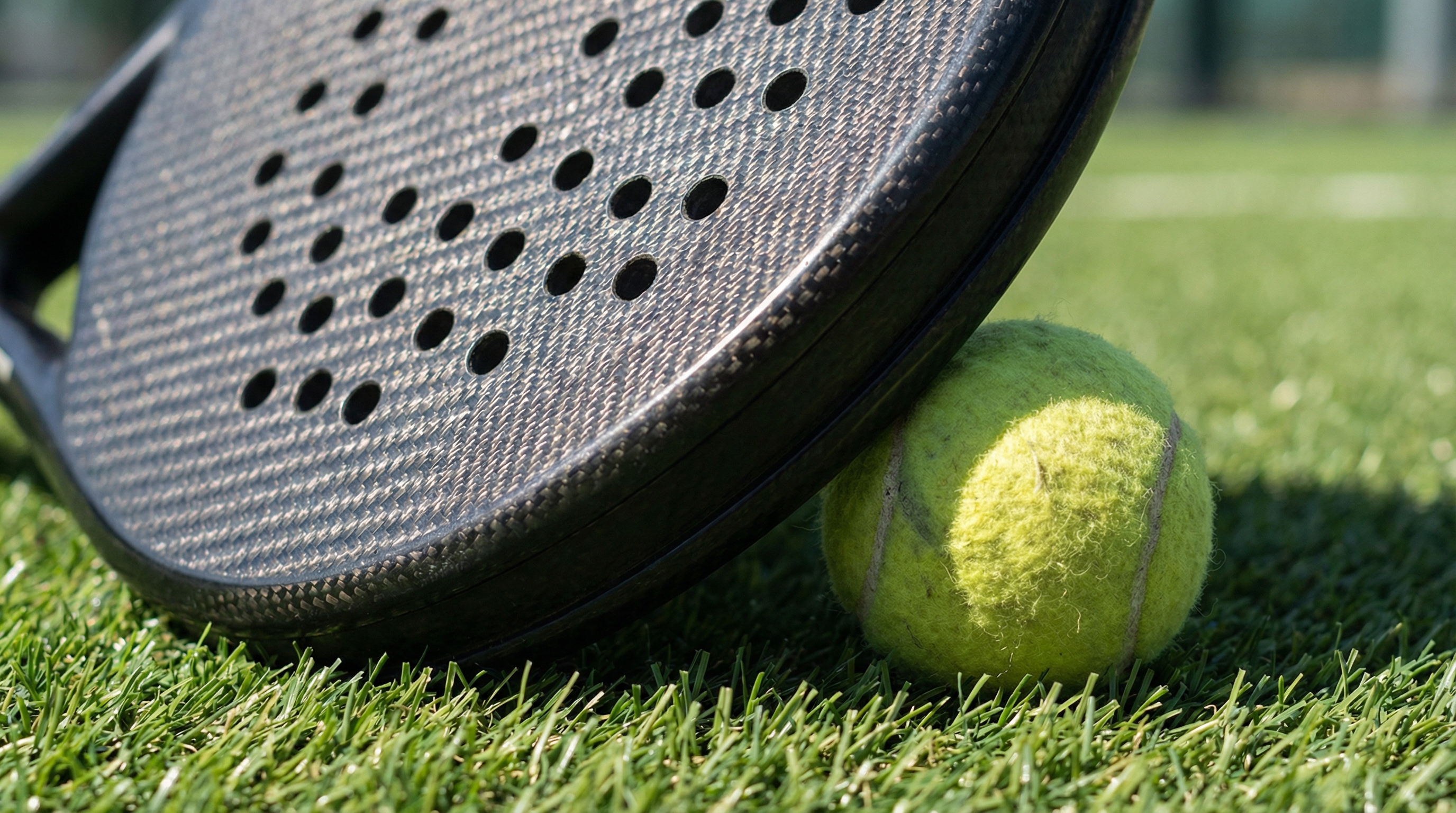
Stringless, perforated rackets
You won’t find any strings on these rackets; instead, they are solid but perforated with holes to reduce wind resistance. They are typically made from carbon fiber or fiberglass with an EVA foam core to provide a balance of control and power. The shorter handle and lack of strings make them much easier to handle than a tennis racket.
Specific low-pressure balls
While they look identical to tennis balls, these are slightly smaller and have a lower internal pressure of about 11psi. This lower pressure slows the game down just enough to allow you more time to react to bounces off the glass. Using the correct ball is vital for maintaining the intended pace and bounce characteristics of the game.
Key Takeaways
- Rackets are solid, stringless, and made of composite materials.
- Balls have lower pressure than tennis balls to control speed.
- Equipment is designed for durability and ease of use.
| Equipment | Material | Key Feature |
|---|---|---|
| Racket | Carbon Fiber / EVA Foam | Perforated, no strings |
| Ball | Pressurized Felt | 11psi (Lower than tennis) |
| Shoes | Clay Court / Padel Sole | High grip for artificial turf |
What is padel game court size and structure?
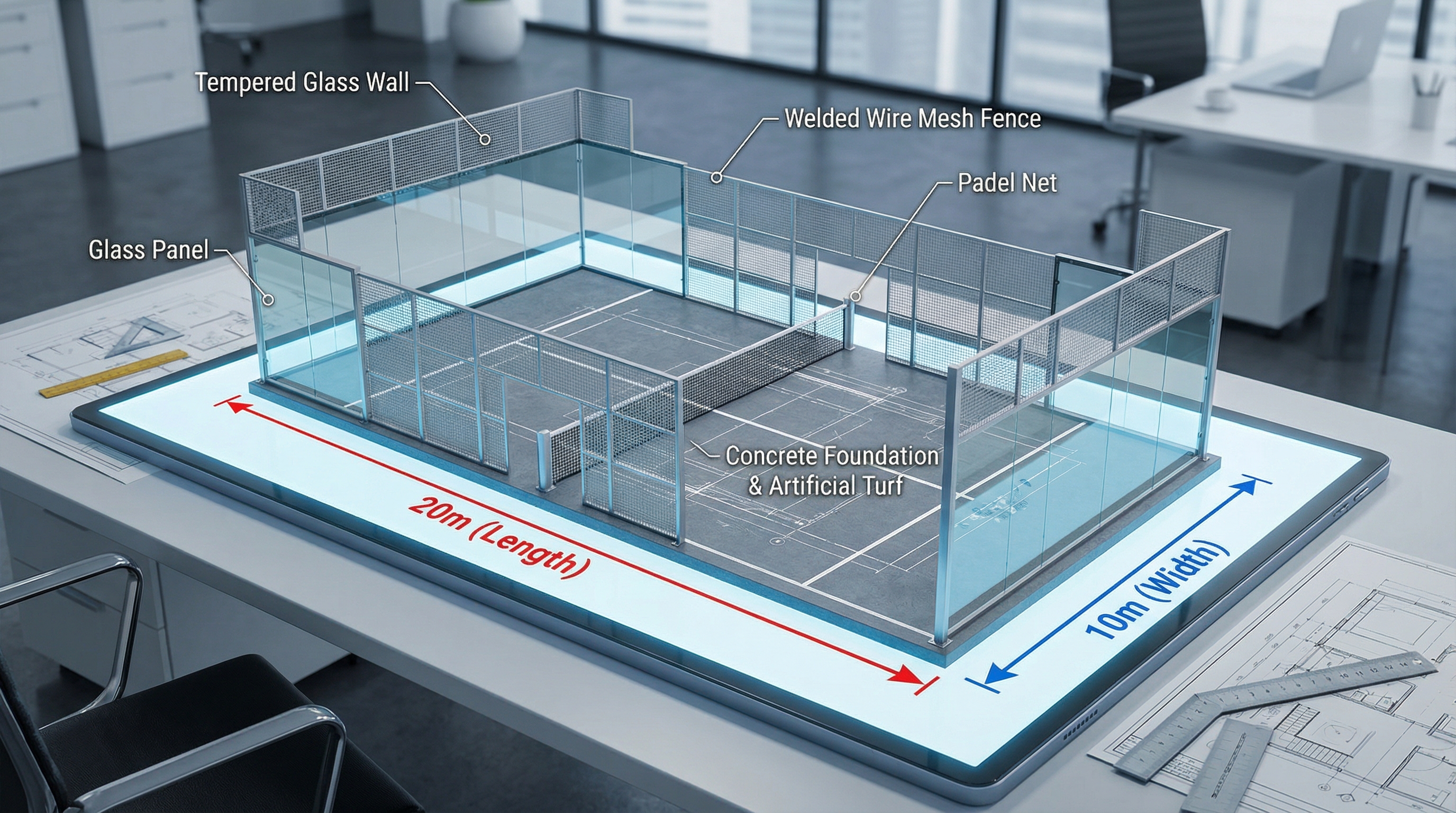
Precision dimensions for play
A professional court measures exactly 10 meters wide by 20 meters long, which is roughly 25% smaller than a tennis court. Selecting a Standard Padel Court configuration ensures you meet international standards while maximizing your land usage. This compact size allows you to fit three courts in the space of one traditional tennis court.
Engineering the perfect bounce
The court surface is almost always artificial turf filled with a specific grade of silica sand to allow for controlled sliding. The structure must be perfectly level to ensure the ball bounces predictably across the entire 200-square-meter area. High-quality steel frames support the heavy glass panels that form the primary playing perimeter.
Key Takeaways
- Total playing area is 10m x 20m.
- Compact design allows for higher density and more players per hour.
- Requires professional flooring and a perfectly level foundation.
| Component | Standard Dimension |
|---|---|
| Total Width | 10 Meters |
| Total Length | 20 Meters |
| Net Height | 88cm (Center) to 92cm (Posts) |
What is padel game vs tennis differences?
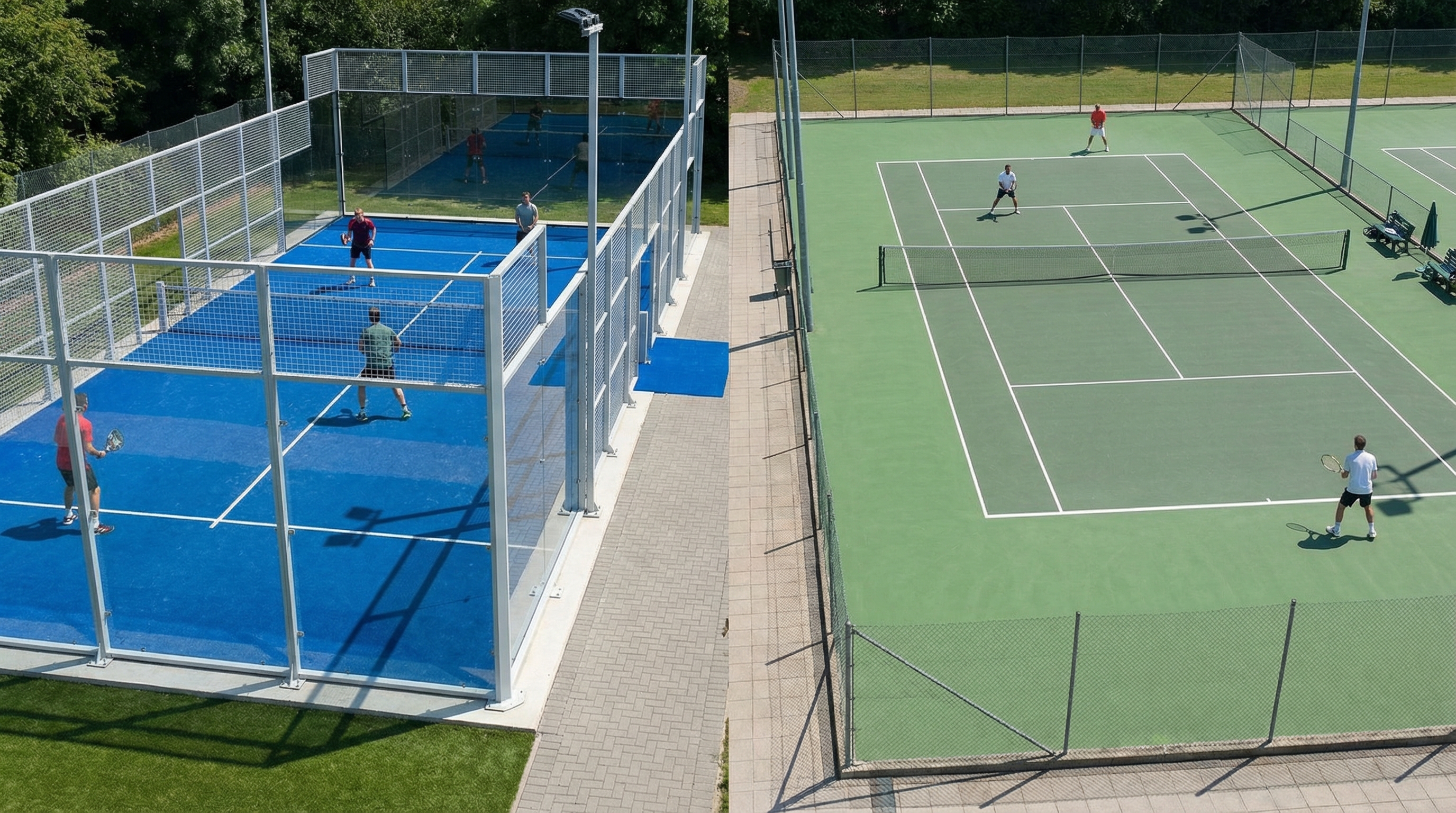
A shift in spatial requirements
The most immediate difference you will notice is the lack of “out of bounds” space around the perimeter, as the walls are part of the game. In tennis, you need significant lateral space for players to run wide, whereas this game keeps the action tight and focused. This makes the game much more intense as you are always close to the ball and your partner.
Strategy over physical dominance
In tennis, a massive serve can often end a point instantly, but here, the underhand serve is merely a way to start the rally. You win points through clever positioning, lobs, and using the walls to frustrate your opponents. Physical strength is less of a factor, allowing players of different ages and genders to compete evenly.
Key Takeaways
- Smaller courts lead to faster rallies and more social interaction.
- Strategy and positioning are more important than raw physical power.
- The game is more accessible to a wider demographic of players.
| Feature | Padel | Tennis |
|---|---|---|
| Court Size | 10m x 20m | 23.77m x 10.97m |
| Serve | Underhand | Overhand |
| Walls | Active Part of Play | Not Present |
What is padel game scoring system explained?
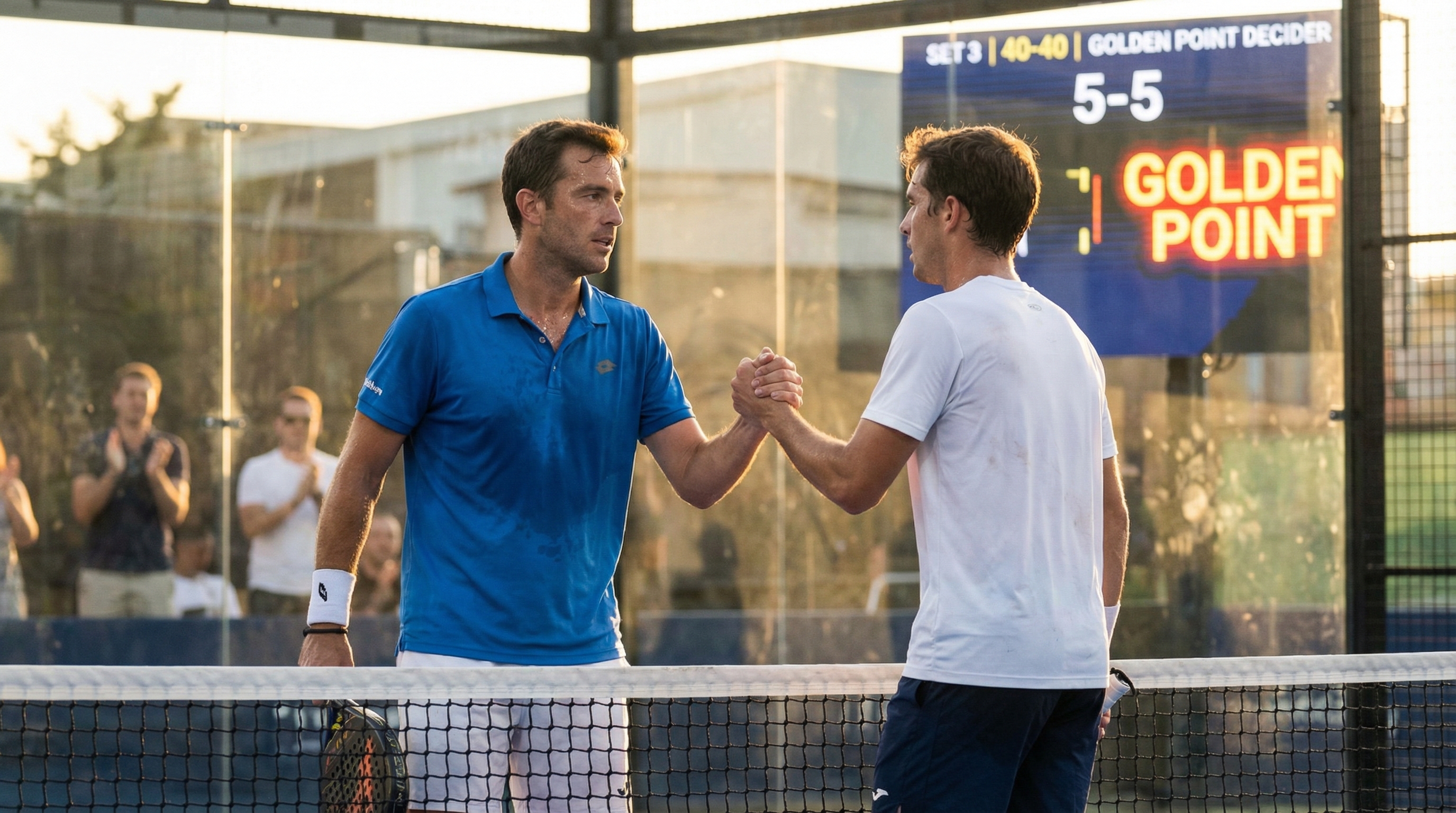
The familiar points structure
If you know tennis, you already understand the 15, 30, 40, and “Game” progression used here. Matches are typically played as the best of three sets, with six games needed to win a set. This familiarity makes it very easy for racket sport enthusiasts to transition into the game without learning a complex new system.
The “Golden Point” variation
Many professional circuits and clubs now use the “No-Ad” or Golden Point rule to keep matches on schedule. When the score reaches 40-40 (deuce), you play one final point to decide the game winner. The receiving team gets to choose which side of the court the server must deliver the ball to for this deciding moment.
Key Takeaways
- Uses the traditional 15, 30, 40 scoring system.
- Matches are best of three sets with a tie-break at 6-6.
- The Golden Point rule adds high-stakes excitement to deuce games.
| Score | Terminology |
|---|---|
| 0 Points | Love |
| 40-40 | Deuce / Golden Point |
| 6-6 in Set | 7-Point Tie-break |
Cardiovascular and agility benefits
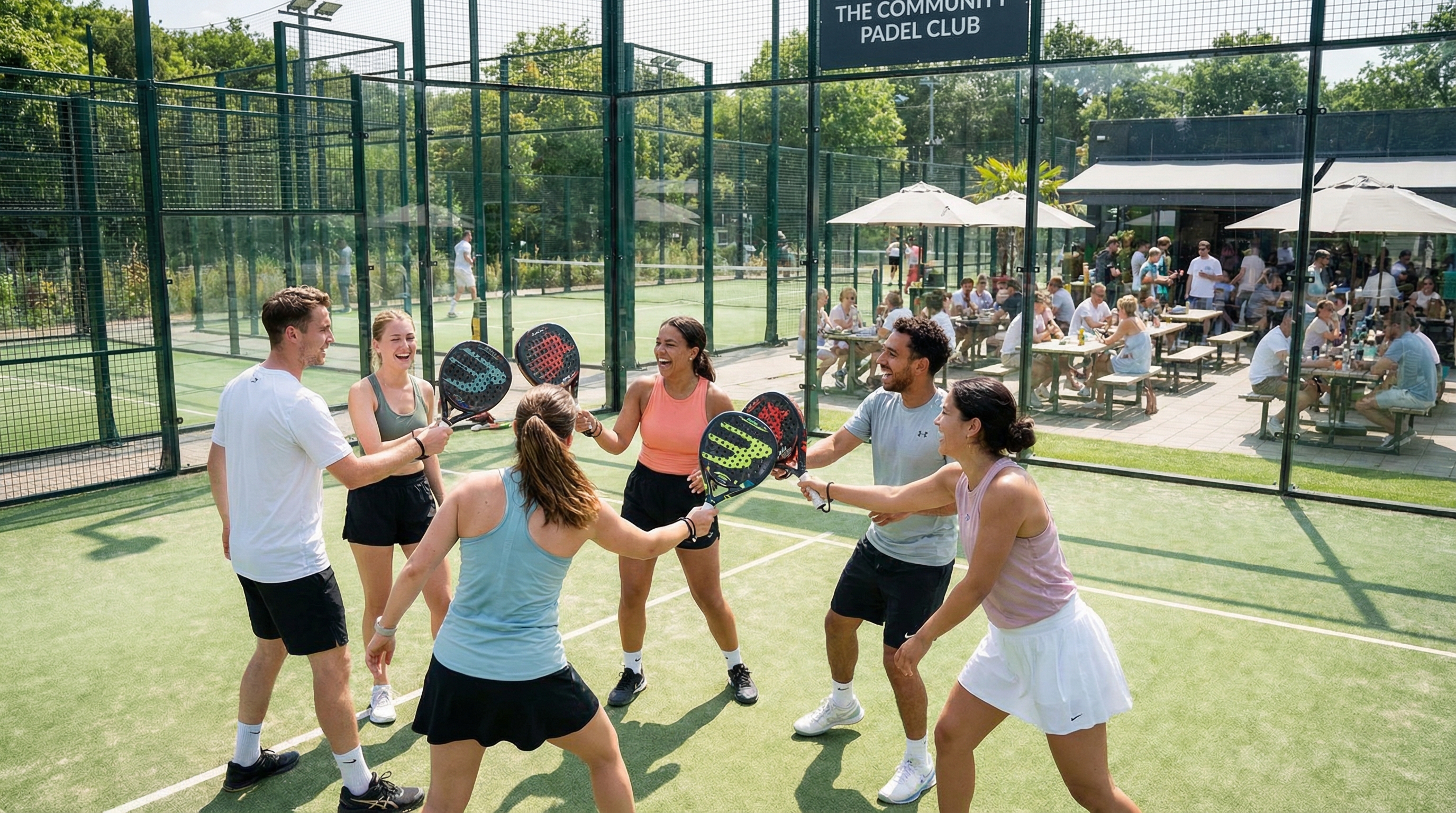
The constant movement and short bursts of speed required provide an excellent aerobic workout that burns hundreds of calories per hour. Because the ball stays in play longer, you spend more time moving and less time picking up balls compared to tennis. It is a low-impact way to improve your coordination and reflexes without excessive joint strain.
Because you are in a confined space with three other people, communication is constant and necessary. You’ll find that the social atmosphere of a club extends far beyond the court, often leading to a vibrant community life. It is widely considered the most social racket sport in the world, making it a perfect anchor for modern fitness centers.
Key Takeaways
- High caloric burn due to longer, more frequent rallies.
- Low-impact nature makes it suitable for all age groups.
- Small court size fosters constant social interaction and teamwork.
| Benefit Type | Primary Impact |
|---|---|
| Physical | Improved cardio and reactive agility |
| Mental | High strategic engagement and stress relief |
| Social | Strong community building and networking |
What is padel game construction process?
Selecting high-performance surfaces
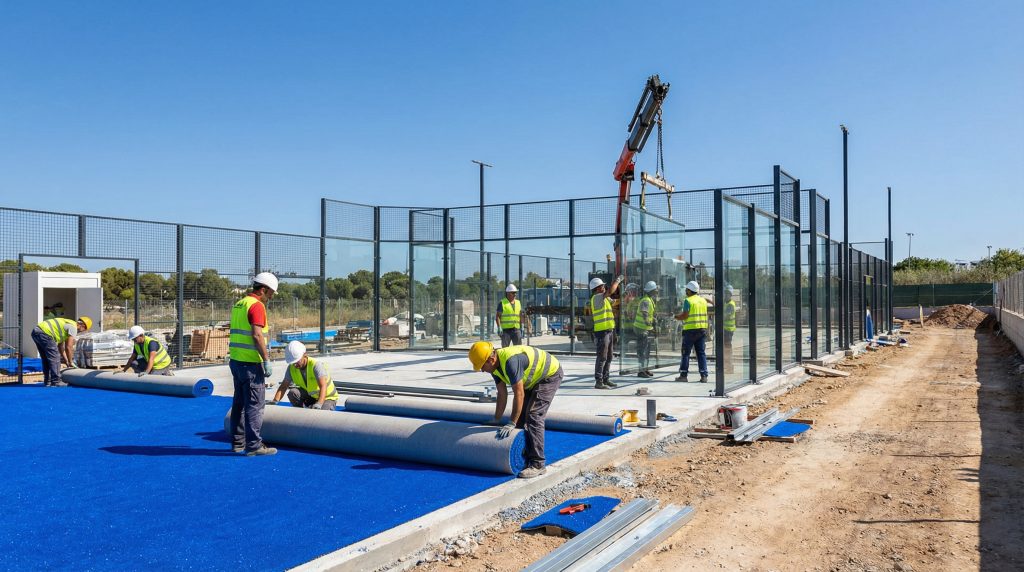
The foundation of a great court begins with premium Padel Grass that resists wear and maintains a consistent slide. You must ensure the sand infill is distributed evenly to protect the fibers and provide the correct ball bounce. A well-constructed surface reduces injury risks and keeps maintenance costs low over the court’s lifespan.
Structural integrity and visibility
Modern facilities often opt for a Panoramic Padel Court design, which removes rear structural pillars to give spectators an unobstructed view. You must use 12mm anti-explosion tempered Padel Glass to ensure the safety of players during high-impact rallies. This combination of aesthetics and safety is what separates a professional venue from a backyard setup.
Key Takeaways
- Requires high-density artificial turf with specific sand infill.
- Safety glass is a non-negotiable requirement for professional builds.
- Panoramic designs offer the best experience for spectators and filming.
| Component | Professional Standard |
|---|---|
| Glass Type | 12mm Tempered Safety Glass |
| Turf | Fibrillated or Monofilament Polyethylene |
| Structure | Hot-dip Galvanized Steel |
What is padel game future in world sports?

The path to Olympic recognition
With millions of players worldwide and a rapidly growing professional circuit, the sport is currently making a strong push for Olympic inclusion. You are witnessing the birth of a global powerhouse that attracts massive sponsorships and broadcast deals. Its ease of viewing and fast-paced nature make it a perfect fit for modern digital sports media.
Innovations in facility design
The market is shifting toward indoor, climate-controlled “super-clubs” that offer a premium lifestyle experience alongside the courts. You can expect to see integrated LED lighting systems and automated booking technology becoming standard in new developments. These advancements ensure that the game remains accessible and profitable 365 days a year, regardless of the weather.
Key Takeaways
- Rapidly expanding professional circuits with global viewership.
- Likely candidate for future Olympic Games inclusion.
- Growing trend toward high-end indoor sports social clubs.
| Trend | Market Impact |
|---|---|
| Digitalization | Automated clubs and AI-driven match analysis |
| Olympic Status | Increased government funding and global prestige |
| Commercialization | High-revenue multi-sport luxury facilities |
Frequently Asked Questions
- Can I play padel if I have never played tennis?
Absolutely. One of the main draws of the game is its accessibility; most beginners can enjoy a rally within their first 30 minutes of play. - Is padel always played in pairs?
While singles courts exist, the official and most popular format of the game is 2v2 (doubles). - What shoes should I wear for padel?
It is recommended to wear specific padel or clay-court tennis shoes that provide the necessary grip for artificial turf surfaces. - How long does a standard padel match last?
A typical best-of-three sets match usually takes between 60 to 90 minutes. - Can the ball hit the fence first on a serve?
No. On a serve, the ball must land in the opponent’s service box; if it hits the metallic fence after the bounce, it is considered a fault.
Building a padel facility is more than just a construction project; it is a strategic investment into the fastest-growing social sport on the planet. By focusing on professional-grade materials and a player-centric design, you can ensure your club remains the premier destination for athletes and socialites alike. If you are ready to maximize your facility’s ROI and join the global padel revolution, please contact us today for a custom consultation.