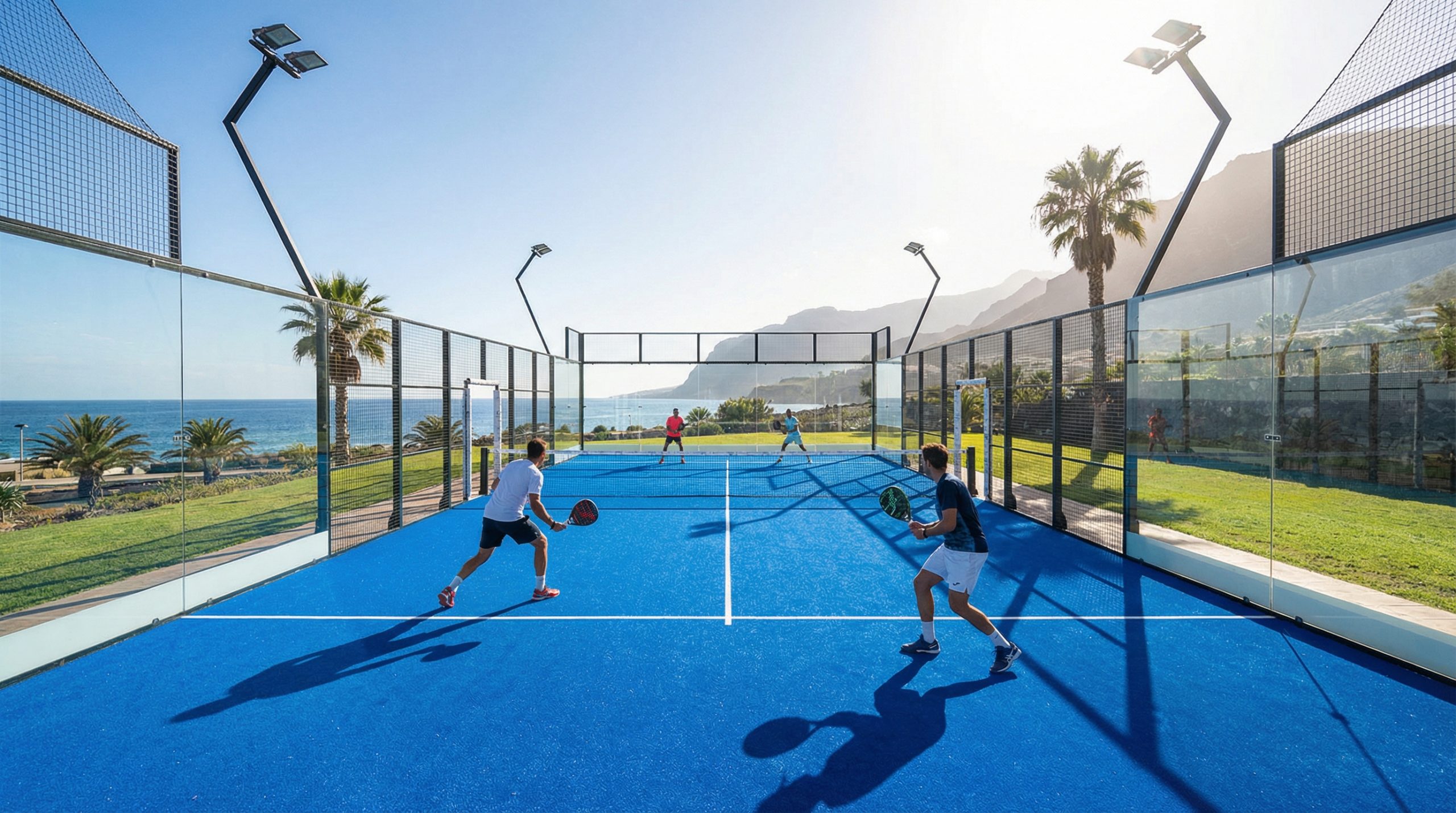
Finding a sport that balances high-intensity exercise with a low technical barrier to entry can be an exhausting search for many modern athletes. You might feel discouraged by the steep learning curve of traditional racquet sports or the physical toll that high-impact activities take on your joints over time. what is padel tennis is a revolutionary racquet sport played predominantly in doubles on an enclosed court that offers an accessible yet deeply strategic competitive experience for players of all ages.
What is padel tennis and its origins?
what is padel tennis is a sport that originated in Acapulco, Mexico, in 1969 when Enrique Corcuera modified his home fronton court with walls and a metallic mesh. This innovation was born out of a lack of space, leading to a unique game where the ball remains in play even after striking the surrounding structures. You will find that the game quickly spread to Spain and Argentina, eventually becoming one of the fastest-growing sports in the world today.
The game is played on a court roughly one-third the size of a standard tennis court, making it much more focused on positioning and strategy than raw power. Because it is always played in doubles, the social aspect is deeply ingrained in the culture of the sport, fostering community and friendship among participants. You can expect to see rapid growth in your local area as more enthusiasts discover the addictive nature of this inclusive activity.
Look:
- Created by Enrique Corcuera in 1969.
- Originally a modification of a Mexican fronton court.
- Defined by its social, doubles-only competitive format.
Think about it:
How did the sport evolve globally?
The global evolution of the sport began in Marbella, Spain, where it was introduced to the European elite before trickling down to the general public. You can see its massive influence today in countries like Sweden, Italy, and the United Arab Emirates, where thousands of new courts are built annually to keep up with demand. The sport’s inclusion in major international multi-sport events has further solidified its status as a professional discipline.
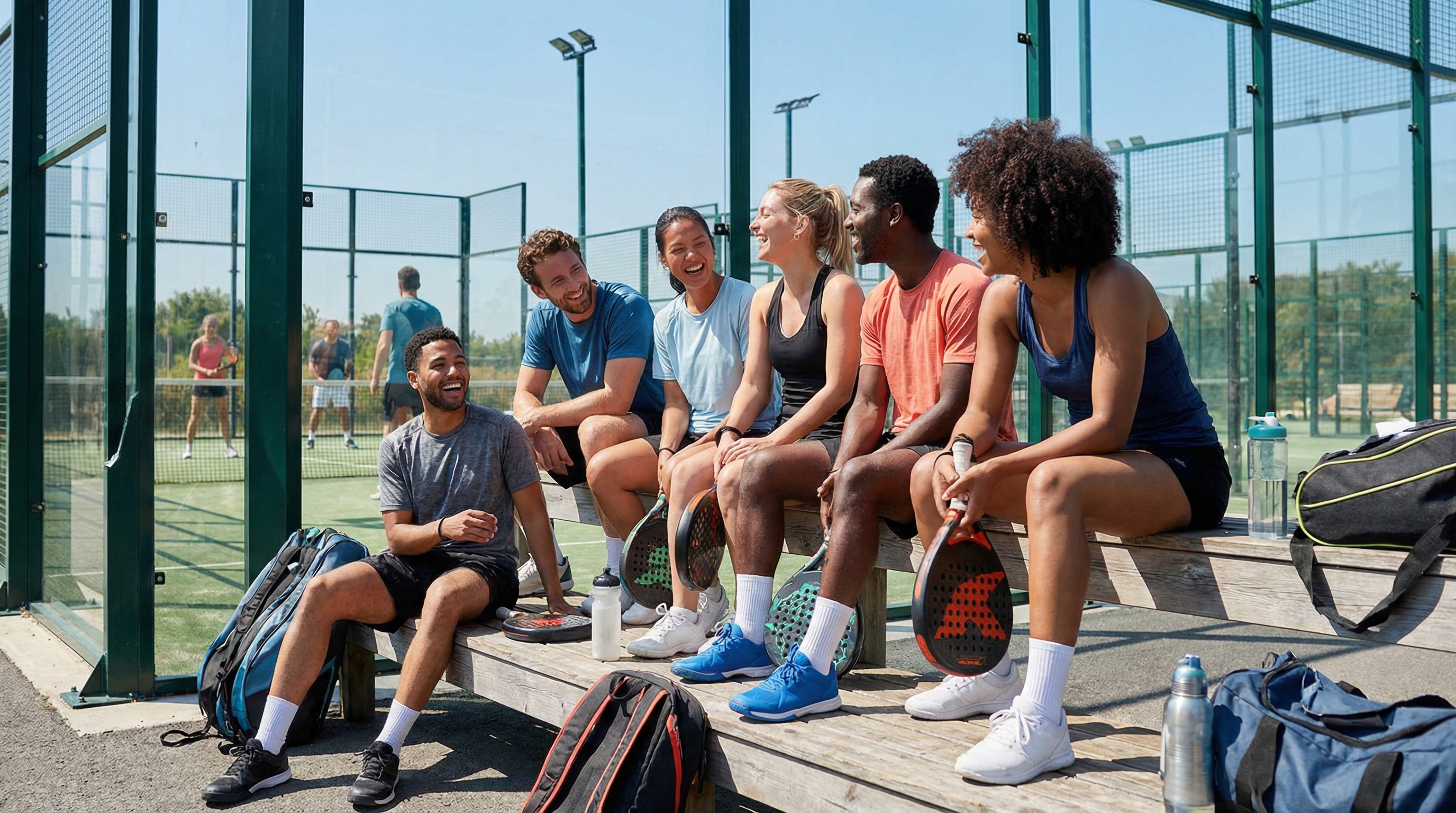
The social aspect is central to the game because the enclosed, smaller court area facilitates constant communication and proximity between players. You will find that matches are often followed by social gatherings, as the sport is designed to be as much about networking as it is about physical exertion. This friendly atmosphere reduces the intimidation factor often associated with competitive athletics, encouraging beginners to return frequently.
Is it truly easy for beginners to learn?
It is remarkably easy for beginners to learn because the underarm serve and the smaller, stringless racquets provide immediate control over the ball’s movement. You will likely be able to sustain long rallies within your first thirty minutes of play, providing a sense of accomplishment that other racquet sports take months to achieve. The reliance on strategy over pure strength means that players of different skill levels can still enjoy a meaningful and competitive match.
| Phase | Description | Key Characteristic |
|---|---|---|
| Creation | Acapulco, Mexico 1969 | Enclosed space innovation |
| Expansion | Spain and Argentina | Professionalization of rules |
| Global Surge | 21st Century Europe/Asia | Mass participation growth |
The historical trajectory shows that the sport’s design was intentionally focused on maximizing playability within confined urban environments.
Key Takeaway: The sport’s Mexican origins and social doubles format make it a uniquely accessible global phenomenon.
What is padel tennis court design like?
Padel tennis court design is characterized by a combination of high-strength tempered glass and metallic mesh panels that keep the ball within the field of play. You will notice that the walls are not merely boundaries but active components of the game, allowing for creative shots and extended rallies that are impossible in other sports. The design must account for both structural stability and player safety, ensuring the glass can withstand the impact of players accidentally bumping into it.
The aesthetic of a modern court often leans toward a sleek, industrial look with powder-coated steel frames and vibrant blue synthetic turf. You can customize the lighting and the color of the structure to fit either a luxury private estate or a commercial sporting club. Advanced designs now include panoramic views that eliminate vertical pillars, providing spectators with an unobstructed sightline of the high-speed action occurring inside.
It gets better:
- Structural frames made of high-grade galvanized steel.
- 10mm or 12mm tempered safety glass for rear and side walls.
- Integrated LED lighting systems for night-time play.
Believe it or not:
What are the benefits of panoramic glass?
Panoramic glass designs offer the benefit of complete visibility by removing the structural steel pillars typically found in the corners and rear sections of the court. You will appreciate the premium feel this adds to a club, as it allows for professional-grade filming and a better experience for the crowd. This design uses thicker glass and reinforced structural supports to maintain the necessary safety standards without compromising the view.
How does the metallic mesh function?
The metallic mesh functions as a secondary boundary that produces an unpredictable bounce, adding a layer of tactical complexity to the game. You must learn how to handle the ball when it hits the mesh, as it will drop or veer in directions that the glass walls do not produce. Standard mesh is designed to be rigid enough to provide a consistent bounce while remaining flexible enough to ensure player safety during physical contact.
What lighting is required for play?
The lighting required for play typically consists of four to eight LED floodlights mounted on poles that extend above the court structure to ensure even illumination. You need a lighting system that provides at least 300 to 500 lux for recreational play, while professional courts may require 750 lux or higher for television broadcasts. Proper lighting design eliminates shadows and glare, which is crucial for tracking the fast-moving ball during evening matches.
| Component | Material | Purpose |
|---|---|---|
| Framework | Galvanized Steel | Structural Integrity |
| Wall Panels | Tempered Glass | Active Ball Bounce |
| Side Fencing | Electro-welded Mesh | Strategic Variance |
The structural design of the court is a masterclass in combining visibility with high-intensity athletic functionality.
Key Takeaway: High-quality glass and mesh integration define the unique tactical environment of the court.
What is padel tennis equipment for players?
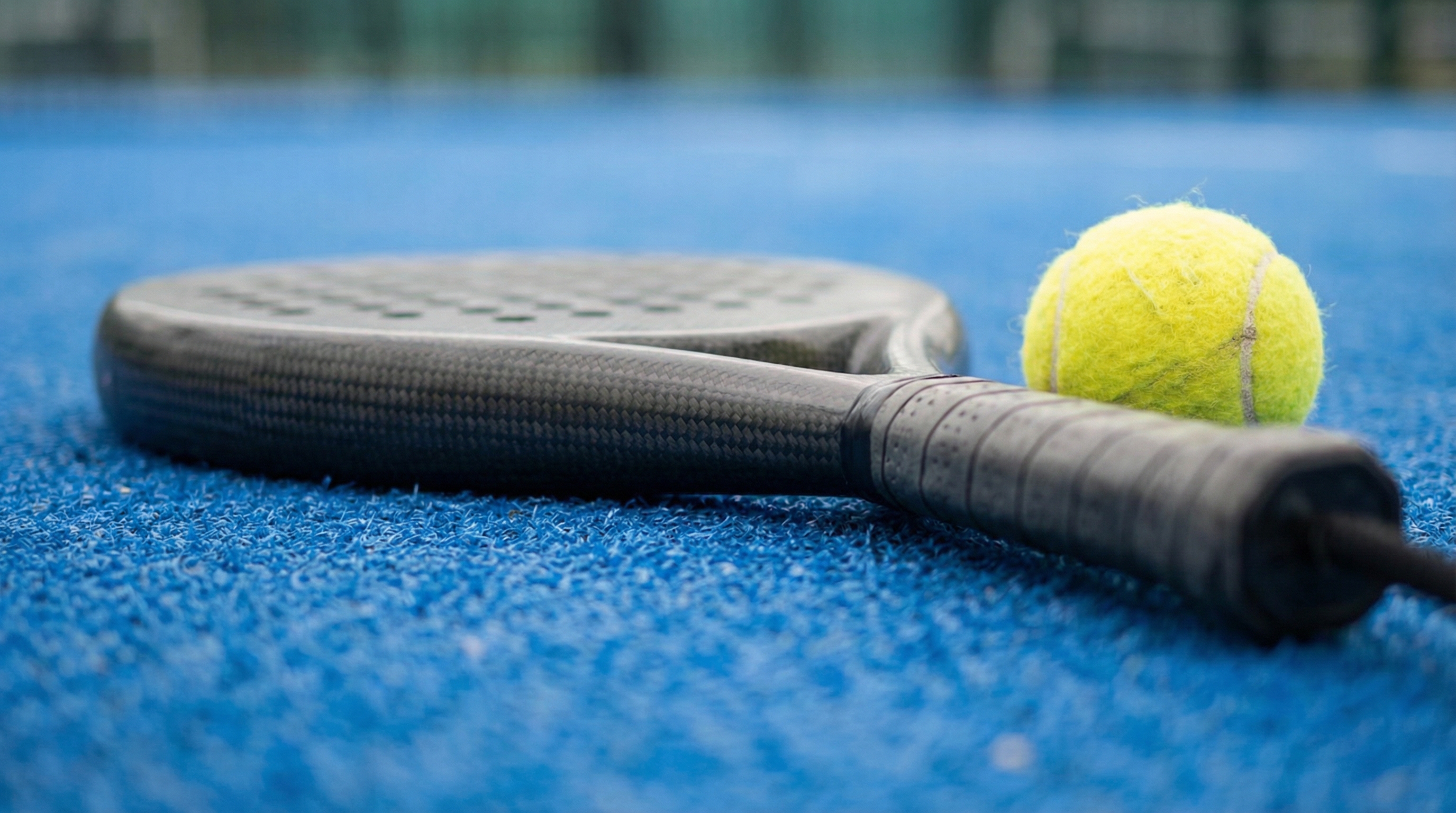
what is padel tennis equipment consists of specialized racquets and balls that are specifically designed for the unique dimensions and speed of the court. You will use a racquet that is solid, without strings, and perforated with holes to reduce wind resistance and weight while maintaining a powerful hitting surface. These racquets are generally shorter and thicker than tennis racquets, allowing for better maneuverability at the net where the game is often won.
The balls used in the sport look similar to tennis balls but have a lower internal pressure to accommodate the smaller court size. You will find that this lower pressure prevents the ball from bouncing too high or moving too fast, ensuring that rallies remain manageable and strategic. Wearing the correct footwear is also essential, as the synthetic turf requires specific grip patterns to prevent slipping during rapid lateral movements.
In other words:
- Solid racquets made of carbon fiber or fiberglass.
- Core materials like EVA foam or polyethylene.
- Specific balls with reduced internal pressure for control.
The best part?
How do you choose the right racquet?
You choose the right racquet by considering your skill level and your preferred style of play, whether you are a defensive player or a power hitter. Beginners should look for round-shaped racquets because they offer a larger “sweet spot” and better control over the ball. More advanced players might opt for diamond-shaped or teardrop-shaped frames that provide more weight at the head for increased power during smashes.
What makes the balls different?
The balls are different because their lower compression results in a softer feel and a more predictable trajectory when hitting the glass walls. You cannot easily substitute standard tennis balls, as their high bounce would make the game nearly impossible to play within the confined walls. Consistent ball pressure is vital for maintaining the rhythm of the game, which is why many players use pressurized cans to store them.
Why is specific footwear necessary?
Specific footwear is necessary because the synthetic turf surface is often treated with fine sand, which can be very slippery if you wear standard running shoes. You should look for shoes with a “herringbone” or “omni” sole pattern that provides the necessary traction to change direction quickly without injuring your ankles. High-quality shoes also offer lateral support, which is critical for the constant side-to-side shuffling required during a doubles match.
| Equipment | Key Material | Main Benefit |
|---|---|---|
| Racquet | Carbon Fiber / EVA | Power and Control |
| Ball | Low-compression Rubber | Manageable Speed |
| Shoes | Clay/Omni Sole | Traction on Sand |
Using the correct equipment is the most effective way to improve your performance and prevent injuries on the court.
Key Takeaway: Specialized solid racquets and low-compression balls are essential for the sport’s unique mechanics.
What is padel tennis court dimension requirement?
The padel tennis court dimension requirement is strictly defined as a rectangle measuring 20 meters in length and 10 meters in width. You will find that the court is divided in the middle by a net, creating two equal 10×10 meter squares for each team. This compact size is exactly why the game feels so fast-paced, as the distance between you and your opponents is significantly shorter than in tennis.
Vertical dimensions are equally important, with the back walls reaching a height of 3 meters of glass, often topped by an additional meter of metallic mesh. You must ensure that the side walls also follow specific height transitions, usually stepping down from the back wall height to a lower profile in the center. The clearance above the court should be at least 6 meters, though 8 meters is preferred to allow for high defensive lobs.
Actually:
- Total footprint is exactly 200 square meters.
- Service lines are located 6.95 meters from the net.
- The central service line divides the service area into two equal halves.
But that’s not all:
What are the specific wall heights?
The specific wall heights include a 3-meter high rear glass section and side walls that remain at 3 meters for at least the first two meters from the back. You will see the fencing then continue at a height of 3 or 4 meters along the rest of the court’s perimeter. These height requirements are standardized to ensure that the ball interacts with the walls in a predictable manner during competitive play.
How high should the net be?
The net should be 10 meters long and have a height of 88 centimeters at the center, rising slightly to 92 centimeters at the support posts. You must ensure the net is properly tensioned so that it does not sag too much, which would unfairly change the dynamics of low shots. A white strap usually covers the top of the net to provide a clear visual boundary for players during fast exchanges.
Where are the service lines placed?
The service lines are placed 6.95 meters from the net and run parallel to it across the entire width of the court. You must serve the ball from behind this line, aiming into the diagonal service box on the opponent’s side. There is also a central service line that runs perpendicular to the net, dividing the area between the net and the service lines into two equal zones.
| Dimension | Metric Measurement | Imperial Equivalent (Approx) |
|---|---|---|
| Length | 20.00 Meters | 65.6 Feet |
| Width | 10.00 Meters | 32.8 Feet |
| Net Height (Center) | 0.88 Meters | 2.9 Feet |
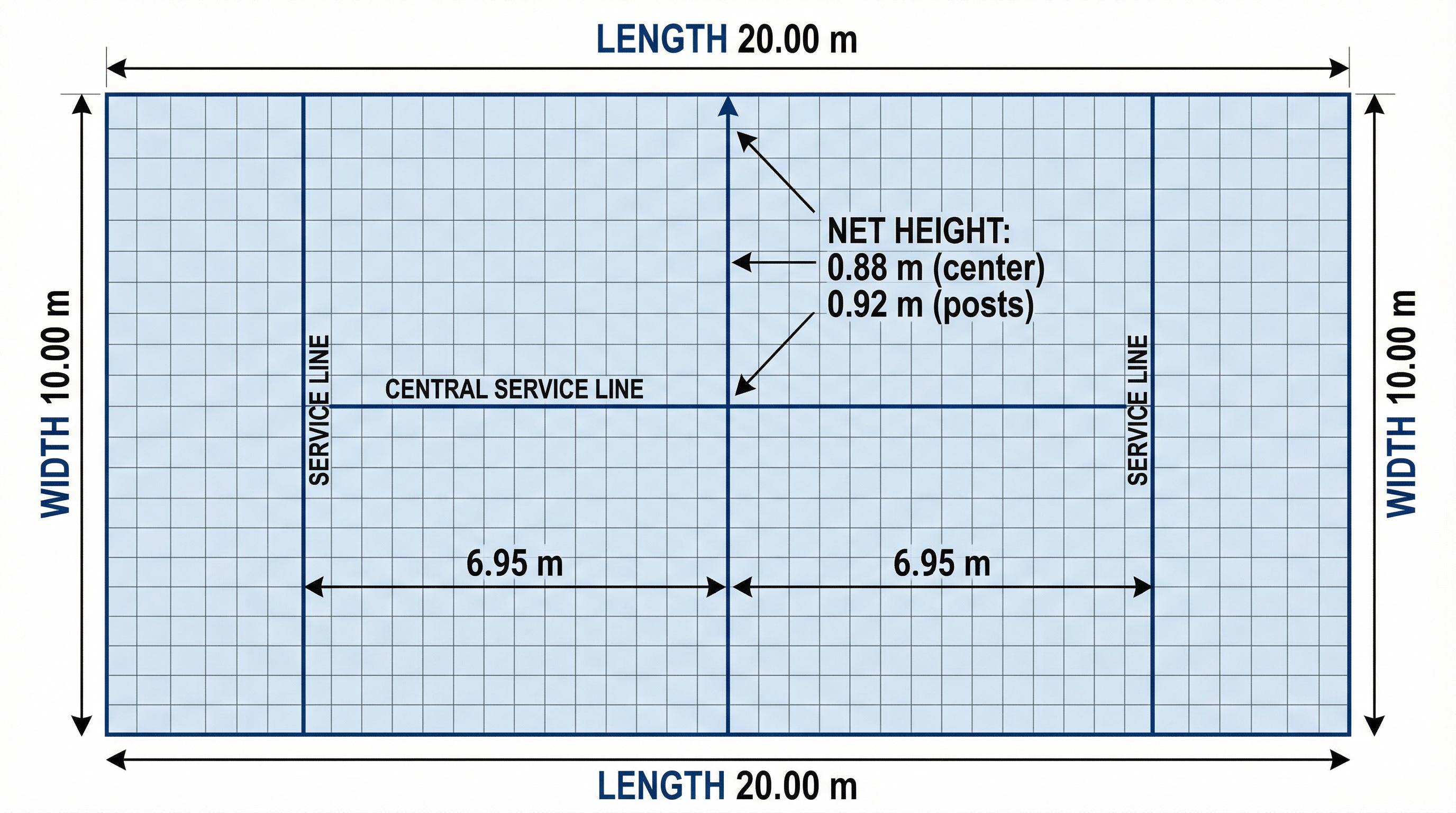
Adhering to these precise dimensions is critical for ensuring that the court meets international play standards and safety regulations.
Key Takeaway: A standard 10×20 meter footprint with specific wall heights is required for all official courts.
What is padel tennis surface and turf?
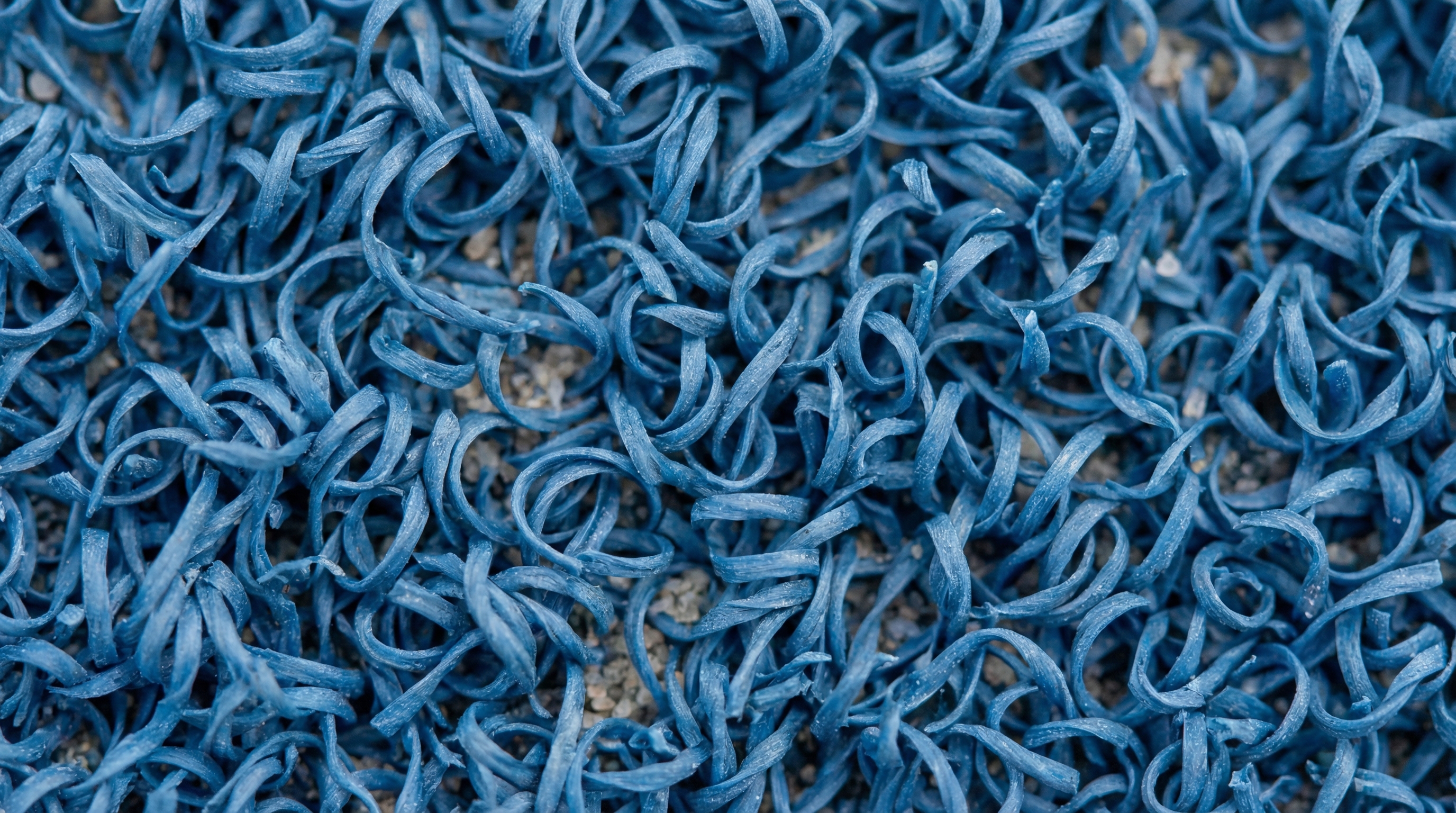
what is padel tennis surface is almost exclusively made of synthetic turf that is filled with a specific amount of kiln-dried silica sand. You will find that the sand is not there for decoration, but rather to keep the turf fibers upright and to allow players to slide safely during intense movements. This combination provides a consistent bounce and reduces the impact on your knees compared to hard-court surfaces like those used in tennis.
The turf itself is usually made of monofilament or fibrillated polyethylene fibers that are designed to withstand heavy use and various weather conditions. You can choose from several colors, though blue is the most popular due to its high contrast with the yellow ball and its professional aesthetic. Modern turf technology has evolved to include “texturized” or curly fibers that require less sand maintenance and provide a more uniform appearance.
Look:
- Synthetic grass height is typically between 10mm and 15mm.
- Silica sand infill prevents the carpet from moving or wrinkling.
- High-density fibers ensure a long lifespan for commercial use.
More importantly:
What is the difference in turf fibers?
You will find that monofilament fibers are individual strands that offer high durability and a more natural grass-like feel during play. Fibrillated fibers are wider strands that split over time, creating a dense mat that holds the sand in place very effectively. Many club owners now prefer texturized monofilament because it keeps the sand evenly distributed and requires much less brushing than traditional straight-fiber turf.
Why is silica sand so essential?
Silica sand is essential because it provides the necessary weight to keep the synthetic turf carpet flat and stable on the concrete base. You also need the sand to facilitate the “controlled slide” that is a hallmark of high-level defensive play in this sport. Without the proper amount of sand, the turf fibers would flatten quickly, the ball bounce would become inconsistent, and the risk of ankle injuries would increase.
How does the drainage system work?
The drainage system works by utilizing a porous concrete or asphalt base that allows rainwater to pass through the turf and the sub-base into the ground. You must ensure that the court has a slight slope or integrated drainage channels if it is built on a non-porous surface to prevent puddling. Proper drainage ensures that the court is playable just minutes after a heavy rain shower, maximizing the uptime for your facility.
| Turf Type | Maintenance Level | Player Experience |
|---|---|---|
| Fibrillated | Medium | High Grip / Dense |
| Monofilament | Medium | Natural Feel / Durable |
| Texturized | Low | Consistent Bounce |
Selecting the right turf and sand combination is the most important factor in determining the overall playability and comfort of your court.
Key Takeaway: Synthetic turf with silica sand infill provides the perfect balance of grip, slide, and joint protection.
What is padel tennis construction process?
The padel tennis construction process begins with the preparation of a solid, level foundation, typically made of reinforced concrete or porous asphalt. You must ensure that the base is perfectly flat, as any imperfections will be magnified once the synthetic turf and glass walls are installed. This phase often involves significant excavation and the installation of a sub-base layer to ensure long-term stability and proper water drainage.
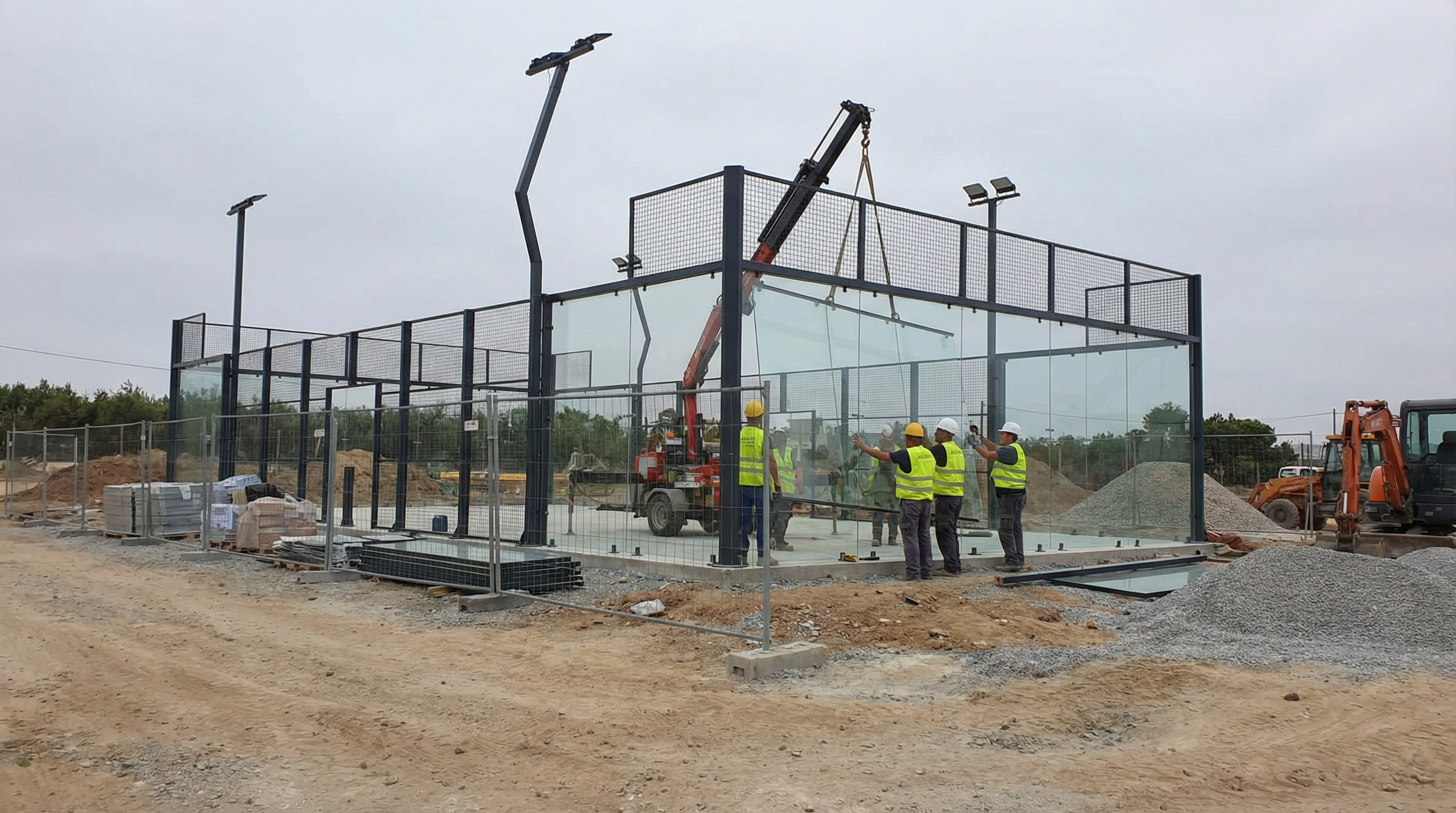
Once the foundation is cured, the steel framework is anchored to the perimeter, followed by the installation of the tempered glass panels and metallic mesh. You will need specialized lifting equipment to handle the heavy glass safely and ensure it is perfectly aligned within the frame. The final steps include laying the synthetic turf, applying the silica sand infill, and installing the net and lighting systems to complete the facility.
Why does this matter?
- Professional installation ensures structural safety and wind resistance.
- A level base prevents water pooling and inconsistent ball bounces.
- High-quality anchoring systems protect the glass from vibration damage.
It gets better:
What happens during the excavation phase?
During the excavation phase, you must remove the topsoil and level the ground to create a stable platform for the heavy concrete slab. You will typically install a layer of crushed stone or gravel to act as a drainage layer and provide a solid foundation that won’t shift over time. This stage is also the best time to run underground electrical conduits for the court’s lighting system and any peripheral power needs.
How is the steel frame anchored?
The steel frame is anchored using heavy-duty expansion bolts or chemical anchors that secure the base plates directly into the reinforced concrete perimeter. You must ensure that the anchors are positioned with extreme precision to match the layout of the glass and mesh panels. A properly anchored frame is designed to withstand high wind loads and the physical impact of players during competitive matches.
How are the glass panels installed?
The glass panels are installed using suction-cup lifters and a small crane or mechanical hoist to position the heavy sheets into the steel frame. You will place rubber gaskets between the glass and the metal to prevent direct contact, which would cause the glass to shatter due to vibrations. It is essential to have a professional team for this stage, as any misalignment can lead to structural failure or safety hazards for the players.
| Step | Primary Task | Critical Tool |
|---|---|---|
| Foundation | Pouring Reinforced Concrete | Laser Level |
| Framework | Bolting Steel Pillars | Impact Wrench |
| Finishing | Sand and Turf Laying | Power Brush |
A meticulous construction process is the only way to ensure your court remains safe and functional for decades of intense play.
Key Takeaway: A reinforced concrete foundation and professional glass installation are the pillars of a high-quality court build.
What is padel tennis scoring and rules?
what is padel tennis scoring follows the exact same structure as traditional tennis, utilizing the 15, 30, 40, and game format. You will play best-of-three sets, with a six-game set requiring a two-game lead, and a tie-break is used if the score reaches six-all. This familiarity makes it very easy for existing tennis players to transition into the sport without having to learn an entirely new numerical system.
The rules deviate significantly when it comes to the serve and the use of the surrounding walls during active rallies. You must serve the ball underarm, hitting it at or below waist level after letting it bounce once behind the service line. Once the ball is in play, it must always hit the ground on the opponent’s side before it strikes any part of the glass or mesh walls to be considered valid.
Think about it:
- Matches are played in sets of six games each.
- The “Golden Point” (No-Ad) rule is often used in professional play.
- Balls can be hit off your own glass wall to return them over the net.
The best part?
What are the rules for the serve?
The rules for the serve require you to keep at least one foot on the ground behind the service line while striking the ball underarm. You must aim the ball diagonally into the opponent’s service box, and it must bounce within that box without hitting the metallic mesh first. If the ball hits the mesh after the initial bounce in the service box, it is considered a fault, but hitting the glass is perfectly legal.
When can the ball hit the walls?
The ball can hit the walls after it has first bounced on the opponent’s turf, allowing for a wide variety of defensive and offensive angles. You can also hit the ball directly against your own glass walls to propel it over the net, which is a common tactic when you are forced deep into the corner. However, you are never allowed to hit the ball directly into the opponent’s walls or the metallic mesh without it bouncing on the ground first.
How does the “Golden Point” work?
The “Golden Point” works by eliminating the “Deuce” and “Advantage” cycle, meaning that when the score reaches 40-40, the next point wins the game. You, as the receiving team, get to choose which side the serve will come from for this final, decisive point. This rule is designed to speed up matches and increase the tension, making every 40-40 situation a “mini-final” within the larger set.
| Rule Type | Action | Consequence |
|---|---|---|
| Serve | Hits mesh after bounce | Fault (Second serve) |
| Rally | Hits ground then glass | Live ball (Continue play) |
| Return | Hits own glass then over | Live ball (Tactical move) |
Understanding the subtle differences in wall interaction is the key to mastering the tactical depth of the sport.
Key Takeaway: Tennis-style scoring combined with underarm serves and wall-play rules creates a unique strategic challenge.
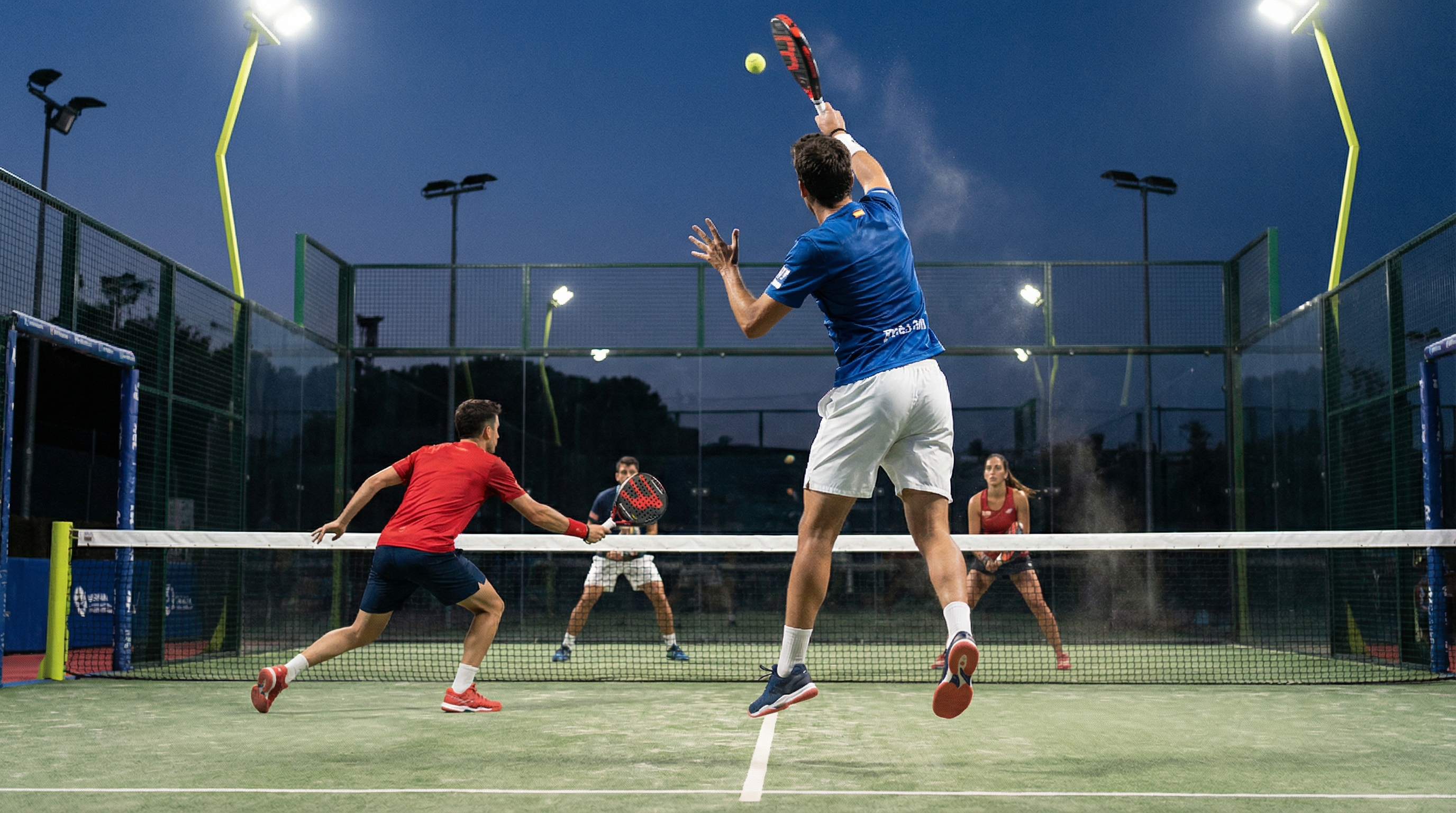
The social and health impact of the sport is profound because it combines cardiovascular exercise with high levels of community engagement. You will find that because the court is smaller and players are always in pairs, the game encourages constant verbal interaction and teamwork. This social glue makes it much easier to maintain a long-term fitness routine, as you are playing for your partner as much as for yourself.
Physically, the sport improves your reflexes, coordination, and agility through fast-paced rallies that require quick changes in direction. You can burn between 500 and 800 calories in a single hour of play, making it an incredibly efficient way to manage weight and improve heart health. Because the underarm serve and synthetic surface are low-impact, it is a sport you can continue to enjoy well into your senior years without excessive strain.
Look:
- Significant improvement in cardiovascular endurance.
- Enhanced mental health through consistent social interaction.
- Development of strategic thinking and problem-solving skills.
Think about this:
How does it improve cardiovascular health?
It improves cardiovascular health by keeping you in a state of constant, moderate-to-high intensity movement throughout the match. You will experience short bursts of sprinting followed by periods of active recovery, which is excellent for strengthening the heart muscle and improving oxygen circulation. The long rallies typical of the sport ensure that your heart rate stays elevated, providing a thorough aerobic workout every time you step on the court.
Can it help with mental wellbeing?
It can help with mental wellbeing by providing a regular outlet for stress and a platform for meaningful human connection. You will find that the focus required to track the ball and strategize with your partner helps clear your mind of external worries and pressures. The endorphin release from the physical activity, combined with the laughter and camaraderie of the doubles format, serves as a natural mood elevator.
Why is it great for networking?
It is great for networking because the sport attracts a diverse range of professionals who value the combination of health and social interaction. You will often find that the “third half” of the match—spent at the club’s cafe or lounge—is where many business relationships and friendships are solidified. The inclusive nature of the game allows people of different ages and professional backgrounds to compete on equal footing, breaking down traditional social barriers.
| Benefit Area | Specific Advantage | Long-term Result |
|---|---|---|
| Physical | High Caloric Burn | Weight Management |
| Mental | Focus and Strategy | Reduced Stress |
| Social | Team-based Play | Stronger Community |
The combination of intense physical activity and genuine social connection makes this sport a holistic tool for modern health.
Key Takeaway: The sport acts as a powerful catalyst for both physical fitness and social community building.
What is padel tennis cost for building?
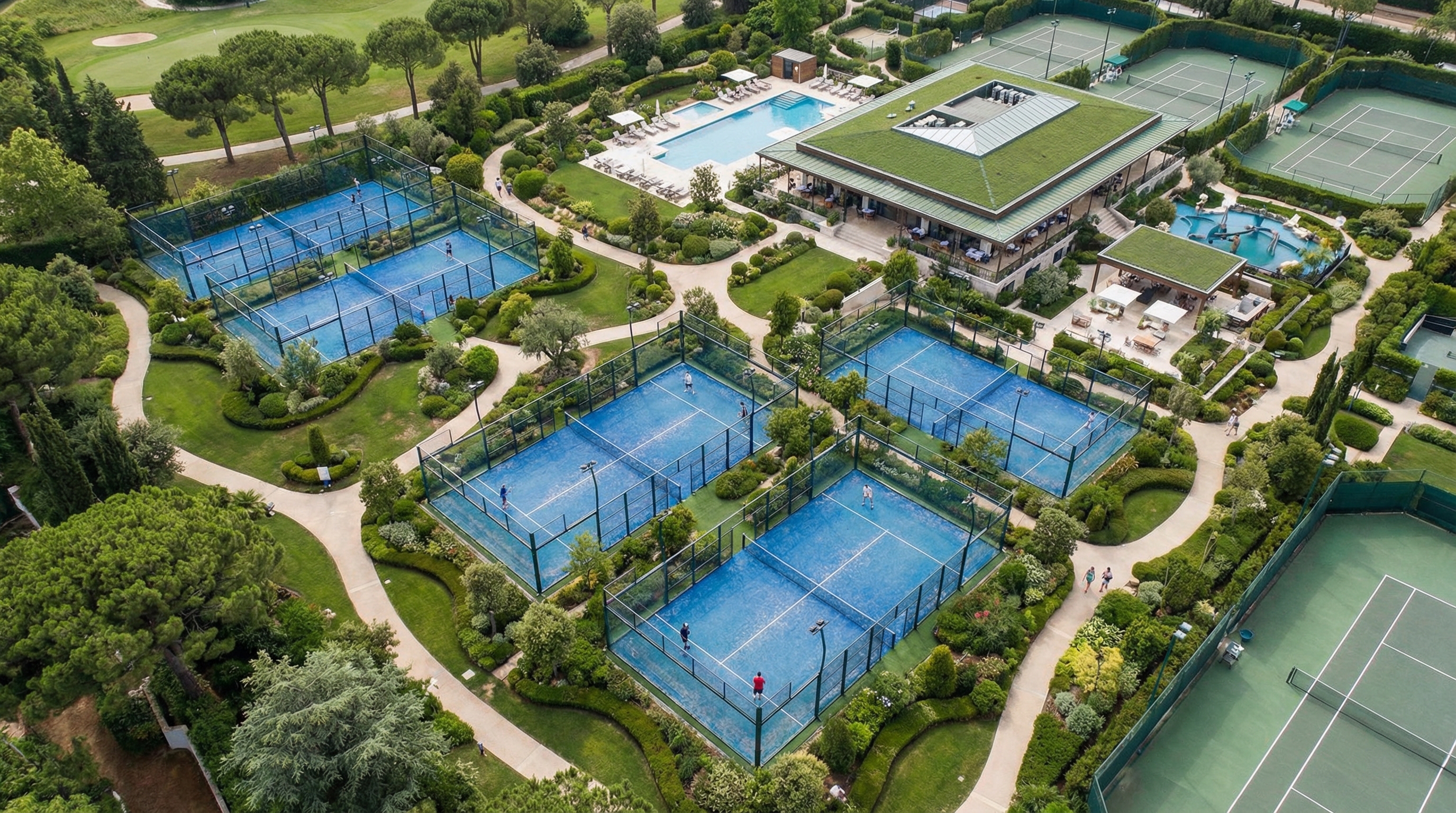
what is padel tennis cost for building a court varies significantly based on the quality of materials, the location, and the extent of the necessary civil works. You can expect to pay anywhere from $20,000 to $50,000 for a single high-quality court, not including the foundation and installation labor. Premium options like panoramic glass and advanced LED lighting systems will naturally push the investment toward the higher end of that spectrum.
The civil works, including the reinforced concrete base and drainage systems, can often cost as much as the court structure itself depending on your ground conditions. You must also consider the ongoing costs of maintenance, lighting electricity, and eventual turf replacement every five to seven years. However, the high demand for court rentals often allows commercial club owners to see a return on their investment within the first two years of operation.
Actually:
- Standard court kit price vs. premium panoramic options.
- Civil works costs depend on soil quality and leveling needs.
- Maintenance costs are low compared to other sporting facilities.
Look:
What factors drive the court price?
The factors that drive the court price include the thickness of the tempered glass, the weight of the steel frame, and the technology used in the synthetic turf. You will pay more for galvanized and powder-coated steel that resists rust in humid or coastal environments, which is essential for longevity. Choosing a premium turf brand or a texturized fiber will also increase the initial cost but save you money on sand maintenance over time.
Are indoor courts more expensive?
Indoor courts are not necessarily more expensive than outdoor ones, but the cost of the building or warehouse to house them adds a significant layer of investment. You will save on weatherproofing and UV protection for the materials, but you must account for high ceilings and powerful indoor lighting systems. Many operators find that indoor courts are more profitable because they allow for year-round play regardless of rain, wind, or extreme temperatures.
What is the typical ROI for a club?
The typical ROI for a club is quite high because four players use a single court at any given time, maximizing the rental income per square meter. You will find that a well-located facility with a small cafe or pro-shop can reach its break-even point much faster than a traditional gym or tennis center. High occupancy rates during peak evening and weekend hours are the primary drivers of financial success for most commercial padel projects.
| Cost Factor | Estimated Range (USD) | Influence on Quality |
|---|---|---|
| Court Kit | $18,000 – $35,000 | Visibility and Safety |
| Foundation | $10,000 – $25,000 | Levelness and Drainage |
| Installation | $5,000 – $10,000 | Structural Integrity |
While the initial investment is substantial, the high throughput and low operating costs make it an attractive business model for sports entrepreneurs.
Key Takeaway: Building a court is a significant but highly profitable investment driven by material quality and civil works.
What is padel tennis maintenance routine?
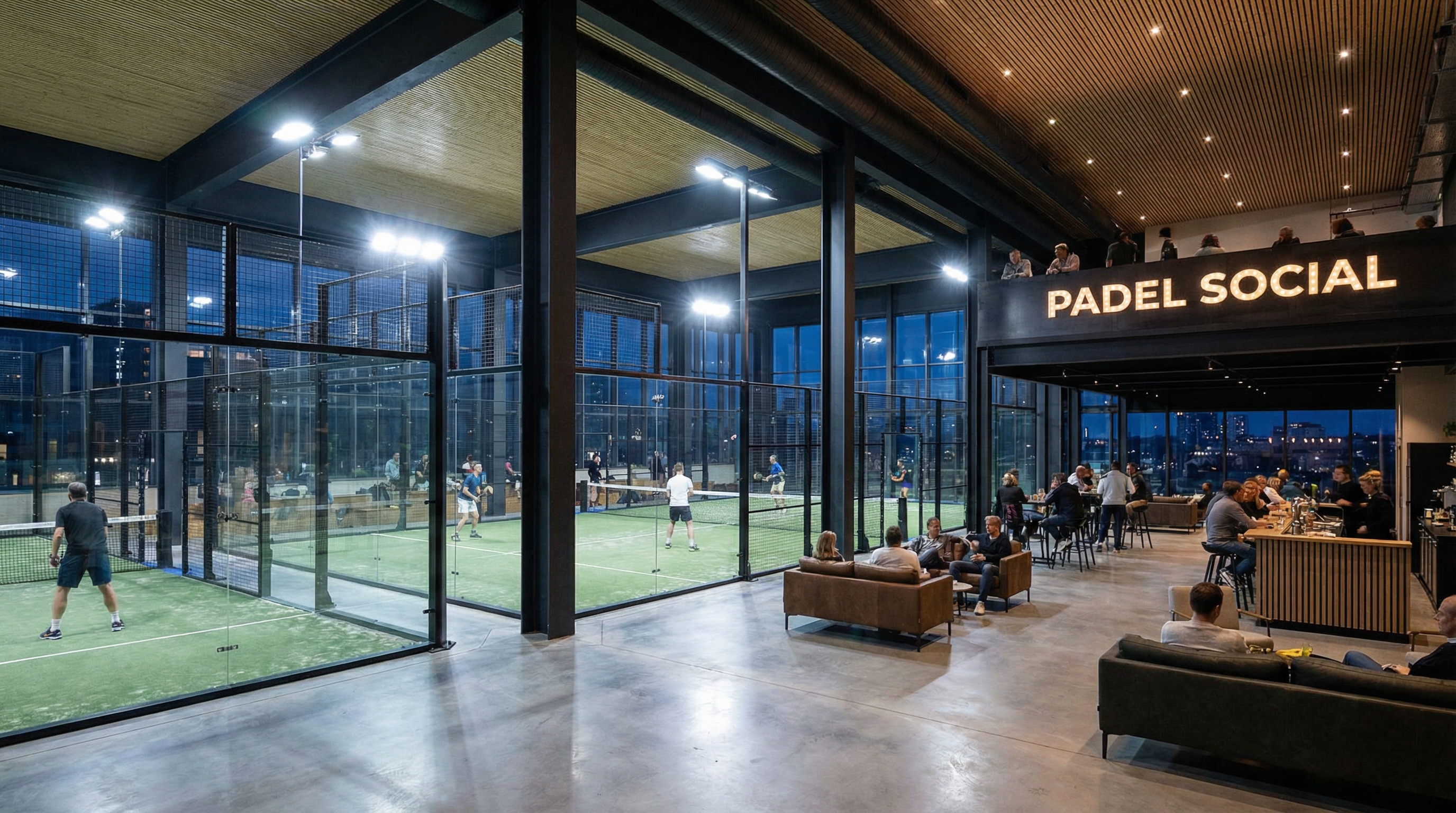
The padel tennis maintenance routine is relatively simple but essential for ensuring the safety of the players and the longevity of the court materials. You must regularly brush the synthetic turf to redistribute the silica sand and prevent it from compacting, which would make the surface hard and slippery. Checking the tension of the net and the stability of the glass panels should also be part of your monthly safety inspection.
Cleaning the glass walls is the most frequent maintenance task, as sweat, handprints, and ball marks can quickly reduce visibility and the aesthetic appeal of the court. You should also inspect the metallic mesh for any sharp edges or loose bolts that could cause injury during a high-energy match. A well-maintained court not only looks professional but also provides the consistent playing experience that enthusiasts expect from a top-tier facility.
In other words:
- Weekly brushing of synthetic turf to level the sand.
- Daily glass cleaning for maximum visibility and hygiene.
- Annual deep cleaning to remove algae or moss from the turf.
The best part?
How often should you brush the turf?
You should brush the turf at least once a week for high-traffic courts to ensure the silica sand remains evenly distributed across the entire surface. This prevents the “bald” spots that often appear in high-use areas like the service line and the net position, which can lead to uneven ball bounces. Regular brushing also lifts the turf fibers, preventing them from flattening and extending the overall life of the synthetic carpet.
How do you clean the glass walls?
You clean the glass walls using standard window cleaning tools and non-abrasive detergents to remove grease and dirt without scratching the surface. You should focus on the interior side of the glass, as this is where players most frequently touch the surface or lean against it during games. For outdoor courts, a quick rinse with a hose can remove dust and pollen, keeping the court looking pristine for your guests.
What are the signs of sand compaction?
The signs of sand compaction include a surface that feels unusually hard underfoot and a ball that bounces much higher and faster than normal. You might also see a white, crusty layer forming on top of the turf, which indicates that the sand has become clogged with dust or organic matter. If you notice these signs, you may need to perform a professional “de-compaction” service to loosen the sand and restore the court’s original playing characteristics.
| Task | Frequency | Main Goal |
|---|---|---|
| Glass Cleaning | Daily / Weekly | Visual Clarity |
| Turf Brushing | Weekly | Sand Distribution |
| Bolt Inspection | Quarterly | Structural Safety |
Consistent maintenance is the most cost-effective way to protect your investment and ensure a premium experience for every player.
Key Takeaway: Regular turf brushing and glass cleaning are vital for maintaining playability and structural longevity.
Frequently Asked Questions
Can I build a court in my backyard?
Yes, you can build a court at home provided you have a flat area of at least 11×21 meters to allow for the structure and a small perimeter buffer. You will need to check local zoning laws and building permits, especially regarding the height of the glass walls and the impact of the lighting on neighboring properties.
Can I play padel tennis if I have never played a racquet sport?
Yes, you can absolutely enjoy the game as a complete novice because the shorter racquet and underarm serve make the learning process much less frustrating than tennis. Most beginners are able to enjoy a competitive-feeling rally within their very first hour on the court.
Can I use regular tennis shoes for this sport?
No, you should not use standard running or tennis shoes if the court has a significant amount of silica sand, as you will lack the necessary grip for safe movement. You need a sole with a specific pattern—usually herringbone—to provide the traction required for the fast lateral changes in direction.
Can I play a match with only two people?
No, you cannot play a standard match with only two people as the sport is designed specifically for a 2-vs-2 doubles format on a 10×20 meter court. While “singles” courts exist, they are much narrower and represent a very small fraction of the courts built worldwide.
Can I leave my equipment in the car during summer?
No, you should avoid leaving your racquets or balls in a hot car because the extreme heat can damage the EVA foam core of the racquet and cause the balls to lose pressure. High temperatures can warp the frame and degrade the adhesives used in the construction of high-end equipment.
The future of racquet sports is here, and it is defined by the social, accessible, and high-energy world of this incredible game. Whether you are looking to improve your personal health or invest in a thriving commercial venture, establishing a high-quality facility is a step toward a more active and connected future. To learn more about how to bring this vision to life or to get a custom quote for your project, contact us today.