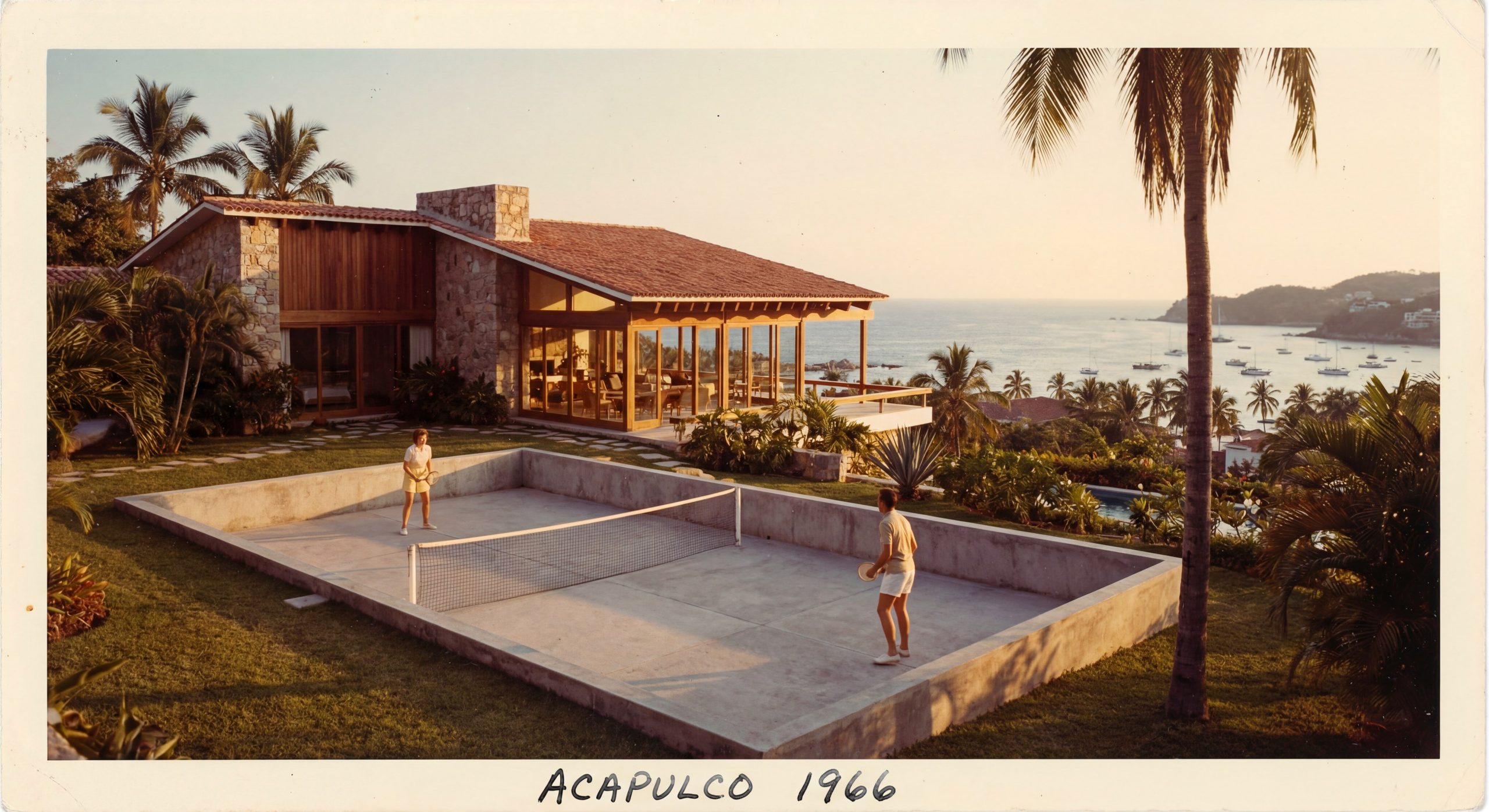
Padel originated in Acapulco, Mexico, in 1969, created by Enrique Corcuera. Many racket sport enthusiasts feel limited by traditional tennis courts that require massive space and long-distance running. This barrier often prevents families from installing private courts at home, while beginners struggle with the steep learning curve of high-velocity tennis. Padel offers a compact, high-action alternative that fits perfectly into residential properties and prioritizes social strategy. Understanding where did padel originate reveals how a simple backyard modification became a worldwide movement.
Where did padel originate in the 1960s?
The Birth of a Racket Revolution
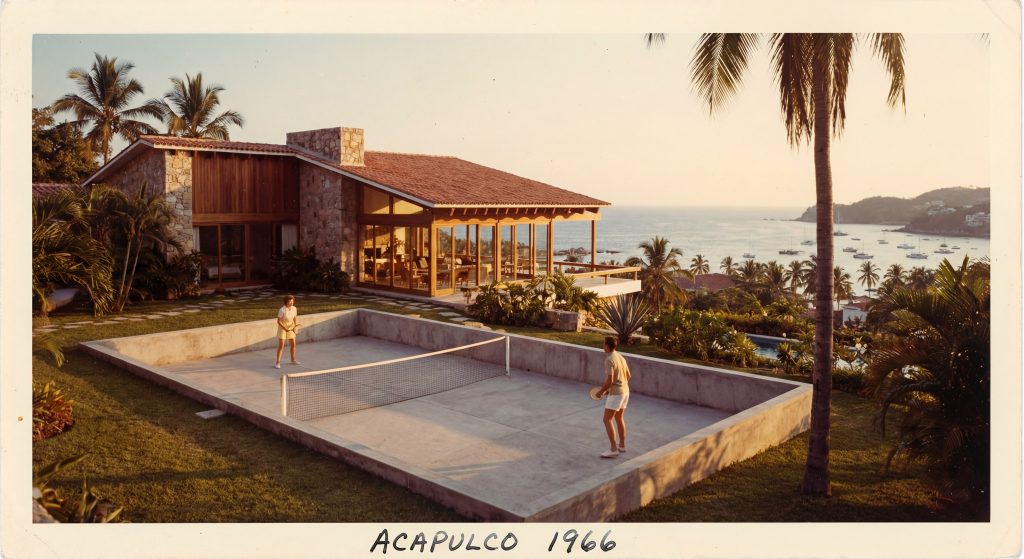
The story of where did padel originate begins with a local Mexican businessman who had a space problem. He wanted to enjoy tennis but his property lacked the required flat acreage for a full-sized court. By enclosing a smaller area with walls, he created a unique environment that kept the ball in play constantly.
But here is the kicker:
The walls weren’t originally intended for gameplay but rather to keep the ball from flying into the neighbor’s garden.
- Year of creation: 1969
- Original name: Paddle Corcuera
- Initial court size: 10 x 20 meters
- Material: Concrete and wire mesh
Key Takeaway: Padel was born out of architectural necessity in a private Mexican estate, transforming physical limits into a new sport.
| Element | Detail |
|---|---|
| Origin City | Acapulco, Mexico |
| Founder | Enrique Corcuera |
| Space Constraint | Lack of full tennis court area |
The ingenious use of surrounding walls fundamentally changed the geometry of racket sports forever.
Who discovered where did padel originate?
Enrique Corcuera’s Ingenious Solution
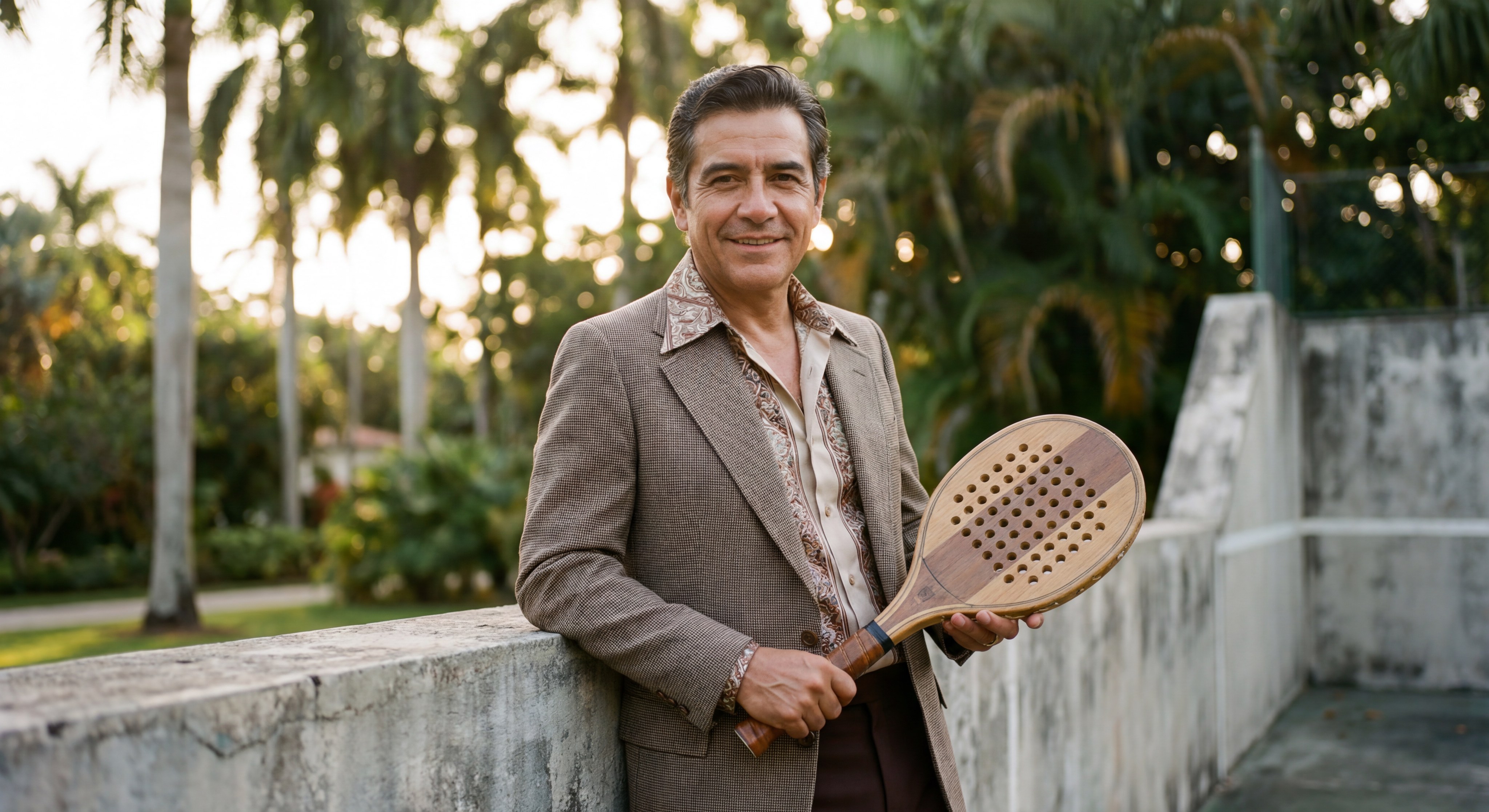
Enrique Corcuera is the man credited with defining the sport’s initial rules and court dimensions. He drew inspiration from a version of platform tennis he had seen in the United States. However, he customized the equipment to be more manageable and less physically demanding for his guests.
You might be wondering:
How did he choose the specific dimensions we use in modern competitions today?
- Rackets: Solid wooden paddles with holes
- Scoring: Identical to traditional tennis
- Serving: Underhand below the waist
- Gameplay: Exclusively doubles format
Key Takeaway: Corcuera combined existing racket sport elements with residential construction to create a social-first sporting experience.
| Contributor | Role |
|---|---|
| Enrique Corcuera | Inventor and first rule-maker |
| Residential Design | Defined the 10x20m standard |
| Equipment | Introduced perforated paddles |
His vision focused on accessibility, ensuring that players of all ages could enjoy the game together.
Why ask where did padel originate in Mexico?
Architectural Limits and Innovation
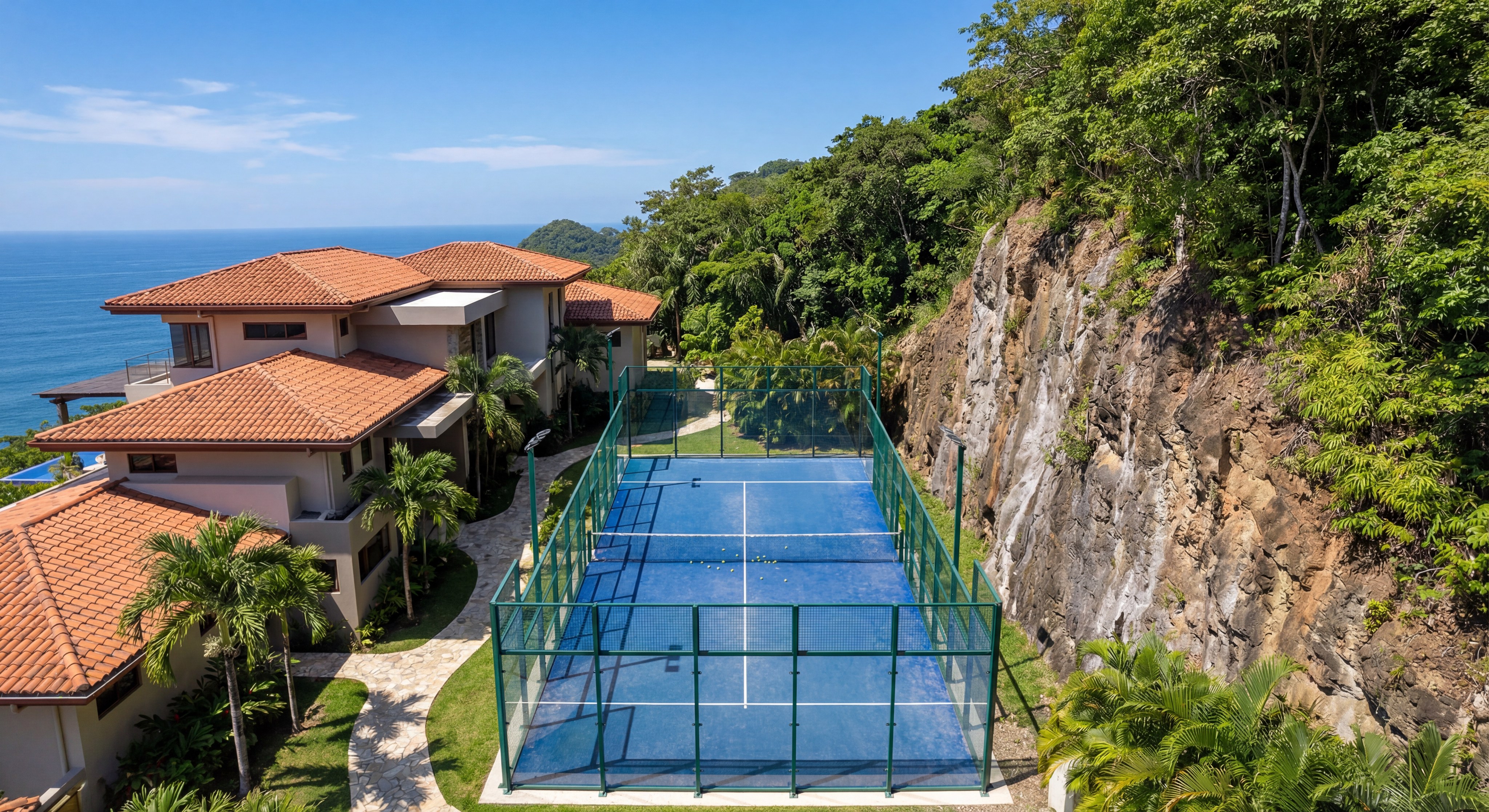
The physical constraints of a backyard in Acapulco dictated the global standards for every court built today. Understanding where did padel originate helps players realize why the court is exactly 20 meters long. The landscape’s natural features required a compact design that maintained the intensity of the sport.
Think about it:
Without those specific property lines, padel might have just been a smaller version of tennis without walls.
- Length: 20 meters
- Width: 10 meters
- Wall Height: 3 to 4 meters
- Surface: Artificial turf or concrete
Key Takeaway: The 10×20 meter standard is a direct legacy of the available flat land on Corcuera’s private estate.
| Dimension | Standard Value |
|---|---|
| Court Length | 20 Meters |
| Court Width | 10 Meters |
| Net Height | 0.88m (center) |
Modern padel courts preserve these exact ratios to maintain the reflexive, high-speed nature of the original matches.
When did Spain learn where did padel originate?
The Marbella Club Connection
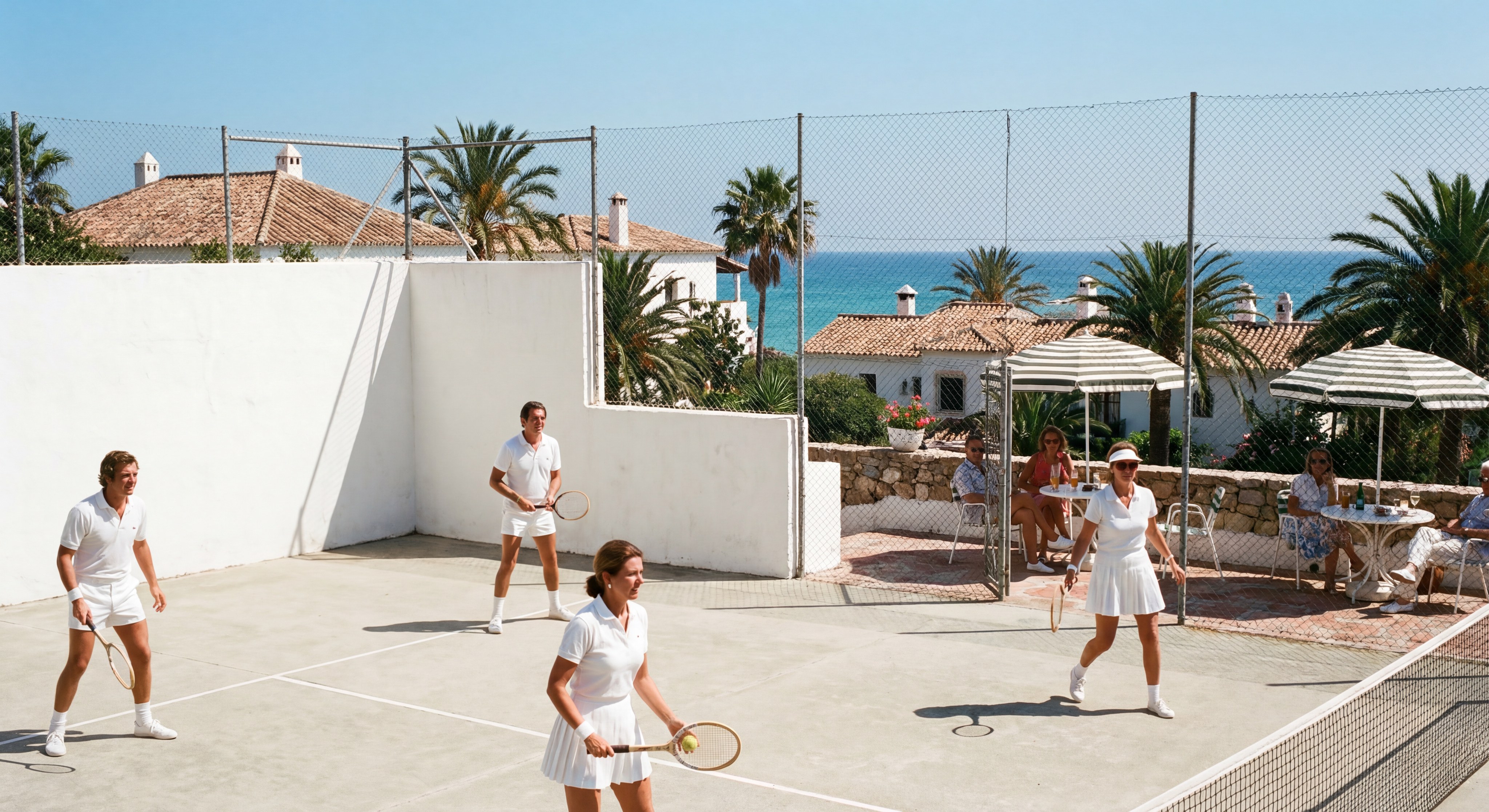
In 1974, Prince Alfonso de Hohenlohe visited his friend Corcuera in Mexico and was immediately captivated by the game. He brought the concept back to the Marbella Club in Spain, where he built the first European courts. This move introduced the sport to the European jet set and high society.
It gets even better:
The Prince made subtle improvements to the court design to make it more spectator-friendly for his guests.
- Year introduced to Spain: 1974
- First Location: Marbella Club, Costa del Sol
- Target Audience: European aristocracy
- Primary Appeal: Social interaction and leisure
Key Takeaway: Spanish royalty acted as the primary bridge that brought padel from a private Mexican home to a global audience.
| Event | Date | Location |
|---|---|---|
| First European Court | 1974 | Marbella, Spain |
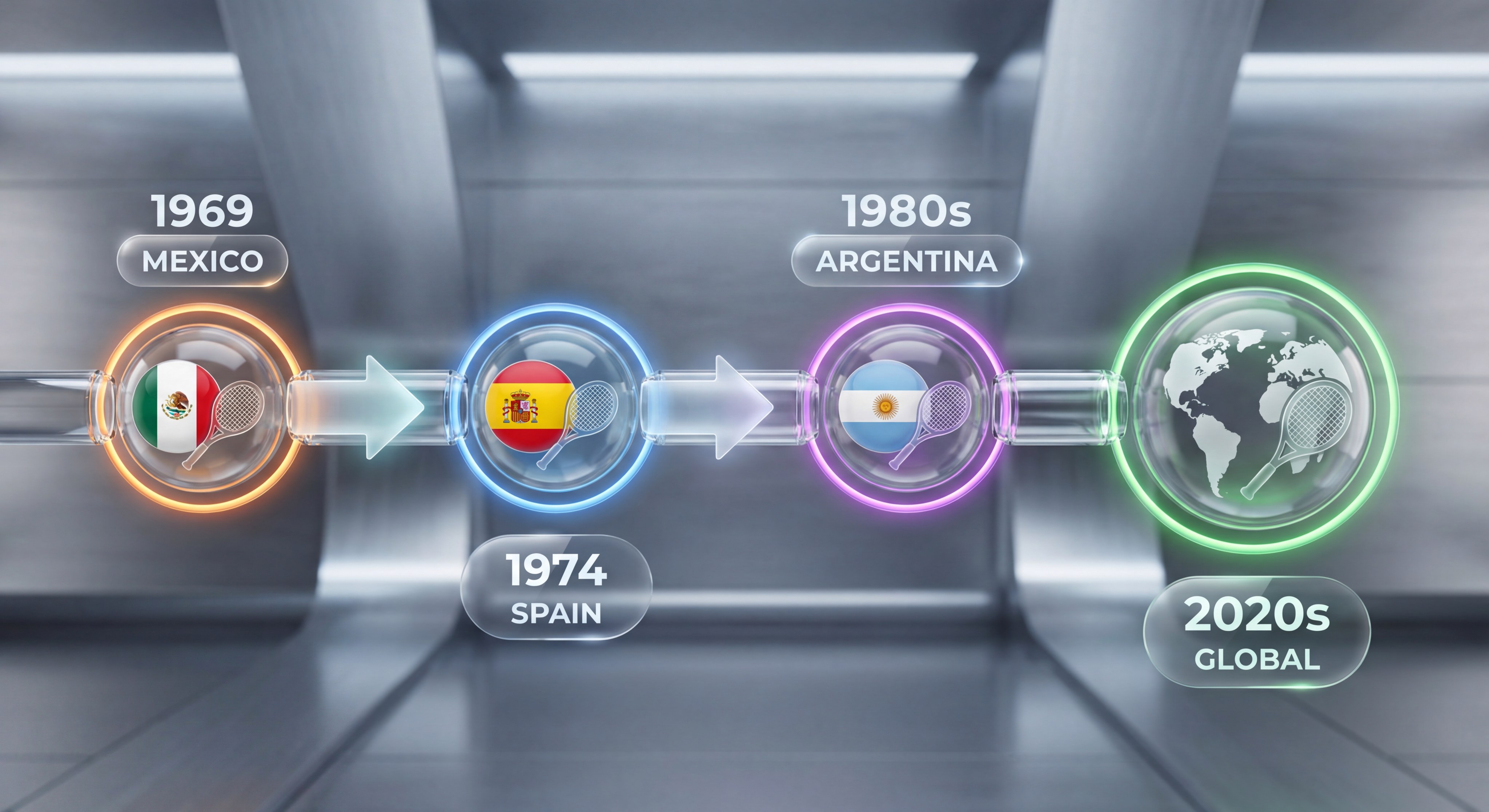
| International Growth | 1980s | Expansion to Argentina |
| Pro Circuit Launch | 2005 | Padel Pro Tour |
The Mediterranean climate and social club culture provided the perfect environment for the sport to flourish.
How global is where did padel originate today?
The Expansion into South America
After gaining traction in Spain, the sport exploded in Argentina during the early 1980s. This was a critical phase in the history of where did padel originate, as Argentina developed the competitive standards. Today, millions of people play padel across Europe, the Americas, and the Middle East.
Believe it or not:
Padel is now considered the fastest-growing racket sport in the world by participation numbers.
- Total Players: Over 25 million worldwide
- Core Markets: Spain, Argentina, Sweden, Italy
- Governance: International Padel Federation (FIP)
- Format: Overwhelmingly played as doubles
Key Takeaway: From a single court in Acapulco, padel has scaled to become a multi-billion dollar global industry.
| Region | Popularity Level | Key Success Driver |
|---|---|---|
| Europe | Extreme High | Social club culture |
| South America | Established | Professional talent pool |
| Middle East | Rapid Growth | Infrastructure investment |
Global investment in specialized padel clubs has accelerated the transition from a niche hobby to a mainstream sport.
What defines where did padel originate as a sport?

Core Characteristics of the Game
The sport is defined by its social nature and the strategic use of glass or concrete walls. Unlike tennis, where a ball past the player is a dead point, padel allows players to play the rebound. This creates longer rallies and emphasizes positioning over raw serving power.
Wait, there’s more:
The doubles format is not just a preference; it is the official standard for all professional competitions.
- Ball: Lower pressure than a tennis ball
- Walls: Integral part of the field of play
- Service: Must be underhand and cross-court
- Net: Similar height to tennis but in a smaller area
Key Takeaway: Padel is a hybrid sport that combines the technical skill of tennis with the tactical wall-play of squash.
| Feature | Padel Standard |
|---|---|
| Primary Format | 2 vs 2 (Doubles) |
| Serving Rule | Underhand only |
| Wall Use | Permitted after one bounce |
Longer rallies and a focus on teamwork make padel significantly more social than other racket alternatives.
Why compare where did padel originate to tennis?

Technical and Tactical Differences
While the scoring systems are identical, the tactical execution in where did padel originate is vastly different. Tennis relies on speed and court coverage across a large area. Padel requires patience, “soft” hands, and the ability to anticipate how the ball will behave off the glass.
Here’s the deal:
The underhand serve removes the “ace” advantage found in tennis, putting both teams on equal footing immediately.
- Court Size: Padel is 25% smaller than tennis
- Walls: Tennis has none; padel walls are active
- Racket: Tennis uses strings; padel uses solid foam
- Movement: Lateral and vertical vs. baseline-focused
Key Takeaway: Padel levels the playing field for different fitness levels by reducing the physical area each player must cover.
| Factor | Tennis | Padel |
|---|---|---|
| Serve Type | Overhand (Power) | Underhand (Control) |
| Wall Interaction | Out of bounds | In play |
| Racket Material | Strings | Carbon/EVA Foam |
The smaller court dimensions emphasize reflex-based gameplay rather than the endurance-heavy sprints required in tennis.
What gear fits where did padel originate roots?
Evolution of the Modern Racket
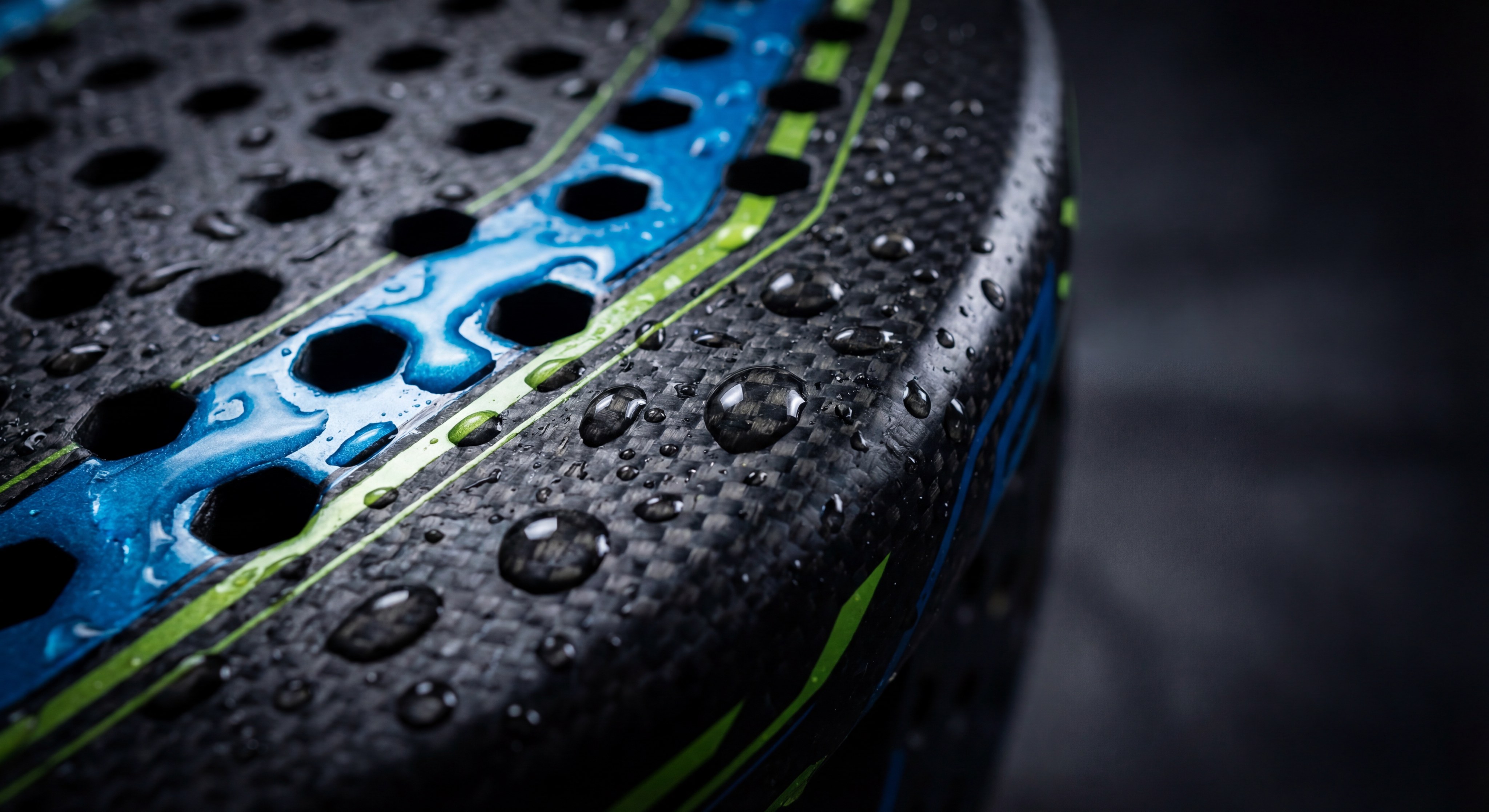
Original rackets were simple wooden boards, but modern gear uses aerospace-grade carbon fiber and EVA foam. These materials allow for maximum shock absorption and spin control. Selecting the right racket shape is the most important decision for a new player.
Now get this:
The holes in the racket aren’t just for weight; they reduce air resistance during high-speed swings.
- Diamond Shape: High power for advanced players
- Round Shape: Maximum control and large sweet spot
- Teardrop Shape: Balance of power and control
- Surface: Smooth or textured for extra spin
Key Takeaway: Advanced material science has transformed the “wooden paddle” of 1969 into a high-performance precision tool.
| Racket Shape | Best For | Benefit |
|---|---|---|
| Round | Beginners | Large sweet spot |
| Teardrop | Intermediate | Balanced feel |
| Diamond | Professionals | Maximum smash power |
Using the correct gear prevents common injuries like “padel elbow” while improving the overall quality of play.
How to build where did padel originate courts?
Standard Dimensions and Materials
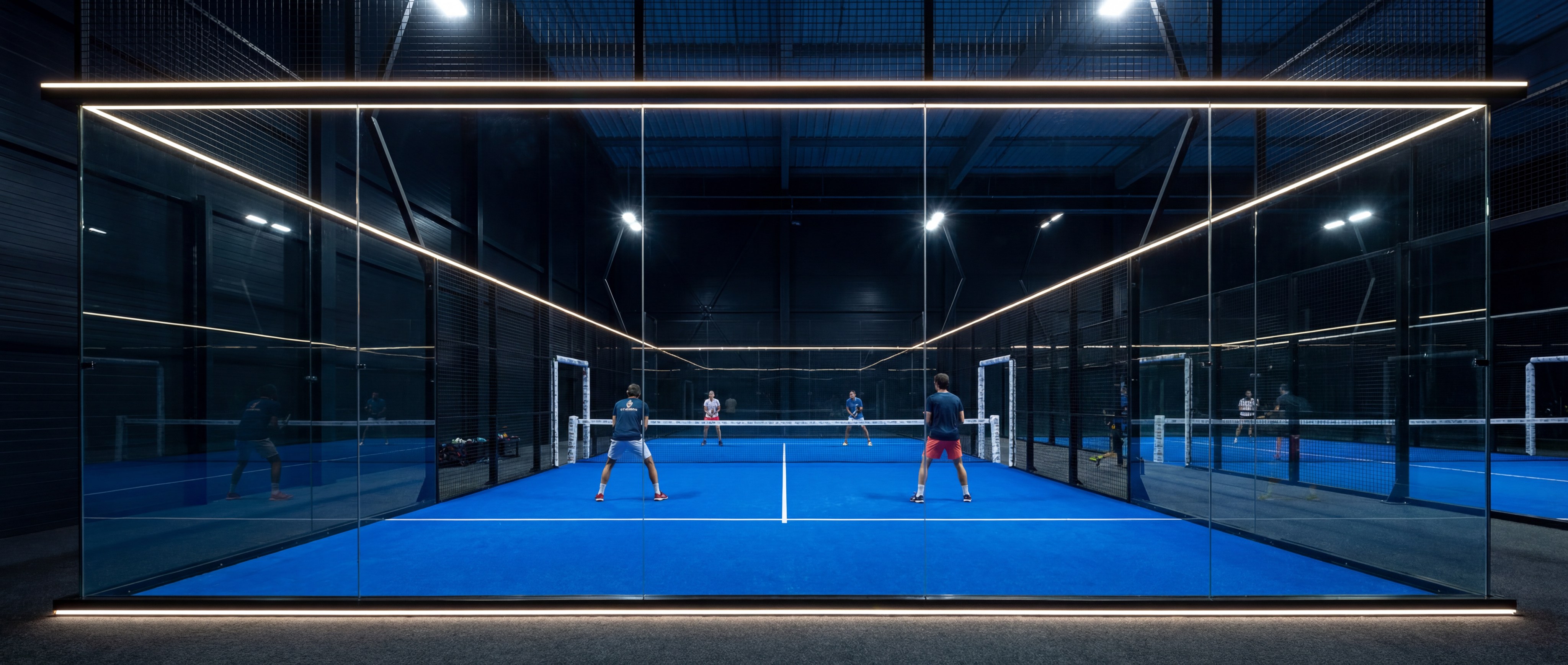
Building a court today requires high-quality tempered glass and specific artificial turf. The foundation must be perfectly level to ensure a consistent ball bounce across the entire surface. Modern installations often include LED lighting for night matches, mirroring the luxury where did padel originate lifestyle.
The secret is this:
The quality of the artificial turf significantly dictates the speed of the game and the risk of injury.
- Walls: 10mm or 12mm tempered glass
- Structure: Galvanized steel frame
- Turf: Polyethylene with sand infill
- Lighting: 4 or 8 LED projectors
Key Takeaway: A professional padel court is a high-tech structure requiring precise engineering for glass safety and turf drainage.
| Component | Professional Standard |
|---|---|
| Glass Type | Tempered (Safety) |
| Turf Color | Blue or Green |
| Metal Mesh | Electro-welded steel |
High-quality construction ensures the court remains playable for years with minimal maintenance requirements.
How pro is where did padel originate now?
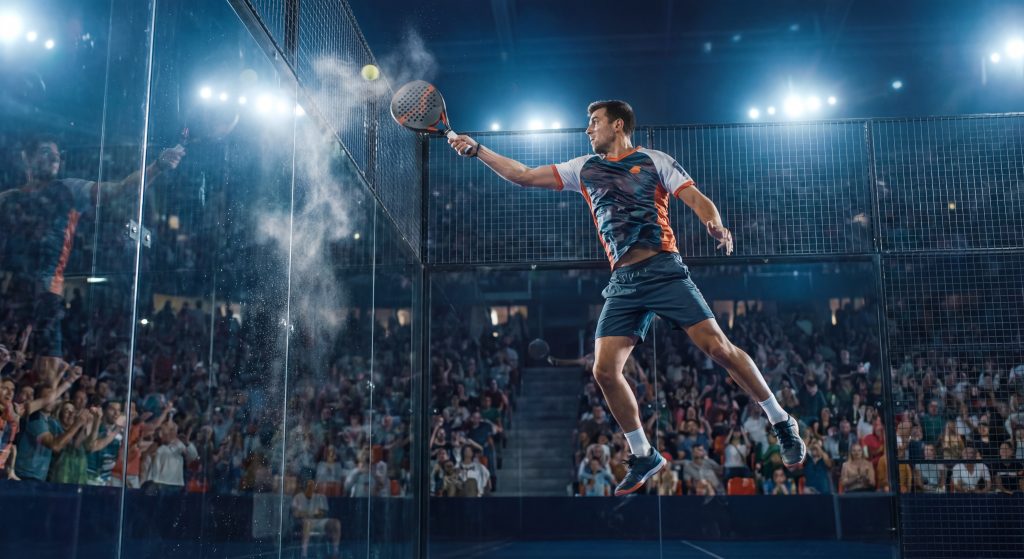
The World Padel Tour Era
The sport has transitioned from backyard fun to massive stadiums with thousands of spectators. Professional players are now global celebrities with major brand sponsorships. The level of athleticism in modern pro matches is light-years ahead of the sport’s humble beginnings.
Best of all:
Televised matches now use high-speed cameras to capture the incredible “out of court” recovery shots.
- Top Circuit: World Padel Tour / Premier Padel
- Prize Money: Increasing annually into the millions
- TV Reach: Broadcast in over 100 countries
- Fan Base: Growing rapidly in the US and UK
Key Takeaway: Professional padel has become a global spectacle, proving the enduring appeal of Corcuera’s 1969 invention.
| Pro Level | Feature |
|---|---|
| Attendance | 10,000+ per tournament |
| Sponsors | Luxury and Sports brands |
| Visibility | Live streaming and TV |
The elite circuit showcases the extreme speed and verticality that defines the modern version of the game.
Common Questions About Padel Origins
- Was padel invented in Spain? No, it was invented in Mexico in 1969 before being imported to Spain in 1974.
- Is padel older than tennis? No, modern tennis was standardized in the late 19th century, while padel started in 1969.
- Can you play padel on a tennis court? No, a padel court is much smaller and requires surrounding walls to be playable.
- Is Enrique Corcuera still alive? No, the inventor passed away in 1999, but his family remains involved in the sport.
- Are padel balls the same as tennis balls? No, they look similar but have lower internal pressure for a slower bounce.
Padel has come a long way from a private garden in Acapulco. Its unique blend of strategy, social interaction, and compact design makes it the perfect sport for the modern era. If you are interested in constructing your own court or upgrading your gear, contact us today for expert guidance.